Tag: asia

  • Kopi Kenangan eyes fast expansion after US$109 million investment

    Kopi Kenangan eyes fast expansion after US$109 million investment

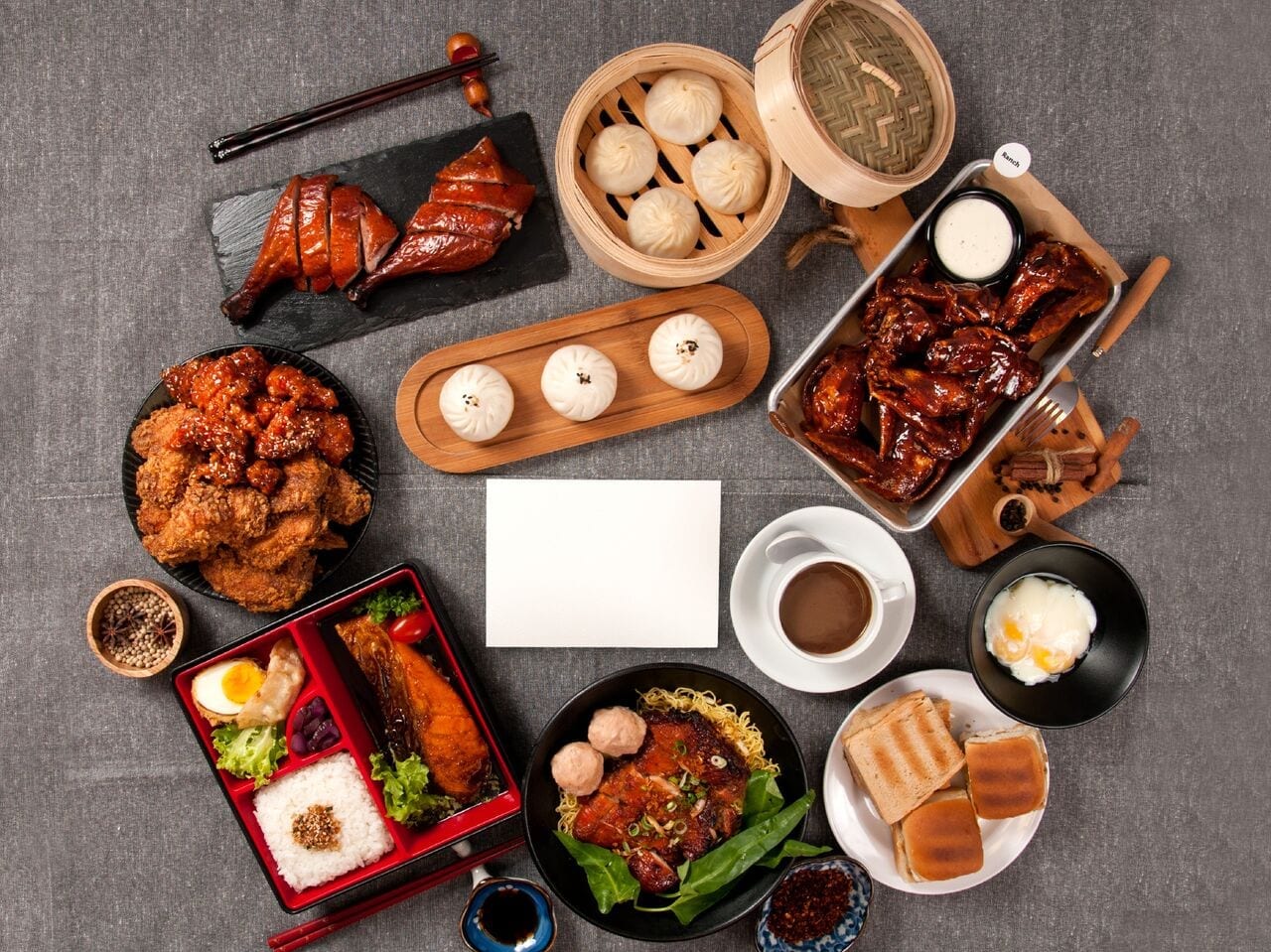
    Southeast Asian non-franchise grab-and-go beverage retailer Kopi Kenangan has raised US$109 million in Series B funding led by the firm’s existing investor, Sequoia Capital.

    The funds will help Kopi Kenangan strengthen its operations in Indonesia, launch new products, invest in technology enhancements and protect employees during the ongoing coronavirus pandemic. The company has also revealed plans to offer a wider range of food and beverage products from local merchants as well as its cloud kitchens.

    Horizons Ventures, B Capital, Verlinvest, Kunlun, Alpha JWC Ventures and Sofina also participated in the round as new investors

    The firm serves locally sourced coffee priced for the mid-market and available at kiosks throughout the territory or via online delivery. It was an early responder to the Covid-19 threat and provides protective medical gear, donations, and free coffee for frontline healthcare workers within Indonesia.

    “The hospitality industry is facing the biggest existential crisis of our generation,” said Kopi Kenangan co-founder and CEO Edward Tirtanata. “It’s hard to tell when the sector will return to normal but when it does, it will look very different. As a growing startup, we are adapting quickly to the challenge through contactless commerce and uncompromising hygiene standards throughout our stores. The well-being of our employees is a big priority and we are investing in their safety, along with enhanced health benefits and additional training to help them cope with this massive change.”

    The firm’s current target is to have 500 outlets in operation by the end of the year over its current 324 stores, which already employ 3000 staff. It is then looking to expand into Thailand, the Philippines, and Malaysia following the resolution of the coronavirus crisis.

    Kopi Kenangan recently hired Facebook co-founder Eduardo Saverin to its board of directors.
  • Menswear retailer TM Lewin sold to PE investor

    Menswear retailer TM Lewin sold to PE investor

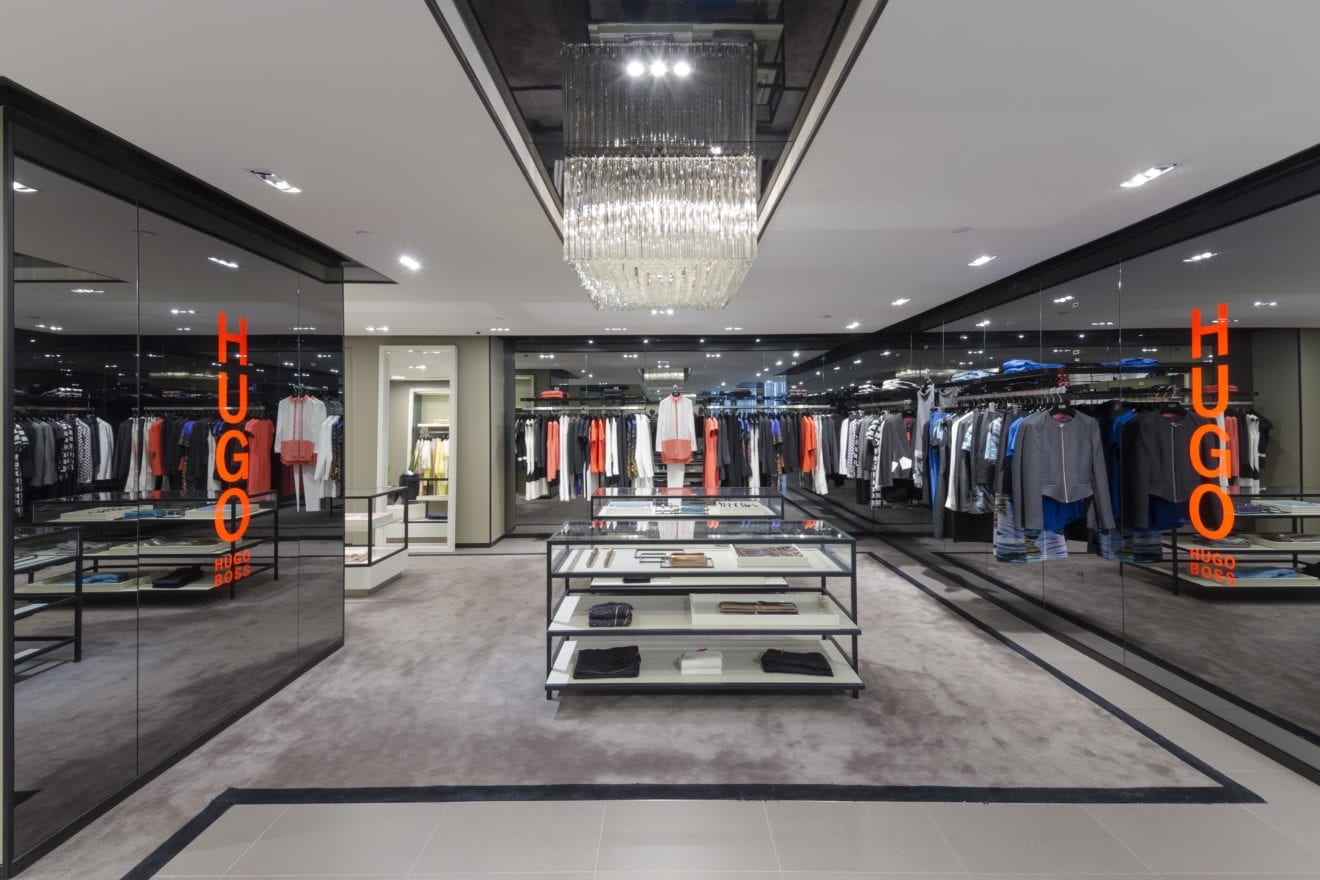
    British menswear retailer TM Lewin has been sold by Bain Capital to private-equity company SCP through its new subsidiary Torque Brands. The deal, announced today, ends speculation over the brand’s future, with rival UK menswear retailer Charles Tyrwhitt tipped to be preparing a bid as recently as last week.

    In Asia, TM Lewin has stores in Singapore, Malaysia, the Philippines.

    Bain Capital bought the 122-year-old business in partnership with the company’s management in 2015, for a reputed £100 million, and sought expressions of interest a month ago.

    TM Lewin is the first business to be bought by Torque Brands which plans to create a portfolio of contemporary British brands which – according to company documentation – will “share a centralized services platform”.

    The company is “actively acquiring heritage homegrown talent which we see having a long and successful future,” said SCP managing partner James Cox.

    “We wholeheartedly believe that specialist vertical-specific British brands, such as TM Lewin, will continue to hold a premier position in the eyes of the global consumer, and look forward to the challenge of helping the company adapt to the rapidly changing retail landscape.”

    TM Lewin operates 66 stores in the UK, all of which are currently closed due to the Covid-19-related lockdown. About 90 other stores are located outside the UK, including in Europe, Ireland, the US, Australia and Asia, but it is not clear how many of these are company-owned as opposed to operating under licensing agreements.

    While TM Lewin was founded as a specialist shirt maker, it has since expanded into suits, outerwear, knitwear, chinos, jackets, ties and accessories. In the year to March the company achieved sales of more than £120 million.

    Brad Palmer, MD at Bain Capital, said that – notwithstanding the challenges facing the retail sector, most recently from Covid-19 – the business has become a truly multi-channel retailer in the UK under Bain’s ownership.

    He said the brand has “a large and loyal customer base and an even stronger brand proposition”.

  • Aston Martin Posts Deep Loss As Coronavirus Outbreak Hits Sales

    Aston Martin Posts Deep Loss As Coronavirus Outbreak Hits Sales

    Aston Martin posted a first-quarter pretax loss of 119 million pounds ($146 million) after sales dropped by nearly a third due to the impact of the coronavirus outbreak and the destocking of dealers, the carmaker said on Wednesday.

    “COVID-19 and the resulting global economic shutdown has had a material impact on our performance this quarter,” said Chief Executive Andy Palmer.

    The carmaker, which has seen core retail sales slump by an annual 31%, has furloughed staff, introduced additional safety measures and cut the pay of its senior management as part of measures to handle the crisis caused by the pandemic.

    Canadian billionaire Lawrence Stroll, who leads a consortium which took a stake in the company earlier this year, hopes to pursue a turnaround partly by sharing Formula One technology with the firm’s range of road cars.

    But the firm said on Wednesday the pandemic meant it could no longer provide full-year guidance.

    “Given the ongoing uncertainties, as is prudent, the company continues to review all future funding and refinancing options to increase liquidity,” it said.

  • Shinsegae profit all but evaporates as the virus outbreak hits sales

    Shinsegae profit all but evaporates as the virus outbreak hits sales

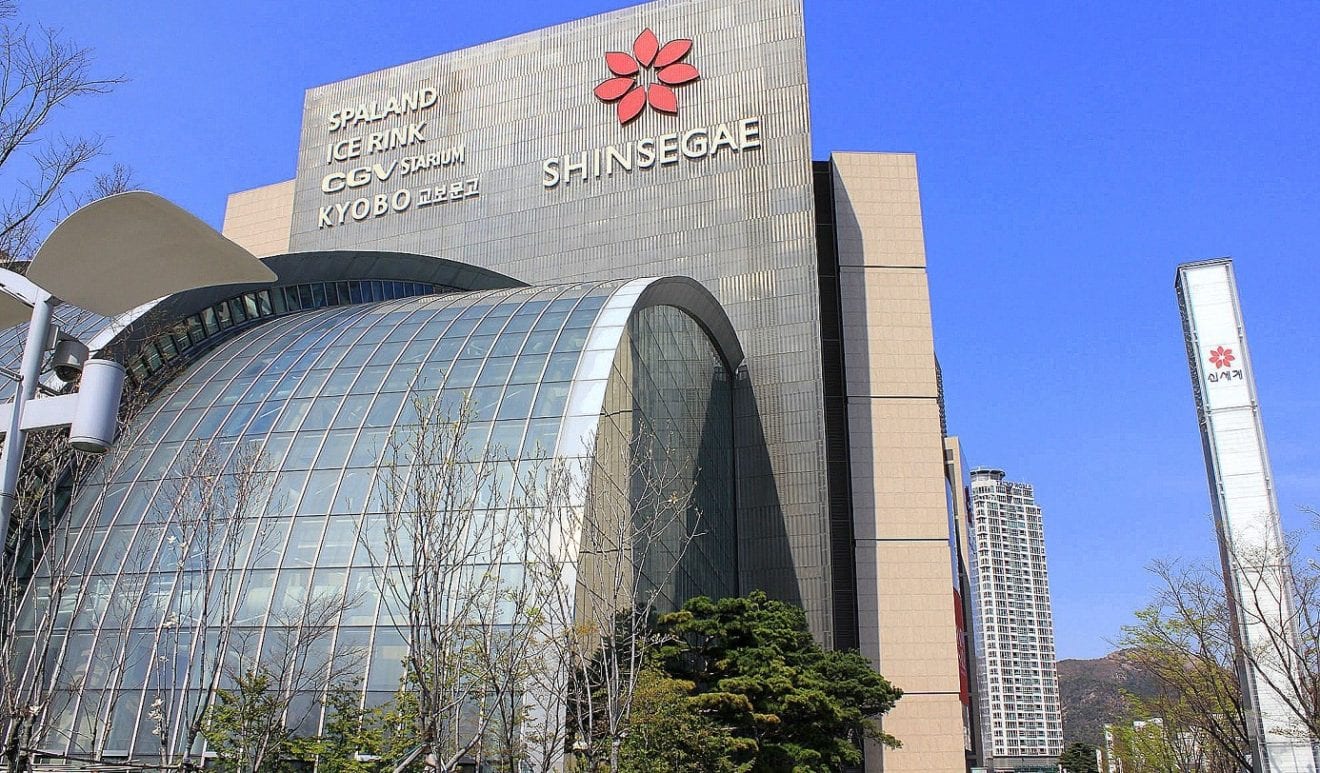
    Shinsegae, one of South Korea’s largest retail groups, has reported its net profit fell 99.8 percent year on year as the Covid-19 crisis effectively shut down the nation’s tourism industry and caused local consumers to stay home.

    The conglomerate, whose subsidiaries include E-mart big-box stores, convenience stores, homewares, fashion, beauty and a duty-free retail division, reported a March quarter net income of 1.6 billion won (US$1.3 million) on sales of 1.2 trillion won ($976 million).

    With a ban on inbound visitors from Mainland China during part of the period, Shinsegae’s duty-free business was hardest hit by Covid-19. Sales fell 30.5 percent to 488.9 billion won ($398 million) and the division lost 32.4 billion won ($26.4 million). Sales through airport duty-free outlets slumped by 40 percent and of downtown duty-free stores by 21 percent year on year.

    The E-mart business, which is also listed and releases its own financial results, had earlier reported an operating profit of 48.4 billion won ($39.4 million) in the March quarter, reversing a loss of 100 million won ($81,000) in the preceding three months. The company said its sales had benefited from consumers moving online and increased grocery demand while people cooked or ate at home instead of dining out.

    Sales of 5.2 trillion won ($4.2 billion) were up 13.6 percent year on year.

    Shinsegae’s department-store business saw sales fall 11.7 percent. The company’s furniture and homewares chain Casamia saw sales rise 23.8 percent due to network expansion, but additional costs contributed to a more than doubling of its loss to 2.7 billion won ($2.2 million).

    Sales at fashion and cosmetics group Shinsegae International fell 11.6 percent, but the division turned an operating profit of 12 billion won ($9.8 million).

  • AmorePacific buys Australian luxury skincare brand

    AmorePacific buys Australian luxury skincare brand

    South Korean beauty firm AmorePacific has acquired a substantial minority stake in Australian luxury skincare brand Rationale.

    The investment is aimed at boosting AmorePacific’s credentials in the high-end personalized cosmetics market and will help Rationale expand across Asia, focusing on South Korea, Hong Kong, and Singapore initially during the next five years. The deal also effectively gives AmorePacific a manufacturing facility in Australia.

    Rationale currently operates 15 flagship stores in Australia, sells via its own online site and also through a network of about 50 medical agencies including dermatologists and plastic surgeons.

    Under the deal, AmorePacific will secure an advisory role and voting rights on Rationale’s board.

    “With a truly shared innovation vision, Rationale and AmorePacific will take personalized skincare solutions to a new level,” said Saehong Ahn, president of AmorePacific, in a statement.

    “AmorePacific will continue to look into mergers and acquisitions and partnerships with promising companies and secure opportunities for future growth.”

    Richard Parker, who founded Rationale in 1992, described the alignment between the two companies as “intuitive”.

    “Rationale is acknowledged worldwide as the environmental skincare authority and leader in epigenetic research, and we are thrilled to be empowered to expand this vital work with AmorePacific.

  • Fiat Chrysler, Peugeot Decide To Withhold 2019 Dividend Payout

    Fiat Chrysler, Peugeot Decide To Withhold 2019 Dividend Payout

    The boards of automakers Fiat Chrysler Automobiles N.V. and Peugeot S.A said on Wednesday it would not pay an ordinary dividend for 2019 this year due to a collapse in consumer demand resulting from the COVID-19 pandemic.

    The health crisis has thrown the global auto industry into the worst tailspin since the 2008-09 financial crisis. Consumer demand for vehicles has plummeted as governments across Europe and the United States have enforced lockdowns.

    Fiat has already finalized a plan in overnight talks with Renault, and the deal would be discussed at a meeting of Renault’s board on Monday.

    The two companies also confirmed that preparations for their merger are advancing with respect to antitrust and other regulatory filings.

  • Google testing iMessage feature for RCS Chat

    Google testing iMessage feature for RCS Chat

    The four major U.S. carriers are planning to roll out a Rich Communication Services (RCS) app later this year. This allows Android users to send and receive messages via a phone’s data connection instead of its cellular connection. However, Google has already updated its Android Messages app by enabling RCS Chat on all Android phones. Messages between two RCS users can be as long as 8,000 characters instead of 160. Additionally, a user will know if his messages have been read thanks to read receipts that he will receive.
    Other improvements that Android users will see is the ability to share larger video files, host group chats with as many as 100 participants, and have RCS chats run through a Wi-Fi network. Android users have long wanted a messaging platform with some of the advanced features that iOS users have enjoyed with the Messages app. And the carriers plan on monetizing RCS by using the platform to allow companies to reach Android users. We could even see Android users order a Lyft or Uber rideshare through their RCS Chat app.
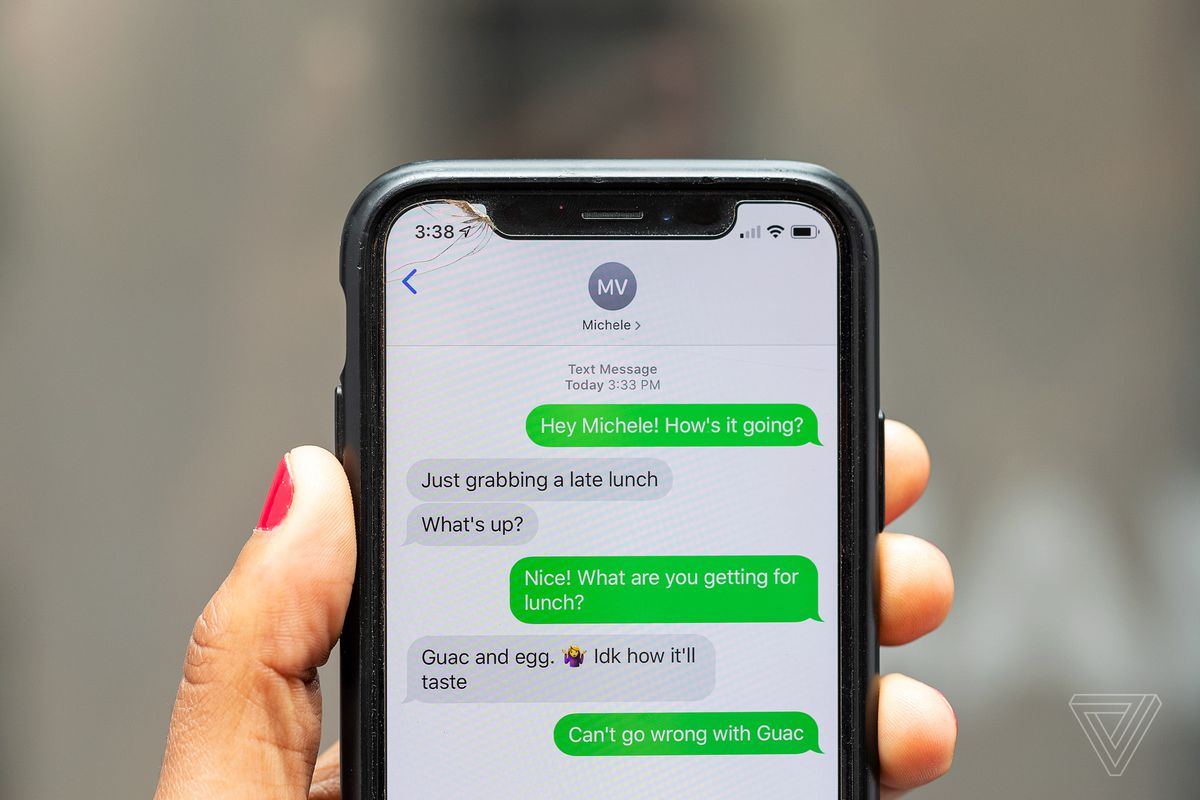
    Google is testing one feature found in iMessages for its RCS Chats. An Android user sporting a OnePlus 7 Pro on T-Mobile has the beta version of Google’s Messages app installed and discovered that he could respond to a Chat with an emoji reaction. That is a feature available to iOS users via iMessage. Android users engaged in an RCS chat (again, both sides of the convo must be using RCS) long-press on the last message received and they will see seven different emoji that they can choose from for their emoji reaction. The one they select will end up on the lower right side of the last message sent by the other party.
    While Google just sent out a beta update to the Messages app, the emoji reaction has not appeared on all Android phones that were updated. This would seem to indicate that a server-side update is at play here. You can check out whether you have this feature the next time that you’re in the middle of an RCS Chat by long-pressing on a message you’ve received. If you don’t see the options for an emoji response, you do not have it yet. If Google decides to add this as a permanent feature you will eventually have the ability to use an emoji to convey your emotions about a message that was sent to you.
    One thing to keep in mind is that you cannot use RCS Chat if the texting platform you use now is one provided to you by your carrier. For example, Verizon Messages will not work with RCS. If you don’t have the Google Messages app on your Android handset, you can install it from the Google Play Store.
    There are some things that are not perfectly clear from the testing. One is whether there are only seven emojis that will be made available for the user’s reaction. The seven that were seen in the screenshot shared by a Redditor include ThumbsUp, HeartEyes, Laughing so hard you’re crying, Surprised, Sad (with one lonely tear), Anger, and ThumbsDown. That pretty much covers a wide multitude of emotions.
    If you are an Android user, you’ll know whether you are messaging someone using RCS because of the dark blue background of the text balloons. If you’re exchanging messages with someone who is not a phone enthusiast, it is possible that even if you ask them outright, they might have no idea what platform they are using and whether they have RCS.
  • Tencent to help Tim Hortons China roll out over 1,000 outlets

    Tencent to help Tim Hortons China roll out over 1,000 outlets

    Chinese social networking and gaming giant Tencent is partnering with Tim Hortons China to expand the Canadian coffee house’s rollout.

    Tencent announced the partnership on its Chinese social media accounts without disclosing any financial details.

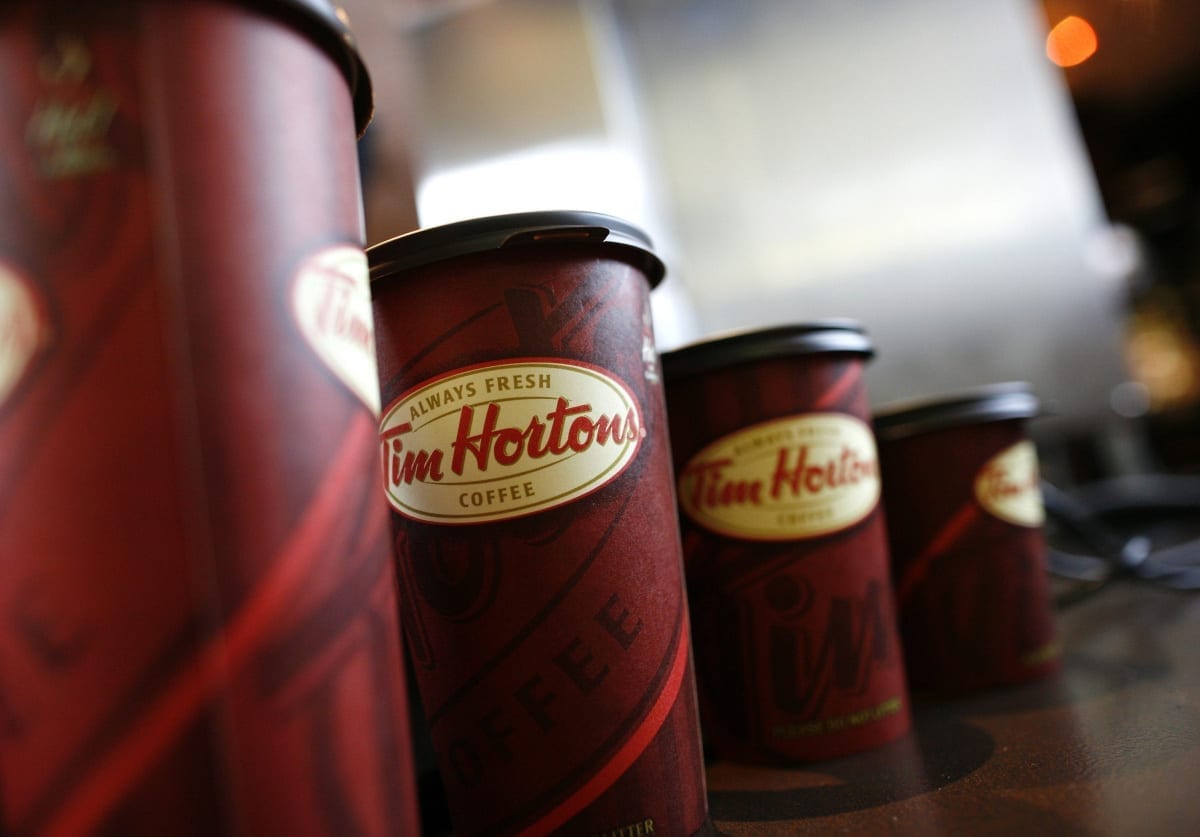
    Tim Hortons China has traded since early last year and is expected to use the new funding to set up a WeChat app as well as opening new physical locations outward from its highest concentration of stores in Shanghai. The firm has set a general initial target of 1500 outlets in the territory.

    The firm may be taking a leaf out of Starbucks’ former arch-rival Luckin Coffee’s playbook in focusing on digital business. Luckin expanded swiftly in China using the strategy before becoming embroiled in a financial fraud scandal.

  • Kerry Logistics forms new joint venture in Sri Lanka

    Kerry Logistics forms new joint venture in Sri Lanka

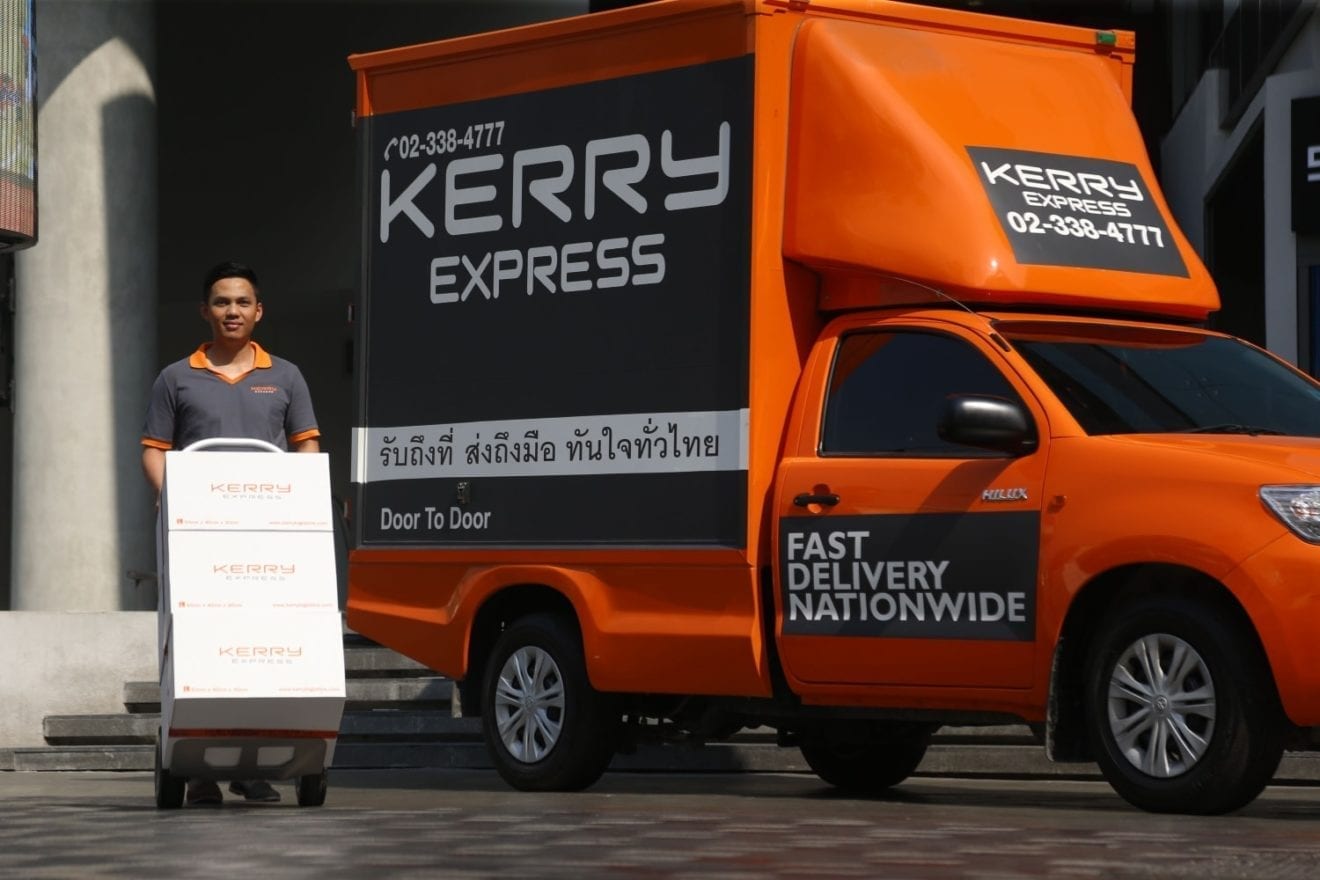
    Kerry Logistics Network Limited (‘Kerry Logistics’; Stock Code 0636.HK) announced a new joint venture, Kerry Logistics Lanka (Pvt) Ltd (‘Kerry Lanka’), formed with IAS Holdings (Pvt) Ltd in Sri Lanka to strengthen its international freight forwarding (‘IFF’) capabilities in South Asia.

    Headquartered in Colombo, Sri Lanka, Kerry Lanka sits at the strategic crossroads of East Asia, South and South East Asia, Africa and Europe. As part of Kerry Logistics’ South Asia operation, Kerry Lanka operates an office in Colombo, as well as a bonded facility and office for export purposes at the Bandaranaike International Airport.

    In 2019, 46% of the total export of Sri Lanka derived from the textiles and garments industry, amounting to US$5.6 billion, according to the Central Bank of Sri Lanka’s external sector performance review. There are more than 300 apparel manufacturers in Sri Lanka, which are well connected to the super brands in Europe and the US. Kerry Logistics’ expansion to Sri Lanka will enable it to tap into the opportunities therein by offering a suite of services consisting of air and ocean freight, customs brokerage, inland trucking, multi-country consolidation, project cargo, warehousing and value-added services such as pick/pack, purchase order management, quality control, packaging and labelling, garment-on-hangers and entrepôt services.

    Patrick Cheah, Executive Director – Global Air of Kerry Logistics, said, “Located in Sri Lanka, the intersection of freight routes in South Asia, Kerry Lanka will become a significant hub for Kerry Logistics and give a strong boost to our global connectivity. Plans are also in place to aggressively focus on the upstream of the supply chain to support the fashion industry vertical. The forming of the joint venture also marks the deepening of our presence in the South Asian subcontinent, rounding out our full suite of services in the region.”

    In addition to Kerry Indev Logistics in India, Kerry Logistics has also established a subsidiary in Pakistan in 2018 to extend its footprint in the Indian subcontinent.

  • Centara Hotels & Resorts makes food donation to the Thai Government’s Public Relations Department

    Centara Hotels & Resorts makes food donation to the Thai Government’s Public Relations Department

    Centara Hotels & Resorts, Thailand’s leading hotel operator, recently donated 1,500 food boxes to the Thai Government’s Public Relations Department, as part of its ongoing efforts to help those communities and individuals most affected by the COVID-19 pandemic. The meals, which were prepared by a team of food and beverage staff at Centara’s flagship, Centara Grand at CentralWorld, were presented by General Manager of the hotel, Robert Maurer-Loeffler, to the Deputy Director-General of the Government Public Relations Department, Pichaya Muangnao. The meals were distributed to people impacted by COVID-19 and others needing assistance.

    The COVID-19 pandemic is causing hardship for communities all across Thailand, and Centara is committed to providing help wherever we can. We hope our meal box donation to the Government Public Relations Department will bring some immediate relief to Thai people and those in need.

    Centara recently launched Help the Heroes, an initiative designed to directly benefit health workers and vulnerable communities impacted by COVID-19. When a consumer buys a Centara cash voucher for a future escape, Centara will add a further 50% value to the purchase. Half will go to the buyer, with the value of the voucher being increased by 25% to help them get more out of their next adventure, when it is safe to travel again.

    And the other 25% will be made as a donation to those in need, with the customer able to choose which of the two charities Centara donates to. The company is also providing complimentary hotel accommodation and meals to healthcare workers, with Centara Grand at CentralWorld providing hotel rooms for medical staff from the Police General Hospital so that they can save travelling time and return to work as refreshed and recharged as possible.

  • Top Luckin management fired over faked sales data

    Top Luckin management fired over faked sales data

    Chinese coffee chain Luckin, once lauded for its overt attempt to dethrone Starbucks within the country, has fired or suspended eight executives over the fraudulent misrepresentation of sales data last year.

    Luckin executives Jenny Zhiya Qian, who was CEO, and Jian Liu, COO, have been sacked over the highly publicized scandal that saw its stock price plummet more than 70 percent on New York’s Nasdaq stock exchange before trading in the stock was suspended.

    In earnings statements, the company overreported sales by at least RMB2.2 billion (US$310 million). When the misrepresentation was revealed by a whistleblower the company announced an investigation, suspending Liu.

    According to reporting in the South China Morning Post, six other Luckin executives and employees who were involved in or had knowledge of the fraud have also been placed on suspension or leave. The firm’s senior VP Jinyi Guo has been appointed acting CEO.

    The true extent of the misrepresentations still remains unclear while a panel reviews financial records, however, last November, the company claimed sales were running at six-times the rate of the previous year.

    Prior to its listing in the US, the company secured investment from the Singapore Government sovereign wealth fund GIC and China International Capital Corp, among others. It raised US$778 million in early January, and $645 million in a US IPO.

    “The company will continue to cooperate with the internal investigation and focus on growing its business under the leadership of the board and current senior management,” said a statement this week issued by the firm’s board.

    Luckin expanded swiftly since its inception three years ago, and operated more than 4500 locations in China by late last year, surpassing Starbucks’ 4300 outlets. At the time, Luckin was determined to overthrow Starbucks through aggressive growth and app-based purchasing prioritizing takeaway and deliveries.

    Top Luckin executives fired over faked sales data

  • Work from home is Twitter’s new normal forever

    Work from home is Twitter’s new normal forever

    Twitter employees can continue working remotely for as long as they want, said CEO Jack Dorsey in an email. So, even after the lockdown ends, it would be up to the employees where they want to go back into the office or work from home. Of course, the policy does not apply to all staffers, and workers whose job mandate that they be present on the site will have to report back to work.

    But for the rest of Twitter employees, work from home could become the new reality.

    The company was a proponent of remote work well before the coronavirus forced firms around the world to let their employees work from home. It shut down its offices back in March because of the pandemic and these few months have proven that this model can work.

    Of course, employees that want to return to their cubicles would be allowed to do so. However, Twitter seems in no hurry to reopen its offices.

    The company says most locations won’t open before September and it will be a staggered and gradual process. And, as mentioned before, even when Twitter’s offices do finally reopen, employees can choose to not go back. The allowance for remote work supplies has also been increased to $1,000 for all workers.

    Business travel will remain suspended until September, with a few exceptions, and all in-person events have been canceled for the rest of the year.

    The new model will also potentially allow Twitter to hire remotely.

    Work from home poses its own challenges and even though the last few months have taught Twitter that this could work for it, it remains to be seen how it will play out in the long run.

    It’s likely that many other companies are thinking along the same lines and we can expect similar announcements in the future.

  • Changi Airport further consolidates terminals

    Changi Airport further consolidates terminals

    Following the suspension of operations in Terminal 2, Changi Airport is to further consolidate operations and indefinitely close more retail stores.

    The airport will temporarily suspend Terminal 4 (T4) operations and move T4-based airlines to Terminal 1 and 3 instead. That means stores and restaurants in T4 will close its doors this week until the terminal resumes operation.

    According to the company, the move will help Changi Airport and its partners save on running costs such as utilities and cleaning.

    At Jewel Changi Airport, non-essential services, including Canopy Park and the HSBC Rain Vortex, are not allowed to operate until June 1.

    Restaurants and coffee shops in the shopping center remain open for takeaways only.

    Details of stores still open in the two terminals which continue to operate and at Jewel Changi can be accessed online.

  • Consumers embrace tap-and-go payments in pandemic’s wake

    Consumers embrace tap-and-go payments in pandemic’s wake

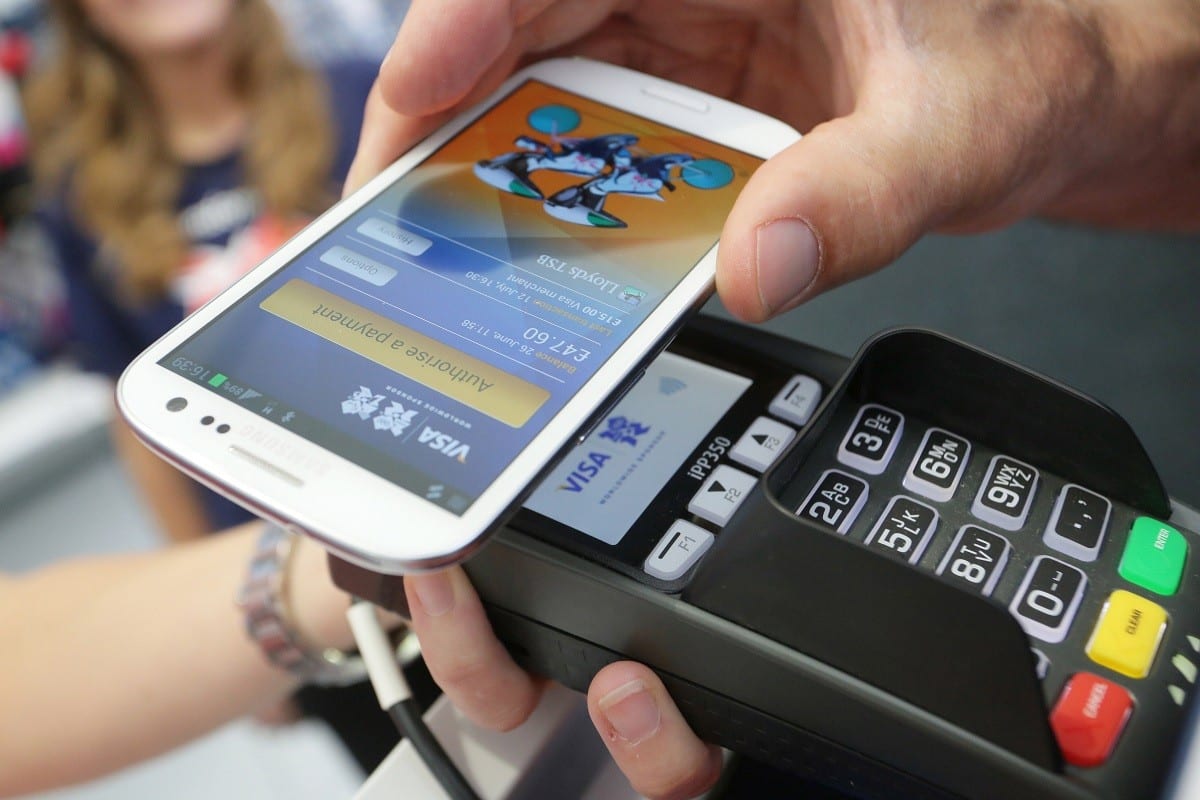
    Ninety-one percent of Asia-Pacific consumers and 79 percent of people globally say they are now using tap-and-go payments, according to a survey by credit card firm Mastercard.

    Polling by the firm, which focused on shifting consumer behaviors in 19 countries, shows accelerated and sustained adoption of contactless payments globally in the midst of the coronavirus pandemic.

    The survey identified concerns among consumers about point-of-sale cleanliness and safety as being a prompt for tap-and-go contactless payments, with 46 percent of respondents internationally and 51 percent of Asia-Pacific respondents swapping their top-of-wallet cards for one offering a contactless feature.

    “Contactless is here to stay,” the firm said in a statement. “We are in a sustained period where consumers are making purchases in a very focused way. That’s reinforcing contactless use in markets where adoption is more mature and it’s stimulating use in newer markets. This trend appears to be here to stay as 74 percent of people globally and 75 percent in Asia Pacific state they will continue to use tap-and-go after the pandemic is over.”

    Meanwhile, a separate study by AksjeBloggen predicts the global digital-payments market, in general, will reach US$6.7 trillion in value by 2023, as usage continues to rise to an estimated 6.1 billion people. Digital payments worldwide are currently valued at $4.7 trillion.

    The survey revealed that online buying and selling of goods and services would remain the largest revenue stream of the global digital-payments industry in the coming years, reaching $4.5 trillion transaction value in 2023. China is the world’s largest digital-payments market, with an estimated $1.9 trillion transaction value this year.

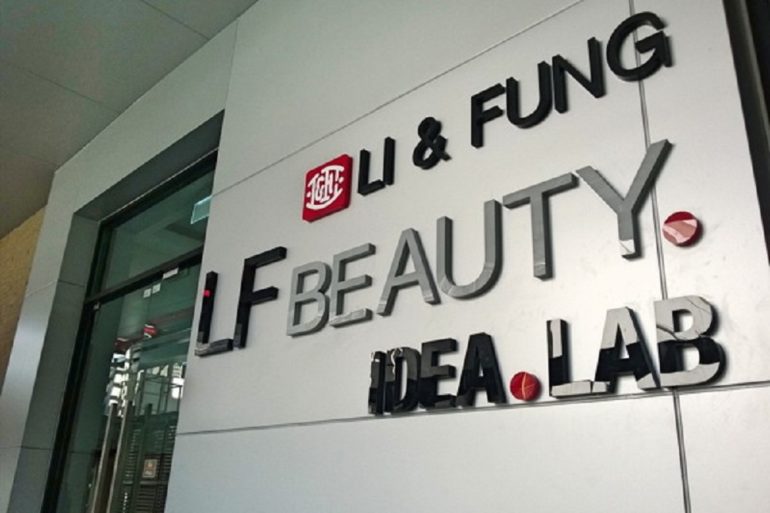
  • Li & Fung to delist this month

    Li & Fung to delist this month

    The privatization and delisting of Li & Fung Limited is set to proceed this month after 97 percent of shareholders who were not a party to the transaction voted in favor of the move.

    The key vote paves the way for Golden Lincoln Holdings I Limited, owned by the Fung Family and Singapore-based global logistics warehouse operator GLP, to purchase all the shares of Li & Fung. The company expects to delist on May 27 after a court hearing in Bermuda, where the company is registered, which scheduled for May 21. These are the final steps in the process.

    “I am pleased that our shareholders are supportive of the privatization proposal for Li & Fung,” said William Fung, group chairman.

    Li & Fung, which has been listed in Hong Kong for nearly 30 years, will remain under the control of the Fung family, which will hold 60 percent of the voting shares in the business, post-delisting. GLP will hold the remaining 40 percent of the voting shares and 100 percent of the non-voting shares, resulting in the effective economic ownership of 67.67 percent of Li & Fung.

    In a statement, the company said its plan to create “the Supply Chain of the Future remains more relevant than ever” with the digital disruption to retail and the ongoing uncertainties of the US-China trade war, compounded by the dramatic impact of Covid-19 on retail supply chains.

    “With the breadth and depth of its global sourcing and production platform, pan-Asia logistics network, and industry-leading digital product development capabilities, Li & Fung is helping retailers and brands navigate a highly uncertain and ever-changing global environment.”