Tag: asia

  • Further Expansion plan for Indian furniture chain Stanley Lifestyles

    Further Expansion plan for Indian furniture chain Stanley Lifestyles

    Premium furniture and home-decor manufacturer Stanley Lifestyles in India has launched a new flagship in Bangalore as part of its extensive expansion plans for the region.

    The brand is preparing to build a network of 55 new retail outlets in the territory, at an investment of US$9.6 million. The new stores will include five high-end Stanley Level Next-branded outlets and 50 mid-range Sofas & More stores in the territory, targeting revenues of $89.7 million.

    “We compete with international brands and are known for our high-quality standards & craftsmanship and proudly position ourselves in high-end home and lifestyle business,” said Stanley Group founder, chairman, and MD Sunil Suresh. “As India’s very own luxury brand, we strive to exceed the expectations of the discerning Indian consumers, and design and develop modern offerings with an international touch that are customized to suit Indian lifestyle and living conditions.”

    Stanley Lifestyles in India moved to build two new factories last year, one for kitchen and wardrobes and the other for premium mattresses and bedding. It is the first manufacturer/retailer for home furnishing in India, and sells internationally to Ikea, La-Z-Boy, and many car and aviation manufacturers as well as hospitality groups.

  • Jollibee Singapore fined for flouting social-distancing rules

    Jollibee Singapore fined for flouting social-distancing rules

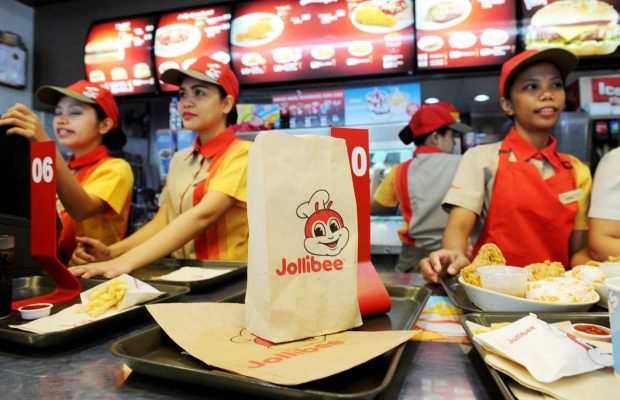
    A Jollibee Singapore outlet is among several businesses fined SG$1000 for breaches of the government’s social distancing mandate.

    Official enforcement measures found the franchise’s Woodlands MRT branch had neglected to ensure queueing customers and food delivery workers maintained one-meter spacing between them, despite issuing previous warnings.

    “The infringements included failure to implement a crowd management system and allowing customers and delivery personnel to crowd together without one-meter spacing between one another,” read a statement by the Singapore Tourism Board and Enterprise Singapore. “If these stores continue to flout the rules, they will face higher fines and can be charged in court.”

    In an official apology, Jollibee explained that a staff member on duty had been unable to control the queue due to “a strong surge in delivery orders and a corresponding increase in third-party delivery riders in the store.”

    The one-meter distance requirement, as well as mandatory wearing of face masks, has been in effect since April 12. Members of the Singapore public are encouraged to report infringements by email to [email protected].

  • JD promises one-hour delivery with Dada Group

    JD promises one-hour delivery with Dada Group

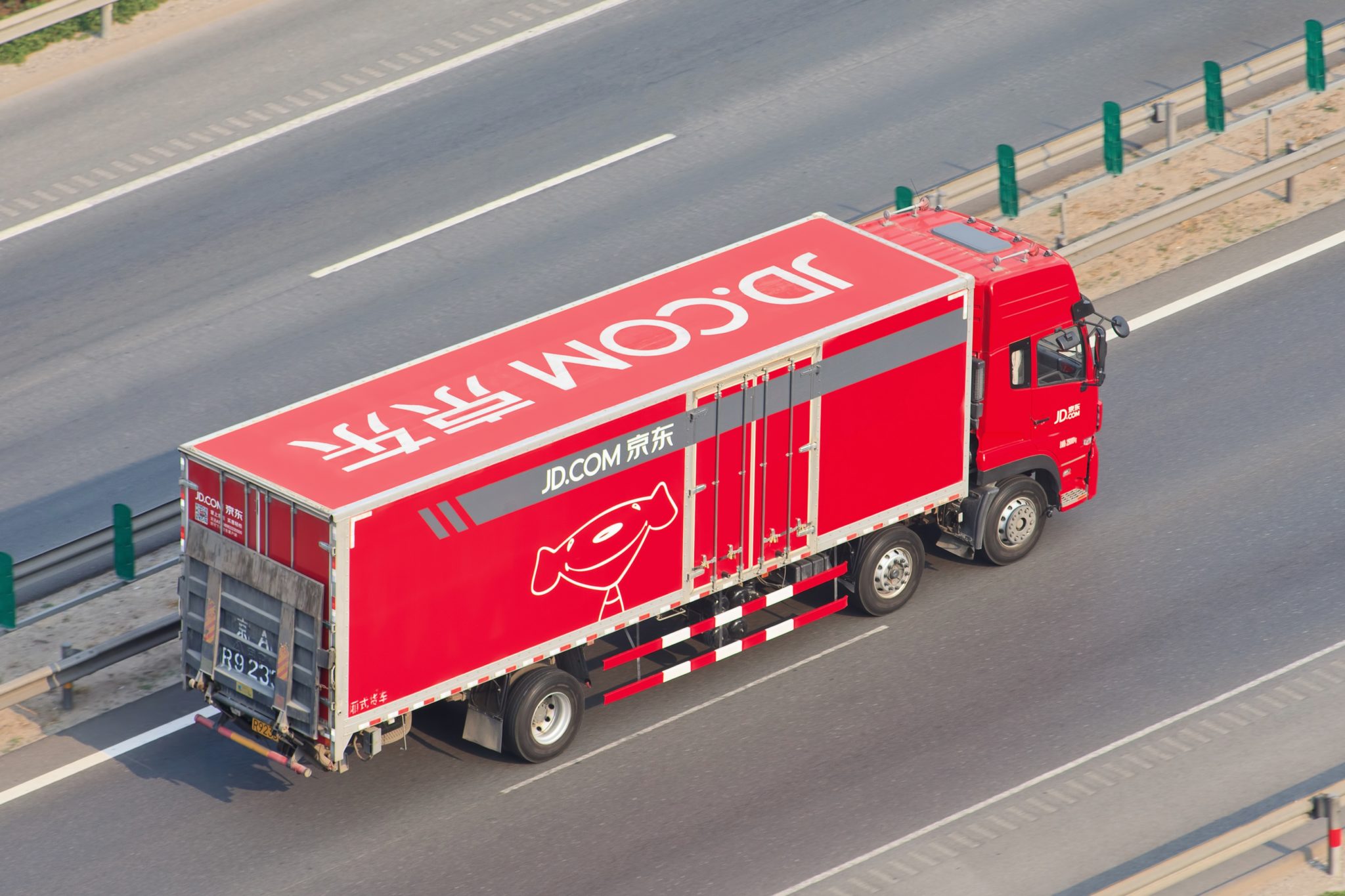
    Chinese e-commerce platform JD has partnered with Dada Group to provide one-hour delivery services of daily necessities to JD customers.

    The move will see the launch of around 100,000 JDDJ-branded online stores on the JD platform, including nearly 100 chain supermarket and store brands such as Walmart. It is an expansion of JD’s Omnichannel Fulfillment supply chain innovation program launched last year to integrate multiple offline channels, enabling them to deliver orders originating from JD directly and improving the efficiency of the supply chain – with delivery times shortened to an average of two hours.

    The new partnership allows JD buyers to purchase and receive more than 3 million products from participating stores within an hour, with some products available for delivery within 15 minutes.

    The Omnichannel Fulfillment program has attracted multiple leading brand partners since launching, including Coca-Cola, Nongfu Spring, P&G, C’est bon and Budweiser amongst others, covering offline stores in 242 cities across China.

  • Q1 Profits Plummet for Citigroup

    Q1 Profits Plummet for Citigroup

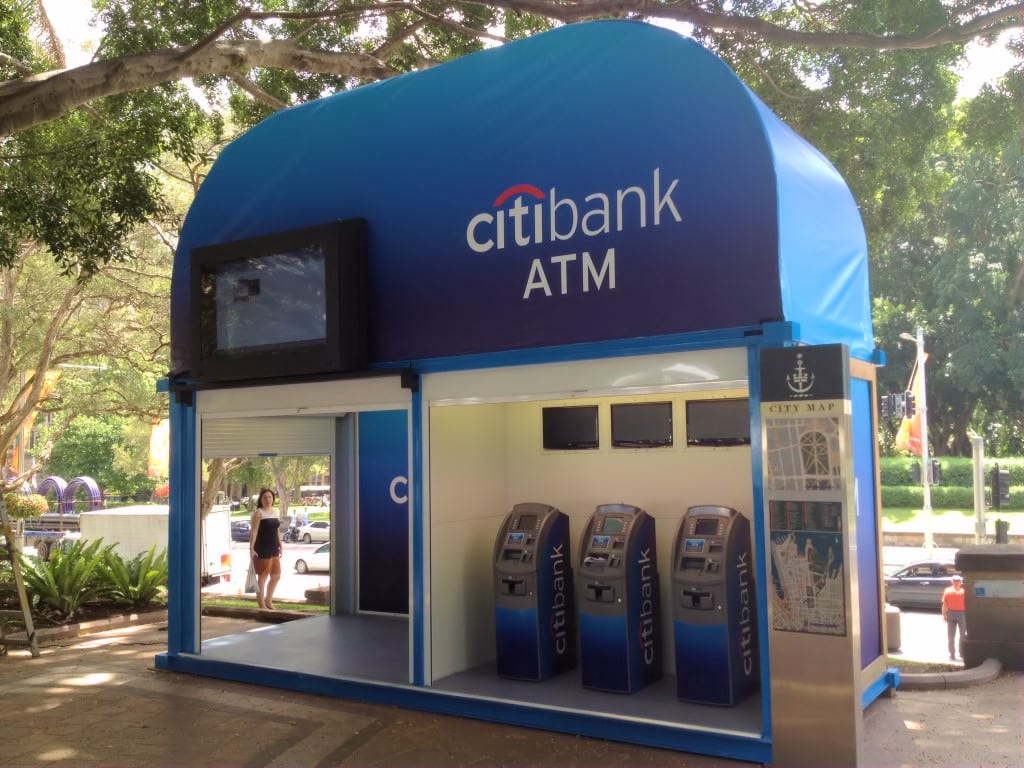
    First-quarter profits plummeted 46 percent at Citigroup due in part to its high exposure to unsecured lending via credit cards.

    Citi posted $2.52 billion in first-quarter profits and set aside $4.9 billion in anticipation of increasing defaults fuelled by the ongoing coronavirus pandemic. The U.S. business reported a first-quarter loss of $837 million with the card business representing half of the reserves set aside for expected loan losses.

    Citi’s chief financial officer Mark Mason did not provide specific details on expected profitability pressures but nonetheless said it was «reasonable to expect» further loss provisioning spending on the effectiveness of U.S. government relief programs.

    Credit card defaults are historically correlated with unemployment and the ongoing health crisis has placed added pressure on lenders more dependent on such unsecured loans. In 2019, the U.S. credit card business accounted for 15 percent of total net income.

    Globally, the consumer banking business was flat as gains from the U.S. arm were offset by a 4 percent decline in Asia to $1.8 billion due to lower revenues in its cards business – this could see a boost from its recent partnership with major e-platform HKTVmall.

    Citi’s overall earnings were offset in part by trading fees as equities and fixed income trading business posted a 39 percent spike as activity rose with increased turbulence.

  • Lagardere Travel Retail reopens 88 stores in Wuhan Airport

    Lagardere Travel Retail reopens 88 stores in Wuhan Airport

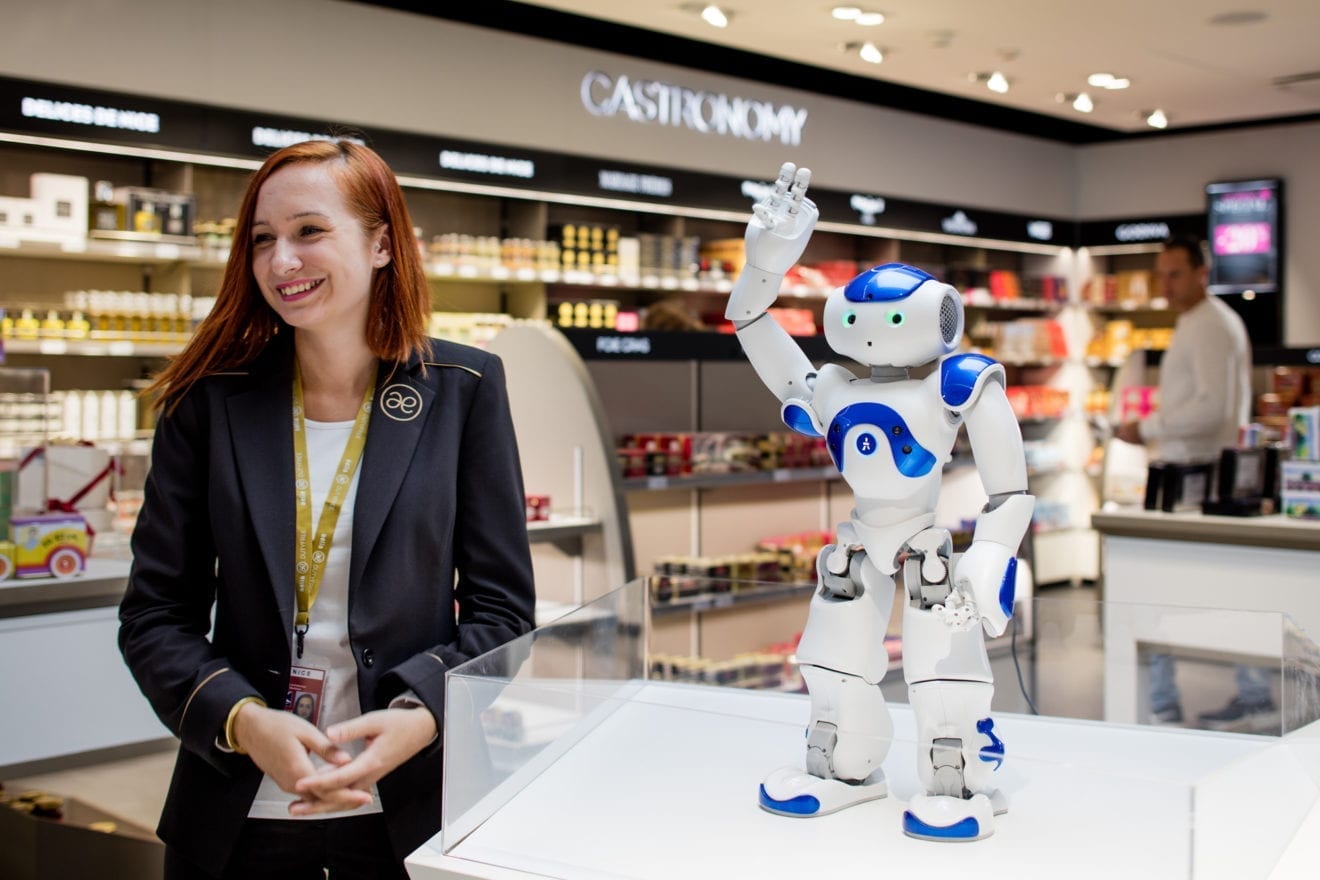
    Lagardere Travel Retail has reopened 88 stores at Wuhan airport after more than two months of lockdown due to the Covid-19 outbreak.

    According to a statement, Lagardere Travel Retail’s sales are expected to resume as the number of passengers passing through Wuhan Airport gradually increases.

    “Our ability to restart operations at Wuhan Airport is testament to the dramatic improvement in the sanitary conditions in Hubei province,” said Eudes Fabre, CEO of Lagardere Travel Retail China. “I wish to thank our staff and business partners for their patience and stoicism throughout this crisis. This reopening sends a strong message of hope and optimism to all in our industry who are affected by the current epidemic.”

    In appreciation of the medical staff’s work in Wuhan, the company is offering free meals at 16 restaurants and cafes together with shopping privileges for all medical workers flying out of the city this month.

    “Traffic volumes are still below what they were pre-crisis, but we’re already seeing an upward trend. After a long lockdown period, people are keen to travel again and there is pent-up consumer demand which will translate into retail sales,” Fabre added.

    All hygiene and security measures, including temperature screening, regular disinfection and social distancing, are still applied at the Wuhan Airport to ensure the safety of staff and passengers.

  • WhatsApp for iOS to make it trickier to share images and links with recent contacts

    WhatsApp for iOS to make it trickier to share images and links with recent contacts

    Recently, WhatsApp has been fighting misinformation in regards to the coronavirus pandemic and has therefore introduced some restrictions on its app. This time, however, a new update is supposedly going to further restrict the app, but not because of COVID-19-related reasons. The change is said to affect only the iOS version of the popular messaging app.

    WABetaInfo reports that a feature for easy sharing of images and links on iPhone devices is going to be removed in the latest WhatsApp beta version. The feature was introduced earlier this year and is referred to as share sheet integration, which allowed, after long-pressing on what you want to share, to select a person in a list of recently used WhatsApp contacts and share the item without opening the app first.

    Unfortunately, though, this simple-looking feature seems to be proving unstable and its removal seems not to be related to the fight against the coronavirus misinformation. Reportedly, a lot of users have been complaining from crashes when using the feature.

    You will still be able to share links and images to your WhatsApp contacts, but you will have to first tap on the WhatsApp icon, which will reportedly then open the app. Additionally, the feature could be returned to the app at a later stage if the app’s developers find a way to assure it’s more stable.

  • Google helps you remember what you searched for with search terms chip feature

    Google helps you remember what you searched for with search terms chip feature

    Last year, Google updated the tab overview in Chrome with a nifty Grid Layout. Now comes another improvement to the search experience of the browser. The new feature, still in an experimental phase, adds a little search term chip on each tab in the preview screen showing the term you’ve used to get there.

    To activate the new feature, you should head to the chrome://flags page (type it in the address bar) and search for the Tab Grid Layout field. Tap on it and choose Enabled Search term chip from the drop-down menu. You have to Relaunch the browser to activate the change. After you complete these steps, whenever you perform a search through Chrome’s address bar, the search term will appear on the thumbnail for the tab of the page you opened. The feature works with other search engines as well, as long as you’re using the Chrome browser.

    The little term chip appears at the bottom of the thumbnail when you tap on the tab switcher icon. If you tap on the search term itself, you will go back to your search results on Google. This feature can be extra useful if you like to open dozens of tabs in Chrome and sometimes wonder what brought you to a specific page.

  • Mannings opens pharmacies for public hospital medication collection

    Mannings opens pharmacies for public hospital medication collection

    Health-and-beauty retailer Mannings has partnered with seven Hong Kong public hospitals to allow local residents to collect their prescribed medicines at its in-store pharmacies in a significant pivot from their usual role.

    The company says the move is part of its broader Covid-19 initiative to provide peace of mind for its consumers by helping reduce the risk of infection from hospital visits.

    Once patients have their application and prescription confirmed at a specialist out-patient clinic, the consumer can visit a registered pharmacist at a designated Mannings store to request collection.

    Mannings will charge HK$50 for medication collection and provide a consultation to review the patient’s medication history before assigning appointed personnel to collect the medicine from the public hospital to deliver back to the store.

    The seven hospitals are Pamela Youde Nethersole Eastern Hospital, Queen Mary Hospital, United Christian Hospital, Princess Margaret Hospital, Queen Elizabeth Hospital, Prince of Wales Hospital and Tuen Mun Hospital.

    The Mannings service is available only to patients at Specialist Out-Patient Clinics and for their regular medicine only. Refrigerated drugs or other medicines that require special handling are excluded.

  • Work-from-home trend amplifying boom in home-furnishing sales

    Work-from-home trend amplifying boom in home-furnishing sales

    Sales of home-furnishing products in Singapore have more than doubled in the two months spanning February 1 to March 31.

    Data from fintech research firm Revolut suggests the 105 percent increase in sales has been brought on by Singaporeans setting up home offices in response to the coronavirus outbreak. Furniture retailers Courts saw growth of 92 percent during the period, whilst competitor Ikea experienced 128-per-cent growth.

    Work-at-home arrangements have also seen a rise in sales of stationery and school supplies by 15 percent, while spending on entertainment has increased 55 percent, largely due to purchases of digital goods on platforms such as Steam games (104 percent) and Nintendo (82 percent).

    “It is likely that the worldwide coronavirus pandemic has had a significant impact on the increase in online activity and transactions overall,” read a report from the firm, “as many more people find themselves at home”.

    Other significant sales data revealed by Revolut shows increases in do-it-yourself spending (44 percent); local e-commerce (35 percent) and in-store transactions (30 percent) in March; and online food delivery (150 percent).

    Meanwhile, data from South Korean e-commerce site SSG.com shows that sales of products relating to home entertainment doubled in the first half of February compared to previous months.

    Sales of home-interior related products rose more than 40 percent, while home training-related sales rose 35 percent.

    SSG.Com, the online shopping unit of retail conglomerate Shinsegae, said sales of products that allow children to make snacks using dough rose by 150 percent, while sales of baking mixes for pancakes, cookies and brownies rose by 152 percent.

    Coffee-related appliances such as espresso machines, coffee makers and coffee-bean grinders also gained popularity, with sales rising 74.5 percent and capsule-type coffee rising 25 percent, according to a report in Korea Bizwire.

    Meanwhile, sales of “home gardening” products or related products, which allow people to grow plants directly on their veranda also rose by 147.6 percent.

  • Q1 Profits Plummet for Citigroup

    Q1 Profits Plummet for Citigroup

    First-quarter profits plummeted 46 percent at Citigroup due in part to its high exposure to unsecured lending via credit cards. Citi posted $2.52 billion in first-quarter profits and set aside $4.9 billion in anticipation of increasing defaults fuelled by the ongoing coronavirus pandemic. The U.S. business reported a first-quarter loss of $837 million with the card business representing half of the reserves set aside for expected loan losses.

    Citi’s chief financial officer Mark Mason did not provide specific details on expected profitability pressures but nonetheless said it was «reasonable to expect» further loss provisioning spending on the effectiveness of U.S. government relief programs.

    Credit card defaults are historically correlated with unemployment and the ongoing health crisis has placed added pressure on lenders more dependent on such unsecured loans. In 2019, the U.S. credit card business accounted for 15 percent of total net income.

    Globally, the consumer banking business was flat as gains from the U.S. arm were offset by a 4 percent decline in Asia to $1.8 billion due to lower revenues in its cards business – this could see a boost from its recent partnership with major e-platform HKTVmall.

    Citi’s overall earnings were offset in part by trading fees as equities and fixed income trading business posted a 39 percent spike as activity rose with increased turbulence.

  • Asian consumer behaviour may change forever after Covid-19

    Asian consumer behaviour may change forever after Covid-19

    New research has shown that some shifts in Asian consumer behavior in response to the coronavirus outbreak could be lasting beyond the pandemic.

    And that is something that should prompt food retailers to act – and in some cases, accelerate – the changes they have already made in response to the crisis.

    The survey, conducted by US management consulting firm McKinsey & Company, is based on research conducted with more than 5000 consumers in Asia across seven countries – Australia, China, India, Indonesia, Japan, South Korea, and Thailand. The data determined that there are four areas within the food industry that may need to be reimagined following the end of the crisis.

    Firstly, food retailers should reimagine the safety, health, and scope of their supply chains.

    Consumers across the countries surveyed appeared to care more about in-store safety and to prefer healthy, locally sourced offerings than they did before Covid-19. Consumers have shown a heightened awareness of hygiene and cleanliness that may remain important in the post-coronavirus period.

    The data on Asian consumer behavior showed an increase in the consumption of products perceived by consumers to be healthy, such as fresh food, eggs, dairy, and bottled water – and a drop in purchases of alcoholic beverages and snacks.

    The research suggests retailers should rethink their offerings and provide healthier, more locally sourced products with a smaller environmental footprint. To meet rising customer expectations, companies should rethink the safety of the customer journey – for example, by using technologies such as self-checkout and cash-free transactions to reduce risks.

    Secondly, retailers should reimagine how technology can enhance delivery services. The survey results show consumers are shifting their food spending online and have yet to return to their normal spending levels for food service. Responses suggest an opportunity for grocers to digitalize their stores.

    Respondents in most countries showed a 30–70 per-cent drop in preferences for dine-in spending and an increase in grocery shopping and purchases of ready-made food in grocery stores, which consumers tend to prefer more than meal delivery from restaurants.

    Consumers are indicating they intend to continue shopping online at the new pace.

    To respond to the current crisis and meet future ones, food retailers should scale up their e-commerce channels and their capacity for home delivery, perhaps by partnering with last-mile players and cold-storage warehouses; by expanding shifts in existing warehouses; by using hybrid picking models or by converting some retail locations into dark stores.

    Thirdly, retailers should reimagine the meaning of value for money. People are currently concerned about the pandemic’s impact on their personal incomes, and consumers are willing to forgo planned future purchases because of uncertainty related to Covid-19. To address these shifts, food retailers should rethink their promotional calendars to safeguard their marketing spending for use only when needed to stimulate demand, either for discretionary products or for post-crisis essentials to meet people’s desire for value.

    Finally, retailers should reimagine loyalty. During the crisis, Asian consumer behavior has reflected loyalty to retailers and brands offering essential products in their assortments. The location and availability of goods have been the primary reasons why consumers have changed stores, rather than promotions or pricing.

    Retailers are advised to determine which stores are being affected disproportionately by customers shifting to other primary stores. Targeted marketing may help bring these customers back, as would retailers finding a way to better communicate the efforts they are taking to support customers and their societies more broadly.

    These measures should help retailers be better equipped to provide employment opportunities to people who are currently out of work, reshape their industry ecosystem, and work closely with business partners on how to operate under the new normal.

  • China Car Sales Post First Weekly Rise Since Virus Outbreak

    China Car Sales Post First Weekly Rise Since Virus Outbreak

    China’s retail sales of passenger cars in the week of April 7-12 rose 14% from a year earlier, marking the first weekly rise reported since the coronavirus outbreak, data from the China Passenger Car Association (CPCA) showed.

    Coronavirus to push China’s Q1 GDP into the first decline on record.

    The coronavirus crisis likely knocked China’s economy into its first decline since at least 1992 in the first quarter, raising the pressure on authorities to do more to restore growth as mounting job losses threaten social stability.

    Sales for the first 12 days of the month were down 12% the CPCA data showed

  • Sa Sa International sales down as coronavirus bites

    Sa Sa International sales down as coronavirus bites

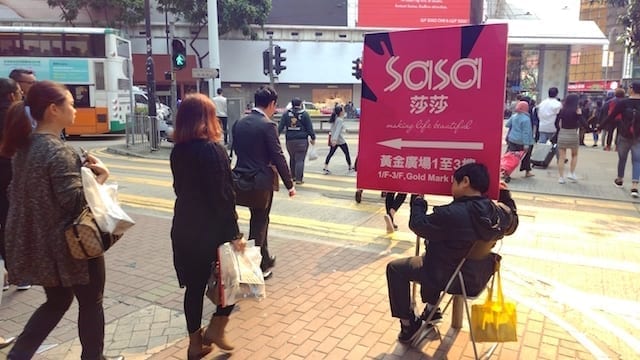
    Fourth-quarter sales of beauty-products retailer Sa Sa International plummeted 62 percent in Hong Kong and Macau as the coronavirus pandemic brought to a halt inbound tourism from Mainland China.

    Sales to mainlanders in Hong Kong and Macau slumped by 80.8 percent. While local customers spent 4.1 percent more during the quarter, the average sale per transaction dropped 20 percent and their overall basket size dropped by 34.6 percent.

    “The rapid outbreak of novel coronavirus around the world has wreaked havoc on the global economy, and the group has been inevitably affected,” said Sa Sa International chairman and CEO Simon Kwok in a quarterly trading update to the Hong Kong stock exchange.

    Group turnover fell 56.5 percent in the three months to March 31, including the permanent closure of its Singapore business

    Strict border controls imposed in Hong Kong to reduce the spread of the virus, the two-week closure of Macau casinos and decreased consumer demand led to the temporary closure of many SaSa stores, with other stores trading shorter hours. Kwok said that while the closures lowered operating costs, they also contributed to the sales decline.

    “In view of the persistent severe operating environment, the group will continue to implement strategies for reducing costs so as to maintain its competitiveness and reduce losses,” said Kwok. “The group will also do its best to protect the livelihood of its staff.”

    Sa Sa International will continue to trim its store network in Hong Kong as leases come up for renewal and the company will continue to pursue rent relief from landlords.

    “Furthermore, the group reduced non-essential and non-productive expenses substantially across all departments, streamlined its organization structure and implemented short-term measures such as reducing salaries and adopting the scheme of unpaid leave to reduce operating costs,” he said.

    With local consumers now accounting for a majority of the group’s overall sales, the company plans to adjust its product mix to meet their demand for protective and pandemic-related.

    products and other beauty items. Slow-selling lines will be dropped and inventory reduced to help preserve cash and reduce the risk of stored products expiring.

    Kwok said that the company has progressively been reducing inventory levels and has adequate cash to meet its current business needs, despite the decline in sales.

    Enforced store closure in China during the quarter saw sales there fall by 51 percent and in Malaysia, where non-essential stores have been ordered closed for six weeks commencing mid-March, sales were down by 16.9 percent.

    The company closed down its Singapore during the quarter shuttering all 21 stores and it has permanently closed 10 stores in Mainland China during the last year, along with six in Hong Kong and Macau and two in Malaysia.

  • Google Play Store update helps parents find content for their shut-in kids

    Google Play Store update helps parents find content for their shut-in kids

    Parents of young children are really having a tough time with the stay-at-home orders. Not only do they have to try and entertain their kids 24/7, but the parents also have to explain to them why they are stuck at home. Most kids that understand death will worry about their own demise and will be frightened at the possibility that their parents could die. Children this young probably should not be allowed to watch or listen to the news.

    To help parents find things for their kids to do, Google announced that starting today, it will be adding a new Kids tab to the Google Play Store. Tapping on the tab will deliver what Google calls “teacher-approved” apps that are “both enriching and entertaining.” Parents can browse the Play Store looking for apps with the “Teacher approved” badge, or they can check the Kids tab when it appears on the Play Store app on their Android devices. The update should be received by U.S. Android users during the next few days and will roll out the feature to international users during the coming months. And those with a Google Play Pass subscription can find such apps under “Apps and games for kids.” Google Play Pass costs $4.99 a month for unlocked access to over 350 apps. While there is normally a 10-day free trial, right now Android users can grab a 30-day free trial of the service throughout the month of April.

    The launch of the new tab was pushed up after Google was told by parents testing it how useful the Kids tab is, especially during the times we live in. Those checking out the tab might not spot their favorite kiddie apps, but Google notes that it is adding new content as fast as possible. Apps in the Play Store that are approved by educators have a page that shows why they received such acclaim. Google explains what age group each of these apps is appropriate for and what makes each individual app fun & engaging. It also notes what makes a particular app creative and the positive emotions elicited by this title.

    Google says, “Today’s announcement wouldn’t be possible without teachers who’ve been working closely with us for the last few years to curate apps that can help kids develop, grow and have fun. We trust teachers to enrich our kids while they’re in school, and we’re grateful they’ve shared their expertise to rate the apps kids use when they’re not in school as well.”

  • DBS Sets Date for AGM

    DBS Sets Date for AGM

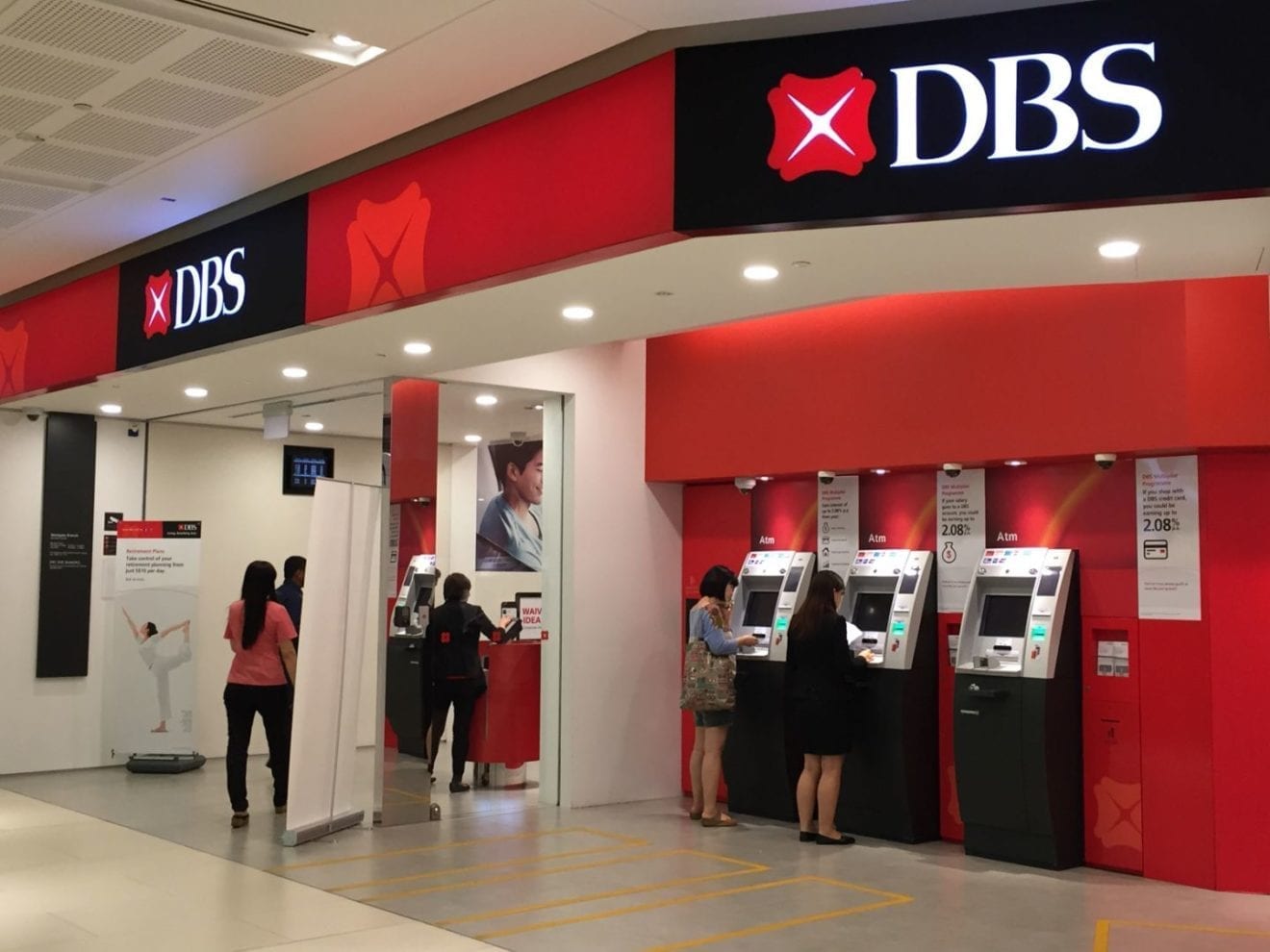
    The bank will pay its final dividend of S$0.33 per share on May 26, after approval at the AGM. DBS Bank will hold its annual general meeting (AGM) by electronic means on April 30. As no physical attendees permitted in light of ongoing «circuit breaker» measures, shareholders should pre-register to be able to watch and/or listen to the proceedings online, the bank said in a statement on Thursday

    Originally scheduled for March 31, DBS said it would postpone its AGM, following government measures that imposed stricter measures to enforce safe distancing in social settings, given the Covid-19 virus outbreak.

    Earlier this month, Singapore Exchange Regulation said it would automatically extend by 60 days the deadline for all issuers with financial year-end on or before 31 March 2020 to hold their AGMs.

    The date of UOB’s AGM has not been fixed, it is likely to hold its meeting on April 30. UOB investors are due to approve a final dividend of 55 cents a share and a special dividend of S$0.20 per share at the AGM.

    OCBC also said it would defer its AGM, originally scheduled for April 30, to a future date to be determined. The bank was due to pay a final dividend of S$0.28 per share on June 5, with the record date on May 26.