Tag: asia

  • Samsung Internet Browser beta shows privacy and interface improvements

    Samsung Internet Browser beta shows privacy and interface improvements

    Samsung devices come with the South Korean giant’s own app ecosystem, including an email client and an internet browser app. And although most Android users usually stick with Google’s offerings, namely Gmail and Google Chrome, Samsung’s own internet browser is becoming a respectable alternative to the latter.

    In its new beta version, the Samsung Internet app brings a number of security and privacy-related updates, including support for DuckDuckGo, which is a search engine that’s primarily focused on user privacy, its tagline being “The Search Engine That Doesn’t Track You.”

    Another great addition is support for third party content (advertising) blockers. SamMobile also reports that a new feature called “Block unwanted pages” will combat shady websites that would normally be a hassle to get out of, requiring several back button taps.

    The Samsung Internet Beta app also introduces some convenient customizations, such as the ability to add shortcuts to actions like Share or activating Secret Mode (an alternative to Incognito in Chrome) to the menu bar.

    Its other notable features include support for progressive web apps, allowing for certain websites to be installed as apps. Samsung’s Video Assistant also made a return recently, letting users switch between viewing modes while watching videos. 360° video support and an Amazon Shopping assistant, allowing for comparing products and finding deals, are also available.

    The browser itself is based on the open-source Chromium project, much like Chrome and Microsoft’s new Edge browser, so web pages should load and behave as they do in those alternatives, with no issues.

    It’s not certain if all of the features seen in the beta will make it to the main Samsung Internet Browser app, and when, though generally a jump from beta shouldn’t take too long.

  • HSBC Names Asia Private Banking COO

    HSBC Names Asia Private Banking COO

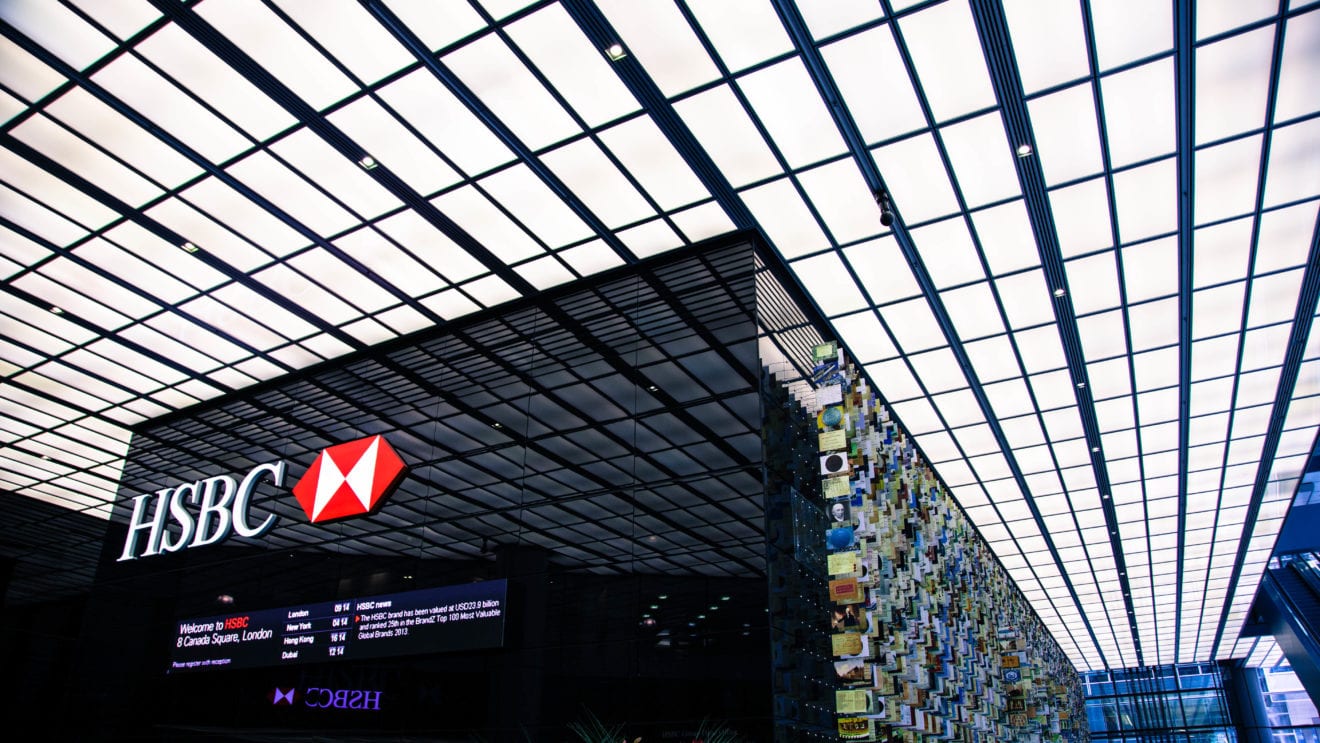
    HSBC continues to bolster its private banking business in Asia with its hire of chief operating officer, who joins from J.P. Morgan’s wealth arm.

    Sharon Oh joins HSBC Private Banking as its chief operating officer, replacing Gaurav Rao, who recently relocated to London for another role within the private bank. In her new role, Oh will report to Siew Meng Tan, APAC head of HSBC Private Banking, and Anil Venuturualli, global COO of the business. A spokesperson for the bank confirmed the hire.

    Oh was most recently with J.P. Morgan’s private banking arm where she was its chief of staff in the London-based global institutional client segment. Prior to this, Oh spent five years with J.P. Morgan Private Bank’s Hong Kong-based unit and was also previously Credit Suisse’s North Asia COO.

    Earlier this year, HSBC merged its retail, wealth management and private banking business into a single $1.4 trillion unit – WPB – in a bid to drive double-digit growth in client assets and revenue in the coming years.

    Oh will help us accelerate the delivery of our key initiatives and to harness the benefits of becoming part of WPB, Tan said in a statement.

  • Kia Compact Vehicles Contractor Suspends Production

    Kia Compact Vehicles Contractor Suspends Production

    A South Korean contract manufacturer for Kia Motors’ compact vehicles has suspended production, a company official said on Monday, citing a drop in overseas demand as the coronavirus outbreak has spread across Europe.

    Donghee Auto, which produces Kia’s Picanto and Ray models, has suspended production at its plant in Seosan, South Korea, until April 13, the official said.

    Of the 195,516 Picanto vehicles produced in South Korea last year 73% were exported, mostly to Europe, Korea Automobile Manufacturers Association data shows.

    Hyundai Wia, which produces engines for the Picanto and Ray, also said in a regulatory filing on Monday that it will suspend operations at its plant in Pyeongtaek, South Korea, from April 6 to April 9.

    Kia did not reply immediately to a request for comment.

  • How Chinese jeweller Ideal transformed staff into live-streaming KOLs

    How Chinese jeweller Ideal transformed staff into live-streaming KOLs

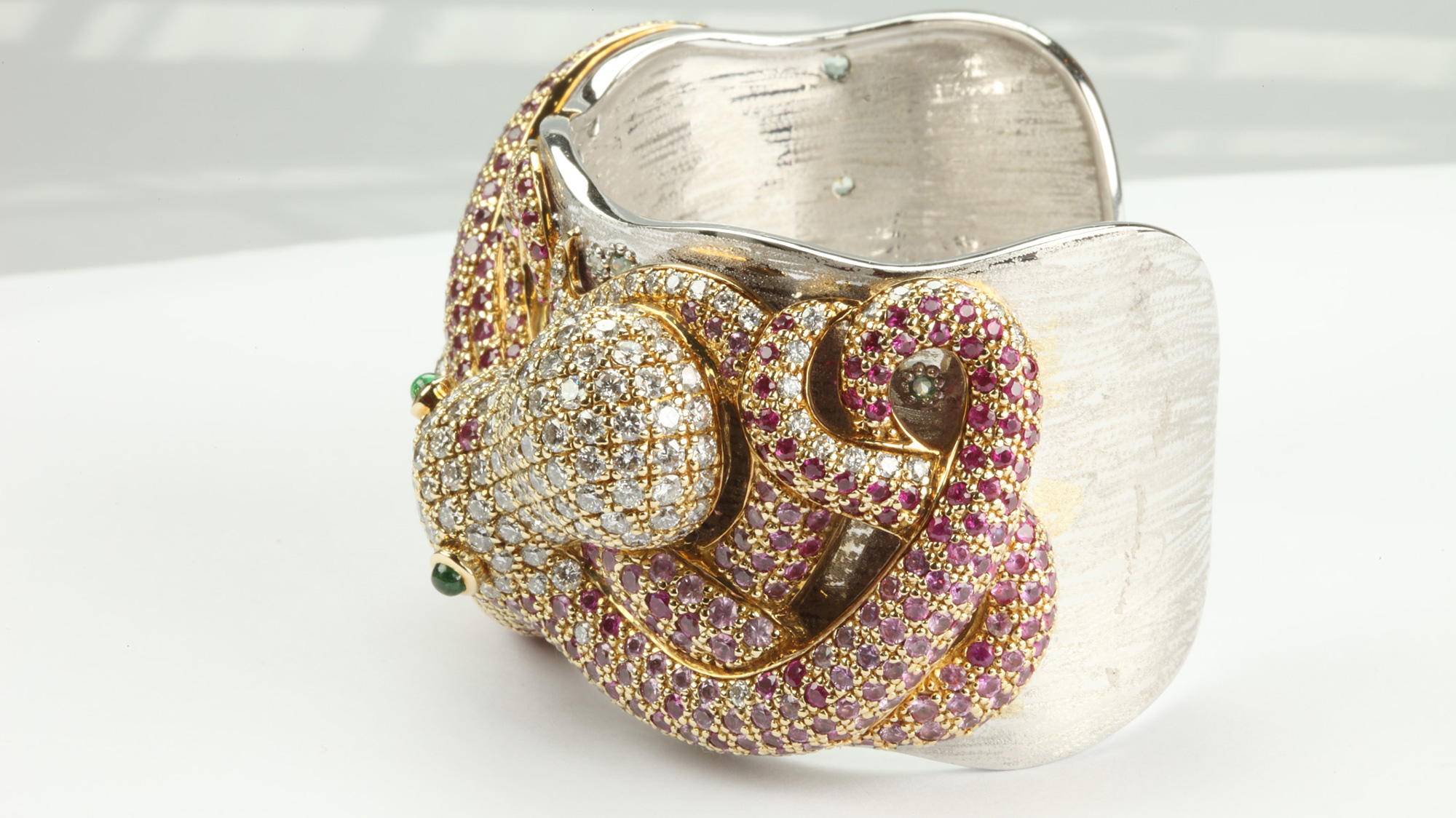
    Shenzhen’s multi-brand jeweler Ideal has transformed its 18-year-old traditional business model to a New Retail business virtually overnight in light of the coronavirus crisis.

    The retailer rolled out a transformation initiative dubbed “Thousand People, Thousand Stores” by establishing ‘online cloud stores’ through live streaming, turning its ranks of sales associates into live stream broadcasters.

    The jewelry industry traditionally has a high dependency on physical brick-and-mortar outlets due to the nature of the high-ticket items it sells. However, with the pandemic forcing stores to shutter and consumers to stay home, Ideal fast-tracked its New Retail plans originally scheduled for launch in May to navigate the coronavirus crisis in February.

    With several brands under its umbrella, the group had first trialed community marketing with its sister brand Cemni where it garnered more than 100 fan-community groups engaging with more than 50,000 people within three days of launching online. The retailer has admitted it was difficult to turnaround multiple subsidiaries and sub-brands, resulting in a huge test of agility and resilience as it created a virtual ‘store’ experience to replace physical shops.

    The push to go online was undoubtedly driven by the digital-savvy Gen Z consumers in addition to the rising competition from decentralized D2C jewelry brands. Shifting its focus from its traditional business model, Ideal had developed a new younger range of fashionable jewelry pieces, different to its offline offer, to attract a new customer segment online. Its brand-new product selection showcases fine jewelry pieces at an economical price point starting at RMB1000 (US$141), with a diamond ring valued at RMB3000 ($424). Ideal also plans to introduce more luxurious and high-value pieces into the mix as its client base matures with stabilizing spending power.

    The transformation of jeweler Ideal’s physical store network into an online business involved transitioning its in-store sales staff to become live broadcasters, each managing their own ‘store’. Ideal chose to partner with YouZan, a SaaS retail-software and service provider that builds mini-programs within WeChat, which enable brands and influencers to sell natively within the platform. Using YouZan’s platform as a virtual warehouse, its retail stores, and sales associates can now collectively share the total warehouse inventory nationwide.

    The brand curated most marketable products for its online entity and had set up sales associates with YouZan accounts to transact through their own private domains within their WeChat community. Under the new business model, sales associates earn a commission ranging from 10 to 50 percent on each sale, a huge jump from the original 3 percent an employee would have received from in-store sales. With high incentives set in place, Ideal hopes to encourage its sales associates to be more aggressive with their selling. Very early results show more than 2000 pieces sold, achieving more than RMB2 million ($282,000) in revenue. On Valentine’s Day, the brand also sold a 5.01-carat diamond ring for RMB99,000 ($14,000) online.

    To maintain the interest of its franchisees, Ideal has also broadened its transformation strategy to include its partners into the New Retail system. Franchisees’ sales staff are incorporated into the New Retail model, and will not need to carry the cost of goods or the risk of returns.

    IiMedia Research predicts live-streaming e-commerce will hit RMB916 billion (US$129 billion) in value this year and reach 526 million users online. Ideal transformed its sales associates into KOLs firstly by nurturing and empowering them through online training courses. Expanding its existing online business school from 2010, the retailer has supercharged its course-based system to launch more online live courses nationwide. A grading system for sales associates has been set in place with training content customized to their level.

    Ideal has also partnered with an agency managing Tmall live broadcasters to direct and guide its sales associates. Jewelry expert and KOL broadcaster Lan Congge was recruited to train and empower Ideal’s employees in how to successfully upgrade their broadcasting skills to maximize sales.

    Jeweler Ideal has tasked each regional team with pushing out and endorsing the group’s New Retail plan among its employees. Regional stores have curated their own selections according to the consumption characteristics of their local customers. Yet, certain cities with a stronger consumption power are directed to specialize in content creation whereas stores in prefectures are to create more personal and interactive content during live streaming by acting as a personal stylist, offering peer advice and using discounts and promotions to attract new sales.

    As older members of the community are synonymous with existing customers, sales staff look to retain their client base through promotional activity such as birthday offers and personalized recommendations. To attract new and younger clients, sales associates are encouraged to create an interactive and dynamic selling atmosphere such as using flash sales and QR codes for direct orders as a means to shorten the conversion path.

    Bytedance’s short video platform Douyin currently reaches more than 400 million daily active users making it one of the most powerful social media platforms in China. The unique selling point of jeweller Ideal has always been storytelling, so now the company plans to begin marketing the story of the brand and its culture on Douyin.

    As part of its strategy to boost exposure and manipulate its algorithm, the aim is to have each virtual store follow the brand’s main account. From there, Ideal’s official account will reverse-generate interest to each of its individual smaller stores. The Douyin profile will provide content support for thousands of its virtual stores to drive traffic and popularity and in turn boost sales.

    However as Douyin’s e-commerce features are still maturing, Ideal will focus for now on leveraging the platform’s user base to promote its brand culture, while pushing the platform to develop e-commerce as part of its longer-term plan.

  • Banks Temporarily Close Branches Across Singapore

    Banks Temporarily Close Branches Across Singapore

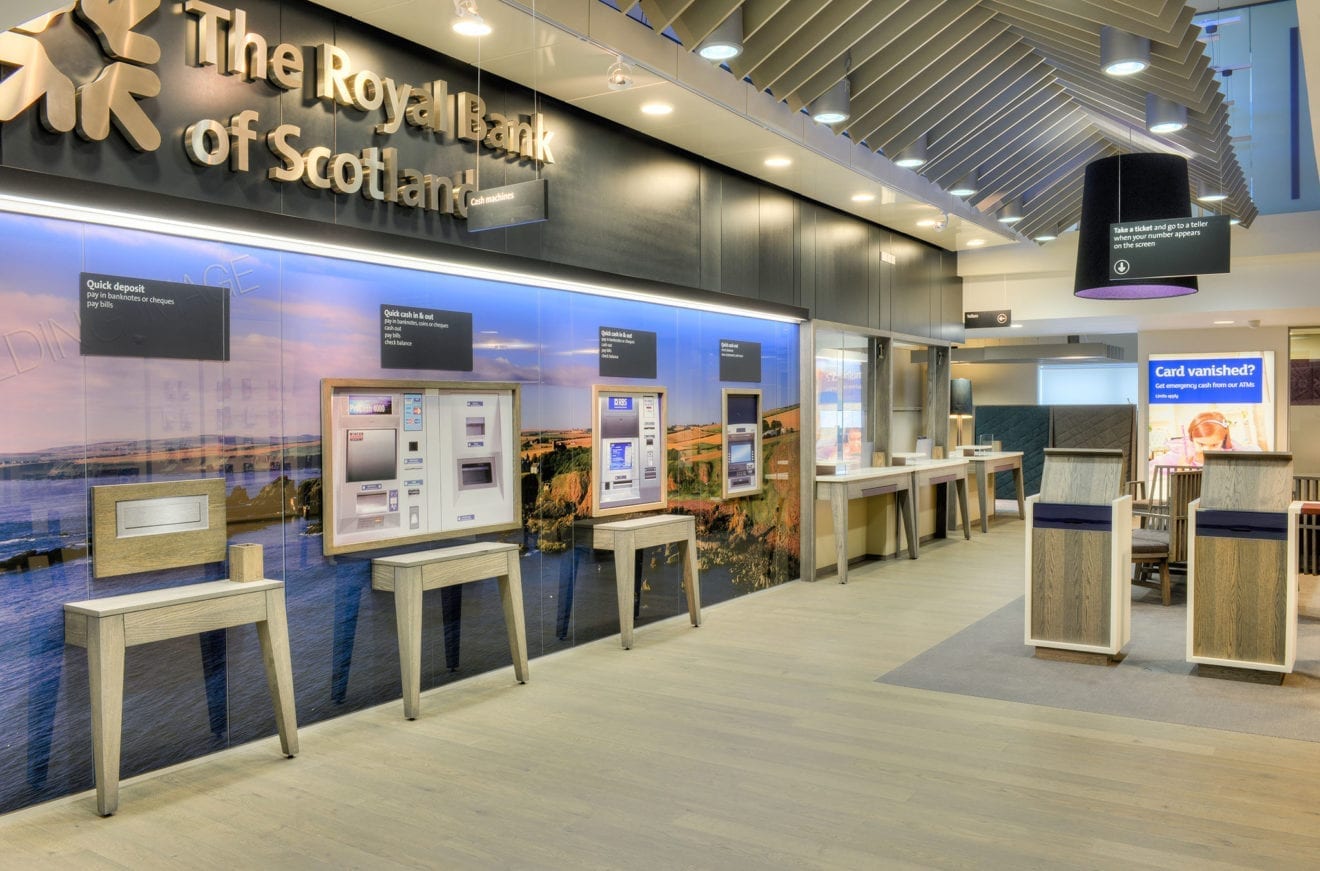
    Banks across Singapore are closing branches due to the reduced traffic expected as a result of enhanced social distancing measures, announced on Friday to curb the spread of Covid-19.

    While the financial sector was exempted from Singapore government’s order to suspend activities at workplaces from 7 April until 4 May inclusive, banks across the island announced limited operations during this period.

    The Monetary Authority of Singapore (MAS) affirmed that financial services will remain open and available to all customers and counterparties in Singapore and globally.

    All financial markets in Singapore remain open, and payment services are unaffected, the regulator said in a statement.

    DBS will progressively close 29 DBS/POSB branches until 4 May, starting with DBS Marina Bay Sands on 7 April, followed by POSB Newton and POSB Square 2 on 9 April. The remaining 28 branches that stay open will continue to operate regular banking hours but will reserve its first hour of operation for vulnerable customers like the elderly.

    The bank is also closing all DBS Treasures and DBS Treasures Private Client centers from 9 April to 4 May. Safe-deposit box access at DBS/POSB branches and DBS Treasures Centre will be available on Wednesdays by appointment. Full SME banking services will be available at branches in areas with higher trade and SME footfall. In addition, trade counters at Marina Bay Financial Centre, Jurong Gateway and Towner Road will also remain open, the bank said.

    OCBC Bank will close 22 of its 46 branches from 9 April to 4 May. Among the 24 branches that remain open are the 19 that offer Sunday banking services, as well as the five that offer safe deposit box services, with no changes to their banking hours. Its Trade Service Centres at OCBC Centre South and OCBC Tampines Centre 2 remain open.

    The bank said it has seen a 35-percent uptick in customers using digital solutions for their banking needs during this period and urged more to use its mobile and Internet banking platforms to minimize the need to visit bank branches.

    In a statement released on Friday, UOB said it «remain[s] committed to providing the banking services that are essential to them during these trying times.»

    The bank is expected to announce later today the details of branches that will remain open during this time.

    Standard Chartered is closing half of its 16 branches, while Maybank has closed six of its 15 branches. Seven of HSBC’s 13 branches in Singapore will shut, while Citi has closed eight branches, with its remaining locations operating revised hours, including a dedicated hour of vulnerable customers.

  • Alibaba promises ‘spring thunder’ to support SMEs during the coronavirus crisis

    Alibaba promises ‘spring thunder’ to support SMEs during the coronavirus crisis

    Alibaba group chairman and CEO Daniel Zhang has launched the “2020 Spring Thunder Initiative” to help small and medium businesses ride out the coronavirus pandemic.

    “We will … create new supply chains, stimulate new demand, and promote new trade through a series of aggressive measures,” he promised in a letter to staff.

    Zhang says Alibaba will work to help export-focused SMEs expand into new markets through AliExpress, Lazada and Tmall World, offering some companies resource support, fee reductions and fast-track processing to help them transform and develop their business in China.

    The company will activate manufacturing belts, incubate a group of “Super Producer IP” designations, and foster 10 digitized manufacturing clusters with production output valued at tens of billions in RMB.

    Another goal is to help 1000 factories develop direct-to-consumer sales in excess of RMB 100 million (US$14 million) within three years.

    Alibaba plans to help extend “immediate settlement” services until June 30, helping alleviate financing challenges for SMEs affected by trading challenges during the coronavirus crisis.

    And the e-commerce giant plans to help the agricultural sector grow through digitization along with creating 1000 Alibaba-run digitized agricultural centers across China.

    Alibaba’s online merchant bank Ant Financial is to work with hundreds of traditional banks to provide zero-contact loans to “tens of millions of small and micro businesses” says Zhang.

    His memo to staff, who he calls ‘Alibers’ is reminiscent of founder Jack Ma’s letter to staff 12 years ago during the financial crisis of 2008 when the company rolled out major relief initiatives for SMEs to survive the “economic winter”.

    At that time, three initiatives – “Dark Cloud,” “Wild Winds” and “Spring Thunder” – collectively helped 40 million SMEs to join the Alibaba ecosystem.

    The full text of Zhang’s letter to staff follows:

    Dear Alibers

    We are living through extraordinary times and Covid-19 is a battle being fought on a global scale. Our society, our economy and our everyday lives have been devastated by the pandemic; it has brought about monumental change. We, together with the rest of the world, are facing a future full of uncertainty, and it is more important than ever that we take immediate action.

    Small and medium businesses (SMEs) are the lifeblood of an economy. If SMEs are alive, then the economy will remain alive. If SMEs are thriving, then the economy will thrive. Twelve years ago, during the 2008 financial crisis, we rolled out three major relief initiatives for SMEs to survive the economic winter. The three initiatives – named “Dark Cloud”, “Wild Winds”, and “Spring Thunder” – collectively helped 40 million SMEs to fully absorb the confidence and conviction of our e-commerce platform for rehabilitating their business. Not only did we help to resolve the immediate challenges in their operations management and financing, but we also clearly improved their competitiveness in the long run. We remain incredibly proud of our decisions back then.

    When Alibaba was established 20 years ago, we defined our mission “to make it easy to do business anywhere.” The meteoric growth of the Chinese economy, together with advancements in internet and digital technology, and our unwavering commitment to our mission to serve SMEs have all helped make Alibaba what it is today. Given the massive uncertainties faced by the global economy and society here and now, we must stand arm in arm with SMEs around the world and fight the oncoming headwinds together. We must use the power of the Alibaba Digital Economy platform to take on the toughest challenges, and bring back confidence and inspire hope for everyone. The challenges we will face may be tougher than anything we’ve experienced over the past 20 years. But the bigger the crises, the stronger the connection between Alibaba and SMEs. The tougher the business environment, the more Alibaba needs to step up and fulfill our mission.

    Today, I am formally announcing the launch of the 2020 Spring Thunder Initiative. We will deploy the power of commerce and technology that Alibaba has harnessed over the past 20 years to create new supply chains, stimulate new demand, and promote new trade through a series of aggressive measures. We will continue to build out the new modality of essential infrastructure needed for the digital economy era. We will take every necessary action to help SMEs triumph over this economic winter.

    2020 Spring Thunder Initiative will include, but not limited to, the following measures and actions:

    • Help export-focused SMEs to expand into new markets through AliExpress, Lazada and Tmall World. Simultaneously, help a subset of these SMEs to transform and develop their business in the China market through measures such as resource support, fee reductions and fast-track processing.
    • Activate manufacturing belts, incubate a group of “Super Producer IP” designations, and foster 10 digitised manufacturing clusters with production output valued at tens of billions in RMB. Also, help 1000 factories realise direct-to-consumer sales of over RMB 100 million within three years.
    • Help the agriculture sector to prosper through digitisation, and create 1000 Alibaba digitised agricultural centers across China.
    • Help alleviate financing challenges for more SMEs by extending “immediate settlement” services until June 30th. Ant Financial online merchant bank will work with hundreds of traditional banks to provide zero-contact loans to tens of millions of small and micro businesses.

    The pandemic has exacted tremendous pain to our world, but it cannot stop hope from being born. In the global and China fight against the pandemic, Alibaba has proven to be a bulwark in the battle through our concrete actions. This pandemic will ultimately end, and we will eventually see the beginnings of new life. We must band together with the SMEs that need the most help, and convert Alibaba’s resources into strength for the SMEs. We must turn the “danger” brought about by the pandemic into “opportunity” for SMEs to prepare for the future through digital transformation. Now is the time for Alibaba to give back to our community and to give back to our SMEs!

    Sunshine always arrives after the rain. My fellow teammates, let’s get started!

    Daniel Zhang

    Alibaba Group Chairman and CEO

  • AirAsia’s burden adds on with asset-light strategy

    AirAsia’s burden adds on with asset-light strategy

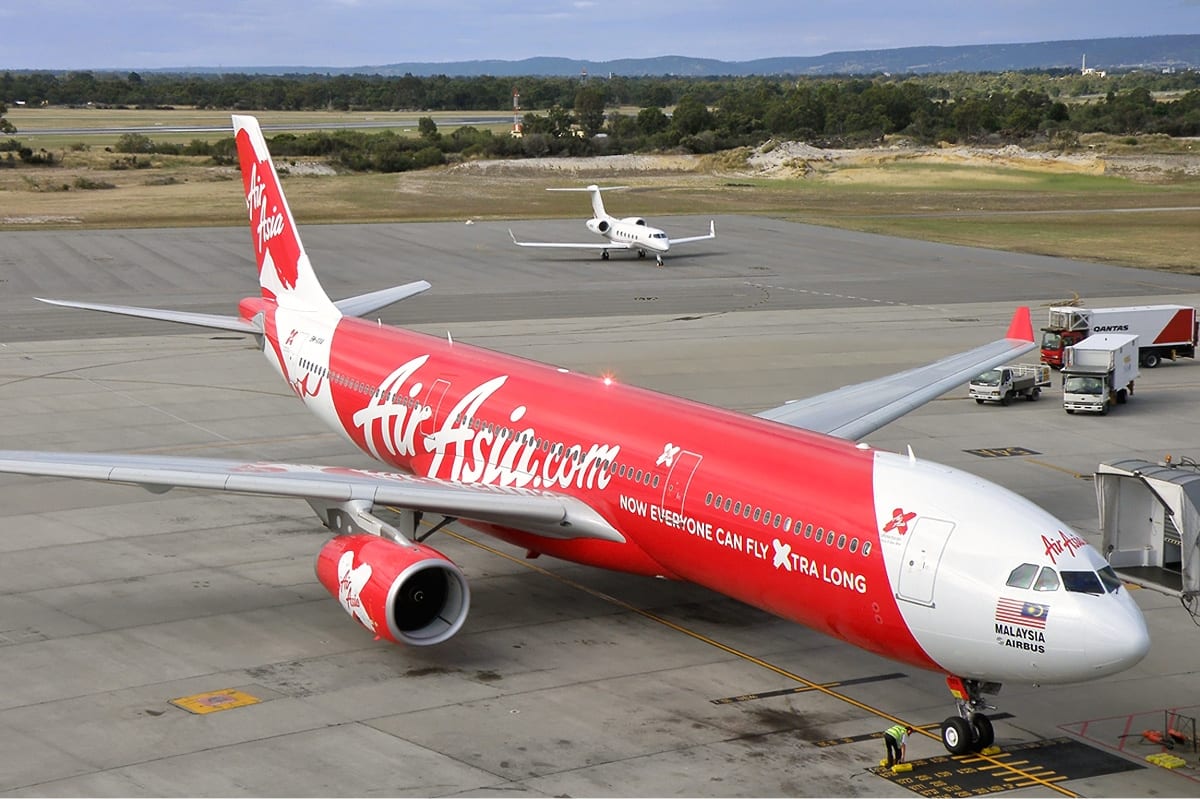
    AirAsia has quite a bit going for it. It has cash, RM2.59bil of it, a strong business model and a brand-name that naturally is a crowd-puller in any markets it ventures.

    However, the low-cost carrier knows it is not in a comfortable position in its course of navigating out of the economic maelstrom in the aviation industry caused by the coronavirus disease (Covid-19) pandemic. Firstly, the airline has high commitments to begin with by moving to an asset-light business model.

    It may be a good way of doing away with the residual risk of owning aircraft but in times of downturns, it is the airlines that will incur additional cost for leases.

    And this is proven with AirAsia’s fourth-quarter results for the financial year ended December 2019, where it dipped further into the red by 35.9% to record a net operating loss of RM373.95mil.

    Based on the 2019 unaudited results, leasing charges comes up to RM505.87mil while staff cost is another RM1.78bil.

    Coupled with other fixed overheads such as rentals and finance cost, the burn rate a month can come up to RM200mil, even with none of AirAsia’s flights in operation.

    The group has temporarily suspended all its international and domestic flights in its Malaysia operations for about a month and also in the region, including the Philippines, Thailand and India.

    In Indonesia, it is significantly reducing the frequency of its international and domestic flights.Assuming that everything is back on track with flights operating at their usual frequencies, AirAsia would be incurring additional expenses such as fuel cost, maintenance and overhaul and user charges.

    Based on the 2019 accounts, this would easily add RM300mil more per month to its cost.

    However, the low-cost carrier would generate some amount of cash flow to mitigate its cost.

    “The drawback is the operating cash inflow would not pick up quickly unless a vaccine is found for Covid-19, ” says an analyst.

    And the RM2.59bil, or whatever that is left now after the first quarter, is the only buffer the airline has when it resumes business operations.

    The group knows it cannot be taking any chances and it needs to raise as much cash as it can, which is why it is seeking out a loan from the government.

    This is also why group chief executive officer Tan Sri Tony Fernandes told Bloomberg Markets that it is going to be an uphill slog, even with his team having a lot of ideas to get going again.

    “No bailout. You don’t need a bailout. Obviously many airlines are looking at loans and we think the cash will last us for the most part of this year.

    “And when the sales return, then we’re okay. It’ll be great to get a loan as well and we’re working on that with our government, ” he told Bloomberg.

    The budget airline knows there is no way it is going to get easy money or cheap loans so the best bet is still the government and Fernandes is confident something will transpire out of the airline’s recent meeting with it.

    After all, AirAsia has a high bargaining power with it ferrying the bulk of passengers into Malaysia and domestic flights, which allows it to boast of accounting for 1.8% of the tourism industry’s contribution to the gross domestic product (GDP).

    The question now is, how much cash does it need and at what price would it come?

    Or will it be easier for shareholders to fork out money for a rights issue considering they have been amply-rewarded in the past two years?

    Shareholders of AirAsia have made a pile of cash over the last 18 months from dividends that the group has been giving out, largely from its strategy to go asset-light.

    The airline declared a record special dividend of 90 sen a share in May last year after it sold its 25 aircraft to US-based private investment firm Castlelake LP for US$768mil (RM3.22bil).

    Back in March 2018, it entered into a sales and leaseback arrangement with BBAM Ltd Partnership involving 79 aircraft and 14 aircraft engines, of which AirAsia received US$1.19bil (RM4.62bil).

    There was another special dividend of 40 sen declared for the third quarter of 2018, on top of the interim dividends of 12 sen each for the first and fourth quarters.

    Just from the two years, shareholders have pocketed RM5.15bil in dividends.

    The sales and leasebacks of the aircraft may have made the group asset-light but the commitments of the lease itself has become a huge burden to the airline.

    On the rumors of a merger between AirAsia and Malaysia Airlines, sources say it is unlikely to happen.

    “Malaysia Airlines’ burn rate is not likely to be as high as AirAsia. AirAsia employs 29,000 people while MAS has far fewer workes.

    “Moreover, AirAsia has commitments to take up new planes while MAS does not. So there really is no push for a merger, ” says an executive familiar with the airline industry.

    Instead, Khazanah Nasional Bhd, which owns 100% of Malaysia Airlines, might want to take a stake in AirAsia if the offer is cheap.

    “But there won’t be any merger. It is during a crisis like this that shows that you truly need a national airline on a standalone basis.

    “With AirAsia temporarily hibernating its planes, Malaysia Airlines is the only one prepared to fly, ” the source says.

    Year-to-date, AirAsia’s share price has declined 50.89% from RM1.69 to 83 sen as of yesterday’s close.
  • Sustainability concerns on hold as Covit 19 virus wreaks havoc

    Sustainability concerns on hold as Covit 19 virus wreaks havoc

    The coronavirus pandemic has slowed progress on sustainability issues in the retail industry, says GlobalData analyst Emily Salter.

    While sustainability was a buzz word last year and set to be a key focus of retailers through 2020, progress has now all but halted, says Salter.

    “Making changes to materials, logistics and production processes to improve the sustainability of products and operations will slow, as sustainability is no longer top of retailers’ and consumers’ agendas. This is due to long-term adjustments being costly and many non-food retailers will be financially unstable as they emerge from this crisis after a significant period of low or no sales,” she explains.

    Before the coronavirus pandemic brought retail to a standstill in most countries around the world, there were clear signs shopping habits were changing. For example, a survey undertaken in the UK last year showed 74 percent of consumers would prefer to shop at a supermarket that had more loose fruit and vegetables than packed. However, nowadays, people are seeking security and safety and there are signs shoppers prefer produce to be wrapped.

    There has also been a dramatic increase in sales of hand sanitizers and anti-bacterial gel in plastic bottles. Salter says consumers are showing little regard for plastic-free alternatives or refills.

    “Sustainability and single-use plastic will be less important to many consumers in the short term where hygiene and cleanliness is more of a priority to prevent the spread of the virus.

    “Another issue is the problem of unsold stock that retailers will be stuck with, as all non-essential stores and some websites have ceased trading temporarily,” she says.

    “Some items and ranges may be able to be sold at a later date, but this may not be the case for highly seasonal and trend-led pieces, raising questions about how these items will be disposed of.

    “Given Burberry came under fire for burning stock in 2018, retailers must be careful how they deal with this issue.”

    Accessories label Kurt Geiger took the initiative to donate some of its surplus stock to National Health Service staff excess, which reduced inventory and generated positive media exposure.

    “Although sustainability will slowly become more important again once the spread of Covid-19 has ceased, the increased awareness of cleanliness and germs is likely to remain at the forefront of shoppers’ minds and will continue to hinder the growth of sustainability initiatives, such as refill stores,” Salter concludes.

  • Fiat Chrysler Starts Ventilator Component Output In Italy

    Fiat Chrysler Starts Ventilator Component Output In Italy

    Fiat Chrysler Automobiles (FCA) has begun producing ventilator parts to help Italy’s Siare Engineering boost its output of the medical equipment needed to treat patients during the coronavirus crisis, the carmaker said on Friday.

    Carmakers around the world are ramping up the production of critical healthcare products and machines to respond to the enormous demand during the pandemic.

    Italy, the epicenter of the virus outbreak in Europe, had asked Siare to triple its normal monthly production as a part of government efforts to increase the number of intensive care beds.

    FCA said that with the support of luxury group Ferrari and holding company Exor, which controls both carmakers, it had produced the first electro valves, a key part in ventilators, at its plant in Cento, in northern Italy.

    The Cento plant is usually used to produces high-performance car engines for the global market. It had been closed because of the coronavirus but has partially reopened for this project.

    “With the additional supply of electro valves from Cento, Siare estimates that it will be able to reduce total production time for ventilators by as much as 30-50%”, the statement said.

    In addition to the production of the electro valves, a team of specialists from FCA is also working alongside Siare staff at their production facility near the city of Bologna.

    “The objective is to help increase Siare’s total production, with a gradual scaling up of daily output beginning from the first week of April”, FCA said.

  • Pomelo Cares programme launched to aid Covit19 battles

    Pomelo Cares programme launched to aid Covit19 battles

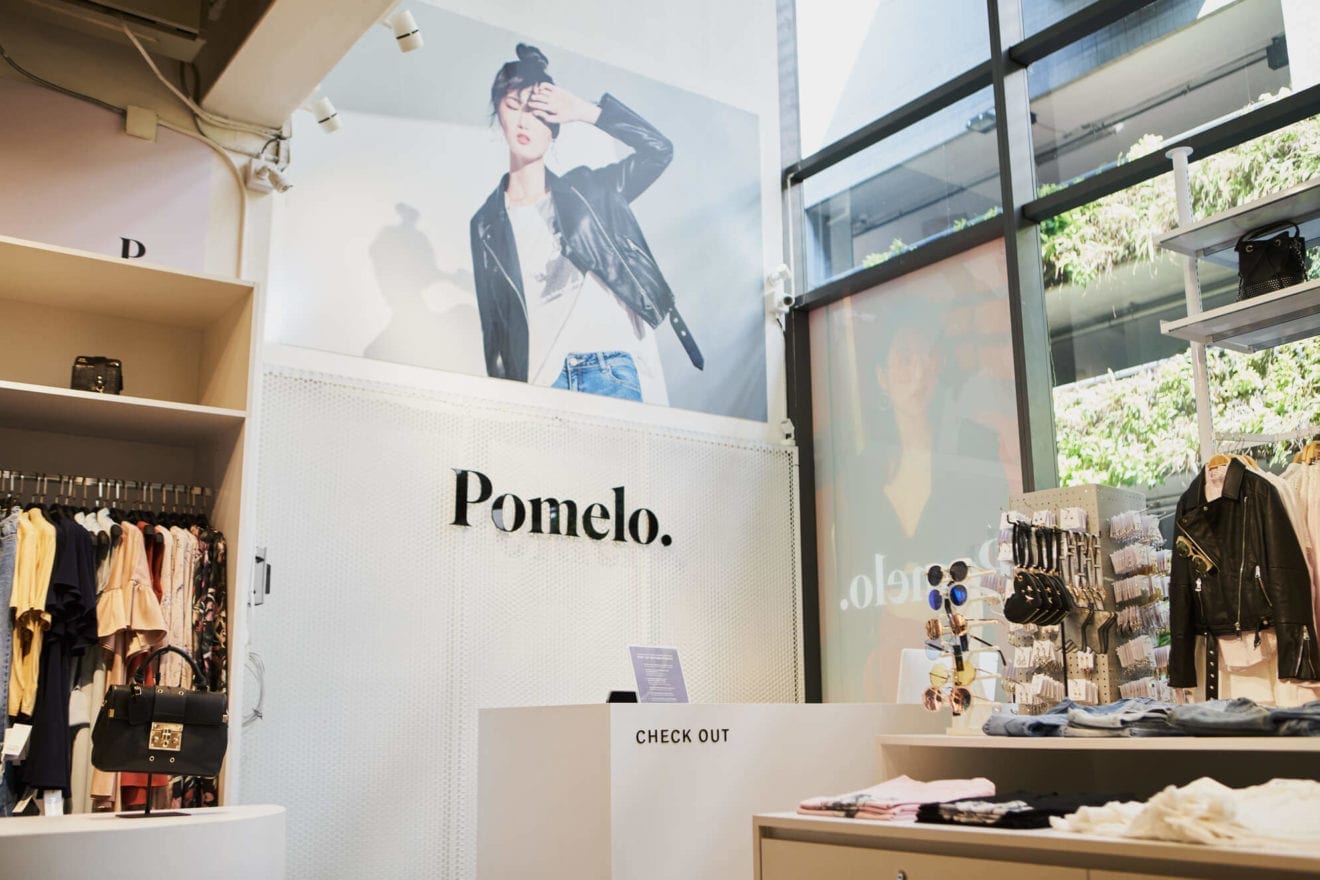
    Asian omnichannel fashion brand Pomelo has launched Pomelo Cares, an initiative to support the community and frontline medical sector during the coronavirus pandemic, as well as educate and encourage people to practice social distancing.

    From today, Pomelo Cares will support organizations and charities leading Covid-19 relief efforts in Singapore, Thailand and Indonesia. It will see 100 percent of profits from three-pack antibacterial fabric masks transferred to partner health organizations such as the Red Cross. Pomelo has also become a producer in creating these masks, using fabric originally procured for fashion items, and has pledged to donate more than 40,000 surgical masks to Thailand’s Red Cross.

    “We want to do our part to help spread the message of the importance of social distancing and giving back in this time of need,” said Pomelo CEO David Jou. “The coronavirus situation will evolve and we will continue to do our part to mitigate its spread, as well as finding new ways to engage our community in this time of need.”

    The website for the Pomelo Cares campaign will feature content from #PomeloGirlsAtHome, a social campaign aiming to spread positivity, unite the community, and encourage social responsibility with weekly Livestream shows. The campaign will also focus on the importance of social distancing during this time, with content encouraging Pomelo customers and the wider community to stay at home and find new ways to come together.

  • South Korean duty-free stores cut hours since travel restrictions

    South Korean duty-free stores cut hours since travel restrictions

    South Korean duty-free stores are electing to temporarily close for business as the coronavirus pandemic continues.

    With the continued idling of airport gateways, the industry has been hit particularly severely, with operators making tough decisions on opening hours that usually run 24/7/365.

    Shilla Duty-Free will shutter its store on the popular Jeju Island on weekends and holidays for the month, while Shinsegae Duty-Free closed yet its fifth outlet out of 19 stores at Incheon International Airport. Shinsegae has also agreed with the airport to stop midnight sales at the remaining stores in operation.

    Lotte Duty-Free and Shilla have also reduced hours at their Incheon Terminal 2 stores, closing at 9.30 pm. Shilla is also expected to shutter its Yongsan downtown store in Seoul.

  • HSBC Names Asia Private Banking COO

    HSBC Names Asia Private Banking COO

    HSBC continues to bolster its private banking business in Asia with the latest hire of chief operating officer, formerly with J.P. Morgan wealth arm.

    Sharon Oh joins HSBC Private Banking as its chief operating officer, replacing Gaurav Rao, who recently relocated to London for another role within the private bank. In her new role, Oh will report to Siew Meng Tan, APAC head of HSBC Private Banking, and Anil Venuturualli, global COO of the business. A spokesperson for the bank confirmed the hire.

    Oh was most recently with J.P. Morgan’s private banking arm where she was its chief of staff in the London-based global institutional client segment. Prior to this, Oh spent five years with J.P. Morgan Private Bank’s Hong Kong-based unit and was also previously Credit Suisse’s North Asia COO.

    Earlier this year, HSBC merged its retail, wealth management and private banking business into a single $1.4 trillion unit – «WPB» – in a bid to drive double-digit growth in client assets and revenue in the coming years.

    Oh will help us accelerate the delivery of our key initiatives and to harness the benefits of becoming part of WPB, Tan said in a statement.

  • Honda Extends North American Auto Plant Shutdowns

    Honda Extends North American Auto Plant Shutdowns

    Honda Motor Co has said that it will extend a shutdown of all U.S. and Canadian auto plant production through April 10 and at its plant in Celaya, central Mexico, until April 13, because of the ongoing coronavirus outbreak.

    Honda’s plant in El Salto in the western Mexican state of Jalisco, will also suspend production operations between April 4 and April 13, Honda’s Mexican unit said.

    Companies all over the world are joining in the battle against coronavirus, helping to make ventilators, face masks and hand sanitizer.

    A growing number of automakers have said they will not restart U.S. production until at least mid-April as demand sharply falls off for auto sales. Honda began its auto production halt on March 23.

  • Samsung responds to critics over Exynos 990-Snapdragon 865 performance gap

    Samsung responds to critics over Exynos 990-Snapdragon 865 performance gap

    Just a day or so ago, we told you that some members of Samsung’s chip unit were feeling “humiliated.” That’s because Samsung decided to power its three new flagship models with the Qualcomm Snapdragon 865 Mobile Platform everywhere except Europe. On that continent, the Galaxy S20, Galaxy S20+, and Galaxy S20 Ultra 5G are equipped with the Exynos 990 SoC produced by Samsung. This is the opposite of Sammy’s traditional processor pairings; historically, Galaxy S phones sold in the U.S. and China would be equipped with a Snapdragon chipset while the rest of the world would find an Exynos SoC under the hood.

    The lone exception to this setup (prior to this year) took place in 2015 when the Samsung Galaxy S6 was powered by the Exynos 7420 worldwide. Fears that the Snapdragon 810 was prone to overheating lead Samsung to make this move. So imagine that you work on the Exynos 990 in South Korea for Samsung and you discover that in that market, the only versions of the Galaxy S20 models available are those powered by the Snapdragon 865 Mobile Platform. That might humiliate you.

    Samsung said on Friday that “the Galaxy S20 is a smartphone that’s been reimagined to change the way you experience the world and depending on the region, the Galaxy S20 will either ship with the Exynos 990 or the Snapdragon 865. Both the Exynos and Snapdragon processors go through the same strict and rigorous, real-life testing scenarios in order to deliver consistent and optimal performance over the entire lifecycle of the smartphone.”

    Some Samsung fans in Europe are upset because they feel like they are paying more for what they consider an inferior product. That’s because they don’t consider the Exynos 990 to be a match for the Snapdragon 865. There are some who note that the Exynos 990 has a habit of throttling the GPU, negatively impacting the frame rate when playing a game; that can result in choppy looking animation.

    In addition, the Snapdragon 865 Mobile Platform uses ARM Holdings’ Cortex-A77 CPU cores providing it with a 20% performance advantage over the Exynos 990 chipset which uses the older Cortex-A76 CPU cores. And the GPU paired with Qualcomm’s SoC, the Adreno 650, outperforms the ARM Mali G77 GPU used with the Exynos 990.

    Last month, we told you that a petition was started on the Change.org website asking Samsung to stop selling flagship phones powered by its own Exynos chips. The petition has a goal of 35,000 signatures and as of this morning, it has attracted 34,222 leaving it just 778 short of the target.

    The actual petition reads, “Outside of the US, Samsung sells phones that use their own-branded Exynos SoC chips, instead of using Qualcomm’s Snapdragon. Samsung also use (sic) their own-brand camera sensors, whereas in the US, they use parts from specialists Sony. Based on experience, and studies from numerous sources online, we believe Samsung’s parts to be inferior to their US counterparts. Phones with Exynos SoC chips are shown to perform slower, have less battery life, use inferior camera sensors and processing, overheat and throttle faster, amongst other issues.”

    It goes on to say, “At the very least, we would appreciate if Samsung were transparent about their inconsistencies. Alternatively, for Samsung to ensure we weren’t paying the exact same price or even higher than our US friends. We have had to accept this over many years over different iterations of the flagship phones. Every year we have hoped for Samsung to either give us the same device or make their own parts perform on par with the competition. They have failed to deliver on these requests over and over again and the performance gap only seems to widen over time. In the age of transparency, it is time for a change and for us consumers to have the right to choose what we spend our hard-earned money on.

    Samsung, please hear us! We love your devices and want to be treated fairly so that we can continue to enjoy them.” Even if the manufacturer takes the time to read the petition, there is no guarantee that it will follow through on the request with future flagship models.

  • Ikea acquiring AI innovator Geomagical Labs

    Ikea acquiring AI innovator Geomagical Labs

    International furniture and homewares retailer Ikea’s investment arm Ingka has bought US-based AI innovator Geomagical Labs, known for its hi-tech solutions that inspire consumers shopping for furnishings.

    The 3D and AI technology developed by Geomagical Labs will be used to help customers to take 3D photos of their rooms and experiment with home furnishing solutions to fit their individual needs.

    “With Geomagical Labs on board, we can bring our home furnishing expertise to many people in new ways and assist them in their unique design needs,” said Ikea Retail chief digital officer Barbara Martin Coppola. “In a time when people spend more time at home, we can support our customers with their everyday life through an enhanced digital meeting.”

    Customers can access the platform via the Ikea app and on Ikea.com, where they can also purchase items directly online.

    “Our work has focused on using technology and magical experiences to enable people’s creativity,” said Geomagical Labs founder and CEO Brian Totty. “We are thrilled to join one of the world’s most beloved brands and are excited to work together to transform the way people interact and purchase home furnishings by bringing together inspiration, imagination and world-class design.”