Tag: asia

  • Nervous Chinese consumers hesitating to return to retailers

    Nervous Chinese consumers hesitating to return to retailers

    Mainland Chinese retailers are discovering that a return to normal business after the coronavirus will take longer than expected.

    Shopping malls and high-street shops have begun to reopen across the country as the worst of the pandemic which paralyzed the nation in February appeared to be over.

    According to figures from China’s Ministry of Commerce, about four in five restaurants and cafes and 90 percent of commercial facilities have now reopened.

    But retailers are reporting footfall is well down on pre-coronavirus levels. One worker at a Walmart store in Shanghai told a reporter that customer numbers were running at about half the usual level. “Sales are not growing at all.”

    Data from the China Chain Store & Franchise Association shows that more than half of companies operating shopping malls expect a decline in sales of between 30 percent and 70 percent during the first quarter of this year. None expect growth.

    Fast-food operator Yum! China had earlier reported in a shareholder update that customer numbers were down by about 20 percent late last month, but it expected turnover to steadily recover. Store closures peaked in mid-February when about 35 percent of the company’s network of KFC, Pizza Hut and Little Sheep chains were closed, the balance offering delivery only. Almost all stores are now trading again.

    But the problem for retailers – ranging from food to fashion – is that consumers remain nervous about the potential to contract the virus and are continuing to practice social distancing. This has led to many who may have routinely dined out after work, eating at home instead.

    Other consumers are practicing frugality due to lost earnings or concerns about their ongoing job security, while many Mainland Chinese consumers are shopping online.

    While shops in major cities have been given the official green light to resume trading, many luxury stores remain closed.

    Electrical goods retailer Suning says some of its stores are experiencing only about half the pre-coronavirus footfall.
  • H&M’s sales recovery derailed by Covit 19 virus

    H&M’s sales recovery derailed by Covit 19 virus

    Solid results from restructuring have been dented, but fast-fashion label sees potential online.

    A recovery in fast-fashion retailer H&M’s sales and profit has been muted by the impact of the coronavirus pandemic on stores across Asia.

    First-quarter data for the company showed global sales growth of almost 8 percent, despite sales in China, the company’s second-largest market, plunging 24 percent in local currency.

    Demand collapsed in February when more than two-thirds of the chain’s stores in China were closed, driving sales down 84 percent.

    Kate Ormrod, the lead retail analyst at GlobalData, said that while a slow recovery in the Chinese market offered hope for the brand as stores began to reopen, the spread of coronavirus through other markets including Hong Kong, Japan, Macau, Singapore and Taiwan saw March sales slump by 46 percent, contrasting with a 7-per-cent rise in the same month a year ago.

    Online has provided some respite with H&M’s e-commerce sales lifting 17 per cent during the first month of the second quarter, and 47 out of 51 online sites it sells through still operating.

    With three-quarters of its stores worldwide now shuttered, including all shops in Australia and the US, H&M is looking at ways to boost turnover online.

    “We do think that the crisis, in general, will lead to a fast shift towards digital,” new CEO Helena Helmersson told the Financial Times. “We need to be ready for that and accelerate some parts of our work.”

    Despite a plan to see operating overheads reduced by up to 25 percent, H&M’s sales during the second quarter are projected to fall far enough to result in a loss.

    ‘‘Present in 74 markets, H&M’s global operation makes the challenge of dealing with Covid-19 all the more harder, ensuring the pandemic is a true baptism of fire for Helmersson,” said Ormrod.

    Evidence of the impact of restructuring undertaken during the last year, H&M achieved a net increase in an operating margin of 2.9 percentage points to 4.9 percent during the first quarter, despite the impact of the coronavirus.

    “H&M has reaped the rewards of its extensive transformation plan – which we expect to help protect the retailer in the long run and ensure it can better cater to a post-coronavirus consumer,” observed Ormrod.

    Meanwhile, the Swedish-headquartered company has suspended new orders but undertaken to pay for stock already fulfilled or in production.

    “Protecting the business is a priority but just as it continues to lead the way on sustainability H&M has an opportunity to set itself apart from other fast-fashion retailers by setting the standard when it comes to treating stakeholders ethically amid the crisis,” said Ormrod

    “Producing PPE equipment and making donations is commendable, but all eyes are on how H&M treats its thousands of workers, with reduced working hours and temporary lay-offs already enacted and redundancies remaining on the table.”

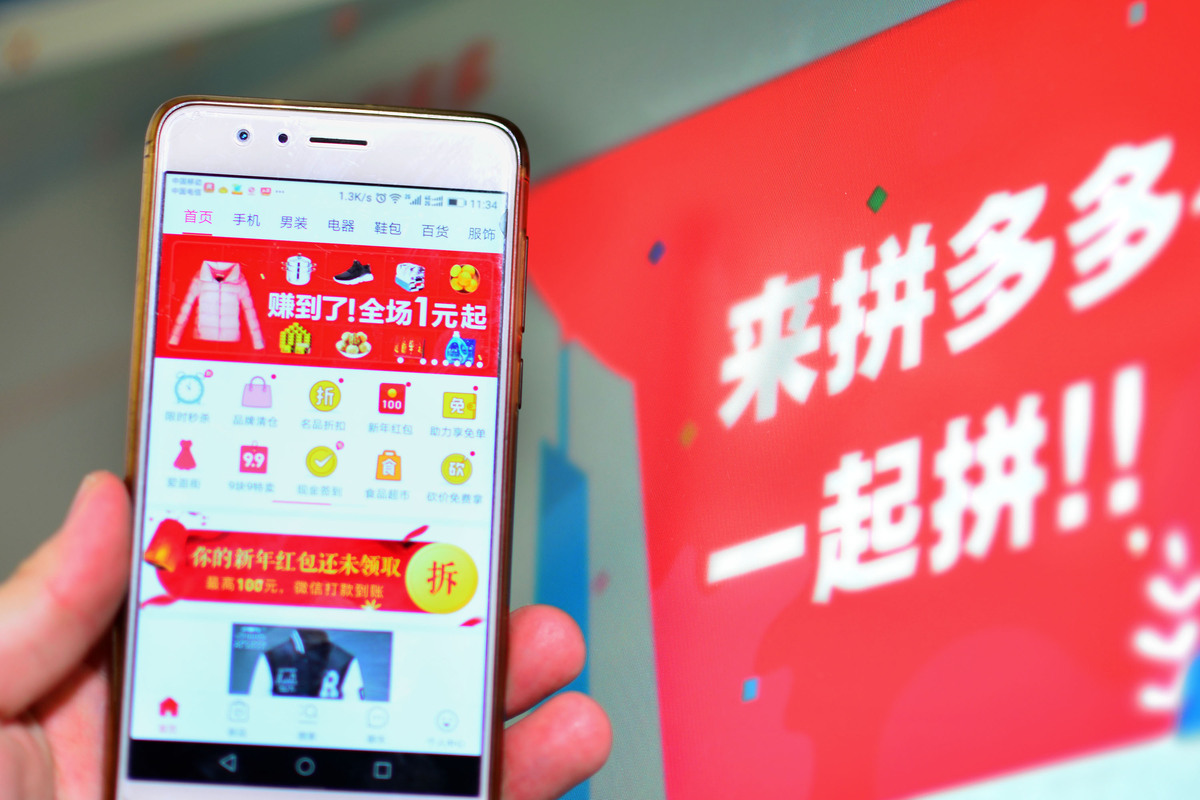
  • Pinduoduo collects US$1.1 billion in private funding

    Pinduoduo collects US$1.1 billion in private funding

    Chinese e-commerce platform Pinduoduo has successfully raised US$1.1 billion in a private funding round.

    The firm will use the new funding, some of which was contributed by long-standing investors, to capture “additional opportunities” during a period when the world’s economy is affected by the coronavirus pandemic. Investors in this funding round were granted 2.8 percent of ordinary shares in the firm.

    The Shanghai-based business, which is a local competitor to Alibaba, saw poor fourth-quarter revenues following the impact of Covid-19, with a loss of US$250 million.

    “Pinduoduo surpassed RMB1 trillion [$140.9 billion] in annual gross merchandise value (GMV) in less than five years,” said Pinduoduo VP of strategy David Liu, “and we are confident that we will see robust growth beyond our current 585 million user base.

    “The extra funding gives us the strategic flexibility to capture opportunities to further benefit our users, as we bring interactive experiences, such as our new live-streaming features, and wider variety of value-for-money products to them.”

  • AI fashion-tech firm Odd Concepts receives $6 million

    AI fashion-tech firm Odd Concepts receives $6 million

    South Korean AI-based fashion-tech firm Odd Concepts has raised US$6 million in Series B funding, taking the company’s accumulated investments to about US$10 million.

    The funding is expected to allow the business to expand its growth into Asia-Pacific markets, applying its proprietary machine learning technologies to other industries.

    Fashion-tech firm Odd Concept’s fashion-styling service PXL is based on the firm’s own algorithms for recognizing, analyzing and searching images and recommends personalized fashion products based on an analysis of products that interest consumers. Around 100 e-commerce firms in Korea and other countries in the region use the service, with about 9 million unique users.

    Participants in the funding round included KB Securities, HB Investment, Kiwoom Investment-Shinhan Capital, Korea Development Bank and SBI Investment Korea.

    “We decided to invest in Odd Concepts because the company’s own technology clearly verifies the class of excellence in the popular field of fashion commerce,” said KB Securities assistant manager Jeong Seong-hoon.

    “I expect Odd Concept’s proprietary machine-learning technologies would be applied to other industries extensively.”

  • Strict Thai curfew forces stores to close cross nation

    Strict Thai curfew forces stores to close cross nation

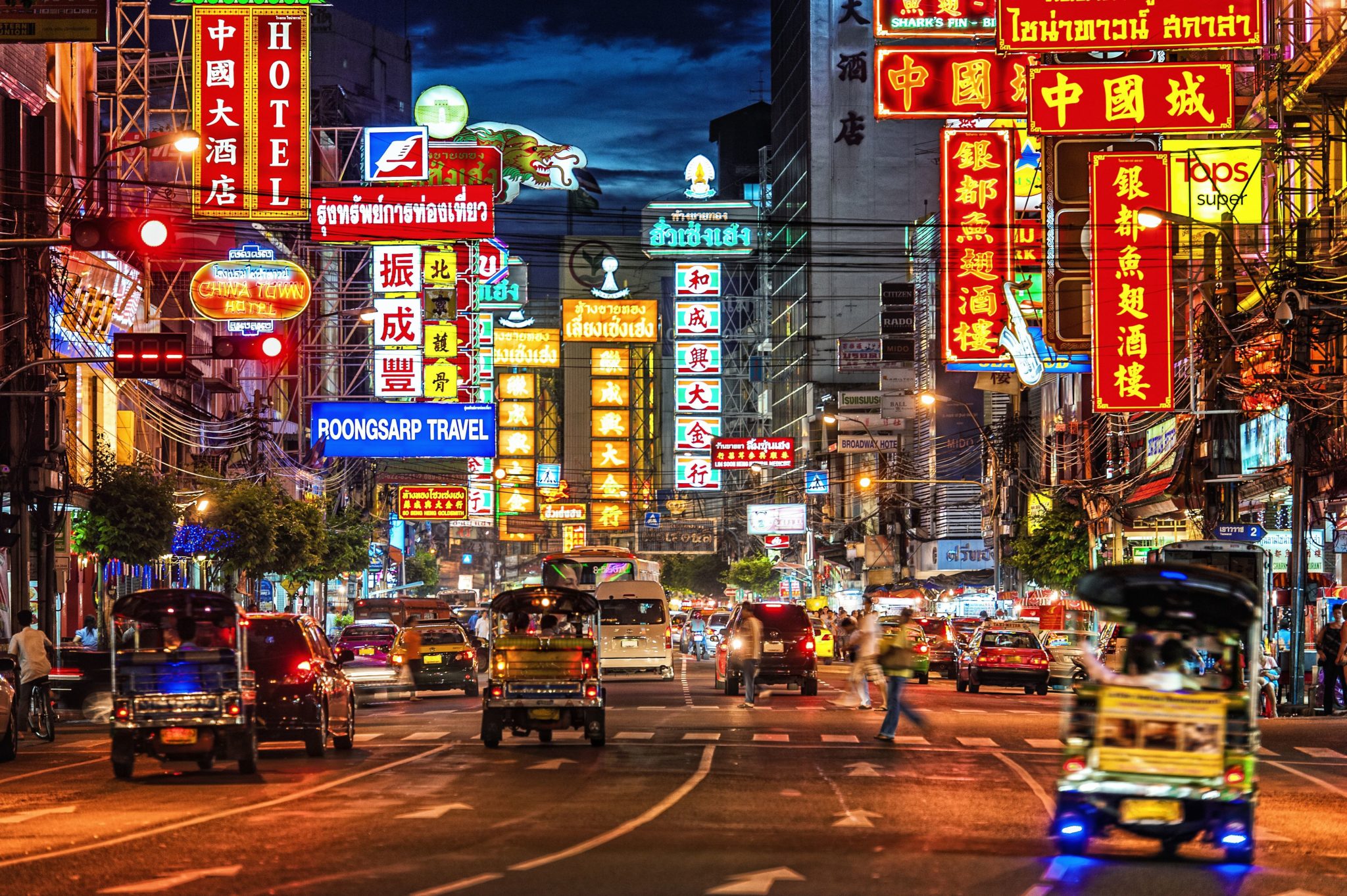
    Thailand’s government has imposed an overnight curfew effective tonight that will force the closure of tens of thousands of convenience stores and street vendors.

    The curfew will run from 10pm to 4am. During that time all Thais and visitors to the country must remain indoors, with exceptions only for emergency services, medical workers and patients.

    Further exemptions include the transportation of goods, farm produce, medical supplies, fuel, parcels, goods destined for export or import, vehicles transporting people to quarantine sites, shift workers, and people traveling to or from airports.

    People who breach the curfew face up to two years in jail and/or a fine of up to Bt40,000 (US$1200).

    A majority of Thailand’s 7-Eleven stores, and rival chains, in urban areas traditionally trade 24 hours a day serving shift workers and tourists, but as of tonight, they will be forced to close.

    The move follows a ban on restaurants and bars serving customers on-site and a total, indefinite liquor retailing ban in one northern province.

    Thailand’s usually vibrant tourist industry has been decimated by the coronavirus epidemic with foreigners now all but banned from entering the nation and lockdowns and social-distancing measures being enforced nationwide.

    In addition to the curfew, public transport will be suspended across Thailand from 9.30pm to 4am, from tonight onwards.

    As of Thursday, Thailand had reported 1875 cases or coronavirus and 15 fatalities.

  • Apple accidentally confirms the AirTags name for its tracking accessory

    Apple accidentally confirms the AirTags name for its tracking accessory

    Yesterday we told you that there was speculation about when Apple might finally unveil its Apple AirTags item tracker. The latest rumor has the AirTags being announced during the online version of WWDC. As you might know, the COVID-19 outbreak has forced Apple to move its annual developer’s conference to the internet although it has yet to release a date for it to be streamed. Since this is a whole new product category for the company, Apple would prefer to have it introduced and demonstrated by a company executive online instead of merely issuing a press release.

    Throughout last summer, there was a strong sense that Apple would announce the tags at its annual September iPhone event, and when it wasn’t, many figured that the project had been 86’d. But leaked images soon made it apparent that the AirTags project was still alive. AirTags are said to be circular tags with a removable battery that can be attached to items such as a keychain, a pet collar, bicycle, luggage, and more. Heck, it can even be used to track an untrustworthy spouse.

    The AirTags will work in conjunction with the Find My app and will rely on the U1 ultra-wideband, or UWB chip that was quietly included with the 2019 iPhone models. The chip sends out short-distance radio waves using Time of Flight; these radio waves bounce off the subject and return to the phone to help deliver a more precise location where a missing item might be found. The chip might also be used with the CarKey feature expected to arrive in iOS 14; CarKey will allow an iPhone user to open his/her car door and start the engine remotely with the phone. UWB can reportedly locate a tagged item within four inches of its actual location.

    A video that Apple left on the internet today for 15 minutes before removing (it received 1,500 views) revealed that the accessory will indeed be called AirTags. The video was created to show iPhone users how to wipe their handset (and we don’t mean wiping with an antibiotic cleaner). In the video, we can see a menu with a section called “Enable Offline Finding.” Under that listing, it reads, “Offline finding enables this device and AirTags to be found when not connected to Wi-Fi or cellular,” So this pretty much confirms the AirTags name. This also endorses the use of the USB U1 chip for the tracking system.

    A string of code discovered last year revealed some directions for finding a tagged item using AirTags. The code said, “Walk around several feet and move your iPhone up and down until a balloon comes into view.” Leaked images showed a 3D red balloon and a 2D orange balloon that will apparently surface when an AirTags user moves closer to a tagged item. If an item is missing, the tag it is connected to can be put in “Lost Mode.” With this setting enabled, an iPhone user who stumbles across the tag will be able to send an iMessage to the owner to work out a way to address the missing item back to its rightful owner.

    Earlier this year, reliable TF International analyst Ming-Chi Kuo called for the AirTags to be unveiled during the second or third quarter of this year.  At this point, it would appear that he is going to be correct. He also forecasts that 10 million AirTags will be produced before the end of this year.

  • Indonesia AirAsia’s growth halted due to coronavirus and economy

    Indonesia AirAsia’s growth halted due to coronavirus and economy

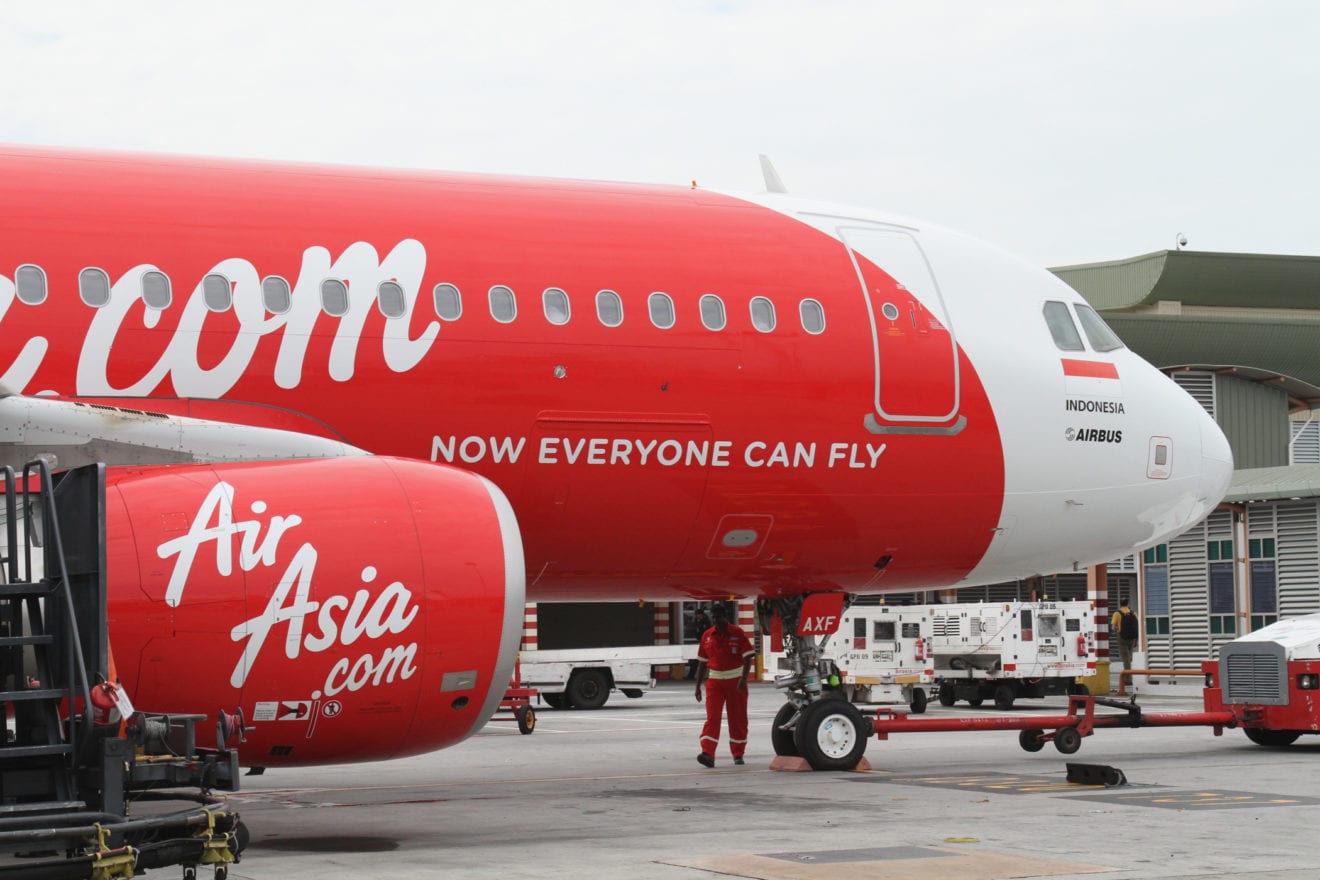
    Indonesia AirAsia has been forced to halt its growth plan for this year, as a result of the coronavirus pandemic and economic challenges faced by Indonesia.

    The plan for 2020 was for the low-cost carrier to increase its market share by adding three new aircraft and launching new services, having recorded a 28% growth in revenue for 2019 as compared to 2018, says parent company AirAsia Indonesia.

    The viral outbreak has led to travel restrictions imposed by neighboring countries and is affecting the demand for domestic and international air travel. AirAsia Indonesia says that Indonesia’s “economic situation has become more challenging”, noting that the exchange rate for rupiah against the dollar is now at more than Rp16,000 ($0.97), and it continues to fluctuate.

    “By considering these factors carefully and deeply, the company is forced to suspend international and domestic flights until the situation improves, and demand for air travel picks up. The measure will certainly have a significant influence on the company’s operating and financial performance in the first half of 2020,” says AirAsia Indonesia.

    Indonesia AirAsia suspended operations on 1 April. Domestic flights are suspended until 21 April and international flights until 17 May.

    Meanwhile, AirAsia Indonesia’s plan to resume trading on Indonesia Stock Exchange (BEI) by offering new shares to the public was also affected, although it did not offer any other details.

    It was suspended from trading in August 2019 for not complying with BEI’s requirement for a company to have at least 7.5% of its paid-in capital available as free float in order to remain listed. As of 29 February, it only had 1.6% of shares available for trade.

    AirAsia Indonesia’s priority for the group over the next six months is to reduce its operating cost base by renegotiating with suppliers and key stakeholders, and to ensure that it can continue to operate during this period, it says. This will then be followed by working to “restore” its finances after the outbreak is declared over.

  • Veoneer And Volvo Cars To Split Zenuity Software Joint Venture

    Veoneer And Volvo Cars To Split Zenuity Software Joint Venture

    Geely-owned Volvo Cars and auto tech supplier Veoneer will split their jointly owned software venture Zenuity as the Swedish carmaker focuses on developing autonomous driving software, the companies said on Thursday.

    Volvo and Veoneer said last year they were conducting a strategic review of Zenuity, which develops software for advanced driver assistance systems (ADAS) and autonomous driving, in part due to a wider introduction of self-driving cars being pushed further into the future.

    Under the new agreement, Veoneer will integrate the current Zenuity business focused on ADAS software, while Volvo Cars will set up a new stand-alone company to take over Zenuity’s development and commercialization of unsupervised autonomous drive software.

    Geely Automobile and its sister company Volvo Cars are planning to merge and list in Hong Kong and possibly Stockholm, giving Volvo access to public markets after it dropped a move to list its stock two years ago. Ciara Lee reports

    “This means that we will buy today’s systems (ADAS) from a more traditional supplier relationship, but development-wise we now want to put our focus on the next generation of products,” Volvo Chief Technology Officer Henrik Green told Reuters.

    Volvo’s part of Zenuity will focus on software that will be introduced in the next generation of cars based on Volvo’s SPA2 vehicle architecture platform, starting from around 2022, Green added.

    The agreement will see about 600 of the current 800 Zenuity staff and consultants transfer to the new Volvo Cars-owned company, with the remainder moving to Veoneer.

    Veoneer, which also makes radars and vision systems and expects 90% of its available market to be for advanced driver assistance systems (ADAS) in the next decade, said the move would help it drive its business strategy more effectively.

    The loss-making company said it expected annual savings of around $30 – $40 million from the deal as well as a payment of around $15 million from Volvo Cars, subject to final agreement.

    Shares of Veoneer, which is seeking to cut costs as the coronavirus outbreak makes its path to profitability exceedingly challenging, were up 3.8% by 1020 GMT.

    Analysts at Carnegie said the move was positive for Veoneer, and that its decision to focus on ADAS software was the right one.

    The split was expected to be finalized in the third quarter at the latest, the companies said.

  • Digital Payments in China Surge

    Digital Payments in China Surge

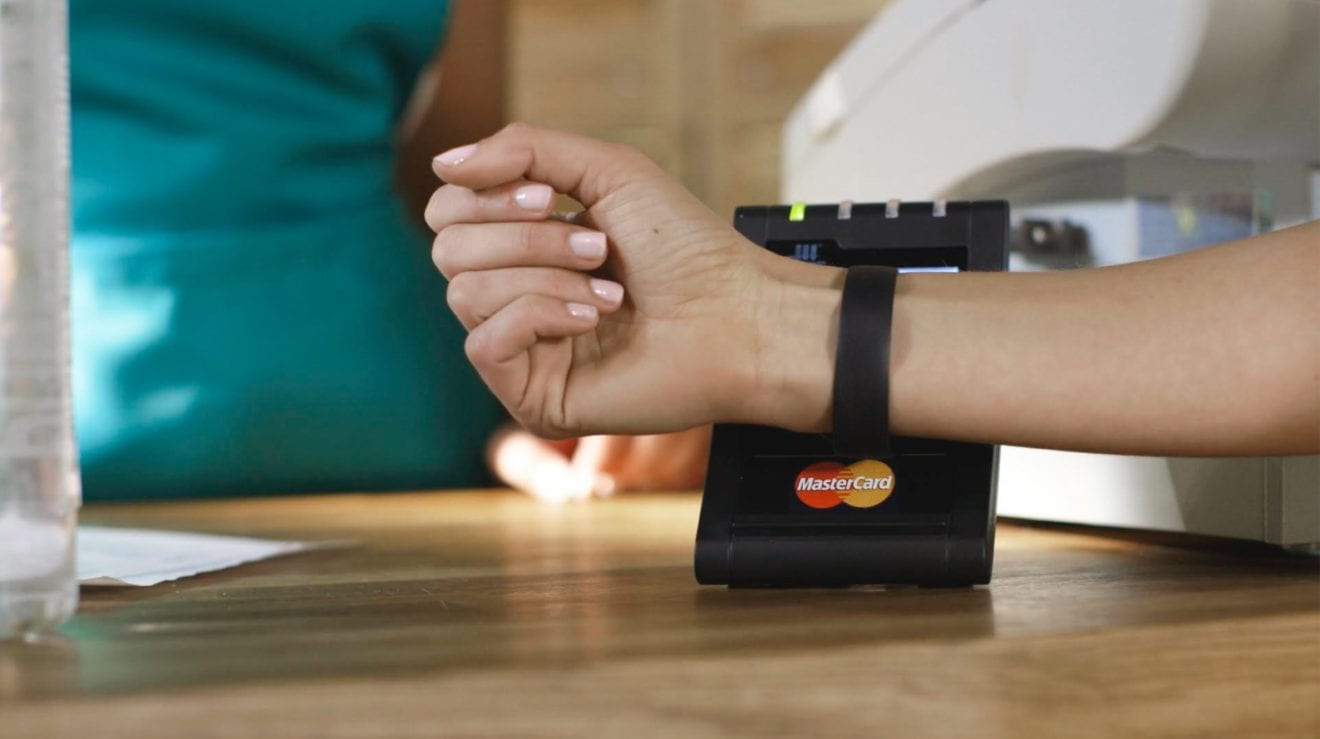
    China’s digital payment market grew to $8.4 trillion in the last quarter of 2019 and there are signs of still robust momentum in the months following the outbreak.

    By transaction volumes, Alipay retained the top rank with 55.1 percent followed by Tencent’s two platforms – WeChatPay and QQ Wallet – at 38.9 percent, according to a report (Mandarin only) by independent research firm iResearch.

    The remaining 6 percent where split between 1qianbao (1.4%), JD Pay (0.9%), UMPay (0.6%), 99bill (0.6%), Yeepay (0.5%), China UMS (0.3%), Sunin Pay (0.2%) and others (1.5%).

    59.8 trillion yuan ($8.4 trillion) in total digital payment representing a year-on-year increase of 13.4%

    Even in the midst of an ongoing coronavirus outbreak, the Chinese digital payment market signaled strength, the report underlined.

    Beijing-based grocery startup Meicai attracted 800,000 new users in one week on an online platform that connects farmers with consumers and restaurants. Between March 18 and 22, Alipay registered average daily purchase of nearly 1.1 million cups of milk tea via branding programs.

  • LVMH-backed L Catterton invests in Japanese cosmetics company Etvos

    LVMH-backed L Catterton invests in Japanese cosmetics company Etvos

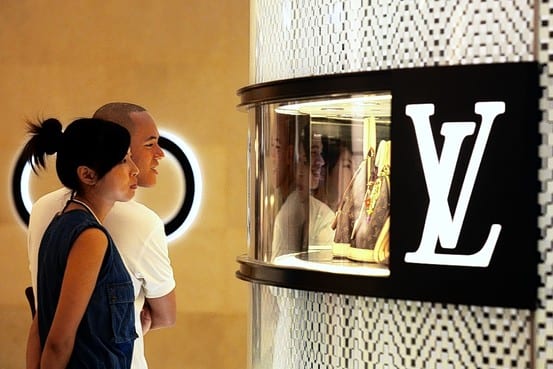
    Japanese cosmetics brand Etvos has received a significant investment from global private-equity firm L Catterton’s Asia fund.

    The LVMH and Groupe Arnault-backed fund will partner with Etvos’s existing management to extend growth, with special attention to expanding store footprints and enhancing customer experiences.

    Following the completion of this investment, LVMH Japan president Norbert Leuret and Chanel G.K former special advisor Masatoshi Kuroda will join Etvos as non-executive directors to enhance the board composition.

    “This investment is a testament to the tremendous efforts and hard work of the Etvos team and we are pleased to partner with L Catterton as we accelerate our growth,” said Etvos CEO Hifumi Ogawa. “We look forward to leveraging L Catterton’s unmatched sector expertise and wide network of industry contacts as we expand our retail footprint, enhance the customer experience, and further expand our high-quality product portfolio.”

    The investment is L Catterton’s first in a Japanese cosmetics brand.

  • Citi Extends Relief Payouts to Hong Kong

    Citi Extends Relief Payouts to Hong Kong

    Lower-income staff at Citi will receive payouts in line with chief executive Michael Corbat’s call to extend global support during the crisis.

    Hong Kong-based employees with an annual base salary of HK$470,000 (US$60,622) or less will receive a one-time payment of HK$8,000 ($1,032). This follows the bank’s announcement last week to provide economic support to 75,000 staff globally including $1,000 to each worker in the U.S. with an annual salary of $60,000 or below.

    «This initiative is for colleagues who are more likely to face economic hardship in the current situation,» said Angel Ng Yin-yee, Hong Kong and Macau chief executive at Citi, in a statement. «We hope that our support will help lighten their load as they cope with other challenges and family priorities during this time.»

    Singapore Relief

    Citi also made a similar announcement in Singapore, highlighting relief measures to support retail and institutional clients such as interest and fees waivers, tenure extensions, alternative settlement arrangements and loan payment reduction programs. And in support of the Singapore government’s latest financial relief program, Citi will also offer clients the option to convert outstanding unsecured balances from their Citi credit cards into low-cost term loans.

    «We recognize the financial stress to our clients as a result of the COVID-19 situation,» said Amol Gupte, ASEAN head and Singapore country officer at Citi, expressing support for clients and the city-state’s government.

    For the time being, global banks continue to demonstrate support for the global economy, especially the economically vulnerable, amidst a persistent coronavirus pandemic. In addition to payouts or loan-related relief, the industry has committed to temporary job cut halts, dividend cancellations and even free online classes for homebound children.

  • Harvey Norman executives take pay cut as crisis worsens

    Harvey Norman executives take pay cut as crisis worsens

    Harvey Norman has told shareholders the business will not pay an interim dividend and that its executive team and non-directors will forgo 20 percent of their salaries and director’s fees for three months.

    “In the present environment, the board believes that preserving cash is the most prudent course of action to protect shareholder value,” company secretary Chris Mentis wrote in a letter to shareholders.

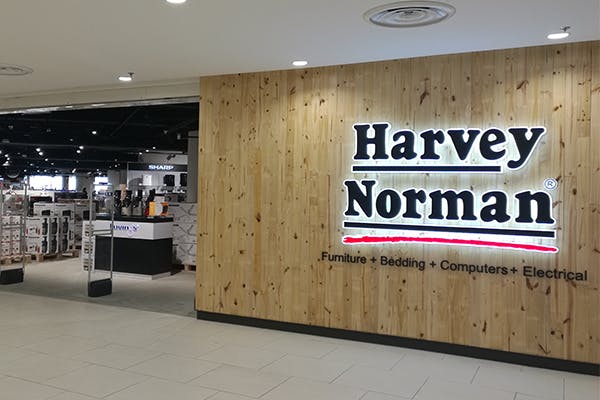
    Australian-based Harvey Norman operates stores in Singapore and Malaysia, selling electronic and electrical goods and furniture.

    The decision will keep A$149.5 million of cash in the business and comes two weeks after Harvey Norman revealed a 9.4-per-cent increase in comparable sales in its Australian stores for the period of March 1 to 17.

    At the time, chairman Gerry Harvey told television program 60 Minutes that coronavirus could be an ‘opportunity’ for retailers in certain categories, noting that sales of freezers had quadrupled and air purifiers had doubled.

    Public backlash was swift, and two days later Harvey admitted he was “mortified” that he had come off as a “heartless, greedy old bastard”.

    “Now everyone thinks I’m this callous old bastard out making a profit on other people’s misery… but believe me, that was not my intention,” Harvey said.

    “I was trying to give a positive view of the Covid-19 crisis.”

    Harvey Norman was contacted but had not provided comment by publication.

    The Harvey Norman board’s decision is made in the context of dozens of retailers entering a hibernation state amid a collapsed bricks-and-mortar retail sector, with customer confidence hitting an almost-50-year low.

    ANZ head of Australian economics David Plank said confidence on current economic conditions had fallen almost 50 percent over the last two weeks to its lowest ever level.

    “And many other aspects of the survey are exceptionally weak. The announcement of the largest fiscal package yet may stabilize confidence, but much will depend on how the pandemic evolves,” Plank said.

  • Over 320,000 jobs in Asia-Pacific travel-retail industry under threat

    Over 320,000 jobs in Asia-Pacific travel-retail industry under threat

    Governments across Asia Pacific are being urged to protect more than 320,000 duty-free and travel-retail industry jobs at risk during the coronavirus pandemic.

    The Asia Pacific Travel Retail Association claims that the jobs in the US$36 billion industry may be overlooked by politicians devising financial rescue measures to deal with the economic fallout of the pandemic. It is asking governments to support the industry along with airlines, airports and maritime businesses.

    In a special report, the association outlines the industry’s almost $15 billion contribution to GDP across Asia Pacific.

    “Airport retail and commercial services, including food and beverage, constitute a crucial business sector providing up to 60 percent vital commercial income for airport owners, outpacing aeronautical revenue streams,” read a statement issued by the association.

    “It is the most significant direct contributor to the investment in Asia-Pacific’s aviation infrastructure and ongoing development of world-class national gateways, the region’s hubs to the world.”

    “The dynamics of duty-free and travel retailing are intrinsically linked to the aviation and maritime industries and its viability is entirely dependent on the return in passenger traffic,” said association president Grant Fleming.

    “This means 320,000 jobs are at risk that could be safeguarded if governments extend financial support packages to the industry.”

  • Coroner hears details of infant’s death at Urban Revivo

    Coroner hears details of infant’s death at Urban Revivo

    A free-standing mirror that crushed an infant to death at an Urban Revivo store at Jewel Changi last August weighed more than 100kg, the Singapore coroner heard yesterday.

    The accident occurred when two six-year-old boys, one a brother of the infant Lai Jiaxin from China, were playing behind it. When one of the boys stepped out from behind the mirror, it tipped over, crushing the one-year-old, causing head injuries from which she later passed away at Changi General Hospital.

    The coroner’s inquest heard that Urban Revivo subsequently removed all free-standing mirrors from the store. All mirrors there now are screwed down and glued to prevent a recurrence of the tragedy.

    Investigation officer Sarah Habibah told the inquest that police do not consider any foul play to be involved in the death, which she described as due to misadventure.

    Jiaxin was one of eight members in a group of family and friends who traveled to Singapore for a four-day holiday. They were at the Urban Revivo stores for some last-minute shopping before a scheduled flight home that afternoon, August 23.

    During the inquest, before State Coroner Kamala Ponnampalam, a video from in-store cameras was played. It showed the two boys running around in the store, under the eye of their grandmothers, while their parents were trying on clothes. The boys went behind the mirror and when they exited separately the mirror fell onto Jiaxin.

    Store staff helped to free the child from beneath the mirror but she was bleeding from her nose and mouth.

    The coroner will deliver her findings on the death on April 15.

  • Luckin Coffee’s value crashes after it admits falsifying sales data

    Luckin Coffee’s value crashes after it admits falsifying sales data

    Chinese chain Luckin Coffee has admitted senior executives exaggerated sales to boost the company’s worth and reputation.

    In a stunning admission, the company has advised investors not to rely on financial statements for the nine months to September last year. Transactions totaling about 2.2 billion yuan (US$310 million), have been cited.

    COO Jian Liu and an unspecified number of other employees have been suspended while the company’s board investigates their misconduct.

    “Certain costs and expenses were also substantially inflated by fabricated transactions during this period,” Luckin said in a stock exchange filing.

    Shares in the company plunged by 81 percent yesterday after the company’s admission.

    Launched in January 2018, Luckin Coffee’s growth trajectory was so fast the company was valued at an astonishing US$2.2 billion within 12 months.

    The true extent of the misrepresentations remains unclear while a panel reviews financial records. However, in November, the company claimed sales were running at six-times the rate of the previous year.

    Prior to its listing in the US, the company secured investment from the Singapore Government sovereign wealth fund GIC and China International Capital Corp, among others. It raised US$778 million in early January and $645 million in a US IPO.

    Luckin Coffee has previously been touted as a serious threat to US chain Starbucks which currently dominates China’s fast-growing coffee cafe market.

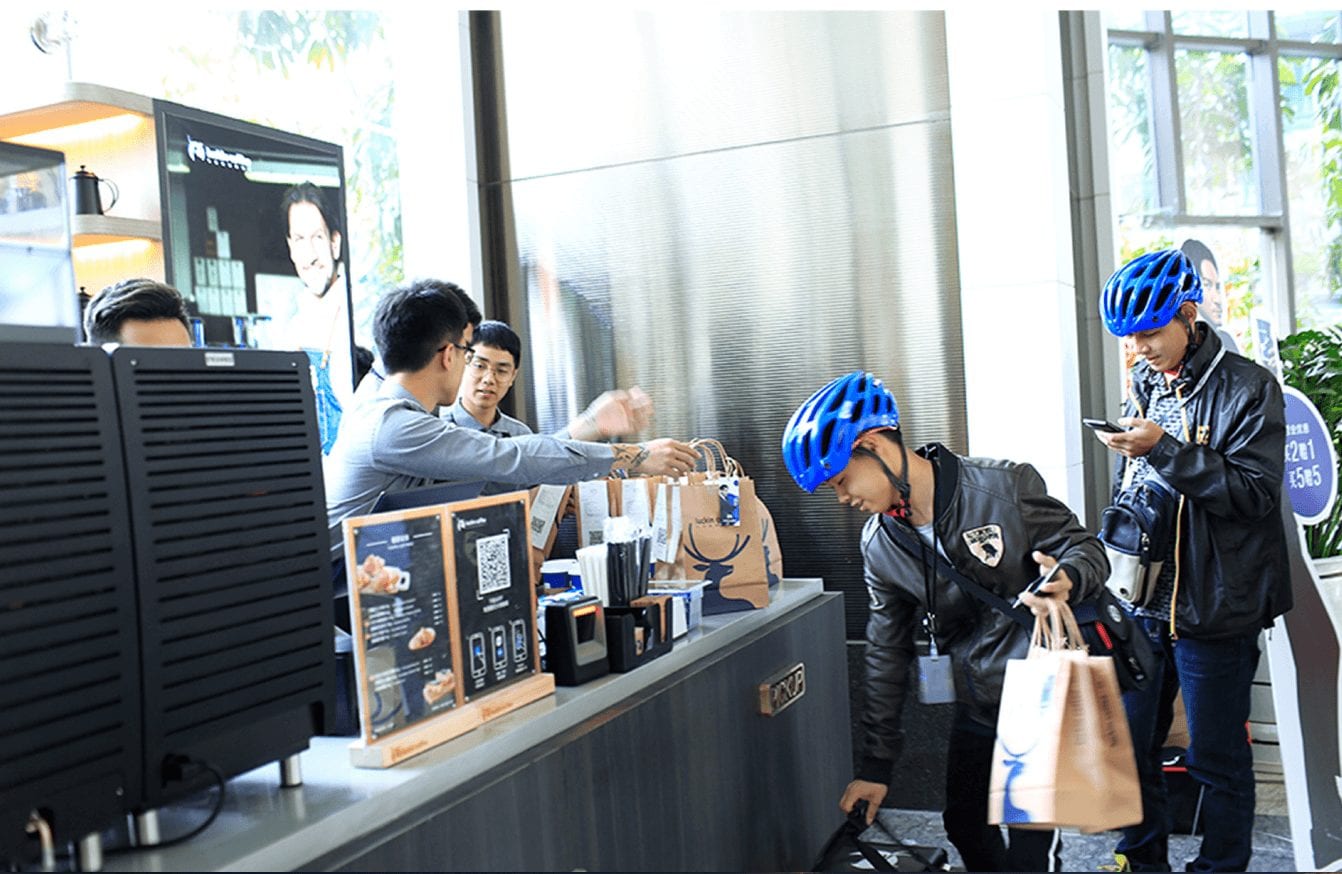
    Luckin Coffee’s aggressive competitive strategy involves an IT-focused approach whereby customers purchase coffee via an app, with which they can then monitor brewing progress via live stream. It was counting on technology and a considerably lower price point to win market share from Starbucks.

    Luckin Coffee was planning to reach 10,000 locations by the end of next year, but analysts are now casting doubt on its ability to achieve that goal. At the end of last year it had 4500.

    “It will take several years for management to repair its credibility,” Keybanc Capital Markets analyst Eric Gonzalez said in a note to clients, reported by Bloomberg.