Tag: asia

  • Estee Lauder declares strong growth across Asia

    Estee Lauder declares strong growth across Asia

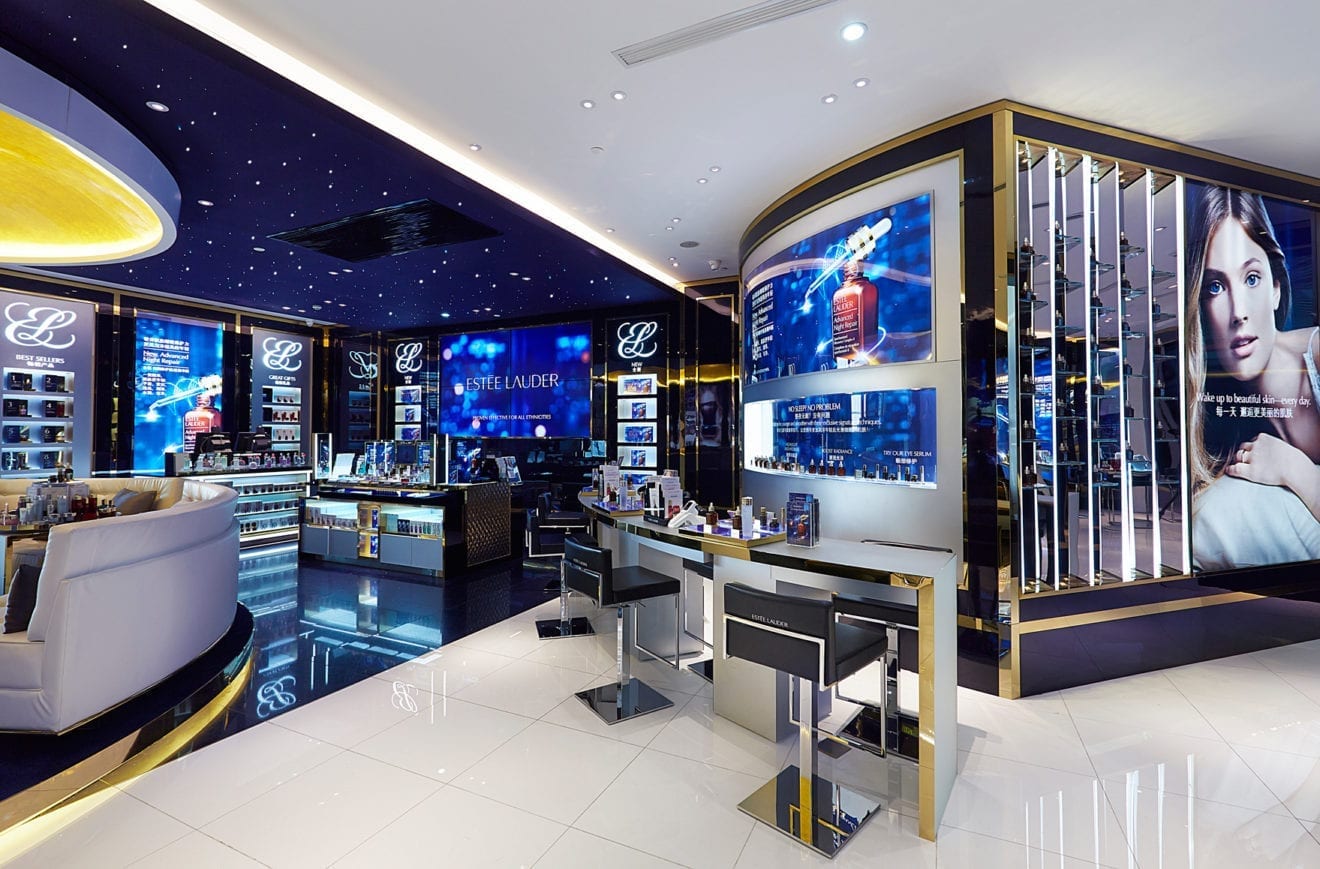
    Estee Lauder has reported “strong double-digit sales growth” in nearly every Asia-Pacific market in the latest quarter.

    Globally, the company achieved sales of US4.62 billion in the three months to December 31, up by 15 percent year on year, but in Asia especially the cosmetics giant thrived.

    “Greater China delivered strong double-digit net sales growth,” the company said in a statement.

    “Growth accelerated on the mainland, reflecting, in part, an outstanding performance related to Singles Day and other events. Net sales in Hong Kong declined as a result of the ongoing events impacting key shopping areas.”

    The company said emerging markets in Southeast Asia also delivered strong growth.

    “Among developed markets, South Korea rose in double digits and both Japan and Australia grew solidly in constant currency.”

    Online sales more than doubled in the region.

    Estee Lauder reported net earnings of $557 million, down from $573 million last year.

    “We delivered superb results in our second quarter, leading to an excellent first half,” said Fabrizio Freda, president and CEO. “Our multiple engines of growth generated broad-based gains across all our regions and major categories, as our prestige brand portfolio was well received by global consumers during the Singles Day event and holiday season.

    “Our sales growth came from all facets of our business, including the Asia/Pacific region, the skincare and fragrance categories, the online and travel retail channels, and the Estee Lauder, La Mer and luxury fragrance brands. Our emerging markets continued to be vibrant and we made progress towards the stabilization of our North American business despite continued softness in the makeup category. Additionally, we completed the acquisition of the Korean-based Dr Jart+ brand at the end of the quarter, which strengthens our position in global skincare.”

  • Vietjet opens three more direct routes connecting Vietnam with India, boosting the regional connection further

    Vietjet opens three more direct routes connecting Vietnam with India, boosting the regional connection further

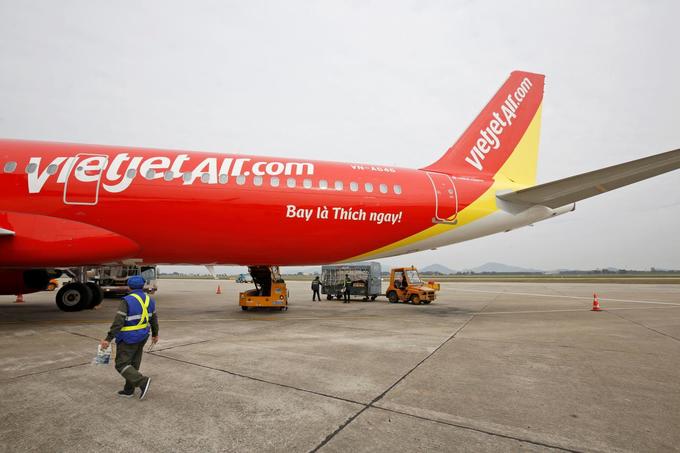
    To meet rising demand for air travel between Vietnam and India as well as across the region, Vietjet has announced three new direct routes connecting Vietnam’s three largest hubs, Da Nang, Hanoi and Ho Chi Minh City, with two of India’s largest economic, political and cultural centres, New Delhi and Mumbai.

    The Da Nang – New Delhi and Hanoi – Mumbai routes will commence operations starting from 14 May 2020 with a frequency of five flights per week and three flights per week respectively. The Ho Chi Minh City – Mumbai route will operate four weekly flights starting from 15 May 2020.

    “We are excited to continue connecting Vietnam destinations to the market of over 1.2 billion population in India after receiving positive feedback regarding our previous two direct flights that linked both Ho Chi Minh City and Hanoi with New Delhi,” said Vietjet Vice President Nguyen Thanh Son.

    “With just over five hours of flight time per leg, and a convenient flight schedule throughout the week, Vietjet’s newest routes between Vietnam and India will create many more trade and tourism opportunities between the two countries, helping to boost the economies of both. The expansion of Vietjet’s flight network into India also reaffirms the airline’s ongoing commitment to continuously help flyers in saving cost and time. Passengers can enjoy flying on our new and modern aircraft, and taking transit flights to famous destinations across Southeast Asia, including Malaysia, Indonesia, Singapore, Thailand and many other countries, thanks to Vietjet’s extensive flight network in the Asia Pacific region,” he added.

    Located in Central Vietnam, Da Nang not only possesses beautiful beaches but also world-famous tourist attractions, such as the Golden Bridge, Ba Na Hills, Dragon Bridge, and much more. The city also serves as a gateway to many of the country’s most famous heritage sites, including the ancient town of Hoi An, the former imperial citadel in Hue city, the world’s biggest cave Son Doong and many other fascinating destinations. Meanwhile, Hanoi and Ho Chi Minh City are Vietnam’s two largest political, financial, economic and cultural hubs, offering tourists a heady mix of historical sites, cultural activities, incredible shopping options, cosmopolitan dining as well as amazing street food.

    In recent years, India has emerged into one of Asia’s most exciting and attractive destinations thanks to its diverse cultural, religious, culinary and tourist attractions. Besides the incredible capital of New Delhi, Mumbai, once known as Bombay, serves as one of India’s most important financial and economic centres and is an extremely enchanting destination in its own right. India is also well-known as an ancient and captivating land with many treasures of cultural heritage, colorful festivals and historic religious sites.

    With the addition of the three new routes, Vietjet will become the operator with the most direct routes between the two countries, offering five direct routes from and to India. The airline currently operates the HCMC/Hanoi – New Delhi services at a frequency of four weekly flights and three weekly flights, respectively.

    As the people’s airline of choice, Vietjet always keeps up to date with the latest travel trends to introduce new flying opportunities to more and more people at reasonable prices. The new-age carrier has also implemented a program called “Protect the planet – Fly with Vietjet”, which involves a series of meaningful activities, such as “Let’s clean up the ocean”, “Take action against plastic waste”, and many more initiatives, to help create a green planet for all of humanity and protect the environment for future generations.

    Flight schedule of new flights between Vietnam and India:

    Flight Flight code Frequency Departure
    (Local time)
    Arrival

    (Local time)

    Da Nang – New Delhi VJ831 5 flights/week

    Mon, Wed, Thu, Fri, Sun

    18:15 21:30
    New Delhi – Da Nang VJ830 5 flights/week

    Mon, Wed, Thu, Fri, Sun

    22:50 5:20
    Hanoi – Mumbai VJ907 3 flights/week

    Tue, Thu, Sat

    20:20 23:30
    Mumbai – Hanoi VJ910 3 flights/week

    Wed, Fri, Sun

    00:35 6:55
    HCMC – Mumbai VJ883 4 flights/week

    Mon, Wed, Fri, Sun

    19:55 23:30
    Mumbai – HCMC VJ884 4 flights/week

    Mon, Tue, Thu, Sat

    00:35 7:25
  • DBS Makes First Transaction on Networked Trade Platform

    DBS Makes First Transaction on Networked Trade Platform

    The platform, which connects players in the trade value chain in Singapore to their counterparts abroad, cuts trade processing time from about one week to a day.

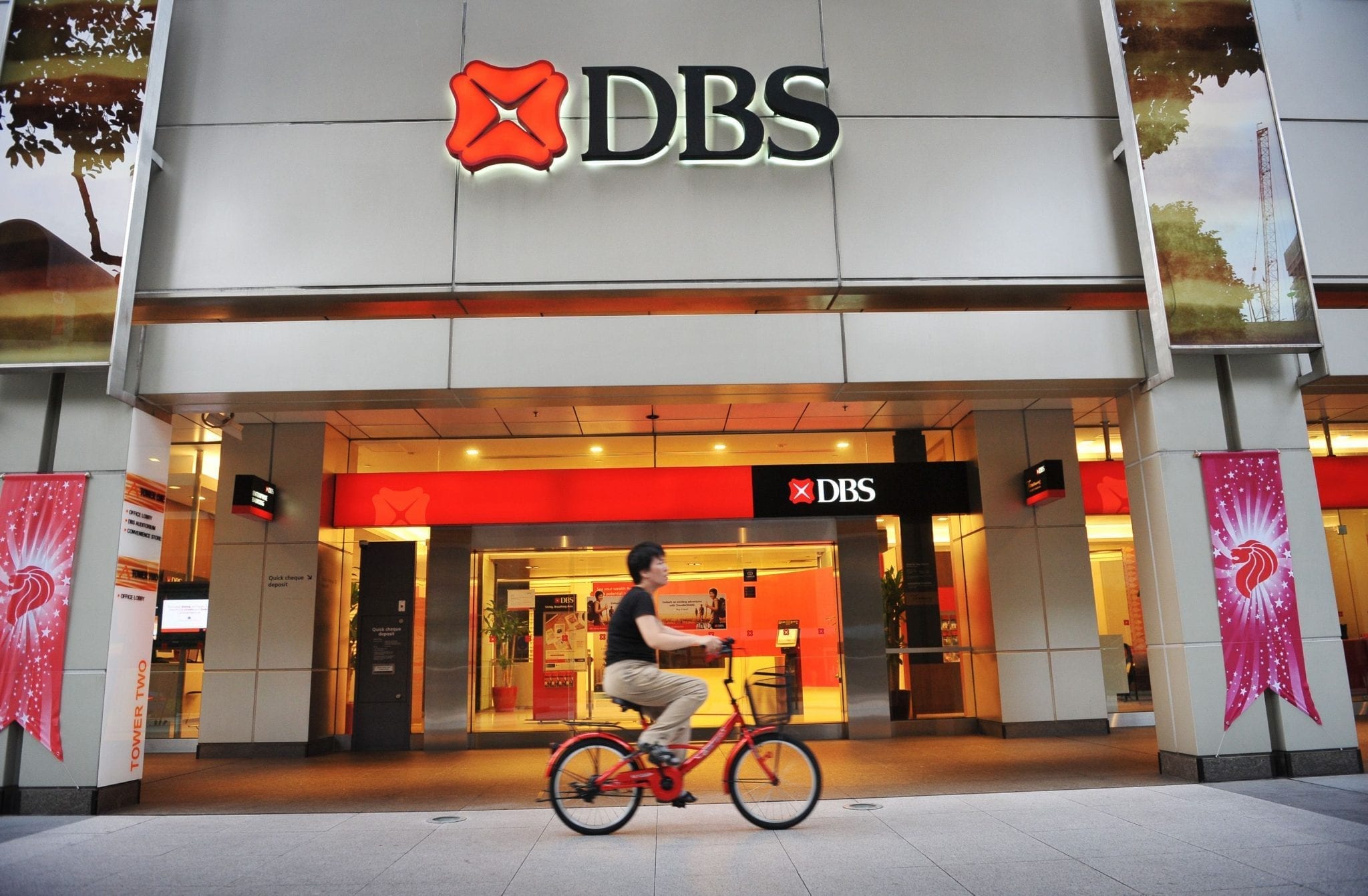
    DBS Bank has completed the first fully digital trade settlement on Singapore’s Network Trade Platform – a $3.5 million letter of credit transaction between car manufacturer Audi and its local distributor Premium Automobiles.

    The first transaction is a «critical step towards transforming documentary trade, of which domestic letters of credit constitute around $150 billion of Singapore’s trade flows», DBS said.

    A second trade among the two parties, valued at $2.8 million, is currently in the works.

    The NTP is part of a wider concerted effort by the Singapore government to drive an industry-wide digital transformation to build a trade and logistics digital ecosystem that connects businesses, community systems and platforms and government systems.

    «Digitalizing a traditionally paper-centric trade ecosystem requires support from like-minded industry partners who embrace technology and change,» said Serene Ho, director of Networked Trade Platform Office (NTPO). She said the office would continue to work with financial institutions and industry partners to «realize Singapore’s vision of a paperless trade ecosystem».

    In the statement, DBS highlighted its other recent initiatives to digitize trade, including the ICC Tradeflow Platform with Trafigura; HeveaConnect, a digital trading marketplace for sustainable rubber; Agrocorp, a digital trade platform for commodities; and YunLiangMeng, a blockchain platform for automotive logistics.

  • Alibaba and JD launch logistics solutions to help coronavirus response

    Alibaba and JD launch logistics solutions to help coronavirus response

    Chinese online e-commerce giants Alibaba and JD have both introduced logistics solutions for medical personnel working to arrest the spread of coronavirus in China.

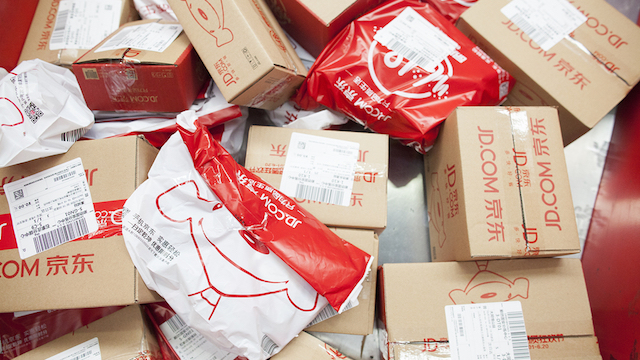
    Alibaba has launched a global B2B sourcing platform to connect medical goods suppliers with frontline staff fighting the virus, while JD has been making preparations for drone delivery of medical supplies in China as it tests the use of its autonomous delivery robots in Wuhan.

    The Alibaba Global Direct Sourcing Platform will allow Alibaba to use an RMB1 billion (US$143.46 million) fund established shortly after Wuhan city was quarantined to fight the spread of the outbreak. The fund’s purpose is to purchase vital medical supplies within and outside China to support medical personnel in Wuhan and other places affected by the virus.

    The platform will match needed medical supplies with products offered by vendors. Goods purchased through the platform will go to hospitals based on urgency and priority.

    JD is concurrently turning to advanced technology to reduce human to human contact during the coronavirus while ensuring normal operations of its logistics facilities and last-mile delivery.

    JD says its automated warehouses are working 24/7 to meet the demand for daily necessities as online shopping is believed to be the safest way to get goods while remaining protected from the coronavirus. The number of daily orders processed by these automated warehouses has increased from 600,000 to 1 million on average between January 24 and February 2.

    JD’s unmanned convenience store solution JDX Mart is also offering consumers in Guilin, Shenzhen and Dongguan a seamless and contactless way to get their everyday convenience store products while reducing the risk of infection.

  • Reliance to launch Balenciaga in India

    Reliance to launch Balenciaga in India

    Indian retailer Reliance Brands is to launch Spanish fashion label Balenciaga in India.

    The move comes shortly after Reliance signed a deal to bring US luxury jewelry brand Tiffany and Co to India last July, with the first store opening last month in New Delhi.

    The first Balenciaga in India store will open in the Jio World Centre mall in Mumbai.

    Reliance now holds a portfolio of more than 45 international luxury and premium brands.It operates more than 682 stores.

    Balenciaga is a Basque heritage label that was acquired by Kering nearly 20 years ago. It sells in several locations in Asia, including Hong Kong, Indonesia, and Mainland China. It achieved US$15 billion in sales in 2018.

  • Phnom Penh Megamall launch delayed

    Phnom Penh Megamall launch delayed

    The Phnom Penh Megamall developer has delayed the mall’s launch until the fourth quarter of this year owing to lagging interior design work, according to its marketing representative CBRE Cambodia.

    The 47,000sqm, 11-storey shopping hub is being constructed as a mixed-commercial centre.

    “The delay has nothing to do with market issues,” said CBRE Cambodia MD Ann Sothida. “Companies have expressed their interest and have leased about 70–80 percent of the building’s retail space, with the ninth floor entirely leased out.”

    According to local news media reports, the Phnom Penh Megamall, which is being constructed in the building which used to house a Parkson department store, requires additional foundation works unexpectedly when the project commenced.

    CBRE Cambodia reports 19 buildings in Phnom Penh currently offering 314,000sqm of retail space in total, with an additional 261,746sqm in retail space supply expected to launch this year.

  • FamilyMart Japan reveals results of shorter trading-hours test

    FamilyMart Japan reveals results of shorter trading-hours test

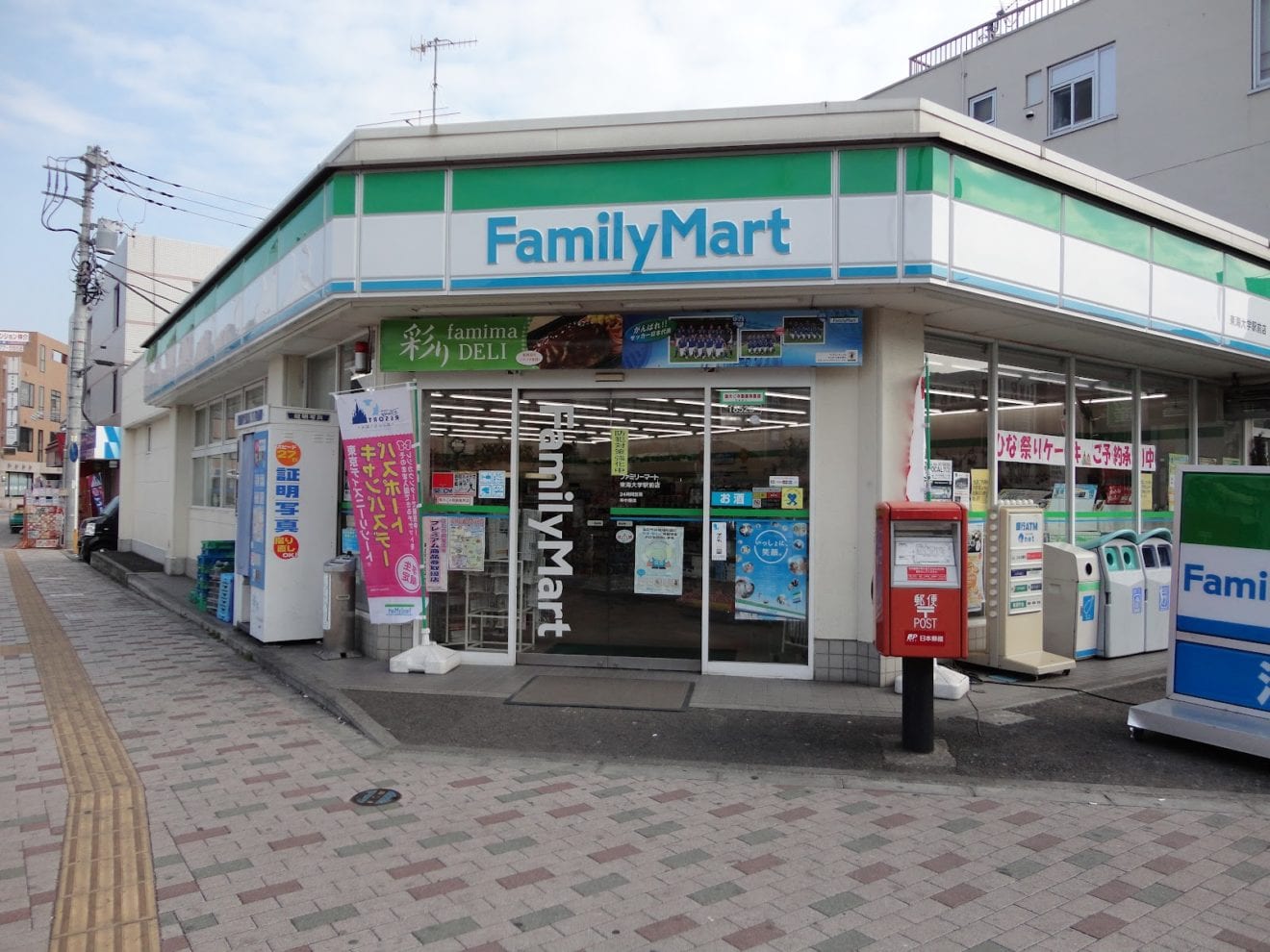
    A trial to reduce business hours has resulted in a 59 percent drop in operating profits for FamilyMart Japan.The trial by the traditionally 24-hour convenience-store chain operator was conducted from October to December at around 600 FamilyMart outlets to assess the effect of cutting late-night hours of business.

    While average labor costs fell 11 percent at participating stores, the average drop in sales of 6.7 percent led to the operating profit declines, according to a Jiji Press report. 41 percent of the outlets recorded growth in profits.

    FamilyMart Japan has now announced that it will allow its franchises to apply to reduce their hours permanently beginning in June.

    “From now, we will ask franchise store owners to decide whether to shorten service hours,” said FamilyMart VP Toshio Kato.

    Stores will be allowed to close late-night and early-morning operations daily or on Sundays only.

  • LG robotic waiter serves food in Seoul restaurant

    LG robotic waiter serves food in Seoul restaurant

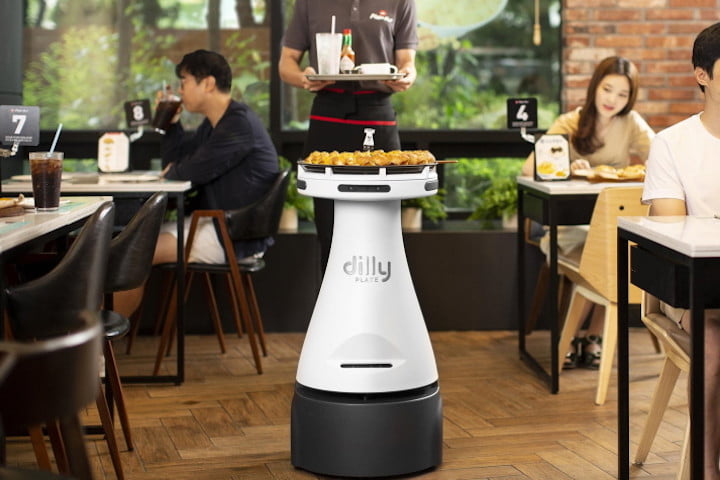
    An LG robotic waiter has made its debut at a local restaurant in Seoul.

    The LG CLOi ServeBot comes with indoor autonomous driving technology and an obstacle avoidance system so it doesn’t crash into furniture, customers or colleagues.

    The robot is capable of delivering food to the table where customers are seated as well as returning the dishes after the customers finish their meal.

    The robot has been put to work at CJ Foodville’s Cheiljemyunso restaurant in Seoul Station.

    The LG robotic waiter – called CLOi ServeBot – avoids obstacles with a voice message saying, “I’m sorry, may I please go through?”

    It also plays a song while moving to help prevent collisions with customers by making them aware of its presence.

  • South Korean convenience stores in delivery-service battle

    South Korean convenience stores in delivery-service battle

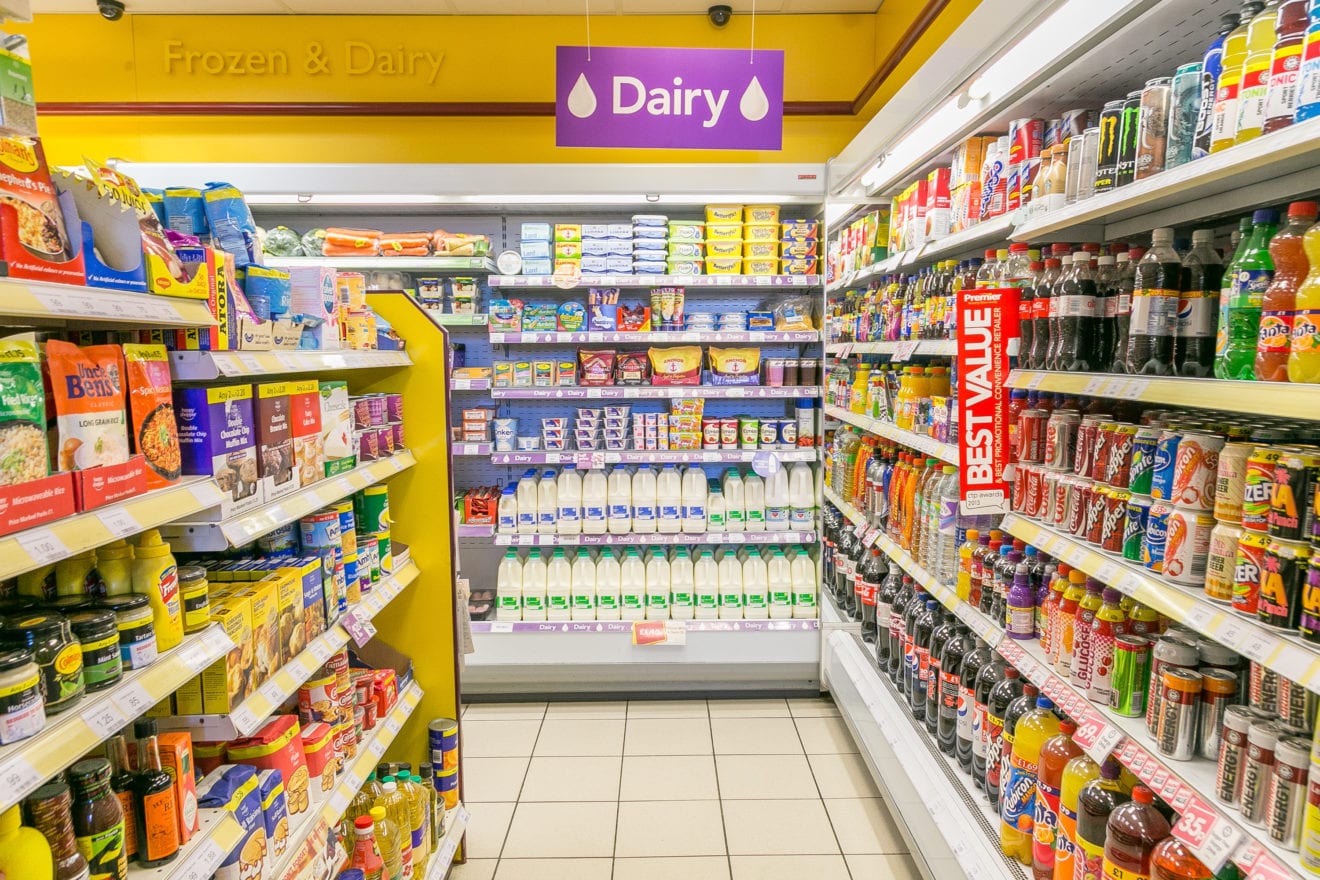
    Competition among South Korean convenience stores over delivery services is heating up.

    One chain, GS25, recently launched delivery services from seven stores in Seoul in partnership with food-delivery service Coupang Eats operated by e-commerce giant Coupang.

    First of all, the South Korean convenience store company plans to implement delivery services through Coupang Eats at seven stores in Seoul before expanding the scope of the service to franchise stores nationwide.

    Through the service, customers can receive about 200 products at home, including prepared lunches, sandwiches and beverages that are being sold at convenience stores.

    Meanwhile, GS25 had already launched a delivery service for store products in cooperation with another delivery company, Yogiyo, in April of last year.

    It is running a pilot project at 10 direct management stores, and the service has been especially popular with workers during lunch and dinner time. In the nine months since the service was introduced, the monthly average number of orders reached 3000.

    Furthermore, CU, another convenience store chain, is also working with Yogiyo to provide delivery services at 3000 stores across the country.

    CU plans to increase the number of delivery service stores to 5000 within the first quarter and introduce around-the-clock delivery at some stores centered in the Gangnam area.

    Emart24, a convenience store chain run by large discount store chain E-Mart, on the other hand, has also joined the market by offering delivery services at 35 stores since earlier this year.

    South Korean convenience stores are scrambling to expand its delivery service area due to a growing number of customers accustomed to online orders and deliveries.

    The delivery service also serves as a growth engine in increasing sales at convenience stores. Additional sales are generated from deliveries, and the service is quite popular especially in rainy or cloudy weather.

    “We are planning to expand the number of stores that offer delivery services through various delivery platforms and partnerships to increase sales and secure customers,” a GS25 official said.

  • Applebee’s to enter India

    Applebee’s to enter India

    American grill bar & pancake chain Applebee’s will launch its first Indian location in Bengaluru this year.

    The brand will be established in the territory via a partnership with local operator Dine Brands International.

    “India is an important growth market for us,” said Dine Brands president – international Steve Joyce. “As one of the world’s fastest-growing economies, India represents an opportunity for Applebee’s and we think Indian guests will love our local as well as Western tastes, hand-made to order menu items and signature cocktail bar.”

    “We are the newest Applebee’s international franchisee and will introduce their food and beverage to India,” said Dine Brands international franchisees CEO Rohit Malhotra.

    The firm is expected to open another nine Applebee’s restaurants over a seven-year period.

  • Shanghai Tang signs up famed Chinese footwear designer Bing Xu

    Shanghai Tang signs up famed Chinese footwear designer Bing Xu

    Hong Kong luxury fashion house Shanghai Tang has released a collection of footwear with newly appointed chief shoe designer Bing Xu.

    The new collection includes a relaxed and laid back take on Bing Xu’s famous Belgian loafer and two slip-on shoes.

    In a nod to the newly started Year of the Rat, one of the shoe designs features an embroidered picture of a cat toying with a mouse. Others feature vivid tiger and dragon embroidery.

    A sought-after Chinese designer in recent years, Bing Xu founded his luxury footwear label in 2013 and started to present his collections independently in Milan in 2017. The brand is frequently featured in major fashion and lifestyle magazines.

  • Bangkok’s Chatuchak mall opens in Singapore

    Bangkok’s Chatuchak mall opens in Singapore

    Bangkok’s world-famous Chatuchak Market has launched a satellite site in Singapore.

    A 40,000sqft pop-up market located at The Grandstand on Turf Club Road, it marks the first time Chatuchak has been convened outside of Thailand.

    The market opened this week and will remain trading until May 3.

    More than 400 vendors are trading at the market, some rotated in from the original open-air market in Thailand.

    While Bangkok’s market is only open during weekends, Chatuchak Singapore will trade from 4.30 pm to 10.30 pm every day except Monday.

    Thai street food is being sold at the market for visitors seeking an authentic Chatuchak experience – while apparel, accessories and jewelry are among the goods on offer at stalls.

  • How Reliance’s JioMart platform will reshape India’s online grocery market

    How Reliance’s JioMart platform will reshape India’s online grocery market

    Reliance Industries has entered India’s online grocery retailing market via a new e-commerce platform JioMart, which started pilot trials last month in Mumbai.

    Through JioMart, it is planning to offer more than 50,000 products and connect 30 million offline retailers with more than 200 million households across the nation.

    The value chain created by JioMart connects local offline retailers on a large scale with its merchant point-of-sale solution, where it provides user-friendly digital platforms for inventory management, customer care services and other services required by the retailers. JioMart plans to bring in electronics and clothing and footwear under its scope in the near future.

    The food-and-grocery (F&G)sector is tipped to be the next business battle for online retailers in India. Retailers, both domestic and international, have been proactive in their approach towards the rapidly growing online F&G sector in a bid to capture a large customer base.

    GlobalData estimates that the online F&G market in India grew at a compound annual growth rate (CAGR) of 71.2 percent between 2013 and 2018 and is set to grow at a CAGR of 45.5 percent during 2018-2023 as the urban working population is rising in Indian cities and retailers are venturing into non-metro cities. This growth is also supported by the rapidly growing mobile internet and smartphone penetration.

    RIL’s JioMart eyes the massive potential in online F&G retailing, which is estimated to reach US$9.12 billion in 2023. Reliance is known for its disruptive ideas and business approach, and the same can be said for its latest venture, JioMart.

    With its retail wing in cash and carry outlets through Reliance Fresh and Reliance Supermart, and a massive customer base with India’s largest telecom network in the form of Jio, capturing the market is not going to be tough for JioMart.

    As a domestic company, Reliance gets the advantage that Amazon and Walmart-owned Flipkart miss due to the new e-commerce regulations to safeguard the interests of domestic offline retailers in the country.”

  • Hong Kong mall Stanley Plaza launches Hello Kitty dating spot

    Hong Kong mall Stanley Plaza launches Hello Kitty dating spot

    Stanley Plaza has partnered with Sanrio to launch Hong Kong’s first Dear Daniel and Hello Kitty dating spot.

    The love-themed attraction starts on February 8 and runs for six months under the title “Stanley Plaza Hello Kitty Dear Daniel Love by the Sea’. It will feature a selection of exclusive Sanrio Valentine gifts.

    There also will be several Instagrammable spots for couples and visitors to take pictures at the Hello Kitty dating spot, including Stanley’s waterfront scenery, Murray House and “Wooden Love Bench”.

    Two DIY workshops, Hang on to Your Love and Our Love Glows, featuring Hello Kitty and Dear Daniel are also available for customers at Stanley Plaza. During weekdays, Stanley Plaza’s customers spending more than HK$30 can redeem a “Write in Love” greeting card and hang it on Lovers’ Terrace.

    To celebrate the love season, Stanley Plaza’s merchants also offer special dining for couples on Valentine’s Day, February 14.

  • Yum China launches contactless delivery services

    Yum China launches contactless delivery services

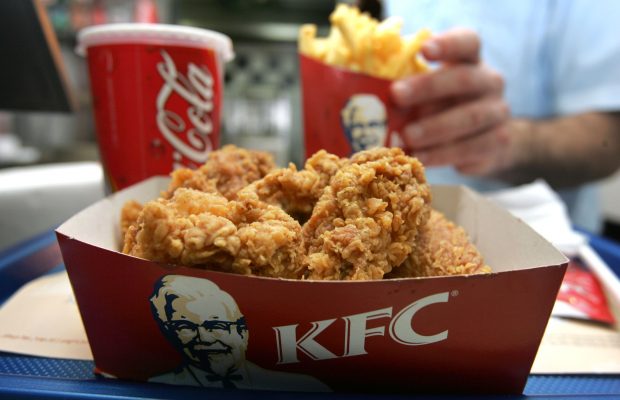
    Yum China, which operates Chinese KFC and Pizza Hut networks, has launched a contactless food-delivery service.

    The move is a response to concerns about transmission of coronavirus between customers and delivery staff – but will also give confidence to consumers who are increasingly buying from food-delivery services to avoid public contact in supermarkets, shopping centers, and restaurants.

    “The health and wellbeing of our employees and customers is our top priority,” said the firm in a written statement to Business Insider, “and the innovative new services will help reduce the risk of person-to-person transmission of the coronavirus and protect our employees and customers”.

    Customers who elect for the contactless service will be instructed to remain at least 10 feet from the masked delivery personnel, who will remove the boxed food from its thermal pouch and place it on an agreed pick-up surface only after visually confirming the receiving party.

    Delivery staff is expected to disinfect their hands before and after every transaction.

    Food may also be picked up in-store in hygienically sealed packages.