Tag: asia

  • Citizens’ deposits at banks reach new record high

    Citizens’ deposits at banks reach new record high

    Citizens’ deposits reached a new historic peak of VND6.676 quadrillion (US$262.2 billion) as of the end of March, according to the State Bank of Vietnam.

    This marked a 2.2% growth from the end of 2023.

    Meanwhile, corporate deposits fell 3.1% to VND6.6 quadrillion in the same period .

    After a period of declining interest rates that began last March, many banks have started to raise deposit interest rates since May.

    Analysts expect a rise in deposit interest rates by 0.5 to 1 percentage point, reaching around 7% per year in the year’s second half.

    However, the rates are unlikely to return to the high levels seen at the end of 2022, following a bank-run incident that resulted in a private lender being placed under central bank control.

    Credit growth has only reached 2.4% this year, failing to meet the targets of 5% for the first half and 15% for the entire year, which analysts attribute to a sluggish real estate market.

    The local real estate sector has experienced a significant downturn, leading to major developers facing challenges in repaying debt, including bond interest and principal, due to liquidity constraints and decreasing property values.

    The situation escalated at the end of 2022, following the arrest of Truong My Lan, Chairwoman of Van Thinh Phat group, who is on death row for multiple financial frauds.

    The arrest was part of Vietnam’s anti-corruption campaign, which intensified in late 2021.

  • Vietnam Airlines Group eyes record revenues

    Vietnam Airlines Group eyes record revenues

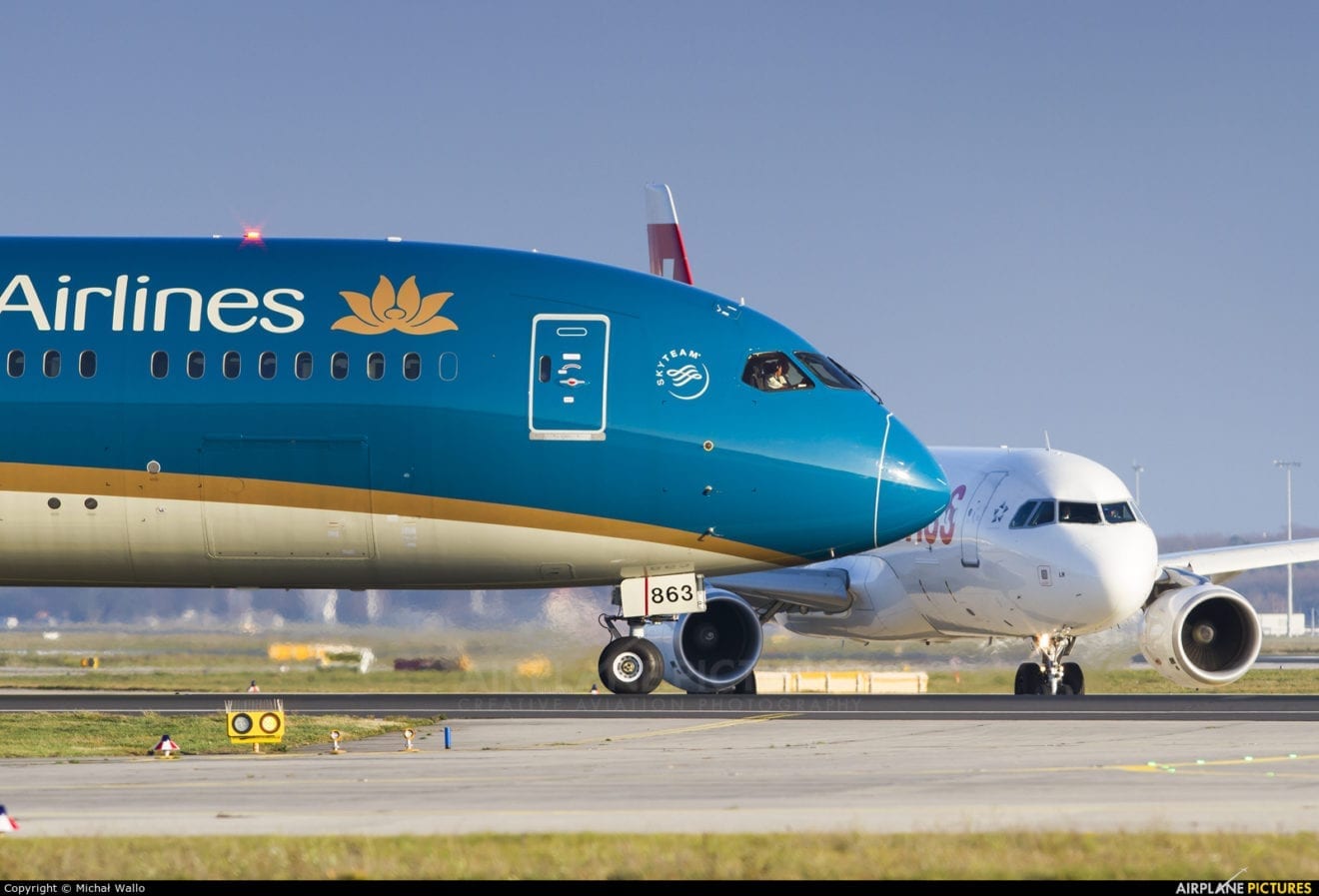
    Vietnam Airlines Group, which operates three airlines, targets record revenues of VND80.89 trillion (US$3.18 billion) this year but expects the profit rate to be less than 1%.

    Its first quarter revenues rose by 25% to VND28.27 trillion.

    Amid high demand, the company expects to see international and domestic passenger numbers rise by 20% and 13%.

    High fuel costs are expected to be a drag on profits. The company disclosed to shareholders that if fuel prices increase by $1 per barrel, its costs rise by VND230 billion a year.

    The economic slowdown is causing international travel to recover at a slow pace, while geopolitical tensions show no signs of abating, it said. Its top market, China, is also seeing an extremely slow recovery.

    Many of its debts start falling due in July, posing a financial burden.

    Vietnam Airlines Group, the parent of Vietnam Airlines, Pacific Airlines and Vietnam Air Services Company, plans to sell its stakes in Tan Son Nhat Cargo Service Company this year for VND1.7 trillion.

  • Instagram is recommending highly inappropriate content to teens

    Instagram is recommending highly inappropriate content to teens

    If you have a teenager with a phone, you might be perturbed to discover that Instagram has been recommending content of a sexual nature to users as young as 13. This inappropriate content appears on teen’s feeds only minutes after they log in to their accounts. Over seven months ending in June, separate tests conducted by The Journal and  Northwestern University revealed that Instagram parent Meta is not living up to a promise it made this year.

    Back in January, Meta said that it would focus on giving teens an experience on the platform that was more appropriate for their age. As a result, the company said that it would restrict sexually suggestive material. While the company says that users 16 and younger should not be shown sexually explicit content, it appears that Meta is dropping the ball.

    For its tests, both The Journal and Northwestern University computer science professor Laura Edelson created new Instagram accounts listing the age of each subscriber as 13. At first, Instagram sent these accounts videos of women dancing seductively or posing in a way that put an emphasis on their breasts. The accounts skipped other content but watched the videos that were sexually suggestive. As a result, Reels would then recommend content that was even more racy.

    The Journal says that adult sex content creators started showing up on the feed for the 13-year-old user after only three minutes. After less than 20 minutes of watching the Reels videos for the test accounts, they were full of promotions from these creators with some offering to send nude photos to Instagram subscribers willing to interact with their posts. The testing revealed that the short-form video platforms belonging to TikTok and Snapchat did not deliver the same sexually-focused content to underage users. A TikTok spokesman said, “We err on the side of caution,” and noted that teen subscribers have a limited pool of content that they can view.

    Northwestern University’s Professor Edelson said, “All three platforms also say that there are differences in what content will be recommended to teens. But even the adult experience on TikTok appears to have much less explicit content than the teen experience on Reels.” While most of the testing took place from January through April, this month the Journal once again opened an account for a fake 13-year-old who watched only videos about women recommended by Instagram. After a half hour, the account was being sent videos about anal sex.

    Meta, as you might expect it would, shrugged off the results of the tests as not being representative of the overall experience of teens on Instagram. Spokesman Andy Stone said, “This was an artificial experiment that doesn’t match the reality of how teens use Instagram.” The spokesman added, “As part of our long-running work on youth issues, we established an effort to further reduce the volume of sensitive content teens might see on Instagram, and have meaningfully reduced these numbers in the past few months.”

    An internal analysis conducted by Meta in 2022 and reviewed by the Journal revealed that Meta knows that Instagram shows more pornography to teens than its adult users. The report showed that teens saw three times the number of posts containing nudity, 1.7 times the number of violent posts, and 4.1 times the number of posts showing bullying than those over 30 viewed.

    Meta’s own internal analysis suggested that to resolve the problem, Meta build a separate recommendation engine for teens. So far, there does not appear to be any plan to do this. Part of the reason why teens are seeing such content is due to how the algorithm works. Content is recommended to users based on the type of content they view the most and linger over for the longest period of time.

  • Tuna exports expected to grow by 20% in H1

    Tuna exports expected to grow by 20% in H1

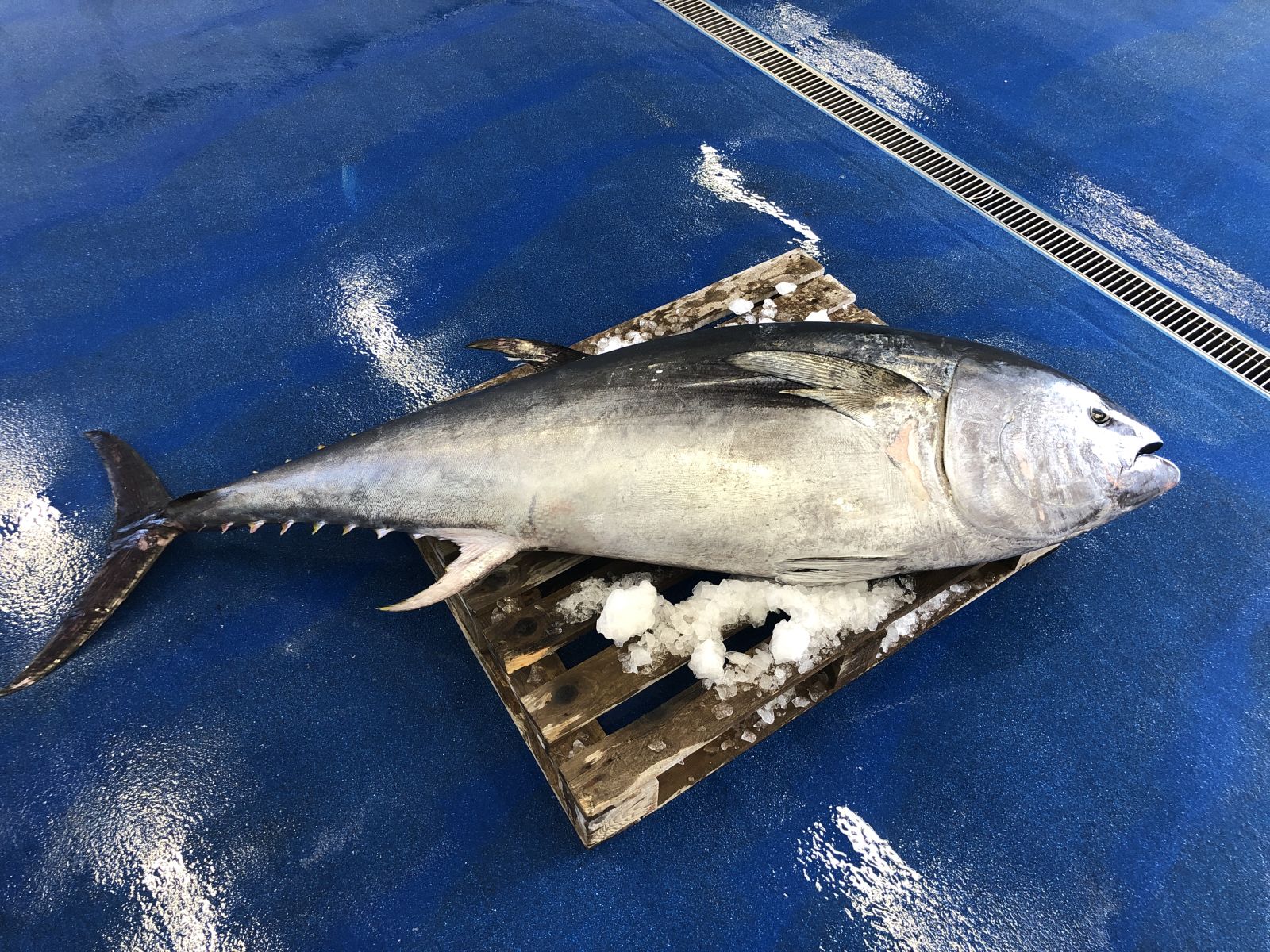
    According to the Vietnam Association of Seafood Exporters and Producers (VASEP), tuna exports are projected to reach US$456.8 millio in the first half of 2024, a 20% year-on-year increase.

    After decreasing in 2023, exports rose by 22% in the first five months of the year to $388 million.

    Shipments of canned tuna products, bagged tuna and frozen loin/fillet increased by 44%, 24%, and 7%. Exports of frozen whole tuna nearly tripled.

    Exports to most markets increased, with those to the U.S. and the E.U., the two largest, rising by 30% and 37% and accounting for 37% and 22% of total exports.

    Exports to Israel, Russia and the Republic of Korea rose by 64%, 58% and 66%.

    Speaking at the association’s annual general conference in HCM City on June 10, Cao Thị Kim Lan, Director of the Binh Dinh Fisheries Joint Stock Company, said in 2023, Vietnam became the world’s 5th largest exporter of tuna behind Thailand, Ecuador, Spain, and China, rising from the 8th place 10 years ago.

    She said exports could reach $1 billion again this year if the raw material shortages are resolved. More than 50% of exports are processed from imported tuna.

  • How livestreaming is taking over Vietnam e-commerce

    How livestreaming is taking over Vietnam e-commerce

    At the time GUMAC, the fashion company Van founded, was a small startup in HCMC, but seeing the potential of the new sales method, the then-CEO began to livestream eight to 10 hours each day.

    With hundreds of thousands of viewers watching some sessions, his brand grew quickly and allowed him to open 30 new stores within a year.

    Van never dreamed that, eight years later, livestreaming on social media would become one of the most successful marketing tools in Vietnam.

    Shops started to first come across livestreaming when it became a Chinese trend in 2016 after e-commerce giant Alibaba launched Taobao Live, a streaming platform that worked like TV shopping but allowed two-way real-time interaction between sellers and buyers.

    Taobao proved a success with nearly US$14 million in sales through livestreams and videos in 2018, and 34% of viewers making purchases.

    “Vietnamese picked up the trend quickly,” Chu Xuan Duc, chairman of digital media company DC Media Global, says.

    Vendors turned Facebook Live into a distribution channel, taking advantage of the large number of social media users.

    In a typical livestream one or two sellers would introduce a large number of products along with discounts and say the name of the customers who have made a successful order.

    “I was addicted to livestreaming,” Van, who livestreamed three sessions a day for three years, says.

    At one point he coughed blood due to overwork.

    Three years after Facebook Live was launched, e-commerce platforms began to see the potential of livestreaming and created their own versions of it, with Lazada making the first move, followed by Shopee and Sendo.

    But though these platforms made shopping through livestreaming easier, they were unable to take advantage of the large number of users on Facebook.

    TikTok saw the opportunity and launched its shoppertainment feature TikTok Shop in 2022 allowing sellers to reach millions of users via livestreaming.

    Nguyen Lam Thanh, policy director of TikTok Vietnam, says his platform provides a continuous experience for users who do not need to leave the app to shop.

    Owners of businesses also found it much easier to sell via TikTok compared to traditional marketing platforms.

    Nguyen Phuong, founder of fashion brand GUNO, says: “Thanks to TikTok’s livestreaming feature, I was able to make my brand so popular that there were times when I could not fulfill all the orders.”

    After a year of livestreaming on TikTok, GUNO’s monthly revenues surged 20-fold.

    Within a few months GUNO became one of the 10 best-selling vendors on TikTok Shop.

    In its most successful session, which had over 3,000 viewers, the company sold VND2 billion worth of goods.

    TikTok Shop has now surpassed Lazada in the number of vendors and is the second biggest e-commerce platform in Vietnam in terms of revenues behind Shopee.

    Duc says TikTok is able to retain users because it does not allow rewatching of livestreams, which means users lose the opportunity to get discounts if they do not turn on the app.

    The influence of reviewers and opinion leaders also plays a big role in making livestreaming popular.

    Around 53% of Vietnamese consumers are influenced by online communities when making shopping decisions, and 86% want to discover products and buy them on the same platform.

    As livestreaming expanded, big brands in Vietnam felt compelled to join the trend and began to sell expensive smartphones and TVs through this channel.

    Between just December 2023 and March 2024, over 13,000 stores opened on TikTok Shop, including FPT Shop, one of the biggest electronics retailers in Vietnam.

    FPT’s director of commerce, Nguyen The Kha, said the rise of shoppertainment and changes in young people’s shopping habits are among the reasons why FPT Shop sells on social media.

    Young people enjoy interacting directly with sellers on livestreams because it saves them time from going to a store, he says.

    “Livestreaming is turning things upside down in the e-commerce market,” Pham Thao Linh, head of e-commerce at the consumer product division of L’Oreal Vietnam, the biggest cosmetics company in the country, says.

    Some unknown brands have attained popularity in no time while established brands struggle to catch up with changes, she says.

    Big brands often have many protocols on how to advertise their products and they are inflexible in following social media trends, she adds.

    Traditional companies that want to dive into livestreaming often partner with opinion leaders and social media influencers, she says.

    One such company sold 1,000 products in two minutes during a livestream session, which was unprecedented for it, she says.

    The rise of livestreaming and social media shopping has created new jobs in Vietnam.

    Duc says there are over 400,000 content creators on TikTok and many “streamers,” people who broadcast livestreams.

    Pham Ngoc Duy Liem, cofounder of streaming service provider GoStream, says top streamers make VND200-300 million for a session plus commissions.

    While there are many streamers who work for legitimate companies, some admittedly take advantage of livestreams to sell fake goods.

    Nguyen Hong Son, a lecturer at Hanoi Law University, says strea

  • Gasoline prices move up

    Gasoline prices move up

    Gasoline prices rose for the second week in a row Thursday afternoon.

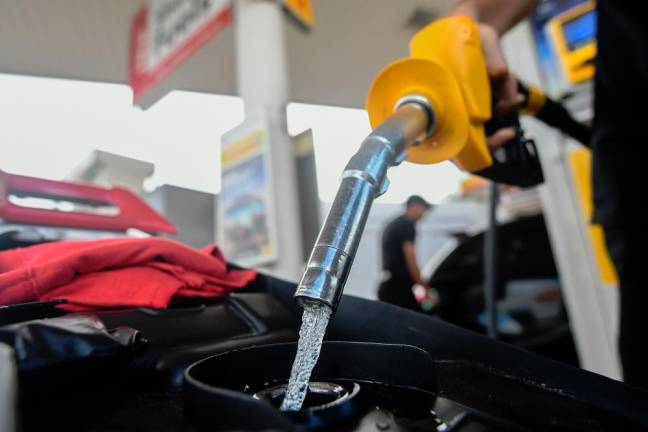
    The popular fuel RON05 went up 1.03% to VND22,460 ($0.88) per liter. Biofuel E5 RON92 rose 0.89% to VND21,500.

    Diesel increased by 3.66%.

    Globally fuel prices were affected by rising tension in the Middle East and Ukraine’s repeated attacks on Russia’s oil storage, regulators said.

    Gasoline added 1.3% while oil increased by 2.4-4.3%. RON95 is now at $92.7 per barrel and oil $98.9.

  • Lufthansa Cargo launches freighter operations from Munich

    Lufthansa Cargo launches freighter operations from Munich

    Lufthansa Cargo is expanding its operations at the southern German hub and will be operating freighters from the hub for the first time from 6 July 2024. An A321 freighter will connect Munich with Istanbul Airport twice a week, complementing the existing belly network from Munich. The new freighter connection is planned every Saturday and Sunday with flight numbers LH8350 / LH8351 and LH8346 / LH8347. Lufthansa Cargo customers can book their shipments on the new route with immediate effect.

    “We are looking forward to offering our customers this new freighter connection, which makes our global network even more attractive. For our southern German customers in particular, Munich Airport offers ideal conditions for the fast and reliable transportation of air freight, which ultimately also enables global business from another important European airport. With the launch of our cargo operations out of Munich, we are laying the foundation for aligning our network even more closely with the needs of our customers in the future and continuing to manage it flexibly,” explains Ashwin Bhat, CEO of Lufthansa Cargo.

    Jost Lammers, CEO of Flughafen München GmbH: “The launch of regular cargo flights to Istanbul by Lufthansa Cargo is very good news for the Bavarian export industry and for Munich Airport. Above-average growth rates in the current year have already shown that Munich Airport is also becoming increasingly important as a hub airport for cargo. The attractiveness of Munich Airport as a cargo location will now receive a further boost through Lufthansa Cargo’s commitment.”

    Lufthansa Cargo operates its hub in Munich on a total area of 38,000 m². Among other things, the state-of-the-art CEIV-certified Pharma Hub MUC, in which temperature-sensitive pharmaceutical products can be stored and handled under optimal conditions, is integrated into the premises. This means that the carrier can also transport almost all product and goods groups via Munich. Until now, these have mainly been transported from the Bavarian capital to destinations all over the world via the belly capacities of Lufthansa, Brussels Airlines, Discover Airlines, Austrian Airlines and SunExp

  • Korean Air selects Air Incheon as preferred bidder of Asiana Airlines’ freighter business

    Korean Air selects Air Incheon as preferred bidder of Asiana Airlines’ freighter business

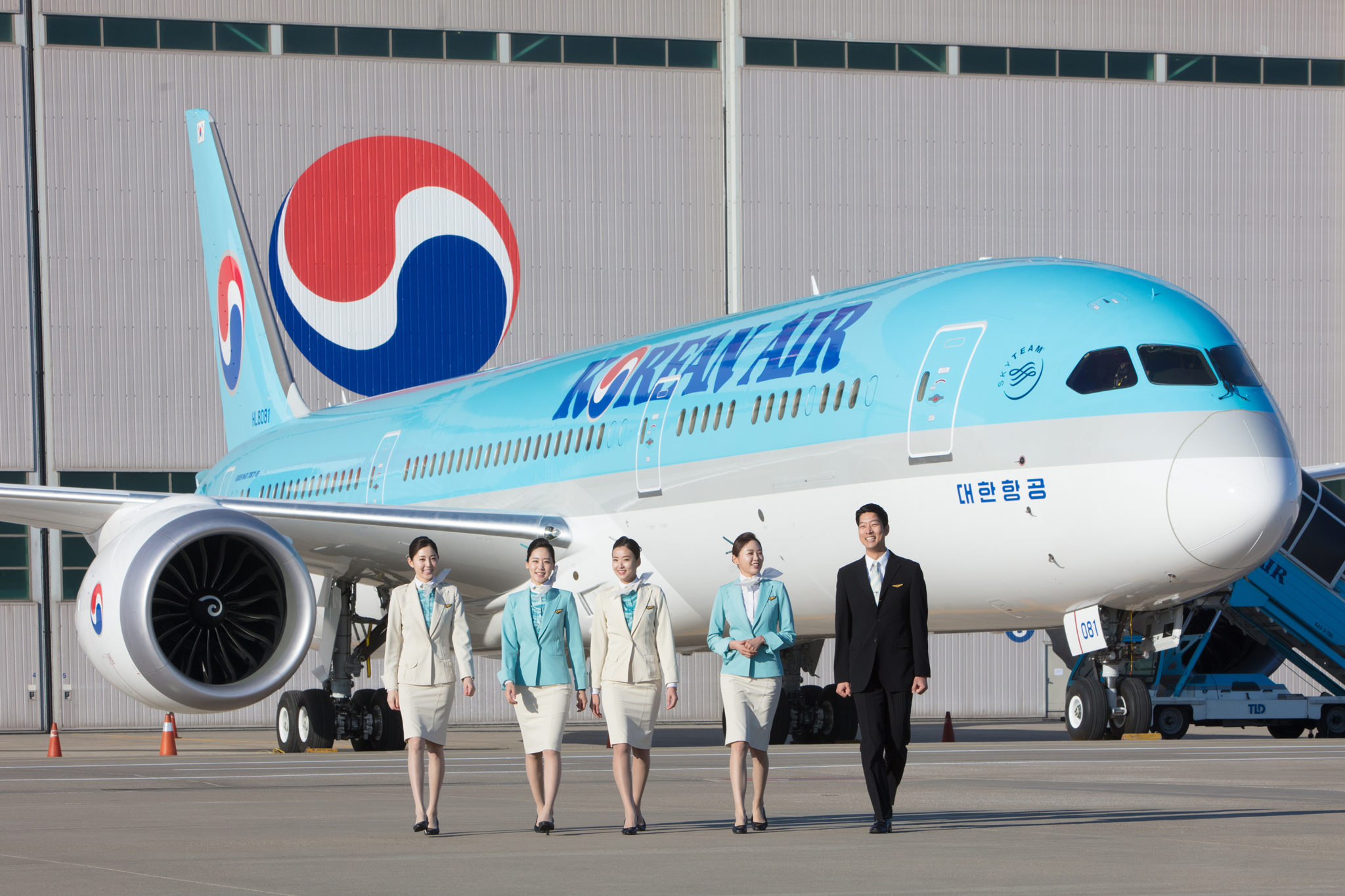
    Korean Air has selected Air Incheon as the preferred bidder for the sale of Asiana Airlines’ global cargo freighter business. The decision was made at the Board of Directors meeting held on June 17.

    Korean Air selected Air Incheon as the preferred bidder based on several key criteria: the certainty of completing the transaction, the ability to maintain and enhance long-term competitiveness of the air cargo business, and the capability to mobilize funds through a competent consortium.

    Founded in 2012, Air Incheon is Korea’s only all-cargo airline, with operations focused in Asia. Air Incheon is expected to strengthen its competitiveness by utilizing Asiana Airlines’ long-haul network to the Americas and Europe, and fleet of larger cargo aircraft.

    Korean Air plans to sign a framework agreement with Air Incheon in July after agreeing on the contract conditions. The agreement is subject to review by the European Commission.

    “The preferred bidder was selected through a comprehensive evaluation of all factors crucial to the growth of the air cargo industry, a key national industry, while maintaining the existing competitive environment,” said a Korean Air representative. “We are committed to quickly finalizing the sales process through flexible negotiations, and completing the acquisition of Asiana Airlines.”

  • Grinders Coffee unveils new look after a decade

    Grinders Coffee unveils new look after a decade

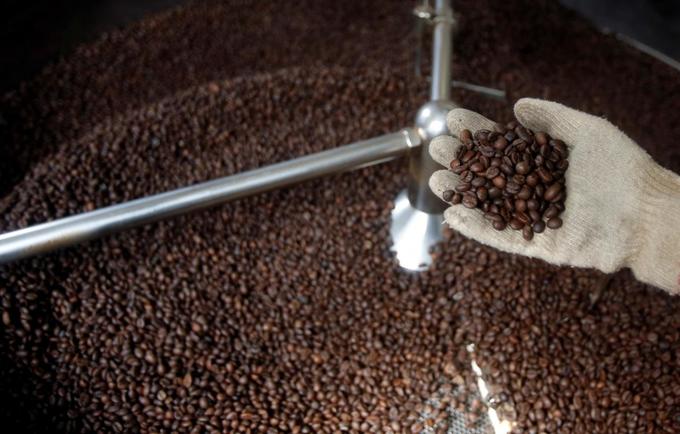
    Grinders Coffee has unveiled new packaging design and branding – its first change in more than a decade.

    The new look features artwork on premium products such as Crema, Espresso, Rich Espresso, and Organic, and includes a new slimline pack for the 200g grind.

    ”The new premium packs have illustrations on the side that speak to the Grinders philosophy, connecting each of our major pillars through a fun and light-hearted attitude,” said Burcu De La Cruz, marketing manager at Grinders Coffee.

    According to the brand, the launch reflects its commitment to sustainability, reflecting community demands.

    Grinders Coffee, based in Melbourne, is one of Australia’s largest coffee roasters. The brand specialises in roasting beans with a rich fragrance and aroma. Last year, Grinders Coffee launched Cafe-Q, a premium coffee bean variety, in supermarkets.

  • Lychee prices triple at season end as poor harvest squeezes supply

    Lychee prices triple at season end as poor harvest squeezes supply

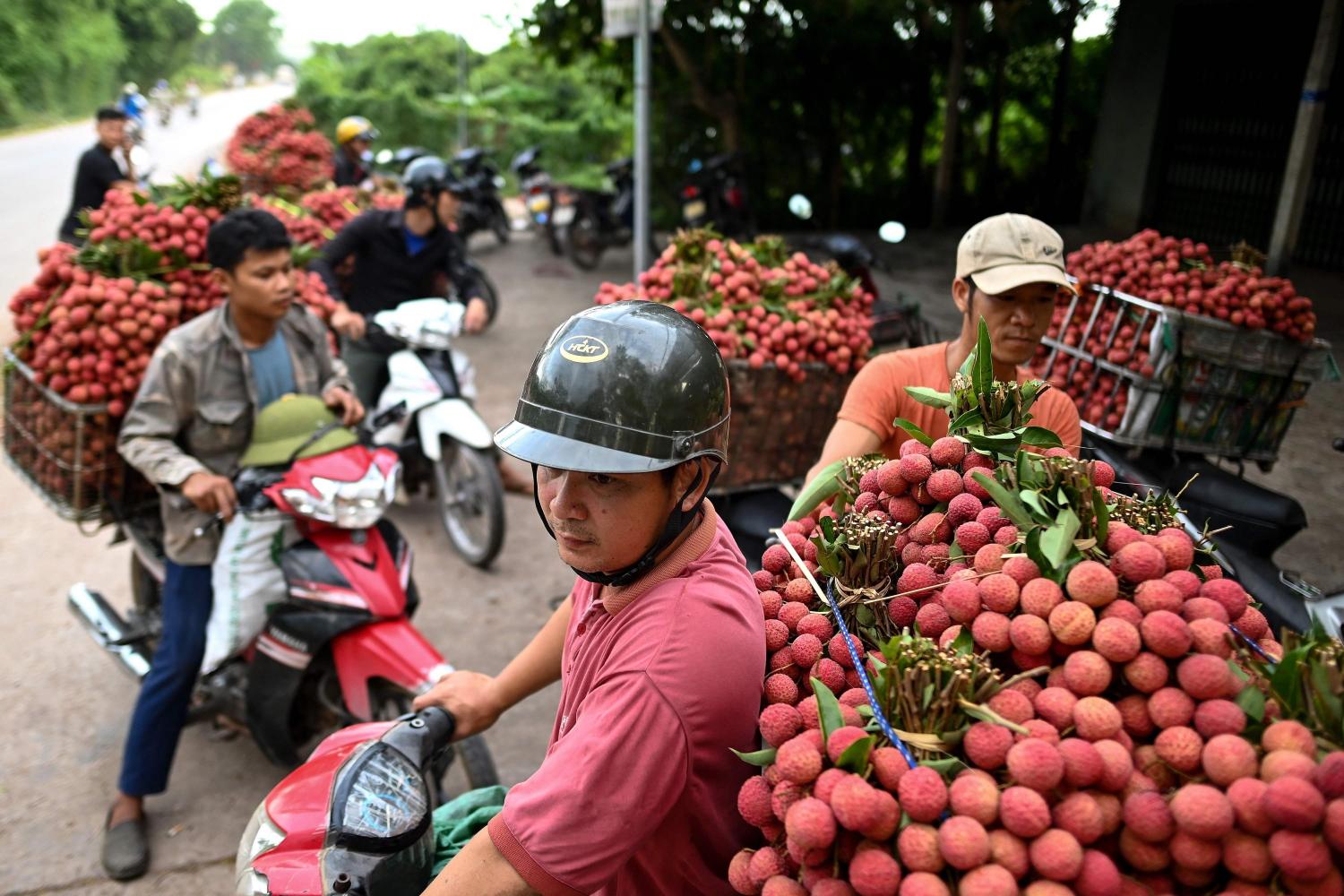
    Retailers are selling end-of-season lychees at up to VND180,000 (US$7.1) per kilogram, thrice the price a year ago, due to a poor harvest.

    They are not as plentifully available as in previous years in HCMC and cost VND165,000-180,000 at premium stores and VND85,000-96,000 at large retail chains like MM Mega Market and Winmart.

    Some supermarkets have run out of stock while others are selling the fruit in very limited quantities at VND120,000-135,000.

    Lychee output took a nosedive this year. In Bac Giang Province’s Luc Ngan District, a major producer of the fruit, lychee farmer Nguyen Thi Hien had expected her output to decrease by 30% this year, but she said it has dropped by 60%.

    She sold her last half a ton at VND80,000 per kilogram, the highest price she has got in her life.

    According to the Luc Ngan People’s Committee, even buyers and processing facilities in the district have been struggling to source lychees. While farmers usually have to transport the fruit to markets, traders are buying right at the farm gate this year, it said.

    Similarly, in Hai Duong Province’s Thanh Ha District, another large lychee grower, farmers have reported significantly lower harvests.

    One of them, Giang, said he has only managed to harvest three tons this year, down from last year’s 11. Despite the unprecedented prices he incurred losses due to the poor harvest, he said.

    Hoang Anh, a lychee merchant in the northern region, said Thanh Ha District is almost out of lychees and she is only able to procure them from Luc Ngan. The fruit is in great demand this year, both domestically and internationally, she said.

    Demand from China, the biggest consumer of Vietnamese lychees, has increased since that country also had poor harvests, while southern Vietnam has consumed a lot more lychees this year, she said.

    She was only able to buy enough to meet 50-70% of the orders she received.

    An MM Mega Market spokesperson said the falling supply has caused prices to increase towards the end of the season unlike in previous years when they would decline.

    MM signed an agreement with Bac Giang farmers at the start of the season to buy 100 tons of the fruit this year, but it now seems difficult given the poor harvest, they added.

    Central Retail, which operates the GO! supermarket chain, also said it might not be able to buy 300 tons of lychee as it had previously planned

    According to statistics from the Bac Giang Department of Industry and Trade, farmers in the province have harvested 67,000 tons so far this year.

    Around 43,000 tons have been consumed domestically, and the rest has been exported, the department said.

    China bought 23,800 tons of the remaining 24,000 tons. Japan, the U.S., the EU, Australia, Dubai, and some Southeast Asian countries also imported Vietnamese lychees.

  • Chinese people rush to gold amid uncertain economy, crisis-ridden real estate market

    Chinese people rush to gold amid uncertain economy, crisis-ridden real estate market

    People in China have been turning to gold despite rising prices as the precious metal is deemed the best safe haven asset amid economic uncertainties and a crisis-hit property sector.

    Prices of the yellow metal have gained about 11% in the year to date, Business Insider reported.

    Despite this, Caibai, a renowned jewelry store in Beijing, China, has seen more and more customers, many of whom have no great wealth and only modest savings, buying gold as a way to safeguard their wealth amid economic uncertainties, as reported by French newspaper Le Monde.

    As China struggles to recover from several years of pandemic and reels from a property sector in crisis, gold remains the best safe haven asset for its citizens.

    “It’s reliable. People think it’s the best investment. There was also real estate and the stock market, but today people are hesitant, whereas gold has continued to rise,” Wang Anmei, a salesman at Caibai, explained.

    The demand for safe havens has pushed China’s gold consumption up 5.94% from a year earlier to 308.91 tons in the first quarter of 2024, according to data from the China Gold Association cited by state-owned daily newspaper China Daily.

    The gold rush is not only seen among people in China, but its central bank has also been snapping up the precious metal.

    According to industry association World Gold Council, the People’s Bank of China (PBOC) purchased 225 tons of gold in 2023, the most for a single year since at least 1977.

    This also makes PBOC the world’s largest institutional buyer of gold, the association said.

    The central bank had been snapping up the yellow metal for 18 straight months before pausing last month when spot gold prices hit a record high of $2,449.89 per ounce, official data showed on Friday.

    It had actually started to slow purchases in April, when it bought just 1.87 tons of the precious metal, down from 4.98 in March and 12.1 in February.

    Nonetheless, industry players said that they are expected to resume buying yellow metal once prices ease.

    “They are just waiting and watching. If prices correct to the US$2,200 per ounce level, they will resume again,” David Tait, CEO of the World Gold Council (WGC), told Reuters.

  • WhatsApp beta adds the ability to transfer chat history sans Google Drive

    WhatsApp beta adds the ability to transfer chat history sans Google Drive

    WhatsApp announced many new features and improvements over the weekend meant to enhance the call experience. The ability to share screens with audio and the increase in video call participants are among the most important changes coming to WhatsApp users this week.

    However, if you’re also enrolled in the beta program, you’re getting even more new features. Even though they might not work properly at first, it’s always nice to get a sneak peek into the future.

    The latest WhatsApp beta for Android 2.24.13.6 adds the ability to transfer chat history without using Google Drive. Spotted by WABetaInfo, the new feature doesn’t seem to be ready for testing yet, so even if you’re a member of the beta program, you might not have access to it yet.

    Thankfully, the folks at WABetaInfo discovered the feature and even took a screenshot that reveals WhatsApp does indeed plan to remove the need for have Google Drive to transfer chat history to another phone.

    Although this feature, which seems to be in development, has only been spotted in the Android version of the app, it’s unlikely that iOS users won’t be getting a similar one sooner or later.

    WhatsApp already offers users the option to transfer chat history from their older phones, but the process is not that user-friendly regardless of whether you’re using an Android or iOS device. The new feature is meant to streamline the process of transferring chat history by removing at least one step.

  • WhatsApp rolling out feature that lets you set HD quality as the default for media

    WhatsApp rolling out feature that lets you set HD quality as the default for media

    WhatsApp, one of the most popular encrypted messaging apps, is gearing up for a significant update that could change the way users share media. The app is rolling out an HD quality default setting, a change that could make high-resolution images and videos the new norm.

    This upcoming feature builds upon the app’s previous enhancements in media sharing. In August, WhatsApp introduced an HD image sharing option, followed shortly by HD video sharing. While HD doesn’t equate to uncompressed, it significantly improves the resolution of photos and videos compared to WhatsApp’s standard compression, which can often reduce media quality.

    Previously, users had to rely on workarounds like attaching media as documents to bypass the compression, adding unnecessary steps to the sharing process. The new default setting eliminates the need for such workarounds, making sharing high-quality media seamless and intuitive.

    According to reports from Android Police and beta users, the new default setting has been spotted in WhatsApp’s beta version 2.24.13.10. This suggests that the feature is in its final stages of testing and could be released globally soon. Users can check if they have the option in the app’s settings under Storage and data > Media upload quality.

    While this feature is a welcome addition for many users, WhatsApp does caution that HD quality files can be significantly larger than standard quality files, potentially consuming more bandwidth and storage space. However, for users who prioritize image and video quality, this tradeoff might be worth it.

    The introduction of an HD quality default setting aligns with WhatsApp’s continuous efforts to enhance its user experience and stay competitive. Looking ahead, it’s possible that WhatsApp will further expand its HD media features, however, there’s no official word on when or if these features will be implemented.

  • Decathlon opens first-ever airport retail pop-up at Changi

    Decathlon opens first-ever airport retail pop-up at Changi

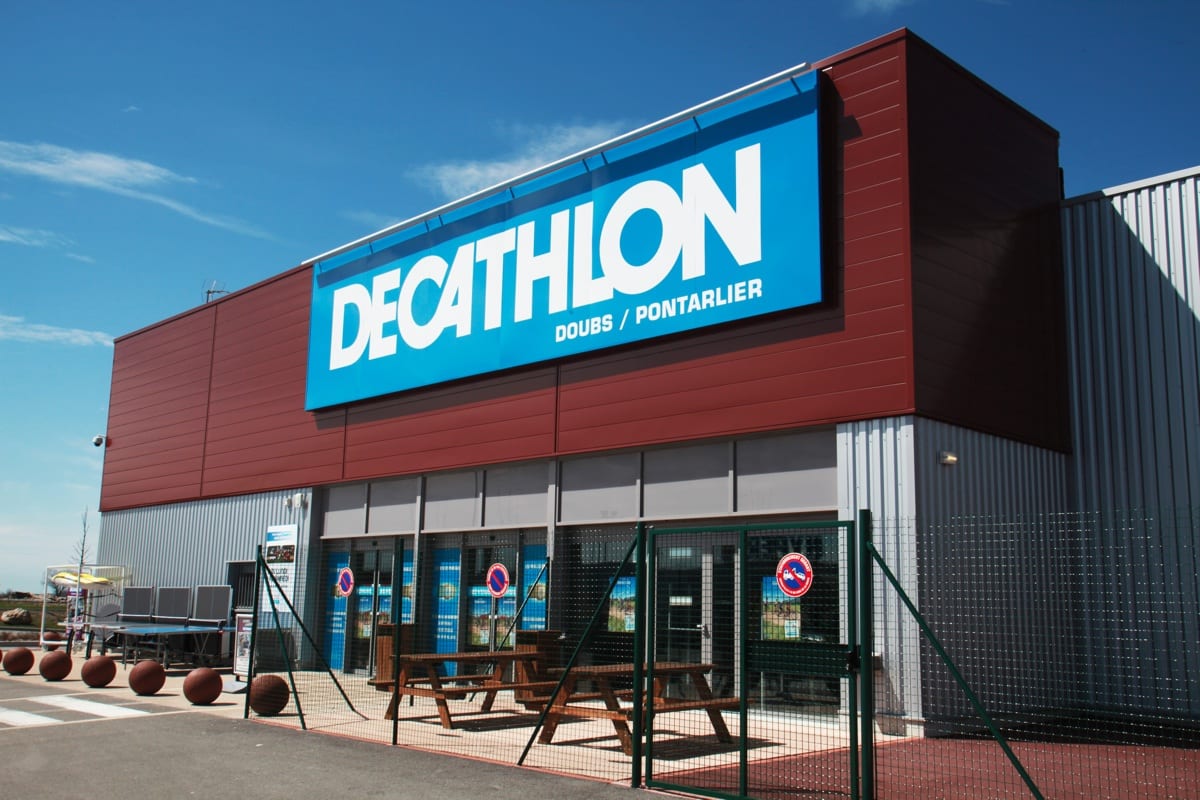
    Decathlon has launched its first global duty-free pop-up at Singapore’s Changi Airport, featuring a curated range of sports and travel goods.

    The pop-up will be open for customers to visit until September 1, located at the Terminal 3 Departure or transit hall.

    The brand says the launch also presents its new logo, “The Orbit,” symbolising its dedication to circularity and progress toward new heights.

    Exclusive Decathlon x Changi branded products, such as sleek travel bum bags, comfortable hiking backpacks, and lightweight microfiber towels, will be available at the pop-up. Trekking pouches and an Easybreath Surface Mask are also featured.

    The brand has also arranged a series of sports challenges from the June 19 to 26, including a Bike Trainer Challenge, Resistance Band Squat Challenge, and Push-Up Challenge.

    Stephan Veyret, CEO of Decathlon Singapore, said: “Decathlon Singapore will be the first in the world to launch a Decathlon pop-up within an airport transit area at the renowned Changi Airport.

    “This hands-on pop-up reflects our commitment to innovation, providing travellers with a unique opportunity to explore and engage with our range of sporting goods.

    “We aim that our collaboration with the Changi Airport Group will encourage and prepare more people to embrace the joys of sports, even while on the move,” Veyret concluded.

  • DHL identifies four ways for companies to bolster supply chain resilience in latest Trend Report “Supply Chain Diversification”

    DHL identifies four ways for companies to bolster supply chain resilience in latest Trend Report “Supply Chain Diversification”

    Amidst the recent developments such as geopolitical crises, attention is increasingly turning to supply chain diversification. Yet, until now, there has been no clear definition and comprehensive framework for this approach. Rising to the challenge, DHL and leading academics have presented a new definition and a versatile model to explain this important and holistic concept in the latest DHL Trend Report, “Supply Chain Diversification”. Supply chain diversification is defined here as a proactive approach where companies incorporate one or several dimensions into their supply chains to minimize risk. This includes multi-shored supply networks, multi-sourcing, parallel modes of transportation, and concurrent or redundant logistics operations. The report also provides tangible customer case examples, enabling companies to assess their diversification level and devise a suitable strategy.

    “The events of the last years have shown us the importance of resilient supply chains and companies adapting their global supply networks accordingly,” says Katja Busch, Chief Commercial Officer and Head of DHL Customer Solutions & Innovation. “At DHL we are committed to supporting our customers in staying resilient in a sustainable way by providing tailored solutions, sharing best practices, and facilitating collaborative initiatives.”

    “This latest DHL Trend Report underscores our aim to be at the forefront of supply chain trends to empower our customers but also businesses across industries,” adds Klaus Dohrmann, Vice President and Head of Innovation and Trend Research at DHL Customer Solutions & Innovation. “We equip companies with the latest research, our industry expertise, tools and logistics solutions needed to bolster resilience, drive agility, improve sustainability, and thus grow their competitive advantage.”

    Illustrative model of the dimensions of supply chain diversification.

    In the novel model developed by DHL in collaboration with Emeritus Professor Richard Wilding OBE, one of the world’s leading experts in Logistics and Supply Chain Management, four dimensions of supply chain diversification are illustrated:

    Dimension 1 – Multi ShoringThis involves spreading manufacturing and supplier locations across different regions or countries to mitigate risks. It includes duplicating manufacturing capabilities and using the same supplier in different locations.

    Dimension 2 – Manufacturing & Supplier NetworkExpanding the network to include redundant suppliers and manufacturing capacities to address financial and operational risks.

    Dimension 3 – Mode of transportation: Utilizing multiple transportation modes simultaneously, covering all stages of transport, including first mile, long haul, and last mile, to diversify routes and reduce risk.

    Dimension 4 – Logistics OperationsExpanding logistics infrastructure to include additional functions like hubs, warehouses, and distribution centers. This may involve adding redundant capacity nearby and outsourcing certain logistics activities for diversification.