Tag: asia

  • Blockchain Payment Network Terra Expands to Singapore

    Blockchain Payment Network Terra Expands to Singapore

    Blockchain payment network Terra has set up its South-east Asia hub in Singapore. The South Korea-headquartered firm has plans to expand in the region.

    Terra intends to grow its on-the-ground network in Asia through strategic partnerships with local businesses, building upon existing collaborations with 25 partners across Asia, including Singapore-based e-commerce platforms Carousell and Qoo10.

    Beyond attracting local talent, we also plan to acquire the applicable license from the Monetary Authority of Singapore under the Payment Services Act, said Rahul Abrol, Terra’s new head of international business and strategy. The Act is a framework for the regulation of payment systems and service providers in Singapore.

    Abrol, formerly Uber’s Asia-Pacific head of strategy, has joined Terra at the new Singapore office as head of international business and strategy. The startup, which has launched in Mongolia, aims to set up operations in at least five other markets next year, including Taiwan and Thailand.

    Besides its regional expansion plans, the firm plans to launch its stablecoin-powered mobile payment app in Singapore early next year. A stablecoin is a type of cryptocurrency that is price-stable and pegged to real-world assets such as the South Korean won or Singapore dollar.

    The launch of Terra’s Singapore office comes about seven months after the startup secured a strategic investment from LuneX Ventures, the blockchain and crypto-focused arm of Singapore’s Golden Gate Ventures.

  • Fraser Could Be Citi’s First Female Boss

    Fraser Could Be Citi’s First Female Boss

    Citigroup president Jane Fraser looks poised to become a Wall Street bank’s first female chief. 52-year-old Jane Fraser could become the first female boss of a major Wall Street bank. Her promotion to the number-two job at Citi comes at a crucial juncture for the U.S. lender, whose performance has fallen behind those of rivals J.P. Morgan and Bank of America over the past few years.

    The board faces increasing investor pressure for bolder strategic decisions at the group level and better performance at its consumer banking division, which Fraser now helms.

    When Fraser started her career at McKinsey, she said she would only take the job if she could work directly for the consulting giant’s head of banking, recalled Lowell Bryan, the McKinsey banking boss. He was so impressed by the bold 26-year-old that he hired her.

    Twenty-five years later, Fraser is being tipped for a far more significant first, after she was named President of Citigroup in October.

    The gutsy streak Bryan recognized in Fraser stuck with her over the course of her career, according to colleagues. In the past 15 years at Citi, Fraser helped navigate the bank out of the financial crisis, reshaped its private bank after the 2012 sale of U.S. brokerage Smith Barney, and led its mortgage business through the gloomy days between 2013 and 2015.

    In an era where banks have begun to focus more on its wealth management businesses, Fraser was ahead of the pack in making a mark.  She increased revenue by more than a fifth from the first half of 2010 to the first half of 2013, plus overhauled the division’s leadership. Bold decisions included initiating a fee schedule that does not differentiate whether clients used Citi’s internal fund managers or outside firms, a move that steered the bank away from conflicts of interest that plagued rivals.

    Fraser’s path to the top job is not without competition though. Potential contenders to succeed Mike Corbat include Citi’s longstanding investment bank boss Paco Ybarra, and chief financial officer Mark Mason, who has held operational and strategic roles.

    Fraser’s operational experience will surely be put to question. «She lacks the volume of experience or running meaningful things at the bank,» said one contemporary.

  • Fiat Chrysler And Peugeot Sign $50 Billion Merger Deal

    Fiat Chrysler And Peugeot Sign $50 Billion Merger Deal

    Fiat Chrysler Automobiles and Peugeot S.A. have today signed a binding Combination Agreement providing for a 50/50 merger of their businesses. This merger creates the 4th largest global automotive OEM by volume and 3rd largest by revenue. The proposed combination will be an industry leader with the management, capabilities, resources and scale to successfully capitalize on the opportunities presented by the new era in sustainable mobility.

    The combined company will have annual unit sales of 8.7 million vehicles, with revenues of nearly 170 billion Euros, recurring operating profit of over 11 billion Euros and an operating profit margin of 6.6 percent, all on a simple aggregated basis of 2018 results.

    The combined entity will have a balanced and profitable global presence with a highly complementary and iconic brand portfolio covering all key vehicle segments from luxury, premium, and mainstream passenger cars through to SUVs and trucks & light commercial vehicles. This will be underpinned by FCA’s strength in North America and Latin America and Groupe PSA’s solid position in Europe. The new Group will have a much greater geographic balance with 46 percent of revenues derived from Europe and 43% from North America, based on aggregated 2018 figures of each company. The combination will bring the opportunity for the new company to reshape the strategy in other regions.

    The efficiencies that will be gained from optimizing investments in-vehicle platforms, engine families and new technologies while leveraging increased scale will enable the business to enhance its purchasing performance and create additional value for stakeholders. More than two-thirds of run rate volumes will be concentrated on 2 platforms, with approximately 3 million cars per year on each of the small platform and the compact/mid-size platform.

    Carlos Tavares, Chairman of the Managing Board of Groupe PSA, said: “Our merger is a huge opportunity to take a stronger position in the auto industry as we seek to master the transition to a world of clean, safe and sustainable mobility and to provide our customers with world-class products, technology and services. I have every confidence that with their immense talent and their collaborative mindset, our teams will succeed in delivering maximized performance with vigor and enthusiasm.”

    This technology, product and platform-related savings are expected to account for approximately 40% of the total 3.7 billion Euros in annual run-rate synergies while purchasing – benefiting principally from scale and best price alignment – will represent a further estimated 40% of the synergies. Other areas, including marketing, IT, G&A and logistics, will account for the remaining 20%. These synergy estimates are not based on any plant closures resulting from the transaction. It is projected that the estimated synergies will be net cash flow positive from year 1 and that approximately 80% of the synergies will be achieved by year 4. The total one-time cost of achieving the synergies is estimated at 2.8 billion Euros.

    Mike Manley, Chief Executive Officer of FCA said, “This is a union of two companies with incredible brands and a skilled and dedicated workforce. Both have faced the toughest of times and have emerged as agile, smart, formidable competitors. Our people share a common trait – they see challenges as opportunities to be embraced and the path to making us better at what we do.”

  • Airlines Cebu Pacific becomes latest IATA member

    Airlines Cebu Pacific becomes latest IATA member

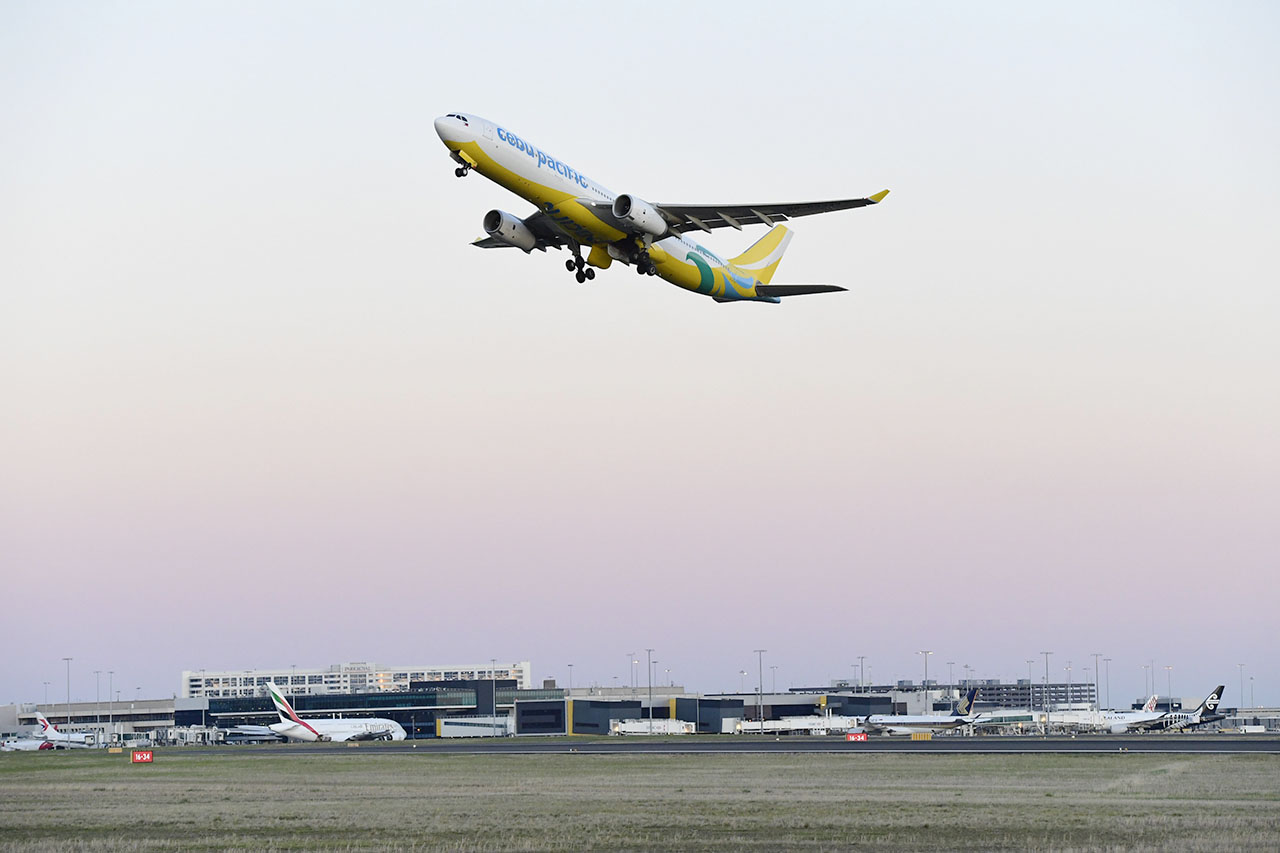
    Philippines low-cost carrier Cebu Pacific has joined IATA, becoming the second carrier from the country to be part of the trade association.

    Cebu Pacific says IATA membership will help it “gain access to expertise and learnings” about best practices and innovation.

    Conrad Clifford (left), IATA regional vice president for Asia-Pacific presents the IATA Certificate of Membership to Cebu Pacific president and CEO Lance Gokongwei.

    Cebu Pacific chief Lance Gokongwei adds: “Moreover, we will also be able to share our own operational experience and contribute to further developing the airline industry as a whole.”

    IATA says the low-cost carrier has achieved full compliance with its’ Operational Safety Audit (IOSA), which assesses a carrier’s operational management and control systems.

    Cebu Pacific currently flies 121 routes, with more than 2,600 weekly flights. Cirium fleets data indicates the carrier operates 54 aircraft, including a mix of A320 family jets and A330s, and has 44 aircraft on orders.

    Cebu Pacific joins a growing number of low-cost carriers added to the IATA fold. In November, Indian carrier IndiGo joined the association.

  • Slimmed-down Le Saunda shows signs of improvement

    Slimmed-down Le Saunda shows signs of improvement

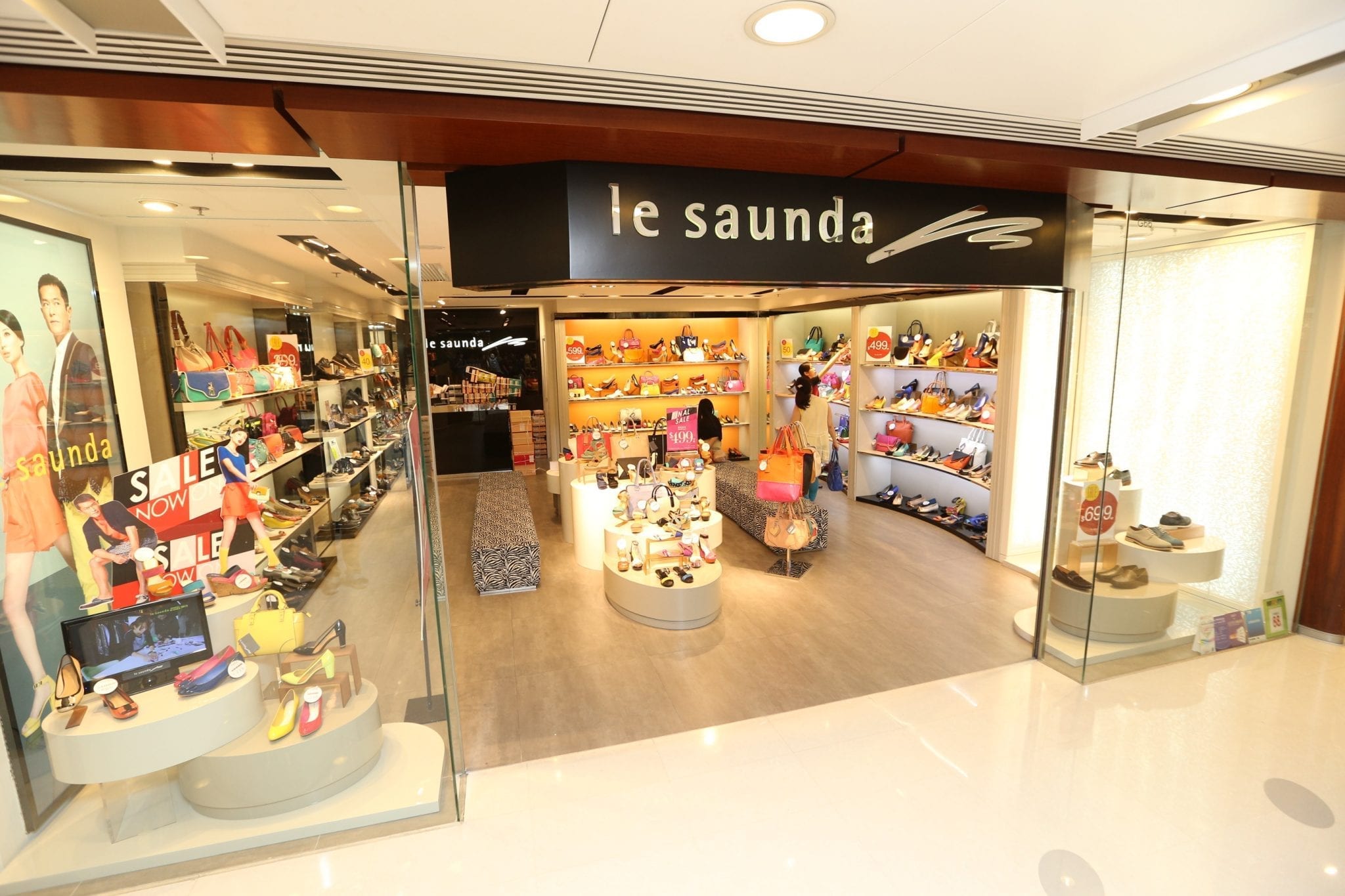
    Slimmed-down Hong Kong shoe retailer Le Saunda is showing early signs of improvement despite the recent decline in the territory’s retail sector.

    Figures for the November quarter show same-store sales growth of 7.7 percent in its self-owned network when compared with the same period last year. Total sales, however, were down 11.1 percent, reflecting a rationalization of the store network. The group ended the quarter with 447 stores in Mainland China, Hong Kong and Macau, a net decrease of 118.

    As earlier reported, sales for the first half of this year fell by 18.2 percent

    At the time, Chairman James Ngai said that given the current “gloomy economic conditions” Le Saunda would continue to optimize its distribution network, close down low-profit stores and take “a cautious and prudent approach in business expansion”.

    The picture was not so bright in the online business in the three months to November 30, however, where sales fell 20.7 percent year on year.

  • Cantabil plans 100 new outlets within a year

    Cantabil plans 100 new outlets within a year

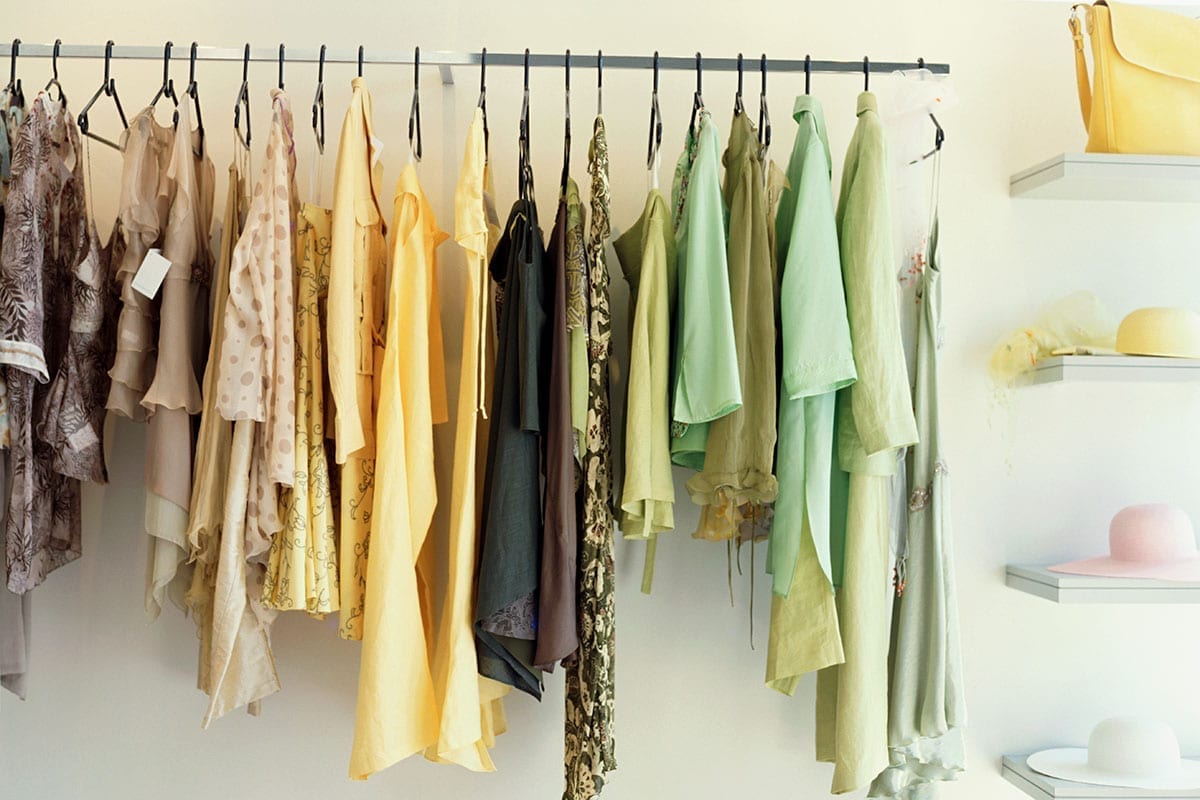
    Indian clothing label Cantabil is making plans to extend its reach across the country by opening more than 100 new outlets within one year.

    The firm currently operates 290 outlets in 16 states within the territory, mostly in tier I and II cities. It plans to invest US$3.5 million to expand its number of locations to 400.

    “This year has been a positive one and we are hopeful to continue with the same growth momentum in the coming year,” said Cantabil director Deepak Bansal.

    “There is a significant increase in awareness about the fashion trend among the people in smaller towns and cities. We see immense potential in tier II and III markets for expansion.”

    “Our target states are Maharashtra, Gujarat, Rajasthan, UP, Madhya Pradesh, Bihar, Jharkhand, West Bengal and part of Northeast,” read a statement from the firm.

  • Chinese giants dominate Asia’s online grocery market

    Chinese giants dominate Asia’s online grocery market

    China’s two e-commerce giants are driving the most growth in Asia’s online grocery market according to a new report from international researcher IGD.

    JD and Alibaba now boast a combined grocery-sales growth which in value terms is outstripping that of the overall market.

    Asia’s online grocery market has a current value of US$99 billion, according to IGD, which projects expects it to achieve a compound annual growth rate (CAGR) of 24.4 percent to reach US$295 billion by 2023.

    IGD’s forecasts show that JD.com’s grocery sales will grow 28.8 percent by 2023 to reach $9.8 billion and Alibaba’s grocery sales will grow to $9.5 billion, with a CAGR of 25.6 percent.

    Alongside pure e-commerce retailers, Asia’s online grocery market consists of brick-and-mortar retailers that are developing their online capability, as well as forming alliances and partnerships to accelerate growth.

    Nick Miles, head of Asia Pacific research at IGD, says the growth of online grocery in Asia will continue to be led by online marketplaces, especially JD.com and Alibaba, with food and grocery products helping to drive up the number of times shoppers use these retailers’ platforms.

    “Other pureplay retailers including Rakuten, Amazon and Coupang are also strengthening their online grocery operations and will increasingly play a more prominent role in the channel,” he said.

    “Brick-and-mortar retailers are scaling up their online operations and building partnerships with online players, delivery partners, technology companies and payment solution providers. These partnerships are vital for retailers to compete successfully with online marketplaces and online specialists.”

    Miles says there are several ways suppliers can capitalise on growth in online retailing, including developing long-term partnerships with retailers in areas such as marketing campaigns and tailored promotions.

    “Collaborating across the full chain is also important and suppliers should integrate their systems with retailers’ systems, to access real-time data on stock levels and ensure product availability for shoppers.

    “Finally, suppliers can really engage in the mobile space by making sure they stay up-to-date with new apps and social media platforms and other programs that are enhancing experiences for shoppers.”

  • The rise and rise of retailer recycling, repurposing and reusing schemes

    The rise and rise of retailer recycling, repurposing and reusing schemes

    Just 3.4 percent of consumers globally are using retailer recycling schemes, according to a report by GlobalData – but the trend is on the rise as leading players find new ways to reduce waste, use fewer resources and even adopt circular business models.

    Fashion is recognized as one of the largest polluters on the planet, and growing awareness of that is encouraging retailers to make innovative and sustainable changes to their manufacturing and production processes to lessen waste.

    Adidas has introduced the second generation of its first 100-per-cent-recyclable performance running shoe. The FutureCraft Loop Generation 2 is made using a mix of new raw materials and recycled components of the initial shoe – and is expected to be 100-per-cent recycled in the product’s next iteration.

    Meanwhile, Hong Kong brand Dyelicious creates color dye out of organic waste such as coffee, red cabbage, sweet potato and ginger in its garments.

    Reducing resources

    Outdoor apparel brand Patagonia has established a new ReCrafted collection where each item has been made from donated pieces, upcycled and repurposed into a “one-of-a-kind” piece. Each ReCrafted jacket, shirt, vest and bag is upcycled from three to six used pieces of clothing.

    Hong Kong’s very own label curated from The Mills in partnership with H&M foundation – Alt: – also uses a garment-to-garment recycling system to create new knitted pieces from the repurposed yarn of former old pieces which would otherwise have been discarded. Professor Edwin Keh, founder of Alt:, was crowned Inside Retail Hong Kong’s most Innovative Retailer in 2019.

    While many brands have launched programs to take in used garments to deconstruct – and some may even offer incentives for consumer’s donations – research from GlobalData shows that just 3.4 percent of consumers use a retailer’s recycling scheme to get rid of unwanted textiles. That could present a challenge to scaling up such schemes.

    “The practice of both repurposing and restoring post-consumer goods has the potential to help the fashion industry operate in a more sustainable manner, moving away from the traditional ‘take-make-waste’ model,” says Beth Wright, GlobalData apparel correspondent.

    “However, while both trends ultimately mean fewer items are being produced and keep products out of landfill, they still represent just a drop in the ocean compared with the amount of new clothing that continues to be made.”

  • First Best Mart 360 Macau store opens

    First Best Mart 360 Macau store opens

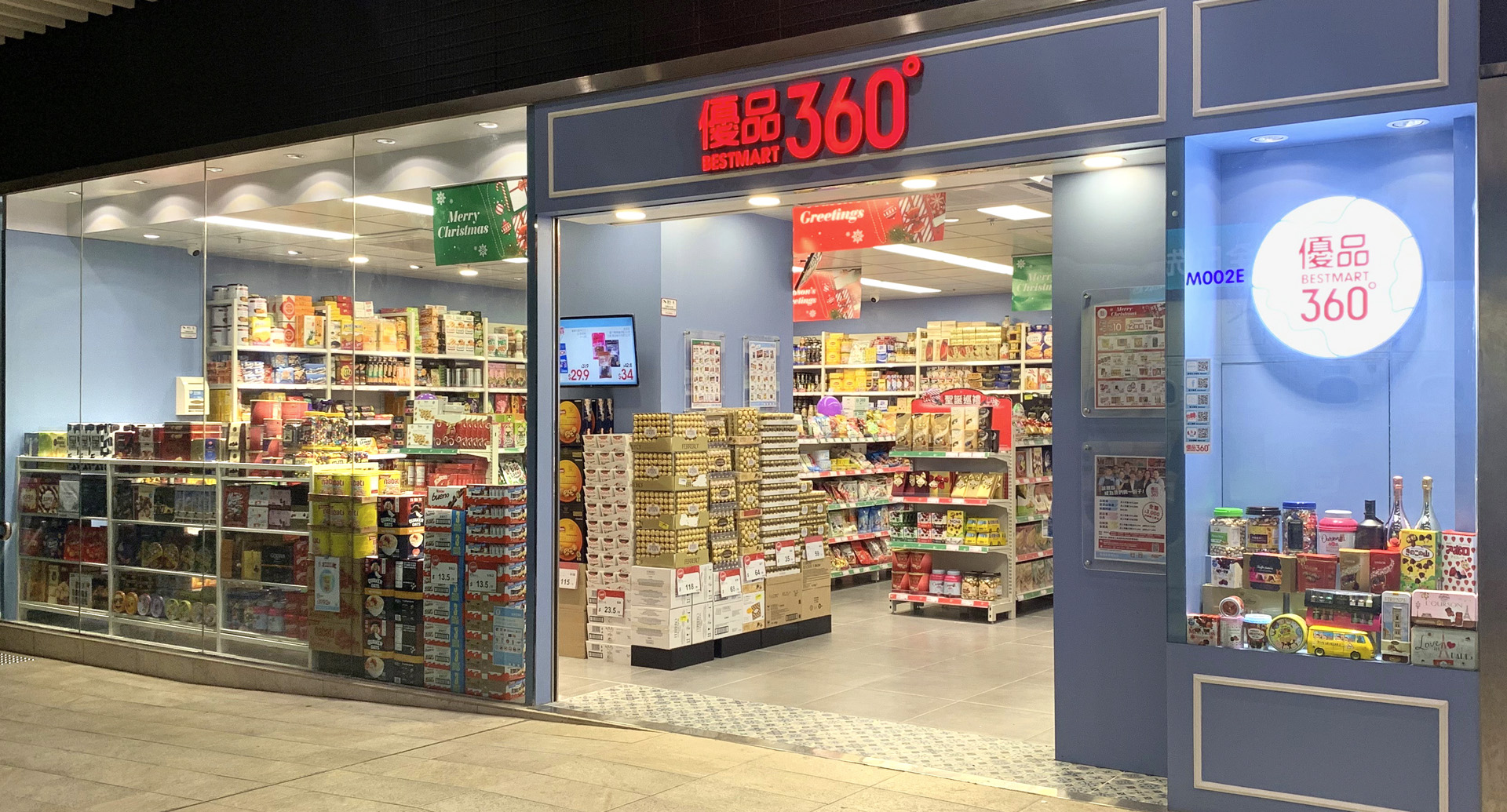
    Best Mart 360, the Hong Kong-listed ‘leisure-food retailer’ opened its first store in Macau yesterday.

    The company – which has suffered vandalism to some 75 of its Hong Kong stores during recent protest activity – believes there is potential for as many as 15 stores in Macau.

    In an interview with the South China Morning Post, chairman and co-founder Lin Tsz-fung said the expansion into the new territory was planned many years ago.

    “We hope to diversify our markets to Macau and Mainland China. We think Macau has a lot of tourists,” he said.

    A significant expansion in Best Mart 360’s store network helped boost sales in the first half of this year, despite the company being heavily impacted by protests since June.

    As at the end of September, Best Mart 360 operated 98 stores, a net 21 more than the same time a year earlier. Most of the new outlets are on the mainland.

  • StanChart Makes Good on Climate Change Fight

    StanChart Makes Good on Climate Change Fight

    Standard Chartered recently announced its commitment to combat climate change with real and substantial anti-coal financing policies and even exited three controversial power plant deals.

    Standard Chartered Group will only support clients who actively transition their business to generate less than 10 percent of earnings from thermal coal by 2030, according to a statement. The business will adapt to this commitment on a phased basis beginning on January 1, 2021.

    We are taking bold and ambitious actions in support of the Paris Agreement, being the first bank active in emerging markets to confirm that we will be out of thermal coal by 2030 and set a massively increased target for helping our clients transition into low-carbon technologies,» said Bill Winters, group chief executive of Standard Chartered.

    The bank announced an increased target to finance $35 billion by 2025 in deals linked with clean technology and renewable with a particular focus on emerging markets.

    According to the bank, emerging markets across Asia, Africa and the Middle East not only have an opportunity to «leapfrog to new low-carbon technology» but face insufficient financing, citing the U.N. figure of a $2.5 trillion per year funding gap.

    The statement accompanied a release of a Taskforce on Climate-related Financial Disclosurs (TCFD) report on the bank’s progress with aligning its lending portfolio to Paris Agreement goals of limiting global warming to significantly below two degrees.

    Of the moves announced towards supporting renewable energy, the boldest deliverable was the bank’s decision to withdraw from three projects it had said it would finance in September 2018 – assumed to be Vung Ang 2 and Vinh Tan 3 in Vietnam, alongside Java 9 and 10 in Indonesia.

    Prior to the withdrawal from the deal, Standard Chartered was lambasted by environmental campaigners that challenged the credibility of the bank’s leadership position in «Equator Principles». A Banktrack executive likened the matter to «putting the fox in charge of the hen house».

    Standard Chartered’s latest move should send a signal to other banks, including DBS, that building coal is financially risky, environmentally and socially unsound and morally reprehensible,» said Bernadette Maheandiran, a legal analyst from Market Forces.

  • HSBC Singapore Announces Digital Wealth Management Solutions

    HSBC Singapore Announces Digital Wealth Management Solutions

    Two solutions are part of the bank’s doubling of investments into digital over the past two years to better support its retail banking proposition.

    HSBC has expanded institutional analytical capabilities to retail investors in Singapore through its HSBC Wealth Portfolio Plus application, which launched in December, and is introducing the HSBC Structured Product Online Platform from Q1 2020 to allow accredited investors to invest in structured products offered by the bank, it announced in a statement on Wednesday.

    Given their work and lifestyle choices are no longer confined to one single market or region, our customers expect banking tools and wealth solutions that match their personal circumstances, Anurag Mathur, HSBC Singapore’s head of Retail Banking & Wealth Management, said about the new digital solutions the bank is rolling out.

    In the past two years, HSBC has made significant investments in enhancing its digital capabilities globally. In the first half of the year, HSBC spent $2.2 billion on digital solutions, up 17 percent from the same period for 2018, the bank said. A considerable proportion» of its investments in this area has been in Singapore, one of the bank’s eight scale markets.

    Singapore is often used as the pilot site for the development of digital solutions that will strengthen our foothold as the Asian wealth hub serving HSBC customers with international needs, Mathur said.

  • WeChat Adds Diamond Purchase Traceability Feature

    WeChat Adds Diamond Purchase Traceability Feature

    Tencent partnered with Russian diamond miner ALROSA Group to offer an in-app blockchain-based feature that provides traceability for diamond purchases made through WeChat.

    WeChat adds a new capability for affluent users to access transparent information about the «origin, characteristics and ownership history» of diamonds purchased through the platform.

    In addition to ALROSA – which accounts for nearly one-third of global rough diamond production – UK-based tech firm Everledger was also part of the partnership, likely to power the blockchain technology the new feature leverages.

    Chinese diamond demand grew five percent to reach approximately $10 billion, according to De Beers’ Diamond Insight Report 2019. As a comparison, the U.S. market is currently at $36 billion.

  • Samsung smartphones market share dips to annual low in Vietnam

    Samsung smartphones market share dips to annual low in Vietnam

    Samsung smartphones’ market share slipped 2.3 percentage points to 38.45 percent in October, the first time it has dipped below 40 percent this year.

    The South Korean brand sold over 500,000 smartphones in October, an increase of 20 percent compared to the previous month, according to a report by market research firm GfK.

    But total sales of smartphones in Vietnam surged 28 percent month-on-month in October to nearly 1.37 million units, resulting in a drop in Samsung’s market share, the report said.

    A focus on high value products was also a reason Samsung lost market share in October, a representative of cellphoneS, a leading smartphone retailer in Vietnam, told VnExpress.

    In October

    With 38.44 percent market share in October, Samsung still led the Vietnam market, followed by Chinese brands OPPO and Xiaomi with 25.2 percent and 10.2 percent respectively.

    China’s Realme had dislodged Apple from its fourth position in September, gaining 6.2 percent of the market share. Apple slipped a notch to fifth place with 6.1 percent. Industry insiders said Vietnamese consumers waiting for the latest iPhone model, which was released in November, was the main reason for the falling sales in October.

    Strong sales in the first quarter of 2019 allowed Samsung to retain its leading position in terms of market share in the first 10 months this year, accounting for over 43 percent of total sales. Samsung’s market share had peaked at over 50 percent in March, two times higher than second-placed Chinese brand OPPO, according to the GfK report.

    The report said the market could see major shifts in the last two months of 2019, with Apple having released its three new Iphone 11 models, new products from Xiaomi, Realme, and Chinese phone-maker Vivo entering the market and retailers simultaneously launching discounts for year-end promotional events like the Singles Day (November 11), Black Friday, Christmas and the New Year.

  • YouTube Music gets more personal with three new mixes

    YouTube Music gets more personal with three new mixes

    YouTube Music has announced three new personalized mixes are now available for its customers. The music streaming service is rolling out today the new Discover Mix, New Release Mix, and Your Mix, which should introduce music lovers to a wider range of artists, new and old, based on their listening history.

    All three mixes announced today will be updated regularly, so they’ll remain fresh to offer listeners unique experiences every week. For example, the Discover Mix is a place where you usually head to discover new music. It consists of 50 tracks every week, which will be changed every Wednesday.

    The New Release Mix, as the name suggests, makes it easier for YouTube Music users to find the most recent releases by their favorite artists, as well as artists the service thinks you might like. Every Friday, YouTube Music will refresh this personalized mix with new tunes, but smaller updates will be released throughout the week as well.

    Last but not least, Your Mix is a playlist of songs by artists that you know and love. In addition, YouTube Music is adding other songs and artists that you might have never listened to, but it thinks you’ll love. The mix will receive small updates regularly, so the more you listen to and like these songs, the better your mixes are supposed to be.

    All three new personalized mixes are now available globally for all YouTube Music listeners on both the Android and iOS devices.

  • Mercedes-Benz Pushes Back US Launch Of Electric SUV Until 2021

    Mercedes-Benz Pushes Back US Launch Of Electric SUV Until 2021

    Mercedes-Benz has rescheduled the US launch of its first mass-market electric vehicle — an SUV known as the EQC to 2021. The SUV was introduced in Europe earlier this year, and it reportedly “generated high interest”, enough so that Mercedes’ parent firm Daimler made a “strategic decision to first support the growing customer demand” in Europe, Engadget reported on Tuesday.

    The US is the second-largest car market in the world after China, but it is only on par with, and sometimes behind, Europe when it comes to sales of all-electric vehicles.

    One factor driving the availability of cleaner cars in Europe is the strict emissions regulations package put in place by the European Union (EU), which requires automakers to reduce the emissions of their new vehicle fleets by 37.5 percent by 2030.

    In contrast, President Donald Trump has spent the bulk of his presidency unsuccessfully trying to roll back Obama-era emissions regulations that are similarly meant to support the adoption of cleaner cars, according to The Verge.

    Price of Mercedes’ EQC base model is expected to begin at $67,900 — less than the $74,800 Audi E-Tron and the $84,990 Tesla’s Model X.