Tag: asia

  • AirAsia Receives Its First Airbus A321neo by

    AirAsia Receives Its First Airbus A321neo by

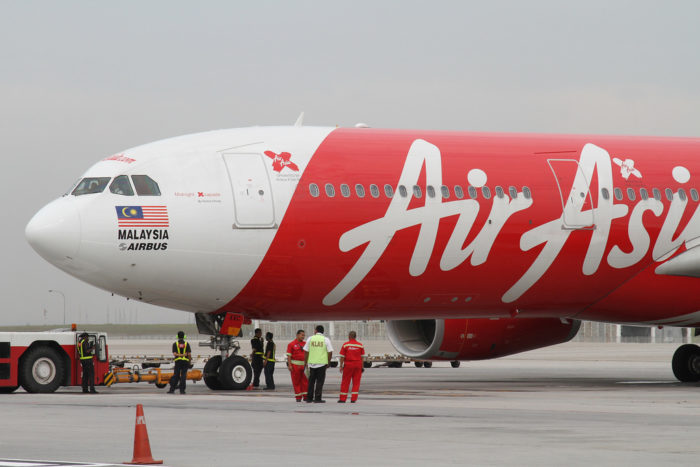
    At a delivery ceremony in Hamburg, Germany, budget airline Air Asia took delivery of its very first Airbus A321neo. The event took place on Wednesday under grey skies and wet conditions. The narrowbody long-haul jet will begin operating this week from AirAsia’s hub in Kuala Lumpur to cities across Asia. Destinations already identified include Kuching and Kota Kinabalu

    The Star also reports that it had its ferry flight back home after the ceremony, with over 30 media personnel from the Southeast Asian region as well as AirAsia staff. According to sources included FlightRadar24 and Planespotters, the airplane has been assigned the registration 9M-VAA and includes a unique and ‘funky’ livery.

    “We could not be more thrilled that it will be the new backbone of our operations across the AirAsia Group. With the 25% increase capacity and 10% reduction in cost per seat, the A321neo will enable us to maintain low fares so ‘Everyone Can Fly!’…This new generation aircraft delivers significant capacity and cost benefits which we can pass on to our guests in the form of great value fares and it also unlocks exciting network expansion opportunities allowing us to fly the aircraft for an additional one and a half hours longer.” -AirAsia Indonesia chief executive officer Veranita Yosephine

    A recent Twitter post about the delivery (shown below) mentions that this is the first aircraft out of the 353 ordered from Airbus. In fact, the delivery of this particular model is part of AirAsia’s plan to move from its existing fleet of A320neo aircraft to the larger A321neo.

    AirAsia revealed the order for the A321neo at the Paris Air Show this year. The airline announced the conversion of 253 A320neos to the larger A321neos. This will make AirAsia the largest customer in the world for this type.

    The larger A321neo offers 50 seats more over the current A320neos. Furthermore, it also provides 40% more cargo space as well as “expanded seating capacity with optimized use of cabin space”.

    The upscaling of the order back in June was welcomed news for Airbus. Although the quantity of aircraft ordered stayed the same, all of them being converted from existing A320 orders marks the biggest order for the larger variant of the narrowbody to date. It also signifies a massive vote of confidence for the type.

    The A321neo is the longest variant of the popular A320 family of aircraft. In fact, with the new improvements of the neo (new engine option), there is an expected 20% increase in fuel efficiency from the A321ceo (conventional engine option). Efficiency features include new generation engines and fuel-saving Sharklets.
  • AirAsia and AirAsia X have been named best low-cost airline in Asia again

    AirAsia and AirAsia X have been named best low-cost airline in Asia again

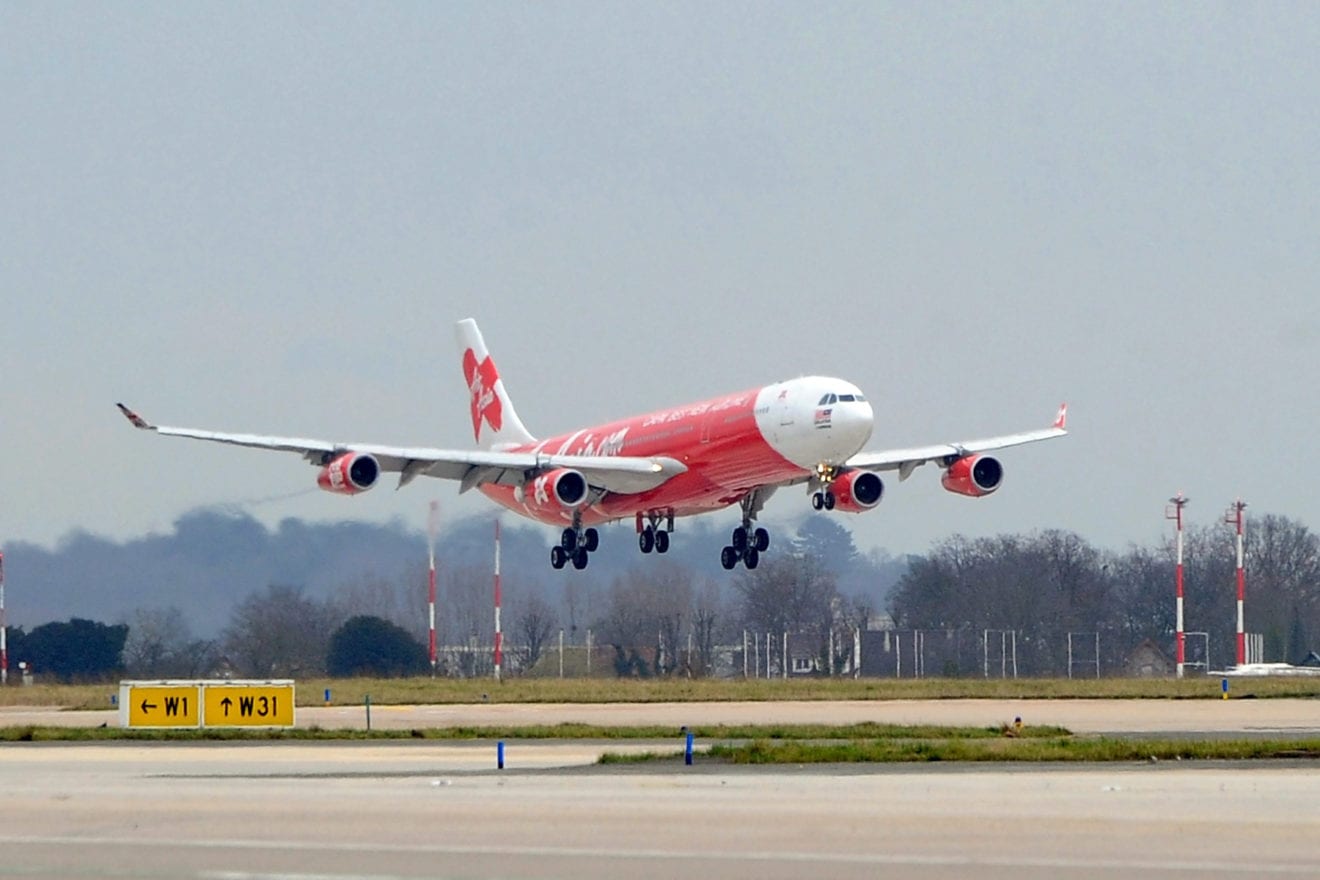
    AirAsia and its partner airline AirAsia X have been jointly named the best low-cost airline in Asia Pacific again at this year’s Airline Excellence Awards by AirlineRatings.com.

    The award is judged by the Australia-based aviation website through a five-star rating system considering factors such as in-flight entertainment, cabin space and comfort, beverages, food, and seat recline.

    This is the second time the Malaysian low-cost carrier has bagged the award, after taking the title from Scoot in 2018.

    Geoffrey Thomas, editor-in-chief at AirlineRatings.com, said that the AirAsia win was “richly deserved” and that the airline is in a “dominant market position”

    “These airlines have made travel affordable for tens of millions throughout Asia, and they offer outstanding value and a great experience,” he added.

    In June, AirAsia has also named the world’s best low-cost airline at the Skytrax World Airline Awards.

    AirAsia Group chief executive Tony Fernandes said in a statement that the airline will continue to focus on “delivering the very best value airfares for short, medium and long haul travel throughout Asia Pacific”.

    The airline is currently looking at slashing fuel burns to help keep airfares low through the new additions of Airbus’ A330 neo wide-body and A321 Xtra Long Range aircraft.

    Benyamin Ismail, AirAsia X’s chief executive officer, said that the two aircraft will provide the carrier with the “lowest possible operating costs to expand its network and enable even more people to fly further for less”.

    This will allow AirAsia X to further expand into markets like Australia, and “explore new longer haul markets including Europe, which are currently under review,” he added.

    The two Kuala Lumpur-based airlines have 272 total aircraft today, flying to more than 150 destinations in 25 markets.

  • California coffee roaster Blue Bottle to launch in Hong Kong’s Central

    California coffee roaster Blue Bottle to launch in Hong Kong’s Central

    Artisanal coffee roaster and retailer Blue Bottle has been rumored to be expanding into Hong Kong since netizens discovered job postings for a brand experience manager and operations director back in August.

    Now, not only is the company seeking a logistics specialist on the ground, but details of a lease deal for a two-story 3000sqft space in Central have emerged.

    Blue Bottle has signed up for the space on Lyndhurst Terrace for six years.

    However, there is still no confirmation of a launch date as yet.

    Blue Bottle Coffee currently has more than 50 cafes in the US, and recently debuted in Japan and South Korea.

    The brand is renowned for its single-origin beans and its cold-brew coffee which prompted consumer-goods giant Nestle to acquire a 68-per-cent stake for US$425 million back in 2017.

  • United Colors of Benetton expanding into Myanmar

    United Colors of Benetton expanding into Myanmar

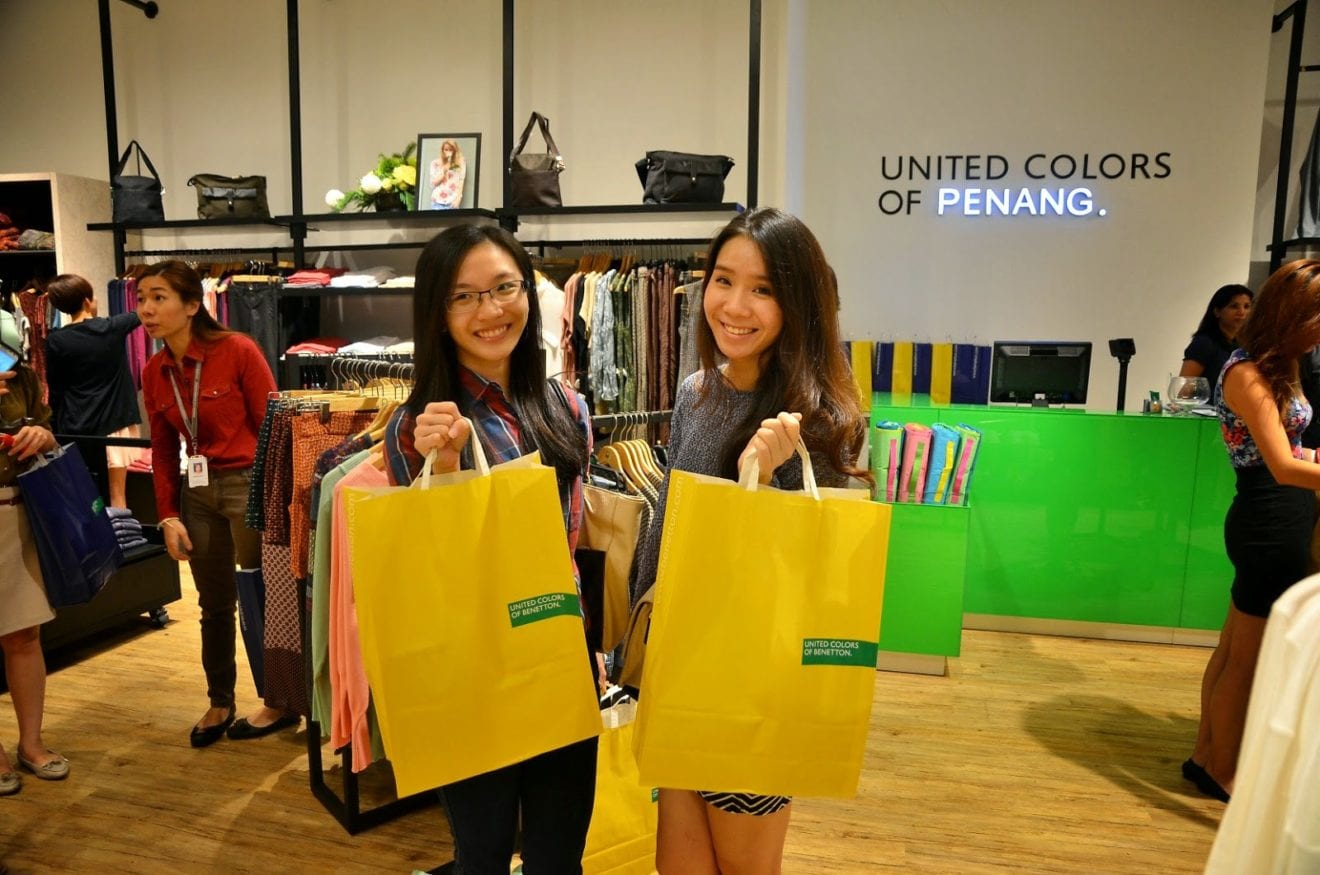
    Italian fashion brand United Colors of Benetton, has released a new collection to celebrate its presence in the Burmese market.

    Benetton entered Myanmar in October 2017 and now has two stores in prominent areas, with plans to further expand its base in the territory over the coming decade. Benetton Group has a global network of 5000 stores.

    “We brought our strong heritage to Myanmar in October 2017 with our first store in Junction City Level 2,” read a statement from the brand.

    “We further expanded with the store in Yangon International Airport … We have interesting plans of expansion in Myanmar next year and are looking forward to catering to the audience with our unique product offering. We have received an overwhelming response so far and will strive towards exciting our consumers with knit, colors and sustainability.”

    With the new global creative director Jean-Charles de Castelbajac coming onboard, Benetton has showcased two collections – The Rainbow Machine and The Colour Wave at Milan Fashion Week (AW2019 & SS2020). The collection is expected to hit Myanmar stores in the coming year.

    Benetton’s AW2019 collection has hit stores to offer a chic winter to fashion enthusiasts in the region. The collection was celebrated with a special showcase followed by a creative session at the Junction City store on November 17 attended by the city’s glitterati.

  • LVMH takeover of Tiffany & Co looks to be settled

    LVMH takeover of Tiffany & Co looks to be settled

    Luxury jeweler Tiffany & Co looks set to be bought by French luxury group LVMH after the latter increased its offer to more than US$16 billion.

    Sources have told multiple international media organizations that a deal may be announced as early as today, Europen time before stock markets there open.

    The two companies’ boards met yesterday to finalize the deal, which would be LVMH’s largest acquisition yet and substantially boost its North American business.

    LVMH initially bid $14.5 billion for Tiffany in late October when it had a market valuation of $11.9 billion, but the target company’s board rejected the offer saying it undervalued the business.

    An analyst at OC&C Strategy Consultants in Hong Kong said adding an iconic American brand to its portfolio would enable the French luxury group to get closer to the heart of American luxury customers.

    “It would reinforce LVMH’s jewelry portfolio, which was relatively limited until now compared to rival luxury groups like Richemont. Acquiring Tiffany provides LVMH not only the entry into the fine jewelry segment but also the more accessible segment, which is growing at a faster pace than fine jewelry,” he said.

    During recent years, Tiffany has achieved success in rejuvenating the brand, expanding its jewelry collections from a wedding and engagement-focused jewelry to more fashionable, everyday collections to better cater to younger consumers’ increasing need of self-indulgence.

    “To satisfy consumers’ pursuit of “newness”, they shortened the cycle of new product launches. In addition, they are also one of the pioneer luxury players in embracing digital platforms by opening a pop-up store on Tmall Luxury Pavilion and engaging with consumers creatively through WeChat, among others,” said the analyst.

  • Walmart China opening 500 more stores

    Walmart China opening 500 more stores

    US retailer Walmart is planning to launch 500 new outlets in China within five to seven years.

    The expansion will more than double the firm’s presence in the territory in time for China to emerge as the world’s biggest grocery market come 2023. The move comes in the face of an economic slowdown as China grapples with the US trade war and slow growth.

    In spite of the setback, Chinese consumers are still buying from Walmart, which experienced 6.3-per-cent year-on-year growth in the last quarter. Its global growth during the period was just 2.5 percent.

    “We will continue to collaborate with partners and policymakers in China to accelerate our expansion,” Walmart China senior VP James Ku said.

    The firm will also remodel more than 200 of its stores in China in the coming years, including installing self-service checkouts using facial recognition technology.

    Walmart China has operated for more than 20 years.

  • Korean retail giants expect improved profits next year

    Korean retail giants expect improved profits next year

    After a tough year, South Korean retail giants are tipped to log a modest improvement in their earnings next year on the back of improved business conditions and cost-cutting efforts, industry sources say.

    This year has been the toughest ever for two homegrown South Korean retail giants, Emart and Lotte Shopping, as they struggled to battle with e-commerce giants such as Coupang and TMON, which launched aggressive promotion and free delivery services to woo more customers.

    Hit by increased competition and an economic slowdown, Emart, the country’s No 1 retailer, suffered a 40.3 percent year-on-year fall in its third-quarter operating income to 116.2 billion won (US$98.8 million).

    Analysts said Emart will be on a roll next year, as the company’s efforts to improve margins have started to bear fruits since the third quarter, according to IBK analyst Lee Myung-hee. The brokerage estimated an 18 percent on-year rise in sales for 2020 and a 60 percent jump in operating profit.

    Emart saw the number of its underperforming or loss-making offline stores fall to 141 this year, down from 147 in 2016. The company also expanded shipping infrastructure for its online-only retail corporation SSG.com, launched on March 1, in a bid to win back customers from e-commerce operators.

    To bolster its delivery services, Emart also plans to open its third pick-and-packing station in Gimpo, 29 km west of Seoul, by the end of the year. The company currently runs two facilities, one in Gimpo and another in Yongin, 49km south of Seoul.

    Lotte Shopping, the operator of the supermarket chain Lotte Mart, also suffered a sharp fall in its third-quarter earnings because of poor performance by its supermarket chain. Lotte Mart takes up about 30 percent of its business portfolio.

    Lotte Shopping’s July-September operating income stood at 87.6 billion won, falling 56 percent on-year. The earnings shock came due to the nationwide boycotting of Lotte’s products since July, triggered by trade tensions between Korea and Japan.

    But the market consensus is that the discount store chain’s quarterly operating profit will go up thanks to reduced costs stemming from layoffs of contract workers.

    Ju Young-hoon, an analyst at Eugene Securities, forecast a 2.9 per-cent year-on-year gain in Lotte Mart’s annual sales for next year, compared to a 1.3-per-cent decline this year.

  • Grab Rolling Out Low-Cost Wealth Products

    Grab Rolling Out Low-Cost Wealth Products

    Grab is looking to tap the trillion-dollar wealth market across South-east Asia by offering low-cost investment products.

    Armed with a huge ambition of seizing South-east Asia’s wealth management market, Grab will first offer simple cash products offering a yield above the small interest derived from cash sitting in banks, said Reuben Lai, senior managing director of Grab Financial Group.

    What we don’t want to do is what typical financial institutions do where they charge 3 percent to 5 percent upfront – it’s a huge put-off. We are going to do away with all these upfront fees and have a pay-as-you-go model in a very transparent way,” said Lai, who was quoted.

    Grab will work with various asset managers and banks to offer cash products by the first half of next year, followed by more complex products later. It will study whether the products are relevant for mass consumers in both pricing and liquidity, he added.

    The firm could also partner or invest in a platform, which could be a regional or global player. As local banks have not been aggressive in pushing exchange-traded funds (ETFs) despite their low-cost nature, Lai believes therein lies opportunities for Grab Financial.

    I don’t think fees (out there) are low, said Lai, even though some banks here have savings plans tied to investments such as ETFs.

    DBS has recently launched ETF products with a flat annual management fee of 0.75 percent without a further sales charge, platform fees and lock-in period.

    To boost the team in its next phase, Grab recently hired Philip Chew, an investment veteran from powerhouse BlackRock, to run Grab’s investment and new business unit.

    It has also hired Leslie Teo, former GIC chief economist, to head up its data science team, with the aim of looking at how to better price financial products, Lai said.

    Grab’s pay-as-you-use models for its consumer finance push gained traction as 70 percent of its drivers in Malaysia have signed on the usage-based insurance sold by Grab’s partner Zhong An Insurance that offers per-day coverage for a daily payment.

    Given the bigger push into wealth and insurance, GrabPay will look to engage the mass affluent in the coming months as well, having become the dominant e-wallet in Singapore, Malaysia and Vietnam, said Ooi Huey Tyng, who manages the GrabPay business in most of Southeast Asia.

    In about 18 months, GrabPay secured e-money licenses in six countries, and now commands the largest total payment value (TPV) in three, she said, while declining to disclose the absolute figures. With the rapid build-out of the GrabPay wallet, the TPV has also more than doubled in the last six months.

    Many people will say: ‘Are you trying to do an Ant Financial?’ And my answer is: ‘China is one country, we are 10 countries’. It’s very, very different. With the one time the partners plug into us, they get access to our 170 million subscriber base in South-east Asia… and the licenses that we’ve acquired,»said Lai.

  • DBS Acquires 40,000 Clients in Hyderabad

    DBS Acquires 40,000 Clients in Hyderabad

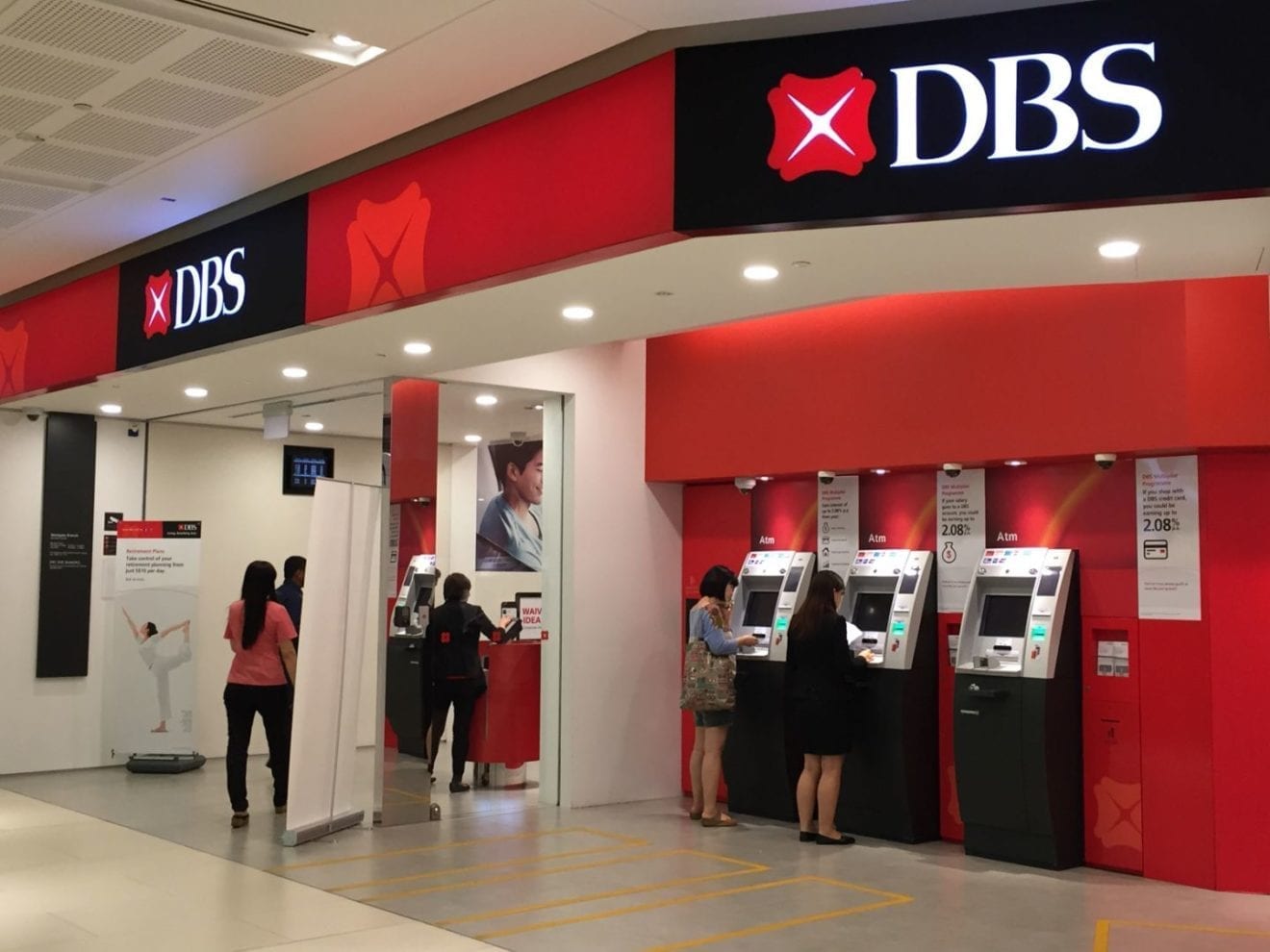
    Singapore bank DBS acquired 40,000 clients in Hyderabad after just opening its office earlier this year with plans to accelerate growth through new customer touchpoints.

    After launching just six months ago, clients from the Hyderabad now make up for 30 percent of DBS India’s customer base. When compared to other geographies in the Indian market, Hyderabad’s new accounts boasted especially high balances with a quarter of its wealth management clients being non-resident Indians.

    We will continue to invest where we believe the market provides an opportunity,» said Priyashis Das, head branch banking & wealth management, consumer banking, India, in a local media report. Hyderabad has a great opportunity for us.

    Moving forward, DBS will seek to further its growth in Hyderabad with plans to establish 100 customer touch points in the next 12 to 18 months through a combination of branches and e-kiosks across 25 cities. In addition to direct client acquisition, DBS will also invest in improving client experience by opening an experience center in local hub Waverock.

  • ICE Bitcoin Futures Slated for December Launch

    ICE Bitcoin Futures Slated for December Launch

    Atlanta-based Intercontinental Exchange (ICE) is planning to launch bitcoin futures on December 9 in Singapore, following regulator’s new papers permitting the trading of derivatives tracking certain cryptocurrencies.

    The Bakkt bitcoin cash-settled monthly futures contract, denominated in U.S. dollars, will be settled against data from physically delivered Bakkt bitcoin monthly futures contract. The new contract will be listed on ICE Futures Singapore and cleared by ICE Clear Singapore.

    «Our new cash-settled futures contract will offer investors in Asia and around the world a convenient, capital-efficient way to gain or hedge exposure in bitcoin markets,» said Lucas Schmeddes, president and chief operating officer of ICE Futures and Clear Singapore.

    ICE Futures is the first of four exchanges approved by the Monetary Authority of Singapore to launch regulated futures contracts for payment tokens like bitcoin. This follows a recent MAS consultation paper green lighting crypto-linked derivatives driven in part by observed intuitional demand for a regulated product.

  • Facebook reportedly tested a facial recognition app

    Facebook reportedly tested a facial recognition app

    It would be interesting to see how many people flat out don’t trust Facebook. This is the company that got fined $5 billion by the Federal Trade Commission (FTC) for failing to adhere to a consent decree it signed back in 2011. The terms of the consent decree prevented Facebook from using member profiles without the express consent of subscribers. In 2015-2016 Aleksandr Kogan, a Russian-American professor at Cambridge University, collected profiles through the use of an app he developed ostensibly for research purposes. But Kogan sold as many as 87 million user profiles to a company called Cambridge Analytica, which was hired by the Trump campaign to turn the data into information that it could use.

    As recently as the first day of this year, an organization called Privacy International issued a report claiming that certain Android apps sent users’ personal information to Facebook. The social-media site allegedly received this personal data even if the user did not have a Facebook account.

    What brings up Facebook’s apparent inability to keep members’ private data private is a report from Business Insider stating that the company had developed a facial recognition app between 2015 and 2016 that was developed for employees. The app was never released to consumers and has been discontinued. The frightening thing about the system is that according to one source, it could identify any Facebook member if enough data about the member was available. The app was in the early stages of development, according to the report. Facebook employees with the app installed on their phones could point the camera at a person and seconds later the display would show their name and Facebook profile photo.

    Last year, a lawsuit against Facebook was certified as a Class Action meaning that several similar suits were consolidated into one. The plaintiffs claimed that the app was using facial recognition on their phones without permission. Since 2010, the company had been collecting facial templates based on users’ physical characteristics in order to show members’ names in photographs. But the plaintiffs say that this violates the 2008 Illinois Biometric Information Privacy Act which prohibits companies from collecting and storing biometric data without permission. Facebook’s defense is that facial templates do not count as biometric data. This feature remains on the app, and when someone “tags” a Facebook subscriber in a photo it links back to the subscriber’s Facebook profile. This feature used to be enabled by default on the app, but users must now opt-in.

    Facebook is also reportedly developing its own AI assistant similar to Google Assistant, Siri and Alexa. The company would use it for its Portal line of smart displays; currently, the Portal speakers use Amazon’s Alexa digital helper. Back in 2015, Facebook did add such a feature for the Messenger app which it called “M.” While “M” used AI to answer certain questions, those it couldn’t handle were sent to a call center manned by humans. In January 2018, Facebook eliminated the feature.

    Meanwhile, Facebook is one of four tech firms (along with Apple, Google, and Amazon) that is being investigated by the House of Representatives’ Judiciary Committee for possible antitrust violations. Just this past week, the committee released written responses from the four tech firms to questions it asked each of the companies. Facebook admitted in its reply that it dropped certain apps from its developer platform if they competed with Facebook’s own features. As an example, the company admitted that it dropped Vine, Twitter’s now-defunct app that created six-second video loops. Facebook said that Vine was a copy of its News Feed. Committee members also wanted to know the “exact circumstances” behind Facebook’s decision to drop apps like Phhhoto, MessageMe, Voxer, and Stackla. The company said that it “will restrict apps that violate its policies.”

    If Facebook cannot be trusted with personal and biometric data, we should be breathing a sigh of relief that it stopped developing the aforementioned facial recognition app. Or did it? Can we believe Facebook when they say that it is no longer developing such a tool?

  • Qualcomm’s anti-competitive business practices get support from the Trump administration

    Qualcomm’s anti-competitive business practices get support from the Trump administration

    Back in May, Judge Lucy Koh (of Apple v. Samsung fame) made a ruling that still might change the way Qualcomm sells its chips to phone manufacturers. The judge ruled in favor of the Federal Trade Commission and against the chipmaker after a 10-day non-jury trial was held at the beginning of the year. The FTC argued that Qualcomm’s “no license, no chips” policy is anti-competitive.
    Other Qualcomm policies attacked in court included the way royalty payments are calculated based on the entire price of a phone instead of the chip being used. And Qualcomm was also cited for not licensing its standards-essential patents (SEP). These are patents that must be licensed by rivals to guarantee that their products meet technical standards; as a result, they are supposed to be licensed on a fair, reasonable and non-discriminatory fashion (FRAND). In its defense, Qualcomm says that the argument of royalties is an issue of contract law that should not be heard in a forum designed for antitrust cases. And it also says that there is nothing wrong with getting compensated for the money it spends on R&D.
    In her decision, Koh said that Qualcomm needs to renegotiate its current contracts with phone manufacturers. In her written decision, Judge Koh said, “Qualcomm’s licensing practices have strangled competition in the CDMA and the premium LTE modem chip markets for years, and harmed rivals, OEMs, and end consumers in the process.” As you might expect, Qualcomm has appealed the decision and even managed to get the Ninth U.S. Circuit Court of Appeals to issue a stay. This prevents Qualcomm from having to follow Koh’s orders until all of its legal options have been exhausted. The firm did have a compelling reason to request a stay; it would be a waste of time and energy to renegotiate all of its contracts only to win on appeal and reverse all of the changes made.
    And speaking of the appeal, the FTC is actually on the opposite side of the Trump administration. Before Judge Koh released her decision, Trump officials asked her to limit any penalties that she was planning to impose on the chipmaker. And now that the case is being heard in appeals court, the administration is concerned that a Qualcomm loss will negatively impact America’s global leadership in technology and national security. And the Justice Department, under the leadership of U.S. Attorney General William Barr, has contradicted the FTC by stating that there is nothing anti-competitive about Qualcomm’s business practices. That is unusual because the FTC and the DOJ both handle antitrust cases. The Justice Department is joined by the Defense Department and Energy Department which told the appeals court that a ruling against Qualcomm could affect the country’s military and its energy and nuclear infrastructure.
    But perhaps even more important to the Trump administration is the possibility that should Qualcomm lose on appeal, it will negatively impact the rollout of 5G in the states. The next generation of wireless connectivity will initially deliver download data speeds 10 times faster than 4G LTE and will lead to the creation of new businesses and industries. The nations that harness 5G first will have a big advantage in the global economy. Qualcomm’s Snapdragon X50 and X55 modem chips allow smartphones to connect to 5G networks. The former is compatible with the super zippy ultra-high mmWave spectrum while the latter works with both mmWave and sub-6GHz  airwaves.
    But as far as the FTC is concerned, Qualcomm and the Justice Department have not shown how Judge Koh’s ruling “threatens national security in any way — or how those considerations could justify allowing Qualcomm to continue to violate” U.S. antitrust law. The 9th circuit appeals court, located in San Francisco, could start hearing arguments in February and issue a ruling sometime in 2020. For Qualcomm, there is plenty at stake.
  • Caltex set to float 49 per cent stake in 250 retail sites

    Caltex set to float 49 per cent stake in 250 retail sites

    Fuel and convenience retailer Caltex is planning to undertake an initial public offering (IPO) of up to a 49 percent stake in 250 retail sites.

    The retailer would retain a majority 51 percent interest and enter into a long-term lease agreement for each site. The 250 sites represent all the freehold sites in a core network of 500 sites.

    The retailer expects the proposed IPO to offer significant value for shareholders, while also allowing the company to maintain operational control of the core Convenience Retail network.

    “This transaction is expected to release significant capital that could be used to further strengthen the balance sheet, fund future growth opportunities and return capital to Caltex shareholders in a way that unlocks the franking credits balance, in line with our capital allocation framework,” Caltex chief financial officer Matt Halliday said in an update to the ASX on Monday.

    Caltex expects to make rental payments of between $80 million to $100 million to the property trust in the first year.

    At the company’s half-year results in August, a 54 percent drop in profit prompted plans to drive growth from an enhanced convenience offer through about 500 core sites. As part of its plans to reduce costs, the company is offloading 50 higher-value metropolitan petrol stations.

    Caltex issued an update on its convenience retail business on Monday morning, reporting that annual earnings before interest and tax is expected to be in the range of $190 ‐ 210 million, a significant increase on the first half of 2019, driven by an improvement in fuel margin.

    “Despite the softer conditions from ongoing Australian economic weakness, Caltex has continued to outperform our competitors in the retail fuel market by leveraging our fuel supply chain expertise and our high-quality retail network,” Caltex managing director and CEO, Julian Segal, said.

    Segal also pointed to the recent opening of the first Caltex Woolworths Metro store in North Ryde as another milestone for the retailer. A second store is set to launch in Kingsford, NSW, this week and a third will open in Melbourne early next year. A further update on the store rollout will be given at its Investor Day.

    If the proposed IPO is approved, the transaction is expected to be completed in the first half of 2020.

  • Vietjet Launches Black Friday Ticket Promotions from S$0

    Vietjet Launches Black Friday Ticket Promotions from S$0

    Vietjet launches Black Friday promotions with millions of tickets from only S$0 (*). All promotional tickets are available for the whole day on 29 November 2019 (GMT +7), with the fastest fingers winning more tickets.

    Explore domestic destinations within Vietnam and fly between Vietnam and Japan, South Korea, Taiwan, Hong Kong, India, Indonesia, Thailand, Singapore, Malaysia, Myanmar, and Cambodia, including all other routes operated by Vietjet Thailand. Tickets for this promotion is applicable for travel between 1 December 2019 to 24 October 2020 (**).

    Promotional tickets are available on Vietjet’s website, the “Vietjet Air” mobile app and on Facebook. Tickets can also be booked via Vietjet’s hotline +8419001886 or from official Vietjet agents and ticket offices. Payment can be easily made with Visa/ MasterCard/ AMEX/ JCB/ KCP/UnionPay cards.

    Vietjet’s biggest promotional campaign in 2019 is also ongoing, titled “Fly around Asia and hunt for the 1kg golden aircraft” with hundreds of attractive prizes. Customers joining the program will have opportunities to win prizes daily and weekly with a grand prize, the 1kg golden aircraft.

  • Kathmandu, Cactus Outdoor team up for newly launched NZ Made Day

    Kathmandu, Cactus Outdoor team up for newly launched NZ Made Day

    Kiwi brands Kathmandu and Cactus Outdoor have created a new line of apparel made in New Zealand to celebrate the inaugural NZ Made Day.

    Launching today, NZ Made Day is a new annual event dedicated to celebrating products made by New Zealanders.

    Ryan Jennings, Buy NZ Made’s executive director, said the day will encourage New Zealanders to buy at least one locally made item from retailers or direct from the manufacturer.

    To celebrate the launch, Kathmandu and Cactus Outdoor have teamed up to create the Merino Tee, made by Albion Clothing, a manufacturer purchased by Cactus Outdoor earlier this year. The tee will be sold under Kathmandu’s branding.

    The merino tee has been designed, cut, sewn and packaged in New Zealand with the use of wool farmed in high county stations on the South Island.

    Kathmandu will start selling the tee today in all its New Zealand stores.

    “Brands like Cactus Outdoor and Kathmandu are stronger than ever because they have found their edge with customers by guaranteeing product longevity and customization over generic fast fashion,” Jennings said.

    According to Jennings, in the face of international consumer choice, manufacturers are building direct-to-consumer offerings that complement their retail channels to market.

    “Manufacturers that create direct relationships with consumers can offer customized products or simply pass on the retail savings, something that ‘stack ’em high’ big box retailers importing from overseas may struggle to match,” he said.

    Consumers who purchase any NZ Made products displaying the Kiwi trademark, including two new NZ Made caps released for NZ Made Day, can win one of five $1000 giveaways by texting 313 with the details of the purchase.