Tag: asia

  • CapitaLand sells The Star Vista in Singapore

    CapitaLand sells The Star Vista in Singapore

    CapitalLand has signed an agreement to sell The Star Vista to Rock Productions for S$296 million (US$217 million).

    The deal is about 13 percent higher than the property was valued at last June.

    Opened in 2012, The Star Vista shopping mall has a net lettable area of about 162,500sqft  with major tenants including Beauty in the Pot and LeNu, Canton Paradise Teahouse, Redman by Phoon Huat, Swee Lee and Cold Storage. Located next to the Buona Vista MRT Interchange, The Star Vista is part of a 15-story integrated development which also includes a 5,000-seat auditorium.

    The divestment, which is planned to be completed this year, is expected to generate a net gain of about $32 million for CapitalLand.

    “The divestment of The Star Vista is in line with CapitaLand’s active and disciplined asset recycling strategy,” said Jason Leow, president at Singapore & International at CapitaLand Group.

    “Year to date, CapitaLand has divested close to $5.7 billion worth of assets, exceeding our annual target divestment of $3 billion. The proceeds from these divestments will enhance CapitaLand’s financial flexibility to seize new growth opportunities.”

    Rock Productions owns The Star Performing Arts Centre which co-located with The Star Vista.   CapitalLand now owns 19 malls, including one under development, in Singapore after the agreement.


  • Commune to start retailing premium Samsung TVs

    Commune to start retailing premium Samsung TVs

    Singapore furniture retailer Commune has become the first non-electronics authorized retailer for selected premium Samsung TVs.

    The exclusive partnership is a first-of-its-kind for both Samsung and Commune. It is unusual for an upmarket interiors store to stock TVs – in this case, Samsung products that double as wall-mounted artworks when not screening video content.

    “Commune is honored to collaborate with Samsung, whose design-centric lifestyle TVs complement our modern contemporary furniture collections and home interiors,” said Commune Lifestyle COO & CMO Gan Shee Wen. “Like Samsung TVs, our furniture encapsulates quiet modernity, unifying function and effortless form with intelligent craftsmanship.”

    Consumers now have the opportunity to visit Commune stores in Singapore and see for themselves how the high tech premium Samsung TVs can seamlessly blend with modern furniture.

    “We are delighted to partner Commune to bring Samsung’s premium lifestyle TVs, The Frame and The Serif, to their stores,” said Samsung Electronics Singapore director, consumer electronics business Steven Koh. “Where design meets technology, this collaboration reinforces our commitment to providing consumers with enhanced sophistication and harmonious balance between form and function.”

  • Japanese used luxury-goods chain Komehyo opened in Bangkok

    Japanese used luxury-goods chain Komehyo opened in Bangkok

    Japanese used designer products retailer Komehyo has launched in Bangkok.

    The CentralWorld shopping complex outlet opened on Friday in cooperation with local partner Saha Group. It is part of the firm’s drive to expand throughout Southeast Asia.

    “With no other major competitors having a presence, Thailand offers hidden opportunities for Komehyo,” said president Takuji Ishihara.

    Komehyo has set up a purchasing office near its Bangkok location to facilitate sourcing used fashion products.

  • Nam Dae Mun to open its first global flagship store in Singapore

    Nam Dae Mun to open its first global flagship store in Singapore

    The world’s first Nam Dae Mun flagship store will open in Singapore on Saturday, November 30 at 313@Somerset.

    The Shanghai-born brand now has more than 300 stores across China, and is famous for the hour-long queues it attracted when it was first launched in 2016. Consumers still queue for its traditional glutinous and osmanthus rice cakes.

    Named after one of the Eight Gates in the fortress wall of Seoul in South Korea, the Korean-style rice cakes are chopped into small pieces after the dough is rolled out. The local flagship store also offers Maoshan durian glutinous mochi.

    “We are honored and excited to open the first Nam Dae Mun global flagship store in Singapore,” said Herme executive director Freya Wang, which has brought the brand to the Lion City “Besides the popular varied selection of Korean-style rice cakes, consumers here will also be able to get their first taste of Herme’s signature drinks and desserts.”

  • South Korea’s E-Land Group completes US shoe business exit

    South Korea’s E-Land Group completes US shoe business exit

    South Korean conglomerate E-Land Group is pulling its OTZ Shoes brand from the US market, six years after buying it.

    E-land Group, through its subsidiary E-Land USA Holdings, bought the California-based OTZ Shoes at US$8.5 million in 2013. But now, the conglomerate has decided to withdraw the brand from the country and develop it in South Korea instead, completing its exit from the US footwear market.

    OTZ will be marketed as a private brand in South Korea by its fashion unit E-Land World and will be sold at its multi-shoe brand store Folder. The brand is aimed at catering to young customers aged 15 to 25.

    Aside from growing the brand at home, E-Land Group says it plans to boost its sales overseas to achieve its target of 50 billion won (US$43 million) sales annually.

    E-Land Group sold its subsidiary E-Land Footwear, which owns brands K-Swiss, Palladium, Supra, PLDM and KR3W, to Chinese sportswear company Xtep International Holdings for US$260 million three months ago.

    E-Land Group is Korea’s largest integrated fashion and retail company, owning around 250 brands and operating more than 10,000 stores worldwide.

  • Kjus ski wear to open Beijing flagship store

    Kjus ski wear to open Beijing flagship store

    Swiss-based ski wear brand Kjus is to open its flagship store in Beijing next month.

    The flagship store is part of the company’s strategy to expand in Chinese market after progressively entering 33 countries already.

    Designed by 5 Star Plus Retail Design, the flagship store’s concept features the “future-oriented vision of the brand”.

    A Kjus product display, designed with LED touch screen and backplane patterns, is installed on the facade of the store.

    The Kjus China store’s design is the transition from Switzerland original design to futuristic. In order to deliver a futuristic and high-tech vibe, designers choose metal and stone as main materials and make sure there is sufficient clear space for the store.

    Meanwhile, the store draws a connection to the original Switzerland design by using wood on a smaller-scale such as high-rack equipment and wooden table.

    Lighting effects and technological advancements are used to highlight the product features, key products, and collections. A self-illuminated frame structure with a light-transmissive acrylic sheet inside is installed to illustrate the technology of the product. Two main colors of the store are grey and orange.

    Kjus store also features and exclusive VIP lounge and fitting room serving beverage so customers can have a more pleasant shopping experience.

  • Oriental Watch sales, profit holds firm despite turmoil

    Oriental Watch sales, profit holds firm despite turmoil

    Oriental Watch has shrugged off the impact of ongoing Hong Kong protests, with sales down a mere 1.1 percent and improved gross profit in the half-year to September.

    Sales totaled HK$1.168 billion (US$149 million), gross profit rose 10.4 percent to $318.2 million and profit attributable to shareholders was down 3.6 percent to $61.7 million.

    “The Hong Kong operation of the group held up well during the period against a backdrop of uncertain economic and social conditions,” said chairman Yeung Ming Biu.

    Oriental Watch operates 61 stores selling high-end watches, 46 of them in Mainland China, 11 in Hong Kong, three in Taiwan and one in Macau.

    Same-store-sales growth reached 11 percent in China where the company has established a solid foothold across tier-one cities such as Shanghai and Beijing, in the Guangdong province, and other cities such as Taiyuan, Nanjing, Changsha and Chengdu.

    Figures for Hong Kong were not highlighted in the group’s half-year results but overall luxury-goods sales fell by around 50 percent in the last quarter.

    Yeung said the group believes Hong Kong tourism will regain its footing in the near future, and remains “cautiously optimistic” for the longer-term retail market, especially for the high-end sectors.

    “Oriental Watch will continue to deploy appropriate strategies to elevate the productivity of existing stores, strengthen cost management and optimize its inventory profile, as well as enrich its

  • OCBC and DBS Provide Green Loans for Singapore Developer

    OCBC and DBS Provide Green Loans for Singapore Developer

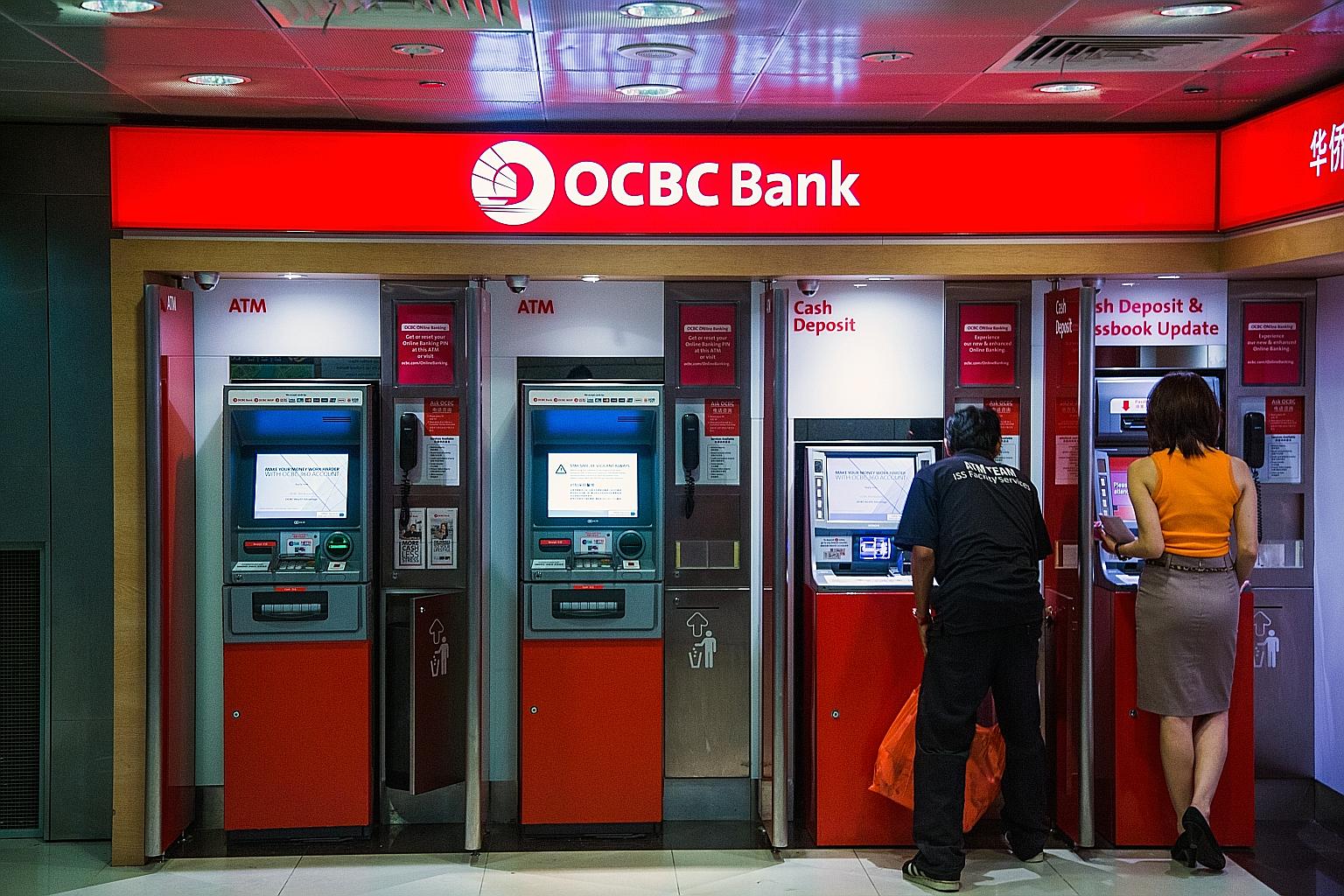
    Singapore developer Tiong Seng has secured S$125 million of green loans and performance-linked facilitates from OCBC and DBS, respectively.

    OCBC and DBS provided around $51.4 million and $40.4 million, respectively, according to a regulatory filing.

    The OCBC loan will be used exclusively on green projects with «clear environmental benefits» such as certified green buildings and projects that improve resource efficiency or generate renewable energy.

    The DBS loan will include environmental performance-linked benefits including interest rate and performance bond commission discounts if certain predetermined targets are exceeded. Review and validation will be conducted by an external independent party at the end of each 1-year period.

    Apart from diversifying our sources of funding, these facilities will allow us to focus on our environmental and green objectives to make a positive difference in our society, said Tiong Seng Holdings chief executive.

  • Standard Chartered Wants to Attract 7,000 Millennials in Singapore

    Standard Chartered Wants to Attract 7,000 Millennials in Singapore

    Standard Chartered attracted 7,000 millennials to open new accounts with its JumpStart offering which targets the youth segment with a focus on low fees and thresholds.

    The JumpStart savings account offering was soft-launched just two months ago and specifically targeted young customers between 18 and 26 years old. With no minimum deposit, no fall-below fee and no lock-in period, customers were able to secure an interest rate of 2 percent for their first S$20,000 ($14,681).

    In addition, JumpStart customers were offered a debit card with 1 percent cash back on spending, capped at $44 per month, and 100 percent rebates for the fees linked to the first $14,681 in investments through online trading and unit trusts.

    According to research commissioned by Standard Chartered, millennials were «mostly incognizant with banking products and services due to the lack of knowledge and funds. But over the next five years, key priorities included securing a stable job and planning for homeownership and marriage, both of which require intensive saving rates for the average Singaporean.

    Savings form the foundation of financial well-being, and we wanted to give young millennials a good reason and provide a great platform to start building healthy financial habits, said Dwaipayan Sadhu, Standard Chartered’s Singapore head of retail banking Singapore, adding that initial response to JumpStart has been overwhelming.

    This is an exciting start and we have plans to further broaden Jumpstart to cover other areas that are meaningful to this segment, such as financial seminars and giving back to society.

  • SoftBank Seeks $2.8 Billion From Japan Banks

    SoftBank Seeks $2.8 Billion From Japan Banks

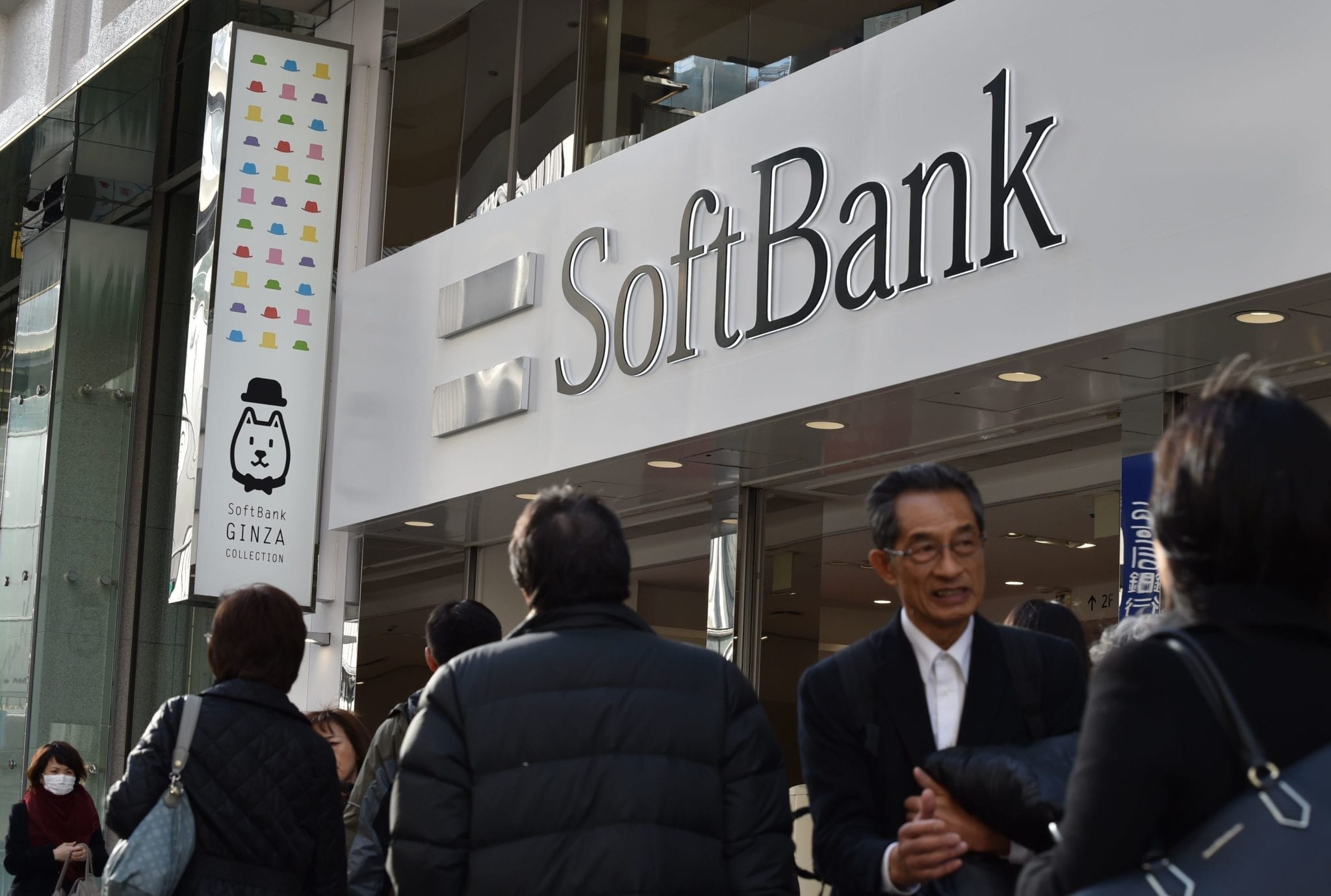
    SoftBank Group is in talks to get as much as 300 billion yen ($2.76 billion) in financing from three banks.

    Mitsubishi UFJ Financial Group, Sumitomo Mitsui Financial Group and Mizuho Financial Group are currently in discussions with the investment company about its loans, various media reported.

    We are evaluating our options flexibly while considering cash on hand, said SoftBank spokeswoman Hiroe Kotera, who was quoted in «Bloomberg». Bank loans are one option, but nothing has been decided, she added.

    The loans are part of the company’s regular financing, said the newswire’s source, but Nikkei reported that SoftBank is raising money to pay for its $3 billion tender offer to WeWork shareholders.

    Last month, the investment firm agreed on a $9.5 billion rescue package for WeWork, in a deal that handed it 80 percent of the troubled co-working company. Masayoshi Son’s company reported an operating loss of close to $6.5 billion in the quarter, after writing down the value on a string of high-profile investments.

  • China to Step Up Fintech Regulation

    China to Step Up Fintech Regulation

    The People’s Bank of China will introduce new standards in 17 areas, including blockchain, cloud services and artificial intelligence.

    China has plans to step up regulation in 17 areas of fintech to «guide the application of new technologies» applied across the financial industry, according to an article published by state news portal Xinhua.

    Speaking at the 2019 working conference of the National Financial Standardization Technical Committee on Wednesday, Fan Yifei, deputy governor of the People’s Bank of China, said the introduction of new standards is urgently needed to fill shortcomings in key areas, with a particular focus on data security, the publication reported.

    Fan noted that China currently has 65 national financial standards and 252 financial industry standards, which include mobile financial payment client technical specifications, voiceprint identification and more, but financial services and management standards are still weak.

    Explaining the rationale behind the regulatory push, Fan said that high-quality financial development requires high-quality financial standards.

    He also highlighted the need to expedite the internationalization of financial standards, actively carry out financial standardization research, cultivate a new generation of regulators savvy in this field, and to use fintech regulation to modernize financial governance systems and governance capabilities, the report said.

    China recently passed a new law on cryptography aimed to facilitate development concurrently with the country’s central banking efforts to launch its own digital currency, which will be effective January 1, 2020.

  • Pork price hikes drive up related food costs

    Pork price hikes drive up related food costs

    Pork prices have surged following the African swine flu outbreak in Vietnam, driving up prices of related food in supermarkets and restaurants.

    Over the last two months, the prices of pork products at many supermarkets and food stores in Ho Chi Minh City rose 5-25 percent.

    For instance, the price of pork sausages has risen from around VND120,000 ($5.2) to VND150,000 ($6.5) per kilogram, and that of higher-end sausages from VND150,000 ($6.5) to VND210,000 ($9.1).

    Hoa, the owner of a food store in HCMC, said that over the past week, all suppliers have announced price increases of VND3,000-20,000 (13-86 cents) on each kilogram of pork, forcing her to adjust prices accordingly.

    “Many merchants have advised me to buy in bulk now and store the pork because prices will rise even further as demand rises and supply dries up,” Hoa said.

    Similarly, restaurant owners in HCMC have raised the prices of rice and noodles dishes with pork as an ingredient, which on average cost around VND30,000 ($1.3), by VND2,000-5,000 (9-22 cents) each.

    “I can’t raise prices too much or it will shock my guests, so I have to do a balancing act of cutting smaller portions of pork, finding cheaper suppliers,” said Hue, a restaurant owner in Go Vap District, HCMC.

    Vietnam has had to cull 5.9 million pigs infected with African swine fever since the beginning of the year, equivalent to 337,000 tons of pork, according to Phung Duc Tien, Deputy Minister of Agriculture and Rural Development.

    This has resulted in pork prices rising by 19 percent since last November, and could rise by a further 10-15 percent by the end of this year with an expected shortage of 200,000 tons, according to the General Statistics Office (GSO).

    While the consumer price index in November is forecast to reach 0.8-1 percent, pork alone is expected to contribute 0.75 percentage points to this increase, GSO officials said at a government meeting urgently called Monday to find ways to limit the surge in pork prices.

    At the meeting, the government assigned the Ministry of Industry and Trade to monitor and forecast upcoming pork shortages every month, so that the government could import enough quantities to ensure balance in demand and supply and control prices.

  • Vietjet Air signs $140 million loans for fleet expansion

    Vietjet Air signs $140 million loans for fleet expansion

    Vietjet Air has signed a syndicated loan agreement worth $140 million with three foreign banks to fund its aircraft purchase plans.

    The lenders were South Korea’s Woori Bank and KEB Hana Bank; and the Industrial and Commercial Bank of China, the airline said in a statement Tuesday.

    The low-cost airline is eyeing new routes to the Middle East, Eastern Europe and Australia using the 20 Airbus A321XLR aircraft it ordered last month.

    The A321XLRs are scheduled to be delivered from 2023 and the carrier plans to add 10 international routes every year, Thao said.

    Vietjet currently flies 40 domestic and 66 international routes. It operates 385 flights daily within Vietnam and to places such as Japan, Hong Kong, South Korea, Taiwan, Singapore, mainland China, Thailand, Myanmar, Malaysia and India.

  • Vietnam reduces penalties for illegal currency exchange

    Vietnam reduces penalties for illegal currency exchange

    Vietnam has significantly lowered penalties for illegal currency exchanges following outrage over a man being fined VND90 million ($3,900) for exchanging $100 last year.

    The fine was revoked after a public outcry erupted over disproportionate punishment.

    An individual or a shop illegally exchanging up to $1,000 will receive a warning instead of a fine of up to VND100 million ($4,300), according to a new government decree set to take effect December 31.

    The fine will increase progressively, with a maximum penalty of VND100 million levied for illegally exchanging more than $100,000, the decree says.

    Illegal exports and imports of currency will be fined up to VND250 million ($10,800).

    The legal amendments come after a resident of the southern city of Can Tho was fined VND90 million ($3,900) in October 2018 for exchanging a $100 note at a gold shop.

    It is a common practice for Vietnamese citizens to exchange currencies at local gold shops that offer better prices than banks, even though very few of the shops are licensed exchangers.

    Can Tho authorities revoked the punishment after Deputy Prime Minister Truong Hoa Binh said such a heavy fine should be reviewed, and lawyers and lawmakers also said it was unreasonable?

    However, the province confiscated the $100 note from the man, an electrician who makes VND4 million ($171) a month.

  • Japanese used luxury-goods chain Komehyo has opened in Bangkok

    Japanese used luxury-goods chain Komehyo has opened in Bangkok

    Japanese used designer products retailer Komehyo has launched in Bangkok.

    The CentralWorld shopping complex outlet opened on Friday in cooperation with local partner Saha Group. It is part of the firm’s drive to expand throughout Southeast Asia.

    “With no other major competitors having a presence, Thailand offers hidden opportunities for Komehyo,” said president Takuji Ishihara in a Nikkei report.

    Komehyo has set up a purchasing office near its Bangkok location to facilitate sourcing used fashion products.