Tag: asia

  • HanesBrands about to double Champion Asia store network

    HanesBrands about to double Champion Asia store network

    US apparel company HanesBrands plans to double its Champion Asia store network within two years.

    The company has just announced a partnership with LF Corporation in South Korea which will see its store network there expand from around 10 now to more than 30 by the end of next year, with a further five-year expansion program planned beyond that. LF Corporation will also develop an online offer there.

    LF Corporation directly operates more than 1400 stores in South Korea, including for fashion brands Daks, Hazzys and Lafuma.

    The South Korea Champion partnership is part of a broader strategy by HanesBrands to expand the brand’s store footprint throughout Asia. There are currently more than 200 Champion Asia stores and shops-in-shops across Asia, including in Japan, China, Thailand, Taiwan and Hong Kong, which represent two-thirds of its global network.

    HanesGroup says it wants to more than double the number of stores and shops in those markets within two years.

    Beyond Asia, the company is also continuing to open stores in Europe, the US and Australia, and is pursuing a distributor retail model to open stores in Mexico, Central America and South America.

    Jon Ram, HanesBrands’ group president of global activewear, described its new South Korean partner as “a highly accomplished large-scale distributor” that operates a large network of department stores, shop-in-shops, street shops and online platforms.

    “We are looking forward to the growth that we can generate through the growing power of the Champion brand combined with the retail, e-commerce and brand building expertise of LF,” he said of the ambitious Champion Asia plan.

    LF plans to locate retail stores and shops-in-shops near and in the country’s major department stores and shopping malls. In addition, LF will distribute Champion products to the company’s Around the Corner multi-brand lifestyle-apparel stores and to other parts of its online and store network.

    “Champion is a global leader in sports performance and athletic casualwear apparel and is particularly appealing to younger consumers in their teens and 20s,” said LF Corporation MD Yoo Hyosang. “We believe Champion has the positioning to be an upscale brand in Korea, and we plan to use a dual-distribution strategy of opening Champion stores and expanding points of distribution in other store channels and online platforms. We are eager to tap the growth potential of Champion in Korea.”

    Champion has doubled its global net sales in the past three years with strong double-digit compound annual growth rates in the US, Europe and Asia. Popular with celebrities, sports figures and pop culture artists, the brand has more than 7 million followers on Instagram and has collaborated on apparel offerings with other leading apparel brands, designers and retailers, including Todd Snyder, Kith, Supreme, Urban Outfitters and Vetements.

    Based in Winston-Salem, North Carolina, HanesBrands sells products under brands including Hanes, Bonds, Maidenform, Playtex, Bras N Things, L’eggs, Lovable, Wonderbra, Berlei and Gear for Sports.


  • Car Marketplace Eyes Digital Bank License

    Car Marketplace Eyes Digital Bank License

    Used car marketplace Carro is eyeing a wholesale digital banking license in Singapore to expand its business.

    A car marketplace operator may not seem like a natural fit to apply for a digital banking license but it certainly does for Carro’s profitable subsidiary, Genie Financial Services. The license can beef up its underwriting capabilities for automotive-related loans, said Carro’s chief executive, Aaron Tan.

    A lot of times, when we finance end-car dealers, the risk is in not understanding their cash flow. But if we own a digital bank, we believe we can extract quite a bit of information from the car dealers. If they do deposits, their floor financing and hire purchases from us, we will have a very good view, internally, of whether the account conduct is fine and lower our risk of default, said Tan.

    The startup is already in talks with potential partners to apply for the license, which could open the door to SME lending, Tan added. He cites Silicon Valley Bank, which provides banking services to startups in the US, as a model Genie could emulate.

    A license will allow us to do a lot more; for one, we will be able to unlock unsecured loans. Two, it legitimizes our ambition to move beyond just the car vertical… The part that I’m very excited about is banking new-age businesses like startups. This is where we think the future of a company like this should lie, Tan said. The startup operates its used car marketplace in Singapore, Indonesia, and Thailand, and recently invested $30 million in a Malaysian peer.

    Currently, Genie provides loans and insurance services to car dealers and car buyers, along with technology platforms for dealers to manage their stock financing and loan origination. It has a small headcount of 13 and is headed by Helen Neo, a former senior executive vice-president at Maybank and head of personal financial services at HL Bank.

    Genie more than tripled its net profit from the previous year to over S$3 million, on the back of over S$7 million in revenue for the financial year ended March 2019, Neo revealed. She attributes the unit’s substantial margins to a sticky customer base, as well as banks’ support in providing capital.

    Initially, we struggled a bit, as we had to rely on VC funds (for lending). But after we were more engaged in the business, we managed to convince the banks to lend to us… Now, we’ve got at least two banks giving us full support. Today, our (credit) lines with the banks are more than S$80 million,» she said.  Carro is backed by Insignia, Softbank Ventures Asia and EDBI, the investment arm of the Singapore Economic Development Board, among other investors. It has raised some US$108 million in venture funding thus far.

    Carro’s move comes amid a few expressions of interest from other local startups. Peer-to-peer-lender Validus Capital is in talks with OCBC, Keppel Corporation, and Vertex Ventures to form a digital bank consortium. However, fintech Nium (formerly Instarem), one of the first startups to raise its hand to signal interest in a digital banking license, this week said it would no longer proceed to apply for one

  • HSBC Hires Barclays Investment Banker

    HSBC Hires Barclays Investment Banker

    After a decade at the British multinational bank, the senior executive is headed to a rival, where she will support efforts to build its corporate banking business in Asia.

    HSBC has hired investment banker Misi Tang as the firm’s managing director and head of capital goods and autos for Asia-Pacific, citing people familiar with the matter.

    The role is based in Hong Kong, and will start in December, the publication said.

    Tang was previously a Hong Kong-based managing director and head of industrials, China at Barclays Capital, where she has worked since 2010, according to her LinkedIn profile. She was previously employed as an attorney at various law firms after starting her career as an analyst at Accenture.

    Tang’s hire follows HSBC’s appointment of Jeremy Choy as head of its Asia Technology Mergers & Acquisitions (M&A) team in June. Choy joined from boutique investment bank China Renaissance, where he worked for 4 years, most recently as managing director and head of M&A.

  • Ripple Launches Academic Lab to Groom Talents

    Ripple Launches Academic Lab to Groom Talents

    The partnership with the National University of Singapore will bring together industry players, government agencies, regulatory bodies and educational institutions to develop and apply emerging technologies in the field.

    The School of Computing at the National University of Singapore and blockchain payments firm Ripple have come together to establish the NUS FinTech Lab, which aims to deepen knowledge and groom talent in the sector in Singapore, the two parties announced in a media statement on Wednesday.

    The academic lab is led by an industry liaison group comprising representatives from the private sector, government agencies and faculty members of NUS Computing.

    It plans to expose 1,000 students and industry professionals to fintech within one year through courses and programs open to NUS faculty and students, and those working in the field.

    NUS FinTech Lab is part of Ripple’s $50 million University Blockchain Research Initiative (UBRI) that supports academic research, technical development and innovation in blockchain, cryptocurrency and digital payments. The firm is working with six universities in Asia, including NUS, under UBRI.

    It will be a neutral space for dialogue and innovation that connects academia and industry, translating education into practice and generating tangible results, the statement said.

    The launch of the NUS FinTech Lab is a significant step toward recognizing the full potential of blockchain technology in finance and the real-world benefits of collaboration between academia and industry. Perhaps most importantly, the FinTech Lab will prepare students for the career opportunities brought about by continued technological advancements in finance, said Eric van Miltenburg, Ripple’s SVP of global operations.

  • Foreigners in China Can Soon Use Wechat Pay

    Foreigners in China Can Soon Use Wechat Pay

    Alipay and WeChat Pay have announced plans to open up their platforms to foreigners visiting the mainland.

    This week, the two dominant payment apps in China announced that they will allow their platforms to be used by visitors to China, possibly boosting spending there.

    Although Alipay and WeChat Pay’s logos are visible in stores and taxis in major cities around the world, it had previously been restricted to Chinese travelers with a China bank account. This is due to regulatory concerns about money laundering and cross-border cash flows.

    Ant Financial’s Alipay laid out a system that will work around current restrictions and can be used immediately. Travelers can use a prepaid card service provided by the Bank of Shanghai, and just periodically top up that account.

    In contrast, Tencent Holdings’ WeChat Pay intends to let people more directly connect their existing cards to its app. Visa said it will essentially enable its cards to work across the world’s second-largest economy.

    Tencent, under guidelines from regulators, has been discussing cooperation with U.S. card-network operators Visa, Mastercard, American Express and Discover as well as Japan’s JCB to support the linking of overseas credit cards to Wechat Pay, according to an article from Tencent News.

    This is a great step forward, both for consumers traveling to China and the overall payments industry. This partnership means that we’ll be working towards an environment where Visa cardholders will be able to use their Visa card in China at the millions of places where WeChat Pay is accepted, instead of having to rely on cash, Visa said in a statement. No time frame was provided for the rollout.

    For overseas firms, the move has big implications, potentially helping pave the way for future adoption of both platforms abroad.

  • Siam Commercial Bank Partners Liquid Group

    Siam Commercial Bank Partners Liquid Group

    Siam Commercial Bank (SCB) and Liquid Group today announced a strategic partnership to enable cross-border QR payment acceptance in Singapore and Thailand.

    With the opening of the Singapore – Thailand corridor for QR payments, SCB will be acting as the sponsoring bank for all Thai banking applications that support cross-border QR payments. Customers will be able to pay for their purchases using their respective Thai QR payment apps at Liquid Group’s participating merchants in Singapore.

    One of SCB’s key business operation strategies is to have strong partners to create new capabilities to keep pace with drastic changes in consumer behavior around the world.  Partnership with a QR payment service provider such as Liquid Group will help provide more opportunities and better access to real-time and seamless global payment experiences for Thai customers going abroad and foreigners coming to Thailand, said Sopol Chattananant, Siam Commercial Bank WB Future Platform, Global Transaction Banking Services Division First Senior Vice President.

    The partnership will allow both players to spearhead cross-border interoperability for QR payments between Thai Mobile Banking Applications and Liquid Group’s network of regional payment apps. As the largest commercial bank in Thailand, SCB has a vast merchant base of approximately 1.0 million acceptance points across the country.

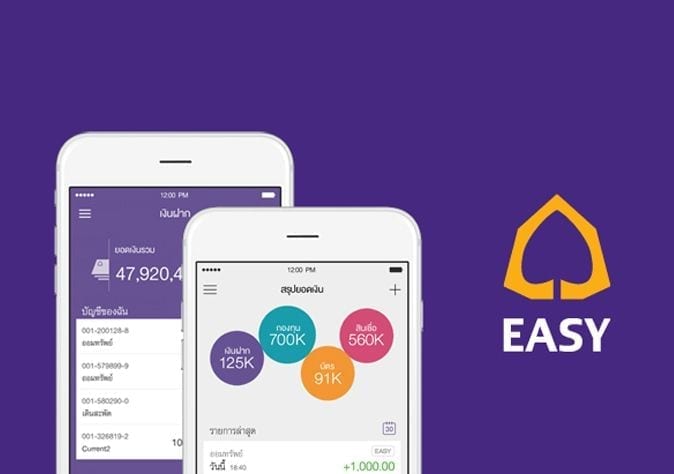
    In the initial stage, the service will enable Thai customers going to Singapore to use the SCB Easy Application and mobile banking applications of other banks with a cross-border payment feature to scan QR code for payments at shops located in Singapore’s Changi Airport before expanding to other locations.

    In the next stage, the service will allow Singaporean visitors to make payments using QR scanning in Thailand.  The Bank is confident that the partnership with Liquid Group will offer a real-time and seamless payment experience through a digital platform to truly meet the requirements of our mutual customers.

    Participating merchants in Singapore and Thailand can stand to generate additional revenue from the high volume of frequent travelers commuting between the two countries and their increased purchasing power, which is no longer limited to the amount of cash they carry but linked to the available credit in their wallet drawing from their deposit accounts.

  • WhatsApp makes changes to privacy controls on Android devices

    WhatsApp makes changes to privacy controls on Android devices

    WhatsApp has just announced it’s making some changes to the privacy settings for groups that it rolled out back in April. Several months ago, WhatsApp added new privacy settings for groups, which would give Android users more control over the group messages they receive.

    To enable it, you’ll have to go to Settings in WhatsApp, then tap Accounts / Privacy / Groups and select one of three options: Everyone, My Contacts, or My Contacts Except. Well, the third option has been added today and replaces the “Nobody” option which was originally added back in April.

    The changes are based on feedback from users during WhatsApp’s initial rollout to give them even more control over the contacts that they don’t want to receive messages from. The new My Contacts Except option lets users choose to exclude specific contacts or “select all.”

    WhatsApp announced that the update that contains the new changes is rolling out to Android users worldwide this week, so if you’re seeing a new version of WhatsApp in the Google Play Store, then you should have the new feature available after you update.

  • Google creates the App Defense Alliance to guard against malware-laden Android apps

    Google creates the App Defense Alliance to guard against malware-laden Android apps

    It almost seems like we have been writing more stories about malicious Android apps than ever before. Many of these play video ads in the background, sign up for premium services without the phone owner’s knowledge, share personal information and more. And some of these apps have icons that disappear from the app drawer making them incredibly hard to uninstall. The majority of these apps are designed to generate revenue for the bad actor(s) behind them.

    Yes, most of these apps were sourced from the Google Play Store which might have surprised a number of Android users. After all, Google runs a safety check on apps before they are downloaded. This feature, Google Play Protect, is also supposed to warn users if it has discovered a harmful app and remove any malware-laden apps it finds on an Android device. But a number of infected apps do make it through.

    Google says that “fighting against bad actors in the ecosystem is a top priority.” To prove this, Google announced today that it teaming up with mobile security firms ESET, Lookout, and Zimperium to create the App Defense Alliance. Google says that it picked these firms because of their past successes in finding potentially harmful apps, their dedication to improving the Google ecosystem, and the recognition they have received from analysts.

    The main priority for the Alliance is to prevent bad apps from getting installed on users’ devices. So Google will integrate its Google Play Protect detection system with the scanning engines used by the other Alliance members. Google says that this will “generate new app risk intelligence as apps are being queued to publish. Partners will analyze that dataset and act as another, vital set of eyes prior to an app going live on the Play Store.” But the main question is whether these extra eyes will help to tighten things up in the Play Store. The partners look for Potentially Harmful Applications (PHAs) both inside and outside the Play Store. By starting the Alliance, members will share their information with Google in a more timely fashion helping the members detect malware earlier than before.

    Google says that by working as a team to share information with each other, the App Defense Alliance will help secure Android from attacks around the world. The company adds that it is the best way for it to stay one step ahead of the bad actors and keep malware out of the Google Play Store. The Alliance even has a mission statement that reads, “Our number one goal as partners is to ensure the safety of the Google Play Store, quickly finding potentially harmful applications and stopping them before they ever make it onto Google Play.”

    As we’ve pointed out before, one of the best ways to avoid loading malware on your Android device is to look at the comments section on an app’s Google Play Store listing. You’ll be surprised at how many times an app full of malware is outed by a poor review. For example, take this review for an app that contained adware: “I thought I’d try this app by downloading it and that was a nightmare, couldn’t find it in my apps nowhere and then the app just started running ads flashing them on and off, couldn’t make them stop until I restarted it, then had to go back to Play Store just to find it again and I’m deleting it.” Check out the comments section before installing an app from an unknown developer and you might save yourself a headache.

    As we mentioned, some of these malicious apps are designed to disappear from the app drawer after installation and sometimes a factory reset is the only option available to get rid of a particularly pesky piece of malware. But late last month, we told you about malware that re-installs itself even following a factory reset. Hopefully, as Google says, the creation of the App Defense Alliance will keep Android users one step ahead of the bad guys.

  • AirAsia bags Airline Treasury Team of the Year award

    AirAsia bags Airline Treasury Team of the Year award

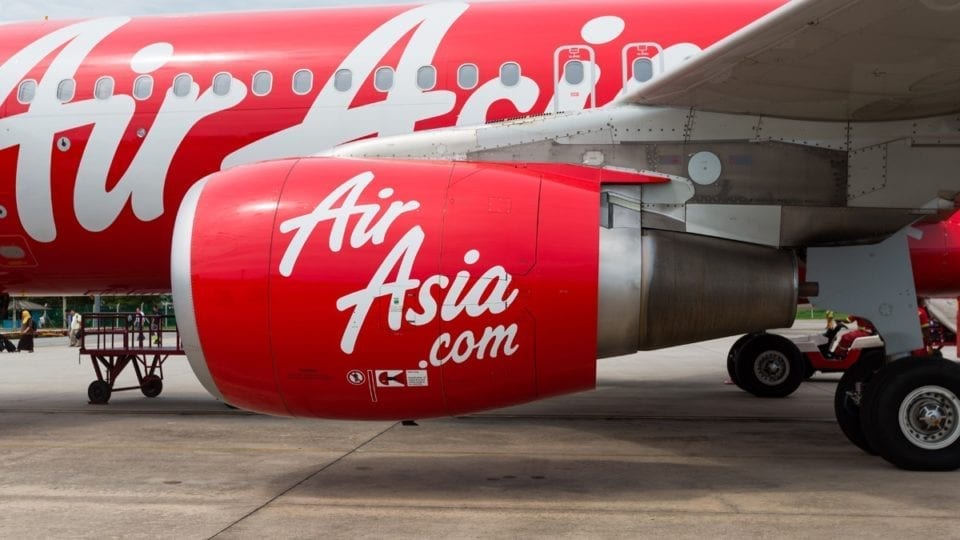
    AirAsia has bagged the Airline Treasury Team of the Year at the Asia Pacific Aviation 100 awards.

    In a statement today, the low-cost carrier said the Airline Economics Magazine Aviation 100 awards recognize the air travel industry’s most outstanding performers, as well as the most innovative and successful finance and leasing deals,  closed in the last 12 months.

    AirAsia said it won the Airline Treasury Team of the Year based on the company’s efficient fundraising deals that translated to strong financial performance as well as impressive fleet expansion activities.

    In the 2018-2019 year, AirAsia sealed two major aircraft portfolio deals with BBAM and Castlelake LP for a combined US$3.6 billion.

    The completion of the two transactions involved more than 100 aircraft and proved the team was not only efficient in their fundraising efforts, but also able to design financing structures which were not prevalent in typical aircraft financing transactions.

    This year, AirAsia also made global headlines with two significant commitments for new aircraft.

    At the 2019 Paris International Airshow, the company announced it would upsize its future Airbus single-aisle fleet, by converting orders for 253 Airbus A320neo to the larger Airbus A321neo.

    In August 2019, its long-haul affiliate AirAsia X expanded its order book with Airbus by signing a US$5 billion agreement for 12 Airbus A330-900 and 30 A321XLR aircraft.

    AirAsia Group Bhd chief executive officer Tan Sri Tony Fernandes said the sale of its aircraft leasing operations was the culmination of a long-running strategy to dispose of the group’s physical assets, and by doing so, it was able to monetize the aircraft at high prices and reduce residual risk.

    “This strategy has allowed us to invest that cash into a fleet expansion program and our many digital ventures, while at the same time provide shareholder returns and accelerate our vision to become Asia Pacific’s leading travel and financial platform company.

    “This would not have been possible without my incredible aircraft finance team, and I can’t think of anyone else more deserving to win Airline Treasury Team of the Year,” he said.

  • Alibaba’s Singles Day next week will be ‘grander than ever’ predicts analyst

    Alibaba’s Singles Day next week will be ‘grander than ever’ predicts analyst

    While eye-popping sales numbers have become routine for Alibaba’s Singles Day on 11.11, Forrester senior analyst Xiaofeng Wang expects this year’s event will be “grander than ever in terms of scale and reach innovations, and social responsibility”.

    Singles’ Day, the world’s largest online shopping event, will be held on Monday, but a huge share of sales are set up in advance. Here are four points to watch out for on Alibaba’s Singles Day this year, according to Wang:

    Bigger discounts will come with more complex promotion schemes. 

    Major players such as Alibaba, JD and Shopee rolled out preorder campaigns with varying start dates, and their promotion schemes have become increasingly complex. Consumers fall into a dilemma between deals that are too good to resist and schemes that are too many and too complex to follow.

    Alibaba will continue to push the boundaries of what to buy online. 

    Last year, Alibaba expanded its 11.11 product portfolio to new industries like automobiles and hotels. This year, it is expanding into new areas such as entertainment to offline services to real estate. Consumers in China can buy tickets to Disney Parks, car-care services, home decoration, and renovation services online. What’s more, Alibaba plans to sell 10,000 apartments on its auction platform.

    Live-streaming commerce will be the key driver of revenue growth.

    Live-streaming commerce is increasingly gaining momentum in China and quickly expanding to Southeast Asia and beyond. Lazada, Shopee, and Rakuten all launched live-streaming features. Beauty brand Whoo already created a jaw-dropping record of achieving 100 million yuan Gross Merchandise Volume in six minutes of live streaming during the preorder campaign period. Fifty-five cars were sold in just one second in another live-streaming session of Chinese automobile brand JMC. We expect to see more record-breaking live streaming sales like this emerge on 11.11 this year.

    Leading retailers and brands will differentiate with their social responsibility.

    Alibaba announced the plan of “a greener 11.11.” It is committing to set up 40,000 recycling stations across China through its Cainiao Smart Logistics Network, along with an additional 35,000 by its express-courier partners. It also encourages consumers to participate by rewarding them with “green energy” points on Ant Forest. Not exactly for Singles Day, Singapore-based online retailer Carousell recently launched a “reboxing” campaign with a similar idea of reducing waste. We expect to see more retailers and brands participate and initiate social responsibility campaigns like this.”

  • Nike brings personalization service to Australia

    Nike brings personalization service to Australia

    Nike has brought its popular ‘Nike By You’ customization service to Australia.

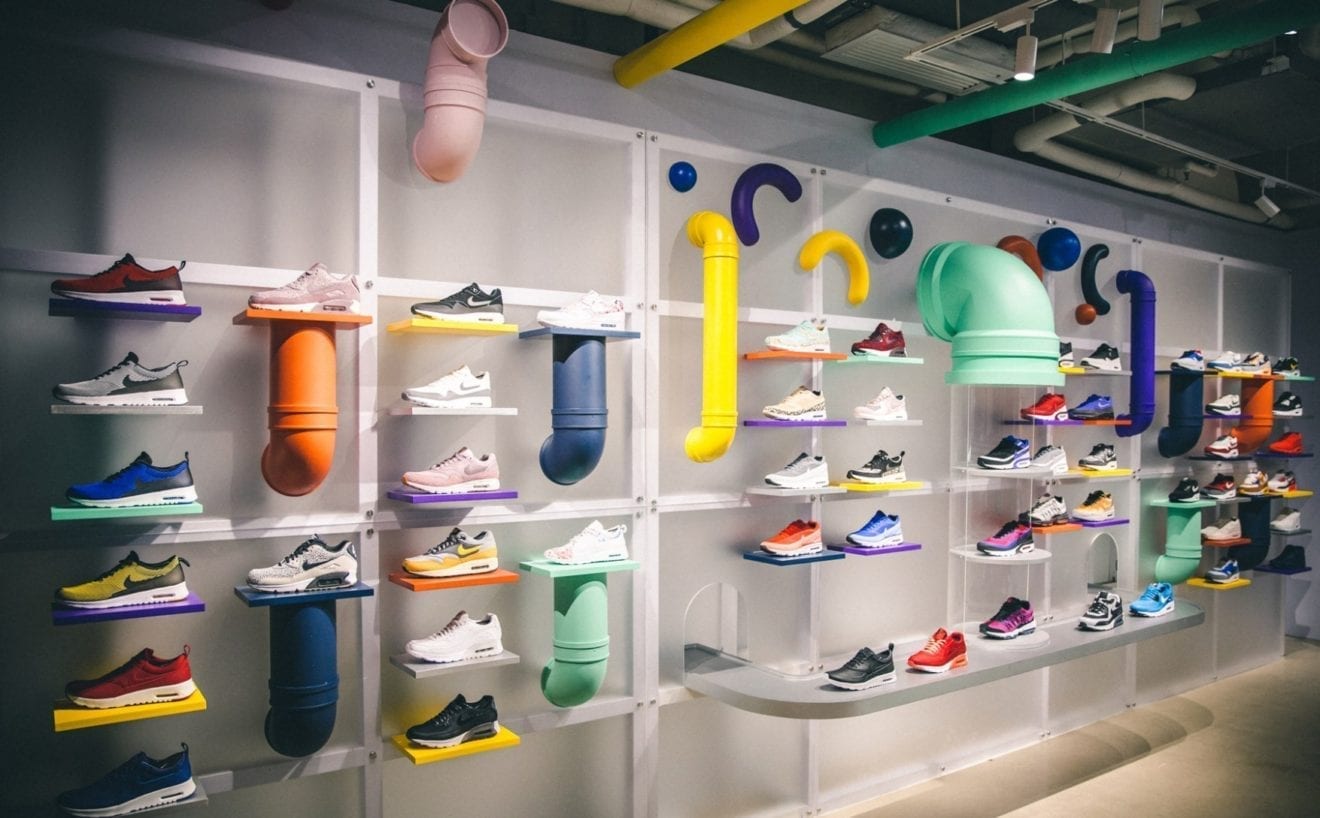
    Launching in Nike’s redesigned Melbourne Central store, which opened last Friday, the service allows customers to personalize their Nike sneakers and apparel by printing and engraving their chosen initials or phrase on items and choosing colored laces for sneakers.

    “Having the ability to personalize your Nike sneakers and apparel is something that we’ve seen resonates globally, and we’re excited to be giving our consumers the opportunity to connect their style and creativity to Nike,” Ashley Reade, Nike Pacific general manager, said in a statement.

    Nike was an early mover in the personalization trend in retail, launching its NikeID service in 1999. The founders of Shoes of Prey, a design-your-own-shoe brand that launched in 2011, before closing down last year, explicitly referenced Nike in their pitches to investors.

    Brands like The Daily Edited and July, which allow customers to monogram their products, indicate that customization continues to resonate with shoppers.

    “We look forward to delivering uniquely personal and innovative experiences with the best of Nike products and services to Australian consumers,” Reade said.

    In addition to the ‘Nike By You’ service, the redesigned Melbourne store features a 35 percent bigger footwear offering with 115 different sneaker silhouettes, including an increased Nike Air Jordan offering and exclusive Nike sneaker collaborations

    The store also features a strong women’s apparel collection with more than 50 bra and tight options, including a one-to-one bra fitting and styling services, and an increased focus on other forms of sport, such as yoga, pilates and dance.

    “We are continuing our commitment to better serve female consumers through innovation and services that fuel her journey with sport,” Angie Callaway, APLA Nike Stores general manager, said in a statement.

    “One-to-one services and a great representation of Nike sportswear and women’s apparel create a more meaningful and personalized shopping experience for our female consumer.”

    The store also features artwork by local Melbourne artist David C. Morton.

  • Coles launches grocery subscription service

    Coles launches grocery subscription service

    Coles is taking its online grocery offering a step further with the launch of a new subscription service that allows customers to make unlimited orders for a flat monthly fee.

    Customers must spend over $100 in each transaction to qualify for Coles Delivery Plus, which gives the option of delivery any day of the week for $19 a month, or mid-week delivery from Tuesday through to Thursday for the lower rate of $14 per month.

    Coles Online general manager Karen Donaldson said the new service is aimed at time-poor online regulars who are looking to save on delivery.

    “On average, the cost of a Coles Home Delivery window is $10, depending on location, time of day and length of delivery window chosen,” Donaldson said.

    “Delivery Plus will allow customers who regularly shop online to save hundreds of dollars a year and help them manage their family budget by knowing exactly how much they will pay on Coles Online delivery each month.”

    The big two have been ramping up investment in online this year, in a bid to retain and gain consumers as new players like Kaufland enter the market.

    In March, Coles scored an exclusive deal with the world’s leading online grocery platform, Ocado, which has previously signed lucrative deals with some of Britain’s biggest grocery retailers including Waitrose and M&S.

    But Woolworths hasn’t been resting on its laurels. A recent partnership with eGrocery startup Takeoff Technologies is expected to propel its online grocery operations with the addition of compact, automated micro fulfillment centers at a number of its supermarkets.

    Woolworths Group CEO said the new centers will allow the retailer to deliver “ultra-convenience at a local level” and be even closer to the customer for that last-mile delivery.

    Woolworths is also planning to bring circular shopping to its online service through a partnership with TerraCycle’s Loop platform. By mid-2021, shoppers will be able to have products such as washing detergent, shampoo, juice or ice cream delivered to their door in reusable and refillable containers, which can be collected for cleaning and refilling after use.

    In a bid to get customers onboard with Coles new subscription service, the retailer is offering the first month free, with automatic payments commencing the following month. But customers can cancel the auto-renewal of their subscription at any time.

    For a limited time, Delivery Plus will also cover the fees for unlimited Same-Day Deliveries.

  • Taipei Adidas pop up features capsule collection with Descendant

    Taipei Adidas pop up features capsule collection with Descendant

    Wtaps founder Tetsu Nishiyama’s casual label Descendant has released a collaboration with Adidas.

    “Keep Rolling” is a capsule collection of graphic tee shirts, tracksuits, and sneakers, now offered at a special pop-up store at Taiwan’s Invincible store in Taipei.

    According to a Hypebeast report, the collaboration includes the new “Crustar” silhouette that “merges the Campus and Rivalry sneaker styles … additionally, the sneaker is paired with a matching series of wearables including paneled track jackets, complementing pants, a high-necked pullover, and the monochrome ‘Game Jersey’”.

    The collaboration will also be available on the Adidas Japan web store until November 17.

  • Bata India opens its largest outlet store in India

    Bata India opens its largest outlet store in India

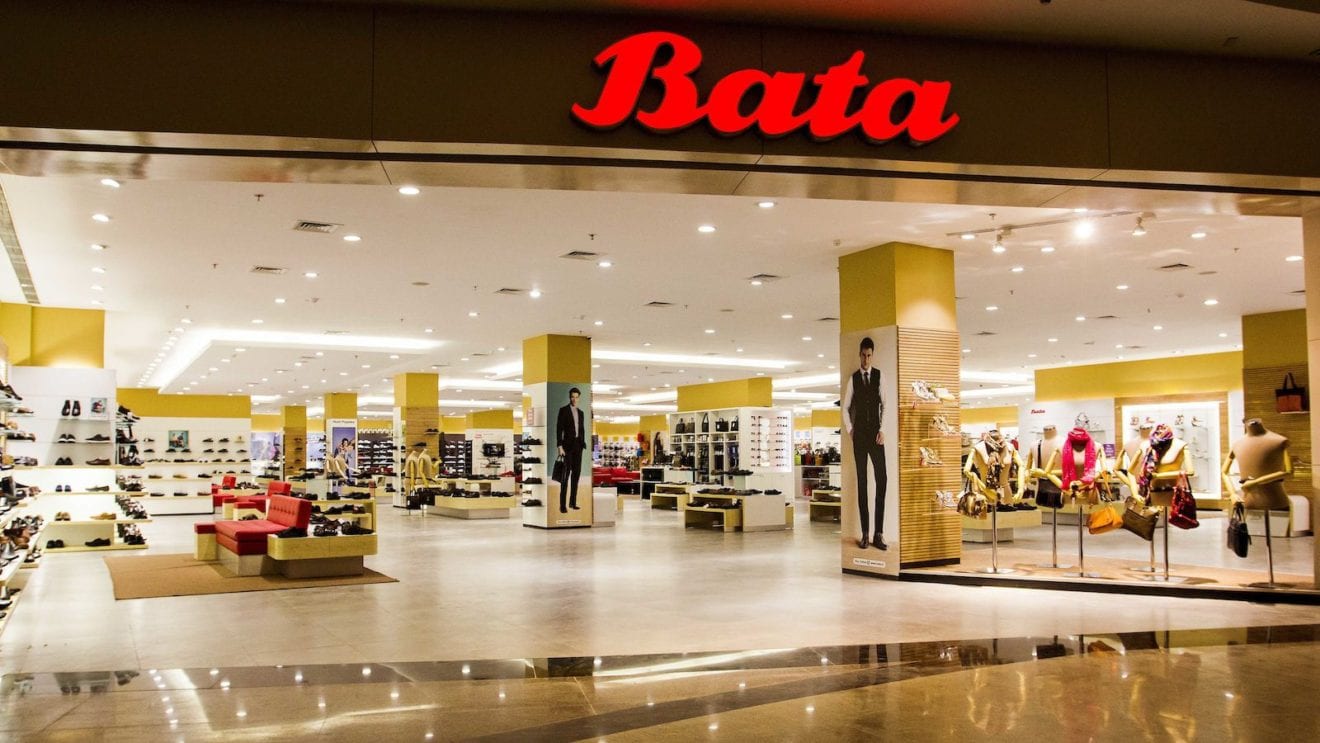
    Footwear retailer Bata India has opened a 6000sqft experiential outlet in Infiniti Mall, Malad.

    The store hosts a large Sneaker Studio, extensive fashion footwear, and handbags collection, workwear ranges for men and women among others. A highlighted feature is the outlet’s Happy Feet Centre for specialized foot care services, such as 3D foot scanning, an on-site podiatrist and a premium shoe laundry.

    The site features omnichannel enablement to allow delivery to the home of any chosen shoe, not in stock. Real-time shopper feedback is captured on the store’s NPS platform.

    “Expanding our retail footprint and channel presence continues to be our core focus for the year,” said Bata India CEO Sandeep Kataria. “All stores are being designed under the global Red format to standardize the brand imagery across the globe. We are focusing on innovating our product portfolio and are constantly increasing newness by introducing New Arrivals Every Friday.”

    Bata India has more than 150 franchise stores throughout the territory and intends to launch 500 stores by 2024.

  • 6ixty8ight to launch online in Singapore and Malaysia

    6ixty8ight to launch online in Singapore and Malaysia

    Hong Kong-headquartered lingerie retailer 6ixty8ight is to open an e-commerce store for Singapore and Malaysia this month.

    The 6ixty8ight online store offers lingerie, sleepwear, homewear, loungewear, casual wear, and accessories.

    In the first phase of online store development, 6ixty8ight will introduce “Click & Collect”, where online purchases can be picked up at any preferred local store. The online store also features the new November collections, Eyelash Lace, Iridescent Dreams, and Beary Cute.

    6ixty8ight’s online expansion in Singapore and Malaysia comes a month after the brand launched its first e-commerce store across Hong Kong, Taiwan and South Korea.

    6ixty8ight has opened a series of new physical stores in Singapore and Malaysia – at Orchard Gateway and Paya Lebar Quarter Mall last month in Singapore and a second store at Mitsui Outlet Park KLIA in Malaysia, to be followed by its third store in the country, at Gurney Paragon Mall next week.

    Founded in 2002, 6ixty8ight is one of Southeast Asia’s fastest-growing fashion brands, with more than 200 stores now trading across Greater China, South Korea, Singapore and Malaysia.