Tag: asia

  • Uniqlo to open first Vietnam store in Saigon

    Uniqlo to open first Vietnam store in Saigon

    Japanese casual wear retailer Uniqlo plans to open a 3,000-square-meter store in downtown HCMC at the end of this year.

    Its first store in the country, at Parkson Saigon Tourist Plaza in District 1, would be one of its biggest in Southeast Asia, the company said in a release. It will sell clothes for men, women and children.

    Uniqlo earlier this month established its Vietnam business with a charter capital of $8.8 million, with apparel company Fast Retailing Singapore owning a 75 percent stake and Japan’s Mitsubishi Corporation the rest.

    Uniqlo, which is already in Singapore, Malaysia, Thailand, the Philippines, and Indonesia in Southeast Asia, had 213 stores in the region by the end of last year and plans to have 400 by 2022. It now has over 2,200 stores in 24 countries and territories.

    Uniqlo’s arrival in Vietnam is sure to intensify competition between foreign brands like Zara and H&M, who came two years ago and have outlets at major malls in both HCMC and Hanoi.

    Vietnam’s fashion market is estimated to grow to more than $3.8 billion this year and over $5 billion by 2021, according to BMI Research.

  • Textile sector stuck at bottom of value chain

    Textile sector stuck at bottom of value chain

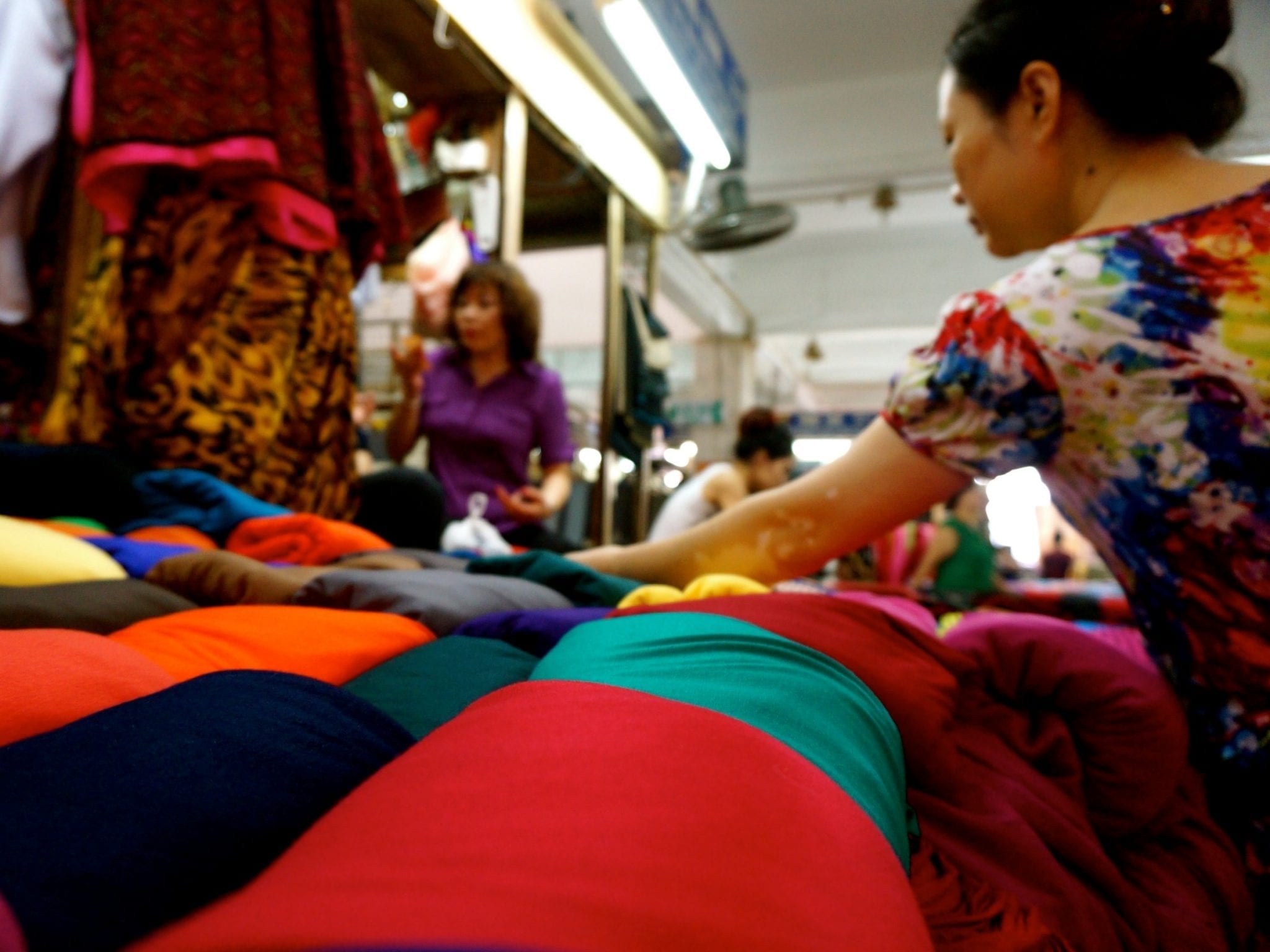
    The textile industry, Vietnam’s key exporter, faces hurdles to further development since it is stuck in the low-value segment of the supply chain.

    Nguyen Thi Xuan Thuy, director of the Ministry of Industry and Trade’s Centre for Supporting Industrial Development, said at a recent forum that Vietnam’s textile industry is still dependent on import of production inputs.

    The country plans to have 30,000-76,000 hectares under cotton crops in the 2015-2020 period but had only 1,000 ha in 2017, and cotton production that year was only 1,000 tons against a target of 20,000-60,000 tons, she said.

    The country targets annual fabric production of one billion meters but there is no allocation of funds for it, and so most material has to be imported for production, Thuy noted.

    Vietnam imports half the raw material for production from China, and this means its textile products would not enjoy zero import tariffs under the trade pacts it has signed, she added.

    But local feedstock producers struggle to sell domestically. Vu Huy Dong, CEO of thread producer Dam San, said 90 percent of his output is exported to China.

    “Chinese importers buy the threads, dye them and sell them back to Vietnam at higher prices.”

    Textile firms are concerned that Vietnam’s environmental protection regulations create challenges for businesses.

    Pham Xuan Trinh, CEO of HCMC-based textile firm Phong Phu Corp, said some localities only provide 700 cubic meters of water a day to his company while the need is three or four times that.

    Government officials admitted that local authorities are reluctant to license textile production, especially dyeing, due to fear of pollution.

    Thuy said that Vietnam’s environment criteria for the textile industry are now even higher than Japan’s.

    Whether Vietnam continues to keep them to ensure clean manufacturing or lowers them to boost production of textile feedstock, there needs to be an orientation for development, she added.

    Vietnam exported $30.4 billion worth of textile products last year, up 16.6. percent from 2017, according to the General Statistics Office. It imported $12.9 billion worth of fabrics, up 13.5 percent.

  • Starbucks closes seven Hanoi stores over contaminated water

    Starbucks closes seven Hanoi stores over contaminated water

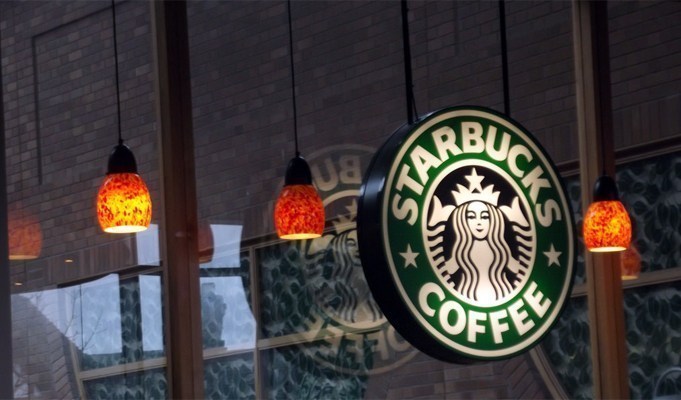
    Coffee shop giant Starbucks has temporarily closed seven stores in Hanoi’s southwestern districts over the ongoing oil contamination crisis.

    A customer service agent said Friday that the closed stores are located in Cau Giay, Ha Dong and Nam Tu Liem districts, all of which use water that comes from the Da River in Hoa Binh Province. No reopening date has been set.

    Other major coffee chains in the southwestern districts of Hanoi have remained open, with their managers saying, without elaborating, that they are getting clean water from a supplier.

    Like Starbucks, many restaurants and eateries in Hanoi are struggling to get clean water.

    Nghia, owner of a pho noodle stall in Hoang Mai District, said that he has spent hundreds of thousands of dong (VND100,000 = $4.3) on bottled water this week because the tap water smelled bad and could not be used for cooking.

    A buffalo-meat restaurant chain with outlets in affected areas mobilizes staff to work till midnight Wednesday to stock bottled water.

    In some areas, bottled water prices have increased 2-3 times due to high demand. The Vietnam Directorate of Market Surveillance has asked Hanoi authorities to stop merchants from overpricing bottled water.

    On Tuesday last week, a 2.5-ton truck was seen dumping used oil into a mountain creek in Phu Minh Commune, Hoa Binh Province. The oil spread and contaminated the tap water for about one million Hanoi residents.

    Tests of the smelly water by authorities later found that the level of styrene, an organic compound that is classified as “probably” carcinogenic, was 1.3-3.6 times higher than normal.

    On Thursday, Hanoi officials said the tap water samples collected Monday this year passed safety tests, but continued to advise against drinking or cooking with it.

  • Lazada, Tiki locked in delivery speed race

    Lazada, Tiki locked in delivery speed race

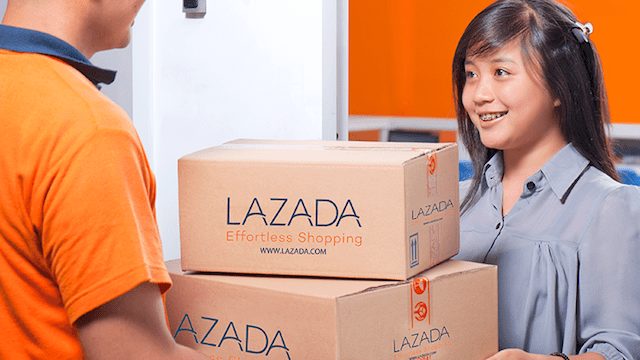
    Giants Lazada and Tiki are racing to reduce their delivery times as competition heats up in Vietnam’s e-commerce market.

    Singapore-based Lazada Friday launched a 4-hour delivery service for flowers in Vietnam, a move in response to Vietnamese startup Tiki’s 2-hour delivery for a large number of products.

    Nguyen Ngoc Thang, head of express solutions at Lazada, said that this was a new step in e-logistics for the company.

    Earlier this month, the company began to offer 2-hour and 4-hour delivery for products weighing under 15 kilograms in Hanoi and Ho Chi Minh City.

    Almost 200 Lazada sellers are eligible for the service, mostly in beverage, fashion and baby products.

    The move followed other e-commerce companies in Vietnam, like Shopee, Sendo and Lotte, also announcing delivery times of one to four hours after Tiki introduced its 2-hour delivery for over 100,000 products.

    Tiki is able to do this by investing in expanding its fulfillment center, which is now at 60,000 square meters and set to triple to 200,000 square meters by the end of next year.

    The company’s average delivery time is less than two days, against the market average of four-five days, said Tiki chairman Tran Ngoc Thai Son.

    Meanwhile, Lazada has introduced its new 24/7 receiving points in Hanoi and HCMC where customers can pick up their items at a time of their choice.

    In the third quarter of this year, Tiki ranked fourth in terms of of web traffic, followed by Lazada. Both of them fell two places from Q2, according to market research firm iPrice.

    Singapore-based Shopee remained the market leader, followed by Vietnamese players Sendo and Mobile World, it said.

    Vietnam’s e-commerce market is estimated at $5 billion this year and is set to reach $23 billion in 2025, according to a recent report by Google, Singapore-based investment firm Temasek, and U.S.-based consultancy Bain.

  • Cebu Pacific to launch direct flights between Puerto Princesa and Hong Kong

    Cebu Pacific to launch direct flights between Puerto Princesa and Hong Kong

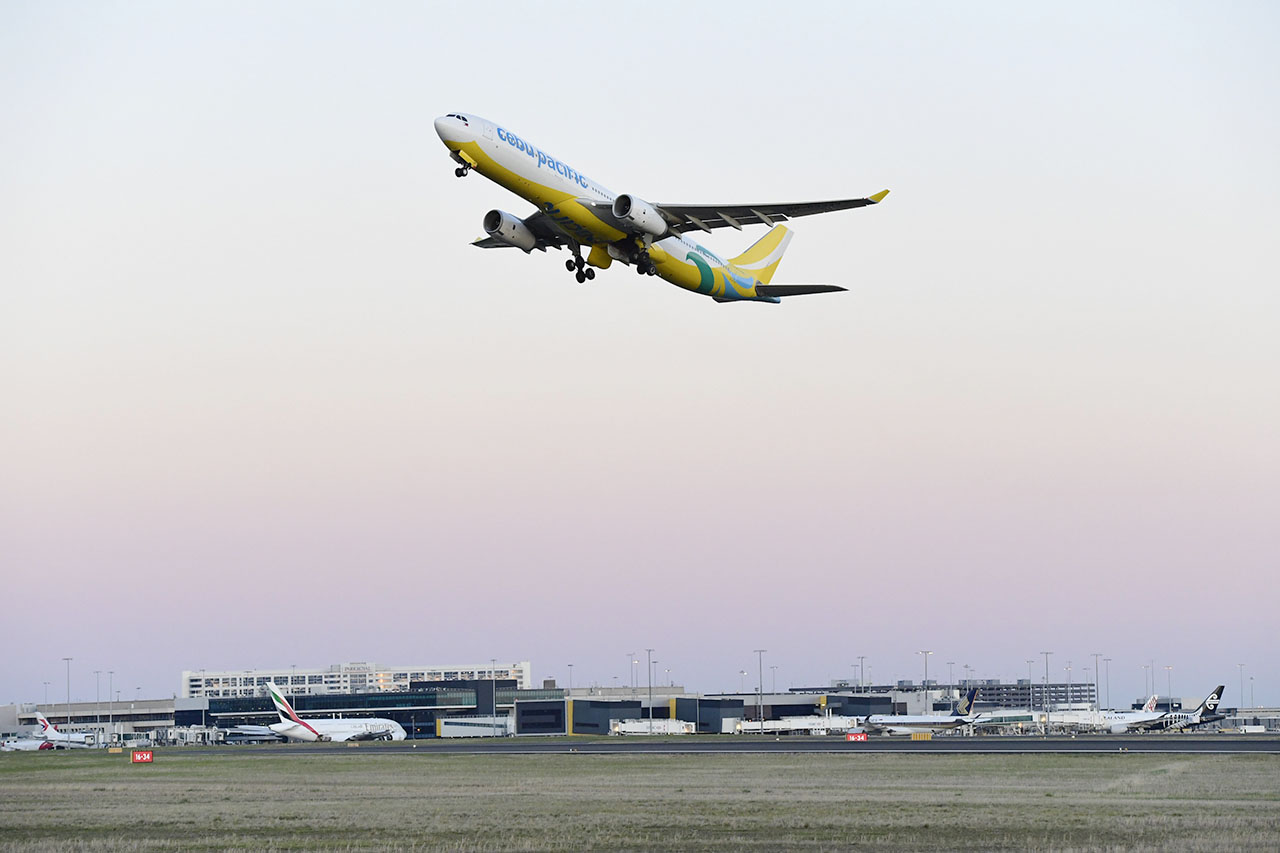
    Budget Carrier Cebu Pacific on Wednesday said it will launch in November direct flights between Puerto Princesa, Palawan and Hong Kong “to better connect the province to a wider market for tourists through a key international hub.”

    “Cebu Pacific will be the first airline to fly direct between Puerto Princesa, Palawan, and Hong Kong, one of the largest global aviation hubs. The maiden Puerto Princesa-Hong Kong flight will be on November 17, 2019,” the low-cost carrier said in a statement.

    Flights between Palawan and Hong Kong operate four times a week.

    “Flight 5J 5306 departs Puerto Princesa at 3:35pm on Tuesdays, Thursdays and Sundays; and at 4:05pm on Saturdays. The return flight, 5J 5307 departs Hong Kong at 7:30pm on Tuesdays, Thursdays and Sundays; and at 8:00pm on Saturdays,” it said.

    Cebu Pacific will also be launching its Clark-Puerto Pincesa flight on the same day.

    “Together, these two new routes increase capacity to Puerto Princesa by 7%,” it said.

    Also on Wednesday, the budget carrier introduced its “CEB Flexi,” a flight add-on that allows travelers to rebook their flights “up to two times.”

    “Available starting October 22, 2019, CEB Flexi gives CEB passengers the freedom to rebook flights until two hours before departure,” it said.

    The low-cost carrier said CEB Flexi is 60% cheaper compared to current booking fees.

    “CEB Flexi is priced at P499 for domestic flights, P799 for international short-haul flights, and P1,099 for international long-haul flights. Along with the roll-out of CEB Flexi, all new flights booked starting October 22, 2019 will be non-refundable,” it said.

    This add-on can be purchased during booking through the airline’s website or its mobile app.

  • Tesco Malaysia marks 60-store milestone in country

    Tesco Malaysia marks 60-store milestone in country

    Tesco Malaysia has opened its 60th store. The more-than 2000sqft store at Wangsa Walk is the retailer’s largest in the country, with recent changes in regulations reducing costs for an operation of this size and opening the path for similar formats going forward.

    “In providing a 2000sqft superstore with a targeted range of our famous value for money pricing, we are providing convenience and value for money to the customers in this area who were not able to enjoy all these before,” said Tesco Malaysia CEO Paul Ritchie as reported in the New Straits Times.

    “Going forward, we plan to keep expanding in Malaysia within this format as it believes that there is still a lot of growth opportunities in this country.”

    Tesco Malaysia has been operating for 17 years.

  • Luk Fook sales plunge in Hong Kong

    Luk Fook sales plunge in Hong Kong

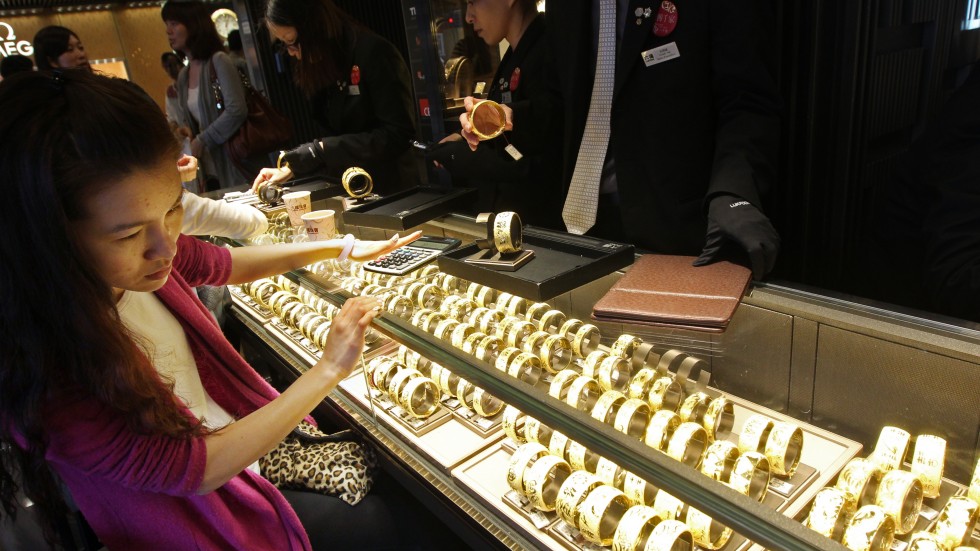
    Jeweler Luk Fook Holdings has revealed its September-quarter Hong Kong sales plunged 39 percent, dragging group-wide sales down by 37 percent.

    Chairman and CEO Wai Sheung Wong said in a stock-exchange filing that the decline was the result of high gold price and a strong comparative quarter last year “together with a substantial decline in the number of visitors to Hong Kong due to the recent ongoing social activities”.

    Group-wide same-store sales of gold products were down 43 percent (46 percent in Hong Kong) and of gem-set jewelry by 25 percent.

    He said August was the worst-performing month for the overall same-store sales in both the Mainland China and Hong Kong & Macau markets, due to the high comparative base. However, that was also the worst month of retail sales in recent years due to protest activities shutting down Hong Kong’s airport.

    “Same-store sales in the first two weeks of October further declined due to [the] widened drop in the number of visitors to Hong Kong.”

    Wong said Luk Fook has adopted natural turnover as a cost-saving measure for staff costs without any redundancy scheme so as to ride out the storm together with employees, meaning departing staff is not replaced.

    “At the same time, the group is also proactively negotiating with all landlords in Hong Kong for rental reduction. Rental renewal depends very much on whether the relevant shop is still profitable under new rental. A single-digit drop in the rental renewal is expected for the year and a double-digit drop is expected for the next financial year,” he said.

    Mainland China sales were down 25 percent, largely due to the high gold price and the macro-economic downturn in connection with the US-China trade war.

  • Cartier Capsule Exhibition “Into the Wild” opens doors in Macau

    Cartier Capsule Exhibition “Into the Wild” opens doors in Macau

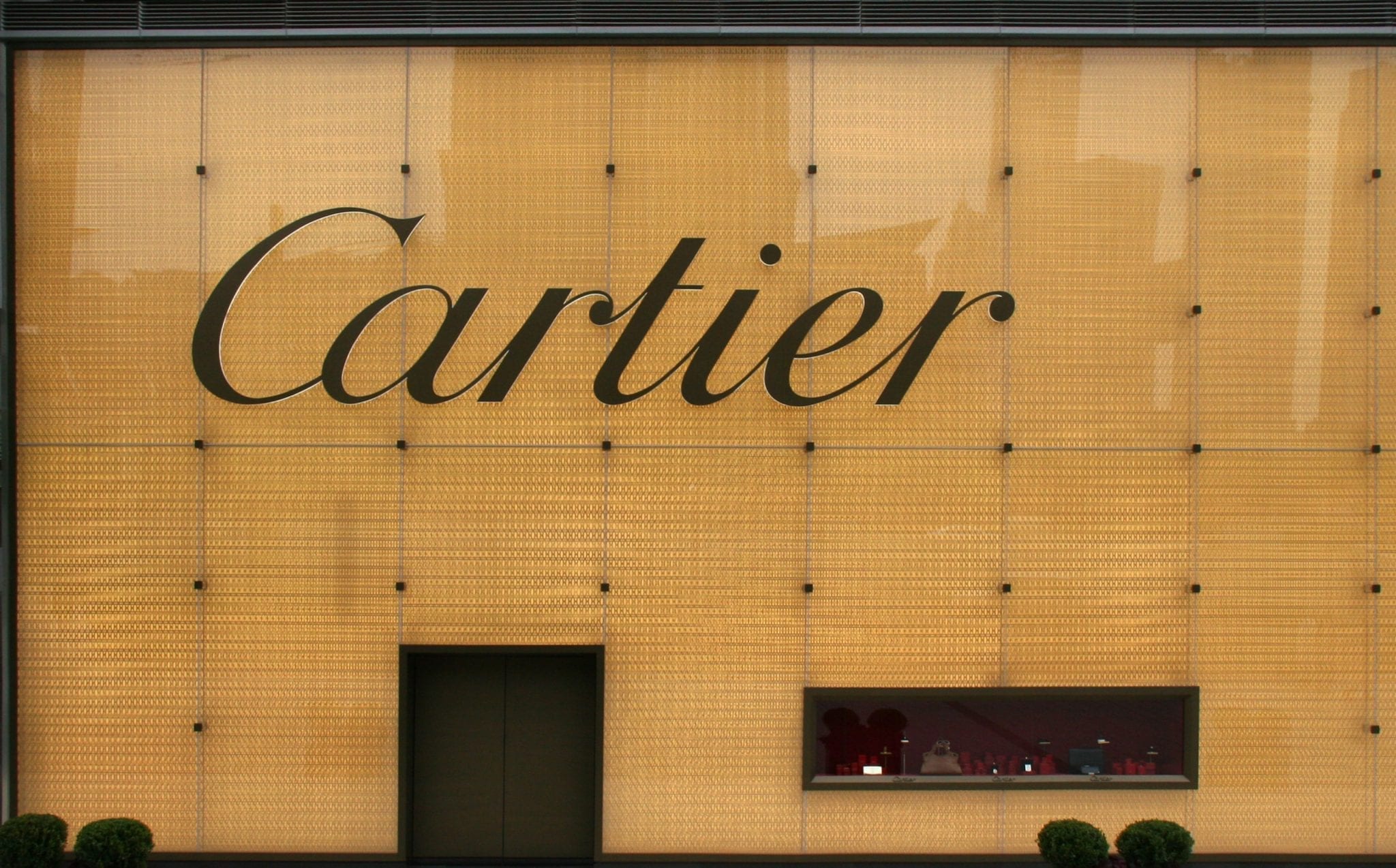
    Cartier has partnered with DFS Group to open the first-ever Cartier Capsule Exhibition ‘Into the Wild’ in Macau City of Dreams, featuring the Panthere de Cartier

    The Cartier Capsule Exhibition presents three main “universes”, including The Design, The Salon and The Community.

    An animated jewelry designer table and jewelry creations are on display at The Design area while The Salon has a photo backdrop and recollection honoring the ‘panther woman’ Jeanne Toussaint. The Community is a digital wall where celebrities incarnate the wild spirit of Panthere.

    A WeChat mini-program allows visitors to play interactive ‘missions’ or capture personalized Panthere memories. Inside the Into the Wild exhibition, windows and counters with the panther icon are displayed to highlight new Panthere de Cartier Jewellery and Watch creations.

    Cartier and DFS Group jointly hosted the opening event for Into the Wild yesterday. The exhibition will take place until December 31 at T Galleria By DFS City of Dreams.

  • K-beauty brands vow to defend against Sephora South Korea onslaught

    K-beauty brands vow to defend against Sephora South Korea onslaught

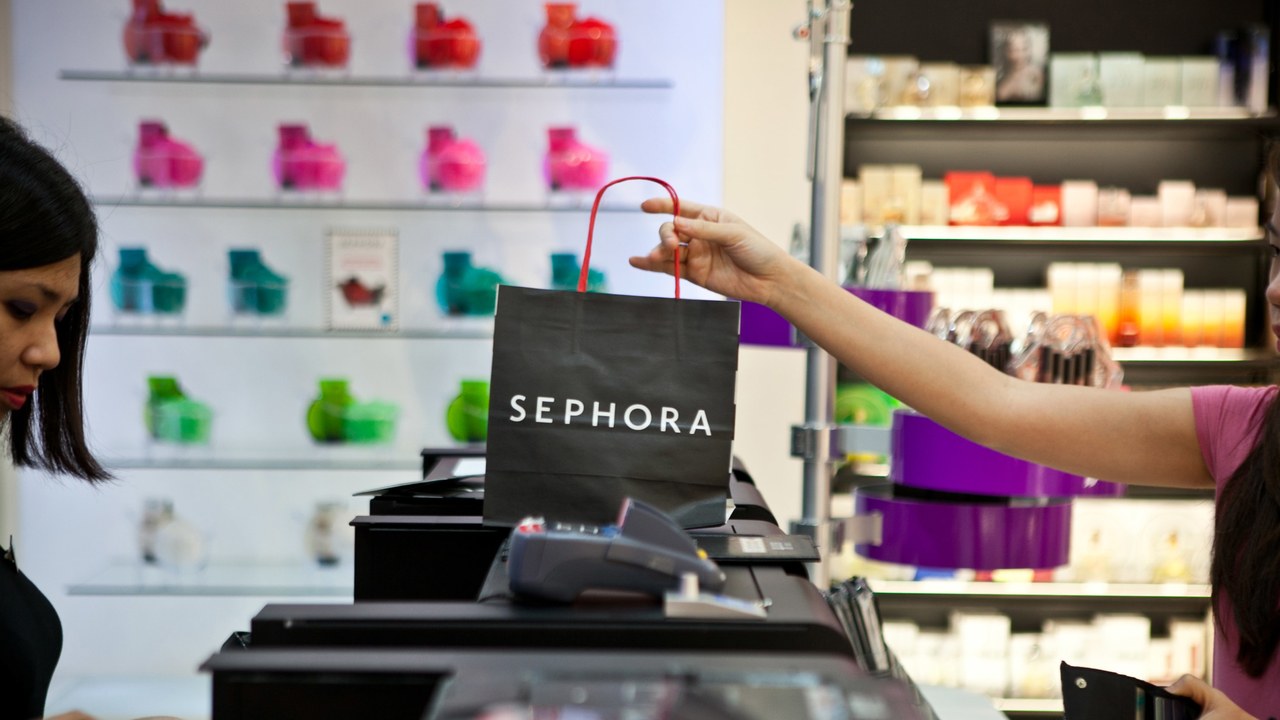
    South Korea’s big-name beauty retailers are prepared to defend their market share from the launch of Sephora South Korea, which debuts this week.

    The first Sephora South Korea store will open in Parnas Mall in the upscale district of Gangnam in southern Seoul this Thursday, the company said. Spread across 547sqft, the store will feature hundreds of cosmetics, skincare, body and fragrance brands, along with its own private-label range.

    Sephora, part of the French luxury goods conglomerate LVMH Group, has nearly 3000 stores worldwide. The company has begun an aggressive expansion program in Asia, opening stores in Hong Kong, Singapore, Thailand and India.

    Sephora South Korea plans to open six stores and an official online store by the end of next year, along with 13 more nationwide by 2022.

    Sephora’s inroads come as the country is already full of Sephora-like stores, which are mostly operated by the country’s major conglomerates.

    Sales of beauty and drug products in the country came to US$4.74 billion last year, according to data compiled by Euromonitor International.

    Olive Young, run by retail conglomerate CJ Group, is considered a market leader with nearly 1100 outlets across the country. The stores feature hundreds of budget- and mid-range beauty-and-lifestyle products.

    Local retail giant Shinsegae also launched its first multi-brand beauty shop Chicor inside one of its department stores in December 2016, which houses not only luxury brands but also bargain cosmetics.

    The company currently has 22 such stores across the country and a flagship in Gangnam.

    The outlets also have a place where customers can try out makeup products for free and issues a credit card that offers discounts and other perks.

    “We were able to secure not only loyal but also potential customers by issuing a credit card that offers benefits, especially for those in their 20s and 30s who are hugely interested in beauty products and makeup,” said Lee Sung-hwan, a Shinsegae official.

    The company says it has issued 90,000 Chicor credits cards in about a year.

    Lotte Shopping Co, South Korea’s No. 2 retailer, also operates the drugstore LOHB, which sells mainly medical cosmetics. That chain opened a concept store in the Gangnam district last month that mainly targets customers in their 20s.

  • First Steve Madden store opens in Malaysia

    First Steve Madden store opens in Malaysia

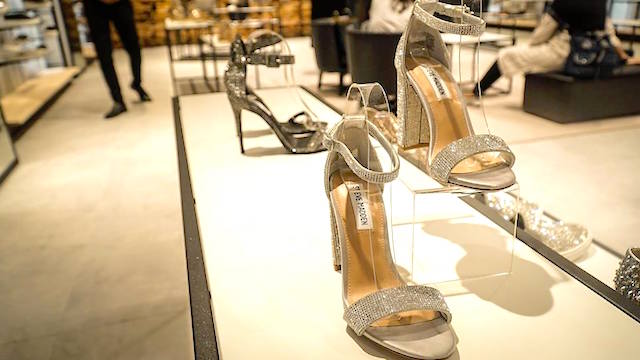
    Steve Madden has opened its first store in Malaysia in partnership with retail group Valiram.

    Following success in Singapore, Steve Madden Malaysia marks the label’s second boutique launched by Valiram.

    “It is an absolute privilege for us to present yet another new-to-market lifestyle brand to Malaysia. Steve Madden is a trend leader that is intrinsically urban with an edgy attitude, and we’re certain it will make an impact with the fashion-forward shoppers in Kuala Lumpur,” said Ashvin Valiram, executive director of Valiram.

    Located in Mid Valley Megamall Kuala Lumpur, the 1410sqft store features the brand’s new design concept “Distilled Urban”, the incorporation of wood, steel and concrete, inspired by contemporary New York City chic.

    The Steve Madden Malaysia store also featured the new Fall 2019 Collection at its opening event.

    Founded in 1935, retail group Valiram operates more than 380 stores across Asia Pacific, presenting international brands including Michael Kors, Tumi and Victoria’s Secret.

  • UBS Axes 40 Jobs In APAC

    UBS Axes 40 Jobs In APAC

    UBS Group is trimming some 40 jobs in Asia Pacific as part of the group’s push to cut costs and combine its trading units.

    The staff cuts would come from UBS’s markets and investment-banking teams with a majority at the level of vice president or below. The person asked not to be identified because the details are not yet public.

    The Asian divisions will see smaller cuts than those planned in Europe because the lender sees the region as a growth driver, the people said. The divisions, led by Hong Kong-based Taichi Takahashi and David Chin, face a similar story at HSBC, which has is reviewing its equities unit, and announced steep headcount cuts in Europe.

    As part of its global restructuring, Ros L’Esperance and Javier Oficialdegui are being given charge of the newly-named global banking division, which will house public capital markets, private financing and mergers, and acquisitions. A combined global markets operation including equities and foreign exchange, rates and credit will be run by Jason Barron and George Athanasopoulos.

    Greg Peirce is taking over as global head of mergers and acquisitions, the first time that role will be based in Hong Kong, the person said. The Asian staff reductions have already begun, with a fresh round expected later this month, they said. UBS has started to overhaul its investment bank through reshuffling senior management and combining trading operations in changes that may ultimately eliminate hundreds of positions.

  • Bentley Kick Starts Production Of New Flying Spur In Crewe

    Bentley Kick Starts Production Of New Flying Spur In Crewe

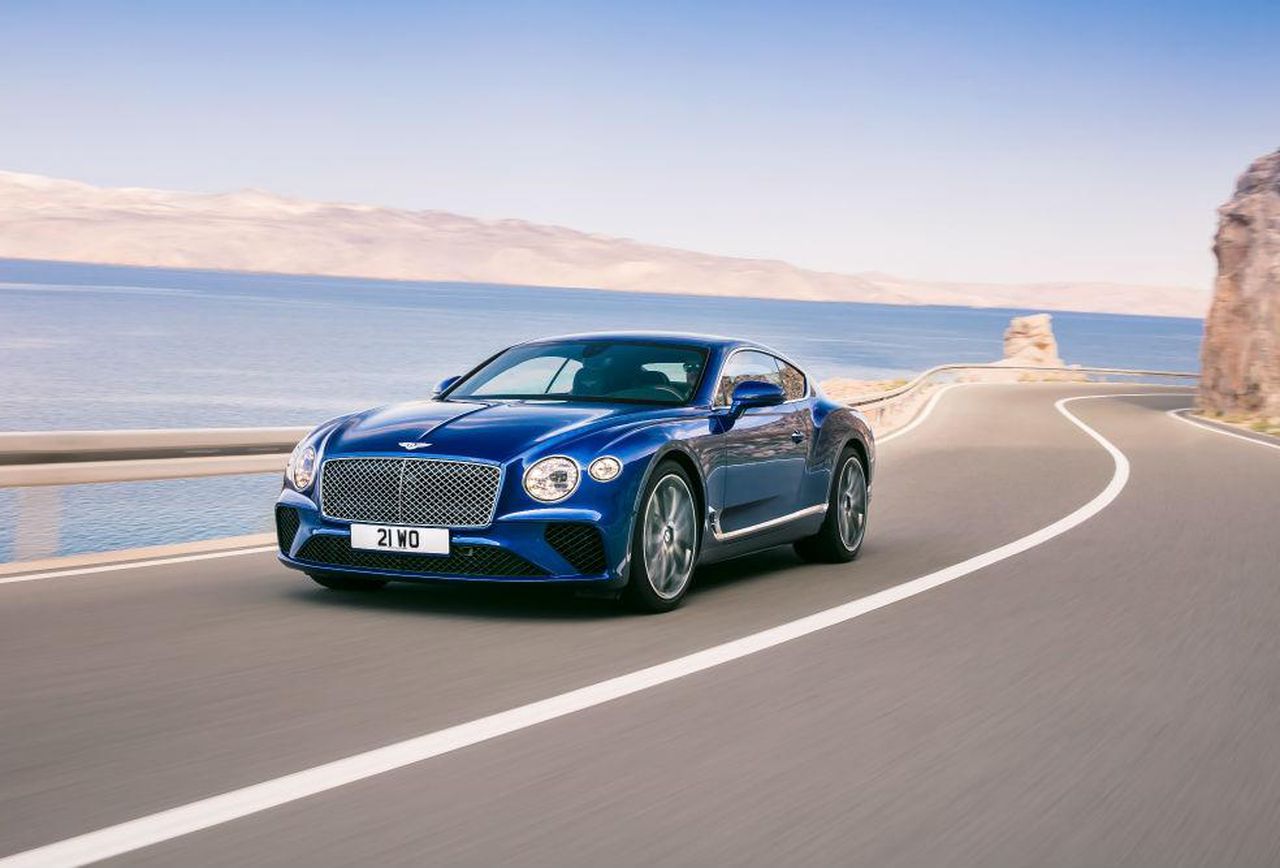
    Bentley Motors announced that the production of the all-new Flying Spur, is now underway, and deliveries will begin from early 2020. Handcrafting of the first customer orders is taking place at Bentley’s factory headquarters in Crewe, England, following completion of over 1.6 million kilometres of development testing. This is the third generation of the company’s Grand Tourer and the company says that it is the most advanced Bentley ever built. Nearly 200 people handcraft every Flying Spur through 84 different assembly stages at the company’s factory in Crewe.

    The all-new Flying Spur is hand-built in Britain, and benefits from the extended wheelbase, while a retractable Bentley ‘Flying B’ mascot features for the first time on a modern-day Flying Spur. The cabin is unmistakably Bentley, with contemporary design lines flowing from the new wing-themed fascia through the passenger areas. Optimal comfort and style are delivered by completely new-design fluted leather seats, which feature diamond quilting for the Mulliner Driving Specification, while three-dimensional diamond-quilted leather doors inserts are a world first.

    Upfront, you get a Bentley Rotating Display and it is the central feature of the dashboard. The rear seat comes with a Touch Screen Remote Control that can operate all the major functions. There’s a panoramic sunroof, that stretches the full length of the roof. The all-new Flying Spur now comes with a wide range of Advanced Connectivity features, as also cutting-edge driver assistance systems such as a Night Vision infra-red camera, Traffic Assist and a Head-Up Display.

    Electronic All-Wheel Steering is used for the first time in a Bentley, combining with Active All-Wheel Drive and Bentley Dynamic Ride – the world’s first 48V electric anti-roll system – to deliver phenomenal handling and ride. New, three-chamber air springs offer a much greater range of suspension adjustment between limousine-style ride comfort and sporting levels of body control.

    The new Flying Spur is powered by Bentley’s 6.0-litre, twin-turbocharged W12, and it is mated to an advanced dual-clutch eight-speed transmission. 0-100 kmph is done in just 3.8 seconds while top speed is rated at 333 kmph.

  • Amazon has no specific time frame for Vietnam website

    Amazon has no specific time frame for Vietnam website

    A senior Amazon official says the firm sees Vietnam’s potential but has not decided on a time to launch services for Vietnamese buyers.

    Bernard Tay, head of Amazon Global Selling Southeast Asia, Australia and New Zealand, said at an event Thursday that the global e-commerce giant sees Vietnam has a potential market.

    He noted that after launching Amazon in Singapore, they would look at opportunities to expand their services to more countries, including Vietnam.

    Amazon Thursday established a team of specialists in Vietnam to support Vietnamese sellers in taking their products to global customers. The company stated that it sees the majority of Vietnamese businesses are small and medium enterprises with large demand for global sales.

    Many Vietnamese leather, footwear, handmade and consumer goods items are selling well on Amazon’s website, Tay said.

    Vietnamese sellers can reach up to 300 million Amazon accounts in 185 countries and territories. Amazon also has 175 fulfillment centers worldwide, he added.

    Bui Kim Thuy, owner of a textile company whose products are being sold on Amazon, said that the e-commerce giant has strict criteria on product origin and quality which Vietnamese sellers will have to meet.

    An apparel product that suits Vietnamese customers might not suit Americans, therefore Vietnamese sellers need to make careful research for international sales, she added.

    Amazon launched a Singapore website last week, the first in Southeast Asia. Vietnamese shoppers can access Amazon.com, but many products are not available for shipping to Vietnam, and those that are available typically involve high shipping fees.

  • DHL Express to invest €131m in Incheon hub expansion

    DHL Express to invest €131m in Incheon hub expansion

    DHL Express will invest €131m in expanding its hub at Incheon International Airport to meet expected growth in online sales in the Asia Pacific region.

    The investment will see DHL expand its Incheon Gateway facility to a gross floor area of 58,700 sq m from the current 20,000 sq m – an increase of almost 200% – with work expected to be completed in the second quarter of 2022.

    It will also be equipped with the “latest technology for faster, more secure and efficient delivery handling processes”.

    The multi-year investment is expected to support demand growth up to 2032.

    The investment also covers technical upgrades including fully-automated X-ray inspection machines, a 4 km conveyor belt, automated sorters, magnetic speed controllers and full CCTV coverage.

    The new technology will increase the Incheon Gateway’s total handling volume of parcels and documents by over 150%

    Ken Lee, chief executive, DHL Express Asia Pacific, said: “Our Incheon Gateway occupies a vital strategic position along key routes between South Korea and countries like Singapore, Taiwan, Hong Kong and China – all of which are amongst our top ten inbound and outbound markets by express delivery volume.

    “With online retail sales in Asia Pacific expected to reach $2.5trn by 2023, our latest investments in the Incheon Gateway will align our infrastructure to what Asia’s e-commerce generation needs for now and tomorrow.”

    Since the opening of its Gateway in 2008, DHL Express has seen a growth of over 45% in shipment volume, indicative of the growing role which the Gateway plays in global and intra-regional trade.

    John Pearson, chief executive, DHL Express, added: “Our quality and speed are crucial for our customers and the main pillars of our growth around the world.

    “Our new investment, the largest one for South Korea so far, helps to connect the world even more and to further improve transit time of global trade and on the trade lanes to Asia.”

    The expanded facility is also aligned to Deutsche Post DHL Group’s mission of net zero logistics-related carbon emissions by 2050.

    It will incorporate a range of ‘green’ features such as the use of solar power and energy-efficient lighting systems to achieve CO2 reduction of up to 1,500 tons per year.

    When completed in second quarter 2022, the Incheon Gateway will be DHL Express’s largest gateway in Asia Pacific.
  • Kathmandu shareholders decided to acquire Rip Curl

    Kathmandu shareholders decided to acquire Rip Curl

    More than 99.9 percent of Kathmandu shareholders voted to approve the outdoor-wear retailer’s acquisition of surf brand Ripcurl at a special shareholder meeting on Friday.

    According to the business, the acquisition’s completion is expected to occur on 31 October 2019 following the vote.

    “Rip Curl is an iconic and authentic global action sports brand,” Kathmandu chairman David Kirk said at the meeting.

    “Similar to Kathmandu’s core outdoor products category, the surf products market has a stable, committed core customer, with steady growth in participation and spending.

    “The acquisition of Rip Curl is an opportunity for Kathmandu to considerable diversify its geographic footprint, channels to market and seasonality profile, and creates a NZ$1 billion outdoor and action sports company anchored by two iconic Australasian brands.”

    The acquisition will further broaden Kathmandu’s roster of brands, after it acquired Oboz footwear for $97 million in April 2018.

    It also gives the outdoor group a foothold in the South American, Middle East and South African, as well as South-East Asia markets, where neither Kathmandu or Oboz trade.

    Kathmandu’s intention is to retain Rip Curl’s brand identity and cultural values, allowing business leaders to retail operational ownership of the business.

    Kathmandu initially announced the acquisition in early October, which was funded through a combination of $138 million from institutional investors and $220 million in new debt, as well as the placement of $31 million in new Kathmandu shares to the founders and CEO of Rip Curl.