Tag: asia

  • Mavenir extends alliance with Vodafone Idea to fortify presence in India

    Mavenir extends alliance with Vodafone Idea to fortify presence in India

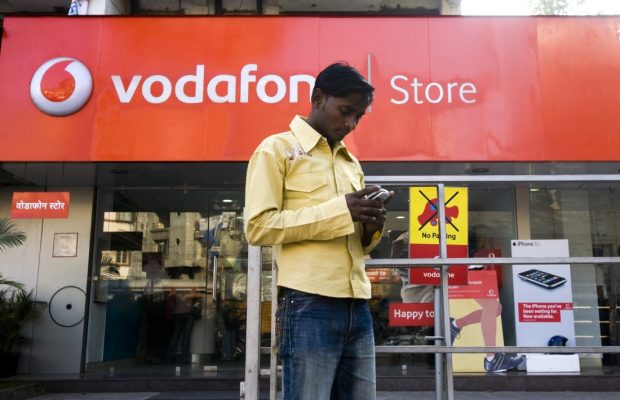
    This partnership will focus on three thrust areas. First, building a universal secured Cloud capable of hosting multiple tenants and third-party applications. Second, building a fully automated platform that enables self-provisioning of various workloads. Third and most importantly, setting up a joint innovation lab and a team that will consistently innovate on Chipset, Operating System, and work at the Application level to offer unique APIs and enables new use cases and delightful experience to VIL customers.

    “Vodafone Idea has the largest Edge Cloud deployment in India. Our partnership with Mavenir will enable continued innovation in optimizing data path algorithms for VOLTE. We look forward to setting up a joint lab and an agile team that will enable onboarding third-party applications on our distributed cloud”, said Vishant Vora, CTO, Vodafone Idea Limited whose team is spearheading this initiative.

    The partnership has led to the contextualization of software algorithms, leading to unprecedented efficiencies. VIL and Mavenir partnership has been extended to include collaboration with chipset manufacturers and Operating System providers. The stack being deployed is all open sourced and benefits from consistent innovation led by global open community.

    “Next frontier in our partnership will be to extend the platforms deployed to host new applications serving IOT and CDN use cases. We plan to build platforms that can host varied OS and varied workloads. We aim to automate deployment and assurance and thereby extend self-provisioning capability for VIL customers. We are excited to set up a joint lab and team, consistently innovate and work with VIL and its customers in an agile manner to turn around new solutions fast,” said Pardeep Kohli, President and CEO Mavenir.

    Mavenir has partnered with VIL in IMS-VOLTE deployments. In future, the partnership aims to extend the platform being deployed for IMS-VOLTE applications to host other Captive and third-party workloads. Mavenir will partner with VIL to extend its distributed Network cloud as secured platform to multiple retail, SME users and start-ups.

  • Google Assistant bug is draining the battery on Android phones

    Google Assistant bug is draining the battery on Android phones

    If you’re a fan of the Google ecosystem, you might own more than one device with the Google Assistant on board. And surely there have been times when you used the hotword to open the Assistant on one device only to have it activate the digital helper on the second device as well. But there seems to be a bug that has affected Google Home and Pixel devices and some have complained about it on the Assistant Community page dating back to this past September.

    To reiterate, the problem is that when saying “Ok, Google,” or “Hey, Google” it not only awakens the Assistant on one device, it also does so for the second device. And with this bug, Google Assistant will remain in “listening mode” on the second device until the owner of the device intervenes. The original post was followed up with some responses by others with the same problem. The issue also was discussed on Reddit with more than one person shocked to find the battery on their Android phone down to as low as 1% with the Assistant still listening for instructions hours after the hotword was spoken to a Google Home speaker.

    “Wondering if anyone else had this experience where the Google app stays active if you say “Hey Google” and your request was answered by another Home device (i.e., you say “Hey Google,” phone and Home device both pick it up, but the request is handled by the Home device). Quite a few times, I’ve found that my phone battery is completely drained a few hours later, with the Google app being active the whole time, and I think it’s because Assistant on the phone was left hanging. I can’t be sure though, and I was wondering if this was something other people had noticed, and if there’s a solution.”-u/qdatk, Reddit

    The bug doesn’t seem to be a problem every time two Assistant-enabled devices are close enough for both to hear the hotword. But you don’t want to put yourself in a situation where you need the phone and the battery has been unknowingly depleted. So until Google comes up with a way to exterminate this bug, it is best to check your phone every time you activate Google Assistant on your Google Home/Nest device. You need to check especially if the phone is inside your pants pocket or sitting on a table where you might not notice that the Assistant is stuck in listening mode.

  • Eatigo Hong Kong aims to double its reach within the next year

    Eatigo Hong Kong aims to double its reach within the next year

    Restaurant table-filler app Eatigo is set to double the user numbers and outlets it represents over the next year.

    The restaurant reservation platform helps restaurants fill up empty tables by offering discounts to diners at different times of the day through its mobile app.

    Eatigo operates in Hong Kong, Thailand, Singapore, Malaysia, the Philippines and Indonesia. In Hong Kong it already has more than 1 million users and represents more than 1000 restaurants.

    “We’re trying to drive sustainable traffic to restaurants outside lunch and dinner time by introducing different pricing so we can influence customer behavior, something that’s already common in the airline industry,” said Eatigo Hong Kong’s GM Kenneth Liu in an interview with HKTDC publication Hong Kong Means Business.

    “On the supply side, we’re trying to get more interesting selections and make it more local, reaching out to the New Territories, Tung Chung and Lantau Island. Even if a customer has a low budget of less than HK$100, we want to offer them something. Our aim is to make Eatigo a frequency app, something that can be used at McDonald’s, Subway, or in local cha chaan tengs [Hong Kong-style cafes]. We want to become more local, more mass market.”

    Liu added that the firm plans to add more interesting merchants to their portfolio in the coming year and reach 2 million users by December next year. The firm plans to engage in more creative marketing, potentially using offline roadshows and press conferences to promote the brand. It plans to add more quick-service restaurants and high-end or Michelin-starred restaurants to its platform.

  • Motorcycle market continues to shrink

    Motorcycle market continues to shrink

    Vietnam’s motorbike sales fell the third straight quarter by 3.8 percent to 831,500 units in Q3.

    Sales for the top five brands, which account for around 95 percent of the market, had fallen 6.13 percent in the first quarter and 4.39 percent in the second, according to the Vietnam Association of Motorcycle Manufacturers (VAMM).

    Honda has a nearly 77 percent market share, with Piaggio, Suzuki, SYM, and Yamaha making up the top five.

    UnitsMotorcyles sales by quarter VAMM membersQ1 2018Q2 2018Q3 2018Q4 2018Q1 2019Q2 2019Q3 20190250k500k750k1 000kSource: VAMM

    In the first nine months together they sold around 2.33 million units, down 5 percent, VAMM data shows.

    Although motorcycles remain the major mode of transport, the increasing frequency of traffic jams and air pollution, especially in big cities, are causing their sales to gradually fall, local experts said.

    VAMM had earlier said that falling motorbike sales were because the market was near saturation. It has decided not to hold its annual motorcycle exhibition this year for this reason.

    With sales of nearly 3.4 million units last year, Vietnam was the world’s fourth-biggest motorcycle market after India, China and Indonesia, according to a recent report by market research firm Motorcycles Data.

    Last year, Vietnam had the highest proportion of people buying new motorbikes, with over 35,000 new motorbikes sold per one million people.

    At the end of 2016, there were 45 million registered motorbikes in Vietnam, a country of over 92 million people, according to the Ministry of Transport.

  • Vietcombank first local lender to open Australia branch

    Vietcombank first local lender to open Australia branch

    Vietcombank, one of Vietnam’s leading banks, has received approval from the central bank to open a branch in Australia.

    The branch will open in Sydney and have a registered capital of AUD71 million ($48.08 million), according to the State Bank of Vietnam’s (SBV) approval document released Wednesday.

    Vietcombank must complete the opening of the branch within 24 months from the date of the SBV’s approval, after which it expires, the document says.

    This move is an important step in Vietcombank’s global expansion strategy, in which it aims to gain a place among the world’s top 300 banking and financial groups by 2020, it said in a statement.

    In June this year, Vietcombank received the final permit to set up a representative office in New York City of the U.S. from the New York State Department of Financial Services (NYDFS).

    Vietcombank has more than 500 branches, representative offices, and member companies in Vietnam and overseas, including a financial company in Hong Kong, a money transfer company in the U.S., a representative office in Singapore and a subsidiary in Laos.

    The lender is one of three Vietnamese banks among the world’s most valuable brands, according to Brand Finance, a global branded business valuation and strategy consultancy.

    Vietcombank, BIDV and Vietinbank are Vietnam’s three biggest banks in Forbes’s list of 2,000 largest listed firms in the world. In the Forbes ranking released in May, Vietcombank jumped 198 spots to 1,096th with revenues of $3.1 billion and a market value of $10.9 billion.

    Japan’s Mizuho Bank is Vietcombank’s largest foreign shareholder, with a 15 percent stake, while the Vietnamese state holds 74.8 percent.

  • Grab tests new bus booking service in Vietnam

    Grab tests new bus booking service in Vietnam

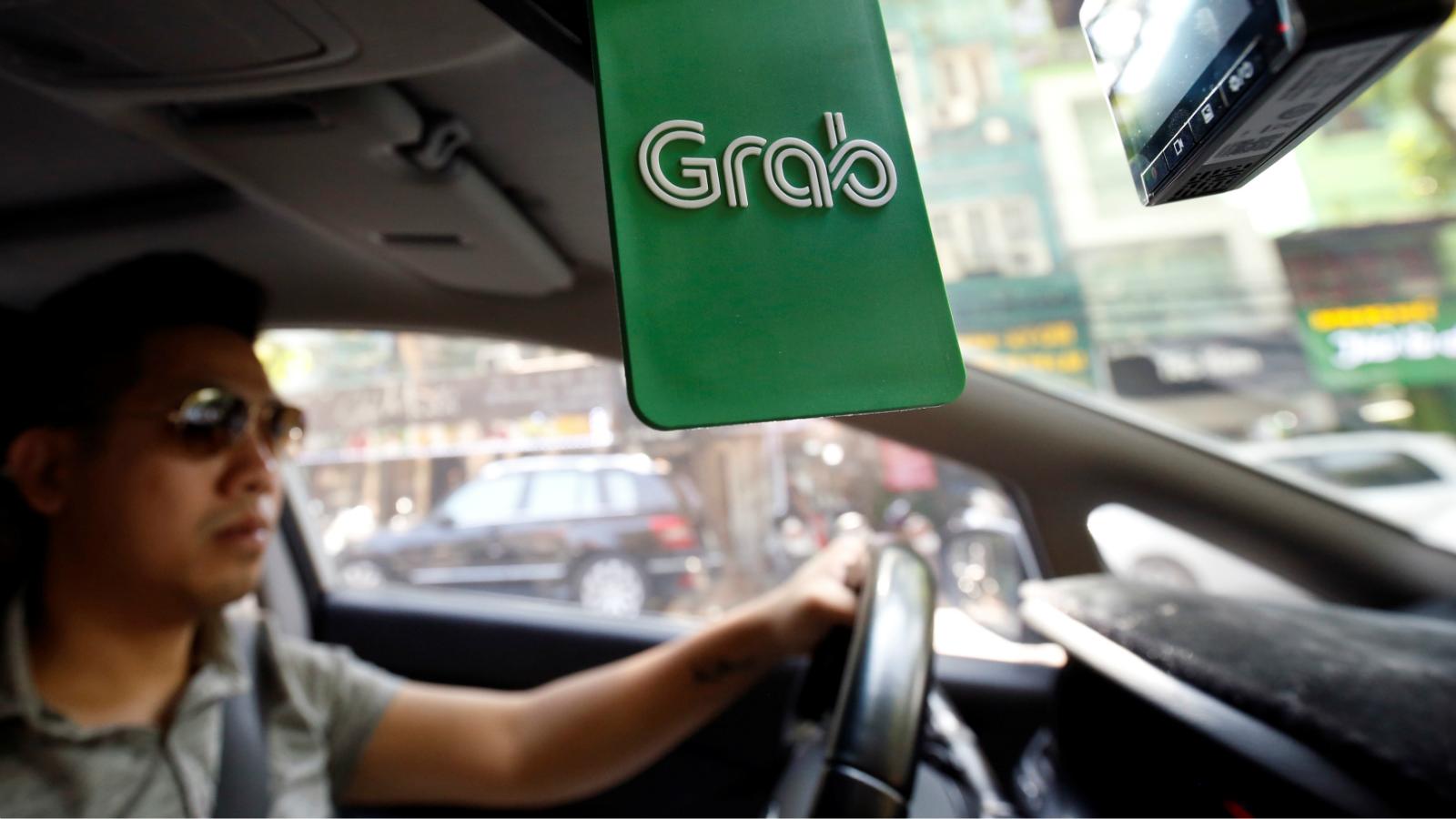
    A new service, now available on Grab’s app, allows customers to look at schedules and book tickets from the ride-hailing giant’s partner bus operators.

    Grab has begun testing the bus-booking feature for customers traveling between Ho Chi Minh City’s Tan Son Nhat airport and Vung Tau Town in southern Ba Ria – Vung Tau Province starting Monday, the company said in a release.

    The route is currently operated by local firm Avigo, Grab’s partner bus operator, which runs 24 trips a day. By the end of this year, Grab will test out one more route between District 7 and District 1 in HCMC, operated by local partner City View Bus at a frequency of 44 trips per day.

    Grab’s Bus feature will help customers find buses and routes that best suit their schedule, book tickets in advance, track the bus in real-time and know when it is arriving. Customers will be able to make cashless payments through the Moca e-wallet function on the Grab app, with an international debit card, or by QR code, Grab said.

    The Bus feature will allow Grab’s transportation partners to access Grab’s vast user base, boost operational efficiency and business growth through the use of the company’s technological platform, the company said.

    Grab began testing the Bus feature in the Philippines two weeks ago, allowing customers to book tickets for two routes from Makati City, the country’s financial hub, to a nearby city.

    Grab, with its app on more than 160 million mobile devices across eight countries, entered Vietnam in 2014 and now offers a wide range of services from taxi and motorbike hailing to food delivery, online payment, express delivery, and hotel booking.

    In late August, the Singapore-based tech firm announced in a statement it will invest some $500 million in Vietnam in the next five years to expand its transport, food and payment networks.

    The money would also be used to develop fintech, mobility solutions and logistics to spur the country’s digital economy, Grab said.

    Vietnam’s ride-hailing and food delivery market is expected to top $1 billion this year and $4 billion in 2025, according to a recent report by Google, Singaporean investment firm Temasek and U.S. consultancy Bain.

  • India’s Flipkart to enter food retailing, launch private label

    India’s Flipkart to enter food retailing, launch private label

    Walmart-owned Indian e-commerce platform Flipkart is launching a food retail business.

    The new initiative will see the firm release its own private label, Flipkart Farmermart, as well as a grocery supply chain and potentially physical stores.

    A spokesman for the firm told news outlet Moneycontrol that Flipkart plans to “deepen its penetration in the food retail space, take on Amazon, and run a farm-to-fork operation,” with the board consenting to invest ₹2,500 crore (US$350,000) to expand its operations in the grocery business.

    The firm plans to leverage parent company Walmart’s experience in the cash-and-carry sector in the territory, which has helped build connections in the farming industry for grocery and food produce.

    Research shows that just 0.15 percent of Indian nationals buy online, although this figure is expected to increase exponentially over the next few years.

  • Japanese retail chain Usupso opens store in Ghy

    Japanese retail chain Usupso opens store in Ghy

    Japanese fashion retail chain Usupso is opening three new stores at once in India.

    The chain opened its first location in Guwahati city on October 14, and will launch in Kohima and Dimapur later this week under local franchise partner GM Retails. The firm plans to open more outlets in other parts of the northeast region.

    The first more than 1050sqft store offers in excess of 2500 products under eight categories from homeware to toys at lower-than-average prices.

    The brand operates more than 1000 stores globally.

  • Japanese gluten-free cafe Kobeya opens in the UAE

    Japanese gluten-free cafe Kobeya opens in the UAE

    The first Japanese and Far Eastern gluten-free cafe Kobeya has opened its doors at the Wasl Vita Mall, Dubai.

    The cafe concept is inspired by the founder’s difficulties in finding gluten-free options in restaurants for her gluten-intolerant son.

    “Kobeya is my inspiration to create that option in the UAE. Our focus is on promoting healthy eating habits by serving only an all ingredient gluten-free menu with more than 50 vegetarian, vegan, non-vegetarian and lactose-free varieties that include salads, burgers, healthy meals and desserts,” said Leiko H, a founding member of Kobeya.

    The Kobeya menu features a selection of gluten-free food including exclusive Japanese Kobe beef burger and Vietnamese spring rolls. The cafe also offers cooking classes on creating gluten-free lunch boxes for kids with products from Japan, Thailand, the Far East, and Europe.

    Leiko said: “My experiences in many Asian countries have given me the vision to offer unique gluten-free dishes created by an expert team of nutritionists at Kobeya. We get to know our suppliers by visiting farms and talking with farmers. We show our dedication to our customers by choosing carefully only high-quality five-star products and ingredients”.

  • Why brands should embrace the second-hand luxury market

    Why brands should embrace the second-hand luxury market

    New research shows that global sales in the second-hand luxury market are expected to grow at an average rate of 12 percent year-on-year, compared to a 3 percent average for the core luxury market.

    The figures were released in a Boston Consulting Group (BCG) and Vestiaire Collective survey, entitled “Why Luxury Brands Should Celebrate the Pre-Owned Boom”, revealing three key drivers behind the rapid growth and detailing how luxury brands can benefit from the explosion of the resale market.

    According to the survey, the resale industry is forecast to increase turnover from US$25 billion in 2018 to $36 billion in 2021, representing around 9 percent of the luxury market.

    Millennials and Gen Z are disrupting the market and placing greater importance on the social and environmental impact of their purchases than previous generations.

    The BCG-Altagamma study revealed that the purchasing behavior of 59 percent of luxury customers in both the primary and secondary markets is influenced by sustainability, while 17 percent of customers in the second-hand market purchase pre-owned because they consider it “truly sustainable behavior.” The survey of Vestiaire Collective customers reveals similar data, with more than 70 per cent trying to shop ethically and 13 per cent saying that sustainability is extremely important to them. Of those that shop ethically, 57 percent say that environmental impact is their primary concern.

    Most second-hand luxury clients are attracted by affordable prices: 96 per cent of Vestiaire Collective members surveyed said they buy second-hand luxury pieces partly because they are looking for value for money. Another major advantage of the second-hand market is that 62 percent of buyers are searching for pieces that are either out of stock, from previous season collections, or from limited-edition releases, while 83 percent stated they are drawn by the wide selection of products and brands which may no longer be available in the firsthand market.

    Brick-and-mortar lagging online

    The traditional brick-and-mortar luxury resale industry has produced very few players of any significant size as they focused on a specific product category or geographic footprint. By contrast, online resale platforms have won over consumers by offering far greater brand and product assortment.

    In addition, each platform has developed a series of unique services such as curation, authentication and personalized marketing strategies driven by data insights. The increased professionalization of the market has also attracted major venture capital investment.

    Pre-owned luxury buyers are usually consumers who don’t have access to the primary luxury market, as 71 percent of the pre-owned buyers surveyed lean towards items and brands they could not afford firsthand.

    The second-hand market is thus a powerful way for luxury brands to connect with and anchor their brand in the minds of potential future primary customers. As second-hand luxury customers mature, their purchasing power tends to increase, making them ready to shift to the primary market. Of those surveyed, 62 percent said that they bought a brand they like for the first time second-hand on Vestiaire Collective, and almost all of that 62 per cent said they would consider buying that brand again. Research also shows that 57 percent would either definitely buy or would consider buying the item first-hand – making them solid prospects for the first-hand market.

    Second-hand sellers typically use resale to recoup some of their money back on firsthand purchases, often so they can reinvest in new, full-priced luxury products. Of those sellers surveyed, 32 per cent said they were primarily selling because they wanted to purchase new firsthand goods. In addition, most pre-owned sellers do not tend to make many second-hand purchases.

    For example, of total pre-owned sales on the Vestiaire Collective platform, 70 per cent are generated by sellers who rarely purchase second-hand. Forty-four percent of sellers stated that they purchase more expensive luxury items than they would have bought without a resale market.

    Furthermore, customers purchase more frequently, investing around the same amount on individual items but buying again once they free up their budgets. Pre-owned sales clearly boost these sellers’ purchasing power for new items and therefore create an opportunity to increase primary market sales, benefiting luxury players.

    The pre-owned market extends the lifetime of luxury products – most products sold o

  • Cebu Pacific to launch Clark-Guangzhou flights

    Cebu Pacific to launch Clark-Guangzhou flights

    Cebu Pacific said it is set to launch in November direct flights between Clark in Pampanga and Guangzhou, China amid increasing demand for leisure and business travel.

    “Cebu Pacific will launch next month direct flights between the Clark International Airport and Guangzhou, China, becoming the first Philippine carrier to link the two cities,” the low-cost carrier said in a statement on Saturday.

    Flights between Clark and Guangzhou will be operating four times a week beginning Nov. 11: Monday, Wednesday, Friday, and Saturday.

    “The flight departs Clark at 11:35pm; while the return flight departs at 3:15am of the next day,” it said.

    Cebu Pacific said the new route will cater to “increasing demand for leisure and business travel” and it will “further enhance the potential for investments in the special economic zones in Central Luzon, including the 9,450-hectare New Clark City.”

    It noted that the Clark International Airport is within proximity to Manila-Clark passenger railway connecting Manila to Clark and a cargo railway connecting Subic to Clark, which are both expected to be operational by 2022.

    “With direct air service between Clark and Guangzhou, it will be easier for entrepreneurs and businessmen in the e-commerce space to meet up with suppliers, Cebu Pacific Vice-President for Commercial Alex B. Reyes was quoted as saying in the statement.

    Guangzhou, one of China’s nine National Central Cities, is a wholesalers’ “haven for retail and popular consumer goods,” the budget carrier noted.

    The low-cost airline currently flies 27 times weekly between the Philippines and mainland China, with direct flights between Shanghai, Manila and Cebu; as well as Manila and Beijing, Guangzhou, Xiamen and Shenzhen.

    Cebu Pacific operator Cebu Air, Inc. recorded a 116% growth in its net income in the first half to P7.14 billion, driven by its increased passenger volume and higher average fares.

    Shares in Cebu Air went up 20 centavos or 0.22% to close at P92.20 apiece on Friday.

  • Strandbags owner invests $8 million in luggage startup

    Strandbags owner invests $8 million in luggage startup

    Direct-to-consumer luggage brand July has received $10.5 million from investors, including $8 million from Strandbags’ owner Michael Lewis, to take on luggage giant Samsonite.

    The online retailer, which opened its first brick-and-mortar store in Melbourne Emporium in August, says it will use some of the capital to launch in Singapore by the end of the year. It also plans to launch in New Zealand in the next six months and further Asia Pacific markets in 2020.

    “We’re not just opening stores [in these markets],” Athan Didaskalou, July’s co-founder, told Inside Retail. “We’re setting up warehousing and local teams.”

    According to Didaskalou, Australian brands that operate in Asian markets remotely are “arrogant”.

    “They think they can do everything from Australia,” he said. “It’s not just about [providing] local delivery and customer service, it’s about understanding the mindset of the country you’re in.”

    The elephant in the room

    The retailer, which currently offers three sizes of a hard-shell suitcase – carry-on, checked and ‘plus’ – is investing the rest of the capital into product development. Didaskalou declined to provide specific details about forthcoming products but said they would “shock” market leader Samsonite when released next March.

    “Samsonite is known for being ‘strong and light’. We’ll be tackling them on that ground,” he said.

    Didaskalou said the company is more focused on taking market share from Samsonite than competing with US-based direct-to-consumer rival Away, which entered the Australian market via a Sydney pop-up earlier this year.

    “Everyone wants to either talk about Away or Horizn Studios,” he said, referring to a Berlin-based brand in the same vein as July and Away, which was valued at more than US$1.4 billion this year.

    “The elephant in the room is the 90 percent market share-holder, which is Samsonite,” he said.

    “They own something between 10 and 15 brands and absolutely dominate the market, especially in Asia Pacific. These are the people we’re going after.”

    July has another trick up its sleeve. The brand has developed a new method of monogramming its suitcases using ultraviolet light, which will enable the retailer to offer new fonts and designs from artists and personalize products at scale. It currently takes about an hour to hand paint each design.

    The new system will launch in three weeks, and Didaskalou anticipates being able to personalize every suitcase it sells in 2020.

    Didaskalou said he and fellow July co-founder Richard Li, who also co-founded online furniture brand Brosa, have received “phenomenal” insights and advice on the luggage business from Felicity McGahan,
    Strandbags’ managing director, and Lewis, its owner.

    “I wouldn’t say it was a formal part of the deal for them to mentor us, it was more that they really know the space and wanted to help support [us],” he said.

    Strandbags currently is undergoing a digital transformation, and July is providing the bricks-and-mortar retailer with feedback on how it could operate better online and what today’s customers want in terms of delivery and e-commerce, according to Didaskalou.

    July is on track to reach $5 million in sales this year, its first full year in business, and working towards profitability. The company is in the process of opening new stores in Melbourne, Sydney and Singapore, and employs 24 people. It will continue to sell its products exclusively through its own channels.

  • Fave launches takeaway platform in Singapore

    Fave launches takeaway platform in Singapore

    Southeast Asian digital merchant-platform Fave has launched a food takeaway service in Singapore.

    Fave Takeaway will allow customers to pre-order their meal selection and make payment via the app’s digital wallet FavePay before picking up their order at participating stores. Customers can expect to collect their order within 30 minutes (or less) depending on the restaurants’ speed of service.

    Takeaway is part of Fave’s strategy to further digitize Southeast Asia’s F&B sector by allowing merchants to serve more customers beyond the capacity of their outlets while diversifying their revenue streams and increasing productivity.

    “As the [Singapore] government continues to push for a digital and seamless economy, Fave is helping SMEs adapt to the new landscape and in a more cost-effective way by giving them the tools to enable them to serve their customers in the best and efficient way possible,” said Fave co-founder and CEO Joel Neoh. “The introduction of Takeaway is our way of enabling that our merchants get the most out of the platform by increasing productivity and revenue.”

    “Queueing makes up a large portion of the average Singaporean’s time, but it is not something we would want to do when we are in a rush,” said Fave Singapore MD Ng Aik-Phong. “With the introduction of Takeaway, we hope to bring convenience and efficiency to our consumers while improving our platform for both merchants and consumers.”

    More than 200 merchants are participating in the launch of Takeaway with more to follow in the coming months.

    The new feature follows the launch of Fave’s Table Ordering service in May this year.

  • Hyundai Group To Invest $35 Billion In Mobility And Auto Technologies By 2025

    Hyundai Group To Invest $35 Billion In Mobility And Auto Technologies By 2025

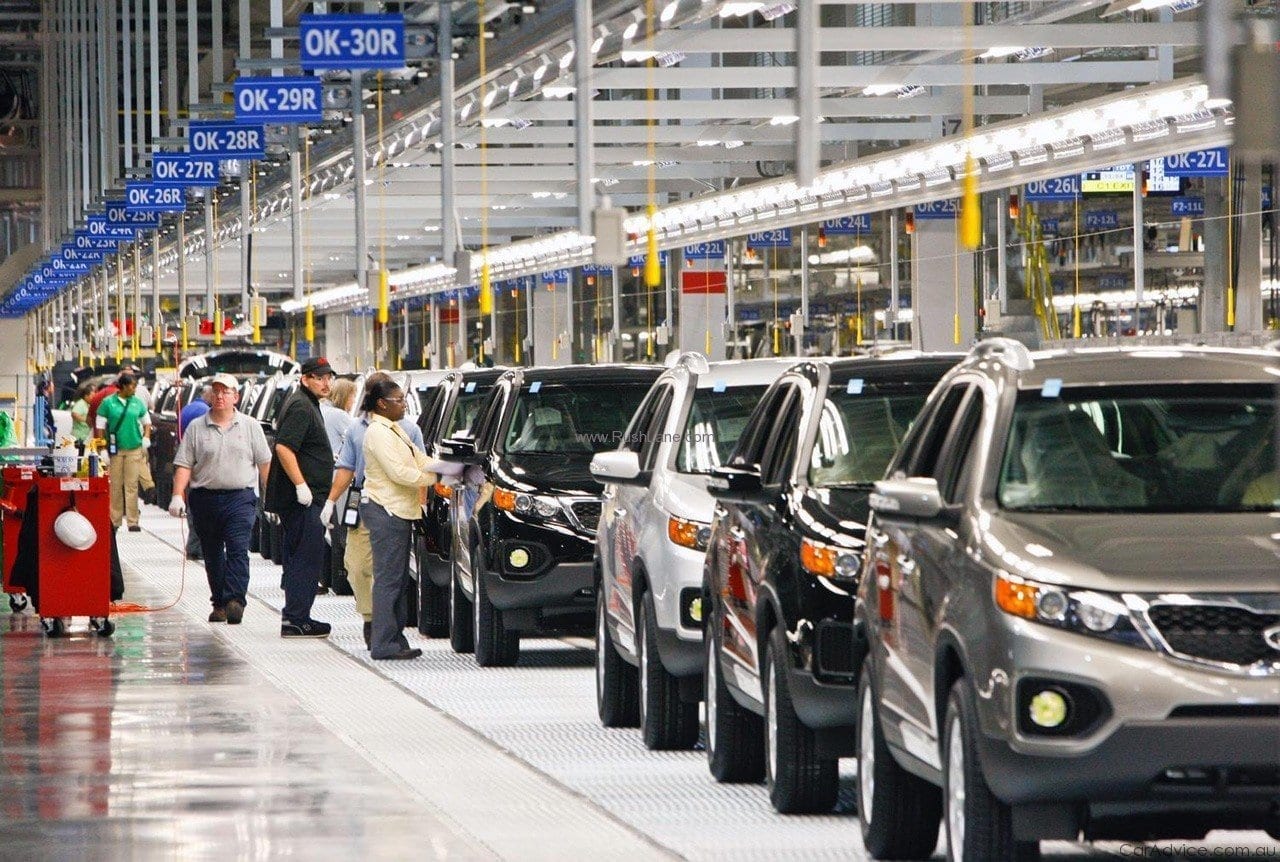
    Hyundai Motor Group said it plans to invest 41 trillion won ($35 billion) in mobility and other auto technologies by 2025, part of which will be directed to an ambitious effort to become more competitive in self-driving cars that has also received government backing.

    The plan, which Hyundai said encompasses autonomous, connected and electric cars as well as technology for ride-sharing, comes after the automaker and two of its affiliates announced an investment of $1.6 billion in a venture with U.S. self-driving tech firm Aptiv.

    South Korea’s government is also onboard, unveiling more funding for autonomous vehicle technology with President Moon Jae-in declaring on Tuesday that he expected self-driving cars to account for half of new cars on the country’s roads by 2030.

    “The self-driving market is a golden market to revitalize the economy and create new jobs,” Moon said in a speech at Hyundai Motor’s research centre near Seoul.

    The government intends to spend 1.7 trillion won between 2021 and 2027 on self-driving technology. It expects Hyundai to launch level 4, or fully autonomous, cars for fleet customers in 2024 and for the general public by 2027, an industry ministry official told Reuters.

    But some experts question whether targets set by the government and the automotive group, which also includes Kia Motors Corp, are realistic given the technological and cost challenges and the lack of home-grown technology.

    In a 45-page report on future automotive technology, the government acknowledged South Korea lags in some key areas necessary for self-driving cars such artificial intelligence, sensors and logic chips.

    Other analysts noted that the prospects for self-driving cars are quite murky.

    General Motors Co’s self-driving unit, Cruise, said in July it was delaying the commercial deployment of cars past its target of 2019 as tech firms and automakers acknowledge it will take more time and money than they had expected to make autonomous vehicles safe for unrestricted use on public roads.

    South Korea’s government said it would prepare a regulatory and legal framework for autonomous cars and the safety questions they pose by 2024.

    It is also aiming to lay the technological and legal groundwork for demonstrations of flying cars by 2025. Hyundai Motor’s executive vice-chairman Euisun Chung said last month that the company is looking at developing flying cars.

    Hyundai has also received much government backing for hydrogen fuel cell cars, with Moon calling hydrogen power the “future bread and butter” of Asia’s No. 4 economy and declaring himself an ambassador for the technology.

  • Louis Vuitton in Thailand expands to Phuket

    Louis Vuitton in Thailand expands to Phuket

    Louis Vuitton in Thailand has unveiled a new store in Phuket, its first store outside the capital city of Bangkok. 

    Located in Central Phuket mall, the new boutique features unique interiors as the brand wants to embrace local elements and yet keep its international spirit.

    The interior expresses the Maison’s codes with subtle off-white cut-out panels in a pattern that reflects Louis Vuitton’s famous monogram motif, which appears to float like lace.

    The wall sculptures and installations reflect the store’s Sino-Portuguese style.

    Finally, to reflect the environment of Louis Vuitton in Thailand, tropical plants are placed through the store to highlight “tropical modernism”.