Tag: asia

  • Samuel Hubbard launched E-commerce platform in Australia

    Samuel Hubbard launched E-commerce platform in Australia

    US footwear brand Samuel Hubbard will launch online in Australia and New Zealand next month through an exclusive partnership with Gold Coast-based orthotic shoe distributor Global Footcare.

    The 10-style range will be featured on the Global Footcare website, in an effort to test the online market for more premium orthotic footwear options.

    According to Global Footcare managing director Jeff Coombridge, adding US brands to the mix was a natural fit.

    “We pride ourselves on our carefully selected products that are not only supported by the medical industry but also stylish for the consumer and the Samuel Hubbard brand aligns closely with those values,” Coombridge said.

    “The Samuel Hubbard brand was developed by the founders of the hugely successful Rockport Shoe Company and with an 85-year history of shoe craftsmanship, they deliver a premium product with extreme comfort that has seen great success in the US, strongly represented with premium shoe retailers.”

    The partnership is not Global Footcare’s only international deal, also supplying Vionic Shoes and Os1st brand to Australia, as well as manufacturing its own Revere Shoes.

    Global Footcare re-branded from Vasyli Medical Orthotics in 2008 in an effort to expand beyond wholesale and into the consumer market.

    “Whilst adding large brands such as Vionic to the portfolio and developing our signature brand, Revere, we moved into mainstream retail, sports shops, e-commerce, and TV shopping and over the last 12 years have continuously sustained double-digit growth in revenue,” Coombridge said.

    “We are proud to provide end to end solutions for the people that matter most – our customers.”

  • Hulu Live TV coming to Android TV in early August

    Hulu Live TV coming to Android TV in early August

    Hulu announced earlier today that its Live TV app will be available to Android TV users starting next month. The Hulu Live TV is already part of the Android 9.0 Pie update that is now rolling out to NVIDIA Shield TV units, but the app is said to be released in waves over the coming weeks.

    Anyway, starting early August, Hulu Live TV, and the updated UI will be available across a range of Android TV devices, including Sony’s Android TV, Xiaomi Mi Box, Hisense Android TVs, and, of course, NVIDIA Shield.

    In case you watch Hulu on any of these compatible devices, you’ll be able to subscribe to Hulu Live TVand gain access to live and on-demanded programming from more than 60 channels, including news, sports, and entertainment in one place.

    For the time being, the Hulu Live TV and the updated UI are compatible with the Android TV device mentioned above, as well as Apple TV (4th gen.), Amazon Fire TV devices, Amazon’s Echo Show, Roku devices, Xbox One, iOS and Android mobile devices, Nintendo Switch, select LG and Samsung TVs, VIZIO SmartCast TVs, Windows 10, Mac and PC browsers, and Chromecast.

  • Flight Centre completes Canadian purchase

    Flight Centre completes Canadian purchase

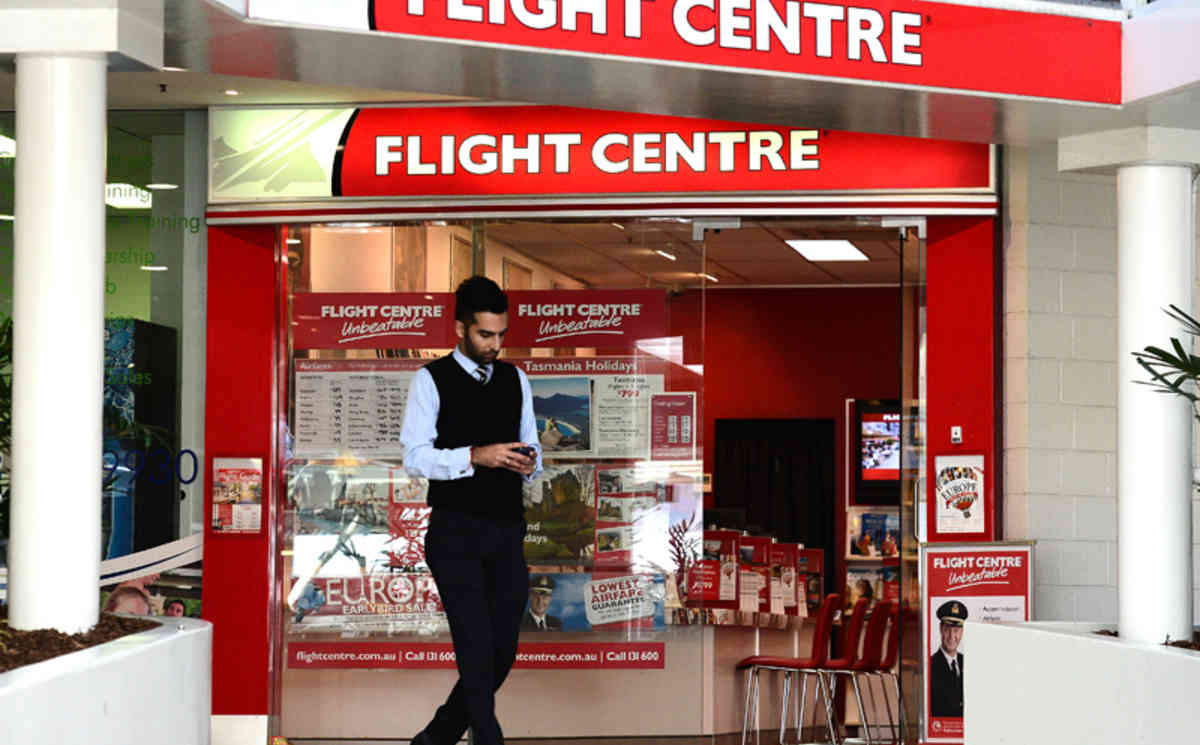
    Travel retailer Flight Centre has bought a remaining stake in Canada-based corporate travel business Les Voyages Laurier du Vallon to take sole ownership of the travel business.

    The ASX-listed travel firm bought 75 percent of Quebec-based LDV in 2017 for an undisclosed sum and has now exercised its option to buy the remainder.

    “LDV has proven to be a valuable addition to our network in the Americas and we are pleased to take 100 percent ownership of the business,” said Graham Turner, Flight Centre managing director.

    “In addition to delivering solid earnings growth over the past two years, its corporate travel presence has enhanced our already strong customer offering across Canada and throughout North America in general.”

    Flight Centre has already flagged a record profit contribution of more than $100 million from its North American business when it releases its full-year accounts on August 22.

    Shares in Flight Centre were worth $45.68 before the start of trade on Monday, up 6.4 percent this calendar year.

  • BreadTalk Group Profit Down

    BreadTalk Group Profit Down

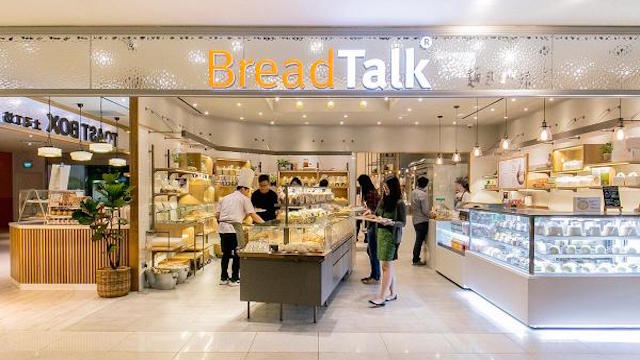
    Expansion-related costs saw Singapore-listed BreadTalk Group’s quarterly profit more than halve despite rising sales.

    According to a stock-exchange filing, net profit was down by 57.9 percent to S$1.02 million for the June quarter, but sales rose 9.8 percent to $163.3 million.

    Besides its namesake brand of bakeries, BreadTalk’s portfolio includes Toast Box, Food Republic, and The Icing Room, along with a host of franchises including Din Tai Fung, Song Fa Bak Kut Teh and Wu Pao Chun Bakery.

    Net profit for the half-year was down 35.3 percent at $2.34 on sales up 7.9 percent to $321 million.

    The higher costs are believed to relate to expansion into the UK as well as set-up costs for new Din Tai Fung outlets.

    Sales rose in the core bakery and food-court divisions, however, those gains were eroded by higher distribution and selling costs. The bakery division, which accounts for about two-thirds of BreadTalk’s sales, posted a loss over the half-year on a pre-tax basis.

    This was mitigated by strong performances of the food courts, especially in Hong Kong and Mainland China, where profits rose by 23.8 percent, thanks largely to low vacancy rates.

    BreadTalk is on track to open its first Song Fa Bak Kut Teh outlet in Taiwan later this year and plans to open more eateries in Thailand and Singapore. It will also continue to roll out new food courts, focusing on Greater China and Cambodia.

    “Efforts to turnaround the bakery business, particularly in China and Thailand, remain underway, while we continue to build on the strong performance of the business in Singapore,” the company said in its filing.

  • Decathlon India opens largest store today

    Decathlon India opens largest store today

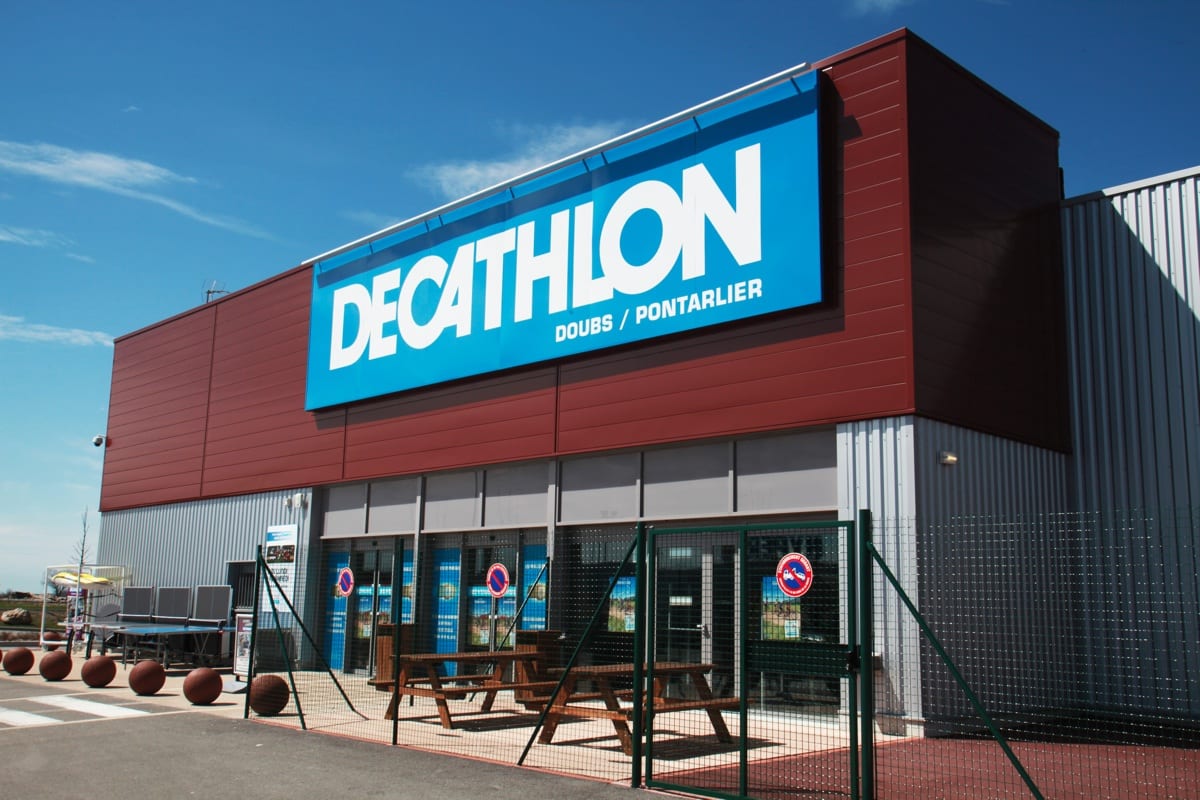
    Decathlon India has opened its largest store yet at the DLF Mall of India.

    The French sports retailer’s new 3000sqft experiential retail outlet features dedicated activity and community zones for fitness and sports enthusiasts, as well as offering digital services such as self-checkout counter scan and a pay app for billing to improve the purchasing experience.

    The store has dedicated sections for women, men, children and teenagers, as well as a space for fitness aficionados and a community space featuring augmented reality golf, a simulator zone and skating rink.

    “Our aim to build a new experience for all people involved in fitness gets enhanced, with the support and environment of DLF Mall of India, one of the premier shopping destinations in Delhi NCR,” said Decathlon Noida Mall of India city sports leader Sylvain Deschamps.

    “We are excited about this new store and hope that the goodwill keeps thriving for years to come.”

    Decathlon India operates 70 outlets, including 12 in the national capital and its nearby regions.

  • FamilyMart Taiwan rolls out small railway-station stores

    FamilyMart Taiwan rolls out small railway-station stores

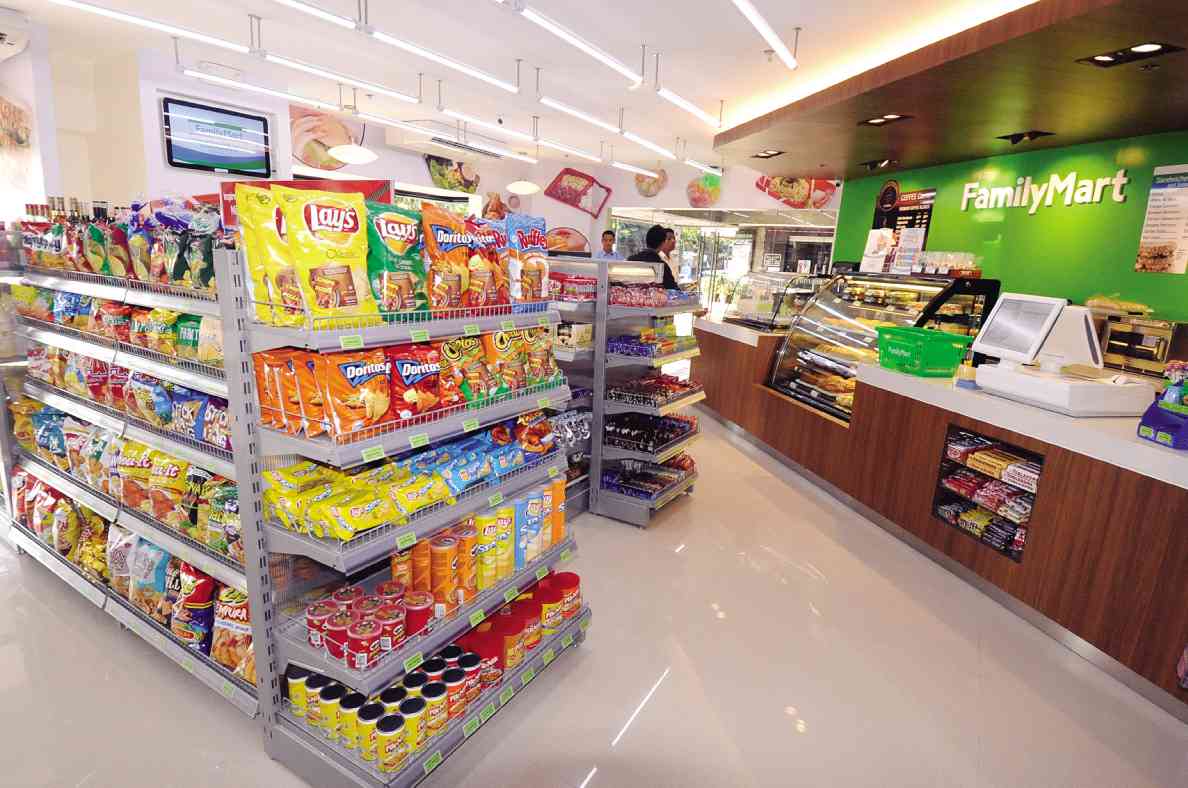
    Convenience-store operator FamilyMart Taiwan plans nearly 40 new stores in railway stations this year.

    The Japanese-headquartered company has just opened three new outlets in Taiwanese stations at Badu, Wanhua, and Luodong. Two more are about to open at the main Taipei station, with another 32 planned for 23 stations within two months. Once complete, the network will serve 20 million rail travelers per year.

    FamilyMart Taiwan is also catering to local tastes by selling snacks in partnership with various Taiwanese firms, such as bakery shop Master Fang, which will sell desserts at Kaohsiung Railway Station.

  • Levi Strauss ‘deliberate’ in moving production away from China

    Levi Strauss ‘deliberate’ in moving production away from China

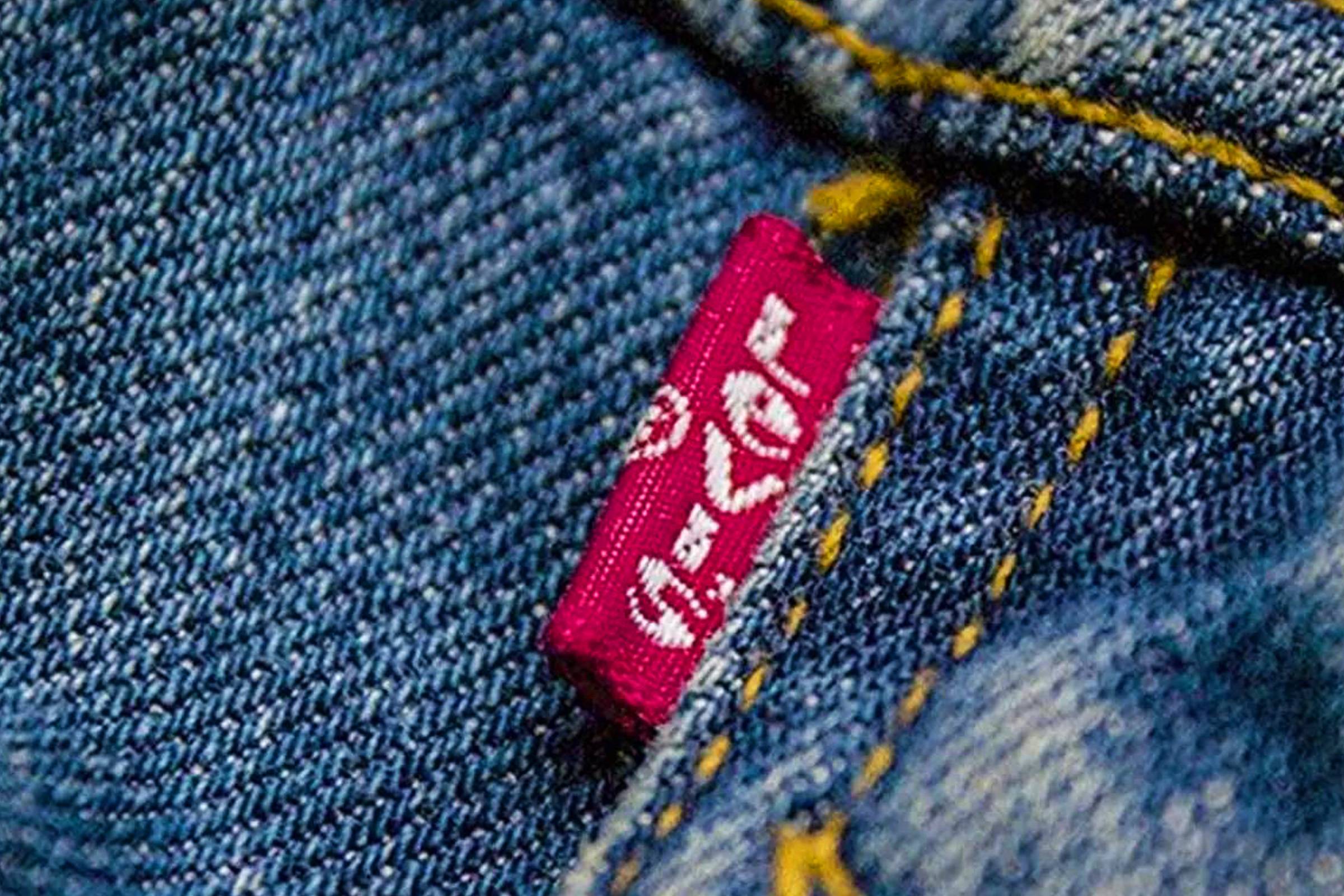
    Levi Strauss & Co has been “deliberate and diligent” in moving production out of China because of uncertainty hanging over tariffs on goods imported from China, CEO Chip Bergh has told Reuters in an interview.

    Just 1 percent or 2 percent of Levi’s product sold in the US are manufactured in China, Bergh said, compared to 16 percent two years ago. Bergh was speaking one day before President Donald Trump said he would impose tariffs on another US$300 billion of Chinese goods, including apparel.

    Trump has used tariffs as a tool to negotiate better trade terms, saying bad deals cost millions of US jobs. Along with apparel, the new tariffs hit consumer goods such as electronics and toys and come in addition to those already imposed on $250 billion of other goods imported from China.

    The on-again, off-again nature of the US tariffs on Chinese goods had created uncertainty for many US retailers, Bergh said.

    “Every day is a new day,” he said. “Sometimes it looks like it’s definitely going to happen and then other days you think it’s off, it’s not going to happen.”

    San Francisco-based Levi’s, which returned to the public markets in March, is part of a wave of retailers that have been shifting supply chains out of China to countries such as Vietnam and Bangladesh. The trend was initially in response to higher Chinese wages but the exodus is expected to be accelerated by the new tariffs, which Trump said will go into effect September 1.

    They are expected to increase consumers’ costs and have an impact across the entire retail industry.

    Apparel retailers like Gap Inc, shoes and accessories brand Steve Madden and department store Macy’s have also acted to move production out of China.

    However, China still is a big supplier to the industry with 42 percent of apparel and 69 percent of footwear sold in the US made in China, according to the American Apparel and Footwear Association.

    Following the latest tariff news, several large retail trade groups warned the levied tariffs will hurt consumer purchases, raise prices and limit hiring.

    Levi’s has two of its own factories in Poland and South Africa but mostly uses third-party vendors or suppliers spread across 22 different countries, said Bergh, who joined the company in September 2011.

    “We’ve narrowed down our supplier base during the time that I’ve been here to really develop deeper, more strategic relationships with many of our suppliers,” he said.

    Many of Levi’s suppliers in China are publicly traded companies that have multi-country footprints, said Bergh, that have diversified risk by building factories in places like Vietnam and Cambodia.

    Levi’s also has put contingency plans in place “not just for China but also for Mexico in the event that NAFTA gets ripped up in a moment of rage or something,” Bergh said.

  • Dairy Farm sales lift through several acquisitions

    Dairy Farm sales lift through several acquisitions

    Dairy Farm sales surged by 13 percent in the first half of the year to US$13.8 billion.

    The Hong Kong-headquartered company said the improved top line was largely due to its investment in Robinsons Retail and a strong performance by Chinese supermarket business Yonghui, but it is clear that early signs of the company’s five-year transformational program are bearing fruit, while at the same time adding to costs.

    Underlying profit was up 5 percent to $177 million.

    In a stock-exchange filing, chairman Ben Keswick said the first half of the year saw a strong performance from the health-and-beauty division, and solid sales performances from convenience, home furnishings and restaurants.

    Sales by the group’s subsidiaries in the first half were 3-per-cent lower than the same period last year (1-per-cent lower at constant exchange rates), predominantly as a result of the separation of the Rustan Supercenters business in the Philippines during the final quarter of last year and the closure of some grocery stores in Southeast Asia.

    Keswick said the supermarket and hypermarket division’s operating profit remained in line with the previous year.

    “Underlying sales performance has begun to show signs of growth, reflecting improvements in quality, availability, price competitiveness and general operating standards, notably in Southeast Asia. In North Asia, sales in Hong Kong continued to grow, particularly in upscale stores, though Taiwan is increasingly under threat from the aggressive space expansion of local competitors.”

    In Indonesia, work is underway to transform a Giant Hypermarket into an Ikea store.

    Sales in all other divisions within the group delivered positive growth in the first half.

    Convenience store operations (including 7-Eleven in Hong Kong and Singapore) achieved higher sales in all markets, with the strongest growth coming from stores in Mainland China. Overall profits were slightly lower than last year as investment in store space growth over the period exceeded the higher profits achieved in both Hong Kong and Macau.

    In the health-and-beauty division, strong sales were reported in North Asia, against significant sales growth in the same period last year, reinforcing the strength and resilience of the Mannings brand.

    “Guardian in Southeast Asia also reported an encouraging improvement in sales and profit performance during the period, with the delivery of much better overall operating standards, as well as improvements in service and product availability. A growing customer base in both Indonesia and Malaysia reflects the focus on delivering an improving product offer as well as better value,” said Keswick.

    Ikea sales grew in all markets, both at a total sales level and on a like-for-like basis. However, profitability was lower due to a combination of an increased cost of goods and pre-opening expenses for new stores under development in Taiwan and Indonesia.

    Maxim’s delivered good performances across all of its key businesses, especially restaurants, where customers have shown strong engagement with new franchises, including Shake Shack in Hong Kong.

    Yonghui reported strong underlying sales and profit growth, mainly driven by the continuing expansion of its store network and healthy sales growth. Yonghui’s profit also benefited from the partial divestment of its associate, Yunchuang at the end of last year.

    “Every area of Dairy Farm’s subsidiary businesses is undergoing some form of business transition and this scale of change will take time to execute successfully in a sustainable way,” concluded Keswick.

    “Within Southeast Asia food, optimization of the store portfolio is continuing which will have a positive effect on results in the second half.

    “While the group will begin to see some early benefits from its transformation program during the remainder of the year, sales growth may be tempered by general market uncertainties. The group remains firmly focused on the successful delivery of its transformation plan for the benefit of our customers, team members and shareholders,” he said.

  • Android updates don’t matter anymore

    Android updates don’t matter anymore

    There was a time when waiting for the next big Android update meant getting new and exciting features coming to the most popular and widespread mobile OS in the world, but things have cooled off in the past two or three years and Google has been coming up with some pretty forgettable Android updates.

    In my opinion, it doesn’t really matter if your Android device isn’t running on the latest major Android version at hand. I feel that Android has already peaked and the rate of software innovation has been declining for a few years now. Google is seemingly scraping the barrel as far as innovative software features are concerned. In fact, most of the “new” features that are coming to Android Q are inspired from iOS and other custom Android skins, while others are quite irrelevant. I’m sorry, but as far as my personal excitement list is concerned, Digital Wellbeing doesn’t exactly cut it.

    It doesn’t really matter if you’re running Android Nougat, Oreo, or Pie anymore – you’re not really missing any groundbreaking new feature or functionality. Actually, ever since the Android 5.0 Lollipop update, you can probably count the really important features Android has scored on your hands, with the rest being easily forgettable fluff. Let me do this real quick:

    – Doze Mode (Android Marshmallow);
    – ART runtime (Android Marshmallow);
    – Vulkan API (Android Nougat);
    – Bundled notifications (Android Nougat);
    – Picture-in-Picture (Android Oreo);

    – Project Treble (Android Oreo);
    – Gestures (Android Pie).A much, much more important thing to fluster about are the essential monthly security patches. Now, these are key for worry-free smartphone experience. I’m pretty far from the thought that once you get the latest security patch you’re effectively invulnerable to any security breach – whatever you do, you can never really be 100% certain of your digital safety while using your phone, just like your data is never secure on the Internet. Whatever security features get implemented, there always be some deep exploit that would allow wrongdoers to gain access to people’s most sensitive data. It has happened in the past, and it will most certainly happen again.  Still, having a phone that’s up-to-date in terms of monthly security patches can help achieve a certain peace of mind.

    OEM skins have long surpassed stock Android anyway

    I feel there’s another important point to be made here – custom Android skins have surpassed stock Android in terms of features and functionality a long time ago. Samsung, Huawei, and OnePlus have all developed much more useful and feature-packed Android spin-offs. In fact, most of the major new features that you see added to stock Android have debuted and thrived on custom Android versions for longer. Split-screen, gestures, dark mode, and many others were only implemented into stock Android after Samsung, Huawei, LG, OnePlus, Xiaomi, and the others had experimented with these features for some time.

    Those manufacturer updates are the ones we really should keep our collective breath for – not only do they introduce major new features, but also your manufacturer’s major software updates are a much more important thing to hold your breath for. These might have a much bigger impact on your smartphone experience – not only do these deliver full interface overhauls (like with Samsung’s OneUI), but they could also bring important improvements to the camera performance, battery optimization, and other beneficial updates. Such updates of such caliber are more often than not tied to a major Android update, but it’s not a requirement set in stone.

    Personally, I stopped caring about Android updates a couple of years ago, sometime in the Android Nougat-Oreo interim. The only software update I’ve legit been hyped about ever since has been Samsung’s OneUI update, which is the best Android skin in my humble opinion.

  • Pola chooses Changi for first airport duty-free counter outside Japan

    Pola chooses Changi for first airport duty-free counter outside Japan

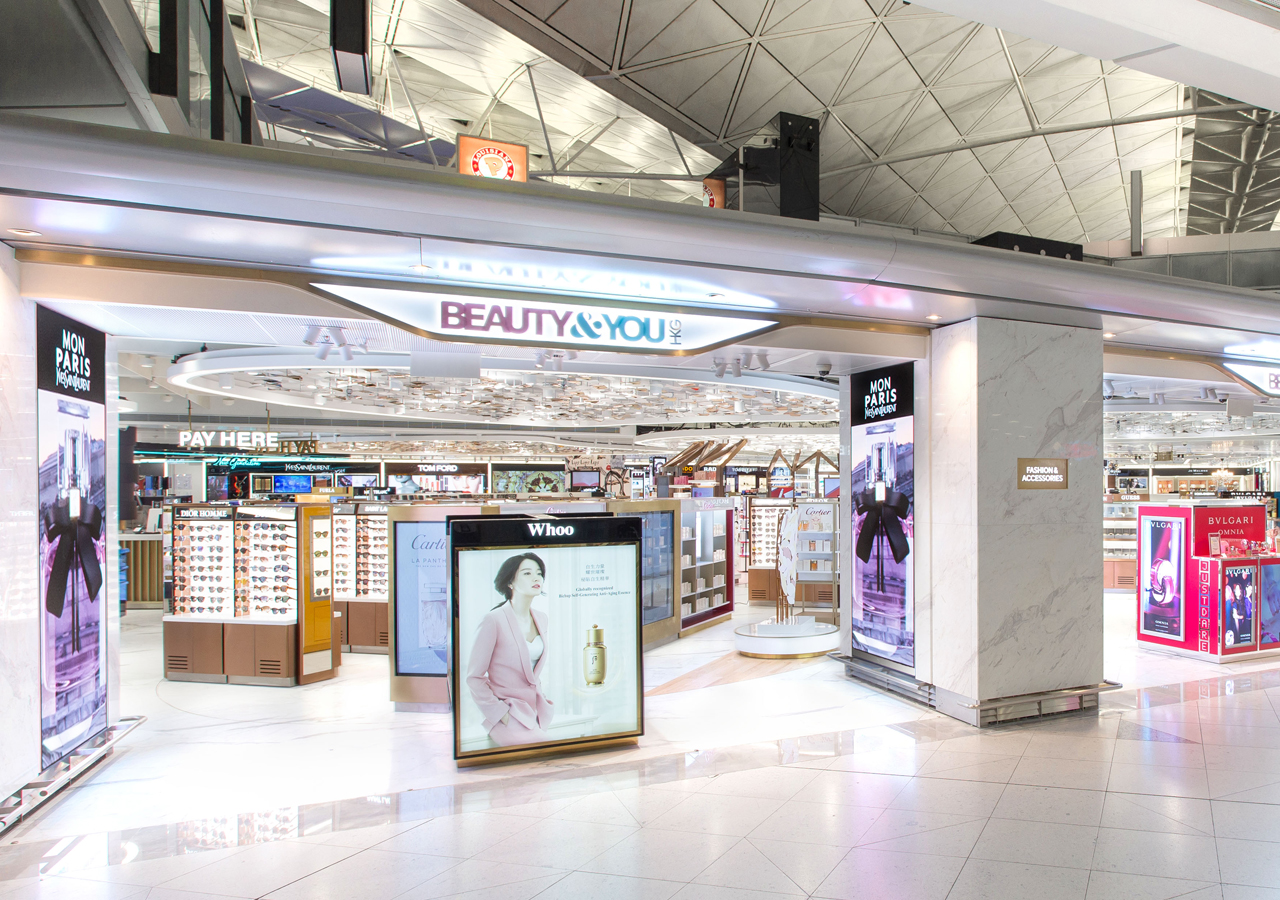
    Pola will open its first airport duty-free store outside Japan at The Shilla Duty-Free Changi Airport Store in a move to strengthen its brand presence in the global market.

    Pola is accelerating efforts to open new stores, primarily in ASEAN countries, so as to expand its travel-retail business outside Japan.

    Pola counters are centered around its top-line “B.A” brand and are decorated primarily in a modern black design. The counter design at The Shilla Duty-Free Changi Airport Store follows the design at department stores, extending the brand’s unified look and theme while aiming to match the travel retail environment so that customers can quickly identify the product range and best-sellers even during a short stay in the stores.

    The sales for Pola’s travel retail business are driven by the B.A brand, such as B.A Lotion, B.A Wash, and B.A Eyezone Cream.

    “We are certain that opening our new store at The Shilla Duty-Free Changi Airport Store, which is the biggest hub airport in Asia, will be a great step toward increasing Pola’s brand presence,” said Pola’s global business division director Tamotsu Sato. “The new store will be an important step for Pola to strengthen our brand presence in the global market and further expand our business.”

    The counter will be open at The Shilla Duty-Free Changi Airport Store at Terminal 2.

  • Fiat Chrysler Open To Re-Start Merger Negotiations With Renault

    Fiat Chrysler Open To Re-Start Merger Negotiations With Renault

    Fiat Chrysler Automobiles Chief Executive has a message for Renault SA and other would-be partners: We are happy to talk, but we can go it alone.

    “Strategically, we have a solid future and clear plans that are being invested in and are underway now,” Mike Manley said during a session with reporters the day after the company released better than expected second-quarter results.

    “That isn’t to say if there is a better future through an alliance or partnership or merger we wouldn’t be open and interested to it.”

    Fiat Chrysler is open to re-starting merger negotiations with French automaker Renault, Manley said, but added the French carmaker is not the only potential partner to gain scale or plug gaps in Fiat Chrysler’s technology or vehicle lineup.

    “To say are they the only opportunity, the answer to that question would be a definitive ‘No,’” Manley said.

    Fiat Chrysler in June withdrew a $35 billion merger proposal with Renault after French government officials intervened in the talks and sought to delay a decision on the deal.

    The Wall Street Journal reported on Friday that Renault and Nissan are trying again to reshape their alliance and resolve disagreements that helped to derail the merger talks with Fiat Chrysler.

    Fiat Chrysler has a commercial vehicle partnership with French rival Peugeot SA, and the two companies discussed a broader combination before Fiat Chrysler made its offer to Renault, people familiar with the situation have said.

    Manley said automakers are not the only potential partners.

    “There are cooperations that can help in specific technologies. There are cooperations as we think about the consumer-car interface,” he said. “You could see collaborations that never would be there in the past.”

    Fiat Chrysler’s North American business is strong thanks to Ram trucks and Jeep SUVs, but in other markets, the automaker faces continued challenges.

    The company is overhauling its mass-market business in Europe, which is anchored by the Fiat brand. Fiat Chrysler’s Europe, Middle East and Africa operations were marginally profitable in the second quarter and achieved 1.8% profit margin in 2018. Manley has set a goal of 3% operating margins, well short of the 10% margins the company forecast for North America.

    Fiat Chrysler can improve profitability in Europe by expanding the Jeep sport utility vehicle lineup, launching a redesigned Fiat 500 line, including electric and hybrid models, and adding larger vehicles to the Fiat brand, Manley said.

    “We have the oldest fleet in Europe,” in the Fiat brand, Manley said.

    Increasing the number of cars produced per worker in Italy and reducing the ranks of Italian hourly workers, Manley said. But in the short term, Manley said he is prepared to sacrifice sales volume to increase margins.

    “Margins in Europe are absolutely critical as we go through the next three to five years,” he said.

    A deal to pool emissions credits with Silicon Valley electric-car maker Tesla Inc (TSLA.O) gives Fiat Chrysler strategic options for managing rising emissions compliance costs, Manley said.

    In China, Manley said the restructuring of Fiat Chrysler’s alliance with joint venture partner GAC Group is reducing costs. The venture needs to add more Jeep models, he said. “We only have three vehicles localized,” Manley said.

    The third challenge for Fiat Chrysler is reviving the Maserati premium brand, which lost money through the first half of 2019, in part because of writedowns related to underperforming leases. The company has said it plans to sell down inventories of Maseratis during the remainder of this year.

    An overhaul of Maserati’s product line will begin with the debut of a new model at the 2020 Geneva auto show, Manley said.

  • Aesop store in Seoul features reclaimed red bricks

    Aesop store in Seoul features reclaimed red bricks

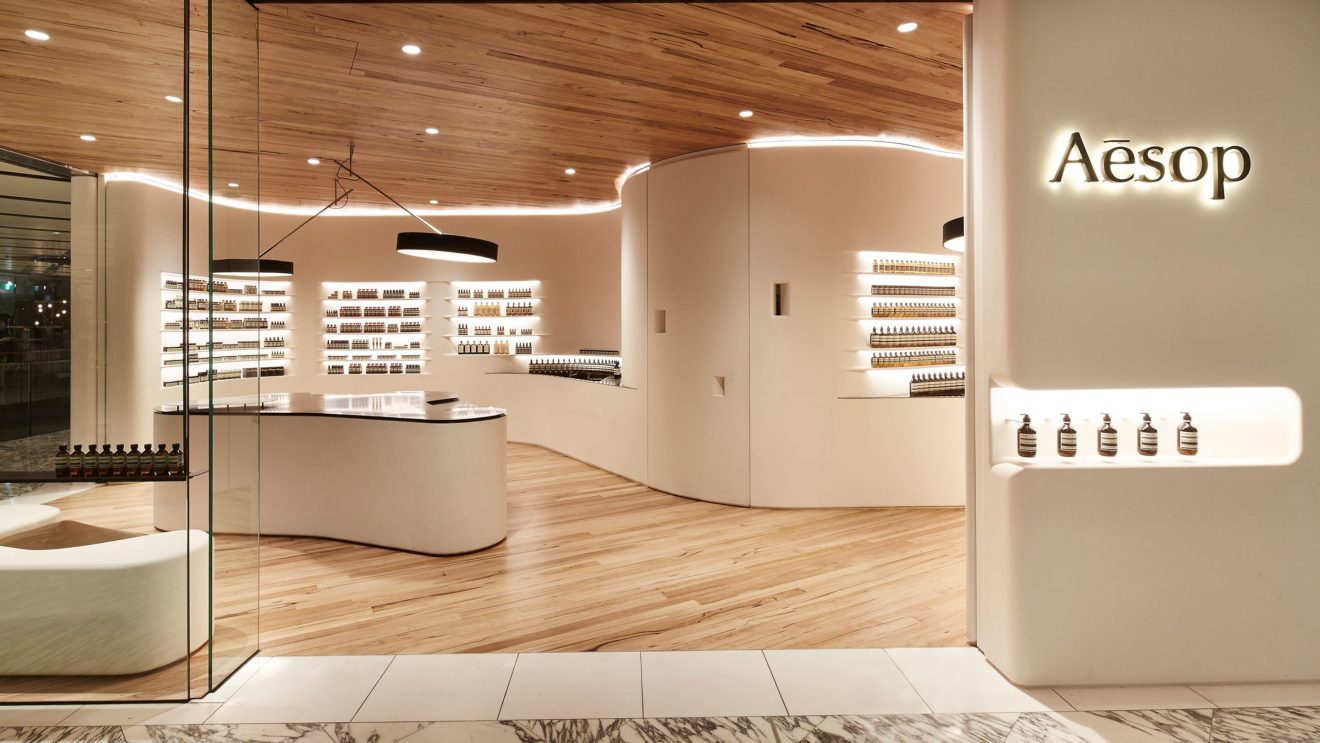
    Luxury skincare brand Aesop has opened a distinctive store in south-central Seoul designed by Hong Kong designers Mlkk Studio.

    The designers laid out the two-level Aesop store in Seoul using reclaimed red bricks to fashion within the building’s slate-grey brick facade to create a warm and inviting shop interior. It is intended to provide a cozy retreat for shoppers, especially during the cold winter months.

    “It gave an exciting opportunity to do something just the opposite with the same material,” said an Mlkk Studio spokesperson. “The choice of material also creates a dialogue with the architecture and effortlessly blends the interior and the exterior … The bricks add color variety and enrich the sense of time and history of the space.”

    The bricks are also used in the store’s service counter and for a sink where customers can try out the products. Two arched cubby holes with copper shelving are built into the rear wall, resembling traditional Korean kilns.

    The Aesop store in Seoul is one of many stores by the brand profiled on design site Dezeen.

  • Sales Of Japanese Cars In South Korea Slump Amid Growing Diplomatic Row

    Sales Of Japanese Cars In South Korea Slump Amid Growing Diplomatic Row

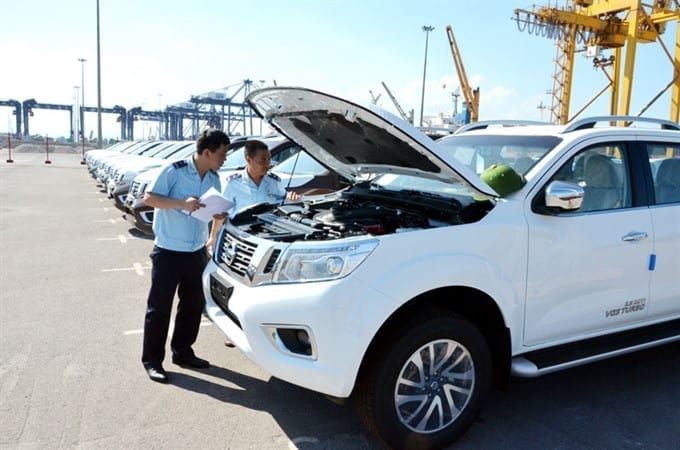
    Sales of Japanese-branded autos in South Korea slumped in July amid a worsening diplomatic row between the two countries that has led to consumer boycotts and efforts by Seoul to cut the economy’s reliance on imports from Japan.

    Industry data out of South Korea on Monday showed Toyota Motor sales in the country tumbled 32% from a year earlier and Honda’s sales skidded 34%.

    Although automakers are still assessing the main factors driving the declines last month, industry participants worry declining sales would continue in August as diplomatic tensions grow.

    Japan tightened controls in July on exports to South Korea, escalating a row over wartime forced laborers and sparking a boycott by South Korean consumers of Japanese products and services, from cars, beer, and pens to tours. On Friday, Japan escalated tensions by removing South Korea from a list of export destinations approved for fast-track status.

    “Showroom visits are declining while consumers are holding off on signing contracts,” a Honda Korea official told Reuters, asking not to be identified because of the sensitivity of the matter.

    A Honda Korea spokesman said it needs to assess the reason for the July sales fall and whether it is related to Japan’s export curbs, or summer holidays. A Toyota Korea spokeswoman declined to comment on the drop.

    The data from the Korea Automobile Importers & Distributors Association (KAIDA) also showed Lexus, South Korea’s third-most imported car brand after Mercedes and BMW, saw sales down 25% from the previous month, although that was still up 33% from the previous year.

    South Korean shares fell more than 2% on Monday, tracking broader moves in Asia as the Sino-U.S. trade war intensified but also weighed by uncertainty over the diplomatic dispute between Seoul and Tokyo.

    Earlier on Monday, South Korea’s government announced plans to invest about 7.8 trillion won ($6.48 billion) in research and development for local materials, parts and equipment over the next seven years in an effort to cut the reliance on Japanese imports.

    The government on Friday said it would “step up safety measures” on Japanese tourism, food and waste, without elaborating further.

    While foreign-branded cars make up a small portion of domestic auto sales in South Korea, the business community is concerned a consumer swing away from Japanese imports for political reasons could spread to other parts of the retail market.

    Japan’s Asahi Group Holdings, whose Asahi Super Dry is the most popular import brand in South Korea, said on Thursday the spread of the South Korean consumer boycott of Japanese goods was affecting its beer sales as it lowered its profit guidance slightly.

  • Honestbee seeks court protection in order to survive

    Honestbee seeks court protection in order to survive

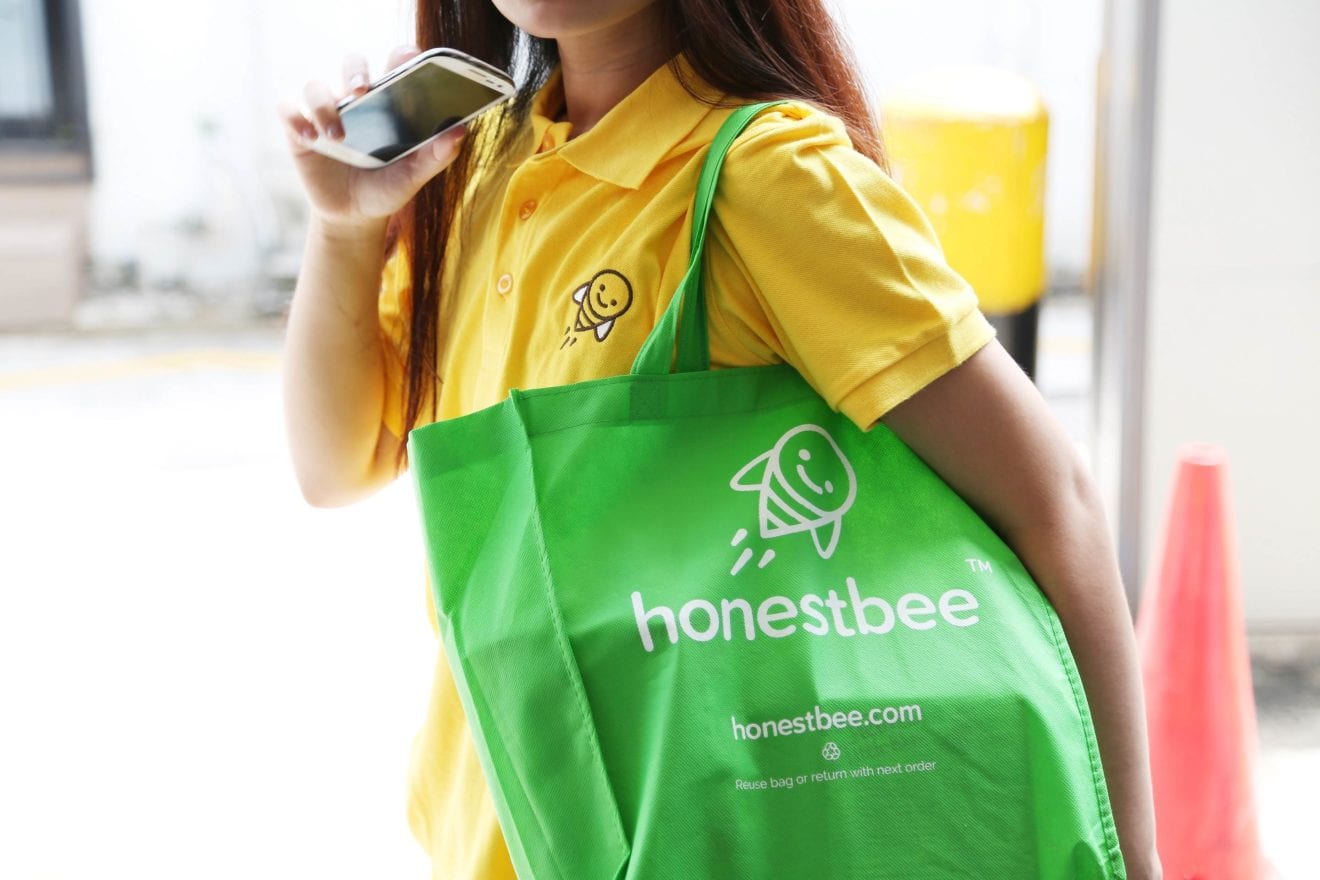
    Sinking in debts of around US$180 million, Singapore grocery retailer Honestbee is seeking court protection from creditors to allow it to restructure.

    The company has applied to the High Court to commence a process which reportedly would give it six months protection from creditors lodging winding up procedures or other legal attempts to recover what they are owed.

    News of the move surfaced late Friday at the same time the company confirmed it was laying off 38 staff in Singapore.

    “As a result of our reduced operations globally, the company has made a decision to rightsize the company in order to cut costs and streamline its business,” a spokesman said in a  statement to the Straits Times.

    “The move is necessary to ensure that the company has the right structure in place for long-term stability and success.”

    Friday’s news came one week after the company announced the appointment of a new CEO, Ong Lay Ann, who has actually been in the role since July 15, atkin over from interim CEO and investor Brian Koo, who remains chairman. That followed the resignation of CTO and co-founder Jonathan Low four days earlier.

    Koo is also a founding partner in Formation Group, one of Honestbee’s largest creditors. Koo is part of the family which owns South Korean industrial giant LG. Parties associated with the Koo family are said to be owed as much as $50 million by Honestbee.

    In a statement, Honestbee said a court-supervised restructuring would allow management to focus on re-evaluating the business free from interference, to streamline operations, improve efficiencies and reduce overheads.

    “As part of the restructuring process, Honestbee will work closely with their advisers, creditors and stakeholders to achieve the best possible outcome for all interested parties,” the company said.

  • Auto Industry May Further Cut Production

    Auto Industry May Further Cut Production

    After denting the auto sector’s profitability, the consumption slowdown along with the upcoming shift to BS VI standards will further decelerate production, leading to eventual job losses. Industry insiders point out that slowdown, which is a culmination of high GST tax rates, farm distress, stagnant wages, and liquidity constraints, has led to the month-on-month sales de-growth. Besides, inventory pile-up at the dealership level and stock management of the unsold BS IV vehicles has become a problem for the sector.

    According to Grant Thornton India Partner Sridhar V., a further reduction in production due to the continuing de-growth in sales of passenger vehicles can be expected.

    “OEMs are exploring avenues to minimize cost at an operational level by deferring and tightening the spending rate,” Sridhar V. told IANS.

    “They also at times resort to production cuts to tide over this difficult phase.”

    Accordingly, the sales downturn assumes significance as the auto industry contributes to almost half of the manufacturing GDP and 11 percent of the total GST revenue.

    “With prolonged weak consumer demand, the inventories at dealer levels have peaked, necessitating production cuts by OEMs,” Richa Bulani, Senior Analyst, India Ratings & Research (Fitch Group), told IANS.

    “Production cuts may provide some short-term relief to dealers, it negatively affects the entire auto supply chain — OEMs, component suppliers, and dealers. Volume growth of components dependent on OEMs will be affected in the first half.”

    Recently, all major OEMs consisting of passenger, commercial, two and three-wheeler manufacturers have reported a massive decline in domestic sales.

    Figures from the Society of Indian Automobile Manufacturers (SIAM) showed that domestic passenger car sales in June went down by 24.07 percent to 139,628 units. The July figures are awaited.

    In the commercial vehicle segment, domestic sales were down by 12.27 percent to 70,771 units last month.

    The overall sales of two-wheelers, which include scooters, motorcycles and mopeds, edged lower by 11.69 percent to 1,649,477 units.

    In all, the total sales of the Indian automobile sector declined by 12.34 percent during June 2019 to 1,997,952 units across segments and categories.

    Consequently, sales slowdown led to a curtailment of manufacturing with the domestic passenger cars’ production coming down by 22.26 percent to 169,594 units from 218,167 units.

    Similarly, commercial vehicle production was down by 23.39 percent to 69,496 units last month. Overall two-wheelers’ production edged lower by 11.70 percent to 1,915,195 units.

    The total production of the Indian automobile sector declined by 12.98 percent during June 2019 to 2,336,138 units across segments and categories.

    “Tight control on production volumes will continue. Beyond the upcoming festive season when OEMs would expect to have sufficient volume in the channel, they would want to keep production volume output in check,” said Rahul Mishra, Principal, A.T. Kearney.

    “Volume liquidation pressures due to BS VI and the sluggish demand will not revive production output drastically for the next few months.”