Tag: asia

  • Singapore supermarket operator Sheng Siong reports profit boost

    Singapore supermarket operator Sheng Siong reports profit boost

    Singapore supermarket operator Sheng Siong boosted its net profit by 7.4 percent in the June quarter, to S$18.42 million.

    Sales rose 11.8 percent to $238.16 million on the back of 13 new store openings.

    However, the company has warned investors that competition in the Singapore supermarket sector is tough, from both online retailers and rival supermarket chains. Worse, consumer spending may be impacted by a soft economic outlook.

    In the half-year to date, Sheng Siong recorded a 6.6 percent increase in net profit to $37.78 million, on sales up 11 percent to $489.59 million.

  • Amazon in talks over Reliance Retail

    Amazon in talks over Reliance Retail

    Amazon is in talks with Reliance Industries Ltd’s retail unit to buy a stake in India’s biggest brick-and-mortar retailer, two sources with knowledge of the talks told Reuters.

    Amazon’s massive online presence could help bolster Reliance’s consumer and private labels business. More importantly, a partnership would help the duo counter Walmart, which last year invested US$16 billion in India’s Flipkart, in the battle for a bigger share of India’s fast-growing e-commerce market.

    In late December, India modified rules around foreign direct investment (FDI) in e-commerce, creating additional hurdles for companies such as Amazon and Flipkart, and giving companies such as Reliance an edge.

    Amazon had made the proposal to Reliance – controlled by Mukesh Ambani, India’s richest man – for the partnership, but it was not clear whether a deal would materialize, said one of the sources.

    The second source said Amazon had been pondering a proposal to purchase an up to 26 percent stake in the Reliance unit since at least February.

    “For Amazon, it is about neutralizing a major rival and allowing itself to grow,” said the second source, who added the company envisions helping Reliance’s roughly 40 brands and grocery products go online.

    Further details of the possible deal, first reported by India’s Economic Times newspaper last week, were not immediately clear.

    Amazon did not immediately respond to request for comment while Reliance said it would make any disclosures to stock exchanges as and when necessary.

    Reliance could potentially leverage Amazon’s global experience in technology, supply chain and logistics as it aims to connect grocery stores across the country digitally through its Jio telecoms network – the biggest in India by subscribers.

    For Amazon, picking up a stake in a Reliance unit could mean getting access to the Jio telecoms platform and its vast retail footprint of more than 10,600 stores across India. It might also add more firepower to their lobbying efforts, as the Ambani family is viewed as being well-connected politically.

    Seattle-based Amazon is keen to get a bigger share of India’s e-commerce market, which Deloitte expects to more than treble to $84 billion between 2017 and 2021.

    Reliance was previously in talks with China’s Alibaba to sell a stake in Reliance Retail, but a deal could not be sealed due to differences in valuation, according to a person familiar with the matter.

  • Ralph Lauren opening five new stores this year

    Ralph Lauren opening five new stores this year

    US fashion brand Ralph Lauren is ramping up its presence in Australia with the launch of its first standalone women’s store in Sydney’s CBD last month.

    The store, located in the iconic Queen Victoria Building, is part of the transformation over the last five years of the brand’s previously known ‘Blue Label’ into ‘Polo Ralph Lauren for Women’.

    “Polo Ralph Lauren for Men is well-established in the Australian market and we see an opportunity for our women’s business to grow as we further expand our offering across different channels,” the brand said.

    Four more stores carrying both womenswear and menswear collections are slated to open across the country in September and October. The stores will be located in Indooroopilly and Sunshine Plaza in Queensland, Melbourne Emporium in Victoria and Canberra Centre in the ACT.

    “The store openings build on Ralph Lauren’s targeted expansion across Australia and around the world as part of its Next Great Chapter strategy to deliver sustainable, long-term growth and value creation,” the brand said.

    The brand said it is committed to the expansion of the Polo Ralph Lauren business in Australia, where it is distributed through owned, standalone stores, as well as through David Jones, Myer and Glue, and online through The Iconic.

    The business has a 25-year history in Australia. Initially operating as a licenced brand, Polo Ralph Lauren took back control of the local business in 2013.

  • New Dunhill store opens in Hong Kong

    New Dunhill store opens in Hong Kong

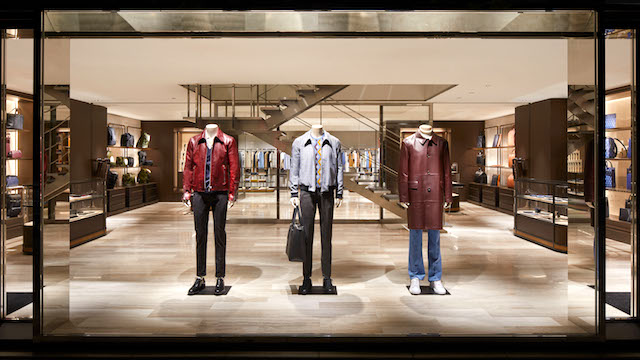
    A new Hong Kong Dunhill store has opened at Lee Gardens as a further step in the brand’s global expansion strategy in Asia.

    The store’s designers have engineered a bright and contemporary space with marble and walnut wood in counterpoint with glass and metal details, used as recognisable codes of the house.

    The use of grey marble takes inspiration from the facade of Dunhill’s 1950s South Rodeo Drive store, while walnut burl cabinets, housing men’s accessories, are inspired by the original furniture from London’s Duke Street and Paris’ Rue de la Paix stores. Fluted glass and metal details together with brown wood panelling recall the textures and finishes of classic Rollagas lighters.

    Featuring a curated selection of luxury pieces by creative director Mark Weston, the Hong Kong Dunhill store is showcasing ready-to-wear garments alongside leather goods and accessories.

  • Hush Puppies breaks out of “vicious cycle”

    Hush Puppies breaks out of “vicious cycle”

    Iconic footwear brand Hush Puppies is undergoing a major brand transformation in Australia, backed by updated modern collections designed to appeal to younger customers, fun collaborations and an upcoming gamification campaign in September.

    Traditionally known as the comfort footwear choice for grandparents, the local team has “really spun this brand on its head”, according to general manager, Charlene Perera.

    “It’s a 61-year-old brand and we had gotten to this point where we had gotten old with our customer. We were doing the same things, expecting a different result. It’s a vicious cycle so many retailers get into,” she said.

    “It took us probably a year and a half to find our feet and being predominantly wholesale with a smaller retail network, it took a lot longer to turn it around. But the last two years for us have just been on the up, which has been really amazing for a heritage rand in this climate. So we’ve seen growth across our retail network, online and our department stores.”

    Next month, as part of a campaign to promote the bounce technology within their shoes, Hush Puppies will launch an online game on its website for customers, which will be promoted for four weeks across radio stations in Melbourne, Sydney and Brisbane.

    In each state, Hush Puppies will run an activation, where radio announcers representing customers at the top of the leaderboard will then battle it out against each other in zorb balls.

    According to Perera, it is these “unexpected” and fun initiatives that have helped to re-direct the brand and give it new life.

    “For our 60th birthday last year, we threw a party, we invited all the buyers into our office, the customers that shop in our store, all our team and we raffled off the car on the night. It was a massive party, you know. It’s fun stuff and I don’t think other brands are doing it. And I think those little things go a really long way,” she said.

    Earlier this year, Hush Puppies was the official shoe of Mardi Gras and a sparkly pair of shoes was created specifically for the event. When the brand turned 60 last year, it went on a music road trip around Australia, paying homage to the rich rock ‘n’ roll history behind the brand – musician Keith Richards famously wore a pair during a Rolling Stones concert.

    According to Perera, while Hush Puppies is based in the US, the brand turnaround has largely been led by the Australian team, which designs 90 percent of the local collection.

    The updated Hush Puppies range is now focused on the everyday woman who wants both style and comfort.

    However, there has since been a global push by Hush Puppies in the US towards an updated collection of the brand’s famous Power Walkers.

    “I think in the women’s space, we had really allowed ourselves to get old, we were aging with our customer,” Perera said.

    “It’s fun for us to be able to have a bit of tongue in cheek. We know that they the Power Walker were the grandpa shoes that everyone relates to Hush Puppies, but in slightly less cooler colors. The heart of the brand for me is it’s a happy brand and optimistic – it’s backed by a little dog!”

  • Marvel x Miniso expands across Australia

    Marvel x Miniso expands across Australia

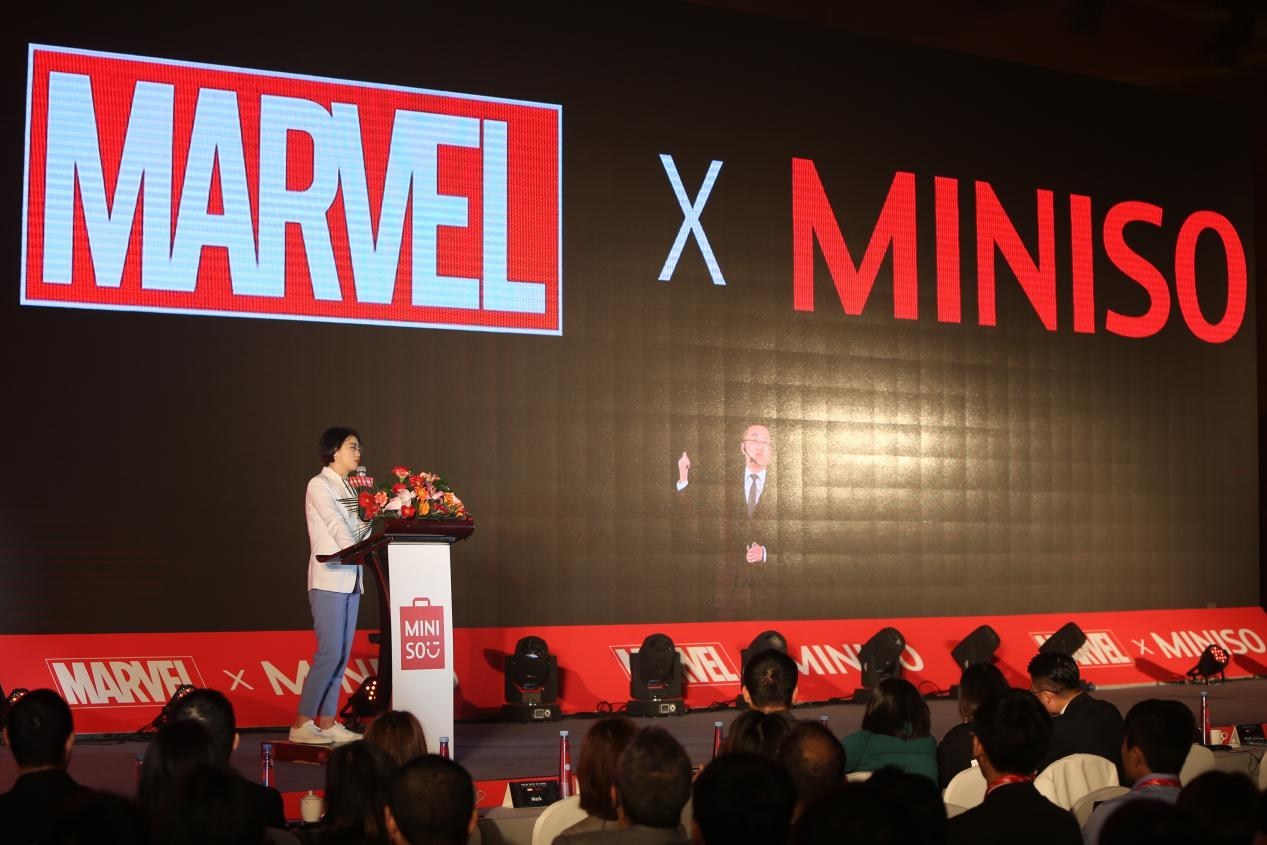
    Chinese homewares chain Miniso has launched its Marvel x Miniso collection in several stores in Australia and plans to expand the range over the coming weeks.

    The collection first landed in Miniso’s The Galeries store in Sydney on July 25, followed by openings in Chadstone Parramatta and Elizabeth Street in Melbourne in early August, with more stores to be added.

    The retailer claims to be the only official retailer and supplier of Marvel worldwide.

    “The first Marvel store in Sydney has been an instant success with customers and investors flocking to the unveiling,” a Miniso spokesperson said.

    Marvel store in Sydney has been an instant success with customers and investors flocking to the unveiling,” a Miniso spokesperson said.

    “Marvel is now the largest growing movie franchise with many more exciting movies and characters about to be unleashed onto the big screen. Miniso as a partner will be able to unveil these characters and icons in some 4000 stores worldwide.

    “We are so excited to be able to bring to Australia this amazing new store for all the Marvel and Miniso fans.”

    Australia is not the first country to get the Marvel treatment. The Marvel x Miniso collection, including Captain America, Spider-Man, and Iron Man-themed goods, has also appeared in stores across Indonesia, China, Hong Kong and Singapore.

    Miniso founder and global chief executive Ye Guofo called Marvel the world’s top IP, and said good products should serve a broader market, rather than a niche.

    “This is the reason why Miniso would cooperate with Marvel,” Ye said in a statement.

    “We will continue to follow the principle of high quality and affordable price, and bring authentic peripheral products with first-class quality and affordable price to Marvel fans around the world.”

    Ada Dou, executive vice president of Miniso’s commodity center, said the partnership would provide access to new markets for both Marvel and Miniso.

    “With this cooperation, Marvel can open up the female market, while Miniso can attract more male consumers through its series of products at the same time,” Ada said.

    According to Miniso, the brand attracted turnover of RMB 17 billion ($3.6 billion) in 2018 and has previously partnered with Hello Kitty, Adventure Time, We Bare Bears, Pink Panther, and Sesame Street.

  • Menulog grows footprint, revenue in Australia

    Menulog grows footprint, revenue in Australia

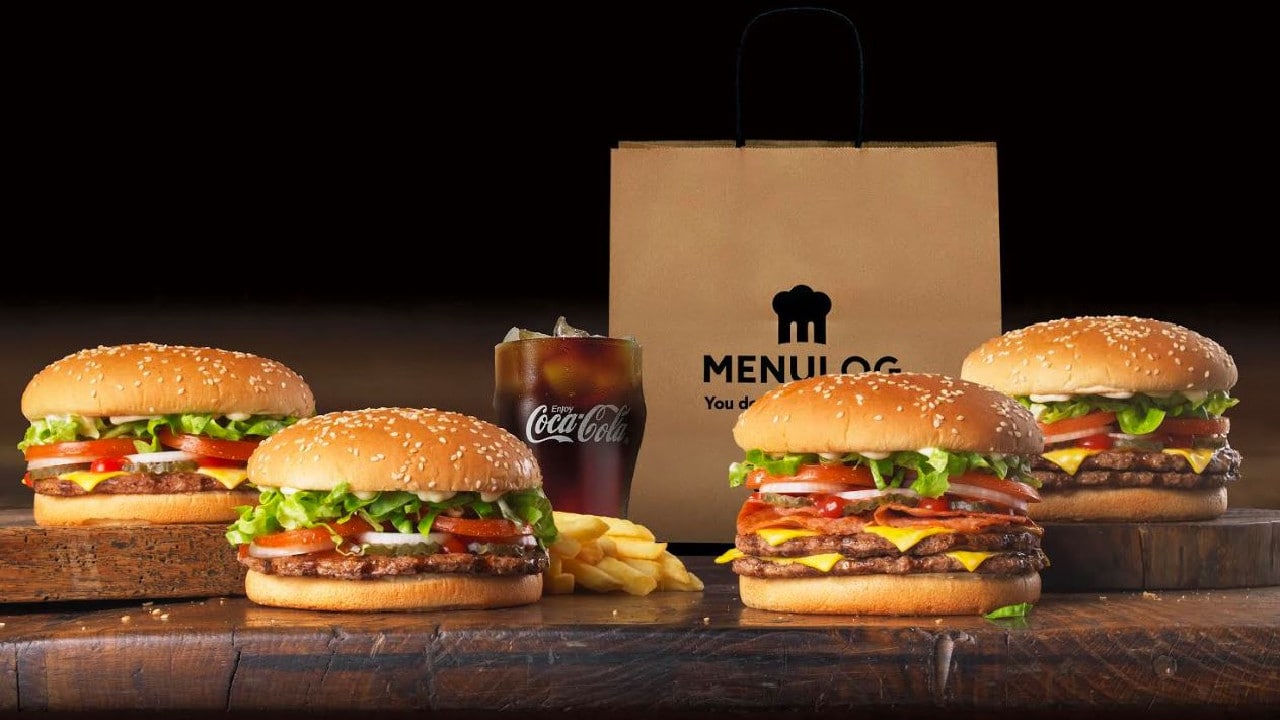
    London-based food company Just Eat posted its half-year results on Wednesday, including the latest results from its Australian subsidiary Menulog.

    The takeaway food platform, which launched its own delivery service in 2018 (previously it only catered to restaurants that could ‘self deliver’), reported a 29 percent increase in revenue on a constant currency basis in the first half to £27.3 million.

    Orders increased more than 10 percent year on year. Underlying EBITDA, however, fell into the red, with the company reporting a £2.1 million loss in the first half, compared to a £4.3 million profit in the prior corresponding period.

    According to Just Eat, this was due to the cost of rolling out of its new delivery service. It had signed up 5700 restaurants to the service by the end of June and now covers 70 percent of the addressable population in Australia.

    “We’ve been working at pace and made good progress in the first half of the year to become the preferred food delivery app for our customers, with a broader choice of restaurants, a better user experience and a more personalized and impactful approach to communication,” Just Eat interim chief executive Peter Duffy said.

    “Australia has returned to top-line growth with our delivery operations achieving gross profitability. These are strong foundations for Just Eat to build on, as the business continues to drive forward.”

    The company reported a 28 percent year on year increase in restaurant partners. It now has seven of the top nine international chains operating in Australia on its platform.

    Active customers fell by 10 percent compared to the same period of 2018 due to a smaller EatNow platform – a subsidiary brand, which is set to be retired later this year. Average order value also fell 2 percent, from £23.49 during the first half of 2018 to £23.03.

    “Effective action taken by our teams in a period of transition resulted in significantly improved performance in the first half of the year and has seen us reclaim market share,” the parent company wrote in a note to investors.

  • Google Assistant can now read texts from third-party apps

    Google Assistant can now read texts from third-party apps

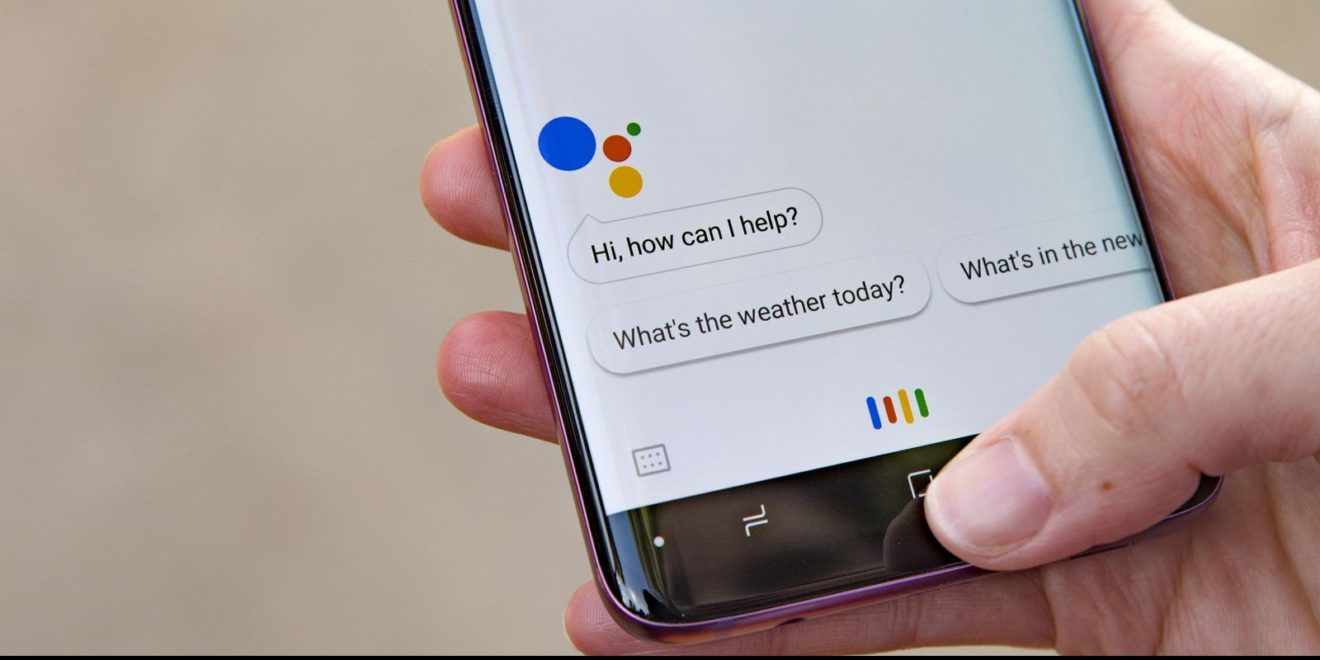
    Google Assistant is at the center of the Google ecosystem, which is why Google keeps giving it more and more things to do. It used to be that when you summoned Google Assistant and asked it to read your messages, you’d hear the content inside SMS texts that you received from Android Messages and Hangouts. But it wouldn’t read messages that you received from third-party apps like WhatsApp and Telegram.

    According to this tipster, Assistant will now read the text messages sitting in third-party messaging apps such as WhatsApp, Telegram, Slack, Discord, GroupMe and more. Not only will the virtual digital helper read these messages to you, but it will also allow you to dictate a response to these missives. To set up your phone to do this, awaken the Assistant and say “read my messages.” You’ll have to allow the Google app to have access to your notifications. Once this is done, asking the virtual helper to read your messages will show a card that pops up containing the last text message received. Assistant will read it and include the name of the sender and the app that it came from. Google Assistant will then give you the option of dictating a response or typing one out. When your response is completed, it is immediately sent out and the text marked as read.

    There is a caveat that you need to know about. A text message containing media, such as a photo, a video or audio will not be read. Instead, Google Assistant will tell you that “the message just contains an audio attachment.” Hopefully, Google plans on having Assistant read such audio attachments in the future.

    This feature is apparently just rolling out now. Unfortunately, we couldn’t get it to work on our Pixel 2 XL running Android 9 Pie. We kept receiving a message that said: “Something went wrong.” We will continue to try it again from time to time, and if there are any changes we will update this story.

  • Superdry India to launch E-commerce initiative

    Superdry India to launch E-commerce initiative

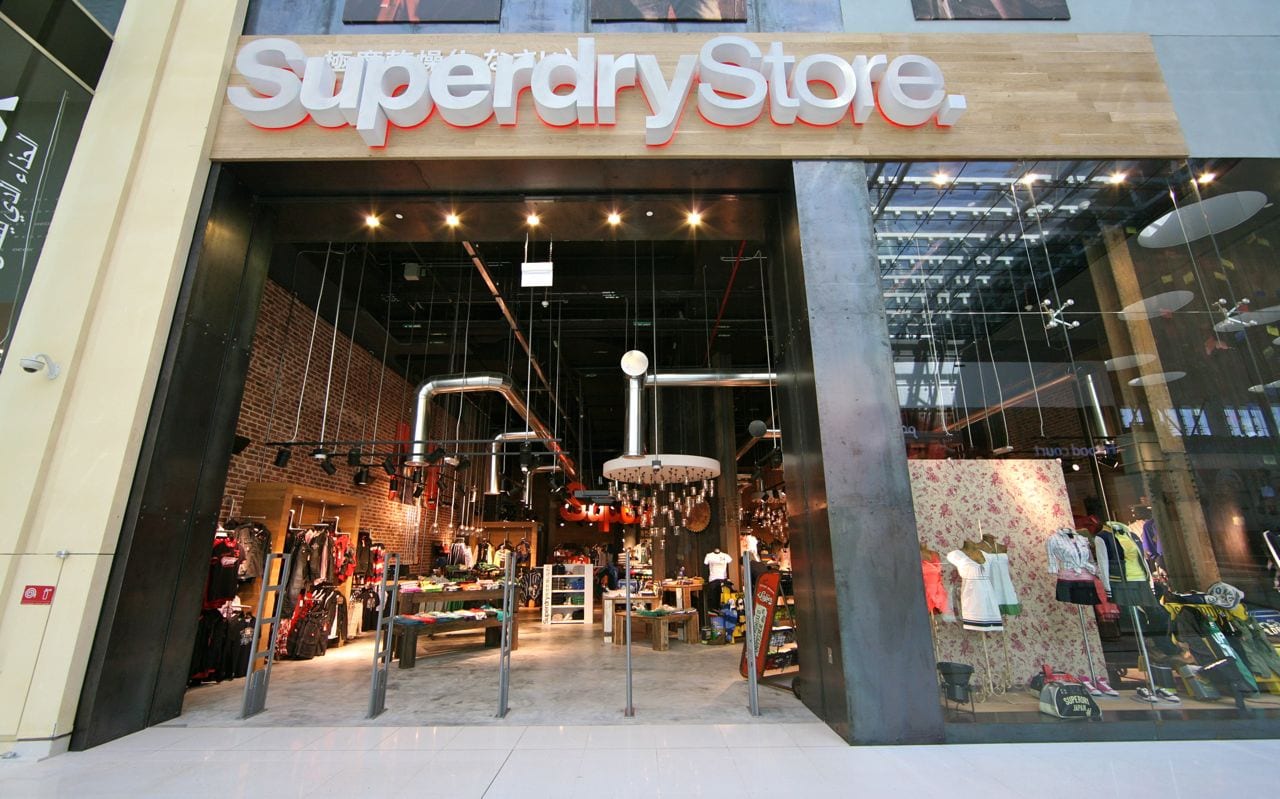
    A dedicated Superdry India website is set to launch later this month.

    The British fashion retailer already trades in the territory online via Myntra, Ajio and Amazon via a deal with Reliance Brands. The new direct-to-consumer platform, launching mid-August, serves as the next step in the firm’s expansion plans.

    Superdry India, which has recently achieved double-digit growth, expects to generate 7 to 10 per cent of its revenues through the new site within the next year as it also moves to expand its physical footprint within the country.

  • RFG director taking on operational role

    RFG director taking on operational role

    Retail Food Group director Jessica Buchanan has resigned from her position in order to transition to an operational consulting role.

    The move, announced in a statement to the ASX on Thursday, will enable Buchanan to execute some of the strategic initiatives she has helped to formulate in her capacity as a director.

    These include a strategy for the rollout of 62 new product campaigns, which are now being delivered to franchise partners by the company’s brand general managers.

    The first of these campaigns are showing significant improvements, a company spokeswoman said.

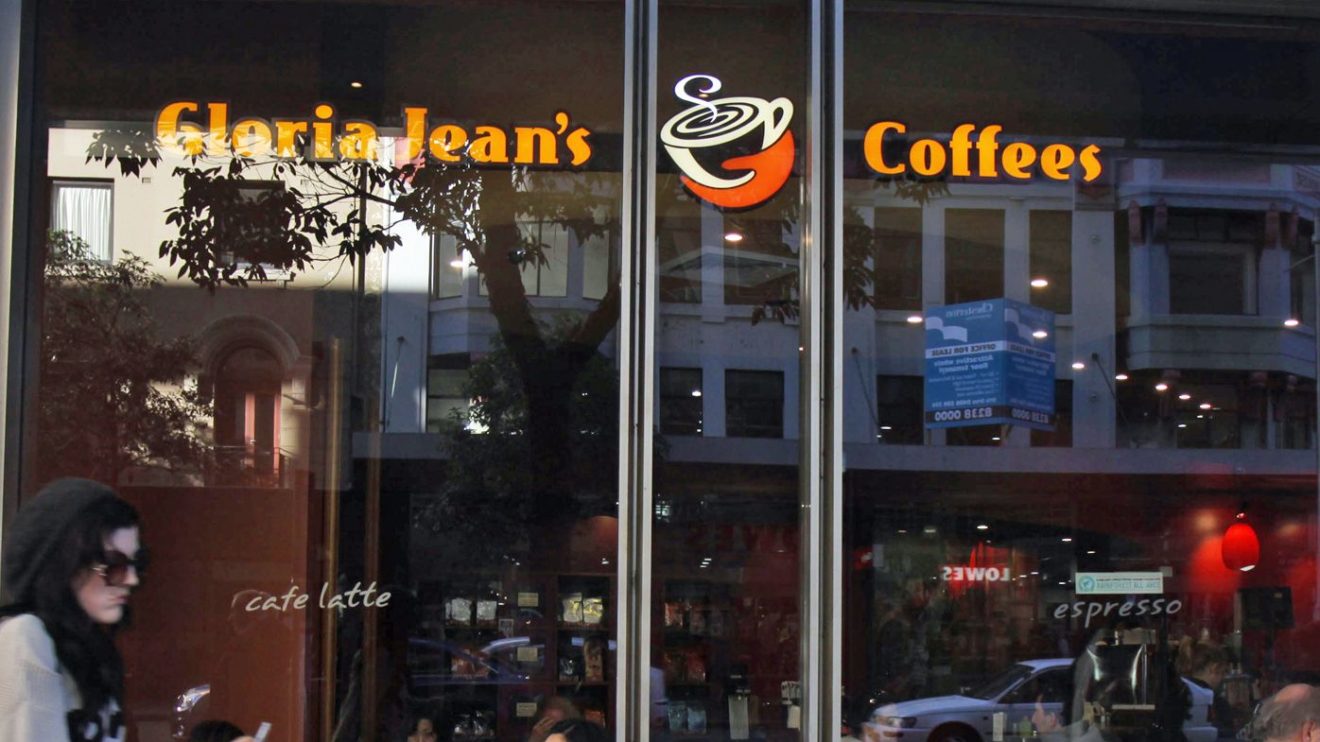
    According to RFG, the new Gloria Jean’s ‘Kit Kat Chiller’ promotion so far has lifted sales by 9 percent, and the Brumby’s ‘Gourmet Donut’ campaign has lifted sweet category sales by 8 percent.

    Buchanan, who founded consumer research agency Consumerology, which counts Autograph, Katies, Millers, and Crossroads as clients, has many years of experience in consumer product marketing and retail franchising.

    She was also a non-executive director of Banjo’s Bakery Cafes for four years from 2008 to 2012, according to LinkedIn.

    Earlier this month, The Age and The Sydney Morning Herald reported that Buchanan had sought to stock products from Naytiv, a food brand she started in 2017, in some of RFG’s franchises.

    The company ultimately decided not to move forward with the idea, according to a statement given to the publications.

    “Jessica has served on the RFG Board for eight years and as we close out the end of another financial year, she has decided the best use of her time at this point is to step into the company and commit more of her time to help drive the successful execution of these campaigns for our franchisees,” the spokeswoman said about her transition to operational consultant.

    RFG executive chairman Peter George thanked Buchanan for her contribution as a director and said he looks forward to working with her as a contributor.

    “Innovative product offerings and campaigns will be critical to the revitalization of the RFG’s franchisee network which will, in turn, underpin the operational turnaround of RFG,” he said.

    The franchisor, which owns the Gloria Jean’s, Donut King, Crust, Pizza Capers and Brumby’s Bakery businesses, has faced ongoing challenges since it got caught up in the parliamentary inquiry into the franchising sector.

    In March 2018, the company revealed plans to close more than 200 stores and posted a $306.7 million loss later in the year, after it was forced to make impairments and provisions to the tune of $402.9 million to cover store closures and restructuring and a reduction in brand value and assets.

    Over the last 12 months, RFG has renegotiated its financial covenants with lenders, gaining some breathing room while it seeks to reduce debt levels, including the potential sale of its Crust, Pizza Capers and Donut King businesses.

    The company’s stock price spiked in early July after it received a $160 million refinancing proposal subject to various conditions from Soliton Capital Partners, which it did not make public despite the ASX’s continuous disclosure rules.

    The company defended this decision, citing the fact that it has said numerous times that it is exploring various ways to reduce its debt.

  • Apple Card terms specify that iPhone holders can’t jailbreak their phone

    Apple Card terms specify that iPhone holders can’t jailbreak their phone

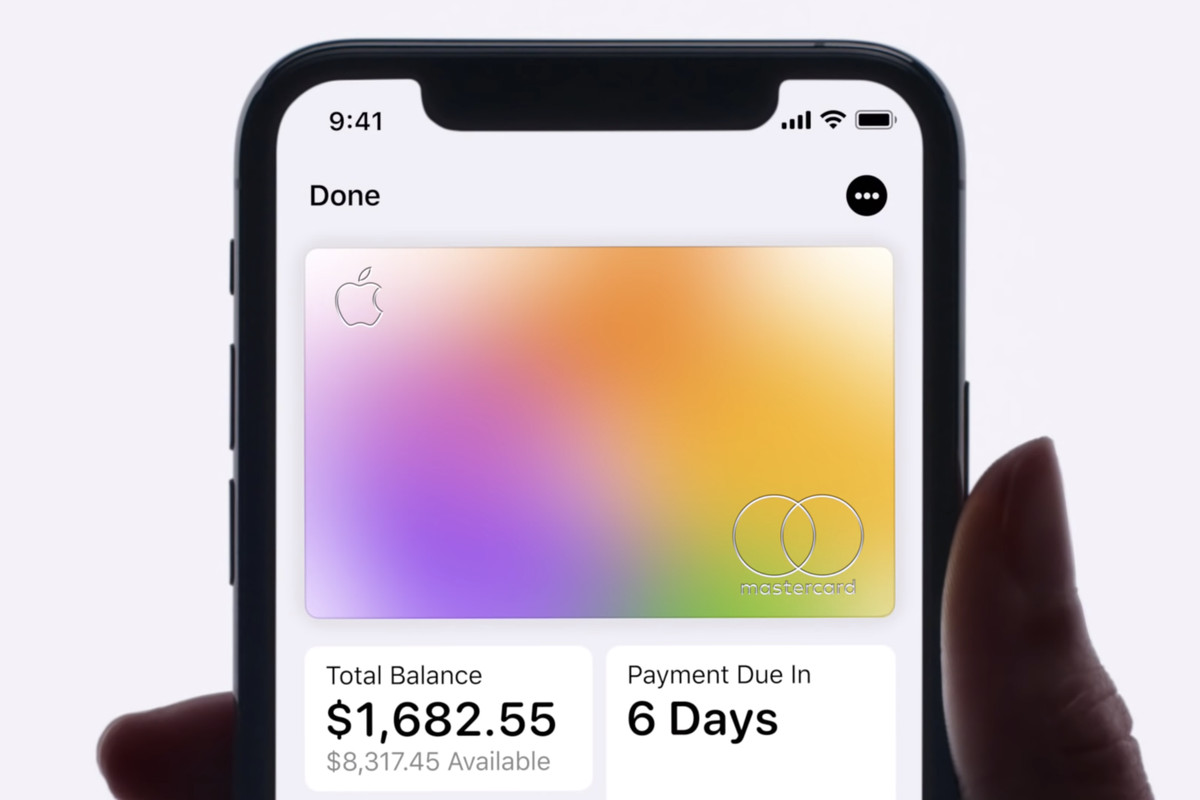
    Back in March, Apple introduced the Apple Card. The virtual card sits in the iOS Wallet app, although an actual physical card can be ordered. For privacy reasons that card will not include the account number, but will have the user’s name on the card. Apple Card users will face no fees. That’s right, say goodbye to Late fees, Annual fees, International fees, and Over-limit fees. Card users will get back 2% of the value of transactions made outside of the Apple ecosystem and 3% of those purchases made from the App Store, Apple Store, and other Apple properties. Transactions paid for with the physical card will get 1% back. These rebates will be computed daily and made available each day.

    The card is expected to launch sometime this month and investment banking firm Goldman Sachs is Apple’s partner for this project. Goldman Sachs has posted the Apple Card Customer Agreement and this reveals some interesting things. First of all, depending on the card user’s credit ratings, the annual interest on the card will range from 13.24% to 24.24%. Future changes will be based on any rate hike or cut made to the Prime Rate. This is the rate that banks charge their best customers for loans.

    To be eligible for an Apple Card, you must have an Apple ID that is associated with a valid iCloud account. There must be an active email address connected to the Apple ID, with Apple’s two-factor authentication turned on. And those iPhone users who “jailbreak” their phone to remove iOS software restrictions are at risk of having the account closed. In addition, the Apple Card cannot be used to buy casino chips, lottery tickets, and cryptocurrencies. In other words, you can’t use the Apple Card to buy Bitcoins. This is probably not devastating news for the majority of consumers looking to open an Apple Card account.

    “If you make unauthorized modifications to your Eligible Device, such as by disabling hardware or software controls (for example, through a process sometimes referred to as “jailbreaking”), your Eligible Device may no longer be eligible to access or manage your account. You acknowledge that use of a modified Eligible Device in connection with your Account is expressly prohibited, constitutes a violation of this Agreement, and could result in ours denying or limiting your access to or closing your Account as well as any other remedies available to us under this Agreement”-Apple Card user agreement.

    So if you own a jailbroken iOS device, you’re not allowed to use it to apply for the card. And if you have an iPhone that you used to obtain a card, you cannot jailbreak it. Pretty simple rules. In fact, all of the terms and conditions of the Apple Card can be found on the Goldman Sachs website.

    The Apple Card will be another business in Apple’s Services unit. After the iPhone, this segment is the second-largest in terms of revenue for the company, and it is the tech giant’s second most profitable division. Apple is aiming to hit $50 billion in annual revenue by next year for the Services group, double the $25 billion the unit grossed in 2016. For Apple’s fiscal third-quarter covering April through June, the company reported record Services revenue of $11.5 billion. The reason why this business is so important to Apple is that it is less dependent on iPhone shipments and is more dependent on the global active number of iPhones. At the beginning of this year, that number was approximately 900 million. Other businesses under the Services umbrella include the App Store, iCloud, Apple Music, Apple TV+, Apple News+, Apple Arcade (once it launches), AppleCare, Apple Pay and more.

  • Starbucks China sales and transaction volume grows

    Starbucks China sales and transaction volume grows

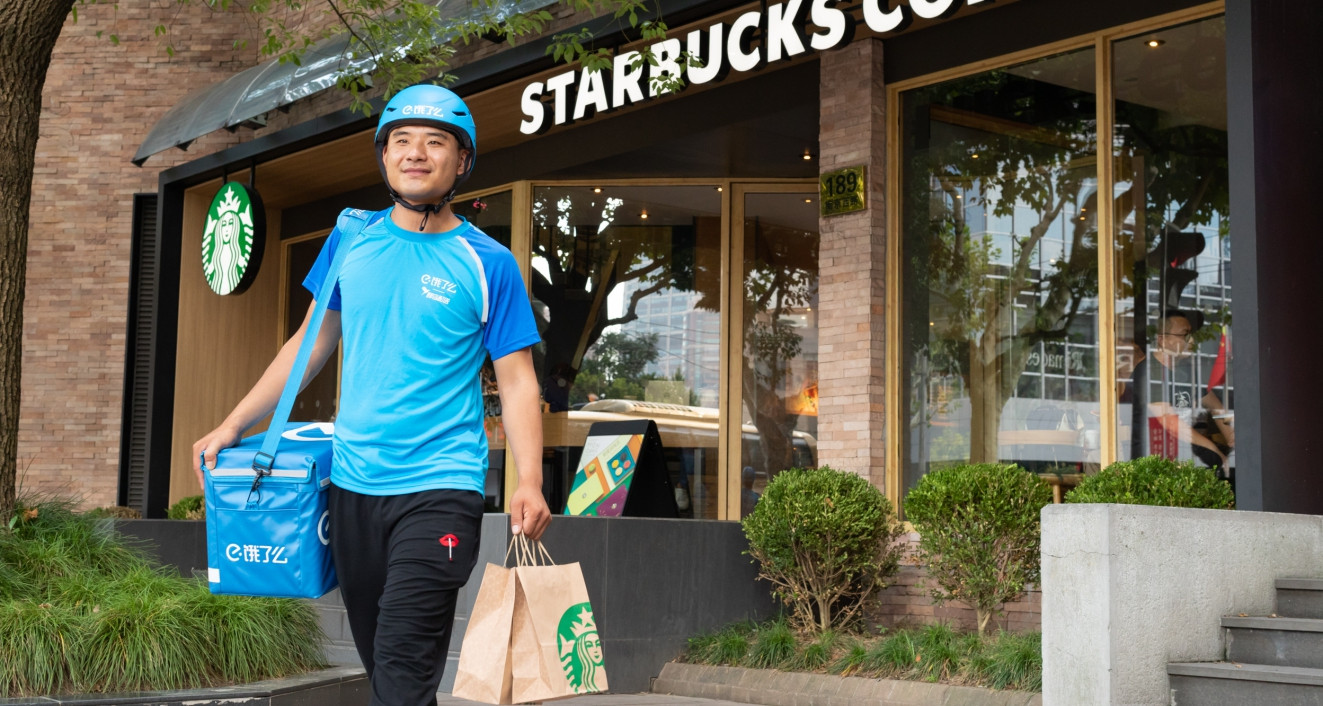
    Starbucks China sales growth out-paced the rest of Asia in the third quarter, up 6 per cent on a same-store basis and 2 per cent by transaction volume.

    But the coffee giant appears to be getting the most traction from its home market, where sales grew 7 per cent in the 13 weeks to June 30, the average ticket price was up by 4 per cent and the number of transactions rose 3 per cent.

    “Starbucks continues to be focused and disciplined in the execution of our three key strategic priorities that we established last year: accelerating growth in the US and China, expanding the global reach of the Starbucks brand through our Global Coffee Alliance with Nestle, and increasing shareholder returns,” said Kevin Johnson, president and CEO, referring to the Growth at Scale program.

    The company opened 442 net new stores in the quarter, with nearly one third of those in China and 48 per cent in other international markets outside the US. It ended the period with 30,626 stores worldwide, 7 per cent more than a year earlier.

    Johnson said Starbucks delivered strong operating performance demonstrating the success of the Growth at Scale agenda.

    “Our two targeted long-term growth markets, the US and China, performed extremely well across a number of measures as a result of our focus on enhancing the customer experience, driving new beverage innovation and accelerating the expansion of our digital customer relationships. Given the strong momentum across our business, we are raising our full-year financial outlook.

    “With our efforts to streamline the company and elevate the Starbucks brand, we are positioning the company to deliver predictable and sustainable operating results while building an enduring company that creates meaningful long-term value for Starbucks shareholders,” he concluded.

    Global comparable store sales increased 6 per cent, driven by a 3 per cent increase in average ticket and a 3 per cent increase in comparable transactions.

  • Android Messages will reportedly become the default messaging app on Samsung phones

    Android Messages will reportedly become the default messaging app on Samsung phones

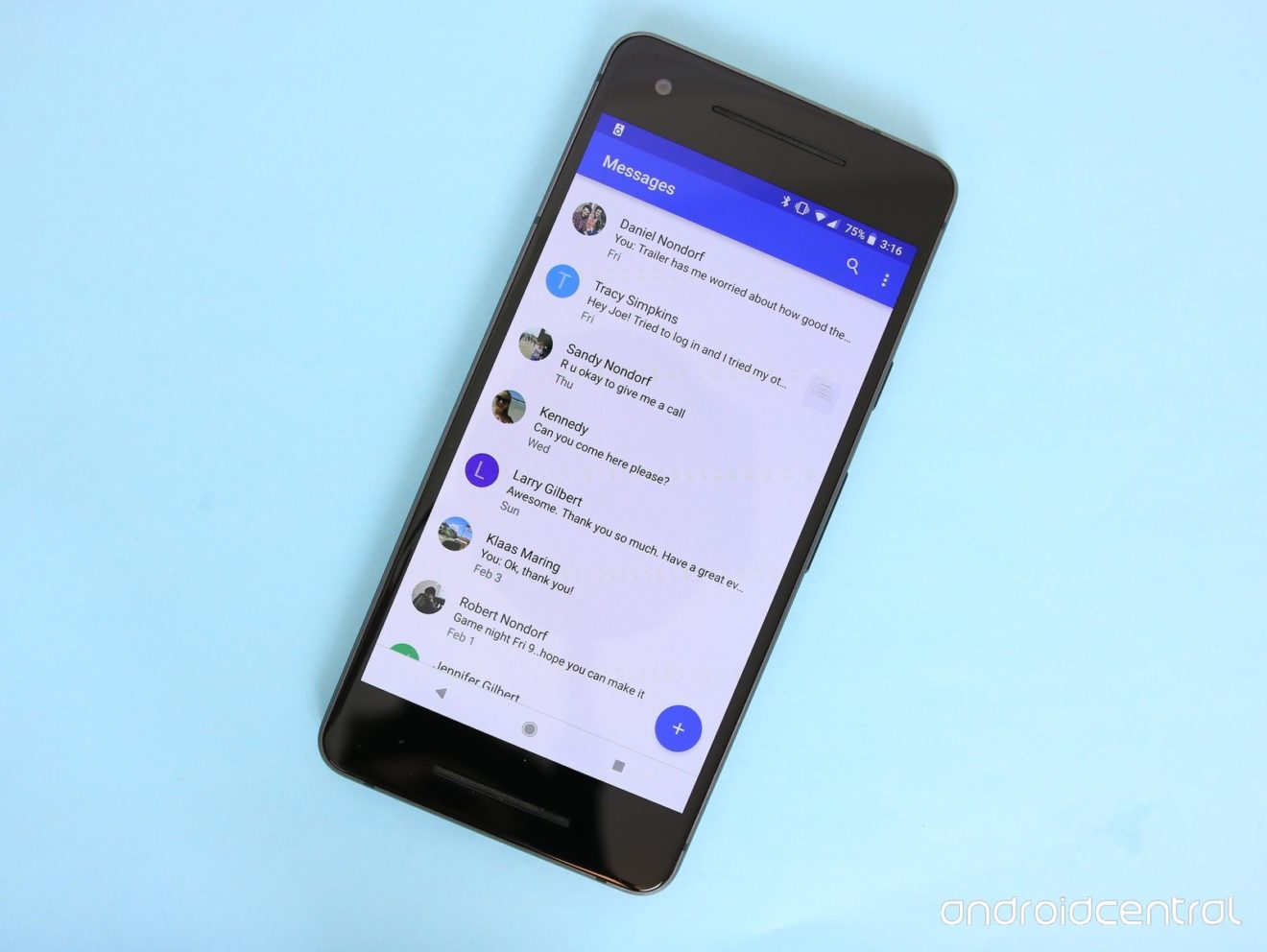
    A Reddit poster who claims to be a Samsung engineer says that the company is thinking about making Android Messages the default messaging app on its phones replacing Samsung’s own messaging app. The Redditor says that this is being done to “to reduce headaches down the road for US devices.” The headache involves creating a universal version of the Rich Communication Services (RCS) messaging platform called RCS Chat in the country. Recently, Google was able to bypass carriers in the U.K. and France in order to complete the rollout of RCS in those two countries. And while the search giant says that it will soon announce more markets where the SMS replacement will be disseminated, it isn’t clear whether the U.S. will be one of them.

    The U.S. has some complications including the fact that some carriers have their own RCS systems. This makes it a complicated task to build a universal platform in the states, according to the person claiming to be a Samsung engineer. With RCS, users will have a much larger character cap than the 160 now available with SMS apps. There also is support for group messages, “read-receipts” that let you know when the recipient has looked at the message you sent, and an alert that tells you when that person is writing a reply. While Google would like RCS to compete against Apple’s Messages app and its encrypted iMessages platform, RCS won’t totally encrypt messages.

    It seems that Google’s best bet to implement universal RCS in the states is to skirt around the carriers. Whether or not Google is considering this end-around is not clear. For those Android users in the states using their carrier’s messaging app or the one that is pre-loaded by their phone’s manufacturer, universal RCS would be a big step forward.

  • YouTube update lets users live stream directly from their Android phones

    YouTube update lets users live stream directly from their Android phones

    Google is bringing back the option to live stream gaming content directly from a smartphone, which was available since 2015 via the YouTube Gaming app. However, because the latter was killed off a few months ago, the option to live stream from a smartphone disappeared since it wasn’t included in the basic YouTube app.

    But that’s not an issue any longer, as Google has already implemented the ability to live stream a phone’s screen in YouTube 14.31.50 for Android, XDA Developers reports. The app’s support website has already been updated to reflect the new changes, so if you want to live stream directly from your phone, here is what you have to do:

    Select the capture button
    Select GO LIVE.
    At the top right of the screen, tap the phone icon to stream your phone’s screen.
    Create a title, then select a privacy setting and game title.
    Optional: select More options.

    • Add a description
    • Schedule for later
    • Tap Advanced settings for:
    • Enable or disable live chat
    • Enable or disable age restriction for your stream
    • Indicate whether your stream contains paid promotion and add a paid promotion disclosure
    • Enable or disable monetization

    Select Next to set your thumbnail and screen orientation.

    • The default thumbnail is based on the game title you chose. Customize the thumbnail by tapping the edit button on the top right of the thumbnail.
    • Select Landscape or Portrait orientation for your recording. Once you start recording, you won’t be able to change the orientation.

    Tap Next to finish setup.
    A toolbar will show up at the top of your screen, allowing you to control the stream.
    Hit GO LIVE button to start. A 3 second countdown animation will appear before your stream starts.
    “You are live” will stick for 3s before fading off screen.

    Although you’ll be able to live stream your mobile device screen directly from the YouTube app without any additional hardware, you need to be eligible for mobile live streaming (verified channel) and own a smartphone that runs Android version 6.0 or later.

  • Comcast tweaks Xfinity Mobile data plans

    Comcast tweaks Xfinity Mobile data plans

    Comcast announced earlier today a handful of changes to its Xfinity Mobile data plans. The most important is the addition of a $20 fee per month for subscribers who want to stream HD video with an unlimited data plan. The move isn’t a surprise since Comcast revealed plans to introduce such a fee last year when it capped video resolution on unlimited plans to 480p.

    To stream HD video with an unlimited plan, you’ll have to buy an HD Pass, which costs $20 month. The new pass will upgrade to HD video resolution on Unlimited lines (720p on phone and 1080p on tablets) and allow subscribers to access faster speeds when the network is congested.

    Also, the announcement contains information about new Xfinity Mobile customers who will be able to customize the new data options and features. The new “By the Gig Shared Data” plans will allow users to pay per gigabyte and select a minimum amount of cellular data each month shared across all lines on an account.

    Xfinity Mobile offers 1GB for $12, 3GB for $30, and 10GB for $60. With the addition of the “by the gig” plans, the 480p video resolution cap has been completely removed, as video will stream in HD if you choose any of the option mentioned above.

    Last but not least, Xfinity Mobile introduces a $10 per month per line pass, which offers customers unlimited calls to Mexico and Canada.