Tag: asia

  • Google removes seven spying apps from the Google Play Store

    Google removes seven spying apps from the Google Play Store

    Security firm Avast’s mobile threat researchers found seven “stalker” apps from the Google Play Store. The apps were most likely designed by a Russian developer and spied on their targets. All of the apps were subsequently removed by Google, but not before they had been installed a total of 130,000 times in aggregate. Two of the apps, Spy Tracker, and SMS Tracker, were installed over 50,000 times each.

    The apps were made to help users stalk their kids, significant others, employees and others. They tracked the target’s location, collected his/her contacts, SMS and call history. However, for these apps to work, the person doing the stalking had to have access to the target’s phone and install one of the apps on that device. The snoop then used his email address and password to have the same app sent to his own phone. Once placed on the target’s phone, the app showed the spy how to eliminate any sign that it had been installed. No icon appeared to alert the person being stalked that an app had secretly been loaded on his or her phone.

    “These apps are highly unethical and problematic for people’s privacy and shouldn’t be on the Google Play Store. They promote criminal behavior and can be abused by employers, stalkers or abusive partners to spy on their victims. We classify such apps as stalkerware, and using apklab.io we can identify such apps quickly, and collaborate with Google to get them removed.”-Nikolaos Chrysaidos, head of mobile threat intelligence and security, Avast

    The apps that were removed included:

    • Track Employees Check Work Phone Online Spy Free
    • Spy Kids Tracker
    • Phone Cell Tracker
    • Mobile Tracking
    • Spy Tracker
    • SMS Tracker
    • Employee Work Spy
  • Thai bank invests in Go-Jek to take on Grab

    Thai bank invests in Go-Jek to take on Grab

    Siam Commercial Bank has made a “significant investment” in Indonesian ride-hailing app Go-Jek.

    Go-Jek, which has an estimated valuation of around US$10 billion, will be offering financial services in partnership with the bank as well as expand its food delivery services in Thailand following the funding. It is expected to add SCB’s products in payments, digital lending and insurance to the available offerings on its app within the coming months.

    “Our products will be connected, SCB will oversee finance while Go-Jek and Get will look at digital and logistics,” said SCB president Arak Sutivong.

    Go-Jek has operated in Thailand under the brand name Get since earlier this year, where it is in competition with Singaporean ride-hailing app Grab.

    “We have more then 20 services, in Indonesia,” said Go-Jek’s head of international, Andrew Lee. “We will pick and choose the best playbook for Thailand and carefully curate that.”

  • Nexstgo to open 50 stores in India

    Nexstgo to open 50 stores in India

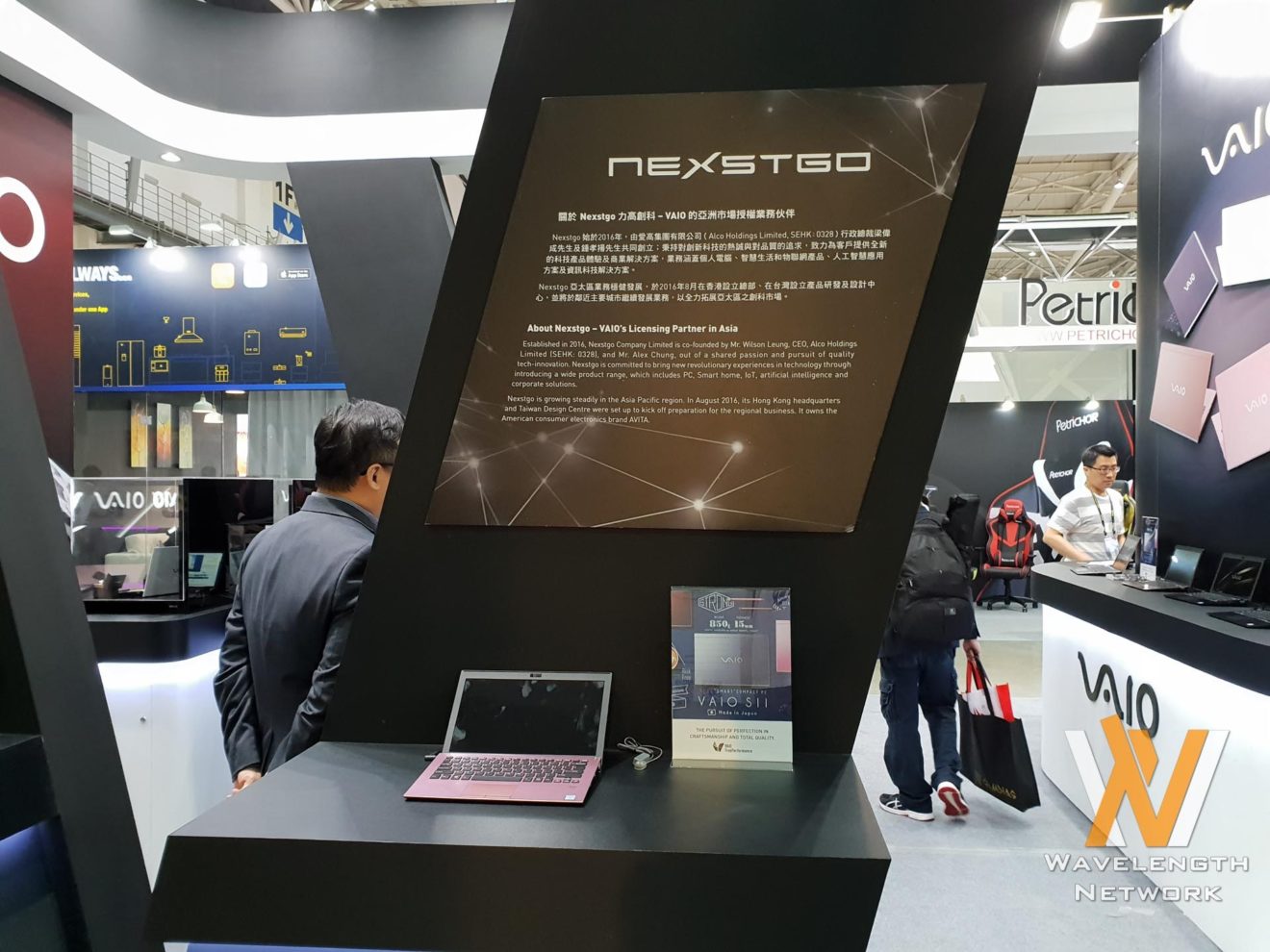
    Hong Kong electronics producer Nexstgo is launching 50 stores in India.

    The brand entered the market last year selling Avita and Nexstgo-branded computers online and through retail stores in Delhi, Ambala, Chennai and Jaipur. It is currently targeting laptop sales at one lakh (US$1450) this year.

    “We have seen a tremendous response so far and by the end of the year, we are confident of crossing the one-lakh device mark,” said Nexstgo Company CEO and co-founder Alex Chung.

    “We are also in the process of expanding our retail presence, we are looking at 50 exclusive brand stores.

    “We are looking at adding two new products to our portfolio by Diwali this year across the country… We aim to have an omni-channel presence to maximise our visibility with an equal focus on offline and online sales,” he added.

    Nexstgo also plans to expand into the Middle East and Europe by the end of this year. It currently operates in nearly a dozen countries around the Asia region.

  • Microsoft London’s flagship store opens

    Microsoft London’s flagship store opens

    The new Microsoft London flagship store has opened, a stone’s throw from archrival Apple’s local store.

    Among those welcoming the public on the 22,000sqft store’s launch day was the US tech company’s UK CEO Cindy Rose, who said the store was a “symbol of Microsoft’s enduring commitment to the UK”, which allows people to “experience the best the company has to offer.”

    “Thank you for helping us make history today,” she announced.

    The spacious three-storey Microsoft London venue features plenty of wood and glass surfaces prominently showcasing a large video wall and the brand’s most advanced devices. It houses a dedicated gaming room and technical support area, as well as a selfie area and a design lab where visitors can create their own personalised covers for Surface devices.

    The store’s second floor enterprise area is a place to support, train and grow businesses using the Microsoft 365 software suite as well as to assist in solving business challenges such as AI, data security, collaboration and workplace efficiencies. It also contains an area for hosting events, as well as meeting rooms and a showcase space for demonstrating how customers – including Carlsberg and Toyota – are digitally transforming

    “There are very few locations in the world that feature all the different parts that make up what Microsoft is,” said chief marketing officer Chris Capossela. “The early adoption of technology in the UK has been very impressive. That’s important when the company is thinking about what investments to make and where to make them. This flagship would not be in London if we didn’t have a very strong commercial business in this country. We thought very deeply about this.”

    One customer at the Microsoft London launch, James from Reading, said: “I want to see what they can offer businesses. The outside of the store looks incredible; it’s a masterpiece of architecture.”

  • MPH Bookstore may quit Singapore

    MPH Bookstore may quit Singapore

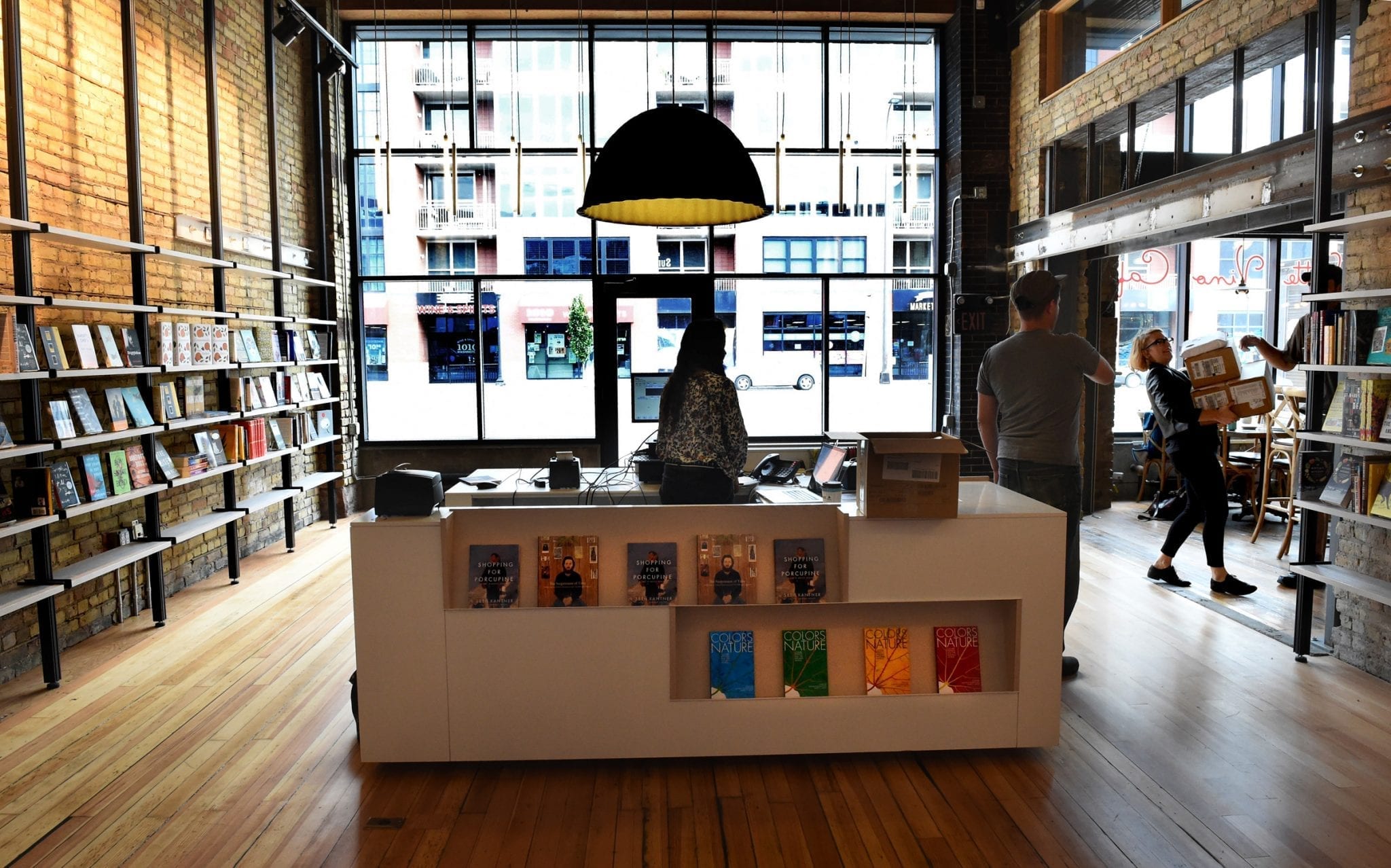
    Malaysia’s MPH Bookstore may exit Singapore, closing its last outlet by September.

    The chain announced its plan to close Raffles City and Parkway Parade outlets on July 28 and September 1 respectively. But the company signalled it is open to replacing the two outlets with a single store if it can find the right location at the right rent.

    MPH is closing the stores due to high rental costs and intense competition from online booksellers.

    As a result, the chain has plans to “restructure and streamline its resources for new business plans”.

    “Most of these online retailers give between 15- and 25-per-cent discount. Another unfair advantage is they don’t have to charge GST,” MPH Bookstores area manager Ismail Osman said in April.

    He also revealed that sales at MPH had declined by 40 per cent over the last 10 years.

    MPH Singapore’s first flagship on Stamford Road closed in 2003, after nearly 100 years, due to declining sales.

    MPH’s closure news came one month after other bookstore chains such as Popular and Japan’s Books Kinokuniya also closed their outlets after more than 30 years trading.

  • Firs Innisfreet Canada store opens in Toronto

    Firs Innisfreet Canada store opens in Toronto

    Innisfree Canada has chosen Toronto for its first standalone store.

    The South Korean natural cosmetics brand’s new store will cover around 2500sqft of Toronto’s Yorkdale Shopping Centre according to designs. It will use a direct-to-consumer retail model designed to meet a competitive marketplace.

    The “plant-to-bottle” brand, operated by Seoul’s Amorepacific Corporation, partnered with CBRE to enter Canada, with initial targets being major mall space in Toronto and Vancouver. Amorepacific currently owns 33 health, beauty and personal brands.

    Innisfree Canada is not alone in targeting the North American nation, with US company Ulta Beauty and French chain Sephora among prominent names in the beauty products industry recently moving in.

    Over the past five years, more than 150 international brands have opened stores in Canada, more than 50 in 2017. Last year more than 30 brands brought a direct-to-consumer retail model to Canada.

  • Australia’s Oporto to open 24 stores in Vietnam

    Australia’s Oporto to open 24 stores in Vietnam

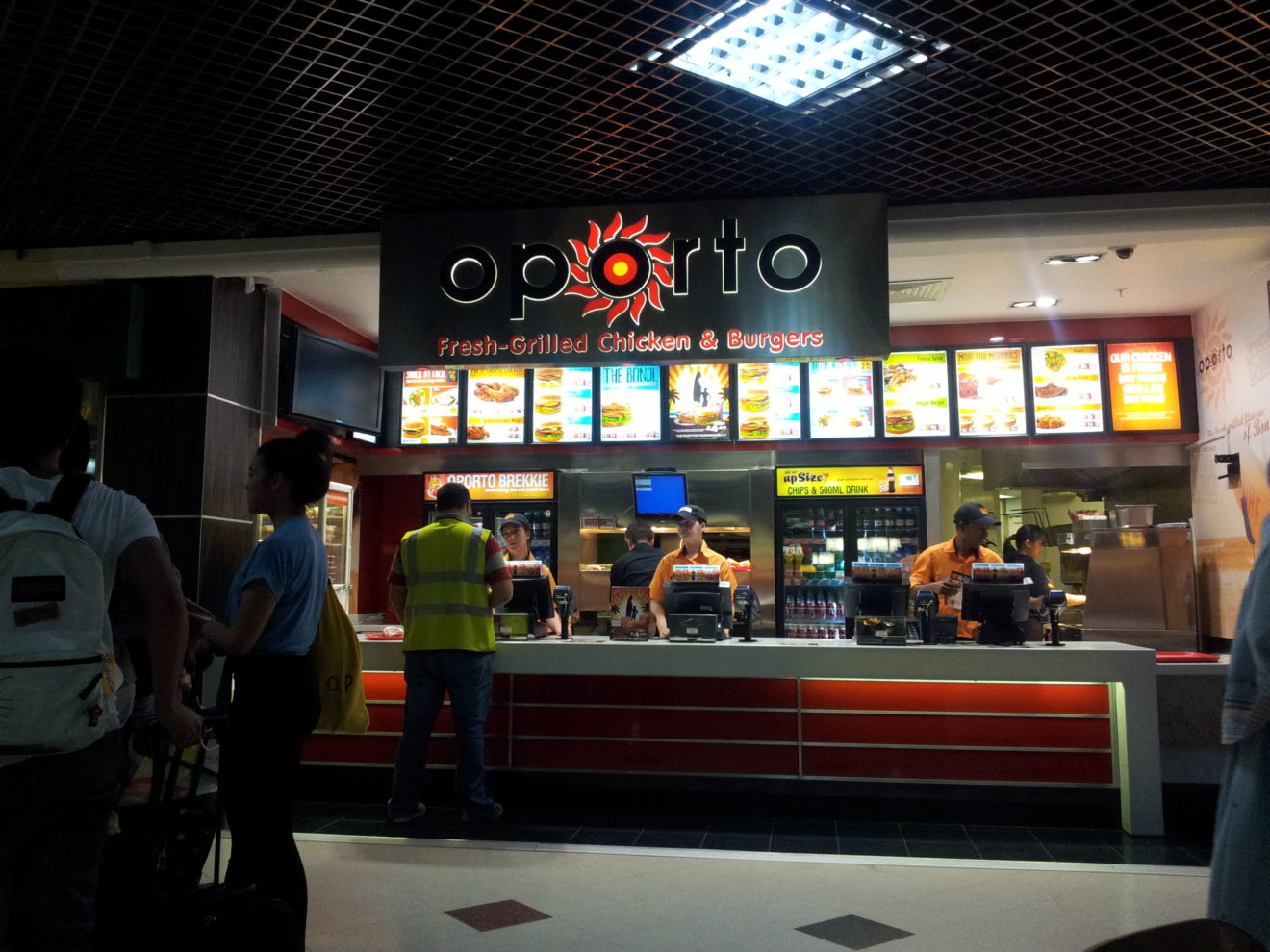
    Restaurant chain Oporto has launched in Vietnam under local franchisee Ben Thanh Group, with plans to open 24 restaurants across the territory in the next 10 years.

    The brand’s CEO Craig Tozer indicated the Vietnamese expansion provides a further gateway to a new market of potential consumers.

    “Vietnam is an ideal market for Oporto with nearly 100 million people and more than 60 per cent in our core demographic of under 35,” said Tozer. “Vietnam is experiencing double-digit growth in the retail and consumer sector and GDP has steadily grown at over 6 per cent. Consumers are urbanising and have an appreciation of quality food.”

    The announcement solidifies Oporto’s international growth strategy and follows a string of global signings. Three international master agreements have been secured in the last 14 months, with Oporto Vietnam following Singapore and Sri Lanka.

    Back home, Oporto is also forecasting an additional 20 plus restaurant openings in Australia for FY20, along with one in Vietnam, a second store in Singapore and further Asian expansion.

  • Luckin Coffee to launch tea brand Xiaolu

    Luckin Coffee to launch tea brand Xiaolu

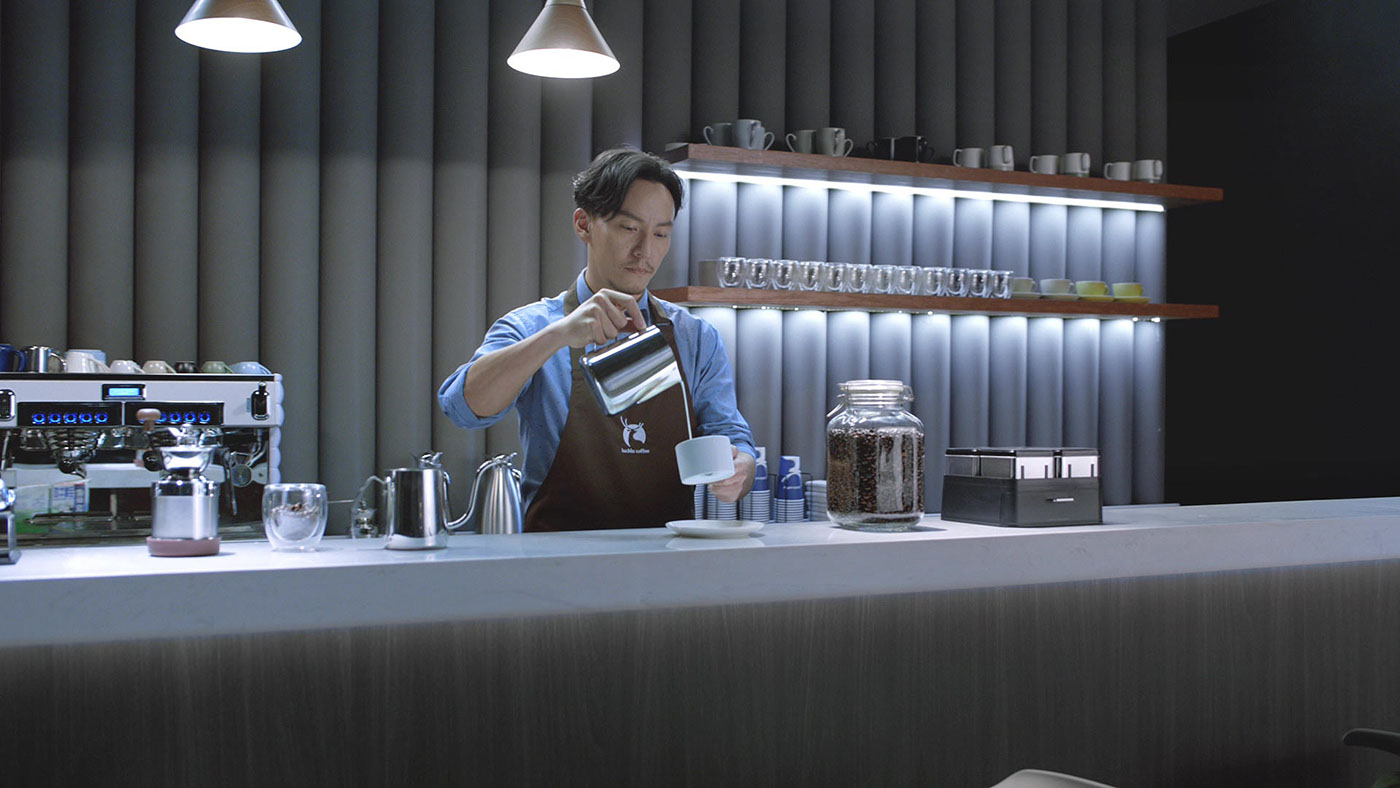
    Luckin Coffee, the Chinese cafe startup that has directly taken on Starbucks in the territory, is moving into the takeaway tea market with its new Xiaolu brand.

    “Coffee and tea are the two most popular drinks in the office,” said Luckin VP Jinyi Guo. “However, there are currently few renowned brands of milk tea in China, the quality of franchise stores is inferior, and supply chain management is deficient.”

    The new brand, launched this week, is targeting young Chinese white-collar workers and offers cheese foam tea, fresh tea and milk tea, among others.

    “We want to transform the tea series from traditional tea drinks into creative ones and we hope people drink it in the offices instead of streets,” said the brand’s chief marketing officer Fei Yang.

    Luckin completed its New York IPO this May, raising US$561 million.

  • Superdry spins into loss as new management tries to restore sales

    Superdry spins into loss as new management tries to restore sales

    Struggling lifestyle-fashion label Superdry has reported a loss of £85.4 million for the year to March, a sharp turnaround in fortune after the £65.3 million profit of the prior year.

    The results were heralded by the company in a series of profit warnings and follow turmoil on the company’s board. Founder Julian Dunkerton has retaken the reins of the business and a raft of directors and senior management have left.

    James Yacoub, a retail analyst at GlobalData, says the disappointing results have been spurred on by a poor performance in the second half “which Superdry has put down to the unimaginative excuse of a ‘difficult retail climate’”.

    “Of course this may have been convincing had competitors experienced similar misfortunes, however this has not been the case for those innovating and who are in tune with customers, with online pureplay Boohoo achieving exponential revenue growth of 47.8 per cent while sports and athleisure retailer JD Sports achieved 49.2 per cent revenue growth over the same financial period,” said Yacoub.

    “Superdry is suffering from deep-rooted issues relating to its inability to remain relevant and ultimately differentiate itself from more nimble, innovative and the latest lifestyle brands.”

    Although Dunkerton’s return to Superdry will not have an immediate impact on performance, Yacoub says one would hope to see an improvement in results in 12 to 18 months when his influence on product, channels and brand has had a chance to filter through.

    Incoming chairman Peter Williams described the Superdry results as “clearly very disappointing”.

    “However, everything I have learnt since joining the business in April has reinforced my view that Superdry is a powerful brand with great people across the organisation.

    “While we have been clear it is going to take time, I remain convinced that continuing to work closely with Julian and the leadership team, we are building the right plan to deliver long-term sustainable growth for shareholders,” Williams said.

    However Yacoub says that while Dunkerton has announced plans to ‘bring back design excellence’, reset store profitability and to build a cohesive team to stabilise the business, these plans are rather vague and have not instilled any real confidence in investors, as Superdry’s share price continues to tumble.

    “It is imperative, however, that investors provide Dunkerton with sufficient time to implement his transformation plan, though more detail on product range development and margin control would help alleviate some concerns.”

    Yacoub says Superdry must find a way to breathe new life into its brand, it must define and capture its target audience through effective social-media campaigns and ensure that it is resistant to changes in fashion and seasonal trends.

    “Ultimately Dunkerton must futureproof the business by expanding its design range to appeal to a wider target segment and also innovate to maintain customer loyalty and increase engagement.”

  • Belgian fashion chain Jean Paul Knott to enter China

    Belgian fashion chain Jean Paul Knott to enter China

    Belgian designer brand Jean Paul Knott will open its first Chinese flagship in Beijing next month.

    The designer behind the eponymous label, which emphasises high-quality fabric and minimalist design, revealed the plans at a recent conference marking the brand’s 2019 Autumn/Winter collection, inspired by the classic French 1960s romantic film A Man and a Woman, and featuring a natural and smooth linear beauty of cuts and edits.

    In a dialogue with local fashion writer and translator Gu Chenxi, Knott revealed that he has refocused on the “design of the clothing itself” in an attempt to introduce a “new sincerity to the Chinese market”.

    At the conference, Knott introduced a creative artistic and visual immersive experience designed around brand’s signature blue element, representing “the infinite possibilities of Jean Paul Knott in China”, and featuring stills and clips from A Man and a Woman.

    Knott studied fashion design in New York and worked in Paris with legendary designer Yves Saint Laurent.

  • Indonesia’s Wake Cup Coffee & Eatery makes Indian debut

    Indonesia’s Wake Cup Coffee & Eatery makes Indian debut

    Indonesian coffee chain Wake Cup Coffee & Eatery has launched in Mumbai.

    The franchise opens in India in partnership with local franchisee Gobble Me Good, its first international location after opening 13 outlets back home.

    The firm is the newest player in India, the world’s 10th fastest-growing coffee market currently valued at ₹2570 crore (US$374 million), according to a recent Euromonitor International report that estimated industry growth at 6.9 per cent a year by 2023.

    “Consumers frequenting cafes in India are primarily 18-35 years old, which comprises the country’s primary working force with higher disposable income and fast-paced lives,” said the

    Large food companies such as local giant ITC are also making moves in coffee retail to compete with the likes of Nestle and Unilever.

  • Don Quijote Hong Kong opens first store

    Don Quijote Hong Kong opens first store

    Don Quijote Hong Kong has opened its first store, in Mira Mall at Tsim Sha Tsui.

    The Japanese bargain retailer will sell a full range of discount merchandise as in Japan, as well as ready-to-eat meals and Japanese specialty products.

    Regional operator Pan Pacific International Holdings, which has three stores in Singapore and also plans to make its Thai debut in Bangkok this year, has leased a 15,000sqft space at the mall. The store is the sixth in its regional network, which also trade under the Don Don Donki brand. It has operated in Singapore since 2017, and has close to 40 stores in the US.

    The company is hoping to target Mainland Chinese tourists with its distinctively Japanese product range.

    “Don Quijote’s Tsim Sha Tsui location can attract mainland tourists who travel via the high-speed rail and mega bridge,” said senior director and head of retail services at Knight Frank Helen Mak. “Instead of shopping for luxury items, these same-day visitors usually spend money on cosmetics, health care items and food, products that are most celebrated at [Don Quijote].”

    Besides its general merchandise and fresh food offer, the Don Quijote Hong Kong store features a cafe.

  • TerryWhite Chemmart appoints new CEO as Anthony White steps down

    TerryWhite Chemmart appoints new CEO as Anthony White steps down

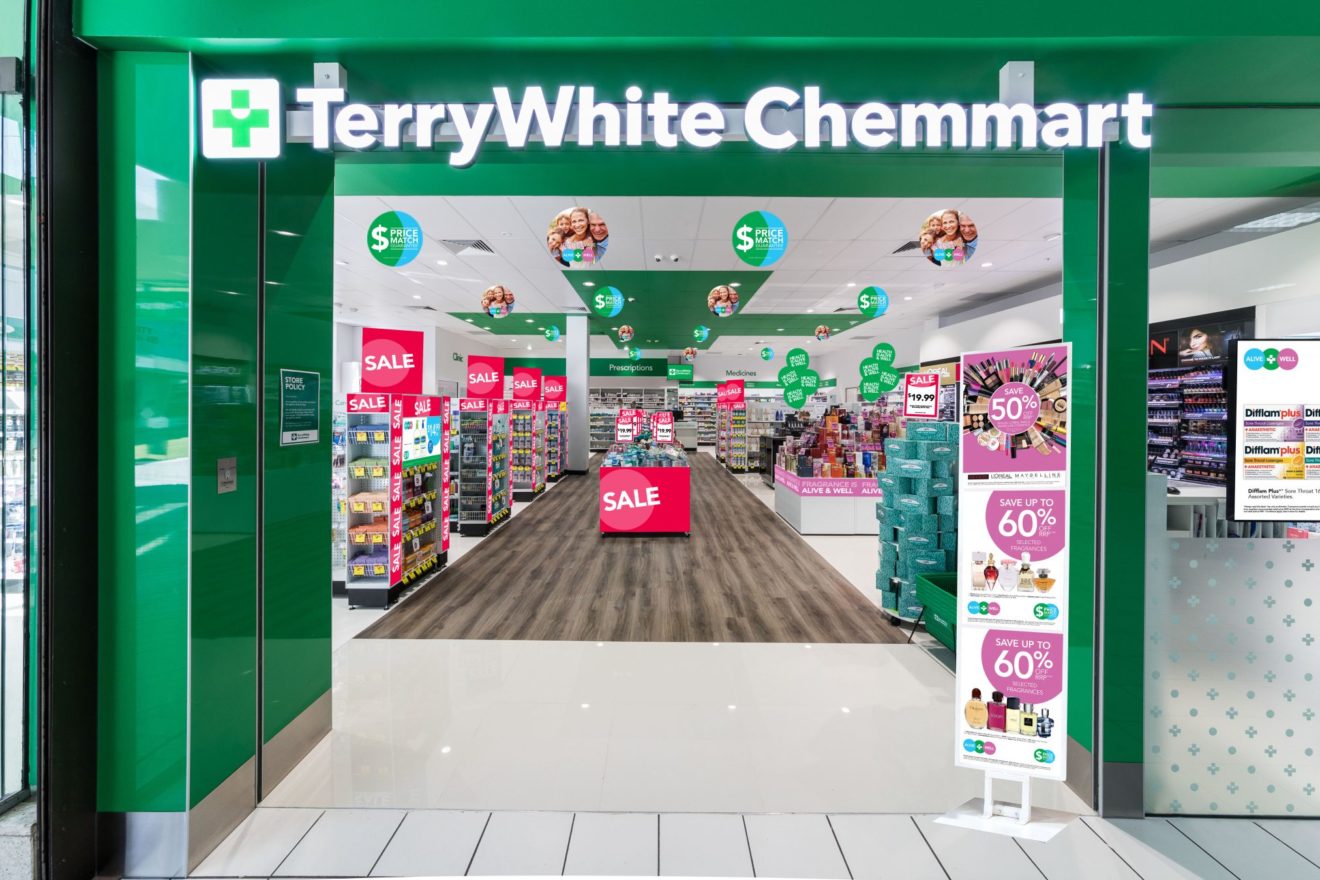
    TerryWhite Chemmart (TWC) announced Duncan Phillips as the new chief executive of the pharmacy retailer on Tuesday, following Anthony White’s decision to step down after 11 years at the helm.

    White said in a statement on Tuesday that it has been “an absolute privilege” to lead the company but that the time is right for fresh leadership. He will remain with the business, moving into the role of executive director of pharmacy network development, which includes more than 450 pharmacies across Australia.

    “I’m very fortunate to have worked with so many talented pharmacy owners and the dedicated team at the support centre over the years,” White said.

    “It’s been an absolute privilege and I look forward to supporting the further
    development of the network in my new role. In particular, it’s been great working closely with Duncan on a wide range of initiatives to grow the Group substantially over this period and I wish him every success in the future.”

    White ic credited for leading TWC through a dramatic period of change and growth including the network rebrand and sale to EBOS Group.

    White’s successor Duncan Phillips, who takes up the role effective immediately, has up to now held the chief operating officer role at TWC.

    The retailer said in a statement that Phillips brings both domestic and international experience as well as strong industry contacts.

    The company said its core focus now is building further value for network partners.

    Chief executive of EBOS Group John Cullity paid tribute to White on Tuesday.

    “Anthony has decided after 11 exciting and demanding years as CEO for TWC that it’s time for a change. He has worked tirelessly in his tenure as CEO and leaves the TWC network in great shape and on the cusp of further growth” Cullity said.

    Ebos Group took full ownership of Terry White Group in December 2018.

  • Kia Seltos SUV Pre-Bookings To Start

    Kia Seltos SUV Pre-Bookings To Start

    Kia Motor India has revealed that pre-bookings for the Seltos SUV will start from July 16, 2019. The bookings will start online as also across its 206 sales points in India. The company has started its innings in India with 265 touchpoints across 160 cities, thus enabling customers from across the country to gain access to its product. The pre-bookings for the Kia Seltos SUV will be made for a token amount of ₹ 25,000. The Seltos will be launched in two trims GT Line and Tech Line and there will be five variants on offer.

    Manohar Bhat, Vice President and Head – Sales and Marketing, Kia Motors India said, “The Kia Seltos has been built from ground-up, keeping Indian customers in mind and is equipped to redefine the segment. I am proud of the hard-work and dedication put in by all our team in the development of the Seltos, and that has paid off in the way the car has come about to be. We are confident that the customers will be equally delighted by the specifications combination and our wide-spread network of 265 touchpoints in 160 cities that will instill confidence and recognition of the brand. We can’t wait for India to experience the stylish Seltos.”

    Under the hood, the Kia Seltos will get the third generation Smartstream engine that will come in three iterations: 1.5-litre petrol, 1.5-litre diesel and the 1.4-litre turbo petrol. There will also be three 3 automatic transmission options alongside the 6-speed manual transmission options – 7DCT, IVT, and 6 AT . The vehicle also sports 3 traction modes – Mud, Snow/Wet and Sand, for a greater grip and control on all surfaces.

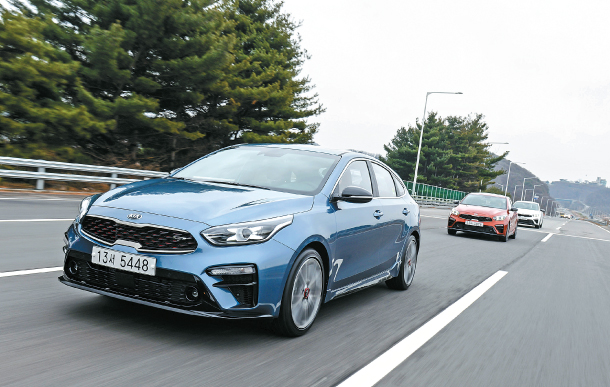
    Visually, the Kia Seltos gets the brand’s signature Tiger Nose grille with chrome surrounds, flanked by inverted L-shaped LED headlamps with LED daytime running lights. The SUV also gets a muscular bumper with another set of LED DRLs with chrome bezels, a wide central airdam, and silver skid plate. The top-end model will also get a set of new diamond cut alloy wheels, with the shark-fin antenna and silver roof rails. The rear features a pair of sharp-looking LED taillamps and a beefy rear bumper with brushed silver styling element and a large diffuser.

    There are a host of segment first features that have been included in the Kia Seltos and yes, the list is an exhaustive one. We already told you about the trim levels, it also gets a first in segment 10.25-inch touchscreen infotainment system with navigation. Adding to the premiumness, is an 8-speaker sound system by Bose. Kia has also provided an air purifier which has been placed between the front two seats and provides for an AC vent for rear seat passengers.

    In terms of features, the Seltos will also come with connected technology, which Kia calls UVO, which can be controlled a segment-first 10.25-inch touchscreen infotainment system. The SUV also comes with an 8-speaker sound system by Bose, a 360-degree surround camera, and a 7-inch colour TFT unit for the instrument console. With UVO, you can use your phone to operate the car’s ignition, AC controls and more. UVO can also be accessed via a dedicated button on the IRVM, which also has dedicated roadside assistance and SOS buttons that alert the dedicated call centre- in case of an emergency. Safety features include 6 airbags, ABS with EBD, ESC, HAC, VSM and is built using advanced high strength steel (AHSS).

  • Precision marketing set to surge in Apac

    Precision marketing set to surge in Apac

    Asia Pacific is poised for growth in data-driven marketing (“precision marketing”) given the increasing base of 2 billion online users and expected rise of advertising budgets in the next five to 10 years.

    The conclusions arise from the latest report by research company Nielsen, A Digital Giant Awakens, which surveyed marketing leaders across Asia-Pacific markets on their next-level strategy and implementation road-map, revealing investments in precision marketing are likely to increase in the next year from 14 per cent of marketing budgets to about one-fifth of spends (19 per cent) going beyond social, search and mobile toward newer applications.

    In the next six months the top three platforms where advertisers across the Asia Pacific region will be allocating their marketing spends are Facebook/Instagram (60 per cent), Google/Youtube (43 per cent) and mobile (42 per cent). Meanwhile, investments in advanced applications are increasingly gaining pace, particularly for data-science/modelling (36 per cent), high-quality third party data (32 per cent) and analytics to measure ROI (28 per cent).

    The survey, conducted across top leading advertisers in the region, found precision marketing is enabling advertisers to understand consumers’ purchase journeys, personalised communications and consumer profiling.

    Key factors accelerating the progress of precision marketing include better quality and reliability of data, clear demonstration of ROI for advertisers and further education to stay ahead in the game.

    “With advancements in technology and popularity of digital media there is tremendous headroom for growth in precision marketing across Asia Pacific,” said Nielsen’s MD media North Asia Ranjeet Laungani. “Precision marketing is capable of driving marketing applications out of predictive analytics and forecasting results and it is strongly recommended for advertisers to consider in their repertoire of new-age tools.”

    The report spotlights Data Management Platforms (DMPs) as pivotal technology enablers for advertisers to successfully implement precision marketing in their overall strategy. Such platforms manage and unify multiple streams of disparate consumer data and assist in consumer profiling and targeted messaging, thereby limiting spends on media waste.

    The challenge for advertisers remains to show quick wins during early stages of DMP engagement.

    Data science and analytic prowess are top attribute advertisers in Asia Pacific look for while evaluating a data management platform.

    “Currently the space is under-invested, however, broadening expert ecosystems, presence of higher quality datasets, and presenting more success stories will drive up confidence and adoption in the industry,” added Laungani.

    “The void in awareness and education can be filled by agencies, media owners and advertisers by maintaining an eye on the long-term and short-term potential of precision marketing.”