Tag: asia

  • Triumph Mumbai Dealer Demo Bikes On Sale With Hefty Discounts

    Triumph Mumbai Dealer Demo Bikes On Sale With Hefty Discounts

    Triumph Motorcycle India’s Mumbai dealer is offering its demo bike line-up to potential customers at heavy discounts. The bikes range from the Triumph Bonneville T100, Street Twin, Street Triple, Tiger XCx, and more. The catch though is the manufacturing year for these bikes that were produced in 2017 or 2018, and have a few kilometres on the odometer. The Mumbai dealer is the latest of the Triumph outlets to retail its demo bikes. The Delhi and Jaipur showrooms announced similar discounts on their demo motorcycles few weeks ago. In addition, the Pune dealership has a few demo motorcycles on sale including the Speedmaster, Bonneville T120 and the Street Twin from MY2018.

    The Mumbai dealership is selling the 2018 Triumph Tiger XCX for ₹ 12.5 lakh, while the Tiger XRx is priced at ₹ 12 lakh. Both the bikes have clocked 11,500 km and 7500 km respectively on the odometer.  The 2018 Bonneville T120 has 2266 km on the odometer and is being sold at an on-road price of ₹ 9.5 lakhs. The Triumph Bonneville Speed Master with 2800 km has been priced at ₹ 10.50 lakh, while the 2018 Street Twin with 1401 km can be yours for ₹ 8.4 lakh. The 2017 Triumph Bonneville T100 is being sold at price of ₹ 7.5 lakh.

    There’s a completely new 2018 Triumph Street Scrambler as well with 0 km on the odometer available for ₹ 10.5 lakh. Lastly, the 2018 Street Triple RS is available for ₹ 11.25 lakh, while the Street Triple S with 2540 km can be yours for ₹ 8.5 lakh (all prices, on-road Mumbai). There are limited units of these motorcycles on sale with one or two examples of each at best. The discounts range anything between ₹ 1.5 to ₹ 4 lakh depending on the model, and makes for a good bargain.

    The pricing, dealerships say, has been depreciated taking into account the usage and the present condition. The demo bikes though are unregistered and customers will be the first owners of the motorcycles on paper. The motorcycles also get the two-year standard Triumph warranty as standard that covers unlimited kilometres, which can be extended to an additional two years. The warranty is applicable at all of the brand’s global dealerships and is transferrable as well.

    That said, the condition of the bikes including cosmetic and mechanical damage and the subsequent repairs, if need be, still remain a concern. Demo bikes are usually ridden by prospective customers and can be subjected to use and abuse by multiple riders. Then, there are also concerns of the market value of these bikes that is likely to affect customers that paid full price for their respective motorcycles. A number of Triumph customers that carandbike spoke to remained unaffected though. The customers said that since the demo bikes have likely seen more wear and tear then all-new motorcycles, the pricing in the used market will remain different.

    With the overall market slowdown in the auto sector, the sale of demo bikes could be to liquidate assets that will help dealers stay afloat. The auto industry is collectively witnessing a slowdown in sales across all segments, and dealers have been affected by the slow moving inventory. The second half of the year though is expected to see a growth in volumes across all segments.
  • Tesla Cuts Price Of Model 3

    Tesla Cuts Price Of Model 3

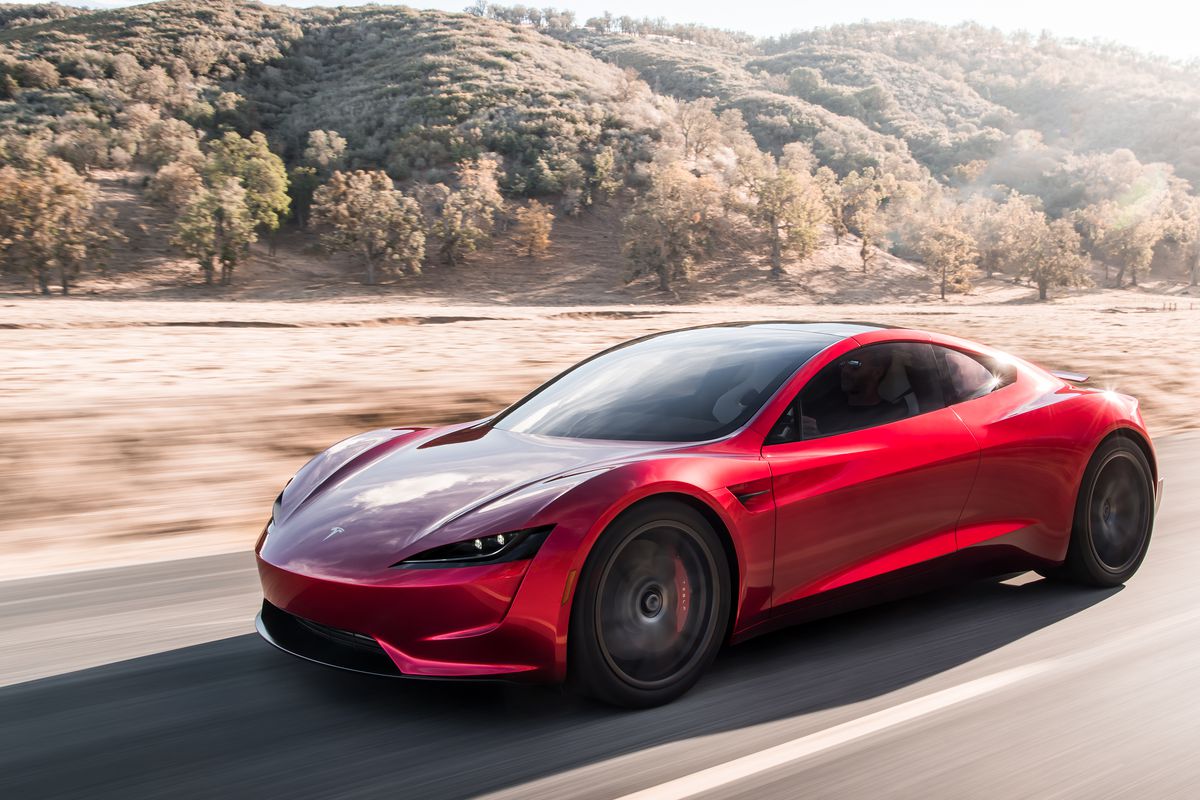
    U.S. electric vehicle maker Tesla has lowered the price of its mass-market Model 3 and raised the prices of its premium Model X and S cars.

    The starting price of the Model 3 is now $30,315, from $32,225, Tesla’s website showed on Tuesday. The top-of-the-range Model X now begins at $75,315, rather than $71,325, while the Model S rises to $70,115 from $65,125.

    The prices include potential incentives and petrol savings of $9,875, Tesla said on its website.

    Earlier this month, Tesla said deliveries of all three of its models in the second quarter of this year rose 51% from the previous quarter to a record 95,200 vehicles. The Model 3 accounted for about 80% of the total, underscoring the vehicle’s role as the linchpin of Tesla’s growth strategy.

    The automaker said it expected production and deliveries to continue growing in Q3.

    On Tuesday, Tesla also changed its prices in China, the world’s largest market for electric vehicles.

    Its website showed the Model 3 starting price is now 355,900 yuan ($51,780), down from 421,000 yuan. It lifted the Model X to 790,900 yuan and Model S to 776,900.

    Tesla is building a factory in Shanghai. In May it said it will set a starting price of 328,000 yuan for Model 3 vehicles built at the new factory.

  • Toyota’s War With Dealer Over Recalls Cost It $16 Million

    Toyota’s War With Dealer Over Recalls Cost It $16 Million

    Toyota Motor Corp. must pay $15.8 million to a California dealer who accused it of retaliating against him because he had developed safety-recall software that was costing the automaker millions of dollars in car repairs.

    A state court jury in Santa Ana on Monday found Toyota liable for unfair interference in a contract Roger Hogan’s two dealerships had with the automaker. But the jury found Toyota didn’t intend to deceive the dealerships by hiding material facts, and as a result didn’t have to pay punitive damages.

    “Other dealerships should be aware that Toyota cannot mishandle safety issues and cannot retaliate against dealerships for their commitment to safety without consequences,” said Amnon Siegel, Hogan’s lawyer. “This jury has put its foot down and said there will be consequences.”

    The owner of Capistrano Toyota and Claremont Toyota accused the Japanese carmaker of concealing that it was planning to oust him from its franchise system as far back as January 2011 while he was investing millions of dollars to expand and renovate his dealerships.

    Hogan claimed that his Autovation program, which he started in 2011 after a massive recall related to complaints about sudden acceleration, was much more efficient than Toyota’s own system in identifying and contacting customers whose vehicles hadn’t had repairs done.

    According to Hogan, Toyota wanted to kill his program, which was also used by other Toyota dealers, and oust him because it was costing the carmaker too much money to fix all the cars Autovation identified.

    “I still have these hundred cars sitting in my lot that I can’t sell,” Hogan said after the verdict. “Even though we prevailed, I still have a hundred vehicles and I will not sell these cars. They’re still unsafe. The jury saw that we did the right thing by stop selling those cars. They understood that they’re still dangerous.”

    Toyota noted the jury discounted $2.3 million from its judgment because it found the dealerships weren’t blameless either and engaged in misconduct.

    “While we respect the jury’s decision, we remain confident the evidence and testimony clearly demonstrated that Toyota abided by its contractual obligations to the Hogan dealerships and has been transparent with its dealers, regulators and customers regarding the vehicle issues raised at trial,” the company said in an emailed statement. “We will consider our options moving forward.”

    At the trial, Toyota denied the allegations and argued that Hogan brought the lawsuit because the carmaker didn’t want to go along with the succession plan for his dealerships. The Autovation program was a for-profit side business Hogan was running in violation of his agreements with Toyota, the automaker’s lawyer said.

  • Lady Gaga launches beauty brand Haus Laboratories

    Lady Gaga launches beauty brand Haus Laboratories

    Lady Gaga’s makeup brand “Haus Laboratories” will be available for pre-order on July 15.

    The beauty brand is also the first to be sold exclusively on Amazon, according to Business of Fashion.

    Lip gloss will retail for US$16, and makeup kits for US$49.

    Haus Laboratories was unveiled in a video released this week, narrated by Lady Gaga, and featuring her and other models seemingly wearing makeup from the brand.

    The singer said she “never felt beautiful” when she was younger, and “struggled to find a sense of both inner and outer beauty”. However, she eventually “discovered the power of makeup.”

    “I remember watching my mother put her makeup on every morning, basking in the glow of her power to put on her bravest face as the hard working woman she was,” Gaga wrote on Instagram.

    “I then began to experiment with makeup as a way to make my dreams of being as strong as my mother become true.”

    “Sometimes beauty doesn’t come naturally from within. But I’m so grateful that makeup inspired a bravery in me I didn’t know I had.” she wrote.

    “They say beauty is in the eye of the beholder, but at Haus Laboratories, we say beauty is how you see yourself,” she continued.

  • Amorepacific opens Sulwhasoo Universe at Hainan

    Amorepacific opens Sulwhasoo Universe at Hainan

    Korean beauty firm Amorepacific has launched a new pop-up store, “Sulwhasoo Universe”.

    The firm hosted an event at the China Duty Free Group (CDFG) Sanya International Duty-Free Shopping Complex – the world’s largest duty-free store – to celebrate the opening on July 6. The event also served to mark with the 40th year anniversary of CDFG.

    Sulwhasoo Universe is a global pop-up store campaign to mark the launch of the Sulwhasoo First Care Activating Serum EX “Star Collection”. The brand opened its first pop-up store in Korea on May 15, following it up with a string of other stores in eleven major cities around the world.

    Open until July 31, the Sulwhasoo Universe pop-up store presents content based on an observatory-inspired concept to deliver a brand story behind the serum, a signature Sulwhasoo product.

  • VIPshop buys Chinese outlet malls

    VIPshop buys Chinese outlet malls

    Discount e-commerce platform Vipshop has acquired a chain of Chinese outlet malls.

    The online business has paid RMB290 million (US$42 million) for Shan Shan, extending its offline footprint.

    The Tencent and JD-backed site has been making strong moves to trade offline since opening a store in Beijing last October, and has gone on to launch retail outlets in Guangzhou, Changsha, Shenyang, Tianjin, and Hefei. The new acquisition adds five outlet malls to VIPShop’s network in Taiyuan, Harbin, Zhengzhou, Nanchang, and Ningbo, with five more outlets in the works.

    “This represents another milestone in our efforts to explore online and offline integration in our core business,” said Vipshop founder Eric Shen. “Through this highly strategic transaction, we will gain presence in the offline outlet business in China, which further enhances our ecosystem and fortifies our leading position in China’s discount retail segment.”

    Vipshop’s first 2019 financial quarter saw it take in RMB21.3 billion (US$3.1 billion) in revenues, providing a net income of RMB872.3 million ($127 million).

  • iPhone loyalty drops to its lowest level in a long time as users flock to Samsung

    iPhone loyalty drops to its lowest level in a long time as users flock to Samsung

    Like many other major mobile device vendors, from Samsung to LG, Apple has seen its sales numbers decline recently, a trend that’s unlikely to be reversed anytime soon. But the Cupertino-based tech giant has largely relied on two things when maintaining a positive outlook. Namely, profit margins and loyalty rates.

    While companies like Samsung and Huawei still have a long way to go until catching up with Apple’s major cash cow, a new report compiled by BankMyCell suggests brand loyalty among iPhone owners might not be as impressive right now as just a couple of years back.

    Before sinking our teeth into this data collected from over 38,000 people in the last nine months, we should probably highlight brand and OS loyalty are significantly harder to measure objectively and accurately than things like shipment figures and profit margins. That’s why staggering differences can sometimes be found between similar reports released just six months apart.

    Case in point, iPhone loyalty sits at 73 percent today, according to BankMyCell, compared to 91 percent back in January, as per research conducted by CIRP (Consumer Intelligence Research Partners). Essentially, these numbers vary widely depending on who you ask and especially the sample size of your survey. Although the 38,000 aforementioned people represent a small piece of the US trade-in market, CIRP extrapolated its figures from a sample of only 500.

    With all that out of the way, let’s see if we can understand exactly what that 73 percent rate means. Basically, it means only 73 percent of those who traded in their iPhones since October 2018 chose a new model from Apple, with the other 27 percent instead picking an Android device. If that doesn’t sound too bad, you may want to contrast the number with the 92.3 percent loyalty rate of Samsung smartphone users.

    What’s even worse for Apple is that a whopping 18 percent of iPhone trade-ins migrated to a Samsung handset in June 2019 alone, presumably contributing to the box-office success of the Galaxy S10 family. Meanwhile, by using a combination of first and third-party data, BankMyCell claims iPhone loyalty has fallen to its lowest level in no less than eight years. The slide from as recently as 2017 is outright shocking, as 92 percent of iPhone users expected to stick with Apple just two years ago.

    While things might not be as bad in reality as this new report suggests, the enthusiasm of long-time iPhone owners to immediately upgrade to the next version has undoubtedly declined in recent years to a greater or lesser extent. You don’t have to dig very deep for a reason either, as the iPhone X, XS, XS Max, and XR have all racked up sales below expectations, failing to impress the masses with their designs and largely lacking groundbreaking new features.

    Of course, competition has also stiffened, as Samsung and other top Android brands have managed to make headlines with sleeker high-end designs and excellent price/quality ratios. Apple may need a major redesign to bring iPhone loyalty rates and sales numbers back up, but alas, it looks like we’ll have to wait until 2020 for that to happen.

    In the meantime, this fall’s iPhone 11 lineup will try to stand out primarily with a bunch of camera enhancements, although the new shooter arrangement remains just divisive enough to pose a big problem for Apple in terms of mainstream popularity.

  • E-commerce, international sales help boost Uniqlo parent’s Q3 results

    E-commerce, international sales help boost Uniqlo parent’s Q3 results

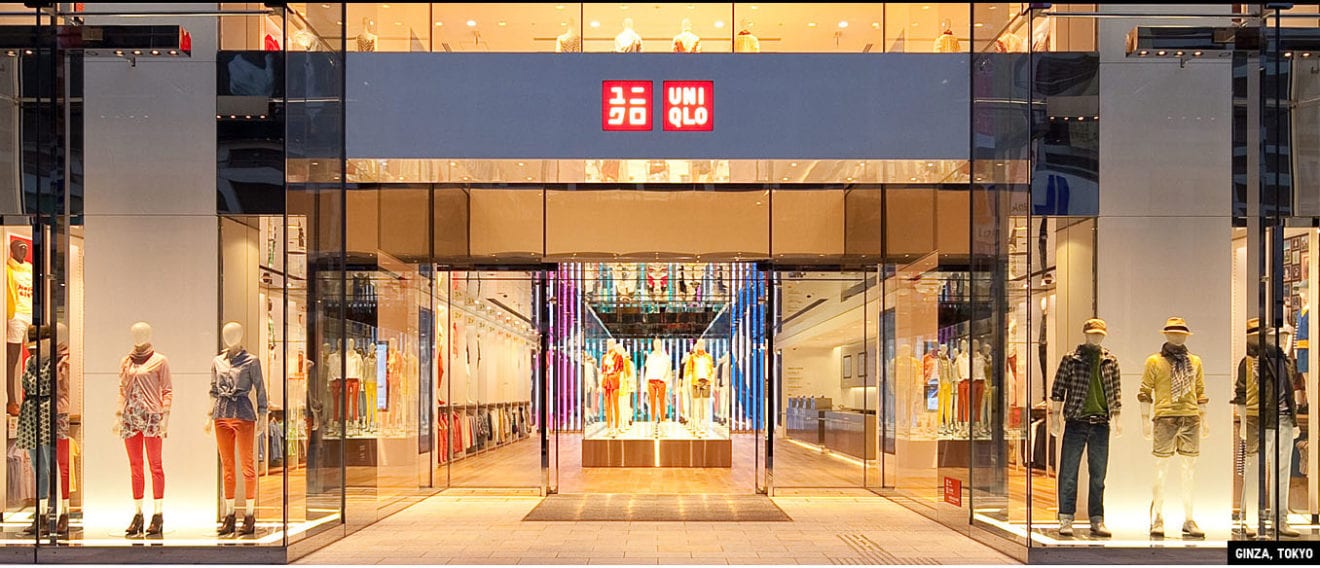
    Uniqlo owner Fast Retailing’s healthy online sales and strong performance in overseas markets, particularly in China, have helped boost its third quarter results.

    The Japanese retailer said its online sales saw a 16.1 per cent year-on-year increase in the three months to May 31 to ¥19.0 billion ($176.1 million), increasing their proportion of total sales from 7.8 per cent to 9.1 per cent.

    For the three months from March to May 2019, Uniqlo’s international segment reported strong results, with revenue expanding 15.3 per cent year-on-year and operating profit expanding 14.9 per cent year-on-year over that period.

    Uniqlo continued to achieve significant year-on-year growth in both revenue and profit in Mainland China, and achieved double-digit growth in both revenue and profit in Southeast Asia and Oceania on the back of strong sales of its summer range.

    But Fast Retailing’s less-than-stellar domestic sales have overshadowed the company’s strong performance in its e-commerce and international segments, indicating that Japan’s market still has a huge influence on the retailer’s results.

    The company’s domestic sales saw a 0.5 per cent decline brought about by shifting a sales event to June.

    On the profit front, the retailer’s operating profit declined by 7.5 per cent year-on-year on the back of a higher selling, general and administrative expense ratio, and a lower gross profit margin, which was dampened by its decision to bring forward discounting of leftover Spring Summer inventory.

    China continues to be one of the main engines driving overseas expansion, with sales in the country rising in the double digits.

    The retailer said Uniqlo so far hasn’t been hurt by the trade war between the US and China, and sales there were strong even in the face of a weaker yuan.

    Uniqlo Europe reported a decline in profit caused by unseasonal weather patterns and political uncertainty. However, within that region, Russia continued to perform strongly and report expanding revenue and profit.

    In terms of new-store activity, Uniqlo opened its first store in the Netherlands in Amsterdam in September 2018, as well as its biggest Southeast Asian global flagship store in Manila, Philippines in October 2018, and its first store in Denmark in Copenhagen in April 2019.

    Fast Retailing said it is planning to focus its efforts on expanding its global e-commerce operation and its Uniqlo international and GU casual fashion brands to meet its medium-term vision to become the world’s number one apparel retailer.

  • Levi Strauss Asia sales Books good Sales Numbers

    Levi Strauss Asia sales Books good Sales Numbers

    Levi Strauss Asia sales grew 12 per cent in the second quarter (on a constant-currency basis) with strong performance across both wholesale and direct-to-consumer channels.

    Globally, the denim-led lifestyle-fashion retailer achieved 9-per-cent growth on a constant-currency basis, however second-quarter income fell by US$49 million, largely due to $29 million in costs relating to the company’s IPO.

    Gross profit for the second quarter rose 4 per cent to $700 million.

    “Our second quarter and first half results reflect the continued strength of our diversified business model as we delivered broad-based growth across all brands, regions and key product categories despite a challenging retail and macroeconomic environment,” said Levi Strauss & Co president and CEO Chip Bergh.

    “For both periods, the Levi’s brand grew in all three regions across men’s, women’s, tops and bottoms and maintained its position at the centre of culture through iconic products and consumer experiences.”

    In Asia, revenue growth was broad-based across the region’s markets. The region’s operating income grew 4 per cent on a reported basis and 15 per cent on a constant-currency basis, reflecting higher revenues partially offset by a decline in gross margin and higher direct-to-consumer costs.

    Globally, sales by the company’s direct-to-consumer business grew by 9 per cent in the second quarter, primarily due to performance and expansion of the retail network and e-commerce growth. The company had 78 more company-operated stores at the end of the second quarter of this year than it did 12 months earlier. The company’s wholesale business grew reported revenues by 3 per cent, reflecting growth in all the regions.

  • New app blocks spam calls to your Apple iPhone

    Considering that 50% of the calls you receive on your smartphone this year could be from spammers trying to scam you, would you pay $3.99 a month to make the insanity stop? That’s how much a new app called Firewall charges to block spammers and scammers without these calls even reaching your voice mail. And the app provides users with an unlimited supply of fake numbers to trick spammer’s Caller ID if you decide to return a call.
    The Firewall website offers a two-week free trial for iOS users (an Android version is being prepped and you can arrange to be notified via email when it is ready). It uses the whitelist approach, which it says is the only way to guarantee that 100% of unwanted calls are blocked. Users will prepare the list of numbers that are allowed to go through, including the numbers on their contacts list.
    Subscribers forward their phone number to Firewall. When they receive an incoming call, Firewall determines whether it should go through to their phone or go to Firewall’s own voice mail feature. This determination is based on a member’s whitelist and Firewall’s multiple databases of known phone numbers used by spammers. If a call goes to Firewall’s voice mail, users get to read a transcription of the message left by the unknown caller just in case they want to call them back. If the subscriber does decide to return a call, Firewall will give them a fake number that will show up on the other party’s screen. And if members don’t want future calls from a particular number to be screened, that number can be easily added to their whitelist. If a subscriber is expecting an important call, Firewall can be paused for 10, 30 or 60 minutes with the tap of a button.
    Google gives Pixel, Moto G7, and Motorola One users the option of using the Call Screen feature. When a call comes in from an unknown number, those with these Android handsets can have Google Assistant answer a call while they read a transcription of the conversation in real time on the phone (or adjust the volume to hear the conversation between the Assistant and the caller). Users can join in the call at any time. And iOS 13 will be adding a new “Silence unknown callers” toggle that when enabled, will only ring through calls from numbers in iPhone users’ contacts list, email and Messages apps. For many smartphone owners, these features might be enough to help them combat spam calls without having to make monthly payments. But for those who want,/need the extra protection of using Firewall’s databases, fake numbers and voice mailbox, the service is now available.
    Firewall works with all four major U.S. carriers. But members do need to be mindful of the possibility that they will end up screening legitimate calls from companies not on their whitelist.
  • E-Commerce Giant Lazada Joins Mobile Game EvergleamHill

    E-Commerce Giant Lazada Joins Mobile Game EvergleamHill

    HotNow, the retail marketing platform has announced the soft launch of Evergleam Hill, a casual mobile game where users mine their way to discounts, vouchers, and giveaways. After months of testing, the soft launch version is now available on both the Android Google Play and Apple App Stores, having successfully accrued over 3000 downloads in the past few weeks without any marketing efforts. The game includes new merchant partners including Southeast Asian e-commerce giant Lazada and leading Thai coffee chain D’Oro Coffee.

    Developed as HotNow’s flagship game for its proprietary in-game advertising solution, HotPlay, Evergleam Hill has seen approximately one thousand coupon downloads by avid consumers in the past few weeks. To date, the coupons on the game hold a total discount value exceeding THB 2.5 million (US$80,000), highlighting the benefits of HotPlay as merchants have been able to measurably engage with an ever-growing consumer base by effectively bridging virtual gameplay with real-world rewards.

    Nithinan Boonyawattanapisut, CEO and Co-Founder of HotNow said, “Following a rigorous testing phase with the help of a dedicated gamer community, we are thrilled to celebrate this milestone in the development of Evergleam Hill as we welcome new merchant partners onboard. By successfully bridging the worlds of gaming, retail, and virtual currencies, we’ve been able to leverage the existing synergies within these industries to the benefit of our merchant partners and users alike”.

    Set in the eponymous mining village, Evergleam Hill is a mobile role-playing game where players are rewarded with branded prizes, discounts, and promotions with real-world value from participating merchant partners. As a highly interactive game with stunning visuals, players currently have the opportunity to mine their gold chunks for HOT tokens by exchanging them at the game’s bank, the First Bank of Evergleam Hill. HOT tokens can then be used to purchase in-game items. Further updates to the game’s infrastructure will see branded coupons and discounts from retail partners sold within an in-game marketplace which can then be used in real-world transactions at partnering brick-and-mortar retailers. Users will also be able to sell these coupons and discounts to other players through the game’s marketplace in the near future.

    Benjamin Scherrey, Group CTO of HotNow said, “As we work towards the full global launch of Evergleam Hill, it’s important to recognise that our HotPlay platform offers a new, unprecedented form of mobile advertising that is truly the first of its kind. We are excited to be working with these merchants who have taken a progressive approach to consumer engagement and we look forward to supporting them along with our community of game developers as we work to revolutionise the in-game advertising landscape”.

    Participating retail partners at this time are local to Thailand, including American ice cream chain, Baskin-Robbins; Thailand’s coffee chain, D’Oro Coffee; and globally-recognised fast food chain and donut brand, Mister Donut. Apart from food and beverage discounts, Evergleam Hill now features discount coupons from Lazada along with a coupon for a free one-night stay worth THB 6,799 from five-star beachfront resort U Pattaya.

  • BMW CEO Harald Krueger To Step Down From Board

    BMW CEO Harald Krueger To Step Down From Board

    The Chairman of the Board of Management of BMW AG, Harald Kruger, gave notice that he will not seek a second term of office. The Supervisory Board will address the matter of a successor during its next meeting on 18 July 2019. Until a decision has been made, Harald Kruger will hold his position as Chairman of the Board of Management. Harald Kruger assumed the position of Chairman of the Board of Management of BMW AG from Dr Norbert Reithofer on 13 May 2015.

    Under his leadership, the company put forward its new strategy which enabled the BMW Group to actively shape the transformation of the industry and the transition towards sustainable mobility of the future. With the largest model roll-out in the company’s history, vehicle deliveries reached new all-time highs, while at the same time the company systematically expanded its electromobility strategy. By 2023, the BMW Group will have 25 electrified models on the roads.

    As Chairman, Kruger further strengthened the significance of strategic partnerships – particularly in the area of breakthrough technologies such as highly automated driving. Additionally, the BMW Group has successfully merged its mobility services under a new entity. Moreover, the BMW Group significantly increased its role as a global player and, as the first international company, will be able to increase its share in its Chinese Joint Venture, BMW Brilliance Automotive, to 75%.

    Kruger said, “The BMW Group has been my professional home for more than 27 years. After more than ten years in the Board of Management, more than four of which as the CEO of the BMW Group, I would like to pursue new professional endeavours and leverage my diverse international experience for new projects and ventures. Over the last years, the automotive industry has been shaped by enormous changes, which have brought about more transformation than in the previous 30 years. This has demanded tremendous efforts from every employee within the company. For their outstanding commitment, I would like to personally thank each and every one of them. It has always been a true honour for me to work with this tremendous team and to set the BMW Group on a path towards a successful future during the most significant transformation of this industry.”

  • Walmart China to invest US$1.2 billion in supply chain logistics

    Walmart China to invest US$1.2 billion in supply chain logistics

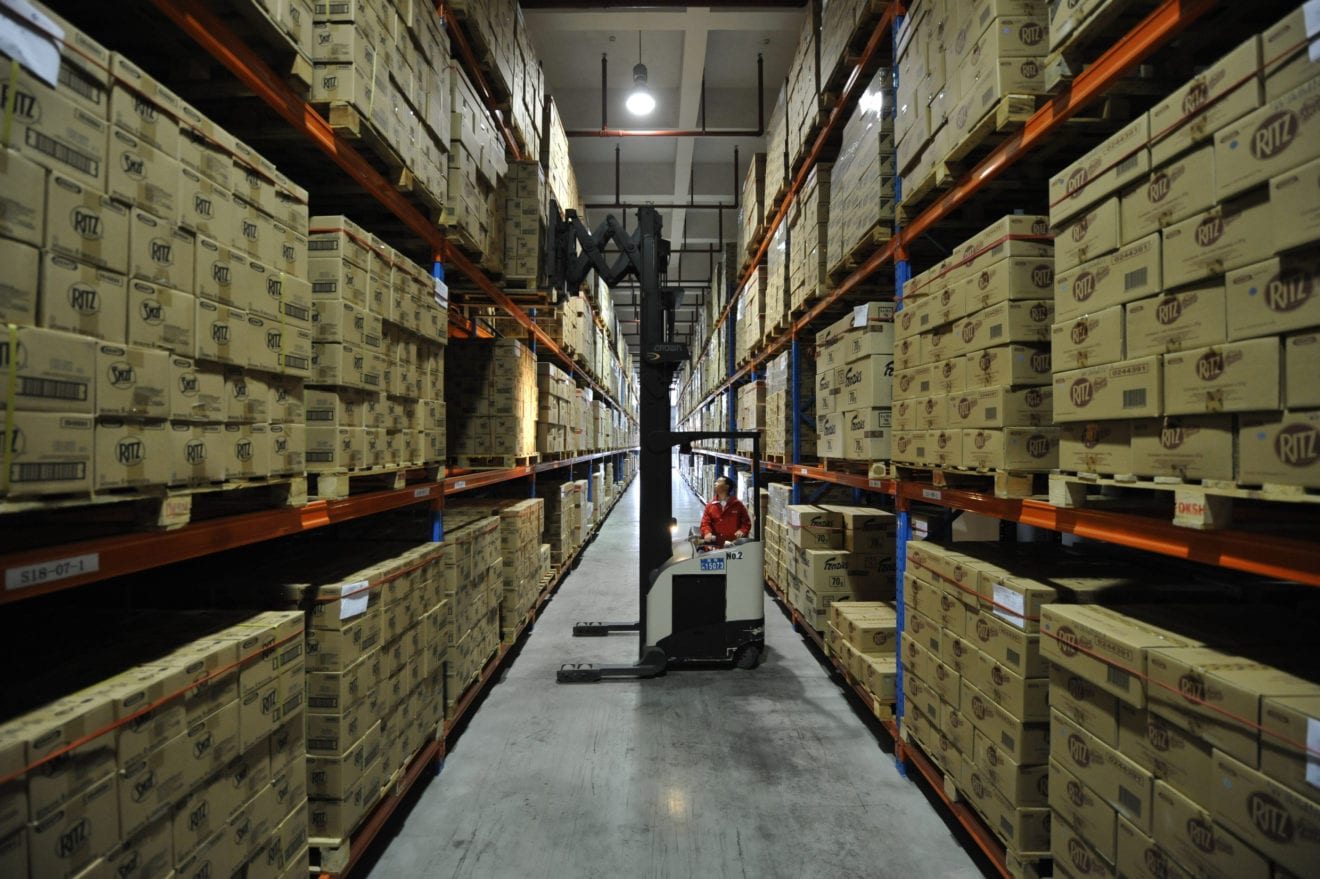
    Walmart China plans to increase investment in its supply-chain logistics by about US$1.2 billion, building or upgrading more than 10 logistics distribution centres over the next 10 to 20 years.

    In March, Walmart completed its first customised perishable-food distribution centre, the South China Fresh Food Distribution Center, serving more than 100 stores in Guangdong and Guangxi, with daily distributing capacity of up to 165,000 cases of products. That centre cost RMB 700 million (US$101.6 million) to complete.

    This is Walmart China’s first distribution centre specially designed and built according to leading international standards – it was the first facility in Mainland China to pass the Brand Reputation through Compliance (BRCGS) Warehousing and Distribution Global Standard Certification. At 33,700sqm, it is the largest, multi-temperature perishable distribution centre in the domestic retail industry, capable of storing and processing more than 4000 kinds of temperature-regulated, refrigerated or frozen goods simultaneously.

    Ryan McDaniel, senior VP of Walmart China Supply Chain, says opening the South China Fresh Food Distribution Center increased the cold-chain storage area serving Guangdong and Guangxi to meet the ever-growing customer demand for fresh goods.

    Other innovations include a scattered-sorting solution that provides the flexible distribution needed by community stores, and streamlining processes to reduce inventory during trial operations, saving about 50 per cent of space and improving efficiency by nearly 300 per cent.

    The new centre is configured with advanced temperature-control hardware. The cold storage in the reservoir area is designed to control temperature variables in the receiving and delivery area by using a combination of highly sealed doors, and saves more than 330,000 kilowatt-hours per year.

    In the transportation stage of the cold chain, Walmart requires that goods be cooled before they are loaded into temperature-regulated trucks. The pre-cooling temperature is then checked by a “transportation monitoring system” and the container is only loaded once the temperature meets the set level. All shipping vehicles that serve Walmart have devices onboard that monitor the temperature in the vehicle along the delivery route to ensure that the fresh produce is protected and arrives at the store on time.

    Walmart says it also allocates quality inspection personnel at the distribution centre to increase compliance and safeguard the quality and safety of food products. A quality testing laboratory has been set up in the distribution centre to conduct front-line inspections on issues like food legal and regulatory compliance and agricultural pesticide residues. The data from these tests is shared with all stores nationwide.

    Last year, Walmart China’s dry warehouses and fresh-food distribution centres dispatched more than 300,000 vehicles to its stores, chalking up more than 80 million kilometres of driving distance and delivering more than 1 million boxes of goods per day.

  • Tidal launches Credits feature to highlight the people behind your favorite music

    Tidal launches Credits feature to highlight the people behind your favorite music

    Tidal has just announced it’s doing something nice for those behind the music industry who aren’t in the spotlight: songwriters, producers, engineers, band members and studio musicians, background vocalists, and programmers.

    The music streaming service launched a new Credits feature that will highlight those persons who contribute to the success of a song or album. Users of the music streaming service will be able to filter the tracklist according to these persons’ roles on tracks (i.e. composer or producer), release date, track title, or artist.

    Not everyone who contributes to the success of a song or album is given the proper credit, which is why TIDAL is introducing its new interactive Credits feature — to highlight those important behind-the-scenes contributors, while also displaying the other projects on which they’ve worked.

    The Credits feature comes with different role categories which can be used to filter your favorite music: songwriter, production, musician, and misc. The default setting to sort a tracklist is by popularity, but users will be able to change that.

  • Mobvoi video teaser tips a July 10th unveiling of the TicWatch Pro LTE

    Mobvoi video teaser tips a July 10th unveiling of the TicWatch Pro LTE

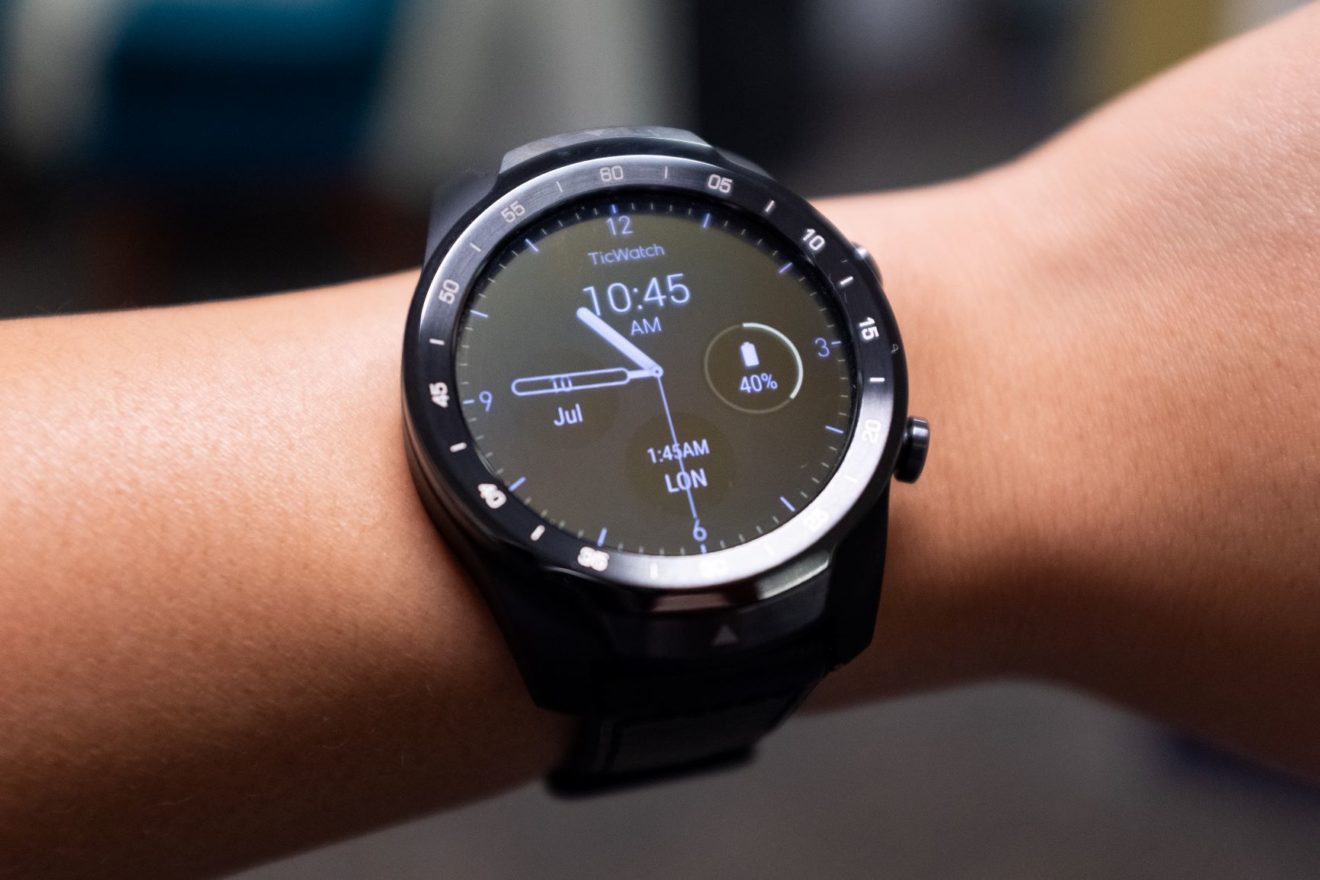
    Watchmaker Mobvoi tweeted a video teaser revealing that a new smartwatch is coming on July 10th. Using adjectives in the video like “fast,” and “powerful,” this could be the LTE version of the company’s TicWatch Pro. After all, the tweet includes hashtags like #TicWatch

    The TicWatch Pro features an AMOLED screen with an LCD overlay. In Smart Mode, the AMOLED screen is employed and the timepiece is used as a smartwatch running Wear OS. In this mode, the battery lasts for 2 to 5 days between charges. In Essential Mode, the LCD screen shows the time, date, steps taken and the wearer’s heart rate. The brighter it is outside, the easier it is to read this display. In this mode, the battery lasts as long as 30-days on a single charge.

    Last month, Mobvoi posted a web page for an LTE enabled version of the TicWatch Pro but quickly took it down. But if this video teaser has anything to do with such a device, it could be introduced next week.

    The TicWatch Pro is $249.99, but an LTE version is sure to cost more. Whatever Mobvoi plans on releasing, you might be able to earn an early bird discount on the product. Click on this link and submit your email address. On July 10th you will receive an email with an early bird code that just might allow you to buy the new watch at a discounted price.

    The current non-LTE version of the TicWatch Pro is powered by the Snapdragon Wear 2100 chipset. It features a 1.39-inch display with a 400 x 400 resolution and a super-twisted nematic monochrome passive-matrix liquid crystal display. It is equipped with 512MB of memory and 4GB of storage and has NFC so that users can cover a purchase at the cash register with Google Pay. A 415mAh battery is included. The video’s mention of a big boost could be a hint that the new model will sport the more powerful Snapdragon Wear 3100 chipset.