Tag: asia

  • Jeep Compass Based Seven-Seater SUV In The Works For India

    Jeep Compass Based Seven-Seater SUV In The Works For India

    The Jeep Compass was a game changer when it first arrived in 2017 and helped the Fiat Chrysler Automobile (FCA) cement the Jeep brand in the premium segment. Now, a report suggests that the American automaker is looking to further capitalize on the success of the Compass and is in working on a seven-seater version for the Indian market. A report states that the head honchos at FCA have approved a new top-of-the-line SUV under the Jeep brand that will hit the market by 2020-21. The new Compass-based seven-seater SUV will take on the likes of the Toyota Fortuner, Ford Endeavour, Skoda Kodiaq, Honda CR-V and the likes, when it goes on sale.

    Interestingly, Jeep’s plans to produce a seven-seater SUV for India aren’t new. However, the report states that the project was given the green light only now. The Jeep Grand Compass, as it is touted to be called, will get a proper 4×4 drivetrain and will be based on the all-new Compass that is in the works for 2020. The model will be produced at the automaker’s facility in Ranjangaon, near Pune and is likely to hit the market by the second half of next year or by early 2021.

    The new Jeep Grand Compass will help the American establish itself in the premium end of the SUV space, and solidify its position in the overall SUV space. The seven-seater SUV will be followed up with the more affordable subcompact offering in Jeep India’s stable that will hit the market in the following years. FCA said that the company had no comments at the moment on the same.

    It will be safe to say that the upcoming Jeep seven-seater SUV will retain the automaker’s DNA at its core, complete with the brand’s off-roading capabilities and premium positioning. Expect to see a host of new tech and features from the company’s global stable. Engine options are unclear at the moment, but Jeep is likely to offer both petrol and diesel versions. The 2.0-litre MultiJet II turbo diesel could be used on the new model too, albeit with higher power output.

    Meanwhile, Jeep India is currently in the process of upgrading the Compass to the BS6 regulations. The newly launched Compass Trailhawk already gets a BS6 ready engine, and other variants of the SUV will meet the new norms soon. The automaker is also likely to introduce the diesel automatic version of the Compass towards the end of this year or probably in the first half of 2020.

  • Dickson Concepts reveals Hilfiger business deal

    Dickson Concepts reveals Hilfiger business deal

    Dickson Concepts has revealed details of the termination of its licence to sell Tommy Hilfiger products in Hong Kong, Macau, Taiwan, Singapore and Malaysia.

    The move, announced in March, is party of an international plan by Tommy Hilfiger’s parent PVH Corp to regain direct control of the brand in markets where it previously worked through third parties, like Dickson Concepts.

    The termination of the licence took effect on Monday of this week and resulted in PVH paying Dickson Concepts US$52.6 million, being the estimated terminal payment of $63.8 million less a deducted aggregate escrow of $11.2 million.

    PVH Corp, which also counts Calvin Klein, Van Heusen, Izod, Arrow, Warner’s, Olga and Geoffrey Beene in its portfolio, said the deal is in line with the company’s strategy of gaining more direct control over its brands.

    “This transaction demonstrates our commitment to making strategic investments to support the long term growth of PVH and our Tommy Hilfiger business, while leveraging our well-established infrastructure, our leadership expertise and strong brand momentum across both our Tommy Hilfiger and Calvin Klein businesses in the region,” said Emanuel Chirico, PVH Corp’s chairman and CEO at the time the move was announced.

    Dickson Concepts chairman and founder Dickson Poon in a stock exchange filing that the group “will continue the development of its other luxury brand name businesses and actively seek new investment opportunities to diversify and broaden its earnings base”.

  • Zip gains retailers as buy now pay later comes under attack

    Zip gains retailers as buy now pay later comes under attack

    Buy now, pay later operator Zip has seen a string of new retailers join its list of partners, bringing representatives across Australia fashion, automotive and food into the fold.

    Among the new retailers is the Just Group (which includes Peter Alexander, Smiggle, Jay Jays, Just Jeans, Dotti, Jacqui E and Portmans), Hanes Australasia (including Bonds and Sheridan), Lorna Jane, General Pants, Grill’d, Schnitz, and Carsales.

    “Consumers want to own the way they pay. In turn, retailers want to offer payment choice to answer this demand, and because they recognise it drives sales. It’s a win-win,” Fran Ereira, general manager of sales and solution delivery at Zip, said.

    But the already competitive buy now, pay later sector is set to become even more so, with the entrance of US provider, Splitit, in the Australian market – through a partnership with Kogan – and the arrival of Visa in the instalment payment space.

    “Visa cardholders will have the option to divide their total purchase amount into smaller, equal payments over a defined time period on qualifying purchases, at the store and online or when travelling abroad,” Visa global head of issuer and consumer solutions Sam Shrauger said in a statement last week.

    The announcement sent shares in Afterpay down 15 per cent – though they have since recovered.

    Visa’s offer differs from existing buy now, pay later providers in that it allows issuers to leverage a customer’s existing payment account, rather than asking them to download an app or submit to a credit check.

    “We expect instalments to become a foundational method of payment at checkout for both domestic and cross-border commerce payment transactions,” Shrauger said.

    But the growing popularity of buy now, pay later could be its undoing. A recent report in The Australiansuggests that buy now, pay later providers could soon lose one of the key advantages they have over credit card providers.

    While companies like Afterpay and Zip charge retailers a fee to offer their service, they prohibit retailers from passing the surcharge on to customers. But the Reserve Bank of Australia’s Payments System Board has taken note of this practice, and is discussing “the growth in this segment of the payments market and the implications of these services for consumers and merchants,” according to a statement it released in November.

    Should this restriction be changed, retailers could choose to add a surcharge to goods purchased through buy now, pay later apps, potentially changing how attractive such offers are to consumers.

  • Superdry outlines expansion plans

    Superdry outlines expansion plans

    Off the back of its recent bricks-and-mortar entry into New Zealand, streetwear brand Superdry is now set to expand across Sydney and Melbourne in August and September.

    Over the next two months, Superdry will be opening stores at The Glen Shopping Centre and Essendon in Victoria and Homebush DFO in Sydney, in addition to its next store in New Zealand in Queenstown.

    Superdry’s Auckland store opened in April this year and according to general brand manager at Superdry, Antony Hampson, the business is already achieving double digit sales growth versus its target.

    “We’ve always had a good wholesale distribution in New Zealand, so we knew there was an appetite for the brand and it was the right time,” Hampson told Inside Retail.

    “It was important for us to present New Zealand with our full concept and all our product lines in one store. The response has been fantastic, people have really taken to the monobrand concept and appreciated the new silhouette and styles we’re offering.”

    In addition to the new Auckland store, Superdry also localised the New Zealand e-commerce site in April, which was previously operated through the UK. Now that the site runs from Australia and the distribution centre is based in Melbourne, New Zealand customers can enjoy speedier delivery and a more consistent customer experience.

    “We’ve been able to open up a significant amount of our stock across all our network to our customer base. The distribution centre is in Melbourne, but we offer a ship-from-store functionality, which is important from a stock efficiency perspective,” explained Hampson.

    “We’re able to showcase stock in the distribution centre, as well as stock that may no longer be there but is available in stores, even fragmented stock, which they can purchase it online. That accounts for 30 per cent of our transactions.”

    Challenges ahead

    However, in other areas of the business, Superdry has faced some issues, notably the delay of the release of its annual results to July 10. Earlier in the year, founder Julian Dunkerton also warned that the gross profit of the entire year would be lower than current market expectations, due to changes in management and weaknesses in its on- and offline channels.

    “We’re a separate entity in Australia and we’re fairly isolated from the rest of the world. We’ve built a strong business in the last 10 years where we’ve grown substantially, but the investments have been smart so we have haven’t overcapitalised. We still see opportunities to grow,” Hampson explained.

    “I think a lot of the challenges that the brand has faced particularly in the UK have been driven from the top in terms of a conflict of strategic direction. That’s seen the founder [Dunkerton] voted back onto the board, which will straight away provide more clarity and understanding of what the direction is moving forward.”

    Hampson also pointed to the fact that given Superdry traditionally makes most of its sales from winter products, the brand has also been impacted by the warmer weather, like many other brands in the UK market.

    A focus on the customer

    In the next financial year, Superdry is planning to continue growing its commerce channel. According to Hampson, the brand has invested in new software to better communicate and segment its customer base and its CRM capability is much more advanced than it was 12-18 months ago.

    “That will allow us to understand our customers’ shopping habits in more detail and target customers more relevantly which will help to increase the purchase frequency in our database, which is an important factor amongst the doom and gloom around retail,” he said. “You have to continue to engage and grow your customer base and offer different products they wouldn’t have purchased into before.”

    Over the next year, the brand’s in-store merchandising will also evolve into a more clean, streamlined and contemporary experience for customers, Hampson added. However, given Superdry’s shift in recent years towards becoming more of a lifestyle brand, product options will always be a priority in-store.

    “Superdry was founded based on three key product categories – fleece, jackets and t-shirts. And although they will always remain the core centre of our narrative and we’ll continue to innovate and evolve across the categories, we also play in denim, shorts, shirting, accessories and footwear. So it’s important that from a customer perspective, we’re showcasing all of those additional product lines…to give customers an opportunity to buy into product they may not have otherwise and give them another reason to shop with Superdry.”

  • Indonesian brand Palm Lagoon opens at Trans Studio mall

    Indonesian brand Palm Lagoon opens at Trans Studio mall

    Indonesian brand Palm Lagoon, which specialises in resort wear, has opened at Bali’s Trans Studio mall.

    The 207sqm boutique offers a curated selection of apparel, footwear, bikinis, swimwear, bags, sunglasses, watches and jewellery, targeting women and men.

    Brands sold include Rik and Reg, Saturdays eyewear, Pierre Lannier, Ellyse, Karmen and Marius, Little Savvy, Antyik Butik, Lima Watch, Hopy bags, RDNB bracelets and SNJA tote bags. Fashion advisors will be in store to provide styling advice.

    Onnie Khristanto, COO of Bestari Group, Palm Lagoon’s operator, said the new store brings the brand to life in a new and exciting way with its ‘less-is-more’ concept and product curation based on the beach-and-resort lifestyle.

    “We will inspire head-to toe looks and in-store associates will help our regular customers find styles they love with more ease as well as introduce brands our new customers will love to discover.”

    Launched in 2013, Palm Lagoon now has seven flagship stores in Indonesia, including one at Ngurah Rai International Airport, and 51 points of sales in major cities.

    Its products are also available online at Zalora, Zillingo, Shopee Indonesia, and Amazon Australia.

  • Rita Ora becomes new face of Thomas Sabo

    Rita Ora becomes new face of Thomas Sabo

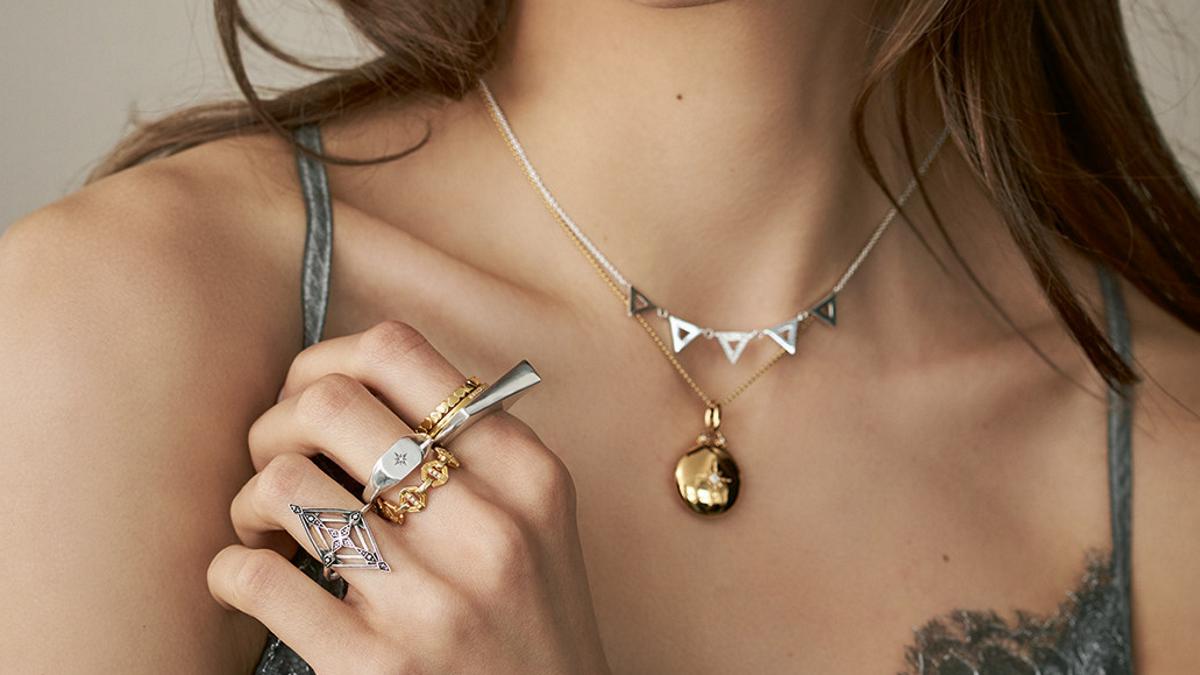
    British singer Rita Ora has become the new global ambassador of German jewellery and watch brand Thomas Sabo.

    Known for her creative style and individuality, the singer will be the face of Thomas Sabo worldwide for the next two years.

    The first collection with Rita Ora will be the Autumn/Winter 2019, to be revealed from July 15.

    “My Thomas Sabo campaign aims to empower women to experience this magical boost of jewellery and to inspire other women to create personal looks full of energy and liveliness,” said Rita Ora at the announcement of the cooperation.

    The focus of the range is on bright jewellery colours and unique statements such as magical lucky charms and cat motifs.

    Established in 1984,  Thomas Sabo has 300 company-owned shops around the world.

  • Tmall offers new tools for retailers to revamp online storefronts

    Tmall offers new tools for retailers to revamp online storefronts

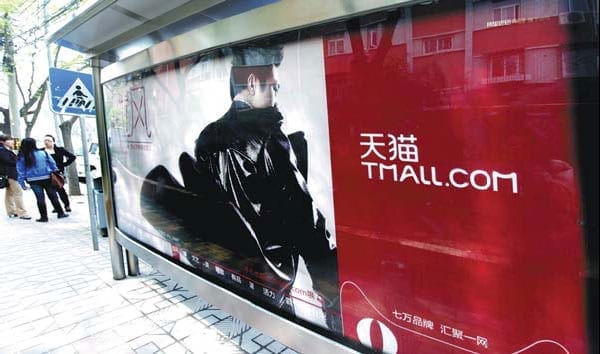
    Alibaba’s marketplace Tmall has rolled out a suite of tools for brands to customize their online storefronts and offer a more personalized experience for shoppers.

    The platform’s “Flagship Store 2.0” solution pulls both analytics and popular technologies together into the Tmall app, offering brands new tools to revamp their existing flagship online storefronts and provide each consumer a personalized page based on their previous shopping patterns. It also allows brands to display and order offline specials and inventory through their newly designed online stores.

    “We aim to offer new tools to all brands and merchants on our platform to transform their operations with digital technology,” said the president of Taobao and Tmall Jiang Fan. “By supporting players on our marketplace to push the New Retail boundary, we will reinforce Tmall’s position as the go-to platform for innovative e-commerce and brand new shopping experiences”.

    This is the most significant upgrade of Tmall’s flagship stores since its PC-based launch in 2008. With Flagship Store 2.0, Tmall is opening its back end to independent software vendors so they can develop new virtual shopping spaces for online store operators. At the same time, Tmall will start including 3D and augmented reality product-display technology in its apps, allowing customers to, for example, see how a piece of furniture will look in their own living room or let them “try on” lipstick in a virtual mirror before placing an order.

    Another feature of the Flagship Store 2.0 solution is the ability to connect brands’ Tmall flagship online storefronts to their offline outlets. This means online shoppers can browse and purchase from a similar product assortment as offered at the brands’ physical locations. The seamless integration can bolster store traffic, both online and offline.

    The use of demographic analytics and a shopper’s history by brands means customers will get a unique, more individualized product recommendations on the platform, along with privileges based on their Tmall membership status.

  • Zara India reports drop in profit

    Zara India reports drop in profit

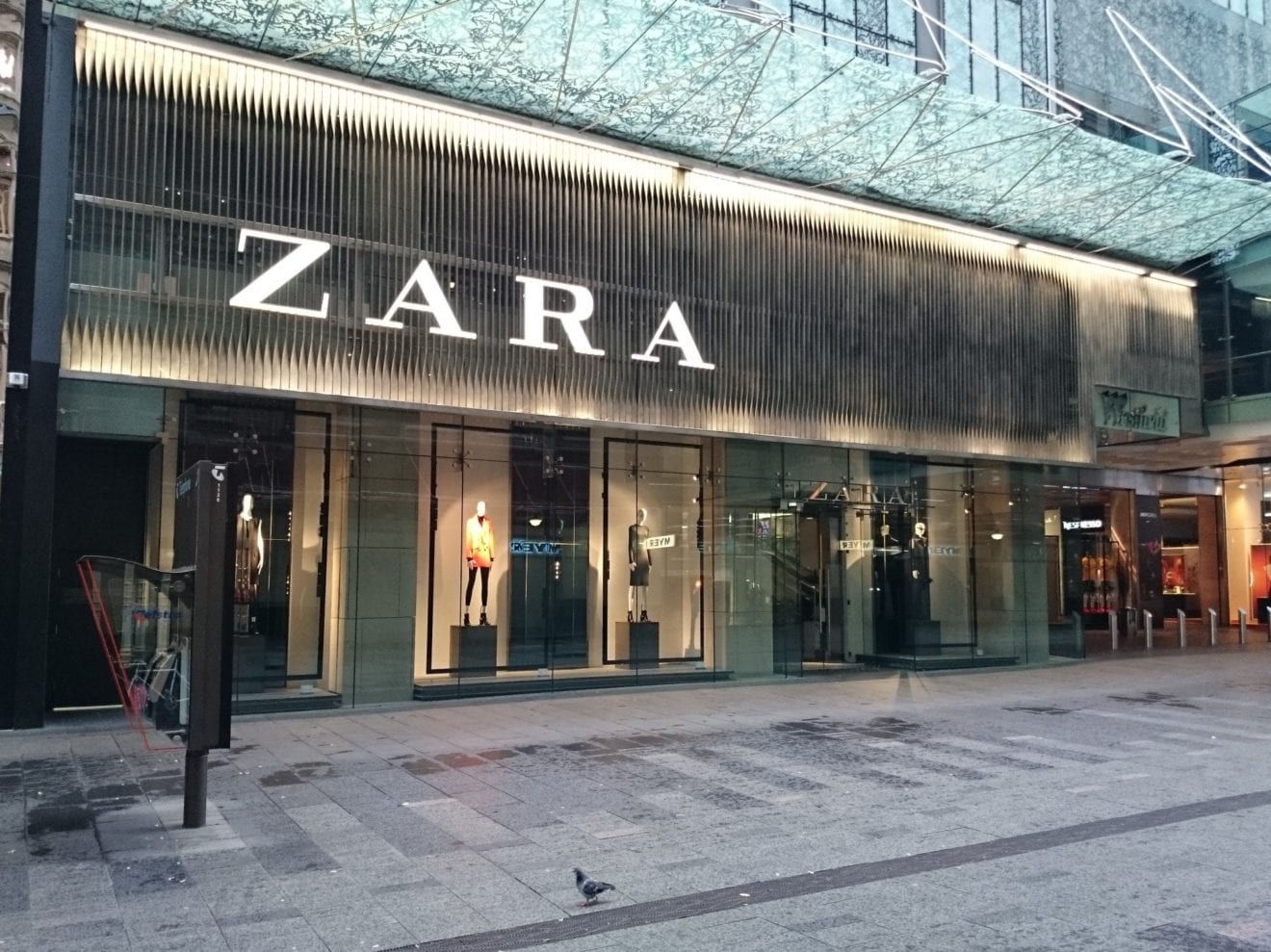
    Fashion retailer Zara India has reported a 13.4-per-cent drop in net profit over the last financial year, reflecting increased competition and a drop in demand during the period.

    The loss came despite a 17.7 percent increase in sales over the year to  ₹1438 crore (US$208 million), which suggests the company has been heavily discounting to maintain stock turnover.

    Two years ago, Zara India saw a 40-per-cent drop in profits after ruthlessly slashing prices to beat competitors.

    The brand opened two new stores in the territory and expanded its presence to a total of 10 Indian cities during the last financial year.

    “The numbers could reflect a dip in same-store sales growth,” noted an Indian retail industry commentator. “Also during the year, India saw no major new net mall additions in large cities for a brand such as Zara to open add more stores”.

    A spokesperson for Zara’s local partner Trent maintained that the primary challenge to the brand’s faster expansion is the availability of high-quality retail spaces that could be expected to generate reasonable sales throughput.

  • Cebu Pacific plans to squeeze more seats into economy

    Cebu Pacific plans to squeeze more seats into economy

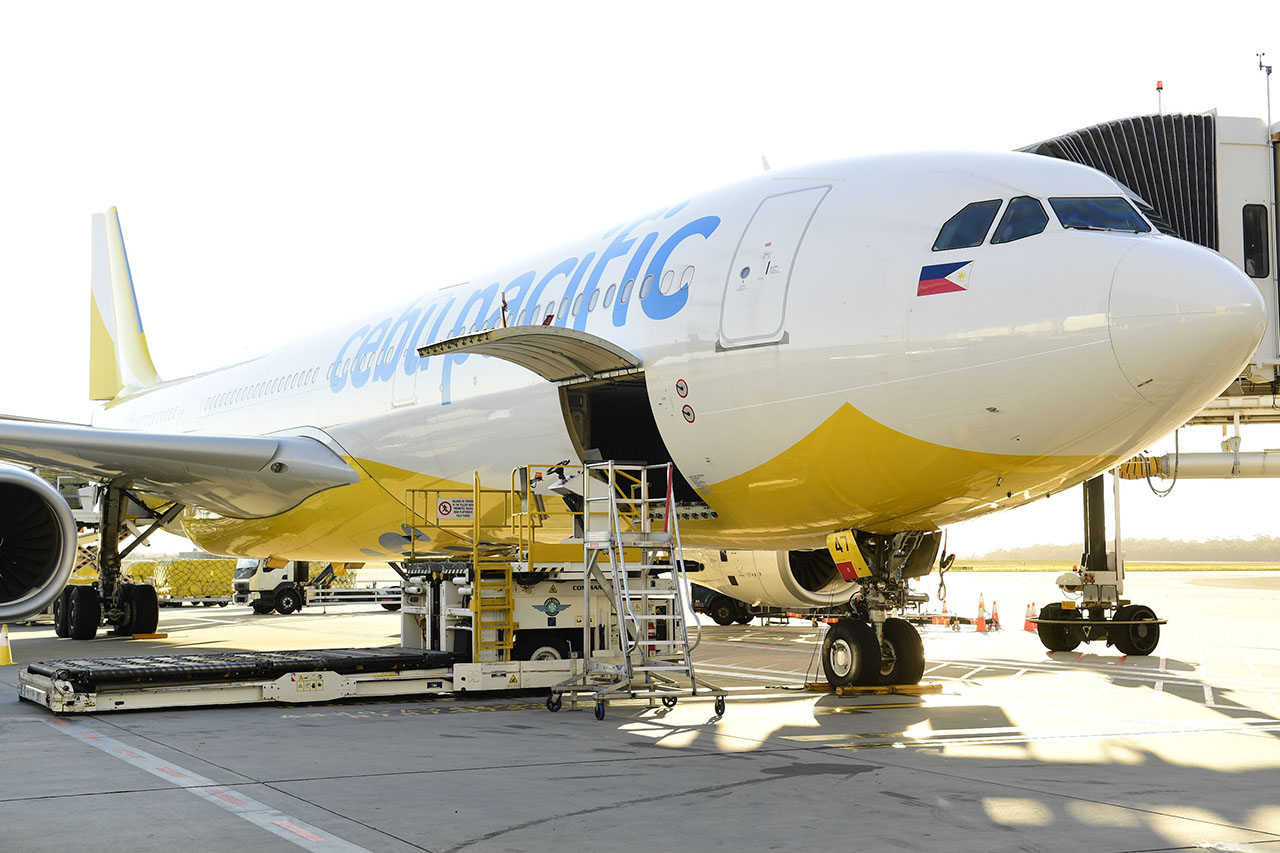
    One of the biggest travel-trade talking points of the recent Paris Air Show was Cebu Pacific signing a memorandum of understanding (MOU) to buy 31 Airbus planes – 16 of which will be A330-900s, with 460 seats in an all-economy configuration squeezed into each. Fellow budget airline AirAsia, by comparison, unveiled its first A330-900 (aka the A330neo) at the show, with 377 seats in two classes, while the plane’s launch customer, TAP Air Portugal, began operating with 289 seats in three classes last November.

    It has been suggested that the upside of squeezing so many people onto one plane might be a reduced per-passenger carbon footprint, and it’s easy to imagine airlines using this as an excuse to crowbar ever more passengers aboard in future. Cebu Pacific’s MOU also included 10 of the A321XLR (Xtra Long Range), which was introduced at the show and is expected to take passengers back to the days of the Boeing 707 and Douglas DC-8, with cramped single-aisle long-haul flights, in about four years from now.

  • Line Friends opens pop-up store at Changi airport

    Line Friends opens pop-up store at Changi airport

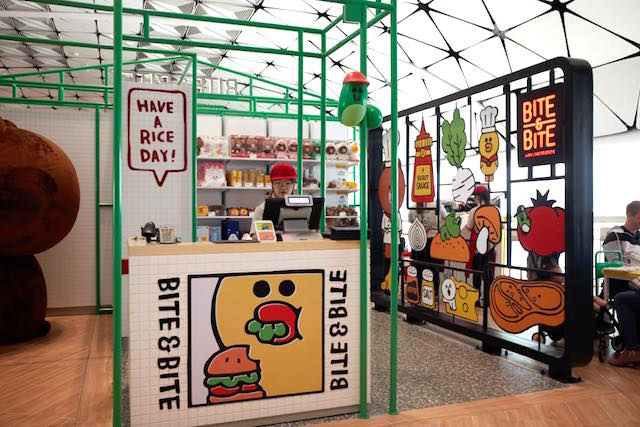
    Line Friends has opened a pop-up store at Changi Airport Terminal 3 Departure hall.

    Set to open until August 8, the store offers the latest summer collections of Line Friends characters featuring Brown, Choco, Sally, Cony and more on one half.

    The other half is dedicated to licensed merchandise featuring all the eight BT21 characters, which is designed by K-pop band BTS, including table figurines, cushions, and keychains.

    The store will also stock BT21 x Uniqlo collection and a slew of Singapore-exclusive products including plushies and comfortable cushions.

  • Taiwan’s 85C Bakery Cafe expands in USA

    Taiwan’s 85C Bakery Cafe expands in USA

    Taiwanese franchise 85C Bakery Cafe is undergoing rapid expansion in the US.

    The firm has branched out from its flagship venue to open more than 60 locations in California, Washington and Texas, with more states expected to follow.

    The self-service bakery concept has around 400 locations in Taiwan and more than 500 in Mainland China. It launched in Australia in 2006 and now has 12 outlets there.

    The concept involves customers selecting from a range of Asian and European pastries with tongs. Its name refers to the brand’s stated optimal coffee temperature – and it is noted for its servings of coffee with sea salt.

  • Honestbee Taiwan Stops Delivery Services

    Honestbee Taiwan Stops Delivery Services

    Ailing Singaporean grocery-delivery service Honestbee is “temporarily closing” its Taiwan operations as it continues to focus on its core Southeast Asian markets to ensure survival.

    “Thank you for your support and affirmation for Honestbee during these days,” the company’s Taiwanese team posted on Facebook at the weekend.

    “Unfortunately, the Taiwan operations team received instructions from Singapore headquarters that will temporarily stop all operations in Taiwan.”

    The post said services would resume when “the operation problems in Taiwan can improve and be resolved”.

    In February Honestbee owed nearly 300 local restaurants NT$7.79 million (US$250,000) in outstanding payments for food bought by consumers, collected and delivered but never paid for by Honestbee. Some payments were settled by May, but the newspaper reports “some eateries are still due hundreds of thousands of NT dollars”.

    Taiwan’s Ministry of Economic Affairs has opened an investigation into the company, and Honestbee decided on June 26 to suspend operations effective last Friday (28th).

    Honestbee marketing manager Lee Wen-feng refused to confirm or deny that the business was shutting down in Taiwan.

    Honestbee’s problems came to a head in Singapore in early May when its co founder and CEO stepped down and the company suspended or closed down operations in five markets. Since then it suspended food deliveries in Singapore as well.

  • Robinsons Retail favours pets over fashion

    Robinsons Retail favours pets over fashion

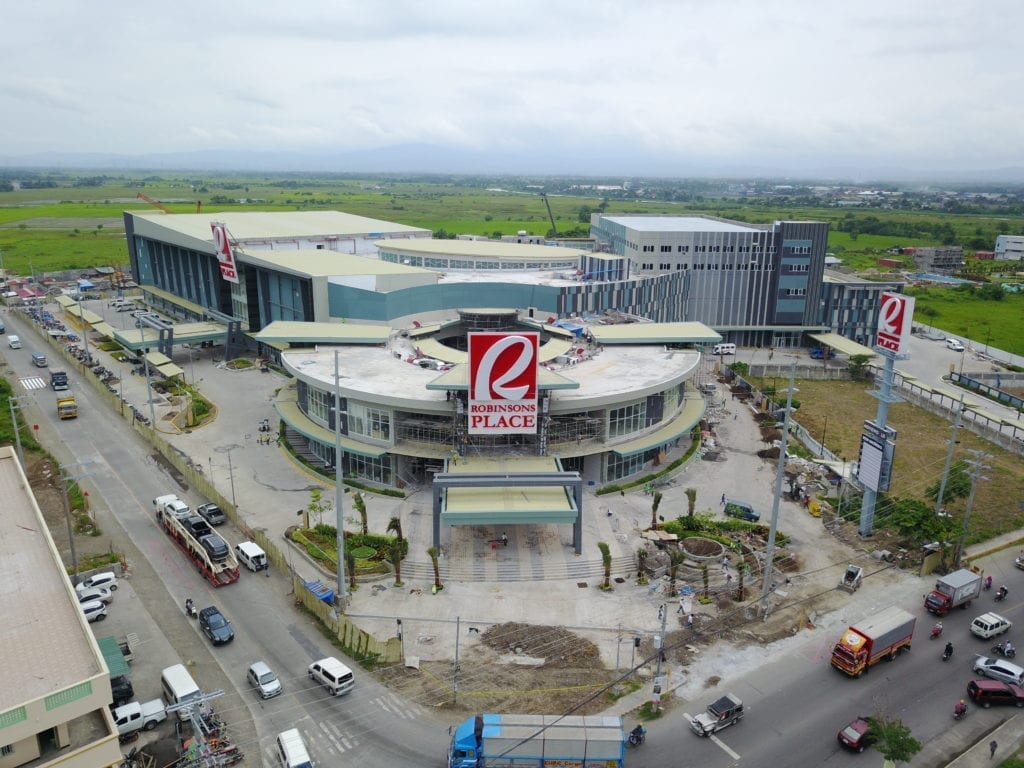
    Robinsons Retail is looking to shrink its fashion business as competition with cheaper chains gets tougher.

    “We are shrinking fashion, for it has become very difficult,” said the firm’s CEO Gokongwei-Pe. “There are other brands that came in who are more progressive and cheaper. We are already reducing the number of stores and we have to think if we move out altogether.”

    The firm is reporting stronger returns from pet, health and beauty products where there is growing demand.

    “Pets have become very big,” added Gokongwei-Pe. “Dogs now are very spoiled. Just look at Instagram and Facebook, it’s all about dogs. You should put money where the money is, which is food, drugstores, hardware, and growing businesses like pets and beauty.”

    The firm is also making moves into high-end groceries as well as growing its beauty and pet care franchises overseas. It is reportedly seeking 15 per cent annual revenue growth in these sectors within five years.

    Robinsons Retail is also investing PHP3–5 billion (US$58.59–97.65 million) on expanding its store network by 100–150 outlets per year from its current 1911 stores during the same period.

  • Hong Kong retail sales declined again in May

    Hong Kong retail sales declined again in May

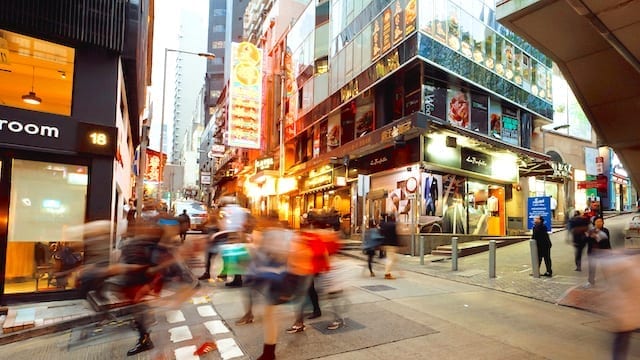
    Hong Kong retail sales fell again in May, but the rate of decline was significantly less than in April.

    According to the Census and Statistics Department the value of retail sales in May, provisionally estimated at HK$40 billion (US$5.1 billion), decreased by 1.3 percent year on year, well below April’s 4.5 percent decline.

    For the first five months of this year, Hong Kong retail sales were down 1.8 per cent compared with the same period last year. After netting out the effect of price changes over the same period, sales for the five months were down 2.2 per cent.

    For the three months to May, sales fell by 0.8 per cent.

    For once, the jewelry, watches and valuable gifts category – which traditionally has the greatest effect on overall retail sales fluctuations – registered one of the lowest falls in May, down 2.7 percent.  Apparel sales fell 4.6 per cent, electrical goods by 14.8 per cent, optical shops by 11.3 per cent, furniture by 1.3 per cent and supermarket sales by 0.8 per cent.

    In contrast, sales of medicines and cosmetics rose 1 per cent, of food, drinks, alcohol and tobacco by 3.1 per cent, footwear and accessories by 1.6 per cent, Chinese medicines by 0.7 per cent and books, newspapers, stationery, and gifts by 0.1 per cent.

    A government spokesman said narrower decline of Hong Kong retail sales in May was partly due to the late timing of the Labour Day holidays in Mainland China this year, which had led to a visibly larger year-on-year rise in visitor arrivals during the month.

    “Overall, the performance of retail sales remained subdued in recent months.”

    Retailers will be waiting for the June figures, the month when the protests over the extradition bill stepped up, disrupting access to stores on Hong Kong Island at certain times and possibly dissuading overseas visitors.

    The spokesman said that in the near term, the outlook for retail sales will likely be clouded by the still-cautious consumption sentiment amid an uncertain global economic environment. “Nevertheless, the sustained expansion in inbound tourism and the largely stable local labor market should continue to provide some support.”

  • Bleak reaching for Hong Kong luxury goods market

    Bleak reaching for Hong Kong luxury goods market

    Analysts are warning of challenging times ahead for the Hong Kong luxury goods market.

    In a research note, Kathryn Parker and Flavio Cereda, equity analysts at Jefferies, say sentiment within Hong Kong has almost unanimously worsened since March due to the lingering effects of the trade war reducing high-quality tourism traffic into the territory, the rebalancing of prices after Mainland China’s VAT cut, ongoing Hong Kong protests and closer monitoring of the daigou by the central government.

    “We are concerned that there is an elevated reliance on mainland Chinese consumers within luxury stores in Hong Kong,” the pair said.

    Luxury-goods stores in Hong Kong commonly receive as much as 60 percent of their sales from mainland visitors – yet more and more mainlanders are choosing to shop at home where tax cuts have seen prices ease.

    “We were concerned to see further investment such as the opening of the new K11 Musea mall [in Kowloon], rather than a contraction of the retail footprint,” the analysts said.

    “Discussions with mainland Chinese consumers, particularly those in Shanghai, showed continued optimism in terms of both sales data and wider sentiment, which is despite the record-breaking first half.

    “An abundance of new malls within Hong Kong, Shanghai and Beijing means rents are not going up, but it is imperative that brands keep their store footprints dynamic and have a presence in the lux malls with the most traffic,” said Parker and Cereda.

    “All malls are increasing the proportion of food and beverage and experiences, such as cinemas and wellness, to drive footfall so there is relatively less space for retail.”

    While the Hong Kong luxury goods market suffered a downturn in the second half of last year, official retail sales figures for the first five months of this year show a modest 1.8 per cent decline against a higher base last year. But the latest figures are from May, prior to the acceleration of street protests in June and reflecting the later timing of the Mainland China Labour Day holiday period.