Tag: asia

  • Tmall Offers New Tools to Revamp Storefronts, Customize Customer Experience

    Tmall Offers New Tools to Revamp Storefronts, Customize Customer Experience

    Tmall has rolled out a suite of tools for brands to customize their online storefronts and offer a more-personalized experience for shoppers.

    Called “Flagship Store 2.0,” the solution from Alibaba’s premier marketplace pulls together into the Tmall app both analytics and technologies that have proven popular with customers elsewhere in the group ecosystem. Tmall’s goal is to offer brands new tools to revamp their existing flagship store and offer each consumer a personalized page based on their previous shopping pattern. It’s also giving brands a New Retail twist, letting them display and order offline specials and inventory through their newly designed online stores.

    “We aim to offer new tools to all brands and merchants on our platform to transform their operations with digital technology. By supporting players on our marketplace to push the New Retail boundary, we will reinforce Tmall’s position as the go-to platform for innovative e-commerce and brand new shopping experiences,” said Jiang Fan, president of Taobao and Tmall.

    This is the most-significant upgrade of Tmall flagship stores since their PC-based launch in 2008. Back then, brands opened simple, modular storefronts. Over time, Tmall added some customization and options for content creation – short videos, animations and livestreaming – to engage and educate consumers and build a strong online shopping community.

    With Flagship Store 2.0, Tmall will open its back end to independent software vendors (ISVs), so that they can develop new virtual shopping spaces for online store operators. The idea is to let brands build stores that have their own, distinct “look and feel.” At the same time, Tmall will start including 3D and augmented reality (AR) product-display technology in its apps. That will allow customers, for example, to see how a piece of furniture will look in their own living room or let them “try on” lipstick in a virtual mirror before placing an order.

    Another feature of the Flagship Store 2.0 solution is the ability to connect brands’ Tmall flagship stores to their offline outlets. This means online shoppers can browse and purchase from a similar product assortment as offered at the brands’ physical locations. The seamless integration can bolster store traffic, both online and offline.

    The use of demographic analytics and a shopper’s history by brands means customers will get a unique, more-individualized product recommendations, along with privileges based on their Tmall membership status. With more discretionary income and a higher demand for exclusivity, Chinese consumers across the spectrum are showing stronger desire for a memorable experience with each purchase. They not only want high-quality products at a reasonable price, they are also seeking a fun, interactive experience.

  • Indian mall space to grow by 65 million sqft by 2022

    Indian mall space to grow by 65 million sqft by 2022

    India will take on more than 65 million sqft of new mall space by the end of 2022, according to a new report from real estate services firm Anarock.

    The report shows the region’s top seven cities will account for 72 percent of the new mall space, while tier 2 and tier 3 cities will see 18.2 million sqft of new supply. Nearly two-thirds of the planned space (40 million sqft) will hit the market by next year.

    “This new supply is also driven by the increasing interest of institutional investors – including private-equity players – who invested almost US$1.9 billion into Indian retail between 2015 and the first quarter of this year,” said Anarock Retail MD & CEO Anuj Kejriwal. “In fact, more than 60 percent of this investment was infused in the last two years alone, making these the best years for the Indian mall sector in recent times.

    Notwithstanding the decline in deal activity in the second half of last year following the liquidity crisis, the retail segment attracted investments of almost $115 million in just the first quarter of this year.”

    The report also maintains that real estate investment trusts (REITs) can be a viable tool for mall developers to raise funds, but this fund-raising instrument still needs to mature sufficiently. Also, the retail REIT structure and performance may not be directly comparable with the commercial office sector.

    The report also showed the Indian retail industry has moved from long-term leasing to short-term leasing tenures (three to five years) to enable constant updating of the brand mix within the mall. Globally, the standard lease term is still above five years.

  • Tata Harrier To Get Dual-Tone Colours

    Tata Harrier To Get Dual-Tone Colours

    The Tata Harrier is all set to get the option of dual-tone colors soon. Tata Motors has released a teaser of the compact SUV with the new black with orange and black with silver color schemes, and it is the roof as well as pillars that get the black treatment. The update comes about six months into the launch of the Harrier in India, and will also keep the model relevant amidst new competitors including the newly launched MG Hector, Jeep Compass Trailhawk and the upcoming Kia Seltos.

    Since its launch, the Tata Harrier was available only in mono-color tones, while the dual tone was made available at the dealer level with several showrooms providing the option of a roof wrap. The Harrier dual-tone version though will come from the factory and is likely to be offered on the range-topping XZ trim. Expect prices to see a marginal increase by about ₹ 30,000, up from the current asking price of ₹ 16.55 lakh (ex-showroom, Delhi) for the XZ trim. The Harrier is currently offered in five colors – Calisto Copper, Ariel Silver, Thermisto Gold, Telesto Grey and Orcus White.

    Dual-tone color options have been really popular amidst new and young car buyers, and Tata Motors has already been offered the same on its other vehicles including the Tiago, Nexon and the Hexa. Other manufacturers offer the dual-tone color option as well in the segment. It’s unclear if the Tata Harrier will get any other changes apart from the dual-tone paint scheme. Since its launch in January this year, the SUV has remained largely unchanged barring the addition of Apple CarPlay connectivity to its infotainment system. The SUV did receive its first price hike last month with it costing more by ₹ 31,000.

    With respect to power, the Tata Harrier uses a Fiat-sourced 2.0-liter turbo diesel engine that develops 138 bhp and 350 Nm of peak torque. The motor is paired with a 6-speed manual gearbox. Tata is developing the BS6 version of the Harrier that is likely to go on sale by the end of this year. Tata will also introduce the Hyundai-sourced 6-speed torque converter on the Harrier later, while a 1.6-litre turbo petrol version is also lined up. The seven-seater version – Tata Buzzard – will hit the showrooms in 2020, after making its India debut at the Auto Expo next year.

  • Shopee Boosts Online Baby Care Offerings For Millennial Mothers with Johnson’s

    Shopee, Southeast Asia and Taiwan’s leading e-commerce platform, today announced the expansion of their online baby care offering with Johnson’s®, a leading brand in the baby personal care category. Through this partnership, Shopee hopes to offer time-starved millennial mothers easy access to an even wider range of baby care products from Johnson’s®.

    The announcement comes on the heels of strong performance over close to three years of partnership. Overall sales of products on the Johnson & Johnson Official Store on Shopee has grown more than 10xyear-on-year. Some of the store’s best sellers include Johnson’s® Top-to-Toe Baby Bath, Desitin™ Diaper Rash Cream and Aveeno™ Dermexa range of products for eczema-prone skin.

    According to the latest data from App Annie, consumer spending in app stores is expected to surpass more than $120 billion in 2019. Millennial mothers are also using their phones for almost everything – from shopping online, to browsing social media and reading work emails. With over 95% of orders on Shopee made through mobile phones, including baby products like milk powder, diapers and other baby essentials, Shopee believes that this strategic partnership will help us to reach even more Singaporean parents by 2020.

    Zhou Junjie, Chief Commercial Officer, Shopee said, “The joint decision to expand Johnson’s® online baby care offering on Shopee is a natural extension of our partnership, as we have seen steadily growing demand for baby products since the brand’s launch on our platform in 2016. Millennial mothers are time-starved from juggling multiple roles, and we are thrilled to be able to provide increased convenience and a reliable shopping option for them by offering a wider variety of baby care products. Through this collaboration with Johnson’s®, a brand with 125 years of unwavering commitment to providing the best care for babies and children, we hope to create more meaningful shopping experiences and peace-of-mind to millennial mothers who want the best for their children.”

    Guillermo Frydman, Managing Director, Johnson & Johnson Singapore said, “Given the growth of e-commerce in Singapore and the increasing trend of millennial parents shopping online, we believe that by teaming up with Shopee, Johnson’s® will be able to reach out to even more parents. Parents who are searching for trusted baby care products online can rest assure that they can get Johnson’s® products via a reliable and secure platform like Shopee. As a market leader in the baby care category, Johnson’s®is committed to delivering the best for babies by advancing the science of baby skin care to meet the evolving needs of generations of parents. Parents trust that we will offer only the gentlest of care to their babies.”

  • Adore Beauty Looking at International Expansion

    Adore Beauty Looking at International Expansion

    Online retailer Adore Beauty has officially launched a dedicated website in New Zealand. The move marks a return to international expansion after the company put its plans on ice over the past few years to address rapid growth in the Australian market.

    The completion of a warehouse transformation project in late 2018, which tripled fulfillment capacity, meant Adore Beauty was able to provide the same level of service to overseas customers as those in Australia – a precondition for the company’s founder and CEO Kate Morris.

    “Being able to pay in your own currency, having payment methods you recognize, a strong shipping offer…it’s all about taking the parts of the customer experience that people respond to really well in Australia and figuring out how to do that in New Zealand,” Morris said.

    Adore Beauty’s local New Zealand website, which officially launched on Monday, ticks all of those boxes. The retailer is offering free express shipping on all orders over $50, and same-day dispatch for orders placed by 4 pm, New Zealand time.

    According to Morris, the launch so far has gone better than expected, despite the buzz that Sephora is generating ahead of the opening of its first bricks-and-mortar store in New Zealand later this month.

    “It’s not something we get too wrapped up in to be honest,” she said about the arrival of the French cosmetics giant.

    “Anything that goes towards helping the New Zealand customer get the selection she deserves is generally a good thing.”

    Morris added that Sephora’s expansion in Australia has “grown the pie” for the beauty spending. Indeed, the online retailer expects sales to surpass $100 million this year – more than double last year’s sales of $52 million.

    “We’re seeing a bit of a shift in the way that consumers are approaching shopping for beauty online,” Morris said.

    “When we started 19 years ago, online shopping was all about price. The only reason people shopped online was that things might be cheaper, and that was never really what we were about. Then it moved to be a convenient replenishment option, and that was where a lot of our growth started.

    “What we’re seeing now is that customers are willing to go on a journey of discovery completely online. Between the type of content we’re producing now for our Beauty IQ blog and what we’re doing on Instagram, people are buying products online sight unseen.”

    Adore Beauty offers more than 14,000 makeup, skincare and haircare products from brands including Mac, Napoleon Perdis, Kerastase, Oribe, Aesop, Jurlique and others.

  • Officeworks staff vote for Increased Salaries

    Officeworks staff vote for Increased Salaries

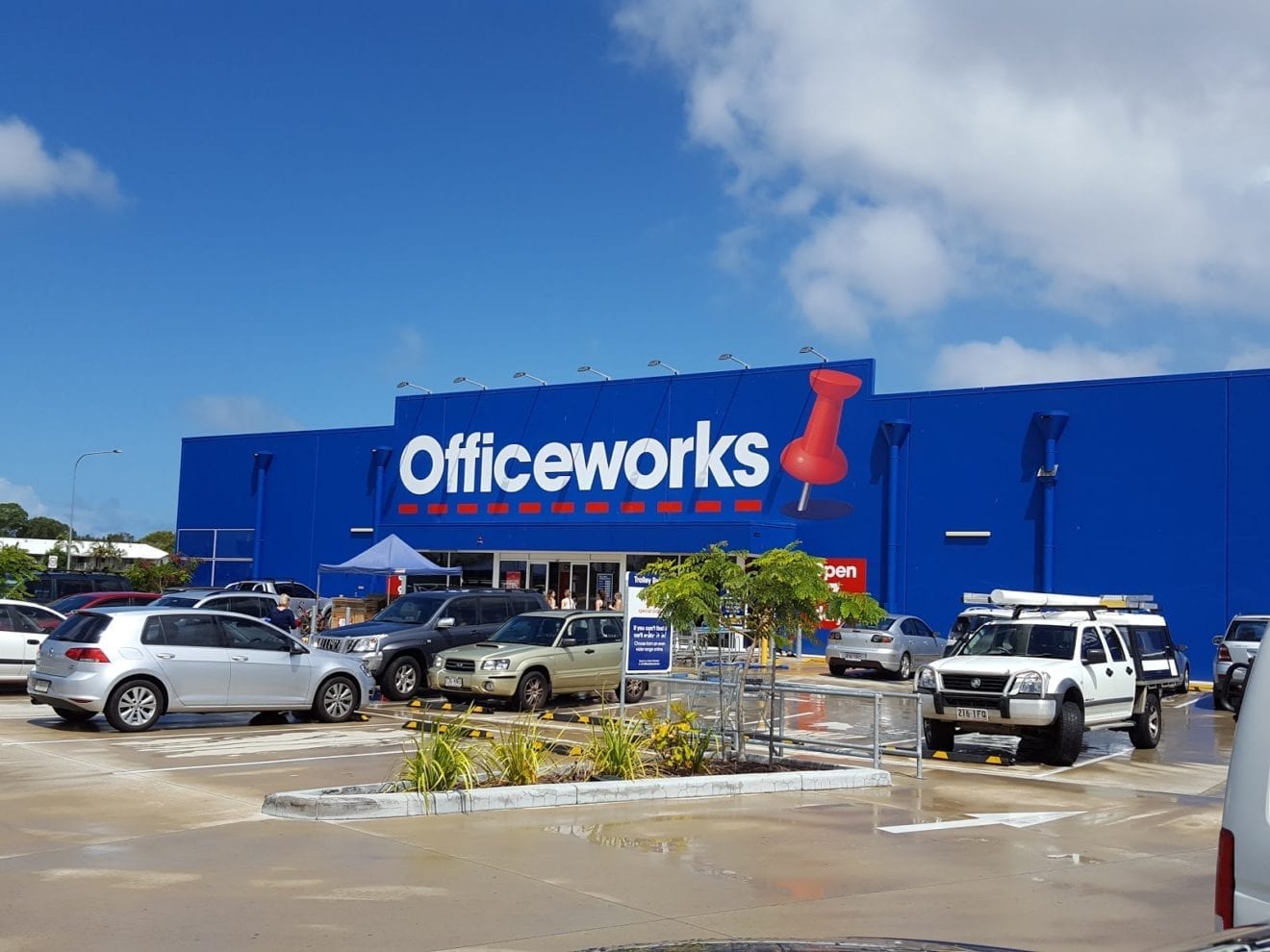
    Officeworks staff have approved a new Store Operations Agreement that will introduce higher base pay and penalty rates and new leave entitlements for eligible team members.

    More than 80 percent of staff participated in the vote, which closed on Sunday night, with 97 percent voting in favor of the new Agreement, according to a release from Officeworks.

    “The new Agreement sees over-award terms and conditions retained, with improved conditions for both part-time and casual team members when it comes to securing work,” the Wesfarmers-owned retailer said in the release.

    As part of the four-year agreement, eligible team members will receive a 2 percent wage increase for the first two years and a 3 percent wage increase for the last two years, with the base pay rate continuing to clock in above the award. They will also be paid higher penalty rates on weekends and evenings.

    Team members will also be able to choose their superannuation fund, and they will be provided with two days of paid domestic and family violence leave.

    Officeworks’ new leave entitlements follow the introduction of its ‘Growing Families’ policy in March, which saw primary carers receive 12 weeks of paid leave, double the amount they received previously, and secondary carers receive two weeks of paid leave, where none was available before.

    It also entitles primary carers to 52 weeks of superannuation contributions and long-service-leave accrual, and secondary carers to two weeks of superannuation contributions.

    “Providing certainty about pay and conditions for our team members so that they can plan their work and life more effectively is important to us and has been an absolute priority for me and my team,” Sarah Hunter, Officeworks managing director, said in the release.

    “I’m really excited that our team has overwhelmingly voted in favor of this Agreement. It’s such an exciting time at Officeworks and creating more stability for our team members will help us make bigger things happen together moving forward.”

    The Agreement will now be lodged with the Fair Work Commission for approval; however, the retailer said yesterday that it would immediately increase the base pay rate by 2 percent for all team members covered by the agreement.

  • India, Indonesia Set $50 Billion Trade Target By 2025

    India, Indonesia Set $50 Billion Trade Target By 2025

    India and Indonesia on Saturday set an ambitious USD 50 billion target for bilateral trade over the next six years as Prime Minister Narendra Modi and President Joko Widodo discussed ways to deepen cooperation in a number of key areas including economy, defense and maritime security.

    The two leaders, who are in Osaka, Japan for the G20 Summit, met in the morning and discussed ways to boost bilateral ties and enhance cooperation in trade and investment. According to the Ministry of External Affairs spokesperson Raveesh Kumar, India and Indonesia set a USD 50 billion target for bilateral trade by 2025.

    Trade between the two countries in 2016 was USD 12.9 billion. It rose 28.7 percent to USD 18.13 billion in 2017 with Indonesia’s exports to India reaching USD 14.08 billion and its imports from India standing at USD 4.05 billion, according to Indonesia’s Central Statistics Agency.

    During his meeting between Prime Minister Modi and Indonesian President Widodo, the two leaders discussed ways to deepen bilateral cooperation in trade and investment, defense and maritime fronts. This was Modi’s first official engagement on the second day of the June 28-29 Summit.

    “Beginning Day 2 of the G20 Summit by meeting a valued friend. PM Narendra Modi holds talks with President Joko Widodo on ways to deepen India-Indonesia cooperation,” the prime minister’s office tweeted.

    In a tweet, Kumar said, “Taking forward the comprehensive strategic partnership. PM Narendra Modi had a productive meeting with Indonesian President Joko Widodo on margins of G20 Summit. Discussed expanding cooperation in trade & investment, defense, maritime, space & exchanged views on Indo-Pacific vision”.

    On Friday, Modi held bilateral and plurilateral meetings with many leaders, including US President Donald Trump, Russian president Vladimir Putin and China’s Xi Jinping.

  • Vietnam franchise opportunities Booming

    Vietnam franchise opportunities Booming

    Fourteen international brands are seeking for Vietnam franchise partners.

    The brands will gather at VF Franchise Consulting headquarters in Ho Chi Minh City on July 9 to meet with prospective area or master franchisees for the market. The franchises are in the food-and-beverage sector, education, services, and come from the US, Taiwan, Thailand, Singapore, India and Japan.

    Of the 14 brands, 11 are in the retail space:

    * ACE International, a home-improvement franchise with more than 5200 stores in more than 60 countries.

    * Little Caesars Pizza, a takeaway pizza chain from the US.

    * Coldstone Creamery, a premium ice-cream chain from the US.

    * Mango Tree, a Thai casual-dining business from Thailand.

    * Mango Chili, a fast-casual Thai dining chain.

    * Cha Ji Tang, a Taiwanese fragrant hot-and-cold herbal/flower tea cafe.

    * Yang Xiang Ting, a Taiwanese dim sum conveyor-belt restaurant concept.

    * Fidele, an American-inspired seafood, and pizza chain.

    * Bing Girl, a Taiwanese sweet dessert cafe.

    * Machida Shoten, a Japanese ramen chain.

    * Mennya Kokoro, a popular Japanese dry-ramen chain.

    According to Vietnam’s Ministry of Industry and Trade, there are already more than 200 foreign brands registered in Vietnam, and the number of international brands seeking to enter Vietnam continues to grow by 15–20 percent annually.

    “With nearly 95 million citizens, Vietnam has one of the fastest growth rates when it comes to franchising and licensing,” says Sean T Ngo, founder, and CEO of VF Franchise Consulting.

    “Franchises that do well are in the food-and-beverage, education, retail, and services sectors. Goldman Sachs predicts Vietnam will be the 20th largest economy in the world by the year 2050.”

    The leading Thai company, Mango Tree, will be seeking its first franchisee for its Vietnam branch.

    “Mango Tree is one of the world’s most innovative and best-known Thai culinary lifestyle brands, serving contemporary Thai cuisine from authentic classics to modern updates to old favorites, complemented by creative mixology, expertly curated music, and buzzing locations,” said Trevor MacKenzie, Mango Tree’s MD. The company has already expanded into Hong Kong and Macau.

    Taiwanese bubble-milk tea chain Cha Ji Tang already has stores in Taiwan and Vietnam, and is in discussions over outlets in the Philippines, Korea, and Japan.

    “We are very excited about introducing our successful F&B franchises (Cha Ji Tang, Bingirl, Yan Xiang Ting, and Fidele) to Vietnam,” said Andy Hsu, owner of Reng Feng Brands, the parent company of Cha Ji Tang.

    “Taiwanese food and drinks are very popular in many countries, and we believe many Vietnamese will appreciate and enjoy authentic cuisine from Taiwan.”

    The minimum investment levels for the 14 franchise brands range from US$300,000 to $3 million.

  • YouTube TV updated with new Features

    YouTube TV updated with new Features

    YouTube TV is getting an important update this week, which brings a lot of visual changes that should be beneficial for the vast majority of users. The most important change is progressive fast-forward, a new feature that lets YouTube TV users to skip ahead when they tap and hold the fast-forward button.

    For starters, you’ll be able to skip a minimum of 15 seconds per second, and a maximum of 1 minute per second. Aside from the progressive fast-forward improvement, the latest update brings a much cleaner Now Playing user interface, larger thumbnails and better suggestions.

    According to YouTube, the update should be available for 50% of the users, but apparently, there’s a way for those who aren’t among those selected to get the update to benefit from the new improvements.

    The workaround requires users to uninstall the app and reinstall it to get a new visitor ID, which might enroll them in the experiment. And the beautiful part is that you can do that more than once until you finally get the update.

    Obviously, the new YouTube TV app is rolling out to all platforms, so regardless of what device you’re using for Google’s service, you should be eligible for the latest update.

  • Aston Martin’s Biggest Investor Considers Acquiring Another Stake

    Aston Martin’s Biggest Investor Considers Acquiring Another Stake

    The biggest investor in Aston Martin is considering buying another 3% stake, offering to increase its holding after shares in the luxury carmaker crashed almost 50% since its listing nine months ago.

    Strategic European Investment Group, part of the Italian private equity group Investindustrial, owns 31% of Aston Martin. It only wants to buy a maximum 3% stake but has to make an offer to all shareholders due to its already large holding.

    It has secured agreements from existing shareholders such as a group of Kuwait-based investors to back the move.

    It is offering to pay 10 pounds ($12.68) per share, the price at which the shares closed on Friday. It must make a decision by July 29.

    Aston Martin has struggled since it listed in October last year. Its shares fell on the opening day and are now down 47 percent. The company’s recent results have been hit by a need to invest more in its manufacturing plants and expand its vehicle offering, leading to higher costs.

  • Dairy Farm Group agencies under Investigation

    Dairy Farm Group agencies under Investigation

    Dairy Farm Group has announced a review of its creative and media agencies across all its brands and markets.

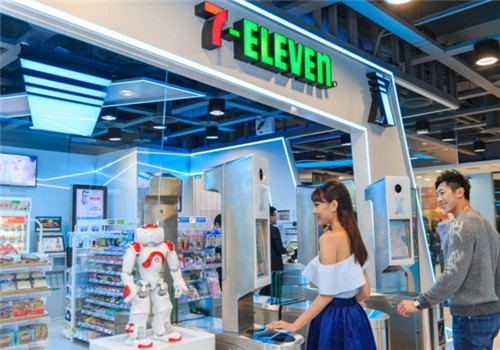
    The process will see advertising and other agencies invited to pitch for branding and promotional services across brands as diverse as 7-Eleven, Giant, Cold Storage and Guardian, potentially expanding to Ikea in several Asia markets and Starbucks, which Dairy Farm has the rights to in Hong Kong, Singapore, Vietnam, Thailand and Cambodia, through subsidiaries.

    Those retail brands are currently serviced by a variety of agencies and there is no suggestion that Dairy Farm will opt for a single agency across all brands.

    A Dairy Farm spokesperson said: “As part of normal business practice, Dairy Farm, with its multiple banners and brands, from time to time reviews creative and media agencies to ensure we are getting the best service and value for our brands and customers.

  • Facebook to ban ads dissuading Americans from voting

    Facebook to ban ads dissuading Americans from voting

    Facebook issued an update on its Civil Rights Audit today and notes that the platform now bans messages that praise, support or represent white nationalism and white separatism. The report adds that Facebook posts should be banned even if those exact terms are not used. This would be done by picking out certain “hate slogans and symbols” connected to white nationalism and white separatism.
    Facebook says that it has also updated its policies to prevent it from being used to organize events that are meant to “intimate or harass people based on their race, religion, or other parts of their identity.” And the site will no longer allow messages to be posted that encourage others to bring weapons to certain events. Facebook says that it has a trial program running in the U.S. where some of its content reviewers focus on hate speech instead of the usual “bullying, nudity, and misrepresentation.” The company says that by focusing on hate speech, these reviewers will become more accurate in deleting such speech from the platform. Facebook hopes that these reviewers get better at determining which content should be left up, and which should be taken down. The report notes that some civil rights groups are concerned that some content meant to point out and fight discrimination is being taken down by mistake
    And to prevent a repeat of what happened during the 2016 presidential election when Russian trolls posted misinformation and tried to get Americans not to vote, Facebook has a number of departments working full time on the matter. They are working to ban ads that tell people not to vote and hope to have a new policy in place before the 2019 gubernatorial elections. Facebook is also treating the 2020 census like an election with technology at the ready to prevent interference on this important subject as well.
    Facebook also played a big role in the election by allowing 87 million members to have their profiles used by Russian-American ex-Cambridge University professor Aleksandr Kogan who sold the data to Cambridge Analytica. The latter was a U.K. consultancy with ties to former Trump advisor Steve Bannon. Cambridge Analytica reportedly used this information to create psychological profiles helping the Trump campaign learn where it needed to beef up campaigning. It also posted pro-Trump ads on Facebook and YouTube while at the same time posting ads disparaging of Hilary Clinton.
    Facebook is expecting to be fined as much as $5 billion by the FTC because of the Cambridge Analytica scandal. The company had agreed to a consent decree with the regulatory agency back in 2011 that prevented it from allowing member profiles to be used by others without their consent. This agreement was broken when Cambridge Analytica obtained data on the aforementioned 87 million Facebook subscribers.
    Facebook’s Civil Rights Audit was conducted by civil rights advocate Laura Murphy. She also received support from the civil rights law firm Relman, Dane and Colfax. Today’s report follows the first Civil Rights Audit released last December.
  • Suzuki, Mazda, Subaru Join Toyota-Softbank Self-Drive Venture

    Suzuki, Mazda, Subaru Join Toyota-Softbank Self-Drive Venture

    Five Japanese automakers including Suzuki Motor Corp and Mazda Motor Corp said they would each invest 2 percent in the on-demand, self-driving car service venture set up by SoftBank Corp and Toyota Motor Corp. Suzuki, Mazda, Subaru Corp, Isuzu Motors Ltd and Toyota’s compact car unit Daihatsu will each invest 57.1 million yen ($530,620) in the venture – dubbed Monet – in return for a 2 percent stake, the companies said in a statement.

    SoftBank and Toyota will each retain their 35% stakes in the company, which is now capitalized at $26.6 million. The latest investors join Honda Motor Co Ltd and Hino Motors Ltd, Toyota’s truck-making operations, which each own 10 percent stakes. Launched in October, the venture plans to roll out on-demand bus and car services in Japan in the next year, and a services platform for electric vehicles in the country as early as 2023 based on Toyota’s boxy “e-palette” multi-purpose vehicle.

    Monet is building up members as it joins the ride-sharing sphere which is dominated by startups such as Uber Technologies Inc, Didi Chuxing and Lyft Inc, as traditional automakers band together to compete in an industry which is placing a growing emphasis on offering vehicle services rather than selling cars to individual drivers.

    Automakers are increasingly joining forces with technology companies as well as each other as they grapple with the massive investment and software expertise required to develop these new services for which demand has yet to be tested. The new investment will see Suzuki, Mazda and Subaru deepen their partnership with Toyota, as they have already agreed to tap the R&D firepower of Japan’s biggest automaker for electric cars and other future vehicle technologies.

  • The popularity of online loans has not increased in Singapore

    The popularity of online loans has not increased in Singapore

    Analyzing statistics of search requests, analysts of the company compared trends of demand for online loans in Singapore, Indonesia, Vietnam and the Philippines. The findings show that the situation in Singapore differs from other countries  significantly. The demand in Indonesia, Vietnam and the Philippines demonstrates a clear ascending trend and fast development. However, in Singapore, with low development of online loans issued by alternative lending companies, there is no significant growth of their demand recorded by the systems for search analytics. At the same time, looking at the frequency of the search request of “online credit”, the increase is observed from late 2007 to 2015 and stops afterwards.
    The reason is the faster economic development and dense area of Singapore, as opposed to its multi-island neighbours. Consequently, the country has an advanced financial sector, which is accessible for all residents. Taking into account the general maturity of the digital sphere, it’s obvious that the fintech services started developing here earlier, but within the traditional banking sector.
    The legislative regulation of lending in Singapore also makes an impact. Limited interest rates make it more profitable for alternative lenders to work with the business community. According to the University of Cambridge, in 2017, 99% of issued alternative loans there fell under the business segment. In the Philippines and Vietnam, the situation is opposite: only 7% and 10% of loans respectively accounted for business sector. In Indonesia, the distribution is more balanced: 72% were business loans and 28% – consumer loans.
    Moreover, the demand for online loans is affected by the age of the population. According to the United Nations, the average age of Singaporeans is 40, Filipinos – 24, Indonesians – 28 and Vietnamese  – 30. The young age and lack of access to banking products are the main driver for the development of alternative lending in Indonesia, Vietnam and in the Philippines. This is confirmed by the statistics on 200,000 online loans issued by the companies of Robocash Group in Southeast Asia (the Philippines, Vietnam, Indonesia), where 49.9% of borrowers are under 30.
  • Uniqlo opens another Australian store

    Uniqlo opens another Australian store

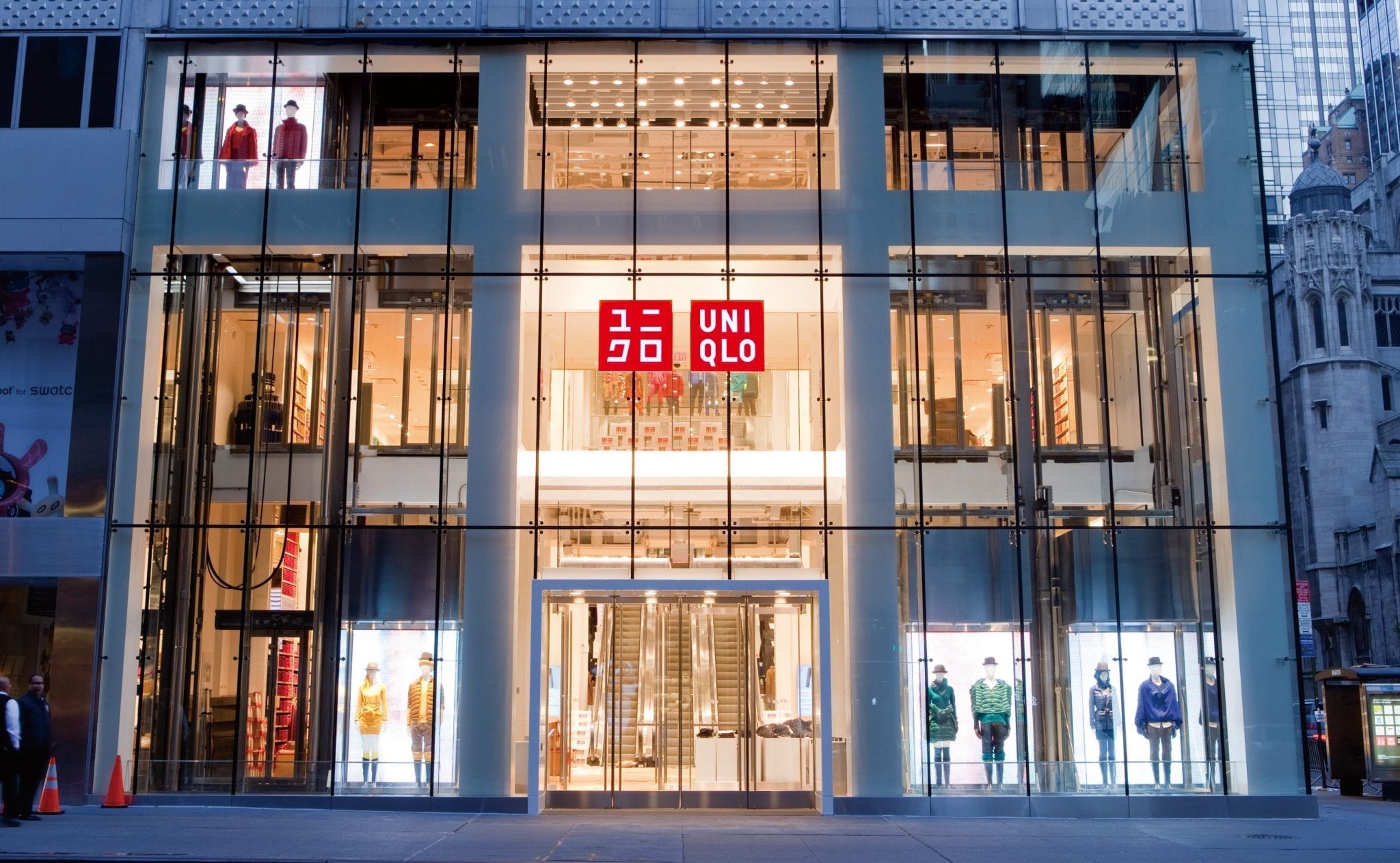
    Fast fashion retailer Uniqlo said it will open its 20th store in Australia on July 4 at Northland Shopping Centre.

    The new store, set in 888sqm of retail space, will take the retailer’s store count in Victoria to eight.

    According to the Japanese retailer, the Uniqlo Northland store will feature the brand’s LifeWear apparel for men, women, kids, and babies.

    “The opening of our twentieth site in Australia is a significant milestone that demonstrates our commitment to finding the right locations to extend our LifeWear message to all Australians,” said Kensuke Suwa, Uniqlo Australia chief operating officer.

    “Our offering of high-quality products at an affordable price, paired with exemplary customer service is resonating with Australians and we look forward to continuing our growth in 2019 and beyond.”

    The doors will open to consumers at 10 am after an official ribbon cutting ceremony and Japanese drumming celebration.