Tag: asia

  • Operation Octopus cracks down on counterfeit dolls in claw machines

    Operation Octopus cracks down on counterfeit dolls in claw machines

    Hong Kong Customs has conducted a territory-wide operation to combat counterfeit dolls in claw machines.

    Codenamed “Octopus”, the operation proceeded from June 5–13 and resulted in the seizure of about 2700 suspected counterfeit dolls and other relevant items with an estimated market value of about HK$300,000 (US$38,322).

    Customs had earlier received information alleging that the presence of counterfeit dolls in claw-machines shops was widespread in the market. Officers later conducted patrols in different districts.

    After further investigation with the assistance of a trademark owner, Customs officers raided six claw-machine shops in Chai Wan, Lam Tin, Mong Kok, Tuen Mun and Tin Shui Wai as well as a storage facility in San Po Kong. Some 2700 suspected counterfeit dolls and other suspected counterfeit goods, 15 claw machines and five token changing machines were seized.

    During the operation, three men and three women were arrested, including three shop owners and three staff members, aged between 26 and 50.

    The investigation is ongoing.

    Divisional commander (IP general investigation) Peggy Tam told press that Customs would continue to step up inspection and enforcement to fight against the use of counterfeit goods for the purpose of trade. She reminded consumers to check with the trademark owners or their authorised agents if the authenticity of a product is in doubt.

    She also reminded traders to be cautious and prudent in merchandising since the possession of counterfeit goods for any purpose of trade is a serious crime and offenders are liable to criminal sanctions.

    Under the Trade Descriptions Ordinance, any person who sells or possesses for the purpose of trade any goods with a forged trademark commits an offence. The maximum penalty upon conviction is a fine of HK$500,000 ($63,870) and imprisonment for five years.

  • Global personal luxury goods market growth endures

    Global personal luxury goods market growth endures

    Global personal luxury goods market growth has reached a “new normal” pattern, following back-to-back years of strong performance in 2017 and 2018, according to the luxury goods industry advisory service Bain & Company.

    Last year, 6 per cent global growth* led to €260 billion (US$292 billion) in sales, which is expected to balloon to €271–276 billion ($304.3–310 billion) this year, registering an expected 4-per-cent to 6-per-cent growth at constant exchange rates.

    According to Bain, the growth has been driven primarily by the acceleration in domestic spending of mainland Chinese consumers and an increase in European tourism, which, despite socio-political turmoil in countries like the UK and France, fuelled positive growth in the region through last year’s holiday season.

    Meanwhile a temporary weakening of consumer confidence in North America, as well as a decrease in traffic to malls and department stores, negatively impacted personal luxury spending during last year’s holidays stateside.

    The findings were part of the Bain Luxury Goods Worldwide Market Study, Spring 2019 presented this week in collaboration with Fondazione Altagamma, the Italian luxury goods manufacturers’ industry foundation.

    “This year looks to be on par with our new normal of growth in the market,” said Bain & Company partner and lead author of the study Claudia D’Arpizio. “China continues to dominate the luxury scene. Elsewhere we are continuing to see geopolitical uncertainty shape and reshape tourism spending patterns, with Chinese consumers choosing to spend domestically with more frequency. Overall we are seeing moderate growth in most markets.”

    The report showed that mainland Chinese consumers are demonstrating a strong preference for purchasing luxury goods at home thanks to price harmonisation, consumer-centered strategies, and governmental initiatives. Solid consumer confidence and willingness to buy, especially among young generations, are expected to drive year-over-year growth of 18–20 per cent* in the region.

    Japan remains an exclusive and attractive market for luxury brands, with forecasted growth of 2–4 percent* in 2019. Tourist spending is expected to rise ahead of the Tokyo Olympics in 2020, with Chinese consumers already confirming their interest in the area.

    Across the rest of Asia the outlook is positive, apart from Hong Kong and Macau, which continue to lose out to Mainland China. Bain & Company asserts that the luxury market in the region is set to grow by 10–12 percent*. An expanding middle class with increasing disposable income is fueling growth in Indonesia, Philippines and Vietnam, while sustained growth in South Korea is the result of local consumers and a mild rebound of tourism.

    The rest of the world is expected to be flat or see a slight decrease of 2 per cent*, with the Middle East remaining stagnant as domestic consumer spending begins to flow outside of the region.

    “We expect stable growth in 2019,” said D’Arpizio.  “But under the surface of this new normal, the future of luxury is taking shape with a number of key characteristics, including Chinese Generation Z, access, ownership, sustainability and social responsibility, the impact of digital across the entire value chain, preference for luxury experiences over products, and consumer networks as a new measure of value.”

  • New era for users of Android’s Messages app starts later this month

    New era for users of Android’s Messages app starts later this month

    Instead of continuing to wait for carriers worldwide to get together to support the global rollout of Rich Communication Services (RCS), Google is taking the next generation of Android messaging into its own hands. Starting later this month in the U.K. and France, Android users will be able to opt into Google’s own RCS Chat services. Eventually, this will be offered in more countries later this year, and with Google taking care of this directly; eventually, we could see RCS made available for all Android handsets.

    The platform developed to replace short message service (SMS) on Android phones does away with the 160 character limit on texts and supports group messages. It also will show a user that a text he sent has been read (the so-called “read receipt”) and will show when someone who is part of a chat is in the middle of typing a message. The RCS platform also allows users to engage in a video chat without the necessity of installing a third party app like Duo and supports the sharing of large files.

    What RCS doesn’t have that some other messaging apps do is end-to-end encryption. This is a key security and privacy feature offered on third-party titles available for Android like WhatsApp and Telegram. But Google is working on it and Sanaz Ahari, one of the Googlers in charge of Android’s Messages app says, “We fundamentally believe that communication, especially messaging, is highly personal and users have a right to privacy for their communications. And we’re fully committed to finding a solution for our users.” Ahari adds that the goal is “a great, simple user experience that just works for every Android user.”

    Google, at least at first, will offer RCS to those Messages users who opt-in for the service when it is available in their market. When that happens, users will open the Android Messages app and will receive a prompt asking them if they’d like to sign up for RCS Chat, which is Google’s name for the SMS replacement. On new Android phones, Messages will remain the default messaging app and once the app is opened, users will be asked if they’d like to opt-in to RCS Chat. This is different than the way Apple automatically has iOS users opt-in to Messages. While Google will indeed offer RCS Chat to all Android users, they will still get to make their own choice whether to accept it.

    In Apple’s Messages, if the user sees iMessage in the text field, he knows that he is conversing with another iOS user. If he sees text message in the same field, the conversation he is having is most likely with an Android user. Google will do something similar; if you see Chat on the app, it means that the person on the other end of the message also has RCS. And as we pointed out, RCS does not have end-to-end encryption; the messages are encrypted en route from the sender to recipient, but if your RCS provider is asked by law enforcement for a copy of your RCS based conversation, the information can be delivered to them. However, once a message is received by the recipient, it is removed from Google’s servers. Drew Rowny, the product lead for the Android Messages app says “From a data retention point of view, we delete the message from our RCS backend service the moment we deliver it to an end user. If we keep it, it’s just to deliver it when that person comes online.”

    Android users should feel better about the timeline for receiving RCS now that Google is handling the rollout itself. This means that carriers’ approval is not needed. And the faster that RCS is rolled out, the quicker Android users can enjoy it.

  • Shopeline, Asia’s Biggest Smart Commerce Platform, Strengthens Foothold in Southeast Asia

    Shopeline, Asia’s Biggest Smart Commerce Platform, Strengthens Foothold in Southeast Asia

    Shopline, the global smart commerce platform, has today announced the official expansion of its operations to Malaysia. The news follows the closure of a successful US$2 million funding round earlier this year, led by CDIB Capital Group and Alibaba Hong Kong Entrepreneurs Fund, and reaffirms SHOPLINE’s confidence in the Southeast Asia market.

    The start-up, originally founded in Hong Kong, enables merchants to easily set-up online stores, and offers a wide selection of shop designs, payment gateways, and shipping carriers tailored to the needs of local and cross-border merchants. It has grown over the last six years to become the market leader in Asia, helping more than 150,000 entrepreneurs, SMEs and large enterprises such as Durex, Bee Cheng Hiang and Hiwalk go digital. In 2018, SHOPLINE’s merchants reached over 200 million customers.

    The Southeast Asian Digital Opportunity

    Figures from the latest annual Global State of Digital report by Hootsuite and We Are Social revealed an explosion in online engagement across the region, with the Philippines, Thailand, Indonesia and Malaysia all ranking in the top 10 countries on the world’s internet usage index.

    Meanwhile, a recent study by Google and Singapore’s Temasek Holdings predict that Southeast Asia’s internet economy will be worth in excess of US$240 billion by 2025, with e-commerce accounting for 40 percent (US$102 billion), up from 2018’s US$23 billion spend.

    Against this backdrop, the opportunities presented by the booming Southeast Asian digital economy are immense. However, in order to successfully leverage its potential, businesses need to not only ensure they’re in the mix, but that they also provide a seamless and integrated online to offline experience.

    With a strong following in its native Hong Kong, along with offices in Taiwan, Ho Chi Minh City and Shenzhen, SHOPLINE now adds Kuala Lampur to its network, and has plans to further expand its footprint across the region.

    Empowering businesses and merchants in Southeast Asia with smart, omni-channel tools

    Having already supported several launch partners in beginning their online ventures, SHOPLINE will expand its Malaysia offering in the coming months to include its range of online to offline (O2O) solutions, which enable merchants to connect across channels and optimise the customer’s shopping experience.

    Services will include the SHOPLINE Kiosk, a CRM tool that allows users to sign up for membership with a mobile number or email in seconds; the SHOPLINE Broadcast Center, a marketing automation tool enabling merchants to reach customers via Facebook’s chatbot, SMS and email; and Shoplytics, a proprietary smart analytics dashboard that allows merchants to visualise and analyse data related to their store’s web traffic, revenue, product performance, customers, marketing and promotion campaign performance.

    Later this year, SHOPLINE will further look to introduce its cloud-based point-of-sale (POS) system tailored for retailers, enabling them: to keep an accurate record of store transactions; track and manage store inventories; generate real-time sales performance reports; track staff performance and manage payroll; manage membership and more–creating a unified omni-channel solution over multiple store locations.

    Tony Wong, Co-founder and CEO of SHOPLINE said: “We’re delighted to be setting up camp in Kuala Lumpur. Underpinned by strong governmental support and a huge jump in mobile and internet penetration, we see incredible potential in Malaysia, and indeed the wider Southeast Asian digital economy. SHOPLINE is committed to helping our partners – our merchants – grow with us. By introducing our comprehensive range of O2O and POS solutions to new markets, we hope to equip more merchants with the tools they need to go digital and go global, creating a smooth and holistic shopping experience across offline and online channels.”

    He added: “This is an exciting time for the SHOPLINE team. We have grown from a three person team to a company with over 200 employees across the globe. Each office recruits local team members with deep insight into their respective markets, allowing us to provide tailor-made solutions to satisfy our merchants’ individual needs and Malaysia is no exception.”

  • Deliveroo Riders Can Now Get Same-day Access to Earnings

    Deliveroo Riders Can Now Get Same-day Access to Earnings

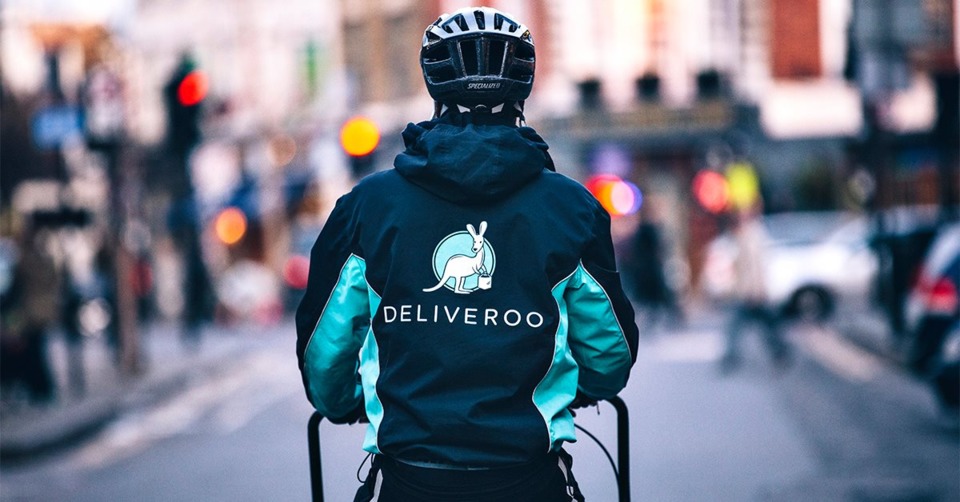
    Deliveroo riders in Hong Kong can now get paid quicker as part of a new initiative being introduced by the company. The leading food delivery service has launched ‘Get Paid’, which allows riders to opt to receive their fees as early as the same day at the tap of a button, should they wish to.

    This new feature will help riders manage their finances, to access money in an emergency or simply if they need instant money. Whether it’s a student needing extra cash before their loan arrives, someone with a part-time job needing money to tie them over until their payslip arrives, or a parent needing funds to pay for an unexpected household bill, Get Paid will help ensure riders’ fees have access to their earnings when they need it most.

    Riders in Hong Kong currently receive their earnings on a bi-weekly basis, however they can now also choose to get these earnings more quickly. If they want, riders can get their earnings on the same day if requested by midday, or on the following day if requested after midday; rather than waiting. It is completely riders’ free choice whether they want to make use of this new service.

    This new feature reflects the changing world of work, with more and more people choosing flexible, on-demand ways of working to fit their lifestyle. Just as riders’ work is on-demand, many now also want to be able to access their earnings on-demand.

    This new option for riders cements Deliveroo’s commitment to offering flexible work and attractive earnings. Riders can not only login and logout where and when they want, they can now get paid when they want.

    Brian Lo, General Manager of Deliveroo Hong Kong, said, “Workforce today want flexible work that puts them in control of their hours and earnings, and Deliveroo is proud to continually innovate our offerings to deliver on these demands. ‘Get Paid’ empowers our outstanding fleet of riders, so they can enjoy more control over when and how they get paid. This is great news for riders and it’s an exciting step forward for Deliveroo in our ongoing push to offer the flexible, well-paid work riders want.”

    Since its global launch in March, 70% of Deliveroo’s riders have used Get Paid, and up to 25% of active riders on a given day are using it to access their pay. Deliveroo is also seeing riders Get Paid more than once a week, at an average of every four to five days, with Sundays being the biggest day.

    Mr. Leung, a 28 year-old Deliveroo rider in Hong Kong who is a part time rider and a full time car maintenance technician has tried the Get Paid feature, said, “Get Paid is a great option in case I need to access my pay earlier than expected. I appreciate that being a rider with Deliveroo means I get more choice and flexibility, which is essential for my busy lifestyle. I can decide when I want to work and access well-paid work on demand, and now thanks to Get Paid I can also access my earnings when I need them.”

    Get Paid emerges on the heels of other recent Deliveroo initiatives to support the needs of riders in Hong Kong and help them enjoy well-paid, secure, flexible work from Deliveroo which can be combined with other responsibilities such as studying. In 2018 Deliveroo launched a completely free, first-of-its-kind insurance package for all on-demand self-employed Deliveroo riders in Hong Kong and worldwide. This year, Deliveroo is providing over 150 riders in Hong Kong with access to 13 first aid training courses administered by the Hong Kong Red Cross, to equip them with life-saving skills which can benefit the riders and the Hong Kong community where they live and work.

  • Ericsson comes up with super high-tech anti-smartphone-theft solution

    Ericsson comes up with super high-tech anti-smartphone-theft solution

    Over the past few years, manufacturers have made great strides to discourage smartphone theft. These are usually locking mechanisms, which block the phone from ever being used by someone else than its user — either through biometric scanners or the good old passcode. And if a thief tries to reset your device, it will usually become a brick, which will not activate unless your personal password is entered on boot.

    But that hasn’t stopped thieves entirely. For one, they like to try their chances — some users still don’t lock their phones. And two, some phones can still be hacked into after a factory reset. So, additional solutions are always welcome. Swedish company Ericsson (remember the partnership Sony-Ericsson?) has come up with and patented a very high-tech anti-theft system. It’s called “Adaptive Friction” and currently only exists on paper, filed as a patented idea.

    Basically, the phone will use multiple sensors to maintain constant awareness of its contextual environment — whether it’s in a pocket, on a table, in a purse, et cetera. It will do this by analyzing data from its microphones, light sensor(s), camera(s), and gyroscope. Whenever a hand is laid on the device, it will quickly try to determine whether or not it’s being grabbed by its owner — it will do so by analyzing the grip (whether it’s a secure and confident grab, or a cheeky corner pinch) and even by utilizing biometric sensors to analyze the person’s heartbeat and compare it to known heartbeat patterns of the rightful owner.

    If the phone determines that it’s being nabbed by an unknown person, it will begin vibrating at ultrasonic frequencies, which should — in theory — make it super slippery and hard to pinch out of a pocket. Hence the name “Adaptive Friction” The patent does state that the technology can also be used to make the phone extra grippy and stick to the user’s hand when being used, thus making it harder to drop, which also sounds pretty interesting.

    Of course, this sounds like a whole ton of tech that needs to be tuned in order to make this work quickly and reliably. As with any patent — there’s no guarantee we’d see it in a phone any time soon (if ever), but this one definitely has some interesting “out of the box” thinking.

  • Honda e Electric Vehicle Details Revealed

    Honda e Electric Vehicle Details Revealed

    Honda’s new compact electric vehicle, the Honda e, is the first Honda to be built on a dedicated EV platform, designed from the ground up but finally, there are details that have poured out which give more information about the specifications. The Honda e platform has been developed focussing on urban environments. The battery is positioned at a low level under the floor, and centrally within the wheelbase of the car, affording a 50:50 weight distribution and low center of gravity for optimal handling and stability. Power from the high-torque electric motor is delivered through the rear wheels, enabling steering precision even at high acceleration.

    The four-wheel independent suspension is engineered to offer better stability in all conditions, a smooth ride and responsive handling. Elements of the suspension components are forged aluminum to reduce weight and benefit performance and efficiency. The compact size of the Honda e sees it get a short overhang and it’s also best suited for the urban environment.

    The Honda e gets a 35.5 kWh Lithium-ion high-capacity battery, can be charged using either Type 2 AC connection or a CCS2 DC rapid charger. It’s range on a full charge stands at 200 km, and the fast charging capability sees it charge up to 80 percent in just 30 minutes. The Honda e charging port is integrated into the bonnet, with LED lighting visible through a glass panel to illuminate the port for the driver and highlight the battery charging status. The positioning of the charging port allows easy access from the front of the car or from either side. Displays on the dual touchscreens inside the car present the current level of battery charge, while a drivetrain graphic charts the current power flow and the regeneration and recharging status.

    The battery pack is water-cooled to maintain an optimum thermal state, therefore, maximizing the efficiency of the battery and charge state, while also ensuring its size and weight are minimized so that it does not compromise cabin room.

    Honda has already received 31,000 expressions of interest, and customers can make a reservation for priority ordering online in UK, Germany, France and Norway

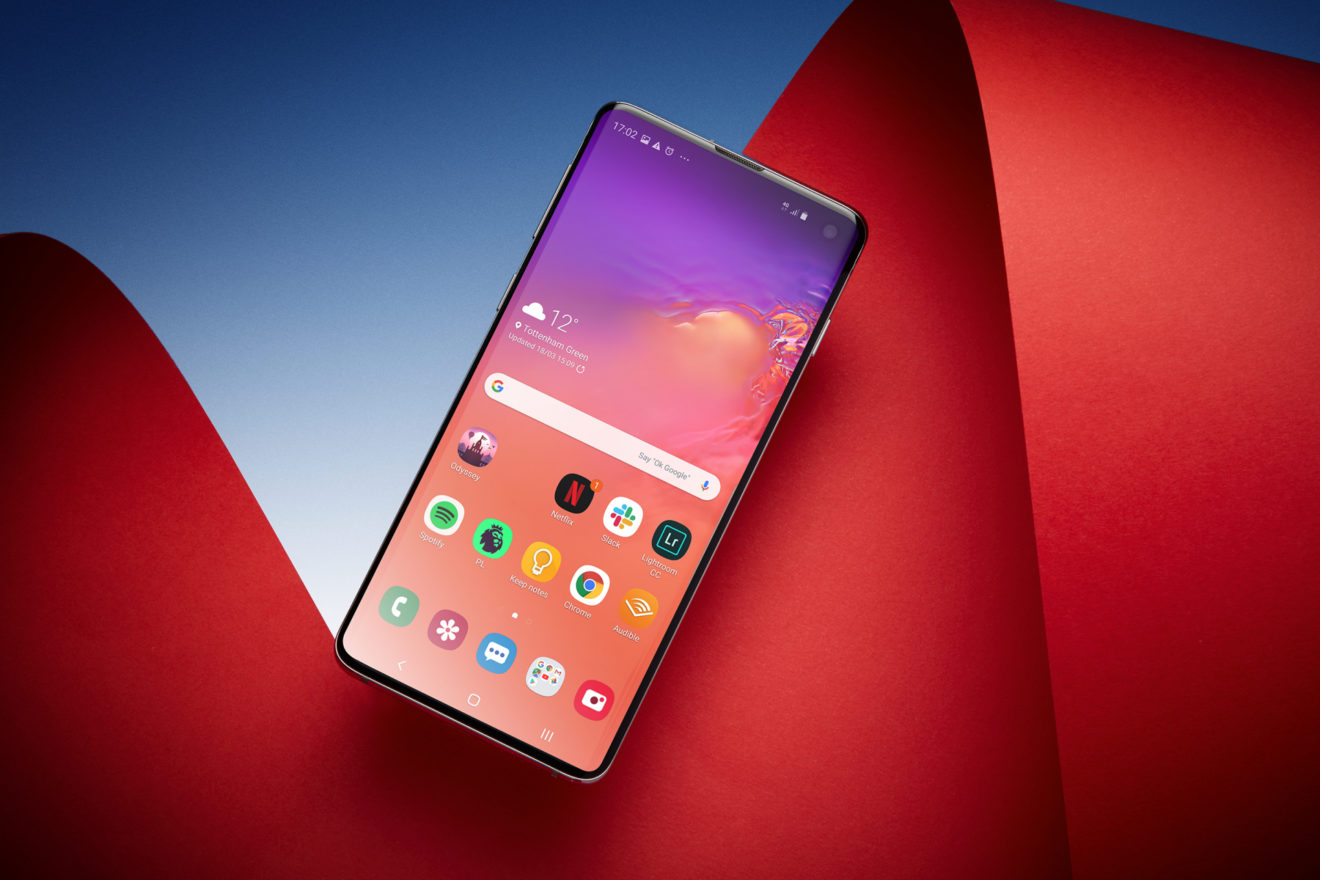
  • Galaxy S11’s chipsets may support fast DDR5 memory and 5G modem integration

    Galaxy S11’s chipsets may support fast DDR5 memory and 5G modem integration

    Next year, we are going to see a real competition in the world of mobile processing units, it seems, as both the next Exynos and Snapdragon 865 chipset lines will be done at Samsung’s second-gen 7nm production facilities. Currently, Snapdragon 855 that is in the Galaxy S10 for the US is done at the first-gen 7nm production node, while Exynos 9820 for the global versions is on 8nm.

    What we were wondering most about, however, is whether Qualcomm and Samsung’s venerable 5G modems will be soldered together with their processors, in a true system-on-a-chip fashion, or will they be separate entities like this year. The need for two separate components to tack on Snapdragon 855 forced many a phone maker to do “5G” versions of their flagships, often with bulkier bodies and larger batteries, and we hope that this tendency won’t stick around next year as well.

    The last thing we heard about Snapdragon 865 is that it will have two versions, with and without 5G connectivity, just like this year, but what wasn’t clear was whether the 5G variant will have the modem integrated in a chipset fashion. Well, the latest tip from Roland Quandt doesn’t really clear that up, either, as he confirms the two models codenames Kona and Hurracan, but says “one likely with, one without integrated 5G modem (SDX55)” is in store which is the same speculation we’ve heard before.

    What we do learn as a new bit of info, however, is that both will come with support for the latest DDR5 mobile memory generation, and the fastest UFS 3.0 storage standard that the OnePlus 7 Pro shipped with. Samsung already announced it is mass production-ready for LPDDR5 memory chips but we wouldn’t hold our breath to see those in phones before next spring and the Galaxy S11 season.

    Samsung recently tipped that it is planning to integrate a 5G modem into a chipset (presumably of its own Exynos making) faster than anyone, and we’d expect to hear about it before the end of the year, with the inevitable end goal to see it make a cameo in the S11 alongside the Snapdragon 865.

  • Cafe de Coral profits down during 50th anniversary year

    Cafe de Coral profits down during 50th anniversary year

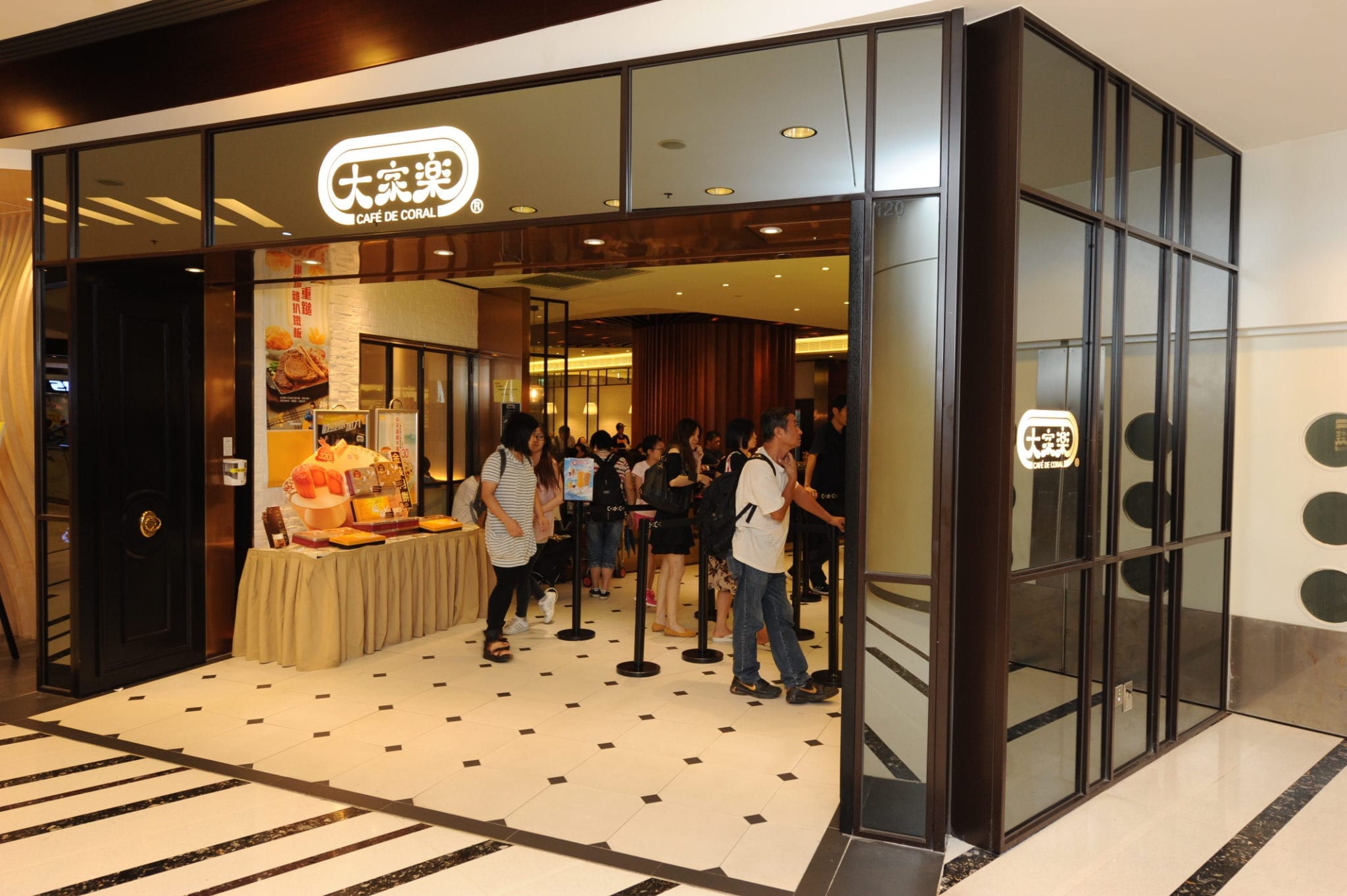
    A sharp focus on customer experience and behind-the-scenes efficiency has driven a solid rise in profits for Cafe de Coral in its 50th year of trading.

    Revenue for the Hong Kong-listed quick-service restaurant, catering and casual dining operator rose by a modest 0.8 per cent to HK$8.494 billion, however profit attributable to shareholders soared 28.9 per cent to $590.3 million, primarily due to improvements in operating efficiency and profit margins.

    “The results achieved during the year under review indicate clear improvement in performance and customer experience, as well as a positive trend in all areas of operations,” said chairman  Sunny Lo Hoi Kwong.

    “Our philosophy towards development is driven by a long-term view, and is inspired by a belief that development cannot be rushed, yet it cannot be slow. While a succession team and sustainable growth take time to nurture, it is important the business maintains forward momentum while adapting to the environment.”

    He said the China market – and in particular the Greater Bay Area – was a key driver of growth for the group during the past year.

    “Over the past 50 years, our business has organically grown outward from Hong Kong to include key neighbouring cities and regions, which cover largely the same footprint as the official Greater Bay Area region. In expanding from our home market, Cafe de Coral’s network in Mainland China has naturally focused on the Greater Bay Area – building on our knowledge of customers, markets, property and supply chain logistics. This has allowed us to grow at a comfortable pace, confident in our ability to maintain our high standards of quality, cleanliness and service throughout our network.”

    He said focusing on the future business environment, technology will continue to be a key differentiator of the business this year. “Whether automating mobile ordering, payment or take-out and delivery, e-channels now represent a significant portion of our business, which will only grow as time passes.”

    While sales in the QSR and institutional division decreased by 0.6 per cent to $6.26 billion, the businesses maintained their leadership positions in the Hong Kong market, and contributed 73.8 per cent of the group’s total sales. The division finished the year with 298 outlets – the same as at the same time a year earlier.

    “Although the Hong Kong market remains very competitive, sentiment is positive and the fast food segment continues to grow,” said Lo. “In order to maximise growth opportunities, the group is maintaining its focus on improving all parts of the customer journey. With the manpower investment program in previous years now largely complete, costs are stable and under control – and margins are improving as a result.”

    He said consumers remained price sensitive and continued to be attracted by price cuts and value promotions. Cafe de Coral fast-food recorded flat same-store sales growth during the year. A review of the store network saw one opened and six closed during the year, for a net 162 shops as at March 31.

    “With network consolidation now complete, the group expects to expand its network. Seven new outlets have been scheduled to open in the months ahead.”

    A new customer loyalty program launched in May last year has proven highly popular with customers, with a significant increase in membership.

    The group has strengthened Super Super Congee & Noodles’ brand positioning as Hong Kong’s No 1 leading neighbourhood chain, providing nostalgic traditional and authentic Chinese cuisine (congee, noodles and wok-fried dishes). It achieved 2 per cent same-store sales growth during the year.

    The casual dining business achieved revenue of $905.8 million during the year, an increase of 2.7 per cent year on year. Following rationalisation of the brand portfolio and branch network, the division operated 60 shops at the end of the year, eight fewer than a year earlier.

    The group’s Chinese cuisine brands, Shanghai Lao Lao and Mixian Sense, maintained sizeable networks and shop presence with 12 and 17 shops at year end, respectively. Shanghai Lao Lao, the company’s leading home-grown brand, was successful in its promotions during the year.

    Mixian Sense opened three more shops during the year, introduced QR code ordering to improve the customer experience and operational efficiency, and also launched a new VIP program to encourage customer response.

    Non-Chinese cuisine brands continued to rationalise their branch networks to improve performance. The Spaghetti House ended the year with seven shops and Oliver’s Super Sandwiches with 13, both chains two stores down year on year.

    Lo said Mainland China represents a major opportunity for the group’s business. “Continuing last year’s momentum, the Mainland China business delivered strong performance during the year, achieving 7 per cent growth in revenue to $1.152 billion and same-store sales growth of 2 per cent.”

    Building on management’s confidence in the market, the group doubled the number of store openings compared to the previous year, opening 16 shops to end with 107. Another 20 new stores are planned for this year.


  • NEXEA Launches Startup-Corporate Pilot Program

    NEXEA Launches Startup-Corporate Pilot Program

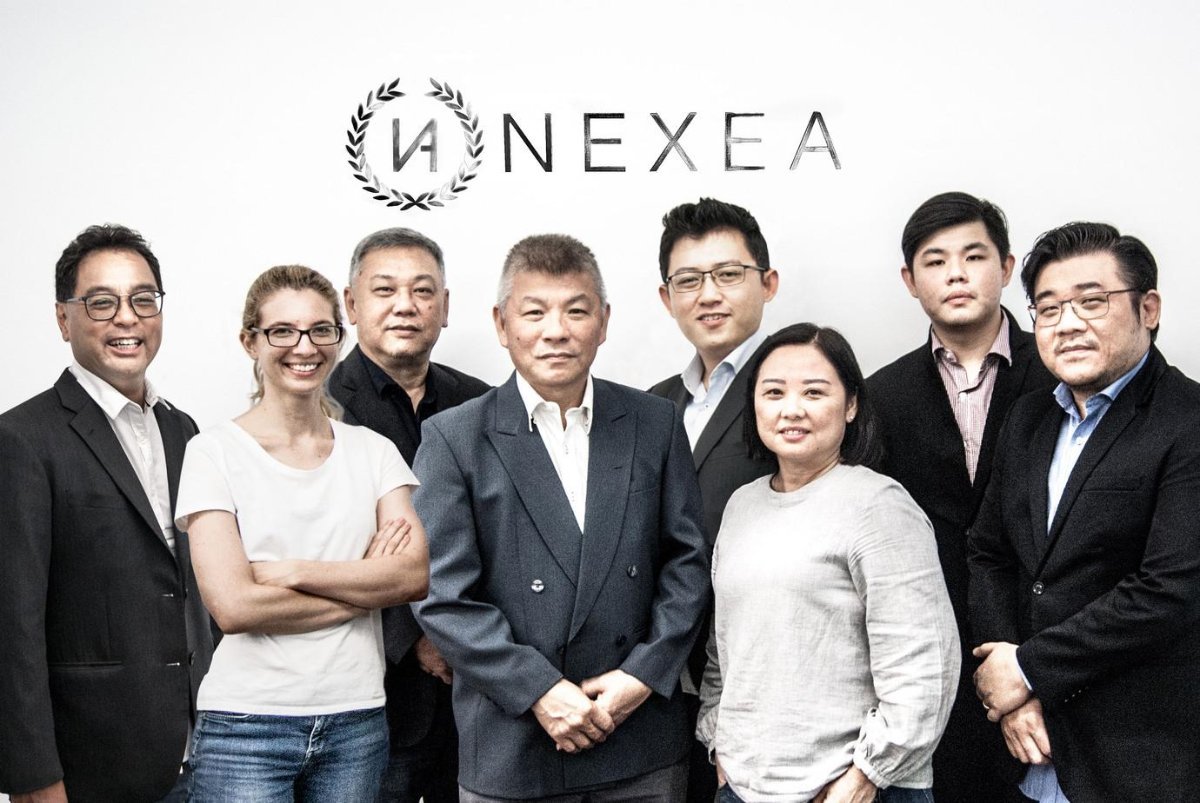
     NEXEA Angels Sdn. Bhd. (“NEXEA”), a leading startup investment firm today announced the launch of its Startup-Corporate Pilot Program that aims at bringing together local technology startups and corporations for the purposes of identifying and exploring potential collaborations among them. The program is held in partnership major organizations namely Digi, HELP University, Rhombus Connexion and Spritzer. Through the program, startups will get an opportunity to explore pilot projects with these organizations, validate business with feedback from them, explore real-world product testing and build up traction by having these organizations as potential customers. In addition, startups will also get support from mentors from NEXEA and have an opportunity to get funded by NEXEA and its co-investment partners. Startup-Corporate Pilot Program will start in July and run in parallel with NEXEA’s startup accelerator program.

    The Startup-Corporate Pilot Program is open to Malaysia-based startups ranging from ideation stage all the way to pre-series A. Applications to join are now open and will be closed on 24 June 2019. NEXEA is looking to enroll startups in the areas of connectivity, fintech, Internet of Things, SME solutions, F&B’s, education, healthcare and home services.

    Ben Lim, Managing Partner of NEXEA said, “Startup-Corporate Pilot Program is bridging the gap between startups and industry players. Many startups desire a working relationship with corporate entities but many too are unable to attain it due to various reasons. So, this year, besides running our regular Startup Accelerator Program we are bringing something different to the ecosystem – a platform where startups have direct access to corporations so they can explore potential collaborations. We are delighted that Digi, HELP University, Rhombus Connexion and Spritzer join in on our mission to help provide expert insights and opportunities for startups in our program.”

    Experienced entrepreneurs, CEOs and heads of innovation from the participating organizations will get involved in the program. With this approach to collaborations, NEXEA hopes to accelerate corporate innovation and the Fourth Industrial Revolution (IR 4.0).

    NEXEA has, in its team, experienced mentors where most of them are entrepreneurs, half of them have held C-level positions like CEO and some of them have successfully brought companies to initial public offering (IPO).

    Alex Foo, Head of Strategy and Transformation at Digi said, “We share a common belief with NEXEA that Corporates and Startups have a big role to play to foster the growth of innovation and innovators in Malaysia. By partnering with NEXEA’s Startup-Corporate Pilot Program, we hope to play a role in building the local startup ecosystem by sharing our knowledge and expertise in building businesses, while exploring collaborative opportunities with startups and jointly bring new innovations to market.”

    Adam Chan, Executive Director of HELP International Corporation Bhd. stated, “As HELP University embarks on its transformation plan to become an analytics-driven institution and one that provides our students with the opportunity to test their entrepreneurial acumen, working with NEXEA provides the platform for our students and graduates to embark on this journey. NEXEA has a strong program in this area and we are confident that the resources of both parties could potentially provide the catalyst to unearth the next unicorn.”

    Kent Chua, Co-Founder of Rhombus Connexion said, “In the era of disruption we face today, it is an “innovate or die” situation for corporates. Thus what better way than to work closely with brilliant young minds via NEXEA to tap on to their wild ideas and play a role in shaping and supporting the world’s future today.”

    Meanwhile, Kenny Lim, CEO of Spritzer Bhd., said, “The market is moving into AI, robotic technology, digitalization and etc., whether you like it or not, but indeed the spirit of entrepreneurship is always the first step on how an idea can be turned into conglomerate. Spritzer is a home grown brand, the entrepreneurship spirit is one of the factors that makes us to be where we are at today. One of our roles here is to share what we have learned, so others can shine.”

  • ABCDior pop-up Opening in Singapore

    ABCDior pop-up Opening in Singapore

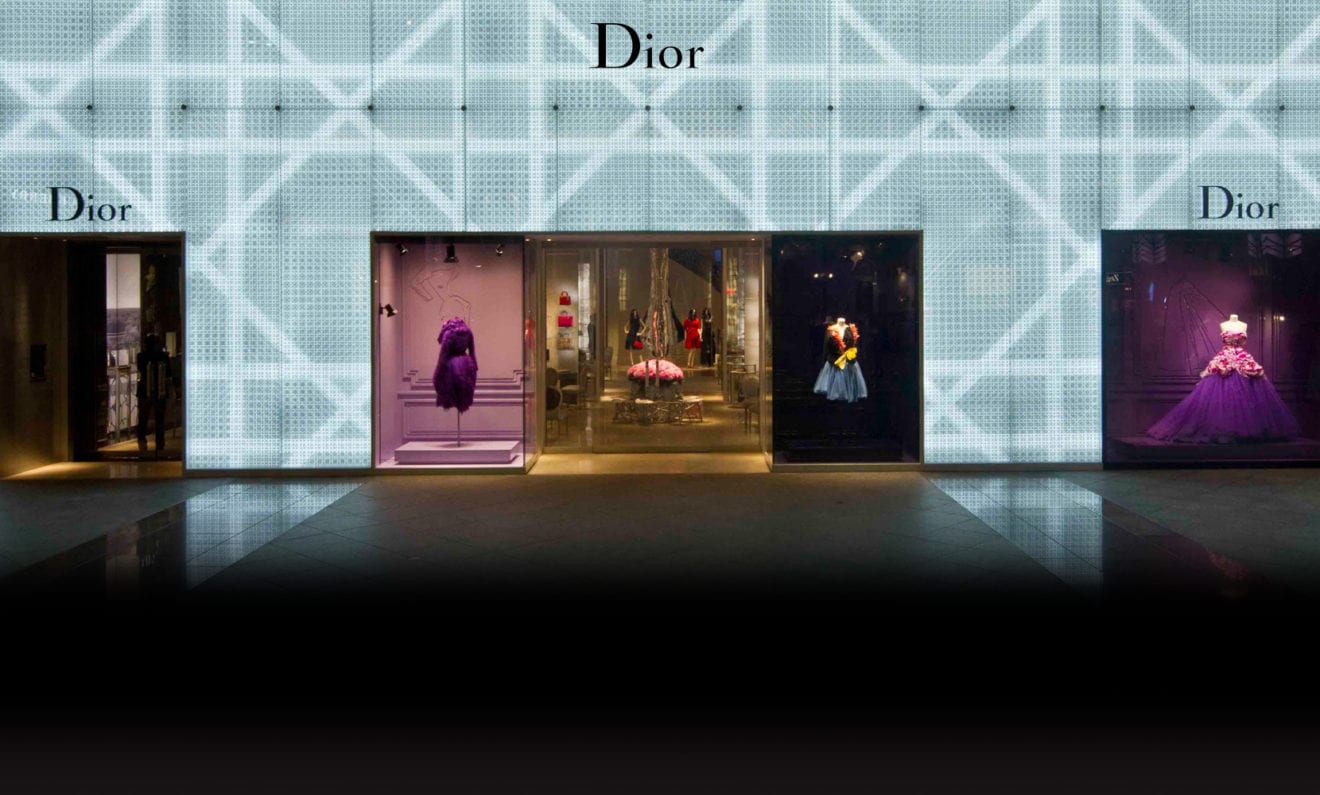
    French fashion house Dior will launch its personalised ABCDior pop-up store in Singapore.

    Located at the Dior boutique in Marina Bay Sands, the pop up will allow customers to embroider their names, initials or letters on a selection of Dior goods, ranging from its Book Tote, the Diorcamp bags, as well as the Walk ‘n’ Dior sneakers.

    These items are made in the Oblique canvas, featuring the interlocking Dior logo.

    The pop-up will run from June 20 to July 14.

  • L’Occitane profit rose after Restructuring

    L’Occitane profit rose after Restructuring

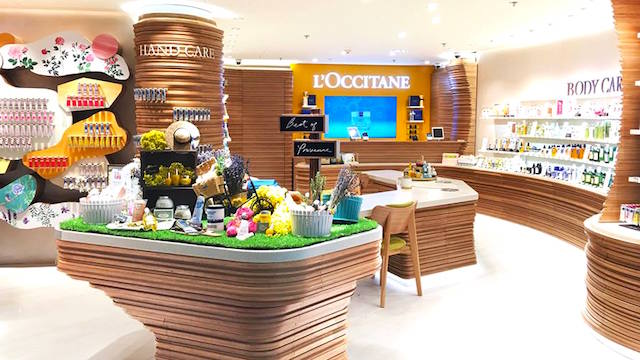
    Hong Kong-listed beauty-products retailer L’Occitane is reaping the benefits of a restructure with profit up 21.8 percent last financial year to €117.6 million.

    And chairman Reinold Geiger says even better results are in the pipeline. “The group now operates as a multi-brand entity, where unique brand identities are celebrated and common values shared — respecting nature, creating authentic and genuine experiences, promoting entrepreneurship, and bringing a human approach to beauty,” he said in a statement.

    “The group encourages its brands to stay agile and autonomous, yet synergies are also being identified and capitalized. With the material improvements delivered by the core L’Occitane en Provence brand, combined with the largely accretive consolidation of Elemis, the group expects to see enhanced profitability in 2020 and beyond.”

    Group net sales were €1.427 billion for the year to March 31, up 8.7 percent at constant exchange rates. Gross margin remained high at 83.2 percent and operating profit rose by 6.9 percent.

    L’Occitane’s Hong Kong net sales were €137 million, an increase of 9.9 percent year on year, or 8.6 percent at constant exchange rates. However, same-store sales fell 2.6 percent.

    “Macroeconomic uncertainties continued to erode consumption sentiment, reflected in a marked downturn in the Hong Kong retail market after the first quarter of {last year}, notably in the average ticket value,” the company said in its earnings review. “Meanwhile, the increase in mainland tourist traffic brought by new infrastructure did not uplift Hong Kong retail sales.”

    Sales in China reached €178.1 million, an increase of 11.9 percent, or 12.1 percent on a constant-exchange-rate basis.

    “Sales momentum in China was dynamic throughout the whole year,” the company said. “Sell-out sales remained strong even though trading with seven fewer stores than last year, posting a growth of 9.6 per cent at constant exchange rates, and with same-store sales growth at 6.9 percent. The marketplace channel continued to drive growth, with impressive performances recorded during key festivals such as Singles’ Day, Chinese New Year and Women’s Day. Sell-in sales also posted encouraging results, with the growth of more than 30 percent, thanks to the launch of JD and dynamic B2B sales.”

    In Japan, net sales rose 1.5 percent to €222.1 million, however in the local currency, the growth was just 0.1 percent. “The flattish performance was due to a sluggish retail market. Nonetheless, retail sales of L’Occitane en Provence grew at a low single-digit rate as compared to last year, thanks to the new stores opened, the large-scale “Balloon Journey” marketing event and successful face care campaigns during the year.”

    Taiwan net sales of €38.2 million represented a decline of 3.2 percent at reported rates, or 2.7 percent at constant exchange rates.

    “The Taiwan retail market remained competitive,” the company said. “The decrease in sell-out was largely explained by the negative 2.7 percent same-store sales growth, together with the typhoon hits and poor weather during the summer season. Web sell-out channel, however, recorded double-digit growth, thanks to the revamped own e-commerce platform as well as the development of the marketplace.”

    Most other markets remained static for L’Occitane, with the exception of Brazil, where sales fell by 4 per cent, and the US, where they soared 35 per cent.

  • Cosmetics, holiday season bouy China retail sales growth

    Cosmetics, holiday season bouy China retail sales growth

    The rate of China retail sales growth rose for the second consecutive month in May, buoyed by the holiday season.

    According to government data, retail sales rose 8.6 percent, which followed 8.3 percent growth in April and 7.2 percent in March.

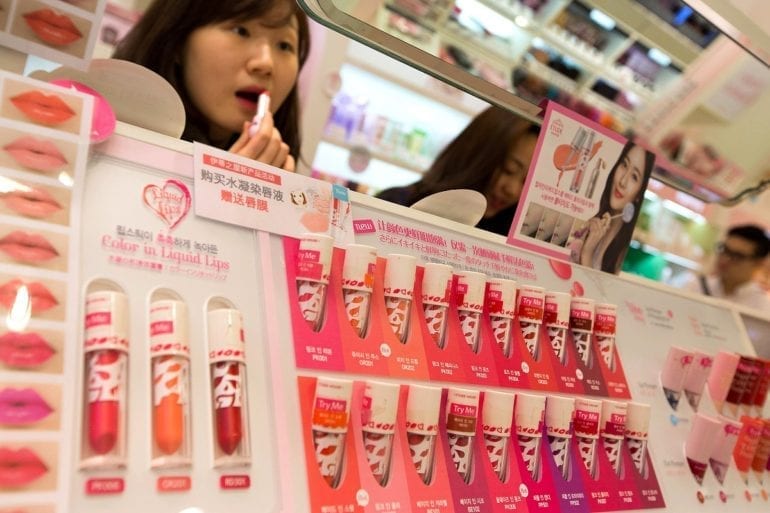
    The strongest-performing categories were cosmetics, where sales rose by 16.7 percent, food up 11.4 percent, beverages up 12.7 percent, and daily goods, up 11.4 percent.

    The weakest categories included apparel and footwear, down 4.1 percent, and jewelry, down 4.7 percent.

    Despite efforts by the Chinese government to encourage consumers to upgrade home appliances, that sector remained subdued, growing at 5.8 percent in May and 6.4 percent year to date.

    The growth rate encouraged Jeffries Hong Kong equity analyst Summer Wang to express confidence in Chinese retail companies.

    “We stay bullish on function-led premiumization and content-driven consumption,” she said in a  research note.

    May’s China retail sales growth exceeded the consensus of analysts by about half a percentage point. Excluding inflation, the growth rate was estimated at 6.4 percent in May, following 5.1 percent in April.

    Urban sales rose 8.5 percent, while rural sales were up 9 percent.

    Sales of goods online grew by 21.7 percent in May and now account for 18.9 percent of total China retail sales.

  • Victoria bans single-use Plastic bags

    Victoria bans single-use Plastic bags

    Victoria is bidding adieu to lightweight, single-use plastic shopping bags with a ban to be introduced state-wide in November.

    The state government introduced new legislation to parliament on Wednesday to ban bags at retail outlets including supermarkets, fashion boutiques, fast food outlets, convenience stores and service stations.

    The ban will target lightweight plastic bags with a thickness of 35 microns including those made from degradable, biodegradable and compostable plastic.

    The legislation will ensure all single-use lightweight plastic shopping bags with a thickness of 35 microns or less will be banned, including bags made from degradable, biodegradable and compostable plastic.

    The legislative changes follow community consultation, which revealed “overwhelming” support for the ban.

    “Plastic pollution is a significant environmental problem – the actions we take now will help ensure Victoria has a clean and bright future,” Minister for Environment Lily D’Ambrosio said on Wednesday.

    “The feedback on this one was clear. Victorians want to do more to protect the environment from the damage litter causes and are overwhelmingly supportive of banning single-use plastic shopping bags.”

    The government is working with the National Retailers Association to ensure businesses are prepared for the ban and have access to sustainable packaging alternatives.

    Single-use plastic bags have already been banned by governments in Queensland, Western Australia, South Australia, Tasmania, ACT and NT.

    Coles revealed on Wednesday that it has saved 1.7 billion lightweight single-use plastic bags from landfill since the ban came into place last July.

    Woolworths said it has issued around three billion fewer plastic bags from its stores over the last 12 months, equating to a 4,700 tonne reduction in single-use plastics going into the environment over the course of the year.

  • Chanel Not For Sale

    Chanel Not For Sale

    Luxury fashion house Chanel has dispelled rumours it was planning a stock market listing after posting higher annual sales and profits on Monday.

    The company also announced it is not for sale.

    The French fashion label, owned by the Wertheimer family, said sales rose to nearly $11.1 billion (A$21.29 billion) in the year under the late designer Karl Lagerfeld who passed away last February.

    This is only the second time the luxury brand has publicly announced its results in its 109-year history.

    According to a CNBC report, Chanel’s chief financial officer Philippe Blondiaux had said the company was not for sale and has denied IPO claims.

    “We’ve got to live with the fact that we are one of the most desirable brands in the market,” Blondiaux said. “These rumours will unfortunately keep coming back on a regular basis.”

    “Chanel needs to remain independent, in order to have the freedom to make choices that go against the grain, such as no longer using exotic animal skins, or by harmonising prices.”

    The fashion house, which was founded by Coco Chanel in 1910, announced it saw a 12.5 per cent increase in its 2018 revenues to $11.12 billion, while net profits rose 16.4 per cent to $2.17 billion.

    The company has seen growth across all of its markets last year, led by Asia Pacific where sales increased 19.9 per cent. Sales in Europe rose 7.8 per cent and in the Americas 7.4 per cent.

    The report indicated strong demand from wealthy Chinese consumers both in Europe and overseas has fuelled higher sales and profits in the luxury industry, in spite of a trade dispute between the United States and China.

    Virginie Viard took over as Chanel’s new creative chief and delivered her first solo collection last month for the brand.