Tag: asia

  • Muji to lower prices on 1100 household and grocery items

    Muji to lower prices on 1100 household and grocery items

    Muji household goods store owner Ryohin Keikaku will drop prices on around 1100 products from late August.

    The price reductions will affect 116 product ranges, including clothes, underwear, tableware, confectionery and furniture. The mark downs are the result of new streamlined production and distribution processes adopted by the firm, as well as reselected production areas and materials.

    Examples of the price reductions released by the company include an 11.2 per cent drop in the cost of a set of three “Ashinari Chokkaku Kutsushita” socks and a saving of up to ¥20 on “Pochigashi” candy and cookie packs.

  • H&M’s & Other Stories Launching on Tmall

    H&M’s & Other Stories Launching on Tmall

    H&M Group’s womenswear brand & Other Stories will launch a Tmall flagship store in the fall, making the Alibaba Group-owned B2C online marketplace the label’s first official sales channel in China.

    The Tmall store will offer collections designed by its three ateliers in Paris, Stockholm and Los Angeles, ranging from shoes, bags and jewelry to accessories and ready-to-wear items, according to a release.

    “This collaboration marks another important milestone in our long-standing partnership with H&M Group brands, and we look forward to continue working together to bring elevated shopping experiences to Chinese consumers,” said Jessica Liu, GM of Tmall Fashion and Luxury.

    & Other Stories will be the fourth H&M brand to join Tmall, following the Swedish fashion group’s namesake H&M brand and home-accessories brand H&M Home last year. H&M’s street-style label Monki opened a flagship store in 2016. The fast-fashion giant also owns denim lines Weekday and Cheap Monday, boutique-style label Cos, as well as the fashion-and-lifestyle brand Arket.

    “We look forward to the launch this autumn and can’t wait to get to know our Chinese customers and seeing their interpretations of our wardrobe treasures,” & Other Stories MD Sanna Lindberg said.

    Launched in 2013, & Other Stories operates 70 stores worldwide, while its online shop currently delivers to 15 countries in Europe, the U.S. and Korea.

  • The iPhone XR 2 may have the best battery life of any iPhone

    The iPhone XR 2 may have the best battery life of any iPhone

    Tucked in an electronics industry report about the supplier of batteries for the upcoming iPhone XR sequel we find the actual capacity of the pack in the tentatively named XR 2. The source muses that Apple may be done with hardware and iOS optimizations, and seems to be now betting on larger battery packs to make its phones last longer on a charge, just like Samsung or Huawei are doing.

    The iPhone XR 2 battery pack orders are reportedly granted to China’s ATL (Amperex) which are the same guys that got the order for non-exploding Galaxy Note 7 packs after the infamous Samsung SDI batteries started catching on fire. The new battery capacity is said to be 3110 mAh, which would make the iPhone XR’s successor with the largest single-cell battery pack in an iPhone ever.
    While this is just a 5% increase over the 2942 mAh capacity in the iPhone XR, the XR 2 is also expected to come with Apple’s A13 processor made with a second generation 7nm process that should reduce battery draw further.
    Coupled with the new pack and the frugal display resolution, the iPhone XR (2019) should therefore last longer on a charge than the already best in that regard iPhone XR. It scored more than 11 hours of screen-on time in our grueling test, ahead of any iPhone we have tested so far. The XR 2 may very well break the 12-hour mark which would place it in a special endurance club of its own, and not only among phones in the iOS camp.
    Here’s how the iPhone XR (2019) may look like, as rendered by graphics artist Hasan Kaymak based on rumors, leaked CAD drawings, and analyst expectations.
  • Uber Unveils Next-Generation Volvo Self-Driving Car

    Uber Unveils Next-Generation Volvo Self-Driving Car

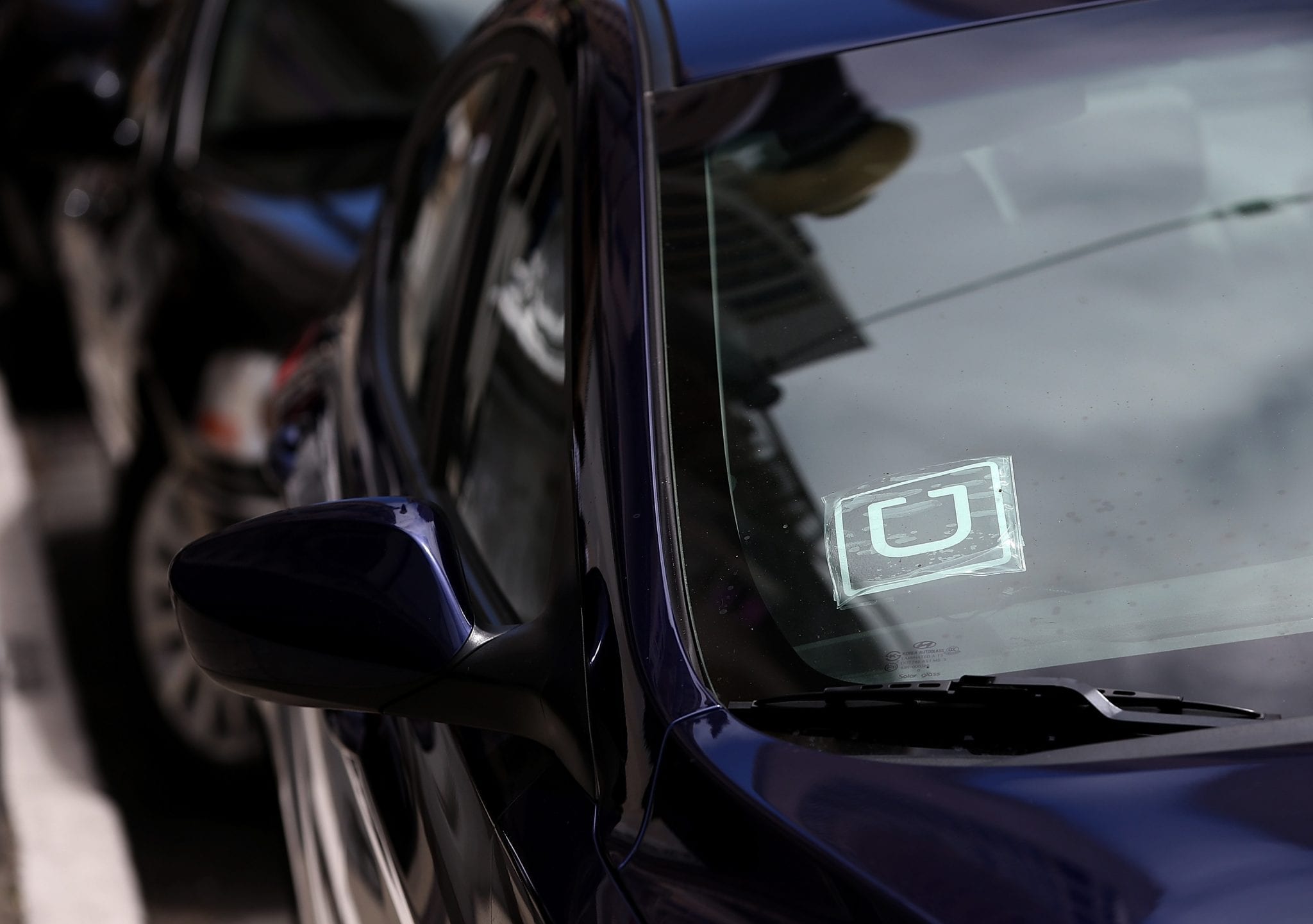
    Uber Technologies Inc unveiled its newest Volvo self-driving car in Washington on Wednesday as it works to eventually deploy vehicles without drivers under some limited conditions. Uber said the new production XC90 will be assembled by Volvo Cars in Sweden and have human controls like steering wheels and brake pedals, but also with factory-installed steering and braking systems designed for computer rather than human control.

    Uber Advanced Technologies Group chief scientist Raquel Urtasun showed off the company’s artificial intelligence technology that allows it to drive autonomously for long distances on highways without maps and “on the fly” to plot its course and navigate construction zones.”Our goal is get each one of you to where you want to go much better, much safer, cheaper,” Urtasun said.As the race to push out autonomous cars across the globe heats up, other companies are also working to deploy self-driving vehicles in limited areas.

    Ford Motor Co’s majority-owned autonomous vehicle unit, Argo AI, launched its new fleet of self-driving test vehicles – Ford Fusion Hybrid – in Detroit on Wednesday, expanding to five U.S cities.The No 2 U.S automaker also opened a research centre in Tel Aviv, joining a growing number of major automakers and suppliers setting up shop in Israel’s tech hub.General Motors Co in January 2018 sought permission from U.S regulators to deploy a ride-sharing fleet of driverless cars without steering wheels or other human controls before the end of 2019, but is still struggling to win regulatory approval

    Alphabet Inc’s Waymo unit is operating a robotaxi service in Arizona and said last month it is partnering with Lyft Inc to serve more riders.South Korea’s Hyundai Motor Co and Kia Motors Corp both said they would invest in the self-driving car software startup Aurora and speed up development of their respective autonomous vehicle technologies.Carmakers have struggled to maintain profit margins faced with the rising costs of making electric, connected and autonomous cars.

    As a result, they are setting up alliances and lining up outside investors to combat spiralling development costs.Previously, Uber had purchased about 250 Volvo XC90 SUVs and retrofitted them for self-driving use.The new vehicles – known by the internal code number 519G and under development for several years – are safer, more reliable and will replace the older vehicles in Uber’s fleet “soon,” according to Eric Meyhofer, the head of Uber’s Advanced Technologies Group.”This is about going to production,” Meyhofer said in an interview at an Uber conference in Washington on Tuesday.The new vehicle also has several backup systems for both steering and braking functions as well as backup battery power and new cybersecurity systems.

    Uber is not ready to deploy vehicles without human controls, Meyhofer said.”We’re still in a real hybrid state,” he said “We have to get there and we’re not going to get to thousands of cars in a city overnight. It’s going to be a slower introduction.”The new XC90 vehicles have an interior fish-eye camera to scan for lost items, Uber said.

    They also do not have sunroofs since the self-driving vehicles have large sensors on the roof and are equipped with auto-close doors to prevent an unsafe departure.Uber, which has taken delivery of about a dozen prototypes of the new vehicle, but has not yet deployed them on public roads, said the car’s “self-driving system will one day allow for safe, reliable autonomous ridesharing without the need” for a safety driver.Asked if Uber will deploy self-driving cars without safety drivers in limited areas in the next few years, Meyhofer said: “Yes – way before that.” But he added that Uber wants to be in “the good graces of public trust and regulatory trust” before making the business decision to deploy.In December, Uber resumed limited self-driving car testing on public roads in Pittsburgh, nine months after it suspended the program following a deadly accident in Arizona.In March 2018, authorities in Arizona suspended Uber’s ability to test its self-driving cars after one of its XC90 cars hit and killed a woman crossing the street at night in the Phoenix suburb of Tempe, then Uber’s largest testing hub.

    The crash was the first death attributed to a self-driving vehicle.In March 2019, prosecutors in Arizona said the company was not criminally liable in the crash and would not pursue charges.

    Uber has since ended testing in Arizona, but plans to eventually resume testing in Toronto and San Francisco, Meyhofer said.The death prompted significant safety concerns about the nascent self-driving car industry, which is racing to get vehicles into commercial use.Volvo Cars Chief Executive Hakan Samuelsson said in a statement that “by the middle of the next decade, we expect one-third of all cars we sell to be fully autonomous.”Volvo Cars, which is owned by China’s Geely Automobile Holdings Ltd, will use a similar autonomous base vehicle concept for the introduction of its first commercially available autonomous drive technology in the early 2020s.Volvo and Uber said in 2017 that the rideshare company planned to buy up to 24,000 self-driving cars from Volvo from 2019 to 2021 using the self-driving system developed by Uber’s Advanced Technologies Group.

    An Uber spokeswoman said Tuesday that the company plans “to work with Volvo on tens of thousands of vehicles in the future.”

  • Topshop parent wins lifeline in crucial vote

    Topshop parent wins lifeline in crucial vote

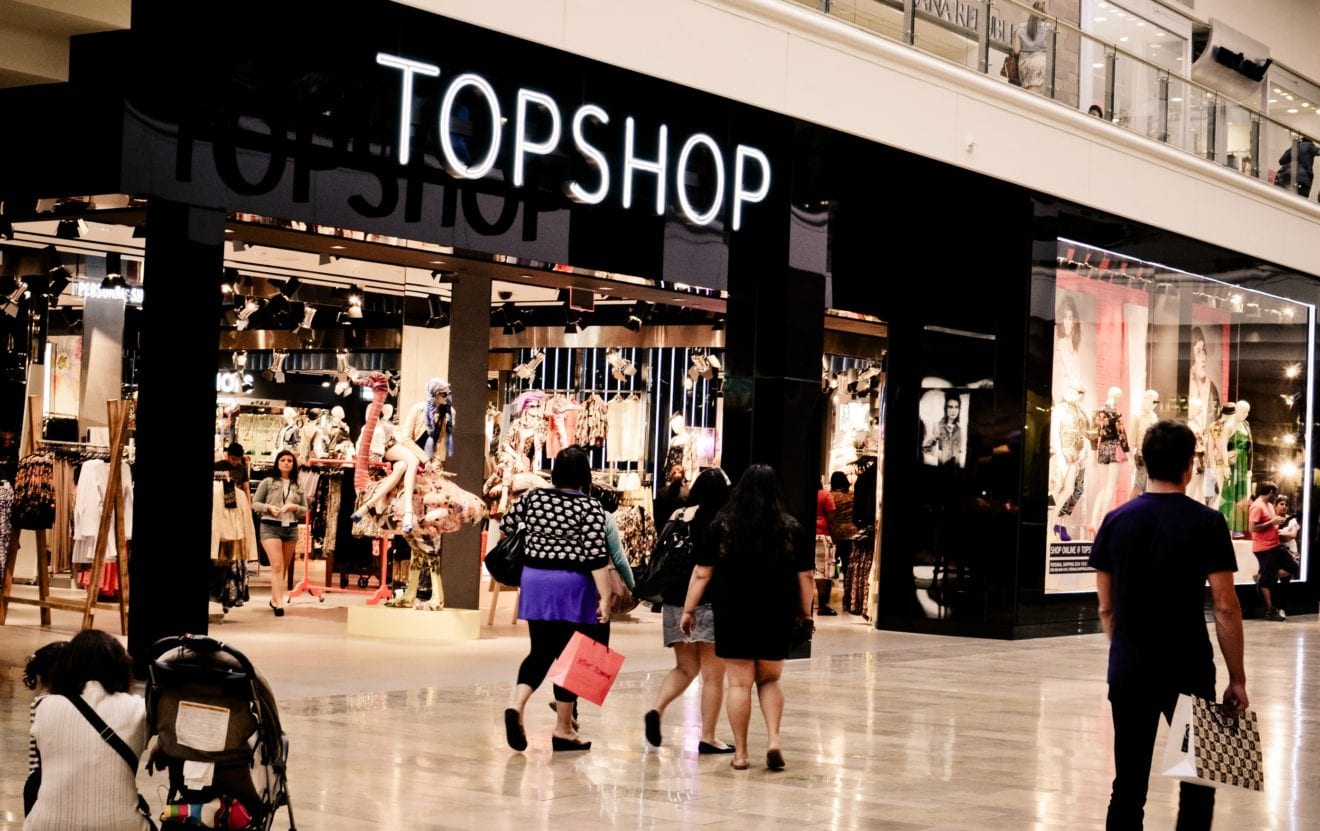
    Topshop parent Arcadia Group has been given a lifeline by its creditors and landlords after a Company Voluntary Arrangement (CVA) was approved yesterday.

    The vote was delayed last week after it became clear it would not gain the 75 per cent approval needed to proceed. However it appears a change of heart by the pension regulatory body secured the arrangement.

    Arcadia Group is now free to close a further 23 stores and will receive reduced rent on nearly 200 others.

    CEO Ian Grabiner said he is confident about the group’s future now the deal has been accepted, promising to provide customers “with the very best multi-channel experience, deliver the fashion trends that they demand, and ultimately inspire a renewed loyalty to our brands that will support the long-term growth of our business”.

    “After many months of engaging with all our key stakeholders, taking on board their feedback, and sharing our turnaround plans, the future of Arcadia, our thousands of colleagues, and our extensive supplier base is now on a much firmer footing,” he said.

    “From today, with the right structure in place to reduce our cost base and create a stable financial platform for the group, we can execute our business turnaround plan to drive growth through our digital and wholesale channels, while ensuring our store portfolio remains at the heart of our customer offer.”

    However Chloe Collins, senior retail analyst at GlobalData, said that although Arcadia’s CVA has been approved, it is not surprising it faced backlash from some landlords who have doubts about the retailer’s future.

    “Arcadia’s leading brands – Topshop and Topman – still have a strong following among millennials, however many of the other, such as Miss Selfridge and Dorothy Perkins, are now irrelevant in a highly saturated market and chances of revival are slim, leading landlords to question whether other retailers could offer their spaces more longevity,” she said.

    “The decision to add Topshop and Topman to Asos’ branded offer as part of Arcadia’s turnaround plan is wise to increase the brand’s reach, especially internationally. However it is crucial that the £60 million invested into advancing Arcadia’s digital platforms includes competitive and convenient delivery methods to rival Asos and maintain traction on the brand’s individual sites.”

    Collins said the £75 million invested by Green into its physical stores will be too thinly spread as even after the planned closures Arcadia will have around 500 stores left.

    “These stores have been neglected for far too long and are now unable to match competition which moves in favour of experience-led shopping.”

  • Indonesian Start-Up Seeks Swiss Listing

    Indonesian Start-Up Seeks Swiss Listing

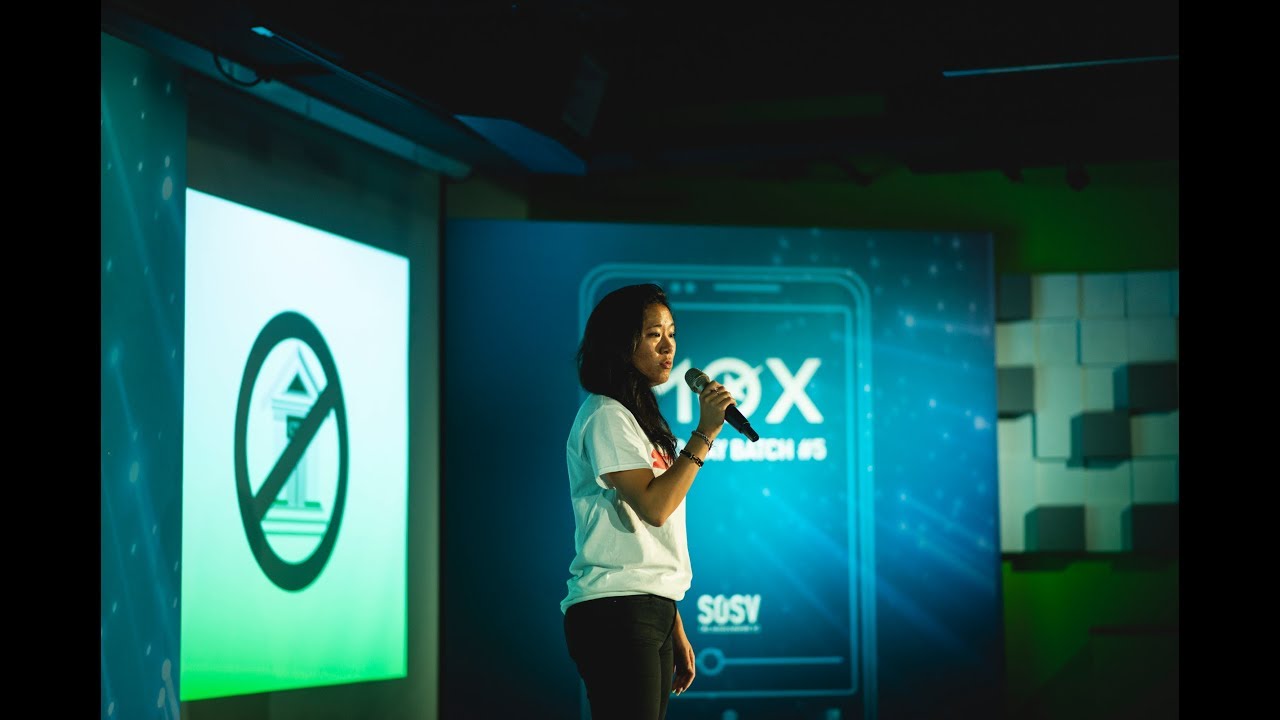
    Jakarta-based Achiko wants to list 100 million shares on SIX, the Swiss stock exchange, it said on Wednesday. The shares were valued at $0.70 during its last fundraising, which would make for proceeds of $70 million.

    Its seven-year-old subsidiary Mimopay offers payment services for consumers without bank accounts – thus far, the company has won 2 million clients. Mimopay’s offering includes services to pay via smartphone, at ATMs, or directly at vendors. The company said its service has potential among the 1.7 billion people with no bank account.

    From Indonesia, the fintech led by president Allen Wu and CEO Kenneth Ting wants to expand to Myanmar, Vietnam and the Philippinen. To do so, Achiko plans to seek strategic partnerships with local firms.

  • Pomelo Singapore flagship opening

    Pomelo Singapore flagship opening

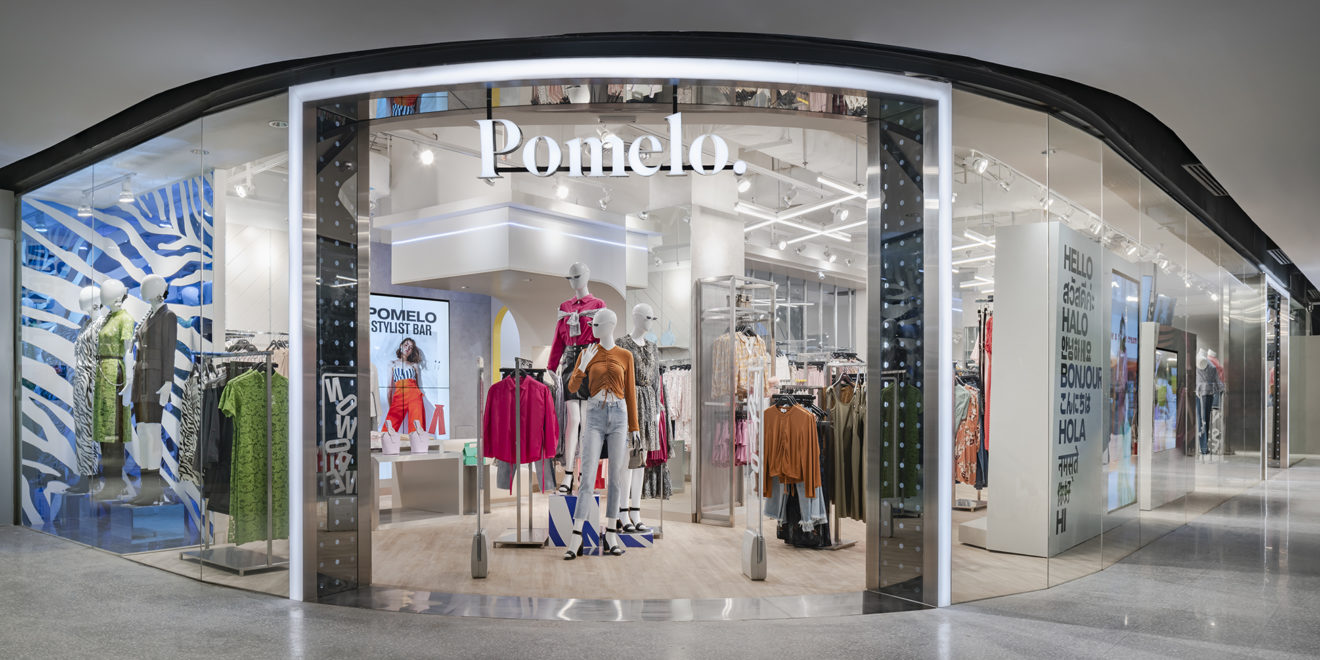
    Fast-fashion company Pomelo has launched a Singapore flagship store at 313@somerset.

    The largest Pomelo store to date, and the first outside of its native Thailand, the store boosts the online-to-offline brand’s Southeast Asian presence to nine outlets. The firm’s regional expansion represents a bid to apply its business model to the Southeast Asian fashion and lifestyle industry.

    The more than 6000sqft Singapore flagship will house Pomelo’s full catalog of 8000 products across different lines. Pomelo’s first cosmetics line, Beet, launched in April 2019, will also be sold at the store. The Singapore store will also stock collections tailored to local tastes, including seasonal collections for Ramadan, Christmas, and Chinese New Year.

    “Delivering the best customer experience has always been a key tenet of our business, and what works for one market may not necessarily work for another,” said Pomelo Fashion CEO David Jou. “Our research shows that Singaporeans shop very differently from Thais, with workwear, modest wear, occasionwear and beachwear being particularly popular in Singapore. Responding to this consumer demand, we have made it a point to stock these styles in our Singapore store.”

    While Pomelo has already served the Singapore market for six years, the flagship store rounds out Pomelo’s omnichannel strategy, offering customers a seamless online-to-offline experience across desktop, mobile and offline channels.

    “Our omnichannel strategy is built upon our ability to provide a variety of retail options,” said Jou. “Features like Pomelo Pick Up, which allow customers to try on their online purchases and only pay for what they take home have proven to be extremely successful in Thailand. As a fashion brand with tech DNA that places customer experience at the forefront, we’re excited to finally launch a core tech-driven Pomelo offering to better meet the needs of our Singapore shoppers.”

    Under the Pomelo Pick Up system, customers looking to pick up their online orders can do so by scanning a QR code at a self-service kiosk before proceeding to a fast lane to collect their packages. To check the fit, they can then try on the items they have picked out in a fitting room booked on in-store mini iPads.

  • iMovie for iOS now has a green screen feature

    iMovie for iOS now has a green screen feature

    The new feature allows you to take footage recorded against a green screen (a blue screen will also work) and easily replace the background while keeping the subject. You can adjust the strength of the effect and adjust it precisely with a 4-point mask.
    In addition to that, you can now also import images with a transparent background in your project, and also use photos to create a picture-in-picture effect or a split-screen effect in your video projects. Add to this 80 new soundtracks that automatically adjust to fit the length of your video project, adds support for ClassKit so students can deliver assignments easily to their teachers and delivers a few bug fixes along the way.
    This is a big update to one of the best casual video editing apps out there, and considering that iOS 13 will also add features like rotating video, this will solidify Apple’s leading positions when it comes to video editing on mobile devices.
    And here is a full list of the new features that come with this update:
    • Transform your video with the new green screen effect that lets you instantly remove the background of clips shot in front of a green or blue screen
    • Adjust the green screen effect with a 4-point mask and strength slider
    • Choose from 80 new soundtracks in genres including pop, chill, and sentimental that automatically adjust to match the length of your movie
    • Drop in still images with transparent backgrounds to use as logos or custom graphics on top of your video
    • Add photos as overlays to create picture-in-picture and split-screen effects
    • Choose to hide the border that surrounds picture-in-picture and split-screen effects
    • Instantly return to the edit screen of your project when switching back to iMovie from other applications
    • ClassKit support lets students deliver video assignments to teachers using the Schoolwork app
    • For users with videos in iMovie Theater, the Theater window is now accessible from the ••• menu at the bottom of the Projects screen
    • Sharing to iMovie Theater is no longer supported; save your movies and trailers to iCloud Photos to watch them on other devices including Apple TV
    • Resolves an issue that could lead to a black viewer when previewing your video fullscreen on an external display
  • Valiram opens duty-free store at Kota Kinabalu

    Valiram opens duty-free store at Kota Kinabalu

    Malaysian luxury and lifestyle retail specialist, Valiram, together with East Malaysian property developer, Jesselton Waterfront Holdings, has opened a duty-free store in the Jesselton Mall in Kota Kinabalu.

    The 37000sqft sea-front mall presents the first downtown travel-retail concept in the vicinity, offering international travellers an opportunity to shop in a duty-free environment and bringing luxury beauty, fashion and timepiece brands to the Kota Kinabalu city centre.

    “Valiram continues to invest in Sabah and is excited with the opening of our latest venture, the Jesselton Duty-Free,” said Valiram executive director Sharan Valiram.

    “This exception offering redefines the shopping experience for tourists in Kota Kinabalu. We are indeed privileged to be able to partner Jesselton Waterfront Holdings in developing this first-of-its kind downtown duty-free retail in East Malaysia. The shopping experience here is set to reshape the retail environment in Sabah.”

  • Honda Joins Industry Concern Over Electric Vehicle Deadline

    Honda Joins Industry Concern Over Electric Vehicle Deadline

    Honda Motorcycle and Scooter India (HMSI) has now voiced concerns over the government’s draft proposal to ban all two-wheelers below 150 cc by 2025 and replace them with electric two-wheelers. HMSI has just introduced the company’s first two-wheeler which will meet the new Bharat Stage VI emission regulations which come into force from April 2020. India has decided to move straight to the more stringent BS-VI regulations from BS-IV regulations and the entire auto industry has invested in significant technology and machinery to make all vehicles BS-VI ready. Honda says a move to now start banning internal combustion engine two-wheelers below 150 cc by 2025 is not realistic and will prove to be disruptive, not just to two-wheeler manufacturers, but also to the small and medium enterprises in the component manufacturing industry.

    “As a voice of the industry, SIAM has already taken up with the government, and we continue to be in active talks to have a very realistic kind of roadmap because there is a big supply chain which is linked to the two-wheeler industry and the auto industry per se. At the same time, we’re just coming into BS-VI. There’s a lot of new investment which has gone into building up the capacity, changing the machinery, not only from the OEM’s point of view, but also from the component manufacturers’ point of view. So, this is something which becomes a concern for the entire supply chain, and together we’re taking this up with the government. We still hope that there will be some realistic roadmap which will see the light of day, because currently, as it is, accepting it, it looks very unrealistic,” Yadvinder Singh Guleria, Senior Vice President (Sales & Marketing), Honda Motorcycle and Scooter India said. Guleria was speaking on the sidelines of Honda’s unveiling of the new Honda Activa 125 which meets the BS-VI regulations.

    The government is reportedly working on a draft policy which calls for banning all three-wheelers with internal combustion engines by 2023, and to replace all two-wheelers below 150 cc with electric vehicles by 2025. As things stand today, two-wheelers constitute the bulk of the Indian auto industry, and moving to electric vehicles will require forward planning as well as the development of charging infrastructure, as well as a proper supply chain ecosystem. Various two-wheeler manufacturers have already voiced concerns against the government’s proposal to completely replace two-wheelers and three-wheelers by electric vehicles at such short notice, particularly at a time when the industry is under pressure and has already invested between ₹ 70,000-80,000 crore for the transition to meet BS-VI emission regulations.

  • Ford Launches Testing Of New Self-Driving Fleet In Detroit

    Ford Launches Testing Of New Self-Driving Fleet In Detroit

    Ford Motor Co’s majority-owned autonomous vehicle subsidiary, Argo AI, launched its new fleet of self-driving test vehicles – Ford Fusion Hybrid – in Detroit on Wednesday, expanding its presence to five U.S. cities. The new cars are equipped with upgraded sensors, including radars and cameras with higher resolution and range, the company said.

    The No. 2 U.S. automaker is in talks with German carmaker Volkswagen AG to develop self-driving vehicles as its autonomous vehicles unit competes for investment and engineering talent with peers as well as technology companies.

    General Motors’ majority-owned Cruise robotaxi business, Aurora, recently announced a partnership with Fiat Chrysler Automobiles, while Alphabet and Uber are also investing in their self-driving projects.

    Argo already operates vehicles in Pittsburgh, Palo Alto, Miami and Washington D.C.

  • Cebu Pacific Began Manila-Shenzhen flights on July 1

    Cebu Pacific Began Manila-Shenzhen flights on July 1

    Cebu Pacific will launch direct flights from Manila to the Chinese city of Shenzhen in July, citing “increasing demand for leisure and business travel.”

    In a statement on Monday, June 10, the budget carrier announced that its Manila-Shenzhen route will have flights 4 times a week – every Monday, Wednesday, Friday, and Saturday – beginning July 1.

    “At only two hours and 40 minutes’ flying time, the evening departure of the flights will enable travelers to make full use of business hours, both in Manila and in Shenzhen,” Cebu Pacific said.

    The airline is holding a seat sale for the new route from Monday to Tuesday, June 11, with a base fare of as low as P1. The travel period is from July 1 to October 26 this year.

    Cebu Pacific said Shenzhen is its 5th destination in mainland China, and its 27th international destination.

    “We want to provide our travelers with a viable option to reach some of the most crucial commercial centers in the world. Our new direct service between Manila and Shenzhen will enable faster movement of people and products,” said Cebu Pacific vice president for marketing and distribution Candice Iyog.

    Cebu Pacific and its subsidiary Cebgo currently fly to 37 domestic and 26 international destinations, with over 107 routes spanning Asia, Australia, the Middle East, and the United States.

    The airline had enforced dozens of flight cancellations in April and May, however, citing “an unprecedented level of disruption” to its operations.

    President Rodrigo Duterte conducted a “surprise inspection” at the Ninoy Aquino International Airport Terminal 2 on Monday, and promised to find a solution to flight cancellations and delays within a month.

  • Singapore retail sales in April fell

    Singapore retail sales in April fell

    Singapore retail sales in April decreased by 2 percent year on year (motor vehicles excluded), with the apparel sector the only category to post growth.

    On a seasonally adjusted basis, sales decreased by 0.1 percent on March’s figures.

    The worst-affected categories were computers and telecommunications equipment, down 6.7 percent, and furniture and household equipment, down 6.5 percent. Statistics Singapore said this was due in part to lower sales of mobile phones and furniture. Sales by food retailers, of optical goods and books and in department stores decreased by between 3.1 percent and 3.5 percent year on year.

    However, sales of the apparel and footwear grew by 3.4 percent, due in part to a higher demand for bags and footwear.

    Singapore retail sales in April were estimated at S$3.5 billion, with online sales accounting for  about 5.4 percent of that figure

    Sales of food and beverage services grew by 3.1 percent year on year in April, reaching $826 million. Fast-food outlets, food caterers and other eating places (such as cafes) registered growth of between 3.6 percent and 8.2 percent. Sales of restaurants increased by a marginal 0.1 percent.

  • New Facebook Portal devices are launching this year

    New Facebook Portal devices are launching this year

    New versions of Facebook’s Portal home smart speakers are coming out this year, while the first-gen models that launched in November 2018 will be making their way outside of the US. The Portal product lineup is the social network’s attempt to grab a piece of the smart home speaker market, where competition from Amazon and Google is stiff. Facebook’s take on the gadget is very camera-centric and allows users to make encrypted video calls through Messenger, while Portal’s camera follows them around.

    At the Code Conference in Scottsdale, Arizona, Facebook’s Vice President of AR/VR, Andrew “Boz” Bosworth, announced that the next-gen Portal speakers are coming “this fall.” There will be “new form factors” available as well, Bosworth said, though he didn’t elaborate on what this means, exactly. “Hardware is coming to the home, and we want to make sure that human connection, connection between two people, is a first-party experience on that hardware,” Bosworth added.

    Since one of the product’s differentiating features is the camera tracking, it’s not going anywhere, but the new models might make it even more prominent. According to rumors over the past months, Facebook may be working on a considerably smaller device than the first-gen Portals—pretty much just a camera—that can be attached to TV sets. This will also make the device cheaper and allow people to use their TVs as smart displays.

    The success of Facebook Portal was questioned ever since the company announced it. On the heels of some big privacy scandals over the past couple of years, having doubts over a Facebook-branded tracking camera isn’t all that far fetched. However, at the conference in Scottsdale, the company reassured that the first generation of Portal smart speakers sold “very well,” although the claim wasn’t backed by official numbers.

  • Hyundai And Kia To Invest In Self-Driving Start-Up Aurora

    Hyundai And Kia To Invest In Self-Driving Start-Up Aurora

    Hyundai Motor Co said on Thursday it would invest in self-driving car software startup Aurora along with Kia Motors Corp to speed up development of autonomous vehicle technologies.

    “With the new investment, the companies have agreed to expand research to a wide range of models and to build an optimal platform for Hyundai and Kia’s autonomous vehicles,” Hyundai said

    Aurora said in a blog post that Hyundai and Kia’s investment is part of a series B financing round, which has now raised more than $600 million.

    Aurora, which just announced a partnership with Fiat Chrysler Automobiles, competes with Alphabet’s Waymo and General Motors’ majority-owned Cruise, among others.