Tag: asia

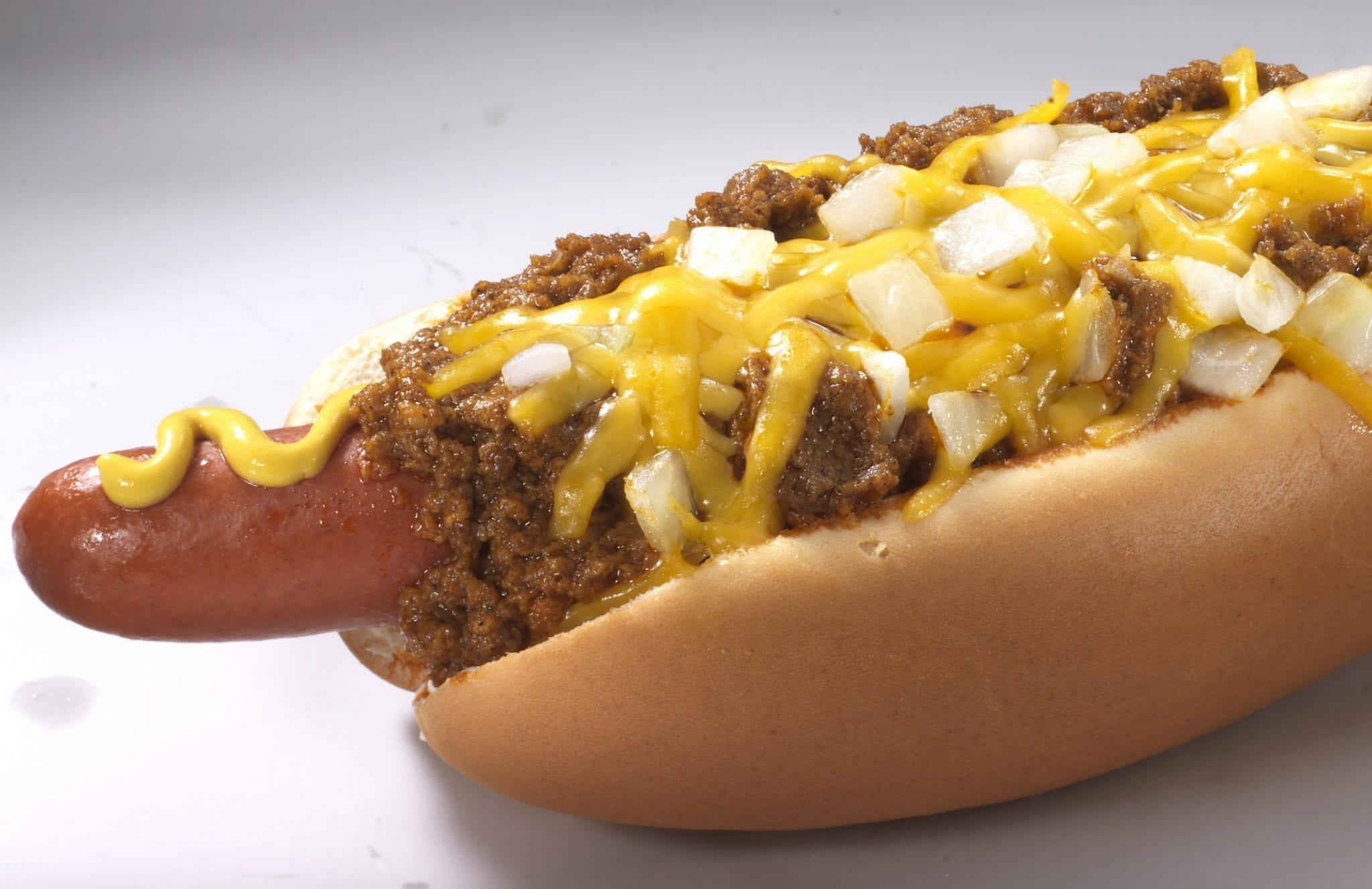
  • Hot Dog on a Stick opens first Restaurant in China

    Hot Dog on a Stick opens first Restaurant in China

    The brand’s parent, Global Franchise Group, has signed a master-franchise agreement with Eugene Restaurant Management which will see Hot Dog on a Stick launching at Crystal Galleria prior to opening 20 additional locations throughout the greater Shanghai area.

    “Hot Dog on a Stick is a pop culture phenomenon, and the sunny concept with our famous striped uniforms and portable food items really resonates with the modern Chinese lifestyle,” said GFG president and CEO Chris Dull. “Global Franchise Group is confident that Hot Dog on a Stick will be a very popular dining destination in Shanghai.”

    “I’ve been a fan of Hot Dog on a Stick since my childhood in the US and decided to open a location in China because I truly missed the food,” said master franchisee Eugene Mao. “I believe the local population in Shanghai will love Hot Dog on a Stick as much as I do.”

    Established in 1946 in southern California, Hot Dog on a Stick also has international locations in Korea.

  • Renault Kwid Sales Cross The 3 Lakh Mark

    Renault Kwid Sales Cross The 3 Lakh Mark

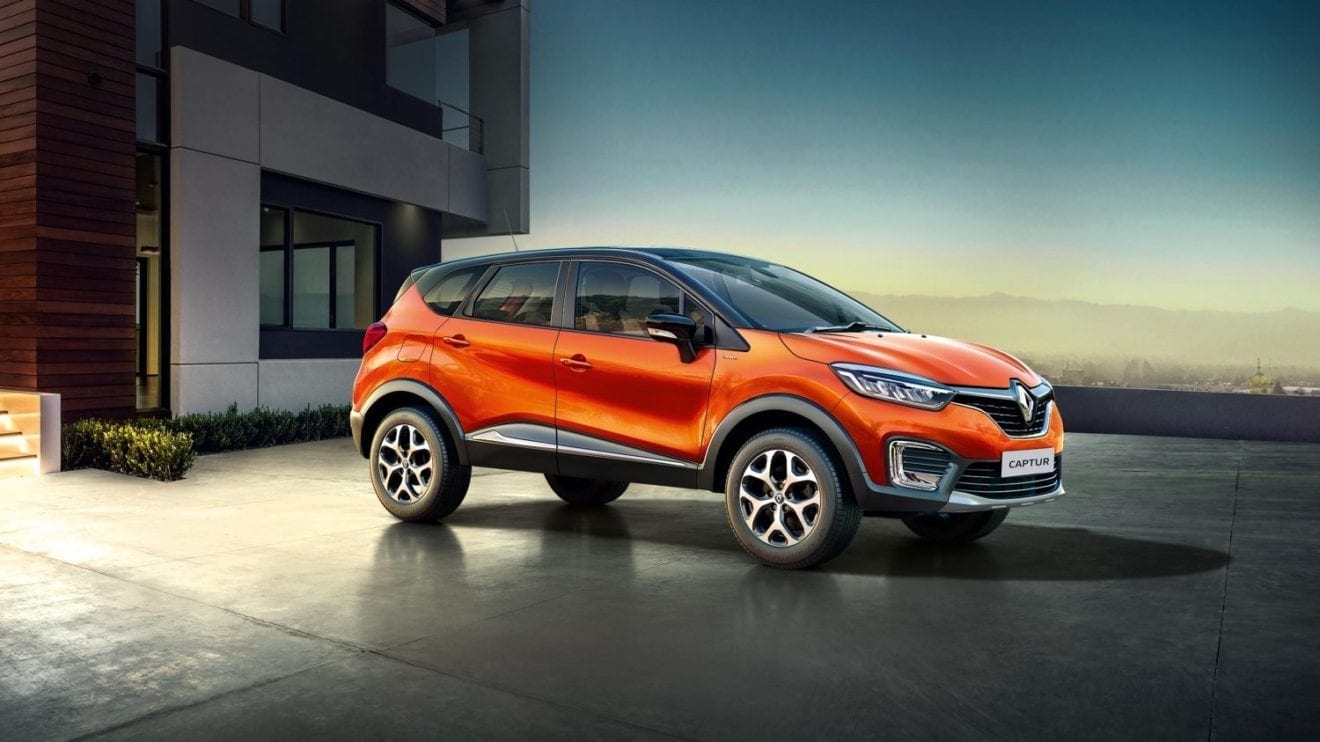
    Renaut India has achieved a new milestone with its best-seller – the Kwid – crossing the three lakh sales mark. The entry-level hatchback was first launched in 2015 and was game-changing offering from the French automaker, taking on the market leader Maruti Suzuki’s Alto in the segment. Over the years, the Renault Kwid has been appreciated for its novel design, segment-first features and roomy cabin, while the automaker time and again introduced updates to keep the model fresh amidst competition.

    The Renault Kwid’s three lakh sales milestone is certainly impressive and translates to an average of about 10,000 units every month. It also helps that the hatchback is completely localised in India with 98 per cent local content going in, which makes for a highly competitive price tag. With respect to features, the Kwid was the first model in its space to get a 7-inch touchscreen infotainment system and was later updated with Apple CarPlay and Android Auto. It also gets a segment-first all-digital instrument console, speed-sensitive volume control, one touch lane indicators and more.

    The Renault Kwid though has been widely appreciated for its SUV-inspired design that makes it look like an apt sibling to the Duster in the company’s stable. The tall riding stance not only offers better road presence to the driver but also opened more space in the cabin. With respect to engine options, the car uses 0.8-litre motor with 53 bhp and 1.0-litre motor with 67 bhp under the hood, paired with a 5-speed manual or AMT unit.

    In addition, the Kwid is now compliant with the new safety norms and comes with a driver’s side airbag, ABS with EBD, speed alert system, passenger seatbelt reminder and ISOFIX for child seats as part of the standard kit. A comprehensive facelift to the Kwid is also expected to arrive later in the year.

    The Renault Kwid is based on the CMF-A platform and the automaker will be introducing a new seven-seater offering based on the platform. The Renault Triber has been teased already and is set for an unveil later this month. The launch slated for July this year. In addition, the Renault line-up will be getting the BS6 upgrades ahead of the April 2020 deadline.

  • Renault Fiat Case ‘Not Closed’

    Renault Fiat Case ‘Not Closed’

    Plans to merge carmakers Renault and Fiat Chrysler could re-emerge despite the breakdown of negotiations last week, France’s transport minister said on Tuesday, joining a chorus of French officials hoping the deal could be revived. Asked if talks between the two companies were over, Elisabeth Borne said: “I think it is not closed.”

    Borne’s comments follow similar remarks by French Finance Minister Bruno Le Maire, who also said he felt a merger between France’s Renault and Italian-American Fiat Chrysler Automobiles (FCA) remained a “good opportunity.”

    French budget minister Gerald Darmanin said last week as well that he hoped the door had not closed on a deal. Last week, FCA pulled out of $35 billion merger talks with Renault, with both companies blaming the French government.

    France has a 15% stake in Renault and the collapse of the talks deprived the companies of an opportunity to create the world’s third-biggest carmaker with 5 billion euros ($5.6 billion) in promised annual synergies.

    FCA and Renault are still looking for ways to resuscitate their merger plan and win the approval of Renault’s alliance partner Nissan, sources close to the companies have told Reuters.

  • Maruti Suzuki Cut Production By 18% In May

    Maruti Suzuki Cut Production By 18% In May

    Maruti Suzuki India had cut cut its production by 9.6 per cent to 147,669 units in April this year from 163,368 in April 2018.The company has now announced a further cut in vehicle production by over 18 percent in May, according to a regulatory filing. It is the company’s fourth consecutive month of taking a production cut

    Barring Super Carry, the company reduced production of all other segments, including that of its big selling compact and mini cars last month. MSI slashed production of passenger vehicles, including Alto, Swift and Dzire, by 18.88 percent to 1,48,095 as compared to 1,82,571 units in May 2018.

    The company cut production of mini segment vehicles by 42.29 percent to 23,874 units last month as against 41,373 units in the year-ago period. MSI also slashed production of compact segment cars by 9.54 percent to 84,705 units in May from 93,641 units in corresponding month of last year. Production of utility vehicles also witnessed a decline of 3.21 percent to 24,748 units, as against 25,571 units in May last year.

    Overall passenger vehicle sales in India dropped over 17 percent in April, the worst monthly fall in nearly eight years, as subdued sentiment and the ongoing liquidity crunch hit car sales.

  • This Skoda Concept Car Gets A Built In Washing Machine

    This Skoda Concept Car Gets A Built In Washing Machine

    If you’re a carmaker, would you ever think about the slow moving cyclists on the road? The unanimous answer here should be no. But Skoda, with the Karoq Velo concept, has made the ultimate support car for the growing number of cyclists around the world. Featuring a host of in-built technologies, from a fully-functioning washing machine for sweaty kit to a drone landing pad, the Karoq Velo offers the services of a fully-staffed race support team.

    Developed and built by Skoda UK, the Karoq Velo was conceived by a team of passionate cyclists to help fellow riders enjoy the perfect ride this summer. Its numerous unique design features were shaped by the results of a survey carried out by the Czech carmaker. More than 1,500 active riders were asked to suggest ideas for the perfect cycling support vehicle and all these ideas were packed into this one-off Karoq.

    Among the many stand-out features of the Karoq Velo, is a fully integrated spin cycle washing machine. This was chosen after 27 per cent of survey respondents said that returning to their car in damp cycling kit was a major downside of riding. The washing machine uses the same water supply as an integrated pressure washer that ensures that bikes can be made as fresh as their owners after a long summer ride. A washing machine in a car is something that you don’t see often right.

    After 31 per cent of survey respondents reported that mechanical issues were a major bugbear, Skoda’s design team created space for a full tool kit and equipment to facilitate rapid puncture repairs. A network of built-in LED lights also ensures that any late-night repairs can be carried out without the need to hold a torch or find a streetlight to work under.

    Practicality and carrying ability were also high on the wish-lists of survey respondents, with 37 per cent of cyclists wanting an easy to use exterior bike carrier, and 29 per cent wanting the extra security of an in-car storage system. The result is sufficient racking to carry two bikes on a special roof mount and one inside. Despite being packed with kit, the Karoq Velo still has room for three adult passengers.

    In keeping with the standard Karoq, the Karoq Velo is brimming with technology. Features specifically developed for the concept include a special magnetic landing pad for a Follow Me drone that uses sensors and recognition technology to follow the cyclist and capture ride photos. An inbuilt Wi-Fi hotspot also allows riders to immediately upload footage of their ride when they return to the Karoq Velo.

    The Karoq Velo also features the emergency call function that when pressed will immediately relay the car’s location to and connect to someone instantly who will be able to assist in an emergency. Although the one-off Karoq Velo is not available for sale, it is being used throughout the summer to assist cyclists ahead of races and competitions.

  • AirAsia Offers Cheap Perth to Lombok Flights

    AirAsia Offers Cheap Perth to Lombok Flights

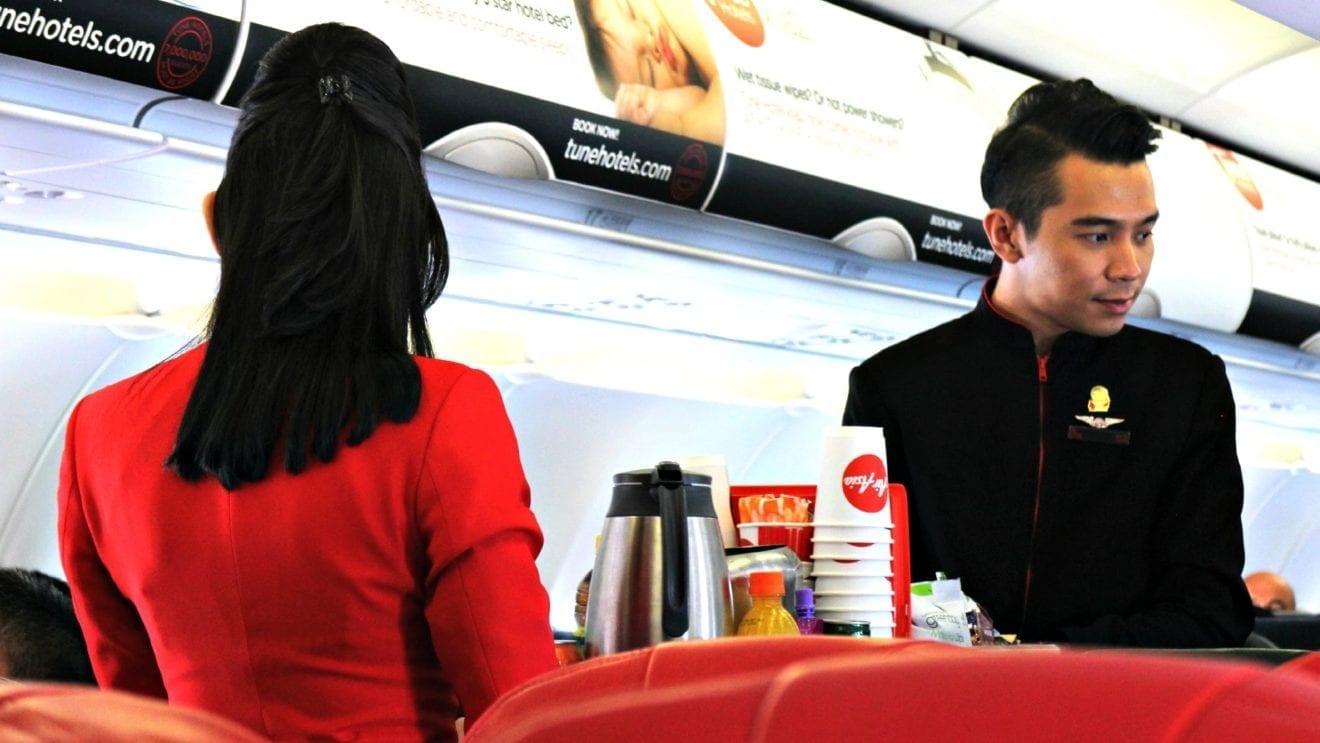
    AirAsia has launched a four-times-a-week service between Perth and Lombok, with the inaugural flight touching down on Sunday night.

    With fares starting at just $99 one way, the flights are set to be popular with Aussie tourists keen to sample the destination known as “the new Bali”.

    Dendy Kurniawan, AirAsia Indonesia CEO, said the flights would introduce healthy competition for the region and an additional option to much-loved Bali.

    “Blissful beaches, top surfing and dive sites, and picturesque mountains are now easily accessible for Australians and I encourage those looking to book their next holiday to consider Lombok,” he said.

    Perth Airport CEO Kevin Brown said the new service consolidated AirAsia’s position in the Perth market by adding more than 74,000 seats annually.

    “AirAsia has been in the vanguard of a low-cost carrier revolution that has delivered more affordable and accessible travel options for many Western Australians,” Mr Brown said.

    “Western Australians have a great propensity for travel and Indonesia represents Perth Airport’s largest outbound market as it offers an easily accessible and attractive destination for travellers.

    “This new service also provides an opportunity to grow the Indonesian inbound tourism market for Perth and Western Australia.”

    Indonesia represents WA’s eighth largest visitor market. Last year 31,000 Indonesian visitors arrived, injecting more than $56 million into the WA economy.

    AirAsia operates 25 flights per week between Perth, Australia and Indonesia, which includes Bali, and Lombok.

  • Calvin Klein has a new CEO

    Calvin Klein has a new CEO

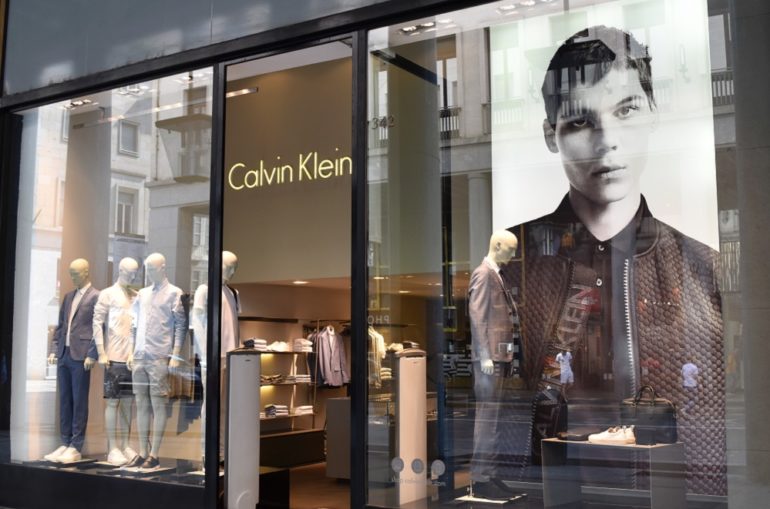
    PVH Corp has named Cheryl Abel-Hodges as the new Calvin Klein CEO, replacing Steve Shiffman.

    Abel-Hodges had previously served as group president, Calvin Klein North America and The Underwear Group. In her new role, she reports to Stefan Larsson, PVH’s president.

    Since joining PVH in 2006, Abel-Hodges has held various leadership positions across the organisation. As group president for Calvin Klein North America, she helped set the strategic direction for the brand, driving a consumer-centric approach. Within The Underwear Group, Abel-Hodges led the development of PVH’s underwear platform, overseeing design, merchandising, product development and planning for all of PVH’s underwear and women’s intimates businesses.

    “I have great confidence that Cheryl is the right person to lead the Calvin Klein brand,” said PVH Corp chairman and CEO Emanuel Chirico. “Her strong management abilities, together with her consistent track record for operational excellence, will provide strong direction for the Calvin Klein team. I believe this leadership change, coupled with our incredible management teams around the world, will allow us to capture the brand’s long-term growth potential.”

    Outgoing Calvin Klein CEO Steve Shiffman is leaving the company to pursue other interests.

    PVH’s brand portfolio includes Calvin Klein and Tommy Hilfiger.

  • India To Order Taxi Aggregators Like Uber, Ola To Go Electric By 2026

    India To Order Taxi Aggregators Like Uber, Ola To Go Electric By 2026

    India plans to order taxi aggregators like Uber and Ola to convert 40% of their fleet of cars to electric by April 2026, according to a source and records of government meetings to discuss new rules for clean mobility. Uber and Ola, both backed by Softbank Group, would need to start converting their fleet as early as next year to achieve 2.5% electrification by 2021, 5% by 2022, 10% by 2023 before hiking it to 40%, according to the person and the records that have been reviewed by Reuters.

    Some taxi players, like Ola, have previously tried to operate electric cars in the country, but with little success given inadequate infrastructure and high costs.

    New Delhi, however, is looking to push the new policy to boost the adoption of electric vehicles (EVs) as it tries to bring down its oil imports and curb pollution so it can meet its commitment as part of the 2015 Paris climate change treaty.

    Indian think-tank Niti Aayog, chaired by Prime Minister Narendra Modi and which plays a crucial role in policymaking, is working with several ministries on the new policy.

    Neighbouring China, home to the world’s top auto market, is already leading the world in electrification by setting tough EV sales targets for car makers and offering incentives to taxi operators to increase their fleet of clean-fuel cars.

    EV sales in India grew three-fold to 3,600 in the year ended March but still account for about 0.1% of the 3.3 million diesel and gasoline cars sold in the country over the period, industry data showed. China’s electric car sales, meanwhile, rose 62% in 2018 to 1.3 million vehicles.

    In a meeting in New Delhi on May 28, Niti Aayog officials and the ministries of road transport, power, renewable energy and steel, as well as the departments of heavy industries and trade, were among those recommending taxi operators in India gradually convert to electric.

    Motorcycles and scooters sold for commercial purposes, like food delivery or for use by e-commerce companies, will also need to be electric from April 2023, the person added.

    India has seen a boom in food delivery apps like Zomato and Swiggy, which counts Naspers and Tencent as investors. Sales by e-commerce firms like Amazon.com and Walmart-owned Flipkart are also rising.

    The EV proposal comes weeks after the inter-ministerial committee recommended electrifying most motorbikes and scooters for private use and all three-wheeled autorickshaws within the next six to eight years.

    While there are several electric scooter manufacturers in the country including Ather Energy, Hero Electric and Okinawa, there are only two car makers that build and sell electric cars – Mahindra & Mahindra and Tata Motors.

    Some taxi operators have so far had little success operating electric cars in India. Ola launched a pilot project in the central Indian city of Nagpur in 2017 but a year later drivers, unhappy with long wait times at charging stations and high operating expenses, wanted to return to gasoline cars.

    Ola, however, is not giving up yet.

    Its Ola Electric Mobility unit in March raised 4 billion rupees ($58 million) from investors including venture capital fund Tiger Global and Matrix Partners.

    It also raised $300 million from Hyundai Motor and Kia Motors and formed a strategic partnership with the South Korean duo to help build India-specific EVs.

    Modi’s government in 2017 had set an ambitious target to electrify new cars and utility vehicles by 2030 but resistance from the industry forced it to scale back the plan.
  • AirAsia India announces new route

    AirAsia India announces new route

    AirAsia India is on an expansion spree, it plans to add its first route to Chennai, from Kolkata. AirAsia India will now connect Kolkata and Chennai with one daily flight with effect from 1 June 2019. The launch fare for the new route between Kolkata and Chennai is 3,299.

    “Kolkata is a key market for AirAsia India as we currently operate 18 flights to 11 different destinations. The addition of this new route will strengthen up our connectivity in the east,” Sanjay Kumar, COO, AirAsia India, said.

    According to AirAsia’s release, the flight i541 will depart from Kolkata at 3. 30 pm and will reach Chennai at 5.55 pm. The return flight i542 will take off from Chennai at 6.25 pm and will reach Kolkata at 8.55 pm.

    High air fares and capacity constraints slowed India’s domestic air passenger traffic growth rate in March. As per the data of the Directorate General of Civil Aviation (DGCA), air passenger traffic growth rate in March rose a mere 0.14% to 115.96 lakh from 115.80 lakh reported for the corresponding month of the previous fiscal. According to the data, GoAir led the industry with 95% punctuality rate (on-time performance) at the four major airports of Bengaluru, New Delhi, Hyderabad and Mumbai. It was followed by Vistara (91.9%), AirAsia India (91.9%) and IndiGo (89.5%).

    Air Asia India, which started operations in June 2014, is a joint venture between Tata and AirAsia Berhad. It currently operates 164 flights a day, covering 19 destinations and carrying over 25,000 passengers.

  • France Ready To Cut Renault Stake To Shore Up Nissan Partnership

    France Ready To Cut Renault Stake To Shore Up Nissan Partnership

    France is ready to consider cutting its stake in Renault in the interests of consolidating the automaker’s alliance with Nissan, Finance Minister Bruno Le Maire said Saturday. He was speaking in Japan after Italian-US carmaker Fiat Chrysler pulled the plug on its proposed merger with Renault, saying negotiations had become “unreasonable” due to political resistance in Paris.

    In an interview with AFP on the sidelines of the G20 finance ministers meeting in Japan, Le Maire said Paris might consider reducing the state’s 15-percent stake in Renault if it led to a “more solid” alliance between the Japanese and French firms.

    “We can reduce the state’s stake in Renault’s capital. This is not a problem as long as, at the end of the process, we have a more solid auto sector and a more solid alliance between the two great car manufacturers Nissan and Renault,” he told AFP.

    Last week, FCA stunned the auto world with a proposed “merger of equals” with Renault that would — together with Renault’s Japanese partners Nissan and Mitsubishi Motors — create a car giant spanning the globe.

    The combined group would have been by far the world’s biggest, with total sales of some 15 million vehicles, compared to both Volkswagen and Toyota, which sell around 10.6 million apiece.

    But the deal collapsed suddenly on Thursday, with FCA laying the blame at the door of Paris.

    “It has become clear that the political conditions in France do not currently exist for such a combination to proceed successfully,” FCA said in a statement.

    Le Maire said Renault should concentrate on forging closer ties with its Japanese partner Nissan before seeking other alliances.

    Things need to be done “in the right order…. First the alliance (between Nissan and Renault) should be consolidated and then consolidation (more generally) and not one before the other.”

    “Otherwise, everything risks collapsing like a house of cards,” he warned.

    The minister said it would be up to the bosses of Renault and Nissan to decide how to push the alliance forward as ties between the two firms have been strained after the shock arrest of former boss Carlos Ghosn.

    Renault is pushing for a full merger between the pair but there is deep scepticism of the plan at Nissan.

  • Hong Kong debut for Japanese hot-pot chain Bijin Nabe

    Hong Kong debut for Japanese hot-pot chain Bijin Nabe

    Japanese “farm-to-table” restaurant group AP Company is expanding in Hong Kong with the local debut of its Bijin Nabe hot-pot brand.

    Named after the group’s signature “collagen-rich chicken ‘beauty stock’”, Bijin Nabe’s 2800sqft venue is now open at APM Millennium City 5 in Kwun Tong. AP Company has expanded to 200 restaurants in Japan and Singapore based on the reputation of its ‘super supplement’ stock – boiled for eight hours from free-range chickens, free of steroids, hormones and antibiotics and raised at its own poultry farms in Japan.

    “Bijin Nabe is establishing a niche with ‘per person’ hotpots in a dining style usually designed for groups,” said Bijin Nabe MD Masashi Kamatani, “with the added appeal of fashionable and ‘instagrammable’ appetisers, desserts, alternative specialty dishes, mocktails, cocktails and home-made vegetable juices.”

    Bijin Nabe’s focus is on young millennial consumers via an emphasis on three key concepts – beauty, tasty and healthy.

    The group made its debut in Hong Kong in 2017 with its flagship upmarket izakaya-style restaurant brand Tsukada Nojo in Harbour City, followed by the opening of a Shatin branch last year.

  • Zara Posts Dramatic Growth in Vietnam

    Zara Posts Dramatic Growth in Vietnam

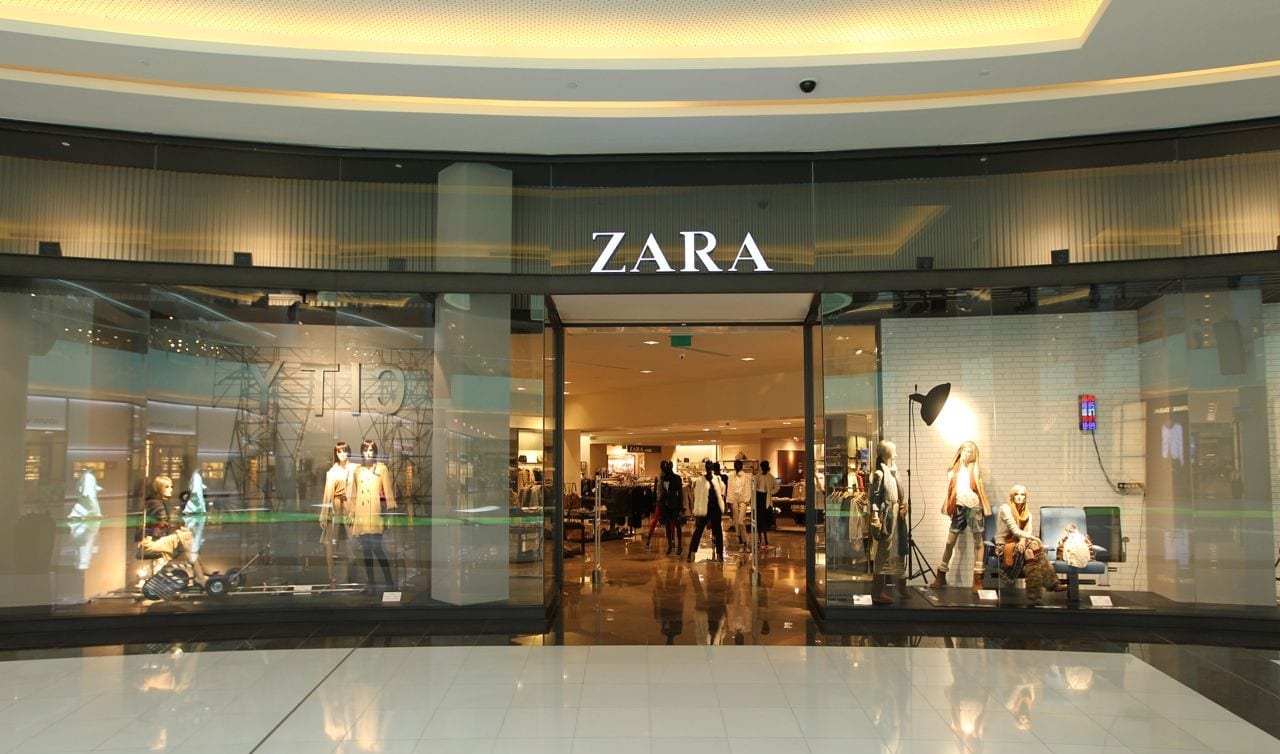
    Zara is outpacing archrival H&M in one of their fastest-growing markets, Vietnam.

    Zara Vietnam’s revenue reached US$73 million last year, six times the 2017 figure.

    The Spanish fast-fashion retailer has opened two stores in Vietnam – one in Hanoi and one in Ho Chi Minh City.

    During three years of operations, Zara Vietnam has achieved US$128 million. Rival H&M, which runs seven Vietnam stores, reportedly achieved revenue of $33 million last year, double that of its first year in the country.

    Along with three other Inditex’s brands, Massimo Dutti, Pull & Bear and Stradivarius, Zara is distributed by Indonesia’s Mitra Adiperkasa Group.

    According to Mitra Adiperkasa’s financial report, Zara remains its main revenue earner and Vietnam is its second-largest market after Indonesia.

    The company’s revenues in Vietnam last year were almost double the previous year’s figure and four times higher than its sales in Thailand.

  • King Power Thailand Acquires More Monopolis

    King Power Thailand Acquires More Monopolis

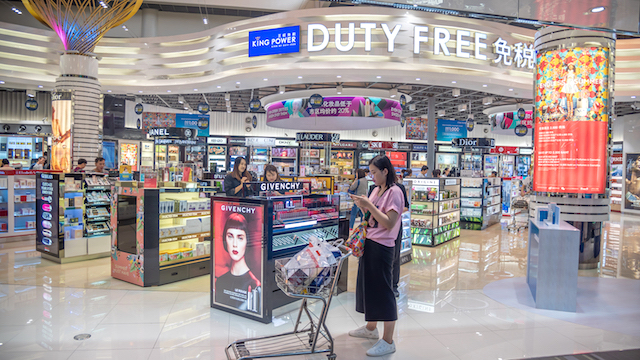
    King Power Thailand has won extended exclusive rights to operate at three additional Thai airports for a further 10 years.

    The firm won tenders for Phuket, Chiang Mai and Hat Yai airports, just a week following a win at the country’s main international airport at Suvarnabhumi near Bangkok.

    The contracts were subject to some criticism from observers such as the Thai Retailers Association, who were hoping to see Airports of Thailand bring greater competition to the US$2.1 billion duty-free retail sector. The airport operator responded to criticism in saying King Power had submitted the best proposal above close rivals Lotte Group and Dufry.

    In short, King Power bought the rights, the cost of which will inevitably be passed on to travellers. Rival companies have called for a “more opaque” tender process.

    The tenders reaffirm King Power’s status as effectively the only duty-free store provider at major airports in Thailand.

  • Farfetch opens flagship on JD.com China

    Farfetch opens flagship on JD.com China

    Farfetch China has opened a flagship store on JD, one of its strategic investors.

    The move follows Farfetch China’s purchase of Toplife announced in February and gives the global luxury-fashion technology platform access to more than 300 million customers in Mainland China.

    According to a statement, Farfetch now has a ‘Level 1’ entry point on the JD app, providing customers with instant access to more than 3000 brands via Farfetch’s network of more than 1000 luxury brand and boutique partners.

    “The partnership builds on the existing successful relationship between Farfetch and JD, started in July 2017,” said Farfetch China MD Judy Liu.

    Since then, the fashion platform has built its China presence by sharing JD’s logistics capabilities and its insights into the behaviour of Chinese luxury consumers.

    “Brands crave ever-better access to the Chinese market, and we are thrilled to deliver this for them,” said Liu.

    “This is an important expansion of our strategic partnership with JD, which strengthens the Farfetch China business as part of our truly global offering. Being able to offer the full suite of Farfetch’s technology and logistics platform to brands wanting to reach high-end Chinese consumers is a major competitive advantage as we seek to continue to grow market share in the rapidly expanding online luxury market.”

  • Amazon introducing 30 minute drone delivery

    Amazon introducing 30 minute drone delivery

    Amazon expects to offer customers drone delivery in under 30 minutes ‘within months’.

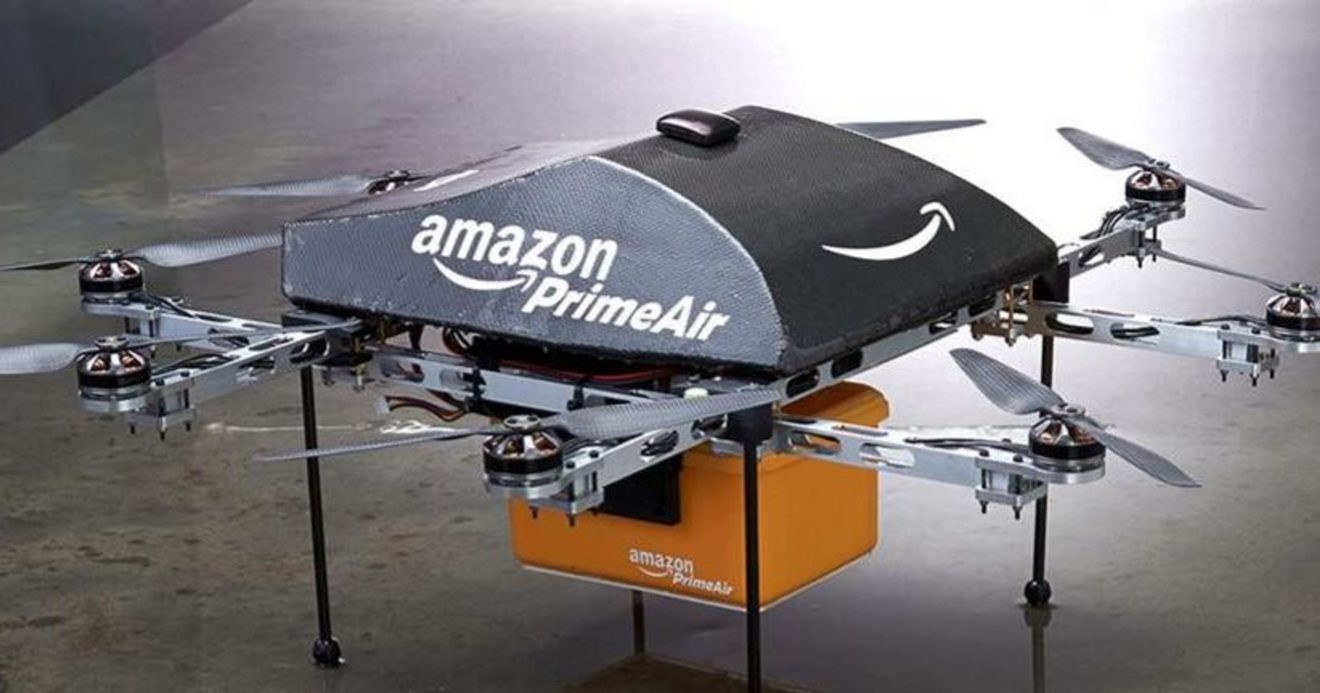
    The e-commerce giant unveiled the latest Prime Air drone design at its re:MARS Conference in Las Vegas last week.

    Jeff Wilke, CEO of global consumer at Amazon said in a blogpost that the company has been working hard at building “fully electric drones that can fly up to 15 miles and deliver packages under five pounds to customers in less than 30 minutes”.

    “With the help of our world-class fulfillment and delivery network, we expect to scale Prime Air both quickly and efficiently, delivering packages via drone to customers within months,” Wilke said.

    The Prime Air drone features a hybrid design and can do vertical takeoffs and landings.

    Wilke said that Prime Air is one of many sustainability initiatives to help achieve Shipment Zero, the company’s vision to make all Amazon shipments net zero carbon, with 50 per cent of all shipments net zero by 2030.

    “When it comes to emissions and energy efficiency, an electric drone, charged using sustainable means, traveling to drop off a package is a vast improvement over a car on the road,” Wilke said.