Tag: asia

  • Booktopia expires crowdfunding plans

    Booktopia expires crowdfunding plans

    Booktopia has pulled out of plans to raise $10 million from customers and everyday Australians after struggling to reach its minimum goal for investment.

    The business announced last year that it was looking to raise at least $3 million and up to $10 million through the crowdfunding platform Equitise.

    At the time, it was publicised as the biggest ever crowdfunding attempt through Equitise. But the company on Tuesday revealed that it is ending the crowdfunding round early after raising just short of $900,000.

    Booktopia founder Tony Nash said that while the funding never stopped coming in, the company decided to let the campaign peter out after it received significant interest from the wholesale investment community.

    “Taking a larger investment from one or two strategic investors right now is the best partnership we can secure for our customers and our future growth,” Nash said.

    “If we weren’t talking to the investors looking to invest $20 million to $30 million we would have done a big push to say the offer is ending, and probably got to the $3 million.”

    Nash confirmed the funds raised through the campaign are currently held in trust, and will be returned to equity investors soon.

    Booktopia may consider using the platform again in the future when the “time is optimal and we’ve been able to scale thanks to larger investment.”

    Nash noted that the business is successful enough as is, and that the purpose of the extra funding is simply to reach its goals faster.

    “We are happy to bring on some strategic partners who have experience in the area that we do not have, and that is a key component on taking on the extra funding,” Nash said.

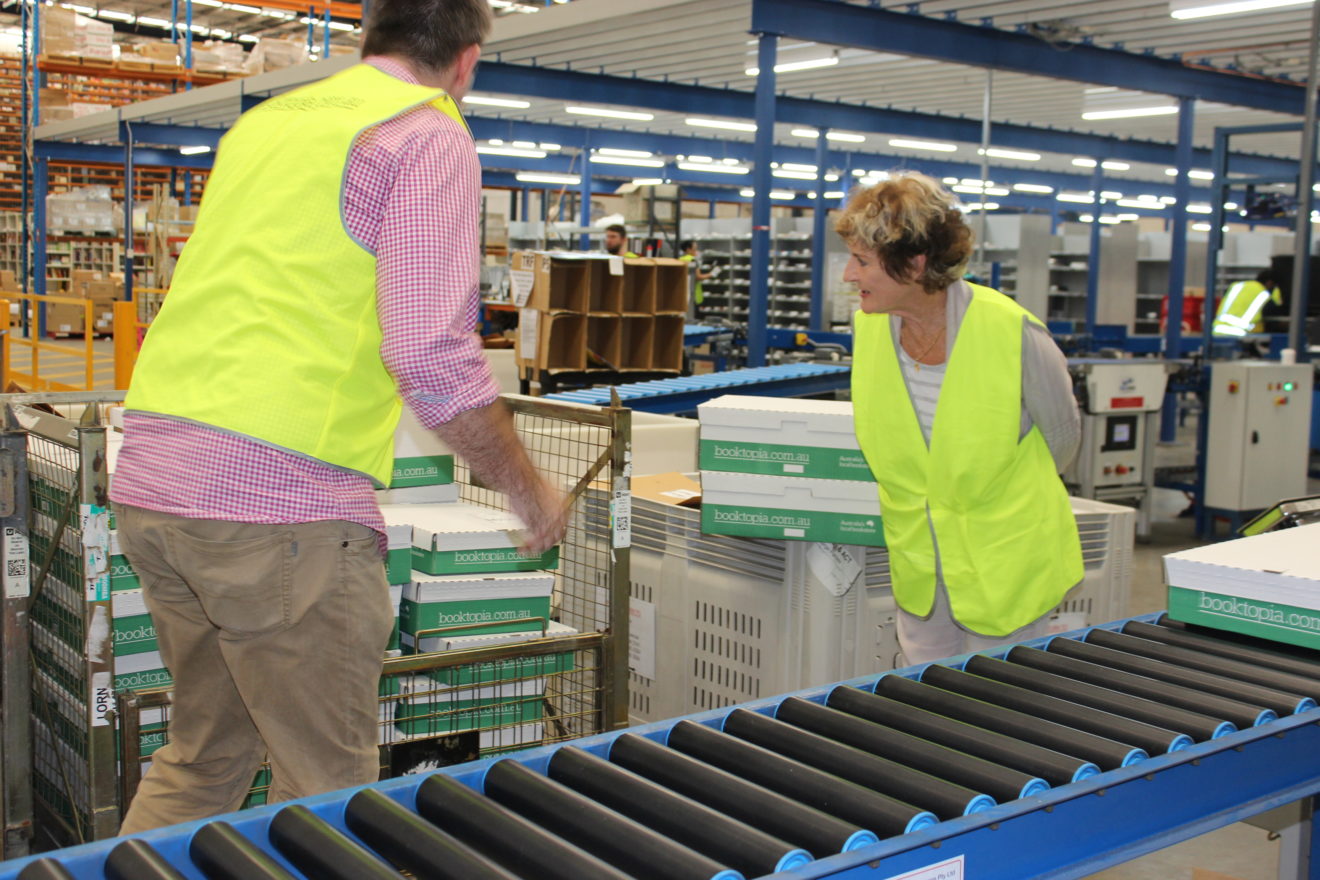
    The equity funding would have been used to drive an expansion in warehouse automation, hold more stock (the business estimates it is only using 25 per cent of its space), and continue to fund the liquidity of the business.

    Booktopia’s Equitise campaign would have allowed 8.1 per cent of the business to be owned by everyday Australians, something Nash said he still likes the idea of.

    Equitise co-founder Chris Gilbert stated he ultimately agrees with the Booktopia board’s decision, noting he looks forward to working together with the book retailer again in the future. 
  • Second Innisfree store opens in SM Megamall Philippines

    Second Innisfree store opens in SM Megamall Philippines

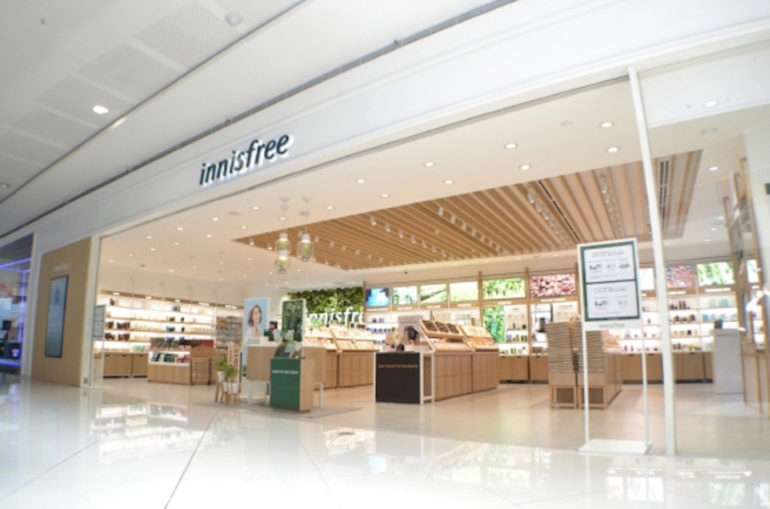
    Innisfree Philippines has opened its second outlet, at SM Megamall, a year after first launching at Mall of Asia.

    One of Korean beauty-and-skincare giant Amorepacific’s fastest-growing brands, Innisfree’s key ingredients are sourced from popular South Korean destination Jeju island. The new store will stock some of the brand’s best-selling products.

    “In today’s culture, Filipinos are naturally drawn to Korean influences, especially the K-beauty skin care regimen,” said Innis­free Philippines brand GM Stephen Lee. “With our brand, we are excited to offer our Filipino consumers skincare with quality selection of products and green sustainable practices. We are also committed to expanding and establishing a long-term presence here.”

    The new Innisfree Philippines store opening coincided with the launch of Innisfree’s empty bottle recycling campaign, which encourages customers to donate their empty Innisfree bottles to either branch.

  • Metro Wholesale Myanmar Looking for Expansion

    Metro Wholesale Myanmar Looking for Expansion

    The German-headquartered wholesale food-and-grocery retailer is looking to open in Mandalay, Nay Pyi Taw, Taunggyi and other major metropolitan locations in the region.

    “We are constantly expanding our customer base and have set a very ambitious target. You will see good news in the very near future,” said Metro Wholesale Myanmar CEO Jens Michel. “The market response to our launch in March has been absolutely phenomenal. We have experienced huge customer interest in what we are doing, and have seen an enormous amount of new customers coming.”

    The firm now has more than 300 customers in the region’s hotel, restaurant and catering industries. The majority of Metro’s customers are local companies, including mega-hotel groups and big names as well as small and medium-sized enterprises.

    “We are here in a highly emerging market,” said Michel, “and do not underestimate its potential. We are always looking at how to achieve our target by working closely with local partners and our customer base.

    “We are conducting general and modern trade. This will enable our customer base to benefit from a wide range of products. We help customers to spend more time on their own businesses, focus on their own vision and strategies, while we take care of all food and non-food items they require as well as delivery to their businesses.”

    Metro Myanmar currently has a 5800sqm warehouse in the Thilawa special economic zone, and employs 150 staff of which 92 per cent are locals. It has invested about €10 million (US$11.33 million) and intends to keep boosting its investment in the territory.

  • Five Guys confirms Singapore Restaurant Opening

    Five Guys confirms Singapore Restaurant Opening

    American burger chain Five Guys is set to open in Singapore within six months.

    Local franchisee Zouk Group says the first outlet will open somewhere “central”.

    “There will definitely be more than one outlet here, depending on how many the market can sustain,” Andrew Li, Zouk Group CEO said.

    Five Guys is known for its customisable beef burgers, hotdogs, milkshakes and sandwiches.  Singapore outlets have the same menu as the US and Hong Kong.

    Prices have yet to be confirmed, but the outlet will serve alcohol including craft beer.

    Founded in Virginia in 1986, the brand now has more than 1600 restaurants worldwide across the US, Europe, Middle East and Asia.

  • Aldi China where Quality meets Value

    Aldi China where Quality meets Value

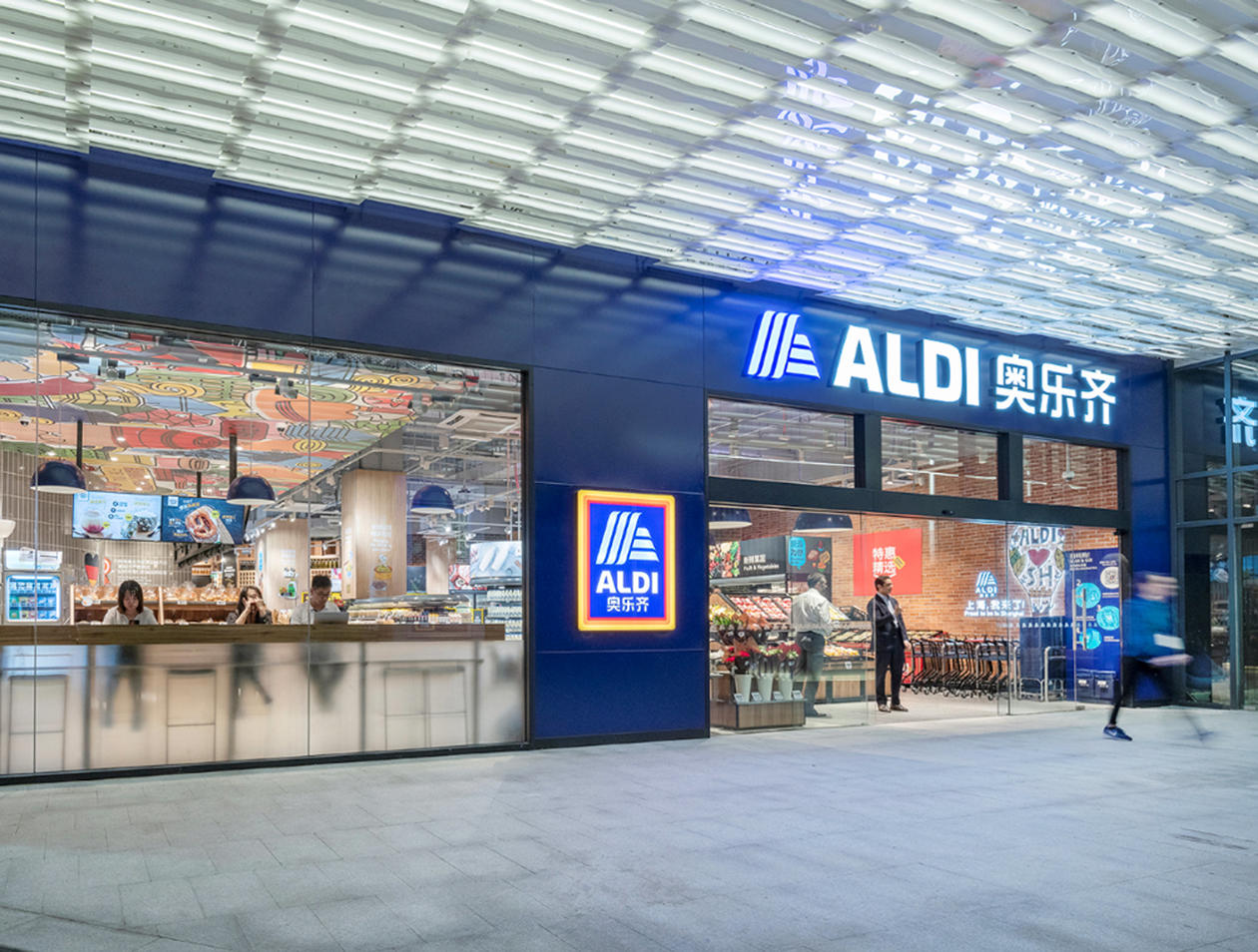
    The first professional photos have emerged of Aldi China’s two pilot stores in Shanghai, which opened weeks ago.

    Designed by Australian-headquarted Landini Associates for Audi Sud (South), the two stores are both about 336sqm in size. They feature a more upmarket look than Aldi’s European stores and are described by Landini as “an evolution of Landini Associates’ work for Aldi Australia, aimed at celebrating and conveying product quality and value”.

    The stores represent a new trading format for Aldi and are the first of up to 100 planned for the city. Aldi has been testing the Chinese market online for about two years, selling its own-brand products on Alibaba’s Tmall to gain an understanding of consumer buying preferences and acceptance to hitherto unknown brands.

    But as the photos show, the store is very obviously targeted not only at Chinese consumers, but the burgeoning expat community in the city – all signage is in English as well as Chinese.

    Landini highlights key differences in the scale, layout and tone of the Aldi China stores, compared to the latest designs implemented in Australia.

    “In line with Chinese consumer habits, where the preference is to visit multiple small shops per week, the stores are a much smaller format. The emphasis is on fresh produce and ready meals, with certain categories articulated for greater consistency, and key products placed at the entry of each aisle alongside messaging to appeal to and drive shoppers,” the company says.

    “Key departments developed were snacks, produce, bakery, alcohol, imported goods, health, and beauty. The most noticeable difference for the Chinese market is the development of an on-site Food Station, as well as the addition of ready meals to take away or consume at the in-store dining kiosk.”

    Low cost yet “real” materials were specified for the fitout, including locally sourced brick, terrazzo, an open concrete ceiling, warm timbers, and yellow accents which add to the perception of freshness throughout the stores.

    LED lighting reduces glare and running costs while improving ambience and colour rendering, changing from day to night. Landini says the lighting was designed to create a pleasant atmosphere and let the products speak, enhancing colour, texture, and freshness. Energy-saving LED has also been incorporated in the fridges and wine displays.

    Landini also designed an extensive series of messaging and graphic illustrations that are entirely unique to the Aldi China stores. More than 40 messaging boards were developed to communicate the brand ethos, product freshness, value, quality, and European and Australian products on sale.

    There is no signage or ticketing displayed from the ceiling. Instead, category signage around the store perimeter offers greater visibility across the stores and thus encourage cross-store shopping. A vibrant, colourful mural on the ceiling above the service counter and checkouts is a playful hero graphics feature.

    “Our two new stores are designed as pilot stores where retail approaches will be trialled and adjusted according to data and feedback from customers,” said an Aldi spokesperson. “This new store format has been customised and tailored specifically for the China market to better understand and interact with Chinese consumers.”

    Ben Goss, design director at Landini described the project as “a significant milestone for the brand”.

  • Wesfarmers to purchase Catch Group

    Wesfarmers to purchase Catch Group

    Australian retail conglomerate Wesfarmers has entered an agreement to acquire Catch Group for $230 million.

    Should the deal be cleared by the Australian Competition and Consumer Commission, the online marketplace will continue to operate as an independent business unit under the leadership of Kmart Group managing director Ian Bailey.

    Bailey noted Catch has built a successful marketplace underpinned by leading technology and data capabilities, and that these capabilities would be leveraged to grow the capabilities and accelerate the consumer-driven, omni-channel initiatives across department stores Kmart and Target.

    “This will further drive best practice in supply chain, fulfilment and online execution across our brands, including opportunities for Target to secure online fulfilment capability and productivity benefits,” Bailey said.

    “Catch will also benefit from the support of Kmart Group’s scale and capabilities to drive its continued growth in its existing marketplace business.”

    Catch Group managing director and chief executive Nati Harpaz said the Catch team was looking forward to working with Kmart, and that the marketplace would continue to focus on delivering great value and savings to its customers.

    The merger, according to Wesfarmers managing director Rob Scott, is consistent with Wesfarmers’ approach to capital allocation, focus on improving its digital and data capabilities, and investment in opportunities adjacent to its existing businesses.

    “Catch Group has a high calibre management team and a leading e-commerce platform with quality fulfilment assets,” Scott said.

    “This acquisition represents an opportunity to accelerate Wesfarmers and Kmart Group’s digital and e-commerce capabilities whilst continuing to invest in the unique customer and supplier proposition provided by Catch Group.”

    Wesfarmers confirmed the acquisition will be funded by existing debt facilities, and is not expected to affect the business’ existing credit ratings. The business completed a demerger from Coles last year, providing further capital for investments, while retaining a minority ownership in the supermarket.

  • India’s Myntra Starts Selling on Walmart USA

    India’s Myntra Starts Selling on Walmart USA

    India’s Myntra is expected to begin selling its brands’ products to the US via Walmart.

    The online fashion retailer was acquired by Walmart 10 months ago, since which time Myntra’s brands have been available through Walmart Canada.

    “We enabled Myntra to be online in Canada and we are also anticipating launching Myntra brands in our stores in Canada in Q3,” said Walmart International executive VP and chief administrative officer JP Suarez, “a nice compliment for an omnichannel experience for our customers. We are exploring with US for any Myntra product to be available on the US online marketplace.”

    Walmart is also expected to conduct a study of Myntra’s operations to assess what strategies may be applicable to other markets. The firm holds a major market share in India along with Jabong and Flipkart Fashion.

  • Ted Baker reaches balancing point

    Ted Baker reaches balancing point

    Shares in UK-headquartered Ted Baker slumped 25 per cent as the latest financial results show the fashion label may be losing its mojo.

    After years of strong growth, the previously infallible Ted Baker says retail revenue fell by 1.1 per cent on a reported basis, and by 2.9 per cent at constant currency during the 19 weeks to June 8. The company warned shareholders its profit for the current financial year may fall by as much as 20 per cent to somewhere in the range of £50 million to £60 million.

    CEO Lindsay Page blamed the result on weaker trading due to unseasonable weather in North America and a highly promotional retail environment worldwide which impacted on gross margins.

    “As a team, we are proactively addressing the challenges we face as an industry,” said Page.

    “Several of our new product initiatives will commence imminently and we are confident in our collections for the coming season. We are relentlessly focused on achieving cost efficiencies as well as further cost savings throughout the business.”

    Sofie Willmott, lead retail analyst at GlobalData, believes Ted Baker is suffering from overexposure.

    “As a result of its past success and demand for the brand, Ted Baker products are widely available from department store players like John Lewis and House of Fraser, and online pureplays including Asos and Very.co.uk. But overexposure can damage brand appeal particularly when it is positioned at a premium level.

    “Alongside this, the struggles of department store retailers coupled with the misconduct allegations against the brand’s founder, Ray Kelvin, who stepped down permanently in March, will not have helped its performance. To reverse its sales decline, Ted Baker must rein in the number of distribution partners it has, to reaffirm its premium positioning.”

    Willmott said Ted Baker has reached a point where “it will either sink or swim”.

    “For the brand to be able to survive without its former leader and retain its loyal shopper base, it must seize the opportunity to shake up the business and re-establish its brand identity.”

  • 6 Main Causes of Car Accidents

    6 Main Causes of Car Accidents

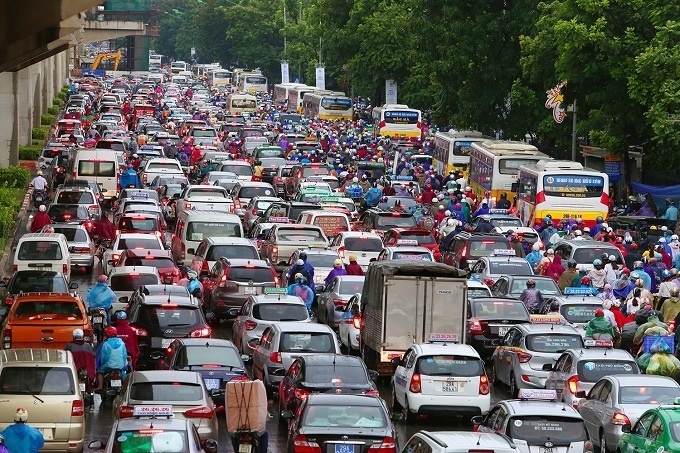
    Car accidents are an unfortunate part of our everyday lives, whether you live in a large metropolis or small town. People are almost always the cause of these accidents; and unfortunately, accidents can result in significant injuries and even worse, fatalities. Your life is not the one at stake when driving, so be sure to use good judgment, follow the laws of the road, and be cautious. 

    Of course, just because you are a safe driver, or think that you are, does not mean that all the other drivers are. For this, be sure to protect yourself and anyone else in your vehicle by always having car insurance and filing claims when necessary. The ignorance and errors of other drivers should not fall upon your shoulders. The leading causes of car accidents are listed below and what you should when in these situations. 

    Distracted Driving: 

    More now than ever, are more drivers unfocused on the road. No longer is eating, applying makeup, reading or other crazy things drivers do that can cause an accident, but most accidents happen because of the phone. Currently, nearly every state or city has laws that apply to people driving with their phones and for an excellent reason. Jeffrey Preszler from www.preszlerlaw.com says that as of 2018, the number one leading cause of traffic accidents in Canada was distracted driving due to using a cell phone or other handheld electronic device. When you are driving, let that be it, and put the phone away; it may sound like common sense, but people still find ways to do something other than driving. Distracted driving is now the primary cause of all car accidents. 

    Drunk Driving: 

    Drinking and driving has been around for ages, yet for some reason, people are still doing it. There are other options such as rideshare or a classic taxi. Do not let someone drink and drive; if they have no other choice, let them sober up or have someone take them home. There is never an excuse to drink and get behind the wheel or watch someone do it. 

    Irresponsible Driving: 

    The irresponsibility of some drivers can shock a lot of people. Speeding, tailgating, changing multiple lanes and aggressiveness are just a few of the ways that plenty of preventable accidents can happen. Even if you are running late or the car in front of you is going way to slow, calm down, and realize that it is not just you that is driving. Others can feel the impatience or frustration of another driver on the road. 

    Lawlessness: 

    Running red lights, improper turns, lack of a turn signal, we all have been behind those drivers. They have almost caused you or someone else you know an accident because they either did not pay attention to the signs or they did not care. Look for all the traffic signs and any other visuals that will help you be a more conscientious driver. If you know the rules of the road and follow them, it will be more beneficial to you and other drivers. 

    Weather: 

    Other people are not only out of our control, but the weather is too. If it is raining, snowing or there are storms, try to stay off the road if at all possible. Severe weather causes many accidents and only because of a slick road. If you are in the car during a storm and you have a chance to pull over to wait it out, do that first. Otherwise, drive with extreme caution, paying close attention to your driving and other vehicles. 

    Construction and Roads: 

    The roads need to be maintained, so that means there is always construction going on, especially if you live in the bigger cities. Make sure you slow down since you would not want to hurt one of the workers. Also, as tempting as it is to swerve from the potholes or bumps in the road, you cannot do that with oncoming traffic or someone next to your lane. Slow down and watch for people and the state of the road to avoid an accident. 

    When you head for the car and get behind the wheel of your car, think for a moment that you have the luxury of being able to do it. Now think of all the other people that you will come into contact with on the road since you must share it with others and realize they have families and loved ones too. Getting distracted behind the wheel is not worth what could happen to you or others.


  • Pernod Ricard calls for Hong Kong to mind its throw-away fashion and glass this Responsib’ALL Day

    Pernod Ricard calls for Hong Kong to mind its throw-away fashion and glass this Responsib’ALL Day

    Hong Kong-based entities of Pernod Ricard – Pernod Ricard Asia HQ, Pernod Ricard Hong Kong and Macau and Pernod Ricard Travel Retail Asia – will be helping to tackle the growing problem of throw-away fashion and glass by partnering over 200 of its employees with non-profit organisation ‘HandsOn Hong Kong’, turning waste into reusable items for people in need.

    Known globally as ‘Responsib’ALL Day’, it will see local employees creating street mats for the homeless and bath mats for the elderly out of discarded t-shirts and upcycling unwanted bottles into glass lamps that will all be donated to four respective non-profit organizations and schools in need.

    Cyril Sayag, Vice President, Corporate Affairs of Pernod Ricard Asia, says that by participating in upcycling workshops such as these, we all have the chance to bring life back to glassware and textiles that would otherwise be going to landfill.

    “Sustainability and Responsibility have always been at the heart of Pernod Ricard and that’s why we want to foster circularity across the business, to encourage employees to reimagine the way they use, dispose, and minimise waste,” says Mr Sayag.

    “For the 9th consecutive year, all 19,000 employees of Pernod Ricard in 86 countries are mobilized on the Responsib’ALL Day to minimizing waste and make the most of resources in their local community.”

    Every minute in Hong Kong, 1,400 t-shirts are being sent to landfill as a wasted resource, adding up to 110,000 tonnes of textiles thrown away each year. Textile waste is also the second largest source of pollution in the world.*

    This is in addition to the 300 tonnes of glass, mostly bottles, sent to landfills every day, despite a local levy on imports made of them into Hong Kong.**

    Sue Toomey, Executive Director of HandsOn Hong Kong, says that the generation of waste has been growing at an increasingly alarming rate and Hong Kong’s consumption-led lifestyle is putting enormous pressure on local landfills.

    “With more than 300 tonnes of textile waste discarded in the city’s landfills each day, there is a greater need than ever to raise awareness around the importance of reclaiming discarded items and recycling them for local use,” says Ms Toomey. “That’s why partnerships such as this with Pernod Ricard are so valuable to the environmental health of the local community.”

    The initiative follows Pernod Ricard’s 2030 Sustainability & Responsibility roadmap , “Good Time from a Good Place”,  which focuses on all aspects of the business from ‘grain to glass’ and supports the United Nations’ Sustainable Development Goals.

    Its four pillars, Nurturing Terroir, Valuing People, Circular Making and Responsible Hosting, bring alive the Group’s vision ‘créateurs de convivialité’ by mobilising all employees to engage with local communities on Responsib’ALL Day across the world on the same day.

  • Visa and LINE pay to partner on next-generation fintech solutions

    Visa and LINE pay to partner on next-generation fintech solutions

    Visa (NYSE: V), the global payments leader, and LINE Pay Corporation, operator of digital wallet and fintech services on the LINE messaging app, today announced a strategic partnership that will see them create new financial services experiences for their collective user bases of millions of consumers and merchants worldwide[1].

    The two companies will collaborate across multiple areas, including:

    • Everyday consumer payments: LINE’s 187 million global monthly active users will be able to apply for a digital Visa card from within the LINE app, and over time, add any of their existing Visa cards to make seamless payments from their mobile phone.  The companies will also offer consumers additional and enhanced experiences like integrated loyalty programs and tailored offers and new payment capabilities for users when they travel overseas.
    • Solutions for merchants: Through Visa, LINE Pay consumers will be able to use LINE Pay branded capabilities at Visa’s 54 million merchant locations worldwide, enabling them to take advantage of LINE Pay offers and services. They will also be able to see these transactions in their LINE Pay digital wallet, even where LINE Pay is not directly accepted. In addition, Visa and LINE Pay will collaborate on ways for merchants to interact with the LINE Pay service as well as LINE Pay digital wallet, supporting the continued growth of globally interoperable payments.
    • Fintech services: LINE Pay and Visa will develop new experiences based on blockchain that enable B2B and cross-border payments and alternative currency transactions.
    • Marketing: Ahead of the Tokyo 2020 Olympic Games, Visa and LINE Pay will partner on exclusive marketing campaigns and promotions to contribute to Japan’s acceleration towards a cashless society in the lead-up to and after the Olympic Games.

    Messaging apps are a fast-growing frontier in digital commerce, as consumers look for more of their everyday tasks, like payments, to be integrated with the apps where they’re spending more of their time. As consumer preferences shift further towards a single app from which they can do everything – transfer money, make an online purchase, pay bills, book travel, and order food – LINE Pay and Visa’s partnership will make that seamless experience a reality for millions of users while ensuring LINE Pay and Visa further drive the expansion of globally interoperable, open-loop payments.

    This new partnership extends the existing relationship between Visa and LINE Pay, which includes co-branded LINE Pay Visa cards in Taiwan and to be launched later this year in Japan.

    “The Visa co-brand program that currently serves 2.3 million customers in Taiwan is one of Visa’s fastest-growing programs globally,” said Chris Clark, Regional President, Asia Pacific, Visa.  “We are excited to extend this momentum to a range of new solutions in more markets around the world.  As the LINE Pay team continue to enhance the utility of the LINE messaging application for consumers’ everyday lives, we are impressed by the potential of LINE’s distribution power and consumer loyalty to further drive the growth of the global, open-loop payments ecosystem to benefit all players on our network – consumers, merchants, and issuing and acquiring banks.”

    “LINE Pay is more than just a payment method. As we transition to a cashless society, LINE Pay is focused on delivering added value to LINE’s users around the world and business partners,” said Youngsu Ko, CEO of LINE Pay and LINE’s Fintech Company. “With Visa’s global network and infrastructure, LINE Pay users will be able to enjoy the advantages of that innovative, worldwide network.”

    As payments move away from traditional plastic cards into smartphones, connected devices, and other digital formats, Visa is working with its partners around the world to enable new consumer experiences that are based on digital cards and extending its network to collaborate with new players. This includes the Visa fintech fast-track program, which makes it quicker and easier to build and deliver new commerce experiences on Visa’s payments network.

  • Woolworths plans store restructure and addition of two new departments

    Woolworths plans store restructure and addition of two new departments

    Woolworths will revamp its store operating model for the first time since 2011, to put a greater focus on fresh food, convenience and customer service to suit changing customer needs.

    The supermarket briefed team members on Wednesday about the implementation of the store model which will see the creation of two new fresh food departments at stores in the coming months.

    Fresh Service will manage customer service at the deli, butchery and seafood counters while Fresh Convenience will cover dairy, eggs, pre-pack meat, branded bread and meal solutions.

    “Over the last few years our customers’ needs have changed, but the way we have been operating our stores has stayed the same,” Claire Peters, managing director, Woolworths Supermarkets said.

    “With customers’ ongoing expectations in fresh, and more shoppers looking for increased convenience, our stores need to deliver the best possible customer experience, every time.”

    Peters said the new model will allow team members to be “more customer focused than ever before”.

    Last week at the AFGC’s Food & Grocery conference, Woolworths highlighted the need for better convenience offerings for time-poor customers, as well as new and different choices that are good for health, wellbeing and the planet.

    While the number of team members required in the new structure will not change, some current roles will be made redundant. Woolworths said that it aims to provide “as many redeployment opportunities as possible”.

    Woolworths will invest more than $10 million in team training and development as part of the restructure and will add Assistant Team Manager roles to facilitate better management progression.

    The operating model has already been rolled out across a group of stores in New South Wales, with changes to other stores to be phased in over the coming months.

    The supermarket recently revealed plans to further reduce promotions and focus on everyday value in stores in an effort to gain better “price trust” among consumers.

    Shopper feedback revealed that price is the most important element of customer’s trust and is a key area of focus for the retailer.

  • Myer implementing new payment options in-store

    Myer implementing new payment options in-store

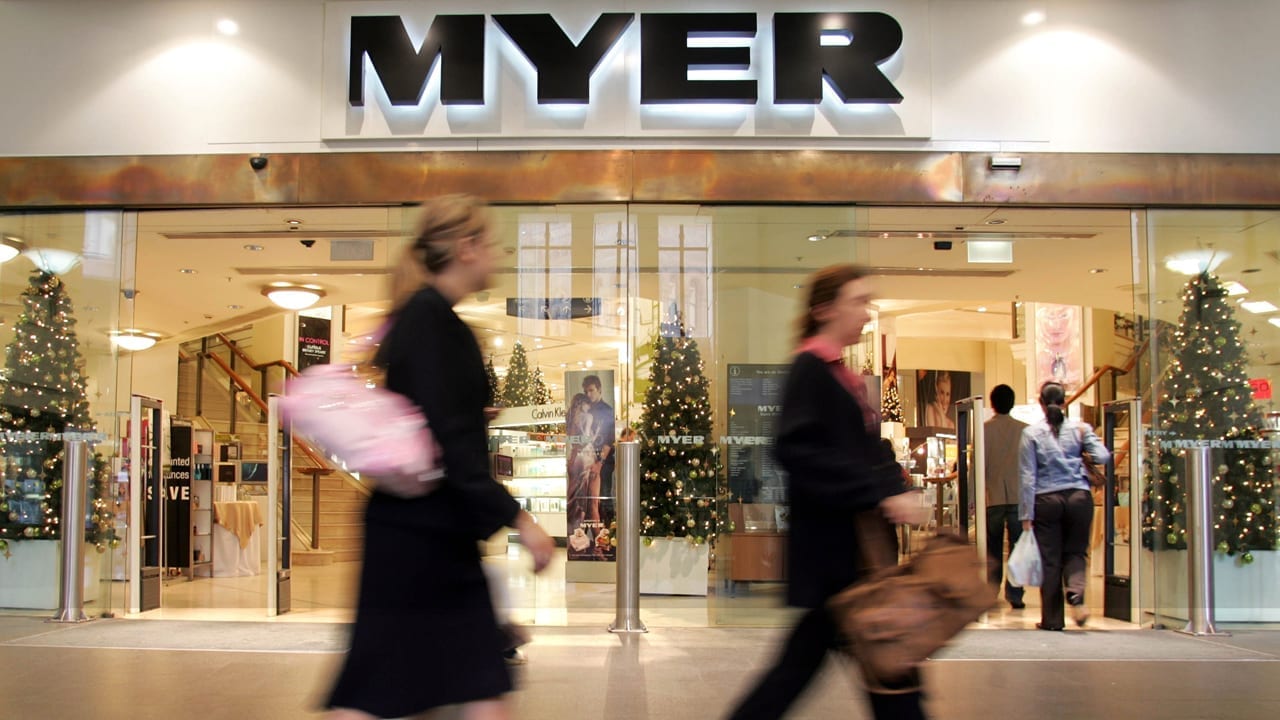
    Department store Myer will be implementing buy now, pay later service Afterpay in-store in 2020, in an effort to incentivise the 2.7 million active Afterpay customers to visit its retail locations.

    “Our customers have responded positively to the Afterpay offering since we launched it online in April 2017,” Myer general manager for financial services Spencer May said.

    “We now look forward to extending provisions of buy now, pay later services for our customers, with both Afterpay and humm in-store from late 2019.”

    The decision comes amid Myer’s customer-first turnaround strategy, in which it seeks to bring customers back in-store by transforming the in-store customer experience, expanding the retailer’s ‘Only at Myer’ offering, and improving its online channel.

    The plan seems to have started off on the right foot, having led to a 3.1 per cent increase in net profit after tax in the first half of FY19 to $41.3 million, according to Myer chief executive John King.

    In-store is a growing segment for Afterpay, accounting for about 20 per cent of total ANZ underlying sales for the 5 months to May 2019, compared to 15 per cent over the first half of FY19.

    Additionally close to a quarter of the service’s new customers are being driven by in-store, rather than online, sales.

    Myer has been contacted for comment.

    According to UBS analyst Ben Gilbert, the impact of implementing buy now, pay later services drives an incremental increase in sales, as customers that did not necessarily have the ability to purchase at that store are now able to.

    However, this growth in sales tends to stabilise after 12 to 18 months.

    “The emergence of buy now, pay later has been a key driver of both traditional and online retail,” Gilbert said.

    “Growth largely reflects a shift to online, with retailers telling us buy now, pay later offers can make up over 50 per cent of online sales.”

    UBS estimates that buy now, pay later providers Afterpay and Zip accounted for approximately 16 per cent of incremental discretionary retail growth in the first half of FY19.

    Gilbert does raise the possibility that these extra sales have been brought forward, creating a risk to profit forecasts as customers buy early.

    “While we have some concerns, we note large retailers have largely cycled this in their online sales, momentum has continued and retail sales are holding up better than feared, with (early) post-election feedback on trade positive,” Gilbert said.

    “As a consequence we are becoming less concerned, and see an opportunity now to potentially try to negotiate better terms on the buy now, pay later options.”

  • Facebook, Instagram, and WhatsApp will no longer be pre-loaded on Huawei phones

    Facebook, Instagram, and WhatsApp will no longer be pre-loaded on Huawei phones

    While Huawei continues to see a road ahead for its US government-threatened smartphone division, the exodus of major business partners, key components suppliers, and allies is far from over, posing new difficulties and creating bigger and bigger problems almost every single day.

    The latest bridge to be reportedly burned as a direct consequence of President Trump’s controversial executive order last month (which was since suspended for a period of 90 days) is arguably less critical than similar decisions previously made by the likes of Google, Qualcomm, Intel, and Arm. But it’s yet another thing that complicates Huawei’s existence, threatening to severely damage its Western brand image.

    Facebook is getting ready to pull out its support for future Huawei handsets, planning to no longer allow the pre-installation of the social networking giant’s crazy popular apps on the Chinese tech behemoth’s mobile devices. We’re obviously talking about the main Facebook platform first and foremost, but also WhatsApp and Instagram, all three of which are typically available for users of existing Huawei phones at first boot.

    The handsets that are already in circulation are unlikely to be affected by Facebook’s decision, as they will continue to receive any and all updates delivered to social networking and instant messaging apps. But Huawei phones that are not yet released and have not yet left factories are expected to come without the aforementioned services pre-loaded. That wouldn’t be such a big problem if Google wasn’t intent on cutting off access to the Play Store for future Huawei devices as well in compliance with the US ban expected to be enforced in a couple of months.

    Without Facebook, possibly Twitter, and other Western-leading apps and services, it seems Huawei truly needs to build its Android and Google Play alternatives from scratch. That’s probably going to take a while (if it’s even doable to begin with), during which time the company’s sales numbers could fall off a cliff. Of course, Facebook is still blocked in China, so at least there’s that.

  • Google Search results are improved in response to user feedback

    Google Search results are improved in response to user feedback

    A series of tweets from the Google SearchLiaison Twitter account indicates that Google is making a small change to Google Search in response to user feedback asking for more variety in its Search results. The tweak is designed to prevent a search result from containing multiple listings from the same site. As Google says, the changes are “designed to provide more site diversity in our results.”

    Google says that with the new site diversity change, top results will show no more than two listings from the same company. But Google adds that “…we may still show more than two in cases where our systems determine it’s especially relevant to do so for a particular search….” Despite the new diversity for Google Search results, the way sites are ranked will not change. So while highly ranked sites will continue to appear near the top of search results, they just won’t be repeated as often. This is good news for smaller companies looking to drive more traffic to their sites.

    While the update is being disseminated now, it shouldn’t be confused with the June 2019 Core Update that makes changes to the algorithms used by Google Search. Nor should it be mixed up with an update that was sent out last month by Google. The latter update improves mobile search results by adding the name, URL, and logo of the website that certain information was sourced from. For example, let’s say that you were searching for some news on President Donald Trump. Depending on your political leanings, you could scan through the results and either ignore or read information pertaining to your search from Fox News.