Tag: asia

  • Waterstones parent to buy Barnes & Noble

    Waterstones parent to buy Barnes & Noble

    The parent of British bookseller Waterstones, Elliott Management, will purchase Barnes & Noble – the last remaining big-box bookseller left in the US following the departure of rival Borders – for about US$683 million.

    Once the deal is finalised in Q3 of this year, Waterstones CEO James Daunt will also assume control of all Barnes & Noble operations, although the two firms will remain independent.

    Dive Insight says: “The deal with Elliott could mark the closing of a turbulent chapter in Barnes & Noble’s story, one that included a failed merger, a legal battle with a former executive and agitation by activist investors. And prior to that there were years of management turnover, strategic misfires and lost sales as the last box book seller tried to hold off Amazon.”

    “As it happens, I know James Daunt fairly well,” said Barnes & Noble chairman Leonard Riggio in a letter to employees, “and I am delighted to have him as our new leader.

    “Like me, James believes our culture has to be more store-centric, which means more localisation of assortments and operations. It follows that he believes local managers must have more authority to get the job done.”

    A press release from Barnes & Noble read that Waterstones “has successfully restored itself to sales growth and sustainable profitability, based on a strategy of investment in their store estate and the empowerment of local bookselling teams.”

    Elliott, which has owned Waterstones for about a year, has US$825 million in debt financing available banks to fund the Barnes & Noble acquisition.

  • Mini Cooper SE Electric Teased Towing An Aircraft

    Mini Cooper SE Electric Teased Towing An Aircraft

    The Mini Electric will soon be launched internationally but of course, the teasers have started to fall in place. The recent ‘testing programme’ for the first purely electrically powered MINI was an unconventional one. The company chose Frankfurt airport as its venue and a close-to-series prototype of the new model demonstrated just what electromobility in the style of MINI is capable of setting in motion. The Mini Cooper SE slipped straight into the role of an aircraft tug, setting off to the loading point towing a Boeing 777F freight aircraft with an unladen weight of some 150 tons. The unusual hook-up was filmed in a video clip. Created collaboratively by the BMW Group and Lufthansa Cargo, the 45-second commercial shows the Mini Cooper SE as a ‘muscle car’ pulling the significantly larger and heavier transport aircraft across the airfield.

    The MINI Cooper SE will go into serial production at the British plant in Oxford as of November 2019. It is based on the Mini 3 door and combines locally emissions-free driving with the brand’s characteristic go-kart feeling, premium quality and expressive design. After the BMW i3 it is the second purely electrically powered model within the company’s premium automobile portfolio. Helping the Mini Cooper SE perform its muscle car role, the performance characteristics of the electric motor combine spontaneous power delivery with a high level of torque available directly from standing.

    Although the company has not revealed any details for the electric mini, the iconic car maintains its traditional design while also keeping up with the future. According to the company, the electric concept brings ‘the iconic design, city-dwelling heritage, and customary go-kart feeling’ into the modern motoring era. Up front, the closed-off grille and simulated air intakes remind that this is an electric car. There are no exhaust outlets, but a tweaked rear clip with a rear diffuser giving the car a muscular look. The bolt-on side panels are made of fiberglass in order to keep the overall weight of the car under check. MINI EV Concept gets LED taillamps that make an interesting Union Jack pattern.

  • New Bentley Flying Spur To Be Unveiled This Month

    New Bentley Flying Spur To Be Unveiled This Month

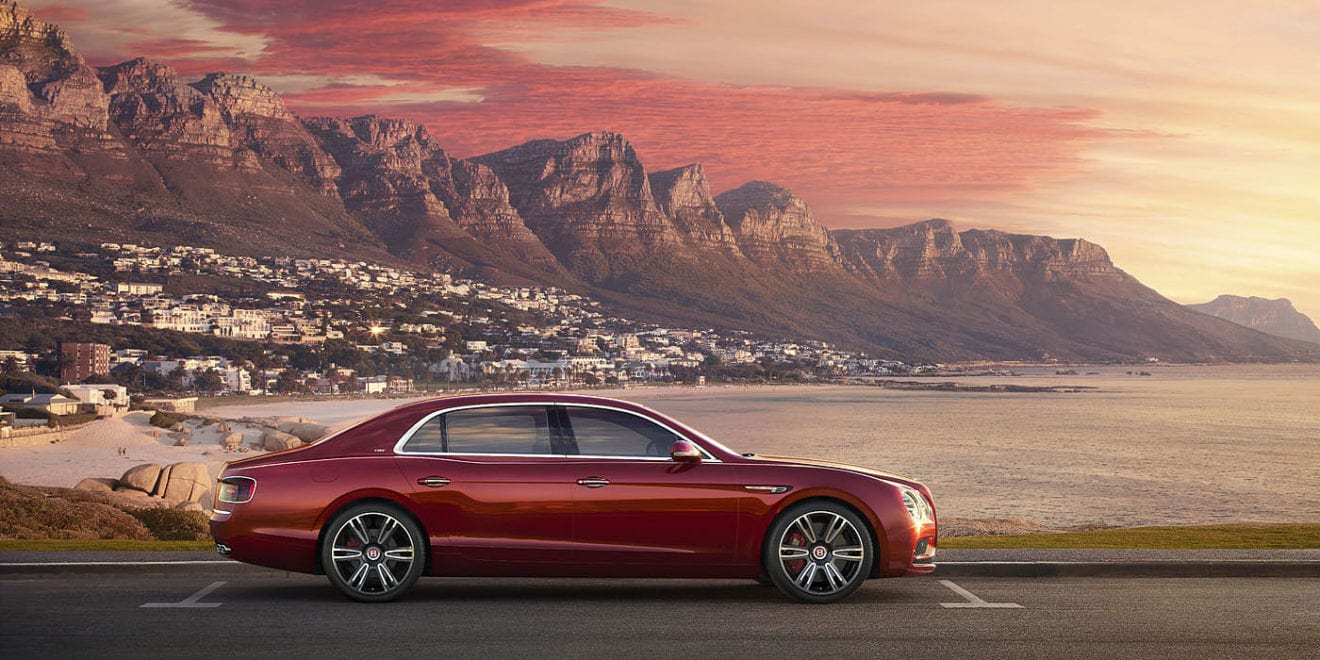
    The third-generation 2020 Bentley Flying Spur Grand Touring Sedan is all set to make its global debut this month, on June 11, 2019. This year also marks the 100-year-anniversary of the British luxury carmaker, which calls the new-gen Bentley Flying Spur a combination of a sports sedan and luxury limousine. Among its key highlight, the new 2020 Flying Spur will be the very first Bentley to get an All-Wheel Steering, enhancing both stability at cruising speeds and agility.

    Bentley says that similar to the recently launched Continental GT, the all-new Flying Spur is also a ground-up development that offers superior technology and craftsmanship to deliver high levels of performance and refinement. In fact, the four-door sport sedan will come with the same 6.0-litre twin-turbo W12 engine that powers the new Continental GT. The motor is tuned to churn out a massive 625 bhp and develops a monstrous 897 Nm of torque. Having said that, Bentley is expected to a couple more engine options later in the future – a smaller 4.0-liter twin-turbo V8 that makes 542 bhp and 770 Nm torque, along with a 2.9-litre V6 plug-in hybrid engine as well.

    In addition to the all-wheel steering, the new Bentley Flying Spur will also get an updated All-Wheel Drive system. Interestingly, the new AWD has been designed to supply power only to the rear wheels in standard road conditions, thus offering the classic sports sedan handling characteristics. However, if the system detects any kind of slip, it’s capable of instantly sending power to the front wheels providing active All-Wheel Drive, fully automatically. This is the first time that Bentley has introduced such an AWD system for the first time.

    Furthermore, for superior ride and comfort, the new Flying Spur now also comes with a new suspension setup that allows you to change the stiffness setting on demand to combat cornering forces and minimise body roll. However, other technical specifications and details will be revealed at the time of the official unveiling.

  • Alibaba signs deal for AliExpress Russia

    Alibaba signs deal for AliExpress Russia

    Alibaba Group has formed a US$2 billion joint venture AliExpress Russia to create a major e-commerce venture in the Russian-speaking market.

    Alibaba and the Russian government-backed RDIF sovereign wealth fund will each invest US$100 million in the venture which will absorb Alibaba’s existing AliExpress business. Russian mobile phone network Megafon will sell its 9.97 per cent interest in internet group Mail.ru to Alibaba in return for a 24.3 per cent stake in the new JV.

    In return, Mail.ru will roll its Pandao e-commerce business into AliExpress Russia and contribute $184 million in cash for a 15 per cent share.

    AliExpress Russia has been created to expand the three companies’ e-commerce offer in both Russia and neighbouring countries.

    Documents to create AliExpress Russia were signed last week. The company will be jointly run by Alibaba and Mail.ru, each of which will appoint a CEO.

    “This partnership will enable the AliExpress Russia JV to accelerate the development of the digital consumer economy of Russia and CIS countries in ways that no one party could accomplish alone,” said Daniel Zhang, CEO of Alibaba Group. “Together, we are uniquely positioned to offer consumers in Russia and neighbouring countries an innovative shopping experience by combining social platforms with commerce, as well as enabling regional brands and SMEs to sell their products locally and globally.”

    He said Alibaba’s mission is to make it easy to do business anywhere. “This JV is an important part of Alibaba’s international expansion and step toward our goal of supporting 10 million small businesses reach profitability and serving 2 billion consumers around the world.”

  • Single-use cup consumption on the fall in South Korea

    Single-use cup consumption on the fall in South Korea

    Single-use cup consumption at Korean fast-food restaurants has plunged by 72 per cent.

    The changes have occurred in the year since establishments began to participate in a move initiated by the government to pull back plastics use.

    The Korean Ministry of Environment assessed 1000 outlets under 21 brands over the past year, of which 16 were coffee chains (including Starbucks) and five fast-food restaurants (including Lotteria and McDonald’s) all located in metropolitan Incheon and its environs.

    The findings showed that 81 per cent of the outlets served beverages in multi-use cups, reducing the stores’ reliance on disposable cups from 206 tons last July to 58 tons in April. All brands assessed offered discounts to customers bringing their own cups, and many replaced plastic drinking straws with other alternatives.

    “We can live without disposable products and they can be replaced,” said a ministry official. “It is inconvenient without them, but we have to make the effort.”

  • Mercedes-Benz GLB All Set To Make Its World Debut

    Mercedes-Benz GLB All Set To Make Its World Debut

    Mercedes-Benz has dropped a teaser of its upcoming GLB and it’s all set to make it’s world debut on June 10, 2019. The GLB, as the name suggests is based on the B-Class and is built on the MFA2 platform, which underpins the latter. It will be positioned between the GLA and the GLC models. Spy shots of the car give us a peek into what the GLB will look like and the teaser confirms much of these details. The size shows that the GLB is likely to be a 7 seater model and it’s a far cry from being a baby G-Class as it was rumoured to be. The long hood, short overhangs, and the boxy rear end all point out to a GLB being a bigger SUV.

    The upcoming Mercedes-Benz GLB is expected to be a family car like the B-Class so expect a spacious five-seater cabin with a large boot space, possibly above 500 litres. It’s said that Mercedes might even consider offering an optional third row in certain markets. In terms of design and styling for the cabin, we expect the GLB to take inspiration from the new-gen A-Class’ cabin, which was revealed last year.

    Engine options are still not confirmed but, we expect the Mercedes-Benz GLB to get the same engine options as the new A-Class. It could also get the new engines that have been developed in partnership with the Renault-Nissan alliance. The GLB is also expected to get a new electronically controlled four-wheel drive system, but can only confirm that when the SUV make its official debut.

  • Snapchat working to bring Facebook-like functionality to users

    Snapchat working to bring Facebook-like functionality to users

    Facebook has been guilty for copying many features from competitors, but that doesn’t mean it can’t go the other way around in some instances. Snapchat is reportedly working on a brand new feature that Facebook already offers to its users for quite some time.

    App researcher Jane Wong discovered a new Snapchat feature that will allow users to add events in the app. Support for events, once added to Snapchat, will open up new options for users, like the possibility to join group chats for the event.

    Once you create an event, you can invite Snapchat friends in a group chat. Also, swiping up on an invite will allow you to join a group chat for the event. The events a Snapchat users will be able to create can be assigned to specific locations, which means that they’ll likely to be integrated with Snap Map.

    Obviously, since the new feature hasn’t been made official, it’s unclear when exactly Snapchat will launch it. In fact, we’re not even sure whether or not it will make it to the general public.

  • Six European Mobile Wallets and Alipay Collaborate to Promote Digital Payment Interoperability across Europe

    Six European Mobile Wallets and Alipay Collaborate to Promote Digital Payment Interoperability across Europe

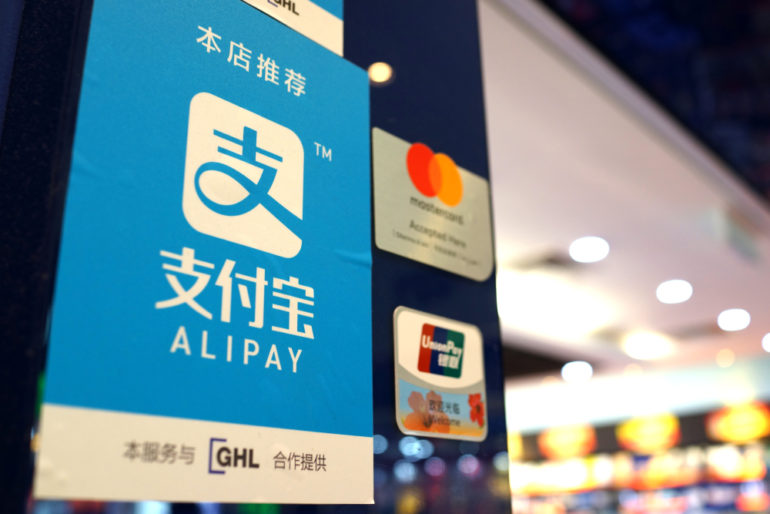
    Six prominent mobile wallets across Europe, together with Alipay, announce today a collaboration to promote QR code-based digital payment interoperability for travelers both in Europe and from China.

    Bluecode, ePassi, momo pocket, Pagaqui, Pivo, Vipps and Alipay are working towards adopting a unified QR code, marking a milestone in connecting Europe’s thriving yet fragmented mobile payment landscape. When fully realized, users of the six participating European digital wallets will be able to make QR code-based payments with their home apps to local merchants in 10 European countries where those apps are accepted. At the same time, merchants that already accept mobile payments via the six apps in their respective domestic markets will also be able to easily accept payments made by customers of the other countries covered by the collaboration. In addition, Alipay’s Chinese users can also make payments to merchants that accept these wallets.

    Helsinki-based ePassi and Oslo-based Vipps have started to prepare the roll-out of this QR code format for users across several Nordic countries, while the Spanish payment company MOMO, Portugal’s Pagaqui and Austria’s Bluecode intend to extend the collaboration further later this summer in their respective home markets. Built on the back of a similar partnership announced in December between two Nordic firms, Vipps and ePassi, and Hangzhou, China-based Alipay, this open-ended collaboration is expected to continue to expand into more European countries and companies in the future.

    The collaboration, the first of its kind in Europe, will bring together the six mobile wallet partners’ users, which are more than 5 million in total, and around 190,000 merchants in Europe, as well as a fast-growing number of travelers from China. In addition, as each of the participating firms grows the user base and merchant network, the growth is also beneficial to all of the collaborating firms’ merchants and users, respectively.

    The partnering firms have agreed to apply a compatible QR code format provided by Alipay, the world’s most-used app outside social apps. ePassi and Bluecode will offer technical services to the participating wallets to simplify the integration process among them.

    “With over 12 years’ experience, ePassi is already a mobile payments front-runner in QR code-based payments in the Nordic and selected European countries. We are proud and honored to be part of this unique collaboration of European payment wallets, and to support other partners with their integration as well,” said Risto Virkkala, CEO of ePassi.

    “It has always been our vison to enable European banks with a widely accepted European mobile payment offering”, said Christian Pirkner, CEO of Blue Code International. “As a payment solution provider, we naturally support this collaboration of European wallets agreeing on a technical format. Even more compelling that it is compatible with Asia’s leading lifestyle app Alipay.”

    The announcement came on the heels of Alipay activating the eight-year global partnership with UEFA in Porto, where the inaugural Nations League Final just concluded. “We feel honored to help promote a smart lifestyle and digital experiences in Europe, while continuing to connect more merchants with more Chinese tourists. We believe mobile payment is a universal language that can help connect people just as football does,” said Eric Jing, Chairman & CEO at Ant Financial.

    Alipay currently serves over 1 billion users with its Asia-based local e-wallets partners. Launched in 2004, Alipay has evolved from a digital wallet to a lifestyle enabler. Users can hail a taxi, book a hotel, buy movie tickets, pay utility bills, make appointments with doctors, or purchase wealth management products directly from within the app.

    In addition, Alipay’s technology is being used to enable over 200 Chinese financial institutions to improve efficiency and lower operational costs. Alipay’s in-store payment service covers over 50 markets across the world, and tax reimbursement via the app is supported in 35 markets.

    Nearly 60 per cent of overseas bricks-and-mortar merchants that adopted Alipay saw a subsequent growth in both foot traffic and revenue, according to a report by Nielsen earlier this year.

    “Momo were first to process payments via mobile devices in Spain six years ago, starting in Malaga. Since then, we’ve expanded to also help our merchants increase their sales by accepting QR payments from thousands of Chinese tourists via Alipay.” says Mariano de Mora, CEO of MOMO Group. “We are excited to see how this collaboration with other European payment wallets can bring millions of users to our merchant network here in Spain and offer our users hundreds of thousands of places to pay with their local momo app across Europe.”

    “This unique cooperation is a testament to how collaboration in Europe can simplify the market for businesses and users to create better outcome for everyone.” said Rune Garbog, CEO of Vipps. “We are extremely enthusiastic about new partners joining this collaboration, giving all our combined users broader possibilities for using their preferred mobile app also when travelling abroad.”

    “As a Portuguese company and a stakeholder in this project, Pagaqui rejoices in the choice of venue for this announcement, and is extremely proud to participate in such an ambitious and innovative undertaking”, says João Barros, CEO of Pagaqui. “As in football, European firms can be more successful when playing together as a team. This is a real game changer for businesses and users across Europe, and we are excited to see so many partners taking part in it.”

    Pivo, the largest mobile wallet in Finland with over 1 million registered users, is welcoming the collaboration and the benefits it will provide to all mobile wallet customers. “Interoperability will allow us to offer a simple and unified customer experience across services and points-of-sale internationally. The collaboration will create additional value for Pivo as a service platform, and it is a welcome initiative for the ecosystem and our customers,” said Masa Peura, CEO of Pivo.

  • Parkson Holdings Extends Store Lease in China

    Parkson Holdings Extends Store Lease in China

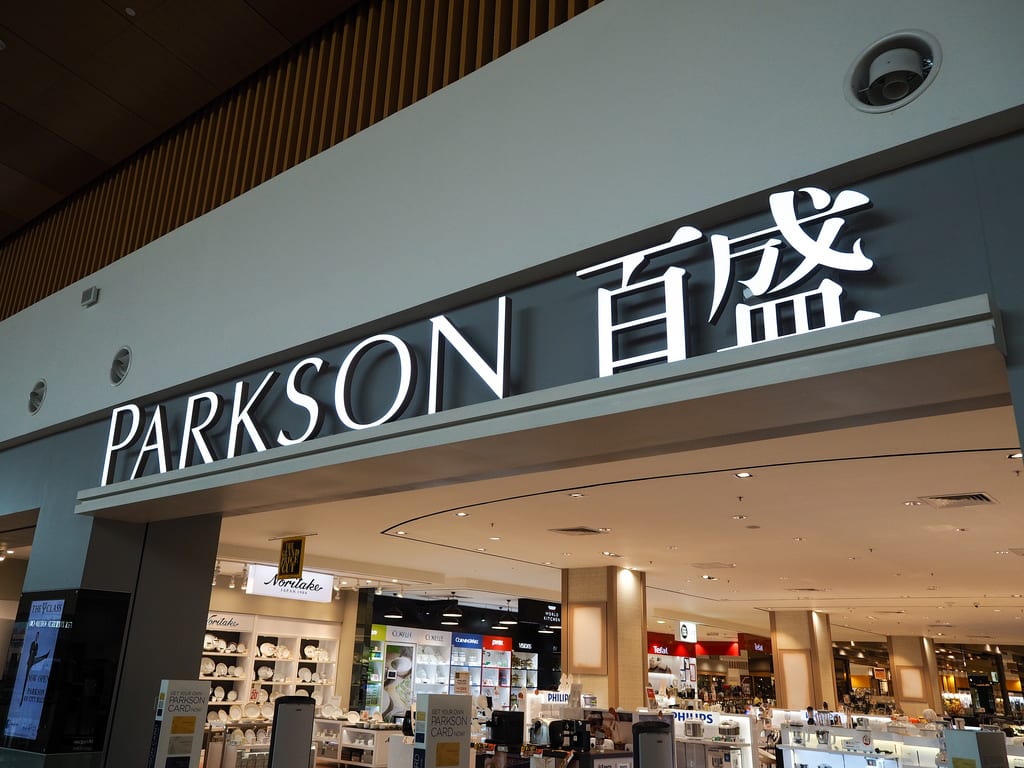
    Parkson Holdings’ Beijing operation Parkson Retail Development (PRD) has extended a department store lease in the city until the end of 2021.

    PRD’s Hong Kong-based owner PRGL announced in a stock exchange filing in Hong Kong the firm has signed a new lease agreement for a 189sqm area from the China National Arts and Crafts Group in Beijing’s Fuxingmen. It has agreed to pay a quarterly rental of RMB2.5 million (US$361,800).

    The group has been conducting retail activities at the site for 20 years and this lease follows renewals of seven other leases in the same building back in February. In total, Parkson leases 23,887sqm in other areas of the museum from the same landlord for terms extending as far as the end of November 2028.

    A statement from PRGL said the operation has brought stable revenue in the past, and that the new lease brings continuity to the group’s retail efforts in a location familiar to its long-term customers.

  • Facebook reportedly launching new cryptocurrency in June

    Facebook reportedly launching new cryptocurrency in June

    Facebook is expected to announce its digital currency at some point this month, as the social network company has found outside backers that will help strengthen the trust in its upcoming cryptocurrency.

    The report mentions the digital token used by Facebook will work as a borderless currency without transaction fees. Apparently, Facebook employees who work on the project are given the option to be paid in the cryptocurrency token instead of real money.

    The new cryptocurrency will be available through Facebook’s app, including WhatsApp and Messenger, and is meant to help users in developing countries with volatile currency. Moreover, Facebook plans to make the cryptocurrency available through customized ATM physical terminals.

    The project also mentions sign-up bonuses for merchants that will allow customers to pay with Facebook’s digital tokens. Although the report contains pretty in-depth the details about the cryptocurrency, it misses one important aspect: release date. Well, at least the timeframe is narrowed down to June, so we won’t have to wait too long now.

  • Love, Bonito to open in Funan Mall

    Love, Bonito to open in Funan Mall

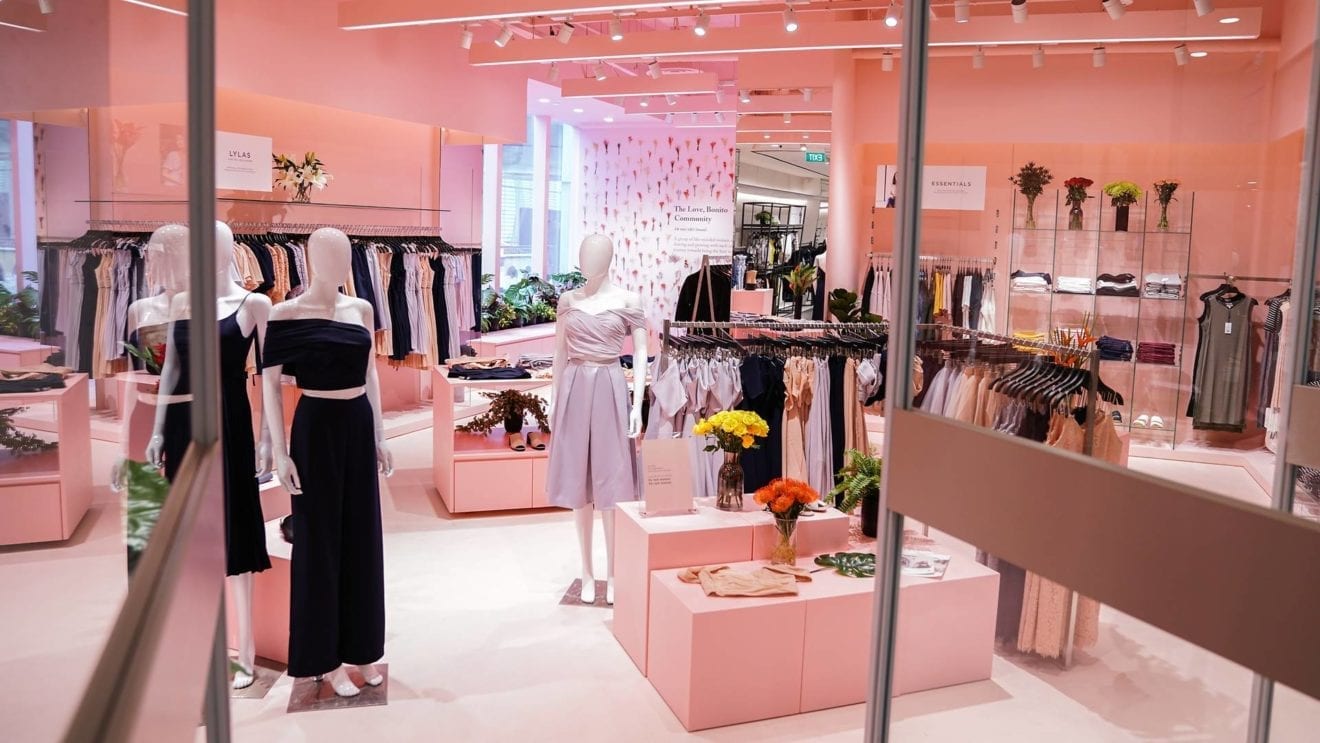
    Online fashion retailer Love, Bonito is about to open its third and largest physical store yet, at Funan mall.

    Set to offer a “thoughtful and feminine” retail experience, the store will have customer touch points such as “Instagrammable” spots, and an express counter for click-and-collect orders.

    “More importantly, the store will hold dedicated and designated space for us to bring our community together to experience the brand, via workshops and events,” Rachel Lim, Love, Bonito co-founder said.

    The store will also offer personal stylists on demand who will be ready to give fashion advice to customers.

  • New Instagram feature turns your Story into a sing-along

    New Instagram feature turns your Story into a sing-along

    Remember when Instagram was known for its photo filters? Back in the day, when Instagram added a new filter to the app, it was a newsworthy story. In 2016, the site added its Stories feature (copied from Snapchat) and last year Instagram had more than one billion monthly active users. Facebook bought Instagram for approximately $1 billion back in 2012, and daddy’s deep pockets allow Instagram to continue developing new features.

    For example, Instagram revealed that users can now automatically add song lyrics to a Story. To do this, they will have to add a music sticker to their story and search for a song. If lyrics are available for the song selected, the user will be able to choose from different fonts and designs for the words to the song. Members will also be able to edit which part of the song to play on their Stories. Once someone selects that Story to view, the lyrics will appear automatically. If someone taps on the lyrics, they will be able to hear the song continue playing and learn more about the artist who sings it. Before this feature was added, an Instagram user could add music to a Story, but if he wanted the lyrics to appear, they would have to be typed out by the member.

    The new feature is available in all markets that support the use of Instagram’s music stickers. To add the music sticker, after you create a photo or text for your Story, tap on the sticker icon at the top of the screen. Then click on the Music sticker and select a song. If lyrics are available for that tune, you’ll see them on the screen even while you preview your Story. If lyrics are not offered for the song you select, a notification saying this will appear at the top of the screen.

  • Her in Causeway Bay mixed fashion and food

    Her in Causeway Bay mixed fashion and food

    Hong Kong stylist Hilary Tsui has opened a cafe connected to her fashion boutique designed to “transport guests to a new planet”.

    The store – Her in Causeway Bay – serves coffee, cookies and ice-blended coffees to browsing customers, marrying Tsui’s passion for fashion and gastronomy. It was designed by studio Clap, based in Valencia, Spain.

    According to design news site Dezeen, the retail space features stacked terracotta display plinths and celestial aluminium partitions help create “an other-worldly atmosphere”.

    “Tsui’s desire was to create a retail space dedicated to contemporary women that brings together her two passions in one place: fashion and gastronomy,” explained the studio’s design team.

    “So we imagined Her as a sinuous landscape, with impressive mountains and pure materials – all together as a new space that’s yet to be discovered, like planet Mars.”

    Clothing items are hung from wavy racks that are suspended from the ceiling. Jewellery is presented on pale circular tables supported by thin metal stems, intended to resemble “small white lotus leaves that grow from the mountains”.

    Terracotta tiles are stacked to form a series of blocky plinths that the studio likens to “reddish mountains”, where accessories can be displayed or visitors can sit and rest.

    See more images and further commentary about Her in Causeway Bay here on Dezeen.

  • Topshop future in stretch as crucial vote delayed

    Topshop future in stretch as crucial vote delayed

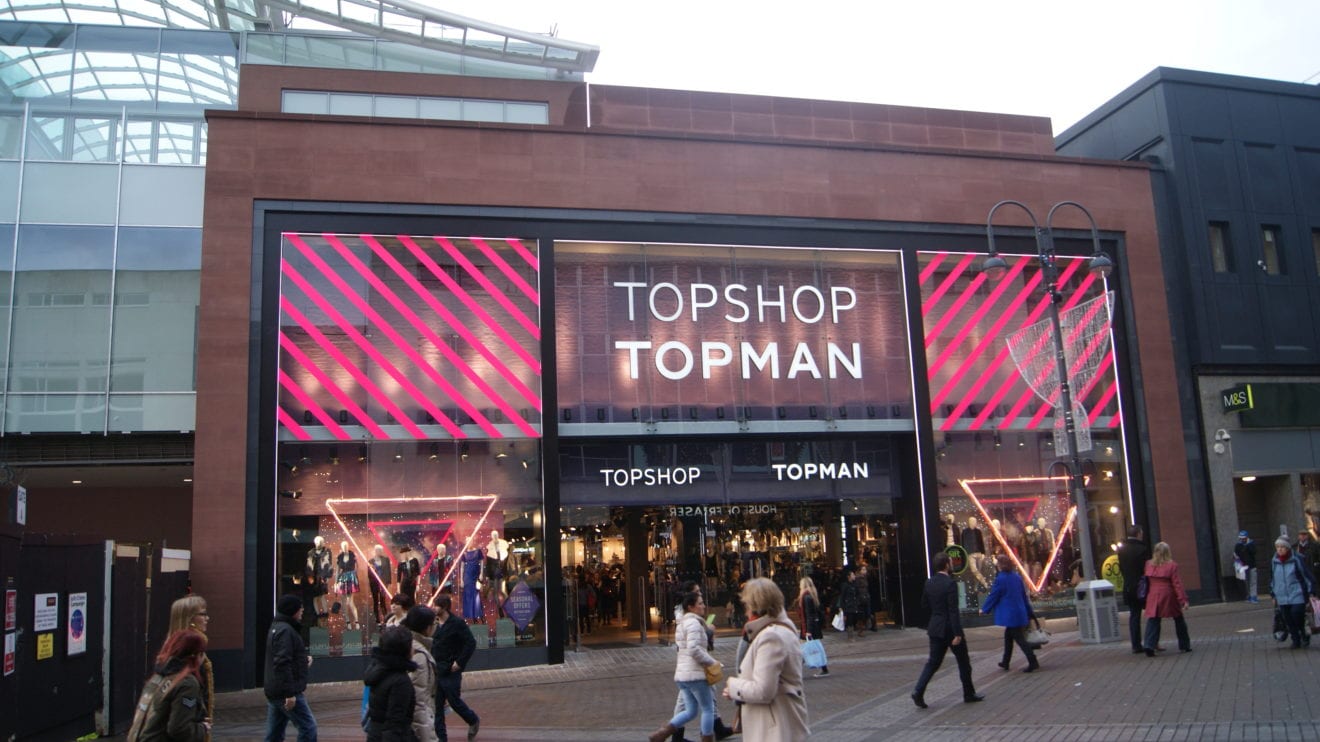
    The future of fashion label Topshop is in limbo after a crucial vote on a Company Voluntary Arrangement for parent Arcadia Group was delayed last week.

    Arcadia’s chairman Sir Philip Green is trying to gather approval from creditors for a scheme which would see them convert debt to future equity and rents reduced on UK stores in return for sa further investment by Green’s family of £50 million (US$63.8 million). The scheme would also see 23 stores shuttered in the UK and the closure or sale of all 11 of Topshop’s US stores – on top of 25 UK store closures already planned.

    “Against a backdrop of challenging retail headwinds, changing consumer habits and ever-increasing online competition, we have seriously considered all possible strategic options to return the group to a stable financial platform,” Arcadia CEO Ian Grabiner said when unveiling the CVA last month.

    “This has been a tough but necessary decision for the business.”

    But a meeting of creditors – who include suppliers landlords and pension funds – was postponed last week when it became clear support would fall short of the 75 per cent required for it to be approved. That vote will now likely be held this week. However if it fails, creditors may call in administrators opening the possibility of a sale of Arcadia’s brands, which also include Miss Selfridge, Dorothy Perkins, Evans and Topman.

    UK retail industry sources say landlords are especially cynical to the CVA, casting doubts on whether Green can revive the troubled business in an era of dwindling high-street retail sales and growing e-commerce.

    One major retail landlord told The Business of Fashion that cutting rents to Arcadia to help its survival would be “quite a tough message to communicate to other tenants paying full rent”.

    Arcadia’s like-for-like sales reportedly fell 7.5 per cent in the year to August 2018, with total sales down 10.5 per cent to £1.7 billion. That decline was largely due to a 20 per cent slump in Topshop sales.

    The chances of Green’s plan did receive a boost last week after The Pensions Regulator and Pensions Protection Fund indicated their support. That followed a commitment by Sir Philip’s wife Lady Tina Green to invest a further £100 million in the fund to protect staff.

    Lady Green has also promised landlords who accept the deal a 20 per cent share of the proceeds should Arcadia be sold.

  • Nok Air launched direct flights to Hiroshima, Japan

    Nok Air launched direct flights to Hiroshima, Japan

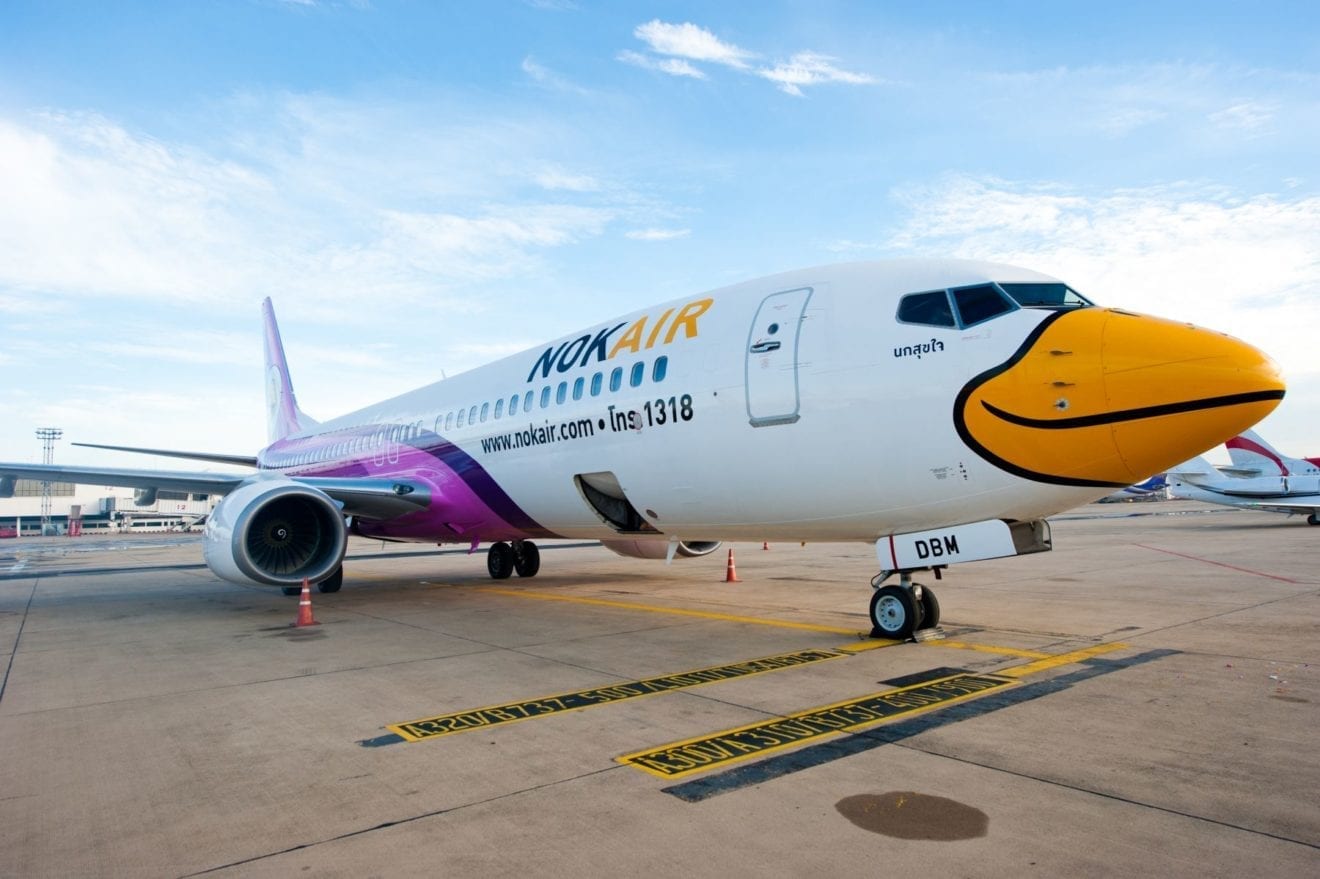
    The first phase is charter flights which have begun on 1st and 5th May 2019. This route is one of the many of the Nok Air’s turnaround plan by looking for the potential routes. Now, Nok Air is available and intend to create an impressive experience for the passengers.