Tag: asia

  • Clarks opens first dual concept store

    Clarks opens first dual concept store

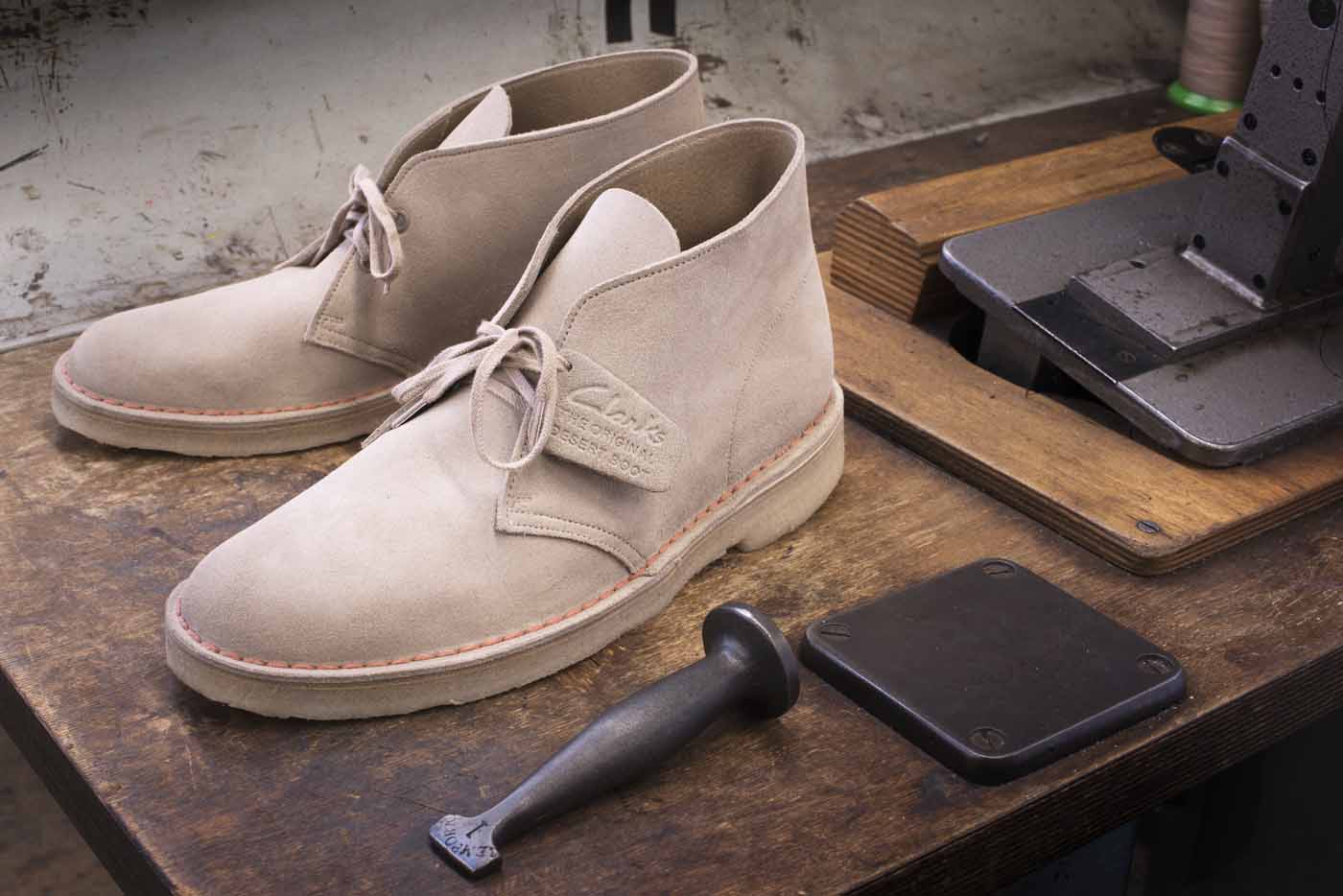
    Footwear retailer Clarks has opened its first dual concept store at Suntec City Singapore.

    The store showcases Clarks casual footwear products on one side and Cloudsteppers line, which targets Millennial and GenZ consumers, on the other.

    The store marks what Clarks’ management describe as a “milestone of the retail transformation initiated in Southeast Asia”.

  • Eco-friendly pop-up store Mosscape opens at Scotts Square

    Eco-friendly pop-up store Mosscape opens at Scotts Square

    Verteran horticulture company Nyee Phoe Group has opened its first pop-up store, Mosscape Concept.

    Located on the first level of Scotts Square, the 2800sqft space combines horticulture and entertainment – aptly named “HortiTainment” – blending a retail space, food-and-beverage counter and an educational zone.

    Products for sale include preserved nature installations which come in several forms such as moss, foliage, flowers and trees, sold for decorations. They have been preserved so they do not need water or sunlight, making them suitable for nature lovers who are away from home often.

    Visitors can also sign up for moss art workshops where they will be able to make their own moss terrarium.

    For dining, the store offers locally grown farm-to-fork salads and desserts.

  • AirAsia transitioning to asset-light business model

    AirAsia transitioning to asset-light business model

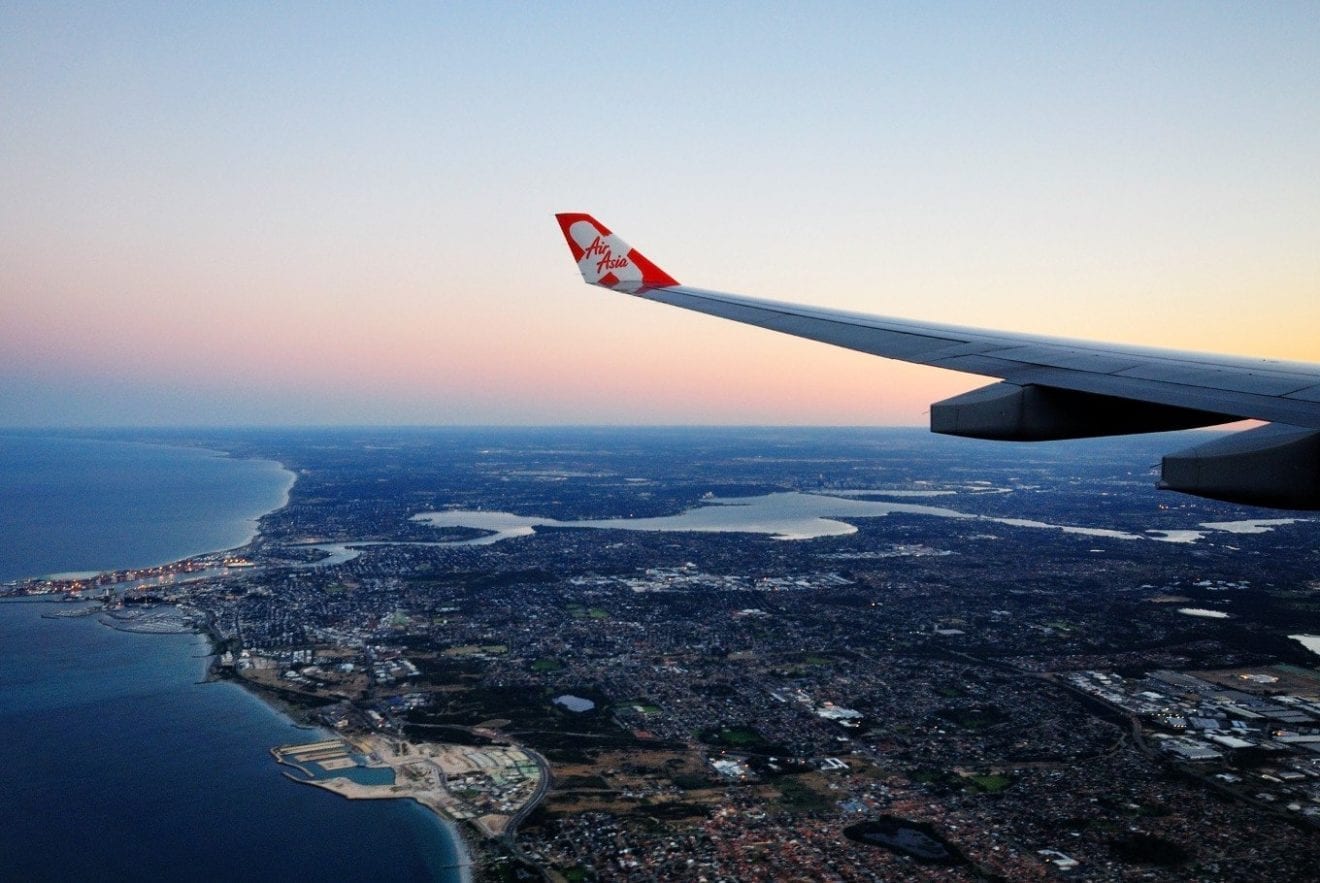
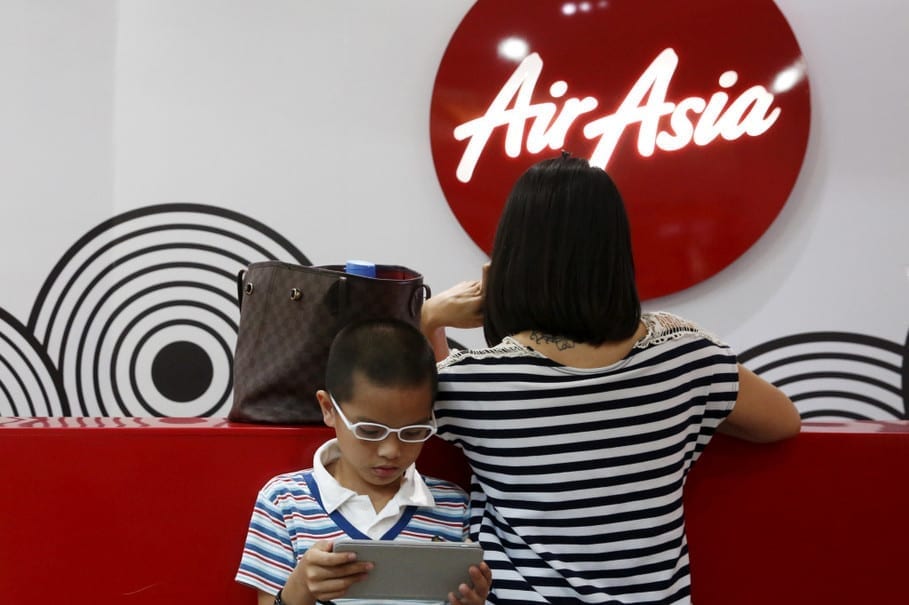
    AirAsia is moving from the traditional model of owning aircraft to become an asset-light airline. The company plans to fully shift to the new model by completely withdrawing from aircraft ownership, a move that would bring the obvious benefit of lowering its financial liabilities.

    During AirAsia’s conference call with analysts last Wednesday, its management said it is targeting to sell another 19 aircraft this year.

    AirAsia is also focusing on its “digitalization” agenda, management added.

    The analyst said AirAsia would be looking to secure a deal similar to what it achieved last year when it went into sale and leaseback agreements that helped it raise a lot of funds.

    AirAsia’s management expects to raise around RM1.5bil from the sale and leaseback of its remaining 19 aircraft.

    Last year, the airline group sold 79 aircraft and 14 aircraft engines to US private investment firm Castlelake LP in a deal worth RM4.38bil.

    Following the success of the sale, AirAsia had last week announced a bumper dividend of 90 sen a share, which is worth more than RM3bil in total payout.

    For shareholders of AirAsia, this strategy has worked out well. AirAsia began its aggressive sale and leaseback programme and dishing out dividends around 2017.

    Here’s an interesting fact: AirAsia shareholders who bought the company shares on Jan 2, 2017 would have paid RM1.78 per unit. Since then, that’s exactly how much the airline has paid back in dividends, giving back those investors their entire cost of buying those shares.

    “AirAsia is a different company now. It is transitioning into an asset-light model, focusing its services through its platform and on-the-plane experience as well as its mobile wallet,” an analyst said.

    Going forward, though, not all analysts have a positive view on the airline’s earnings growth prospects.

    Going by Bloomberg data, analysts have a varied target price on AirAsia’s shares, ranging from RM1.56 to RM5.20.

    For the first quarter ended March 31, AirAsia posted a 92% drop in net profit to RM96.09mil compared with RM1.14bil recorded last year, when it recorded extraordinary gains. Its shares closed at RM2.88 last Friday.

    CIMB Research analyst Raymond Yap expects AirAsia’s future earnings to be under pressure, stemming from rising operating costs and higher depreciation as well as interest expenses due to the Malaysian Financial Reporting Standards 16.

    He added that other risks included higher fuel prices and a weaker ringgit against the US dollar.

    “The poor results will likely shock the market and cause analysts to slash their earnings forecasts, although the share price may be supported in the next two months by the 90 sen special dividend per share,” he said in a report.

    Yap has recommended investors to sell their positions in AirAsia prior to the dividend ex-date on June 30.

    “We recommend investors to take advantage of any share price upside post-announcement of the 90 sen special dividend to sell into strength, and to sell their AirAsia holdings prior to the dividend ex-date on June 30, 2019, to avoid the rush out of the door,” he said.

    Although AirAsia’s management has highlighted that it is targeting to continue with special dividend payments to shareholders for every two years, Yap believed the group is unlikely to declare additional special dividends in the near future beyond the 90 sen per share it had announced.

    “Continued losses at AirAsia India and Indonesia AirAsia may require the group to provide further equity injection or continuous working capital support,” he said.

    A different view is held by Nomura Research analyst Ahmad Maghfur Usman, who has the highest target price of RM5.20 for AirAsia shares. He expects AirAsia’s core earnings in financial year 2019 (FY19) to double to RM1.37bil compared with RM656mil last year.

    “We remain optimistic on the earnings outlook on the back of lower fuel costs, coupled with the turnaround from its Asean affiliates, while we expect losses from India to narrow on improved scalability as passenger volumes increase,” he said in a research note.

    For this year, AirAsia is targeting to add 18 aircraft including additional 11 for AirAsia India.

    In terms of its digital business, AirAsia is targeting to roll out remittance and lending products and expand its BigPay offerings to other Asean countries this year.

  • Unmanned pop-up store Unboxed by Singtel

    Unmanned pop-up store Unboxed by Singtel

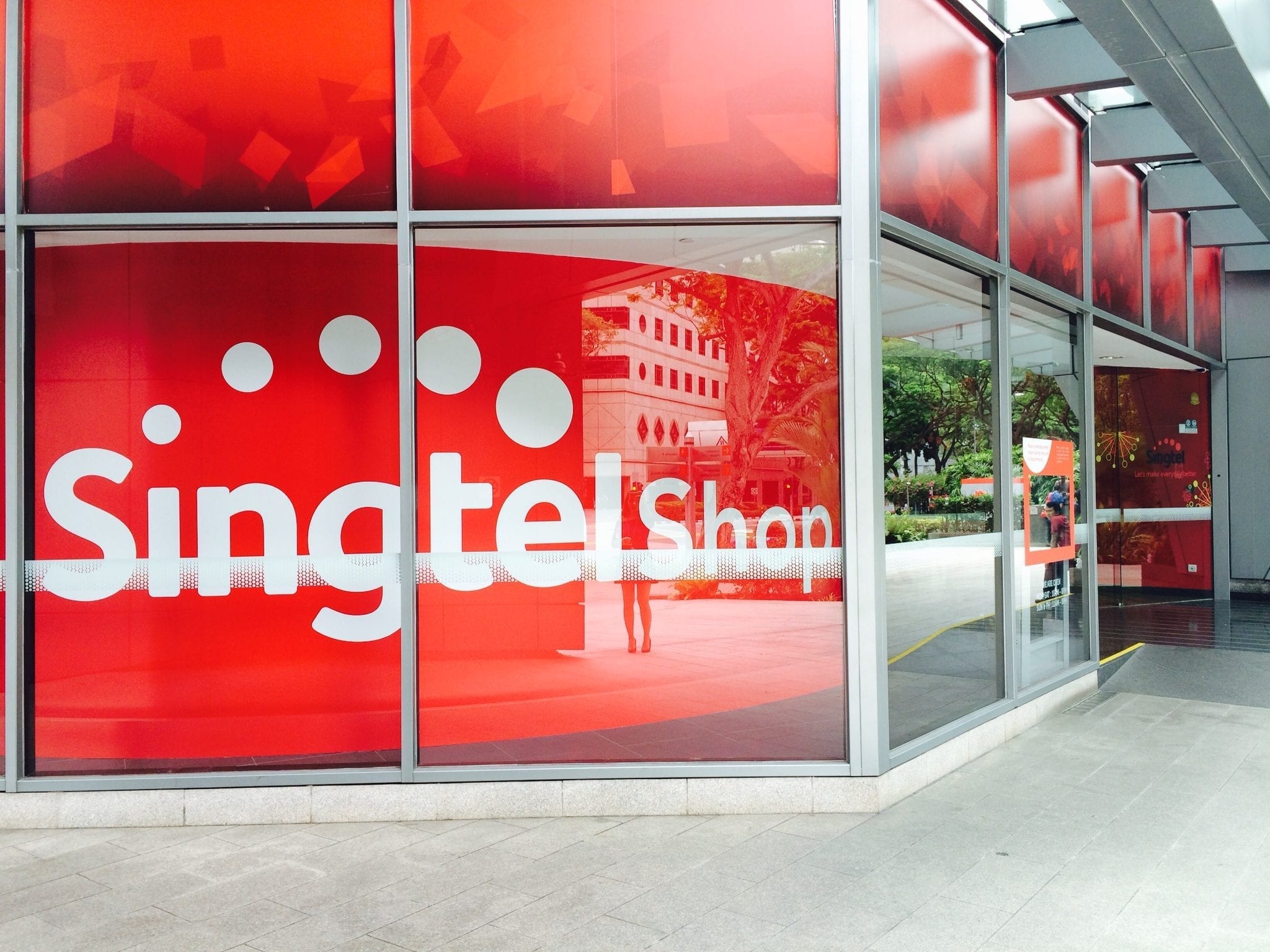
    In the 45sqm store, customers can consult with a live bot, which is powered by facial recognition technology, to receive personalised recommendations, try out phones, sign up for mobile plans at video-assisted self-serve kiosks and buy and collect phones and devices via an in-store POPStation.

    Customers can browse and buy accessories including headphones, phone cases, power banks and contract-free handsets.

    They can also make bill payments, top up prepaid cards and Dash wallets, and get SIM card replacements.

    “The future of retail is here and now. Our digital transformation integrates online and offline customer touchpoints to deliver fresh and fuss-free buying experiences to consumers,” said Yuen Kuan Moon, CEO of consumer at Singtel.

    “Unboxed fulfils the needs of today’s consumer and provides a peek into the next-generation of retail – fast, instant, convenient and experiential.

    Co-created by Singtel, NCS and SingPost, Unboxedbuilds on the success of the digital transformation of Singtel’s flagship Comcentre store, which offers integrated online and in-store shopping carts, and instant purchases via an automated checkout.

    The store will move to a new location every few months to serve customers at high-traffic areas such as transport hubs and school campuses.

  • Online FMCG sales to soar in four years

    Online FMCG sales to soar in four years

    Online FMCG sales are forecast to grow 163 per cent by 2023 across major markets, according to a new report from research organisation IGD, in association with The Consumer Goods Forum.

    The report explores three digital retail models of the future and predictions for an increasingly digital food and consumer goods industry. It finds that Asia and North America will lead the way on the rate of growth, with Europe set to develop this channel at a comparatively slower pace. Major grocery e-commerce markets will continue to expand rapidly, growing at almost four times the rate of any other channel.

    Online FMCG sales in Asia-Pacific are set to triple over the five year period, with IGD forecasting that in 2023, e-commerce’s share of grocery in Asia (7.5 per cent) will be twice that of North America (3.4 per cent), and close to three times larger than Europe’s (2.5 per cent).

    Asia-Pacific’s online grocery market will grow by 196 per cent by 2023, adding US$198 billion to the industry.

    “We are living in exceptional times,” said IGD CEO Susan Barratt, “with an extraordinary burst of retail innovation, driven largely by digital developments. With this research we explore the global proliferation of retail innovation from three different directions: established players, online specialists and the new ecosystems. We believe that plenty of the new emerging models are set to grow and prosper, which means established retailers will need to work hard and swiftly, either to limit their impact or to emulate them.”

    “While of course growth remains challenging for all of the established players in the industry, many are nevertheless finding that the ongoing disruption presents exciting opportunities,” said The Consumer Goods Forum MD Peter Freedman.

    “This report presents several ideas for consumer goods and retail companies looking to secure their long-term future, and we’ll be discussing some of these themes at the Global Summit in Vancouver: how scale and agility can impact your business model, how digital technologies will permeate decisions and how new forms of collaboration will help drive the sustainable evolution of our industry.”

  • Kiehl’s pop up opens at Sha Tin, using AR to engage

    Kiehl’s pop up opens at Sha Tin, using AR to engage

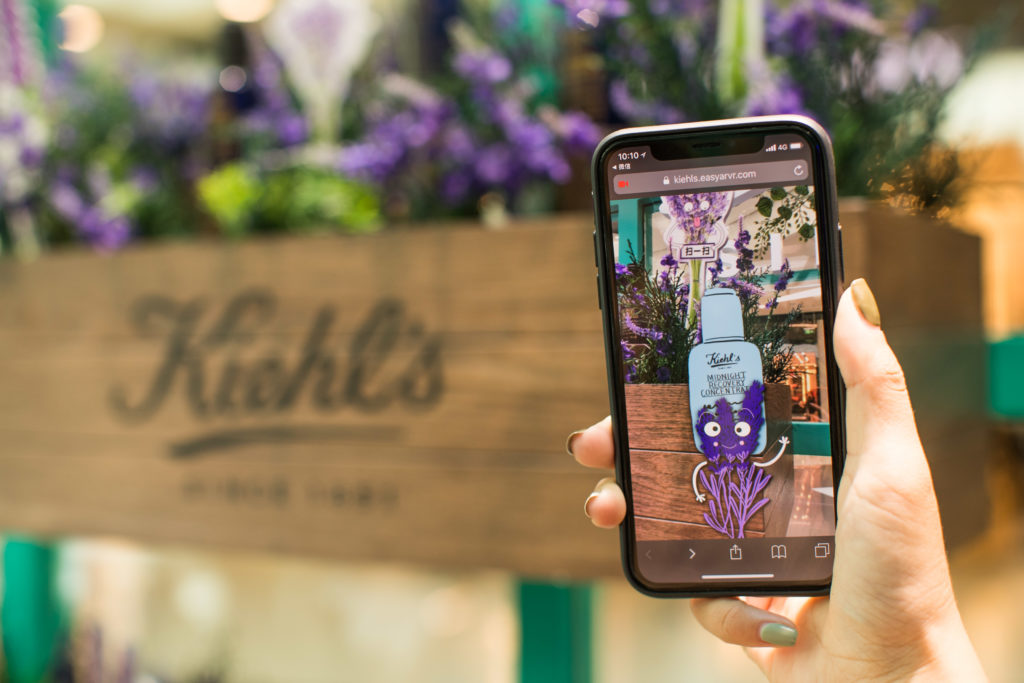
    A Kiehl’s pop up at Sha Tin features an AR gaming app to engage with shoppers.

    The beauty products retailer’s short-term store at the New Town Plaza in Sha Tin has been launched to promote Kiehl’s Calendula Serum-Infused Water Cream, and displays a giant 3D Calendula flower in the centre of the atrium that is only visible through visitors’ mobile phones.

    Visitors who upload images from the pop-up to their social media can redeem a special cosmetics product. Other product samples and a skin analysis are available for customers browsing the store.

    Kiehl’s has also designed an AR game that can be used at its regular stores after the pop-up closes, which will be playable until June 30. The game has collected 8000 registrations over the course of the campaign.

  • Futuristic Ikea robotic furniture debuting in Hong Kong

    Futuristic Ikea robotic furniture debuting in Hong Kong

    Ikea has developed a robotic furniture suite in collaboration with American start-up Ori that is set for roll-out first in Hong Kong.

    The Rognan furniture platform includes several items, including a double bed, workstation, wardrobe, media unit, bookshelf and sofa. They are designed with cramped city living spaces in mind, targeting residents of urban micro apartments.

    The Rognan unit can transform at different times of the day to fulfil different uses. Furniture owners can reform the platform into a bedroom, walk-in closet or lounge using a touchpad interface.

    “We have been working with developing small space living solutions for a long time, and we know that some of the biggest challenges in peoples’ homes are storage and finding the place to do all the activities that you’d want to do in your home,” said Ikea product developer for new innovations Seana Strawn. “This is especially the case in big cities where people have to make compromises in the functions of their homes. We wanted to change that.”

    Residents using the Rognan system can free up 8sqm of living space without compromising storage space or comfort.

    Pricing for the robotic furniture has yet to be released. It is expected to launch commercially next year in both Hong Kong and Japan before a broader international roll out.

  • Whittard of Chelsea launched in Taiwan

    Whittard of Chelsea launched in Taiwan

    Fine beverages retailer Whittard of Chelsea has partnered with Ruentex Group to launch its first stores in Taiwan. The new venues, located in Breeze Nanshan department store and Mitsui Mall in Taichung, are early steps in the firm’s emerging international expansion. The firm chose Taiwan following considerable interest in the brand among Taiwanese tourists in the UK.

    Three more outlets are expected to open in the territory later this year.

    “After seeing evidence of the appeal of our brand to the Taiwanese consumer in our home market, we became very excited by the opportunity to introduce the brand to Taiwan and started looking for the right partner,” said Whittard of Chelsea’s CEO Mark Dunhill.

    “We are delighted to have secured a partnership with Ruentex Group; they have an excellent record in bringing international brands to Taiwan and we share the same passion and ambition for Whittard. Together with my colleagues in England, I look forward to working closely with them to build a successful business in the years to come.”

    Whittard recently opened on China’s Tmall platform and has also made entries into Japan and Southeast Asia.

  • Skin-care scammers fined $40,000 for online bait advertising

    Skin-care scammers fined $40,000 for online bait advertising

    A skin care product supplier was fined HK$40,000 yesterday at Kowloon City Magistrates’ Courts after being convicted of online bait advertising, in contravention of the Trade Descriptions Ordinance (TDO).

    Hong Kong Customs had earlier received information alleging the unnamed skin-care product supplier launched an advertisement via the internet and leaflet distribution that a skin care product will be offered at a discounted price on a designated date. However, when a customer visited the store on the same day, she was told the product had already been sold out.

    Investigations revealed that the store had offered just one set of the skin care product for sale on that day.

    Customs said the fine should serve as a reminder to traders to comply with the requirements of the TDO and consumers to procure products at reputable shops.

    Under the TDO, any trader who engages in online bait advertising by claiming to supply products at a specified price but failing to offer those products for supply at that price for a reasonable period and in reasonable quantities, commits an offence. The maximum penalty upon conviction is a fine of $500,000 and imprisonment for five years.

  • Expedia, Booking.com warn AirAsia of turbulence in online travel plan

    Expedia, Booking.com warn AirAsia of turbulence in online travel plan

    Online travel giants Expedia and Booking.com are warning that budget airline pioneer, AirAsia Group, risks being destabilized by ambitious plans to become the “Amazon of travel”.

    AirAsia, which already offers limited travel plans on its website, plans to expand the online service to include booking flights with rival airlines and ecommerce. As profits tumble in the face of rising fuel costs and intensifying competition, CEO Tony Fernandes is seeking alternative sources of revenue and earlier this year told the Nikkei Asian Review he intended to invest 100 million Malaysian ringgit ($24.6 million) a year to become a technology-led company.

    The carrier’s future competitors in the wider online travel sector dismissed the threat posed by the company which brought low cost flight to Asia.

    Booking.com’s head of China, Marsha Ma, suggested the online travel giants would rally their vast networks of flights, hotels and services in the fight against any attempts by AirAsia to take market share. “The online travel agency business, especially accommodation, is a pretty heavy business model in terms of its supply chain management,” said Ma. “It takes years… We have offices at 190 locations and [they] have built up our supply chain capability, with width and depth.”

    “We will keep fighting on that,” the Booking.com executive said, speaking at an event held in Singapore last week by Skift, an U.S.-based travel industry information provider.

    Expedia, once a partner of AirAsia’s existing travel platform, indicated the carrier might not have the necessary skills to succeed. “What makes you great to run an airline” is not the same as being a great online travel agency, said Greg Schulze, head of commercial strategy & services at Expedia. Worse, the carrier risked being distracted from selling its own flights, which could exacerbate its current troubles, he suggested. “I am happy to see [AirAsia] negotiating with other airlines.”

    However, Aireen Omar, AirAsia’s deputy CEO for technology, was confident AirAsia could manage the risks. It was “ambitious, but I think it’s very doable,” Omar said.

    The aviation business model was changing, Omar said. “The key essence for us is no longer the aircraft but data.” AirAsia transported close to 100 million passengers this year alone in Southeast Asia, and was seeing six to eight million visitors come to its website every month. “A lot of new business opportunity is around there,” she said. This included enhancing its digital travel platform with itinerary suggestions, hotels or shopping, using technologies such as artificial intelligence to improve the offering.

    When asked if becoming the Amazon of travel is overly ambitious, Aireen Omar, AirAsia’s deputy CEO for technology and digital, said it’s “ambitious, but I think it’s very doable.” (Photo by Eri Sugiura)

    “I think online travel agencies are very cautious,” Omar said. She insisted that the company already has a “big platform” for AirAsia.com, the carrier’s BigPay, a mobile wallet which was launched in Malaysia last year tracking consumers’ credit and debit card payments, and combining this with its own loyalty program. “It is an opportunity for [other airlines] to have an access of the network and the data we have,” she added.

    AirAsia entered the flight and hotel package business in 2015 through a joint venture with Expedia. However last August it announced it would sell its 25% stake to Expedia for $60 million. This freed the carrier to build its own accommodation and other inventories. The airline in 2017 acquired 50% in travel tours and attractions provider startup Vidi, in a deal worth $2.6 million.

    Omar said the company’s data would be uploaded in the cloud by the end of the year, in preparation for the launch of its new service.

    AirAsia’s rush to build an enriched travel platform can be explained by headwinds the company faces in its core business. The carrier’s net income slipped to 96.1 million ringgit, a 92%-drop in the three months through March from a year earlier, as it was hit by high fuel costs and lower average fares.

    While the company remains profitable in Malaysia, where it is based, its operations in Indonesia, Thailand and elsewhere are either losing money or earning less.

  • The space where purchasing decisions are made, Fitting Rooms

    The space where purchasing decisions are made, Fitting Rooms

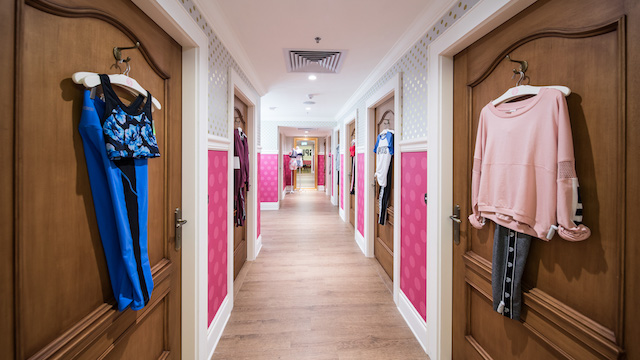
    Why do customers walk into a fitting room when they are in a retail space? The answer is logical: because they have found a piece of clothing they like – and it should be considered a sure sign of purchase intent, even if the customer does not buy what they try.

    This small but mighty area of a retail store is actually the room where purchase decisions are made.

    Yet, far too many retailers still tend to overlook the importance of fitting room design. So here are some fresh ideas to help retailers boost sales through intelligent fitting-room design…

    How fitting rooms affect sales

    Let‘s start with some numbers and hard facts. First and foremost, the fitting room area is one of the most significant advantages brick-and-mortar retailers have over online retailers. Whereas online, one in five shoppers return their purchased items, in brick-and-mortar stores, fewer than one in 10 customers return purchases. Returns usually result in costs for any retailer – online or offline, so it is important for retailers to minimise the potential for returns. Here’s where an effective fitting-room design can play a part.

    Research shows that shoppers who use fitting rooms are seven times more likely to make a purchase than browsers who do not. Not only that, but if the customer has a good experience with a sales assistant in the fitting rooms, they can buy up to three times as many items in one transaction. Combine those figures and you can estimate that 70 per cent of all purchasing decisions in your store are made in the fitting room.

    Design can influence the buying decision

    Most retailers already recognise the importance of size, colour and lighting in fitting rooms. So let’s take a closer look at other design features.

    A fitting room represents the most intimate area of your store. This is a place where your customers take off their clothes, hoping to try on a new piece of clothing which makes them look and feel good. Here is where design can play a part in that feel-good factor – after all, it is not just about the clothes.

    Take one simple example: remember how uncomfortable you feel when you think you are over- or under-dressed for an occasion. Similarly, if a fitting room design fails to provide the shopper with a character and flare that matches the clothes, the customer can experience the same uncomfortable feeling. An uncomfortable environment can lead the customer to feel something ‘does not look right’. The result: the customer decides against making a purchase and the retailer loses a sale.

    How to create the perfect fit

    We found some great examples of fitting rooms in Mainland China.

    INXX represents a forward-thinking, boundary-shattering exploration of how the genres of streetwear, sportswear and high-end fashion can be reconstructed, reinterpreted and recombined. Through this cool and futuristic fitting room design, the Chinese street-fashion brand not only encourages shoppers to try on their clothes but had also created an atmosphere which is towards their target market.

    With design concepts such as these, it is no surprise the brand has enjoyed continued success over the years. INXX was founded in Guangzhou in 2013 and in less than five years opened 54 stores in 17 Chinese cities. This is a brand we can all learn from.

    Lululemon is a Canadian brand that sells fashionable and high-quality yoga clothing and athleisure wear. One of the brand’s core values is mindfulness.

    Lululemon describes its mission as: “Our manifesto is one way we share our culture with the community. It’s an evolving collection of bold thoughts that allow for some real conversations to take place.”

    Lululemon cleverly uses the fitting room area as a platform to express some of these bold thoughts through its design. Positive affirmation statements frequently used in yoga are integrated in the fitting room design, illustrating how fitting-room spaces can also reflect fundamental brand values.

    So, when adopting slogans and other statements within the design of your fitting rooms, be sure to choose the “perfect fit” for your brand.

    Fitting rooms are a significant advantage for brick-and-mortar stores over online alternatives. Some brands which sell mainly online have begun to recognise this and are finding effective ways to deliver an offline customer experience.

    One of these brands is Jooos, which has combined offline and online experiences by providing the Top 100-selling fashion brands on Tmall with a retail space to showcase their products.

    The design of the fitting-room space here is interesting, because it is located in the centre of the store. Additionally, the exclusivity of the products is highlighted by a small staircase: customers literally have to walk upstairs to reach the fitting room, leaving them feeling “special” when they arrive there.

    Remember, in any fashion store, the fitting room marks the final barrier retailers need to draw a customer beyond in order to achieve a sale. So make that space count.

  • Huawei insists global smartphone production levels are as Expected

    Huawei insists global smartphone production levels are as Expected

    There’s been much ado about Huawei’s tough road ahead as key US partners and major parts suppliers are prepared to turn their backs on the world’s second-largest smartphone vendor at the end of a 90-day reprieve granted shortly after President Trump’s announcement of a potentially business-ending ban.

    But although it’s pretty obvious the political tensions are already negatively impacting the Chinese company’s sales and brand image in the Western Hemisphere, Huawei reps and executives continue to insist the situation is not as bad as certain reports make it out to be. After essentially suggesting the White House didn’t do the tech giant any favors by giving it the aforementioned “stay of execution”, Huawei is adamantly denying a fresh rumor regarding current smartphone production.

    In a short statement issued to Cnet and a number of other international news outlets, the company specifically and explicitly refuted the claims made in a Chinese media report about a Foxconn manufacturing shutdown of Huawei mobile devices. Apparently, “global production levels are normal, with no notable adjustments in either direction.”

    At first glance, that may seem reassuring, but clearly, these are extremely volatile circumstances, with lots of moving parts and unpredictable future developments. Just because Huawei might be going about its business like nothing has happened or is about to happen, that doesn’t mean a production halt or at least a downgrade are not in the pipeline. If the embargo on collaborations with US companies stands, market researchers expect a significant slowdown of the Chinese tech giant’s incredible recent growth.

    For the time being, it looks like Huawei is working on the assumption the US-China trade war will somehow cool down in the next couple of months, allowing it to continue selling hundreds of millions of Android phones around the world.

  • Mecca to open its biggest store ever

    Mecca to open its biggest store ever

    Beauty retailer Mecca is opening its biggest store yet at Westfield Parramatta on Friday, June 7.

    The 500sqm store brings the retailer’s Maxima and Cosmetica concepts together and offers over 100 beauty brands in one large-format location.

    “We are so delighted to unveil our latest and greatest Mecca store,” Mecca founder Jo Horgan said.

    “We really wanted to offer Mecca’s entire brand line-up in the one location, in an environment that was both glamorous and service-centric but also with new innovations to make it a truly unique shopping experience.”

    The store features Mecca’s first dedicated ‘skin space’, where customers can enjoy skincare consultations and services including a personalised, complimentary ‘skin review. The reviews will take approximately 30 minutes and will help customers learn about the skincare they should be using for their skin.

    Additionally, the store features the Mecca Beauty Lab program, where customers can book a place in a beauty workshop. A Mecca expert will teach participants the skills they need to properly utilise the make-up sold in-store.

    During opening day, the first 200 customers in line will receive a free bonus with purchase, while anyone who spends over $85 will be able to choose a gift from a pool of prizes worth over $100,000.

  • Piaggio India Launches Vespa Urban Club 125 In India

    Piaggio India Launches Vespa Urban Club 125 In India

    Piaggio India has announced the launch of its new 125 cc scooter range, the Vespa Urban Club. Priced at ₹ 73,733, the new Urban Club 125 is currently the of the most affordable Vespa scooter available in India, right below the Vespa ZX that is priced at ₹ 81,829 (both ex-showroom, Delhi). The new Vespa Urban Club 125 is offered in four vibrant colors of Azzurro Provenza, Maze Grey, Glossy Yellow, and Glossy Red, with glossy black embellishments like mirrors, grab rail, brake levers and wheels, with all options.

    Commenting on the launch of Vespa Urban Club, Diego Graffi, CEO and MD Piaggio India said, “We are delighted to launch the classy Vespa Urban Club in India. Drawing inspiration from the timeless brand, Vespa Urban Club is a culmination of elegance and new trends, backed by cutting edge technology. We believe the new Vespa Urban Club will add to the style quotient of the rider and will be well-appreciated by Vespa fans.”

    Like the other Vespa such as SXL, VXL, and Elegante, the new Urban Club is also powered by the same 125cc single-cylinder air-cooled engine that is tuned to churn out 9.5 bhp at 7,250 rpm and develops a peak torque of 9.9 Nm at 6,250 rpm. The 3-valve motor comes with an aluminum cylinder head, overhead cam, roller rocker arm, and variable spark timing management.

    In terms of features, the new Vespa Urban Club comes with 10-inch black alloy wheels, equipped with drum brakes, both at the front and back, assisted by a Combined Braking System. It also offers additional provisions for owners to install Piaggio’s mobile connectivity feature to operate and control features of the scooter at a click.

  • Owndays Hong Kong to launches on The Island

    Owndays Hong Kong to launches on The Island

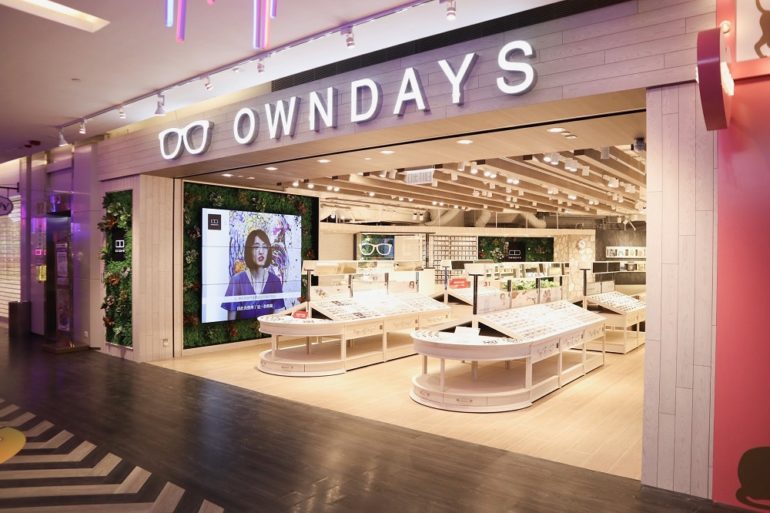
    Japanese eyewear brand Owndays is set to open its first two stores on Hong Kong Island within the next two months.

    The Owndays Hong Kong business is operated in partnership with Bluebell Group, whose in-house newsletter has reported a store will open at Lee Tung in Wanchai this Friday, followed by another outlet at Hysan Place in Causeway Bay in July.

    They will join seven existing stores in the territory stretching from Tsim Sha Tsui to the New Territories.

    Owndays Hong Kong launched last August. The company pioneered the widespread adoption of set pricing for frames and lenses and offers a production turnaround time – after frame selection and eye testing – of as little as 20 minutes.