Tag: asia

  • Volvo Cars Partners With POC To Develop Safer Helmets For Cyclists

    Volvo Cars Partners With POC To Develop Safer Helmets For Cyclists

    Volvo Cars are one of the pioneers in the development of safer modern cars and the Swedish carmaker is now coming up with something innovative to take the safety quotient one step ahead. Volvo is partnering with POC for a series of world’s first crash test of bike helmets against cars in a bid to protect cyclists in case of a collision. Accidents between cars and cyclists often result in severe injuries and even death of the rider. Cyclist detection with full auto brake uses cameras and radars to detect cyclists, warn the driver of an imminent collision and apply the brakes as a precautionary measure.

    The Volvo-POC research project consists of a number of specially designed crash tests at the Volvo Cars safety research facilities in Gothenburg, Sweden and is part of a wider research project to understand the types of long-term injuries sustained by cyclists. Speaking about the new project, Malin Ekholm, head of the Volvo Cars Safety Centre said, “This project with POC is a good example of our pioneering spirit in safety. We often develop new testing methods for challenging traffic scenarios. Our aim is not only to meet legal requirements or pass rating tests. Instead, we go beyond ratings, using real traffic situations to develop technology that further improves safety.”

    The tests are based on existing regulatory test procedures for pedestrian head protection. During these tests, POC bike helmets are worn by crash dummy heads mounted on a testing rig, from where they are launched towards different areas of the hood of a static Volvo car, at different speeds and angles for various measurements. The learnings from the research project will help POC make its helmets safer and more protective in the event of a car-bike accident, while the tests will also provide valuable insights and learnings for Volvo Cars into these types of accidents for future development.

  • Facebook launches new Avatar feature for News Feed and Messenger

    Facebook launches new Avatar feature for News Feed and Messenger

    Facebook is desperately trying to keep up with the competition by launching alternatives to some of the nifty features that other social network giants offer to their users. Facebook Avatar is such a feature that wants to compete with Snapchat’s Bitmoji selfie stickers, so if you’re using the latter, you’ll find Facebook’s new feature quite familiar.

    There’s been a ton of work put into this from the product and design perspective to find out, with how many people on Facebook, how to make this as representative as possible. They’re a bit more realistic so they can be your personal avatar vs trying to make them cute, funny, and cartoony, said Facebook Avatars communication manager Jimmy Raimo.

    The new Avatar feature is now available in Australia and it’s usable in Messenger and News Feed comments. The rest of the world will get it in late 2019 or early 2020 on all compatible platforms.

    If you’re living in Australia, you should start seeing a smiley-face button in the News Feed comment composer and Messenger sticker chooser, which will allow you to create your Facebook Avatar. Although only users in Australia will be able to create these Avatars, users worldwide will see them without any issues.

    Although there’s no option to create an Avatar starting with a selfie or profile pic yet, Facebook says that it’s going to implement it if they manage to master the creation process. Another important thing confirmed by Facebook is that these avatars won’t be monetized, at least not at launch, so there won’t be any accessories or clothing options that you’ll be able to get for real money.

    Last but not least, Facebook might allow users to include Avatars as profile pictures or in Groups, but that’s more of a long term project rather than an immediate plan.

  • Leather bag sales decline due to Activewear Offerings

    Leather bag sales decline due to Activewear Offerings

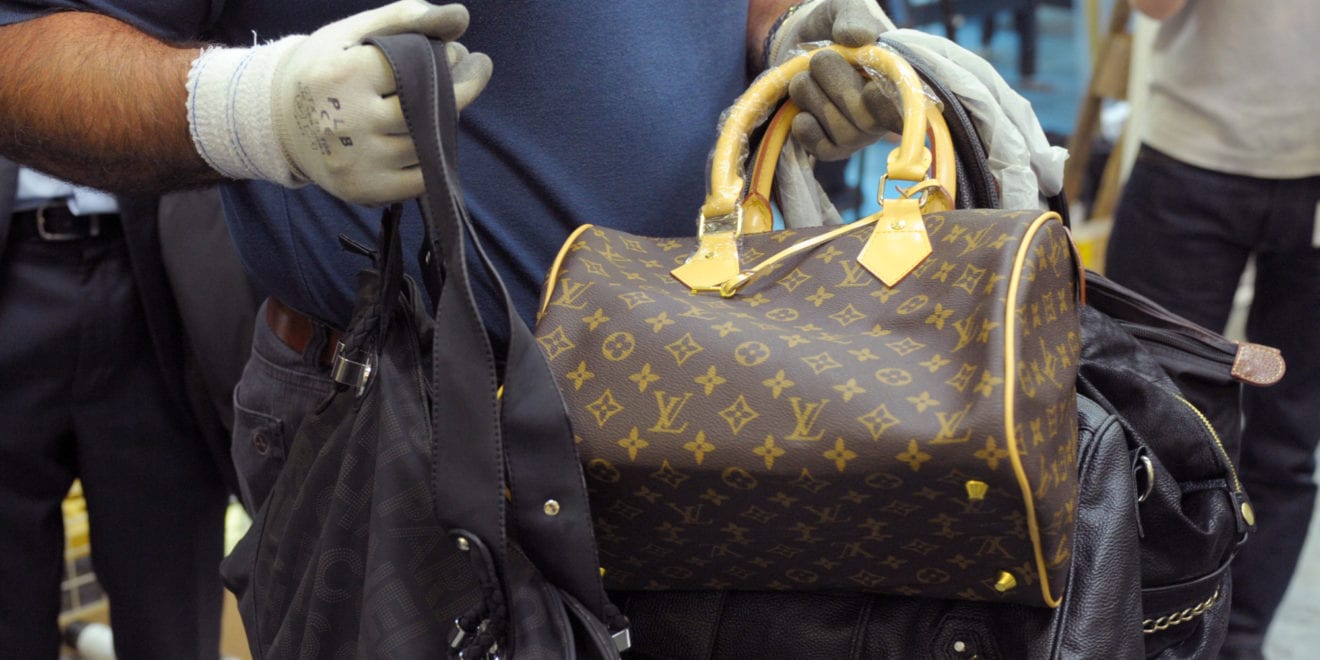
    For the second year in a row, leather bag sales have declined and nylon and other fabric options are now driving significant growth for the US women’s bag market, according to retail tracking service The NPD Group.

    According to the group’s analysis, the same casual athleisure wear trend that continues to drive growth in the active apparel and sport leisure footwear markets is starting to influence women’s fashion accessories.

    While leather still accounted for more than half of dollar sales in the women’s bag market as of the 12 months ending March this year, its decline accounted for 60 per cent of the category’s falling sales. Vinyl accounted for 20 per cent of market and 30 per cent of the declining sales.

    Much smaller in terms of overall sales, nylon, polyester, and cotton options accounted for just 11 per cent of all women’s bag dollar sales, but accounted for almost 90 per cent of the growth this past year.

    “Today, fashion is as much about comfort as it is about personal style, and that is carrying over into the way consumers are accessorising,” said The NPD Group fashion footwear and accessories industry analyst Beth Goldstein. “Women’s bags in new silhouettes and new materials are driving the industry forward.”

    Traditional leather silhouettes, such as shoulder bags, cross-body bags, totes, shoppers, and satchels, are all contributing to leather bag declines. These styles account for 90 per cent of total women’s leather bag sales by value, and drove as large a share of the losses during the year to March. The smaller, fast-growing categories of fanny/waist packs and fashion backpacks remain strong, as does leather in the designer space – but designer non-leather/non-vinyl alternatives grew at a faster rate and generated almost as many incremental dollars as did leather.

    Both established and emerging brands are promoting nylon and other alternative materials, such as “vegan leather”, neoprene and recycled options that may be lighter in weight and easier to clean than leather items. These options can appeal to a consumer looking for day-to-day practicality, as well as those looking for sustainable purchases.

    “New leather goods are facing competition from a multitude of angles – from the casualisation of today’s styles to the emphasis on sustainability, and a changing retail market that is helping to extend the life of pre-owned leather products,” said Goldstein.

    “At the same time, the recent focus on alternative materials and new styles signals opportunity for the fashion accessories market – the opportunity to capture the consumer’s attention again.”

  • Lower tourist spend hits Tiffany & Co sales

    Lower tourist spend hits Tiffany & Co sales

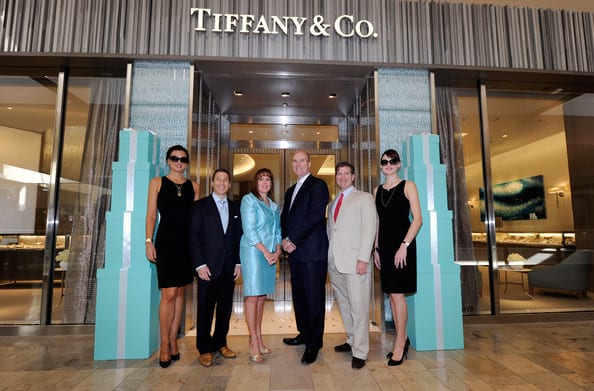
    Tiffany & Co sales were hit by what CEO Alessando Bogliolo described as “dramatically lower worldwide spending attributed to foreign tourists” during the first quarter.

    Globally, sales fell by 3 per cent in the three months to April 30, to US$1 billion and comparable sales fell by 5 per cent. “Significant foreign exchange headwinds” were also responsible for the result, with sales down a more modest 2 per cent on a constant-currency basis.

    While not releasing breakdowns by country, Bogliolo said global sales attributed to local customers, led by sales in China, grew year on year. “We believe this growth in sales to local customers reflects progress in executing our strategic priorities, including innovations across products, communications and the customer experience, and that Tiffany is positioned for improving trends in the second half of 2019.”

    Net earnings of $125 million were 12 per cent lower than the prior year’s $142 million.

    Tiffany & Co sales in Asia-Pacific declined 1 per cent to $324 million and comparable sales declined 5 per cent due to the effect of foreign currency translation; on a constant-exchange-rate basis, total sales rose 3 per cent and comparable sales were unchanged.

    “These results reflected a continuation of strong growth in Mainland China and mixed results in other markets,” the company said in a statement. “These sales results also reflected lower spending attributed to foreign tourists.”

    In Japan, total net sales declined 4 per cent to $145 million and comparable sales declined 4 per cent, but on a constant-exchange-rate basis, total sales and comparable sales were equal to the prior year. These results were also affected by lower spending attributed to foreign tourists.

    In Europe, total net Tiffany & Co sales declined 4 per cent to $102 million and comparable sales declined 7 per cent. In the Americas, total net sales declined 4 per cent to $406 million, and comparable sales declined 5 per cent.

  • Elizabeth Arden signs Ning Chang as first Asian Skincare ambassador

    Elizabeth Arden signs Ning Chang as first Asian Skincare ambassador

    Elizabeth Arden has signed Ning Chang as the brand’s first Asia ambassador for its Skincare category.

    An actress and philanthropist, Chang is also multilingual, speaking Mandarin, Taiwanese, English, and German (her birth country). She is a law graduate of the National Central University. In her new role with Elizabeth Arden, Chang will have a strong presence on social channels across the region, raising awareness of the brand’s skincare labels through advertising campaigns, with a strong focus on Elizabeth Arden’s digital strategy and engagement in Asia.

    “I am very proud to be a part of the Elizabeth Arden family,” said Chang. “I have been using the products for many years, which makes this partnership that much more special. I have the utmost assurance in the brand’s high-quality products and I happily recommend them to all of my friends. I am excited to work as a partner with the Elizabeth Arden team to share the creative innovations and history of the brand with women near and far.”

    Ava Huang, global GM at Elizabeth Arden, said Chang possesses an effortless, heartfelt personality.

    “There is a quiet yet strong elegance in her, a type of beauty that resonates well with women around the world, and particularly with women in Asia,” she said. “Her sincere attitude exemplifies the ideals of our founder. Like Elizabeth Arden, Ning’s attitude towards strong leadership, determination and spirit makes her the perfect woman to represent the brand and engage with our Asian consumers.

    “We believe this partnership will connect the brand’s commitment to innovation and quality of life while inspiring Asian women on the relentless pursuit of beauty and betterment, which Elizabeth Arden once said is the birthright of every woman.”

  • Sephora New Zealand flagship opening in July

    Sephora New Zealand flagship opening in July

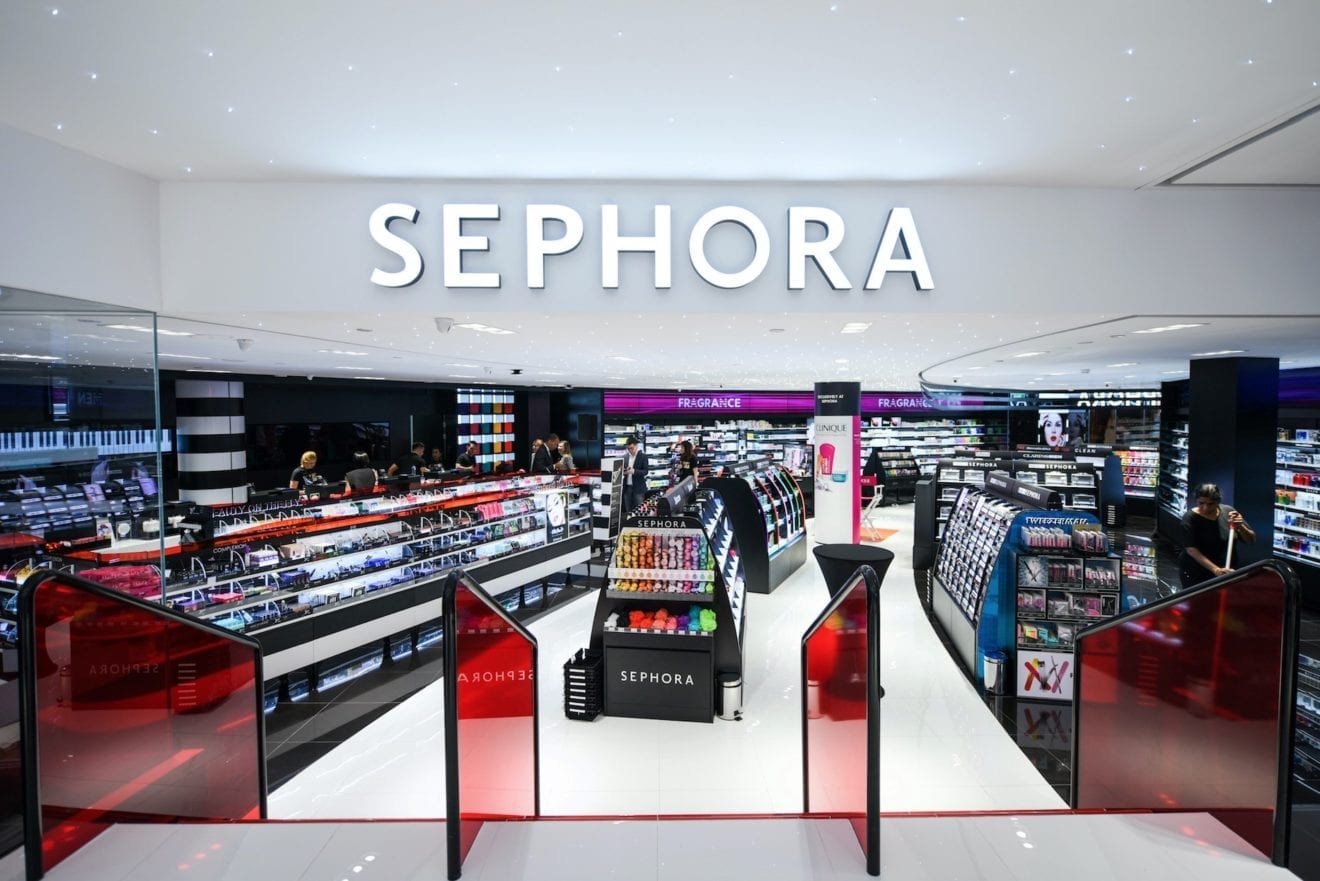
    Sephora has said its first New Zealand flagship store will be opened in July – though it stopped short of confirming an exact date.

    The beauty retailer revealed the detail on its social media channels on Wednesday morning, telling Kiwis to cancel their holiday plans in anticipation of the launch.

    Sephora has remained tight-lipped on details of the incoming Auckland store, although it is understood it will be located on Queen Street and is part of a larger push into Asia that will see Hong Kong and Korea added to the brand’s retail locations.

    Sephora managing director for Southeast Asia Alia Gogi also confirmed that the brand would be touring the New Zealand countryside by way of a ‘Beauty Bus’, giving Kiwis outside of Auckland an opportunity to interact with the brand.

    The bus will be touring across five cities including Auckland, though the other cities have not been decided.

    Sephora Asia president Benjamin Vuchot has earlier said New Zealand will be a key market in building the Sephora brand in Asia.

    “This expansion to a new market will allow Sephora to continue to amplify global beauty trends locally, elevate what our clients expect of the in-store experience and bring fresh, digital touch points to the retail environment,” Vuchot said.

  • Bubble-tea chain Milksha opening Stores in Singapore

    Bubble-tea chain Milksha opening Stores in Singapore

    Taiwanese bubble-tea chain Milksha is opening two outlets in Singapore by the end of this month.

    The first flagship outlet will open at Suntec City Mall, and a second in Funan mall, which is scheduled to open on the 28th.

    Known as Milkshop in Taiwan, and Milksha outside of Taiwan, the chain has five signature products: Azuki Matcha Milk, Fresh Taro Milk, Refreshing Orange Green Tea, Earl Grey Latte with Honey Pearl and Valrhona 100% Cocoa Milk.

    The brand is also known for its honey pearls, which are made in Taiwan and frozen using ‘quick-freeze’ technology to maintain the texture of the pearls, before being flown to Singapore.

    The local outlets will offer four varieties: Fresh Milk Series, Fresh Milk Tea Latte Series, Premium Tea Series and Special Concoctions.

    Milksha currently has more than 230 outlets in Taiwan, 20 in China and two in Hong Kong.

  • Jaguar’s Director of Design Ian Callum Steps Down After 20 Years

    Jaguar’s Director of Design Ian Callum Steps Down After 20 Years

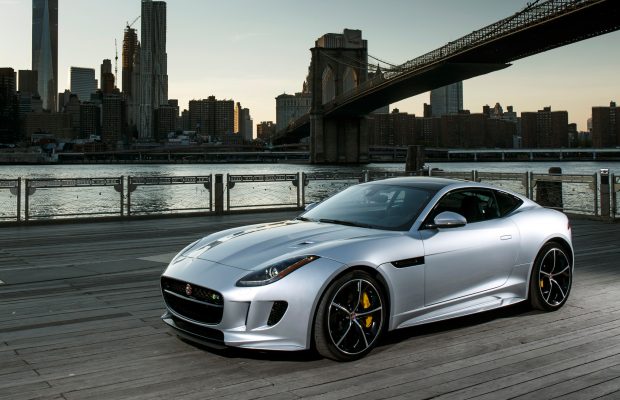
    Jaguar has announced that Ian Callum, its Director of Design, has decided to step down from his position after 20 years. A legend within the company, as well as in the industry, Cullum, has been responsible for creating a new design philosophy and reviving the company product range with award-winning designs for the Tata Motors-owned British carmaker. Julian Thomson, who currently serves as the Creative Design Director for Jaguar, has been now been appointed as Ian Callum’s successor and will take charge as Director of Design from July 1, 2019. Callum will continue to work with Jaguar as a Design Consultant.

    Talking about his decision to step down as Jaguar’s Director of Design, Ian Callum said, “I came into this role with a mission to take Jaguar design back to where it deserved to be. It has taken 20 years, but I believe I have achieved what I set out to do. Given the strength of both our products and the design team, I feel that now is the right time to move on, both personally and professionally and explore other design projects. Designing Jaguar cars was a lifelong dream for me and I’m delighted to remain involved as a consultant for the brand.” He further added, “I have worked closely with Julian Thomson for 18 years – he is a hugely talented designer and absolutely the right person to lead Jaguar design into its next chapter.”

    Over the years, Ian Callum has been responsible for some of the most popular Jaguar cars, including the F-Type two-seater sports car, the XE, XF and XJ saloons, and the company’s first-ever SUVs, the F-Pace, which as soon followed by its younger sibling the E-Pace. Cullum most recent creation and perhaps the most award-winning model has been the all-electric Jaguar I-Pace. This year the first all-electric Jaguar bagged the 2019 World Car of the Year, World Car Design of the Year, and World Green Car awards.

    Talking about his creations with Jaguar, Callum said, “One of my biggest highlights was creating XF because it represented the beginning of a new era moving Jaguar from tradition to contemporary design – it was a significant turning point in our story. Designing the F-Type was a dream come true for me, and I-PACE was an opportunity to create something hugely innovative that would really challenge the perception of Jaguar – and its success is a testament to just how far the brand has come.”

    Like the cars he has designed over the years, Ian’s journey has been equally spectacular as well. A journey which began back in 1979 with Ford. During the first 12 years of his spent at Ford Design Studios, Callum contribution led to the creation of models like – Ford Escort RS Cosworth and the Ghia Via Concept. After Ford, Callum left the corporate environment to join Peter Stevens and Tom Walkinshaw to form TWR Design as Chief Designer in 1991. At TWR, Callum was partially responsible for the Aston Martin DB7, probably the design he is currently most famous for, followed by the Vanquish. In fact, with TWR, Callum has also worked for other automotive clients like – Volvo, Mazda and HSV and in 1998, he designed the Nissan R390.

    Finally, in 1999, following the death of Jaguar’s then design director, Geoff Lawson, Callum was appointed to succeed him, which back then was a subsidiary Ford Motor Company. At that time, for a short stint, Ian continued to manage Aston Martin Design as well and is said to have played a key role in the creation of both the DB9 and Vantage, however, they are attributed to Henrik Fisker. At Jaguar Design Ian and his team, amongst others, also created the R-Coupe, RD-6 and C-X75 concepts. However, the first all-new model was the XK, followed by the XF and XJ sedans and then in September 2012 the much-anticipated F-Type was launched, Jaguar’s first 2-seater sports car since the iconic E-Type. This was followed later by the Jaguar XE, which Ian designed for a very competitive segment. A bold statement for Jaguar using Ian’s established design philosophy.

    Talking about replacing Ian Callum as the Director of Design, Julian Thomson, Creative Design Director, Jaguar said, “I’m honored to take up the position of Director of Design, Jaguar. It will be a great privilege to lead such a talented team and continue to build on our success. Automotive design has always been fast moving, but today it is changing at a rate faster than ever before. I’m passionate about ensuring Jaguar Design leads that change, and the cars that will drive our future.”

  • New Piaggio Ape City Plus 3-Wheeler Launch Date Announced

    New Piaggio Ape City Plus 3-Wheeler Launch Date Announced

    Piaggio India has officially announced the launch date for its upcoming new three-wheeler, the Ape City Plus. Slated to be launched on June 14, 2019, the new Piaggio Ape City+ auto rickshaw will be the newest addition to the mid-body segment three-wheelers. Piaggio claims that with the new Ape City+, the company will address its customers’ needs perfectly in the last mile segment, suitable for both cities as well as the rural markets.

    Currently, in the people carrier space, Piaggio India offers three models – the Ape City, the Ape Auto+, and the Ape City HT. The existing Ape City comes in two engine choices – petrol and diesel, and the former comes with three fuel options – petrol, CNG and LPG. The petrol version is powered by a 197 cc that is tuned to churn out about 10 bhp and 17.6 Nm of peak torque, along with a fuel efficiency of 29.43 km.

    The same motor in the CNG version makes 9.6 bhp and 15.3 Nm of peak torque, with a mileage of 27.36 km/g, and in the LPG version, it makes 10.46 bhp and 16.7 Nm torque with a fuel efficiency of 22.7 km/g. The diesel model comes powered by a 435 cc oil burner that is tuned to churn out around 8 bhp and develops 21 Nm of peak torque. The motor offers a fuel efficiency of 32.32 km. We expect the new Ape City+ to come with the same engine options.

    In the invite sent by Piaggio, the company has also confirmed that at the launch, it will talk about upcoming technology in Piaggio products and its future plans for the Indian market. So, we expect the automaker to reveal its plans for the Bharat Stage VI / BS6 transitions and maybe even electrification.

  • Vicinity Centres names new CFO

    Vicinity Centres names new CFO

    Retail landlord Vicinity Centres has appointed Spark Infrastructure executive Nicholas Schiffer as its new chief financial officer.

    Schiffer, who will take on the role in September, has been Spark’s CFO since July 2017. He will report toVicinity CEO and managing director Grant Kelley when he joins the property firm’s executive committee.

    Kelley said the company was delighted to have secured someone of Schiffer’s calibre, following an extensive domestic and international executive search, to join its team and lead the finance department.

    As Vicinity’s CFO, Schiffer’s responsibilities will include leading the finance, investment management, treasury and capital transactions functions, in addition to Vicinity’s wholesale funds and strategic partnerships business.

    Kelley said the company’s board and executive team look forward to welcoming Schiffer at a time when the business is rolling out a new strategy of creating a core portfolio of market-leading destinations, realising mixed-use opportunities across the group’s portfolio and expanding its wholesale funds platform.

    “Nick’s broad finance, banking and industry advisory experience, together with his background in wholesale funds formation, will be a great complement to, and further strengthen, Vicinity’s executive team capability,” Kelley said.

    Schiffer previously served as managing director at Credit Suisse for 17 years with responsibility for investment banking within the energy, transport and general infrastructure sectors across Australia and New Zealand.

    Kelley said Schiffer’s knowledge and experience in infrastructure are widely relevant to the property industry and would bring some additional diversity of thought to the leadership team.

    “With Nick’s appointment, I am confident that we are building up significant bench-strength in our executive team, which reflects the specialist and diverse capability we have across our organisation,” he said.

    Kah Wong, currently Vicinity’s acting CFO, will return to the role of general manager of treasury, when Schiffer joins Vicinity in September.

  • MG Motor Opens Its First Flagship Showroom In India

    MG Motor Opens Its First Flagship Showroom In India

    MG Motor India today inaugurated its first showroom, or as the company likes to call it, flagship experience store in Gurugram, Haryana. Located at Milestone Experion Centre, in Sector 15 Gurugram, the new flagship showroom from Morris Garages (MG) Motor India is the first of the 120 centers that will be activated across India. Having said that, the MG India plans to further expand its network to a total of 250 centers across India by September 2019. Today the carmaker also commenced the official bookings for the company’s first car in the country, the MG Hector for a token of ₹ 50,000. The customer test drives will commence from June 15 onward.

    Talking to carandbike.com, Rajeev Chaba, President, and Managing Director, MG Motor India, said, “This is in line with our brand purpose of enabling exciting experience every time. So, we thought we will have an experience center or a flagship store, as well call it, of our own and we tried to give a very different experience.” He further added, “This is different than other places, and it goes back to the same thing that, if we need to be successful in this market, which is very tough, we need to do things in a different way, in a disruptive way and make sure that our employees are satisfied, dealers and dealer employees are satisfied, and if this set of people are ok, they will take care of customers. This is not a typical showroom, this is very different!”

    Being the company’s first flagship showroom in India, MG Motor has worked towards building an outlet completely different from a typical car showroom, based on the brand’s “Emotional Dynamism” philosophy. The visual cues include a unique facade grill in the shape of an “Upturned Mountain”, at the entry, while inside MG has made use of some creative elements to attract all the 5 senses of its prospective customers who visit the showroom.

    The new showroom has been designed to give its customers a taste of both, MG’s past and the present, divided into special sections. This includes a special zone at the entry that pays homage to the brand’s British Heritage, showcasing cultural icons such as the Big Ben, the Union Jack, telephone booths and streetlamps, incorporated as design elements. In fact, there is also a 1965 MG Midget on display inside the showroom. The showroom also comes with a special “LED Video Wall” – a large video wall made from 36 connected TVs plays artfully-created brand videos to further engage visitors. Furthermore, the center also has the MG Cafe within the showroom.

    The store also has a special section called the “Engineering Corner” with various vehicle components and the revolutionary 48V Hybrid engine, on display, along with engravings of other state-of-the-art features integrated into MG’s range of internet vehicles. In addition to that, there is also a “Live Vehicle Configurator”, a digital wall that allows prospective customers to select their choice of model, transmission type, and fuel variant, and customize the look and feel, and accessories the SUV accordingly. At 55 inches per screen, the configurator wall has the largest live configurator screen and is set up in a 6-by-6 format (36 screens).

    The new facility will also have MG Motor India’s corporate office above it, and the whole company-owned facility has been built under an overall investment of ₹ 150 crore. The carmaker’s first model – the MG Hector SUV is set to be launched in India later this month, and it will be the company’s first connected car for the Indian market. The Hector SUV will be made available in both the petrol and the diesel engines and there’ll also be a petrol hybrid offering up for grabs. The petrol version will get a 1.5-liter turbocharged engine, while the hybrid version will additionally come paired with 48-volt mild-hybrid architecture, as well. The diesel model will get the 2.0-liter engine in the MG Hector is the Fiat sourced Multijet unit which also powers other models in the segment like the Tata Harrier and Jeep Compass.

  • MG eZS Electric SUV Will Be Made In India

    MG eZS Electric SUV Will Be Made In India

    MG Motor has announced that it will be manufacturing its pure electric SUV, the MG eZS, in India, at its plant in Halol, Gujarat. The MG eZS will be one of the first ever fully electric SUVs in India when it is launched. The eZS will be MG’s second launch in India after the upcoming MG Hector. The company further said that its electric vehicles will get over-the-air (OTA) technology and would go over 300 km in a single charge from its lithium-ion battery. MG is yet to announce the exact specifications for the eZS.

    By the end of 2019, MG Will have a total of 120 sales and service outlets across India and the company said it will also reach out to Indian target audience and educate them about electric vehicles and look to address issues such as range anxiety and charging infrastructure. Like the MG Hector, the eZS will also feature MG’s iSmart Next-Gen connected technology.

    “The MG eZS, as one of the first locally produced global EVs, will mark a new chapter in environment-friendly mobility in India. We are delighted to be one of the first carmakers to enter this space in India. We aim to bring accessible electric motoring to the customers in India upon its introduction by the end of this year,” said Rajeev Chaba, President and Managing Director, MG Motor India.

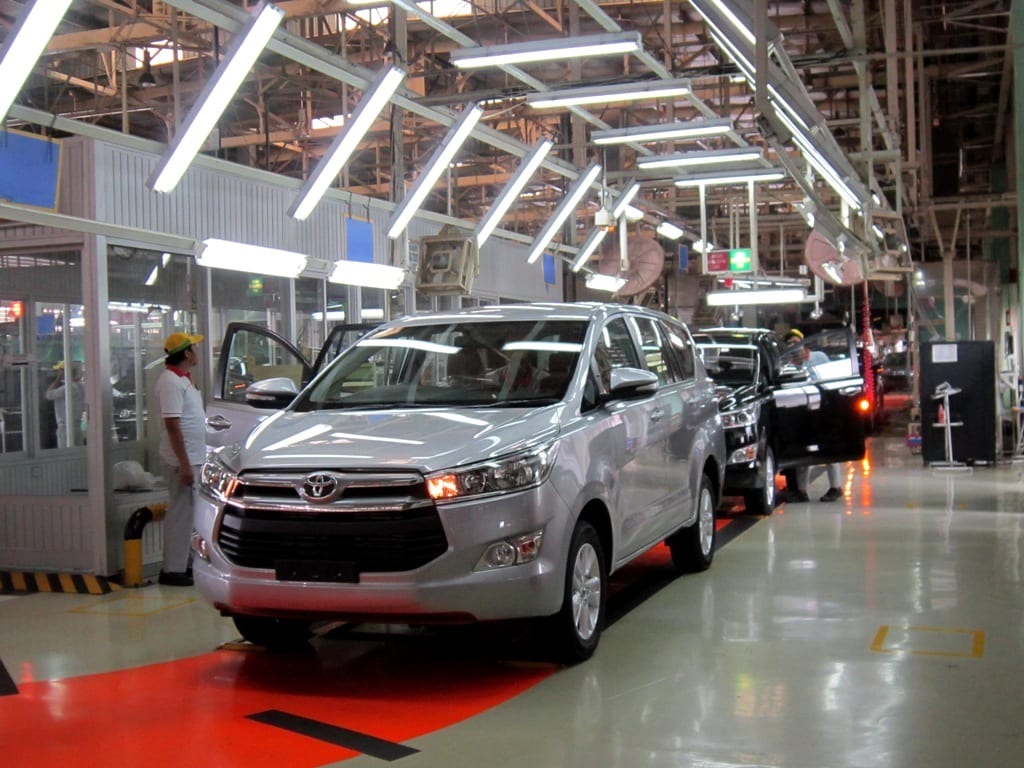
    Till date, MG Motor India has made an investment of ₹ 2,200 crores at its Halol plant. The company has installed an all-new assembly line, a press shop, a body shop, a parts distribution center, a testing track along with a new training facility in the plant. MG has also set up a vendor park in and around the plant so as to increase the localization content for upcoming MG models.

  • Janice Wong continues expansion outside Singapore

    Janice Wong continues expansion outside Singapore

    Confectionery and food brand Janice Wong is expanding its reach both within Singapore and beyond as it chases a broader customer demographic.

    In Singapore, the local foodie’s popular three-year old restaurant at the National Museum will close after its current lease expires this month, allowing the company to focus its attention on her retail business. Janice Wong plans to expand beyond Paragon, Raffles City Shopping Centre, T Galleria and Changi airport Terminal 3, working closely with brands and key partners, as well as developing the menu of the 2am Dessert Bar, which has just marked its 12th year.

    Chairman of Janice Wong Singapore, Manoj M Murjani, says the company has created “a fun-loving and whimsical brand” that has brought joy to customers in creative and innovative markets like Japan, Singapore, Korea and even London.

    “This is the right time to capitalise on our success and expand our presence in the region and globally. We believe the Janice Wong brand also provides a unique platform for strategic corporate partners who want to engage their customers in a bold and memorable way.”

    In the first quarter of this year, Janice Wong has announced partnerships including new concessions at DFS T Galleria in February and at Changi Airport’s Terminal 3 in March, allowing travellers to get a taste of a Singaporean creative chocolatier brand on home ground and broadening the brand’s exposure to a larger demographic.

    Taking her edible art exhibitions abroad, Janice Wong launched her latest installation at the Solaria Plaza shopping mall in Fukuoka, Japan, a 10-day edible-art exhibition featuring 12 ‘edible-flower walls’ made from chocolate and lollipops.

    In South Korea, Janice Wong’s longest-spanning exhibition to date, Wonderbox, in Seoul, will become a permanent work for the next three years, moving to South Korea’s newest indoor theme park, Paradise City in Incheon. It will feature creations such as her Lollipop Ceiling and a four-metre-tall Chocolate Drip Paint.

    In addition to the long-term installation, Janice Wong’s first Wonderbox retail store in South Korea opened last month, featuring a selection of her signature products, such as boxed chocolate collections, chocolate bars and lollipops.

    Three years after entering Japan, the company has formed a new local venture Janice Wong Japan Company. “This newly registered business represents the next steps in affirming a long-term plan in Japan and to significantly growth the brand within this market,” the company said.

    Beyond Asia, Janice Wong is looking to follow up last year’s launch in Harrods in London, with forays into Dublin and Berlin by the end of this year.

    Murjani says that as convenience becomes more significant, the brand will shift its efforts towards innovation and product development within the retail section of the company to meet consumer demands. That will see the brand focus on expanding its retail selection of chocolate-coated products and other confectionery offerings.

  • Godiva completes sale of APAC operations

    Godiva completes sale of APAC operations

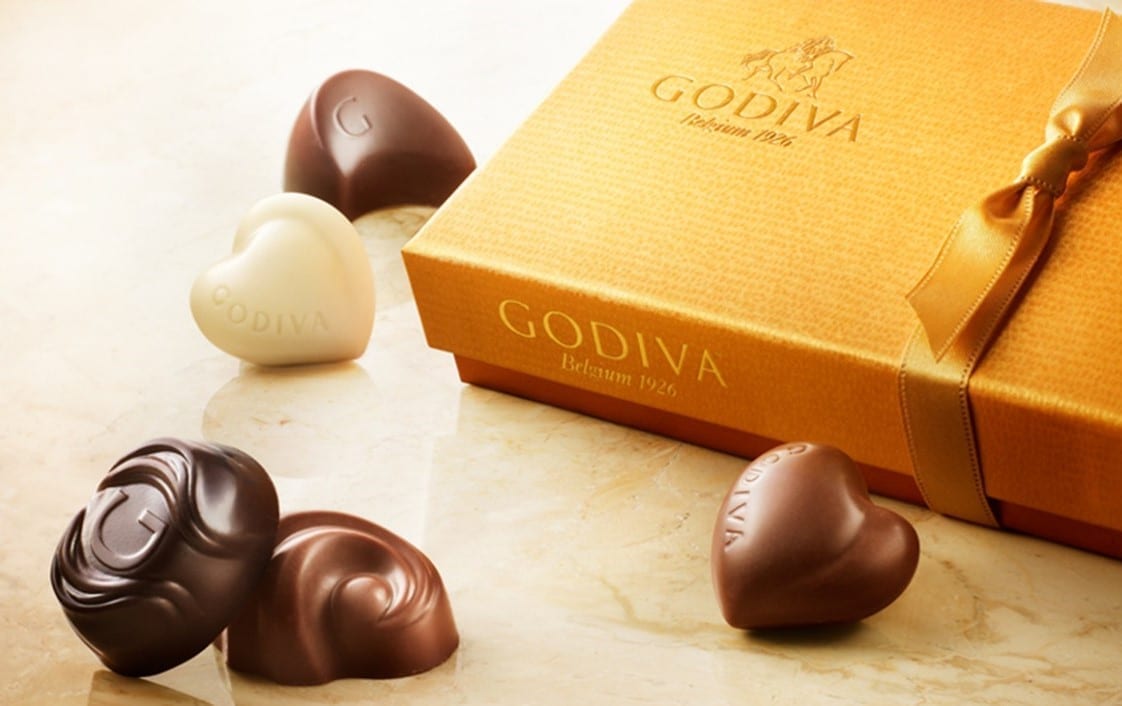
    Belgian manufacturer of gourmet chocolates, Godiva Chocolatier, has completed the sale of selected assets of its Asia Pacific business to South Korea’s MBK Partners.

    Godiva, a subsidiary of Turkey’s Yildiz Holding, said the deal with the private equity firm includes Godiva’s retail and distribution operations in Japan, South Korea and Australia as well as the future rights to develop New Zealand.

    The transaction also includes the Godiva production facility in Brussels that supplies product to these markets.

    No financial terms were disclosed, but according to a previous Reuters article about the announcement of the sale, the transaction could be worth between $1 billion and $1.5 billion.

    Godiva, which will retain exclusive brand ownership in all global markets, said the deal is in line of its global strategy to grow its business five-fold.

    Godiva said it is granting perpetual license to MBK Partners but will continue to own and operate the remaining markets in over 100 countries.Adtech Ad

    According to the chocolatier, it will maintain its R&D Center of Excellence in Brussels, Belgium, and will continue to source its products from the Belgian facility, the Godiva-owned production facility in the US and from its affiliate facilities in Istanbul, Turkey.

    The company previously announced it will use the proceeds of the sale to finance diversification, including an expansion of its cafe business from 20 stores to more than 2000 globally in the next six years.

  • Priceline expands partnership with IRI

    Priceline expands partnership with IRI

    Market research company IRI announced a significant expansion to its partnership with Priceline on Monday morning which will help the pharmacy deliver an improved range for customers.Priceline will use IRI technology to support category management and improve planning and collaboration with supplier partners, which will ultimately lead to the improved range, convenience and price for Priceline customers.

    “I am very pleased that we are able to announce our expanded partnership with IRI,” David Ginsberg, head of buying for Priceline said in a statement.

    “We already have a good understanding of our Priceline customer, however joining forces with a global leader in big data and analytics will allow us to further strengthen our knowledge and, more importantly, improve their experience when shopping in our stores.”

    Paul Hinds, managing director Asia Pacific for IRI, said the partnership will find new ways to “delight and engage” Priceline customers.

    “This partnership will augment our knowledge and result in better and faster decision making,” Hinds said.

    “Together with our supplier partners, we will have a more holistic view of our customers and be able to better anticipate and cover their current and future needs.”

    “Fifth straight year of growth”

    The partnership comes alongside Roy Morgan research which notes 23.3 percent of Australian women purchase cosmetics from Priceline – almost double the figure from four years ago.

    In fact, Priceline is beaten only by Supermarkets for market share in the beauty category, which holds 24.9 percent of the market.

    “The cosmetics industry is a very competitive one with pharmacies and chemists, supermarkets, department stores, and discount department stores all vying to increase their share of the market and looking for an edge to retain existing customers and draw in new ones,” Roy Morgan chief executive Michele Levine said.Adtech Ad

    “Meanwhile, Priceline is enjoying its fifth straight year of growth in the market, fueled by a hardcore base of 18-24-year-olds and successful use of the growing online channel.”

    This age category is Pricelines bread and butter, according to Levine, who notes that almost half (41.5 percent) of 18-24-year-old women who purchased cosmetics in an average six month period did so at Priceline.

    “No other retailers are seeing even close to this level of market power over a particular age group,” Levine said.