Tag: asia

  • Land Rover Discovery Launched In India

    Land Rover Discovery Launched In India

    Jaguar Land Rover India has launched the 2-liter diesel variant of the 2019 Land Rover Discovery in India and prices start from ₹ 75.18 lakh (ex-showroom India). The 2019 Discovery is available in S, SE, HSE & HSE Luxury trim, The new diesel engine churns out 237 bhp while torque figures stand at 500 Nm. This advanced engine is the first Jaguar Land Rover powerplant to feature series sequential turbo technology to deliver its additional thrust.

    The 7 seater Discovery is feature rich and comes with features like electrically reclining seats, intelligent Seat Fold, four-zone climate control, powered third-row seats, a panoramic sunroof, cabin air ionization, 360 Degree surround camera, adaptive cruise control, protect and remote. It also gets the best in class off-road capability because of the approach and departure angle as also the ramp angle.

    The Land Rover Discovery has a water wading depth capability of 900 mm and a 3500 kg towing capacity, all of which makes it a very capable and versatile SUV.

    Rohit Suri, President & Managing Director, Jaguar Land Rover India Ltd. (JLRIL), said, “The Discovery’s unmatched capability and versatility has now been enhanced with the introduction of the high powered Ingenium diesel variant at an attractive price that we believe will enable the Discovery to appeal to a wider customer base.”

  • Cebu Pacific to expand its hubs in Clark, Cebu

    Cebu Pacific to expand its hubs in Clark, Cebu

    Cebu Pacific said it is eyeing to expand its hubs in Clark and Cebu as it continues to boost its fleet with a target of 83 aircraft by end-2022.

    Lance Y. Gokongwei, president of Cebu Pacific operator Cebu Air, Inc., said the budget carrier will be adding “a lot of frequency” in its hubs in Cebu and Clark.

    “In Clark, we’re going to try to connect the dots so that a lot of North Asia will be able to fly into the south without having to connect through Manila… I think in the next two to three years, you’ll see a lot of flights into Japan, (South) Korea and China from Clark,” he told BusinessWorld on the sidelines of the JG Summit Holdings, Inc. stockholders’ meeting last week.

    For Cebu, Mr. Gokongwei said they will ramp up the frequencies of its existing routes, which currently connect the city to both Japan and South Korea. Cebu is a popular destination for Japanese and Korean tourists.

    “The (Airbus A321neos), we put them into Manila. Then we pull out the (Airbus A320s) and put them to Clark or to Cebu,” he said.

    The carrier is currently on fleet expansion mode and expects the delivery of 12 new aircraft this year, namely six Airbus A321neos (new engine option), five A320neos and one ATR 72-600.

    Mr. Gokongwei said in the long term, what Cebu Pacific wants is to make its Clark operations as big as its Manila operations. “We have to complete the Bacolods, the Iloilos, the Taclobans, the CDOs. Whatever we have in Manila, we’ll replicate in Clark,” he said, but noted it may take about 15 years from now.

    Cebu Pacific said its hubs in Clark and Cebu have already seen rapid growth since the start of the year, both in terms of new routes and frequency of flights.

    For the Clark hub, the carrier already increased its capacity to and from Caticlan by 231% after shifting to use the bigger Airbus A320 starting March 31 from the 78-seater ATR 72-600.

    It also noted it will be opening daily from its Clark hub going to and from Iloilo, Bacolod and Narita by Aug. 9, and daily flights to and from Puerto Princesa by Oct. 9.

    For its Cebu hub, the airline noted it already added frequency to its flights going to Cagayan de Oro, Dumaguete, Siargao, Iloilo, Caticlan, Ozamiz and Zamboanga by an average of 63% since April 15.

    “Flights between Manila and Cebu had likewise increased 24%. The increase in flights from its Cebu hub is on top of its six-times weekly Cebu-Shanghai and Shanghai-Cebu routes which began on April 15, 2019,” it added.

    Cebu Pacific currently has flights from Clark to Cebu, Caticlan, Tagbilaran, Davao, Singapore, Macau and Hong Kong.

    In its Cebu hub, the carrier flies to and from Bacolod, Caticlan, Butuan, Cagayan de Oro, Calbayog, Camiguin, Clark, Davao, Dumaguete, General Santos, Iloilo, Kalibo, Legazpi, Ozamis, Pagadian, Puerto Princesa, Siargao, Surigao, Tacloban, Zamboanga, Hong Kong, Macau, Tokyo (Narita), Singapore and Incheon.

    Listed Cebu Air posted a net income of P3.43 billion in the first quarter, up 138.4% from the same period last year due to a growth in passenger volume and average fares

  • Singapore Airlines adds another Airbus A350 to Perth

    Singapore Airlines adds another Airbus A350 to Perth

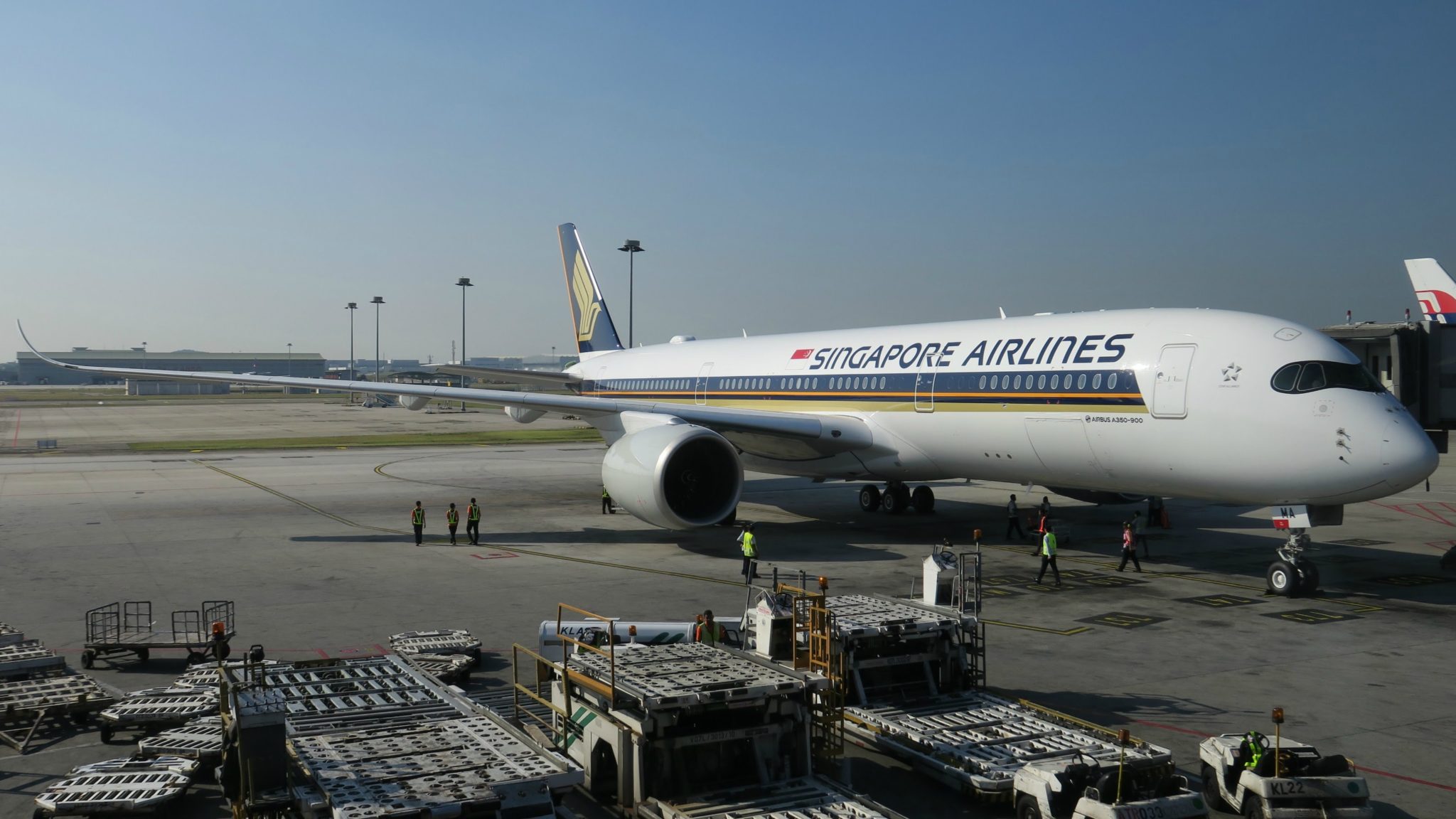
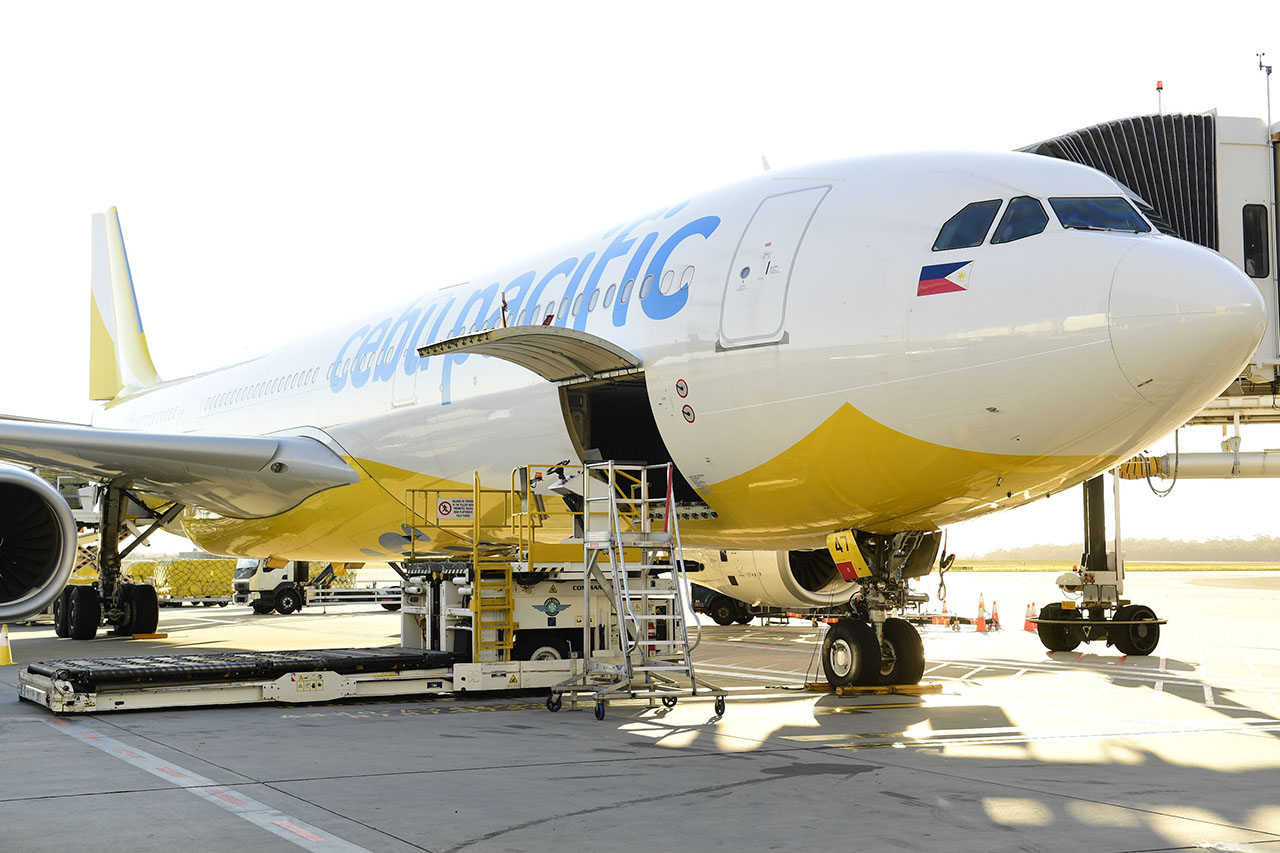
    Singapore Airlines is continuing its rolling upgrade of flights to Australia, with Perth set to see a second Airbus A350 from July 1, 2019.

    The advanced jet, which boasts Singapore Airlines’ latest flat-bed regional business class seats in what the airline calls a ‘medium-range’ configuration, will slot into daily flights SQ214 (departing Perth at 5.10pm) and SQ223 (wheels up from Singapore at 9.30am).

    SQ226/SQ213 already hosts an A350, with a Boeing 787-10 Dreamliner rostered onto SQ216/SQ215.

    This leaves just one daily flight on the Star Alliance member’s older Airbus A330, and its days are surely numbered.

    The Airbus A350’s 40 business class seats are arranged in a 1-2-1 layout, providing every passenger with direct aisle access, with access to inflight WiFi if you need to work rather than rest – or luxuriate over your Book the Cook meal – on the quick five-hour hop.

    Singapore Airlines intends to roll out lie-flat beds across its entire fleet from 2020, from the longest of globe-spanning trips to short hops such as Singapore-Kuala Lumpur on SilkAir, which will be adopting new flat-bed business class seats on its factory-fresh Boeing 737s.

  • Cotton On Group launches in India

    Cotton On Group launches in India

    One of Australia’s largest fashion retailers, Cotton On Group, is launching in India, with a first flagship store scheduled to open in the second half of next year.

    In advance of the company’s physical stores, Cotton On will sell fashion products online on the Myntra platform, in a move seen as a challenge to Sweden’s H&M and california’s Forever 21.

    The first flagship store will open in either Delhi or Mumbai in the third or fourth quarter of next year.

    Cotton On’s local partner is AVS Global Network, which has reportedly secured an 18-month exclusive contract to sell fashion on Flipkart, Myntra and Jabong.

    “About 77 per cent of online fashion brand consumers use either Flipkart, Myntra or Jabong to shop, as they have a high brand-recall value,” said AVS cofounder Sumanto Das. “This is why we thought it would be wise to introduce Cotton On to India through these platforms.”

    Cotton On Group, which owns the namesake brand along with Factorie, Ruby (shoes), Typo (stationery), Supre and Lost, was founded in 1991. It has already expanded into Singapore, Hong Kong, South Africa and New Zealand, among other markets with about 1500 stores worldwide.

  • Institchu opens second Melbourne CBD showroom

    Institchu opens second Melbourne CBD showroom

    Tailored menswear brand Institchu has recently opened its second Melbourne CBD Showroom on Little Collins Street. The new 92sqm location, Institchu’s 11th showroom across Australia and the US, has a street frontage, the retailer’s signature old-world tailoring aesthetic, technology for customers to use to design their garments on, deep green velvet lounges and marble benchtops.

    Robin McGowan, Institchu co-founder, said the opening of the new Melbourne showroom is an exciting new chapter for the brand.

    “Melbourne, and particularly the thriving hub around Little Collins Street, is the spiritual home of fashion in Australia,” McGowan said. “It’s humbling to join that story and open our second Melbourne showroom, this one with street frontage, in this bustling cosmopolitan area, neighbouring so many of the world’s most innovative and sophisticated designers.”

    McGowan said while a lot of their sales were online it was clear to them that many of their customers appreciate the ability to visit a store for a personal fitting under the guidance of their stylists.

    Founded by Australians McGowan and James Wakefield in 2012, InStitchu helps men design their own custom, made-to-measure suits and shirts in minutes. Every garment ordered from the retailer is placed through their online store and is covered by Institchu’s Perfect Fit Guarantee.Adtech Ad

    Wakefield said they are thrilled that demand has encouraged them to invest in another physical location in Melbourne.

    “It’s particularly gratifying to be able to open in the beloved up-market shopping precinct of Little Collins Street and be able to service the menswear savvy communities of Melbourne,” he said.

    Institchu has showrooms in Sydney, Melbourne, Brisbane, Perth, Adelaide, Canberra and New York City. The retailer said it is planning further expansion this year, with an upcoming launch in the UK.

  • Amazon Fashion drops first influencer collection

    Amazon Fashion drops first influencer collection

    Amazon Fashion has just released the first collection from an influencer as part of its new shopping experience, The Drop.

    For the next 30 hours, customers will be able to purchase pieces made on-demand from the collection designed by influencer Paola Alberdi via the Amazon app or mobile browser. The Drop collections are available in more than 100 countries and regions.

    Fashionistas are encouraged to sign up for Amazon text alerts, as the next Drop influencer collaboration could be released at any time. Other influencers slated to design future collections include Emi Suzuki, Sierra Furtado, Leonie Hanne and Patricia Bright.

    “Influencers are able to turn their creativity and style into beautifully designed collections that capture the latest street style trends from around the world,” said a statement from Amazon.

    “Amazon Fashion is excited to enable influencers to be designers and bring fresh Fashion assortments directly to customers via The Drop.”

    Amazon Fashion is also offering Staples By The Drop, wardrobe staple pieces to complement the influencer collections.

    “I am beyond grateful to Amazon for entrusting me to be the first influencer to launch The Drop, their innovative new shopping experience. I have worked hard for many years to create a brand that is true to myself and did the same with this collection,” said Alberdi.

    “Fashion can be so expensive but my belief is that it should not have to be expensive to feel beautiful. The primary goal of my collection is simply to help women feel good about themselves. I’m so excited to share these pieces with the world!”

    Other retail brands have been tapping into the power of influencers and collaborating with them on collections for some time, such as Nordstrom, which is currently selling the Cupcakes and Cashmere range from fashion blogger and designer, Emily Schuman.

    When the department store engaged with influencer Arielle Charna in 2017, her collection reportedly brought in $1 million in sales in less than 24 hours, according to an article from Fashionista.

  • ACCC checks APRA’s “near-monopoly” on music licences

    ACCC checks APRA’s “near-monopoly” on music licences

    The Australian Competition and Consumer Commission (ACCC) wants to enforce stronger conditions on the Australasian Performing Right Association (APRA), after questions have been raised about its transparency.

    The changes could lead to lower fees for businesses using APRA’s music licences Australia-wide.

    APRA holds the performing rights for the majority of music played or performed in Australia. It earns royalties from these rights and sells licences which allow businesses to play this music publicly – with fees paid by businesses being distributed to the association members.

    But the lack of transparency into APRA’s fees and its near-monopoly on music licences in Australia have prompted the ACCC to propose several changes to the way APRA operates.

    “We are… proposing to grant authorisation for a further five years with conditions that require APRA to be more transparent about licence fees and the way it pays royalties to members, in order to mitigate APRA’s market power and its impact on songwriters and businesses,” ACCC deputy chair Mick Keogh said.

    Under the proposed conditions, APRA would be required to publish information about how it calculates its fees; produce a plain-English guide to its distribution policies; publish an annual transparency report with information on rights revenue, operating costs, and payments to members; and to continue the “resolution pathways” alternative dispute resolution scheme set up in responses to a previous ACCC condition.

    These changes have been proposed based on responses gathered by the ACCC during a consultation process, in which APRA members and businesses that use the service expressed concern around the way the association collects fees and questioned its accountability.

    “It’s more efficient for APRA members to collect royalties jointly, rather than every artist having to collect their own royalties and monitor compliance,” Keogh said.

    “However, APRA already has a near-monopoly, and the exclusive provisions it has with artists makes its position even stronger.

    “This raises the risk of higher prices for businesses that play music, and other inefficiencies or restrictions for APRA members.”

  • Ikea makes catalogues “shoppable” on Pinterest

    Ikea makes catalogues “shoppable” on Pinterest

    Global furniture retailer Ikea will start putting its product catalogue on Pinterest to give the print publication a longer lifespan and to allow customers to move more quickly from inspiration to purchase.

    According to a report in Digiday, Ikea has been working to monetise its presence on the social platform for some time, which has led to a shoppable version of its catalogue.

    “We didn’t want to just copy and paste – we already have a digital catalogue online,” Ikea media project manager Kerri Longarzo told Digiday.

    “But promotions in the past felt a little stale. We were running out of ways to show the catalogue to people online, so we sought out something different.”

    Pinterest differs from its social media contemporaries in that rather than sharing aspects of their lives, Pinterest users search for images of furniture, recipes, wedding ideas and more, and save it to their ‘boards’ for later reference. Essentially, it’s an online scrapbooking tool.

    “Catalogues have been a pretty big part of the Ikea concept from the very beginning,” Longarzo said.

    “As we get to 2019 and realise customer behaviours are shifting, the world is going more digital, having this print-only piece was becoming more challenging.”

    Ikea’s US Pinterest page boasts more than 10 million monthly unique viewers, while its Australian arm sees numbers closer to 350,000.

    On Ikea Australia’s Pinterest page, you can find boards ranging from bedroom ideas, recipes, and home inspiration – which when clicked through will take users to the relevant product page on the online store, allowing for further shopping or purchases. Adtech Ad

    The pinned images also automatically show other users’ images of the same product, allowing customers to see how the product looks in practical use.

    “People come to Pinterest in a shopping mindset open to discovering products, which creates a great connection between Pinners and businesses,” Pinterest wrote in a statement announcing its catalogue feature to businesses in March.

    “In the past year, we’ve been bringing together the worlds of visual search and shopping to make it easy to shop for anything you see on Pinterest, and for brands to reach people on Pinterest while they’re actively looking for inspiration.”

  • Versace to expand Asian store network

    Versace to expand Asian store network

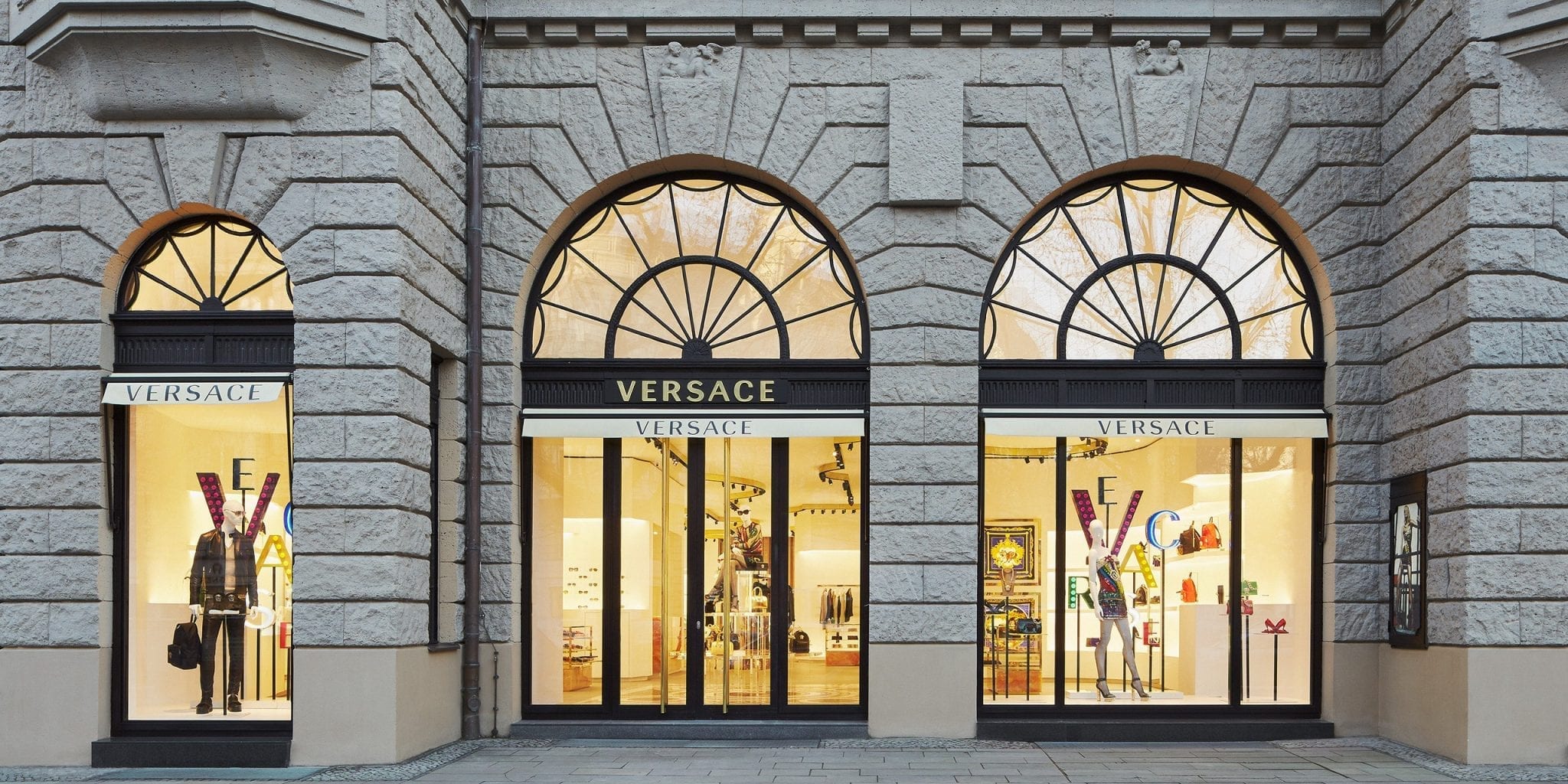
    More stores, broader range, fewer brands as fashion icon tries to double sales. Versace will open its largest store yet in China this week, part of a concerted plan by the fashion label’s new owners to expand its footprint globally.

    Capri Holdings, which also owns Michael Kors and Jimmy Choo, bought Versace from Donatella Versace late last year for US$2.2 billion. It is now implementing a plan to double the label’s worldwide sales with at least 112 new stores scheduled by 2022 along with a refurbishment program for the existing network. The new Beijing store – details of which are scant at present – is a key step in that plan.

    Worldwide, Versace has 188 stores currently and wants to reach 300 within three years. Asia will be a big benefactor from the plan, already accounting for more than half the network. China alone has 40.

    Along with new openings and revamps of existing stores, Versace will boost its product offer, adding more handbags, footwear and leather goods to its high-end clothing range. Accessories currently account for just 35 per cent of Versace’s sales and the company wants to lift that to 60 per cent.

    “It’s very clear: The productivity in our stores is not what it should be,” CEO Jonathan Akeroyd told an investors briefing this week. He plans to double the sales per square foot across the network.

    “We need to rapidly increase productivity and this will really be the real driver to take us to our US$2 billion revenue target.”

    Versace’s marketing strategy will be revised, with less focus on fashion shows in favour of a stronger social media presence.

    The company has quietly dropped its diffusion brands Versace Collection and Versace Versus and new stores will all bear the core Versace brand name alone.

  • BMW Motorrad Files Patent For Electric Front Wheel Drive

    BMW Motorrad Files Patent For Electric Front Wheel Drive

    BMW Motorrad has filed patents for an electrically-driven front wheel that is likely to be featured in future generation adventure bikes. The patent drawings are ostensibly of an electric front wheel drive system, which will be able to supply drive force in combination with the conventional rear-wheel drive on motorcycles. The drawings show what is an all-in-one unit mounted around a front wheel hub, which will offer drive to the front wheel when needed in particularly steep inclines or slippery surfaces. The system isn’t a full-time two-wheel drive, but can be engaged only when the rider wishes to use it.

    The accompanying patent description does not say much about how it works, or what goes behind the front wheel drive concept, but BMW Motorrad states that it can be applied to motorcycles, as well as other vehicles, including three-wheelers and four-wheel vehicles. A patent application doesn’t always mean that such technologies will be introduced, or neither are these a sure-shot guarantee that BMW Motorrad will in fact introduce an electric two-wheel drive system.

    In fact, more than two years ago, there were reports of BMW Motorrad’s all-wheel drive system as well, on what was to be the world’s first series-production all-wheel drive travel enduro motorcycle with hybrid drive. Called the xDrive Hybrid, that system is similar to the one filed in the new patent application, but two years hence, it is yet to see something of a production form.

    If BMW Motorrad is indeed working on such an all-wheel drive system for motorcycles, with an electric front-wheel drive system, two years is a long time to be working on it, and about time we saw something, at least in concept form. Our guess is, something may be shown at the EICMA show in Milan, in November this year. But then again, who knows? Either ways, it will be interesting to see what the next generation motorcycle technology will be showcased at the world’s most popular motorcycle show in November 2019.

  • Snapchat launches its first ever battle royale

    Snapchat launches its first ever battle royale

    Snapchat mobile games are a recent thing that Snap introduced a few weeks ago, but if you’re not familiar with the new feature, here is a quick rundown. Starting last month, Snapchat users can play together with their friends three mobile games directly within the app without having to install anything.

    These three games – Snake Squad, Zombie Rescue Squad, and Bitmoji Party, are available on both Android and iOS platforms. Today, a fourth title for the Snap Games feature has been released – Tiny Royale.

    Developed by Zynga, Tiny Royale is a battle royale game, exclusively available on Snap’s real-time multiplayer gaming platform. A top-down multiplayer shooter at its core, Tiny Royale promises to reinvent the battle royale experience for the Snapchat platform.

  • Toys ‘R’ Us returning to Australia with online focus and small-format stores

    Toys ‘R’ Us returning to Australia with online focus and small-format stores

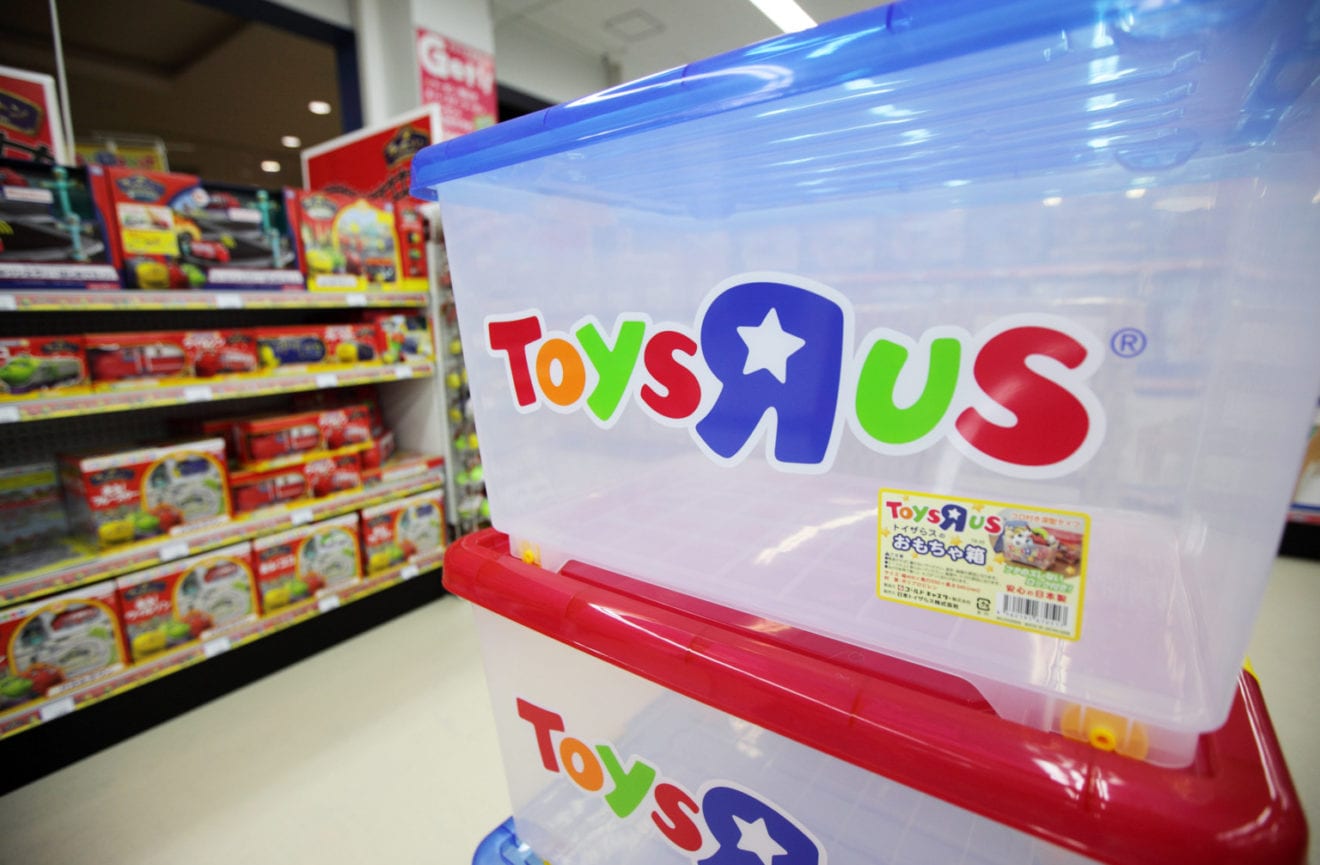
    Toys ‘R’ Us and Babies ‘R’ Us are returning to the Australian market through an exclusive licensing agreement with Hobby Warehouse.

    The agreement allows Hobby Warehouse to sell through the Toys ‘R’ Us and Babies ‘R’ Us websites in Australia and New Zealand, including private label products owned by parent company Tru Kids Brands – such as Fastlane, Imaginarium, Koala Baby, and Koala Kids. This is the first time Toys ‘R’ Us and Babies ‘R’ Us have had a presence in the New Zealand market.

    Launching on June 12, the offering will initially be online-only, but Hobby Warehouse plans to launch smaller-format ‘experience centres’ for Toys ‘R’ Us and Babies ‘R’ Us beginning in 2020.

    “We are delighted to bring the much-loved brands of Toys ‘R’ Us and Babies ‘R’ Us back to Australia and introduce them to New Zealand,” Hobby Warehouse chief executive and Toys ‘R’ Us Australia director Louis Mittoni said.

    “Our mission is to encourage children to engage with as many forms of play as we possibly can. Hobby Warehouse is a digital native with a keen understanding of how to accelerate and match the requirements of the modern shopper.”

    Tru Kids executive vice president of global licensing and general counsel James Young said that Mittoni and his team have a strong digital vision, and understand the heritage of the Tru Kids brands, as well as how to evolve this heritage for the modern consumer.

    “This is an exciting milestone for our company as we continue to grow Toys ‘R’ Us and Babies ‘R’ Us around the world,” Young said.

    The Toys ‘R’ Us Australia management team. Left to right: Toys ‘R’ Us marking manager Tristan McLindon, Toys ‘R’ Us Australia director Louis Mittoni, Mittoni Pty Ltd general manager Lian Yu and Toys ‘R’ Us Australia chairman Kevin Moore

    Tru Kids Brands president and chief executive Richard Barry confirmed in February that the company had begun discussions with partners in Australia, and that the brand would focus on serving customers through all retail channels.

    Prior to its demise, Toys ‘R’ Us was the largest toy retailer in the country with a market share of over 20 per cent, according to IBISWorld senior industry analyst Kim Do.

    The retailer will be returning to a very different market, however, with its collapse changing the way consumers shop for toys.Adtech Ad

    “The company’s decline… accelerated the rate at which department stores and online-only retailers have captured market share, as consumers have shifted their spending away from industry retailers,” Do said.

    The shift away from physical retail, and towards a more online-centric offer, should make the retailers re-entry smoother.

    “Previously, the Toys ‘R’ Us and Babies ‘R’ Us business model in Australia was focused primarily on large physical retail stores which had high fixed costs and extended periods of relatively low sales due to seasonal factors,” said commercial advisor Kevin Moore, who helped negotiate the agreement.

    “Going forward, the business model for Australia and New Zealand will be online focused, with smaller and fewer physical ‘experience centres’ that allow children and their families and friends to see and touch our products.”

    According to IBISWorld data, the toy and game retailing industry is expected to see a revenue drop of almost 16 per cent over 2019, with the market expecting to generate around $740 million – down from the $880.2 million seen in the prior year.

  • Pokemon GO’s best yearly event makes a return this month

    Pokemon GO’s best yearly event makes a return this month

    Last year, Pokemon GO kicked off a special event that soon became one of the most popular Niantic, the company behind the smash hit, has ever launched. The event called Adventure Week offered Trainers sweet rewards and the possibility to catch rare Pokemon for a very limited time.

    One year later, the event is back in full force, so if you’re still playing Pokemon GO, you’re in for a treat for the next week or so. The 2019 Adventure Week is all about rock-type Pokemon, but Niantic throws in a lot of bonuses as well.

    During the Adventure Week, you’ll be getting the following bonuses: 4x Buddy Candy, 10x XP on the first spin of each Photo Disc, 50,000 Stardust and 15 Rare Candies to all Trainers who have Adventure Sync activated and walk 50 km.

    Furthermore, specially themed Field Research tasks will be available for a limited time during this event. But these are just the bonuses that you can obtain, so here is what other rewards you’ll be able to get:

    • Rock-type Pokémon like Geodude, Rhyhorn, Omanyte, Aron, Lileep, Anorith, and many others will appear more frequently in the wild.
    • Hatch Rock-type Pokémon such as Onix, Larvitar, Lileep, Anorith, and Shieldon from 2 km Eggs.
    • Challenge Onix, the Rock Snake Pokémon, and other Rock-type Pokémon in raids.
    • You may encounter a Shiny Onix, Lileep, or Anorith if you’re lucky!

    Pokemon GO devs announced that this year’s Adventure Week will run from today, June 4 at 1 pm through June 11 at 1 pm PDT.

  • Samsung cuts production in China as local struggles continue

    Samsung cuts production in China as local struggles continue

    Samsung has been struggling in the Chinese smartphone market for quite some time. In fact, around six months ago the company shut down one of its factories in the region. Now, suggesting things have improved little, Samsung has confirmed that its scaling back production at its only remaining Chinese manufacturing plant.

    At its peak back in 2013, Samsung accounted for an impressive 20% of all smartphone shipments in China. But as local rivals with thinner profit margins became more competitive, the company’s sales quickly began to decline. Over the course of the past year, Samsung has struggled to retain a 1% market share and, while the Galaxy S10 has certainly boosted performance, it seems sales still aren’t at the required level.

    The company’s plants in China previously served both local and international markets, but over the past few years Samsung has shifted a big portion of its production over to countries such as India, leaving Chinese factories to cover local demand only. As such, any cuts suggest the company’s revival strategy isn’t going as smoothly as hoped.

    The South Korean-based brand hasn’t yet revealed the exact extent of these latest production cuts, so the adjustments could potentially be minimal. But it’s reported that Samsung is offering voluntary layoffs with compensation to interested employees until the 14th of June.
  • Visa Expands Contactless Payments to Public Transport

    Visa Expands Contactless Payments to Public Transport

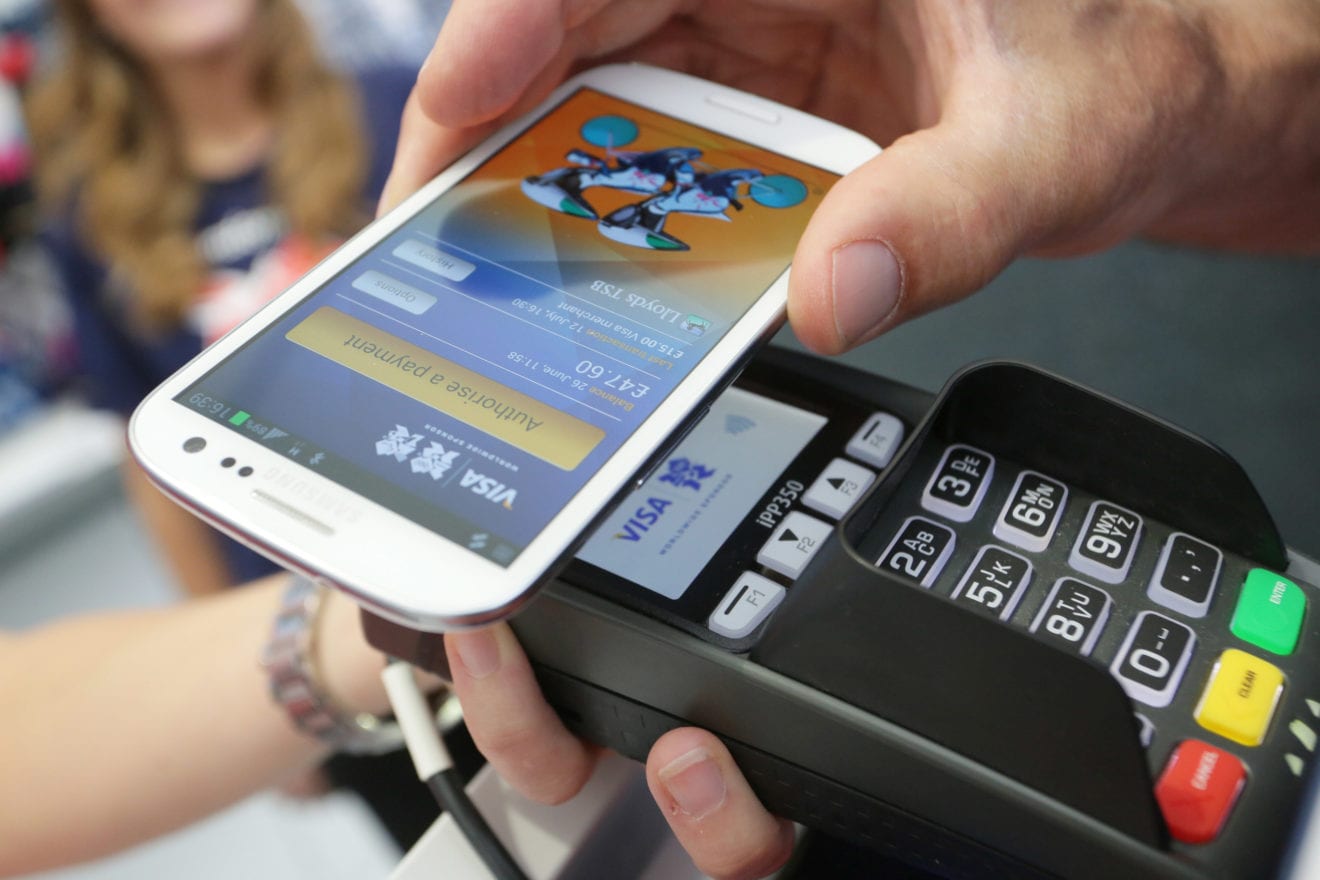
    Singapore joins other major cities that have enabled open-loop Visa payment cards for public transport, including London, Sydney and New York. Commuters in Singapore can now use their Visa contactless cards or compatible devices to pay for bus or train rides under the Land Transport Authority’s (LTA) SimplyGo initiative, Visa said in an announcement on Thursday.

    According to Visa, the project with LTA is one of its largest implementation for contactless acceptance for transit globally, with 30,000 acceptance points.

    SimplyGo was rolled out for MasterCard users in April, aiming to make traveling by public transport seamless and convenient by eliminating the need to carry a travel card or wait in line to purchase or top up a travel card. Fees under SimplyGo are the same as paying with a travel card.

    Visa said has been working with partners and merchants to expand the acceptance of contactless payments nationwide, including transport, quick service restaurants and hawker centers.

    Today, Singapore is already one of the top markets globally in terms of contactless penetration with more than 80 percent of all Visa transactions being contactless. We expect this number to grow even faster with the opening of transit acceptance, Kunal Chatterjee, Visa country manager for Singapore and Brunei, said.