Tag: asia

  • Microsoft reportedly builds Surface Pro prototypes

    Microsoft reportedly builds Surface Pro prototypes

    Microsoft has apparently become more serious about offering at least some versions of its Surface Pro tablets powered by ARM-based processors. Right now, the Surface Pro 6 runs on an Intel Core i5 or Core i7 processor. According to Thurrott, Microsoft has built prototypes of the Surface Pro that run on Qualcomm’s Snapdragon chips. The report says that Microsoft has considered stuffing some of its low-end Surface Pro models with a Snapdragon processor.

    There also is speculation that the original plans for Microsoft’s iPad competitor, the Surface Go tablet, called for the device be powered by Qualcomm’s Snapdragon chips. Intel reportedly pressured Microsoft to have the lower priced tablets run on Intel’s Pentium Gold Processors instead. If Intel doesn’t put the squeeze on Microsoft so hard this year, the second generation Surface Go models could end up with Intel outside and Qualcomm inside.

    The Surface Pro line is supposed to get a major redesign with new models to be unveiled during the fourth quarter of this year. Thurrott’s Brad Sams says to expect thinner bezels, the long awaited USB-C port, new color options and some other changes. That would be the time to expect Microsoft to make the change to Snapdragon chips for the Surface Pro, starting with the lower-end variants of the tablet.

    In a related piece of news, testing has started on the Firefox for Windows 10 ARM browser.

  • Gucci restaurant pop up heads into Singapore

    Gucci restaurant pop up heads into Singapore

    Osteria, the Gucci restaurant pop up, will open in Singapore next month.

    Set to open at The Arts House, the four-week popup will have a Renaissance theme, replete with the signature red Gucci Herbarium-motif wallpaper.

    The restaurant will open for lunch and dinner on select days from May 1 to 26

    The menu will be conceptualised by chef Massimo Bottura, with Gucci Osteria head chef Karime Lopez.

    Main highlights include Bottura’s signatures dishes, including The Crunchy Part of the Lasagne, Lopez’s creation of sweet-sour pork belly bun, named Taka Bun.

    “We are excited to be able to bring Gucci Osteria to Singapore – a city with a vibrant culinary landscape,” says chef Karime Lopez.

    “At our first international edition, we want to showcase the best of global cuisine, as a country’s cuisine is no longer confined to its birthplace – it can always be reinterpreted and refined. The cuisine we are presenting is not just traditional Italian, but rather a cultural expression that resonates with the global diner of today.”

    Ticket sales open on the 20th of this month. Diners can choose a specially curated four-course lunch (from $128), a seven-course lunch ($228), or seven-course dinner (from $278).

  • Carousell raises US$56 million from Naspers

    Carousell raises US$56 million from Naspers

    Singaporean m-commerce platform Carousell has raised US$56 million from Naspers, the parent company of the Philippines’ online marketplace OLX.

    As part of the deal, Carousell will also acquire OLX Philippines, with the transaction due to be completed by the second half of this year.

    OLX Group will own a 10 per cent stake in Carousell, and values the company at “over US$550 million,” the firm says.

    The merger will give Carousell a boost in the Philippines and across Southeast Asia.

    Currently featuring 196 million listings Carousell has sold some 71 million items since it was founded in 2012. The company says it wants to continue improving predictive features like smart listings, personalised browsing, chat experiences and price-suggestion functions.

    The firm has raised approximately $170 million to date, and expects a valuation of $1 billion, in the near future.

    Carousell operates in Malaysia, Indonesia, the Philippines, Hong Kong, and Taiwan.

  • Home market hurts Sa Sa International sales

    Home market hurts Sa Sa International sales

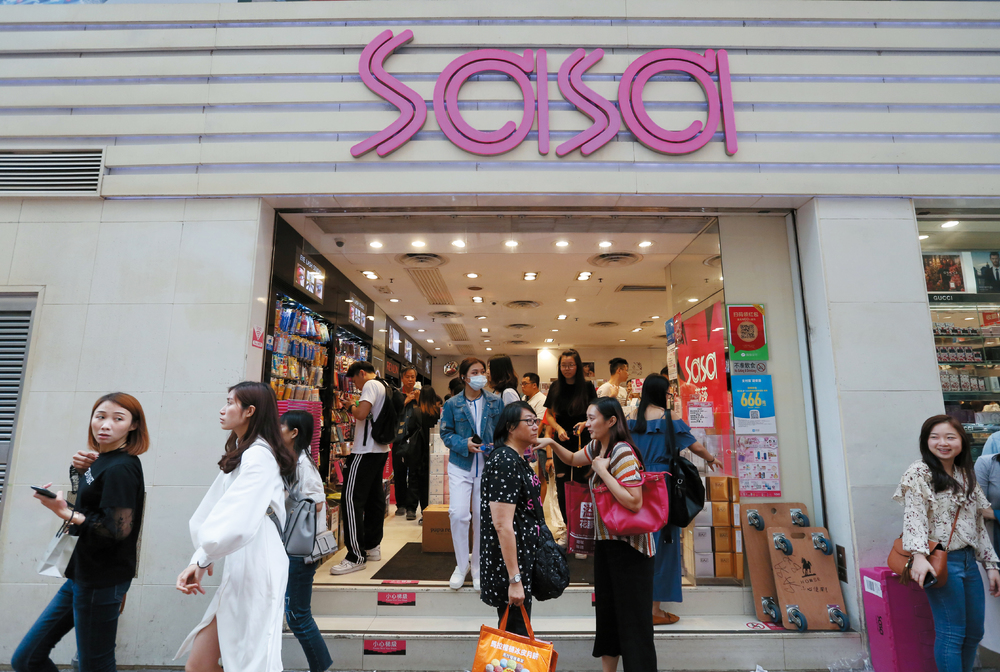
    Hong Kong beauty products retail Sa Sa International has reported a 7.2 per cent decline in sales for the March quarter.

    The company’s home market and Macau were to blame, with same-store sales falling 10.8 per cent and combined retail and wholesale turnover down 8.4 per cent.

    Sa Sa is one of the bellwethers of the broader Hong Kong market because it serves both local consumers and tourists, appealing to more mainstream clients than the luxury watch and jewellery retailers which often disproportionately affect total Hong Kong retail sales figures.

    In a stock exchange filing, Sa Sa International blamed the sales decline on a 6 per cent fall in total transaction volume, of which the number of transactions of local customers and mainland tourists decreased by 8.8 per cent and 3.7 per cent respectively.

    “The average sales per transaction of local consumers and mainland tourists decreased by 0.7 per cent and 5.9 per cent respectively, which resulted in a 3.5 per cent decline in total,” the company said.

    “The weaker sales performance was mainly due to high base effect. The hot trend of some trendy product categories last year has been weakening while the group’s newly launched products could not fully compensate their sales decline. In addition, a number of new pharmacy stores selling skincare and cosmetic products have opened new stores in tourist hot spots aggressively, resulting in intensified competition and lower-than-expected sales at Sa Sa.”

    The company says it plans to open new stores to enhance its store network and boost its competitiveness “under reasonable rental condition”.

    “The group is adjusting its business strategies to adapt to the changing consumer preferences and competitive landscape. The first action is to change towards a more balanced product mix.”

    Sa Sa International says it will also increase its range of high-end products and focus on its own-label products which offer better margins.

    Another step Sa Sa plans to arrest falling sales is speeding up its investment in digitalisation and IT, using big data to formulate better product strategies.

    The new Express Railway Link and Hong Kong-Zhuhai-Macau bridge have so far failed to bring about the expected stimulus to the retail industry, the company said.

    “Looking ahead, the group believes the benefits of the two mega infrastructure projects will gradually emerge under the favourable policy of the Greater Bay Area. The group remains cautiously optimistic about the outlook of Hong Kong and Macau markets in the long run.

  • March delivers biggest month in Winning’s 113-year history

    March delivers biggest month in Winning’s 113-year history

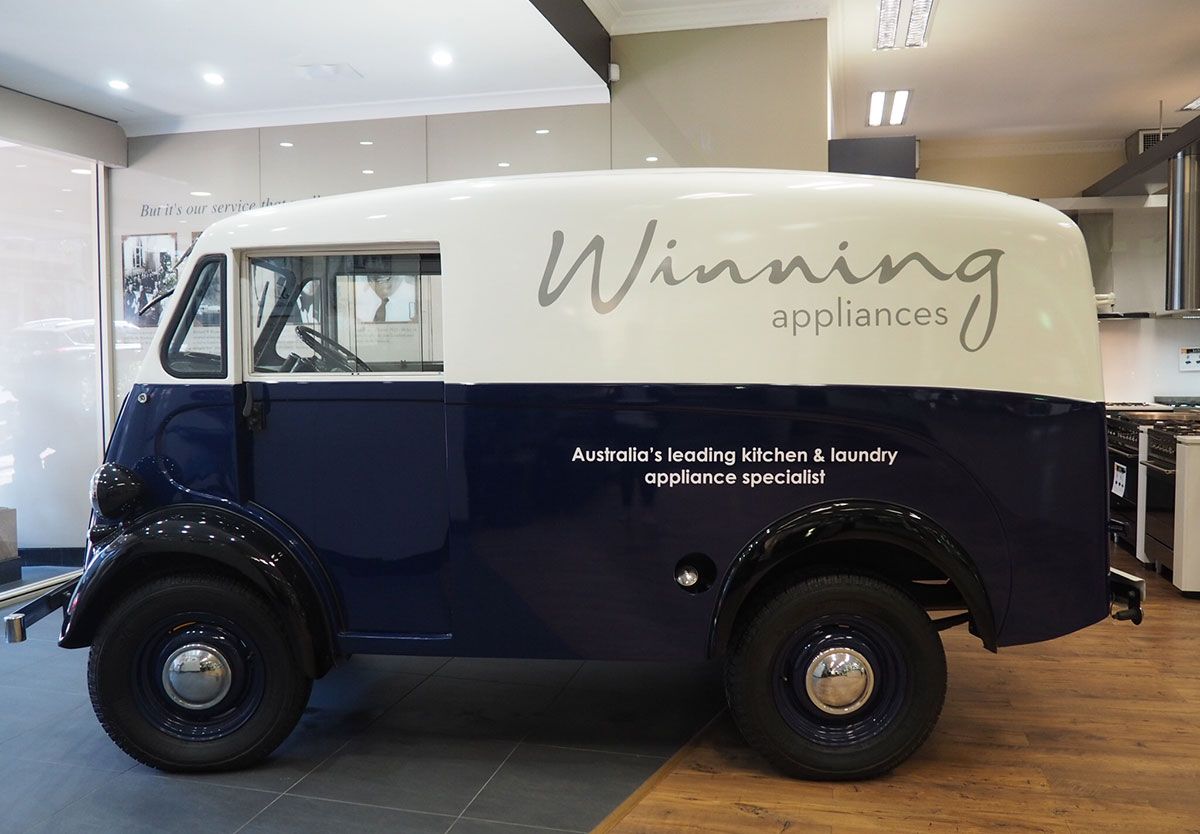
    Winning Group chief executive John Winning credits “good old-fashioned customer service” with delivering what he says was the biggest month in Winning Appliance’s 113-year history.

    According to the CEO, March sales were up 42 per cent on last year’s written sales, and same-store sales were up 32 per cent on the same period last year.

    While the company has acquired Melbourne appliances business Michael’s Appliance Centre and opened a new showroom in Western Australia over the last year, Winning said the sales increase was the result of its customer-centric approach to business, rather than a bigger footprint.

    “At Winning Appliances we focus on providing an exceptional customer experience from the minute someone steps foot in our store or goes onto our website, until well after they have received their appliance,” he told.

    “We provide good old fashioned customer service in a modern context.”

    Customer-centric approach

    The family business operates 15 showrooms across the country, including seven in NSW, two in Queensland, four in WA, one in the ACT and two in Victoria. It is set to open a new flagship in Richmond, Victoria, this year, and also operates an e-commerce business, Appliances Online.

    The retailer recorded $478.26 million in revenue for the financial year ended June 30, 2018, according to documents lodged with Australian Securities & Investments Commission.

    Winning Appliances says it is focused on providing the best customer experience possible. Its parent company Winning Group last year changed the corporate motto to, “we say ‘yes’ in a ‘no’ world”.

    This mentality extends across the in-store experience, where all showrooms have working kitchens and customers can get one-on-one demonstrations of product features, to the delivery of customer service, where the support team is available 24/7 to speak to the manufacturer and arrange service calls on behalf of customers.

    “We don’t work on commissions, so customers know that when they come to Winning Appliances, they receive unbiased advice that is based on their needs and how they like to live in their homes,” Winning said.

    “We have the world’s best appliances available at every budget and our showrooms are designed with a distinct focus on customer interaction, which provides customers with an experience beyond browsing and buying.

    “We have also recently introduced 30-minute training sessions each morning, which allows each of our product experts to learn about the new technologies within the appliances and other features and benefits that can help customers get the best use out of their appliances.”

    While 2019 may be proving challenging for other retailers, Winning said the family business’s old-fashioned approach is delivering results. Sales have been on an upwards trajectory since the beginning of the year, he said, despite some analysts predicting a slowdown in the home furnishing sector due to the property slump.

  • Omnichannel key to AS Watson Group success

    Omnichannel key to AS Watson Group success

    Don’t mention the so-called ‘Retail Apocalypse’ to AS Watson Group MD Dominic Lai.

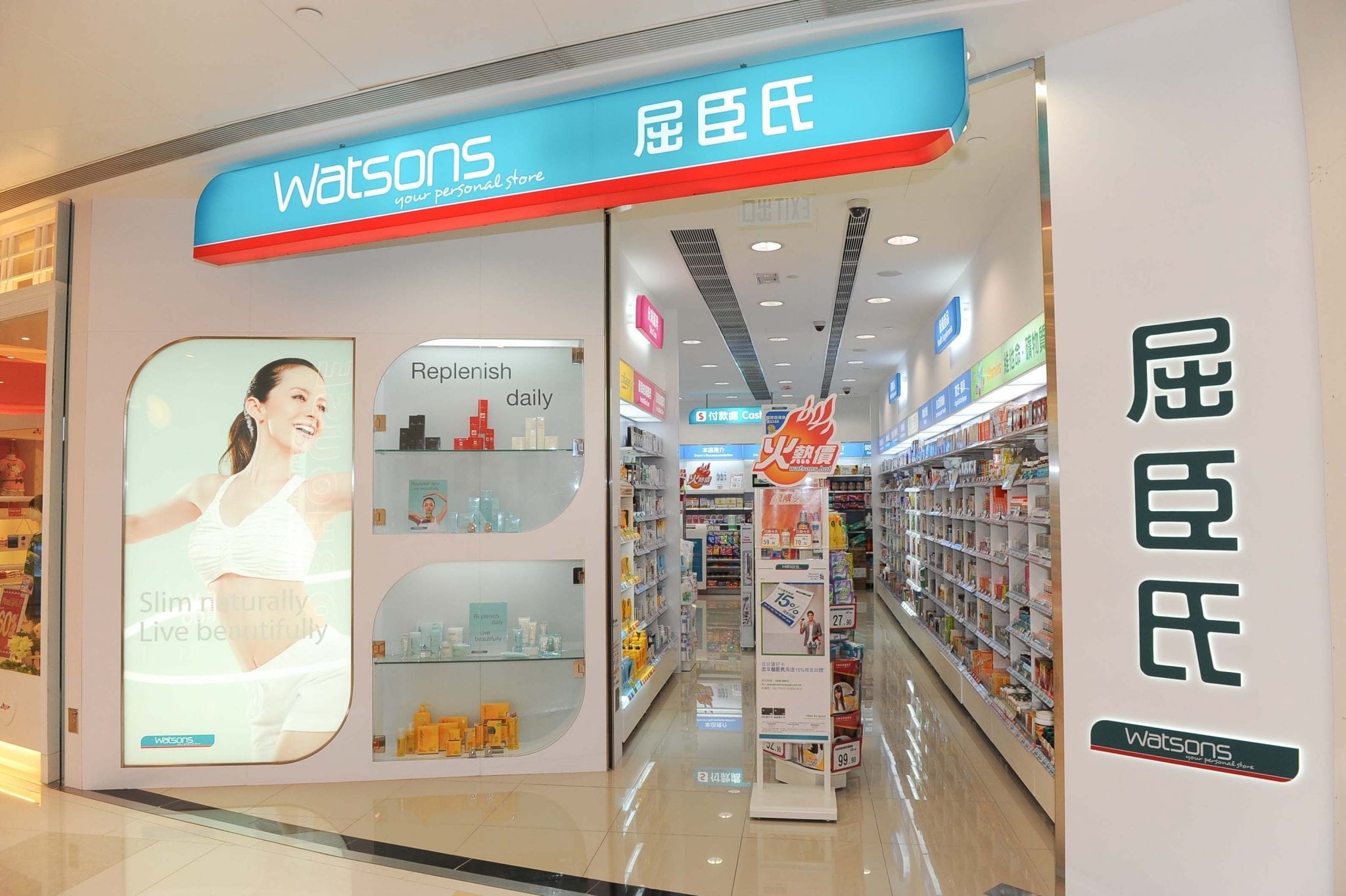
    An ardent enthusiast in new-generation retail technology, he heads a company that has just celebrated its 15,000th physical store opening. And that network expansion is showing no signs of slowing, with a new store opening on average every seven hours for the foreseeable future.

    “A few years ago, technology arrived and people said: That’s the end days for retail. But no, we never thought that,” Lai tells Inside Retail Asia during an interview outside the 15,000th milestone store, a Watsons health & beauty shop in the new Central I-City mall in suburban Kuala Lumpur.

    AS Watson Group is possibly one of the best examples worldwide of a retailer successfully merging online and offline in a way that is achieving growth in both sales and profit. Revenue was up 10 per cent last year and profit increased 9 per cent. “My shareholders expect even more,” he deadpans.

    Embracing online and developing an O2O (online-to-offline) business model is the key to the company’s success, he says. It keeps his customers happy.

    The company has invested some US$130 million in technology since 2012, to be sure to be competitive in the online era.

    “We anticipated e-commerce. We anticipated big data. But we are not just about e-commerce. We have to connect our customers through digital, social media, mobile, everything. This is what we have done and we will continue to invest in technology. We are ready. Technology-wise, we are up to speed.”

    At the heart of this O2O business model is click and collect, linking 13,000 stores to their localised e-commerce site. Most online retailers only offer click and deliver, but Watsons’ customers can browse its sites online at midnight and pick up in any of the stores the next morning.

    The best part of this model is that the company has the opportunity to sell more goods to customers collecting their online purchases.

    “The traffic comes straight to the store,” adds Malina Ngai, AS Watson Group COO. “So on average, 20 to 30 per cent of the shoppers will buy something else.” In some markets, like Taiwan, that rate grows as high as 52 per cent.

    Moreover, As Watson data shows when its loyalty program members shop online and in store, their spending is on average three to four times higher than those who shop only in stores.

    Ngai says the business model – combining physical stores with mobile, website and social media – sits well with the retailer’s core demographic. In Asia, 60 per cent of AS Watson Group’s customers are aged under 35. In China, that segment jumps to 80 per cent. “So you know you have to offer those digital options.”

    The company’s loyalty program, with 135 million members worldwide, represents one of the largest of any retailer’s anywhere in the world. That provides a treasure chest of data, helping the company recognise and understand trends, assess the performance of different promotions, and personalise offers or other marketing communication. And it is clearly working: the health & beauty store network growth is running at 6 per cent, yet sales are growing at 9 per cent.

    New store sites are chosen based on interpretation of customer spending both on and offline, using big data. They are typically staffed by people in the same age profile as its customers. “We have a lot of Gen Y and Gen Z staff,” says Lai. “Retail is detail and we look at every [way] how to connect with our customers.

    In the years ahead, Lai’s vision for AS Watson Group is succinct: “We will continue to open new stores and at the same time we would like to get more members, more formats and make more investment in technology.”

    He is unafraid of any economic downturn.

    “Look at [our] business model. We sell essential products. We are not selling watches and jewellery, we are selling essentials. That’s why I use the word resilient to describe our business: we are resilient.”

    AS Watson Group this year added Vietnam to its footprint, taking the number of countries and territories it trades in to 25. Lai says the company is always looking for new markets, but for now is more focused on expanding within the ones it is already in.

    “We are international. We plan prudently. So we went into Vietnam because we realise the customers there already know our brand and the demographics – and the market entry strategy was to open the flagship and enable the online. That’s the process by which we look at the international market.”

    Ngai points out that the 25 markets AS Watson Group already trades in represent 32 per cent of the world’s population, “and we only have 15,000 stores”.

    “That is why we can still open one store every seven hours.”

    With a new-store payback time of less than one year, that strategy is clearly working. “We open, the customers really love us and we get enough sales to get payback within one year.”

    AS Watson has 12 retail brands across the globe, of which Watsons is by far the largest, with 7200 stores in Hong Kong, Mainland China, Taiwan, Macau, Thailand, Singapore, Malaysia, the Philippines, Indonesia, Vietnam, Turkey, Russia and Ukraine. Sales last year nudged US$22 billion. Across its banners, the company has some 20 different formats.

    “Going forward we will be seeing more and more different models because it is about specialising the offer for the customer needs,” explains Ngai. “It may be [we serve] the same customer, but when the customer goes to a work area they just want to buy wellbeing products, so we have a Watsons Health; and in an area with a lot of young mothers we have a Watsons Baby store; and when they go back to the residential area and want to pick up personal-care products, we have a more regular Watsons store.”

    Lai says the reason the company has been so successful over the years is its customer connectivity. And because it has embraced technology.

    “We have even been quietly investing and developing our big data and analytical capabilities.

    We have been using technology to identify sites to control our inventory, to connect with our customers, to do the assortment planning and space planning.

    “I would like people to know that AS Watson Group is a very modern company, it is not just a retail company opening physical stores. We know how to reach young customers,” he says.

    “We are one of the longest-standing companies in the world with 178 years of history. To be able to reach yet another critical milestone, this is only possible with the love from our customers, passion and commitment from our 140,000 colleagues around the world, and the unfailing support of our business partners.”

  • AirAsia becomes Brisbane Broncos Official Airline

    AirAsia becomes Brisbane Broncos Official Airline

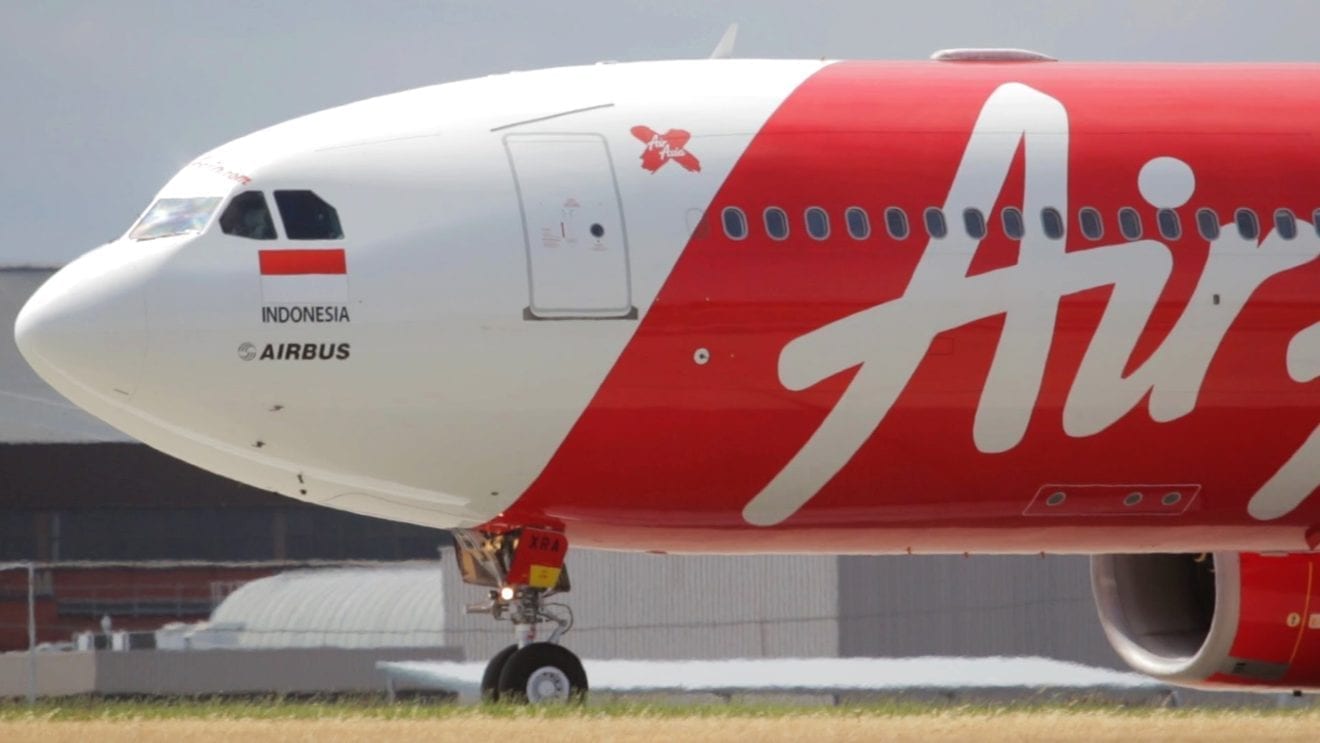
    AirAsia has formalised a deal to become the Brisbane Broncos’ official airline, along with promotions held at every Broncos home game and special discounts for fans.

    The deal is centred around the launch of the new ‘The Buck Stops Here’ campaign, to celebrate AirAsia the airline’s new services from Brisbane to Bangkok, which are set to commence on 26 June.

    AirAsia Group Head of Branding, Rudy Khaw, said AirAsia is excited to partner with the Brisbane Broncos.

    “We are thrilled to partner with Queensland’s number one sports team, and National Rugby League favourites, the Brisbane Broncos.

    “Queensland is an integral part of our Australian network, and since commencing flights to the Gold Coast in November 2007, we’ve flown more than 2 million passengers through the sunshine state,” Mr Khaw said.

    “Our new services from Brisbane will soon become the most affordable and convenient way to travel to Thailand’s capital, and with the help of the Brisbane Broncos, we hope to see demand for these new flights grow even more.”

    As part of the partnership, AirAsia will run events and giveaways at Brisbane Broncos home games over the 2019 NRL season, as well as provide fans advanced notice on AirAsia promotional offers.

    Brisbane Broncos CEO, Paul White, said the partnership reflects a shared culture for both organisations.

    “Our partnership with AirAsia reflects a shared culture of delivering a fantastic experience at exceptional value for fans, whether it’s a night at the footy or choosing your next holiday.

    “The Broncos look forward to seeing how the beloved Buck is made part of this exciting plan to further enhance the fan experience and showcase AirAsia and their exciting destinations,” Mr White said.

    The deal, which was announced during the Broncos home game against the West Tigers at Suncorp Stadium last night, has already seen one fan receive return flights for two to Bangkok, Thailand.

  • Mountain Designs relaunches witch New E-commerce Platform

    Mountain Designs relaunches witch New E-commerce Platform

    Australian adventure brand Mountain Designs has officially relaunched, with a new e-commerce website sporting the brand’s full range.

    Spotlight Group chief executive of leisure brands Chris Lude said the business was committed to maintaining its 45 year heritage.

    “We are dedicated to ensuring the iconic Mountain Designs brand remains Australian owned, operated and designed,” Lude said.

    The relaunched brand also offers a renewed range, with the business having redeveloped 14 of its best sellers, as well as newly designed apparel and gear.

    “Adventure is in the Mountain Designs DNA, and the new range will continue to provide quality, technical, multi-functional gear that people know and love,” Lude said.

    Acquired in early 2018 by Spotlight Retail Group for an undisclosed sum, Mountain Designs confirmed it would offer a selection of goods, including thermals, apparel and equipment, within the Spotlight-owned Anaconda chain.

    Prior to being acquired by Spotlight Retail Group, Mountain Designs had been shuttering its bricks-and-mortar locations to focus on a purely online model to create a more sustainable platform for the business moving forward.

    During this period, the brand’s website was also closed to facilitate this shift, remaining offline until earlier this week.

    Spotlight Retail Group has recently indicated a larger push into the New Zealand market amid a larger revamp of its brands, with craft retail chain Spotlight to open a Christchurch flagship later in the year.

    It remains to be seen if this initiative extends to Anaconda or Mountain Designs – both of which operate solely in Australia.

  • Google delivery drones cleared for Australian Airspace

    Google delivery drones cleared for Australian Airspace

    A sister company of Google has been given the green light to launch drone delivery in Australia after years of test flights.

    The drone company Wing, owned by Google’s parent company Alphabet, was given permission this week to deliver takeaway food and drinks and over-the-counter medicines by drone to about 100 homes in Canberra.

    Wing, which has been trialing deliveries for the last 18 months, began testing its drones in Australia in 2014, but faced initial opposition from residents who complained about the noise.

    Although the drones were below legal noise limits, Wing developed a new, quieter model and said the feedback obtained during its trials had been “valuable” and it hoped to “continue the dialogue”.

    “We will continue to engage with the local community and stakeholders as we expand our service and are hosting community information stalls and delivery demonstrations in the serviceable areas over the next few weeks,” the company said in a statement.

    According to Wing, the delivery service will initially be available to a limited set of eligible homes in the suburbs of Crace, Palmerston and Franklin.

    “We expect to gradually expand to more customers in Harrison and Gungahlin in the coming weeks and months.”

    Australia’s Civil Aviation Safety Authority gave Wing permission to launch a commercial service after examining its safety record and operational plans.

    The drones will only be allowed to fly 11-12 hours a day and must be piloted, rather than fully automated.

    Wing’s initial launch partners include Kickstart Espresso, Capital Chemist, Pure Gelato, Jasper + Myrtle, Bakers Delight, Guzman Y Gomez and Drummond Golf.

    “We’re excited to connect with more local businesses in the Gungahlin area about how we can help them reach more customers faster, safer and more sustainably and encourage any local merchants who are interested in learning more to get in touch with us.”

    Wing had said that drone deliveries reduce traffic and pollution and can deliver goods in six to 10 minutes.

  • Trade War Talks May Never Solve China’s Economic Issues

    Trade War Talks May Never Solve China’s Economic Issues

    The “trade war” between the US and China is misguided when it comes to economic fortunes, according to one analyst. As Chinese Premier Li Keqiang gave a speech at the Boao Forum for Asia on March 27, he played down the idea of an economic slowdown. As ongoing disputes with President Donald Trump are still unresolved, fears are that the crisis is starting to bite. However, in addressing the conference, Keqiang said that market expectation had “significantly improved” and major economic indicators have been “steady”.

    The Gold Standard for Economic Analysis May Not Apply

    As it often is, gold has been used as a measuring stick for the state of the global economy and, specifically, national economies. By reviewing gold price movements using XAU/USD charts, as noted by DailyFX, traders can get an insight into the underlying health of a nation. In support of this, we can look back through history and see how the price of gold correlations to major financial slumps.

    As noted by this guide to financial bubbles, gold prices dropped by 64% in 1982. This slump came at the same time the US was in the midst of a recession. With gold prices and economies so closely linked, the precious metal has become a marker of China’s recent economic movements.

    Following a slowdown in China’s GDP at the start of 2019, gold prices took a tumble. Erasing a seven-month high, the price per ounce dropped by $20 to $1,278 in late January. By the end of February, the price had surpassed $1,300, according to CNBC, and was holding firm in light of the latest round of US/China trade negotiations.

    However, while another round of talks will have investors tracking the gold markets, chief economist Daniel Lacalle believes such moves are misguided. Discussing the trade war with Tyler Yell, Lacalle said that economic swings were a product of “general growth issues”, not trade wars. In his opinion, governments and central banks see a financial crisis as a problem with demand. For him, that’s a mistake, and forcing stimulus into the market creates a “sugar rush” effect that doesn’t actually increase demand.

    Put simply, he believes that pumping an economy full of stimulants creates the facade of demand and masks the underlying problem. What’s more, he believes it causes adjustment issues further down the line. Much like a patient on medication doesn’t immediately return to a normal state, economies suffer a similar comedown. Therefore, to focus on the trade wars as the reason for slower rates of economic growth in China is wrong, in Lacalle’s opinion. While he stops short of offering a simple solution, the idea is interesting in the context of retail in Asia.

    Retail Issues May Belie a Bigger Problem

    The consensus is that tensions have harmed retail across the two continents. In November 2018, Bloomberg reported that US Asian supermarkets had seen a drop in sales because Trump’s tariffs forced them to pay more for imported goods. The end result is higher prices for groceries, which has subsequently led to a loss of trade. While this can be directly linked to the trade war, these micro issues can’t be applied on a macro scale if Lacalle’s perspective is correct.

    China’s economy and, in turn, its retail sector may be stagnating because of too much artificial growth. The idea of a trade war is juicy headline fodder for media outlets. However, analysts are by no means in agreement on why growth has slowed. While it may well be because of tensions with the US, there are those that believe the crisis runs much deeper than that.

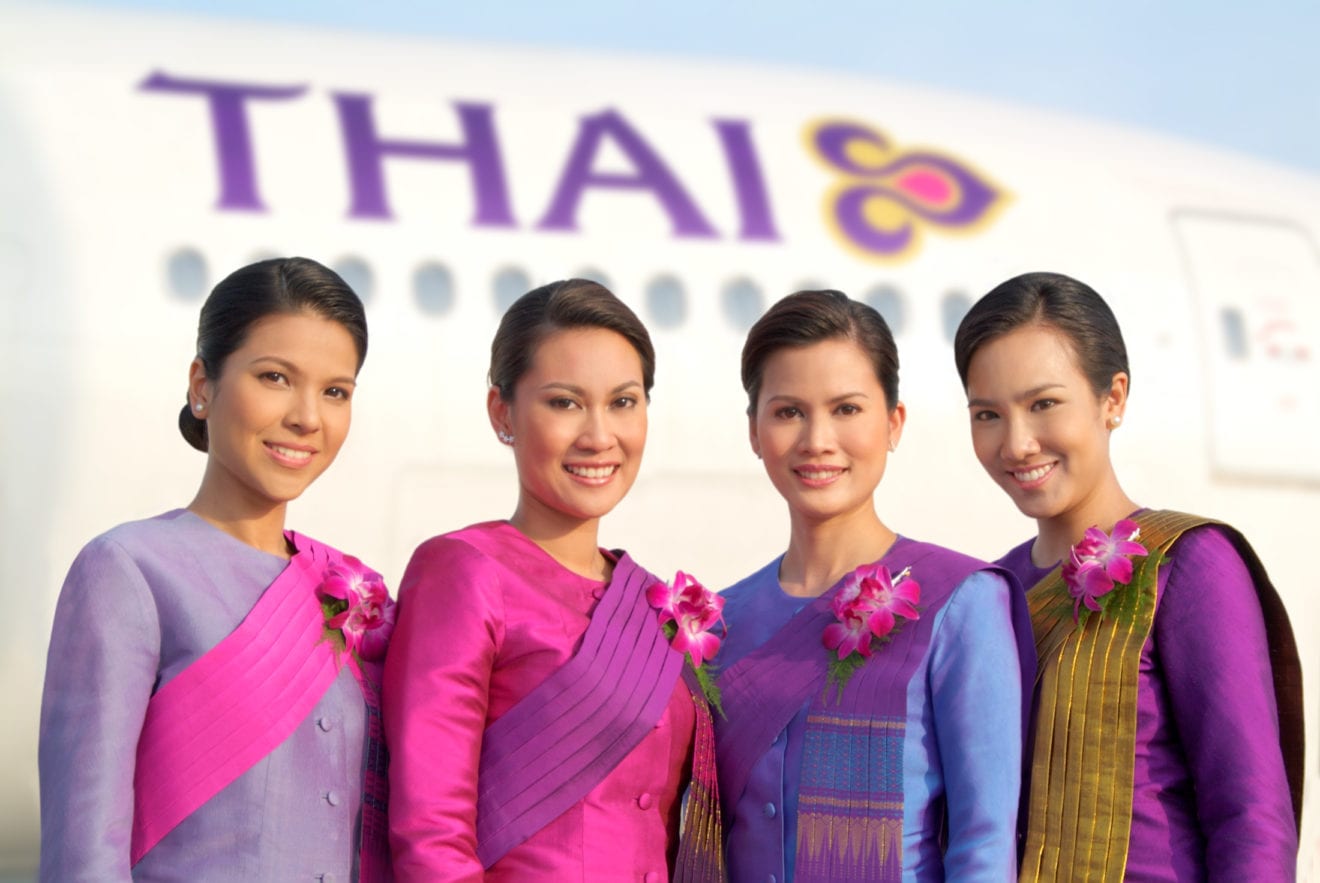
  • Thai Airways revamps Royal Orchid Plus frequent flyer program

    Thai Airways revamps Royal Orchid Plus frequent flyer program

    Thai Airways is making significant changes to its Royal Orchid Plus frequent flyer program from October 1 2019, affecting how miles are both earned and redeemed on Thai Airways and Star Alliance flights across the globe.

    On the one hand, business class and first class passengers travelling with Thai Airways stand to earn more miles from the same flights – as do Silver, Gold and Platinum Royal Orchid Plus members – but in turn, the number of miles needed to book a flight or secure an upgrade is increasing dramatically: more than doubled in some cases.

    Here’s an outline of what’s changing, and how it affects you, the traveller.

    Earn extra Royal Orchid Plus miles on first class, business class travel

    Passengers travelling with Thai Airways on all paid first class fares, some business class tickets and the highest-priced flexible economy fares will earn more miles when they fly from October 1.

    Of the fare types that will award more miles, here’s a look at today’s earn rate – given as a percentage of the number of actual miles flown in the sky – compared to the earn rate coming into place for flights taken on and from October 1:

    Class of service
    Fare letter
    Today’s earn rate
    Earn from October 1
    First class
    F 150% 250%
    First class
    A, P 150% 200%
    Business class
    C, D 125% 150%
    Flexible economy
    Y, B 100% 110%

    For example, a non-stop flight from Sydney to Bangkok measures up at 4,679 miles, which today would provide first class travellers booked onto an ‘F’ fare approximately 7,018 Royal Orchid Plus miles at the 150% rate, being the distance flown (4,679 miles) multiplied by the 150% earning rate.

    Fast forward to October, and that same one-way journey would instead generate a higher 11,697 miles, when the earning rate climbs from 150% to 250% on the same fares.

    All other fare types, including J- and Z-class business class tickets, will continue earning miles at the same rate as today.

    Silver, Gold and Platinum Royal Orchid Plus status gets easier to earn

    Thai Airways uses ‘qualifying miles’ to determine which travellers have earned Silver, Gold and Platinum status in Royal Orchid Plus: and as travellers earn ‘qualifying miles’ at the same rate as spendable miles above, passengers booked on those higher-end fare types will reach the lofty heights of status faster than before.

    For instance, Royal Orchid Plus Silver status – equivalent to Star Alliance Silver – is awarded after earning 10,000 qualifying miles in a rolling 12-month period, or 15,000 qualifying miles over a rolling 24-month time frame.

    Using the same example above, that would be achievable with a single first class flight from Sydney to Bangkok, while the airline’s Royal Orchid Plus Gold level (Star Alliance Gold) would be unlocked after a single return first class flight from Sydney to London via Bangkok with Thai Airways.

    Royal Orchid Plus Platinum – a level that provides access to Thai Airways’ first class lounge in Bangkok regardless of fare type, complimentary flight upgrades and more – would also be achievable from two return treks between Sydney and London, flying first class (F class) on one trip and business class (C or D class) on the other.

    It’s not that the requirements for reaching Silver, Gold and Platinum status are being lowered, of course: it’s simply that the airline’s highest-priced fare types will earn more qualifying miles from October, being the Thai equivalent to status credits, which brings these memberships within easier reach of passengers booking those premium fare types.

    New ‘tier bonus’ for Royal Orchid Plus members on Thai Airways flights

    From October 1, Silver, Gold and Platinum Royal Orchid Plus cardholders will earn even more miles on Thai Airways flights, through the introduction of a ‘tier status bonus’.

    Silver members will earn 5% more miles, Gold members get 10% more miles and Platinum travellers will pocket 20% more miles, year-round.

    This bonus is calculated upon the full overall earning rate from each Thai Airways flight, making it highly rewarding for first and business class flyers, although the extra points awarded via this ‘tier bonus’ aren’t also counted as qualifying miles: merely, extra miles to be spent on flight bookings and upgrades.

    As an example, a return flight from Sydney to Bangkok clocks in at 9,358 miles flown, which would earn a base-level member 14,037 miles from October 1 when flying on a C or D business class fare, given the 150% earning rate applied to those fares.

    The tier bonus is then added on top, giving top-tier Platinum members a further 20% boost on that initial haul of 14,037 miles, for an all-out gain of 16,844 miles.

    More Royal Orchid Plus miles needed to book Thai Airways flights

    Currently, the number of miles needed to book a Thai Airways flight differs, depending on whether you’re making a one-way reservation or flying return, with return-trip points bookings presenting the best value, requiring fewer points than booking the journey as two one-way flights.

    However, that pricing difference is being removed as part of these changes – the cost of a return flight to become twice as many miles as a one-way ticket – with the overall number of miles needed also being amended, for new bookings made from October 1 2019.

    For passengers taking return trips, here’s how that plays out across a range of routes, including flights from Australia (Sydney, Melbourne, Brisbane and Perth) to Bangkok and beyond:

    Route, flying return
    First class *
    Business class
    Economy class
    SYD/MEL/BNE-Bangkok (today)
    150,000 miles 98,000 miles 55,000 miles
    SYD/MEL/BNE-Bangkok (1/10-)
    180,000 miles (+20%) 130,000 miles (+33%) 55,000 miles (no change)
    Perth-Bangkok (today)
    N/A 75,000 miles 45,000 miles
    Perth-Bangkok (1/10-)
    N/A 130,000 miles (+73%) 55,000 miles (+22%)
    Australia-Bangkok-Europe (today)
    230,000 miles 170,000 miles 90,000 miles
    Australia-Bangkok-Europe (1/10-)
    450,000 miles (+96%) 350,000 (+105%) 160,000 miles (+78%)
    Bangkok-Europe (today)
    185,000 miles 130,000 miles 70,000 miles
    Bangkok-Europe (1/10-)
    250,000 miles (+35%) 180,000 miles (+38%) 85,000 miles (+21%)

    * On Australian routes, first class only available to/from Sydney.

    Curiously, Thai’s new Royal Orchid Plus reward pricing makes it more attractive to plan a stopover in Bangkok than to merely connect through the airport, booking the Australia-Bangkok and Bangkok-Europe legs on separate tickets.

    For example, book a return business class trip from Australia to Europe after October 1 and you’d part with 350,000 Royal Orchid Plus miles – but book a return business trip between Australia and Bangkok (130,000 miles), and separately, a return business class trip between Bangkok and Europe (180,000 miles) and you’d pay only 310,000 miles overall: an easy saving of 40,000 miles, by booking your flights across two reservations instead of one.

    This works best when you’re genuinely breaking the journey in Bangkok, and shouldn’t be used for tight flight connections when you don’t plan to leave the airport, as the airline may not be able to check your bags all the way through, and if the first flight of your journey is delayed, you may not be ‘protected’ should you miss an onward flight, as would be the case when all flights are on a single ticket.

    Notably, the number of miles needed to fly solely between Perth and Bangkok also comes into line with the rates from Sydney, Melbourne and Brisbane as part of these changes.

    Booking Star Alliance flights also requires more miles

    Similarly for passengers using Royal Orchid Plus miles to book flights with Thai Airways’ Star Alliance partners, the number of miles needed is increasing across the board, with some flights requiring more than twice as many miles to book from October 1 as are needed today.

    While the changes impact travel in all classes, here’s how the increases shape up on a range of popular routes for passengers booking business class, based on a return trip for one person:

    From Australia to (return) Business class (today) Business class (1/10-) Increase in miles
    NZ, Fiji, Samoa, Tahiti, Vanuatu
    50,000 100,000 50,000 miles (+100%)
    China – Beijing
    150,000 210,000 60,000 miles (+40%)
    China – Shanghai 150,000 190,000 40,000 miles (+27%)
    India 127,000 210,000 83,000 miles (+65%)
    Japan, South Korea 150,000 210,000 60,000 miles (+40%)
    Canada, US mainland
    150,000 400,000 250,000 miles (+167%)
    Europe + Turkey
    170,000 350,000 180,000 miles (+106%)
    Middle East + Egypt
    140,000 210,000 70,000 miles (+50%)
    South America 175,000 400,000 225,000 miles (+129%)
    South Africa 180,000 350,000 170,000 miles (+94%)

    Travellers jetting from Australia to the United States and Canada are hardest-hit, requiring an extra 250,000 miles per return business class trip over and above today’s rates, meaning you’ll need a staggering 400,000 frequent flyer points to book a single return business class ticket, even on non-stop flights with the likes of Air Canada and United Airlines direct from Australia.

    Interestingly, the table above also mirrors how many miles will be needed to book Thai Airways international connecting flights from October 1 – 350,000 miles for return business class to Europe, for example – so there’s no difference in price whether you choose to fly with Thai Airways or a Star Alliance airline on these tickets, except when flying Thai Airways through Bangkok and breaking the journey, as previously described.

    Star Alliance round-the-world tickets also hiked

    Currently, you can fly round-the-world with Thai Airways and its Star Alliance partners for 480,000 Royal Orchid Plus miles in first class; 340,000 miles in business class or 220,000 miles in economy: but come October 1, those rates also jump astronomically.

    From that date, a round-the-world first class ticket will set you back a whopping 950,000 miles – almost twice as many miles as are needed today – while business class also climbs to 725,000 miles, more than double today’s rates.

    Booking an economy round-the-world ticket is similarly increased to 350,000 miles.

    To put it another way, with 350,000 Royal Orchid Plus miles in your Thai Airways account today, you could comfortably circle the planet in business class: but make that same booking from October 1 and you’d be stuck back in economy, and paying even more miles for the privilege!

    More miles needed to upgrade Thai Airways, Star Alliance flights

    Passengers flying Thai Airways from Sydney to Bangkok on the most common J, C and D business class airfares can currently secure a coveted first class upgrade for 52,000 Royal Orchid Plus miles, pending availability: but from October 1, that climbs to 81,000 miles for the same one-way upgrade.

    On longer legs such as between Bangkok and London, or most other European cities where Thai Airways’ first class service is available, that same first upgrade increases from 58,000 miles today to 112,500 miles from October 1, being almost twice as many miles needed to upgrade the same one-way flight.

    Using Royal Orchid Plus miles to upgrade Star Alliance partner flights will also require more miles from October, with most business-to-first-class upgrades from Asia to Europe bumped from 80,000 to 115,000 miles, such as from Hong Kong to Frankfurt aboard Star Alliance member Lufthansa.

    Similar increases apply when upgrading from economy and premium economy to business class with Thai Airways, and from economy to business class with Star Alliance partners.

    For further information about these and other Royal Orchid Plus changes, visit the Thai Airways website.

  • Turkish Airlines redesigns travel comfort with “Flow Sleeping Set”

    Turkish Airlines redesigns travel comfort with “Flow Sleeping Set”

    Bringing various innovations to the sky in order to ensure a perfect travel experience for its guests, Turkish Airlines now offers the new “Flow Sleeping Set” to passengers with its wondrous design. Available since 19th February, the new collection offered in Business Class promises sleep as comfortable as your home, only above the clouds.

    Produced with the successful collaboration between Turkish Airlines and Zorlu Tekstil while carrying the signature of expert designers, the collection aims to offer a healthier and higher quality sleep environment.

    Combining elegant lines with comfort, all of the new set’s pieces are developed considering the expectations of passengers who want to enjoy a relaxing sleep to finish their flights in a happy and fit state. The design of the collection reflects Turkish Airline’s “Flow” philosophy that represents the airlines’ dynamic brand identity and continuous service concept. Opting for contemporary and minimalist designs, the materials of the collection were all chosen for their comfort and ability to help sleep. The patterns of the collection are also visually compatible with the designs of the new cabin uniforms and cabin interiors.

    Chief aspects of the “Flow Sleeping Set” are its blanket, sleeping pad and pillow. The “blanket” of the collection features a two-sided design along with a soft texture. Thanks to its ability to support air flow, the product also helps maintain the ideal temperature during all four seasons. In addition to this, the “sleeping pad” provides an orthopedic surface for sleep and with its dense interior filling, it offers extra comfort and ease. In addition, the ‘pillow’, which can be used when sitting down or sleeping, are designed with an ideal size, classical form, and very comfortable materials.

    Sharing his views on this new sleeping set, Turkish Airlines Catering & Inflight Products SVP, Zeki Çukur stated: “With İstanbul Airport, our new home, we continue to add new innovations to the change we are going through. Our passengers will now experience the quality improvement, brought by these innovations, in their sleep with our ‘Flow Sleeping Set’. We prepared our new products after a lengthy R&D and design period as they offer a unique experience with their design and comfort. We are happy to host our Business Class passengers with the comfort of their homes during their intercontinental travels.”

  • China’s Coffee Consumption Keeps Growing

    China’s Coffee Consumption Keeps Growing

    China’s coffee craze has gained pace with the growth rate in consumption on premise 25 per cent higher last year.

    According to research from Mintel, China’s on-premise coffee market value reached RMB64.7 billion (US$9.6 billion) last year, up 7.5 per cent on the year prior, when the growth rate was 6 per cent. It is predicting growth to resume to 6 per cent annually from this year until 2023.

    However, while sales by value are thriving, Mintel estimates that the number of on-premise coffee house outlets shrank by 2 per cent as fewer new stores opened than closed. But that is half the decline of a year earlier.

    “Like many industries across China, the on-premise coffee market is not immune to the influence of New Retail,” said Belle Wang, associate food and drink research analyst at Mintel.

    “The quick expansion of New Retail coffee businesses across the country has stimulated more coffee consumption among consumers, resulting in strong sales volume. With the growing momentum of New Retail coffee shops, and an increasing number of international and domestic brands entering the market, consumers today have more options when it comes to coffee. As such, the industry will see positive growth rates over the next two years.

    “However, this growth will slow down, largely due to Chinese consumers’ traditional behaviour of drinking tea and the country’s thriving tea shops,” said Wang.

    Mintel expects positive volume growth in the next two years, at 0.6 per cent from last year to this year and a further 1.2 per cent between this year and next, to reach an estimated 74,000 coffee houses by 2020.

    Convenience versus traditional

    When it comes to choosing where to get their caffeine fix, more Chinese consumers today are purchasing coffee from convenience stores than traditional coffee house chains. Mintel’s research reveals that 52 per cent of Chinese consumers (survey sample of 3000) buy coffee at convenience stores compared to just 44 per cent who purchase it from a traditional coffee-house chain.

    About 23 per cent of consumers who drink on-premise coffee at least once a month have done so at new retail coffee houses.

    “Our research shows that more on-premise coffee users get their coffee from convenience stores than from traditional chain coffee houses. This is perhaps due to Chinese consumers associating convenience stores with a full range of breakfast options. Convenience stores are also viewed as easily accessible and more affordable. Given this upward trend, other coffee vendors could introduce unique features, like providing various food and coffee pairings, in order to compete,” said Wang.

    “While New Retail coffee is experiencing a lot of growth at the moment, consumer engagement remains low – partially because they are still relatively new. However, there is an opportunity for New Retail coffee houses to catch up in terms of popularity by offering aggressive discounts and delivery service.”

    That said, big discounts alone will not be sufficient, as discounting is neither the best nor a sustainable strategy for a long-term business plan. There needs to be other merits such as offering healthy mix-and-match meal deals,” Belle added.

    Latte the top choice

    Mintel’s research reveals the favourite coffee beverages consumed in China’s coffee craze. More than half of on-premise coffee consumers order lattes (54 per cent) or cappuccinos (52 per cent). These are followed by mocha (45 per cent), Americano (38 per cent), flavoured coffee (36 per cent), espresso (26 per cent) and cold-brew coffee (23 per cent).

    A relatively new concept in China’s coffee craze is coffee mixed with plant-protein milk, with 22 per cent of on-premise coffee consumers ordering it.

    “Lattes and cappuccinos are the most popular drinks in coffee houses as they are generally very palatable due to their creamy texture and rich dairy flavour. Furthermore, as they are usually widely available, they are often a first step into coffee appreciation,” said Wang.

    “Once consumers fully appreciate these basic beverages, they are more likely to try non-milk based drinks, like an Americano or cold brew coffee. However, only offering basic coffee selections makes it difficult to stand out in the homogenous coffee marketplace and attract more coffee consumers.

    “As such, coffee houses can take inspiration from tea shop drinks by making their offerings more visually appealing and ‘instagramable’ in order to draw attention and pique consumer interest,” Belle concluded.

  • Japanese telcos assigned 5G spectrum

    Japanese telcos assigned 5G spectrum

    Japan’s telecom ministry has allocated 5G mobile spectrum to incumbent operators NTT Docomo, KDDI, and Softbank, as well as local e-commerce giant Rakuten.

    The Ministry of Internal Affairs and Communications has approved the allocation of spectrum after determining that the companies’ applications met the conditions of the allocation.

    The four companies plan to invest heavily in 5G, spending a combined 1.6 trillion yen ($14.4 billion) over the next five years. Docomo is planning the largest spend, with goals to invest at least 795 billion yen in 5G over this time.

    The four plan to commence commercial 5G services in 2020, with KDDI and SoftBank planning to commence advertising for its services in March.

    Rakuten Mobile, Japan’s upcoming newest market entrant, meanwhile plans to commence 4G services in October 2019 and 5G services in June 2020.

    The conditions for the allocation of spectrum included commitments to commence services in every prefecture of the nation within two years, and set up 5G base stations in at least half the country within five years.

    According to the report, Docomo and KDDI are each targeting more than 90% 5G population coverage by the end of the five years, while SoftBank is targeting 64% coverage while Rakuten is aiming for 56%.

  • Oppo makes official the latest replacement for the notch

    Oppo makes official the latest replacement for the notch

    With the unveiling today of the Oppo Reno, we got to see the latest attempt by a manufacturer to replace the notch. The ultimate goal, of course, is to give the consumer a device that carries a high-screen-to-body ratio. The wedge is motorized and contains the front-facing selfie camera and the flash for both front and back cameras. There are two versions of the device, which we get to in a moment.
    The standard version of the Oppo Reno sports a 6.4-inch OLED display carrying a 1080p FHD+ resolution and is powered by the Snapdragon 710 Mobile Platform. The device carries 6GB or 8GB of memory. The microSD slot offers as much as 256GB of additional storage, and the handset comes with a dual-camera setup (48MP + 5MP depth sensor) on back. A 5x hybrid zoom is available. The selfie snapper that resides on the wedge weighs in at 16MP, and the lights are kept on by the 3765mAh battery that is included with the phone. The battery can be rapidly charged at 18W.
    For those looking for a wedge phone with higher-end specs, Oppo is offering the Reno 10x Zoom Edition. This model features a 6.6-inch OLED panel with a 1080p FHD+ resolution and is equipped with Qualcomm’s latest and greatest Snapdragon 855 Mobile Platform under the hood. 6 or 8GB of memory is inside, and this unit comes with the same capacity microSD slot as found on the standard model.
    This version of the Reno sports a triple-camera setup (48MP primary + 8MP super wide-angle + 13MP periscopic zoom) that together offers 10x hybrid zoom and OSI. The 16MP front-facing selfie camera appears on the pop-up wedge. Speaking of the wedge, it allows the Reno to feature a screen-to-body-ratio of 93.1%. The Oppo Reno 10x Zoom Edition comes with a larger 4,065mAh battery, which uses VOOC 3.0 to charge 23.8% faster than the previous version of the rapid charging system. The phone also features an in-display fingerprint scanner
    The wedge has been designed to last over five years as long as you open it no more than 100 times a day. And thanks to a sensor built into the phone, if the device should fall with the wedge open, the part will automatically close right away. That’s a feature that could be used to protect other parts of a phone, including the screen, in the future.
    The standard Oppo Reno is offered in Pink, Gradient Purple, Black, and Blue, and is priced at the equivalent of $450 USD for the model with 6GB memory and 128GB of storage. The Reno 10x Zoom Edition is available in Gradient Blue and Black and costs the equivalent of $600 USD for the version carrying 6GB of memory and 128GB of storage. The unit equipped with 8GB of memory and 256GB of storage will run you about $710 USD based on today’s foreign exchange rates. More information about pricing will be revealed on April 24th at the Reno’s European unveiling in Zurich.
    Meanwhile, there will be a 5G version of the Oppo Reno. The device was used by carrier Swisscom today to show off its 5G network and hit a peak download speed of 1.86Gbps. The device will be offered next month by Swisscom, priced at the equivalent of $1,000 USD. Based on the Reno 10x Zoom Edition, the phone is powered by the Snapdragon 855 Mobile Platform and is equipped with a 4065mAh battery.