Tag: asia

  • 2019 Porsche 911 India Launched

    2019 Porsche 911 India Launched

    The new-generation 2019 Porsche 911 went on sale in India today and we have all the highlights from the from the launch here. The eighth-generation Porsche 911 coming to India was internally codenamed 992 and retains the iconic silhouette that is distinctive to the Porsche 911 family. Furthermore, the car also comes with a heavily revised, more powerful range of six-cylinder turbo petrol engines. In India the new Porsche 911 comes in two variants as of now – Carrera S and Carrera S Cabriolet, priced at Rs. 1.82 crore and 1.99 crore respectively, very close to what we has expected.

    The eighth-generation Porsche 911 gets an extensively re-engineered platform that uses generous amounts of aluminium in its construction in its rear section, for improved weight distribution. Under the hood, the Porsche 911 Carrera S is powered by the extensively 3.0-litre flat-six, turbo petrol engine that makes an additional 30 horses. The total power output now stands at 444 bhp.

    The 0-100 kmph sprint time has been dropped under 4 seconds, with the new Porsche 911 Carrera S reaching 100 kmph from standstill in just 3.7 seconds. The 911 Carrera 4S does the same run in just 3.6 seconds and it also comes with all-wheel drive. The optional Sport Chrono Package further reduces the sprint by 0.2 seconds. The top speed on the Carrera S is rated at 308 kmph, while that on the heavier Carrera 4S is 306 kmph.

  • Docomo Ventures invests in Singapore’s Kpisoft

    Docomo Ventures invests in Singapore’s Kpisoft

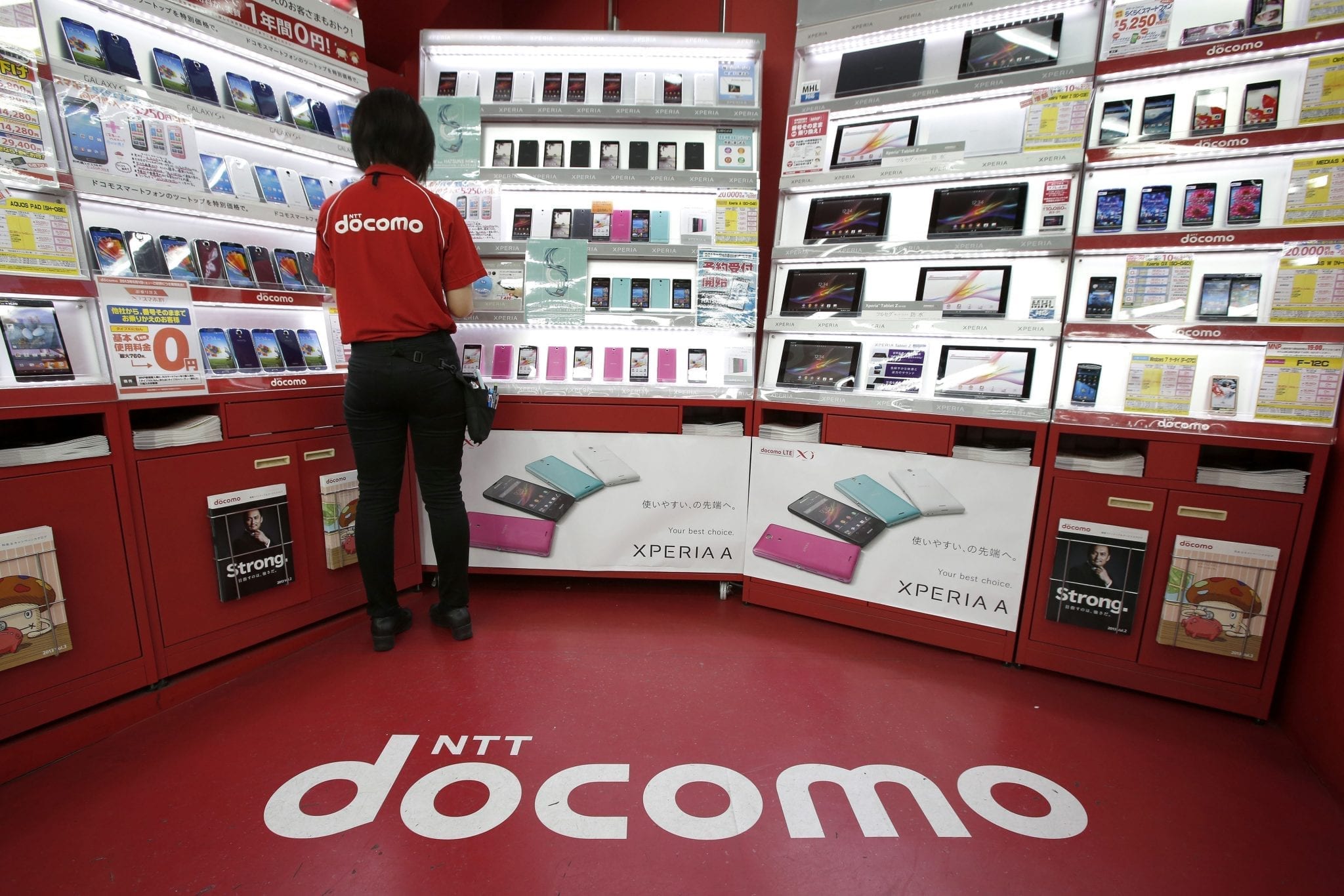
    NTT Docomo Ventures, a wholly owned subsidiary of NTT Group, has made an investment in Singapore-headquartered cloud-based enterprise management solutions provider Kpisoft.

    NTT Docomo Ventures has acquired shares of Kpisoft through its third-party allotment, the company said. Financial details of the transaction were not disclosed.

    According to Docomo Ventures, the solution provided by Kpisoft is designed to analyze data that exists in EPM, BI, human resources management and other relevant systems within an enterprise on a single platform.  The solution has a function that can automatically distribute the analytical findings directly to individual employees in an action proposal form by using machine learning and natural language processing.

    This enables enterprises to make use of analytical findings on enterprise performance and directly and automatically support the actions of individual employees, the company noted.

    Docomo Ventures further said it has made the investment because it “highly expects” the services and knowhow Kpisoft provides will bring added values to EPM or BI the NTT Group offers.

    Reliance Jio Digital Services acquires Haptik

    Meanwhile India’s Reliance Industries, through its subsidiary Reliance Jio Digital Services, has acquired artificial intelligence firm Haptik for Rs 700 crore ($100 million).

    Reliance Jio will hold about 87% of the business with the rest being held by Haptik founders and employees through stock option grants, according to a company release.

    As part of the transaction, Haptik’s existing major shareholder Times Internet will exit the company.

    Akash Ambani, director at Reliance Jio Digital Services said the acquisition underlines the company’s commitment to further boost the digital ecosystem and provide Indian users conversational AI enabled devices with multi-lingual capabilities.

    “We believe voice interactivity will be the primary mode of interaction for Digital India,” Ambani said in a statement.

    “We are delighted to announce this partnership, and look forward to working with the experienced team of Haptik in realizing this vision for offering greater connectivity and rich communication experiences to the billion+ Indian consumers.”

    Founded in 2013, Haptik is chat based virtual concierge mobile application. It client base includes Samsung, Coca-Cola, Future Retail, KFC, Tata Group, Oyo Rooms and Mahindra Group.

    The Haptik team will continue to drive growth of the business, including the enterprise platform as well as digital consumer assistants.

    “This transaction enables Reliance Jio to leverage Haptik’s capabilities across various devices and touch points in the consumer’s journey. The investment focus is on enhancement and expansion of the platform, with an addressable market opportunity of over 1 billion users in India,” the company said in a statement.

  • Comvita Honey wholly acquires China joint venture

    Comvita Honey wholly acquires China joint venture

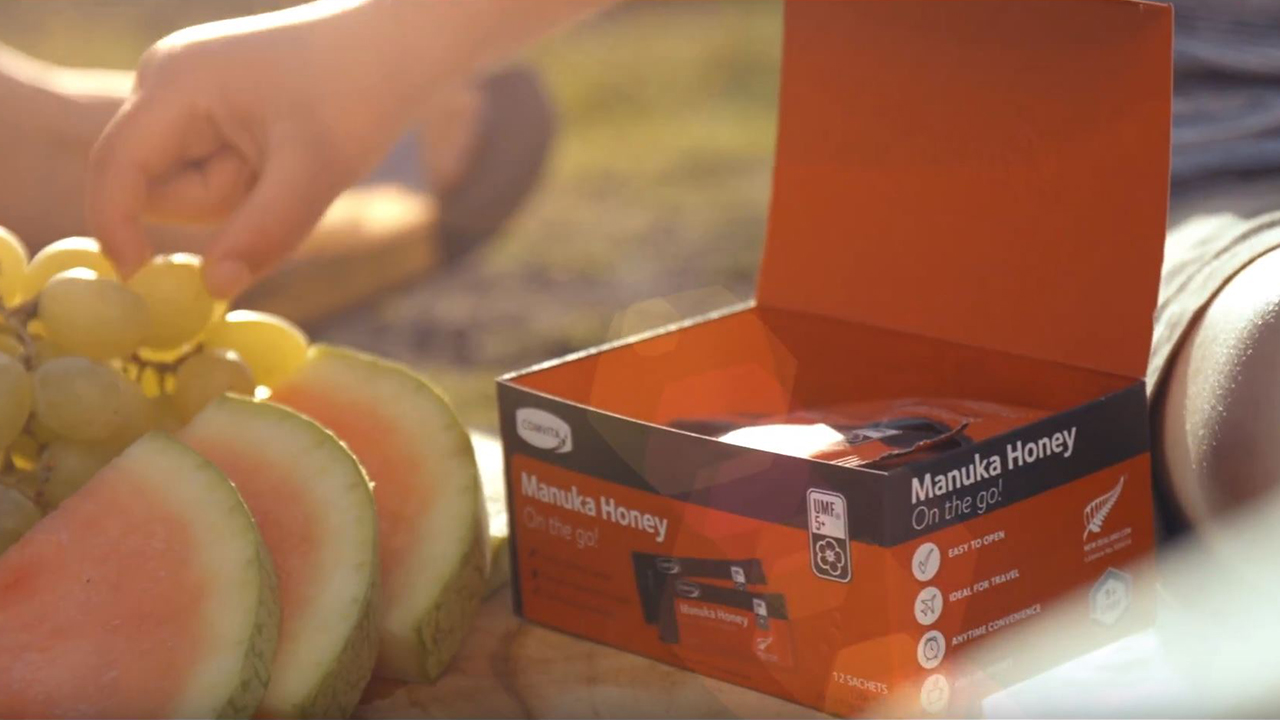
    New Zealand honey business Comvita has entered into a conditional agreement to acquire the remaining 49 per cent of its China joint venture, Comvita Food Ltd and Comvita China Limited.

    The acquisition will be funded through the issuing of 4.05 million new shares, as well as a payment of $3.19 million.

    “This completes the ‘final piece of the jigsaw’ with respect to our China Strategy, which we have been working on for a number of years,” Comvita chief executive Scott Coulter said.

    “Our goal has been to gain full control of our brand across all key channels into China. This acquisition significantly strengthens our direct to China business, the key building block in our China strategic plan.”

    According to Coulter, China remains Comvita’s strongest consumer base, with its success in the region underpinned by its efforts to get closer to the Chinese consumer.

    This was initially done through a distribution relationship for 12 years, before the business entered a 51 to 49 per cent joint venture in 2017. This acquisition is the culmination of that effort.

    “China is moving into a direct trade and a formalised cross border e-commerce model, to ensure both consumer protection and fairness in taxation between online and offline ‘players’ are in place,” Coulter continued.

    “This acquisition will provide Comvita with much more flexibility to optimise sales and channel profitability in this fast evolving environment.”

    For the remainder of the year, the brand issued three goals for the China market: to achieve price harmonisation between its channels and markets, to supply key cross border e-commerce platforms directly, and to build its e-commerce and marketing capability in the region.

    Comvita chair Neil Craig noted that while the recent period had been tough on shareholders due to the execution of the brand’s strategy in China impacting its short term earnings, the brand now expects revenue from its consolidated China business to be greater than $200 million in sales annually.

  • Lush UK to closing down most social media accounts

    Lush UK to closing down most social media accounts

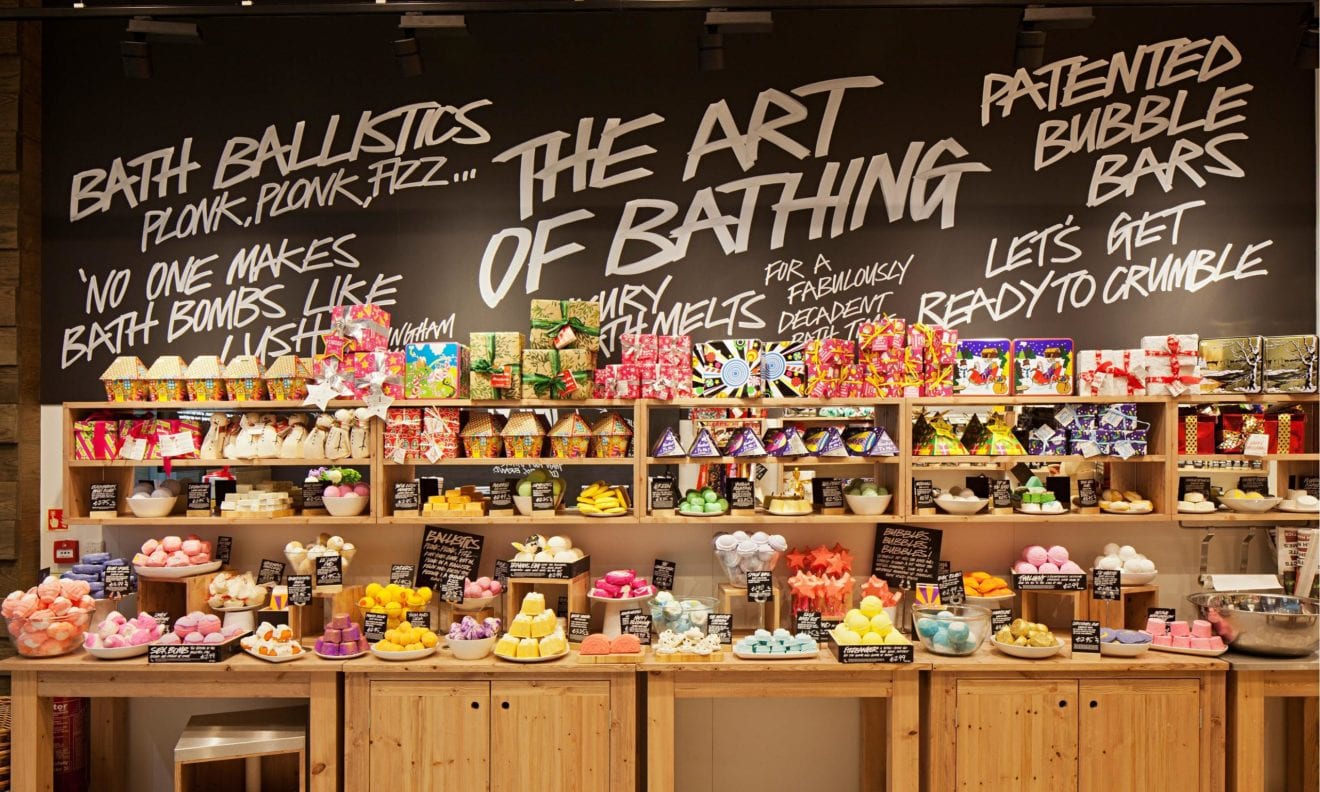
    Beauty and well-being retailer Lush UK will close its social media accounts this week, citing disillusionment with the algorithms and pay-to-display policies determining how they appear in their customers’ feeds.

    The firm will shut down Lush UK, Lush Kitchen, Lush Times, Lush Life, Soapbox and Gorilla across Facebook, Twitter and Instagram. US accounts will remain active for the time being.

    Lush will instead attempt to connect with followers via its website chat feature or through more traditional means of communication, although it may still work with social media opinion leaders to provide “an opportunity for our customers to connect one-on-one with people within Lush”.

    The shutdown will silence Twitter, Facebook and Instagram channels followed by hundreds of thousands of fans.

    “We don’t want to limit ourselves to holding conversations in one place, we want social to be placed back in the hands of our communities – from our founders to our friends,” the firm announced.

  • Doc’s Barbershop in Chengdu Opens Doors

    Doc’s Barbershop in Chengdu Opens Doors

    Doc’s Barbershop has opened in Chengdu, a stunning retail space that also features a cocktail bar.

    The store was designed by Shanghai-based H Creates Design, headed by New Zealander Hannah Churchill.

    The Chengdu Taikoo Li mall venue delivers a bold, modern look with elegant accents, including a large curved plush velvet banquette and logo-etched copper wall.

    Churchill describes the design as “vintage but with clever pops of texture and colour” to give a modern and fresh look.

    “In a busy retail mall, the store aims to provide a place of refuge where a discerning patron relaxes, with a beverage in hand or having their grooming needs met.”

    The entrance is centred around a high-end cocktail bar with vintage mirror and classic detailing. The seating area to the right uses leather and velvet to create a touch of elegance is flanked on one side by a cooper-panelled wall.  The eight barber’s stations have been designed for comfort of the staff as well as providing a high-end luxury experience for the clientele.

  • LVMH global revenue rises 16%

    LVMH global revenue rises 16%

    LVMH global revenue rose 16 per cent in the first quarter of this year, with Asia and every other geographical market fuelling growth.

    Organic growth – excluding acquisitions – was 11 per cent higher than the same period last year.

    The fashion-and-leather-goods business saw organic sales rise 15 per cent.

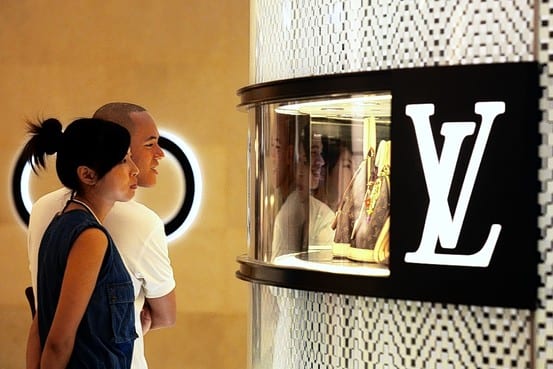
    “Louis Vuitton continued its remarkable growth across all of its businesses. Its performance was exceptional, its creativity ever more striking and innovative, and its men’s and women’s Autumn-Winter fashion shows were universally acclaimed,” the company said in a statement.

    “The transformational upgrade of its distribution network continued with highly successful and iconic re-openings, including Florence, London’s Sloane Street, Monaco and Shanghai IFC. Christian Dior Couture performed exceptionally well across all its product categories and regions. At Celine, the new Men’s and Women’s ready-to-wear collections arrived in stores as the new concept starts to be rolled out. Fendi, Loewe and Berluti are growing fast. Loro Piana’s vicuna and shoe collections performed well. The other Maisons continued to progress.”

    In selective retailing, organic revenue rose 8 per cent, with Sephora recording strong revenue growth and market share gains during the period.

    Online sales grew strongly and DFS grew “at a steady pace”.

    “The Gallerias of Hong Kong and Macao performed particularly well,” the company reported.

    Wine and spirits business sales rose a more modest 9 per cent in the quarter, however Hennessy cognac volumes increased by 11 per cent, driven largely by China and the US.

    In perfumes and cosmetics, organic revenue increased by 9 per cent in the quarter.

    Parfums Christian Dior had a standout quarter, helped by the launch of its new fragrance Joy.

    Louis Vuitton global revenue from watches and jewellery grew the slowest, at just 4 per cent, with watches lagging.

  • Sandro Hong Kong Opening Festival Walk Maal Boutique

    Sandro Hong Kong Opening Festival Walk Maal Boutique

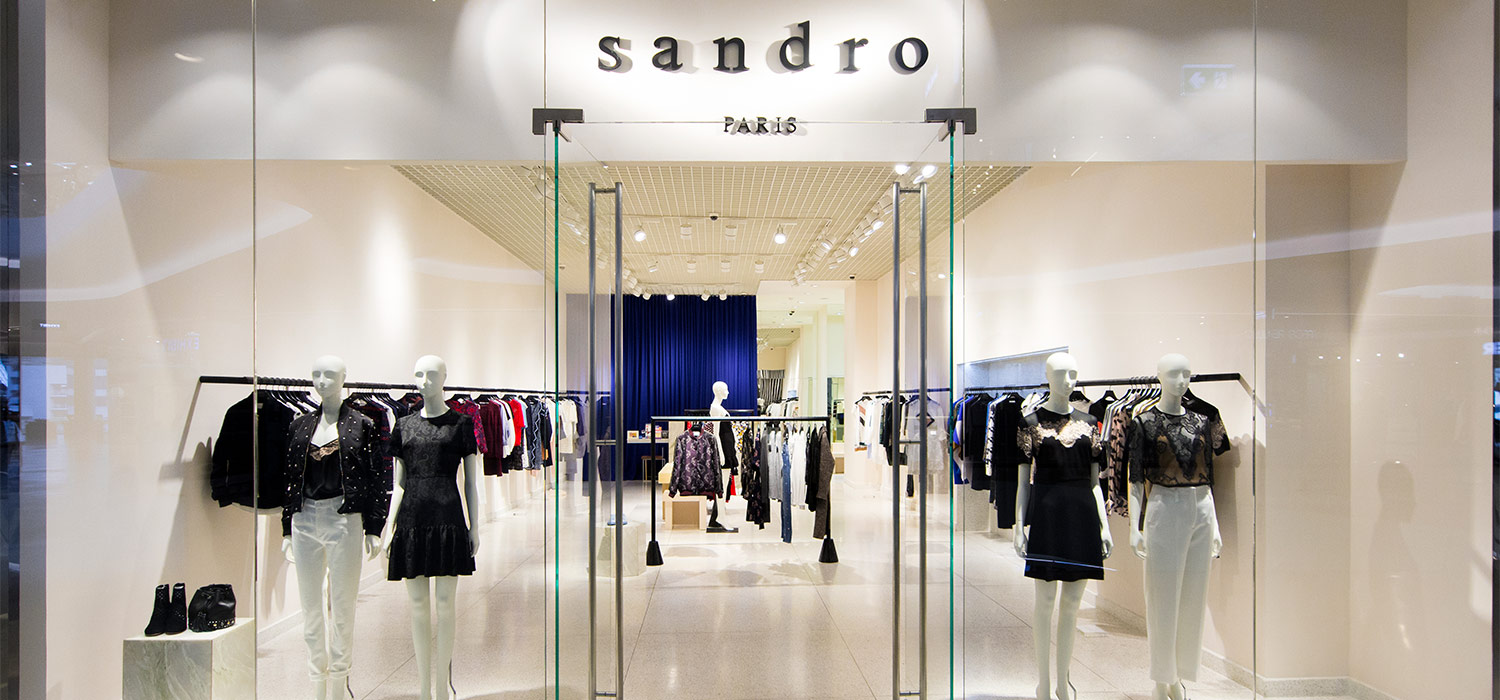
    Parisian fashion brand Sandro Hong Kong will open its Menswear and Womenswear boutique at Festival Walk Hong Kong this month.

    The 128sqm boutique features a contemporary design with a full limestone shopfront;  the boutique will showcase the most diverse range from the brand in an understated, sophisticated setting.

    The store’s interior is characterised by contrasts – as reflected in the simplicity of clean lines against strong graphic features as well as the use of different raw materials and texture such as wood and marble.

    For the Spring-Summer 2019 season, Sandro Homme will celebrate the streetwear spirit of the 1990s. The Sandro women’s look draws on contrasts from around the world and adopts duality as a fixed design feature.

    Sandro currently has more than 600 points of sales worldwide, including more than 180 in Asia.

  • Tesco Asia sales fall after restructuring

    Tesco Asia sales fall after restructuring

    Tesco Asia like-for-like sales fell 6.2 per cent last year, but the decline eased to 3 per cent in the fourth quarter as restructuring of the Thai business took effect.

    UK-headquartered grocery retailer Tesco Group included the results of its Tesco Asia operations in its annual results filing released yesterday.

    Tesco Asia’s operating profit for the year was £286 million (US$374.9 million), down 4.3 per cent. But the company commented that supplier negotiations have concluded and the significant restructuring is now complete, paving the way for improved results in the year ahead.

    “In the first half, profit was impacted by the combined effect of sales deleverage, price investment and repositioning of promotional investment in Thailand,” the company said. “Performance improved significantly during the second half as we successfully concluded renegotiations with our suppliers and accelerated plans to restructure our store and office operations in Thailand. As a result, we have been able to recover our operating margin more fully and quickly than we had anticipated at the half-year stage.”

    Total sales in Asia – where it operates Tesco Lotus in Thailand and Tesco hypermarkets in Malaysia, were down 1.6 per cent, after excluding sales taxes and fuel. The company achieved £4.055 billion in sales in Thailand and £818 million in Malaysia.

    Tesco Asia opened two stores in Malaysia and 70 in Thailand during the year. It closed one in Malaysia and 56 in Thailand, leaving a net total of 73 and 1965 respectively, which accounts for almost a third of Tesco Group’s global network of 6270 stores.

    Globally, Tesco Group achieved a 28.8 per cent increase in pre-tax profit to £1.67 billion, which GlobalData retail analyst Thomas Brereton said was evidence of the success of CEO David Lewis’ turnaround plan, now four years in.

    ‘‘Tesco’s strong full-year announcement today produced a flurry of appealing results,” said Brereton.

    “Shareholders … should be feeling extremely confident that Tesco will be one of the better-performing supermarkets for the rest of this year.”

    He said Lewis has lived up to his nickname of ‘Drastic Dave’ at Tesco, “mercilessly streamlining the business over the past four years, ditching divisions that obstruct the group from reaching the promised operating margin level”.

    But Brereton said Lewis now faced a challenge of what to do next, having almost achieved every single five-year target set four years ago when he took control of the then-struggling business.

    “Tesco now needs to set itself some new objectives.”

  • Pokemon GO’s most beloved event is back with stunning prizes

    Pokemon GO’s most beloved event is back with stunning prizes

    Niantic, the game studio behind Pokemon GO, has just announced that one of the title’s most popular events will be back for seven days starting next week. The Pokemon GO Eggstravaganza will start on April 16 at 1:00 pm PDT and should end on April 23 at 1:00 pm PDT.

    Pokemon GO veterans will be happy to know that during the event, many rare Pokemon will be available in 2 km Eggs such as Pichu, Smoochum and Magby, while Egg-focused Field Research will be available to complete.

    Obviously, that’s not all, as developers announced that every egg hatched during the event will also include bonus Candy that will help players to boost their newly hatched Pokemon. One other rare Pokemon – Buneary will join the even, and if you’re very lucky, you’ll be able to encounter its Shiny form.

    To sum it up, for exactly a week starting April 16, Pokemon GO players will receive bonuses (2x Hatch Candy, 2x Incubator effectiveness, Lucky Eggs will last twice as long) and a chance to catch rare Pokemon (Pichu, Smoochum, Magby, and Shiny Buneary). Make sure to turn on Adventure Sync to benefit from these prizes throughout the Eggstravaganza event.

  • Walmart Hires robots to handle cleaning and unboxing

    Walmart Hires robots to handle cleaning and unboxing

    US retailer Walmart is adding thousands of robots to its stores to handle cleaning tasks, allowing workers more time to help customers.

    Walmart said by February 2019, it will have introduced the 920-pound autonomous floor scrubbers at 1,860 of its 4,700 US stores.

    The robots will clean the floors and unload boxes in its stockrooms. The “smart assistants” can scan shelf inventory at 350 stores and bots will be placed at 1,700 stores to automatically scan boxes as delivery trucks drop them off and they are sorted onto conveyor belts.

    “The overall trend we’re seeing is that automating certain tasks gives associates more time to do work they find fulfilling and to interact with our customers,” CEO Doug McMillon told of the new technology last year.

    Walmart is hoping that the bot army will increase sales and in-store efficiency. The retailer said it’s quite difficult to find workers to work overnight to receive the supplies from trucks.

    “We’re seeing increases in sales and reductions in turnover in what had been a very difficult job to fill,” CEO McMillon told.

    Walmart goes high tech

    Last year Walmart invested over US$2 billion to remodel stores around the country and improve online shopping services for its new in-store pickup feature. Walmart said on Tuesday that it would bring 16-foot-tall automated vending machines to 900 new stores this year to quickly fetch customers’ online orders.

    “There is a labor shortage in retail. It will not be easy for Walmart to add labor to perform these functions. So a high level of automation is required,” said Kirthi Kalyanam, director of the Retail Management Institute at Santa Clara University told.

    Earlier this month the retailer announced a partnership with Google on the new Walmart Voice Order which allows shoppers to order groceries through Google Assistant.

  • AirAsia’s Penang-Melaka flights to start Early July

    AirAsia’s Penang-Melaka flights to start Early July

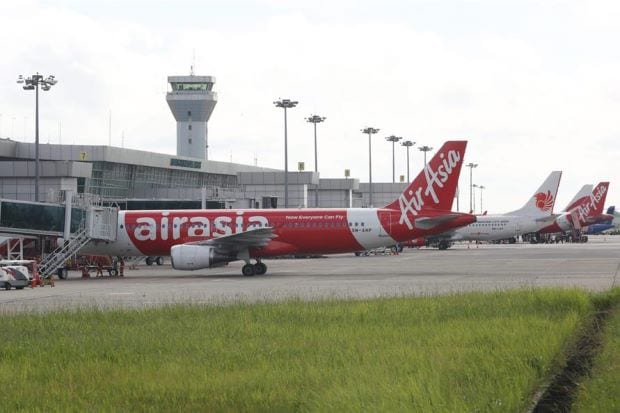
    AirAsia will begin its new direct flight from Penang to Melaka on July 1, 2019. The budget airline said the flights would boost tourist arrivals to Melaka, helping to support the state government’s target to attract 20 million visitors in 2019.

    In a statement today, AirAsia said in its quest to celebrate this milestone, the airline is offering free seats for the new route with all-in member fares from as low as RM12 for one-way travel.

    Chief executive officer Riad Asmat said with its Unesco world heritage listing and rich history, Melaka is a choice tourist destination in Malaysia.

    “This new route further strengthens our tourism footprint in Malaysia, providing more options for international visitors to travel between the states of Penang and Melaka.

    “We look forward to continuing our work to explore even more new routes to Melaka from other parts of our Asean network,” he said.

    To mark the occasion, AirAsia is offering its guests up to 50% off hotels in Melaka or Penang, and an extra 5% off using the promo code HOTEL5.

    To book, log in to airasia.com or the AirAsia mobile app from now until April 21, 2019 and travel from July 1, 2019 to June 2, 2020. “To book for hotel in Penang and Melaka, you can visit https://bagasi.my/hotel for more recommended stays.”

  • Google confirms more Pixel tablets to Arrive

    Google confirms more Pixel tablets to Arrive

    The Android tablet market was once much riches with many more options than the iPad market, but as consumers shifted their attention to smartphones with big displays, many companies have decided to shrink their tablets portfolio or drop it altogether.

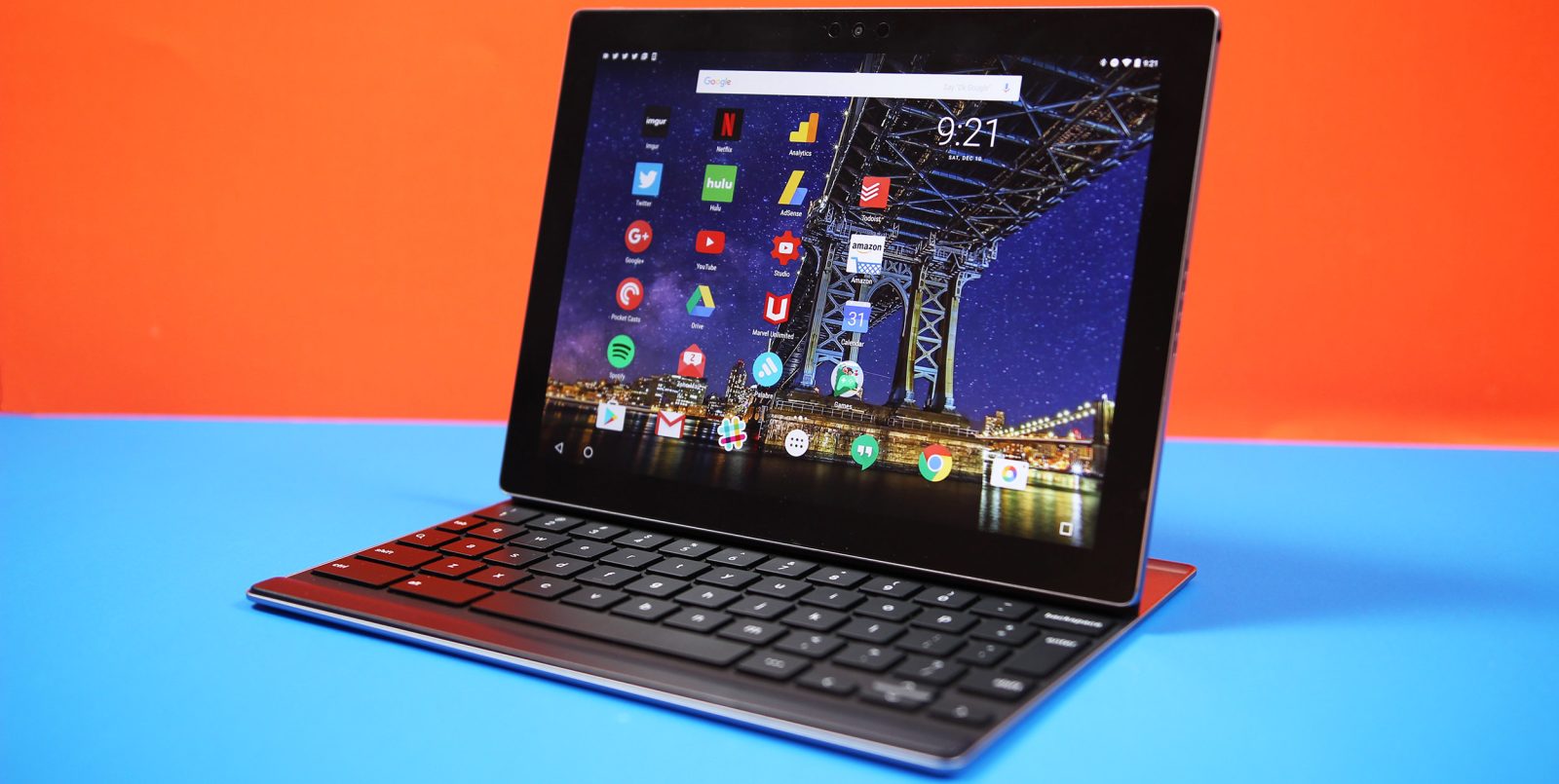
    Google has adopted the same strategy in the last couple of years. Even though the Pixel Slate was launched about six months ago, this is a 2-in-1 tablet and laptop rather than a pure Android tablet. The last such product Google released on the market is the Nexus 9, an Android tablet built in collaboration with HTC, which made its debut on the market back in 2014.

    Samsung on the other hand, along with a couple of other Chinese companies like Lenovo and Huawei, has continued to launch Android tablets on a regular basis. Of course, the same applies to Apple, as the Cupertino-based giant now owns an impressive iPads portfolio.

    All information coming from various sources painted a rather bleak picture for the Android tablets segment, as reported last month that even Google plans to move dozens of employees from its laptop and tablet division to other posts within the company.

    The report cites “roadmap cutbacks,” but also points out that team members have been advised to find new roles “temporarily” within Google or Alphabet. The fact that people working for the laptop and tablet division were supposed to find temporary roles in other teams suggests that Google may decide to boost staffing on these teams at any time.

    At the beginning of the week, at Cloud Next 2019, Google hosted a conference, suggestively named “Introducing Google Hardware for Business,” where it reiterated that a new device to help the workforce “be production on-the-go” might be launched soon.

    The tools they have aren’t really conducive to the lifestyle and work style that makes them maximally productive and excited about going to work every day. And we think there are some unique things we can do differently than the Pixelbook and Pixel Slate that are going to really help give them what they’re looking for when they’re working in this new modern cloud-first era.

    A Pixel Slate sequel is more likely rather than a traditional Nexus tablet. Google also mentioned that although it doesn’t have any announcements ready to go live regarding the upcoming laptop/tablet this week, such a product will certainly be revealed “down the road.”

    Although statements made during Google’s Cloud Next 2019 even allow us to make some predictions the company’s plans for the laptop and tablet division, it’s impossible to tell what the search giant wants to do “differently than the Pixelbook and Pixel Slate.”

    Interestingly enough, Steve Jacobs, Pixelbook Group product management leader, who stated the above, coordinates three different categories within Google’s Core Technology group: Pixelbook, Pixel Slate, and Emerging.

  • Vietnamese banks find out car loans not low-hanging fruit

    Vietnamese banks find out car loans not low-hanging fruit

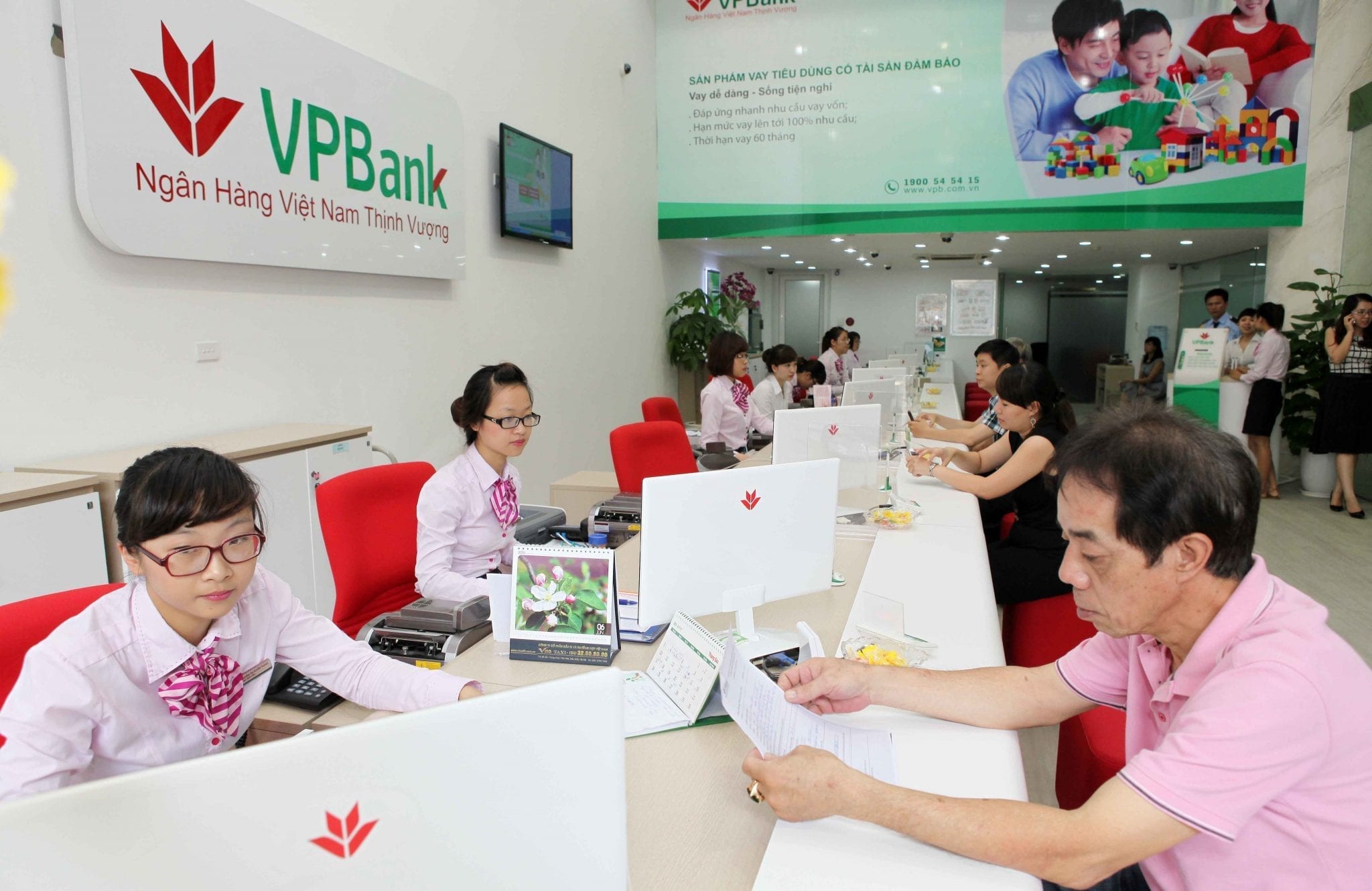
    Vietnamese banks are struggling to recover overdue car loans since many customers mortgage vehicles bought using bank loans. Dao Minh Tuan, manager of the debt recovery department at private lender Vietnam International Bank (VIB), said 50 percent of non-performing car loans are because of this.

    Borrowers are supposed to get the bank’s permission before pawning a car, but most don’t, which makes it difficult for the bank to repossess the car, he said.

    “Pawn shop owners decline to meet our staff while our customers are unreachable. As the banks do not technically own the car, we have trouble recovering the debt.”

    Since banks normally lend 80-100 percent of the cost of a car, getting the cars back by paying off pawnbrokers would cost too much, he said.

    “The last resort would be to sue the customer, but this will take a long time and cause damage to both sides.”

    Banks also have to pay a commission to car dealers of 0.7-1 percent and offer competitive interest rates of 7-9 percent in the first year. All this means, in a competitive, crowded segment, banks are unable to earn much.

    A banking expert who asked not to be named said: “Banks which want to maintain high credit growth often focus on increasing the amount of car loans, not quality.”

    Those focused on this segment are usually banks which are not competitive in other areas with higher interest rates, such as real estate, the expert said.

    The auto loans segment has seen average growth of 38 percent in 2012-2016, according to data from Viet Capital Securities VCSC.

  • Indian startup WoodenStreet thrives with O2 Growth Hacking

    Indian startup WoodenStreet thrives with O2 Growth Hacking

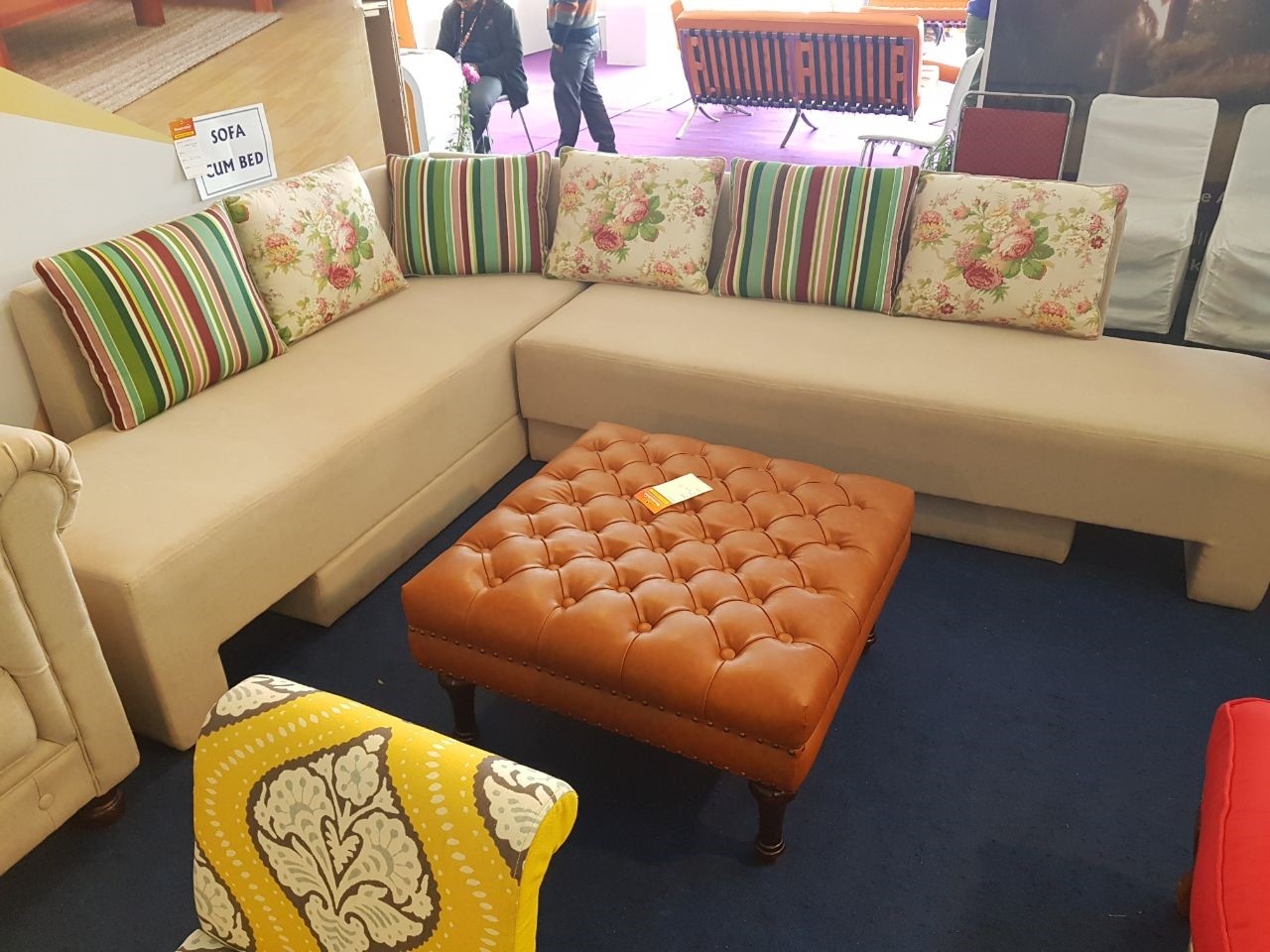
    Indian furniture startup WoodenStreet is targeting 15 additional experience stores in the territory by the end of the year.

    The firm, which specialises in customisable furnishings, currently operates 12 locations throughout India as well as more than 30 delivery hubs.

    “Our country is a diverse nation,” said the firm’s CEO Lokendra Ranawat, “which means that no two homes are the same. Our design tastes are influenced by our upbringing and our culture, so why should we be forced to buy furniture that does not match them? We want people to be free from such constraints.

  • BMW 620d Gran Turismo Launched In India

    BMW 620d Gran Turismo Launched In India

    Adding a new entry-level variant to the 6 Series GT line-up, BMW India has introduced the new 620d in the country. The new BMW 620d Gran Turismo is priced at ₹ 63.90 lakh and is available in the Luxury Line design scheme. The 6 GT is already available in the 630d GT diesel Luxury Line and M Sport trims, and the new 620d GT joins the model at the automaker’s Chennai-based production facility for local assembly. The new model is now available for bookings at the company’s dealerships and BMW says it diversifies the 6GT’s diesel portfolio. Despite being the more affordable version, the new 620d GT is loaded on all the essential electronics and creature comforts that the German models are known for.

    Speaking on the launch, BMW Group India – President, Dr. Hans-Christian Baertels said, “With the launch of the first-ever BMW 6 Series Gran Turismo, we created a new segment in the Indian luxury car market. Its distinctive vehicle concept, which fuses the long distance comfort of a luxury sedan and modern functionality in an alluring coupé style, has proven to be an instant hit in this class and has become a trend-setter. The BMW 620d Gran Turismo featuring an exceptionally efficient entry level diesel engine further strengthens the portfolio of the first-ever BMW 6 Series Gran Turismo.

    This is for the first time that the BMW 620d Gran Turismo variant is being sold in India. The model can seat five in comfort and gets a host of features including a two-part panorama glass roof, electrically operated adjustable rear seats with electrically operated sunblinds for rear side. There is also a rear-seat Entertainment Professional system with two 10.2-inch colour screens mounted behind the front-seat backrests, a BluRay player, HDMI connection for mobiles, as well as various connections for MP3 players and gaming consoles.

    The design language on the BMW 6 Series GT line-up was updated last year and the model 620d Gran Turismo continues to come with the frameless windows, distinctive coupe roofline, and an automatic tailgate. The wide kidney grille continues to bring the imposing stance and is complemented by the wide Adaptive LED headlights with BMW Selective Beam and cornering lights. The 620d GT also comes with an Active rear spoiler, while the Luxury Line trim adds a dash of chrome to the package for a premium appeal.

    Inside, the BMW 620d Gran Turismo gets a leather-wrapped sports steering wheel, ambient lighting with exclusive colours and fine wood inserts across the cabin. The pearl chrome finish also highlights the exclusivity of the variant.

    With respect to the powertrain, the BMW 620d GT uses the 2.0-litre four-cylinder Twin Turbo diesel engine tuned for 188 bhp and 400 Nm of peak torque available between 1750-2500 rpm. The 620d Gran Turismo is fast and can propel from 0-100 kmph in 7.9 seconds. The motor is paired with an 8-speed Steptronic automatic transmission and gets cruise control, as well as multiple driving modes – Sport, Comfort, Comfort+ , Eco Pro and Adaptive. The car comes with an adaptive 2-axle air suspension with automatic self-levelling for improved ride comfort and also sharpens the driving dynamics.