Tag: asia

  • ZTE swings back to black in Q1

    ZTE swings back to black in Q1

    ZTE expects to have swung back to profit in the first quarter, after reporting an annual loss in 2018 as a result of the temporary ban on its import of components from US vendors.

    The Chinese vendor estimates a net profit for the first quarter of 800 million yuan ($118.9 million) to 1.2 billion yuan, which compares to a profit of 1.69 billion yuan in the first quarter of 2018.

    The first quarter results are nevertheless an improvement on the 6.98 billion yuan ($1.04 billion) loss the company recorded for the full year 2018.

    ZTE blamed its performance on the impact of the ban on the import of components from US companies imposed by the US government due to ZTE allegedly violating US sanctions on Iran by conspiring to sell equipment with US components in the market, as well as the $1 billion settlement agreement ZTE reached to have this ban overturned.

    Revenue for the year  meanwhile fell 21.4% to 85.51 billion yuan despite signs of recovery in ZTE’s major businesses of wireless networks, wireline networks and mobile devices.

    ZET has meanwhile announced it has been intensifying its investment in 5G research and development.

    The company has so far submitted more than 7,000 5G standard proposals and 3,000 5G patent applications to international organizations, and has declared over 1,200 standards of 5G standard-essential patents to the European Telecommunications Standards Institute (ETSI).

  • Thailand delays 700-MHz auction

    Thailand delays 700-MHz auction

    Thai telecom regulator NBTC has postponed plans to hold a 700-MHz auction for at least three months due to delays establishing details of the auction terms.

    The regulator no longer expects to be able to hold the 700-MHz auction in May as originally planned, citing comments from the NBTC’s secretary-general.

    Instead the earliest timeline for the auction date may be August or September, as related conditions of the auction, including the reserve price, will not be concluded until May.

    Other terms which still need to be established including the process for recalling 700-MHz spectrum to be auctioned and the compensation regime for companies affected by the recall. The regulator needs at least three months to complete related procedures.

    According to the report, the delay is also aimed at giving operators more time to arrange bank guarantees.

    The NBTC plans to push on with the auction regardless of the official outcome 2019 Thai general elections –  Thailand’s first general election since the 2014 coup – which was held on Sunday.

  • Sony Mobile insists the end is not near after it closes a smartphone plant

    Sony Mobile insists the end is not near after it closes a smartphone plant

    While Sony’s fall from grace in the global mobile industry hasn’t been as dramatic as those suffered by Nokia, BlackBerry, and even HTC, it’s more than obvious the Japan-based tech and entertainment behemoth needs to do something about its smartphone division. Unfortunately, as the company’s various attempts at revising and transforming the Xperia portfolio over the last few years have failed to turn a profit, the time has come for more drastic austerity measures.

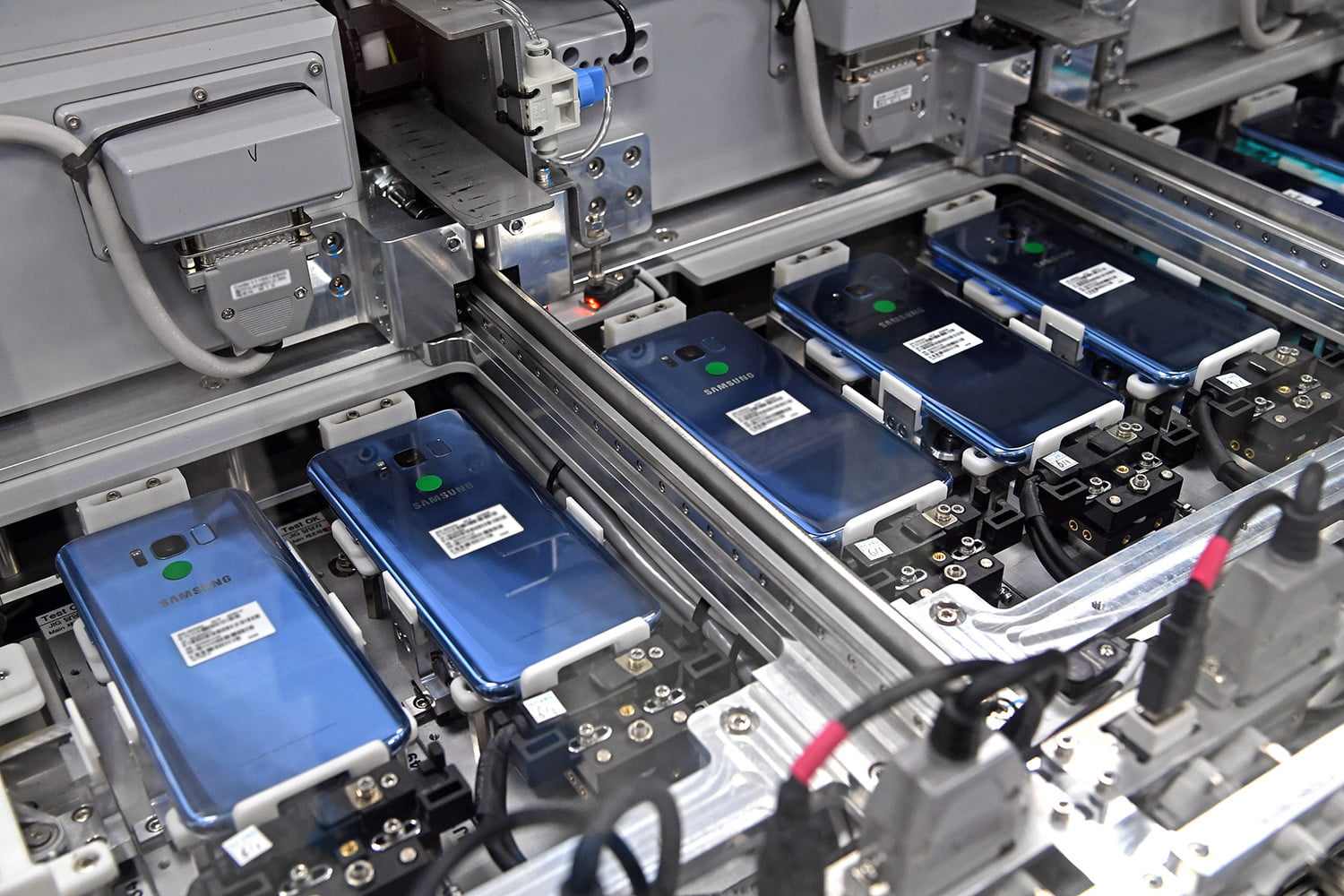
    After laying off 200 employees in Europe to cut costs across a number of mobile business areas, Sony has confirmed long-rumored plans to close an entire factory in China earlier today. The Beijing plant will reportedly cease all smartphone manufacturing activities in “the next few days”, although Sony does intend to “shift production” to a different factory in Thailand in a move expected to greatly contribute to reducing expenses by around 50 percent.

    The ultimate goal is to make the smartphone division profitable again as early as 2020 after years and years of bleeding serious money, but it remains to be seen how much of a mobile business Sony will be left with when that happens. According to the latest official estimates, yearly Xperia shipments are down to as little as 6.5 million units. To put that number into perspective, Samsung’s Galaxy S10 lineup was projected to hit 10 million global unit sales in just its first month of availability.

    Of course, Sony has repeatedly claimed in the past year or so it has no intention to abandon the smartphone market on the eve of a 5G revolution. Once again, the company is highlighting its strategic measures are simply meant to strengthen the business rather than killing it piece by piece. And while it’s definitely not unprecedented to see a major smartphone vendor cut its Chinese costs, it remains unclear exactly how much of Sony’s Bejing operations will “shift” to Thailand.

    Either way, this probably won’t impact the Xperia 1 launch or even the rumored Xperia 2. What comes next, however, is anyone’s guess.

  • Spotify is going after couples with Duo plan

    Spotify is going after couples with Duo plan

    Spotify and Apple are engaged in a fierce battle over the domination of the thriving global music streaming market, with many other companies, including Google, Amazon, Pandora, Tidal, and Deezer fighting for scraps and trying to find ways to differentiate themselves in order to rise through the ranks. But at the end of the day, all of these services offer essentially the same features and capabilities with extremely similar pricing structures.

    One great way to stand out is to join forces with other tech giants on sweet bundle deals, either temporarily or indefinitely, thus providing more value than the competition for the user’s money. Or you can simply expand your plans to include something rivals haven’t thought of just yet. Enter Spotify Premium Duo, a new service tier currently available only in Colombia, Chile, Denmark, Ireland, and Poland, according to The Verge, which is likely to spread the love around the world soon if these regional “tests” are deemed successful.

    As the name suggests, Premium Duo mainly targets couples that want to save a few bucks compared to both the prices of two individual subscriptions and a family plan. A single Spotify Premium user can get an account at $9.99 a month in the US right now, while Premium for Family costs $14.99, allowing up to six people to stream music without limits, ads, or interruptions.

    Naturally, Spotify Premium Duo sits between the two globally available options, at a €12.49 monthly fee in Ireland that’s likely to equate to $12.49 stateside if this ever becomes a worldwide thing. Like family plans, Duo licenses will allow users on a shared account to keep their playlists separate, as well as get recommendations tailored to their individual tastes.

    Then again, if you’re one of those couples that likes to do everything together, a new Duo Mix playlist will be regularly updated with music you can both enjoy. Just keep in mind the Spotify Premium Duo plan requires two users to share a home address before gaining access, which the service will verify. That shouldn’t come as a big surprise, as Spotify doesn’t like family plan members to live at different addresses either.

  • CRCT and CapitaLand to divest their interests in CapitaMall Wuhu

    CRCT and CapitaLand to divest their interests in CapitaMall Wuhu

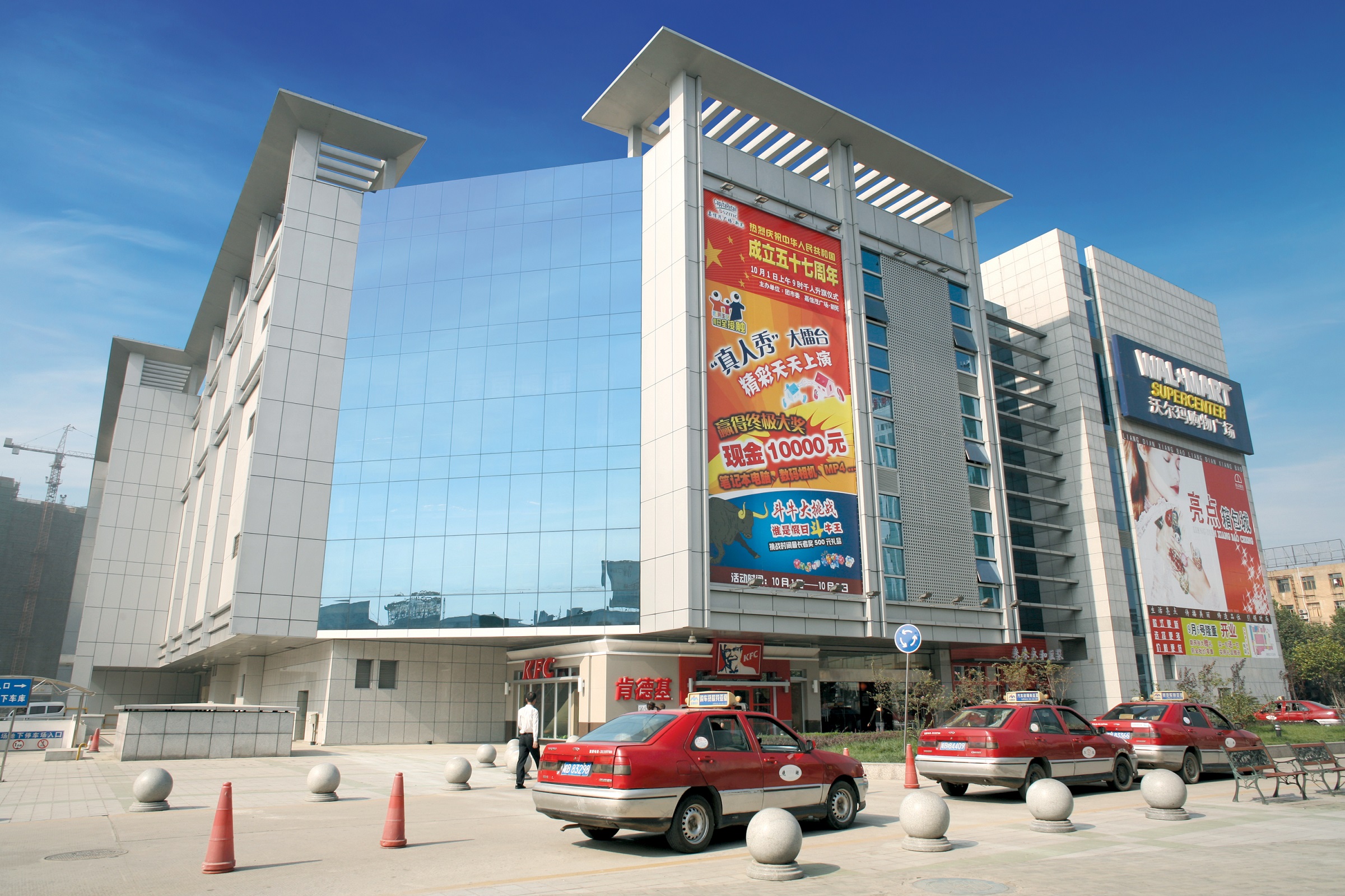
    CapitaLand Retail China Trust (CRCT) and CapitaLand today announced that their respective subsidiary and associate have entered into an agreement to divest their combined 100% interests in a company, which owns CapitaMall Wuhu, to an unrelated third party.  The transaction is based on the company’s adjusted net asset value, including but not limited to its interest in CapitaMall Wuhu of RMB210 million (about S$41.5 million).

    Mr Tan Tze Wooi, CEO of CapitaLand Retail China Trust Management Limited, said: “The divestment of CapitaMall Wuhu is in line with our proactive asset management strategy to optimise CRCT’s portfolio and enhance returns.  As our 51% stake in CapitaMall Wuhu accounts for less than 1% of CRCT’s asset size, its sale is expected to have minimal impact on CRCT’s core business.  The sale proceeds will provide CRCT with greater financial flexibility to take advantage of market opportunities.  We remain on the lookout for strategic opportunities to reconstitute and strengthen our portfolio.”

    Mr Lucas Loh, President (China & Investment Management), CapitaLand Group, said: “The sale of CapitaMall Wuhu will unlock capital that can be redeployed to core assets in cities where CapitaLand enjoys scale and competitive advantage.  We will stay disciplined in our capital recycling efforts and continually review opportunities to optimise CapitaLand’s portfolio, which include divestment of assets that are non-core or have limited growth.”

  • Vietnamese Coffee farmers can reduce carbon emissions by diversifyingproduction

    Vietnamese Coffee farmers can reduce carbon emissions by diversifyingproduction

    Coffee farmers in Vietnam, the second biggest producer of coffee in the world, can reduce their carbon (CO2) footprint by growing different plant species alongside coffee. These are the findings of a new report titled Source or sink? The carbon footprint of Vietnam robusta coffee from the Initiative for Sustainable Landscapes (ISLA) program by IDH, The Sustainable Trade Initiative, compiled by Agri-Logic, and based on the work of coffee traders JDE Coffee, Lavazza, Olam and Acom.

    Together with improved fertilizer and water use, this diversification could significantly reduce the impact of coffee production on climate change. Farmers can also broaden the range of income sources available to them, increasing their climate resilience.

    The findings come amidst reports that severe droughts in Vietnam could considerably reduce this year’s coffee output.

    Daan Wensing, Director of Global Landscapes at IDH, said:

    “Climate change is a threat that requires urgently rethinking the farming systems in which coffee is produced. This research brings hope that communities and coffee farmers can become more climate-resilient, and our coffee more sustainable. Together with more efficient fertilizer and water use, diversification can be at the forefront of efforts to make coffee production carbon positive.”

    Coffee production has a huge economic benefit for the Central Highlands region of Vietnam, where 95% of its coffee is produced. At the same time, it is a source of carbon emissions through significant use of fertilizer, water and energy.

    The report found that monocrop coffee farms are net sources of carbon, releasing 0.37 metric tons of CO2 from the atmosphere per year per metric ton of coffee produced.

    Conversely, diversified coffee farms are carbon sinks, removing 0.16 metric tons of CO2 from the atmosphere per year per metric ton of coffee produced. Growing pepper, durian, avocado and other crops alongside coffee creates more biomass, sequestering more CO2 than is generated through production.

    Of the small number of monocrop farms that did sequester CO2, more efficient use of fertilizer (the leading driver of carbon emissions in coffee farming) was found to be the reason.

    The research spanned two years and analysed the carbon footprint of robusta coffee production on 300 farms in the Central Highlands provinces of Lam Dong and Dak Lak.

    Through the Initiative Sustainable Landscapes (ISLA) in Vietnam, IDH works with local and national governments, private companies and smallholder farmers to support coffee producers in the Central Highlands in reducing their carbon footprint, maximize water and fertilizer use and to adapt to climate change. Daan Wensing concluded:

    “Diversification is a growing concept in Vietnam. As more farmers adopt this and other agroforestry methods, the number of farms that serve as carbon sinks will grow, becoming crucial drivers of both climate mitigation and resilience.”

  • 3 seconds for mobile video to loadon Singapore’s 4G networks

    3 seconds for mobile video to loadon Singapore’s 4G networks

    In Opensignal’s recent State of Mobile Video report, we lauded Singapore’s high achievements in Video Experience. It was one of a handful of countries that earned a Very Good score on our 100-point Video Experience scale, and individually, all three of Singapore’s major operators met the same high standard in our operator breakdown of video quality. But what’s behind that “Very Good” score? We thought this would be a good opportunity to examine the particulars of operators’ high ratings in Singapore over LTE networks, which account for the vast majority of our video tests in the country. We focused on two major components of our Video Experience calculation: 4G Video Loading Time and 4G Video Stalling Occurrence.

    Our first metric, 4G Video Loading Time, is fairly self-explanatory. It’s the average period of time mobile users have to wait for a streamed video to begin playing over an LTE connection. Singapore consumers, quite frankly, don’t spend much time staring at loading icons as you can see in our first chart. The longest Video Load Time in our measurements was on Starhub’s networks, and that wait was only 2.7 seconds. Singtel and M1 were statistically tied at 2.4 seconds, making them incrementally faster in Video Load Time than StarHub, but the differences between the three were practically negligible.

    Our next metric 4G Video Stalling Occurrence measures the proportion of users that experience an interruption in playback after a video begins streaming. If a video halts to buffer or stutters due to a weak connection, then those moments when pictures aren’t moving are all factored into our Video Stalling Occurrence metric.

    While 10% 4G Video Stalling Occurrence isn’t uncommon even in countries with advanced 4G infrastructures, Singapore’s operators came in well under that mark. Starhub had the highest rate of stalling at 4.3% in our analysis, followed by Singtel at 2.9%, but the real star of the show was M1. Its 4G Video Stalling Occurrence score was just 1.6%, meaning interruptions in video playback were rare among our users.

    No single factor explains why mobile video quality is so good in Singapore. It’s true that Singapore is one of the fastest countries in the world when it comes to download, but while speed does have some impact on Video Experience, faster isn’t always better when it comes to video quality. Countries with higher download speed averages than Singapore actually often do much worse in Video Experience, according to our analysis. Latency has a bearing on Video Loading time, as the faster a video request traverses the network the sooner that content begins buffering and playback starts. And our analysis has shown Singapore’s operators are among the best in the world in maintaining nimble, low-latency networks.

    Finally, consistency of connection speed plays a major role in Video Experience. Last month, Opensignal published a report titled The 5G Opportunity, which highlighted the wild swings in 4G Download Speed over the course of a day we see on networks around the world.

    Video is particularly sensitive to fluctuations in speed. A video that plays without difficulty one moment may find itself suddenly starved for bandwidth in the next if download speeds suddenly drop due to congestion or other factors. In Singapore we found the same speed fluctuations as in other countries, but the difference was Singapore’s operators were able to maintain strong connections despite those fluctuations. According to our analysis, average 4G Download Speeds in Singapore never dropped below 41.4 Mbps no matter the hour of day. And a consistent 40 Mbps connection is more than enough to support all but the most demanding HD video streams.

    Singapore is preparing for the entrance of TPG, a fourth operator that aims to shake up competition in the Singapore mobile scene. While TPG will likely try to challenge Singapore’s three incumbents in pricing, it will be interesting to see if TPG can also be competitive from a mobile network experience perspective. The three incumbents have already set a very high bar in Video Experience as well as speed, availability and latency. It will be difficult for a network to match those standards right out of the gate.

  • French coffee chain Malongo Looking at Southeast Asia

    French coffee chain Malongo Looking at Southeast Asia

    French coffee shop chain Malongo is expanding into Southeast Asia.

    After the successful opening of two outlets in the Philippines last year, the organic-coffee company is eyeing more stores in the region, targeting Vietnam, Thailand, Indonesia and Singapore.

    Malongo is seeking investors interested in growing the brand’s presence in their local market via a licensing model. The new stores will be based on the outlets opened in the Philippines.

    Located at One Bonifacio in BGC, the first Philippine store features a French-heritage led design, serves coffee sourced from multiple countries, and promises a commitment to eco-consciousness.

    Roasters since 1934, Malongo is a family-run firm. More than half of Malongo’s coffees and all of its teas hold organic AB certification, including a guarantee that no fertilisers or pesticides are used in farming.

  • Patisserie Janice Wong opens in Changi, Singapore

    Patisserie Janice Wong opens in Changi, Singapore

    Singaporean pastry chef Janice Wong has opened her first airport store, at Changi Terminal 3.

    Janice Wong concession at T3 1

    Janice Wong concession at T3 5

    The concession allows international travellers to purchase a selection of Janice Wong’s signature products alongside special-edition chocolate bars, available in three artisanal flavours, ruby chocolate, sea salt and palm sugar.

    Janice Wong concession at T3 3

    Janice Wong concession at T3 2

    Other products include Janice Wong’s chocolate crayon box set, chocolate paint jar set, signature tea, chocolate boxes, bon bons, single-origin chocolate bars, cookies and lollipops.

  • Gido launches cross-border express delivery services

    Gido launches cross-border express delivery services

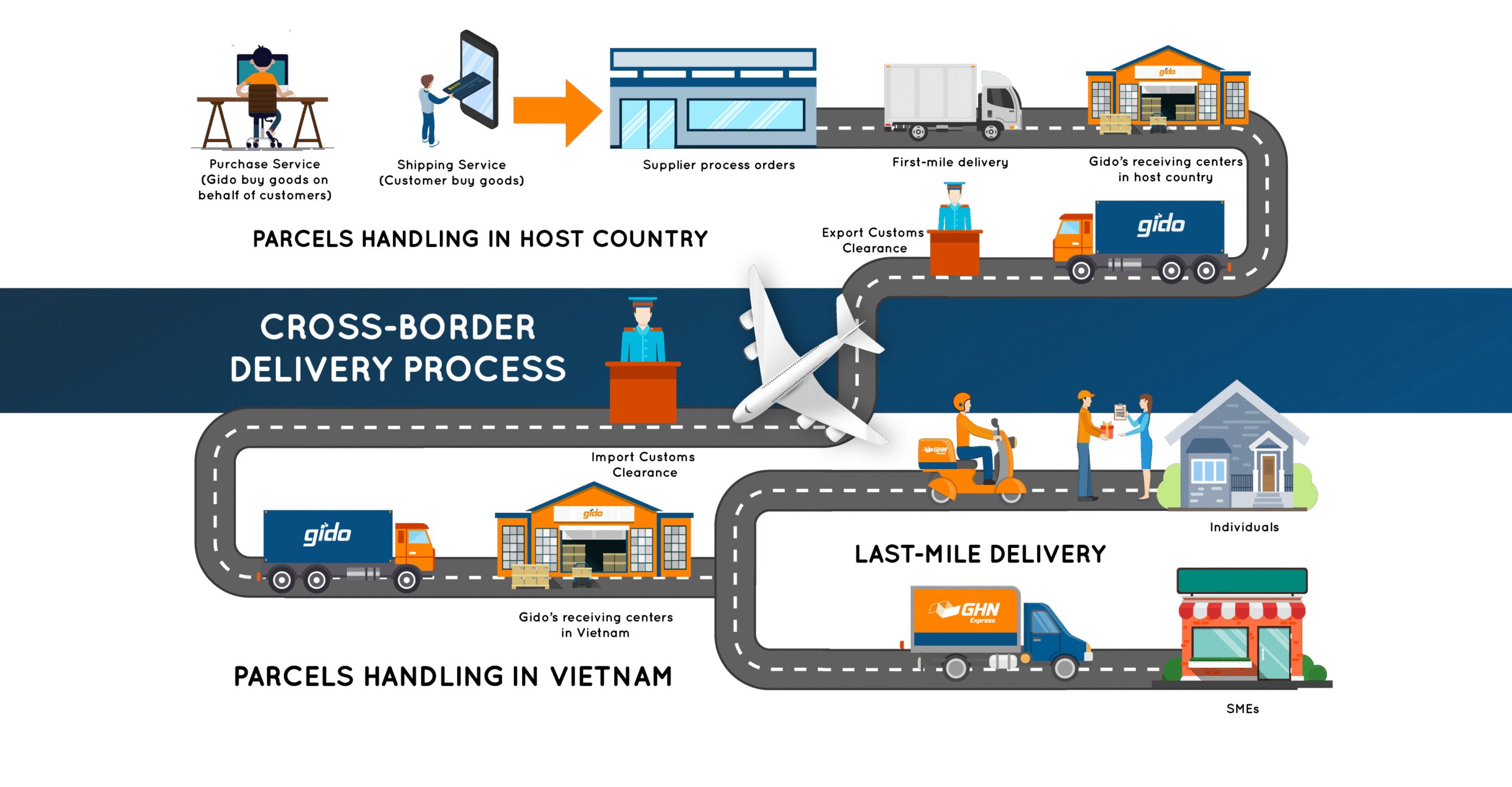
    Gido has launched an express cross-border delivery service from China to Vietnam, promising three working day turnaround.

    All parcels shipped by Gido are offered at the price US$1.95, including customs clearance.

    Customers can submit information about the parcels and recipients via an Excel file or integrate their API with Gido system.

    Parcels will be delivered from Gido’s hub in Shenzhen to end recipients in Hanoi and Ho Chi Minh City within three days, and a maximum of five days for other provinces.

    As a branch of Vietnamese e-commerce delivery service GHN, Gido has a modern IT system connecting multiple delivery partners in different countries along cross-border routes on a single platform to increase handling capacity, reduce transit time, tracking transparently in order to scale things up with the lowest cost.

    “We are inspired by asset-light business model of Cainiao, 4PX, Janio to connect multiple delivery partners along cross-border routes on one single platform,” said Hai Vo, Gido CEO.

    “This enables us to combine partners’ operation capacity with our own infrastructure more than 1000 stations, 30,000 drivers nationwide to provide a comprehensive cross-border e-commerce delivery solution with minimal setup time and cost in comparison to other asset-heavy companies.”

    Gido’s consolidation center boasts a capacity of more than 100,000 parcels per month.

  • Scootch, display speakers and finger scanners

    Scootch, display speakers and finger scanners

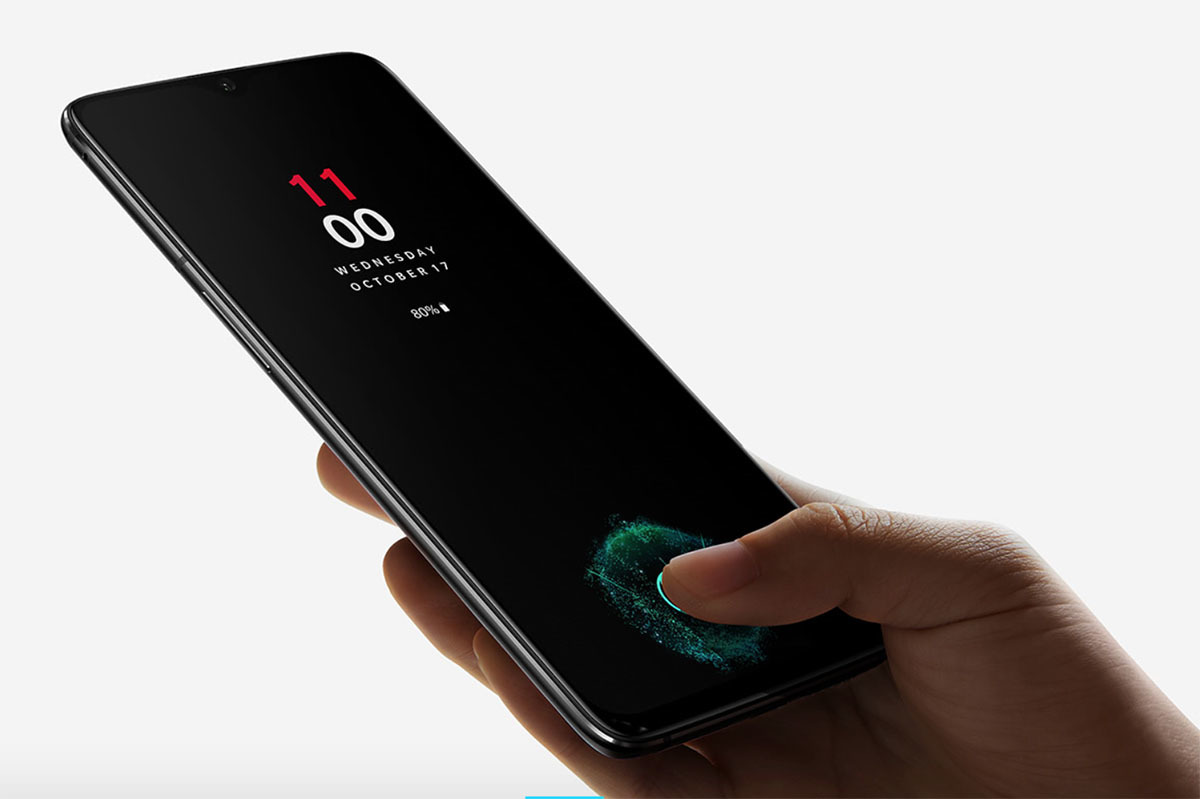
    We shudder to think how expensive a screen replacement is going to get once manufacturers stuff everything they are intent on stuffing in there. In the last few years alone they fused the touch layer into the display itself, increased the resolutions, moved to the more expensive OLED variety, started bending, folding or piercing them to fit various design trends, tacked in-display fingerprint readers on, started using them as sound emitters instead of the good ol’ earpiece, etc.

    Now, what else can we slap into the display package, wondered LG, and came up with an idea. The phone maker has reportedly managed to save precious space inside phones by integrating… wait for it… 5G antenna in the display itself. Well, integrating is not the right word, as it looks like the LG engineers simply slapped thin antenna films on the back side of the screen, but still.

    Given that the current number of antennas needed for grabbing 5G coverage borders on 30, and that adds significant bulk to the usual phone antenna design, being able to move the 5G antenna to the display package sounds like a practical space-saving solution, especially if it improved the coverage as well.

    LG said it can also apply the 5G antenna films on the back of the phone, and again improve reception by using the vast surface but, come to think of it, space there may be needed for all those wireless charging coils that are becoming the norm, too.

    In any case, LG seems to have circled the wagons around its 5G-in-display invention with patents, but apparently, we won’t see the technology applied to the V50 in May. That one will still have the current bulky 5G antenna design.

  • Walmart is taking on Amazon with its upcoming tablet

    Walmart is taking on Amazon with its upcoming tablet

    Soon, those searching for a cheap Android tablet won’t have to deal with the lack of Google Play Services found on the low-priced Amazon Fire Tablets. The line, powered by a forked version of Android, does not come with core Google apps including the Play Store. Instead, Amazon’s own app storefront is included. A tweet disseminated by XDA’s Mishall Rahman reveals that discount retailer Walmart is prepping an 8-inch Android slate that has Android 9 Pie pre-installed. The device will offer the usual bevy of Google apps and will feature the Google Play Store. Made in China, the tablet will carry Walmart’s own ONN brand, which it uses on low-priced tech accessories like headphones and cables.

    The new tablet, model number ONA19TB002, is expected to be “kid-friendly” according to a subsequent Bloomberg report. The 8-inch display will carry a resolution of 1200 x 800. Other specs included in Rahman’s tweet mention that the tablet will have a quad-core MediaTek MT8163 chipset under the hood, along with 2GB of memory and 16GB of expandable storage. The slate will have a microUSB port, and carry a 3500mAh battery.

    Walmart’s tablet has already received certification from the FCC, and could be priced under $200. A low priced tablet like this will probably not to do much to reverse the decline in shipments of the device. Strategy Analytics says that tablet shipments declined 6.2% last year. The Apple iPad remains the market share leader followed by Samsung and Amazon.

  • WhatsApp closer to protecting the retinas of Androids

    WhatsApp closer to protecting the retinas of Androids

    There are two words that when seen in print by a smartphone user, will instantly get him or her to react by installing a particular app, or checking to see if an update has been received for an app already installed. Those two words are Dark Mode. This is a feature that reverses the typical black text on white background so that the screen shows white text on a black background.

    Android Q is supposed to feature a system-wide Dark Mode in its final version, and iOS 13 is rumored to have the same thing. Google added the feature over the last year to a number of core Android apps that it updated to the retina melting Material Design. The latter features plenty of bright white in the background. Dark Mode, as we’ve just insinuated, helps protect users from a blinding white background that is intensified at night or in dark rooms. It also can save some battery life on phones with OLED screens since more black in the background means fewer energy consuming pixels need to be turned on. And many feel it just is a different and “cool” look.

    Those with the beta version of WhatsApp installed on their Android phone have received version 2.19.82 of the app. The feature, while still under development, is hidden in the latest update, and right now it is being tested on the settings pages only. The iOS version of WhatsApp already has a Dark Mode. What might not seem obvious from the screenshots is that a dark gray, and not black background is being used by WhatsApp for its Dark Mode, which means you can scratch out the additional battery life you were hoping to achieve when the new feature is fully enabled on the regular Android version of the app.

    Besides Dark Mode, the new beta update adds the name of an audio file to the bar found on the display that includes the play button.

  • Apple Music is rapidly growing in popularity on Android

    Apple Music is rapidly growing in popularity on Android

    Apple unveiled a ton of interesting stuff at a (Hollywood) star-studded event yesterday, but much to the disappointment of iPod Touch fans and potential AirPower buyers, not a single hardware announcement was made on stage in the Steve Jobs Theater during this “Show Time” shindig. While Apple’s focus on the so-called “services” business has sharply increased over the past year or so, it’s safe to assume the company’s TV+, News+, and Arcade platforms wouldn’t have happened were it not for the success of Apple Music.

    Released back in 2015 in more than 100 countries around the world, the music streaming service quickly emerged as the primary challenger to Spotify’s throne. Almost four years later, the global subscriber gap between the two remains pretty large, but Apple Music continues to make great strides in the US, as well as on other platforms apart from iOS.
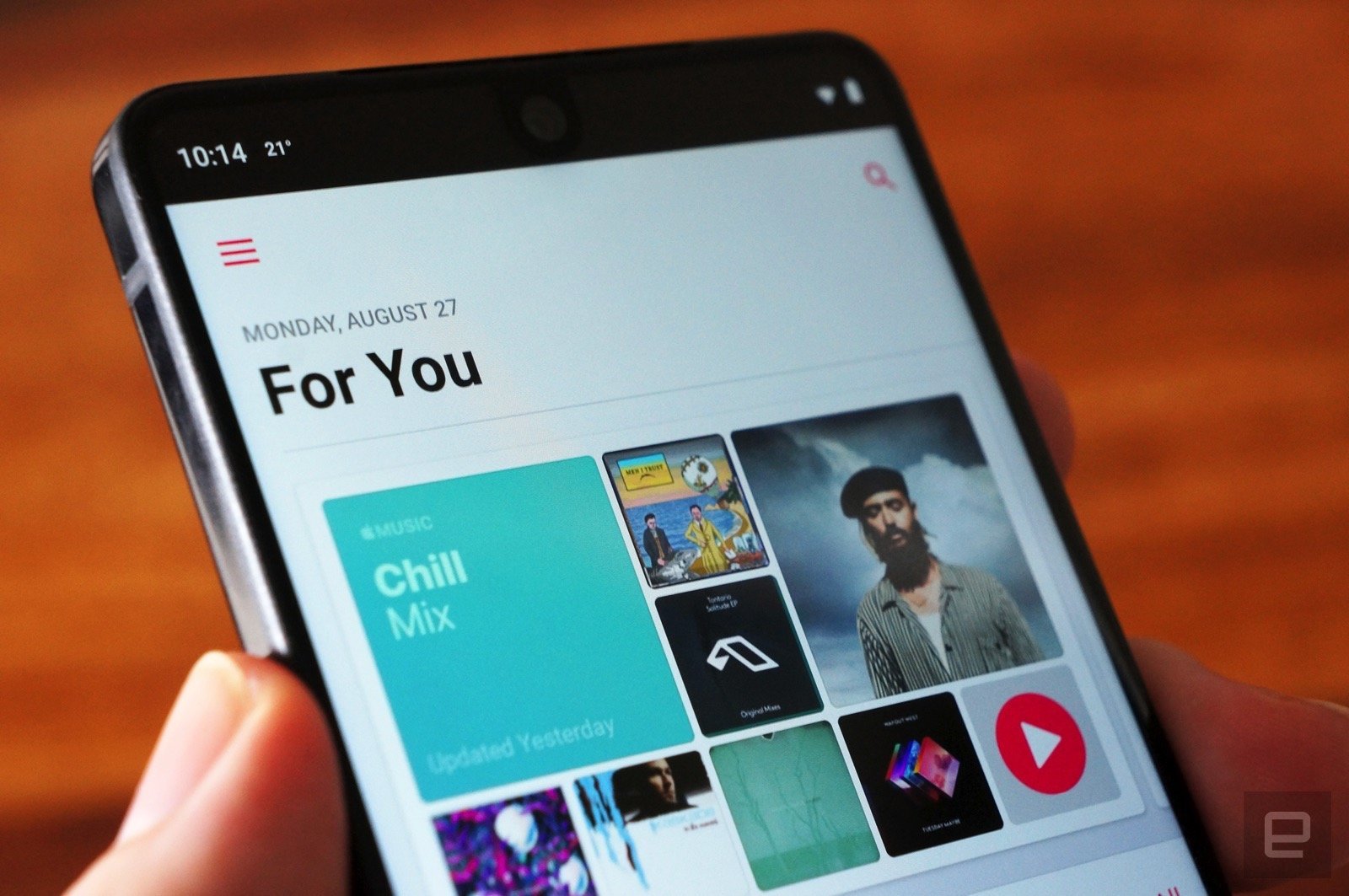
    After expanding its support to Alexa-powered smart speakers, the service recently crossed an interesting milestone on Android, according to Sensor Tower estimates. Even though the app isn’t exactly well-reviewed in Google’s Play Store, with a mediocre 3.5-star average score based on over 280,000 ratings, a whopping 40 million Android users in total have reportedly tried out Apple Music since its 2015 debut. That’s not bad for something that’s only gained Android tablet compatibility a couple of months back.
    What’s perhaps even more impressive is that quarterly Android installs have apparently begun to surge again after a temporary but steep decline in late 2017 and early 2018. In fact, Q1 2019 could be Apple Music’s best-ever three-month period in terms of Google Play downloads, which are expected to reach 3.8 million by the end of March. That would represent an increase of half a million downloads from the final quarter of last year and an incredible 1.5 million more installs than back in Q2 2018.
    Obviously, it’s unclear how many of these downloads typically end up converting into long-term paid subscriptions, but that figure is also up, so there’s definitely a correlation between the two, even when not taking iOS usage and install numbers into consideration.
  • Microsoft offers free keyboard and Surface Pen with select Surface Pro 6

    Microsoft offers free keyboard and Surface Pen with select Surface Pro 6

    It’s been raining sweet deals of late at Microsoft and third-party retailers like Best Buy on both 2018’s Surface Pro 6 and fifth-gen models released the previous year, but if you don’t want to make any processing power compromises, today’s the day to pull the trigger and score a discount of up to $259.

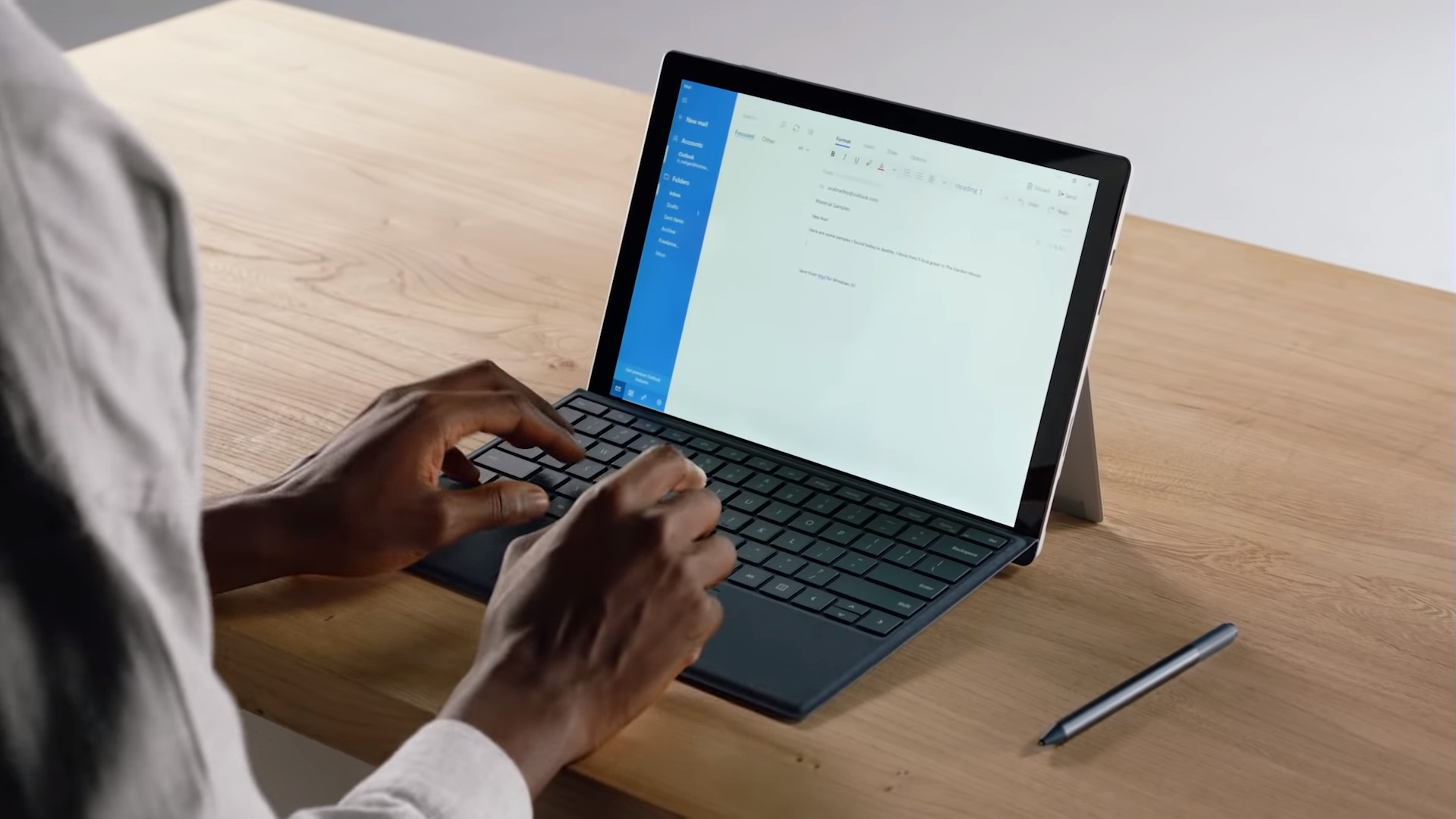
    Five different Surface Pro 6 variants are currently eligible for a pair of cool freebies on their manufacturer’s official US e-store. If you’re wondering what this fast five has in common, the answer is actually quite simple: a state-of-the-art 8th Generation Intel Core i7 chipset. That makes this tablet a very worthy replacement for essentially any conventional laptop out there, so it’s definitely fitting (and nice) that Microsoft lets you bundle these powerhouses with a keyboard and Surface Pen at no extra cost.

    You can get the complimentary stylus in your favorite color from a quartet of options including black, platinum, cobalt blue, and burgundy, while the gratis keyboard can be an older Surface Pro Type Cover model, normally worth $129.99, or a newer, fancier Signature Type Cover in platinum, blue, or burgundy, which separately fetches $159.99. All in all, after also taking the $99.99 retail value of that productivity-enhancing Surface Pen into consideration, you’re looking at maximum savings of around 260 bucks.

    Of course, you’ll have to cough up a pretty penny to get a Surface Pro 6 with Intel Core i7 inside in the first place and qualify for the two extremely valuable and popular gifts. We’re talking at least $1,499 if you can “settle” for a 256GB SSD/8GB RAM configuration and up to a whopping $2,299 for a Windows 10 tablet/laptop hybrid pulling out all the stops, with 16 gigs of memory and a full 1TB of storage space.

    The most “affordable” model on sale today is available in black and platinum paint jobs, while the costliest version can only be purchased in platinum. Finally, black and platinum models with 16GB RAM and 512GB storage will set you back $1,899 a pop in combination with a pen and keyboard that you need to add to your cart before checking out.