Tag: asia

  • Vietnam ride-hailing app FastGo to hit Singapore streets

    Vietnam ride-hailing app FastGo to hit Singapore streets

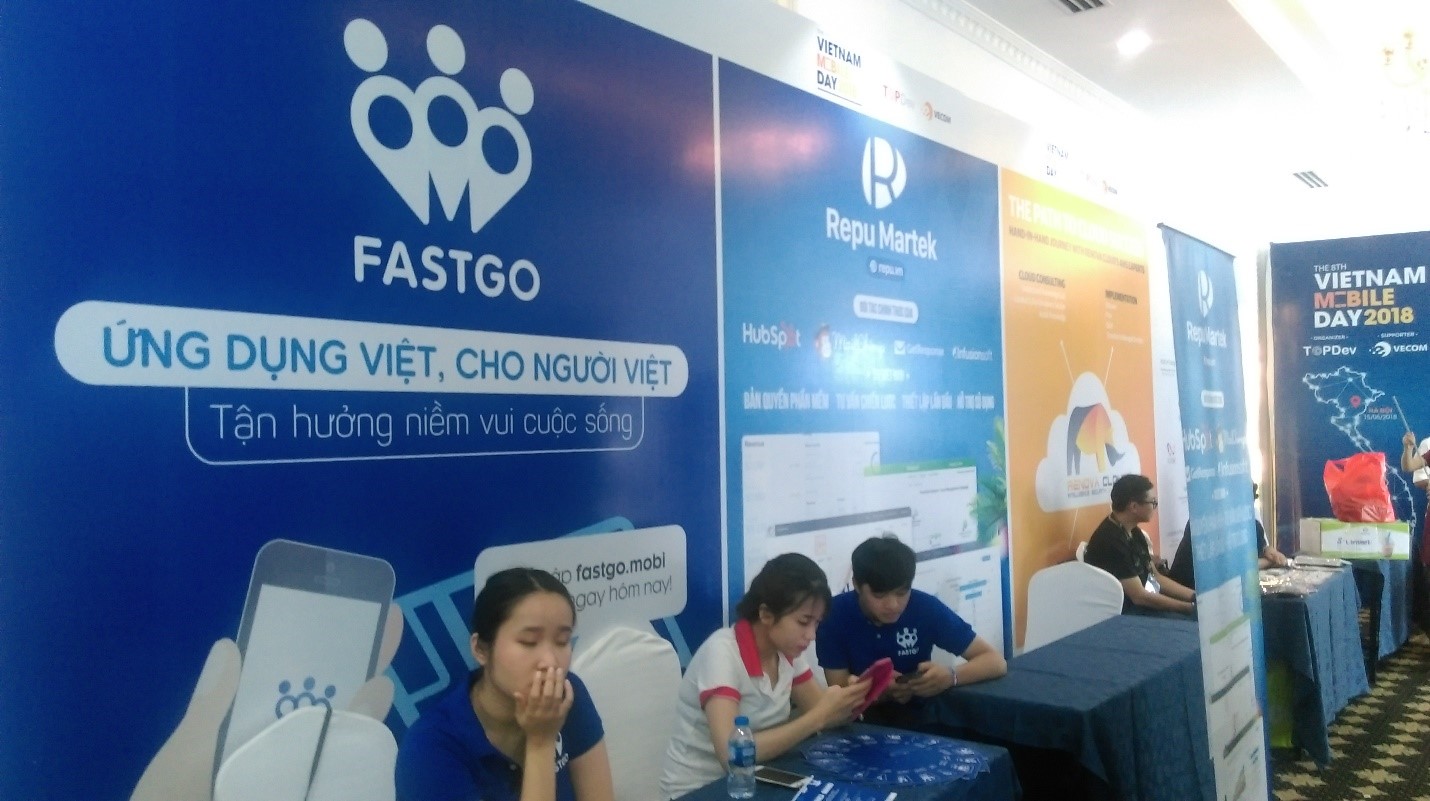
    Vietnamese ride-hailing firm FastGo is set to launch Singapore operations in April as part of its regional expansion plans. The nine-month old Vietnamese start-up has announced that drivers will be able to register on its ride hailing application from April 1, and customers can use the service from April 30. Diep Nguyen, country manager for FastGo Singapore, said the company’s fleet size will be at least 3,000 cars.

    Singapore is the third country in which FastGo will operate, after Vietnam and Myanmar. The firm is expected to face fierce competition from market incumbents including  Singapore’s Grab, Indonesia’s Go-Jek, as well as local startups Ryde and TADA.

    FastGo, which is part of Vietnamese technology startup NextTech Group, has plans to launch in five other countries in the region, including Indonesia and the Philippines, by the end of 2019.

    While FastGo has not yet publicised fares, but the ride-hailing app will not charge peak period surcharges, and customers can tip drivers. FastGo aims to undercut competitors like Grab and Go-Jek, who collect 20 percent of ride fares from drivers, by charging them a fixed daily subscription fee of $5 if a driver’s income exceeds $30 a day.

    However, an associate professor at the Singapore University of Social Sciences, as saying “another small entrant” will not make a difference to the local ride-hailing market, unless the new player is financially backed by a strong sponsor or a well-known Singaporean firm.

    “Other than GoJek and Grab, the other (existing) players have very small market share and have difficulty making much impact locally. The market is easy to enter but it’s very hard to get a substantial market share,” he said.

    Founded in April 2018, FastGo Vietnam JSC launched its service after Uber’s exit from Southeast Asia last June. With almost 60,000 drivers onboard, the company claims to be the second most popular ride-hailing firm in Vietnam, following Grab. After receiving an undisclosed sum in a Series A investment from venture capital platform VinaCapital Ventures in August last year, FastGo is aiming to raise another $50 million in its Series B investment round over the next few months.

    According to the company’s statements, FastGo will diversify its services to include food delivery and financial services.


  • Nearly half of Vietnamese shoppers buy premium products online

    Nearly half of Vietnamese shoppers buy premium products online

    Forty-eight percent of Vietnamese consumers buy premium products online from local retailers, with cosmetics the top category, a report says. Although the majority of survey respondents, 69 percent, said that they still purchase their premium products at local physical stores, the online ratio was higher than the global rate of 45 percent, says a global report by market research firm Nielsen.

    Nielsen’s Changing Consumer Prosperity study also found over a quarter of Vietnamese respondents, 27 percent, were inclined to buy online from overseas e-retailers, and 23 percent even travel overseas for these premium goods.

    Cosmetics are the top premium products that Vietnamese consumers spend their money on, according to 46 percent of respondents, following by clothing/shoes (44 percent), electronics (43 percent), body care (41 percent) and meat or seafood (38 percent).

    What Vietnamese people care most about a premium product is its high quality, according to 65 percent of respondents, and superior performance, 58 percent. Over half the respondents also seek premium products that contain environmentally friendly materials or natural/organic ingredients.

    When it comes to trying new premium products, Vietnamese rated peer recommendations as the most influential factor.Half of the respondents said that recommendations and encouragement by friends and family influenced their decision, followed by product research (46 percent), online advertising (42 percent), television advertising (39 percent) and in-store advertising (39 percent).

    In another survey released recently, Nielsen said that Vietnamese people remain among the most optimistic consumers even as global confidence fell in Q4 2018. Despite considerable increase in savings, Vietnamese consumers are still willing to fork out just as much or possibly even more money on big-ticket items such as new clothes, holidays or out-of-home entertainment, it said.

    Vietnam’s e-commerce sector has been booming in recent years. E-commerce revenue reached $2.26 billion last year, a growth of 30 percent over 2017, according to Germany-based data portal Statista. It estimated that this figure will reach $2.7 billion this year.

  • Grab now has more rivals than ever before in Vietnam

    Grab now has more rivals than ever before in Vietnam

    From an e-hailing app, Grab has made great steps forward, providing many different services. Most recently, it started the payment service GrabPay and lending service Grab Financial. The consumer lending market in South East Asia is very large. As estimated by the World Bank, about 2 billion people in the world cannot access bank services, and most of them are in Asia Pacific.

    The non-cash payment market, according to Grab, is worth $500 billion in South East Asia. An analyst commented that Grab is wise taking a ‘roundabout’ approach to consumer lending (it conquered the transport market first before aiming for the consumer credit market).

    Consumer lending is a fertile business field for Chinese e-commerce firms. The firms offer online payment apps to users to ‘learn’ about their financial capability.

    Grab, as an app, quickly attracted users, especially investors. Just within six years, Grab became an unicorn company, i.e. an unlisted technology firm with valuation of $1 billion and higher, in South East Asia. Analysts estimate that Grab is valued at $6 billion.

    The challenges

    The total number of Grab downloads has reached 95 million all over South East Asia. This could serve as the launch pad for it to conquer the consumer lending market.

    “GrabPay e-wallet will be used for both transport and food delivery services, two of the most used services in South East Asia,” said Jerry Lim, director of Grab Vietnam.

    However, the analyst said, by expanding its business, Grab would have to compete with more rivals who are ‘powers’ in their fields. In online payment, for example, it will have to compete not only with AirPay (Sea) and Alipay (Alibaba Group), but also with local firms such as ZaloPay (VNG) and MoMo.

    In Indonesia, Grab bought an e-commerce platform, Kudo, in April 2017. Grab believes that this is the factor which can help expand GrabPay. However, in Vietnam, Grab’s two big rivals – Sea and Alibaba — both have strong support from two popular e-commerce floors – Shopee Vietnam and Lazada Vietnam.

    Similarly, GrabFood has rivals in the food delivery sector, where Sea’s Now, which inherited the large custom from Foody, is the leader.

  • Former ANZ employee to stand trial in million dollar fraud case

    Former ANZ employee to stand trial in million dollar fraud case

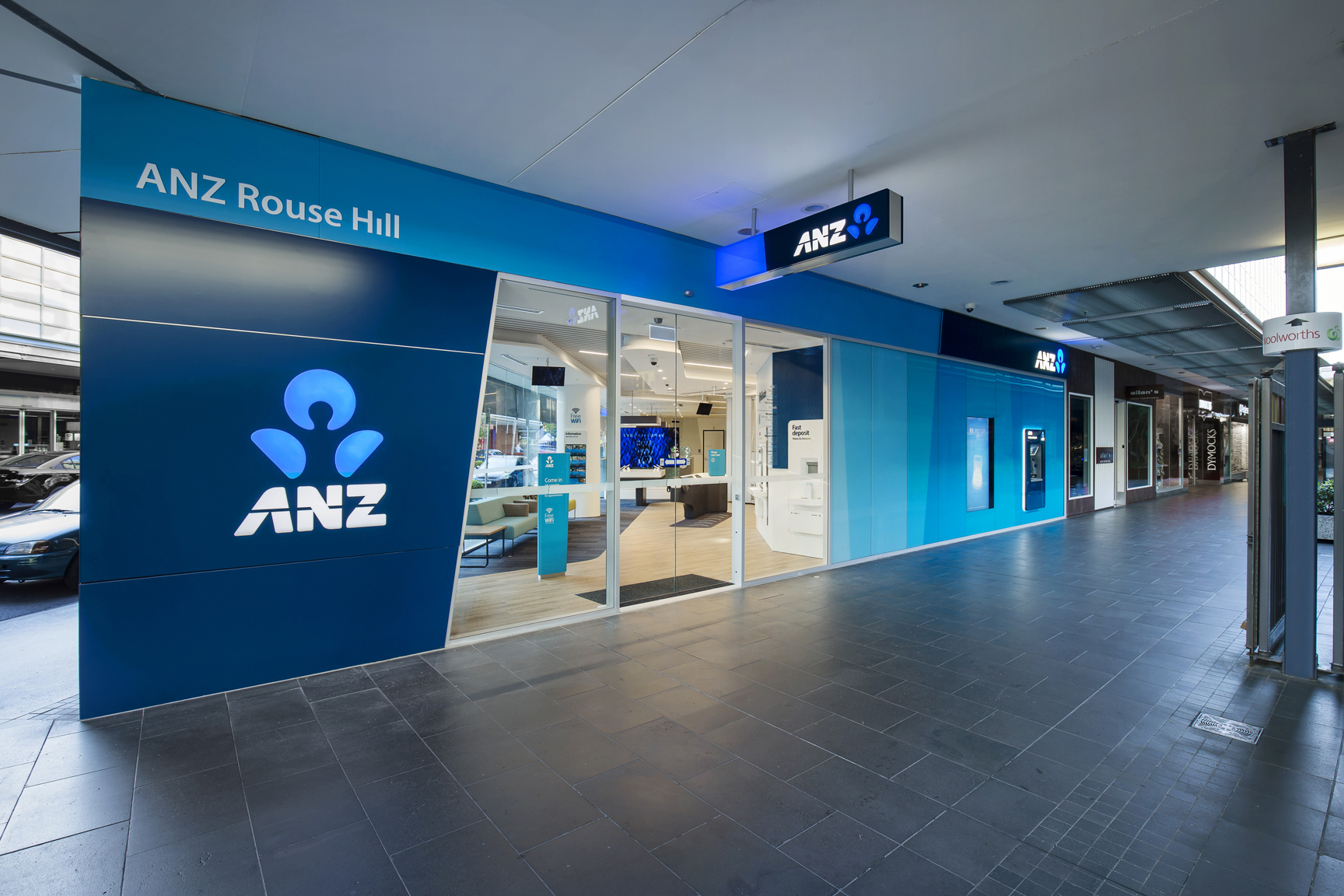
    A former ANZ Bank employee will be tried for allegedly falsifying customers’ signatures and misappropriating over VND91.3 billion ($4 million). Ho Chi Minh prosecutors have submitted to the court an indictment against Nguyen Pham Gia Tho, a former employee of ANZ, and his sister-in-law Nguyen Tuong Vi, director of an agricultural product export/import company, for appropriating property through fraud.

    According to the indictment, in 2015, Tho was head of customer relations at ANZ’s South Saigon branch in District 7 and was tasked with mobilizing savings deposits, providing insurance sales advice and proposing mortgages.

    During his time, he allegedly falsified signatures of customers with saving accounts to register for internet banking service and then transferred their money into his or his relatives’ accounts. Specifically, in early 2016, Tho was asked by a customer named Mai to help manage her bonds worth VND3 billion ($130,000) with securities firm VPBS. Abusing her trust, he falsified six contracts to mortgage the bonds and secure loans from VPBS.

    Tho asked his mother to impersonate Mai and register for internet banking service, then transferred the VND3 billion to her account so that he could withdraw from it. In July 2017, to have money for a fruit trading business with his sister-in-law Vi, Tho falsified signatures of several ANZ customers to open joint bank accounts in their names and one of his relatives.

    He then falsified documents to secure loans from the bank for the joint accounts before appropriating the money by transferring them into Vi’s and his own accounts. In total, Tho was determined to have misappropriated a total of VND91.3 billion (nearly $4 million), with Vi an accomplice in the misappropriation of over VND80 billion of this money. The relatives of Tho and Vi, whose identities were used to open the joint accounts, will not be prosecuted as investigators concluded they were unaware of the fraud and did not benefit from it.

  • Vietnam electricity prices go up again after two years

    Vietnam electricity prices go up again after two years

    Vietnam’s power prices went up 8.36 percent Wednesday after remaining unchanged for two years. A senior official of the Ministry of Industry and Trade told that prices have gone up from VND1,720 (7.4 cents) per kWh to VND1,864 (8 cents), exclusive of VAT.

    The ministry had said earlier this month that the Prime Minister had approved an increase in power prices. Vietnam’s power consumption has been increasing by about 10 percent each year, but generation has not kept pace.

    The hike could lower Vietnam’s GDP this year by 0.22 percent and increase its consumer price index (CPI) by 0.29 percent, the ministry said. Vietnam’s CPI increased 3.54 percent in 2018. Vietnam’s electricity prices have almost doubled in the last decade, but the last time they were raised was in 2017.According to Vietnam Electricity (EVN), its overall production costs rose by VND5.48 trillion ($235.46 million) year-on-year in 2018 mainly due to exchange rate differences in electricity purchase contracts and gas price increases.

    The utility expects costs to rise by VND15.25 trillion ($655.34 million) in 2019. This is not to mention other expected increases in costs of production, as well as coal and electricity imports, EVN said. Hoang Quoc Vuong, Deputy Minister of Industry and Trade, had noted earlier that Vietnam’s electricity prices were 8.1 percent lower than that of China and India, 18 percent lower than Laos and 26.5 percent lower than Indonesia. Even with the latest increase, the prices would only be on par with China and India, he said.

    “The fact that Vietnam’s electricity prices are lower than other countries is also why foreign investors are not interested in investing in electricity projects here,” he said. Vietnam, one of Asia’s fastest-growing economies, has been struggling to develop its energy industry. World Bank country director for Vietnam Ousmane Dione said at a recent forum that Vietnam would need to raise up to $150 billion by 2030 to develop its energy sector. Dione added that electricity demand in the country is set to grow by about 8 percent a year for the next decade.

  • Vietnam tops world in growth of mobile payments

    Vietnam tops world in growth of mobile payments

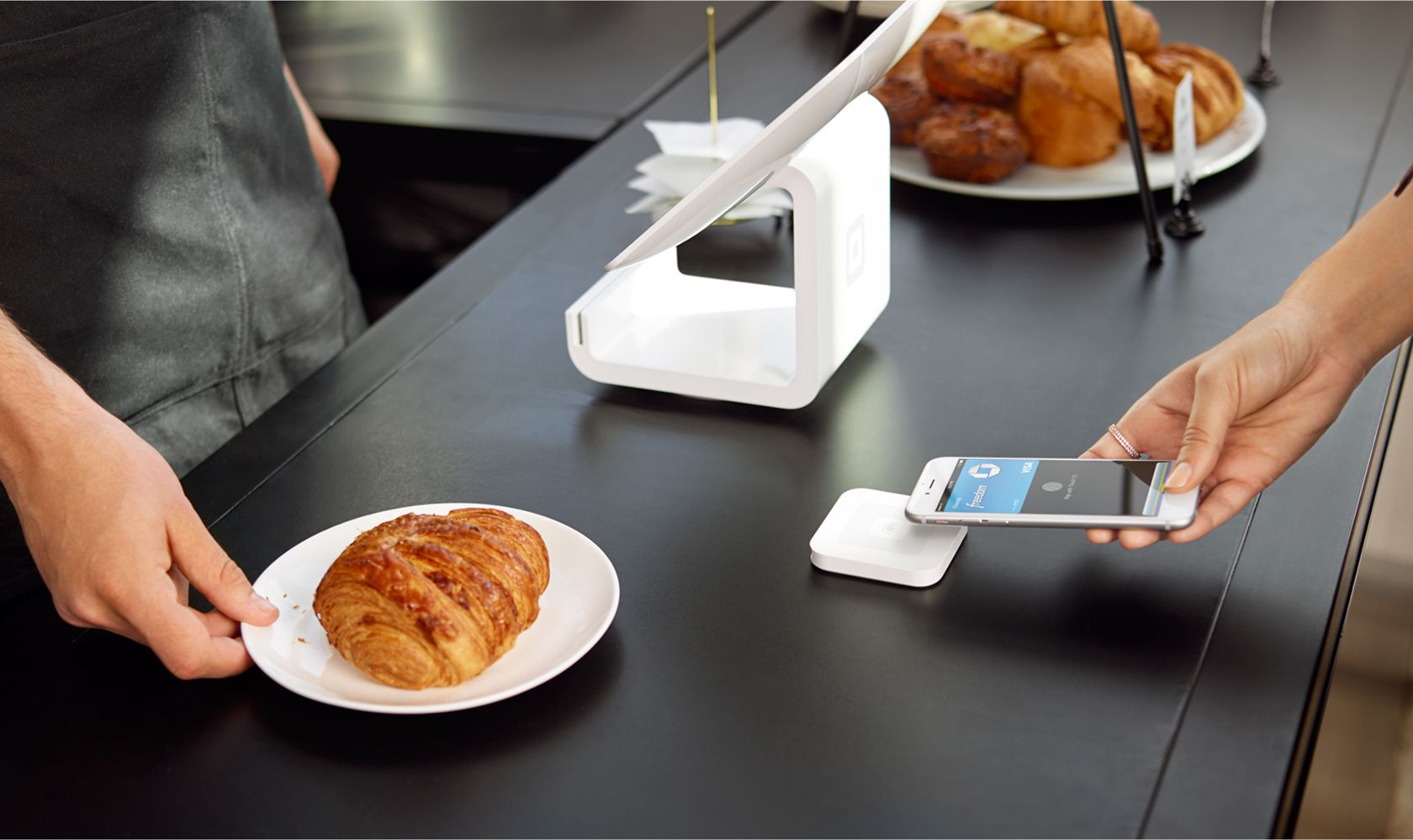
    The number of Vietnamese people making mobile payments in stores this year has grown fastest globally by 24 percent. A survey by the audit, tax and consulting services provider PwC found 37 percent of the respondents making mobile payments in 2018, but it went to 61 percent this year, placing Vietnam fourth below China at 86 percent, Thailand at 67 percent and Hong Kong at 64 percent.

    In terms of growth, the Middle East ranked second at 20 percent, said the Global Consumer Insights Survey 2019, which polled 21,000 online consumers in 27 territories.

    “Mobile payment is becoming a new trend with the rise of technologies such as QR codes, contactless payments, and the tokenization of card information,” Nghiem Thanh Son, deputy director of the Department of Payments at the State Bank of Vietnam (SBV), had said earlier.

    The Vietnamese government is working to accelerate the use of cashless transactions. In a resolution released January, it tasked the central bank to come up with solutions that would promote the use of e-wallets, which allow users to deposit cash into their e-wallets without the need for a bank account.

    However, Vietnam is still far away from becoming a cashless society, given low financial literacy and the lack of an ecosystem, experts say.

    The use of cash in Vietnam remains high. World Bank’s statistics released last year showed that Vietnam had the lowest percentage of cashless transactions in the region with only 4.9 percent, while this value for China and Thailand were 26.1 percent and 59.7 percent respectively.

  • Hanoi to limit new motorbike registration from 2020

    Hanoi to limit new motorbike registration from 2020

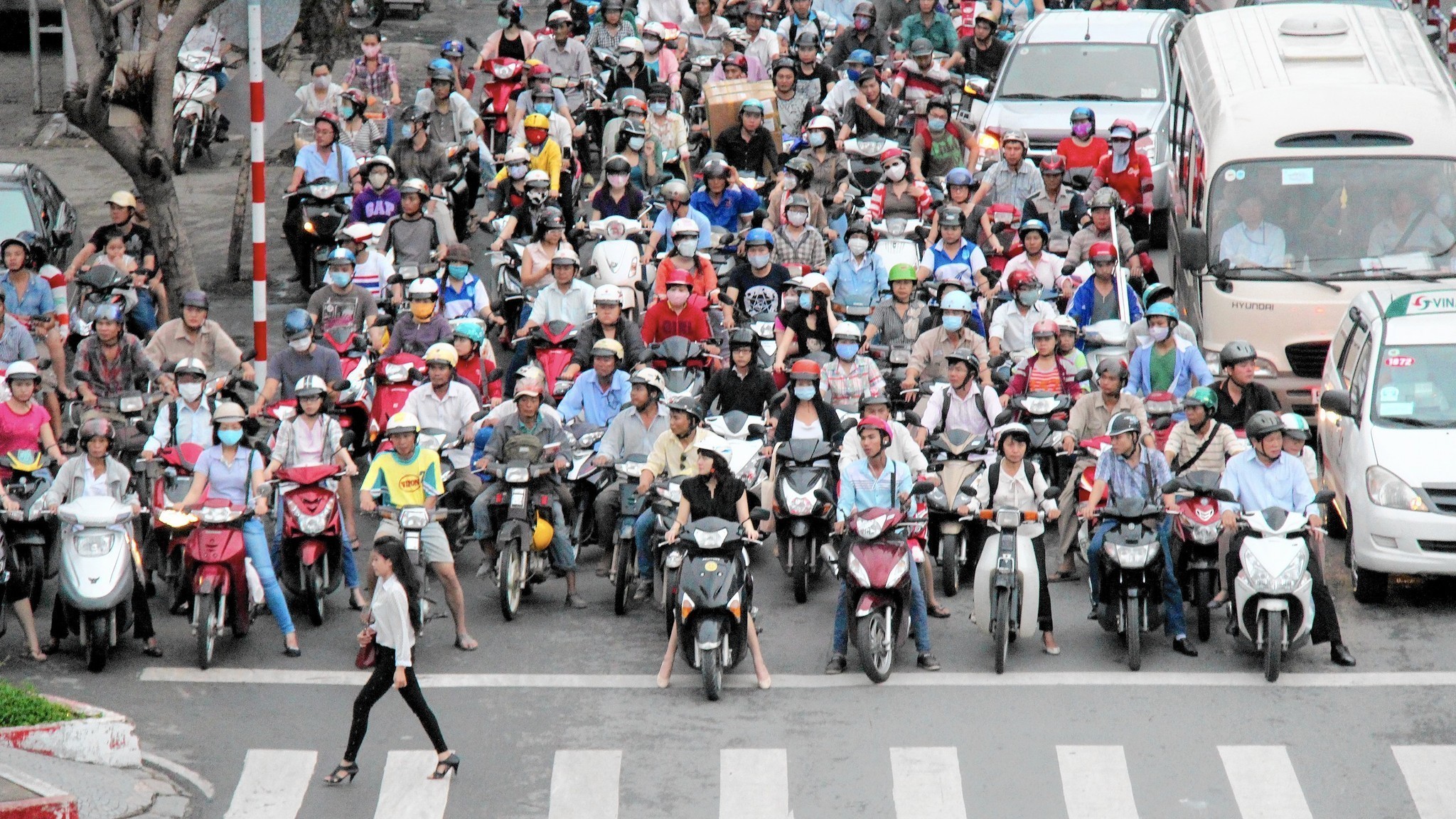
    Hanoi is considering limiting the registration of new motorbikes in the downtown area from next year to reduce traffic jams. It will start with the districts of Hoan Kiem, Hai Ba Trung, Ba Dinh, Dong Da, and Tay Ho, and will expand to the districts of Cau Giay, Hoang Mai, Long Bien, Thanh Xuan, Gia Lam, and Dong Anh in 2025.

    The city said that a motorbike ban during rush hour would be trialed on a stretch of Nguyen Trai Street in Thanh Xuan District this year or next year. The stretch runs about 2.2 kilometers from the Nguyen Trai – Third Ring Road intersection to the Nguyen Trai – Lang intersection. A similar ban will take effect on Xuan Thuy Street in Cau Giay District when the metro starts operating after 2020. Other roads the city is considering are Giai Phong, Nguyen Van Cu, Le Van Luong, Tran Duy Hung, and Nguyen Chi Thanh Streets.

    In 2021-2025 Hanoi plans to ban motorbikes on Friday nights and during weekends on six streets near Hoan Kiem Lake: Hang Dau, Tran Nhat Duat, Tran Quang Khai, Tran Hung Dao, Le Duan, and Phung Hung. In the 2026-2030 the city will limit motorbikes in the area enclosed by the first ring road, an area of 26 square kilometers with a population of 700,000.

    From 2030 it will ban motorbikes in most districts and has promised public transport will meet 70 percent of the public’s needs. There will be 180 bus routes with 2,700 buses, nine metro lines, 30,000 taxis, 30,000 contracted vehicles and 10,000 public bicycles available at that time, it has added.

    The city will offer to buy used motorbikes less than 10 years old, said the plan, which was issued at a recent meeting. Vu Van Vien, director of the city Department of Transport, said Hanoi has been dealing with traffic jams by limiting cars in some areas since 2013, and the city has recently restricted taxis and technology taxis (such as Grab) on certain streets.

    “Motorbikes are just one of the vehicles that will be restricted. Our plan limits and manages all vehicles. We do not want to cause trouble to residents and seek to discuss before implementing.”

    The city is still studying the proposal and would consult other authorities, and wherever the ban applies, public transport should be available to meet the public’s needs, he said, adding that the city will seek public opinion on the plan.

    In 2017 the city People’s Committee approved a plan to ban motorbikes in downtown districts by 2030 and restrict the use of all private vehicles in areas well served by public transport. The city said it polled 15,000 respondents in 30 districts at that time and 90 percent supported the ban.

    The city tried in 2003 to stop the registration of new motorbikes in the districts of Ba Dinh, Hoan Kiem, Dong Da, and Hai Ba Trung, and expanded it to Thanh Xuan, Tay Ho and Cau Giay in 2005. However, it later scrapped the ban since it was not effective.

    Hanoi’s plan to ban motorbike has met with opposition from transport experts, who said public transport is inadequate. The capital, with a population of 7.5 million, has 5.6 million motorbikes and around 550,000 cars, besides some 1.2 million bikes brought in from elsewhere, according to police figures.

  • Cebu Pacific offers P299 promo fare for all domestic flights

    Cebu Pacific offers P299 promo fare for all domestic flights

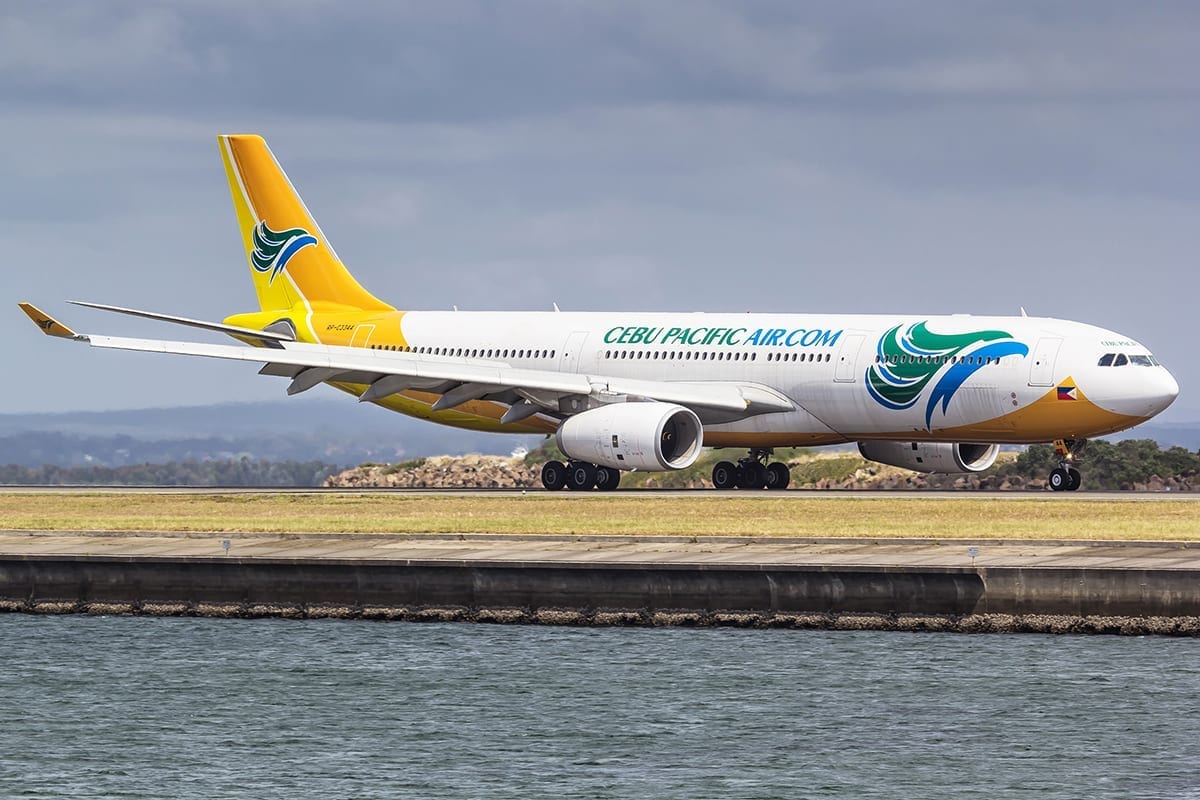
    Cebu Pacific on Friday announced a P299 seat sale promo for all domestic flights as part of its “Super Seat Fest” that kicked off on March 1.  Flights to all domestic destinations are available for as low as P299 from March 1 to March 2, the country’s largest carrier said in a Twitter post. No promo code is needed to book discounted seats.

    Travel period for the availed flights are from April 1 to July 31, 2019, the airline said.

    Cebu Pacific earlier said “1 million seats and deals” would be available for the entire month of March to mark its 23rd anniversary.

    Philippine Airlines, meanwhile, announced a P78/$78 base fare promo for domestic and international flights to mark its 78th anniversary.

  • Jaguar Land Rover wins case in China against Evoque copycat

    Jaguar Land Rover wins case in China against Evoque copycat

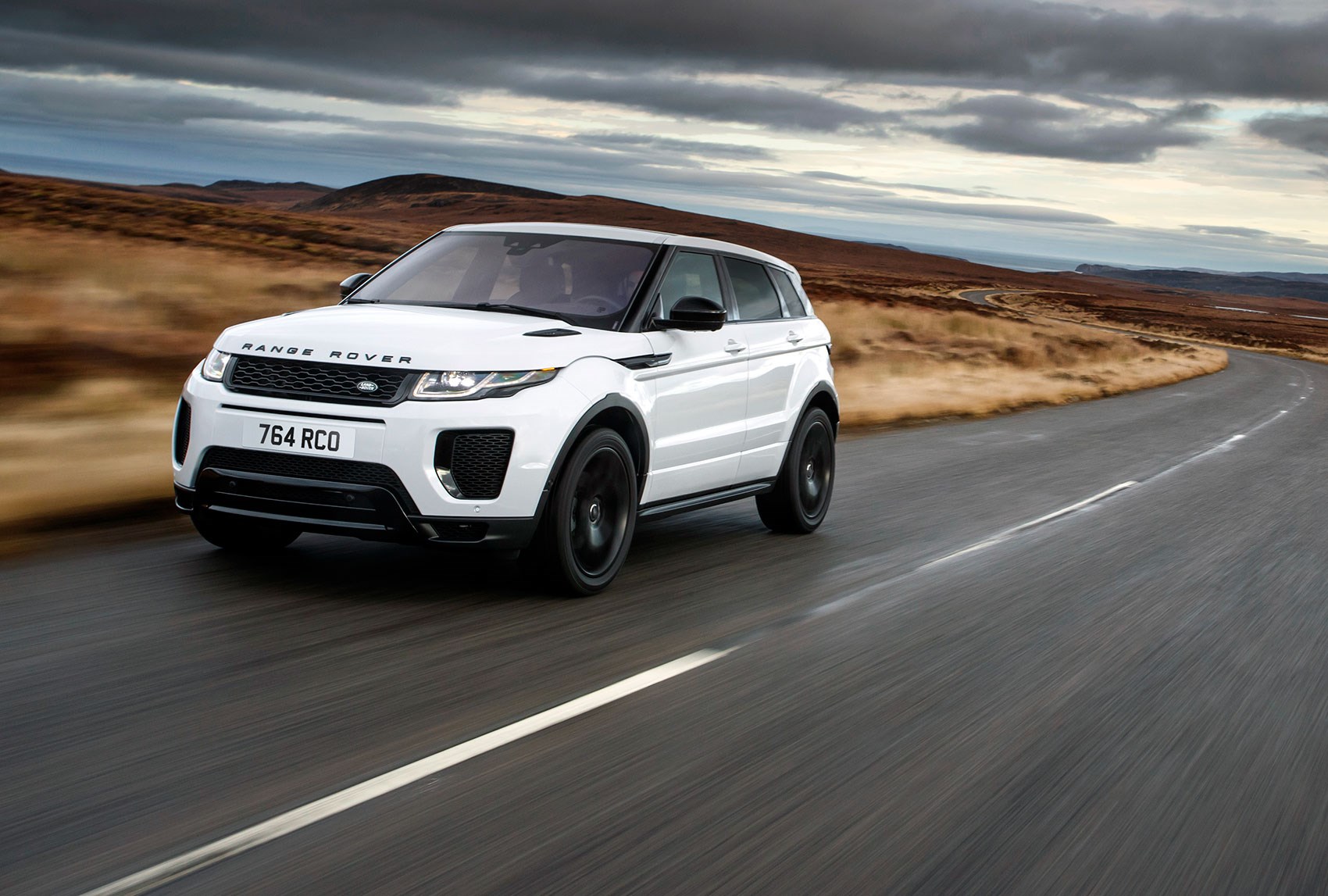
    Jaguar Land Rover won a legal victory and compensation after a court in China ruled that the Jiangling Motor’s Landwind X7 SUV was too similar to the Range Rover Evoque. The Beijing Chaoyang District Court agreed with JLR that that Landwind copied five unique features of the Evoque, which led to widespread customer confusion, JLR said.

    The court ruled that Landwind must pay JLR compensation. The ruling refers to the original Landwind X7 from 2014 rather than the more recent facelifted model, which toned down some of the more blatant similarities, JLR said. Landwind can continue selling the facelifted version.

    The two SUVs have a similar shape, with the roof and windows tapering from front to back, and near-identical tail lights and character lines on the side paneling.

    JLR said the court’s decision suggests China is taking copying claims more seriously. “This ruling is a clear sign of the law being implemented appropriately to protect consumers and uphold their rights so that they are not confused or misled, while protecting business investment in design and innovation,” Keith Benjamin, Jaguar Land Rover’s legal affairs chief, said in a statement.

    Western automakers have faced difficulties in China caused by domestic brand imitating their designs.  Also, a lawsuit can be bad for branding if the Chinese public think a foreign company is bullying domestic competitors.

    “The ruling is highly significant,” said Michael Dunne, CEO of Hong Kong-based automotive consultant firm ZoZoG. “For years, foreign companies have taken Chinese rivals to court for purloining designs and lost. GM, Mercedes, BMW, Toyota, you name it.”

    At certain times, Chinese leaders will allow a high-profile foreign “win” in order to win international support, Dunne said.

    JLR had its patent on the shape of the Evoque canceled in China in 2016 after a court ruled it was void because the company had patented it outside China first. It responded by suing Jiangling.

    The new Evoque will be launched in China in April.

    Landwind is one of the few Chinese automakers that does not break down its sales by model, but industry observers estimated the X7 accounted for the bulk of the brand’s 80,000 sales in 2016 at the height of the SUV’s popularity. The X7 costs from the equivalent of 17,100 euros in China, compared to almost 50,000 euros for the Evoque.

    The new Range Rover Evoque will be launched in China in April.

    Landwind sold 2,746 cars in China in the first two months, making it the 61st best-selling brand, according to figures from sales aggregator Bestsellingcarsblog.com. Land Rover was No. 59 with 3,342 sales, down 61 percent on the year before. Jaguar was No. 68 with sales down 60 percent to 1,931.

    JLR’s court victory is rare in China where courts often side with domestic automakers. Fiat lost a case against Great Wall in 2008 after a court ruled that the GW Peri was not a direct copy of Fiat’s Panda, despite strong similarities. Fiat was ordered to pay court costs.

    More successful was German coach-maker Neoplan in 2006, after a court ruled that the A9 bus made by the Zonda Industrial Group was a direct copy of the Neoplan Starliner. Zonda was ordered to stop making and selling the bus and ordered to pay 20-million-yuan compensation to Neoplan.

    JLR’s China deliveries fell 22 percent to 115,000 last year after the automaker faced quality problems that caused Jaguar and Land Rover owners to protest outside its China headquarters in Shanghai.

  • iOS 12 bringing iPad Pro support for unlikely accessories

    iOS 12 bringing iPad Pro support for unlikely accessories

    Apple has a pretty clear strategy for its iPad lineup with an option available at every price point from $329 up to infinity as well as having a handful of screen size options. Apple’s status in the tablet market means there’s no shortage of accessories, but in a surprise move Apple added native support for the Logitech Crayon for the 9.7-inch iPad and now support is coming to more devices.

    Apparently the next version of iOS 12 will bring support for the Logitech Crayon to “the iPad Pros.” Unfortunately, it’s not clear if Patel was referring to the new iPad Pros or the entire lineup of iPad Pros, which is an important distinction given the trouble users could have sorting out Apple Pencil support on different iPads. The suspicion is that Apple will be releasing a new version of iOS 12 on Monday to add support for the various subscription services expected to be announced.
    While on the surface, this seems like a good thing since the idea behind the Crayon is that it just works on an iPad right after you turn it on without needing to do anything else, and bringing support to more devices beyond the $329 iPad seems like a plus. The odd thing about it is that the plan would be to add support just for the iPad Pro lineup. The Crayon is designed for the education market (it’s actually not available for purchase outside of Apple’s Education channel.) The reason it only supported the cheapest iPad was because that’s the device also designed for the education market.
  • Skoda’s electric-car push includes low-cost EV

    Skoda’s electric-car push includes low-cost EV

    Skoda plans to build three electric cars based on the Volkswagen Group’s MEB platform in the Czech Republic within the next four years, including a small, affordable model. Skoda’s flagship MEB electric car will be based on the Vision IV coupe crossover concept revealed at the Geneva auto show earlier this month.

    It will be joined by a second car based on the same concept, Skoda CEO Bernhard Maier told journalists at the brand’s annual results conference here on Wednesday.  The second vehicle is expected to be a more conventional SUV and will be built at Skoda’s Mlada Boleslav plant alongside the flagship model, which starts production in the second half of 2020 ahead of its market launch in early 2021. Both vehicles will be built on the same line as the Skoda Octavia compact car.

    “That gives us a lot of flexibility. We can scale and adjust to some extent if customer demand changes,” Maier said.

    A third, more affordable electric car will be built at Skoda’s Kvasiny plant and will form part of a new “MEB entry family” of cars announced by the VW Group at its annual press conference earlier this month. The model is still in the planning stage, Maier told journalists. “We are looking for a lower specced car and once we have a positive business case we will come up with a clear solution,” the CEO said.

    Cars in the MEB entry family will be smaller than VW’s Golf compact car, while offering similar interior space. They will arrive about 2023, VW CEO Herbert Diess told earlier this month.

    Skoda will launch a full-electric version of its Citigo minicar, based on the VW e-UP, later this year. The model will be built in VW’s plant in Bratislava, Slovakia, and will have an electric range of 300 km (186 miles), Maier said.

    Skoda has said 25 percent of all its cars sold by 2025 will be electrified and the brand plans to launch more than 10 electrified cars by the end of 2022, including plug-in and mild-hybrid models. Its first plug-in hybrid will be a version of the Superb midsize and will go on sale later this year. By 2025 Skoda will sell five separate pure electric cars, the company has said.

    Maier said Skoda remains unsure of the demand for its electric models.

    “I don’t know how the customers will reflect on our offer,” he said. “If our reference was those customers who have driven our electric cars in focus groups, then we can easily achieve 25 percent, but it is quite obvious the demand will be different if you talk to customers living in urban areas than those living in rural areas.”

    Customers in rural areas have concerns about charging and range, he said.

    Volkswagen Group is turning its Zwickau, Germany, factory into a specialist plant for MEB models for the VW, Audi and Seat brands but Skoda has placed great importance on building its MEB-based electric cars in in its Czech Republic home.

    “Electromobility is being developed in the heart of Skoda in the Czech Republic. That ensures the future of jobs here,” Maier said.

    The first MEB EV, based on the Vision IV concept, is likely to cost about the same as the brand’s Kodiaq or Superb models, Skoda sales chief Alain Favey told. The average selling price of the Kodiaq SUV is around 40,000-45,000 euros. For the Superb it is about 40,000 euros.

    Favey said Skoda aims to offer a package that will entice customers to want to spend that amount. He said the car would also adhere to the same philosophy of “smart understatement” shown by other models in Skoda’s range. “It’s an extremely modern way of thinking,” he said.

    Maier said replacing today’s internal combustion engine cars with electrified versions to meet the tough European targets on CO2 will drive up the price of all cars. “Individual mobility will be more expensive, there’s no doubt about that,” he said.

  • Porsche 911 GT2 RS Production To Start All Over

    Porsche 911 GT2 RS Production To Start All Over

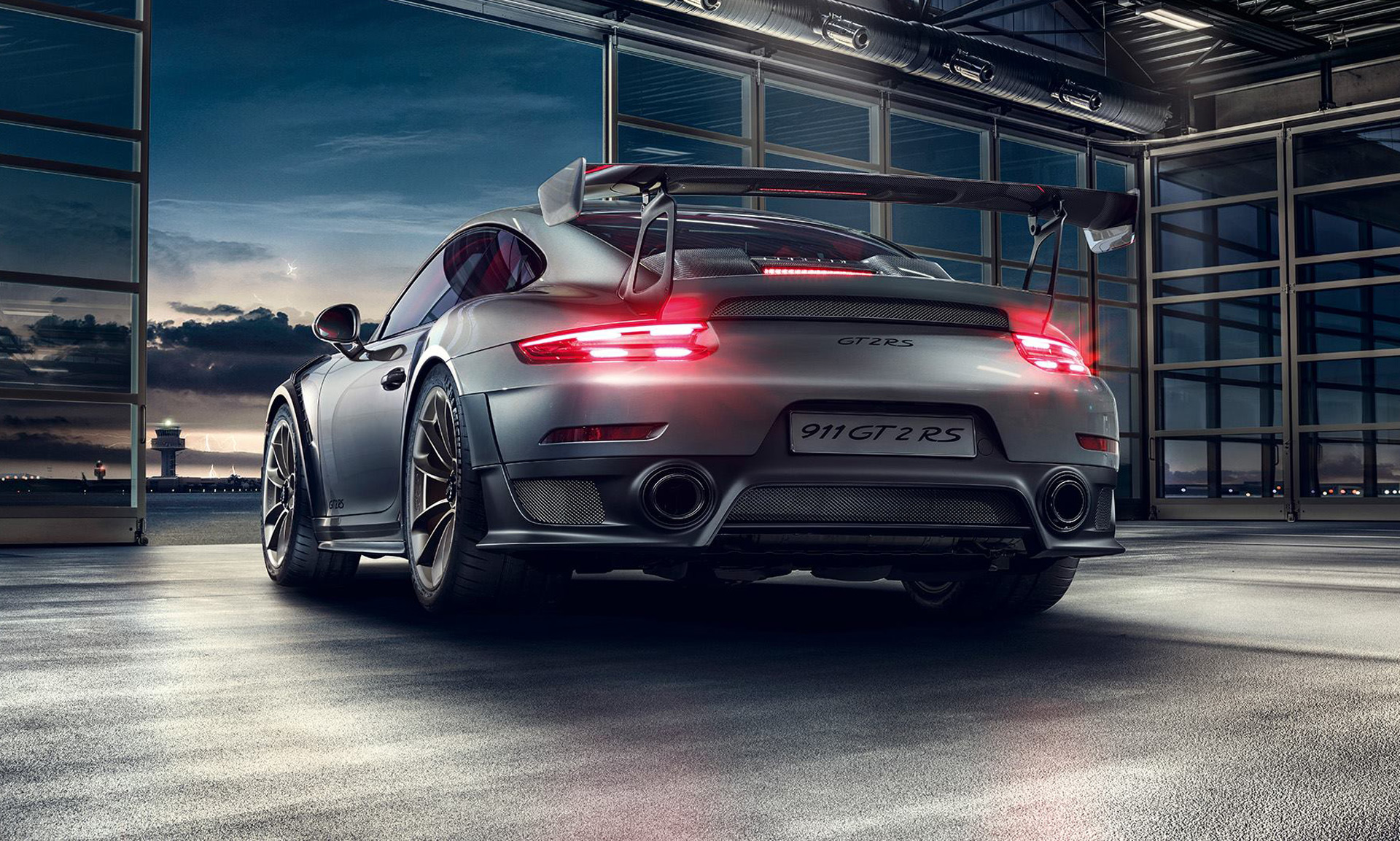
    Porsche officially had ended the production of the 911 GT2 RS last month. However, the company will restart its production as the last shipment containing 4 Porsche 911 GT2 RS sank-off the French Atlantic coast. The cars were being shipped in the Italian marine container- Grande America along with other Audi and Porsche models. Other models onboard were the Audi A3, Audi A5, Audi RS5, Audi Q7, Porsche Cayman, Porsche Boxster and Porsche Cayenne.

    According to the reports, Grande America sank due to a fire breakout and within no time submerged into the water. The letter Porsche wrote to the owners explained them the circumstance and informed that the company will resume the production of the Porsche GT2 RS in Germany and the vehicles will be manufactured in April. The delivery of the same has been scheduled for June. Porsche has also confirmed that 37 of its new cars in route from Hamburg to Brazil were on Grande America. The company will manufacture all those models again.

    According to the reports, the aboard shipment was destroyed beyond restorable limits due to the fire and what went below the surface were only salvage. The fire started on the car deck ship and according to the maritime authority of the French coast, it drowned 15,000 ft. below the surface.

  • Porsche Cayenne Coupe Unleached

    Porsche Cayenne Coupe Unleached

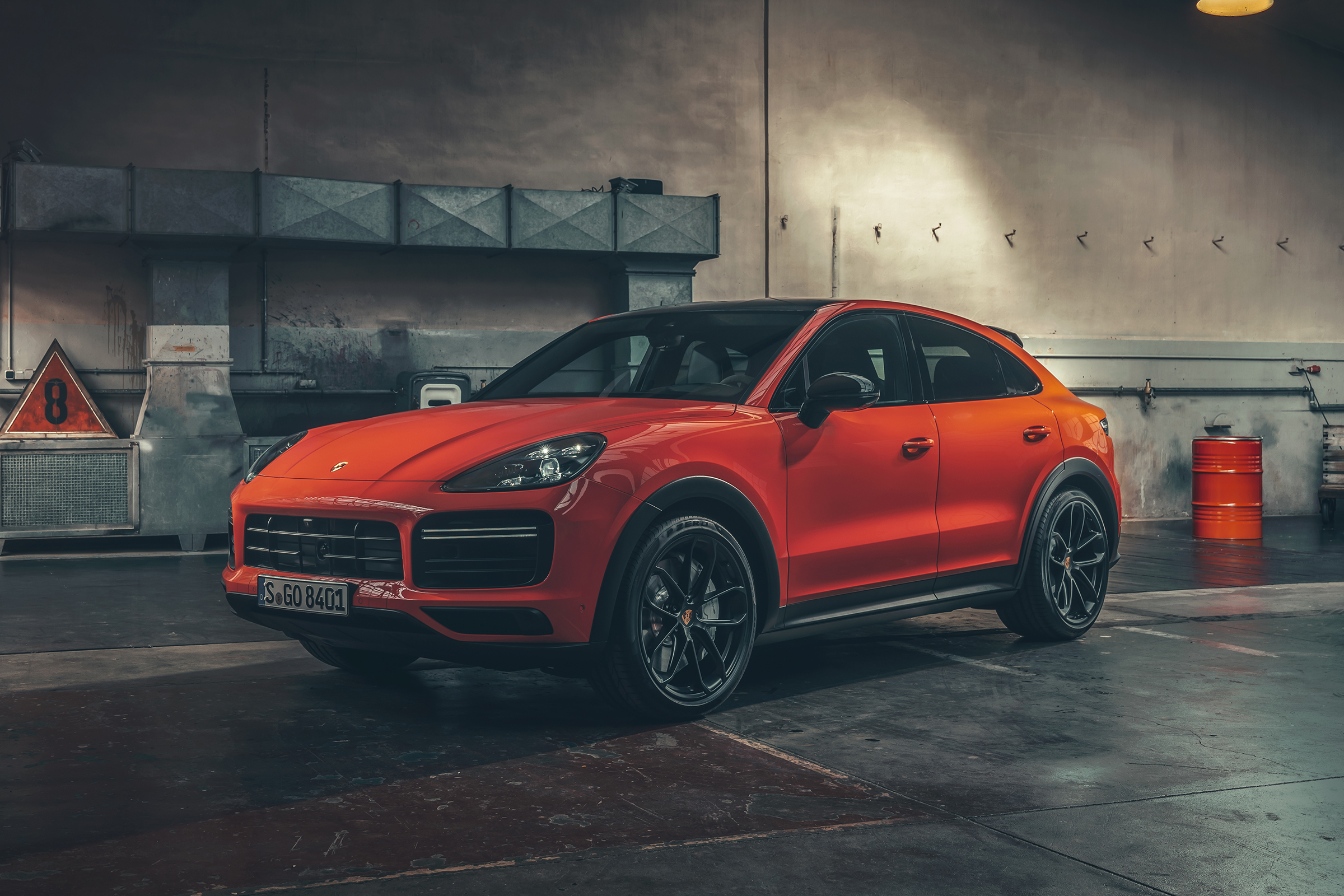
    We’ve been anticipating it for a while now from Porsche and it’s finally here. The Porsche Cayenne has taken the Coupe route and the company has revealed the Cayenne Coupe. The highlights of the new Cayenne model include sharper lines with a unique rear section, an adaptive rear spoiler, a rear bench with the characteristics of two individual seats. The new model also offers two different roof concepts, which includes a panoramic fixed glass roof fitted as standard and an optional carbon roof.

    The front windscreen and A-pillar are shallower than in the Cayenne, courtesy of a roof edge that has been lowered by around 20 millimetres. Redesigned rear doors and fenders broaden the shoulders of this vehicle by 18 millimetres, contributing to its overall muscular impression. The rear number plate is integrated into the bumper, making the vehicle seem closer to the ground. With its adaptive roof spoiler, the current Cayenne Turbo was the first SUV to feature this type of active aerodynamics. The new Cayenne Coupé picks up that ball and runs with it. On each Cayenne Coupé model, a roof spoiler is combined with a new adaptive rear spoiler as part of Porsche Active Aerodynamics (PAA). The spoiler – harmonically integrated into this model’s silhouette – extends by 135 mm at speeds of 90 kmph and up, increasing the contact pressure on the rear axle, while PAA simultaneously enhances efficiency.

    The new Cayenne Coupé comes with a 2.16 m2 panoramic fixed glass roof as standard. A contoured carbon roof is optionally available for the Coupe. The centre seam gives the roof the characteristic look of a sports car, similar to the Porsche 911 GT3 ₹ The carbon roof is available in one of the three lightweight sports packages. These packages also include the Sport Design features and new, weight-reduced 22-inch GT Design wheels, seat centres in classic checked fabric, as well as carbon and Alcantara accents in the interior. For the Cayenne Turbo Coupe, the package also includes a sports exhaust system.

    If you thought it’s pretty groovy looking on the outside, well, the inside is no different. At the front, the new eight-way sports seats with integrated headrests offer exceptional comfort and optimum lateral support. In the rear, the Coupé comes fitted as standard with a rear bench that has the characteristics of two individual seats. Alternatively, the comfort rear seats – a familiar feature of the Cayenne – can be ordered at no additional cost. Rear passengers sit 30 millimetres lower than in the Cayenne, meaning there is plenty of headroom despite the vehicle’s sporty lowered silhouette. The boot capacity is 625 litres – ideal for everyday use – and rises to 1,540 litres when the rear seats are folded down (Cayenne Turbo Coupé: 600 to 1,510 litres).

    Under the hood of the Cayenne Coupe will be two high-performance engines. It will come with a 3-litre 6-cylinder turbocharged engine that delivers 335 bhp and maximum torque of 450 Nm. The Sport Chrono Package fitted in the car achieves the standard sprint from 0-100 kmph in 6 seconds, with this figure dropping to 5.9 seconds with the optional lightweight sports packages. The vehicle’s top speed is 243 kmph. The top-of-the-range Cayenne Turbo Coupe goes to the starting line with a 4 litre V8 engine with twin-turbo charging 542 bhp, and a maximum torque of 770 Nm. The Cayenne Turbo Coupe accelerates from a standing start to 100 kmph in 3.9 seconds, and has a top speed of 286 kmph.

    The new Porsche Cayenne Coupe models are available for order now in the European markets. We have to wait to find out when India gets this model. We are sure that it will be very soon though.

  • South Korea’s SK Group to buy $1 bln stake in Vingroup

    South Korea’s SK Group to buy $1 bln stake in Vingroup

    South Korean conglomerate SK Group plans to acquire a $1 billion stake in Vietnam’s largest private  conglomerate Vingroup. SK plans to make the investment as early as next month, it said. Vingroup recently sought its shareholders’ vote on a plan to raise at least VND25 trillion ($1.08 billion) through a private placement to five foreign investors.

    It plans to sell the shares at a minimum price of VND100,000 ($4.32) and stipulate a lockup period of one year, during which time the shares cannot be resold by the buyers.

    It plans to use VND10 trillion ($432.34 million) of the proceeds to restructure its debts, VND6 trillion ($259.41 million) to invest in its auto company VinFast, technology firm VinTech and smartphone maker Vinsmart.

    Vingroup is Vietnam’s largest listed company by market capitalization and is worth VND377 trillion ($16.23 billion).

    Last September SK Group acquired a 9.5 percent stake in Vietnam’s diversified business Masan Group for $470 million.

  • Microsoft app works in reverse sending content links to your Phone

    Microsoft app works in reverse sending content links to your Phone

    Instead of having to email content from your Android phone to your Windows PC, Microsoft’s Your Phone app automatically shares photos, texts and other content from your handset to that box on your desk. And according to MS Poweruser, you can send content links the other way from your PC to your phone. Doing this requires the use of the native share button on Microsoft Edge and Firefox.
    You will receive a notification when the link hits your phone. Tap it, and the content will open in the Microsoft Edge browser for Android. To arrange this, you need to install Microsoft’s Your Phone Companion app on your Android handset and the Microsoft Edge browser app. You then need to install the Your Phone app on your Windows 10 PC. Sign in using a Microsoft account, agree to some permission requests, and you have helped your PC and Android phone become friends.
    Suppose you were on your PC, watching one of our reviews on YouTube, and wanted to send a link to your phone so you can quickly find it later when you’re out. While the video is up on the PC, click on the three dot overflow menu on the right side of the address box. From there, tap on share and then Your Phone. You will receive the aforementioned notification on your phone. Tap on it, and the content will open in the Edge app on the handset.
    This setup will also allow you to send web pages from your desktop to your phone, along with some other content that you are viewing on the desktop Edge browser. And don’t forget that the original idea of the Your Phone hook up is to send texts and photos from your phone to your Windows 10 PC.