Tag: asia

  • AppsFlyer Performance Index puts Facebook and Google on top

    AppsFlyer Performance Index puts Facebook and Google on top

    acebook and Google may rule the rankings but persistent challenges and rampant fraud are mixing things up, according to the latest Performance Index from Appsflyer.

    According to Appsflyer’s study, Apple Search Ads and Snap are continuing to grow despite trailing behind the reigning champs. Meanwhile, high fraud rates are hitting rankings and budgets all around, encouraging a re-evaluation of strategies like affiliate marketing.

    The mobile attribution and marketing analytics company looked at mobile activity in the latter half of 2018, drawing on 370 media networks, examining 20 billion app installations and 39 billion app openings, across 11,500 apps. It was a worldwide study spanning North America, Latin America, Asia, Europe, Africa, and the Middle East. App categories surveyed included shopping, utilities, lifestyle and culture, and gaming. Gaming was split into subcategories of casual, mid-core and strategy, and social casino apps.

    Shani Rosenfelder, head of mobile insights at AppsFlyer said, “As marketing campaigns become more dynamic, complex, and transcend various media platforms, marketers are looking for ways to engage audiences across a diverse range of media sources, regions, platforms and channels in order to build messages that resonate — and to connect the dots across the user journey.”

    The other main findings from the study are as follows:

    Continuing its success at sustaining user demand for games, Facebook held onto its position as the top network for mobile apps, driven by its performance in gaming. Google, meanwhile, saw higher growth in non-gaming apps compared to the social media giant, likely a reflection of Google’s search intent model.

    The search giant’s 190%  jump in its share of the app retargeting landscape marked an impressive showing for Google, while Facebook maintained its No. 1 perch on this metric.

    AppLovin cemented its No. 3 spot in gaming rankings behind Facebook and Google, having made significant strides the last two years in its share of the gaming app install pie. When it comes to driving gaming app installs, ironSource has almost doubled its market share, surpassing Unity Ads with the 4th largest piece of the pie. Having said that, Unity Ads held its #4 position in the universal power ranking in the gaming category overall, compared to ironSource’s 5th spot.

    Among the networks to see the biggest changes were Snap, which rose to fourth place from ninth in the non-gaming ranking, while declining from the top spot to No. 12 in casual games; CrossInstall, which plunged from first to sixth in universal gaming; and Vungle, which rocketed from 12th to fifth place in universal gaming.

    Among the networks appearing in AppsFlyer’s previous Growth Index, which showcases performance of up-and-coming media sources in a specific region, 40% saw absolute negative growth, and only 10% remained in the rankings of the current and previous editions of the Index. All were emerging media sources.

    At 30% worldwide, app install fraud remained high, impacting some rankings and underscoring the magnitude of the threat to marketers’ budgets and decision-making based on polluted data.

    Amid growing attention to mobile ad fraud, the second half of 2018 saw a shift away from the affiliate model, with a 12% drop in affiliate-driven app installs, even as overall app installs increased by 32%.

    Making its first appearance on the index, the Africa/Middle East region showed substantial growth, reflecting the region’s continued economic development. As the number of smartphone owners increases in the area at breakneck speed, the region represents fertile ground for marketers vying to attract and retain new customers.

  • Microsoft Asia’s senior director of comms Andrew Pickup to exit after many years

    Microsoft Asia’s senior director of comms Andrew Pickup to exit after many years

    Microsoft Asia’s senior director, communications, Andrew Pickup (pictured) will be leaving the company after 26 years of service. Pickup said that in June 2019, he will be leaving Singapore for personal reasons and is looking forward to new adventures in the UK. He said, “I can honestly say I’ve enjoyed every day of my long career at Microsoft (not necessarily every minute or hour because there are always challenges in any job). But every day? Yes.”

    Helming the role of a senior comms director for six years, Pickup was in charge of leading the communications for Microsoft in Asia. He covered the Asia Pacific region, as well as Japan, India and China. According to his LinkedIn, his responsibilities included managing all media relations, analyst relations, internal and executive communications, crisis and change management and government/citizenship outreach. He was also managing the regional team in Singapore and led a community of 40 communications professionals across 17 countries in Asia. 

    Previously, Pickup was chief marketing and operations officer, a role he held for five years focusing on the ASEAN and ANZ markets. He was responsible for the revenue, market share and P&L performance of all Microsoft Business Groups for the Asia Pacific region and the overall orchestration of regional go-to-market sales, marketing and services plans.

    Pickup also oversaw the long-term growth planning, the management of the regional core business processes – business and marketing planning, target setting, marketing budget management – market intelligence, competitive initiatives, integrated marketing communications and public relations. He had a team of 32 reporting directly to him.

    Prior to this, he was chief of staff, Microsoft Asia Pacific, for over two years. The role tasked him to establish core process infrastructures to support executive decision-making(fiscal-planning, process-management, governance and operational models) and manage large-scale projects (geographic expansion). Before this, in 2003, he was chief marketing and operations officer of Singapore operations. 

    Some of his previous accolades with the company include head of desktop marketing, group marketing manager and relationship marketing manager in the UK. Before joining Microsoft, Pickup had a stint with Saatchi & Saatchi in 1988. Helming the role of senior account director, he was responsible for maximising revenue, profitability and client satisfaction from existing blue-chip accounts, as well as identifying and winning new business. At that point in time, he handled clients such as British Airways, Vodafone and Avis.

  • Google’s new lab lends news publishers a hand in digital subscription

    Google’s new lab lends news publishers a hand in digital subscription

    Google News Initiative is preventing traditional print publishers from dying with the launch of the GNI Subscriptions Lab. In partnership with the Local Media Association and FTI Consulting, the lab seeks to develop a sustainable and thriving business model for newspapers across North America powered by digital subscriptions.

    While Local Media Association president Nancy Lane noted in a post on Google’s blog that publishers have been putting digital subscription at the center of their business transformation, she said that there has yet been “a clear template at the metro and local levels.”

    “One local publisher told me that his organisation’s existence is being threatened like never before, and that seeing his community lose the kind of journalism they produce is not an option. Another said if we as an industry can’t figure out the digital subscription model, then the end could be near,” added Lane.

    Eight publishers will be chosen to participate in an experience designed by the GNI Subscriptions Lab addressing every step of the digital subscriptions process. They are said to “represent a cross-section of the local news industry, with a mix of both chain-owned and independent community and metro titles,” said the blog post. On the selection criteria, Lane said that the publishers must be ready to involve their higher management and be dedicated to figuring out a subscriptions strategy.

    Over six months, the publishers will undergo a mix of quantitative and qualitative market research in existing and potential reader segments to understand the market, readers willingness to pay and more. The learnings will be shared with the industry at large, including at the LMA-LMC Elevate Summit in September, through experiential learning, playbooks and conference workshops. Lane said,

    The future of community journalism is indeed at stake. I can’t think of a project more important at this moment in time. This is a powerful group effort, and our expectations are high.

    Google teams will be supporting the initiative with its expertise in data, technology, product and subscriptions, while FTI Consulting will perform a full diagnostic evaluation of each participating publisher across multiple dimensions. Additionally, FTI Consulting will provide a detailed scorecard to show how each publisher sizes up, and a dashboard for measuring ongoing progress.

  • Xiaomi Mi Band 4 could include major Apple Watch features

    Xiaomi Mi Band 4 could include major Apple Watch features

    A few days ago, we told you that Xiaomi will release the Mi Band 4 fitness tracker sometime this year. An executive from Huami, the company that is the source of Xiaomi’s wearables, said that the Mi Band 3 is still selling in big numbers and that there is no reason for Xiaomi to launch the next generation model at this point. We should point out that the Mi Band traditionally has sold well because of its low price. For example, the Mi Band 3 is offered by Amazon in the U.S. for $33.53.

    While Xiaomi has been tight lipped about any new features we might find on the Mi Band 4, we do have some specs to pass along. We spotted a certification from the Bluetooth SIG (Special Interest Group) revealing that the next generation of the fitness band will sport Bluetooth 5.0 LE (Low Energy). That is an upgrade from the current model’s use of Bluetooth 4.2 LE and indicates that the Mi Band 4 will offer improved connectivity. In addition, the Bluetooth Launch Studio web site indicates that the Mi Band 4 will feature NFC connectivity as well, at least in some markets.

    Two different variants of the device were listed on the site and the one with the model number of XMSH08HM will include NFC; the other, listed as XMSH07HM, will not. The model with NFC could include support for the company’s Xiaomi Pay mobile payment service.

    The Mi Band 4 could include an electrocardiogram sensor to watch for abnormal heart rhythms

    There is also speculation that like the Apple Watch series 4 smartwatch, the Xiaomi Mi Band 4 will come with an electrocardiogram (ECG) monitor that will detect abnormal heart rhythms. This is mainly used to alert users to the possibility that they are suffering from atrial fibrillation (AFib), which can lead to strokes, blood clots, heart disease and death. Including an ECG monitor with a low priced fitness ban could make the Mi Band 4 even more popular than its hot selling predecessor, especially if the feature is as accurate as the one on Apple’s timepiece. There is also speculation that the Mi 4 will be equipped with better activity tracking features and a larger, color display.

    The Xiaomi Mi Band 3 has been such a hit that globally it has challenged the Apple Watch for the top spot among wearable devices based on shipments. As long as Xiaomi adds new features to its next-gen fitness band without substantially hiking the price, we can expect the Mi Band 4 to be just as popular as the current iteration of the product. Speaking of which, the Mi Band 3 comes with an OLED touchscreen and is waterproof to a depth of 164 feet. It will monitor physical activities, count your steps, watch your heart rate, track your sleep, display SMS messages and those from certain apps (like WhatsApp), and allow you to accept or reject incoming calls. The battery will run as long as 20 days with the heart rate monitor off, and 3 to 9 days with the monitor on. We would expect to see all of these features, some of them improved, carry over to the Mi Band 4.

    Xiaomi launched the first Mi Band in July 2014, and followed it up with the sequel two years later. The Mi Band 3 was released last May, which means that we could be only a couple of months away from seeing the Mi 4 hit the marketplace.

  • Comcast beats Apple by announcing its own TV streaming service

    Comcast beats Apple by announcing its own TV streaming service

    Comcast beats Apple to it and announces its own TV streaming, the Xfinity Flex. Although Apple’s TV service isn’t official yet, the latest report claims it will work just like Comcast’s when it comes to content.

    However, Comcast’s Xfinity Flex is available to Internet-only customers and for an extra monthly fee. The service promises to provide customers with an easy way to use their TV and voice control to manage all their connected devices in their home. Basically, if you’re an Xfinity Internet customer, starting next week, the Xfinity Flex service will be available to you in a package that contains an Internet-connect, 4K HDR streaming TV device.

    Along to the streaming TV device, the retail box will also include a voice remote, one integrated guide for accessing popular streaming video and music choices (Netflix, Amazon Prime Video, HBO, Showtime, Pandora, iHeartRadio), along with Comcast’s home Wi-Fi, mobile, security, and automation services.

    The price is $5 per month and the subscription will give you access to more than 10,000 videos (TV shows and movies), as well as live TV from ESPN3, Xumo, Pluto, Tubi TV, Cheddar, and YouTube.

    On top of that, Comcast said that all Xfinity Flex customers will be able to upgrade to the full Xfinity X1 cable service directly from the guide, to get access to hundreds of live channels, tens of thousands of on-demand titles, and a cloud DVR.

    Keep in mind that if you’re an Xfinity Internet-only customer, you will have to pay the $5/month for the Xfinity Flex on top of what you’re already paying for your existing Internet plan.

  • T-Mobile promises cheap 5G services

    T-Mobile promises cheap 5G services

    T-Mobile has just announced that it’s starting limited home internet pilot, an invitation-only test for in-home internet service on LTE, which is meant to connect up to 50,000 homes by the end of the year, in both rural and underserved markets in the United States.

    The carrier states that due to LTE network and spectrum capacity constraints it can’t expand the pilot to more than 50,000 households, but if T-Mobile’s pending merger with Sprint is approved, it will most certainly cover more than half of US households with 5G service by 2024.

    If you’re interested, then you’ll be happy to know that the T-Mobile Home Internet pilot is offered exclusively in areas the carrier expects to deliver speeds of around 50 Mbps through fixed unlimited wireless service over LTE (no data caps). The cost is $50 per month with AutoPay, and there are no annual service contracts, no hidden fees, and no equipment costs.

    Considering customers pay at least $80 per month for wired in-home broadband service these days, T-Mobile pilot programs seems quite a good deal. Moreover, the carrier claims that if the merger with Sprint is approved, it will be able to cover more than half of US household with 5G broadband service by 2024 possibly at the same price.

    Upgrade from LTE to 5G for free, but the monthly fee could be different

    If you’re eligible and chosen to take part in T-Mobile’s Home Internet pilot, a small router will be shipped to you and you’ll be given simple step-by-step instructions on how to install it. You’ll also have to install a mobile app on your phone to optimize placement of router in the house, but that’s just about all you need to do to access T-Mobile’s LTE speeds.

    The router will be upgraded to provide customers 5G services when they will be available in their region, at no additional costs. However, it’s yet unclear whether or not the monthly price will be increased when that happens.

    It’s not the first time that T-Mobile’s CEO John Legere promises something, but it’s also worth mentioning that he kept his promises most of the time.Two weeks ago, I laid out our plans for home broadband with the New T-Mobile. Now, we’re already hard at work building toward that future. We’re w alking the walk and laying the foundation for a world where we can take the fight to Big Cable on behalf of consumers and offer real choice, competition and savings to Americans nationwide.

    Even if 5G services won’t be as cheap as we want them to be, it’s quite clear that thanks to competition customers will have at least a couple of alternatives that will fit their budget. And when it comes to competition, T-Mobile has been able to undercut its rivals many times in the past.

    T-Mobile’s Home Internet pilot is an admirable initiative

    Although all major US carriers announced plans to roll out 5G networks across the country by the end of the year, none have been willing to share anything about prices. Well, at least T-Mobile says it will offer lower prices if Sprint merger is approved.

    T-Mobile’s initiative is quite admirable considering that almost half of American households have no competitive choice for high-speed in-home broadband with speeds of 100Mbps, and in rural areas, more than three quarters have no high-speed service or only one option at their disposal.

    The Un-carrier won’t just bring better internet speeds to rural and underserved areas, but it will also allow 9.5 million households to cut the cord if the merger with Sprint is approved.

    At the other end, AT&T and Verizon are expected to announce their 5G network pricing as well, as both are preparing to launch home 5G services before bringing them to smartphones. It’s a fight between three giants that will have at least one winner: consumers.

  • Royal Enfield Classic & Thunderbird Range Get Optional Alloy Wheels

    Royal Enfield Classic & Thunderbird Range Get Optional Alloy Wheels

    Chennai-based motorcycle maker, Royal Enfield has added alloy wheels as an optional accessory for the Classic and Thunderbird range of motorcycles. The alloy wheels are priced at ₹ 10,000 for a pair and can be purchased at any of the brand’s 800+ dealerships across the country. The black with chrome finished nine-spoke alloy wheels are the same ones that are already offered on the Thunderbird X series, and will seamlessly integrate with the original tyres, tubes and brakes, replacing the stock spoked wheels that are offered with all Royal Enfield offerings.

    The alloys are compatible with any of the Royal Enfield Classic and Thunderbird range of motorcycles

    Compatible with the Royal Enfield Classic 350 and 500, as well as the Thunderbird 350 and 500, the front alloy wheel measures at 19-inch while the rear is an 18-inch unit. The alloys come with a warranty period of two years, and the bike maker’s lists the installation time at 105 minutes. The new alloy wheels not only add to the visual appeal of the motorcycle but also bring the convenience of tubeless tyres, which are easier to repair, in case of a puncture.

    Given the fact that Royal Enfield motorcycles tend to be one of the most customisable motorcycles out there, offering factory-backed accessories is a smart move from the manufacturer. This should also help reduce the use of substandard alloys that are available in the market that tend to break easily with a simple bump or thud. It’s a safety risk afterall, putting the rider and pillion’s life in danger.

    In addition, Royal Enfield is expected to roll out alloy wheel options for the Interceptor 650 as well in the coming weeks. The alloy could sport a different design while prices are likely to be in the same vicinity. Both the front and rear wheels are 18-inch spoked-units on the Interceptor 650 and Continental GT 650, and come shod with Pirelli tyres.

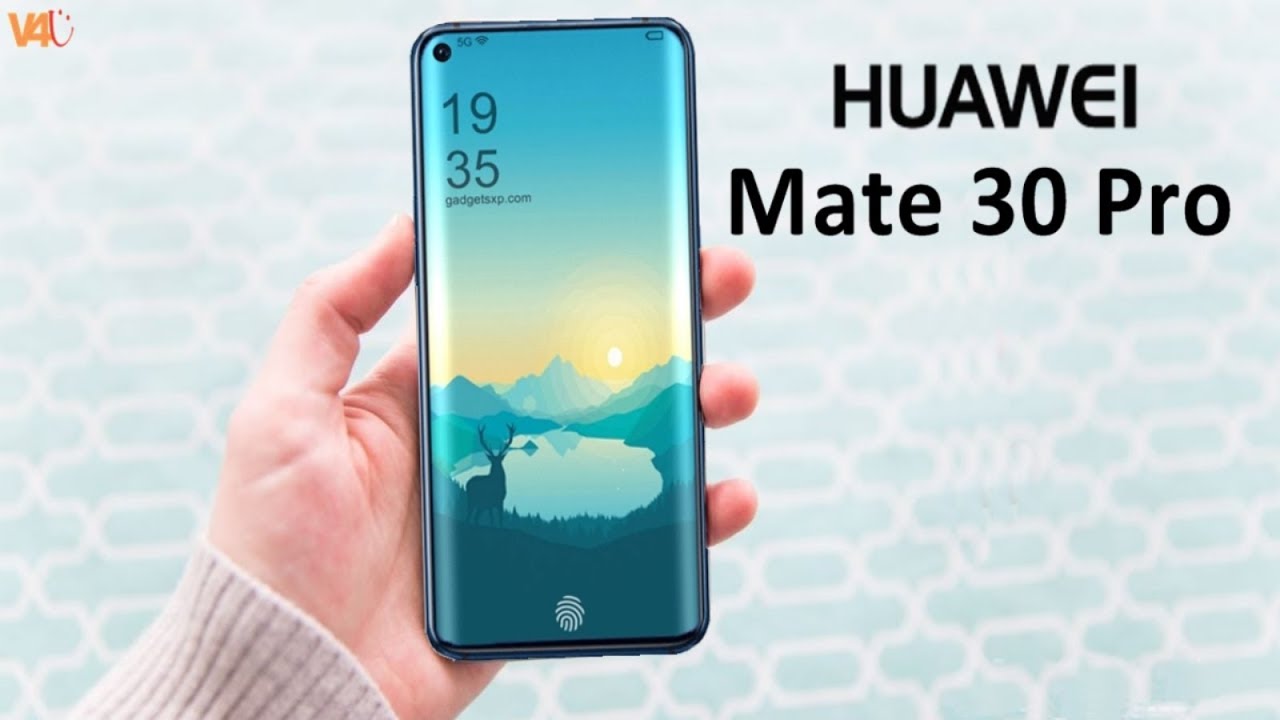
  • Huawei Mate 30 line can be first to use chips made with new energy technology

    Huawei Mate 30 line can be first to use chips made with new energy technology

    Extreme Ultraviolet lithography (EUV) uses light to etch out the layout of transistors and other components on a silicon wafer. Consider that today’s modern chipsets employ billions of transistors on a single chip. If you think that this is an over exaggeration, the Apple A12X chipset used on the the 2018 iPad Pro tablets feature 10 billion transistors. And that is without the use of EUV. The latter technology will make the placement of these transistors more precise, allowing for a 20% increase in the density of transistors on a chip, making these components more powerful with less energy consumption.

    The first smartphone chip to use EUV will most likely be Huawei’s Kirin 985 SoC, which will be fabricated by TSMC. The latter was the first to roll out chips using the 7nm process, an improvement from the previous generation of 10nm chips. That change alone, which signifies denser deployment of transistors, brings more power and less energy consumption to the newest smartphones; add in the capabilities of EUV and the next generation of chips will be faster while conserving more battery life.

    EUV will really show its worth in succeeding generations of chips (5nm and forward) because on 7nm chips, it really doesn’t show its true potential. So while Moore’s law, the observation made by former Intel CEO Gordon Moore that the number of transistors on a chip doubles every other year, might soon reach its physical limitations, EUV will help chip designers and manufacturers draw up and produce the components that will make current phones seem slow and inefficient in comparison.

    We could see the Kirin 985 chipset hit the market sometime during the first half of this year. The Kirin 985 will arrive too late for the soon to be unveiled Huawei P30 series, which will be unveiled on March 26th and launch on April 5th, powered by the Kirin 980. Perhaps we will see the Kirin 985 SoC make its debut on the Huawei Mate 30 range due out later this year.

  • Suzuki Patents Reveal Radar-Based Anti-Collision System

    Suzuki Patents Reveal Radar-Based Anti-Collision System

    Suzuki may be the next two-wheeler manufacturer which is likely working on advanced rider assist systems (ARAS) which could be based on radar technology. Images filed in a recent patent in Japan indicates that Suzuki is looking to install radar reflectors at strategic points on their motorcycles to make them more visible to other vehicles – vehicles which already have collision sensors installed on them. Collision sensors and advanced driver assist systems (ADAS) are the latest technologies to have been introduced in building safer cars, warning drivers of potential collisions and even triggering evasive measures like braking and deceleration.

    Motorcycles, and indeed, any two-wheeler on the road isn’t always visible to other motorists, and being in the blind spot of a car driver is not always a good sensation, when you realise that the car may suddenly change lanes or brake without noticing a motorcycle in the vicinity. And if sensors can warn other motorists about the presence of a motorcycle, then it’s only good news, because it increases a motorcycle’s visibility on the road to other motorists. That is precisely what the new Suzuki patents seem to be doing. The radar reflectors in the patent images will work in tandem with advanced automobiles, like self-driven cars, who can sense the presence of a motorcycle. Now, these don’t seem to be designed to make the motorcycle brake or take any evasive action sensing a potential collision, but even if it’s just warning other cars of the motorcycle’s presence, it may seem like a good idea to have such technology installed.

    Radar-based safety technology isn’t all-new. Bosch has been known to be working on such ARAS for some time now, and motorcycle brands like KTM and BMW Motorrad have been testing such technology, and possibly radar-based motorcycle technology will debut sometime later this year, possibly at the EICMA show in Milan. While the Suzuki patents may not be hi-tech radar-based systems which trigger the motorcycle’s electronic safety systems, like braking, cruise control and deceleration, these do go a long way in making motorcycles more visible on the road. And that’s a better thing to have than relying entirely on the rider’s reflexes when a car does not sense the presence of a motorcycle in its vicinity.

    The radar reflectors seem to be still in concept stage, but the images seem to imply that these reflectors may be available as a bolt on system; so as more and more cars come equipped with advanced driver assist systems, it may be an easy retrofit, even on older or current motorcycles. And yes, these reflectors can be a good pre-emptive safety measure even for human error on the part of car drivers – who may be distracted by a passenger, or even a cellphone.

  • Toyota To Use Maruti Suzuki’s Platforms To Develop New Models

    Toyota To Use Maruti Suzuki’s Platforms To Develop New Models

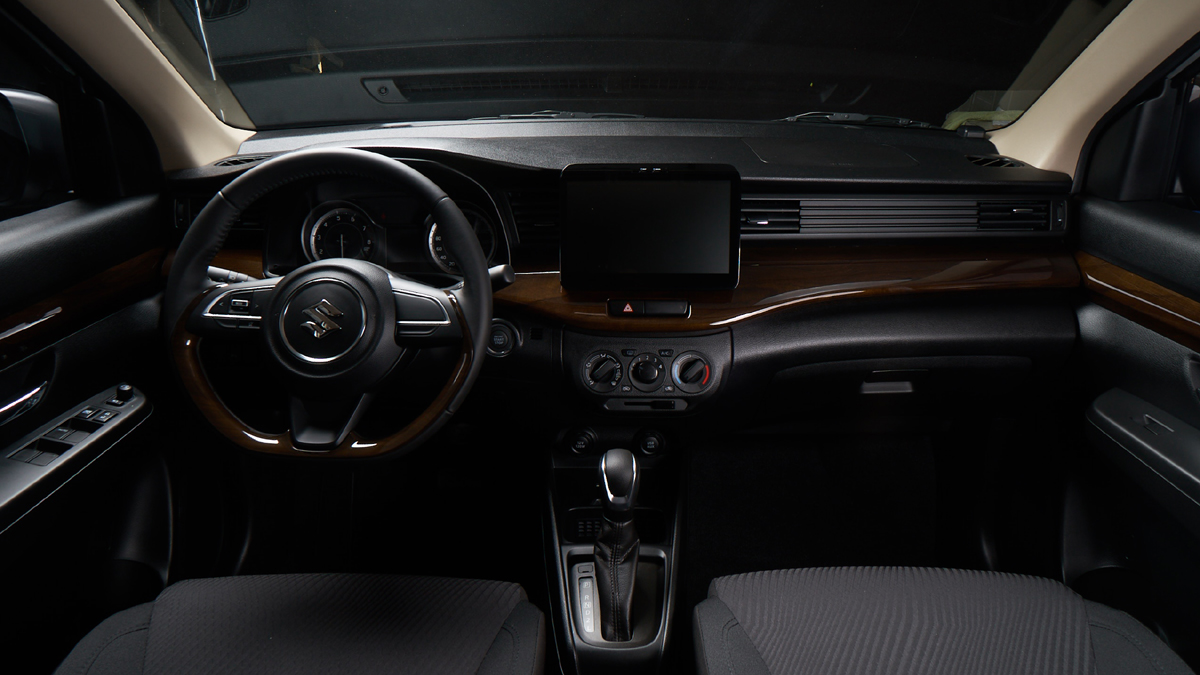
    Toyota Motor Corporation and Suzuki Motor Corporation have announced their agreement to begin considering concrete collaboration in new fields. The two Japanese companies have been considering the details of the collaboration since they signed an MOU for business partnership in February 2017. The companies have spelt out the broad areas of collaboration keeping different markets in mind. It was already known that the Maruti Suzuki Vitara Brezza and Baleno will be cross-badged and Toyota will retail them through their network after making minor design changes and in return, Maruti Suzuki will do the same with the Suzuki badged Corolla. The company has shared that Maruti Suzuki will also supply two compact vehicles which will be developed on Suzuki’s Global C and Heartec platforms which spawn the Ciaz and Ertiga, respectively.

    Though Toyota will be outsourcing the Ciaz and Ertiga along with the Vitara Brezza and Baleno for the African market, the company will be using Suzuki’s expertise and platforms to develop a similar but new C-segment MPV for the Indian market. This means that Toyota’s version of the Ertiga and Ciaz for our market won’t be limited to cross-badging, but could see some substantial modifications as well. Toyota will also start the production of its version of the Vitara Brezza in 2022 at its Karnataka plant while the Toyota badged Baleno will go on sale in 2019 itself.

    The Toyota-Suzuki pact, however, will go beyond sharing of vehicles and platforms. The company will supply hybrid electric vehicle (HEV) technologies to Maruti Suzuki through local procurement of HEV systems, engines and batteries. Toyota’s hybrid technology will hence be a replacement for the mild hybrid or SHVS technology which Maruti Suzuki has been using so far in the Ciaz and Ertiga along with introducing some plug-in hybrid models. Globally, Toyota will also supply Suzuki hybrid systems which will make way in its models worldwide.

  • FIS to merge with Worldpay

    FIS to merge with Worldpay

    FIS and Worldpay have arranged to merge to bolster their combined financial services portfolio

    Upon closing, the combined company is expected to be better positioned to offer enterprise banking, payments, capital markets, and global eCommerce capabilities empowering financial institutions and businesses worldwide.

    The combination is expected to expand FIS’ capabilities by enhancing its acquiring and payment offerings while increasing Worldpay’s distribution footprint by accelerating its entry into new geographies.

    FIS and Worldpay solutions and services encompass financial institution issuer services, network and merchant services including global leadership in eCommerce, as well as loyalty and fraud solutions benefiting consumers and businesses. Clients are expected to benefit from the combined omnichannel payment and multi-currency capabilities, robust risk, and fraud solutions and advanced data analytics.

    “Scale matters in our rapidly changing industry,” stated FIS chairman, president and CEO Gary Norcross said.

    “Upon closing later this year, our two powerhouse organizations will combine forces to offer a customer-driven combination of scale, global presence and the industry’s broadest range of global financial solutions. As a combined organization, we will bring the most modern solutions targeted at the highest growth markets.”

    “Combining with FIS helps us accelerate the achievement of that, now benefiting from new scale and capabilities that will truly differentiate the company globally,” Worldpay CEO And executive chairman Charles Drucker said.

    The merger has drawn mixed reactions from commentators. Barron’s Robert Teitelman questions what Worldpay is number one at: “How do you judge solutions sets, global communities and client focus? Define personalization. And then there’s the accelerating future! Either Norcross is trying to obscure how these two companies fit together in a complicated jigsaw puzzle, or this is just how payment-processing folks talk.”

    In a PaymentsSource article by John Adams that comments on the pressure to build a global powerhouse to counter large-scale Fintech mergers, he pulls in a quote from Zil Bareisis, a senior analyst at Celent who said: “As open banking and faster payments grow, the ability to offer end-to-end solutions from merchants to account funding irrespective of payment rails will be increasingly important.”

  • Ericsson to provide 5G NR equipment for KT

    Ericsson to provide 5G NR equipment for KT

    South Korea’s KT has awarded Ericsson a 5G contract aimed at allowing the operator to launch commercial 5G services early next month.

    South Korean operators have agreed to launch 5G services at the same time in April at the request of regulator KCC.

    Under the contract with Ericsson, the vendor will provide 5G new radio hardware and software for KT’s 3.5-GHz non-standalone 5G network.

    KT selected Ericsson as a key 5G supplier in November last year as part of its preparations for a commercial launch.

    “Having worked successfully with Ericsson on 4G LTE, we are pleased to continue that partnership to make our 5G ambitions a reality with Ericsson’s leading 5G technology,” KT VP of access network design Jinho Choi said.

    “Korea is one of the most competitive and technology-advanced markets in the world. By taking a global lead to enable nationwide commercial 5G services through commercially available 5G smartphones, KT is demonstrating our commitment to our customers and showing how we can drive a global 5G ecosystem where Korea plays a key role.”

  • U Mobile taps ZTE to conduct 5G trials in Malaysia

    U Mobile taps ZTE to conduct 5G trials in Malaysia

    U Mobile has signed an MoU with ZTE to support its 5G deployment in Malaysia

    The agreement will see both parties collaborating on various 5G related developments including live testing, 5G showcases well as implementation of Massive MIMO.

    U Mobile CEO Wong Heang Tuck said the operator has a long standing working relationship with ZTE and it is a logical next step for the companies to collaborate on initiatives related to 5G.

    “In the near future, we will be working closely with ZTE to conduct live tests in select areas in the KL city, so Malaysians may experience the first-hand power of 5G,” Wong said in a statement.

    U Mobile CTO Woon Ooi Yuen added that the operator has been aggressively expanding its 4G LTE networks all across West and East Malaysia in recent months and started plotting its journey towards 5G.

    “As part of our 5G roadmap, we will be implementing Massive MIMO in certain areas in the KL City to further enhance customer experience by leveraging the wider bandwidths.”

    Steven Ge, managing director of ZTE Malaysia, said the company has 5G end-to-end solution capabilities, adding that the partnership with U Mobile will “turn 5G into a reality in the near future to benefit Malaysians.”

    Earlier this week, U Mobile has also formed a strategic partnership with Razer to collaborate in e-payments, e-sports, and 5G testbeds.

    Under the partnership, U Mobile and Razer are looking into leveraging e-sports events for 5G testbeds in Malaysia by conducting e-sports-related 5G testbeds and trials in the country.

  • Hong Kong’s Ofca assigns first 5G spectrum

    Hong Kong’s Ofca assigns first 5G spectrum

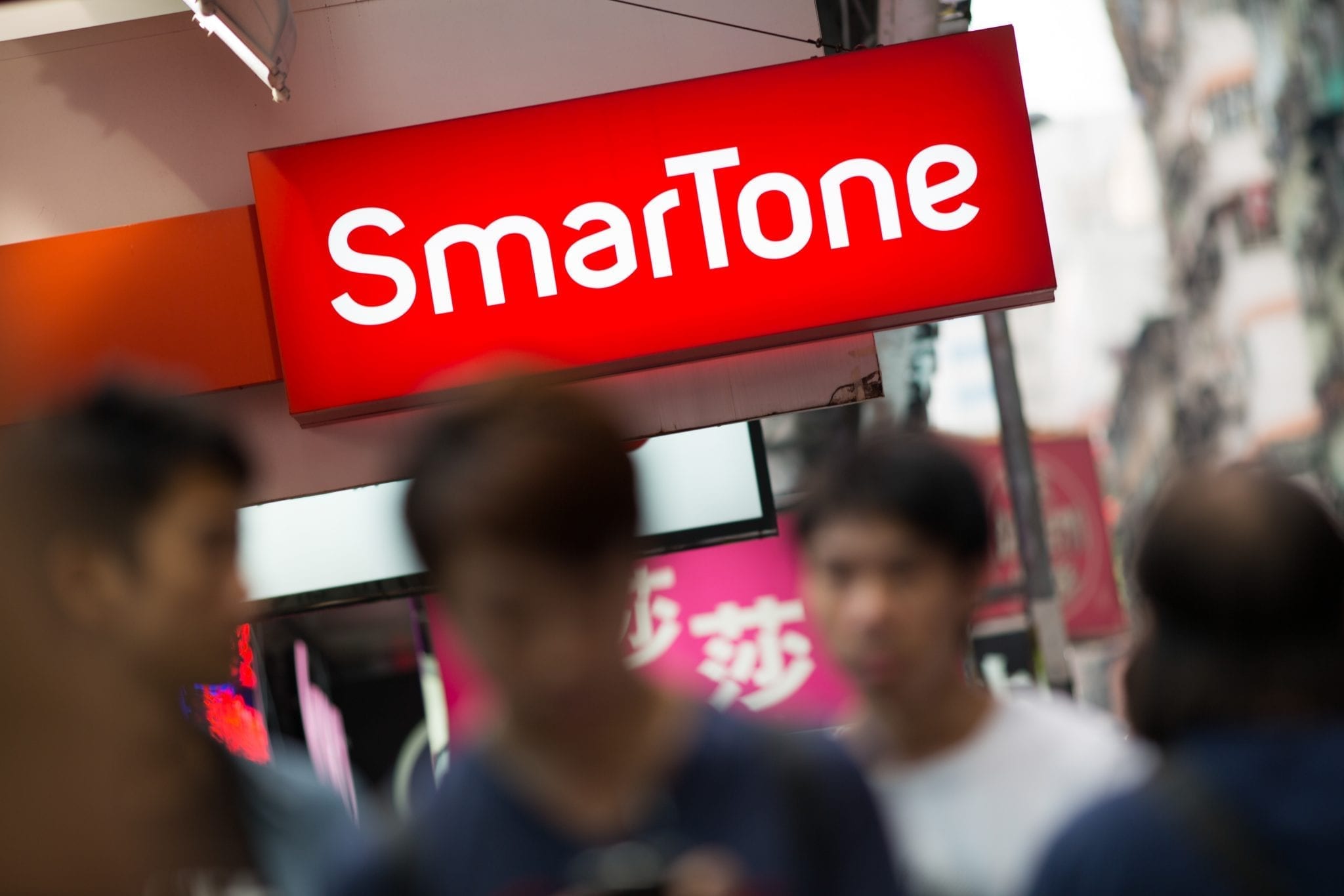
    Hong Kong operators HKT, SmarTone and China Mobile Hong Kong have all been granted spectrum in the 26-GHz and 28-GHz frequency bands for 5G use.

    The three operators, which had each applied to be assigned spectrum across the two bands, have each been offered 400 MHz of spectrum on a provisional basis by telecommunications regulator Ofca.

    The applicants were all found to have fulfilled the required licensing criteria to be granted assignment of the non-shared spectrum.

    The administrative assignment of the 26-GHz and 28-GHz spectrum will be followed up with the auction of 380MHz of spectrum in the 3.3-GHz, 3.5-GHz and 4.9-GHz bands in the middle of the year.

    Hong Kong’s second largest operator by market share 3 Hong Kong declined to apply to be assigned 26-GHz and 28-GHz spectrum, opting instead to rely on its existing airwaves and the spectrum it expects to be able to acquire in the upcoming 5G auction.

    In addition, 3 Hong Kong cited factors including Ofca’s requirement that operators establish thousands of radio units compatible with the spectrum within five years of the assignment, as well as the shortage of announced devices that support the two frequency bands.

  • Google Pay is catching up with Apple Pay

    Google Pay is catching up with Apple Pay

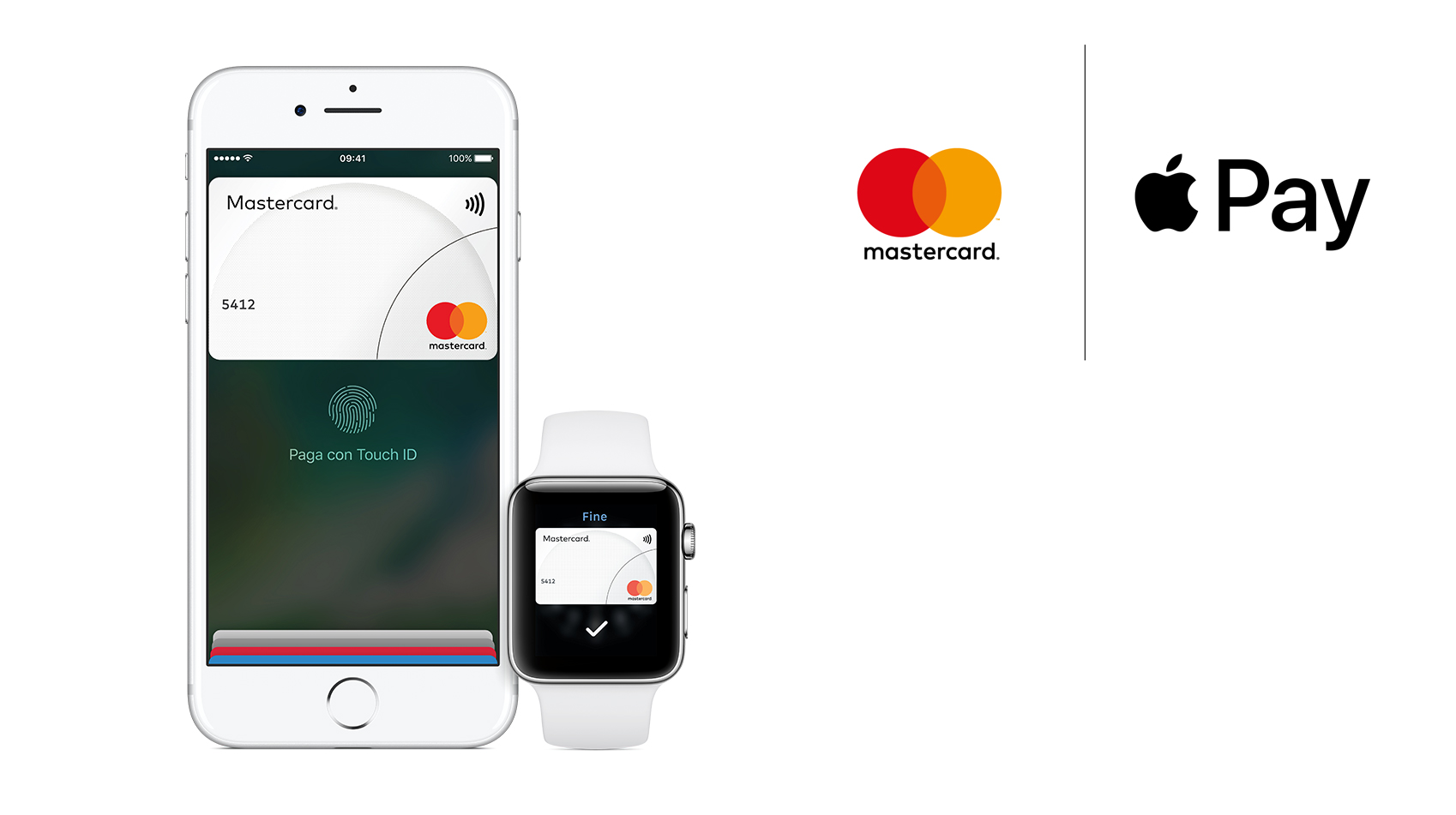
    Google’s proprietary digital wallet service has done a pretty good job of keeping up with Apple Pay over the last year or so in terms of both US availability and international expansions, frequently spreading its wings to new banks, as well as major retailers like Target.

    Before long, Google Pay will also catch up with its arch-rival as far as eBay support is concerned, according to an official announcement issued earlier today. After relying almost entirely on PayPal for payment processing on its extensive e-commerce platform, eBay started a transition in 2018 that’s scheduled to be completed by 2021. The eventual goal is to manage transactions on its own with the help of a lesser-known company called Adyen.

    From customers’ perspective, this gradual move seems to be improving the flexibility of the shopping experience, which is certainly a welcomed change. Apple Pay already joined eBay’s list of PayPal alternatives several months back, with Google Pay availability set to be offered to Android users “starting in early April.” To complete an eBay purchase using the search giant’s digital wallet app, you’ll need to shop from a seller enrolled in this new “payments experience”, and something tells us that will only include a small piece of the huge marketplace to begin with.

    But rest assured, as eBay plans to make both Google Pay and Apple Pay “increasingly available to shoppers as the program grows to process more volume in additional geographies.” And if you prefer the “classic” e-shopping experience, you have no reason to fret either, as PayPal is not going anywhere. Not today and not in 2021. eBay is simply branching out, offering customers more payment options on their end, from Android and iOS devices, as well as computers running all sorts of operating systems.