Tag: asia

  • Xiaomi Pocophone F1 Lite could launch soon

    Xiaomi Pocophone F1 Lite could launch soon

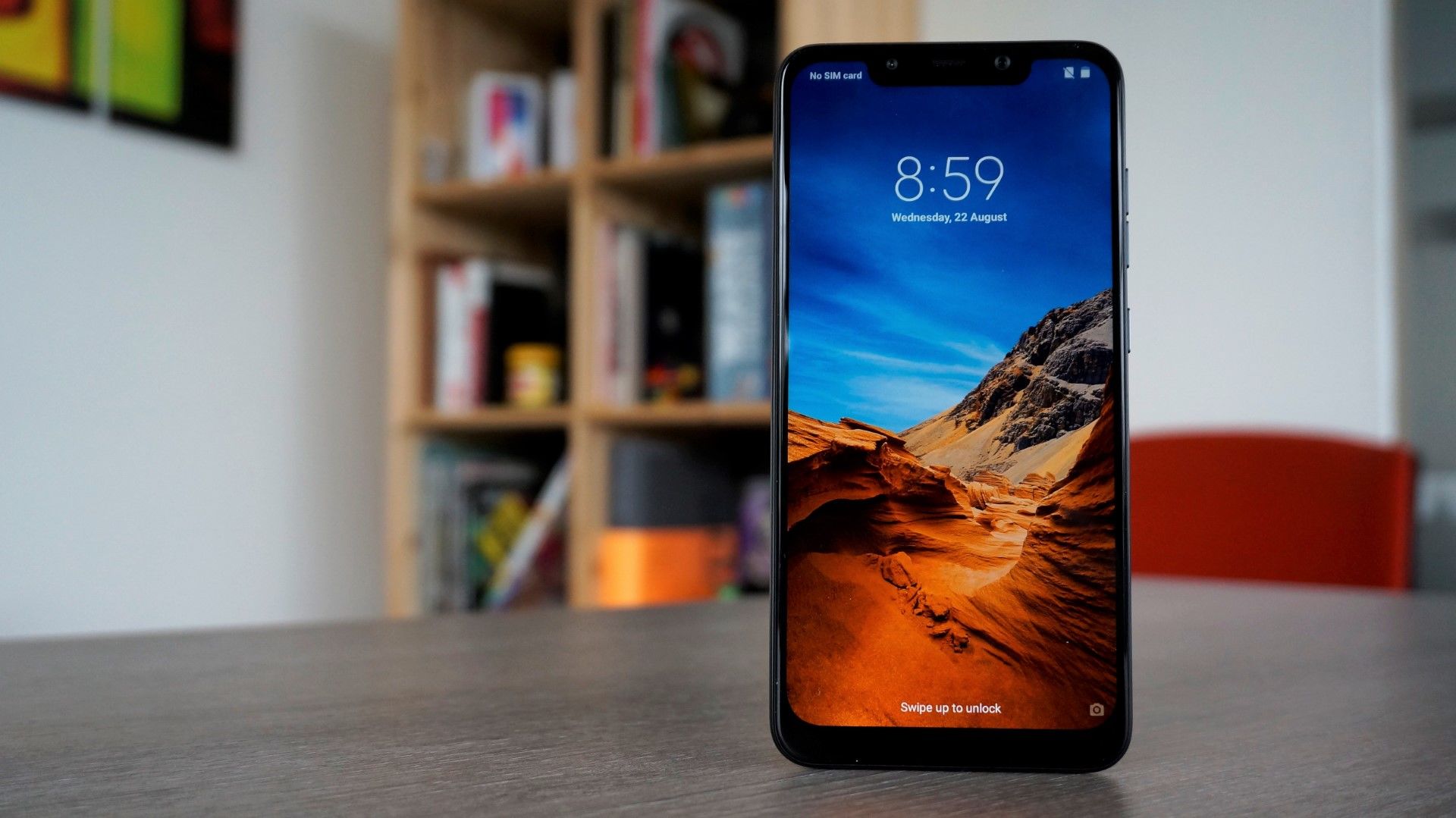
    The Pocophone F1 is one of the most competitively-priced smartphones out there. It offers Qualcomm’s Snapdragon 845, 6GB of RAM, and 64GB of storage for just €329/$389. But not everyone can afford to spend that on a smartphone, and it now seems as though a solution might be on the way. From the look of two Geekbench listings, Xiaomi sub-brand Pocophone is developing a slightly less powerful device that will be offered to consumers at a much lower price. Rather than including the high-end Snapdragon 845, the device looks set to adopt Qualcomm’s mid-range Snapdragon 660.

    This chip has already been succeeded by the newer Snapdragon 670 and 675 but should still provide decent levels of performance. In fact, Xiaomi recently used it inside the Redmi Note 7 and the Android One-powered Xiaomi Mi A2.

    The smartphone, which is codenamed ‘Uranus,’ also includes a respectable 4GB of RAM and Android 9 Pie straight out of the box. As for external features, the notched display and 3.5mm headphone jack will probably both be retained. Xiaomi may also keep the second rear camera, although a downgrade to the sensor is likely.

    At the moment, it’s unclear when this smartphone will hit shelves across the globe. But pricing wise, Xiaomi could easily price this device below $200. After all, the Redmi Note 7 mentioned above costs just €179 ($202) in Asia.

  • Jack Ma steps down from Alibaba divisions

    Jack Ma steps down from Alibaba divisions

    Alibaba founder Jack Ma has stepped back from active roles in five subsidiary companies as he prepares to hand over executive chairmanship of the company in September.

    Management of Alibaba say the moves were intended to improve the firm’s governance and administrative transparency.

    Ma has exited Alibaba’s Technology, Education Technology, Taobao Software, Network Technology, and Software departments.

    Stepping away from the business divisions was signalled before Ma announced last September his intention to resign as executive chairman and officials say the latest move is normal industry practice.

    One commentator described the step as “goodwill” and encouraging transparency when he is no longer active in Alibaba on a day to day basis.

    In an interview last September, which Ma owns, he said relinquishing the executive chairmanship was “not about retiring, stepping away, or backing off”. “This is a systematic plan,” he said.

  • Iuiga defends use of Muji brand on its website

    Iuiga defends use of Muji brand on its website

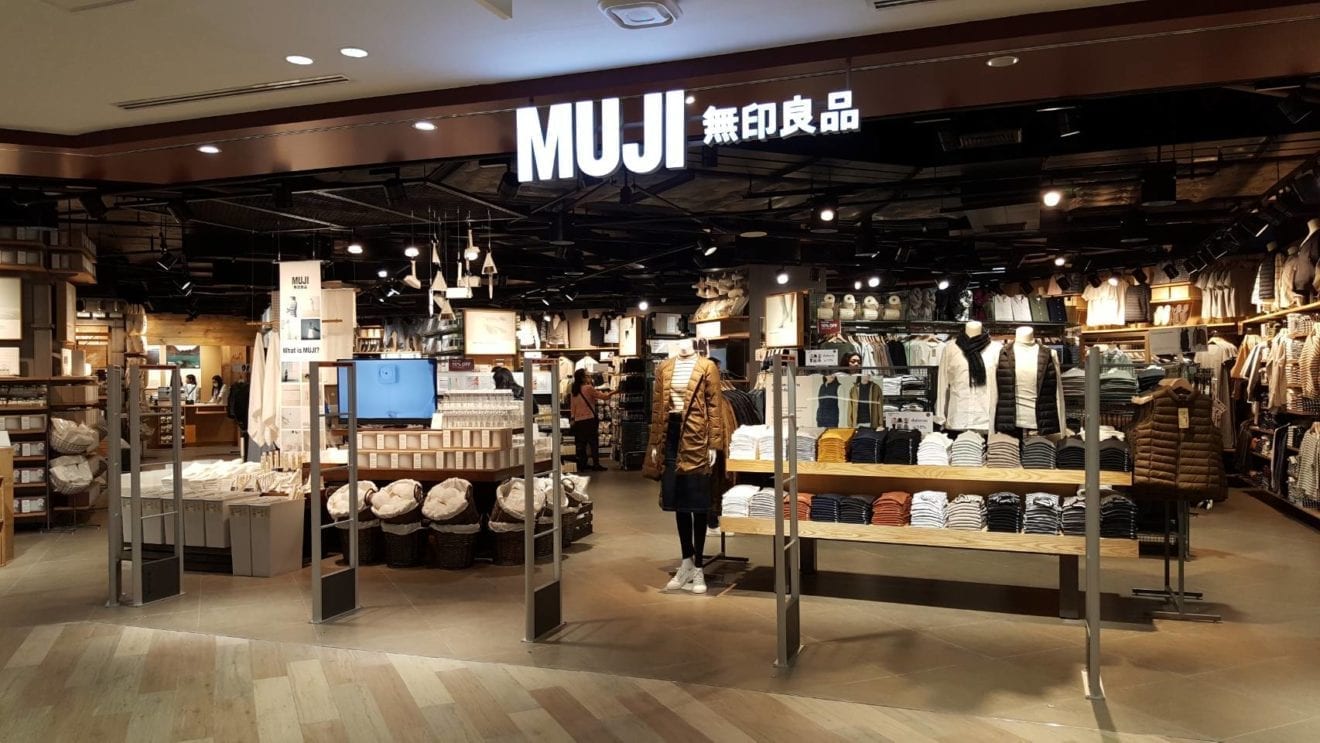
    Singaporean retailer Iuiga says it has done “nothing wrong” using the Muji brand name on its website.

    “The information on our website is factually accurate and our manufacturing processes are legal,” said Jaslyn Chan, Iuiga chief growth officer.

    Iuiga says it works directly with Original Design Manufacturers (ODM), who produce for large international brands including Muji. Under the ODM business model, the exterior, aesthetics, materials, dimensions and patented technologies are developed by the ODM and these product and design rights belong to them.

    “There is no direct ownership of the product by any single brand entity, allowing the ODM to produce for more than one brand. This is what Iuiga means when it says a certain product is from the “same manufacturer as Brand A”.

    Based on this, Iuiga maintains it is working with ODMs that also work with Muji.

    “Iuiga is also preparing a list of manufacturers that both Iuiga and Muji work with to be released to the media later,” Chan added.

  • Jazz contracts Nokia for 4G network expansion

    Jazz contracts Nokia for 4G network expansion

    Pakistan’s Jazz has contracted Nokia to expand the operator’s 4G network capacity and coverage.

    Under the five-year agreement, Nokia will provide its radio solutions for Jazz’s network in the central and southern Punjab province as well as the Sindh and Baluchistan provinces.

    The rollout area will cover densely populated cities including Faisalabad, Multan, Bhawalpur, Rahimyar Khan and Sukkur, allowing Jazz to provide improved services for customers.

    The deployment will include Nokia AirScale base stations for expanded 4G coverage and Massive MIMO technology for enhanced capacity and speed.

    “Expanding 4G coverage across all cities and towns in Pakistan is one of the key strategic pillars of Jazz to fuel the consumption of broadband services,” Jazz chief technology and information officer Khalid Shehzad said.

    “Nokia’s advanced equipment coupled with its commitment to provide quality professional services will ensure that our subscribers enjoy superior service experience. It will help us maintain our growth momentum and attract new subscribers.”

  • Vodafone Idea doubles 4G speeds in Mumbai

    Vodafone Idea doubles 4G speeds in Mumbai

    India’s Vodafone Idea has announced it has doubled 4G download speeds in the Mumbai metro area as part of a major network modernization program in the city.

    The operator is deploying new technologies in the metro area including Massive MIMO, small cells and more TD-LTE cell sites, and has so far deployed more than 5,000 such sites across several regions.

    As part of the network upgrade, Vodafone Idea has also installed over 1,900 pieces of dedicated indoor coverage equipment at high rises and commercial buildings.

    Vodafone Idea’s capacity and coverage in Mumbai has also benefited from 4G spectrum refarming conducted as part of the network consolidation between the former Vodafone India and Idea Cellular, which combined to become Vodafone Idea last year in a $23 billion merger.

    “I am happy to announce that ‘Mumbai just got two times faster’ which means that our customers will now experience two times the download speeds on the 4G network,” Vodafone Idea business head Sunil Tolani said.

    This is based on statistics from Valu Connex Telecom Services indicating that average download speeds in Mumbai have improved by 2.16 times compared to prior to the modernization program.

    “We will be utilizing multiple [advertising] media like OOH [out-of home], radio and digital to reach out to our audience and hope they will enjoy the benefits of our focused network initiatives in Mumbai,” Tolani concluded.

  • Valextra Beijing flagship finally unveiled

    Valextra Beijing flagship finally unveiled

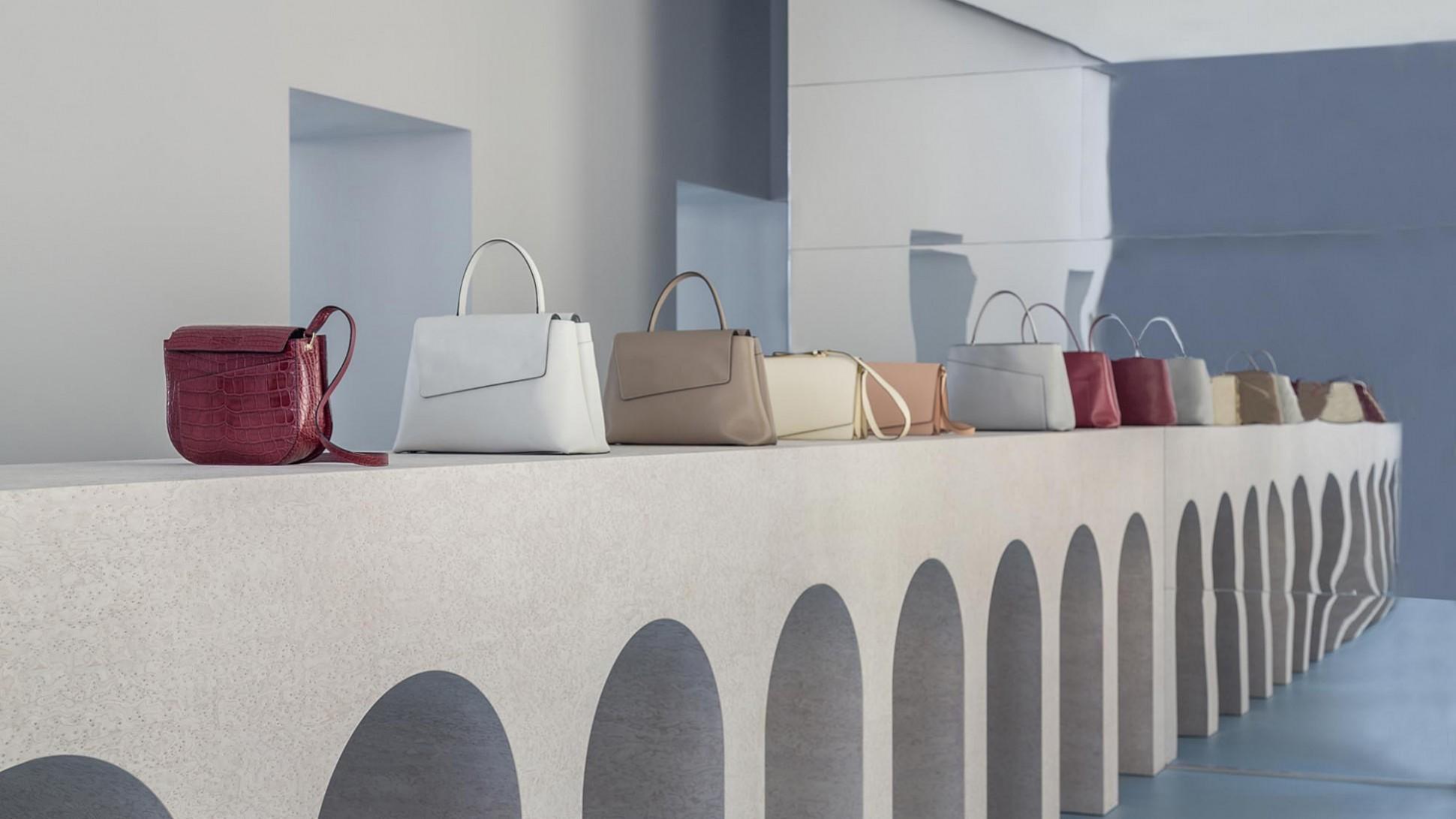
    Luxury leather good brand Valextra has opened a flagship store in Beijing.

    Valextra Beijing flagship 1


    Valextra-Beijing-flagship handbag close up

    The luxe label, which recently launched much-publicised spaces in Shanghai and Chengdu, has taken a unit at high-profile location Taikoo Li Sanlitun. The Valextra Beijing space at the open-air shopping mall features an expansive glass facade with a lofty ceiling, maximising on ambient daylight, and an interior design created by London-based Italian designer Martino Gamper.

    Valextra Beijing flagship 3

    To the right of the boutique, diamond-shaped wooden shelves display the brand’s first sneakers capsule collection, opposite a selection of small leather goods. Travel bags and suitcases are showcased on light blue terrazzo stands and plinth at the top level.

    The Valextra Beijing store also features a high-end rest area to the back with a plush green sofa and matching geometric-shaped coffee table.

    Valextra Beijing flagship 4

  • Indian fashion chain Reliance Trends to open over 2,000 stores

    Indian fashion chain Reliance Trends to open over 2,000 stores

    Indian conglomerate Reliance Industries will expand its low-cost fashion store network Reliance Trends to 2500 locations within five years.

    The chain currently has just 557 stores in 160 cites, and will target a presence in 140 more, involving deeper penetration into tier 3 and 4 cities.

    The planned expansion will involve an integration with the firm’s online activities and will serve as a gambit to seize a commanding market share of consumer spending against e-commerce competitors Amazon and Flipkart.

    The move follows recent restrictions on foreign investment into India that have at least temporarily disadvantaged the online giants. The new legislation bans online retailers from making exclusive contracts with vendors, among other restrictions.

    The Reliance Trends expansion is expected to help the firm boost its own labels in a territory that is home to the world’s largest population of millennial consumers.

  • iPhone 11 running iOS 13 with Dark Mode pictured

    iPhone 11 running iOS 13 with Dark Mode pictured

    After many years, the reign of LCD technology in the mobile world seems to be coming to an end. With the price of OLED displays steadily decreasing over the past couple of years, more and more companies are willing to implement the technology even in mid-range offerings. This hardware trend is also affecting the development of apps, games, and even the two major mobile operating systems. Thanks to the ability of OLED panels to completely turn off black pixels, more developers are realising the potential Dark Mode has when combined with the new technology. Not that there hasn’t been apps and themes in the past that have made everything on our smartphones darker, but now that OLED technology is becoming increasingly commonplace, companies are really getting into designing interfaces that are better suited for night-time use. Pretty much all major companies, including Google, Samsung, and Apple, are going to offer built-in Dark or Night modes on their devices starting this year.

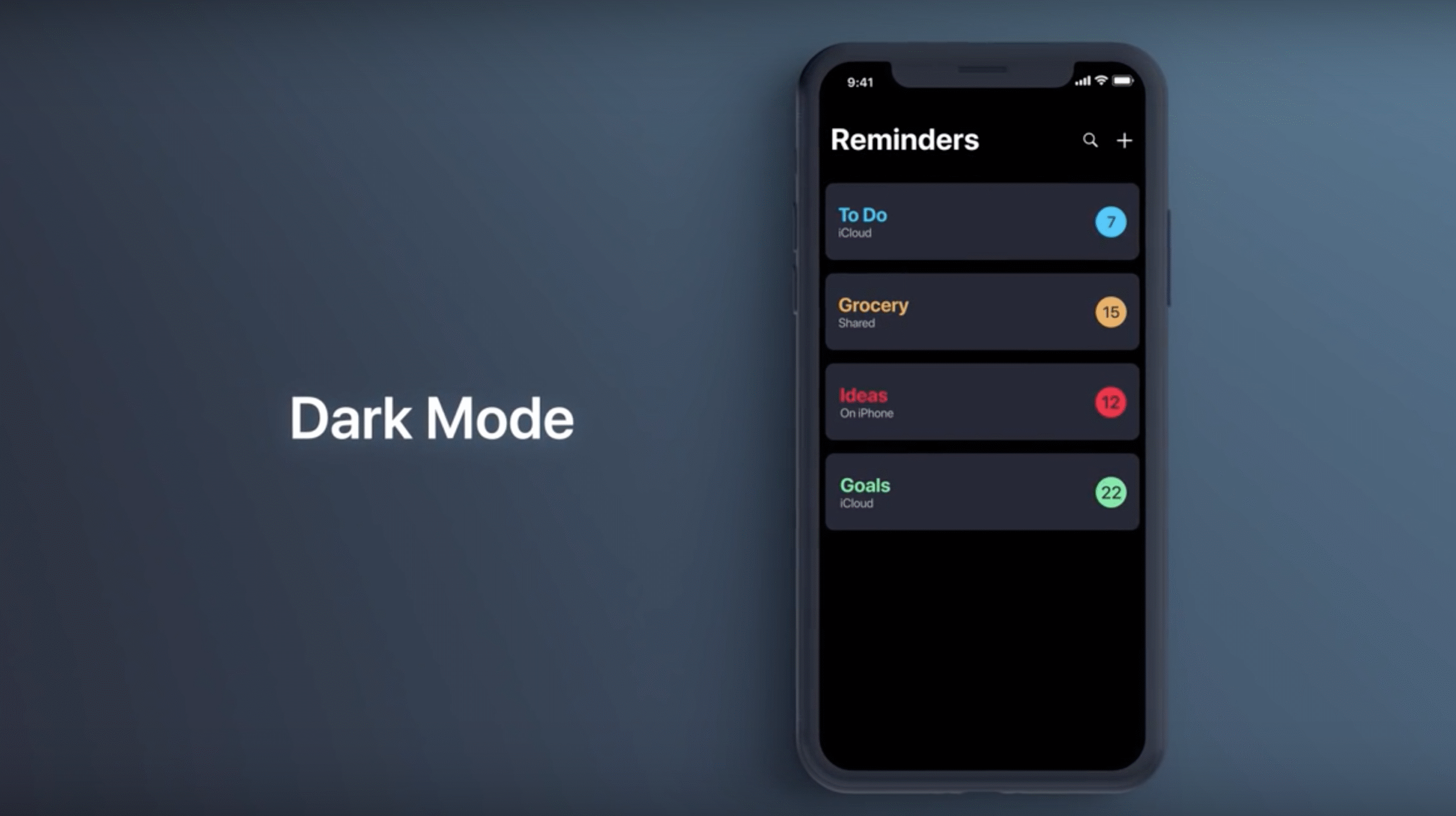
    Android Pie and Samsung’s One UI have already flipped the switch, while Apple is widely rumored to be working on such a mode for iOS 13. With this in mind, and having seen the new Dark Modes on Android Pie and One UI, we thought we’d let the creative juices flow and imagine what it could look like in iOS 13, on the iPhone XI (or iPhone 11, because maybe Roman numerals were an anniversary-only thing for Apple).

    iOS 13 will have a dedicated Dark Mode

    We’ve subtly redesigned the iconography of iOS to fit in with Dark Mode. We’re sure we’ve broken some Apple design guidelines in the process.
    Looking at the standard iOS icon set, we felt like it wasn’t perfectly suited for Dark Mode. After all, it was tailored with iOS’s colorful aesthetic in mind. That’s why we decided to subtly redesign the icons to feature dark backgrounds while maintaining their color identity. For example, the Mail and Facetime icons, which otherwise feature white pictograms against a colorful background, have been imbued with color and placed against a dark background. This helps retain their color identity and makes them easier to find on the screen, all the while playing into the aesthetic of Dark Mode. Of course, we wouldn’t hold our breath for Apple to actually redesign the iconography of iOS in this way, but we think it looks good nonetheless.

    Given how often people reach for their phones before bed, right after waking up, and countless times in between, not getting your retinas obliterated by glaring white light at all times may be the way to go. Taking into account recent rumors that Apple may shift to OLED for all of its future iPhones, including “budget” offerings, building a night mode directly into iOS 13 makes a lot of sense. Users seem to agree with this sentiment, as one of our recent polls suggests. The vast majority of voters (over 91%) said that they were excited about Apple’s upcoming, system-wide Dark Mode in iOS 13, while only a tiny fraction said they didn’t care much about it.

    Apple last year introduced Dark Mode in macOS Mojave and is almost definitely going to mimic the idea in the next iteration of iOS. Speaking of that, iOS 13 is the next major update of Apple’s mobile operating system and it may debut alongside the iPhone XI in September, though there’s a chance that we may see it even earlier in beta form. The previous iteration, iOS 12, was released to the public on September 12 last year, though numerous beta versions were made available to developers and enthusiasts alike starting as early as June.
  • Le Saunda sales plunge with 30 per cent

    Le Saunda sales plunge with 30 per cent

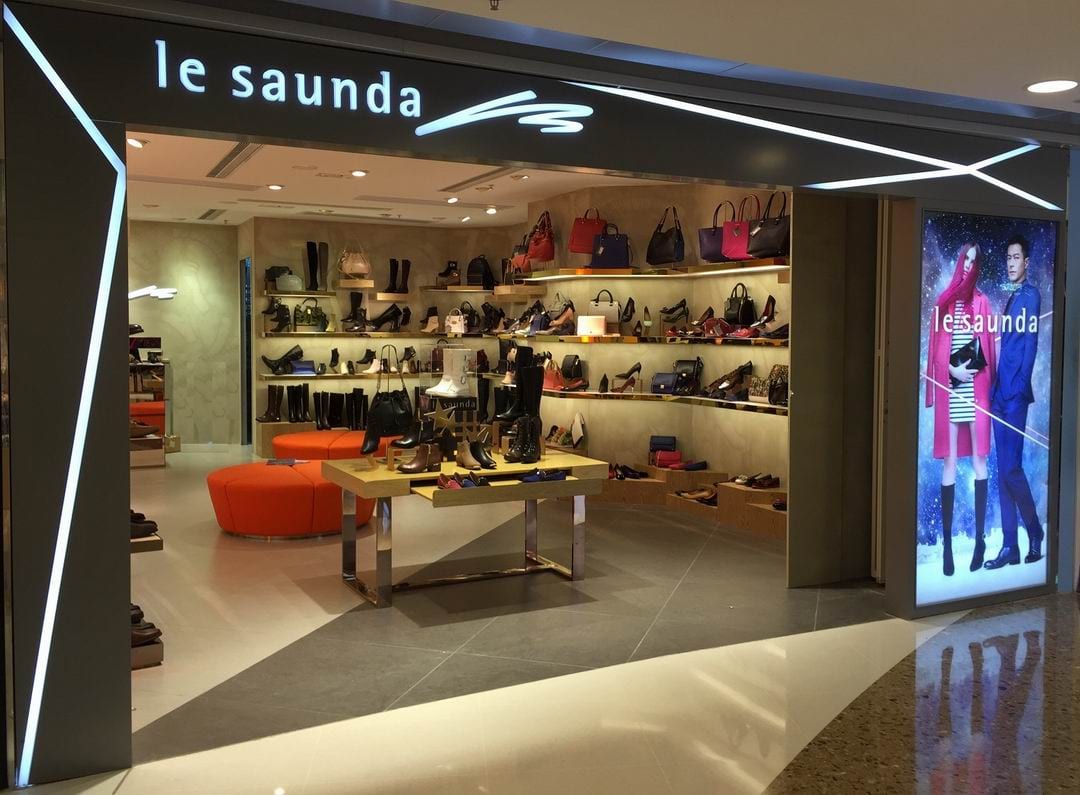
    Le Saunda sales plunged 30 per cent in the fourth quarter as the embattled shoe retailer struggles to attract customers.

    According to a stock exchange filing, sales at Le Saunda’s self-owned stores fell by 29.9 per cent in the quarter, with same-store sales declining 17.4 per cent.

    That followed a cull of 161 stores over 12 months across Mainland China, Hong Kong and Macau.

    Sales by the group’s e-commerce business fell by 4.1 per cent, compared with the same period last year.

    Le Saunda has 526 stores remaining across its three markets, with 464 of them self-owned and 62 franchised on the mainland.

    The company said it expects the group to record a net loss attributable to shareholders for the 2018-19 financial year, primarily attributable to the decrease in sales, and a declining gross profit margin. Le Saunda did not give an estimate for the loss.

  • Finaccess takeover of Restaurant Brands

    Finaccess takeover of Restaurant Brands

    Investment firm Finaccess’ takeover bid for quick-service group Restaurant Brands has been declared unconditional, with the firm accumulating 61.73 per cent of shares in the business.

    While the firm’s offer specifies it is seeking 75 per cent of shares in the business, it was able to declare the offer unconditional should it reach over 50 per cent.

    Shares in the business spiked almost 2 per cent after the news, increasing 17 cents to $8.92 per share, though the offer is paying $9.45 per share.

    Group chief executive Russel Creedy was among those who decided to sell shares, offering up his 571,601 share stake in the business – an offer worth approximately $5.4 million.

    While the offer is now considered unconditional, the end date has been automatically extended to 26 March, and the Restaurant Brands board continues to recommend shareholders accept the partial takeover for their shares in the absence of a greater offer.

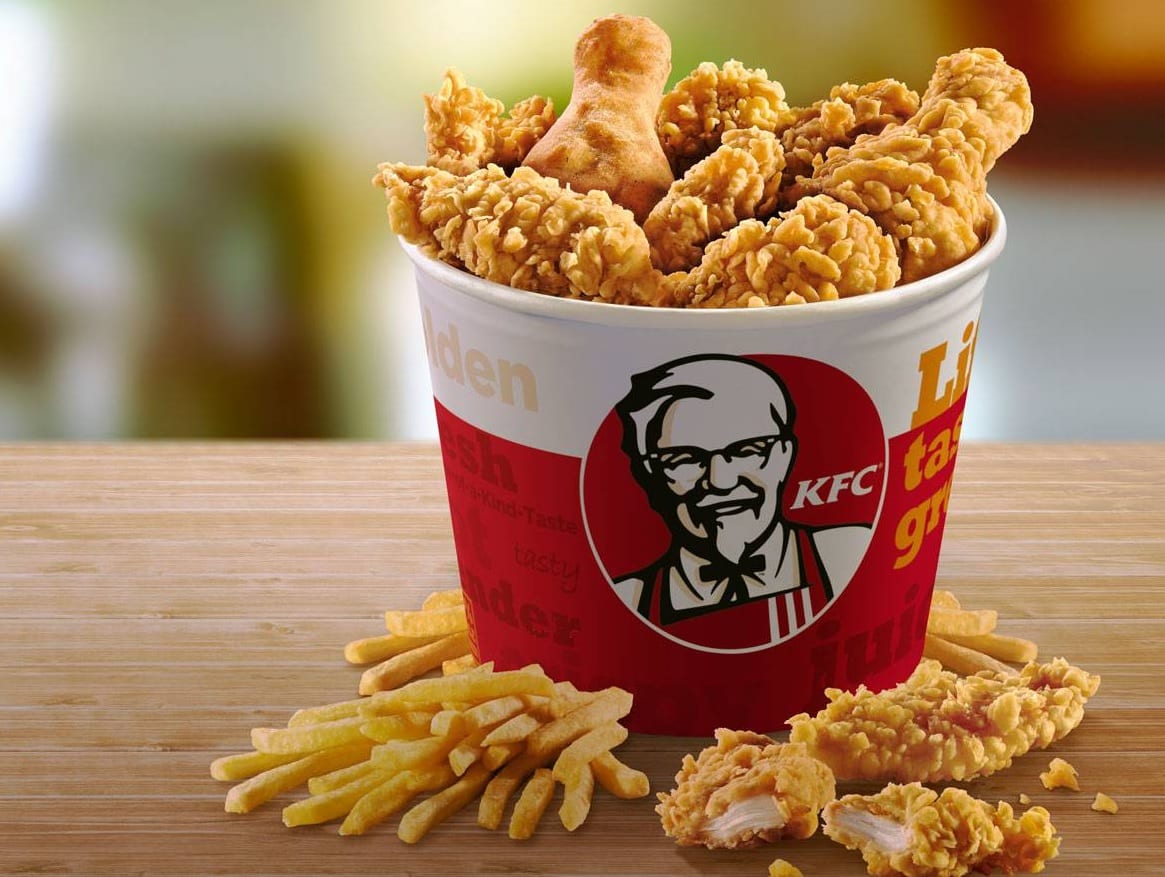
    The QSR group declared it had increased full-year sales to $794 million last week, due to strong growth in the KFC business in Australia and New Zealand.

    KFC New Zealand saw sales increase to $336.5 million, a 5.3 per cent increase over the previous period, while Australian operations saw 27.8 per cent sales growth to $178.3 million.

  • Retail Sales growth slows in February

    Retail Sales growth slows in February

    Electronic card spending was up 0.9 per cent month on month in February, according to the latest figures from Stats NZ, which are adjusted for seasonal effects.

    This was modest compared to January’s 1.8 per cent month on month increase, though spending rose across five of the six retail industries in February.

    The biggest increases were seen in groceries and liquor, where spending was up 1 per cent or $19 million on the previous month, fuel, where spending was up 1.3 per cent or $7.4 million on the previous month, and hospitality, where spending was up 0.7 per cent or $7 million on the previous month.

    Vehicles, excluding fuel, was up 2.6 per cent or $4.6 million on January, and apparel was up 0.9 per cent or $2.8 million on January. Only durables was down 0.2 per cent, or $2.5 million.

    “The rise in fuel spending coincided with a gradual increase in fuel prices, after a period of lower fuel prices,” Stats NZ retail manager Sue Chapman said.

    “Sales of durables such as furniture, hardware and appliances, as well as clothes and shoes, appear to have levelled out in February, after a more volatile patch in December and January,” she said.

    Core retail spending, which excludes the fuel and vehicle-related industries) rose 0.9 per cent in February.

    Actual retail spending using electronic cards was $5.1 billion in the month, up $168 million, or 3.4 per cent, from February 2018.

  • Maxim’s waste cooking oil to fuel Hong Kong delivery trucks

    Maxim’s waste cooking oil to fuel Hong Kong delivery trucks

    Oil giant Shell has launched a pilot program with catering firm Maxim’s to use biodiesel made from its used cooking oil to power its fleet in Hong Kong.

    The first-of-its-kind program in the territory will support over 100 delivery trucks with annual consumption of 396,000 litres. Maxim’s is the first restaurant group in Hong Kong to join the program.

    “Shell is proud to announce this first-of-its-kind partnership with Maxim’s Group,” said Shell Hong Kong’s retail GM Anne Yu (pictured). “Together we take this important step towards a more sustainable energy future for Hong Kong. Biofuels are a smart solution because they reduce ‘well-to-wheel’ CO2 and upcycle domestic waste materials.

    “By transforming cooking oil into useable fuel, we can reduce both local waste and CO2 emissions, while providing energy security for Hong Kong. With over 30 years of experience in distributing biofuels globally, Shell is committed to the further development of bioenergy.”

    “Maxim’s Group is committed in environmental protection through various key initiatives since 2009, including our signature Surplus Bread Donation Program which enables volunteers to collect surplus bread from our cake shops across town and donate to the needy”, said Maxim’s Cakes & Bakery and Branded Products GM Patrick So.

    “Giving waste a second life has been extended to upcycling used cooking oil at Maxim’s restaurants to energy. We are happy to partner with Shell, and currently our 100-plus trucks from two food production plants are using Biodiesel as part of our sustainable development.”

    To produce biodiesel, Shell sources biocomponents (B100) to blend into petrodiesel whilst managing an end-to-end quality assurance process to achieve high-quality fuel. This is intended to improve Hong Kong’s energy security in using sustainably produced domestic raw materials.

    As the first and only biodiesel provider in Hong Kong through retail oil stations, Shell has been providing energy solutions for corporations to contribute to Hong Kong’s sustainability since 2016. It has recently made biodiesel available at Shell’s Tai Po Market station, the third station providing the fuel, expanding coverage to encourage biodiesel adoption among commercial fleet customers. The other two stations providing biodiesel are located at Tsing Yi and Hong Kong International Airport.

    “Shell is one of the first to invest in advanced biofuels to explore new sustainable fuels that contribute to the energy mix of the future,” concluded Yu. “We are pleased that Maxim’s Group believes in the value of sustainable fuel as we do and partnered with us to tackle the energy challenges together. We will continue to work with companies, customers and the society through different projects to make Hong Kong more sustainable.”

  • Oliver’s founder and former CEO takes up mantle again

    Oliver’s founder and former CEO takes up mantle again

    Less than a year after exiting Oliver’s Real Food, Jason Gunn is once again chief executive and an executive director on the board of the company he founded.

    The decision follows the departure of Gunn’s replacement, Greg Madigan, who resigned earlier this month after ten months in the role.

    The news drove up the business’s share price from 0.022 cents per share to 0.029 cents per share, a 31.8 per cent increase.

    The announcement was part of a broader leadership change that saw Nicholas Downer named chairman and non-executive director, Steven Metter named company secretary and non-executive director and Amanda Robson Gunn named operations manager and executive director.

    Downer said to shareholders that the brand’s head office had become bloated, and was no longer focused on performance at the cash register.

    After investigating the business’s expenditure, the incoming board found a weekly cash burn rate of approximately $100,000, as well as a number of fees related to consultants and advisors which have now been ceased.

    “The focus of the board and management will be to return calm and confidence to our employees, a relentless focus on implementing [our] cost savings…, returning the business to the successful formulae from it’s pre-IPO stage, all designed to increasing turnover and profits, and rebuilding shareholder value,” the chairman said in his address to shareholders.

    According to Downer, Gunn returns to the business “invigorated, relaxed and ready for this challenge.”

    “As founder and creator, Jason is undoubtedly the right person to drive the business through this turnaround process, as he did while Oliver’s grew at the rate it did over the last 10 years,” Downer said in a note to investors.

    The changes come after Oliver’s suffered a difficult holiday period, having dropped its expectations for the remainder of the year to an EBITDA loss of between $1 and $4 million.

  • Wesfarmers, Woolworths lead list of top 1000 Australian companies

    Wesfarmers, Woolworths lead list of top 1000 Australian companies

    Research firm IBISWorld on Tuesday revealed Australia’s top 1000 companies in 2018, with Wesfarmers and Woolworths placing within the top five.

    The list provides an overview of Australia’s corporate landscape, and highlights the largest firms, growing and declining sectors and new businesses to watch in the coming years.

    According to the report, over 75 per cent of the companies on the list lifted their revenue over the course of the year, with total revenue across the list having increased 1.5 per cent year on year, while over 70 per cent of businesses remained profitable.

    However, after enjoying the top position in 2017, IBISWorld senior industry analyst James Thompson expects Wesfarmers to drop from second position in the list next year due to its demerger from supermarket Coles.

    Source: IBISWorld

    There were a number of new entrants, including online retailer Kogan, which joined the list at number 910 after generating significant revenue due to its expanded service offering and the growth of Kogan Mobile. The online retailer enjoyed annual revenue growth of 10.6 per cent, totalling $231.8 million, over the 2018-19 financial year.

    Noni B, which entered the list at number 997, did so off the back of the successful integration of the brands it acquired from Specialty Fashion Group, which delivered revenue growth of 17.8 per cent for the year.

    Other notable retailers on the list include:

    • Metcash: 26
    • Aldi: 49
    • JB Hi-Fi: 56
    • 7-Eleven: 84
    • Harvey Norman: 123
    • Cotton On: 157
    • Myer: 158
    • Super Retail Group: 160
    • David Jones: 175
    • Costco: 244
    • Ikea Australia: 323
    • Luxottica: 480
    • The Reject Shop: 527
    • Accent Group: 612
    • Michael Hill: 710
    • Nike: 772
    • Amazon: 968
    • Retail Food Group: 995
  • Retail company Yo-ren eyes Thailand and Malaysia

    Retail company Yo-ren eyes Thailand and Malaysia

    Hong Kong-headquartered retail technology company Yo-ren has secured US$11 million in a funding round it plans to use to expand into Thailand and Malaysia.

    Yo-ren designs, develops, and operates smart phone-based customer management programs and provides retailers with social network services, e-commerce website planning and operations, collects user data and performs data analysis, as well as developing market strategies based on user characteristics.

    The company’s current clients include Japanese convenience store chain Lawson.

    Yo-ren is also investing in AI technology as part of an agenda to merge digital and physical store spaces, possibly extending as far as allowing consumers to buy clothing in unstaffed stores, in similar fashion to Amazon Go.

    “We foresee the optimal use of digital environments as a service, and big data gathered from increasingly connected networks as critical up-and-coming managerial problems,” Yo-ren wrote in a statement.

    Investors in the latest Yo-ren funding round included Lawson and T-Gaia Corporation.