Tag: asia

  • Smart, Nokia to pilot 5G deployments in schools

    Smart, Nokia to pilot 5G deployments in schools

    The Philippines’ PLDT and mobile division Smart have signed an agreement with Nokia to pilot the deployment of 5G technologies and services in schools.

    The agreement will see PLDT, Smart and Nokia collaborate to identify real-world 5G standalone solutions for use in schools, colleges and universities, including arificial intelligence, drones and advanced IoT applications.

    The companies will levearge the PLDT-Smart Technolab in Makati and the Nokia Technology Center in Quezon City for the project.

    In addition, the agreement covers deploying 5G standalone products and services, such as 5G handsets and applications, in the Philippines.

    “We are happy to partner with Nokia to help develop intelligent solutions and technologies for the benefit of the Philippine education sector,” PLDT-Smart chairman and CEO Manuel V. Pangilinan said.

    “As the country’s leading and most trusted technology enabler, PLDT and Smart are excited to work with Nokia and the academe in realizing our 5G vision,” added the company’s chief revenue officer Ernesto R. Alberto.

    PLDT and Smart claim to be the best positioned company to deploy 5G in the Philippines due to its status as the operator as the country’s most extensive fiber network, which now spans over 244,000 route kilometers.

  • 4 in 5 APAC operators plan to deliver 5G for sport events

    4 in 5 APAC operators plan to deliver 5G for sport events

    More than four in five (81%) operators in Asia-Pacific plan to deliver 5G services to major live sports and esports event organizers, according to research conducted by Ovum for Amdocs.

    The research found that operators in the region view sports events such as the Tokyo 2020 Olympic Games as an opportunity to create new enterprise services grounded in 5G communications.

    As well as 5G, 81% of APAC operators plan on offering IoT-related technology and services to stadium owners and tournament organizers to create efficiencies in stadium management, and 56% plan to offer services that will improve fan experiences, such as introducing the ability to order food and beverages over mobile devices.

    Operators anticipate new commercial opportunities from supporting major sporting events with 5G. Around 44% of operators in the region believe 5G will drive growth in terms of ARPU and 32% believe it will boost their enterprise business.

    Meanwhile 50% of Asia-Pacific operators believe that 5G will drive growth in sports TV subscribers, and 43% believe it will drive mainstream adoption of virtual reality services.

    To capitalize on these opportunities, 81% of operators plan on creating new partnerships with broadcasters and OTT service providers.

    The same proportion are planning to create new partnerships with device manufacturers, 64% are seeking direct partnerships with sports venues, and 56% want partnerships with social media and video game companies.

    But operators are also anticipating network related challenges regarding new 5G services for sports and esports. When asked about the biggest expected challenges, 69% cited issues with delivering the required levels of capacity and connectivity to support live HD video, and 56% cited indoor coverage to stadiums.

    “Operators see both short-term benefits in supporting sports with 5G, including growth in ARPU and their media business line, as well as longer-term benefits, such as enhanced brand appeal among younger demographics,” Amdocs CMO Gary Miles said.

    “Furthermore, working with new types of partners on 5G and sports will give operators a vital role in a new digital business ecosystem. Out of a multitude of potential 5G use cases, our research shows that sports and esports is certainly among the most compelling.”

  • GateHouse Telecom developing universal satcom interface

    GateHouse Telecom developing universal satcom interface

    Satellite industry software provider GateHouse Telecom has revealed it is developing a technology that will allow a single physical satcom terminal to use multiple satellite systems.

    The company is developing a new interface that will allow users to run the same satcom terminal hardware and interface on different satellite services.

    GateHouse Telecom product manager Svend Holme Sørensen said the project reflects the company’s belief that there is a need for a universal satcom application interface.

    “To stay connected, user terminals have to adapt to changes in data routing and frequent changes of satellites,” he said.

    “Our new software platform, when based on software defined radio hardware, combined with the increasing availability of multi-service antenna systems opens the possibility of operating terminals on several satellite systems.”

    He said such demand appeared to be reflected in discussions at this year’s SmallSat Symposium in Silicon Valley.

    “There seems to be a general wish to run satellite constellations using network management functions, for example, software defined networks. However, this kind of functionality goes beyond the existing protocol specifications used today.”

    Using the same hardware terminal for multiple satellite systems would allow developers and engineers to bring down user terminal costs by increasing volumes to improve business cases.

  • PTCL engages Nokia to deploy 100G OTN

    PTCL engages Nokia to deploy 100G OTN

    Pakistan’s PTCL has deployed a new 100G optical transport network in partnership with Nokia.

    The Nokia DWDM network utilizes PTCL’s extensive fiber footprint to provide multipath redundancy.

    It will be instantly upgradeable to 200G and 400G per wavelength as demand dictates, and the software-defined network (SDN) capabilities of the solution will allow the operator to increase network capacity and efficiency.

    The network also uses set-partition quadrature phase shift keying (SP QPSK) modulation technology to allow PTCL to cover very long distance links with improved signal-to-noise tolerance and latency.

    Finally, the solution has been designed to allow for the easier launch of services based on ROADM (reconfigurable optical add-drop multiplexer) technology.

    “We are committed to providing a world class network experience to our subscribers and this deployment is a significant step in that direction,” PTCL CTIO Saad M Waraich said.

    “Nokia’s state of the art optical network technology and their expertise will help us to differentiate our portfolio as we provide our business and consumer subscribers with faster and more reliable broadband and carrier services.”

    Nokia this week also announced it has secured a five-year contract to expand the 4G network capacity and coverage of another Pakistani operator, Jazz.

  • Shoe Mart operator S.Culture booking gains

    Shoe Mart operator S.Culture booking gains

    Footwear retailer S.Culture International has turned around its fortunes after closing non-performing stores and booking gains from property disposals.

    S.Culture sells a range of international footwear brands including Clarks, Josef Seibel, The Flexx and Yokono. It has a network of more than 100 stores across Hong Kong, Macau and Taiwan trading as S.Culture, Shoe Mart and Scoops and under individual brands, such as Clarks, Clarks Originals and Josef Seibel.

    In a note to the stock market commenting on a recent increase in the price and trading volume of its shares, the company said it expects an improvement in its 2018 results, based on a preliminary review of its accounts.

    “It is expected that the group will record a net profit for the year as compared to a net loss for the corresponding period in 2017 and a substantial decrease in loss attributable to

    owners of the company for the year by over 85 per cent, as compared to the loss the previous year,” write chairman Yang Jun.”

    He said closing down low-performing retail outlets and fine-tuning the group’s retail outlet mixt and a positive profit contribution from the newly acquired financial services business had driven the result, which will be released in detail later this month.

  • Metro Myanmar launches with brand new warehouse

    Metro Myanmar launches with brand new warehouse

    The launch of Metro Myanmar business marks the German wholesaler’s 36th international market.

    The company has announced a warehouse in Yangon, aiming to serve local professional customers in the fast-growing hospitality and tourism sectors.

    “The food wholesale industry in Myanmar offers big potentials for Metro,” said the firm’s COO and management board member Philippe Palazzi, “and we believe our engagement in the trade sector will contribute to the local economic growth including the agriculture, tourism and hospitality sectors, and help upgrade the food wholesale infrastructure sustainably for the local community.”

    As distinct from its operations in other countries, Metro Myanmar will not run wholesale stores but provide a virtual shopping experience for customers through its e-commerce and delivery systems.

    Central to the wholesale operations in Myanmar is the 5800sqm warehouse situated in Thilawa Special Economic Zone outside Yangon. It is a modern logistics facility where incoming goods are received, stored, processed and packed in compliance with stringent quality and food safety standards for delivery to customers.

    Now right at the start of its operations, Metro Myanmar is already serving about 300 customers across the country that can now select from an assortment of more than 2000 food and non-food products. Customers place orders digitally through Metro’s website and mobile app, and the delivery is carried out with a fleet of modern temperature-controlled trucks.

    With local sourcing and food safety improvement a top priority for the country, the firm has been making continuous efforts to build up strong partnerships with local producers. These engagements include training as well as knowledge and expertise transfer for food suppliers and farmers across different regions and states in Myanmar. Over 90 per cent of the current workforce at Metro Myanmar, which is about 150 employees, is staffed by local talent.

  • Pomelo secures RedMart’s Jim Boland

    Pomelo secures RedMart’s Jim Boland

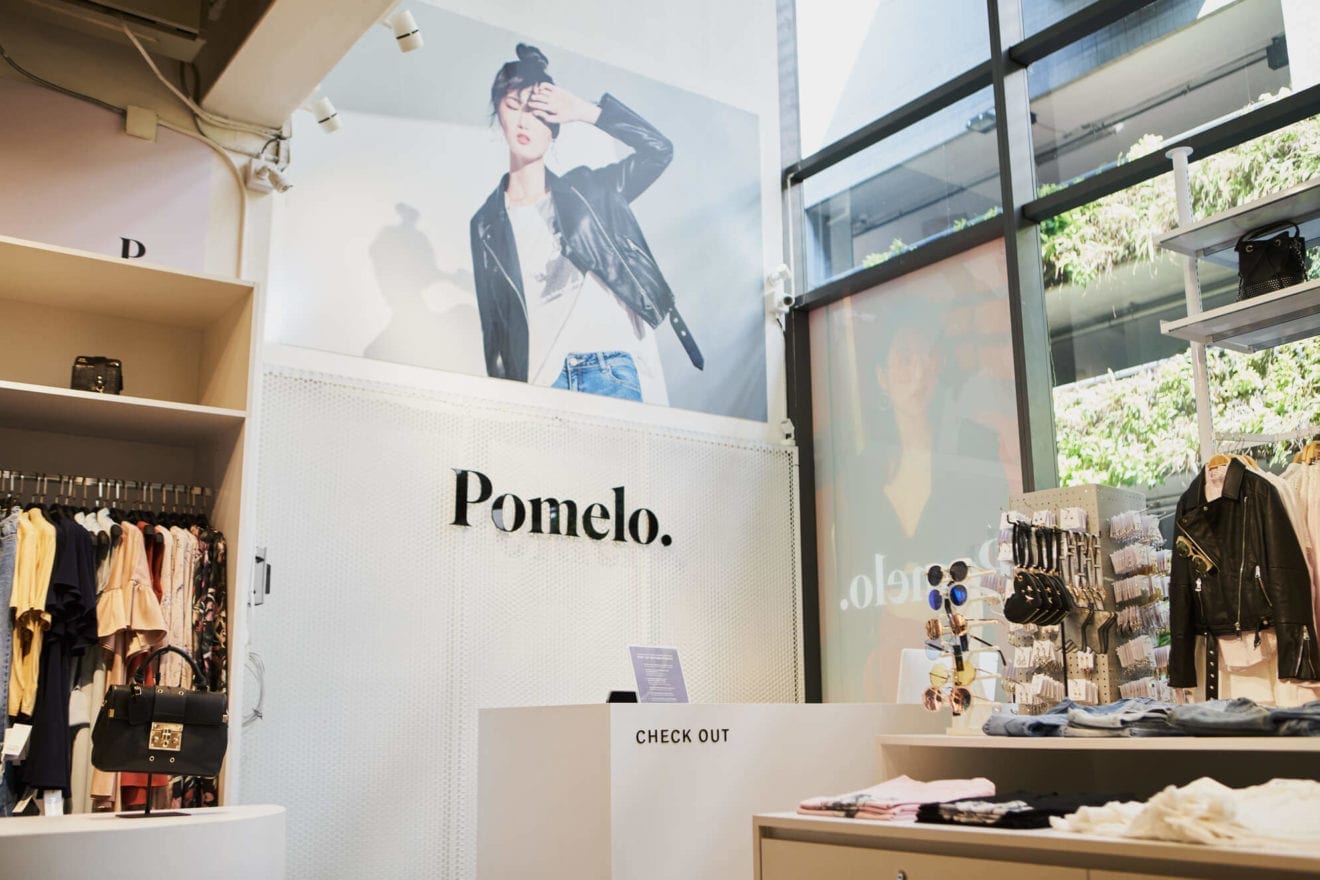
    Bangkok-headquartered omnichannel fashion company Pomelo has appointed Jim Boland, former RedMart CFO, as its new CFO.

    Boland has successfully led finance organisations in fast-growing e-commerce businesses for more than 19 years in leadership roles at Amazon, Dell and Alibaba-owned RedMart. His appointment will see him aiming to build up Pomelo’s financial infrastructure to drive profitability while enabling rapid growth across the region.

    “I am delighted to join this innovative company, which has designed a business model strategically suited to grow fast and profitably,” said Boland. “As a digitally native, vertically integrated omnichannel brand, Pomelo presents an exciting opportunity to leverage my past experience with vertical integration, retail, and e-commerce, especially during the critical scaling up phase.”

    With Boland’s new role as CFO, Pomelo’s co-founder and former CFO Casey Liang is transitioning to Pomelo’s growth team, which encompasses the performance-marketing and business-intelligence teams, a cross-functional unit that will work closely with other teams to accelerate customer acquisition and retention.

    “As we continue in this period of rapid expansion, I am excited to foster more coordination between our creative and technical teams to further accelerate our growth rate and help more customers to experience Pomelo’s unique value proposition,” said Liang.

    Pomelo’s CEO David Jou expressed excitement at the hire as the firm pursues building the “first global fast fashion brand out of Asia”.

  • AirAsia launches cheap fares to Bali, a thriving tourism destination for many Australians’

    AirAsia launches cheap fares to Bali, a thriving tourism destination for many Australians’

    AirAsia is offering cheap one-way fares to a tropical Indonesian island, which has been tipped to take the top spot as the favourite destination for Australians. The budget airline announced its new four-time weekly flights between Perth and Lombok, east of Bali this week.

    As part of the announcement, AirAsia is offering one-way flights to Lombok from just $99. AirAsia has launched cheap one-way fares to Indonesia’s newest holiday hotspot Lombok, which has been tipped to take the top spot a favourite destination for Australians

    The budget airline announced its new four-time weekly flights between Perth and Lombok, east of Bali this week Jetsetters can snag the cheap flights until March 24, to travel between June 9 and October 26.

    Australian sun-seekers are expected to flock to the new destination, which has been described as ‘the new Bali’.

    Lombok, east of Bali, has gearing up to become the next tourism hotspot with promises of endless blissful beaches.

  • Greater China Club Presents  ‘A Taste of Guangdong Nostalgic Dining Experience’  at Chinese Dining Room Man Hing

    Greater China Club Presents ‘A Taste of Guangdong Nostalgic Dining Experience’ at Chinese Dining Room Man Hing

    Greater China Club’s classic Chinese dining room Man Hing is presenting ‘A Taste of Guangdong Nostalgic Dining Experience’ from 3 C 22 April 2019. A nostalgic menu of popular Cantonese dishes from the 1960s C 70s is being curated by veteran guest chef brothers Heung Chung-Kin and Heung Chung-Tat, bringing combined experience of over 90 years in classic Guangdong cuisine.

    Both in their 60s, the master chef brothers have a celebrated track record of cooking for Hong Kong’s rich and famous dating back to 1968.

    Elder brother Chef Chung-Kin, 67, helmed Chinese kitchens from The Oceania Restaurant, Furama Hotel and Grand Hyatt in Hong Kong to ANA InterContinental Tokyo, Grand Bay Hotel Zhuhai and Four Seasons Macau before becoming a tycoon’s personal chef.

    Younger brother Chef Chung-Tat, 60, rose to Head Chinese Chef at Great Eagle Hotel, Royal Garden Chinese Restaurant and exclusive Club Vendome at luxury Kowloon development Imperial Cullinan.

    “This vintage menu is a tribute to their vast knowledge of the roots of Guangdong cuisine, with a nostalgic menu recalling beloved Cantonese specialties from a charming era before Hong Kong became a global cosmopolitan powerhouse,” said Eric Ting, Founder and CEO of Bird Kingdom Group, managing company of Greater China Club.

    Guests can embark on a classic culinary journey back in time in the presentation of over 70 exquisite Guangdong favourites, from appetisers and soups to main courses, desserts and dim sum C many that once graced celebratory banquets but are rarely served today, requiring lengthy preparation and intricate skills.

    Once-popular starters include Deep-fried Chinese Egg Pudding with Yunnan Ham (HK$158), Crispy Chinese Milk Puddings Served with Sugar (HK$158) and Tossed Pork Intestines with Homemade Sauce (HK$138).

    Among soups, Braised Partridge Soup with Bird’s Nest (HK$188 per person) is a classic favourite combining partridge’s high nutritional value as a source of iron, selenium, vitamin B, potassium and magnesium with bird’s nest nutrients restoring health and helping chronic cases of cough and asthma. Also on the menu is Braised Fish Head Soup with Egg and Barbecued Pork (HK$148 per person); Double-boiled Winter Melon with Conpoy and Chinese Ham (HK$138 per person); and Double-Boiled Vegetarian Shark Fin Soup stuffed in Whole Pigeon (HK$488).

    Traditional main course favourites from the bygone era range from Sautéed Prawns stuffed with Chinese Ham and Bamboo Shoot (HK$288) to banquet classics Signature Crispy Chicken in Traditional Method (HK$588, limited supply daily), Sautéed Pork Stomach with Olive Kernel and Bell Pepper (HK$298, limited supply daily) C a classic test of slicing technique selecting most tender sections of eight stomachs per dish.

    Braised Pomelo Peel with Shrimp Roes (HK$188) has a uniquely soft, melt-in-your-mouth texture; and rare Braised Dried Giant Garoupa Skin with Thick Sliced Abalone in Oyster Sauce (HK$488, limited supply daily) is a tradition from Manchu Han imperial feasts, cooked with precious dried giant garoupa skin from Malaysia that costs over HK$50,000 per 9kg.

    1960s and 70s specialties extend to Sautéed Soft Shell Turtle Skin with Green Bell Pepper and Celery (HK$368); Deep-fried Caul Fat Rolls Stuffed with Shredded Pork and Eel (HK$188); Steamed Fresh Crab Claw in Superior Soup (HK$288, limited supply daily); Pan fried Shrimp Toast in Traditional Style (HK$288) and Braised Vegetarian Pockets Stuffed with Mushrooms and Vegetables (HK$168).

    Main dishes extend to Sliced Noodles with Crabmeat in Superior Soup (HK$88 per person), a Guangdong classic using deep-fried diamond shaped wonton wrappers; Fried Rice Noodles with Pork Liver, Barbecue Pork, Pork Stomach, Fish Maw and Chicken Kidney (HK$188); and Egg Noodles with Shrimps, Sliced Pork, Fish Maw, Squid and Barbecued Pork in Soup(HK$188).

    Among classic Guangdong dim sum are Steamed Buns Stuffed with Chicken, Black Mushrooms, Barbecued Pork, Shrimps and Salty Egg York (HK$68); Steamed Seafood Dumpling Stuffed with Superior Soup (HK$88 per person); Steamed Shrimp Dumplings with Chinese Celery (HK$68) or Steamed Shrimp Dumplings with Bamboo Shoot (HK$66); and the street-food staple, Pork Lard Buns in Traditional Style (HK$58).

    Completing the traditional menu are beloved retro desserts C from Cantonese Sponge Cake (HK$48) and Red Bean Rice Flour Pudding (HK$48) to Baked Egg Custard Pudding with Sago and Lotus Paste (HK$48).

    Greater China Club’s ‘Classic Guangdong Nostalgic Dining Experience’ continues a tradition of inviting guest chefs to showcase novel, authentic and exquisite regional Chinese cuisine, following previous presentations by star chefs from Beijing, Hangzhou and Chaozhou.

    Greater China Club is located at Unit A, 10/F, D2 Place One, 9 Cheung Yee Street, Lai Chi Kok, Kowloon, Hong Kong. It opens from Monday to Thursday, Sunday and Public Holidays, 12:00 noon to 12:00 midnight and Friday and Saturday, 12:00 noon to 1:00 am.

    Greater China Club offers Corporate and Individual memberships entitling members to exclusive offers at the Club’s dining outlets, waived service charges and exclusive benefits.  Priced HK$18,888 for corporate membership with 3 nominees and exclusive benefits, including 10% discount on food consumption at Umai and Rustico, 3 bottles of Champagne (HK$1,080 each), HK$15,000 cash vouchers which can be used at all restaurants under Bird Kingdom Group; and HK$6,888 for individual members with exclusive benefits, including 10% discount on food consumption at Umai and Rustico, 1 bottle of Champagne (HK$1,080), HK$5,500 cash voucher can be used at all restaurants under Bird Kingdom Group, while monthly membership fees (which can be used for spending in the Club) are HK$600 and HK$300, respectively.

    Members enjoy special benefits, but the Club is also open to guests and tourists at D2 Place, a revitalised industrial building now buzzing with eclectic bars and restaurants, named after its MTR exit at Lai Chi Kok.


  • Fung and JD launch Hong Kong’s first AI checkout

    Fung and JD launch Hong Kong’s first AI checkout

    JD has partnered with Fung Retailing Group to unveil Hong Kong’s first AI checkout solution in a retail store environment.

    The AI-powered checkout technology is a result of a strategic deal between the firms signed last year. It represents the first AI checkout experience featuring image recognition technology in the territory. This technology is currently installed at the AI Retailing Zone in two Circle K stores in Hong Kong.

    Designed to make the checkout experience as easy and hassle-free as possible, customers can complete checkout using the AI-powered solution in just four seconds with three simple steps, including placing the products on the counter, scanning, and paying via Octopus card.

    The advanced AI algorithm enables the checkout counter to recognise up to five products within one second with an accuracy rate of more than 97 per cent, reducing the overall checkout time by 30 per cent.

    “This is an important milestone for Fung Retailing as the first in the industry to unveil the first AI-powered checkout pilot experience in a convenience store environment,” said group MD Sabrina Fung.

    “This underscores our ongoing commitment to experiment with new technologies like AI and to build partnerships like the one with JD to enhance the end-customer experience, further transforming the future of retail for Greater China.”

    “AI will continue to play a critical role in transforming the retail landscape,” said JD VP Dr Bowen Zhou.

    “Retailers who are able to capitalise on this trend, will have a competitive edge among their peers. Leveraging Fung Retailing’s offline retail expertise and JD’s leading retail technology, this pilot project represents a critical first step in collectively realising our vision for smarter and more convenient retail.”

  • Zoff Hong Kong eyewear chain boosting Convenience

    Zoff Hong Kong eyewear chain boosting Convenience

    Zoff Hong Kong may have only six stores for now, but the Japanese eyewear brand is proving a standout for local licensee Convenience Retail Asia.

    Victor Fung, chairman of the listed Fung Group affiliate, says Zoff Hong Kong has enjoyed “remarkable success” since CRA opened the first store in November 2017 at Cityplaza in Taikoo Shing. The five stores opened since are all in high-traffic locations popular with trendy young clientele, including one at Langham Place.

    Zoff’s business model is to offer customers a constantly refreshed range of frames to suit all styles, high quality frames at affordable prices and made onsite within a fast turnaround time. Fung says this is ideal for the new generation of consumers, always on the go.

    Zoff stores carry more than 2500 different frames and new items are introduced biweekly.

    The chain has also launched themed promotions, including a selection with popular actress and model Kiko Mizuhara and collections themed on Disney, Star Wars and Andy Warhol.

    CRA has invested heavily in brand advertising for the new chain, including outdoor advertising, prize promotions and joint marketing initiatives with other brands within the Fung Group.

    While CRA did not detail the chain’s financial performance, the company noted in its annual results that Zoff had contributed to both revenue and profit growth.

    “The group is proud to be the only licensee for the Zoff franchise in the world,” said Fung. “This fast-fashion eyewear chain, with its eye-catching blue-and-white branding, is highly regarded among Hong Kong’s young generation. Under the group’s guidance, Zoff has truly energised the Hong Kong eyewear market since entering in late 2017.”

    More Zoff stores are scheduled to open this calendar year.

    “The group remains bullish about the prospects for Zoff. Despite a number of competitors entering the market, our first-mover status and Hong Kongers’ affinity for the famous Zoff brand continue to drive healthy growth,” he said.

  • Malaysia’s KIP Group plans a few new malls

    Malaysia’s KIP Group plans a few new malls

    Malaysia’s KIP Group will establish three new malls within the coming three years, according to CEO Valerie Ong.

    The new locations in Raub, Kuantan and Sungai Petani will involve RM150 million (US$36.7 million) in gross development costs and cater to middle-mass-market demand. They are being located in growing markets where consumers still prefer physical buying over online purchases.

    “This means we will have a total of 12 shopping malls in our portfolio, including the six properties that had been injected to our listed entity, KIP Reit”, Ong said at the launch of the firm’s ninth shopping mall at Desa Coalfield Sungai Buloh.

    KIP Griup’s portfolio includes a shopping mall in Bangi and five KIP Marts in Tampoi, Kota Tinggi, Masai, Senawang and Malacca. It has also acquired Aeon Mall Kinta City, Ipoh in a RM208 million ($50.9 million) deal.

    According to Ong, Malaysia’s retail sector is expected to grow by 4.5 per cent to RM109 billion this year. She added that the Desa Coalfield mall has already achieved an 80 per cent occupancy rate in advance of its scheduled opening later this year.

  • Vietjet not operating any flights with Boeing 737 MAX aircrafts

    Vietjet not operating any flights with Boeing 737 MAX aircrafts

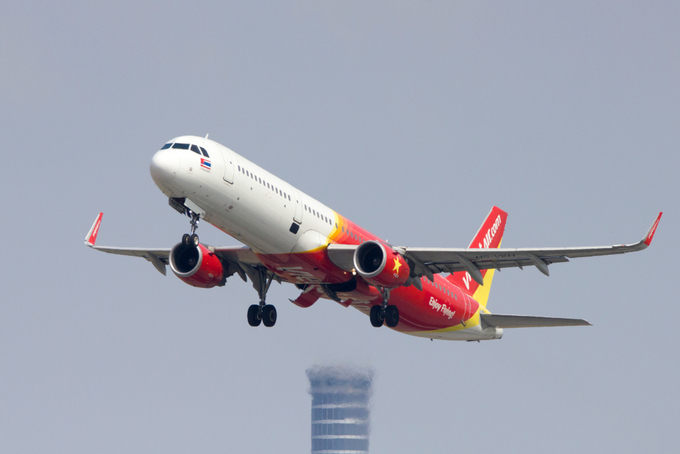
    Vietjet does not operate any flights with Boeing 737 MAX aircraft. We are currently operating with a fleet entirely composed of new Airbus aircraft from the A320 family aircraft. The average age of our fleet is 2.82 years. We are also using latest generation of Airbus aircraft, A320-A321 neo.

    Furthermore, Vietjet’s operations meet the highest international standards with regard to safety and maintenance. In particular, we have complied with all of the regulations and met the latest standards which have been set out by the European Aviation Safety Agency (EASA), the Federal Aviation Administration of the United States (FAA) and the Civil Aviation Authority of Vietnam (CAAV), including the approval of aircraft type for our operation.

    The safety for passengers is always Vietjet’s highest priority. Now we are closely monitoring the Boeing 737 MAX case and our decisions related to these aircraft will be made after the official conclusions and guidelines of the world’s aviation authorities and the CAAV. We are doing this to ensure the development of our modern fleet and to meet the highest quality and safety standards. Vietjet has well managed our fleet so far and our transport business plans are unchanged.

  • Barclaycard partners with Alipay to help UK merchants increase sales from booming Chinese tourism

    Barclaycard partners with Alipay to help UK merchants increase sales from booming Chinese tourism

    Barclaycard, which processes nearly half of the UK’s credit and debit card transactions, today announced a new agreement with Alipay, the world’s leading payment and lifestyle platform, which will allow retailers to accept Alipay transactions in stores across the UK.

    Building on a successful pilot over the past two years, the new agreement will enable UK retailers to take full advantage of the growing volume and buying power of Chinese visitors. In addition to the UK’s 393,000 Chinese residents and 95,000 Chinese students, tourists from China represent an increasingly important customer segment for retailers. VisitBritain is expecting 483,000 visits from China in 2019, up 43 per cent on 2017, with Chinese visitors expected to spend more than £1 billion this year, up 50 per cent, moving it well into the UK’s top 10 tourism market. The increase in market size is also demonstrated by the fact that the number of Alipay users in the UK has doubled in the last year.

    By accepting Alipay, the world’s most-used app in 2018 outside of social apps according to App Anni, retailers will be able to capitalise on the growing appetite of Chinese tourists to use mobile payments over cash while abroad. According to a 2018 survey conducted by Nielsen, the vast majority (93 per cent) of Chinese tourists said they would likely spend more in a store that accepted mobile payments. In addition, among the merchants surveyed that had adopted Alipay, nearly 60 per cent said that they had clearly seen growth in both foot traffic and revenue[5].

    The new agreement will enable UK retailers to accept in-store Alipay payments without replacing their existing point-of-sale system, allowing them to take advantage of the boom in Chinese tourism without disrupting their existing customer experience[6]. Retailers will also benefit from being at the fingertips of hundreds of millions of highly-engaged Alipay users, who will be able to search for outlets near their location to find out details such as opening hours, directions, and whether there are any discounts available.

    Alipay serves over one billion users worldwide together with local e-wallet partners, and this new agreement offers its Chinese users travelling in the UK the familiar mobile payment and lifestyle experience they enjoy at home, as well as Alipay’s competitive foreign exchange rate.

    Feedback from retailers has been incredibly positive; Barclaycard is already in discussions with around 70 clients interested in becoming early adopters.

    Rob Cameron, CEO, Global Head of Payment Acceptance at Barclaycard, said:

    “Thanks to the significant investments we’ve made in our platform, our clients have access to a growing range of payment types, each of which can help them increase market share by meeting the needs of new customers.

    “Our new agreement with Alipay gives retailers a vital tool to help them seize the revenue opportunity posed by the growth of Chinese visitors to the UK. At the same time, Alipay users will benefit from a more convenient and familiar in-store payments process – enhancing their overall shopping experience.”

    Roland Palmer, Head of Europe, Middle East and Africa at Alipay, said:

    “Alipay is excited to announce that it will be working with Barclaycard to provide visitors from China with the mobile payment experience that they are already familiar with. Through this strategic partnership, Alipay will now be able to offer many more UK merchants the opportunity to connect and engage with a growing number of Chinese visitors. This is another step forwards in our vision to offer Chinese tourists a seamless travel and payment experience when travelling overseas.”

  • GreyOrange to showcase new modular sortation system at ProMat 2019

    GreyOrange to showcase new modular sortation system at ProMat 2019

    Robotics and warehouse automation company GreyOrange will showcase its new FlexoTM modular sortation system and demonstrate upgraded versions of its Butler and PickPal on April 8-11, at ProMat 2019, the leading trade show for supply chain and logistics.

    Today’s modern supply chains are under immense pressure to improve productivity as businesses grapple with unpredictable demand and labor shortages to handle omnichannel distribution. The intelligent robotics solutions from GreyOrange address these challenges head on with high-level flexibility in terms of design that helps businesses adapt easily to changes in customer demand and market strategies while controlling costs.

    GreyOrange Co-founder and Group CEO Samay Kohli will speak on April 10 at 11:30 am at The Chief Robotics Officer Summit, organized by RoboBusiness. He will discuss how a new generation of robotics for warehousing that optimizes machine learning and AI, delivers the Flexible Automation that modern distribution centers need to maintain a competitive edge. The robotics systems from GreyOrange have the agility to deploy quickly, adapt on the fly to evolving operational demands and unlock new levels of productivity for applications in omnichannel Retail, ecommerce, 3PL and fast-moving consumer goods(FMCG).

    At Automate 2019, GreyOrange Boston R&D Labs Director and Head, Andreas G Hofmann will present a session on “Intelligent Robotics for Flexible Supply Chain Automation” on April 10 at 3:30 pm. He will highlight new robotic technologies that address challenging problems in warehouse automation that provide flexibility with a limited set of product morphologies. This allows for addressing rapidly changing warehouse needs while managing product customization costs. Automate is a leading automation solutions event by the Association for Advancing Automation, and is co-located with ProMat 2019.

    See the new GreyOrange FlexoTM modular sortation system at ProMat. Flexo enables destination sortation; inbound and outbound, in fulfilment, distribution and logistics centers.  Designed for flexibility, Flexo adapts to existing layouts, can easily scale and handle versatile payloads without constraints to future growth. Flexo is easy to deploy and is portable across facilities. Capable of operating 24/7, this system reduces cost per shipment and dependency on additional labor during peaks. Flexo components are designed to allow for fast implementation in as short as 15 days due to its modularity and standardization, and can be easily scaled to handle large peaks.