Tag: asia

  • Vietnam banks among 500 most valuable brands

    Vietnam banks among 500 most valuable brands

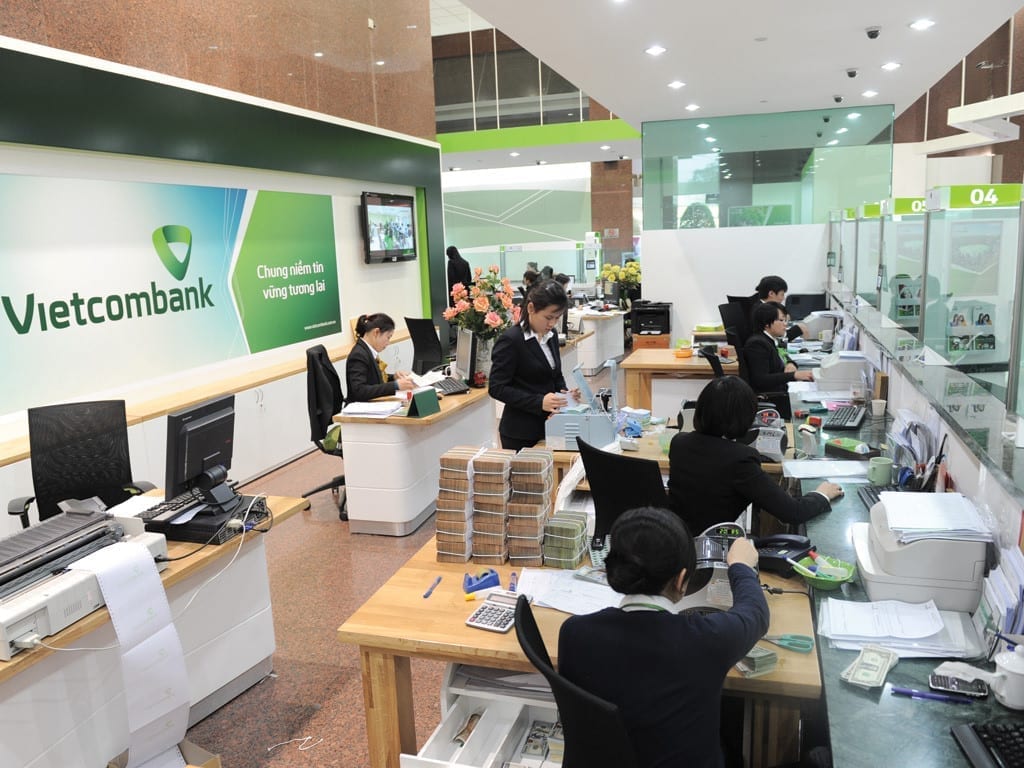
    Four Vietnamese lenders, three state-owned and one private, are among the world’s top 500 most valuable brands this year. In an annual ranking by BrandFinance, VietinBank was ranked 242, BIDV, 307, Vietcombank, 325, and VPBank, 361. Last year, VietinBank, BIDV and Vietcombank, three major Vietnamese banks, made it to this elite list, and this year is the first time that a Vietnamese private bank, VPBank, has made it to the Brand Finance Banking 500.

    In this year’s ranking, BIDV is one of top ten banks in the world in terms of brand strength, with growth of 22 percent; while VietinBank is one of top ten banks with biggest Brand Value Change 2018-2019 with a whopping 66 percent increase.

    Chinese bank Industrial and Commercial Bank of China (ICBC) continues to sit on the throne this year, followed by three others Chinese lenders in the top four.

    According to the UK-based Brand Finance, a leading independent brand valuation and strategy consultancy, Chinese banking brands have grown “at an outstanding rate despite fears of an economic slowdown and the rise of protectionism in international trade.”

    It said Chinese banks grew 28 percent on average, achieving $407 billion in total brand value, over $100 billion more than American banks.

    In August last year, Vietnam’s government approved a master plan for banking sector development until 2025 with a vision to 2030.

    The plan envisages at least 2-3 banks in Asia’s top 100 in terms of total assets and targets to have 3-5 banks listed on foreign stock exchanges by 2025.

  • Empire State Building Store sets tourist retail benchmark

    Empire State Building Store sets tourist retail benchmark

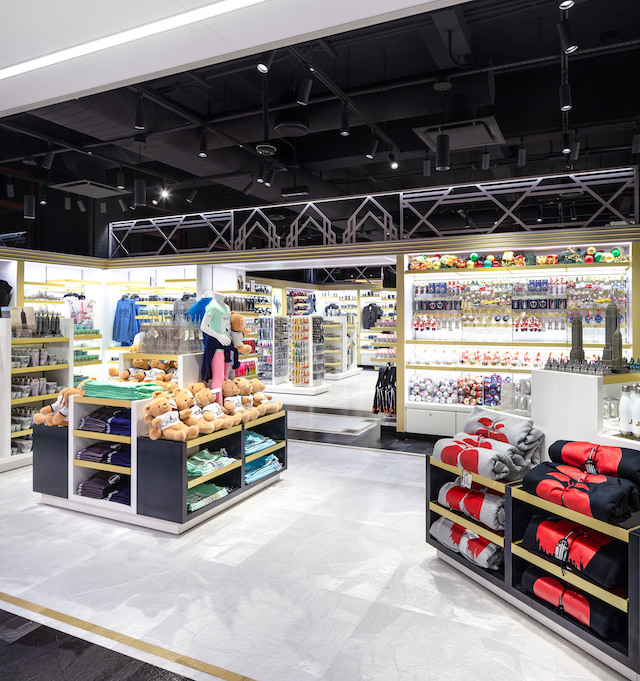
    North American travel retail firm Hudson Group has announced the unveiling of the Empire State Building Store, part of the reimagined Empire State Building Observatory experience. The newly renovated 4500sqft retail space offers more than 800 items exclusive to the property, including destination mementos, curated souvenirs, and modern luxury, as well as a new shop-in-shop experience, Empire on Fifth.

    “With our US$160 million Observatory upgrade, the redesign of the Empire State Building Store elevates the retail experience at the building and caters to our guest’s interests,” said senior VP of the Observatory Jean-Yves Ghazi.

    “From the King Kong section to exclusive merchandise from top brands Baccarat Crystal, Puma, Swarovski and more, there truly is something for everyone”.

    The Empire State Building Store is one of more than 300 specialty retail locations operated by Hudson Group.

    “Hudson Group is elevating the gift store experience in our properties across North America by bringing 30 years of travel retail experience to tourism,” said Hudson Group CEO Roger Fordyce. “We could not be prouder to partner with Empire State Realty Trust to offer this new amenity to visitors at the most recognised building in the world, the Empire State Building”.


  • How much do Hongkongers spend on Valentine’s Day?

    How much do Hongkongers spend on Valentine’s Day?

    If you were in Hong Kong for Valentine’s Day you must have seen cascades of flowers around the city, couples flooding the restaurants, and inevitably thought: “love is definitely in the air”. You were actually right. Hong Kong is one of the top Asian markets for sentimental spending according to the Mastercard Love Index, showing continued growth since 2016 and some intriguing behavioural insights.

    Now, whether you think of it as the most romantic day of the year or a sickening slog, it’s undeniable that Valentine’s Day is a big deal for people splurging on their loved ones, and in Hong Kong even more so. The Mastercard Love Index has gathered data from credit, debit, and prepaid card transactions from the last three Valentine’s Day holiday periods(11th-14th February 2016-18) to discover the change in how fluffy feelings have translated into cold hard cash.

    The results show that since 2016, Hong Kong ranks third in growth for sentimental spending at 62%. China takes the top spot at 88% followed by Japan at 68%, which had a 35% surge. Overall across Asia-Pacific, sentimental spending has jumped up 33% with Valentine’s Day period transactions rising by 37% since 26%

    What was the biggest increase seen? Flowers of course. Since 2016 spend value on the holiday staple has gone up by 89% with 73% more transactions. In comparison, Hong Kong transactions for the pretty petals went up by 46% with total spend rocketing up by 93%.

    Here are some other interesting insights about Hongkongers from the research:

    Hongkongers aren’t early Valentine’s shoppers. Last minute buys for gifts are the norm with the 28% majority of sales happening on the day itself.

    Restaurant dates are still a growing favourite and getting flashier. Transactions in restaurants have grown by 20% since 2016 with the amount spent at meals up by 30%.

    More romantically, there has been a huge increase in couples popping away for romantic trips for Valentine’s Day. Transportation transactions showed a 205% increase in 2018, making up a significant 23% of the total spend for the day.

    Hotel rendezvous are also on the rise with 63% growth in transactions since 2016 and a boost to the total spend by 66%.

    Bling is still in. Jewellery transactions for Valentine’s Day have climbed with spend up 43% since 2016.

    Hongkongers like the personal touch when it comes to gifts for Valentine’s Day. 88% of gifts were bought in face-to-face transactions versus 6% online. However, online shopping for Valentine’s Day is still rising with a 146% increase in online transactions over the period since 2016.

  • First Vietnamese to enter 200 richest people in the world list

    First Vietnamese to enter 200 richest people in the world list

    Pham Nhat Vuong is the first Vietnamese to enter the list of the world’s 200 wealthiest people. He has an estimated worth of $7.5 billion. Vuong, who heads the Vingroup conglomerate, is 198th on the real time billionaires ranking updated by Forbes magazine on Saturday. His net worth has increased by $3.2 billion over last year when he topped Forbes’s list of four Vietnamese billionaires.

    A 13 percent increase in the value of Vingroup’s shares in the first week after Vietnam’s stock market reopened following a 9-day Tet (Lunar New Year Festival) break has been a factor in boosting Vuong’s net worth and catapulting him into the top 200 list.

    Price of Vingroup’s share (VIC) stood at VND112,000 ($4.82) at the end of the trading session last Friday.

    Vingroup, one of Vietnam’s largest real estate conglomerates, has been expanding rapidly into retail, logistics, agriculture, education and healthcare sectors. Vuong was first mentioned as a billionaire on the Forbes list in 2013 with a net worth of $1.5 billion, ranking 974th richest in the world.

    Nguyen Thi Phuong Thao, the other Vietnamese billionaire and owner of budget carrier Vietjet, is 1,014th on the Forbes list of global billionaires with assets worth around $2.3 billion.

    Topping the Forbes list was Amazon founder Jeff Bezos, who became world’s first centi-billionaire with a net worth of $133 billion, up $21 billion from 2018. Bill Gates, Microsoft’s co-founder, was in second place with a net worth of $97 billion.

  • 7-Eleven may make India foray with Future Group

    7-Eleven may make India foray with Future Group

    Convenience store chain 7-Eleven is holding advanced talks with India’s Future Group to enter the territory. The parties may announce an agreement to launch a network of 7-Eleven India stores next month, according to inside reports. Future Group would operate small format stores as a master franchisee, with a focus on food retailing. The partnership is expected to help Future extend its reach to buyers beyond its own existing store network.

    “Future Group has a number of neighbourhood stores through their own format launches and through acquisitions”, observed Devangshu Dutta, CEO at consultancy firm Third Eyesight. “Some of them could surely be repurposed to 7-Eleven convenience stores, while there could be other franchisees appointed for specific sites or territories,” he said.

    “However, becoming a franchisee entails costs and restrictions. The question is whether there is enough margin available in the business to allow for so many tiers of stakeholders.”

    7-Eleven India potential partner Future Group runs 1,444 stores in 409 cities, specialising in food and grocery retailing.

  • Starbucks China unveils new third-place experience concept

    Starbucks China unveils new third-place experience concept

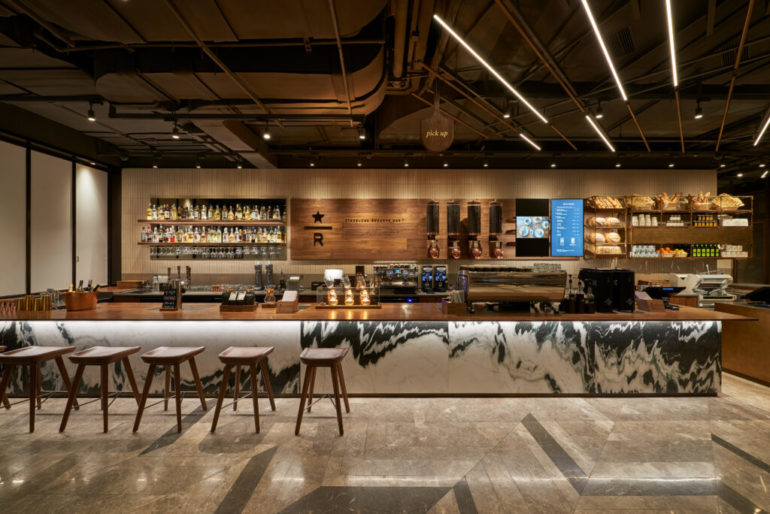
    Starbucks today unveiled its first Starbucks Reserve® Bakery Cafe, featuring fresh Italian Princi food, in China. This brand new third-place (in-store) experience is dedicated to the premium Starbucks Reserve® coffees served alongside artisanal and made-to-order food prepared by Princi bakers onsite every day.

    Each baker has been meticulously trained in the acclaimed Italian baker Rocco Princi’s distinctive method of artisanal craft of baking to perfect the recipes for each food item. The cafe also features an expanded menu of Starbucks signature Mixology, including distinctive coffee and tea-inspired cocktails, Italian classics like Aperol Spritz, fine Italian wines and beers.

    This will be the first-of-its-kind Italian Aperitivo experience (early evening social cocktails paired with small bites) in a Starbucks store location within China.

    “For 20 years, Starbucks has revolutionized, and set new standards, around the third-place for our Chinese customers. Today marks yet another significant milestone as we take everything we have learned around coffee and our relentless pursuit for food innovation, to create a new exciting all-day cafe dining and Italian Aperitivo experience,” said Belinda Wong, ceo, Starbucks China. “Our ability to consistently elevate the customer and brand experience in a meaningful and respectful manner truly reflects Starbucks unmatched energy and operational capabilities to execute against our Purpose-driven Growth Agenda to play the long game in China.”

    As a showcase of Starbucks undisputed coffee leadership in China, the cafe features Starbucks ReserveTM Princi™ Blend as the signature coffee offering for its handcrafted espresso beverages made using the Black-eagle Espresso Machine. This special Reserve blend can also be enjoyed freshly-brewed using the Siphon brewer, Pour-over or Starbucks Draft Nitro.

    Authentic, freshly prepared food is the centerpiece that creates the vibrancy and intimacy within the cafe. Customers can share meals with family and friends at the large community table just feet away from the baking oven and the bountiful display of food creations.

    Inspired by the passion and romance of Rocco Princi’s belief to infuse ‘Spirito di MilanoTM’ into this new retail environment, the coffee theatre transforms into a full mixology bar to offer Starbucks-distinctive coffee or tea-infused craft cocktails, beers, and a fine selection of Italian classics and wines specially curated by Rocco Princi, as the day turns into evening.

    Each day from 5 pm to 7 pm, the store celebrates “Aperitivo Time” where customers can enjoy handcrafted cocktails, wine and beer with free-flow of pizza bites, green olives, and schiacciatine.

    They can choose to enjoy this unique Italian evening social occasion by relaxing at the cafe’s outdoor patio with friends and loved ones, just like Italians would across the streets of Milan.

    “I am excited to work with my Princi partners, and Starbucks, to unlock the infinite possibilities of Princi food elevating every daypart for our Chinese customers, from breakfast, lunch, to the new evening Aperitivo experience. This exceptional opportunity to pair Starbucks Reserve coffees with Princi’s 30-year heritage of serving only the freshest and artisanal food, in a brand new store format, is another dream come true for me,” said Rocco Princi.

    With more than 3700 stores in 158 cities, no other coffee retailer in China has the depth of Starbucks coffee expertise, strength of the most sought-after world-class retail locations, and pipeline of meaningful innovations to elevate the customer experience.

    Building on the overwhelming positive reception of freshly baked Italian PrinciTM food at the Shanghai Roastery, and the continued enthusiasm customers have towards Starbucks portfolio of innovative store concepts, the Starbucks Reserve® Bakery Cafe is yet another reflection of Starbucks holistic approach to build an exceptional third-place experience, further cementing its unparalleled leadership and success in China.
  • Record earnings for Maybank Indonesia

    Record earnings for Maybank Indonesia

    PT Bank Maybank Indonesia Tbk’s (Maybank Indonesia) profit after tax and minority interests (patami) for the financial year ended Dec 31, 2018 surged 21.6% to a new high of Rp2.2 trillion (RM640 million) on the back of higher net interest income (NII) and continued improvement in asset quality.

    The bank’s profit before tax (PBT) jumped 20.5% to a record Rp3 trillion, its highest achievement to date, while NII grew 5.2% to Rp8.1 trillion in December 2018 compared with Rp7.7 trillion in the previous corresponding period, it said in a statement today.

    Additionally, it said continuous implementation of disciplined pricing coupled with improved operational efficiencies enabled the bank to contain pressures on interest margin, resulting in improvement in net interest margin by 7 basis points (bps) to 5.2%.

    The bank’s asset quality also improved significantly as reflected by lower non-performing loan (NPL) levels of 2.6% (gross) and 1.5% (net) as at Dec 31, 2018 compared with 2.8% (gross) and 1.7% (net) respectively in the previous year.

    Following that, Maybank Indonesia was able to reduce its loan loss provisions by 38.6% to Rp1.3 trillion as of December 2018.

    Its loans grew 6.3% to Rp133.3 trillion from Rp125.4 trillion in the previous year.

    It also maintained a strong capital position with total capital reaching Rp26.1 trillion in FY18, while capital adequacy ratio (CAR) improved to 19% from 17.5%.

    Maybank Indonesia president commissioner and Maybank group president and CEO Datuk Abdul Farid Alias said the bank’s outstanding results for FY18 testify to its commitment towards sustainable business growth, as well as its relentless pursuit in ensuring sound asset quality, improved operational efficiency and better overall productivity.

    “Although the operating environment continues to remain challenging, we believe that we are poised for further growth in the coming year,” he added.

  • Taubman Sells Shares of Three Asian Shopping Centers

    Taubman Sells Shares of Three Asian Shopping Centers

    US retail property specialist Taubman Centers is to sell a 50 per cent stake in three of its shopping centres in China and Korea to funds managed by private equity company Blackstone Group. The deal, worth US$480-million, is expected to be settled later this year and will net Taubman about $315 million according to financial news reports. The company will maintain a share of up to 25 per cent in each property.

    Post settlement, Taubman will be contracted for the ongoing management of the centres.

    The centres are South Korea’s Starfield Hanam, and China’s CityOn Xi’an and CityOn Zhengzhou.

    Taubman manages a 26 regional, super-regional and outlet shopping centres in the US and Asia, and has another property under development. CEO Robert S Taubman said the sale was part of a strategy of recycling capital for growth.

  • Furniture maker in Vietnam to meet younger customer taste

    Furniture maker in Vietnam to meet younger customer taste

    Furniture manufacturers are striving to meet the changing tastes of young people, who have begun to value eco-friendliness and aesthetics. Nguyen Chanh Phuong, vice president and general secretary of the Ho Chi Minh City Fine Arts and Wood Processing Association (HAWA), said the furniture segment for small urban houses is abuzz in Vietnam, with its main customers being young adults born between 1980 and 2000.

    Unlike the previous generation, who preferred simple but durable furniture that could last 100 years, young people prefer to buy comprehensive interior packages based on their own aesthetic views, he explained.

    They see furniture as things that serve their needs and not assets to be passed down, and so products only need to last about 10 years, he said, pointing out this was why furniture makers like IKEA have been so successful.

    “There is a lot of opportunity arising from this group of customers alone. I estimate they only account for 15 percent in terms of number of buyers but account for 30-40 percent of spending.”

    Industry insiders said the market is seeing rapid growth in raw materials production, design and manufacture of furniture, and one can now find all types of international “fashionable” wood varieties from Germany, the U.S., France, Japan, Canada, and New Zealand.

    Vietnam’s furniture market was worth $4 billion in 2018, and is expected to grow to $5-7 billion by 2025, according to the Handicraft And Wood Industry Association of HCMC.

    Nguyen Quoc Khanh, HAWA chairman, said not only is the scale growing but also Vietnamese are increasingly demanding higher quality products.

    “I think ‘strong and durable’ is not the Vietnamese style; it was a need at a difficult time. Life is much better now, so people are allowed to express themselves.

    “The only regret is that the market has not yet created the necessary ecosystem for the business of interior design. That is, furniture manufacturers have not been able to work with designers and real estate companies to completely meet users’ needs.”

    Foreign home interior brands and designers are present in force and dominating the increasingly affluent market.

    According to the Vietnam Chamber of Commerce and Industry (VCCI), some 80 percent of luxury woodwork and interior decoration items is imported from Europe, with local players accounting for the rest.

  • Suning develops omnichannel smart retail through Wanda department stores

    Suning develops omnichannel smart retail through Wanda department stores

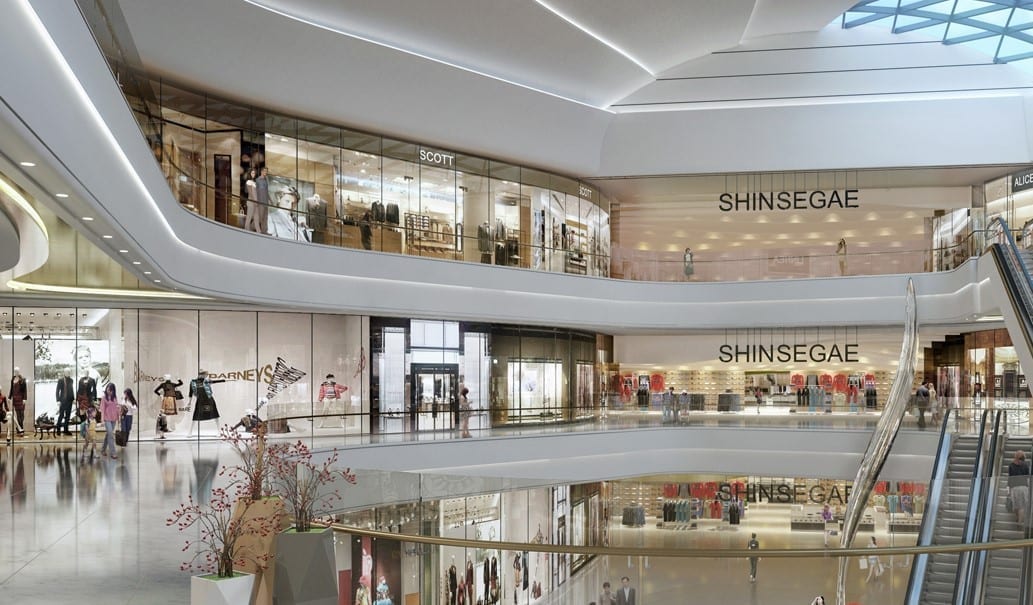
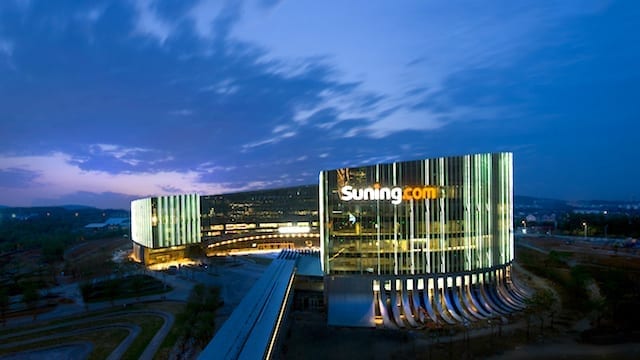
    Suning.com, the Fortune Global 500 retailer owned by Suning Holdings Group, one of the largest commercial enterprises in China, recently announced the establishment of its Department Store Group. It will focus on professional operations of fashion department store business to strengthen its full-scenarios development in online-and-offline smart retail and improve the shoppers’ experience.

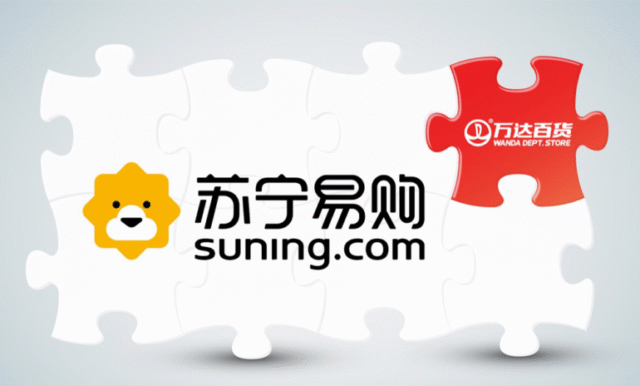
    The Company will also acquire nationwide all Wanda Department Stores, belonging to Wanda Group, the large Chinese commercial real estate developer, to expand its bricks-and-mortar retail portfolios and facilitate the all-categories merchandise supply chain to satisfy more local consumers and boost Chinese retail market profits.

    As the leading omni-channel smart retailer in China, Suning.com has always been committed to building a full-scenarios retail ecosystem both online and offline to create diversified shopping experiences visible and ready to serve consumers anytime and anywhere. The establishment of the new group with acquisition of Wanda Department Store is expected to further reinforce Suning.com’s offline advantages, improving its overall retail network resources and increasing the business potential of the Company to develop new business opportunities of all-categories merchandise operation, especially of fashion, lifestyle products and fast-moving consumer goods.

    The 37 Wanda Department Stores are located in first- and second-tier cities in China, with more than 4 million registered customers. Through the deal, Suning.com will also bring its powerful technology capabilities such as data learning, artificial intelligence, IoT to accelerate the digitization of operation management for traditional department stores to increase the overall service experience and profitability of the industry.

    Zhang Jindong, Chairman of Suning Holdings Group said: “The prosperity of the physical retail industry must not only rely on the traditional model and experience. It needs to embrace innovative technology and market concepts to continuously create quality and customized services for consumers.”

    Suning and Wanda has built a strategic cooperation since 2015 and strengthened the partnership in 2018 with the former’s acquisition of a tiny stake in the latter’s commercial management subsidiary.

  • Alibaba’s Ant Financial buys WorldFirst for $700m

    Alibaba’s Ant Financial buys WorldFirst for $700m

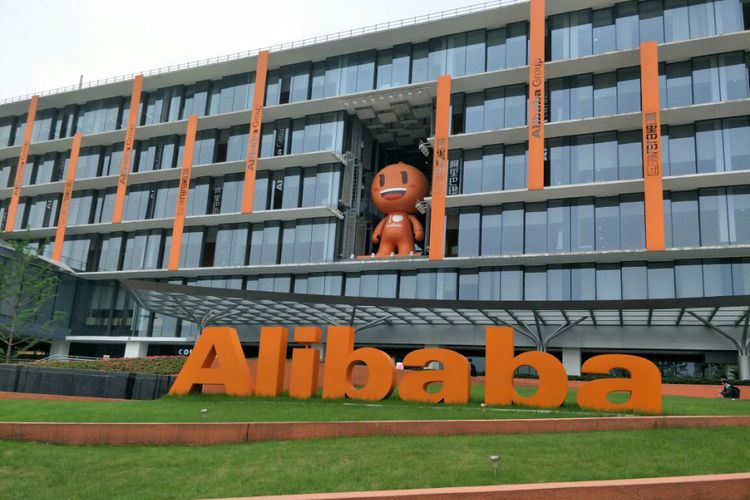
    Alibaba subsidiary Ant Financial says it plans to buy UK-headquartered money-transfer company WorldFirst. And in separate news, the Chinese e-commerce behemoth is in discussions over investing in the Metro China wholesale retail business.

    The WorldFirst deal will allow Ant Financial to gain market share in Europe’s fintech and payments industries and will give it an established retail network of currency-exchange stores covering cities including Sydney, Australia; London and Amsterdam, as well as throughout Asia. It has 600 employees in seven international offices and claims to have exchanged more than US$67 billion for 130,000 customers since its launch in 2004.

    The company also had outlets in the US but has reportedly closed these to avoid potential regulatory hurdles with the sale to a Chinese-owned business.

    Ant Financial last year unsuccessfully tried to acquire US-based money-transfer company MoneyGram, largely due to opposition from US lawmakers.

    Metro move

    Meanwhile, Alibaba is in talks to buy a share of German wholesaler Metro AG’s Chinese business.

    Neither company has confirmed or denied the talks are underway and they are at an early stage and may break down.

    Metro China operates 95 stores and struggled to achieve profitability in the market until recently. Metro sales in Asia rose 7 per cent to US$1.17 billion in the December quarter.  Most of the Metro China stores are in tier 1 cities, including Beijing and Shanghai.

    Metro is holding talks with other parties as well ahead of an official sale process.

    Olaf Koch, Metro’s CEO, confirmed this week that the company was considering potential partnerships with Chinese companies. Metro and Alibaba have already cooperated online.

    “We are growing continually and we are profitable [in China],” Koch said at the time Metro released its first-quarter results.

  • Deliveroo celebrates the Chinese New Year with elderly people

    Deliveroo celebrates the Chinese New Year with elderly people

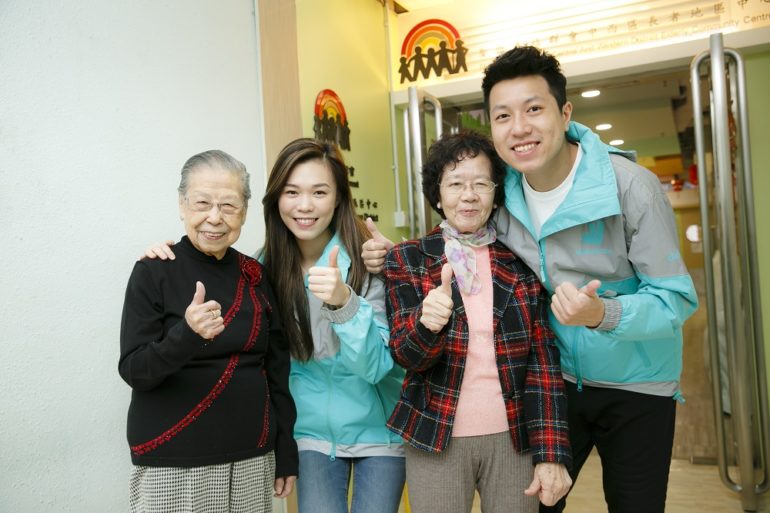
    To give back to the Hong Kong community in celebration of the Lunar New Year, Deliveroo collaborated with St. James’ Settlement and restaurant partner LAO ER by Crystal Jade to host a special afternoon event yesterday for elderly people living alone. There are increasing numbers of stay-alone seniors in Hong Kong, who don’t always have the opportunity to enjoy multi-generational gatherings at the New Year.

    Around 50 elderly people joined yesterday’s event on Monday 11 February, which was held at the Central and Western District Elderly Community Centre in Sheung Wan.

    A hot, delicious, free Chinese meal from LAO ER by Crystal Jade was served for everyone to enjoy together. The meal was prepared at Deliveroo’s first Food Market in Sai Ying Pun and delivered hot and fresh to the Centre by two Deliveroo riders.

    Deliveroo is also making a donation of HK$2,000 to the Central and Western District Elderly Community Centre of St. James’ Settlement, to help fund the gifts of the day and make the elderly delighted.

    Brian Lo, General Manager of Deliveroo Hong Kong, said, “With more and more of Hong Kong’s elderly population living on their own, we are proud to support community initiatives bringing happiness and togetherness to stay-alone seniors. Yesterday’s event was a fantastic chance for the elderly to bond with others over a delicious meal, in celebration of the Lunar New Year. The delectable festive Chinese party foods served in the event like fried noodles, dumplings and garlic-tossed cucumber represents just a small selection of the wide range of cuisine available from Deliveroo. Moving forward, Deliveroo remains dedicated to finding even more new and creative ways to give back to all kinds of people in Hong Kong.”

    The event fell on the seventh day of the first Lunar Month, also known as “Renri”. This is an occasion traditionally celebrated in Chinese culture as the birthday of all humans. On this day, it’s customary for people to gather together, show gratitude and ask for blessings.

    Alison Yung, Senior Manager (Continuing Care) of St. James’ Settlement, added, “Serving Hong Kong for 70 years, St. James’ Settlement has observed the rising number of elderly-only households. Having a reunion lunch on Renri is a beloved Chinese New Year tradition, and we have been delighted to work hand-in-hand with Deliveroo to provide a joyful afternoon meal for everyone to celebrate together. In the future, we look forward to more opportunities for fruitful collaboration with community actors like Deliveroo.”

    An active promoter of social responsibility, Deliveroo is committed to progressive initiatives that benefit employees, customers and the Hong Kong community at large.

    In December, for example, Deliveroo offered 100 free meals to domestic workers staying in Hong Kong over the holidays, in recognition of their valuable role for families.

  • Skechers passes store milestone

    Skechers passes store milestone

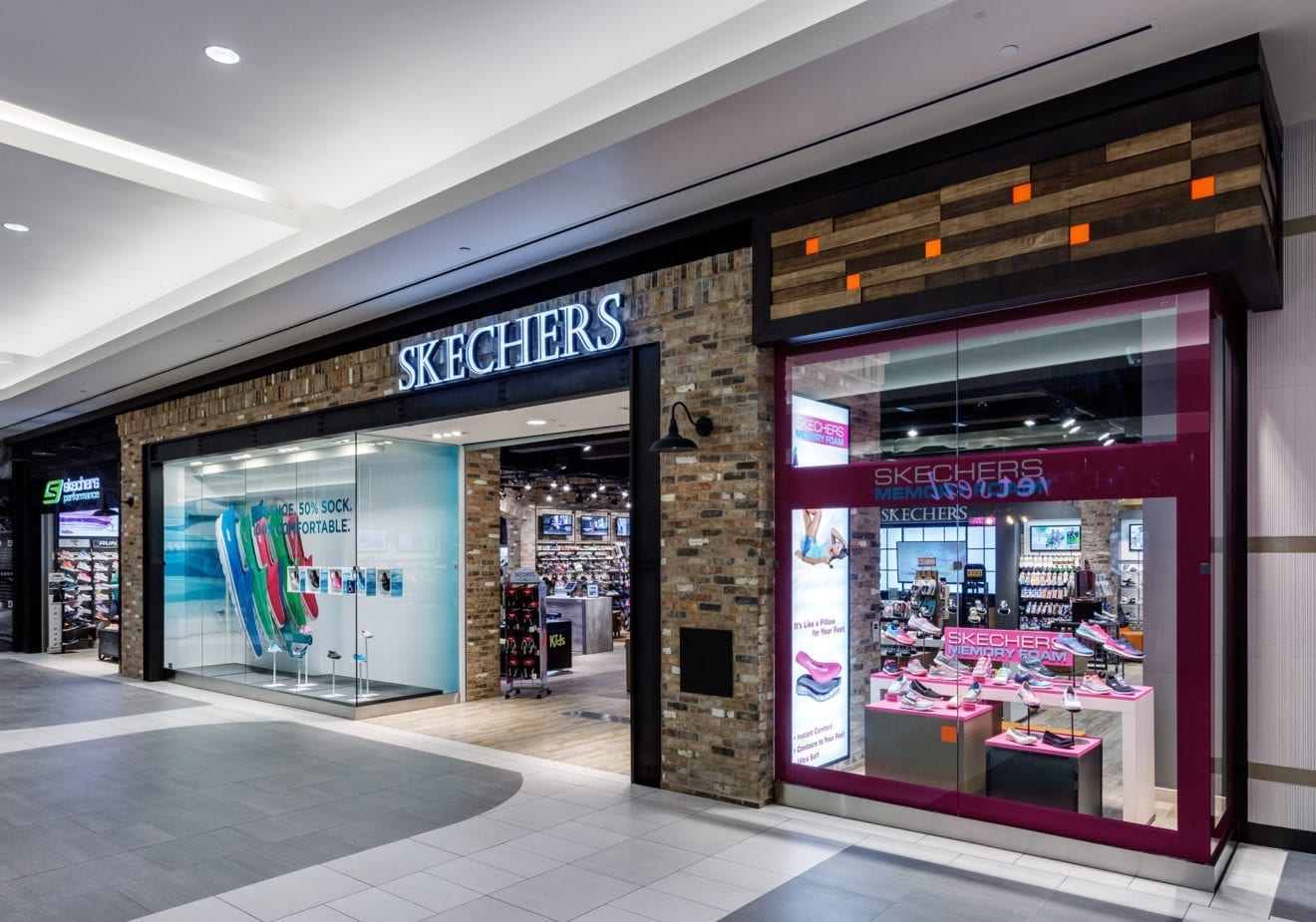
    Skechers China has opened a new superstore in Shenyang, the footwear brand’s 3000th globally. The footwear brand’s largest store yet covers more than 32,000sqft, showcasing a diverse range of footwear, apparel and accessories styles for men, women and children. It features shops-in-shops for different categories and a Skechers Kids entertainment zone.

    US-headquartered Skechers says it is continuing to expand its retail, sales and logistic infrastructure and is improving its customer experience with new-generation point-of-sale technologies.

    “We sell in more than 170 countries through our extensive network of distributors and joint ventures, and we have many more opportunities to build our retail store business even further and expand our global presence for years to come,” said Michael Greenberg, president of Skechers.

    China has the largest number of Skechers retail stores at 941, followed by the US at 472, and India at 222.

    To date, there are 690 company-owned stores worldwide, including two opened in the US in the first quarter. The company plans to open another 70 to 80 company-owned stores and another 500 third-party owned stores this year.

  • The Macallan releases the first annual limited edition

    The Macallan releases the first annual limited edition

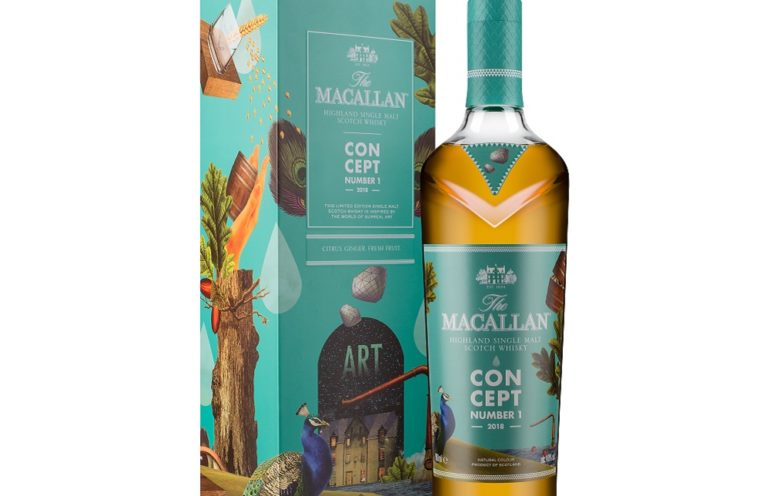
    The first in an annual, limited edition series, The Macallan Concept Number 1 was inspired by the whimsical world of surreal art, and celebrates world’s visionaries by daring to disrupt the whiskey making process. Following its Asia debut on 1st January 2019 in Singapore’s Changi International Airport, The Macallan Concept Number 1 will be made available in Hong Kong Hong Kong International Airport starting from 1st February 2019. Bringing together imagination and idealism to create a fantastical, sensorial world of whisky where anything and everything is possible, the label and packaging of The Macallan Concept Number 1 features a surrealistic interpretation of The Macallan’s Six Pillars -– the spiritual home, curiously small stills, the finest cut, exceptional oak casks, natural colour and peerless spirit.

    Created from whiskies matured first in sherry-seasoned oak casks and subsequently for an equal amount of time in ex-bourbon casks, The Macallan Concept Number 1 is a whisky crafted to explore maturation more imaginatively. Displaying characteristic notes of citrus fruits and ginger, it is a spirit that combines an unwavering passion for whisky with an unfailing mastery driven by bold and brave choices.

    Commenting on the uniqueness of this series, Macallan Master Distiller, Nick Savage says, “The Macallan Concept Number 1 is whisky reimagined, offering a compelling new sensory experience that rewards with every sip. The innovative process developed to produce this remarkable single malt pays tribute to the visionaries of the surreal art world and reflects our continuous search for excellence.”

    Adding further, Igor Boyadjian, Edrington Global Travel Retail Director, emphasises, “We’re proud to unveil the first release in The Macallan’s latest innovative travel retail-exclusive product range. By “breaking the norm”, The Macallan Concept Number 1 reinforces our commitment to offering exciting products to travellers and we’re confident this fresh innovation will prove attractive to travellers and collectors alike.”

    The Macallan Concept Number 1 is now available exclusively in Hong Kong, via duty free stores in Hong Kong International Airport, and in selected airports throughout Asia Pacific from February 2019 onwards.

  • Dollar eases as trade deal prospects bolster risk, sterling gains

    Dollar eases as trade deal prospects bolster risk, sterling gains

    The dollar was marginally weaker on Monday, as increasing expectations of a U.S.-Sino trade deal led investors to shift away from the safety of the greenback into riskier assets. Both the United States and China reported progress in five days of negotiations in Beijing last week, although the White House said much work remains to be done to force changes in Chinese trade behaviour.

    Negotiations will continue next week in Washington as investors hope for an end to the trade war between the world’s two largest economies.

    “Trade is the big focus for the markets…with talks shifting from Beijing to Washington, we could get more news flow,” said Michael McCarthy, chief markets strategist at CMC Markets.

    “I expect the euro to remain under pressure this week while dollar/yen could also fall if we see risk-aversion based on negative trade news flow.”

    In Asia, the yen was marginally higher versus the greenback at 110.53.

    The Aussie gained 0.1 percent to $0.7144, after gaining 0.48 percent on Friday on hopes of a trade breakthrough between the United States and China. The kiwi dollar also gained around 0.1 percent on the dollar to $0.6868.

    U.S.-China trade tensions have kept markets highly volatile since last year.

    U.S. duties on $200 billion worth of Chinese imports are set to rise from 10 percent to 25 percent if no deal is reached by March 1 to address U.S. demands that China curb forced technology transfers and better enforce intellectual property rights.

    The dollar index, a gauge of its value versus six major peers was marginally lower at 96.85. The index has gained 1.4 percent so far this month despite weaker-than-expected U.S. data as well as a cautious Federal Reserve which is widely expected to keep rates steady this year due to a slowdown in growth and muted inflation.

    The dollar index has gained mainly because of the euro , which has around 58 percent weightage in the index.

    The single currency was flat at $1.1292 in early Asian trade and has had two straight weeks of losses. Traders are betting on a weaker euro in the coming months as they expect the European Central Bank to keep its monetary policy accommodative due to low growth in the common area, tepid inflation and political uncertainties.

    On Friday, Benoit Coeure, a member of the European Central Bank’s executive board, said a new round of cheap multi-year loans to banks was possible. Coeure added that the euro zone’s recent economic slowdown is more pronounced than earlier expected, suggesting the path of inflation will also be more shallow.

    The ECB will next meet on March 7 and policymakers are widely expected to slash growth and inflation projections as the euro zone is suffering its biggest slowdown in half a decade.

    Elsewhere, sterling was up by 0.1 percent to $1.2903, building on its gains from Friday.

    The pound rallied 0.6 percent on Friday, helped by reports of some hedge fund buying, a conciliatory tone on Brexit from the Irish foreign minister and stronger-than-expected British retail sales data.