Tag: asia

  • India’s  jewellery brand opens new outlet

    India’s jewellery brand opens new outlet

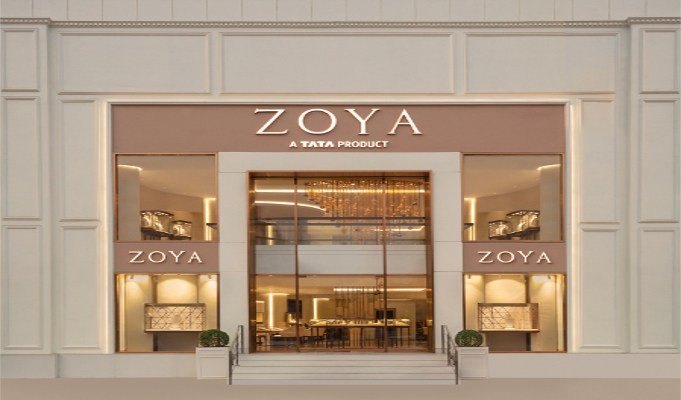
    Zoya, the exquisite diamond boutique from the House of Tata, has reopened its flagship store in Delhi, amidst a glittering celebration, graced by connoisseurs of design from Delhi’s high society. Located in the iconic South Extension neighbourhood, the new boutique of India’s homegrown luxury brand spreads luxuriously over 4,600 sq.ft. Designed as a minimalist gallery of fine art, where each piece resonates with reflections of Zoya’s inspirations from its journey around the world, the boutique is home to Zoya’s rare masterpieces.

    In keeping with the brand’s unwavering focus on fine design and impeccable craftsmanship, celebrated designer Gauri Khan was guest of honour for the evening and joined CEO of Titan’s Jewellery Division, CK Venkatraman, and guests, in raising a toast to the boutique’s many treasures.

    A splendid, two-part, fashion showcase by Zoya in collaboration with ace couturier Monisha Jaising showcased her elegant designs and a spectacular array of Zoya’s collections. Embellished gowns and cocktail dresses were paired with Zoya’s dramatic ‘6299 Hollywood Blvd.’, a collection that draws design direction from the panache of three iconic Hollywood eras translating the undying glamour of film into an absolutely unique take on jewellery.

    Fusion lehengas and sarees in pleasing pastels highlighted the mood for Whispers from the Valley, a collection that captures the poetic beauty of Kashmiri seasons and picturesque icons of the land, from the gentle shikara to falling chinar leaves.

    Stark black and navy created dramatic flair for the presentation of ‘Musee Du Luxe’ – Museum of Luxury, a collection that looks towards the sublime architecture, rich culture and inherent joie de vivre of Paris, blending a modern style palette with vintage charisma while summery whites paired with Zoya’s Pezzo D’Arte,a versatile line of 37 pieces inspired by rich Italian history and style. As visionary as art, the collection uses geometry in design, to create an edgy fashion statement, imbued with a distinctly modern vibe.

    The evening gave guests a chance to explore the purposefully planned navigation of the boutique and opportunities to appreciate each splendid piece. With three floors in Zoya’s signature tones of mushroom, champagne and orange, the store opens onto the ground floor presenting guests with its newer collections. A wide staircase or elevator leads to the basement unveiling a gallery of Zoya’s most iconic pieces. The first floor reveals the breadth of Zoya’s fine collections with an exclusive presentation of high value jewellery.

    Zoya travels the world to seek varied inspirations for its fine collections in the culture and art of historic periods like Awadh, Rajputana or the Romanov era. Iconic destinations like Banaras, Kashmir, Italy, Paris, Greece and Spain, are Zoya’s muse as much as legends and myths such as those of Krsna. Guided by a personal jewellery specialist, an indulgent walk-through of the thoughtfully-designed boutique is a tryst with luxury quite unlike any other; an opportunity to be regaled with tales of lands far and near, as the inspiration behind every creation of Zoya is brought vividly to life.

    The showcasing of jewellery with storytelling, visual merchandising, and varied lighting enhances the intricacy and beauty of each piece. Panels and partitions have been created by local artisans to tell the Zoya story, and clean, uncluttered lines and display units, showcase the treasures of this exclusive gallery of fine design.

    Thoughtful touches to make the customer feel special are a hallmark of luxury, and the store is designed to ensure valued guest experience the highly personalised service Zoya is known for. Private viewing areas with sheer curtains add softness while allowing customers to peruse the collections at leisure and with discretion, or to converse intimately with Zoya’s master designers at call to help them customize their favourite pieces. Once seated for a private viewing, chosen pieces of Zoya are individually showcased with an expert designer in attendance to fulfil bespoke desires. All while personally-curated gourmet hors d’oeuvres and sparkling flutes of bubbly flow in abundant luxury.

    CK Venkatraman, CEO, Jewellery Division, Titan Company, says “Zoya is a home-grown luxury brand, with an Indian heart and an eye on the world. It holds a cherished spot in the Titan story. With the aesthetic value of unique design and refined craftsmanship becoming sought after benchmarks of selection, we see great potential in Zoya’s growth. Delhi has always been a very important market for all of Titan’s jewellery brands, and we are delighted to offer our customers this beautiful new space to explore Zoya’s splendid treasures.”

    Added Gauri Khan, “Zoya’s products are very artistic. They are thoughtfully designed and meticulously crafted. This attention to detail and commitment to quality is similar to my own approach to design. I am happy to be here for the opening of Zoya’s new boutique in Delhi.”

  • SUVs, Crossovers dominate high-end segment in Vietnam

    SUVs, Crossovers dominate high-end segment in Vietnam

    Among consumers willing to spend at least VND1 billion ($43,135), the preference is for SUVs and Crossovers over sedans. In recent years, high ground clearance vehicles have gradually become the number one choice for the majority of Vietnamese consumers, having grown steadily in number sales and variety over the years. In contrast, the D-class sedan segment has seen low demand and limited variety.

    Sales of SUV and Crossovers (CUV) vehicles around the price of VND1 billion ($43,135) have risen steadily over the years. While 2014 saw only around 13,000 units sold, sales had more than doubled by 2018 at 24,264 units. 2018 only saw a slight increase over 2017, but this was because a decree on import conditions prevented many firms from importing these vehicles for most of the year.

    According to the Vietnam Automobile Manufacturers’ Association (VAMA), consumers have a choice of 10 SUV/CUVs in the VND1 billion price range. Car dealers have noted that almost all brands in Vietnam have at least one product in the SUV/CUV segment.

    Average sales per model was around 3,100 vehicles a year.

    Th SUV/CUV segment is predicted to boom in 2019, as firms get used to the new regulation and find stability in importing new vehicles.

    Meanwhile, from 2014 up to now, the D-size sedan segment has featured the same models, namely, Toyota Camry, Mazda6, Honda Accord, Nissan Teana and the Kia Optima, which was introduced last year.

    In the last 5 years, sales of D-size sedans reached a peak in 2016 at 8,148 units. The introduction of the Kia Optima in 2018 raised the number of models in the segment to 6, but annual sales fell to only 7,612 units.

    In 2018, Toyota Camry dominated the D-segment at over half of the 4,503 units sold, while the remaining models saw little growth. Total sales have nevertheless been fairly stable, hovering around 6,000 or 7,000 over the years.

    Vietnam’s total car sales increased 5.8 percent to 288,683 units in 2018 from a year ago, according to the Vietnam Automobile Manufacturers’ Association (VAMA).

  • Yum China to face challenges this year

    Yum China to face challenges this year

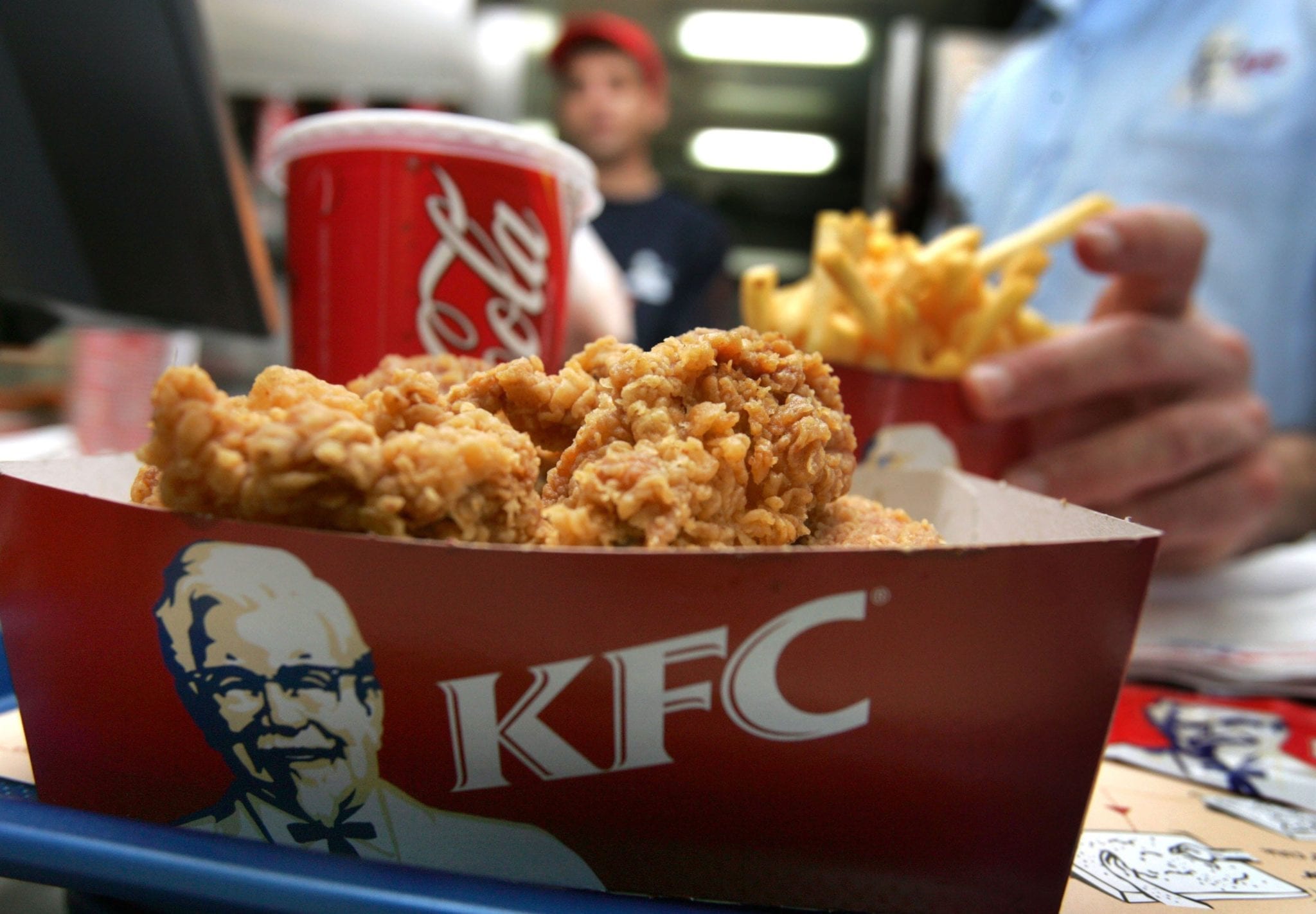
    An aggressive store rollout program is helping Yum China achieve sales growth, but its Pizza Hut business continues to struggle. In year-end results released overnight, Yum China said fourth-quarter system sales rose 6 per cent in constant currency, but same-store sales rose by a more modest 2 per cent. The company, which owns the Chinese operations of KFC and Pizza Hut, opened 819 new stores last year, taking its combined network to 8484 stores across more than 1200 cities. The company plans between 600 and 650 additional stores this calendar year.

    For the full year, total system sales grew 5 per cent over 2017, with a solid 7 per cent growth at KFC partially offset by a 1 per cent decline at Pizza Hut, (excluding foreign exchange impacts). Same-store sales increased 1 per cent overall, up 2 per cent at KFC and down 5 per cent at Pizza Hut.

    Full-year revenue reached US$8.42 billion with net Income up 78 per cent to $708 million, from $398 million.

    Joey Wat, CEO of Yum China, said the results marked the ninth consecutive quarter of system sales growth since the company was spun off from former US parent Yum! Brands.

    “This strong growth was led by accelerated new store openings and a robust performance at KFC, which delivered 3 per cent same-store sales growth and 9 per cent system-sales growth during the quarter. Although Pizza Hut’s sales remained soft, we are pleased to see same-store traffic growth of 1 per cent and positive trends in customer feedback.”

    Wat said the aggressive store rollout program last year further strengthened the company’s market position, laying a solid foundation for growth.

    “While the macro backdrop is relatively soft, with our resilient business model and leadership in digital and delivery, we are confident that we have the right strategy and capabilities to maintain our growth trajectory and capitalise on the long-term potential of the China market,” she said.

    Among the highlights of last year was exceeding 160 million members of the company’s KFC loyalty program and 50 million members of the Pizza Hut program, increases of 50 million and 15 million, respectively.

    Mobile payments accounted for 65 per cent of the company’s sales in the fourth quarter, an increase of 11 percentage points year on year. Digital payments accounted for more than 86 per cent of company sales in the quarter, an increase of 14 percentage points.

    And delivery services – now offered in 1118 cities – accounted for 19 per cent of sales in the fourth quarter of 2018, an increase of three percentage points year on year.

  • Will Condé Nast’s paywall work?

    Will Condé Nast’s paywall work?

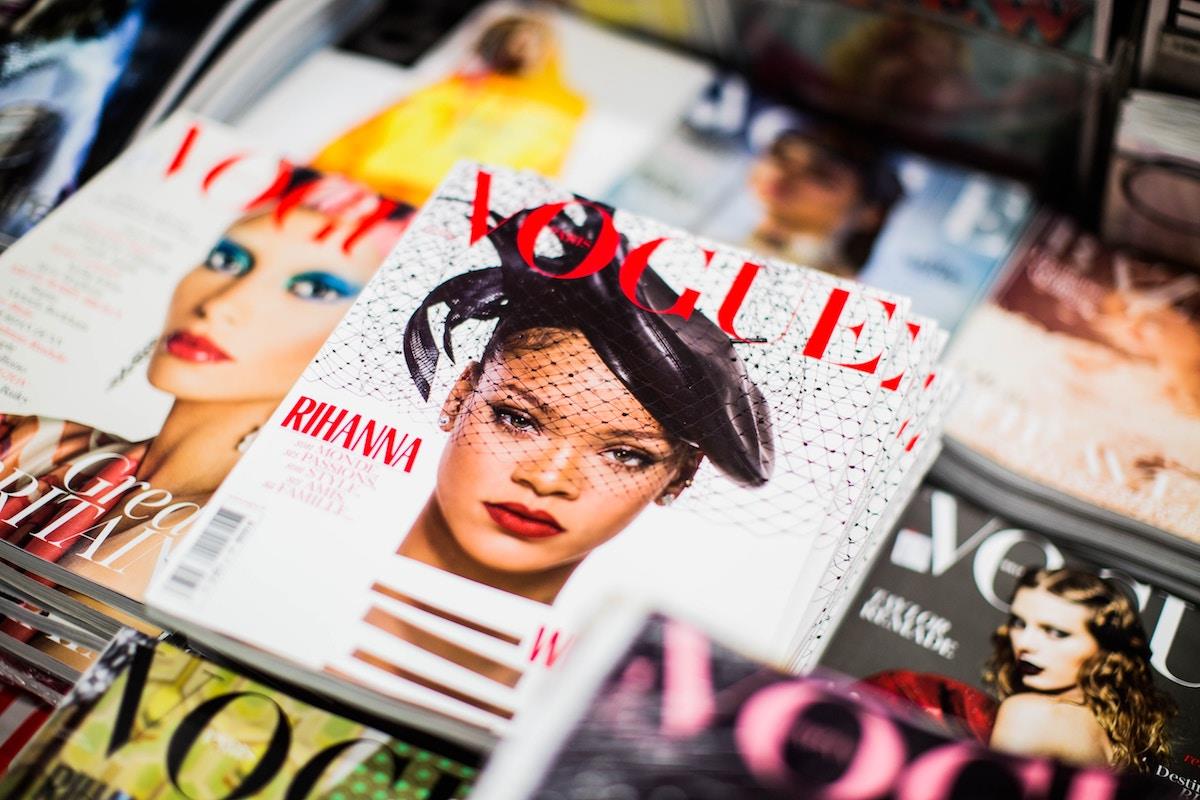
    Earlier this week, legacy publisher Condé Nast announced sweeping plans to implement digital paywalls across its titles in the United States, including Glamour, Vogue and GQ. Currently, The New Yorker, Wired, and Vanity Fair have metered paywalls, with The New Yorker’s paywall driving $115 million in subscription revenue in 2018, up 69 percent from 2015, according to a report in the Wall Street Journal.

    With annual subscriptions to The New Yorker ranging from $89.99 for a digital-only subscription to $119.99 for a digital and print subscription, this implies more than 1 million paying subscribers who drive almost enough revenue to cover the reported $120 million that Condé Nast is said to have lost in 2017, faced with a rapid and sustained decline in advertising revenue. No wonder the company is taking a closer look at digital subscriptions to secure its future.

    Condé Nast is not alone. Paywalls are the latest trend among publishers looking fill the hole left by advertisers, which are spending more of their marketing budgets on creating their own content as well as advertising on digital platforms like Facebook, Google and Instagram where consumers spend huge amounts of time and they can micro-target the audiences they want to reach.

    In addition to selling access to articles, there are no doubt interesting opportunities for Condé Nast to turn some of its content into paid services. For instance, Bon Appétit might leverage its bank of recipes to create an indispensable cooking resource; the NYTimes Cooking App, for which users can pay $5 a month or $40 a year to access, has been a hit for the paper of record and has amassed more than 120,000 subscribers.

    The Vogue Runway archive of reviews and images from fashion shows is an essential research tool, used by stylists and other fashion industry executives who may be willing to pay a fee to access it.

    But not every Condé Nast title has very high-quality content like The New Yorker or a must-use product opportunity. Indeed, for a paywall to work, a publication needs to have must-use products, must-read stories or must-follow writers — and ideally a combination of all three. Trade and business publications often have these attributes, and they also have a leg up because consumers can write off those subscriptions as a business expense.

    In a recent podcast, Condé Nast International president Wolfgang Blau spoke to Digiday about the opportunity in B2B subscriptions as well as “that whole ecosystem of conference and consulting and everything you can build around that.”

    “The borders are really blurry between B2B and B2C,” he added. “I’d say most of our conferences for instance are B2B, most of our current thinking goes more towards B2B, most of our editorial products — if not all — are B2C. They’re being sold as B2C while now the Vogues have a high share of B2B readers and in print it’s learnt behaviour to know which story is B2B or B2C. Digitally we want to untangle that a little bit over the course of this year.”

    Perhaps Blau was referring to the imminent launch of Vogue Business, a new title that the company says will fill “the gap in the market for industry decision-makers, from start-ups to CEOs,” according to a press release, which will be issued next week. Vogue certainly has a sizable following within the fashion industry, but the decision to use the consumer facing brand for a B2B title is curious and raises plenty of questions when it comes to the traditional influence held by Vogue advertisers and the real ability to do independent reporting.

    Then, there is the slew of publications in the Condé Nast portfolio such as Glamour, Self and Teen Vogue, which are fundamentally consumer propositions and will also have to compete with primary news sources like The New York Times and The Washington Post for share of wallet, as well as subscriptions to other consumer services, like Netflix, in a market where people spend only a small fraction of their total media-technology consumption time on publisher websites.

    It is likely that these other Condé Nast subscriptions will cost nowhere near the price of a subscription to The New Yorker — which will soon charge $149 per year for a print and digital subscription — and will be more in line with Vanity Fair and Wired which currently charge $30 per year for a print and digital and will soon bump up their prices to $49 per year.

    The fundamental question is: how many people will pay? Condé Nast will need to convert a good portion of casual web browsers into paying readers, while retaining what’s left of its print subscribers. It has already started to reduce its print issues for publications like Allure, W and Bon Appétit, and cut them altogether for Glamour and Self.

    Magazine subscription figures were inflated for years, based on heavy consumer promotions which were used to acquire readers, similar to paid traffic acquisition online. (The department within Condé Nast long responsible for upping circulation was called “Consumer Marketing.”) The company could use equivalent tactics to up subscription numbers online, but to make the subscription model work it will also need to retain users to make paid acquisition tactics worthwhile over the long term.

    But again, none of this gets to the core issue, which is that these businesses may never be as big as they once were. We no longer live in a culture where the likes of Vogue are singular bibles in their verticals and today’s consumers have a vast universe of media and technology platforms competing for what is ultimately a finite amount of attention.

    For Condé Nast to make online subscription models work, they will have to construct entirely different businesses focused on delivering true excellence and value to their readers — not just pleasing their advertisers. Whether Condé Nast can pull off the pivot remains to be seen.

  • Lazada to ramp up Southeast Asian grocery offering

    Lazada to ramp up Southeast Asian grocery offering

    Lazada Group has announced plans to ramp up its supermarket business in Southeast Asia as part of its strategy to become the region’s biggest e-commerce ecosystem. The supermarket transformation is being started off in Singapore, as homegrown online grocer RedMart is integrated into the Lazada platform on March 15 following its acquisition in 2016. Following the launch, shoppers will be able to buy groceries and fresh produce along with Lazada’s other product categories on the single platform, boosting the brand’s grocery and supermarket offering to more than 165,000 products.

    Elsewhere in the region, Lazada is looking to launch its grocery and supermarket business in at least one other city from the second half of 2019.

    The new moves are aimed at catering to the growing demand of supermarket shopping as consumers increasingly buy groceries online. The grocery market in Southeast Asia is expected to be worth US$309 billion by 2021, with shoppers filling their baskets online more than twice a month. In Singapore, seven in 10 people who buy their groceries online already do so on RedMart.

    “We want to drive the evolution of grocery shopping in the region by combining our unparalleled assortment of products and superior logistics network to transform the way customers get their daily essentials and fresh produce,” said Jing Yin, co-president of Lazada Group. “Most of us shop for groceries and other household items very frequently. This presents a unique opportunity for Lazada to be part of our daily lives.”

  • Vietnam per capita income matches Malaysia’s 20 years ago

    Vietnam per capita income matches Malaysia’s 20 years ago

    Vietnam’s recent economic achievements notwithstanding, much effort is needed for it to close the gap with other countries, a minister has said. Minister of Planning and Investment Nguyen Chi Dung said at a conference Wednesday that while Vietnam’s GDP per capita had surged by 27.4 times in the last 30 years to almost $2,590 last year, Malaysia had achieved this figure 20 years ago.

    Thailand had done so 15 years ago and Indonesia 10 years ago.

    The main limitations of its economy were low labor productivity, economic efficiency and competitiveness, and the country also faced the risk of being stuck in the middle-income trap.

    According to the 2018 Vietnam Annual Economic Report, average productivity per worker was VND60.73 million ($2,600) in 2017, lower than that of China, Japan, the Philippines, Thailand, and Cambodia.

    Currently the country also faced challenges like the U.S.-China trade war, the minister said.

    For these reasons, institutional reforms were necessary to achieve a more sustainable economy, he noted.

    Macroeconomic stability and high economic growth with innovation in science and technology were imperative.

    The private sector had to remain one of the pillars of the economy in future, Dung said. “If Vietnam doesn’t catch the 4.0 train, the gap between it with other countries will become wider. Vietnam needs to narrow that gap.”

    Vietnam’s GDP has grown at 6.8 percent a year on average for the last 20 years, and the economy has grown 39 fold in the period to $245 billion last year.

    Growth last year was 7.08 percent, the highest in a decade.

  • SsangYong Motor narrows loss in last quarter of 2018

    SsangYong Motor narrows loss in last quarter of 2018

    SsangYong Motor, the Korean unit of Indian carmaker Mahindra & Mahindra, said Thursday its net losses narrowed for the October-December period from a year earlier on a strengthened lineup. Net losses reached 3.99 billion won ($3.59 million) in the fourth quarter from 30.25 billion won a year ago, the company said in a statement. Robust sales of the Rexton Sports sport-utility vehicle (SUV) and the Tivoli SUV helped improve the bottom line, it said.

    Operating losses stood at 3.48 billion won in the final quarter from 2.57 billion won a year ago. Sales rose 17 percent to 1.053 trillion won from 902.16 billion won during the same period.

    For 2018, net losses slightly improved to 61.84 billion won from 65.82 billion won the previous year. Operating losses remained almost unchanged at 64.18 billion won compared with 65.28 billion won.

  • ICONSIAM in the newest global attraction in Thailand

    ICONSIAM in the newest global attraction in Thailand

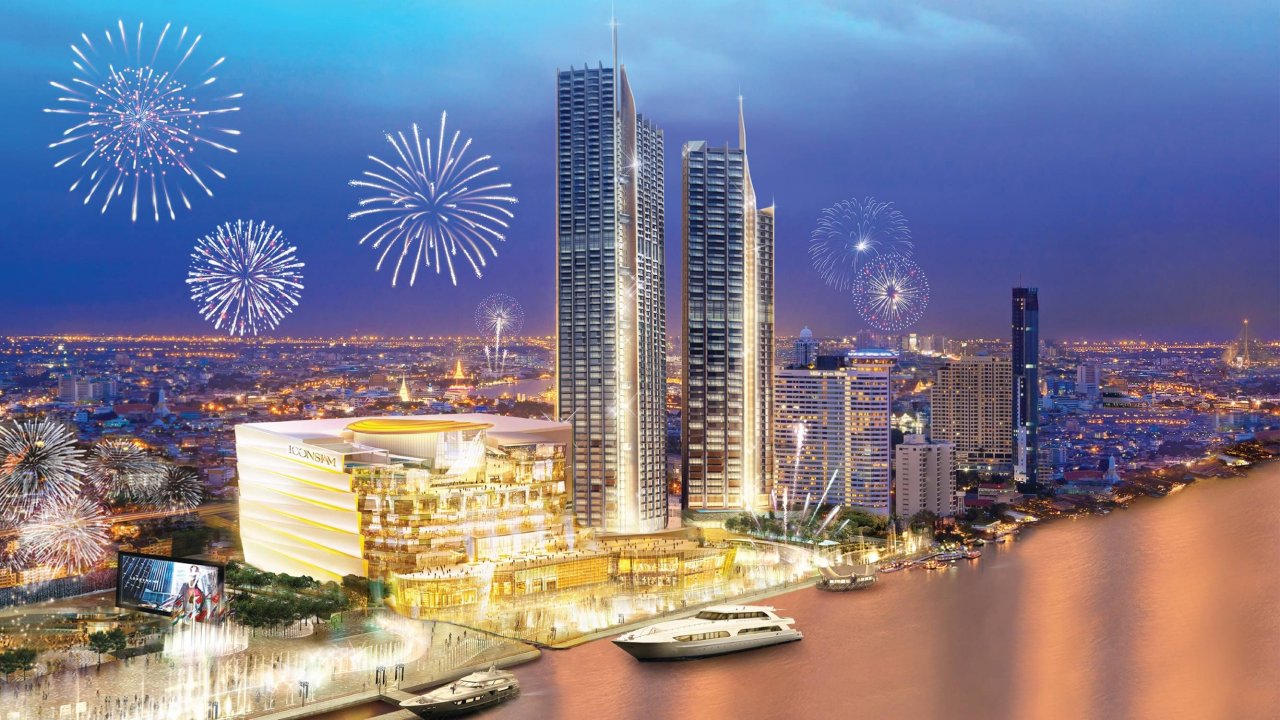
    ICONSIAM, the mega city project of futuristic living and an iconic landmark of Thailand’s eternal prosperity on the Chao Phraya River, held the inauguration ceremony for Thailand’s new global attraction on the Chao Phraya River known as the “ICONIC Multimedia Water Features”, which is one of the Seven Wonders of ICONSIAM. The city project is the result of the collaboration of the Tourism Authority of Thailand, the Pacific Asia Travel Association (PATA), the Association of Thai Travel Agents (ATTA), the Thailand Convention and Exhibition Bureau (TCEB), Bangkok River Partners, the Association of Chao Phraya Commerce, the Thai Shipping Association as well as other related agencies and organisations.

    At over 400 metres, it is the longest water dance in Southeast Asia featuring a combination of light, colour, sound and multimedia and set in front of beautiful vistas across the Chao Phraya River. It seeks to glorify and highlight the grandeur of the river for the world to be impressed while attracting local and international visitors to the Chao Phraya River.

    Held at River Park, ICONSIAM, the opening ceremony was attended by the most distinguished people from agencies, organisations, and associations playing an important role in driving tourism in Thailand forward, together with business partners of ICONSIAM as well as many celebrities who joined to witness the momentous occasion.

    Among the well-known celebrities present were the Gubgib-Bie-Pao Pao family, Esther Supreeleela, ‘Ken’ Phupoom Pongpanupak, AF alumni namely Nim, Tee, Baimon, Focus, Mac, Ploysai, Bass, Jackie, Ice, ‘Jeab’ Sopidnapa Chumpanee Dabbaransi, ‘Mona’ Wipawee Korman, ‘Jan’ Siranuj Rojanasatien, Ploy Mahadumrongkul, ‘Kat’ Wantita Lewchalermwong, ‘Ming’ Suwara Sanitwong Na Ayudhya, ‘Yingair’ M.R. Chanladda Yukol, Lina Leenutapong Amornsiri and Jarudej Boonyasit, and many more.

    Mrs. Chadatip Chutrakul, Director of ICONSIAM Co., Ltd., said, “ICONSIAM marks the bringing to life of the concept of ‘Creating Shared Value’ on a scale as never before been seen anywhere in the world.

    The ‘Chao Phraya Master Vision’ was announced 5 years ago, pioneering a historical and national collaboration among multiple different enterprises, the government and private sectors, historic locations, civil society, 5-star hotels and communities along the riverside.

    Since its launch, there have been many collaborations, with the best example being the Amazing Thailand Countdown 2019 and its fireworks display which was viewed by more 1.5 million people.

    ICONSIAM itself welcomed more than 200,000 visitors in a single day for the event. The event brought fame to Thailand and let the world witness the grandeur and beauty of the Chao Phraya River via the world’s leading media such as CNN, BBC, and Reuters. This is a part of the collaborations envisaged in the ‘Chao Phraya Master Vision’ to help make the Chao Phraya River a significant global destination for tourism.”

    ICONSIAM is a city that is the centre of a vast array of wonders in art and culture. It offers the best in shopping and entertainment made possible through the collaboration of business organisations that are both big and small.

    A lot of individuals have come together from different professions. They share a desire to build a venue where all that makes Thais can be presented in the most exquisite way possible. They come together to build a new icon which will become a mega phenomenon that will epitomise ‘Creating Shared Value’, uniting all stakeholders and spreading prosperity to communities, society and the nation. This is embodied in every element within ICONSIAM, and especially the seven wonders.

  • Starbucks Hong Kong partners with Deliveroo to launch delivery services

    Starbucks Hong Kong partners with Deliveroo to launch delivery services

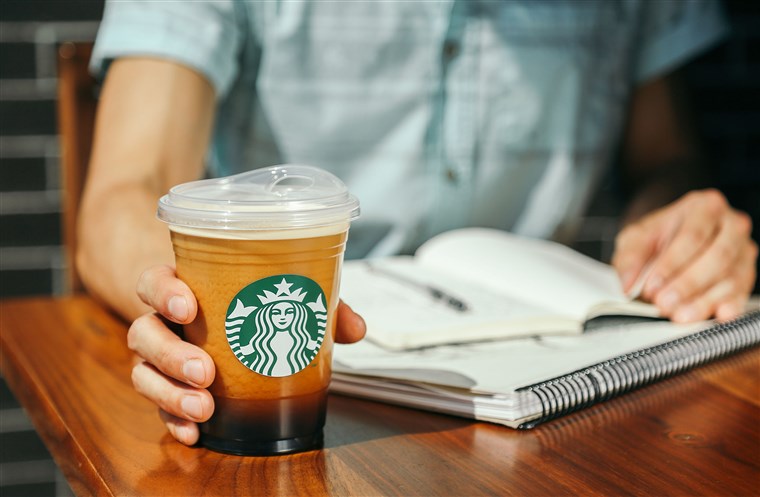
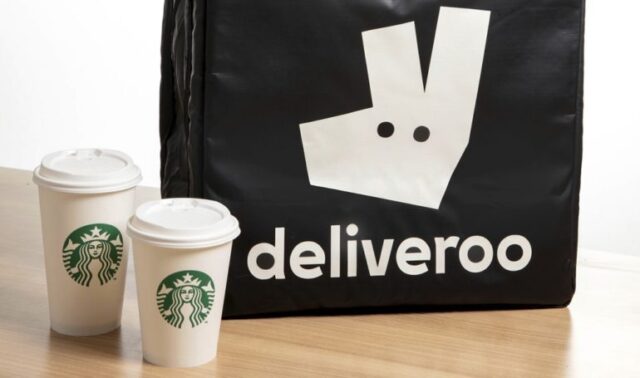
    Starbucks Hong Kong and Deliveroo Hong Kong, the online food delivery company, announced an exciting partnership to launch a pilot delivery service starting on 21st January 2019. The service will first roll out at 18 participating stores across Hong Kong Island, Kowloon, and the New Territories with plans to expand the program to more stores over time.

    To celebrate the launch of Starbucks delivery service, customers can enjoy free delivery from January 28 to February 3 – an exclusive offer for Hong Kong customers to try out this new offering.

    Also, new Deliveroo customers can enjoy HK$25 discount on each of their first four Starbucks orders on Deliveroo with the code “STARBUCKS100”.

    As the first retailer in Hong Kong to launch mobile ordering feature using its mobile payment technology, Starbucks has continued to embrace the relentless pursuit of digital innovations to meet the high expectations and demand for convenience in Hong Kong.

    The introduction of delivery services with Deliveroo will elevate Starbucks Fourth Place experience, the digital and mobile touchpoint that connects Starbucks with its customers. The delivery service is expected to reach over 30 stores in second quarter, offering convenience to more customers in Hong Kong.

    Deliveroo, the largest food delivery platform in Hong Kong, is growing and this year expects to work with 4,000 riders and 6,000 restaurants in Hong Kong. The company is intent on expanding its offer to consumers, in particular with partnerships such as this. Based on its exclusive data insights, Deliveroo knows that customers are increasingly searching for hot beverages and coffee on the platform. Searches surged by 185% in 2018 while orders for coffee and tea increased by a staggering 245%. Therefore, Deliveroo and Starbucks will go together brilliantly.

    As part of Deliveroo’s corporate offering, Deliveroo for Business, for companies across Hong Kong, Deliveroo will offer bulk Starbucks coffee deliveries to meet the rising in breakfast, lunch and teatime coffee orders in Hong Kong’s business districts. Given the rapid growth of Deliveroo for Business to date, Deliveroo believes this will be incredibly popular amongst Hong Kong workers. As part of this, 25 major businesses with more than 100 employees have already expressed interest in the new Starbucks-Deliveroo offer.

    The pilot delivery partnership allows customers to order and customize some of their favorite Starbucks beverage* and food items to their door step, including the option to modify size, number of espresso shots and dairy selections. We target to ensure every order meets the unparalleled experience and quality that customers are accustomed to in Starbucks stores.

    “We are continuously looking for ways to evolve and innovate our features that are relevant to our customers, thus we are happy to partner with Deliveroo who is as passionate as we are in food and beverage, to offer trusted delivery services and bring ease to our customers,” said Andrew Hui, General Manager, Starbucks Hong Kong & Macau. “The pilot delivery program is a seamless addition to our commitment to explore digital solutions, and the perfect complement to our in-store offerings, further extending the holistic Starbucks experience for customers to enjoy wherever they may be.”

    Brian Lo, General Manager of Deliveroo Hong Kong, said: “Deliveroo is constantly looking for new ways to ensure customers have access to amazing food and drink whenever and wherever they want it, and so we are delighted to work with Starbucks. This partnership will again show people that, on Deliveroo, every option and every occasion is catered for. Deliveroo is growing across Hong Kong and across the world, and with exciting new partners and new offers such as this, we are looking forward to expanding our reach even further. This collaboration will be available for our corporate customers on Deliveroo for Business, for workers who want that vital coffee.”

  • Chinese outbound tourists powering mobile payment growth

    Chinese outbound tourists powering mobile payment growth

    Chinese outbound tourists are taking China’s mobile payment industry to foreign markets, according to Nielsen. The research company’s report, 2018 Trends for Mobile Payment in Chinese Outbound Tourism, shows that mobile payment transactions by surveyed Chinese tourists surpassed the percentage paid with cash for the first time. Nearly 70 per cent of Chinese tourists paid with their mobile phones while abroad.

    Several factors encourage Chinese tourists to use mobile payment abroad, with the most important being that they have already become accustomed to this fast and convenient payment method in their home country.

    Merchants around the world have gradually recognised the importance of mobile payment for Chinese tourists and are witnessing benefits from better understanding of Chinese tourists’ habits and preference. Among the merchants surveyed at popular tourist areas in Singapore, Malaysia and Thailand that adopted Alipay, nearly 60 per cent saw growth in foot traffic and revenue.

    Many merchants surveyed said mobile payment is a safe, reliable and effective payment method that resonates with Chinese shoppers. Of the merchants that adopted Alipay, 71 per cent said they would recommend the mobile payment platform to peers.

    “Our store is located in an area frequented by Chinese tourists and they are our main customers. If we didn’t have mobile payment as an option, we would lose a lot of customers”,  said a Malaysian merchant cited in the white paper.

    “The outbound travel craze among Chinese tourists offers an important opportunity to expand mobile payment globally, while mobile payment outside of our home market has a broad space for development,” observed Gao Zilong, COO of self-service QR-code payment firm Inspiry International.

  • China’s SMCP tops 1 billion euros revenue for first time

    China’s SMCP tops 1 billion euros revenue for first time

    Chinese-owned SMCP Group said that total company sales exceeded 1 billion euros in 2018, marking a revenue-first for the French fashion group. “With double-digit sales growth in 2018, SMCP posted a remarkable performance and continued to deliver on its strategic roadmap,” said Daniel Lalonde, SMCP’s Chief Executive Officer. For the year ending December 31, SMCP recorded sales increasing 13%, in line with its previously upgraded full-year 2018 guidance.

    Lalonde said the achievement signalled rapid sales increase was fuelled by online and digital, with the company working hard to fight market headwinds, which have taken out other European retailers in 2018.

    “Our performance throughout the year, and more particularly over the last quarter, demonstrates that SMCP is built on strong foundations and further illustrates the resilience of our business model in the midst of unprecedented market headwinds,” said Lalonde, in a press release.

    “I would also like to place a special emphasis on our significant progress in digital: it has been growing consistently and strongly over the past years and now represents nearly 15% of our total sales,” he added.

    The sales growth included a solid like-for-like sales growth of 3.7% for the twelve-month period “despite challenging market conditions in the fourth quarter,” which saw sales climb less, up 8%.

    Full-year reported sales were up 11.5%, including a negative currency impact of -1.6% reflecting the appreciation of the euro.
    Over the last twelve months, SMCP net openings reached 134 points of sale, including 102 directly operated stores, surpassing its annual target. By region, 59 stores were opened in APAC alone, the zone receiving the most new outlets compared to the Americas and Europe.

    In APAC, the group posted a strong double-digit sales growth of 18.2% at constant currency, driven by mainland China which generated over 20% of sales growth.

    The operator of French fashion brands Sandro, Maje and Claudie Pierlot said Sandro sales grew 6% in 2018, while Claudie Pierlot recorded a 7% increase. Maje was the biggest grower, up 10% for the year.

    For 2018, SMCP confirmed its adjusted EBITDA margin guidance at around 17%.

    Evelyne Chetrite and Judith Milgrom founded Sandro and Maje in Paris, in 1984 and 1998 respectively, and continue to provide creative direction for the brands. Claudie Pierlot was founded in 1984 by Claudie Pierlot and acquired by SMCP in 2009.

    SMCP was acquired China’s Shandong Ruyi in 2016.

  • Korean Air swings to net loss in 2018 from 2017 profit

    Korean Air swings to net loss in 2018 from 2017 profit

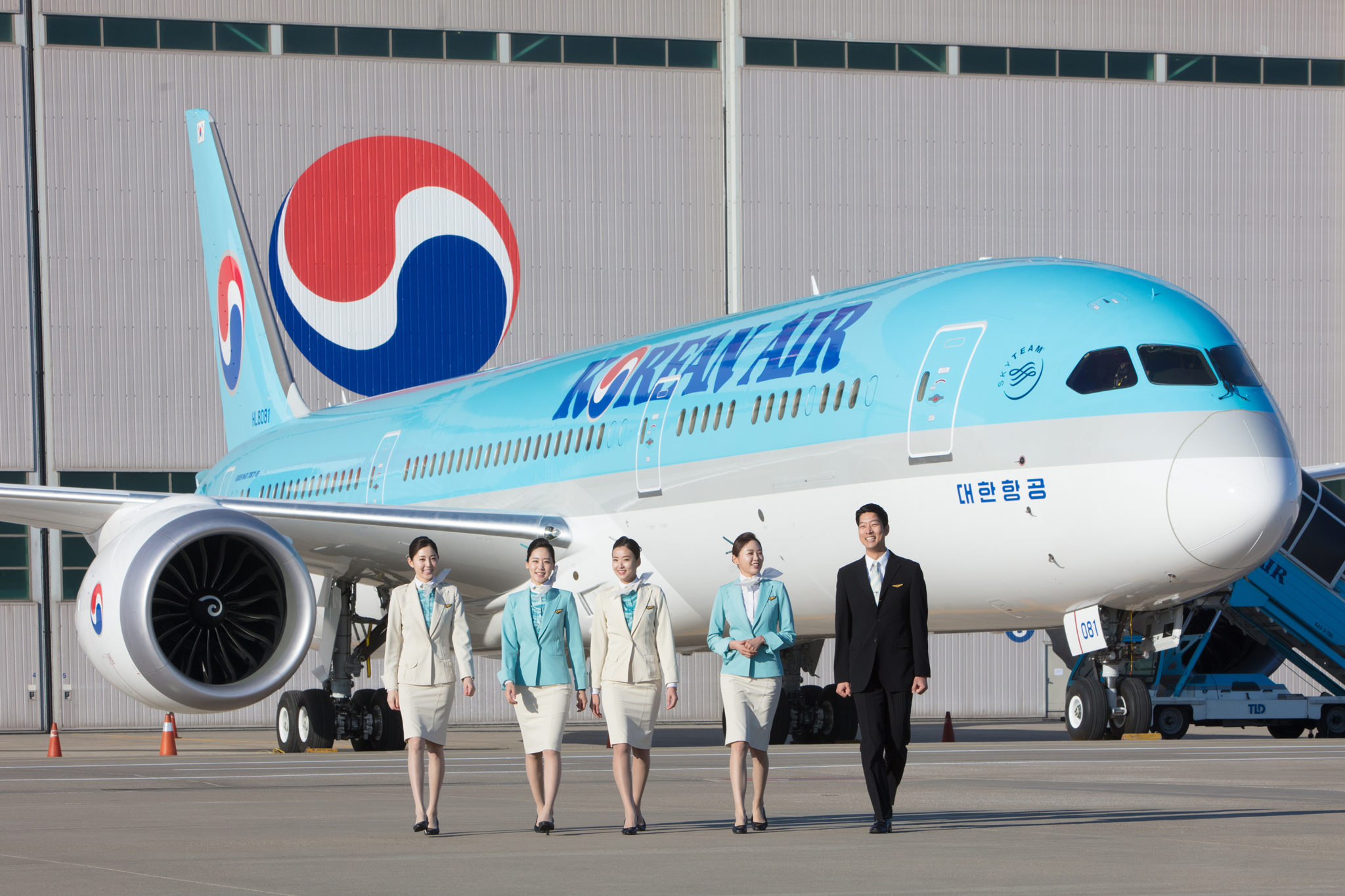
    Korean Air Lines said Tuesday it swung to a net loss in 2018 from a year earlier due to hefty foreign-exchange losses. The Korean flag carrier posted a net loss of 167.59 billion won ($150 million), after a net profit of 801.9 billion won a year earlier. As the dollar rose to 1,118.1 won at the end of 2018 from 1,071.4 won at the end of 2017, foreign-exchange translation losses reached 363.6 billion won and it cut into the annual earnings results, the statement said.

    The won’s weakness also drove up net interest costs to 454.8 billion won, up 55.5 billion won from the previous year, it said. Operating profit fell 28 percent to 676.33 billion won last year from 939.78 billion won a year ago. Sales climbed 7.7 percent.

  • SK Innovation net falls 21% in 2018 on oil price decline

    SK Innovation net falls 21% in 2018 on oil price decline

    SK Innovation, Korea’s largest oil refiner, said Thursday that its earnings sank 21 percent last year on lower oil prices and less demand for petrochemical goods. Net profit reached 1.69 trillion won last year, compared with a profit of 2.15 trillion won a year earlier, the company said in a regulatory filing.

    Operating income dropped 34.2 percent year-on-year to reach 2.12 trillion won, while sales spiked 18.1 percent to 54.5 trillion won over the cited period.

  • The Sanctuary by Pure Yoga opens at HKIA

    The Sanctuary by Pure Yoga opens at HKIA

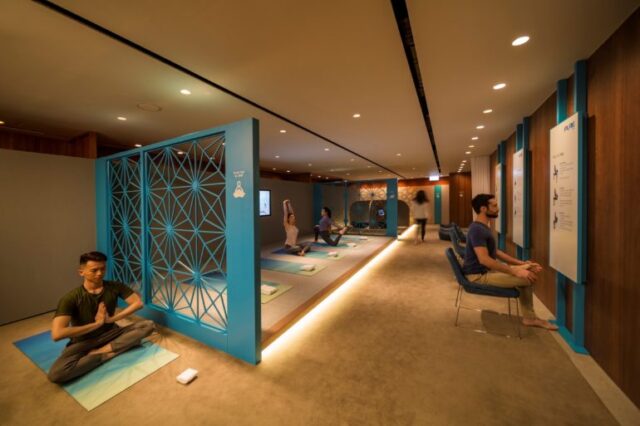
    A visit to Cathay Pacific’s Business Class lounge at The Pier in Hong Kong has just become even more beneficial for mind, body and soul following the opening of The Sanctuary by Pure Yoga. Designed in partnership with the Pure Group, The Sanctuary by Pure Yoga is a 700 square-foot area divided into two zones – The Body Sanctuary, which is dedicated to yoga, and The Mind Sanctuary, where travellers can meditate to focus and calm the mind.

    Cathay Pacific General Manager Customer Experience and Design, Vivian Lo said: “Wellness is becoming increasingly important to our customers and The Sanctuary by Pure Yoga in our Pier Business Class lounge is the perfect place for to relax before the flight. We listen to the needs of our customers and continuously evolve to improve their experience with us.

    “Whether it’s dining at our popular Noodle Bar, catching up with some work, or enjoying a drink at the bar or at the Teahouse, there are myriad ways for our customers to spend time at the lounge. Now they’ll also be encouraged to meditate and practice yoga before flying with us.”

    The Body Sanctuary

    Among the wellness offerings, The Body Sanctuary provides travellers with a space for gentle yoga with guided videos led by Pure Yoga teachers. There’s also a secluded space for self-practice. Seated stretching is an alternative option; chairs overlook instructions on how to stretch different parts of the body whilst seated. The exercises are designed to improve circulation, enhance joint mobility, and relax the mind for a comfortable and restful journey.

    The Mind Sanctuary

    Within The Mind Sanctuary there are two types of meditation on offer. The first is audio meditation: four cushioned pods are equipped with noise-cancelling headphones and iPads, and customers can listen to guided meditation sessions narrated by Pure Yoga’s expert teachers. The second is gazing meditation: comfortable cushions overlook graphics placed on the wall ahead and facilitate Trataka yoga practice.

    These practices help to improve focus, memory and visualisation skills, as well as centring the mind in a state of awareness and attention.

    Wellness on the ground and in the air

    The Sanctuary by Pure Yoga is the latest collaboration between Cathay Pacific and the Hong Kong-headquartered Pure Group following the January 2018 launch of ‘Travel Well with Yoga’, a series of inflight videos to help passengers ease into their journeys with meditation and yoga.

    Additionally, Diamond and Gold Marco Polo Club members arriving in Hong Kong on Cathay Pacific or Cathay Dragon flights are given complimentary one-day access to any Pure Fitness centre or a choice of any Pure Yoga class up to 12 times a year.

    Pure Group Regional Marketing Director Gary Wise said: “We’re delighted to extend this fantastic partnership between Pure Yoga and Cathay Pacific, giving people even more chance to feel the benefits of yoga and meditation on their travels. No matter how rushed the trip is, just a few minutes of calm can make all the difference.”

    The Sanctuary by Pure Yoga is open to travellers who have access to Cathay Pacific The Pier Business Class Lounge at Hong Kong International Airport, as well as Diamond, Gold and Silver Marco Polo Club members. Cathay Pacific and Cathay Dragon First and Business Class passengers will also be able to enjoy the new offering.