Tag: asia

  • DFS Changi celebrates lunar new year with offers

    DFS Changi celebrates lunar new year with offers

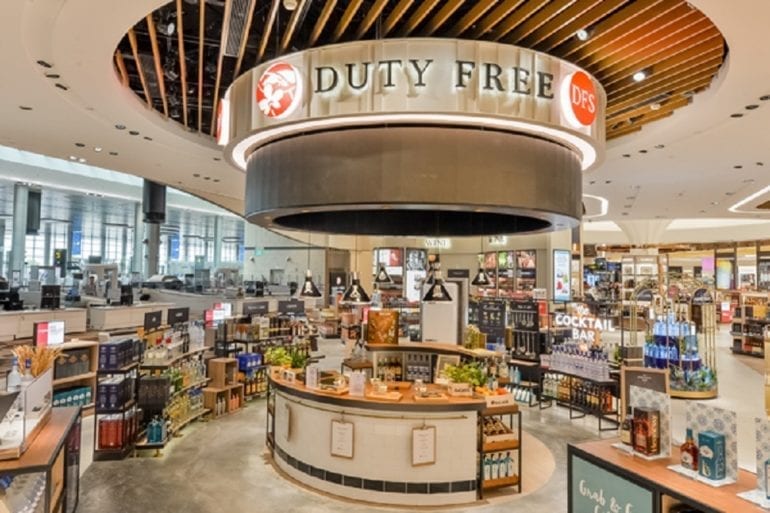
    DFS Group, the world’s leading luxury travel retailer, is celebrating Lunar New Year 2019, ‘The Year of the Pig’ with a series of exciting promotions, exclusive offers, personalization services and interactive activities at DFS, Singapore Changi Airport.

    Until 19 February, DFS has partnered with Moët Hennessy to celebrate the new year festivities with an exclusive Hennessy pop-up store at Changi Airport, the only one of its kind in the global travel retail sphere. Offering interactive consumer experiences and tastings, the pop-up features Hennessy’s first ever engraving station in travel retail for travelers who wish to add a personalized touch to their bottles. Hennessy partnered with contemporary artist, Guang-Yu Zhang to create an exclusive art piece, incorporating the zodiac symbol of the boar and Hennessy’s double distillation process. The artwork is featured on limited-edition festive packaging for Hennessy XO, Hennessy VSOP and James Hennessy.

    “Lunar New Year is one of the world’s most celebrated festivals and is a time for family, friends, giving, happiness and good fortune. As we welcome the Year of the Pig, we thank our loyal customers and look forward to welcoming new traveling customers to a luxurious shopping experience that only DFS can offer. Our Lunar New Year campaign enhances the pleasure of giving by offering an array of DFS exclusive products – for customers to show appreciation to loved ones or treat themselves to something extra special at this special time,” said Ariel Gentzbourger, DFS Group Executive Vice President Merchandising.

    Exclusive and limited-edition products available at DFS Changi include the Macallan Concept No.1, an Asia First Launch, the limited-edition Benedictine Dom Chinese New Year tin and the limited-edition Royal Salute 21 Year Old. All products are also readily available on www.iShopChangi.com, where travelling customers can browse and purchase products from 18 hours to 30 days before their flight. Purchased products can be collected at the departure terminals or arrival halls. Travelers can enjoy 10 per cent discount when they check out with the ‘CHEERS10” promocode now through until 31 March 2019.

    In preparation for festive feasts and celebrations, travelers arriving in Singapore during the festive period can enjoy an unlimited purchase of wines and champagnes. By absorbing all duties and taxes, DFS allows customers to purchase as many bottles as they wish from an extensive collection at an affordable price. Products range in cost and variety and start from as little as S$25, with travelers enjoying savings of up to 70% versus domestic prices.

    From now through 4 February, travelers at Changi Airport can try their hand at winning a 999 Pure Gold Bar (10 g) by playing the exclusive ‘Fortune Catcher’ claw machine. Located in each DFS departure store, travelers are able to use vouchers to play the claw machine – that offers an array of prizes with a minimum purchase of S$168 in store.


  • Giorgio Armani open first pop up store at DFS Hong Kong

    Giorgio Armani open first pop up store at DFS Hong Kong

    Giorgio Armani Beauty is starting the year of 2019 strong by collaborating with DFS on celebrating Chinese New Year. In January, Giorgio Armani Beauty launched its first Chinese New Year pop-up stores at T Galleria Beauty By DFS, Causeway Bay and T Galleria By DFS, Canton Road respectively. Iconizing the brand’s 3 star products – the legendary Lip Maestro, the iconic My Armani To Go Cushion Foundation and the new bestselling fragrance – Sì Passione, the pop-up stores reflected Armani’s commitment to modernity whilst celebrating the traditional festival with the Asian consumers.

    A UNIQUE BEAUTY EXPERIENCE Visitors were able to indulge themselves in a unique Armani Beauty experience under the Chinese New Year festivity. They discovered New Year fortune and recommended Giorgio Armani Beauty products through the in-store digital app, try their luck on the app and receive attractive gifts upon purchase; and completed their memorable experience by getting the exclusive gift set of the 3 star products featuring My Armani To Go Cushion Limited Edition “Cushion Couture”. Customers also enjoyed professional make up consultation by Giorgio Armani Beauty Face Designers.

  • Superdry forays into sports fashion category, to open 50 retail stores in 3 years.

    Superdry forays into sports fashion category, to open 50 retail stores in 3 years.

    Recognizing the immense scope in the lucrative fitness market that has hit the country, Superdry announces its venture into Sports category under the name SuperdrySport. The brand is all set to open its first exclusive Sport store in the country that will celebrate technical sports gear, athleisure, great design and outstanding craftsmanship at DLF promenade, Delhi.

    From technical gear to workout essentials, SuperdrySport has everything from active wear, athleisure and sportswear. With pieces engineered to enhance performance and aid- goal focused activity, to more fashion lead items made with sports fabrics but designed more to turn heads, there are items carefully mastered to suit whatever your ability. Geometry and pop grid structures are complimented with layered mesh weaves. The highly technical performance range is created with a distinct ‘win’ attitude featuring compression fits and engineered ventilation designs.

    The 1076sqft, brand-owned Delhi outlet located at this premium location retains the Superdry DNA of clean lines set against raw finishes yet takes a leap forward into the fresh brand of SuperdrySport by merging the future technology, lighting and finishes to enhance the experience of the customers. SuperdrySport stores will have the ability to evolve with seasonal change, product sales and popularity or gender demand allowing maximum traction from every square meter. It is sure to catch the eye of a millennial customer.

    Millennials are increasingly buying clothing that’s characterized by durability and utility, this shift has led to a surge of interest in brands offering innovative designs, new functionality and practical fashion.

    With many celebrities donning the athleisure look, the trend has reached Tier 2 & Tier 3 cities as well. Having understood this potential Superdry plans to open stores in these cities as well soon.

    The report published by Global Industry Analysts Inc., the global market for Sports and Fitness Clothing is projected to reach US $231.7 billion by 2024. The research also indicates that technological developments designed to improve comfort and performance has also led to the growth in sales of sports apparel. The report points out that the Asia-Pacific region is expected to be fastest growing region, with a CAGR of 6.9 percent over the forecast period. Sales came from emerging markets, such as India and Thailand, as well as the US, the world’s largest sportswear market.

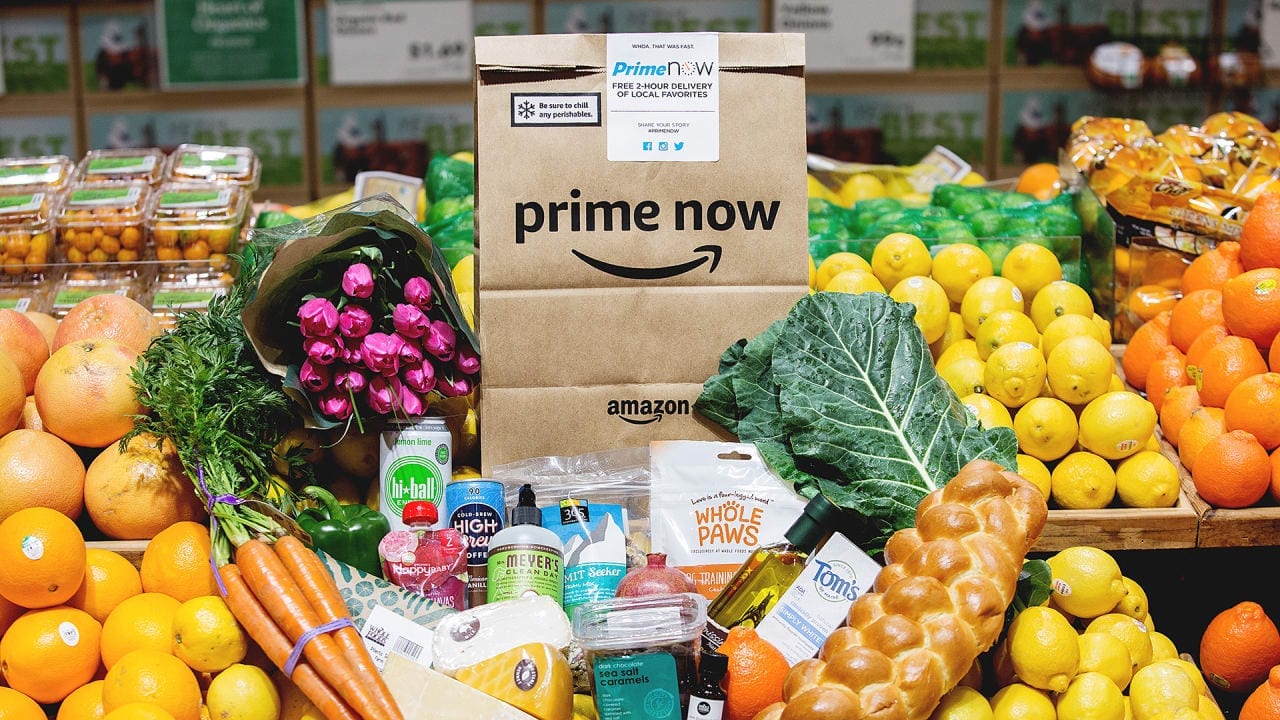
  • Indian consumers ask Amazon to resume Pantry service

    Indian consumers ask Amazon to resume Pantry service

    The Indian users of online grocery delivery service Amazon Pantry have taken to Twitter to urge the e-retail major to resume services ever since it was discontinued on February 1. “Currently, pantry items are not available on Amazon. Kindly stay tuned for more updates. Thank you for understanding,” Amazon responded to its Indian users in a tweet. The service became unavailable in India on February 1, the day revised norms for Foreign Direct Investment (FDI) in e-commerce came into force in the country.

    Following the new norms, Amazon has also removed from its website sellers such as Cloudtail India and Appario Retail Pvt Ltd in which it owns a stake.

    “I am missing Amazon Pantry service which catered to my monthly needs. It was super convenient,” tweeted a user.

    “What happened to Amazon Pantry? Please fix it,” read another user’s tweet.

    Under the Ministry of Commerce and Industry’s new guidelines issued on December 26, e-commerce platforms providing a marketplace are barred from exercising control or ownership over the inventory.

    They are also barred from allowing any company to sell its products exclusively on their e-commerce platforms alone.

    The Indian arm of the Seattle-based e-commerce giant did not respond to questions by IANS on the expected impact to its business in the light of the revised norms.

    While the company had earlier in a statement to IANS said that “it has always operated in compliance with the laws of the land”, it did not respond to queries on the changes it may have to make to its business model to suit the new norms.

  • Australia’s December sales slump below expectations

    Australia’s December sales slump below expectations

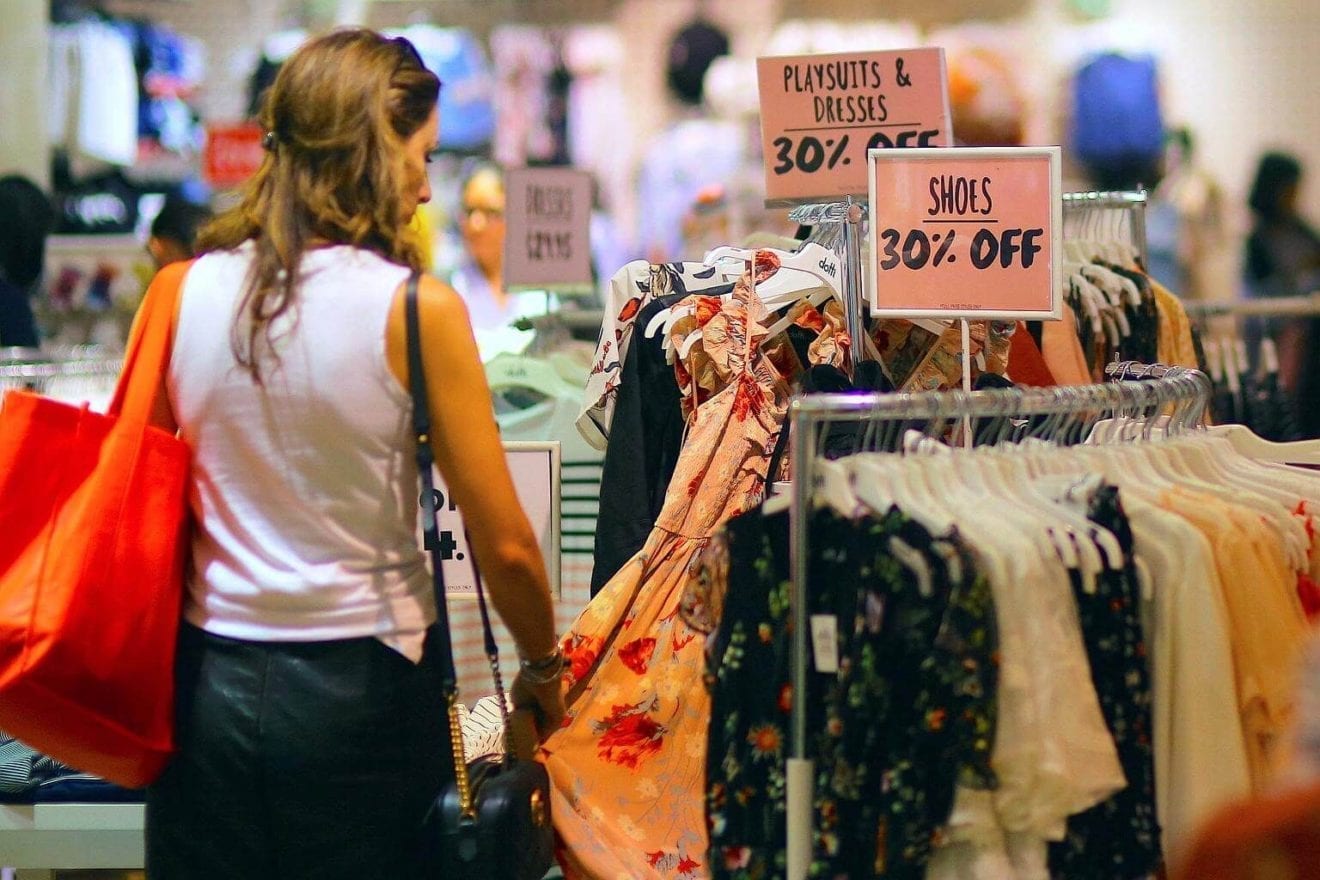
    Monthly retail figures from the Australian Bureau of Statistics have shown a somewhat dismal December trading period performance, having fallen 0.4 per cent to $27 billion, compared to the 0.5 per cent increase seen in November. While online retail turnover made up 5.6 per cent of the total figure, this figure fell from 6.6 per cent enjoyed in November, indicating the increasing importance of the pre-Christmas sales events such as Black Friday and Cyber Monday.

    The results show that, over the course of the holiday period Australians spent $48.7 billion on retail sales, below the $51 billion projected by the Australian Retailers Association (ARA) and Roy Morgan, though above the corresponding turnover of $47.5 billion from 2017.

    National Retail Association chief executive Dominique Lamb pointed out that these figures should serve as a warning, to both sides of the political landscape, that sectors of the retail industry are struggling.

    “Retail is the second biggest sector in the Australian economy, so when it goes through a challenging period there is a knock-on effect throughout the economy,” Lamb said.

    “While the retail community certainly doesn’t look to government for all the answers, it is during slow periods such as these that measures are required that assist small business.”

    Household goods fell 2.8 per cent, and clothing and footwear saw a 2.4 per cent decline in spending over the month, while department store turnover decreased 1.1 per cent. However, cafes, restaurants and takeaway food services rose by 1.1 per cent over the month.

    ARA executive director Russell Zimmerman pointed out that, while the monthly figures were depressed, annually the industry achieved a 3 per cent growth in sales, compared to the 2.76 per cent seen the previous year.

    “Although these figures are disappointing, it is important to note that there are a variety of factors that have contributed to these soft figures, including the decrease in consumer sentiment caused by rising household costs and low wage growth, which continues to plague the industry and overall economy,” Zimmerman said.

    These sentiments were echoed earlier in the month by NAB chief economist Alan Oster, who noted that these factors had led to consumers becoming reluctant to spend on non-essentials, having observed a 1.4 per cent decrease in online spending over the December period.

  • Puma Shuffle makes its debut in India

    Puma Shuffle makes its debut in India

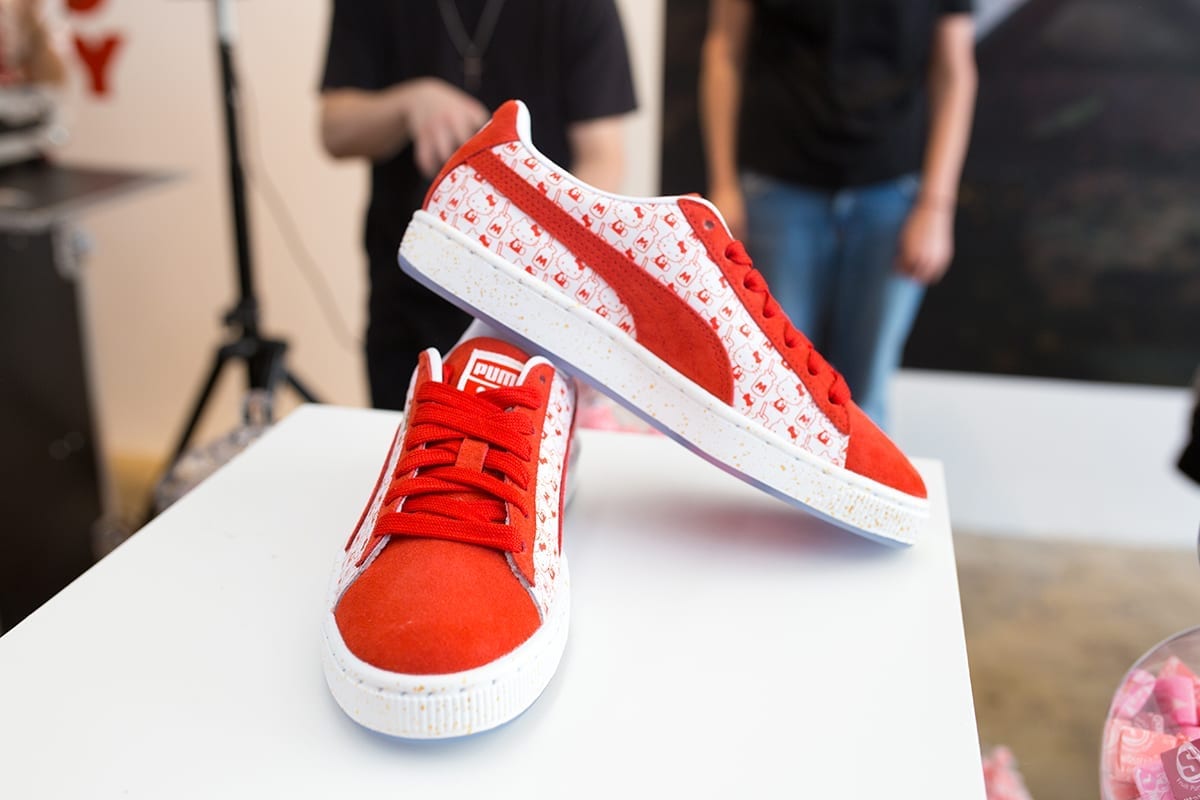
    Global sportswear brand Puma has launched Puma Shuffle, a street style weekend pop up space in Indiranagar, Bangalore on February 02, 2019. With an aim to become the hub for growing sub-cultures in the city, Puma has introduced a brand new concept that emerges over weekends to provide a dedicated space for creative expression.

    PUMA Shuffle is created on the notion of an alter ego where the identity of the place oscillates between a friendly neighbourhood bar, Watson’s and a high-energy creative space that celebrates live music and sub-cultural communities of the city over the weekend. The fluid pop up space by Puma comes to life on Friday and Saturday evenings with gigs by an eclectic selection of DJ’s, musicians, artists, designers and sneakerheads.

    Speaking about the new concept, Abhishek Ganguly, MD, Puma India, says, “Bangalore has always been a hub for culture, but it’s time to re imagine the city’s cultural landscape with the rise of a new generation of youngsters who are using sneaker, street art, skateboard, hip hop battles, and basketball as a form of self expression. Puma Shuffle, is an innovative concept aimed at being the hotbed for such communities and sub cultures, giving them a dedicated space, impetus and empowerment they need. This new concept of shuffling between two spaces will also be a great visual, gastronomical and creative experience for our consumers all under one roof.”

    Resonating the dual identity of the space, the aesthetics are all about fusing the two entities and creating a concept that allows a smooth transformation from one identity to the other. The interiors exude an old world, heritage charm with soaring arched windows and a barrel roof with an unfinished surface that gives the space raw yet regal feel. The quirky wall art and live animation breaks the earthy palette to give the space a distinct personality. The mezzanine floor displays live graffiti – a cat silhouette and Puma Shuffle artwork are brought to life by animated projections. Vibrant layered art with mixed styles of graffiti adorns the wall beside the staircase.

    Created by artist Badaal, the edgy illustration also pays homage to two of Puma’s big sneaker names – Puma Suede and RS-X Toys. There are also 5 arched frames that house images of international Puma assets on the top floor. In keeping with Puma’s first sustainable store, located below, the idea was to retain elements from the existing space and reuse materials to construct the new venue.

    Puma Shuffle provides both a great visual and gastronomical treat for the audience. Much like the vibe of the place, the menu curated for Puma Shuffle is new age, vibrant and refreshing. On offer is a medley of cuisines from different corners of the world, including a few local favourites, that makes one keep coming back for more. In keeping with the theme of the space, the bar is hooked up with a mechanical pulley system used to elevate the wrought iron lighting at the facade. Here, an array of fun cocktails are created by expert mixologists.

  • E-commerce share to rise to 12pc from 2pc in 10 years: Walmart India CEO

    E-commerce share to rise to 12pc from 2pc in 10 years: Walmart India CEO

    Share of e-commerce is set to rise, despite the growth in brick and mortar or physical retail from 2 percent to 12 percent over the next 10 years, aided by pick up in Omnichannel format, said Krish Iyer, President & CEO, Walmart India and Chairman of India Food Forum, at India Food Forum 2019 on Tuesday. Gap between physical and digital needs to be bridged as the consumer is going digital in terms of experience as also his touchpoints, he said delivering the inaugural address at the two-day India Food Forum 2019.

    Sharing his insight at Walmart, Iyer said that by enriching customer experience, the consumer started buying Rs 180 over Omnichannel instead of buying Rs 100 from the store itself and later the ratio in the store was Rs 70 while digital was Rs 110. Calling for technology adoption as key to retail growth, Iyer enumerated four key challenges led by food security, safety & nutrition, food wastage and sustainability.

    “Feeding a rising world population of 10 billion from 7 billion amid rising death of infant children due to malnutrition, changing climatic conditions are key challenges. In India, phenomenal efforts are made on the regulatory front for safety and nutrition that will follow with awareness, compliance and enforcement of law. Significant investment amounting to Rs 92,000 crore in food processing in catchment areas is needed to overcome the wastage of 30 percent of all food and 40 percent of fruits and vegetables,” he said.

    Earlier, speaking at the forum, Ajay Macaden, Executive Director, Nielsen said, “Consumers have evolved now for omni-channel even for specific categories like milk and bakery. Increased internet and smartphone penetration has led to multiple shopping channels and change in consumer behaviour.”

    In markets around the world categories such as travel, entertainment (books, music, events) and durable goods (fashion, IT/mobile, electronics) are the front runners for consumers to enter the online retail sphere. Consumers are, however, also looking for e-commerce options for an increasing range of categories, as their more immediate needs for convenience and ease expands, Macaden said.

    Consumers in APAC (Asia Pacific) have even evolved to fresh grocery and packaged goods with China, India, Japan and Korea leading the market. In fact, packaged grocery food and fresh groceries are showing the highest percentage growth of all categories in 2018 in this region, he said.

    Other key speakers at the forum included Damodar Mall, CEO, Reliance Retail (Supermarketwala), Sadashiv Nayak, CEO Food business, Future Group, Mohit Kampani, CEO, Aditya Birla Retail, C. Gopalkrishnan, Founder, N. Supermarkets, Ramesh Menon, Former CEO, Hypercity, Mohit Anand, MD, Kellogg, India and South to name a few.

  • Indonesia’s E-commerce Market Larger Than Estimated; Consumer Habits Changing

    Indonesia’s E-commerce Market Larger Than Estimated; Consumer Habits Changing

    E-commerce accounted for 8 percent of total retail sales in Indonesia last year, on course to reach 18 percent by 2023, fueled by changing behavior among tech-savvy customers who are willing to spend more for convenience, according to a recent study by American multinational investment bank Morgan Stanley.

    The study estimates the size of Indonesia’s e-commerce market at $13 billion in 2018, having grown by 50 percent annually over the past two years. It suggests that the e-commerce market in Southeast Asia’s biggest economy may follow a similar growth trajectory to that of China and expand by at least 32 percent annually over the next five years to $52 billion in 2023.

    “This is notably above our previous estimate of $7.3 billion, or 4.4 percent of sales, partially due to better data availability but also due to the rapid growth in the user base… Indonesia is now only five years behind China in terms of penetration,” Morgan Stanley wrote.

    A separate study by global tech giant Google and Singapore’s Temasek, published last December, put the size of Indonesia’s e-commerce market at $12.2 billion in 2018 and $53 billion in 2025.

    The Morgan Stanley study, based on interviews with 1,582 respondents in eight Indonesian cities, suggests that the growth trend is still in an early stage, with many indicating that they only started shopping online in the past year.

    “Interestingly, 65 percent of the respondents in our survey had only started shopping online within the past year, and the majority believed e-commerce would become their main method of shopping over time,” the investment bank wrote in the report published on Tuesday.

    “There are 195 million smartphone users in Indonesia and only about 30 million online shoppers. The growth potential of the user base is still clearly huge,” it wrote.

    Apart from smartphone penetration, low data costs and the growing number of people with bank accounts serve as crucial enablers for continuing e-commerce growth, Morgan Stanley said. Data costs about 50 US cents per gigabyte in Indonesia, compared with $2.1 per gigabyte in China. About 49 percent of the adult population in Indonesia now has a bank account, compared with 20 percent in 2011.

    Apparel 

    Clothing and footwear fuel the sales growth, with 93 percent of respondents indicating that they bought items in this category online in the past 12 months. Half of them buy apparel at least once a month, Morgan Stanley said. In comparison, only 16 percent and 25 percent, reported that they purchased consumer electronics and mobile devices, respectively, which is the most common category in early state e-commerce.

    The study also noted changing customer behavior, which would likely affect their interaction with traditional brick-and-mortar stores. Three in every four customers said they would check for promotions or prices online before buying anything offline, Morgan Stanley reported.

    Seven in every 10 said they would continue shopping online, even if it meant they would have to pay for delivery. Morgan Stanley said this reflects consumers’ “willingness to pay for convenience.”

    “Fast shipping was the primary reason for preferring one website over another,” the bank said.

    Retailers 

    The trend presents challenges to traditional retailers to remain profitable and provides a powerful platform for small brands to challenge established manufacturers.

    “Our analysis reaffirms our medium-term concern for apparel-focused retailers like [Matahari Department Store]. The average transaction size for apparel online, per our survey, is similar to Matahari’s basket size,” Morgan Stanley said.

    “For beauty and personal care companies like Unilever, the combination of e-commerce and digital media is making it easier or cheaper for smaller companies to build brands and offer nationwide distribution,” it wrote.

    Everybody’s Game

    Investment in Indonesian internet companies has steadily risen over the past two years, which saw them attract at least $7.4 billion in capital in 730 deals.

    With all this potential growth, Morgan Stanley has yet to see clear winners in the country’s e-commerce market.

    Four players control most of the formal e-commerce sales: Lazada, Shopee, Tokopedia and Bukalapak, with the top three each controlling between 20 percent and 30 percent of the market. Bukalapak was in the low teens, according to the Morgan Stanley’s estimation.

    Lazada, a pioneer of e-commerce in Southeast Asia, is still the most preferred platform, according to the bank’s survey

    “Lazada had high usage rates across categories and genders. The cash-on-delivery option was one of the key drivers of the preference,” it said.

    Shopee was second overall in terms of usage and preference, being more popular in smaller cities and among people buying baby products, toys, and beauty and personal care products.

    “Tokopedia’s preference and usage were lower beyond Jakarta in our survey. Its usage rate was only 38 percent in second-tier cities like Surabaya, Medan and Bandung, compared to 62 percent in Jakarta,” Morgan Stanley said.

    A surprising find in the survey is that Tokopedia and Bukalapak both enjoy more than 80 percent customer recognition, but less than 50 percent had made purchases on their platforms within the past 12 months.

    “For Southeast Asia, we remain convinced that its e-commerce platform is being undervalued. Our survey not only confirms the popularity of Shopee but also that its users are willing to pay for delivery, which solidifies its path to profitability,” Morgan Stanley said.

  • Walmart may exit Flipkart due to new FDI rules: Morgan Stanley

    Walmart may exit Flipkart due to new FDI rules: Morgan Stanley

    Retail giant Walmart may exit Flipkart after India’s new Foreign Direct Investment (FDI) norms for e-commerce companies came into force, US investment banker Morgan Stanley has warned. “An exit is likely, not completely out of the question, with the Indian e-commerce market becoming more complicated,” the report by Morgan Stanley said late Monday.

    According to the report, Walmart-Flikkart saga might turn out to similar to what happened with Amazon in China in late 2017.

    “There is a precedent for an exit as Amazon retreated from China in late 2017 after seeing that the model no longer worked for them,” the report read.

    “We estimate that Flipkart derives 50 per cent of its revenue from this category, meaning Flipkart could face meaningful disruption and top-line pressure in the near term,” it added.

    The new FDI rules may require Flipkart to remove as much as 25 per cent products from its platform including smartphones and electronics that constitute a bulk of sales, said Morgan Stanley.

    On February 1, disruption was caused in the e-commerce operations in India of the two companies after the new FDI norms for the e-commerce sector came into effect.

    The norm prohibited the online retailers from mandating any company to sell their products exclusively on its platform.

    In the new policy, the Commerce Ministry also noted that the online retail firms would not directly or indirectly influence sale price of goods and services and would maintain a level playing field.

    Amazon India had to withdraw many of its products and they were listed as “currently unavailable” as the new norms prohibit the e-retailers from selling products of companies in which they have stakes.

    The two companies have together lost market capitalisation of $50 billion.

    Amazon lost market capitalisation of over $45 billion on Nasdaq while Walmart lost over $5 billion on the NYSE.

  • IKEA’s first India store sold more despite lower than anticipated footfall

    IKEA’s first India store sold more despite lower than anticipated footfall

    Swedish home furnishing multinational IKEA’s first India store here witnessed less than expected footfall during last six months but the spending by the buyers was more than what it anticipated, said a top company official on Thursday. IKEA’S Hyderabad store, which opened in August last year, said it was originally looking for 7 million footfall a year but it is now 5 million a year.

    “The ambition was to have more footfall. We imagined higher visitation but the same time we see many positive categories. People are buying more items and they are spending more money. We are selling more pieces. This is good for IKEA because we are volume driven company. They are spending and buying more than we anticipated,” said John Achilles, Hyderabad Store Manager, IKEA India.

    He told reporters that products with a volume of 80,000 square metres were sold but declined to share the numbers in terms of value.

    Terming the people’s response as amazing, Achilles said it was a great learning experience. “We learnt so much about market, so much about customers and about their buying habit.”

    According to Achilles, customers in India were price sensitive. “Low priced items are those selling in much higher volumes. People want great value for money for products both accessories and furniture.”

    Kallas spoon set, priced at Rs 15, the lowest at the store, has been the number one selling item during last six months. “We sold half a million of those in six months. There is no other store in the world that sold this kind of volumes,” he said.

    He said IKEA’s range of products were lowest in many categories in the market. While 95 per cent of the products sold in India were the same available at IKEA stores around the world, about five per cent were specifically meant for India. These products included spoons, “tawa” and other accessories.

    Achilles was talking to reporters on the sidelines of the launch of made in India textile collection, Anglatarar, by by IKEA.

    IKEA opened first store five years after the world’s largest single brand retailer received government approval in 2013 to invest Rs 10,500 crore to open 25 stores in India by 2025. The company last year revised the number of stores to 40 across all formats.

    Achilles said they would open the next store at Mumbai during 2019 while Bengaluru store would come up in next 24 months and this would be followed by New Delhi.

    On sourcing from India by IKEA, he said this had gone up to 19 per cent while it was less than 10 per cent before the launch of first store.

    The sourcing has to go up to 30 per cent in five years as prescribed by the government of India, the official said, adding that they were looking to go beyond 30 with ambition to reach 50 per cent.

    Mia Olsson, Country Communication and Interior Manager, IKEA India, said: “This collection mark the celebration of design aesthetics from both countries.” She termed it as a tribute to India.

    IKEA’s Hyderabad Stores Food Woes Resolved

    After a gap of nearly five months, vegetarian biryani returned to the menu of Swedish home furnishing retailer IKEA here on Thursday.

    In September last year, IKEA’s had stopped selling vegetarian biryani at its store here found a foreign object in a dish.

    “Today is the first day we have started reselling vegetarian biryani,” said John Achillea, Hyderabad Store Manager, IKEA India.

    He said that they were making this dish in house and it is available for Rs 99 like in the past.

    IKEA’s first India, which is completing six months in February, was earlier sourcing prepared veg biryani from Haldiram of Nagpur.

    The Greater Hyderabad Municipal Corporation (GHMC) had fined the IKEA store Rs 11,500 after a customer lodged a complaint that he found a caterpillar in veg biryani served to him at the IKEA restarurant.

    The furnishing giant subsequently removed the veg biryani from its menu and stated that it takes food safety and quality very seriously.

    IKEA opened its first India store here on August 9. It has a 1,000-seater restaurant.

  • Petrovietnam reports 26 percent hike in revenues last year

    Petrovietnam reports 26 percent hike in revenues last year

    Vietnam National Oil and Gas Group has announced its 2018 results, which show it exceeded its revenue and state budget contribution targets. The state-run giant (Petrovietnam or PVN) reported revenues of VND626.8 trillion ($26.92 billion), 18 percent higher than the target and a year-on-year rise of 26 percent. As of December 10 it had achieved its domestic crude oil production target of 11.31 million tons. Total oil and gas output reached 23.98 million tons (gas converted into oil equivalent).

    The group contributed VND121.3 trillion ($5.22 billion) to the state coffers, exceeding the target by 64.3 percent and 24.3 percent more than the previous year.

    “These achievements came at a time when global oil price movements were difficult to predict, production in mature fields were in rapid decline while new fields brought on stream were small and marginal and there was pressure to minimize costs per barrel,” CEO Nguyen Vu Truong Son said in the company’s 2018 business performance report.

    These are large enterprises with the state equity estimated at VND89 trillion ($3.83 billion), according to auditors’ conclusion.Last year the group wrapped up equitization of three of its subsidiaries: PetroVietnam Power Corporation (PV Power), Vietnam Oil Corporation (PVOIL) and Binh Son Refinery and Petrochemical Joint Stock Company (BSR).

    The proceeds from their IPOs reached VND16.5 trillion ($710 million). Petrovietnam managed to raise VND18.6 trillion ($801 million) from the three firms’ equitization and state divestments.

    With a capacity to process 200,000 barrels of crude a day, it, along with Dung Quat, can meet more than 80 percent of the country’s petroleum demand, reducing dependence on imports.In late last year, the $9 billion Nghi Son Refinery and Petrochemical Complex, one of the key national oil and gas projects, began commercial operation.

    Situated in the Nghi Son Economic Zone, 200 km south of Hanoi in the central province of Thanh Hoa, Nghi Son is invested by Idemitsu Kosan Co, Kuwait Petroleum, Petrovietnam and Mitsui Chemicals Inc.

  • US retail sales expected to grow at slower rate in 2019

    US retail sales expected to grow at slower rate in 2019

    US retail sales are expected to climb between 3.8 per cent and 4.4 per cent to more than US$3.6 trillion ($4.97 trillion) in 2019, according to data from the National Retail Federation (NRF). The predicted rise in retail sales, which is excluding automobile dealers, gasoline stations and restaurants, however, would be less than the 4.6 per cent growth in 2018, citing threats from an ongoing trade war, the volatile stock market and the effects of the government shutdown.

    NRF said in August of last year it expected 2018 retail sales to be up at least 4.5 per cent.

    The retail industry group says the 2018 figure is its preliminary estimate for retail sales last year, pending the release of December data from the Commerce Department that was stalled from being announced during the government shutdown.

    Matthew Shay, NRF president and CEO, said the biggest priority is to ensure that the economy continues to grow and to avoid self-inflicted wounds.

    “It’s time for artificial problems like trade wars and shutdowns to end, and to focus on prosperity not politics,” Shay said.

    Shay said despite fears in the industry that a trade war in China or an economic slowdown might impact consumer spending, they believe the underlying state of the economy is sound.

    “More people are working, they’re making more money, their taxes are lower and their confidence remains high,” he said.

    Preliminary estimates, according to the NRF, show that retail sales during 2018 grew 4.6 per cent over 2017 to US$3.68 trillion ($5.08 trillion), exceeding NRF’s forecast of at least 4.5 per cent growth.

    The figures include online and other non-store sales, which were up 10.4 per cent to US$682.8 billion ($942.6 billion). That met NRF’s forecast of 10-12 per cent online growth, and online is expected to grow in the same 10-12 per cent range again this year. The numbers exclude automobile dealers, gasoline stations and restaurants.

    Growth of between 3.8 per cent and 4.4 percent would result in total 2019 retail sales of between US$3.82 trillion and $US3.84 trillion ($5.27 trillion to $5.3 trillion). Based on growth of 10-12 per cent, online sales would total between US$751.1 billion and US$764.8 billion ($1.03 trillion and $1.05 trillion), which are included in the total.

    The 2018 results are based on Commerce Department data up through November but include NRF estimates for December because the agency was closed during the recent government shutdown and has not yet released December figures.

    The NRF said the results are subject to revision once December numbers become available, and government numbers are revised again each spring regardless of the shutdown.

    “We are not seeing any deterioration in the financial health of the consumer,” said Jack Kleinhenz, NRF chief economist.

    “Consumers are in better shape than any time in the last few years,” Kleinhenz said. “Most important for the year ahead will be the ongoing strength in the job market, which will support the consumer income and spending that are both key drivers of the economy.”

    Kleinhenz said the bottom line is the economy is in a good place despite the ups and downs of the stock market and other uncertainties.

    “Growth remains solid,” he said.

    NRF said it expects the overall economy to gain an average of 170,000 jobs per month, down from 220,000 in 2018, and that unemployment – currently at 4 per cent – will drop to 3.5 per cent by the end of the year. Gross domestic product is likely to grow about 2.5 per cent over 2018.

    Kleinhenz said inflation and interest rates are expected to remain low this year and that retail sales have been helped by recent reductions in gasoline prices.

  • India Food Forum 2019: Alliance avenues with foreign partners to expand food market in India

    India Food Forum 2019: Alliance avenues with foreign partners to expand food market in India

    India Food Forum 2019 identified avenues for partnerships in food, beverages and food service industry with Ambassadors, Trade Commissioners and Consul Generals of several countries and highlighted how Embassies and Trade Commissions can play a more pro-active role to facilitate such alliances. Emerging as major market of the world, India offers huge opportunities for manufacturers, producers and providers of products and services from across the globe to sell here or partner with Indian companies to serve this market.

    Acceptance of multinational culture, a growing taste for foods from across the globe, increasing inflow of foreign nationals, willingness to experiment new cuisines and more over avenues to market new products further add to the opportunity.

    The session was moderated by Amit Lohani, Convener, FIFI.

  • Hiring persons with disabilities in India’s retail sector up by 53 percent

    Hiring persons with disabilities in India’s retail sector up by 53 percent

    Only 36 per cent of disabled persons in India are employed, of which 90 per cent are in the unorganized sector, said a new report by Trust for Retailers & Retail Associates of India (TRRAIN) here on Wednesday. The report – ‘Disability Employment: Indian Retail Changing Equations’ – said that as per Census 2011, the number of persons with disabilities was 2.21 per cent, or 26.8 million of the total population.

    However, the actual number in India could be between 5-10 percent, belying the Census figures, said TRRAIN.

    Around 50 per cent of the disabled population in the country was in the employable age of 20-59 years but jobs remain a problem for them as nearly 46 per cent are illiterate.

    Though 36 per cent are employed, almost 90 per cent have jobs only in the unorganized sector. And mainstreaming them could add around 5-7 to the country’s GDP, the report said.

    It noted that hiring persons with disabilities in the retail sector had gone up by 53 per cent between 2011 and 2018, but there was more scope to employ and mainstream them as there existed a positive correlation between customers and stores manned by the disabled.

    The report said that with 80 per cent jobs in retail ‘customer-facing’, employing the disabled PwDs serves the dual purpose of providing employment and sensitising the society at large about the challenges encountered by the disabled.

    The report was released at the 3rd Retail Inclusion Summit held here by TRRAIN founder B.S. Nagesh in the presence of big names from the retail industry.

    TRRAIN also runs an initiative ‘Pankh’ that trains and prepares disabled persons for employment opportunities in the retail sector.

  • Top 9 things to know about Starbucks Dewata coffee sanctuary

    Top 9 things to know about Starbucks Dewata coffee sanctuary

    Recently, Starbucks celebrated the journey of coffee from seed-to-cup by opening its largest destination in Southeast Asia – the Starbucks Dewata Coffee Sanctuary.

    1. Original Logo

    Starbucks opens the Dewata Coffee Sanctuary with an original logo, crafted in the Geringsing Double Ikat technique, inspired by the deep traditions of the seed-to-cup story. Double Ikat, found only in Bali, is a weaving technique used to create geringsing fabrics, traditionally taking five years to create, and an essential textile used in ceremonial dress as it is believed to have extraordinary powers. The logo itself is a lotus flower, the symbol of beauty, prosperity and fertility, and highly respected in Bali. The 18 petals represent the Balinese philosophy of Tri Hita Karana – the three causes of prosperity: harmonious relationships between people, the environment and God.

    2. Store Façade

    The store’s façade is created with locally made red bricks in the shape of half circles to create the illusion of the many waves found on Bali’s famous beaches. The exterior appears to move to passersby on Sunset Boulevard as they drive past the storefront, and combines modern building techniques with traditional Balinese architecture for an east-meets-west design. The design is carried into the interior of the store at the core bar where baristas handcraft favorite Starbucks beverages.

    3. Micro-Plot of Arabica Coffee Trees

    Upon entering the space, customers are invited into a micro-plot of Arabica coffee trees. This 1,000 sq. ft. plot will be a working, coffee producing farm cherrying during harvest season in the region, typically in the early springtime, and mirrors the size of 90 percent of all coffee farms in Indoneisa.

    4. Hand-Carved Wooden Mural

    As customers enter the café, their eyes are immediately drawn to the unique artwork filling the store. A 30-foot tall hand-carved wooden mural from Jepara features a depiction of the history of coffee in Indonesia, from the coffee growing regions of Java, Sulawesi, Bali, West Papua, Brastagi and North Sumatra, home to Starbucks Indonesia Farmer Support Center. Over the Reserve bar, customers eyes are drawn up to the bamboo installation inspired by the smoke, steam and vapor that create the familiar aroma of coffee. Both expansive pieces were created by Indonesian art agency, Atrovale, while two Jakarta-based artists, Janet Jane and Jamal M. Aziz, created pieces to highlight the store’s moments of discovery. Janet’s macramé art was inspired by the lush landscapes of Indonesian coffee farms, while Jamal’s two murals illustrate the first-ten-feet of the coffee bean’s journey at origin.

    5. Hand-Carved Stone Tiles

    In the Reserve Bar, hand-carved stone tiles create the ornate floor and wall design. The traditional, local craft found across Bali was reimagined into patterns which reflect a modern interpretation of coffee flowers and coffee beans.

    6. Living Wall

    To the left of the entrance, customers are invited to Starbucks core bar featuring a living wall filled with flora from the region. The botanicals are arranged in the form of Bali’s signature gapura, split gates, a symbol to welcome guests into our stores. This living wall is set back behind the bar where Starbucks partners will enter the café to connect with customers and handcraft their favorite Starbucks beverages.

    7. Clay Pots

    Around the store, customers will be enchanted by the surrounding flora, bringing the unique Indonesian environment inside. Trees throughout the space are planted in beautiful clay pots inspired by a traditional Sumatran pattern and the Starbucks Siren. Motifs of Indonesia’s mountainous terrain and coffee beans remind customers of the unique surroundings found only in Indonesia.

    8. Coffee Seedling Nursery

    On the second floor, customers are invited into the first coffee seedling nursery to be located inside of a Starbucks store. Our partners work with local farmers to take special care of these seedlings and invite customers to help tend to the delicate plants. Inside this greenhouse, customers can touch the first stages of the seed-to-cup journey that brings us our favorite coffee flavors around the world.

    9. Interactive Media Installations

    The experience continues throughout the expansive space where customers can find two interactive media installations to further immerse themselves in the coffee journey. On the first floor, a first-of-its-kind digital wall can be accessed through pressing and twisting various portions of the wall to participate in the planting, processing, roasting, shipping and brewing processed. Above them, customers can hear the stories of Starbucks Farmer Support Center in Indonesia. Two synchronized videos guide visitors through the FSC on walls fashioned from the traditional rattan weavings which inspired the Dewata Bali logo.