Tag: asia

  • Malaysian banks to maintain earnings potential this year

    Malaysian banks to maintain earnings potential this year

    Analysts believe that the banking sector will be able to maintain its earnings potential this year, as margin pressure is expected to ease and continued loans growth with stable asset quality. MIDF Research said while the industry’s loans growth moderated to 5.6% year-on-year (y-o-y) as at December 2018 due to moderation in business loans and loans for the purchase of residential properties, the growth was still slightly above its expectations.

    “As for CY19, we expect a moderation in loans growth to 4.7% y-o-y due to the high base effect. We also believe that deposits growth will moderate to 5.3% y-o-y due to lower growth in fixed deposits growth this year,” the research house said in a note.

    “This also means that there will be accretion in value for banks’ book value. Hence, we maintain our ‘positive’ view on the sector,” it added.

    Overall, MIDF Research said it is cautiously optimistic of the banking sector continuing its solid performance in 2019.

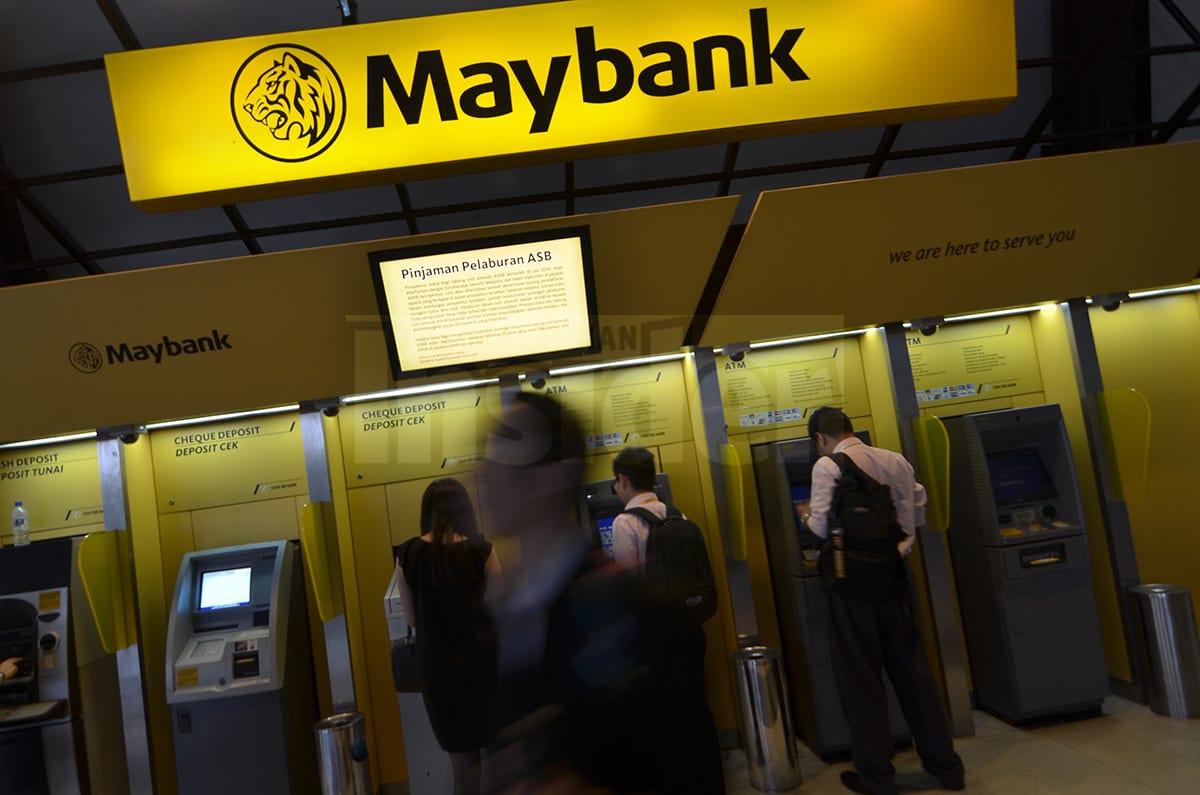
    Given the current market conditions, the research house said its top picks for the sector are Maybank, CIMB and Public Bank.

    In a separate note, AmBank Research said it expects that the foreign fund inflows into emerging markets would benefit the share prices of the liquid banking stocks as the US Fed rate hike is tapering off.

    Therefore, the research house said it maintained its “overweight” stance for the sector with “buy” calls on RHB Bank, Public Bank, Alliance Bank, BIMB Holdings, Maybank as well as MBSB. Its tops picks include Maybank, Public and RHB Bank.

    AmBank Research noted that Maybank’s earnings are well diversified and the bank is still recording positive JAWs (a technical term that denotes income growth exceeding that of expenses) with growth in total income outpacing expenses.

    It added that Maybank’s net interest margins could also improve further ahead with the lowering of its funding cost as the group releases the excess liquidity built-up in the first half of financial year 2018 (1HFY18).

    “Meanwhile, dividend yield for the stock continues to be attractive relative to peers with its high payout ratio while potentially offering investors higher returns with the reinvestment of their dividends into additional shares under the DRS (dividend reinvestment scheme),” it added.

  • Apple appoints new retail head to ramp up sales

    Apple appoints new retail head to ramp up sales

    In an effort to ramp up slow iPhone sales amid sluggish smartphone market, Apple on Wednesday appointed a new head of global retail and online stores. Deirdre O’Brien will take over as Senior Vice President of Retail and People, reporting to CEO Tim Cook, the company said in a statement. “For more than three decades, she has helped keep Apple focused on serving customers and enriching lives,” said Cook.

    “I am thrilled to work alongside Deirdre in her new role, and I know our 70,000 retail employees will be, too,” he added.

    After five years, current retail head Angela Ahrendts plans to depart Apple in April for “personal and professional pursuits”.

    O’Brien will continue to lead the People team, overseeing all People-related functions, including talent development and Apple University, recruiting, employee relations and experience, business partnership, benefits, compensation, and inclusion and diversity.

    “I am looking forward to this journey, and to continuing the important work of the People team in supporting all of Apple’s amazing employees,” said O’Brien.

    Despite slow iPhone sales, Apple posted $84.3 billion in revenue for the first quarter of its fiscal 2019 — a decline of 5 per cent from the year-ago quarter — while revenue from its other products and services grew 19 per cent.

    Apple operates 35 online stores and 506 retail stores in five continents.

    In the first quarter of its fiscal 2019, revenue from iPhone declined 15 per cent from the prior year.

    Cook said that there are several factors why iPhone sales are not picking up in the emerging markets.

    “The customers are holding on to their older iPhones a bit longer than in the past.

    “When you pair this with the macroeconomic factors, particularly in emerging markets, it resulted in iPhone revenue that was down 15 per cent from last year,” Cook told analysts.

    The Apple CEO said foreign exchange is another key factor behind the slow iPhone sales. “The relative strength of the US dollar has made our products more expensive in many parts of the world,” he added.

  • V-Mart reports 27 percent growth in topline, reaches 200-store milestone

    V-Mart reports 27 percent growth in topline, reaches 200-store milestone

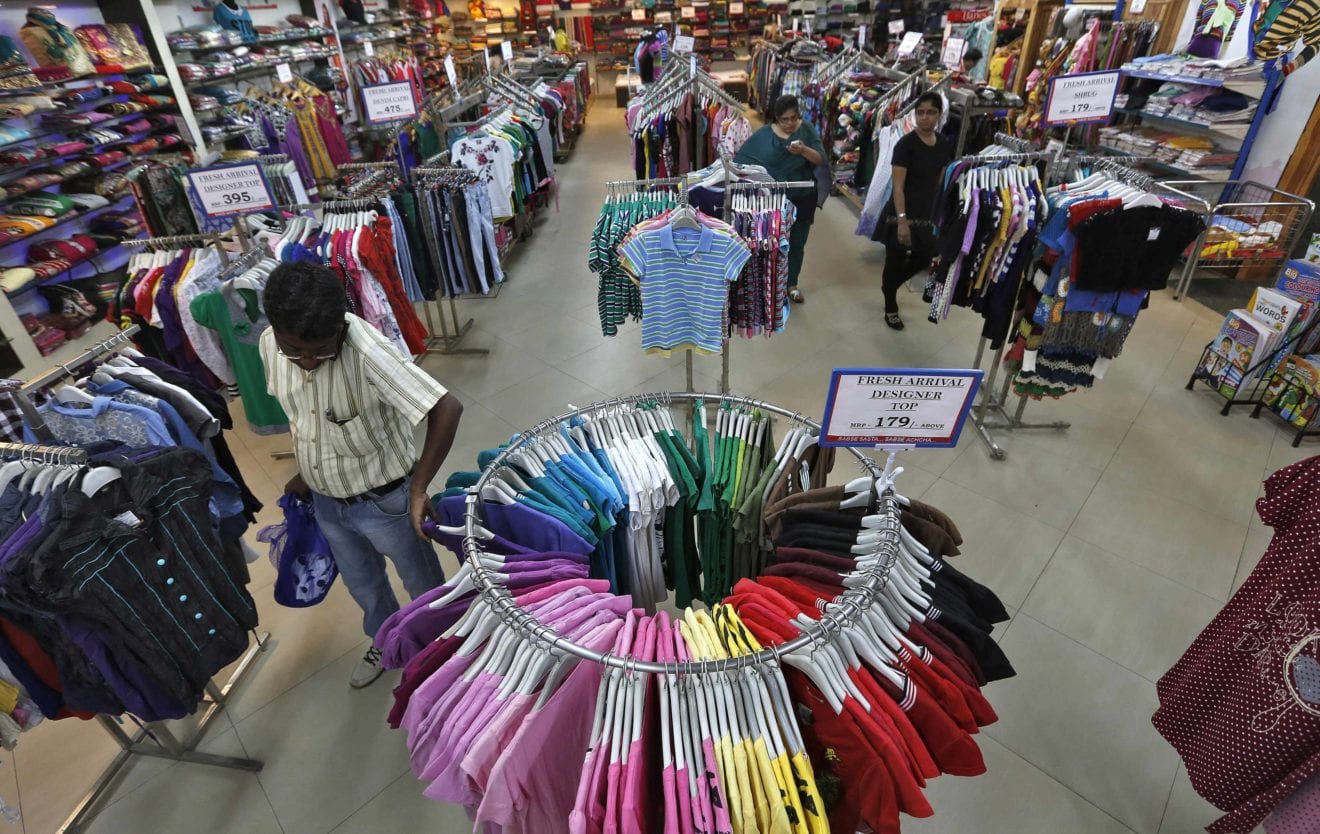
    V-Mart Retail, India’s leading value fashion retailer,  announced its unaudited financial results for the quarter and nine months ended 31st Dec,2018 whichwere approved by the Company and Board of Directors at its meeting held on 5th Feb, 2019. The company posted robust numbers for the third quarter, recording 27 percent YoY growth in revenue from operations, 15 percent increase in EBITDA and same store sales growth (SSSG) of 11 percent. The quarterly revenue and EBITDA stood at Rs 4658 million and 733 million, respectively, up from Rs 3680 million and 640 million in the previous year. The strong topline growth was also mirrored in PAT, which at Rs 417 million, delivered 14 percent YoY growth.Festive season shopping – comprising Durga Puja, Diwali and Chhath – in the company’s main geographic markets was the primary growth driver for the quarter. In the 69-day duration from 6th Sep – 13th Nov spanning the three festivals, the company registered overall and like-to-like growth of 49 percent and 27 percent, respectively. This was achieved through revamped product assortment, supply chain, and marketing and sales strategies that the company executed effectively. The company has invested in ramping up its warehousing capacity and strengthening the talent pool at all levels.

    Riding on the back of healthy numbers in Q3, V-Mart continued to strengthen its performance for the fiscal year. On a YTD basis, revenue stood at Rs 10,892 million for the nine months ended 31st Dec, growing at 18 percent YoY, while EBITDA and PAT, at Rs 1127 and Rs 625 million, grew at 3 percent and 1 percent, respectively.

    Commenting on the company’s performance in Q3, Lalit Agarwal, CMD, said “There has been a great execution of fresh product ideas and customer connect which was amplified by strong festive demand in all our markets. V-Mart was well prepared and well-positioned to tap into this opportunity in all its key markets, delivering its value fashion promise with a wider and deeper assortment that resonated with the fashion aspirations of our customers. Launch of stores in Assam and Meghalaya further added the growth momentum for the company and the company witnessed its best ever Durga Puja sales during the quarter especially from the Bengal region. We thank all our valued customers for their trust and belief in V-Mart and look forward to their continued support.”

    While driving a strong execution focus during the festive season, the company maintained its consistent pace of retail network expansion, reaching the 200-store milestone in December. V-Mart opened 10 new stores during thequarter, andon a YTD basis, has added 29 stores with more launches planned in the last quarter. While the company took 12 years to open its first 100 stores, the journey to the next 100 has taken less than 3 years. Looking ahead, the company is building a strong pipeline of locations for targeted store expansion in the next fiscal year.

    For the upcoming Spring-Summer 2019 collection, the company shall be launching a new range of Indigo collection denims, camouflage, high fashion t-shirts, joggers, ladies tops, salwar suits, gowns, solid woven skirts for girls and kurti’s along with a new kids summer collection. The launch of summer collection and the special marriage range, with an emphasis on vibrant colors and silhouettes willgive shoppers a wide choice of fabricsand form key customer-centric highlights of the next quarter.

  • Online grocery space likely to witness traction: Nielsen

    Online grocery space likely to witness traction: Nielsen

    With consumers being increasingly preferring digital channels for their purchases, the online grocery space is likely to witness traction, according to market research firm Nielsen. Grocery is definitely going to start seeing traction as e-commerce picks up, Nielsen Executive Director Ajay Macaden said at the India Food Forum here. He, however, did not quantify the size of online grocery market.

    As per reports the online grocery market in India is expected to be US$ 5 billion by 2020, from US$ 1 billion in 2017.

    Macaden noted that packaged grocery is 40 percent in India versus a global average of 30 percent, while fresh groceries is around 41 percent against a global average of 26 percent which indicates that people are definitely picking up food online.

    Rs 3.4 lakh crore Indian FMCG industry is growing at 14 percent, is largely dominated by food that accounts for 55 percent (Rs 2.2 lakh crore growing at 15.1 per cent).

    In terms of contribution, general trade accounts for 90 percent of FMCG sales, growing at 13 percent, while the remaining 10 percent is from modern trade that is growing at 22 percent.

    In the food category, general trade accounts for 90.1 percent at a growth rate of 14.7 percent, while modern trade is growing at 19 percent.

    He observed that the FMCG industry which grew at 13.8 percent growth in 2018 was largely a volume led growth that was 77 percent of the total growth.

  • Apple again the most valuable US company

    Apple again the most valuable US company

    Apple won back its crown as the most valuable publicly listed US company on Wednesday, ending the session with a market capitalization above recent leaders Microsoft and Amazon.com. Apple edged up 0.03%, putting its market value at $821.5 billion. Microsoft’s market capitalization ended at $813.4 billion after its stock dipped 1.11%, while Amazon’s stock market value finished the day at $805.7 billion, in third place, after its shares slid 1.12%.

    Apple’s stock has risen about 13% since its quarterly earnings report on Jan 29, with investors betting it was oversold following months of concern about a slowdown in iPhone demand and the company’s rare revenue warning on Jan 2 related to soft demand in China.

    But slowing iPhone sales have led to lower expectations for Apple’s stock. The average analyst price target for Apple has fallen from $240 three months ago to $175, less than a dollar more than its current stock price of $174.24.

    After touching a record $1.1 trillion last October, Apple’s market capitalization fell gradually, and it was overtaken in December by Amazon and Microsoft, which have taken turns in the top position since then.

    Apple’s stock market value hit a low of $675 billion on Jan 3 after its revenue warning, but then steadily recovered, helped in part by a quarterly report that was better than feared by investors.

    While Apple has gained in recent sessions, Microsoft and Amazon’s shares fell after their quarterly reports. Amazon has declined almost 5% since Thursday, when it forecast first-quarter sales below Wall Street estimates and said it would step up investments in 2019.

    “That has raised some eyebrows, it’s a perception that Amazon may be settling into a more mature phase in terms of growth,” said Dan Morgan, a senior portfolio manager at Synovus Trust in Atlanta.

    Morgan owns shares in Apple, Amazon and Microsoft, but he said that if forced to choose, he would favor Amazon because of its lead in cloud-computing market share.

    Microsoft’s stock is about flat from last Wednesday, when the software maker met targets for its quarterly results and forecast.

  • Optimistic about Indian market despite changes in new FDI policy: Walmart

    Optimistic about Indian market despite changes in new FDI policy: Walmart

    US retail major Walmart, which invested $16 billion in Flipkart, Wednesday said it is committed to the Indian market and is optimistic despite recent changes in the FDI policy for e-commerce firms in the country, according to a PTI report. The Bentonville-based retailing major’s statement came after a recent report by global consultancy firm Morgan Stanley, which had hinted that Walmart may quit Flipkart as the new foreign direct investment (FDI) policy came into effect, which would lower its profitability in the long run.

    Morgan Stanley, in a report titled ‘Assessing Flipkart Risk to Walmart EPS’ dated February 4, claimed that “an exit is likely, not completely out of the question, with the Indian e-commerce market becoming more complicated.”

    “Walmart’s and Flipkart’s commitment to India is deep and long term. Despite the recent changes in regulations, we remain optimistic about the country,” said Dirk Van den Berghe, Executive Vice President and Regional CEO Walmart Asia and Canada.

    He further added, “We will continue to focus on serving customers, creating sustained economic growth and bringing sustainable benefits to the country, including employment generation, supporting small businesses and farmers, and growing Indian exports to Walmart’s global markets.”

    Tightening norms for e-commerce firms having foreign investment, the government, from February 1, barred online marketplaces like Flipkart and Amazon from selling products of companies where they hold stakes and banned exclusive marketing arrangements that could influence product price.

    The revised policy on FDI in online retail, issued by the commerce and industry ministry, also said that these firms have to offer equal services or facilities to all its vendors without discrimination.

    Last year on August 18, Walmart had completed acquisition of 77 per cent stake in Flipkart for about $16 billion (Rs 1.05 lakh crore), a deal which gave the US retailer access to the Indian e-commerce market.

  • Korean export decline picks up speed in January

    Korean export decline picks up speed in January

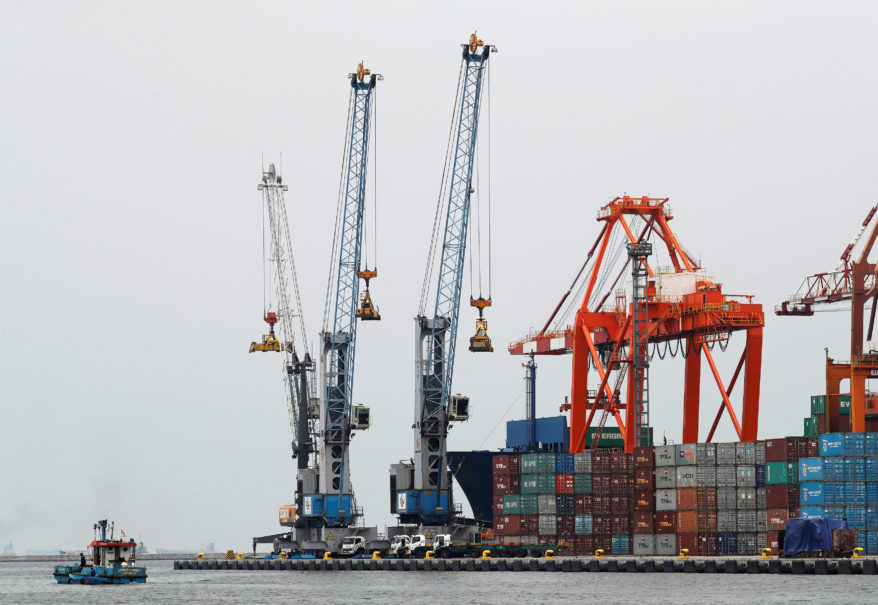
    Exports have continued to fall for a second month, but at a steeper rate, confirming concerns raised by Finance Minister Hong Nam-ki earlier this week. Although Korea succeeded in posting a trade surplus for the 84th consecutive month, a new record, exports in January fell 5.8 percent, sharper than the 1.2 percent drop recorded in December.

    This is the first time since September and October 2016, when exports fell for two consecutive months.

    According to the Ministry of Trade, Industry and Energy on Friday, Korea’s exports in January amounted to $46.4 billion.

    Imports also retreated, losing 1.7 percent to $45 billion. As a result, Korea’s trade surplus in January was $1.3 billion, which is one-third of the $3.4 billion surplus reported a year ago.

    The ministry, however, said the decline of Korea’s exports wasn’t exclusive to Korea as other countries have also been falling as well.

    In December, China’s exports retreated 4.5 percent while Japan was down 3.2 percent, Taiwan lost 3 percent and Singapore fell 4.1 percent.

    The ministry said the decline was largely the result of external factors including the trade dispute between the United States and China, uncertainties resulting from Brexit, falling prices of semiconductors and crude and the slowing growth of the Chinese economy.

    Semiconductors, which were the largest contributor to last year’s thriving exports, played the biggest role in pulling down the number in January and December. Exports fell 23 percent compared to a year ago to $7.42 billion. Semiconductors account for roughly 20 percent of all Korean exports. Semiconductor exports have been shrinking after reaching a high of $12.4 billion in September 2018. The figure fell below $10 billion in December for the first time since April last year.

    The ministry blamed the falling price of semiconductors as global IT companies have been delaying additional purchases since the second half of last year. The price of an 8 gigabyte DRAM chip nosedived 36.5 percent from $9.60 a year ago to $6.10. The price of a 128 gigabyte NAND memory has fallen 22.4 percent from $6.7 to $5.2.

    Falling crude prices was another factor that drove down exports. Petroleum product exports fell 4.8 percent to $3.47 billion, while petrochemical goods slipped 5.3 percent to $3.98 billion. International oil prices have been falling since October last year. Last month, the price of a barrel of oil was down 10.7 percent on year.

    But these weren’t the only export items that struggled.

    Mobile telecommunication goods exports, including smartphones, have fallen 29.9 percent while computers exports are down 28.2 percent. Exports of ships fell 17.8 percent and displays were down 7.5 percent.

    Mobile telecommunication exports to the United States fell 9.7 percent, while the figure for member countries of the Association of Southeast Asian Nations (Asean) saw a steeper drop of 21.9 percent.

    On the contrary, automotive exports, which struggled throughout 2018, appeared to recover, growing almost at the same rate as a year ago.

    Automobile exports in January were up 13.4 percent to $3.67 billion, largely thanks to growing demand in the United States, Europe and the Commonwealth of Independent States (CIS). Exports to the United States in the first 20 days of January were up 43.4 percent to $820 million, Europe grew 20.7 percent to $350 million and the CIS surged 104.1 percent to $150 million.

    Thanks to positive growth in automotive exports, automobile parts exports grew as well, increasing 12.8 percent.

    Steel was another export good that saw an increase thanks to rising prices. When compared to a year ago, it grew 3.3 percent to $2.8 billion.

    By country, China, which is Korea’s No. 1 export market, tumbled 19.1 percent. China, as of last year, accounts for 26.8 percent of Korea’s exports.

    While the majority of the goods exported to China all fell last month, semiconductors, petroleum and petrochemical goods were hit especially hard. Semiconductor exports plummeted 40 percent in the first 20 days of last month to $1.61 billion, while petroleum exports fell 36.4 percent. Petrochemical exports lost 13.7 percent. The three products account for 44 percent of exports to China.

    Exports to the United States rose 20.4 percent to $6.21 billion, largely thanks to import of Korean automobiles, particularly SUVs, which saw an uptick of 43.4 percent.

    EU exports also grew in the double digits at 11.9 percent to $5 billion.

    The ministry said the situation will likely turn around in the second half when semiconductors and crude prices go up. The ministry said that when excluding semiconductors, petroleum and petrochemical goods, Korea’s exports in January only dipped 0.7 percent to $31.5 billion.

    The ministry also noted that new growth engine products like rechargeable batteries are doing well.

    It said that rechargeable battery exports have been rising over the last three years and are now expected to surpass exports of electronic consumer goods, which amount to $7.22 billion.

    Last year, secondary battery exports amounted to $7.23 billion, up 21.5 percent.

    Last month, it grew 14.5 percent year on year to $660 million.

    Biohealth exports have been growing in double-digits for four consecutive years. Last year, they reached a record of $8.15 billion, up 13 percent. Last month, however, biohealth exports fell 1.6 percent to $560 million. The ministry said that it still expects exports of biohealth goods to rise over the course of the year.

    OLED panels and electric vehicles are also seeing an increase in exports. OLED panels last month grew 12.8 percent to $800 million, while electric cars saw a surge of 184.7 percent to $280 million.

    The finance minister said the government will be coming up with measures to help small- and medium-sized exporters that may struggle from the recent turnaround, while Trade, Industry and Energy Minister Sung Yun-mo on Friday emphasized that the government will do its best to revitalize all exports.

    “Our plan will not be concentrated on short-term measures, but committed to all 365 days so that we can achieve $600 billion of exports by the end of this year,” Sung said.

    Korea, last year, reached a new milestone with exports exceeding $600 billion. However, with the global economy expected to shrink, there have been concerns that, this year, Korea’s exports may fall back below that threshold.

    “In a Jan. 21 export strategy meeting, we initiated a pan-government and a private-government joint support system, and since Jan. 30, we started a program of consulting on export difficulties in 15 cities starting with Changwon in South Gyeongsang,” the minister added.

  • Fashion to contribute Rs 70,000 crore to revenue in 7 years: Future Group India

    Fashion to contribute Rs 70,000 crore to revenue in 7 years: Future Group India

    Kishore Biyani, Chairman, Future Group says his company is planning to step up its focus on men’s footwear retail since the category is becoming an important accessory for the Indian consumer. According to Biyani, footwear today is no longer category defined for just women. It’s equally important for men – almost as important as buying trousers. With brands like Koovs, Lee Cooper, Clarks, Converse under one roof, Future Group claims to be the number two footwear retailer in India.

    “We aim to be number one footwear retailer in India,” he says, adding, “Men are equally inclined towards buying footwear and on an average have at least 20 pairs to go with different trousers. This is the reason why we are expecting footwear to contribute approximately 18 percent to the overall revenue, an increase from the current 11 percent,” he says.

    “We are expecting the share of footwear to increase from Rs 1,600 crore to Rs 2,500 crore by next year and we aim to be the number one footwear retailer in the country very soon,” he adds at the re-launch of Central at Ambience Mall, Vasant Kunj. The contribution of private labels to the group’s revenue is around 40 percent presently.

    At Central, Hyderabad, the footwear section spans across 30,000 sq. ft. and even in Central, Vasant Kunj, footwear occupies a major space covering 15,000 sq. ft. Area.

    Exploring Central Vasant Kunj

    The re-launched Central Vasant Kunj, spanning across 44,000 sq.ft area, is a high-definition store offering luxury experiences while keeping the price of the products at masstige level.

    “Many online brands like Koovs, Craftsvilla have come offline with us. We are expecting an average ticket size of Rs 4,000 here and plan to take this up to Rs 8,000,” Biyani states.

    With state-of-the-art décor, minimalistic fixtures and an aspirational fashion boutique feel, Central aims to provide a delightful shopping experience to its customers right from the time they enter the store to the time they reach the billing section. The space has subtle displays that compliments the store design and aesthetics. The store is designed and specialized to offer an enhanced and a more customized service to shoppers as per international standards.

    The outlet showcases a premium mix of national and international brands in various categories like Men’s and Ladies Formal Wear, Casual Wear, Ethnic Wear, Cosmetics, Fragrances, Handbags, Watches, Men’s and Ladies Footwear, Toys, Kids Apparel, Lingerie and more. From brands like Tommy Hilfiger, Guess, Gucci, FCUK to acclaimed designer like Micheal Kors, Giorgio Armani, Ferragamo, Calvin Klein, Diesel, Roberto Cavalli, Versace, Dolce & Gabbana, Central serves as the one stop shop for fashion-conscious customers of the capital.

    Central, which has at present no plans to go Omnichannel, has always believed in redefining the fashion and lifestyle retailing concept in India. Offering world class designs, with over 500 brands displayed in high definition and latest trends, the stores offer an enhanced and a more customized service to customers as per international standards.

    According to Vishnu Prasad, CEO, Central, “Every brand and its products have their own story to connect with customers and indulge in the latest in fashion. We also have exclusive brands in store resulting in a new and improved shopping experience.”

    “We intend to make next-gen Centrals ‘experience-savvy’ stores rather than ‘tech-savvy’ stores, s all services and features that we are offering will be in that direction,” he adds.

    Highlighting the services that set Central apart from others, Prasad says, “We have features like WhatsApp shopping – i.e. if a shopper likes something in our store but is not sure about the purchase, we can reserve the product for them and they can Whatsapp us once they have made up their mind to buy and we deliver the item to their doorstep.”

    Loyalty, cashback, wallets and HD services are some areas where Central has been focussing and has seen better results with technological advancements.

    “With the help of technological advancements, we have observed a hike in business contribution from loyal customers and payment wallets to overall customers,” Prasad says, adding, “A few other features that we offer at Central include priority billing counters for our customers, introduction of many unique services like automated wheel chairs in store for special customers.”

    Currently, the company is operating 44 Central stores in large cities (including Mumbai, Bengaluru, Hyderabad, Pune) and some in smaller cities such as Indore, Patna, Baroda and Surat.

    “We shall be touching 50 stores in just a few months from now,” says Prasad. “Our focus is towards nurturing and identifying the relationship with loyal patrons along with using digital wallets and digital medium as an overall means to enhance the formats footprints,” he adds.

    At present, Future Group – which is selling 30 crore garments annually – occupies a 35 percent market share in the fashion segment.

    “We are expecting fashion to contribute Rs 70,000 core to the company revenue in the next seven years,” says Kishore Biyani.

  • RM25b export target for wood-based products achievable: Malaysian Council

    RM25b export target for wood-based products achievable: Malaysian Council

    The Malaysian Timber Council (MTC) remains optimistic that Malaysia will achieve its RM25 billion export target for wood-based products by 2020 despite a fragile global trade and economy caused by the US-China trade war. “We believe that the RM25 billion target is still achievable notwithstanding the potential headwinds that may come along the way, for instance Brexit, US-China trade war and other regional conflicts,” MTC CEO Richard said.

    “The good part about the timber and wood industry is that a lot of Malaysian businesses are very innovative, and they respond to changes quite quickly, in terms of adjusting to the changing needs and demands and also the challenges of the industry as well as economy,” he added.

    To recap, the Ministry of Plantation Industries and Commodities (MPIC) had in 2017 reduced the wood-based exports target from RM53 billion to RM25 billion due to shortage of raw materials.

    Yu said the RM25 billion target is more “realistic”, noting that the previous RM53 billion target was first formulated prior to the 2008 global financial crisis.

    “The planning and the formulation of the strategy was before that (the financial crisis). At that point of time, even in terms of the exchange rate was pretty favourable to us from ringgit terms perspective.

    “And looking at last year’s numbers, I think to get another incremental of about RM1 billion-RM2 billion for another three years should be quite realistic,” he added.

    The timber industry’s contributed RM23.2 billion to the government coffers in 2017, up 4.8% compared to last year’s figures.

    As at August 2018, the export figures had reached RM14.57 billion, in which the wooden furniture, plywood, sawn timber, fibreboard and builders’ joinery and carpentry are the main revenue generators for the sector.

    However, Yu noted that there is concern raised by the industry players on the potential Chinese products dumping.

    “That will obviously have an effect on our exports. But I believe the Ministry of International Trade and Industry is monitoring this issue closely,” he said.

    At present, Malaysia exports timber and timber-based products in over 160 countries.

    Moving forward, Yu said the country’s commitment in maintaining its forest cover at above 50% will ensure that the timber industry remains sustainable in the long-term.

    The MTC was established in January 1992 to facilitate the local industry players and promote the development and growth of the timber industry.

  • Luxury brands open stores in Ambience Mall India

    Luxury brands open stores in Ambience Mall India

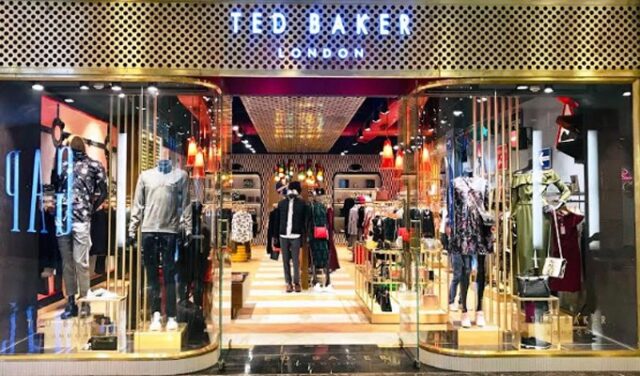
    Ambience Mall, Gurgaon, with some of the biggest food and fashion brands such as H&M, Gap, Zara, Marks & Spencers, Kiko Milano, Luxe Bridge, Iconic, Da Milano, Jack & Jones, Cover Story, Ritu Kumar etc, is the perfect destination for shoppers of all age groups. To augment its standing as the numero uno, two more luxury brands Ted Baker and Hackett London have opened their stores in the mall recently.

    British clothing and accessories brand Ted Baker known for designer apparel and signature tailoring opened its latest store at the Ambience Mall, Gurgaon. The store is equipped with glamorous interiors and tons of charm. The brightly-lit store will house their wide range of both menswear and womenswear. Ted Baker is a mainstay for every stylish wardrobe with a collection of bright dresses, tops, menswear, luxe accessories and add-ons.

    Located adjacent to the Ted Baker store, Hackett London is a multi-channel British menswear retailer, specialising in vintage clothing for men. As the official couturier for the British Army Polo team, the Henley Royal Regatta, the BAFTA awards and Aston Martin Racing, Hackett London is steeped in Britain’s rich sartorial heritage. With a wide repertoire of fine casual and formal clothing the store is a niche addition to the malls offering.

    Speaking on the store launch, Arjun Gehlot, Director, Ambience Malls, said, “We are delighted to have some of the best international fashion luxury brands Ted Baker and Hackett London in our mall. This is part of our commitment to offer International and Domestic premium quality brands to our customers under one roof. We will continue to bring best quality brands in the future as well.”

    The Ambience mall with the best offers in shopping, entertainment and culinary offering under its roof is the definitive favorite of shoppers looking for premium international and domestic brands. With an eclectic mix of top international and Indian clothing brands to cater to all age groups, wide array of entertainment options and unique decorative concepts that is constantly refreshed in-tune with changing seasons and festivities, the Ambience Mall, Gurgaon has indeed cemented its place as the perfect destination for shopping enthusiasts and thrill seekers in Delhi-NCR.

  • Rolls-Royce to bring limited-edition model to Korea

    Rolls-Royce to bring limited-edition model to Korea

    Rolls-Royce Motor Cars, the luxury car brand under the BMW Group, said Wednesday it will introduce one of its 35 limited-edition Silver Ghost Collection models in South Korea this month. Rolls-Royce made the limited edition cars to pay homage to the original Silver Ghost from the early 1990s. The car makes use of real silver accents in its interior and exterior to set it apart.

    The forest green-colored limited version to be sold in Seoul carries the phrases “Silver Ghost Since 1907” and “Silver Ghost Collection – One of Thirty-Five” in the car’s interior, the company said in a statement.

    Rolls-Royce began selling its vehicles in Korea 15 years ago. Its current lineup includes the Phantom, Ghost, Wraith, Dawn and Cullinan.

    In 2018, the carmaker sold 123 Rolls-Royce vehicles in Korea, up 43 percent from 86 a year earlier, according to the Korea Automobile Importers and Distributors Association.

    Prices and other details were not provided for the limited-edition model.

  • From bikes to phones, ‘Made in Vietnam’ grows with foreign help

    From bikes to phones, ‘Made in Vietnam’ grows with foreign help

    Vietnamese companies are branching out into new areas, in line with the government’s goal of establishing the country as a manufacturing powerhouse by 2020. Real estate conglomerate Vingroup has started manufacturing electric motorbikes and smartphones and is set to enter the car industry in June. VinFast, a Vingroup unit, began selling its first electric motorbike in November. Designed in the mold of Italy’s Vespa, the Klara is a stylish, well-manufactured bike that can cover up to 80 km on one charge.

    Klara, like many other domestically made products, however, remains heavily dependent on foreign parts and technologies. While the collaboration with companies such as BMW, Robert Bosch and Siemens enabled Vingroup to bring the Klara to the market in just over a year after announcing plans to expand into motor vehicles, it reflects the long path the country has to travel before becoming a full-fledged industrial power.

    A group of 20 European businesses are helping Vingroup produce the bike, and around 200 German engineers are currently working at Vingroup’s plant in the northern city of Haiphong. Klara offers a glimpse into the type of outside assistance that will go into building the country’s first national car, which the company plans to launch in June.

    Some of the company’s cars will be based on a small vehicle produced by Germany’s Opel and use chassis provided by Western makers, according to local media. An Italian design studio that has worked for Ferrari and other European marques is in charge of designing VinFast cars.

    Most of the parts have to be imported, as the country lacks a developed car manufacturing supply chain.

    Vingroup’s foray into the smartphone market is also supported heavily by foreign manufacturers.

    The conglomerate has teamed up with Spanish maker BQ to launch its Vsmart model, and its smartphone plant has started operation, also in Haiphong.

    Vingroup has enlisted the help of Qualcomm and Google for its smartphone business.

    Vietnam’s first domestically made smartphone, the Bphone, was launched in 2015 by software developer Bkav and was also largely made up of components supplied by foreign makers. Its liquid crystal display, for instance, came from Sharp and its chips from Qualcomm.

    In October, Bkav put the third-generation model of the Bphone on the market.

    Truong Hai Automobile, also known as Thaco, a contract manufacturer for Mazda Motor and Kia Motors, started selling Vietnamese-made agricultural machinery in 2018. The company, which has entered a technological tie-up with South Korea’s LS Mtron, reportedly makes equipment mostly with imported parts.

    The government is seeking to develop a cycle of domestic manufacturing, hoping that sales of locally made products will help its industries climb up the technology ladder and create employment.

    It is understood that a variety of tax and other incentives are being extended to Vingroup and other companies that are cooperating with state efforts to promote domestic production.

    Some analysts, however, have questioned the sustainability of this approach.

    “What Vietnam needs to do is to accelerate technology transfers to small and midsized companies for long-term development, instead of providing special incentives to specific large companies,” said a Hanoi-based Japanese consultant.

    In addition, the “Made-in-Vietnam” label has yet to win over consumers, according to Cao Thi Khanh Nguyet at the Asia Pacific Institute of Research, and manufacturers need a well-designed brand strategy to establish a solid presence in the market.

    Samsung Electronics, which operates two massive manufacturing plants in the country, controls 40% of its smartphone market. Many consumers also opt for Japanese, Thai and South Korean products when it comes to food and daily goods.

    Manufacturers in emerging markets often look to foreign powerhouses for support in accelerating their growth and evolution.

    Generally, industries begin the shift toward domestic production after they have acquired sufficient expertise and built up a dependable network of domestic suppliers.

    Some analysts say that Vietnam’s push to establish full-fledged domestic production by 2020 is too ambitious. But the blueprint has been in place for years.

    The 2020 target was first proposed at the ruling Communist Party’s National Congress in 1996. Two decades later, in 2016, the party reiterated its pledge to make the country a modern industrialized nation, despite widespread expectations that the plan would be abandoned.

    Vingroup chose Sept. 2, 2017 to announce its entry into automotives. It was no coincidence, falling on National Day, when the Vietnamese commemorate Ho Chi Minh’s 1945 declaration of independence.

  • AirAsia X Wants To Launch Flights From The US West Coast To Japan

    AirAsia X Wants To Launch Flights From The US West Coast To Japan

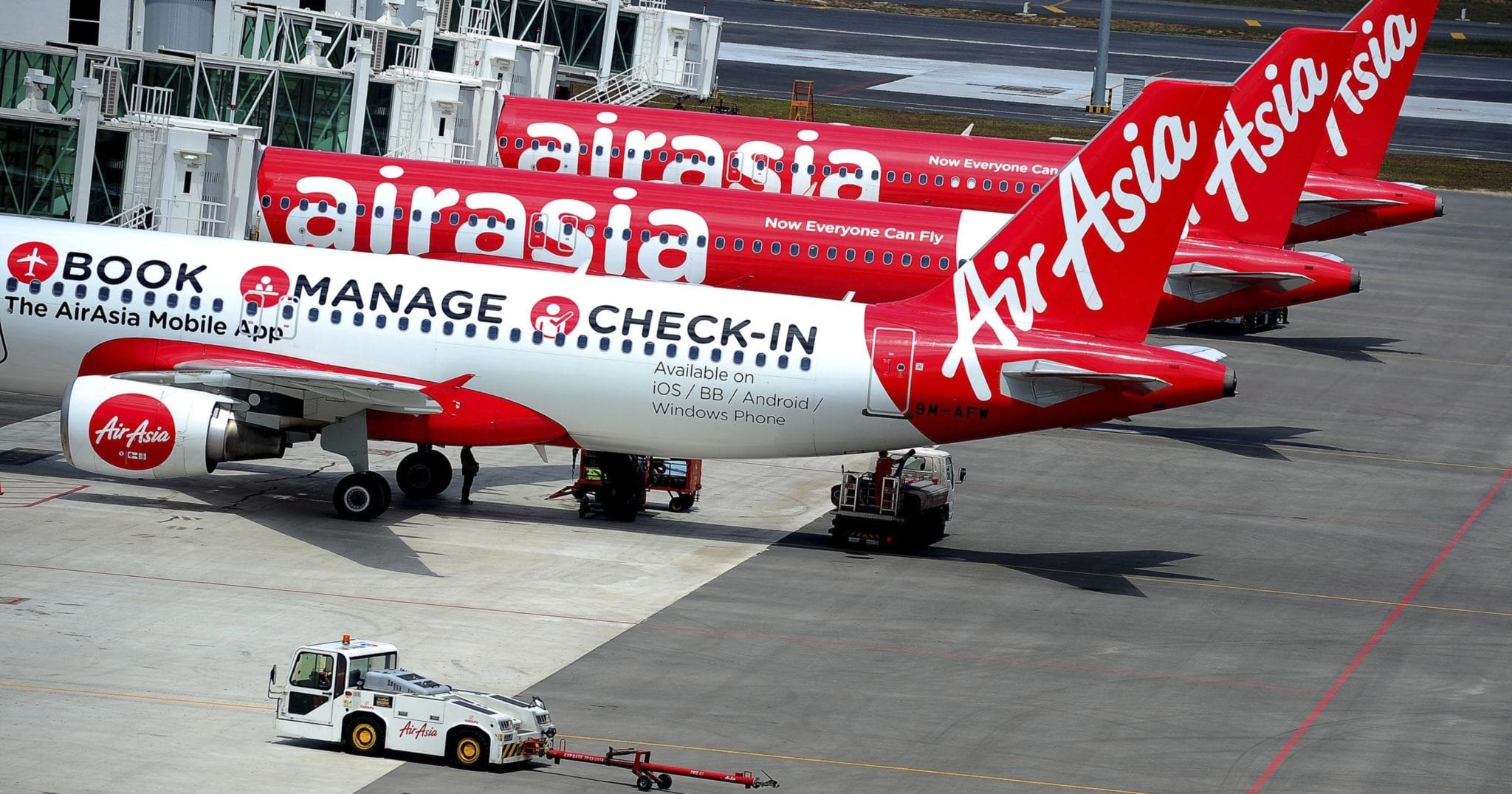
    Air Asia is the world’s largest and best low-cost carrier (They have won awards for the last 10 years). Air Asia X, their low-cost long haul carrier has built a route network spanning from the middle east to southern Australia. But many people in the US have never had a chance to fly on Air Asia, as the name would imply, have only ever been centered around South East Asia.

    Could Air Asia X routes from Japan to the US West Coast work?

    In a massive new rumor, Air Asia might be starting direct routes between Japan and the US West Coast onboard their fleet of brand new Airbus A330-900 aircraft. As none of the 66 new aircraft on order have been delivered yet, Air Asia X has been reluctant to place address the theory. They are however one of the first airlines to order the aircraft, and as deliveries have begun, we expect news sometime this year.

    Previously, the current fleet of older A330-300s has only been able to reach as far as Hawaii from Osaka, Japan (their range is 6,350 nmi (11,750 km)), limited by their ability to cross the Pacific ocean.

    But these new A330neo aircraft, with a range of 7,200nmi (13,334km), allow Air Asia X to reach destinations like Los Angeles and San Fransisco. This opens up a huge potential market for the company, and on the flip side, a cheap (and good) way for American’s to access Japan, and through transfer, South East Asia.

    What is the service like on Air Asia X?

    Whilst there has been no information yet on the fit out of the new Airbus A330-900 aircraft, we can hazard a guess based on their current A330-300 jets.

    There are three classes on board, a ‘premium’ business light class, a quiet zone and a normal economy class. There are also exit row seats scatted throughout.

    The business class features “flat beds” (They do not go entirely 90 degrees flat, but are more around 70-80 degrees), as well as included entertainment (via tablet), baggage allowance and food and beverages. They have around 60 inches of pitch and are 20 inches wide.

    There is every possibility that AirAsia will upgrade the seat truly lie flat in their newer aircraft.

    The quiet zone on board is a section of economy row seats at the front of the economy section that only allows adults and forbids loud noise. The economy section is laid out in a 3 by 2 by 3 configuration.

    Naturally, as it is a low-cost carrier, passengers will need to budget for seat selection, baggage, food and bring their own entertainment. The economy seats have 32 inches of pitch and are 16 1/2 inches wide.

    The real win, however, is the cost. Typically you would be looking at around $1000 USD return in economy to fly from Los Angeles to Osaka. Air Asia typically offers premium business for the cost of an economy ticket (which is well worth the upgrade) and economy for dirt cheap prices (through economies of scale). It is very likely that Air Asia will instantly undercut the market on these routes and be the cheapest to fly.

  • MAHB turned down our offer for mediation, says AirAsia

    MAHB turned down our offer for mediation, says AirAsia

    Air Asia has claimed that Malaysia Airports Holdings Berhad (MAHB) has turned down their offer of mediation, in a letter sent by the airport operator’s lawyers. The airline said that in an attempt to resolve the parties’ ongoing dispute over passenger service charges at  Kuala Lumpur International Airport 2 (klia2), they had proposed mediation to MAHB.

    “We regret that MAHB has refused AirAsia’s olive branch to resolve outstanding issues between us through mediation, particularly in light of MAHB’s recent statement that it is ‘optimistic that these matters can and will be resolved’,” said AirAsia Malaysia CEO Riad Asmat in a statement on Wednesday (Feb 6).

    “We will seek guidance from Malaysian Aviation Commission (Mavcom) on the next steps to address this situation. However, we reserve our rights to take all necessary actions to protect the interests of our guests and shareholders,” added Riad.

    Under the Malaysian Aviation Commission (Mavcom) Act 2015, MAHB and airline operators have an obligation to mediate any dispute, and legal action may only be used as a last resort when other efforts have failed.

    Last month, the budget airline sought more than RM400mil in counterclaims against MAHB in response to a suit filed by the airport operator last month over airport taxes.

    The counterclaims were for losses and damages experienced by AirAsia and its long-haul sister airline, Air Asia X Bhd, due to alleged operational disruptions at klia2, the airline had said.

    AirAsia claims that it agreed to move to klia2 after the government scrapped the initially approved plans for its own low-cost terminal in Labu, Negri Sembilan in 2008 following MAHB’s claim that it could build a similar terminal closer to KLIA with the same facilities and charges at the former Low-Cost Carrier Terminal (LCCT).

    The airport tax in klia2 was increased to RM73 from RM50 for non-Asean international passengers.

    Domestic passengers were not spared from the increase and now have to pay RM11, up from the previous RM6.


  • DHL Expands Green Fleet With New Electric Delivery Vans

    DHL Expands Green Fleet With New Electric Delivery Vans

    DHL Express is rolling out a new fleet of 63 electric delivery vans in the United States as part of the German company’s goal to reduce logistics-related emissions to zero by 2050. Thirty battery-powered NGEN-1000 vehicles from Workhorse Group will be deployed in San Francisco with the remainder in other unspecified markets around the country later this year.

    The new vehicles have a range of 100 miles and 1,008 cubic feet of cargo capacity.

    DHL said its delivery fleet in the United States already includes electric, hybrid-electric, compressed natural gas and clean diesel-powered vehicles. The company has set a target of operating 70% of first- and last-mile delivery services with what it considers “clean transport” modes by 2025.

    “This year alone, nearly 30% of our new vehicles will be alternative fuel,” said Greg Hewitt, CEO of DHL Express U.S. in Plantation, Fla. “We’re excited about the technologies that continue to emerge in this area and how they are benefiting the logistics industry.”

    Workhorse Group launched commercial production of the NGEN-1000 and three smaller-capacity electric cargo vans in October 2018.