Tag: asia

  • Vietnamese startup launches platform for hiring blockchain talents

    Vietnamese startup launches platform for hiring blockchain talents

    Getdone is a platform that connects blockchain talents, who can work as full-time employees or freelancers, to global clients in blockchain industry. This platform is the universal version of freelancerviet.vn, a leading freelancer platform in Vietnam. It lists 300,000 freelancers in various categories, with a focus on blockchain and AI technology. Getdone provides innovative solutions based on a combination of the two emerging technologies to improve security and payment speed, transaction fees and reliability of talent profiles and overcome the language barrier.

    In Vietnam, the number of job searches related to cryptocurrency and blockchain doubled in 2018. However, blockchain engineers and developers currently account for only 2-5 percent of the IT workforce, according to TopDev’s annual report last August.

    Upwork’s newest quarterly index of the hottest skills in the U.S. freelance job market ranks blockchain first out of 20.

    For this reason, Getdone entered the market with the mission to be a part of the solution of hiring blockchain talent including engineers, developers, and others.The shortage of blockchain developers continued in the fourth quarter of last year even as blockchain products doubled. The demand for employees in blockchain is so high that employers and clients need to find ways to work around a shortage.

    The smart contract on the Getdone platform cuts off third parties’ intermediary role to reduce commissions and ensure security and quick payment.

    Besides, AI technology with self-recommendation function based on automatic data analysis will help connect clients and qualified job seekers.

    AI also proposes an average budget for a project to help clients understand reference budgets when they need to hire blockchain talents, and an average rate per hour of work based on a candidate’s profile.

    It will create a standard framework for the freelance job market, avoid devaluation and protect the benefits of both blockchain talents and clients.

    The new-user-support tool will help new applicants find jobs more easily through the test system. A new talent who joins the site and gets a high-test score will still get a job despite having no previous work history on Getdone.

    Getdone will provide a live language translation tool to break the language barrier and help talents work across the world. Getdone accepts payments in more than 20 cryptocurrencies and foreign currencies.

    A hedging mechanism helps stabilize the value of cryptocurrencies used at Getdone. When choosing a talent, the company deposits a sum of money with the crypto token by the time talents complete their work within a few days to several months.

    In 2018 freelancerviet won Ho Chi Minh City’s Best Innovation Project award and the Asian Rice Bowl Startup Award in the Best AI and Machine Learning Application category from NEF (New Enterprises Foundation) and MaGIC (Malaysian Global Innovation & Creativity Center).

    Getdone is also one of three Vietnamese representatives to beat thousands of competitors from across the world to qualify for the Elevator Pitch Competition, a global contest organized by the Hongkong Science and Technology Center.

  • Foot Locker buys out Goat Group stake

    Foot Locker buys out Goat Group stake

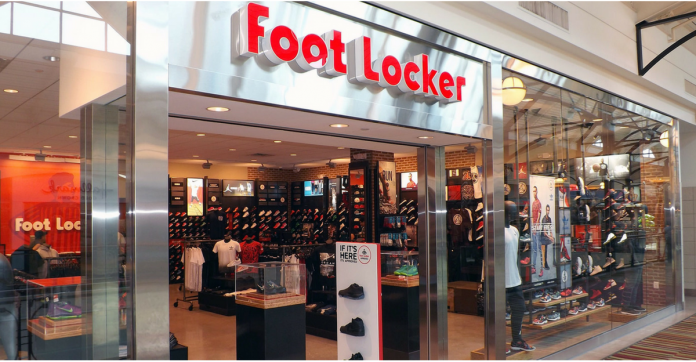
    Specialty athletic retailer Foot Locker is making a US$100 million strategic minority investment in Goat Group, a managed marketplace for authentic sneakers operating the Goat and Flight Club brands. The partners expect to make joint efforts across digital and physical retail platforms to create exclusive experiences for their customers in an attempt to elevate customer engagement. The investment is also expected to help accelerate Goat Group’s global operations, expanding its omnichannel experience and innovative technologies.

    “At Foot Locker we are constantly looking at new ways to elevate our customer experience and bring sneaker and youth culture to people around the world”, said Foot Locker’s chairman and CEO Richard Johnson. “We are excited to leverage Goat Group’s technology to further innovate the sneaker buying experience and utilise their best-in-class online marketplace to help meet the ever-growing global demand for the latest product.

    “Together, Foot Locker and Goat Group’s shared commitment to trust and authenticity in the sneaker industry will provide consumers with unparalleled experiences and diversified offerings,” said Johnson.

    “In 2015, we pioneered the ship-to-verify model with a mission to bring a seamless and safe customer experience to the secondary sneaker market,” said Goat Group’s co-founder and CEO Eddy Lu. “With more than 3000 retail locations, Foot Locker will support our primarily digital presence with physical access points worldwide, bringing more value to our community of buyers and sellers. Having Foot Locker as a strategic partner will also expand our business as we continue to scale our operations both domestically and internationally.”

    Scott Martin, Foot Locker’s senior VP for strategy and store development, will join Goat Group’s board of directors.

    The Goat Group deal follows Foot Locker’s recent investments in innovative, digital-first companies including leading women’s luxury activewear brand Carbon38; tactical play and children’s lifestyle brand Super Heroic; and footwear design academy Pensole.

    Foot Locker’s investment will bring the total raised by Goat Group to $197.6 million since it was founded in 2015.

  • How technology shape the future of retail in India

    How technology shape the future of retail in India

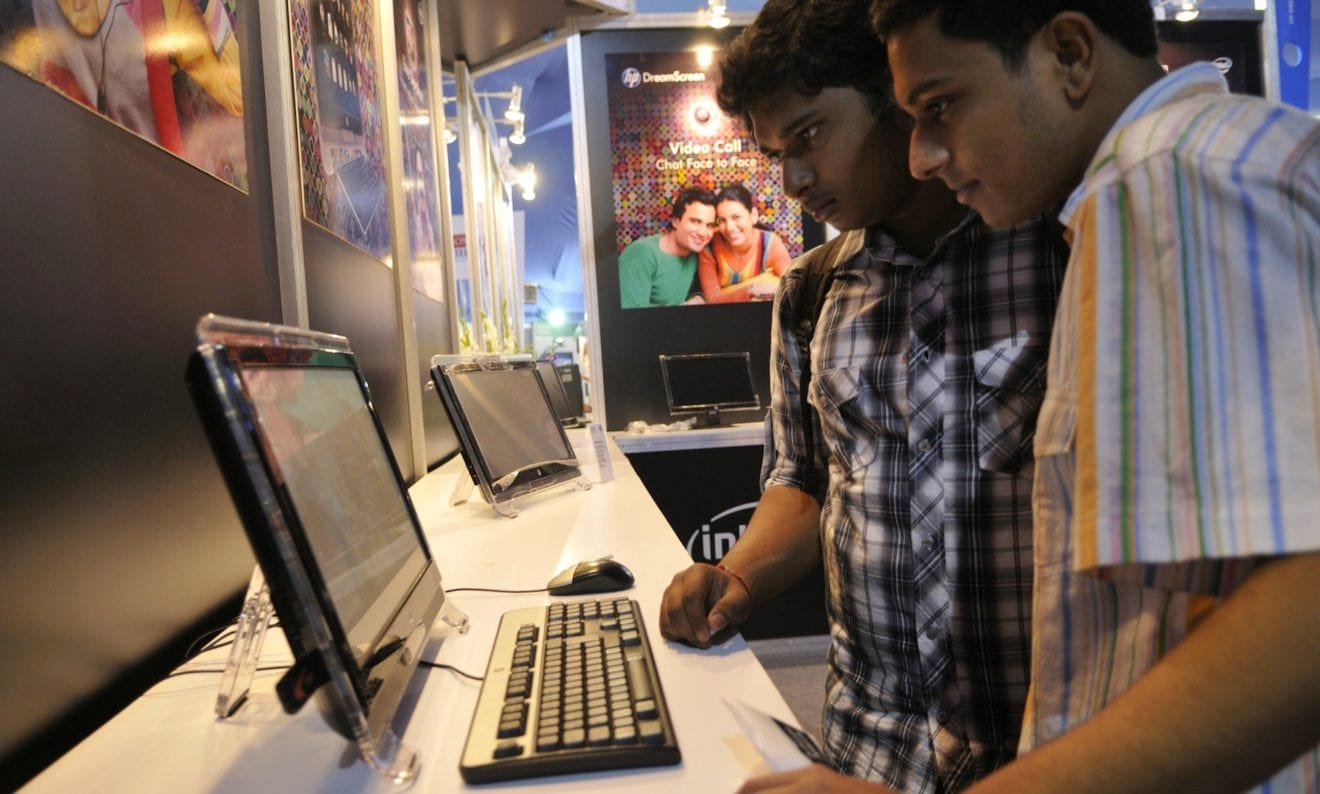
    The Indian Retail Industry is considered one of the fastest growing industries in the world and technology has emerged as a helping hand to the industry. The world has seen a transition in retail planning –with the industry going from being product-centric to being customer-centric – and retailers are leveraging technologies to reach the modern shoppers.

    Over time, retail technology has transcended from an aspiration to an expectation and has wedged itself securely between consumer and experience to create an everyday interface. While it has definitely made life easier for consumers, retailers in India have spent a better part of the last decade on their heels, reacting to profound changes throughout the sectors of the industry.

    Retailers today are not fighting with retailers anymore; instead they’re fighting with different technological interventions in order to be the most competitive in the world. With growing competition, it has become extremely vital for retailers to innovate continuously and implement cutting-edge technologies to fulfil today’s demanding customers’ need.

    In order to stay relevant in a highly competitive market, every retailer needs to stay on top of technological advances and also learn how to exploit these technical innovations to forward their business goals.

    Over the past few years, a number of technology trends have evolved and dramatically altered the retail industry. The emergence and the transformational growth of the new economy has unleashed powerful forces which are eventually and successfully reshaping the retail industry at a transformational speed. In order to succeed, today’s retailers have to offer a seamless shopping experience across all channels – and should not lose track of their customers.

    Today, the entire retail ecosystem has smartened with technology. There are so many things one can experiment with if a retailer uses technology, for example: smart displays, in-store services, smart shelves, home delivery, brand optimization options, supply chain optimization, logistics automation to name just a few.

    Then there are wallets, point of sale data, social networking – where you can home in on complaints as well as get appreciated. All this is driven by the retailer into applications where the consumer sees, feels, asks the retailer questions and eventually buys the product.

    Giant players of the retail industry have accepted technology with arms wide open to captivate and secure customers and have made optimum use of technology to optimize their business. Whereas small retailers, most of them belonging to the unorganized sector, are yet to adopt technology to be adept with the changes and technological innovations taking place in the retail market. If the entire unorganized retail trade, which is 80 percent of the entire retail trade, adopts technology, the retail industry will usher in a new era providing a much-needed thrust to the Indian economy. Technology is the knight on the white horse that will ride the retail market towards prosperity and triumph.

    What took the year 2018 by storm is phrase ‘Experiential Retail’. It became the code of the moment; delivered through convenient accessibility, in-store features, customer engagement through ATL and BTL animation or out-of-the-box blends of the physical and digital shopping universe.

    Some other trends that impacted the retail industry in a big way in 2018 are:

    IoT (Internet of Things)

    IoT has big implications for in-store marketing efforts of retailers and brands. Connected devices aren’t just changing the way consumers live, work and play – they’re dramatically reshaping the entire industry. The IoT movement offers retailers opportunities in three critical areas: customer experience, supply chain and new channels-revenue streams.

    Leading retailers across the globe are already investing heavily in IoT. They are beginning to transform their business practices and recognize that, in time, IoT will touch nearly every area of retail operations and customer engagement. In the IoT of today, everything has the potential of coming under the IOT umbrella. From the lighting system in the store, the PoS (Point of Sales) system, to the electric switches and even garbage disposal units…IOT is at the heart of retail transformation. It connects people, machines, items, and services to streamline the flow of information, enable real-time decisions, and heighten consumer experiences.

    While the IoT may still seem like science fiction, it is becoming reality faster than most of us can comprehend. Retailers that hesitate to develop and execute an IoT strategy will open the door for competitors – old and new alike – to swoop in and capture early IOT mind and market share.

    SMAC (Social, Mobile, Analytics & Cloud)

    The relationship between consumers and enterprises has never been as intrigued as in the 21st century. As digital technologies augmented by SMAC are creating new touch points for enterprises to awe their consumers, there has been an evolution in consumer experiences. Social, mobile, analytics and cloud or SMAC are the nexus of forces, which are reshaping how consumers experience a brand.

    SMAC are currently driving business innovation. It creates an ecosystem that allows a business to improve its operations and get closer to the customer with minimal overhead and maximum reach. Digital is now an essential part of the whole shopping experience and the entire business of retail, inside as well as outside the store. You don’t need to leave a physical store to get your digital fix. Instead, retailers are leveraging a wide array of in-store technologies meant to draw consumers in the door. As the impact continues to increase, the way retailers think of digital and invest in it, besides addressing the digital wants and needs of their customers is changing dramatically.

    Big Data

    Today, retailers are constantly finding innovative ways to draw insights from the ever-increasing amount of structured and unstructured information available about their customers’ behaviour.

    Data gathering, and analytics are playing a key role in evolving business models in retail. Usage of data and analytics to better understand consumers in the form of branding, product management, leveraging loyalty card information to tracking customer buying behaviour and making better pricing decisions are the key factors. Collecting and leveraging customer information to provide personalized recommendations is the norm going forward.

    Retailers – large and small – have been reaping the benefits of analysing structured data for years but are only just starting to get to grips with unstructured data. There is undoubtedly still a great deal of untapped potential in social media, customer feedback comments, video footage, recorded telephone conversations and locational GPS data. Great benefits have come to those who put it to best work, and the best solutions have more likely come from innovative thinking and approaches to analytics, rather than those who simply try to collect as much data as possible and then see what it does.

    Omnichannel Retail Adaptation

    Omnichannel is a term that extends and supersedes multi-channel. Multi-channel (or cross-channel) refers to delivering content and considering consumer experience on more than one channel. Omnichannel is about understanding and optimizing for the entire journey across all channels.

    Omnichannel today is a necessity. Brick-and-mortar retailers have been left with no option but to add online channel to their offline operations in a bid to reach as many customers as possible, and quickly. Omnichannel retailing creates benefits for consumers and opportunities for retailers. For consumers, it empowers connected consumers by making it easier for them to access information and compare product details; by increasing choice; and by increasing convenience and the range of options for shopping. For retailers Omnichannel creates opportunities, ranging from potential extension of sales and increasing brand awareness and loyalty.

    A poorly executed Omnichannel or personalization strategy, however, can do more harm than good. Handling one or two channels discretely but satisfying expectations is better than disappointing your consumers when you fail to deliver added value — or worse still, confuse or frustrate — while tackling all channels. Personalization can be even more dangerous because of very real risks that your brand can be given the dreaded creepy label.

    To be successful at delivering a personalized experience in Omnichannel marketplace, adaptive content is a requirement. It is content that is designed for both personalization and delivery across many channels.


  • Starbucks India to add around 10 stores this fiscal

    Starbucks India to add around 10 stores this fiscal

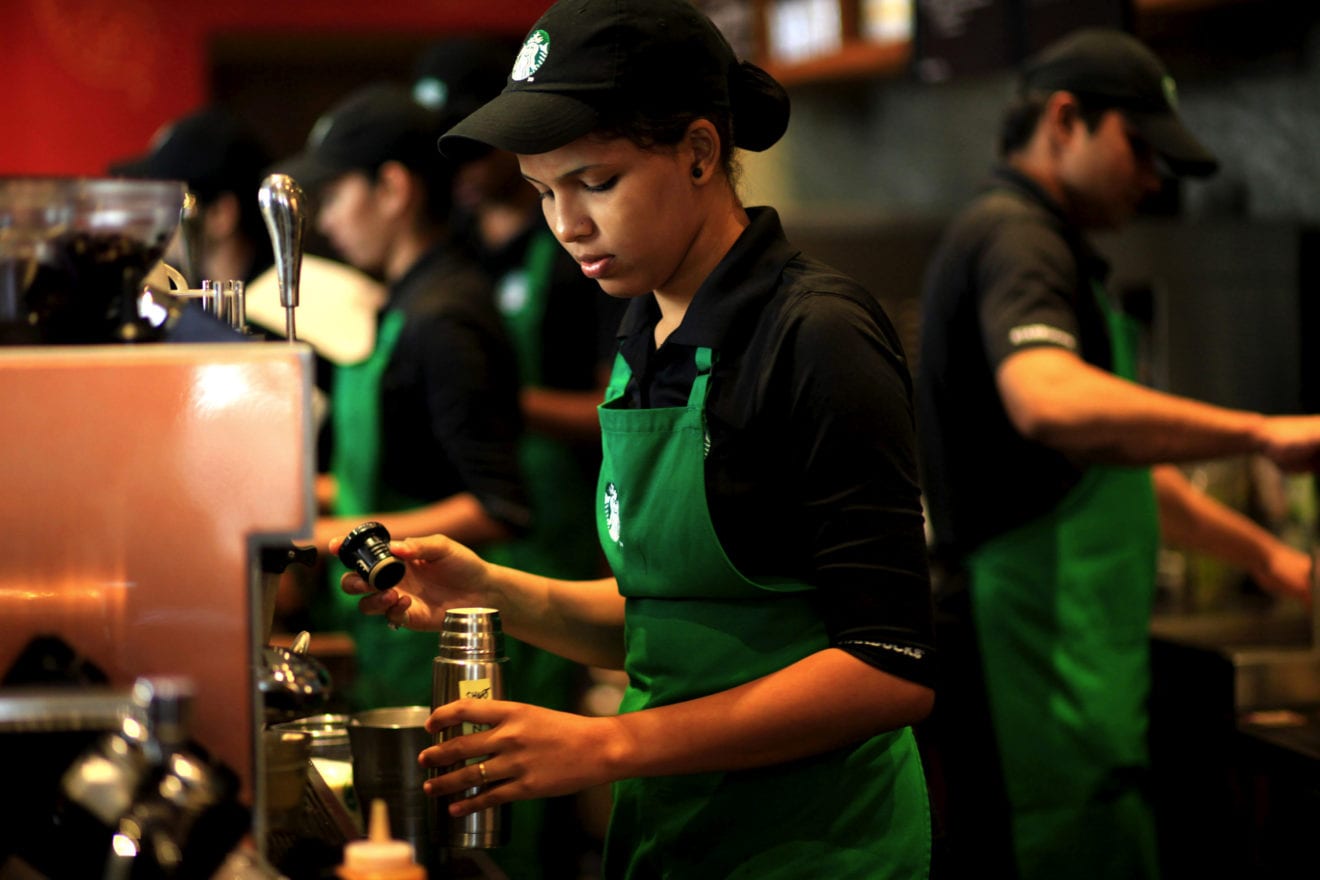
    Starbucks, a 50:50 joint venture between Tata Global Beverages and Starbucks Coffee of the US, is planning to add up to 10 new stores in the next two months, taking the total count to around 145 outlets, said a top company official. According to a report, the premium coffee chain is increasing the number of roll outs as it is getting overall good consumer response, said Tata Global Beverages (TGBL).

    “We currently have around 136 stores and we would open another between 5 to 10 stores by the end of the year (fiscal). We have seen an increase in the store roll out. We look at activating more stores roll out in the next few years, what we have seen in the past,” L Krishnakumar, CFO, TGBL Group said.

    Tata-Starbucks has recently started food delivery through online food aggregator apps like Swiggy.

  • Where will Apple retail chief go after resigning?

    Where will Apple retail chief go after resigning?

    Within hours of the announcement that Apple retail chief Angela Ahrendts was to leave the role in April, speculation was rife as to where she is headed. Ahrendts, who led the fine-tuning of Apple’s retail business for five years after turning around British fashion house Burberry, has a stellar career in the luxury business. Several fashion industry sources have speculated she may be headed to take the helm of Ralph Lauren.

    In a statement announcing the Apple retail chief’s departure, the company said she is leaving the company “for new personal and professional pursuits”. CEO Tim Cook described her departure as “bittersweet”.

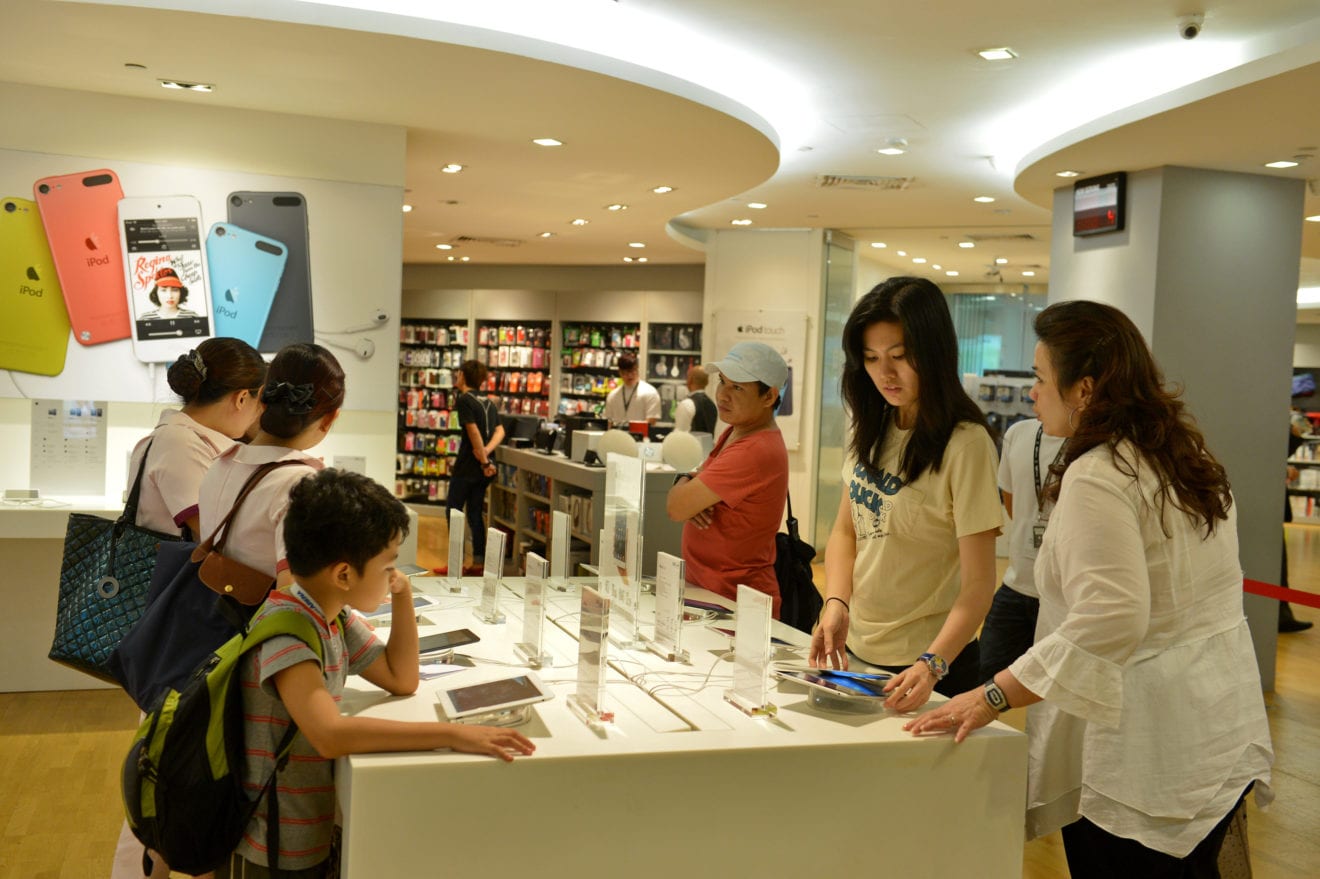
    During her time with Apple, Ahrendts – who was once tipped to take over Cook’s role in the future – has subtly redefined the Apple stores from high-end tech shops into community hubs. She took the renowned Apple Store concept created by predecessor Ron Johnson, dropped the “store” from its title and expanded the network to 506 physical stores and another 35 online.

    “Her vision includes stores as gathering spaces and hubs for creativity,” observed Daphne Howard of Retail Dive.

    “While Johnson is credited with initiating the brick-and-mortar strategy that has been the backbone of Apple’s hardware sales, including minimalist spaces conducive to product demos and customer education, Ahrendts has taken that [a step further].”

    Apple’s retail business will now be overseen by Deirdre O’Brien, the company’s senior VP of people, who will add retail to an already long list of responsibilities including talent development, Apple University, recruiting, employee relations, business partnerships, benefits, compensation and inclusion, and diversity.

    Some might see that as a sign Apple is reducing its focus on its retail business, although O’Brien might be considered something of an Apple acolyte, having been with the company for 30 years.

  • Report urges auto industry to go electric

    Report urges auto industry to go electric

    Korea needs to give equal emphasis to the development of battery electric vehicles and fuel cell cars, considering the estimated future demand and the country’s competitiveness, a report said Thursday. “It’s a well-known fact that our car manufacturers have the mass-production technology for fuel cell automobiles,” the report from the Korea Institute for Industrial Economics & Trade (KIET) said. “However, the accumulated sales of fuel cell electric vehicles (FCEVs) worldwide stopped at 10,000 as of the end of 2018. The demand for fuel cell vehicles in 2030 will be less than 2 percent of the global sales of new automobiles.”

    In comparison, sales of battery electric vehicles (EVs) are estimated to exceed the demand for hybrids this year, 10 years since their commercialization, and show fast-paced growth, the report argued. Global rivals are due to market more than 100 different EV models by 2022, it noted.

    Korea’s high competitiveness in EV batteries is another reason why the government should not neglect investment in electric cars, the report said, warning that the relative weaknesses in the availability of charging stations and other networks could drag down the industry, despite efforts by local automakers to diversify their EV models. The report responded skeptically to the government announcement in December to give 2 trillion won ($1.79 billion) in assistance to reform the car parts industry.

    “If the auto industry, the recipient, is unable to fully accommodate, it could be difficult for the assistance to have the desired effect,” it said.

    The same report predicted hard times ahead for local auto companies, affected by the global slump in the car industry.

  • The cartoon cafe opens in South Korea

    The cartoon cafe opens in South Korea

    The interior of Cafe Yeonnam-dong 239-20 in Seoul, South Korea makes customers feel as though they’ have stepped into a cartoon world. Most cafe owners know it takes more than just great coffee to create a successful business. From an Instagram-worthy Wes Anderson-esque cafe in the Philippines to a coffee shop shaped like a Rolleiflex camera in South Korea, a space’s design is key to drawing in customers.

    One cafe to have recently received hype for its novelty interior is Cafe Yeonnam-dong 239-20 in Seoul. The eatery created an incredible space that makes customers feel as though they’ve stepped into a cartoon world.

    The artistic, monochrome design was inspired by Korea’s hit TV show, W by Lee Jong-suk and Han Hyo-joo, in which the characters clash between “two worlds”—the real world and a fantasy world inside a webtoon.

    The design of Cafe Yeonnam-dong 239-20 creates a 2D optical illusion, which makes customers feel as though they’ve crossed dimensions into a comic book illustration.

    When visitors step through the door, they’re greeted with black and white comic strip furniture, walls, and floors. Even the mugs, dishes, and cutlery look like flat line drawings.

    It helps that the owners have created a welcoming environment.

    If you want to experience this cafe for yourself, you can find it in the popular Yeonman-dong district in Seoul. If you can’t make it to South Korea, you can still feed your wanderlust by checking out the cafe’s Instagram.

  • F&B outlets get bigger bite in shopping malls Malaysia

    F&B outlets get bigger bite in shopping malls Malaysia

    Shopping malls are now allocating a higher percentage of their tenant mix (more space) to food & beverage (F&B) retailers, partly because competition from online platforms has impacted other types of retailers such as fashion, according to a market research and consulting firm. “Traditionally, F&B made up less than 20% of a mall’s tenant mix, but can go up to 40% nowadays,” Stratos Consulting Group Sdn Bhd managing director Tina Leong said.

    She said with the tenant mix now consisting of more F&B, this means that malls will need to design or renovate in such a way as to cater to the specific technical requirements that F&B retailers have, for example provisions for water, grease traps, storage, waste disposal and daily delivery.

    “F&B as a segment itself has become the anchor for some malls,” said Leong.

    She said malls that have a high F&B tenant mix include the refurbished 3 Damansara (formerly Tropicana City Mall), which now has more F&B compared to before. Similarly, Paradigm Mall in Petaling Jaya has refurbished its lower ground floor, which now consists of more F&B than previously.

    Sunway Velocity Mall general manager centre management Danny Lee said F&B makes up 27% of the mall’s tenant mix currently, and that it is targeting to have F&B reach 30%.

    “Naturally, F&B is doing better compared to others,” Lee said.

    Meanwhile, Leong noted that having more or certain types of F&B can also be part of experiential retailing.

    “For example, people nowadays, especially millennials, appreciate and are willing to spend on meals or drinks with friends and family, within nicer ambience restaurants or cafes, due to the memorable experiences this create.”

    She said to continue to draw shoppers (rather than them shopping online), more shopping malls are looking at creating engaging “experiences” for their customers. Experiential shopping simply means making the physical act of spending money more than simply handing over cash in exchange for goods and services.

    “More grocery stores are incorporating food and wine bars where people can enjoy a meal or a drink as well as a social experience before or instead of shopping,” said Leong, adding that some retailers have also integrated augmented reality into their stores, for example Starbucks Reserve Roastery in Shanghai and US-based fashion brand Reformation.

    Examples of experiential shopping are malls that have attractively themed or landscaped spots on every floor, where one can stop to take photographs with their friends or family, such as Aeon Mall Kuching. Some community malls in Bangkok, Thailand, have incorporated spaces for pet parks, children’s sand pits and jogging tracks.

    “Another recently opened mall, Kiara 163 in Mont Kiara, has incorporated the ‘experiential’ element into their mall design, with a central garden and water features for people to relax. Apart from design features, other ways of creating memorable shopper experiences are through interesting or unique events, activities, decorations, pop-up stores, technological innovations and customer service,” explained Leong.

    She said some of the major major malls have been doing this all along, such as Suria KLCC and Pavilion Kuala Lumpur that usually have attractive and unique festive decorations.

    “What is different is that nowadays, the customer experience aspect is becoming a focal point. It has become more important as malls and retailers try to attract and retain shoppers in the midst of competing options such as online shopping,” said Leong.

  • Shiseido opens a new factory in Fukuoka

    Shiseido opens a new factory in Fukuoka

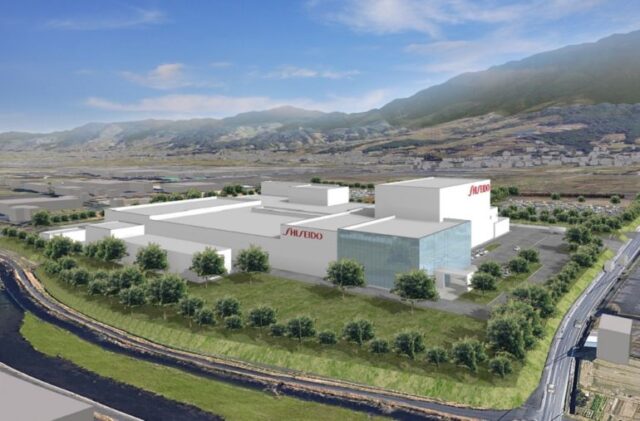
    Shiseido Company, Limited has decided to build a new production site, Shiseido Kyushu Fukuoka Factory in Kurume City, Fukuoka Prefecture, Japan. The new factory, which is slated to start its operation in fiscal 2021, will mainly manufacture skincare products for Japan and overseas markets. The investment is expected to be approximately 40-50 billion yen.

    Shiseido has been making concerted efforts as a whole toward the realization of even greater growth to accomplish the medium-to-long-term strategy VISION 2020 and to “Be a Global Winner with Our Heritage”.

    As part of its production strategy, Shiseido is pursuing the establishment of a supply chain strategy from a global perspective in line with its Group-wide marketing strategy, and progressing in the creation of a flexible operational structure at each of its factories around the globe by taking into account various elements such as costs, lead time, inventories and procurement of raw materials.

    Amid such, the company has concluded that it is vital to establish a stable and sustainable production system from a medium-to-long-term perspective in order to respond to growing demand for cosmetics inside and outside Japan and secure further business growth in the future.

    To this end, Shiseido has decided to build another new factory following Nasu Factory and New Osaka Factory (tentative name) which are currently under construction. Investments in the production base including factories currently under construction, establishment of the new Kyushu Fukuoka Factory and reinforcement of existing factories are expected to exceed 170 billion yen.

    The new factory will focus on the production of skincare products which are growing in demand, and provide safe high-quality products in compliance with ISO 22716 international standards.

    As a next-generation factory, it will utilize cutting-edge facilities and advanced technologies such as IoT in the creation of innovation. Furthermore, through the inheritance of long-standing production technologies and expertise which are Shiseido’s strength, we will realize the new factory as people-friendly with high productivity.

    It will operate in an environmentally friendly manner while being able to support our business continuity plan (BCP), aiming to exist in harmony with the surrounding environment including mountains and rivers.

  • Habeco Vietnam reports another year of falling profits

    Habeco Vietnam reports another year of falling profits

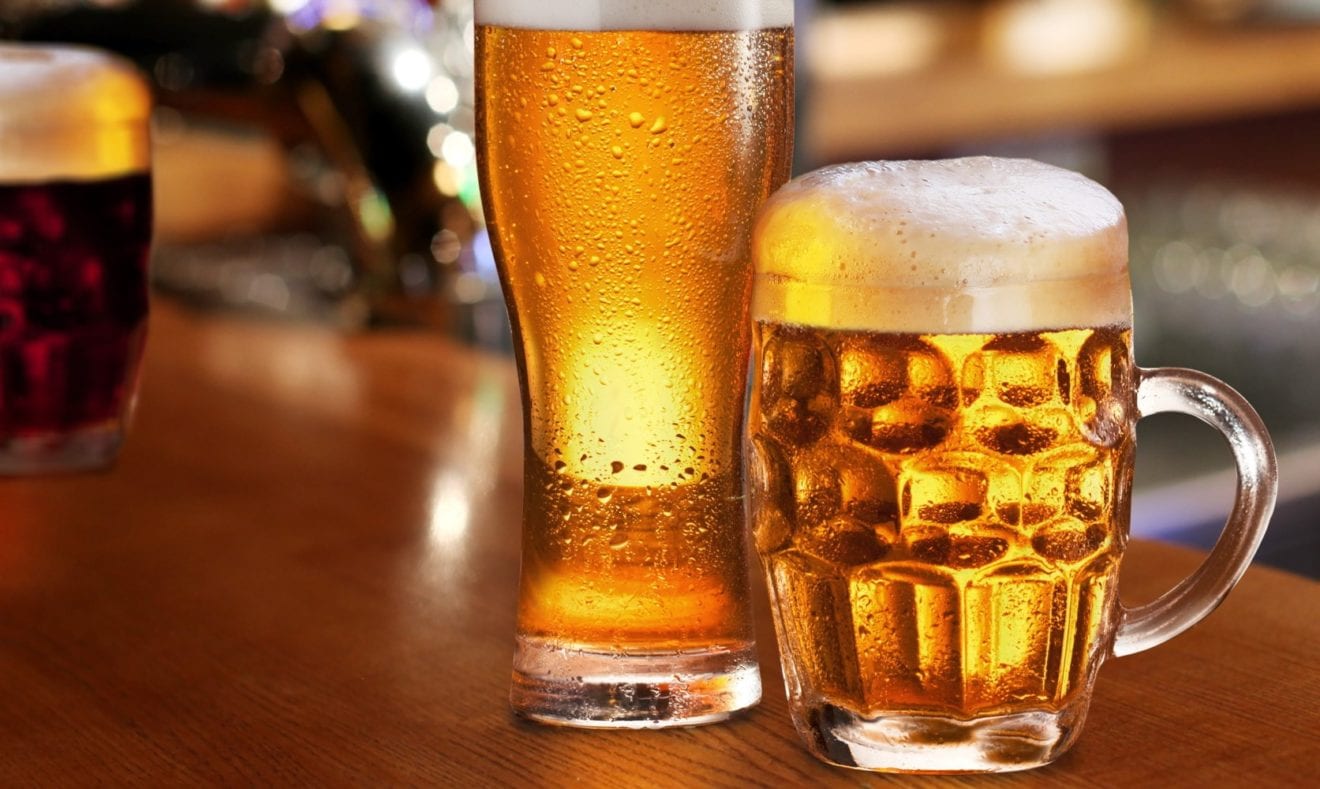
    Habeco’s profits fell by 23 percent last year to VND667 billion ($28.71 million), the fourth straight year of decline. Hanoi Beer Alcohol and Beverage Corp, as it is formally known, one of Vietnam’s biggest brewers, also reported a 5 percent fall in revenues to VND9.4 trillion ($404.67 million). There was a sharp increase in operating expenses, especially cost of sales.

    After falling for four years profits are now less than half of the 2014 figure of VND1.44 trillion ($62.12 million).

    Habeco’s decline is contrary to the general growth trend as Vietnam remains one of Asia’s biggest beer consumers. According to Euromonitor statistics, while global beer consumption volume remains unchanged last year, the figure for Vietnam soared.

    According to data from the Vietnamese Beer, Alcohol and Beverages Association, on average a Vietnamese person drank nearly 45 liters of beer in 2017, an almost 50 percent jump in two years.

    Many securities firms believe that though Habeco still leads the beer market in the north, it faces challenges like changing consumer tastes and competitive pressure from foreign brands. It has only been able to maintain market share in the low-priced segment, ceding ground in the premium segment to brands such as Heineken, Saigon Beer (now a subsidiary of ThaiBev) and other foreign brands.

    Ban Viet Securities Company’s latest data shows Habeco’s share in the beer market has fallen continuously in the last six years, from nearly 20 percent in 2010 to 18 percent by the end of 2017.

    The reason for this is that the low-cost segment, its strength, is shrinking, said the securities company. The cheap beer segment now makes up of only 8 percent of the market compared to 14 percent seven years ago.

    Vietnam is famous for its beer drinking culture, and it is widely believed that business deals go more smoothly over a few drinks.

    The country is the biggest beer market in Southeast Asia, consuming nearly four billion liters in 2017. It spends on average $3.4 billion on alcohol each year, or $300 per capita, while spending on health averages $113 per person, according to the Ministry of Health.

  • Sales of imported vehicles in Korea fell 10 percent in January

    Sales of imported vehicles in Korea fell 10 percent in January

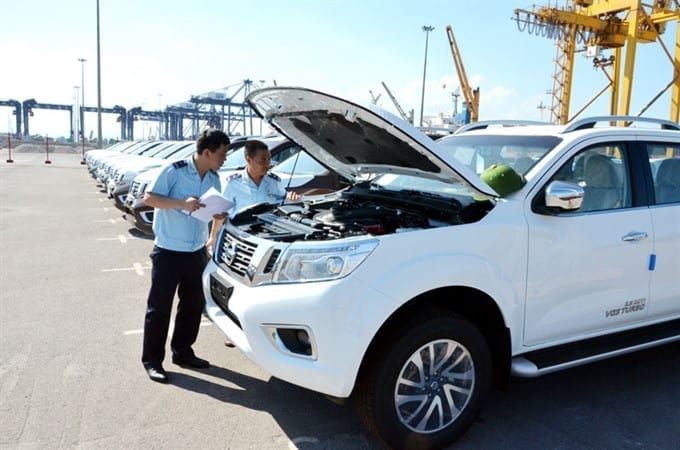
    Sales of imported vehicles in Korea declined by more than 10 percent in January from a year earlier due to typically low seasonal demand and supply shortage of some brands, industry data showed on Friday. The number of foreign cars sold last month reached 18,198 units, down 13.7 percent from a year earlier, according to the data compiled by the Korea Automobile Importers & Distributors Association (Kaida).

    The tally also marks an 11 percent drop from a month earlier, the data showed. In 2018, sales of foreign cars continued to rise, helped by firm demand for foreign brands and the resumption of sales of Audi Volkswagen.

    The number of newly registered foreign vehicles reached 260,705, up 11.8 percent from 2017.

    Foreign passenger cars made up 16.7 percent of all vehicles that were registered in the country last year, shattering the previous record high of 15.5 percent in 2015.

  • China retail earnings up 8.5% during new year holiday – ministry

    China retail earnings up 8.5% during new year holiday – ministry

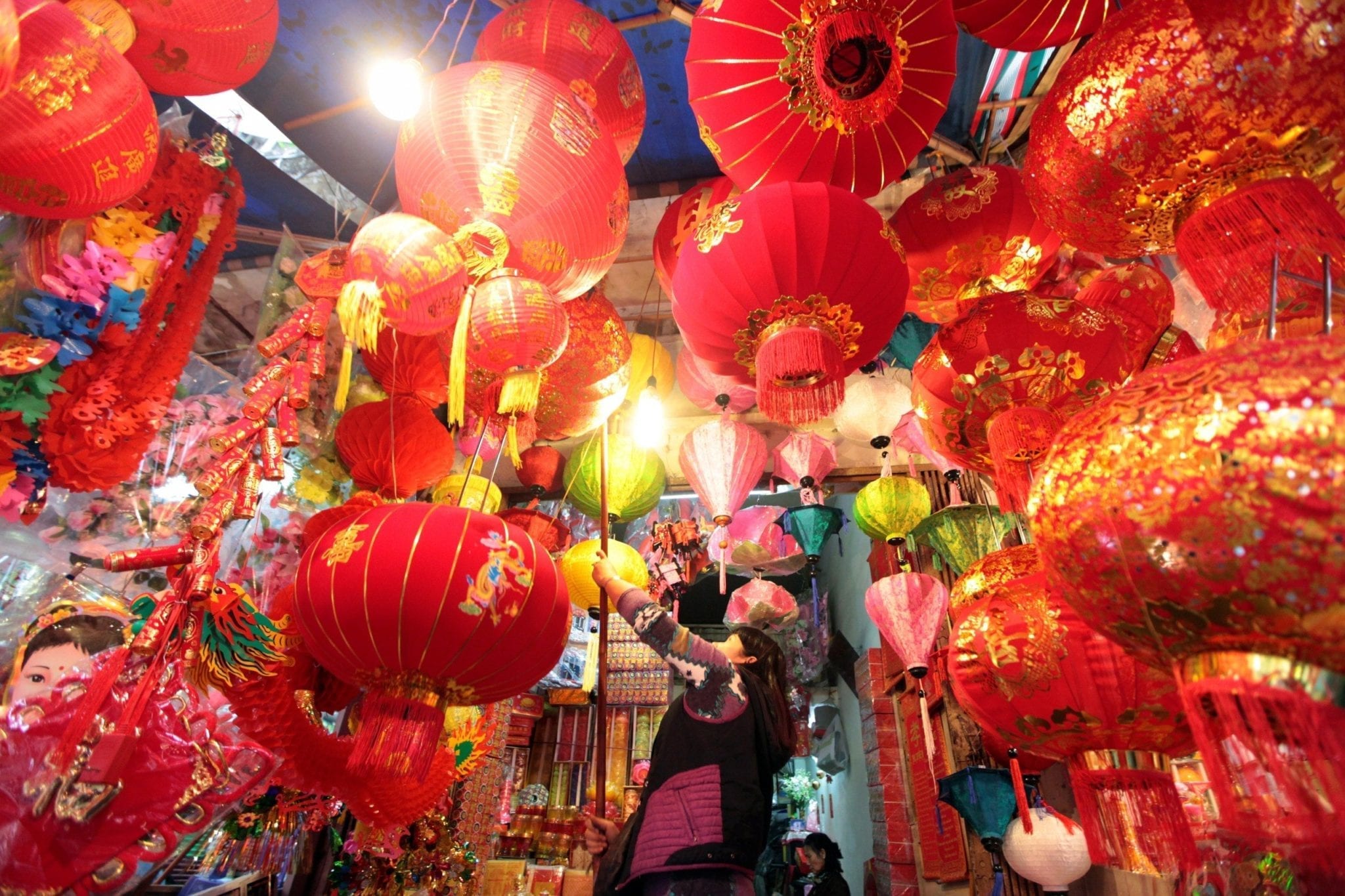
    China’s retailer and catering enterprises earned over 1 trillion yuan ($148.3 billion) during the Lunar New Year holiday, defying an economic slump to rise 8.5% from last year, the country’s commerce ministry said late on Sunday. The increase was down to the rapid growth in sales of new-year gifts, traditional foods, electronic products and local speciality products over a six-day holiday period ending on Saturday, the Ministry of Commerce said in a notice on its website.

    Domestic tourism during the new year break generated total revenues of 513.9 billion yuan, up 8.2% on the year, with the number of trips rising 7.6% to 415 million, the official Xinhua news agency said on Sunday, citing official data. ($1 = 6.7426 yuan)

  • More about Japanese label HYKE

    More about Japanese label HYKE

    HYKE enjoys a massive following in its native Japan, slowly developed since its inception in 2013. Over the past six years the label, led by married designers Yukiko Ode and Hideaki Yoshihara, has cultivated a horde of Japanese devotees attracted to HYKE’s neutral color palettes, tweaked militaria and effortless elegance. This following has garnered stockists that include some of the nation’s largest department stores, like Isetan, UNITED ARROWS and the Japanese branch of Barneys New York.

    Despite the independent brand’s commercial and critical success in Japan, HYKE remained an obscurity to even the most fashion-savvy shoppers outside of Asia. That was until the brand’s collections with The North Face received such international acclaim that the partners created a dedicated Instagram page and website exclusively for the ongoing collaboration.

    Behind the covetable technical collaborations, however, the underappreciated Japanese label has quietly advanced its singular vision with a laser focus.

    In 1997, Ode and Yoshihara launched a vintage clothing store, dubbed “bowls.” “We would go buy only the best clothes overseas and then put our favorite items on display in the shop,” the designers told the Woolmark Company in August 2016. “When we found clothes we liked, we didn’t want to sell them to anyone else. We decided that we would instead make clothing that contained the essence of what we liked, and that’s how our first brand, green, started.”

    Veterans of two different Japanese fashion schools, Ode and Yoshihara spent time as a stylist and patternmaker, respectively, before opening the store and launching green a year later.

    Guided by the philosophy of beauty through functionality, green offered simple yet thoughtfully-crafted, vintage-inspired womenswear in an era that was not known for understated clothing. Though minimalist fashion is de rigueur now, early 2000s style was rife with loud party dresses, flashy logos and gold accents.

    Thus, green’s fur-trimmed parkas, relaxed denim and muted trench coats seem even more prescient when reexamined 20 years later. A growing demand encouraged Ode and Yoshihara to introduce a brief men’s offering alongside the more expansive womenswear line, eventually taking green to the runway for the label’s final season, Spring/Summer 2009.

    Following green’s tenth anniversary, Ode and Yoshihara shuttered the label in October 2009; by then green had ballooned from a small side project to one of Japan’s pre-eminent womenswear brands. The couple retreated from fashion altogether, taking several years off to reformat their approach to design and raise their two children. In doing so, the duo shifted bowls from a vintage boutique to a management company before debuting their new flagship label, HYKE, in 2013.

    HYKE thrived almost immediately, thanks to its appreciably clean, minimalistic designs and the accumulated green fanbase. Ode and Yoshihara aim “to evolve fashion history by our heartstrings,” recreating militaristic garments with custom fabrics. Though some clothes sport playful fringe or deep pleats, the basis of each collection remains the same: the couple sources key vintage pieces for inspiration — be it a classic M65 jacket or fishtail parka — deconstructs the garments to study patterns, threads and craftsmanship, before piecing them back together via contemporary pattern-making. Using simple, versatile colors and unparalleled craft, HYKE’s consistently wearable offerings prove reliably popular. This consistent demand encouraged both Mackintosh and adidas Originals to join forces with HYKE in 2014.

    The one-off Mackintosh collaboration yielded a workmanlike approach to reimagining the British heritage brand’s signature outerwear, with HYKE serving up four muted, militaristic iterations of three classic coats for both men and women. Meanwhile, the adidas Originals partnership continued until Fall/Winter 2016, with each season gradually expanding HYKE’s design ethos. A quick comparison of the first drop — minimalist Trefoil hoodies, army green pullovers and velcro-strapped adilette runners — to the final release — monochrome Seeulaters, faux croc skin adidas clutch bags, sporty capes and occasional snakeskin patterns — makes the evolution all the more dramatic. The success of these lines, as well as the continuing growth of the main line, helped Ode and Yoshihara win the 35th Mainichi Fashion Grand Prix in 2017.

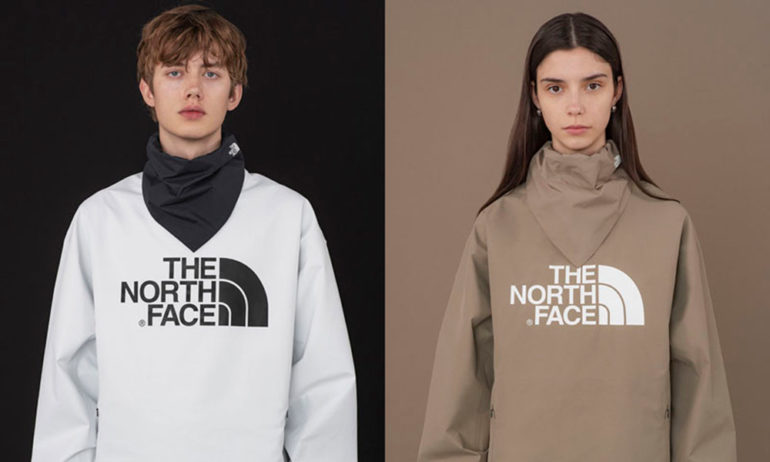
    Both the Mackintosh and adidas collaborations received global releases, but the reception was muted in comparison to HYKE’s headline-stealing collaboration with The North Face. The collection debuted during HYKE’s Spring/Summer 2018 runway, immediately establishing an ideal marriage of HYKE’s minimalist taste with The North Face’s utilitarian gear, informed by the Japanese label’s desire to combine “the functionality of outdoor sports wear with the sensitivity of HYKE.”

    HYKE’s preferred army green, black and white color palette returned for the collection, along with playful snakeskin patterns and signature garments, like the cropped Bolero Jacket and solid-color pullovers. With each collaborative release since that first joint effort, the duo have introduced small expansions to keep the line fresh — oversized pullovers, sock-like sneakers and even menswear — while retaining much of the same elements from past drops. However, The North Face Japan’s complicated licensing prevents the collection from seeing worldwide release, despite the overwhelmingly positive international reception and the recent addition of menswear to the line.

    To make a complex issue very simple: America’s The North Face is a different company from Japan’s The North Face. In 1978, outdoors company Goldwin began distributing The North Face in its native Japan, eventually purchasing the exclusive Japanese (and partial Asian) TNF license from the American branch. This exclusive license still remains in Goldwin’s possession; thus, American The North Face products can’t sold in Japan and Goldwin’s The North Face goods can’t be sold outside of the island nation. Since HYKE x The North Face is produced by Goldwin, that means that distribution will likely never expand beyond Asia, unless the Japanese The North Face strikes a deal with its American counterpart, as Goldwin recently did with THE NORTH FACE PURPLE LABEL.

    Regardless of legal qualms, HYKE maintains a massive following in its native Japan, with a developing influence throughout Asia as Korean and Chinese retailers take note of the brand’s adaptable designs. And more The North Face collections will only aid HYKE in increasing its global presence. Although the license quagmire will keep those collaborations from being sold overseas, HYKE could potentially bring its in-house creations abroad. If savvy Western retailers snap up the Japanese brand’s minimalist wares, it may open the floodgates for future expansion — possibly even bending the rules for The North Face.

    After six years back in fashion, Ode and Yoshihara remain unflinching in their dedication to realize the identity they established with the launch of HYKE. With no desire to cut corners (or prices) on its detail-oriented Japanese expertise, the designers are in no hurry to broaden its global footprint, or even create a proper menswear offering. Next up for the brand? Perhaps HYKE will finally open a Japanese flagship store, a hard-won focal point in service of clientele who appreciate the label’s unwavering commitment to independence.

    HYKE x The North Face Spring/Summer 2019 drops February 6 exclusively at The North Face Futakotamagawa and Isetan Shinjuku before hitting other Japanese TNF outposts on February 16.

  • Unit price of exported automobiles in Korea up on SUV sales

    Unit price of exported automobiles in Korea up on SUV sales

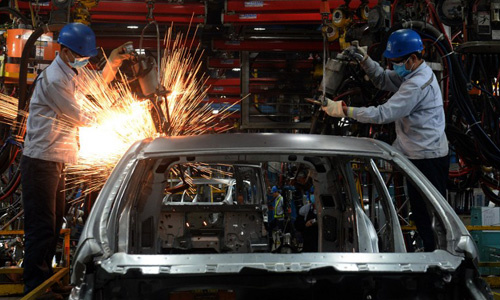
    The average unit price for exported automobiles last year reached a record high of $15,400, pushed up by the strong performance of sport-utility vehicles (SUVs), according to industry statistics Thursday. Monthly data from the Korea Automobile Manufacturers Association (KAMA) put total exports by five local carmakers last year at 2,447,903, down 3.2 percent from the previous year. The monetary sum from the shipments came to $37.68 billion, 1.6 percent less than the year before.

    Despite decreases in both, the unit price of each exported vehicle remained strong thanks to exports of relatively more expensive SUVs, the data indicated, increasing 1.6 percent from 2017.

    Local manufacturers shipped 1,386,539 SUVs last year, up 6.7 percent compared with the year before, setting a new record.

    “The export volume for vehicles shrank from dulled demand in the global market, but it’s fortunate that the export-unit price rose from increased shipments of high value-added cars,” a KAMA official said.

    By manufacturer, Renault Samsung Motors had the highest unit price, at $17,100.

    It was followed by SsangYong Motor, at $17,000. The unit price was $16,200 for Hyundai Motor, $14,900 for Kia Motors and $13,400 for GM Korea.

    Records showed that the unit price rose up to the mid-2010s, rising from $12,000 in 2010 to $14,800 in 2014.

    It pivoted down to $14,200 in 2015 and stayed in a lull in 2016 at the same level before going back up to $15,000 in 2017.

    In terms of export volume, the numbers have been going down since peaking at 3,166,000 in 2012.

  • Axiata’s share price falls 4.87% on RM2.16b tax bill

    Axiata’s share price falls 4.87% on RM2.16b tax bill

     Axiata Group Bhd’s share price fell 4.87% at mid-day after the group and its majority owned subsidiary Ncell Pte Ltd were ordered by the Nepal Supreme Court to pay capital gains tax of 61 billion Nepalese rupees (RM2.16 billion) for the Ncell buyout deal. At 12.30pm, Axiata was the eighth loser on Bursa Malaysia, trading at RM3.71 with 7.03 million shares changing hands.

    The Himalayan Times yesterday reported that Axiata had been hit with the tax bill, which excludes late fees and fines, for its US$1.36 billion purchase of Reynolds Holdings Ltd, which has 80% stake in Ncell, in 2015.

    The publication cited the Nepalese Large Taxpayers Office chief as saying it would only initiate the process of collecting the tax amount once it gets a copy of the tax verdict.