Tag: asia

  • Dapper Dan is holding Gucci accountable for controversial “blackface sweater”

    Dapper Dan is holding Gucci accountable for controversial “blackface sweater”

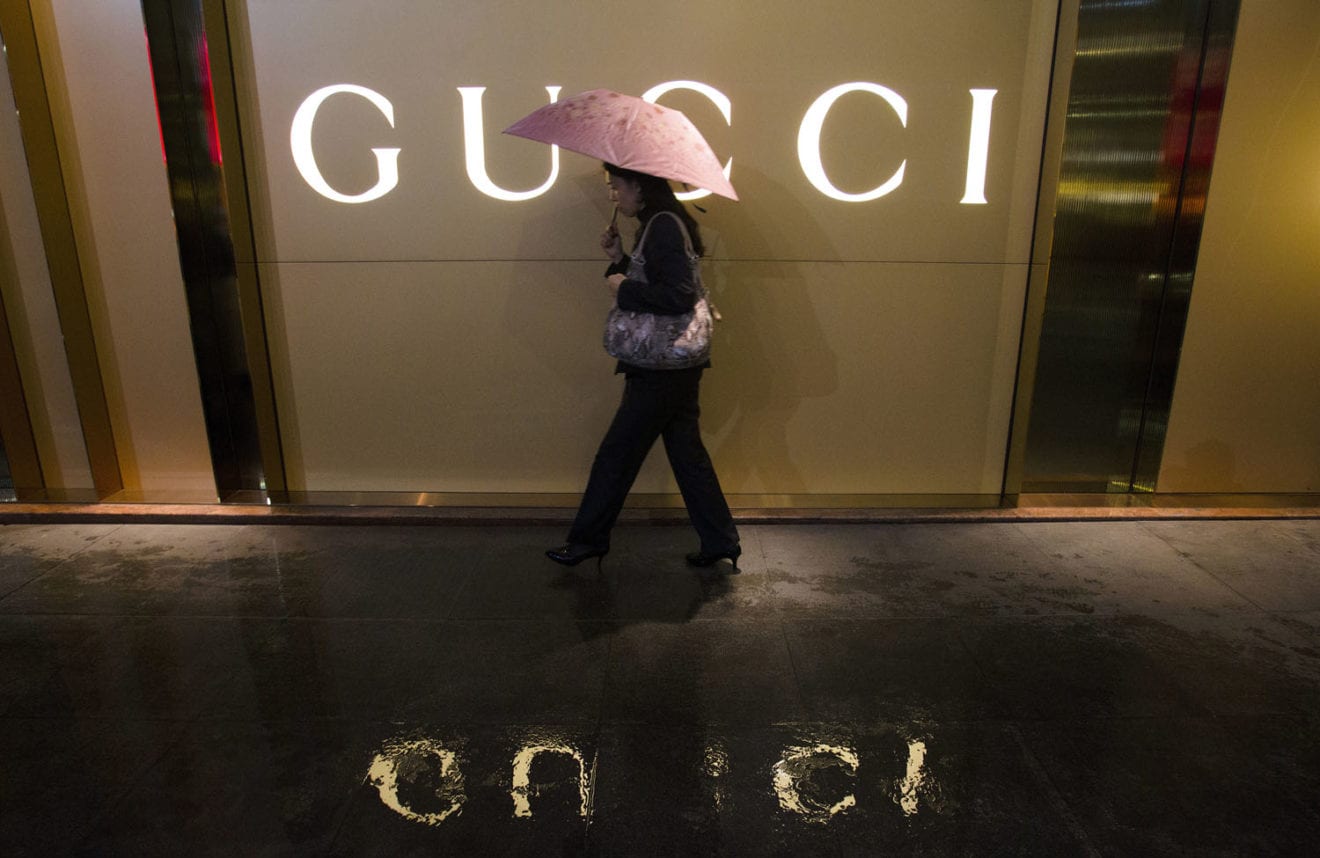
    Renowned Harlem fashion designer and tailor Dapper Dan’s relationship with Gucci through the years has been a rocky road. After gaining notoriety for knocking off the Italian house’s logo in his designs throughout the ’80s and ’90s, the tables turned in 2017, when Alessandro Michele was taken to task for knocking off one of Dap’s designs in his Cruise 2018 collection.

    However, all’s well that ends well: Both parties made peace and began working together. Not only did Dapper Dan collaborate with Gucci on a vintage hip-hop-inspired capsule collection and lookbook, the Kering-owned luxury label underwrote his brand new studio and atelier in Harlem, also making him the face of a special tailoring campaign.

    As lovely of a story as this is, it might not wind up with a happy ending. Just last week, Gucci apologized for (and pulled from shelves) an $890 sweater that resembled blackface. After several days of impassioned conversation among fans on social media, the brand released a statement, saying: “Gucci deeply apologizes for the offense caused by the wool balaclava jumper … We consider diversity to be a fundamental value to be fully upheld, respected and at the forefront of every decision we make. We are fully committed to increasing diversity throughout our organization and turning this incident into a powerful learning moment for the Gucci team and beyond.”

    While acknowledging the misstep and the need to prioritize diversity is a step in the right direction, the situation did not sit well with Dapper Dan. On Sunday, he posted a statement of his own on Instagram, insinuating that his partnership with Gucci may be on thin ice. “I am a Black man before I am a brand,” he wrote. “Another fashion house has gotten it outrageously wrong. There is no excuse nor apology that can erase this kind of insult. The CEO of Gucci has agreed to come from Italy to Harlem this week to meet with me, along with members of the community and other industry leaders. There cannot be inclusivity without accountability. I will hold everyone accountable.”

    Gucci made a concerted effort to make things right with Dap — and, seemingly, to educate themselves about both his neighborhood and his culture — the last time they were at odds, but this understandably hits very close to home, and could certainly cause major issues within their business partnership.

    Whatever the outcome, this case only underscores the dire need for more inclusion and diversity in the industry, as the frequency with which fashion brands slip up in regards to racism only gets higher by the day. It’s a change that needs to be implemented immediately, and hopefully Gucci will set an example for its industry peers, as it’s already been known to do in other areas.
  • Sears gets away from bankruptcy

    Sears gets away from bankruptcy

    Sears Holdings chair Edward Lampert’s US$5.2 billion bid to save 425 Sears and Kmart stores and roughly 45,000 jobs from liquidation was approved by a US bankruptcy court judge last week. Lampert’s bid, which he made through his hedge fund ESL Investments Inc., was approved by Judge Robert Drain after a hearing spanning several days in a White Plains, NY, federal bankruptcy court.

    Terms of the sale allow for some litigation to continue against Lampert and ESL.

    Drain said that Lampert, the only bidder offering to keep Sears alive, had been subjected to substantial verbal abuse during the proceedings, with critics characterising the Sears chairman’s plan a scheme to rob the company and its creditors of assets.

    “He is a wealthy individual and a big boy and I guess he can take it,” Drain said, adding that some of the abuse may have been justified.

    As CEO and chairman, Lampert’s time at Sears led to cost-cutting efforts that had resulted in a decline in sales, store closures, and inventory reductions.

    He arranged the US$11 billion merger between Sears and discounter Kmart in 2005 and tried for years to boost business.

    The company’s restructuring officer Mohsin Meghji and company directors Bill Transier and Alan Carr were among those questioned on the witness stand during the court hearing on Lampert’s offer.

    Lampert, who stepped down as CEO when the department store chain filed for bankruptcy in October last year, remained the retailer’s chairman, largest shareholder and creditor. A restructuring committee of independent directors negotiated with Lampert and his advisers.

    Lampert’s offer, which had been rejected more than once, came after the retailer had been pushed to the brink of liquidation multiple times. In the end, he increased his initial offer by $800 million, largely in the assumption of Sears’ bills for taxes and merchandise.

    As per a report, Drain grew impatient as the proceedings wore on Thursday, when a creditor’s committee lawyer argued an objection to the takeover bid.

    It added money owed to lawyers, bankers and other advisers working on the retailer’s bankruptcy case also proved contentious as Sears lacked enough money to meet all its obligations.

    The report added Lampert still remains exposed to lawsuits related to certain transactions he engaged in while leading Sears before filing for bankruptcy.

  • Samsung dreams of a future filled with 8K TVs

    Samsung dreams of a future filled with 8K TVs

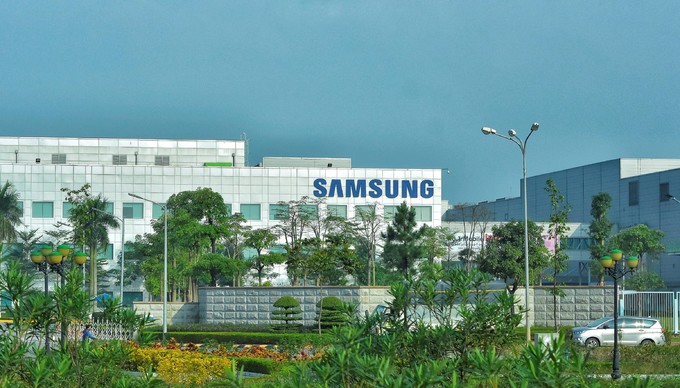
    Samsung Electronics will expand its lineup of 8K televisions this year, hoping to launch the premium products in 60 countries around the world. 8K televisions have four times more pixels than 4K, which until recently was the most cutting-edge screen a high-end television could have. When compared to a 4K TV, 8K screens are brighter with more color contrast and sharper edges. Samsung released its first 8K television last year.

    Han Jong-hee, Samsung’s president in charge of the visual display business, said in a press conference Friday that he expects 2019 to mark the start of a new era where 8K becomes the new norm in the high-end television market.

    “4K grew to take up 60 percent [of all Samsung TV sales] in five years – I expect 8K to show a similar level of performance, maybe faster considering how tech develops so fast these days in all sectors including content and displays,” he said at the event held in Samsung’s Suwon complex in Gyeonggi.

    The company’s 2019 goal for 8K TVs is to reach a double-digit year-on-year growth rate for market share in the local high-end TV sector. Han says the goal is “reachable,” adding that half of the large Samsung televisions sold in the country after November were 8K. That month, Samsung started local sales of the product.

    Regarding its global business, the QLED 8K started selling in Europe, Korea, the United States and Russia last year. Tomorrow, the company will unveil new models for 2019 at the Samsung Forum, a showcase event for clients that simultaneously takes place in various regions around the world.

    This year’s plan is to launch sales in 60 countries.

    Whereas last year the QLED 8K lineup came with four size variations with the largest at 85 inches, this year there will be six variations with the largest at 98 inches. The new sizes are in line with Samsung’s strategy to continue strengthening its lineup of massive TVs to keep a competitive edge in the high-end price sector.

    It remains to be seen whether Han’s optimistic views on 8K television will come to fruition as quickly as he projects. Even if 8K TVs exist, the higher definition and the high price it comes at won’t be of much use if video content remains at the 4K level.

    “5G networks will spread this year and the demand for 8K content will go up as well,” responded Han when asked about the problem. Han particularly expressed anticipation for the 2020 Tokyo Olympics. Japan’s national broadcaster NHK plans to live stream the games worldwide in 8K.

  • H&M profit drops due to online investment

    H&M profit drops due to online investment

    H&M profit dropped in the year to November 30, the Swedish fast-fashion retailer blaming investment in its online business for the decline. The world’s second largest clothing retailer embarked on a transformation program last year, investing heavily in logistics and digital technology aiming to improve the shopping experience and product range. This included an upgrade in its mobile app, faster deliveries and the rollout of click-and-collect.

    The company is also working on a new H&M concept store.

    In the last three months of its financial year, the company spent around US$48.5 million on logistics and technology, including resolving problems it flagged earlier last year.

    H&M CEO Karl-Johan Persson said the upgrade in the company’s logistics systems inevitably resulted in increased costs but will lead to a range of improvements for customers.

    “Against a backdrop of rapid changes in the fashion industry, in 2018 we accelerated our transformation to future proof our business, ending a challenging year for the H&M Group and the sector with strong signals that we are on track,” he said.

    Persson said it may have been a challenging year for H&M and the industry but after a difficult first half, there were signs the company’s transformation efforts were beginning to take effect.

    H&M posted a 5 per cent increase in full-year revenue to $22.7 billion, while in local currencies, net sales rose by 3 per cent. Profit fell by 21.8 per cent to $1.36 billion from the same period last year.

    Online sales rose 22 per cent to SEK 30 billion ($3.2 billion) and now comprise 14.5 per cent of the company’s total revenue.

    “With a stronger customer offering and the ongoing improvements in buying and logistics, we expect this trend to continue,” Persson said.

    “While this performance is still some way off the targets that we set at the beginning of 2018, these positive signals confirm we’re making progress across all our strategic focus areas: to create the best customer offering; a fast, efficient and flexible product flow; a stable scalable tech foundation; and adding new growth through store and online expansion.”

    According to Persson, the company opened three new fulfilment centres in the fourth quarter with a total of around 230,000sqm so it can offer customers faster deliveries and a wider assortment while reducing the capacity constraints that slowed them down in some markets in 2018.

    “We have also completed our online transition with investments in 2018, enabling us to successfully migrate online in Germany to the new platform earlier in January 2019,” he said. “With this, all H&M online markets are now on the new platform.”

    Persson said the difficulties with the logistics upgrade in some of their markets earlier in 2018 led to additional costs in the fourth quarter.

    “Applying lessons learned, we have not increased investments to secure upcoming transitions.”

    He added that while these initiatives have a short-term impact on margin, they will lead to continued improvements for their customers, driving increased profitability in the long term.

    “With the transformation now underway, capital expenditure will reduce this year compared to last and we will continue to shift the balance of our investments towards digital.

    “Changing consumer behaviour and technological innovation will continue to transform how and when people shop, we are building a business with the flexibility to respond to this constant evolution.”

  • HMV saved by Sunrise Records, but some stores will close

    HMV saved by Sunrise Records, but some stores will close

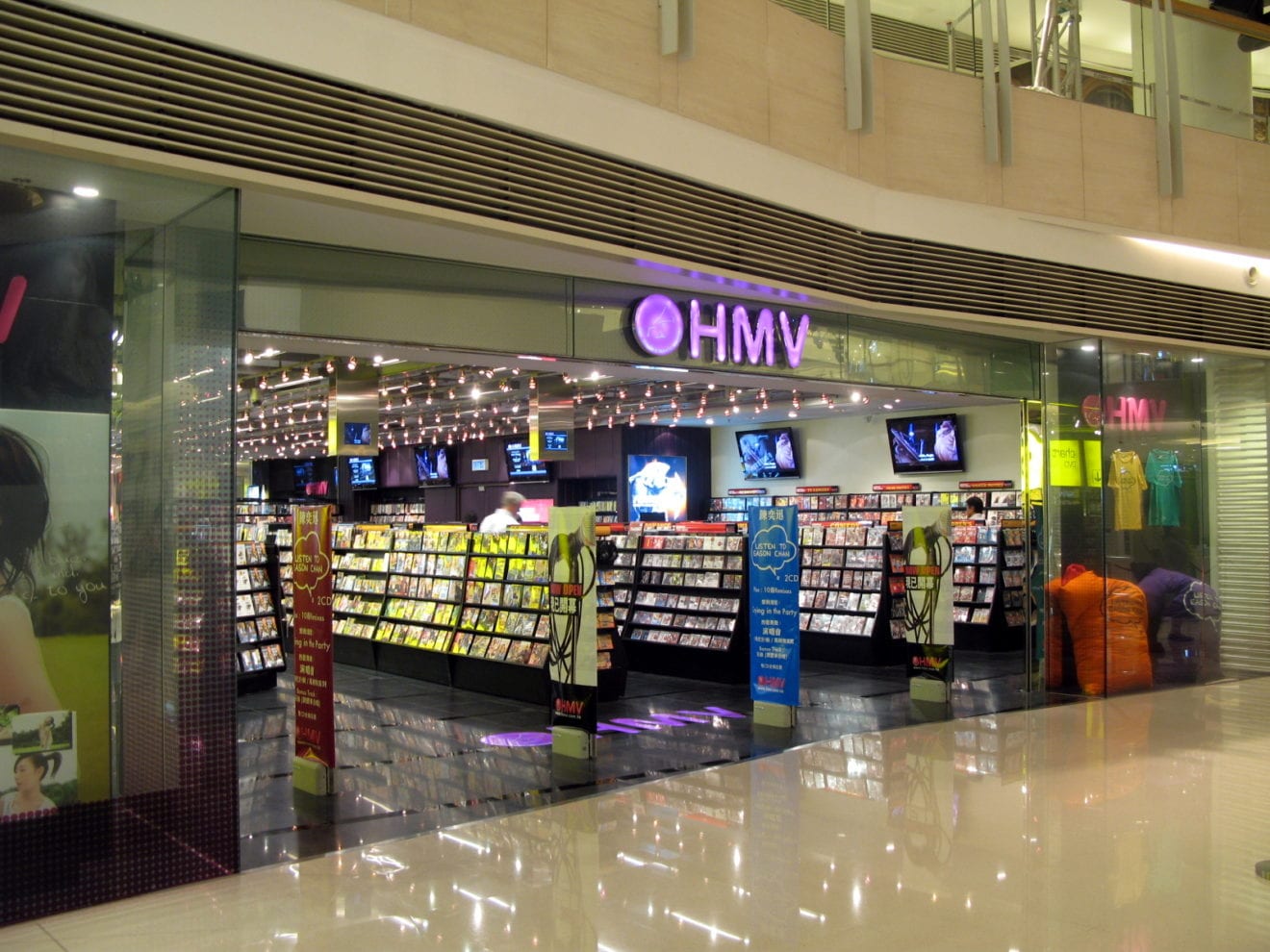
    Canadian firm Sunrise Records has emerged as the buyer of collapsed music chain HMV, beating competition including Sports Direct owner Mike Ashley. The firm will buy 100 stores out of administration, securing 1,487 jobs. But 27 stores will close, resulting in 455 redundancies. Sunrise Records chief executive Doug Putman said he was “delighted to acquire the most iconic music and entertainment business in the UK.”

    No price was given.

    Canadian entrepreneur Mr Putman, 34, bought the retail chain Sunrise Records in 2014. He previously bought HMV’s Canadian business in 2017, expanding his small chain into a national operation with 80 outlets.

    Mr Putman is also President of Everest Toys, the largest toys and games distribution company in North America. He said that HMV was a “fantastic, heritage brand”. He also said the chain would be looking to stock more vinyl records, in response to customer demand.

    HMV owner Hilco, which took the company out of its first administration in 2013, has blamed a “tsunami” of retail challenges for the latest collapse.

    These include business rate levels and the increasing use of streaming services to deliver music and movies.

    HMV sold 31% of all physical music in the UK in 2018 and 23% of all DVDs, with its market share growing month by month throughout the year.

    However, the music industry expects physical entertainment sales to shrink by another 17% this year.

    Will Wright, partner at KPMG and joint administrator said: “We are pleased to confirm this sale which, after a complex process, secures the continued trading of the majority of the business.

    “Our immediate concern is now to support those employees that have unfortunately been made redundant.”

  • Rimowa collaborates with Alex Israel for its latest suitcase

    Rimowa collaborates with Alex Israel for its latest suitcase

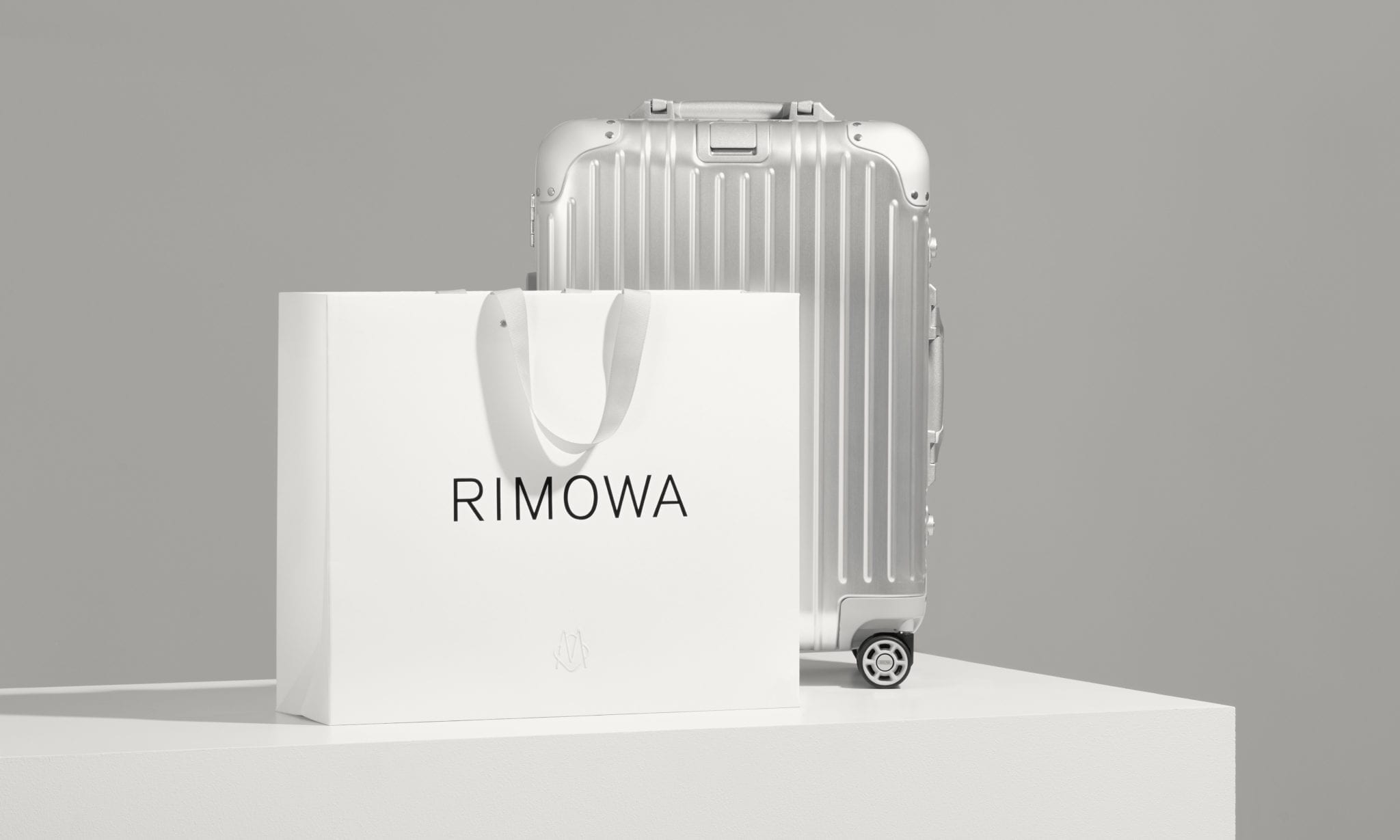
    Alexandre Arnault of Rimowa has just taken to Instagram to tease the luggage purveyor’s latest collaborative suitcase. Set for a full reveal at this year’s Frieze Art Fair, the suitcases are in collaboration with multimedia artist Alex Israel. Inspired by his home town of Los Angeles, the luggage sees the signature use of blue and red hues — inspired by the adored sunsets of the West Coast.

    The suitcases’ exterior shell and wheels are essentially treated with tones of blue, light purple, pink and light orange in a faded finish to reflect the colors of the vibrant sky in Los Angeles during sunset and sunrise.

    The suitcases will come in two color options. One will predominantly be in a gradient sky-blue – fading to flamingo-pink, while the other color option sees the complete opposite.

    Both suitcases will be officially unveiled at the Frieze Art Fair in Los Angeles via a pop-up beginning February 14.

  • French bakery Brioche Doree to debut in India

    French bakery Brioche Doree to debut in India

    French Bakery Brioche Doree on Saturday launched its first store in India in partnership with HR Bakers, promoted by Haldiram Managing Director (MD) Ashish Agarwal. The store is in Connaught Place. “Internationally acclaimed Parisian French Bakery Brioche Doree launched its first exclusive store in India with HR Bakers at Connaught Place, New Delhi,” the statement said.

    According to a HR Baker statement, the Haldiram MD entered into a “master franchise agreement” with the French brand.

    “Brioche Doree is known to be the second largest bakery/cafe chain in the world. The store of the brand in India has been curated in 100 percent vegetarian avatar,” it said.

    Agarwal has invested about Rs 4-5 crore in the brand and said HR Bakers is open to exploring more synergistic tieups with other brands.

    Agarwal said four more outlets in the National Capital Region and other markets are expected in the first year of operations.

    The outlet has started serving delicacies French Bakery is known for.

  • Courts Asia continues negative trend as Malaysian sales tank

    Courts Asia continues negative trend as Malaysian sales tank

    Group sales fell 6.2 per cent to $175.3 million, largely due to a 22.2 per cent decline in Malaysian sales measured in ringgit with lower consumer demand for goods and services.  Singapore sales, which account for three-quarters of the business’ overall sales, slipped a negligible 0.7 per cent, while the company’s Indonesian woes continued. Although the market accounts for just 3.4 per cent of Courts Asia’s sales, revenue fell 7.3 per cent in local currency. Courts Asia is already taking steps to stem losses in Indonesia, recently announcing the closure of one of its megastores and the downsizing of another.

    Japanese electronics retailer Nojima Corp lodged a takeover bid for Courts Asia last month, conditional only on the formal acceptance by Courts Asia’s majority shareholder  Singapore Retail Group, which has already indicated its acceptance. The Japanese company plans a strategic review of the business and will consider delisting it.

    Meanwhile, Courts Asia says it will continue to endeavour to improve efficiencies in its Malaysian business to improve productivity and return to profit. Twelve underperforming stores have already been closed reducing the network to 54.

  • Korea automobile production falls for 3rd year in 2018

    Korea automobile production falls for 3rd year in 2018

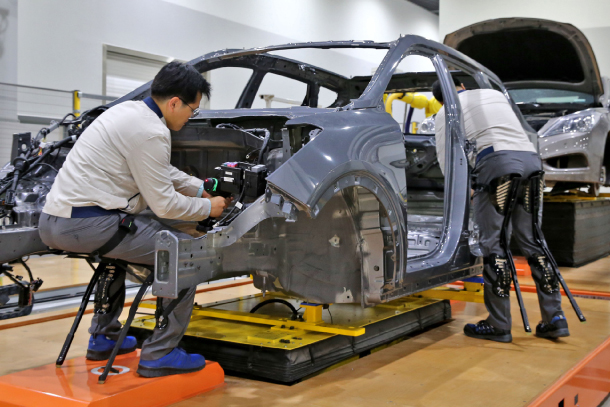
    Korea’s auto production tumbled for a third consecutive year in 2018 amid weaker domestic and global demand, data showed Sunday. According to the data by the Korea Automobile Manufacturers Association (KAMA), Korea produced 4.03 million vehicles last year, down 2.1 percent from the previous year. The figure has been decreasing over the past three years from 4.56 million in 2015 to 4.23 million in 2016 and 4.12 in 2017.

    The 2018 figure put Korea as the seventh-largest car manufacturing country in the world, down one notch from the previous year, according to the association.

    Korea became the world’s fifth-largest maker of cars in 2005 and retained the ranking until 2015. But India edged out Korea to stand at the world’s sixth in 2016 and 2017. Last year, Korea fell behind Mexico.

    China was found to produce the largest number of vehicles in 2018, with 27.81 million followed by the United States, Japan, Germany and India.

    Korea’s total car exports also fell to 2.45 million vehicles last year from the previous year’s 2.53 million, the KAMA said, adding that the country accounted for 4.1 percent of the world’s car production in 2018, down 0.1 percentage point from a year earlier.

    “Contentious labor-management relations, as well as stiff labor market conditions, among others, appear to negatively affect local carmakers’ competitiveness,” the association said in a release, calling for state support and business innovation.

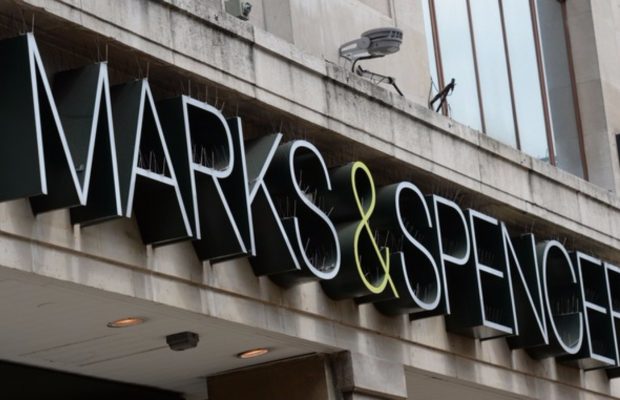
  • Marks & Spencer India to open six more stores in next 60 days

    Marks & Spencer India to open six more stores in next 60 days

    British multinational retailer Marks & Spencer (M&S) is on an aggressive pace here and is opening six more stores in the next two months alone, a top company official has said.

    According to a report, Marks & Spencer has opened its first store here way back in 2001 and in April 2008 signed a joint venture agreement with Reliance Retail to form Marks & Spencer Reliance India.

    It now has 71 stores across 30 cities like New Delhi, Amritsar, Mumbai, Pune, Kolkata, Bangalore, Chennai, Kochi, Bhopal, Kanpur, Hyderabad and Chandigarh among others.

    “India has become increasingly an important market for us. We are now the largest market for M&S outside of our home market. We are 71 stores today and we continue to invest in this market. We opened nine stores in the last six months and it is our intention to open six more in the next 60 days,” James Munson, managing Director, Marks & Spencer Reliance India said in an interview.

    Internationally, Marks & Spencer hawks its products in 57 markets across 400 stores and an online presence in 33 markets.

    Munson further said they would look to maintain that expansion pace in the next year as well and said, “there are no other markets which are expanding the way we are expanding here”.

    Of the 71 stores here, 10 are standalone beauty and lingerie stores , including two it opened in the last nine months and said half of the stores it plans to open in the next 60 days would also be for the same.

    The company clocked a revenue of Rs 908 crore last year and has been growing at a CAGR of 24 percent over the last five years, Munson said.

    It had clocked a 9 percent growth in the same store sales last year.

    A fifth of the turnover comes from outside the major metros, he said.

    It sources 30 percent of its products from locally and India is a sourcing base for the wider British market as well.

    M&S has partnered with other e-commerce players like Amazon and Flipkart over the last few years and he said its a strong area of growth and this year they are expecting 75 percent growth in online sales.

    However, the contribution from online to its revenues is still quite small here, unlike in Britain where it’s targeting 30 percent online sales.

    M&S has developed a rethink campaign specifically for this market, a first globally where a campaign has been designed for the local market.

    In Britain, food is a popular segment for the company but Munson said there are no plans at present to introduce food here.

  • Consumer’s Guide To Selecting The Perfect Office Chair

    Consumer’s Guide To Selecting The Perfect Office Chair

    If you work in an office environment be it on a full time or part-time basis, then you must be aware of how much time you spend on that office chair. But ironically, most businesses opt to spend a greater percentage of their furniture expense allocations money on an office desk as opposed to a chair. All this while forgetting the vital role played by quality office chairs on the health, general well-being and productivity at work. Therefore, it’s only fair that you purchase an office chair that’s both supportive and comfortable.

    But before deciding on one, here are a few considerations that should keep in mind;

    Don’t Forget To Examine The Fabric

    What’s important in a piece of fabric if you’re not going to wear it? Well, believe it or not, fabric plays a critical role in determining the quality of an office chair. It’s responsible for maintaining the breath-ability of the chair such that it doesn’t get too hot or cold. This can become extremely uncomfortable especially after long hours of sitting on it. Additionally, still on the fabric, ensure that it comes with a quality cushion to protect the person sitting on it from feeling the hard base of the chair.

    How Adjustable Is it?

    The best description of a perfect office chair revolves around its adjust-ability. Take time to check if the chair can be tilted backward for a more relaxed position, adjusted in height depending on the occupant for better use of the desk and the armrest should be adjustable as well. So when sourcing out for an office chair for sale, ensure to look out for such features. In most cases, these office chairs come with dial-controlled features that allow users to adjust with ease. However, there are still others that allow manual control, which is still okay.

    How Flexible Is The Base?

    While the market is mainly filled wheel-based chairs, you should give special considerations when selecting one. There are specific wheels made specifically for carpets, tiles and even wooden floors. Remember the ability to roll freely gives users the flexibility they require to reach out for stuff around the office. While at it, also ensure that the base can swivel freely to allow you access to various parts of the work desk.

    Does It Have Lumbar Support?

    Remember the back is one of the most important parts of the body when it comes to working in an office setting that requires a lot of sitting. Therefore you have to take care of it. Therefore a quality office chair should offer nothing less but good support for the lower back. If possible go for one with an adjustable lumbar to suit the needs of different users. This helps to prevent back strains that can affect the quality of work.

    To Conclude

    Selecting the correct office that’s not only comfortable but also offers solutions and cushion to back issues is vital for productivity in the workplace. All this can be made possible if you pay close attention to the fabric used, examine its flexibility and ensuring it has an adjustable lumbar support.


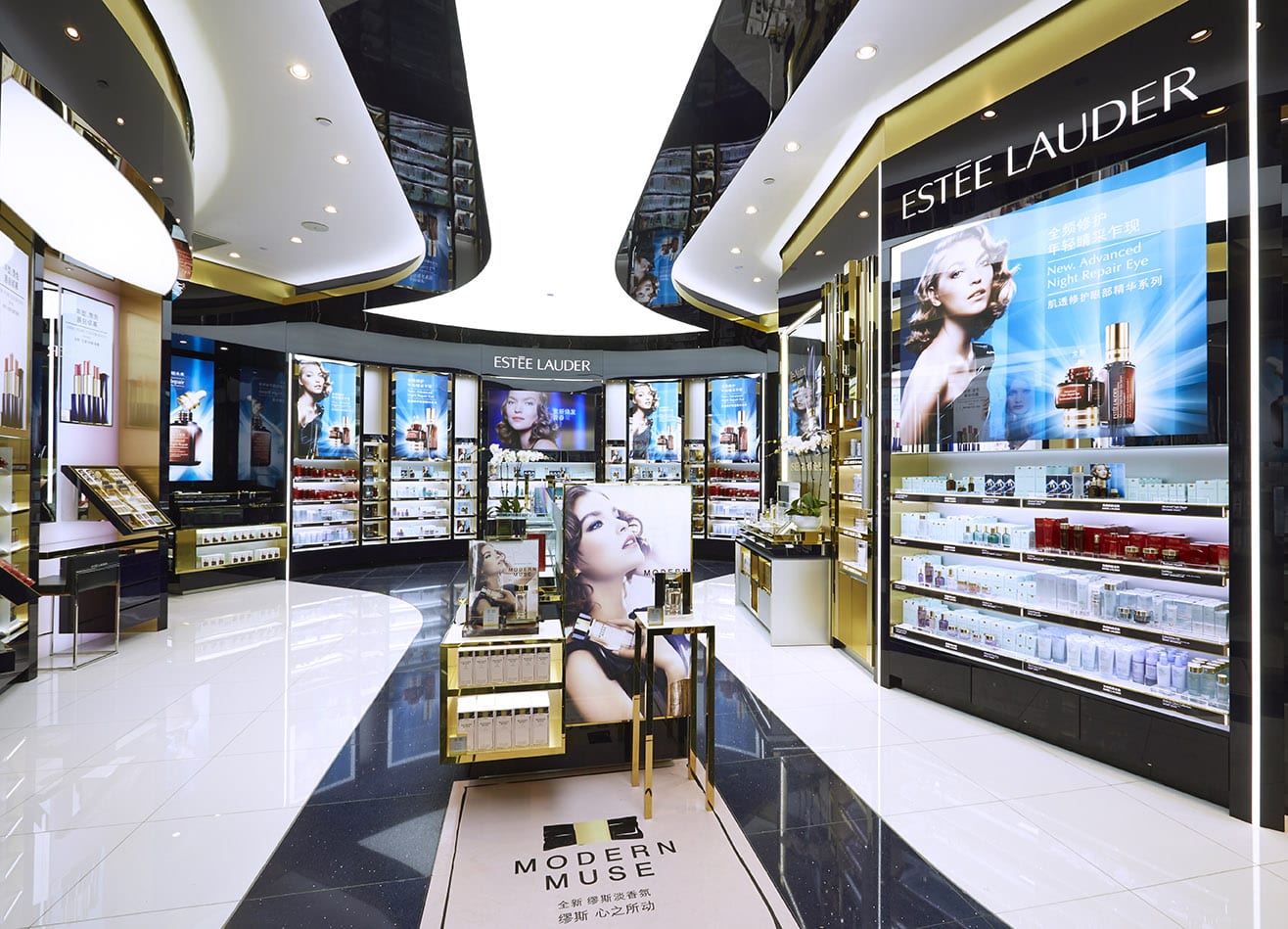
  • Asia-Pacific boosts Estee Lauder revenue

    Asia-Pacific boosts Estee Lauder revenue

    Estee Lauder Asia-Pacific sales achieved double-digit growth in the December quarter. The beauty giant says the growth was broadbased, with nearly half of the markets in the region growing by double digits. “China, Hong Kong and Japan continued to deliver strong growth, and Korea net sales accelerated. Prestige beauty in China accelerated and the company continued to build share,” the company said in a statement.

    “[We] generated double-digit net sales growth in virtually every major product category and channel. Operating income increased, primarily due to higher net sales.”

    Globally, Estee Lauder sales exceeded US$4 billion for the first time, up 7 per cent from the same time a year earlier. Net earnings rose to $573 million compared with $123 million last year.

    “We delivered an excellent performance in our fiscal second quarter,” said president and CEO Fabrizio Freda. “Importantly, this was our eighth consecutive quarter of impressive net sales growth that met or exceeded our long-term goal, all while navigating many global macro issues.

    “Our sustained progress is the result of our multiple engines of growth strategy, and demonstrates our agility in moving resources to the best global opportunities,” he said.

    The strongest growth engines during the quarter included the skin care category globally, the Estee Lauder Asia-Pacific business, online and travel retail channels, and most brands, including Estee Lauder, La Mer, Mac and the company’s artisanal fragrance brands.

    “Despite a volatile and challenging backdrop, we are optimistic about our company’s long-term outlook. We are very well-positioned to build share in global prestige beauty,” Freda said.

    “We plan to increase our investments during the next six months behind our successful innovations, high-quality products, compelling digital advertising and effective commercial execution, while also enhancing our capabilities to strengthen our industry leadership and deliver long-term profitable growth.”

  • Miniso teams up with cartoon network’s Adventure Time

    Miniso teams up with cartoon network’s Adventure Time

    Miniso has teamed up with Cartoon Network to present an epic 264-item collection of Adventure Time products in its stores across 62 territories around the world. From Europe to Asia, and Africa to North America and South America, the retailer is stacking its shelves with items featuring iconic characters including Finn, Jake, BMO and Lumpy Space Princess.

    Launching this month as part of a phased global rollout, Adventure Time fans will be able to enjoy an immersive in-store experience with the collection, which will be comprised of plushies, stationery, gifts and accessories such as backpacks and cosmetics. In the near future, the collection will add even more items as well as expand to additional territories.

    “The scale of this range demonstrates the popularity and enduring qualities of the Adventure Time franchise globally,” said Vikram Sharma, Vice President of Cartoon Network Enterprises, Asia Pacific.

    “Miniso has been a great partner for us. And when they wanted a brand that could provide young fans with an instantly-recognizable and fun association, Adventure Time was the obvious, mathematical choice!”

    Meanwhile, a new wave of merchandise from We Bare Bears – another Cartoon Network property – will also be in stores alongside Adventure Time.

    After impressive sales during the initial collaboration during 2018, more than 200 new and refreshed Bears’ items will be available in Miniso stores this month.

  • Walmart bets on India despite change in FDI norms

    Walmart bets on India despite change in FDI norms

    American retail giant Walmart and its Indian e-tail major Flipkart are betting big on India despite the revised norms for Foreign Direct Investment (FDI) in e-commerce, the companies said. “Walmart’s and Flipkart’s commitment to India is deep and long term. Despite the recent changes in regulations, we remain optimistic about the country,” the regional Chief Executive Officer of Walmart Asia and Canada Dirk Van den Berghe told IANS in a statement in New Delhi.

    The companies will continue to focus on creating “sustained economic growth and bringing sustainable benefits to India, including employment generation, supporting small businesses and farmers, and growing Indian exports to Walmart’s global markets”, added Berghe, who is also the retail giant’s Executive Vice President.

    Walmart’s assertion on the company’s commitment to India came after American investment bank Morgan Stanley in a report on Monday said the former might exit the country after the new FDI norms in e-commerce came into force on February 1.

    “An exit is likely, not completely out of the question, with the Indian e-commerce market becoming more complicated,” the New York-based financial services firm said in its report titled “Assessing Flipkart Risk to Walmart EPS (earnings per share)”.

    In May last year, Walmart bought 77 percent equity stake in Flipkart for a whopping US$ 16 billion (Rs 1,16,256 crore).

    The revised FDI norms in e-commerce, however, have tightened the noose around the businesses of the country’s leading e-tailers – Walmart-owned Flipkart and Indian arm of American e-commerce giant Amazon.

    The policy revisions, issued by the Ministry of Commerce and Industry on December 26, 2018, barred e-commerce platforms providing a marketplace from exercising control or ownership over the inventory and forbids any company to sell its products exclusively on an e-commerce platforms alone.

    The e-tail companies are now working towards changing the ownership of their inventory, so as to comply with the norms.

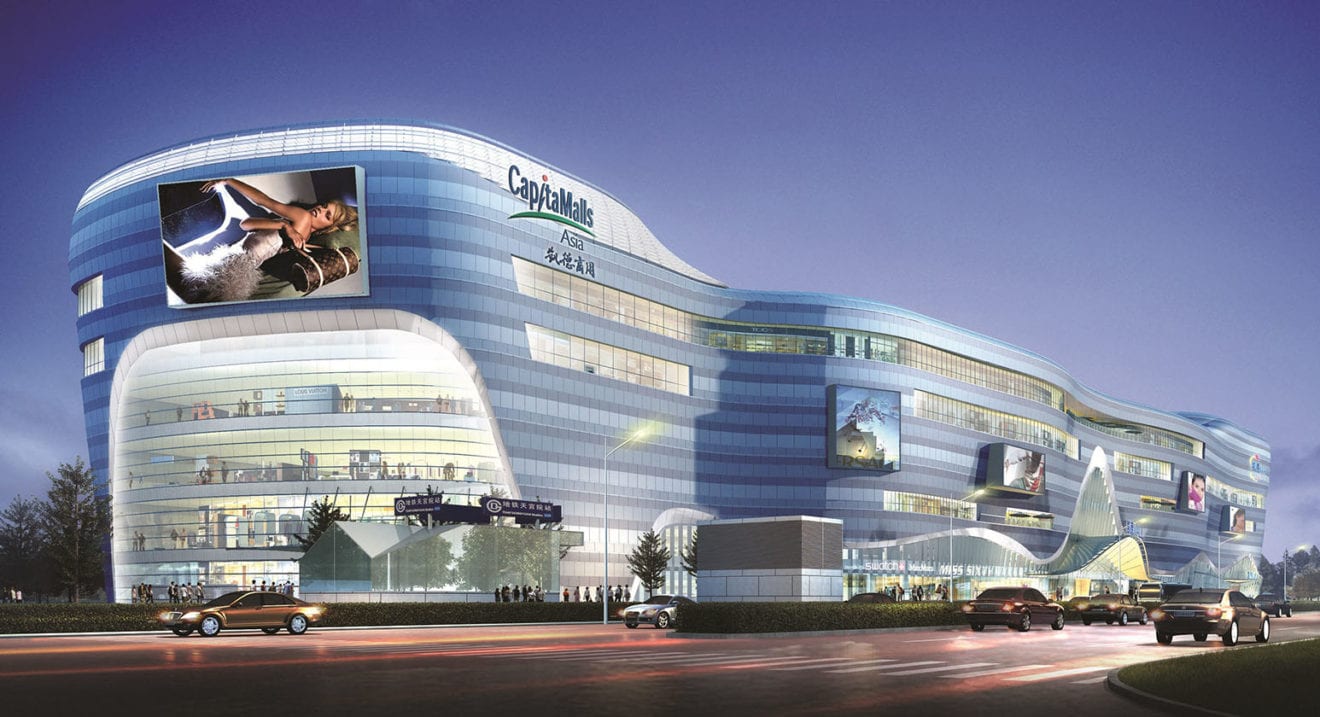
  • Tenant reshuffles bring good revenue for CapitaLand Retail China

    Tenant reshuffles bring good revenue for CapitaLand Retail China

    CapitaLand Retail China boosted its distributable income by 9.4 per cent last year on the back of a new acquisition and improved performance of multi-tenanted malls. CapitaLand Retail China Trust Management (CRCTML), the manager of CapitaLand Retail China Trust (CRCT), reported a distributable income of S$99.7 million (US$73.5 billion) for the year.

    “CRCT delivered a resilient set of results in FY2018 on the back of strong operating performance,” said CRCTML CEO Tan Tze Wooi.

    Portfolio occupancy as at December 31 was 97.5 per cent and rental reversion was 10.9 per cent. Tenants’ sales at its multi-tenanted malls grew by 18.8 per cent year on year, while shopper traffic was up by 19.4 per cent.

    With the addition of Rock Square in the full-year figures for the first time, CRCT’s investment property value rose by 17.8 per cent to RMB13.993 billion (US$2.07 billion) as at the end of the year.

    CRCTML chairman Soh Kim Soon said China’s retail sales rose by 9 per cent last year.

    “China’s more moderate pace of growth is reflective of an economy undergoing transition and its long-term fundamentals remain positive. We are confident that CRCT’s quality family-oriented shopping malls will continue to benefit from China’s growing middle class and policies implemented to stimulate the economy,” he said.

    Highlights of the year included:

      • CapitaMall Wangjing posted a rental reversion of 15.7 per cent after converting 4700sqm of anchor tenant space on Level 4 to specialty stores. The mall’s Level 8 rental income will rise by around 50 per cent after transforming 500sqm of common area into leasable space for coworking operator Ucommune.
      • CapitaMall Xinnan netted 17.9 per cent in rental reversion by reconfiguring its Basement 1 space to accommodate more popular brands.
      • Since acquisition, Rock Square has achieved four consecutive quarters of rental reversions above 20 per cent and a double-digit year-on-year increase in average sales per square metre for specialty stores.

    Wooi said that in order to further optimise the portfolio, CRCT has entered into a bundle deal in Hohhot with unrelated third parties to divest CapitaMall Saihan and acquire a new mall that is double in size and has “a longer balance tenure”.

    “Given the new mall’s higher growth potential, CRCT will be in an even stronger position to tap Hohhot’s promising retail growth. The deal is structured to minimise income disruption as the closure and divestment of CapitaMall Saihan will take place after the new mall is operational in the second half of the 2020 [financial year]. Supported by CRCT’s strong financial position, we will continue to explore suitable acquisition opportunities to grow and rejuvenate our portfolio,” Wooi concluded .