Tag: asia

  • International Food Business: Current scenario and future in India

    International Food Business: Current scenario and future in India

    The misconception about Gourmet Food in India is amazing. There are many who equate gourmet with imported food, which is far from the reality. To encapsulate what the concept of gourmet is all about, let me say that it is less about the food than about the person who is the subject of the word. The term and its associated connotations are used positively to describe people with a refined taste and passion towards food.

    Add the word gourmet to any food or drink and, voila, it feels fancier, more upscale and generally more desirable. Gourmet food connotes food and drink that takes extra care to make or acquire. Gourmet food has a certain flair around it as it is usually found or made only in certain locations. The ingredients used are usually exotic, hard to find in regular grocery stores, and they are usually unique in flavor and/ or texture. Gourmet ingredients usually blend herbs and spices in an interesting manner to add flavour to the food. For example, lemon olive oil spray, black truffle balsamic glaze, and white wine vinegar are a unique take on the otherwise simple ingredients.

    Being an advocate of international food business for over 20 years now, I have seen the F&B sector in India go through various highs and lows over the years. But the one thing that I can say with absolute certainty is that the gourmet food category in the country has a tremendous scope and potential to grow in multiple areas, many of which still remain a virgin territory for food companies wanting to explore the business of international foods. We have been working diligently to bring new and exciting global gourmet food brands from all around the world to India. We have built our reputation through a commitment to offer unique products at competitive prices and we strive to never compromise on the quality of products or services that we offer. It is a passion for many of us who function in the realm of international food business and we aim to bring diversity to our Indian consumer base.

    Two-Way Trade is the Key to Future

    We firmly believe in two-way trade and in the current globalized world, it is a grave mistake to keep our consumers deprived of food options and opportunities available elsewhere in the world – from gourmet cheese to epicurean chocolates to the varieties of rice or spices or fresh fruits or exotic vegetables. The list is never ending and we must continue to explore to make it even more expansive. Unfortunately, our trade figures have been none too encouraging on this count. In the calendar year (CY) 2016, India exported consumer foods worth US$ 11 billion and imported consumer foods valued at US$ 4.25 billion. While our exports grew by 0.50 percent over the previous year, imports showed a decline of about five percent.

    The low takeoff of international food in India is surprising considering that there are quite a few success narratives around it: Italian pasta, Vietnamese basa, mayonnaise, Californian almonds, Canadian canola oil, Chileans walnuts and Washington apples, to name a few. When we look at Italian pasta, considered to be one of the most gourmet ingredients in Italian cuisine, the product is widely available in the country – from hand made to artisanal to commercially made – and it has penetrated the deepest corners of the Indian market with extensive marketing, transforming the kitchens of the aspirational Indians.

    A commodity like Californian almonds, which has about 80 percent of almond market share in India, touched a whopping US$ 693 million sales figure in India for 2016.

    For imported foods to expand their consumer base in India, it must be kept in mind that Indian consumers are rational shoppers who want value for money.

    Obviously, there is no one-size fits-all concept for a country as big as India but to have a deeper market penetration it is important to learn from the market leaders and try to do things the right way. Many of us confuse India with China, which is just not the case as the Indian market has its own set of business dynamics and consumption patterns here continue to evolve and offer valuable lessons in business.

    Teething Issues and Role of Associations like FIFI

    While on the one hand, we are facing teething issues like those associated with demonetization or Goods and Service Tax (GST), on the other hand, we also have government agencies like the Food Safety and Standards Authority of India that is willing to think out of the box and listen to the version of the trade side. We, at the Forum of Indian Food Importers (FIFI), have given numerous representations to Government of India and are pleased to note that several of our suggestions have been entertained as we always had a logical and scientific presentation to make. We still have some pending areas of concerns but are pretty confident that the regulator and trade will be able to come together on a common ground in the interest of the greater good of the food industry and consumers. Food safety is of utmost priority for us and, as industry representatives, we want global suppliers to understand the fact that Indian consumers have become very demanding and want only quality products. We are clearly out of the era when international companies looked at India as a not very important market for their food products. For many global food companies, India is now a critical country for doing international trade.

    Government’s Initiatives

    The Food and Beverage sector is governed by several Government of India agencies like Ministry of Health’s Food Safety and Standards Authority of India (FSSAI), Ministry of Food Processing and Industries (MoFPI), Ministry of Consumer Welfare, Food and Public Distribution, Ministry of Agriculture, Ministry of Commerce and Industries, and Ministry of Finance.

    With Government of India’s “Make in India” campaign, MoFPI aims to boost growth in the food processing sector by leveraging reforms such as 100 per cent foreign direct investment (FDI) in marketing of food products and by offering various incentives at the central and state government level along with a strong focus on supply chain infrastructure.

    – Government of India has relaxed foreign direct investment (FDI) norms for the sector, allowing up to 100 percent FDI in food product e-commerce through the automatic route.

    – FSSAI plans to invest around Rs 482 crore (US$ 72.3 million) to strengthen the food testing infrastructure in India, by upgrading 59 existing food testing laboratories and setting up 62 new mobile testing labs across the country. Additionally, FSSAI has been aggressively introducing numerous notifications pertaining to imported Food and Beverage category.

    – The Indian Council for Fertilizer and Nutrient Research (ICFNR) will adopt international best practices for research in the fertiliser sector, which will enable farmers to get good quality fertilizers at affordable rates and thereby achieve food security for the common man.

    International Chains Entering Indian Market

    With India opening the doors to numerous international restaurant chains, the youth is able to break the tradition and try several new international cuisines. This exposure is generating employment, changing the F&B scenario in India, bringing in international business practices, world-class technology, standard operating procedures and opening the way for trade. These chains buy imported ingredients or products to get a marketing edge or when such ingredients are not available domestically. They are able to lead the way for upscale manufacturing in the country and create more avenues for employment. It is important for us as an industry to understand that our strategy should be to grow hand-in-hand with these international chains and to open more ways for doing business with all stakeholders. Some of these chains, which already have a sizable market presence in India, are Chilli’s, Barista, Café Coffee Day, Au Bon Pain, McDonald’s, Subway, KFC, Starbucks, Tacobell, among others.

    Market Size Growing Despite all Odds:

    Despite numerous challenges such as high base tariffs and the fallout from the implementation of new regulations like demonetization and GST, the Indian market for imported and international foods is showing a noticeable growth trend. India is emerging as a favorite market destination for many national and international players in the food business. The Indian foodservice sector is valued at US$ 48 billion and is anticipated to grow to US$ 77 billion at a Compound Annual Growth Rate (CAGR) of 10 percent by 2021. The Indian food and grocery market is the world’s sixth largest, with retail contributing 70 percent of the sales. The Indian food processing industry accounts for 32 per cent of the country’s total food market, is one of the largest industries in India and is ranked fifth in terms of production, consumption, export and expected growth. The Indian gourmet food market is currently valued at USD 1.3 billion and is growing at a CAGR of 20 percent. India’s organic food market is expected to increase three times its current size by 2020.

    The online food ordering business in India is in a nascent stage but has a huge potential and a promising future. The online food delivery industry grew at 150 percent year-on-year with an estimated Gross Merchandise Value (GMV) of US$ 300 million in 2016.

    Emergence of Social Media

    We should not underestimate the role of the new generation bloggers and social media enthusiasts who are instrumental in shaping the trends and are helping brands and products to get visibility and gain popularity with the consumers. They are emerging as an alternative to the traditional media and are a less expensive media tool. However, they also act as watchdogs of quality and standards for the foodservice industry. Social media is helping to generate exciting stories around the foodservice industry but at the same time, we need more honest voices that understand the food business and its nuances better.

    Traditional Marketing Avenues Still Hold True

    While new marketing tools are becoming popular, the traditional methods should not be considered obsolete as they continue to have deeper penetration and visibility. Participation at trade shows and conferences, print and electronic media activities continue to rule the game and offer a range of visibility without comparable alternatives.

    Way Forward for the Imported F&B Industry

    The Indian consumers represent a community of diverse sentiments. A majority of them favour an experimental palate, which creates a plethora of opportunities for the international F&B sector in country. While maintaining a balance between aspiration and tradition agrees perfectly with the Indian palate, culinary trends originating in the West are promptly picked up by Indian social media and are translated on the ground with an instant recognition. The earlier practice of trends coming to India after three to five years of introduction in the Western world is now a thing of the past. This willingness to accept international trends without any inhibition has played a pivotal role in the marketing of international brands in India and has opened up the entire market for international foods. As a result, recent years have seen the launch of numerous new categories like gluten-free breads, organic chocolates and many others products in country. However, as mentioned earlier, it is important for us to ensure quality delivery to our consumers and adhere to the food safety regulations. We need a more organized voice in trade to echo the this message and to take the India story to many more global markets.
  • Crocs India opens 109th store

    Crocs India opens 109th store

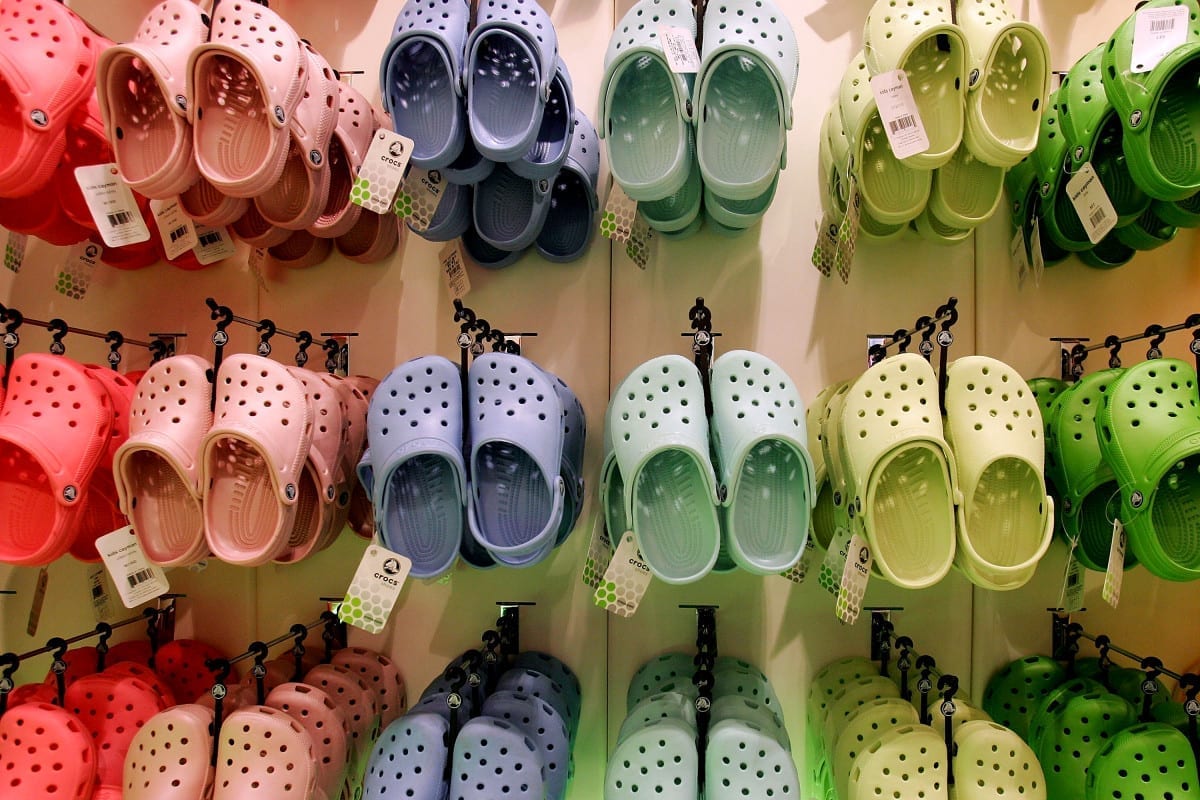
    Crocs, the iconic casual footwear brand, announced the launch of its 109th store in India at Ballygunge, Kolkata. Crocs inaugurated the 580 sq.ft. store situated in one of the poshest high-street vicinity of Kolkata. With this new store, Crocs promises to strengthen the reach of the iconic brand in the ‘City of Joy’; where now has seven stores. The other stores of Crocs in Kolkata are located at City Centre New Town, Camac Street, Forum Courtyard, City Centre Salt Lake, Axis Mall, Rajarghat-New Town, and Acropolis in Kolkata.

    The new store showcases the recently launched Spring Summer’19 collection along with an array of styles which include sandals, loafers, sneakers, flip-flops, and clogs suitable for all age groups.

    Speaking on the launch, Deepak Chhabra, CEO & MD, Crocs India, said, “Kolkata is crucial market for us with huge potential and high fashion sensibilities. We are pleased to announce the launch of our 7th store in the city and will continue to strengthen our presence in the state of West Bengal. In addition to aggressively growing our EBOs, we will be strengthening our presence in tier-2 cities via MBOs and Kiosks. Further, e-commerce will remain an integral part of our distribution strategy and help us reach out to consumers where our brick and mortar presence is limited.”

    With unparalleled brand awareness and break-through product innovations, Crocs is progressing towards becoming India’s top non-athletic casual footwear brand. India is currently the 6th biggest market for Crocs globally with a double-digit growth year on year.

    Over the past 16 years, Crocs has sold more than 350 million pairs of shoes worldwide. Crocs as a brand will continue to focus on clogs and sandals, along with new product innovations and extensions of the current product line.

    Last year, Crocs launched its newest innovation ‘LiteRide™’ which is available in Flips, Slides, clogs, shoes and sandals. The LiteRide™ Collection merges sporty, on-trend styles and silhouettes with the legendary Crocs comfort that consumers expect. LiteRide™ has redefined comfort, taken the brand’s style quotient a notch higher and it has been a stellar success across genders and age groups.

    The associations with Christopher Kane and Balenciaga in the last couple of years has also further elevated the fashion appeal of the brand.

  • SM Philippines to open 4 new malls

    SM Philippines to open 4 new malls

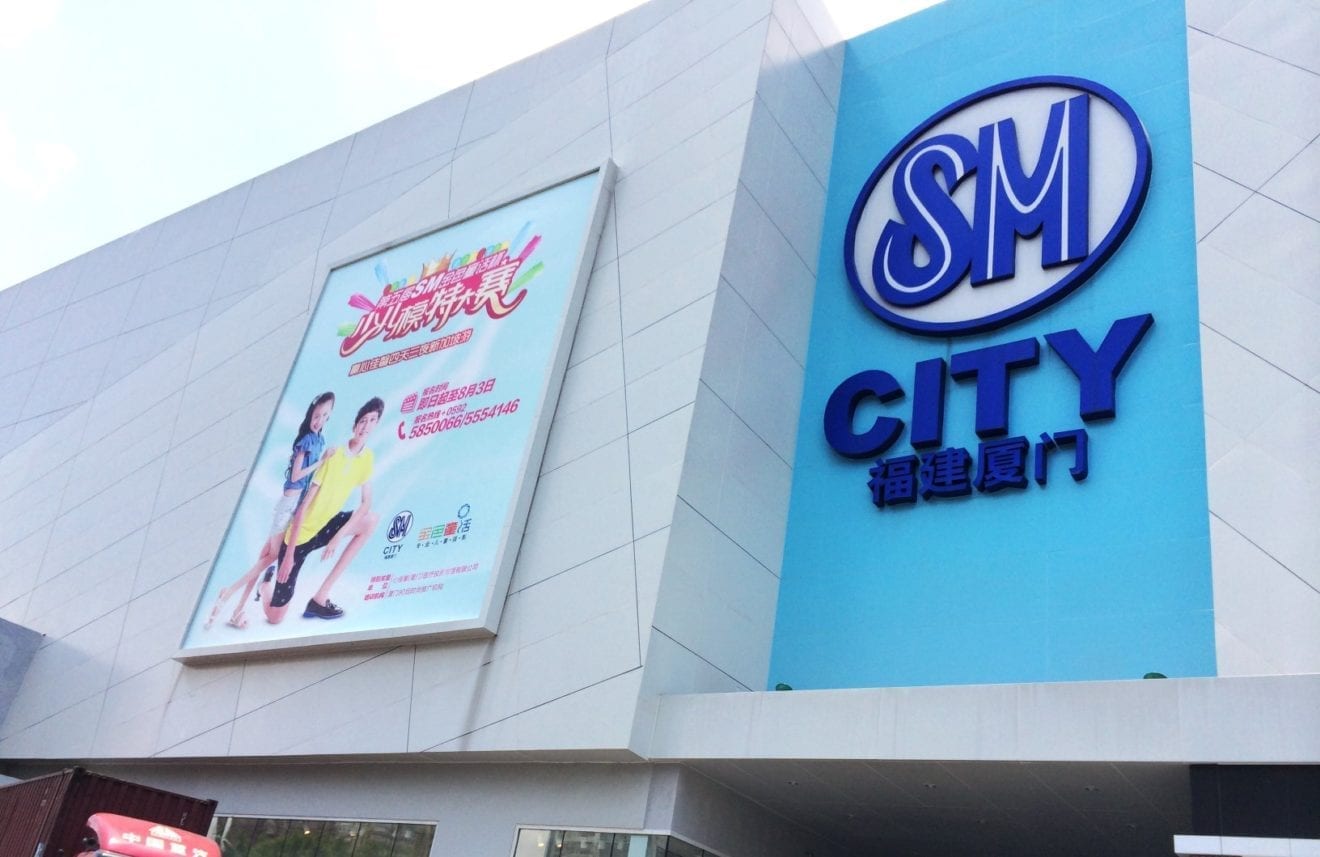
    SM Prime says it will open four new malls in Philippine provinces this year. The company will also intensify land-banking efforts to make it easier to develop properties in the future. The new SM Prime malls will be SM Mindpro Citimall in Zamboanga City, SM Center Dagupan, SM City Butuan and SM City Olongapo Central. Together they will have a gross floor area of 179,000sqm.

    “SM Prime’s mall expansion is geared toward the provinces,” the company said in a presentation posted online. “The focus is to cover most of Northern Luzon, Visayas, and the progressive cities in Mindanao.”

    Besides the new shopping centres, the company’s properties SM City Baguio and SM City Fairview will be expanded this year, adding 46,000sqm and 32,000sqm, respectively.

    All these developments will see the company finish the year with 10.5 million sqm of GFA, representing an increase of 9 per cent for the year.

    SM Prime’s profit rose 17 per cent in the first nine months of last year, to P23.44 billion (US$444.6 million) on sales up 15 per cent to P74.56 billion (US$1.414 billion).

  • Has China’s poker ban affected the Asian market?

    Has China’s poker ban affected the Asian market?

    It’s been almost a year since the government decided to ban online poker apps and promotion in China. In the months since the ban took effect, both the live and online industry continued to rumble on in neighboring countries. But did the local Asian market experience any negative or even positive effects from the ban?

    Chinese Black Friday

    In April of 2018, the Chinese Government shocked the local poker industry by announcing that as of the 1st of June that year, poker would no longer be recognized as a competitive sport. The day the ban was due to take effect was quickly dubbed “Chinese Black Friday,” and Texas Hold ‘em lovers across the nation reeled as they took in the news. But the fact that poker was no longer a competitive sport was the least of their worries.

    The government decided to prohibit any poker-related apps for mobile devices or desktops, too. They also went so far as to prohibit all social media channels from mentioning poker in any way whatsoever. In one fell swoop, they had crippled the local poker community that now had no means of connecting to play or even discuss the game.

    The local poker industry had been experiencing a period of steady growth to make matters worse. Revenues had increased year-on-year, and in 2017, they were projections to increase by 73 percent per paying customer. Not only would players no longer be able to play, but businesses who had invested heavily in the booming industry stood to lose everything.

    What Happened Next

    Poker experts the world over predicted a dire situation for the Asian poker market, and while it didn’t quite pan out that way, the industry did feel the effects. Many neighboring countries that would hold live tournaments in their casinos had previously held online qualifying events in China using play money. The ban resulted in a significant drop in the number of Chinese players making the trips abroad to play.

    The promotion ban had the most far-reaching effects, though. With Chinese tourists providing a massive boost to many neighboring nations, promoting poker events and casino trips were commonplace. But the ban prevented such marketing tactics, and casinos and gambling destinations were no longer able to promote their services to the biggest tourism market in Asia.

    However, all was not lost, especially in Macau. The expectation was that the self-governing region would suffer the most from the ban as much of its tourism business comes from China, with a large portion of that being poker players who have qualified for live events. But surprisingly enough, the tourist numbers increased once the ban took effect.

    It seems that the poker ban had little effect on their tourism figures. Perhaps this was due to Chinese poker players now realizing that their only opportunity to play was while on holiday in Macau. Whatever the reason, it’s clear that the negative impact of China’s ban on its neighbors was temporary.

    Current Online Poker Business Trends

    It’s safe to say that while live events across Asia weren’t affected too badly, the online market was a little different. The biggest negative effects were, of course, felt by the top online providers who had invested heavily in the local online industry. China had the potential to become one of the biggest online poker markets in the world, but unfortunately, that chance has now passed. Local players were no longer able to play in any way, shape or form with the market now closed.
    However, the Asian market has continued to grow, although at a slower rate now that China has left the table. Online poker tournaments are still quite popular, with global tournaments often boasting a large percentage of Asian players, hinting at the fact that there is still a hunger for the online version of the game in Asia. This point brings us to India.

    In 2017, the Indian online gaming industry was worth an estimated $290 million (USD). And with the industry set to grow further, the top players have looked to this market to replace the losses from China. Admittedly, not every one of the nation’s 120 million online gamers play poker, and there are several states where the game is not permitted, but the potential to increase online poker’s share of that rather large pie is there for all to see.

    The Future

    It’s hard to predict what may happen in the future, but since the Chinese ban came into effect, one thing has become abundantly clear: the poker industry both online and live still thrives. Existing poker markets, such as the Philippines, Malaysia and Macau have flourished while emerging markets such as Vietnam are finally starting to see the returns on their investment in poker. And with Japan also set to enter the market with casinos ready to open by 2024, the future does look bright for live poker.

    Such will likely have a positive effect on the online game in the region. Online poker providers usually sponsor major events, and with more casinos opening than closing, there will be a significant market for local online satellites to qualify for live tournaments held throughout the region. The future also looks bright for online poker.

    So, to answer our earlier question on the effects of the Chinese online poker ban, we’d have to say that yes, the ban has affected the Asian market, but not in the way we expected. While local players struggle to play, tourism in neighboring countries has enjoyed a boost while live poker and online poker both look set to boom in the coming years. Perhaps China will retake their seat at the poker table soon, but for now, the industry survives without them.

  • Siri House opens in Singapore with new concept

    Siri House opens in Singapore with new concept

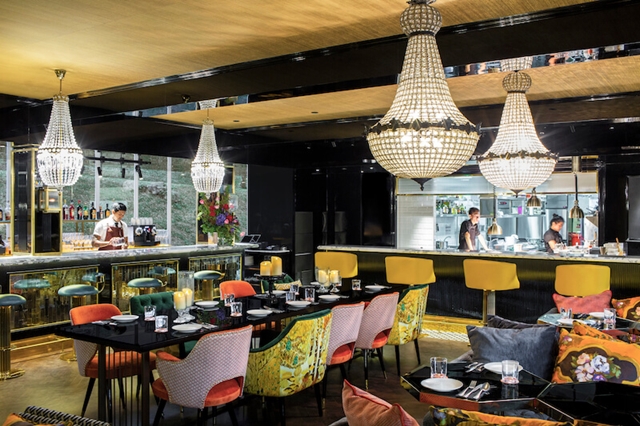
    Hybrid showroom, restobar, retail space and gallery Siri House has opened in Dempsey Hill as a taste test for a planned flagship in Thailand.

    The venue combines multiple concepts into a single interconnected area, including mock interiors for Bangkok apartments, display spaces for Thai artists, and discrete retail corners focusing on Thai culture and designer items, with jewellery, apparel, accessories and various collectibles available for purchase.

    The store is currently trading seven labels, ranging from homeware and souvenirs to crafts and ceramics. Most products on sale have a quirky or artistic vibe.

    The venue also houses a 48-seat restaurant with art deco stylings, serving a colourful Asian-influenced menu alongside a selection of wines and cocktails.

    The Siri House flagship is scheduled to open in Bangkok by March.

    View gallery below for images of the store :

  • Naver to open up TV service, take on YouTube

    Naver to open up TV service, take on YouTube

    Local IT giant Naver announced plans Thursday to make its Naver TV service an open platform where anybody can freely upload videos, pitting it in direct competition with YouTube. The company said it would apply the change during this year’s first half. Originally, only people with more than 300 subscribers on other video platforms were permitted to create a channel on Naver TV.

    Unlike YouTube, considered the playground of individual creators, most traffic at Naver TV is to come from short videos from TV shows uploaded by broadcasting or cable channels, like TvN or JTBC. Lowering the bar is intended to draw in the legions of individual creators who have begun to emerge in Korea over the last two years.

    “Naver TV was originally focused on offering video from TV for users that flow in via our search engine,” said a company spokesperson.

    “We gradually had small- or mid-sized studios upload web dramas or famous beauty creators joining our platform and by that experience we learned the patterns of how original content is consumed. Now we want to make it accessible to more creators.”

    Last week, Naver lowered the bar to 100 subscribers and simplified the process required to set up a channel, as a first step to earn feedback and find areas that need improvement before fully opening the door to everyone.

    As a strategy to boost users, Naver is devising a compensation system to reward creators according to their performance. Channels with more than 300 subscribers and whose videos were played for more than 300 hours will be offered the choice to roll advertisements.

    Naver CEO Han Seong-sook publicly stressed the importance of online videos multiple times last year, expressing a will to develop that sector.

    “The internet market is rapidly restructuring to be centered on videos – Naver will also invest more in line with this change,” she said in a conference call in July, pointing out how the younger generation no longer spends time on portal sites or social networks, but on video platforms.

    Naver’s traditional strengths are not in video but other services, such as its search engine, blogs and online communities. Regardless, the company has invested in its video services. Apart from Naver TV, its other main video service is V LIVE – a platform via which K-pop idols can host live streamed videos with fans. Around 70 to 80 percent of users at V LIVE are based overseas.

    “Instead of running a single platform like YouTube, our direction at the moment is to divide platforms according to usage and optimize the service that fits their respective purposes – V LIVE for fans and Naver TV for general creators,” said the Naver spokesman.

  • Low export numbers put Hyundai profit in the red

    Low export numbers put Hyundai profit in the red

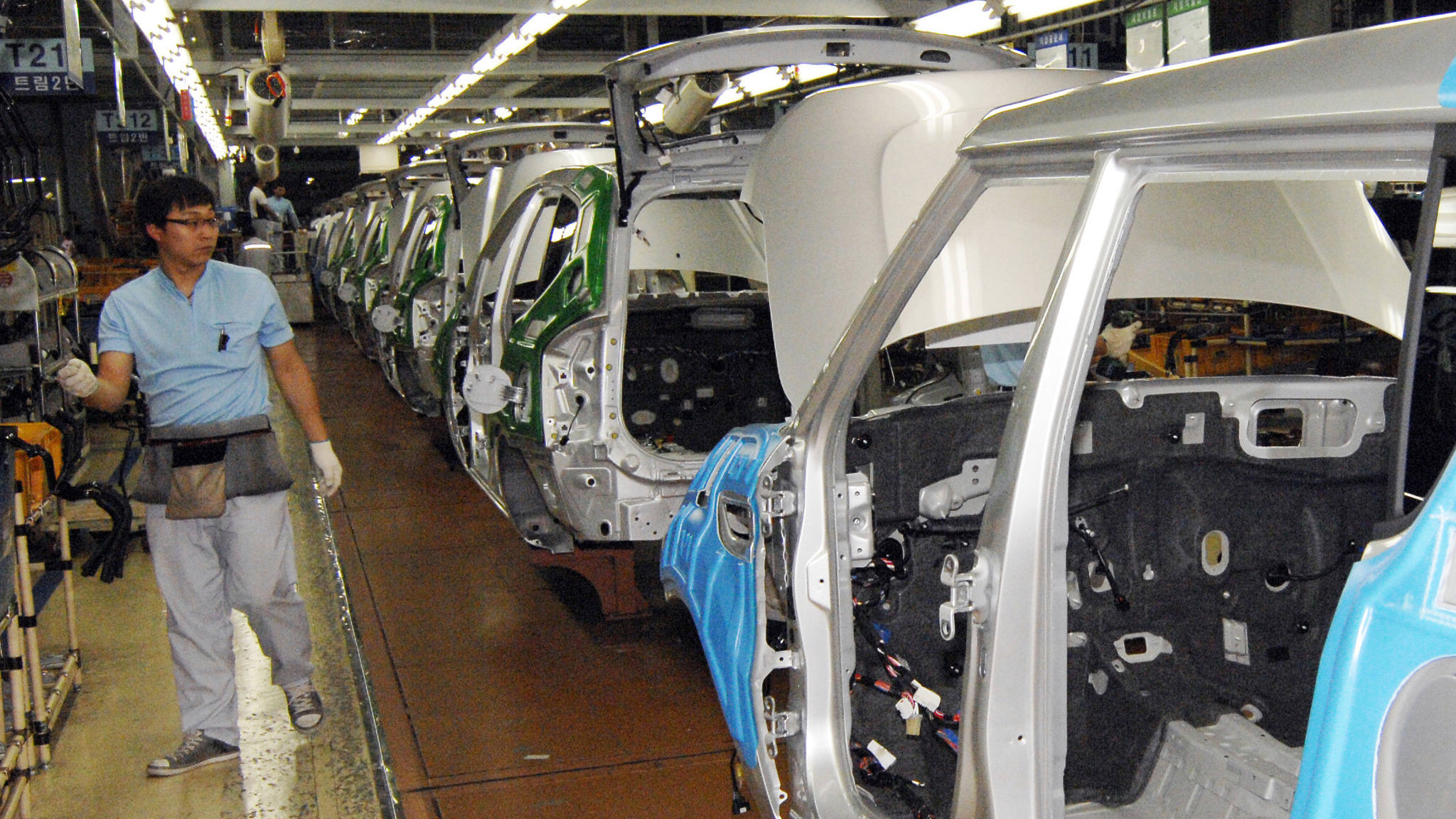
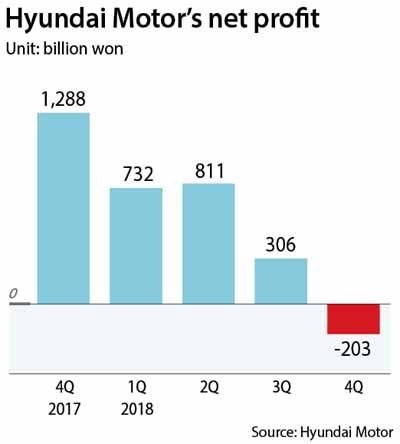
    Hyundai Motor swung to a net loss in the fourth quarter last year, largely due to the strength of the won over the U.S. dollar and weak global sales. It is the worst quarterly earnings reported since 2010, when the company first started posting earnings based on the International Financial Reporting Standards. Korea’s No. 1 automaker by sales on Thursday posted a net loss of 203.3 billion won ($180 million) for the quarter that ended December, a considerable drop from the 1.29 trillion won net profit inked a year earlier.

    The company cited weak earnings from its affiliated locomotive maker Hyundai Rotem, unfavorable currency rates and the sluggish growth of the global automotive industry as major reasons that pulled down earnings in the fourth quarter.

    It added that the cost of its investment into developing futuristic cars was also reflected.

    Hyundai already surprised investors when it posted 306 billion won in net profit in the third quarter, a 67.4 percent year-on-year drop. At the time, the company blamed one-off costs of airbags, engine quality control and marketing activities as well as currency rates to explain its losses and said the fourth quarter would be a better quarter.

    Following the two bad quarters, the carmaker’s annual net profit also dropped to a record low since 2010 – 1.645 trillion won last year, less than half of 2017’s 4.546 trillion won. In 2012, its annual net profit exceeded 9.056 trillion won.

    Choi Byung-chul, chief financial officer at Hyundai Motor, however, said the automaker was able to ramp up automotive sales in the fourth quarter thanks to newly-released SUVs and that the company’s performance could bounce back with several new car launches scheduled this year.

    According to the earnings report, revenue from the automotive business increased by 9.3 percent on year to 20,399 billion won in the fourth quarter. Operating income also jumped up 556.7 percent year on year to 463 billion won for automotives.

    The most recently launched Palisade SUV has been well received by Korean consumers after its launch last month, and a Hyundai Motor spokesperson said it is considering expanding production of the SUV in accordance with the demand. The carmaker has taken orders for 30,000 Palisades so far, according to Koo Za-yong, head of investor relations at Hyundai Motor.

    “Growth of the global automotive market is expected to slow down, but we will strengthen our brand competitiveness by launching cars in segments [that Hyundai had little presence in],” said Koo during a conference call with analysts on Thursday.

    Highly anticipated Hyundai cars this year include a new Sonata sedan and a premium SUV GV80 branded under Genesis.

    Hyundai plans to sell a total of 4.68 million cars this year by selling 712,000 units domestically and 3.97 million units abroad. Last year, the company sold 4.59 million cars at home and abroad, a 1.8 percent increase year on year.

    The automaker commented on its governance reform plans during the conference call as well. It plans to complete reforms this year to break the cross-shareholding structure between affiliates and improve shareholder returns. Last year, its attempt to reform its governance structure failed after facing a series of complaints from U.S. activist hedge fund Elliott Management.

  • Global business leaders raise concerns over e-commerce policy changes in India

    Global business leaders raise concerns over e-commerce policy changes in India

    Several global business leaders have raised concerns over the evolving regulatory challenges concerning the e-commerce sector in India and said they want a stable policy regime to help this space achieve its robust growth and investment potential. According to a report, multiple business leaders attending the World Economic Forum Annual Meeting here said there are confusions in their mind in the backdrop of recent policy changes for e-commerce players having FDI in India.

    They did not want to be named, given the sensitivity of the subject and the evolving nature of the proposed rules, but said they have directly, or through their representatives, raised their concerns with the Government. They wanted to raise the issue directly with Commerce and Industry Minister Suresh Prabhu in Davos, but his plan to come here got changed at the last moment.

    At a session here at the WEF meeting, WTO Chief Roberto Azevedo also said there was a need for a global multilateral framework on e-commerce business.

    India’s FDI policy allows 100 percent foreign direct investment in marketplace model, but investors also want a stable policy and regulatory regime, a senior official of a leading online retailer said.

    An industry lobby group official said there is a fear that certain new rules proposed by the Government could lead to discrimination against investors as this policy is only for foreign players and not for domestic ones in the e-commerce sector.

    Another executive claimed it is being seen as a non-consultative approach even with investors who bring in huge foreign direct investment.

    However, Government officials rejected these allegations and said the new changes seek to safeguard competition and the interest of domestic players. The rules have been made after due consideration and consultations with concerned stakeholders, they added.

    The Commerce and Industry Ministry brought certain changes to Press Note 2 on December 26, 2018 which prohibited e-commerce companies from entering into an agreement for exclusive sale of products along with tightening norms for firms having foreign investment.

    The Government has also barred online marketplaces like Flipkart and Amazon from selling products of companies where they hold stakes and banned exclusive marketing arrangements that could influence product prices.

    The revised policy on foreign direct investment in online retail also requires these firms to offer equal services and facilities to all its vendors without discrimination. The policy would be effective from February 2019.

    In India, the policy as such does not permit FDI in inventory-based model of e-commerce.

    Companies have been seeking more time to implement the changes even as some of them have warned that these substantial modifications in the way they do business pose risks of derailing the e-commerce sector that has been a big job creator.

    Executives from another global retail major said the impact could also be felt by several connected sectors such as advertising, logistics, warehousing and manufacturing.

  • Walmart, Amazon India seek extension of Jan 31 deadline on e-commerce compliance

    Walmart, Amazon India seek extension of Jan 31 deadline on e-commerce compliance

    There is trouble in paradise. The Government’s drastic intervention in e-commerce at the behest of vested domestic interests and the powerful traders lobby has created consternation in the bulge bracket world of e-commerce in India. With the big players having reached out to the Government to give them breathing space on the new compliance measures beyond the January 31 deadline, the Industry ministry has not responded, leading to panic attacks across the board.

    Powerful stakeholders led by Walmart and Amazon from the e-commerce eco system have sought a six-month extension since lakhs of sellers – small and medium-sized – in the market place need to be educated, IT-enabled and connected to meet the statutory audit requirements. Moreover, contracts have to be re-negotiated so that the compliance measures remain ongoing with time being of the essence.

    It is believed that the DIPP or Industry Secretary Ramesh Abhishek, who was earlier encouraging the major players to ramp up their investments in India, has not responded to their pleas and petitions.

    The situation has become precarious primarily because the clarification to press note 2 was even more confusing. On a granular level, the market place cannot have any equity in the seller.

    Hence, Amazon which has five percent equity in Shoppers Stop has to comply with the new standards. The new government directive does not allow private labels, nor does it allow big brands to have commercial tie-ups with the market place. Basically, the rules of engagement have been turned on their head.

    Bain Capital reckons that the heavy lifting e-com players have generated three lakh jobs in India. Over and above this, there are lakhs of vendors.

    Further, the eco system has multiple spin-offs like advertisements, courier companies, logistics companies, supports innumerable manufacturing operations and caters to large scale supply chains. Flipkart has 80,000 employees, 80 fulfilment centres (warehouses), nearly one lakh plus sellers and artisans of all hues across the land. Ditto for Amazon, which has similar numbers across its business spectrum.

    Walmart paid US$ 14 billion for Flipkart stock with a promise of an additional US$ 2 billion in physical structure investment. So, there is a lot riding on these heavy lifters for both know that this is the last frontier in terms of a consumption market, since India consumes 67 percent of its own US$ 2.6 trillion GDP. Interestingly, Walmart runs Flipkart as a stand-alone entity.

    For Walmart this is a priority market and it is keen that the January 31 compliance window deadline is extended. Its commitment to the Indian market can be gauged from the fact that it recently got 100 acres in Bengal for warehousing as a pivot to the northeast market. Hence the size of the commitment is seeing enlargement almost daily.

    It is on the verge of closing another 100 acre fulfilment centre in Telengana to service the southern market. Remarkably, the Indian retail market is estimated to be US$ 650 billion, of which 90 percent is the kirana stores while nearly eight per cent is made up of Indian retail players and only two percent is e-commerce. However, since the biggies in e-com are global behemoths, impediments are being placed in their path.

    At the kernel of the government notification and clarificatory statement is the targeting of e-commerce giants who are quick to retort that they helping small sellers with a channel that is tech-enabled to put their products on the marketplace.

    At the time same time, even as they try and get the government to listen to their litany of woes on immediate compliance, the process of evaluation of sellers will continue and remain ongoing so that they are effectively compliant every single day. The government’s intervention is perceived to be through a non-consultative process and the global giants want more time for compliance and enhanced level of dialogue.

    The audit requirement on the sellers by opening their books to the marketplace in such a short time is reminiscent of the haste in the launch of GST, which threw small businesses out of gear.

    Many of the sellers will now have design IT systems and the marketplace cannot be liable for this. In parallel, there is no clarification on how to conduct the private label business.

  • Jollibee to sue Chinese copycat

    Jollibee to sue Chinese copycat

    Jollibee Foods has confirmed it is taking legal action against a copycat restaurant in China. A recent Facebook post which went viral featuring the Chinese restaurant – named JoyRulBee – drew much attention among internet users in the Philippines, after a Filipino couple travelling in Guangxi spotted the the familiar mascot and documented the knockoff.

    Pictures and a video showed that both the exterior and interior of the restaurant were close copies of the Jollibee brand, while the menu was also markedly similar.

    Jollibee’s response to the post indicated the firm was already aware of the existence of the copycat restaurant and has initiated legal proceedings to protect its trademark.

  • Asean’s Power Landscape Expected to Transform in 2019

    Asean’s Power Landscape Expected to Transform in 2019

    Member states of the Association of Southeast Asian Nations are on a path to transform their power landscapes as energy demand continues to rise to match the region’s economic growth potential, a power management company said this week. “In the pursuit of a robust digital economy, Asean is heralding in an era of unprecedented innovation … 2019 will see power play an indispensable role in shaping the evolution of the region’s economy,” Ireland-based power management company Eaton said in a statement.

    In Southeast Asia, technology will have to meet increasing demand for clean, renewable energy and remote power management, support the arrival of 5G connectivity, and provide resilience against growing cyberthreats.

    Asean’s evolving energy demand, which according to the International Energy Agency will grow by almost two-thirds by 2040, will go together with the projected boom in the region as part of the fourth industrial revolution.

    Development of the region’s smart cities network has already made way for some significant changes in regional power management, Eaton said.

    “We are seeing a seismic shift in the region’s power management outlook as cities gear up on technology as the foundation of smart and sustainable urban development,” the company said.

    Eaton said batteries would continue to develop in this part of the world beyond their traditional use as a backup energy source.

    “At present, heavy investments in Asean are being made in preparation for such technologies in the years to come,” the company said.

    Singapore, for example, has embarked on a public-private partnership through its Energy Market Authority to speed up the deployment of energy storage systems.

    Though new technology seems to demand new assets, Eaton also highlighted the importance of making the most of existing assets.

    “Only by devising new and innovative solutions can the industry progress amid drastic changes in power demand and supply,” the company said in the statement.

  • Reliance Retail is 94th on Deloitte’s top retailer list

    Reliance Retail is 94th on Deloitte’s top retailer list

    The global retailing industry saw a record growth in revenue in 2017 with the top 250 companies increasing their revenue by over 83 percent, according to a latest report by a professional services multinational that said Reliance Retail was the only Indian company in the list. The Deloitte’s ‘Global Powers of Retailing 2019’ said that with the fast moving consumer goods (FMCG) being the main growth drive for the top 250 global retailers, the retail revenue increased by over 83.2 percent generating aggregate revenue of US$ 4.53 trillion in fiscal 2017.

    “Despite the deceleration in the global economy, the consumer and investor sentiment continues to remain positive.

    “Our global reports highlight that of the top 10 companies on the top 250 list, eight were FMCG companies and that sector has been a strong reason for the India retail story,” Deloitte India Partner Anil Talreja said.

    According to the report, Europe had the highest number of top 250 retailers.

    Companies such as Amazon and Reliance doing exceptionally well by climbing 2 and 95 spots, respectively, on the back of exceptional retail growth.

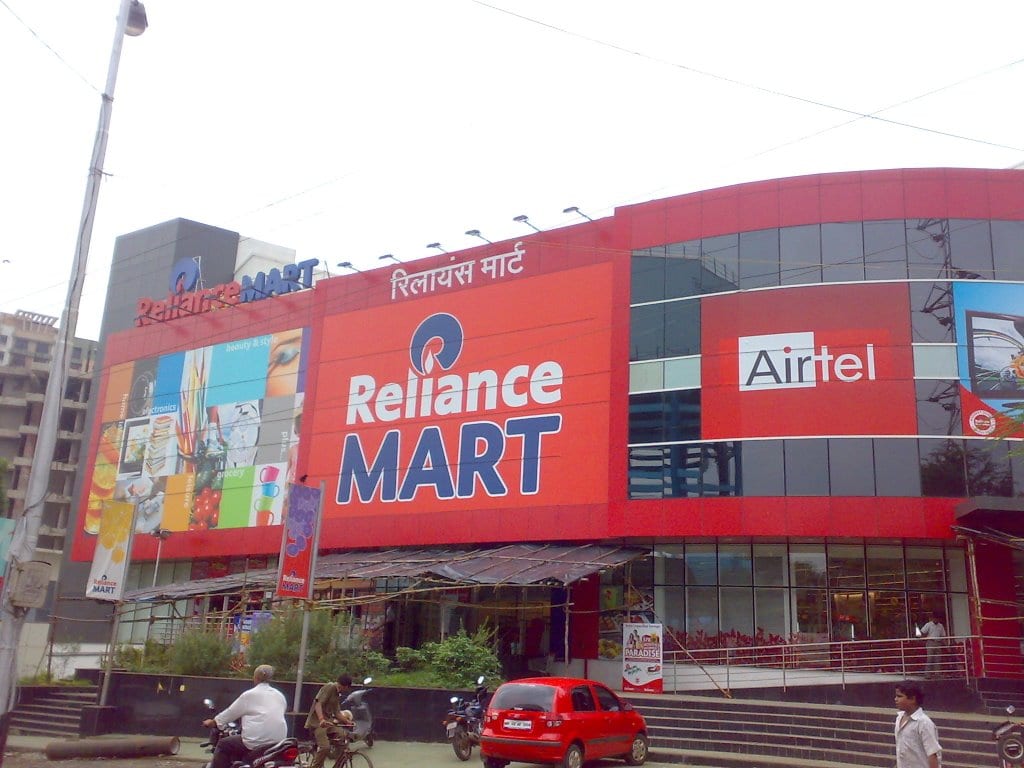
    Reliance Retail as the only Indian company in the top 250 list came in at the 94th position and was also placed sixth among the 50 fastest growing retail companies.

    In fiscal 2017, the company doubled its annual revenue to $10,649 million over the previous year.

    Walmart retained its position as the world’s largest retailer with an improvement in retail revenue growth by three per cent in 2017. Its major growth drivers were the acquisition of e-commerce firms such as Jet.com, ModCloth, Shoes.com, Moosejaw, and Bonobos, besides greater investments in store remodelling and investment in store wages.

    Walmart has recently acquired Indian e-commerce major Flipkart.

    The Deloitte survey reported sluggish growth in Europe, China and Japan, but said retailers continued to grow as a result of increased merger and acquisition (M&A) activity, new store openings, and robust e-commerce activity.

    “The global economy is currently at a turning point. Until early 2018, the global economy displayed strong growth.

    “With inflation accelerating in major markets, governments making shifts in monetary and fiscal policies, and most of the emerging markets experiencing significant currency depreciation the global economy will slow down in the near future,” Deloitte Global Chief Economist Ira Kalishsaid in the report.

    “For retailers, this change will mean slower consumer spending growth, higher consumer prices, and disrupted global supply chains,” he added.

  • Revealing Subway Hong Kong’s new strategy

    Revealing Subway Hong Kong’s new strategy

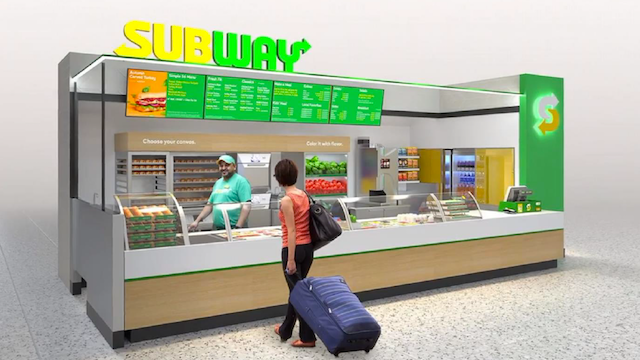
    Subway Hong Kong has chosen a university campus to launch the first of its new-generation store concepts in Greater China. The Fresh Forward restaurant decor marks a modernisation for the iconic made-to-order sandwich chain which with a new development office in Hong Kong and Macau is achieving same-store annual sales growth of more than 20 per cent. The new development office management team, comprising CEO Christel LeBrun, GM Jamie LeBrun and director Mark Rutherglen have more than 50 years of Subway experience between them.

    Subway Hong Kong’s new Fresh Forward restaurant opened on level 3 of City University’s Lau Ming Wai Building in late August. It takes up a 900sqft site and seats 30 guests, making it one of the largest Subways in Hong Kong and Macau. The larger footprint is representative of the new development office’s strategy to develop the brand on a larger scale, unlike the smaller kiosk-style locations opened in the past.

    During the grand opening the store served more than 1300 customers, fulfilling 200-plus orders an hour during peak lunch periods. “Last year, we focused a lot of energy on better service, fresher products and cleaner restaurants,” said Christel LeBrun. “The way in which our sandwich artists and managers handled the volume on opening day is a testament to how far the operations have come in 12 months.”

    Subway Hong Kong expects that by the end of this year half of its outlets across the two territories will be remodelled to the new concept which Jamie LeBrun describes as “Subway stepping into the 21st Century”.

    Features of the new look include digital and interactive menu boards that have a more product-focused design and are controlled centrally via a content-management system.

    New fresh-vegetable and bread displays show customers how the chain’s products are prepared fresh in store each day.

    Brightly coloured furniture and eye-catching graphics on the walls create a more welcoming and “fresh” environment for dine-in customers, who can enjoy the convenience of power points for laptops and USB charging ports to recharge smart devices.

    “Our customers want good food, better value and clean restaurants. And we’re giving them that,” said Jamie LeBrun.

    Michael Kyprianou, director of development with Subway Hong Kong and a part owner of the City University store, describes the new concept as “an absolute game changer”.

    Future Fresh Forward stores in the two cities will be set up to cater better to online ordering.

    “With the move towards services like Deliveroo and Foodpanda, we have redesigned the back of house so where we have a prep bench, you can lift it up and you’ll have a salad bar so you can assemble orders at the back of the store for delivery,” says Jamie LeBrun. “So when orders are coming in online during peak hours, someone will be out the back preparing orders and not interfering with the in-store trade.”

    Jamie LeBrun says some Hong Kong Subway stores can earn up to 25 per cent of their sales online. “That’s how big the online space is. When it’s raining, no one wants to go out and pick it up. People have got short lunchtimes too – no one wants to go stand in line.”

    Menu evolution

    A major part of Subway’s success last year was a revamped menu which Jamie LeBrun says will continue to evolve to reflect local tastes and feature ‘limited-time offers’.

    “Product innovation is the cornerstone of future success for our business.”

    An avocado promotion in stores last year with three popular combinations – Roast Chicken and Avocado, Bacon and Avocado and Turkey, Bacon and Avocado – achieved sales 200 per cent higher than forecast.

    This year, Subway Hong Kong promises a new product every six weeks, including limited time offers such as Black Pepper Beef, Shrimp and Avocado and Rotisserie Chicken sandwiches.

    “Currently in restaurants you will find a Japanese Curry Chicken that offers a great warm flavour for these colder months,” says Christel LeBrun.

    Late last year, the company expanded the core menu offer adding coffee to new restaurants through a partnership with Kolb, offering fair-trade coffee beans and fresh milk in hot or cold drinks made in store.

    This year, Subway Hong Kong plans another menu-centric initiative called ‘restore the core’ – the first part of this initiative will be an analysis of existing items and optimising the menu based on what is popular and what can be removed. The second part is then to improve on the products left on the menu.

    Also this year, Subway will be more engaged in the community by sponsoring major ‘active lifestyle and sporting’ events around the territory to boost its profile and make consumers aware of its new outlet design and menu.

    “We are looking at a few events that complement the Subway brand to partner with this year, we are eager to get back into the event space and engage more with our customers,” says Jamie leBrun.

    On World Sandwich Day the company plans to launch a promotion with proceeds donated to those in need via the St James Settlement in Hong Kong. “A number of restaurants were doing 130 sandwiches an hour, every hour for eight hours on the day last year,” says Christel LeBrun.

    Franchisee search

    The development office has several new outlets scheduled to open during the next six weeks, including a new Fresh Forward outlet on Hollywood Road, Central.

    New franchisees are being sought to to help expand its store network now the brand has revamped its decor and upgraded its menu.

    “We are looking for new franchisees that are team players to help grow the brand in the right way,” explains Christel LeBrun.

    “People that are looking to own their own business or be their own boss. Training is provided so it doesn’t matter what background they come from. We have doctors, lawyers, graduates, teachers, parents and everyone in between,” adds Jamie LeBrun.

    Four new franchisees joined last year with another 10 sought this year with the longer-term goal to have 100 outlets in the two territories within 10 years.

  • Dhaba restaurant opens its 10th outlet in Aerocity India

    Dhaba restaurant opens its 10th outlet in Aerocity India

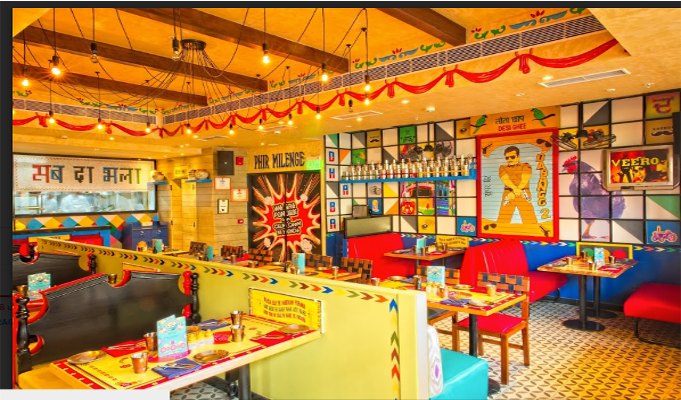
    Dhaba Estd 1986 Delhi by Azure Hospitality is all set to land itself at Delhi’s posh new Aerocity. The award winning deliciousness carries forward the thirty year legacy as it stamps another one at Delhi’s most favourite leisure destinations, The Walk at Aerocity. At Dhaba Estd 1986 Delhi, one not only experiences fabulous Dhaba food but from the moment the patrons enter till the time of their exit, the ambience recreates unparalleled highway eatery nostalgia. Given a shot of new age fun and kitschy interiors with the legendary classics on the menu along with some nouveau beauties – Dhaba is set to recreate the same magic again – but with more full-on Punjabi flair.

    “Keeping the drama to a minimum, we plan another Dhaba, where food is the king yet again. We are thrilled to share that Delhi’s prime food, beverage and leisure destination Worldmark at Aerocity is about to get struck with Dhaba’s dildaar Punjabi love that has been warmly accepted in Delhi NCR, Pune, Chennai, Hyderabad and Bangalore. Aerocity restaurant marks the tenth outlet for us after five successful years across the country. The response has always been heart-warming and we look forward to the same yet again,” say Rahul Khanna and Kabir Suri, Directors, Azure Hospitality.

    Dhaba comes in a new avatar with signature kitschy quirk, vintage collages and retro Indian décor of the 80s and 90s, and use of popular Indian weaving techniques in ikat fabrics. Designed by Atul Anand, this 52-seater outlet showcases environmental friendly décor using recycled elements and community tables for group seating. The ambience effortlessly infuses the excitement of a highway meal; and in fact, takes it up a fair few notches! The creative chaos of colours, quirky desi quotes, revival of vintage black and white Bollywood posters and the signature truck art adds to the overall dining experience. The mood of the restaurant is further enhanced by the mock façade of a building, which is designed like a small town.

    With a crafted legacy of over 30 years, the real highway magic always takes place in the kitchen. With a legendary classic Indian menu divided into three drooling parts – the Tandoor, Tawa and Patila, food at Dhaba will be a true showstopper amongst corporate and tourists visiting the location. Chef Ravi Saxena expertly helms the Dhaba kitchen chronicle, reconditioning its fabled signature recipes bringing forth the best of highway cuisine and North Indian cuisine concepts. With signature recipes since 1986 and the new experimental highway specials, there are a whole lot of new and signature dishes for everyone to try.

    The food menu is inspired by travels down the highways of India and the eccentric by-lanes of old towns famous for unique age-old recipes. In addition to the age –old classics, the new menu experiments with newer flavours showcasing Highway specials, not only from Punjab but from all over the country. The essence and soul of Dhaba is Punjabi, however a whole range of regional dishes are now available for indulgence.

  • Korean Netflix shows target a global audience

    Korean Netflix shows target a global audience

    Ahead of the launch of Netflix’s first original Korean drama series today, executives from the streaming giant expressed confidence in the global popularity of Korean content at a press briefing in Seoul, Thursday. Kim Min-young, the director of content at Netflix in Korea, said that she expected to win over fans with the company’s first-ever original Korean drama series “Kingdom,” a highly-anticipated zombie series that launches on the streaming platform.

    “‘Kingdom’ will launch in 190 countries in 27 languages at the same time, with dubbing provided in 12 different languages,” Kim said.

    “We expect many users will want to watch it, as it can appeal to both people who like zombie thrillers or just Korean content … I believe in our creators and [the popularity] of Korean media, which is also the reason why Netflix launched Korea’s own content team in the country last year.”

    Before last May, the team that produced and licensed content to Netflix for the Korean market worked from Singapore at the company’s Asia-Pacific headquarters. Following the relocation, the Korean content team has been pursuing licensing and production activities more actively, working with domestic content producers like JTBC and Studio Dragon.

    Regarding original production in Korea, Kim said she benchmarks successful foreign Netflix original dramas like Spanish title “Elite” and Turkey’s “The Protector” that became huge hits with users across the world.

    “Our ultimate goal is to present entertainment to consumers, and from our experience, we found it necessary to give creators the freedom to tell the story they want to share,” said Kim.

    “As you can see with ‘Black Mirror: Bandersnatch,’ we will help producers to not be hindered from doing what they want because of technological limits.”

    “Black Mirror: Bandersnatch” is a choose-your-own-adventure film by Netflix that allows users to choose one of many action courses for the characters throughout the movie to determine how the plot progresses. Kim hinted that the impressive technological feats as shown via the interactive video could also be made possible in Netflix’s Korean programs.

    “We were also satisfied with the performance of our original entertainment program ‘Busted!,’ as reflected by our decision to produce a second season,” she said.

    The Netflix team also addressed concerns that Netflix provided limited service offerings and imposed unfair deals on its Korean partners.

    “Although we can’t provide all content available out there, we conduct analyses to discover what content users want,” Kim said. “But we have contents like ‘Friends,’ ‘Walking Dead’ and ‘Kim’s Convenience’ which users can’t access elsewhere.”

    In response to a rumored nine-to-one profit division between Netflix and Korean distributors like IPTV operator LG U+, Nigel Baptiste, director of partner engagement at Netflix, said that he could not “go into the specifics of what the deals are with our partners,” but the goal was to help “everyone in the ecosystem benefit.”

    The team did reassure users that subscription fees will not rise anytime soon in Korea.

    “We did increase prices in the U.S. … but we don’t have plans to do so right now [in Korea],” said the vice president of Asia-Pacific communications, Jessica Lee.

    Netflix is planning to release several new series in Korea this year – the first seasons of “Love Alarm,” “My First First Love,” “School Nurse Ahn Eun Young” and the second season of “Busted!”

    Mobile app research company WiseApp reported that some 900,000 Koreans used the Netflix mobile app on Android phones alone last September.