Tag: asia

  • Vietnam’s interest rate rises in the lead-up to biggest national holiday

    Vietnam’s interest rate rises in the lead-up to biggest national holiday

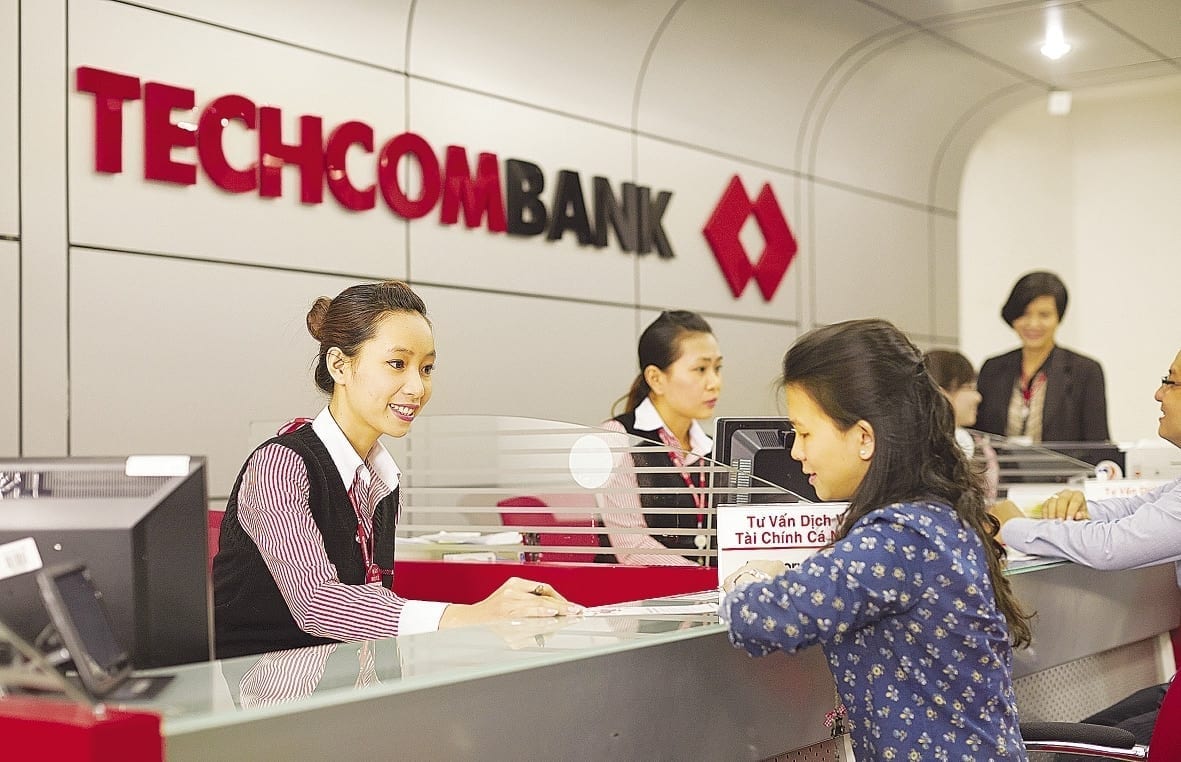
    Banks have hiked deposit interest rates by 0.1-0.5 percentage points as the country’s spending demand surges prior to Tet. Private lender Asia Commercial Bank last Friday introduced a new interest schedule with an increase of 0.2-0.3 percentage points in rates on most deposit terms. It also offers rates proportional to the amount of deposit. Techcombank, another of the larger private banks, since January 21, has hiked rates by 0.2-0.3 percentage points for terms of up to 12 months.

    Earlier, in mid-December most private banks had upped rates by 0.1-0.7 percentage points, while state-run banks increased them by up to 0.5 percentage points.

    However, there are also a few banks that choose to ‘go against the current’ by lowering deposit rates on same products. For instance, BIDV, Vietnam’s biggest lender by assets, has just lowered interest rates on its deposit rate schedule effective from January 22.

    BIDV’s 5-month savings is now 5.2 percent interest, down from its previously 5.5 percent which was its approved ceiling rate.

    Previously, at the end of December 2018, BIDV increased the 5-month term interest rate by 0.5 percentage points per year.

    On the same day, VPBank also reduced the interest rate on their 6-36 months terms by 0.1-0.5 percentage points.

    Specifically, the bank’s regular savings interest rate with 6-11-month terms is lowered by 0.2 percentage points, and is now 7 percent. The 12-month term interest rate is 7.05 percent; both 13 and 15 month terms are down 0.2 percentage points, and are now 7.2 and 7.4 percent respectively.

    However, VPBank still currently holds the highest single interest rate in the market of 8.6 percent for its 18-36 month fixed term savings.

    Experts believe that the negative adjustment of interest rates at some banks such as BIDV and VPBank may be for the purpose of restructuring to meet the banks’ individual capital needs, and does not yet accurately reflect the interest rate trend in the following months.

    In fact, the period before the Tet Lunar New Year holiday is when cash is still in high demand in the economy, as businesses need to withdraw money to pay bonuses and salaries, and people will withdraw cash to spend for Tet which will start from February 5.

    At the conference on tasks for the banking industry in 2019 on January 9, Deputy Governor of the State Bank of Vietnam (SBV) Dao Minh Tu said that banks have recorded a decline in deposits.

    According to him, this is a phenomenon that banks need to keep their eyes on, to determine where the flow of capital has gone, to real estate or production, or another channel in order to make reasonable adjustments to their plans.

    Tu said the SBV had adamantly stuck to its policy to stabilize interest rates despite very high pressure to drive rates upwards in 2018. Many small banks had raised short-term deposit rates to attract capital and improve liquidity, resulting in the central bank having to pump more money into the market or use other measures to limit and keep interest rates stable for businesses.

    The deputy governor said the SBV had to balance between the conflicting interests of banks, savers and businesses to come up with an appropriate interest rate for the whole market.

    The SBV targets credit growth of 14 percent this year, the same as last year. As a result, he noted, commercial banks will have to make better quality loans this year to avoid bad debt.
  • WH Smith opens two further stores in Philippines airports

    WH Smith opens two further stores in Philippines airports

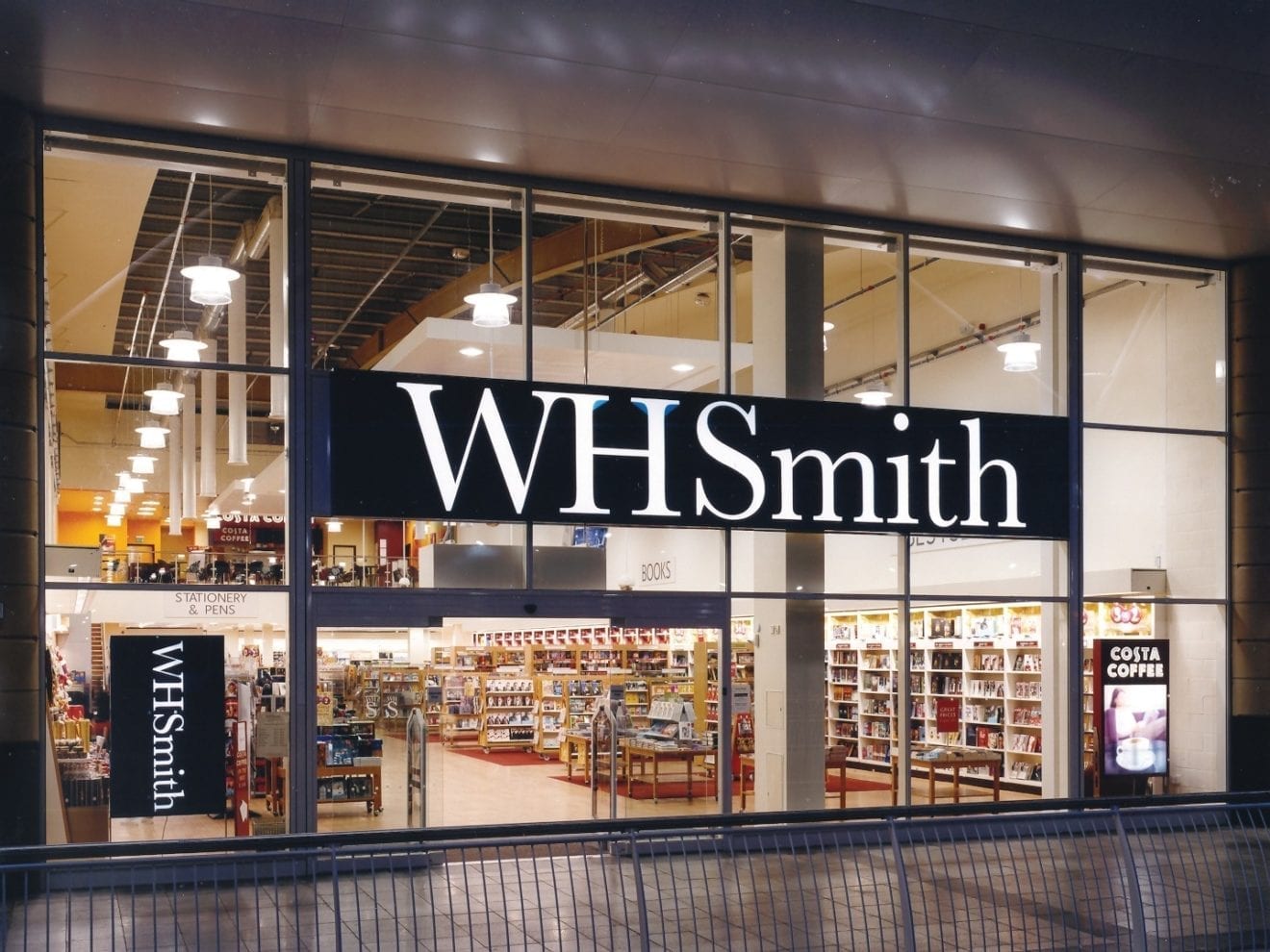
    International news and convenience retailer WHSmith has opened two new stores at Mactan-Cebu International Airport. The new branches under local franchise partner Regent Distributor Philippines join three existing stores at Mactan-Cebu and Manila Ninoy Aquino International Airports showcasing the retailer’s latest fascia, fixtures and fittings. The move is part of the brand’s overall strategy to bolster its presence in Asian markets.

    “We are very pleased to add an additional two stores to our growing portfolio in the Philippines”, said Phil McNally, MD international WHSmith. “With a fresh and modern look, we look forward to welcoming customers to the new stores to enjoy a full range of news, books, travel and convenience items.”

  • Time for South Korean cosmetics to face challenges

    Time for South Korean cosmetics to face challenges

    South Korean cosmetics stores that have been the drivers of the ‘K-Beauty’ industry for the past 15 years are facing a crisis, exposing their limitations. The cosmetics industry is undergoing a series of transformations due to decreased demand from China and a change in distribution structure resulting from stagnant domestic demand and increased competition.

    Nowadays, it is common to see health and beauty shops (H&B) such as Olive Young and LOHBs reorganise and shift their main focus online.

    According to cosmetics industry analysts, the size of the South Korean cosmetics stores’ market was 2.29 trillion won (US$2.05 billion) in 2017, which reflects a rapid decrease since the peak in 2016. It is estimated that total sales last year decreased by 15 per cent from the previous year.

    With sales decreasing, the industry is closing down branches. The number of South Korean cosmetics stores began to shrink in 2017 and is estimated to have fallen to 5200 last year.

    Popular brand Skinfood is facing an imminent crisis. The company, once a huge hit with the phrase “Don’t eat, give it to your skin” entered corporate restructuring last October, after encountering difficulty securing liquidity due to excessive debts.

    Those who suffer the most in the process are franchise owners, who are protesting that the company is trying to avoid the worsening situation without taking responsibility.

    The causes of the decline of the retail shop are numerous. The first reason is the excessive competition within the industry.

    Add to this, China’s retaliatory actions as part of the THAAD missile crisis in 2017 led to huge decrease in sales.

    Changes in distribution structure have also played a role. H&B shops are now leading the market, offering a variety of brands in one place, instead of a closed structure.

    These types of stores are a gaining competitive edge as they can sell occupy low and medium-priced brands and new venture brands as well as establish strategic products.

    Retail shops became a mainstream cosmetics market in the early 2000s. Amid the economic slump, retail shops continued to grow in number as brands gradually added fast product launch strategies and functional products aligned with trends based on affordable prices.

    Chinese tourists clearing out the shops in the wake of the Korean wave contributed to the growth of retail shops. However, in the current situation, retail shops are only beginning to restructure.

    While some chains of South Korean cosmetics stores are choosing to downsize their branches, others have chosen to invest aggressively.

    Those who chose aggressive investment plans in a bid to become global cosmetics companies hope to achieve economic success despite the difficult situation and uncertain prospects for the future.

  • Lotte’s Ministop deal falls through

    Lotte’s Ministop deal falls through

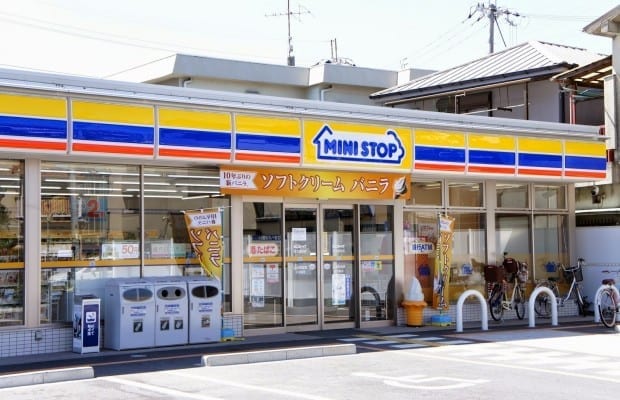
    The sale of convenience store chain Ministop fell apart as potential bidder Lotte and the Japan-based convenience franchise failed to agree on a price. The AEON Group of Japan, the largest shareholder of Ministop Korea, filed a notice on Monday that it has suspended the sale process to sell its full stake in the unit. The AEON Group owns a 76.06 percent share while Daesang Group, a Korean food conglomerate, has a 20 percent stake. Japan’s Mitsubishi holds 3.94 percent.

    Ministop Korea also notified its workers of the suspension, vowing to keep searching for a potential suitor.

    Executives from AEON and Ministop visited Seoul over the weekend to meet Shin Dong-bin, chairman of Lotte Group, which also owns 7-Eleven in Korea.

    The retail giant has been considered the likeliest buyer since it reportedly offered the highest price of around 400 billion won ($357.3 million).

    Other competitors include Shinsegae, which owns convenience store franchise Emart24, and Glenwood Private Equity, a local private equity firm.

    Ministop opened a bidding process back in November, but delayed selecting a preferred bidder.

    The introduction of a government regulation banning the opening of convenience stores within 80 meters (262 feet) of another store led to Ministop requesting a higher price, according to local media outlets.

    Ministop’s sale garnered attention from the beginning because it could impact the highly-competitive convenience store chain market in Korea.

    Ministop operates 2,500 stores across the country. If Lotte had succeeded in acquiring Ministop, it could have increased its number of stores from 9,500 to 12,000.

    CU runs the most stores, at 13,109, while the second player is GS25 with 13,018.

    Emart24 ranks fourth with 3,564 stores.

  • Senai Airport Malaysia records 13% passenger growth in 2018

    Senai Airport Malaysia records 13% passenger growth in 2018

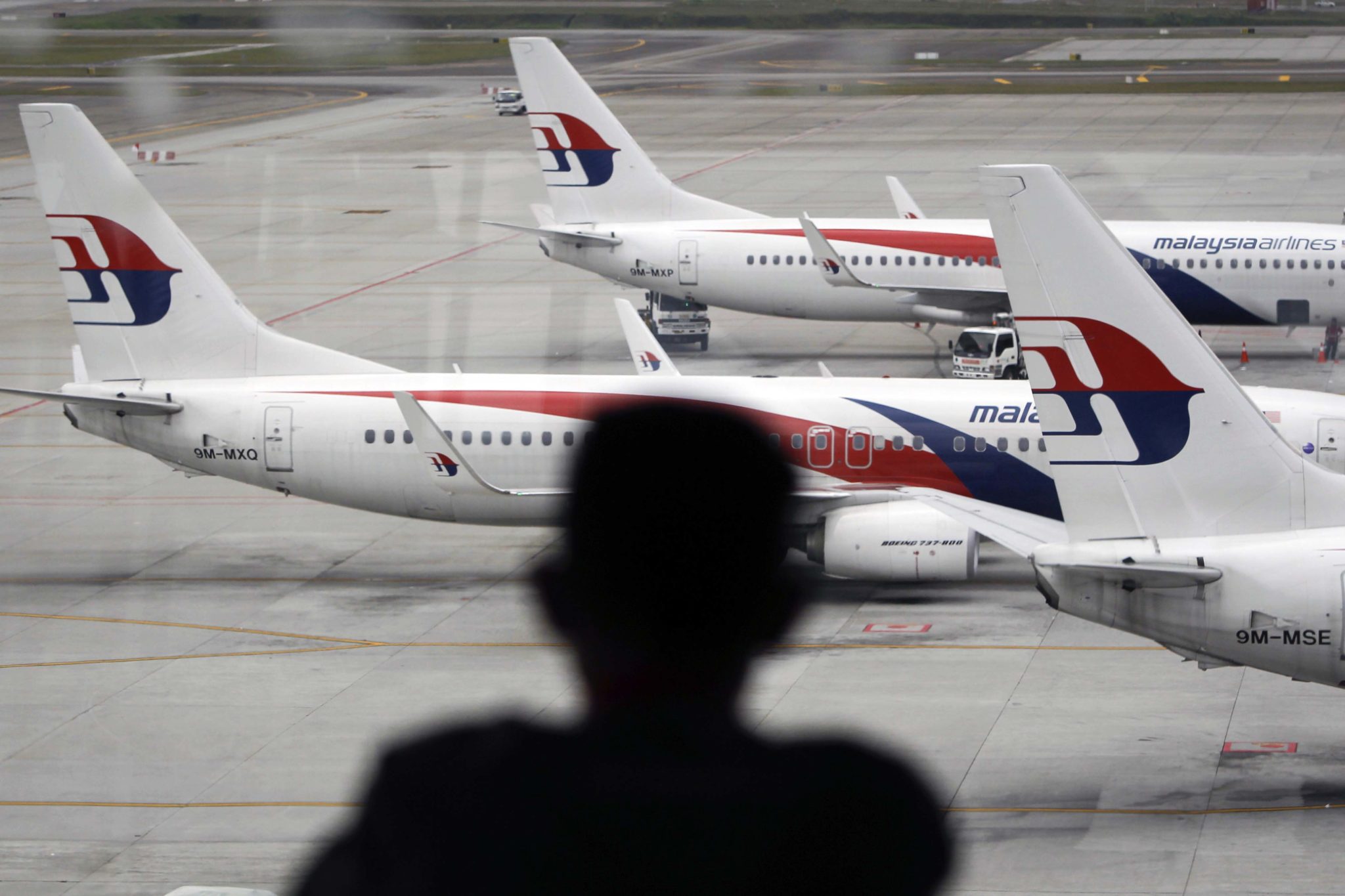
    Senai International Airport handled 3.52 million passengers last year, a 13% increase from the number of passengers recorded in 2017. Md Derick Basir, CEO of Senai Airport Terminal Services Sdn Bhd (SATSSB), the airport operator, said growth was mainly driven by domestic passengers with an increase of 234,650 passengers while international passenger traffic rose by 37% to 600,000 in 2018.

    “Growth was fuelled by the southern region’s rigorous economic activities, escalating demand for business and corporate travel, as well as the leisure sector,” he said in a statement.

    Commercial aircraft movement grew 8% with a total of 32,574 landings and takeoffs compared with 2017.

    “The rise in total passenger traffic in 2018 was mainly attributed by the introduction of new routes including Seoul by Jin Air, Sanya and Haikou by Malindo Air, as well as Alor Star and Ipoh by AirAsia.

    “In addition, the increase in flight frequencies to existing sectors such as Kuala Lumpur, Penang, Kota Kinabalu, Langkawi and Bangkok had also contributed to the growth,” he said.

    Md Derick added that SATSSB had also collaborated with industry players including tourism bodies and airlines to promote Johor as a destination, ultimately to encourage the demand for more air connectivity.

    “For 2019, Senai International Airport aims to handle 3.76 million passengers,” he added.

  • Korean firm to set up halal ramen plant in Malaysia

    Korean firm to set up halal ramen plant in Malaysia

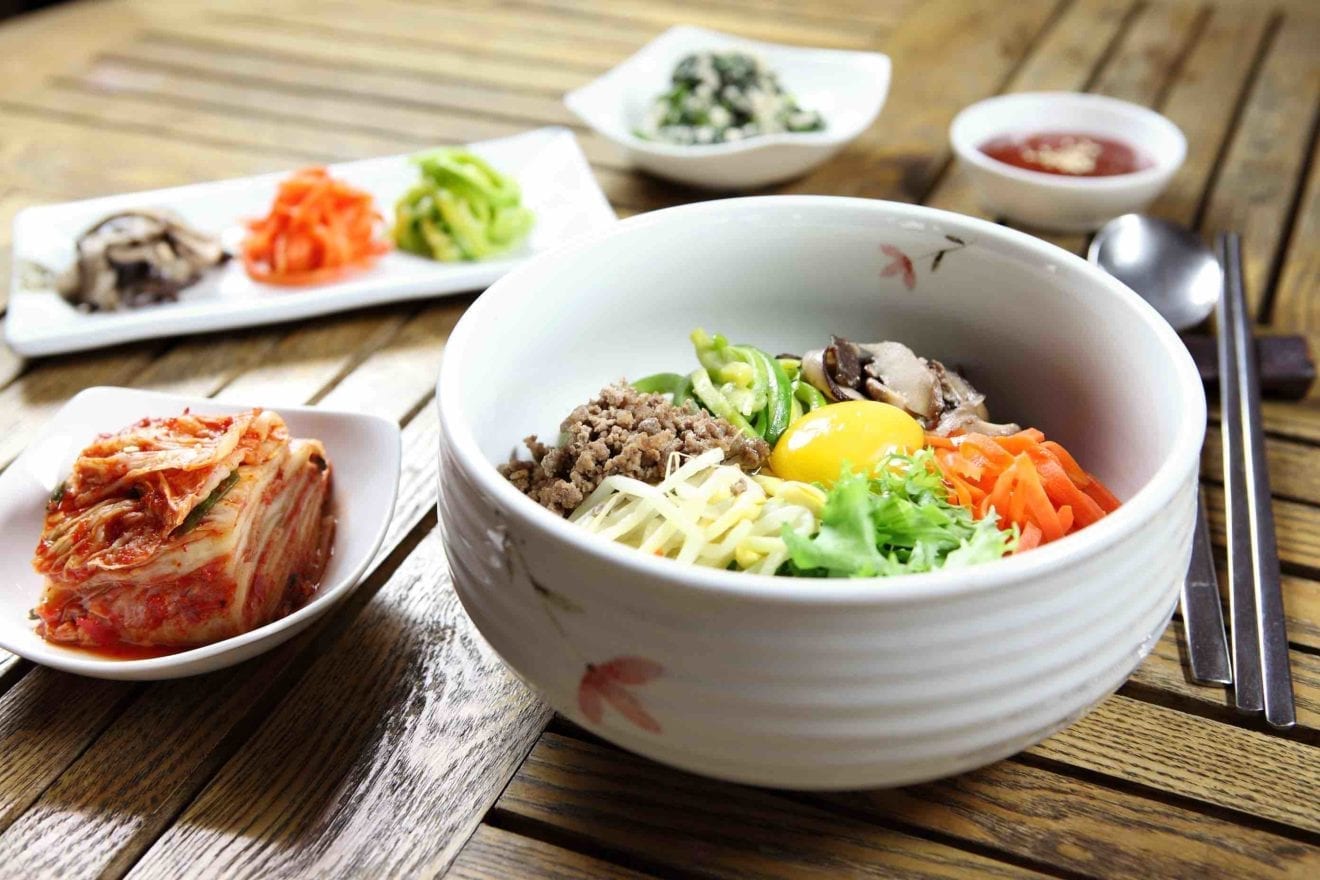
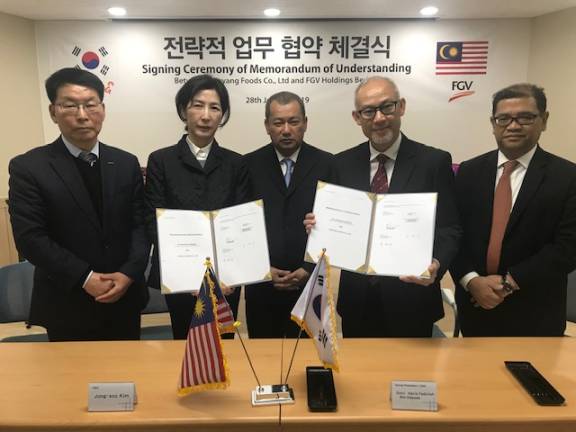
    FGV Holdings Bhd is looking to partner with South Korea’s Samyang Foods Co Ltd for the establishment of Samyang Halal’s production facilities in Malaysia. FGV told Bursa Malaysia that it had signed a memorandum of understanding (MoU) with Samyang. The production facilities will focus on serving halal ramen and instant noodle products for Malaysia and global markets.

    FGV’s newly appointed CEO Datuk Haris Fadzilah Hassan said the collaboration is part of he group’s strategic direction to expand its downstream business by diversifying the product offerings and penetrating into new markets.

    Its logistics and support businesses sector is also set to benefit from this partnership by providing a total logistics supply chain solution.

    “With this MoU, FGV hopes to explore the opportunity for both parties to establish a halal ramen and instant noodle manufacturing plant in Malaysia. The global halal food market is one of the fastest growing segments in the food industry and is expected to reach more than US$740 billion in value by 2025,” Haris said.

    FGV said the collaboration will also give FGV access to Samyang’s supply chain, which includes cooking oil, vegetable fats and sugar for its existing ramen plant in Wonju, South Korea.

    Samyang is listed on the Korean Stock Exchange with a market capitalisation of KRW459.514 billion (RM1.68 billion). It is in the business of manufacturing and selling various food products such as ramen, snacks, dairy products, sauces, and frozen dumplings.

    FGV noted that its downstream entity Delima Oil Products Sdn Bhd (DOP) can leverage on Samyang’s strong R&D and global distribution networks to improve quality and expand the reach of its “Saji” products regionally and globally.

    “In addition, DOP will benefit from Samyang’s ver 50 years’ experience in the ramen and instant noodle industry to strengthen its own products and brand positioning.”

  • French furniture brand Roche Bobois opens showroom in Singapore

    French furniture brand Roche Bobois opens showroom in Singapore

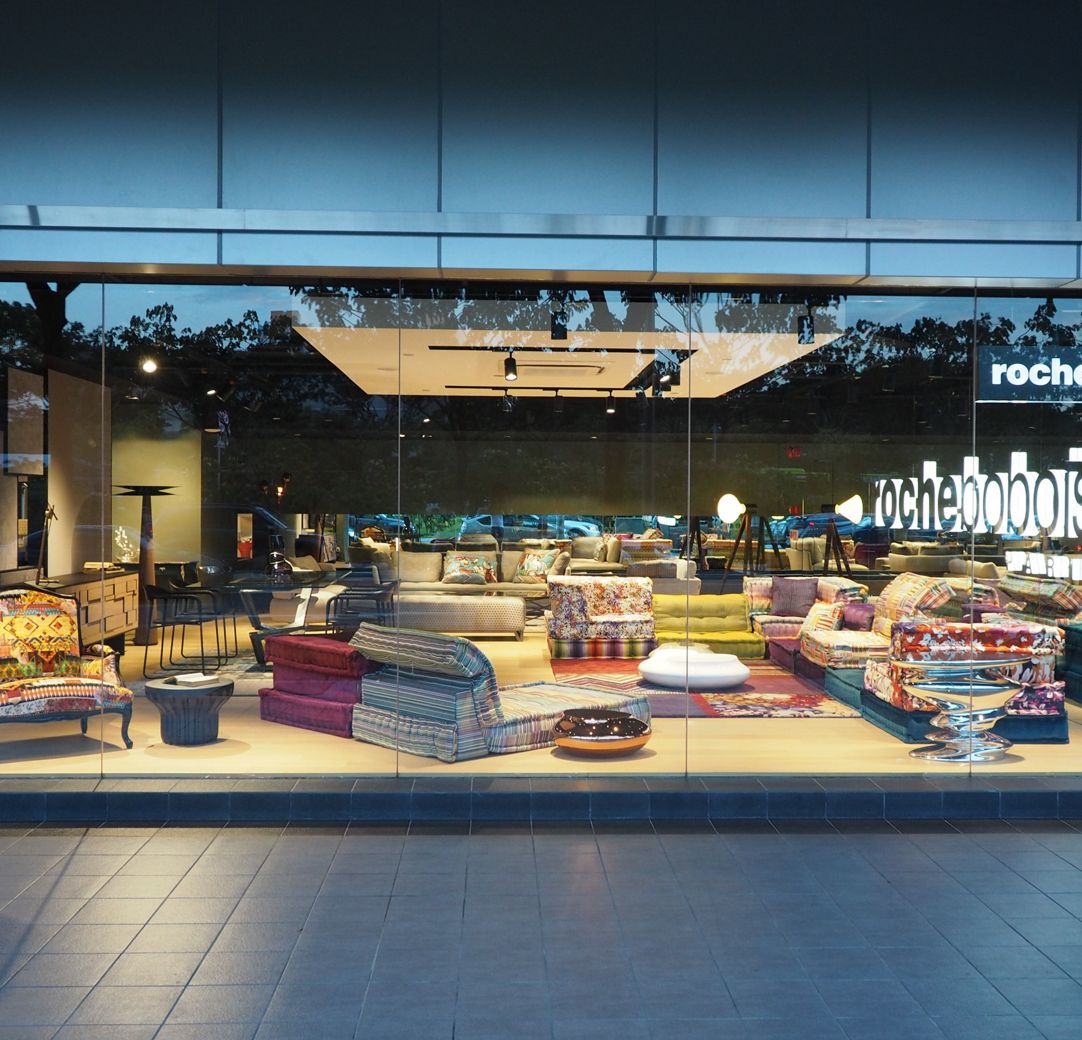
    French high-end furniture brand Roche Bobois has announced the opening of its Singapore showroom with a brand new design concept. The 5300sqft Roche Bobois Singapore showroom is located in the Boon Siew Building on Bukit Timah Road features an expansive floor-to-ceiling window to frame the brand’s collections, designed to resemble a jewel box from a distance.

    “Singapore is a city known for its appreciation of modernity and open-mindedness and these ideals are central to the Roche Bobois brand”, said company CEO Gilles Bonan.

    “This opening demonstrates the brand’s ambitions in Asia; we are already present in China, Hong Kong, South Korea, the Philippines, Japan, Vietnam and India and we intend to increase our presence in this strategic part of the world.”

    Roche Bobois operates more than 265 showrooms in more than 55 countries. After 17 new stores opened in 2017, it continued its growth last year in cities such as Hanoi, Washington, Tokyo and San Diego, with the Roche Bobois Singapore showroom its latest globally.

  • Excess car demand for Tet holiday drives prices up in Vietnam

    Excess car demand for Tet holiday drives prices up in Vietnam

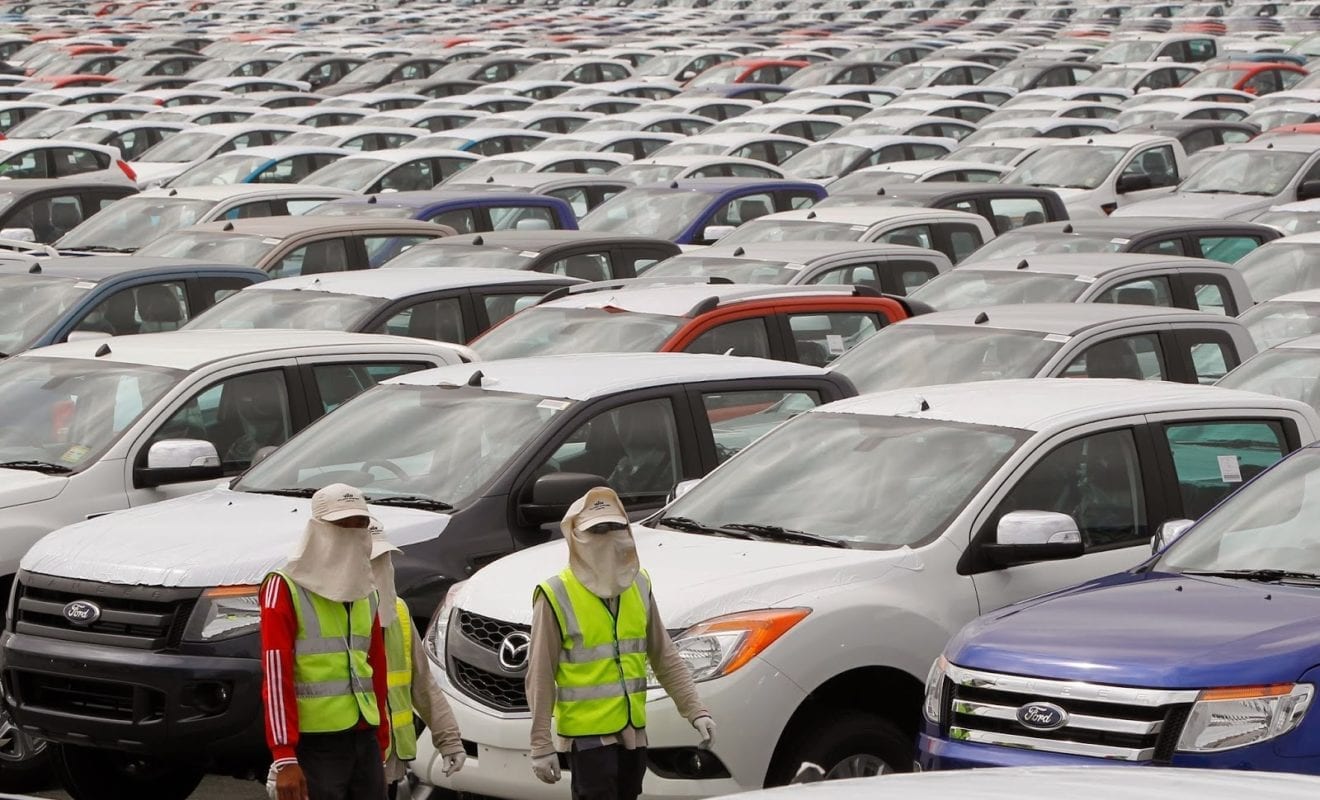
    The surge in demand for cars before the Lunar New Year means customers have to wait or pay extra to get immediate delivery. With only weeks to go for the Lunar New Year Festival (Tet), which falls on February 5 this year, consumers are rushing to order automobiles leading to a shortage in the market. They either have to wait for a long time for delivery or, for quick delivery, opt for accessories which can cost an extra VND70-150 million ($3,013-6,458).

    For instance, Hyundai SUV Santa Fe requires an extra VND70-160 million ($3,013-6,887), which is 7-16.1 percent above the minimum listed price, while for the Toyota Fortuner it is VND100-150 million ($4,305-6,457). But most customers will have to wait until March for delivery if they signed the purchase agreement last November or later.

    The only way to get guaranteed delivery before Tet is to buy from someone who signed earlier, car dealers said, explaining that a dealership only gets around 20 units in each model per month but demand is two to three times that number.

    The shortage is because of difficulties in importing at the beginning of 2018 as a result of a new regulation tightening imports, Tran Thanh Binh, director of Thanh Binh Automobile Import Export Trading Service Co Ltd, said.

    The regulation stipulates that traders are only permitted to import if they can provide valid vehicle registration certificates issued by authorities from the countries of origin.

    Original quality control certificates for each vehicle and letters of authorization regarding recalls of defective vehicles from the manufacturers are also required, along with copies of quality assurance certificates provided by the countries of origin.

    “This made companies stop ordering from factories in Indonesia and Thailand. The second half of 2018, however, with these difficulties resolved, businesses have started to order again. But, since the factories also produce for many other markets, Vietnam was not able to order enough,” he explained.

    Vietnam imported 6,362 cars, including 4,264 personal cars, 1,820 trucks in the first 15 days of 2019, according to Vietnam Customs.

  • Thai’s King Power Duty Free, World’s Leading Airport Duty Free Operator 2018

    Thai’s King Power Duty Free, World’s Leading Airport Duty Free Operator 2018

    Thailand’s King Power Duty Free has won the world’s ultimate accolade for travel, tourism and hospitality industry excellence, voted ‘World’s Leading Airport Duty Free Operator 2018 in the 25th World Travel Awards. King Power Duty Free triumphed ahead of than a hundred duty free operators worldwide including shortlisted finalists China Duty Free Group, Hong Kong’s DFS, Dubai Duty Free, Swiss-based Dufry, Duty Free Americas, Germany’s Heinemann Duty Free, France’s Lagardere Travel Retail, and South Korea’s Lotte Duty Free and The Shilla Duty Free.

    “The award strengthens Thailand’s tourism image as a world class destination while underlining the outstanding capability of a Thai company,” said King Power Group CEO, Mr Aiyawatt Srivaddhanaprabha. “King Power is proud to be Thai and committed to the national travel retail business, setting a new benchmark for world-class duty free shopping experience.”

    Operated by King Power International, King Power Duty Free was earlier voted Asia’s Leading Airport Duty Free Operator 2018 in the regional finals of the World Travel Awards.

    World Travel Award was established in 1993 to annually acknowledge, reward, and celebrate excellence across key sectors of the travel, tourism and hospitality industries. Today the brand is recognized globally as the ultimate hallmark of industry excellence, voted by travel, tourism and consumer trade executives.

  • Companies, workers struggle as cracks appear in China’s economy

    Companies, workers struggle as cracks appear in China’s economy

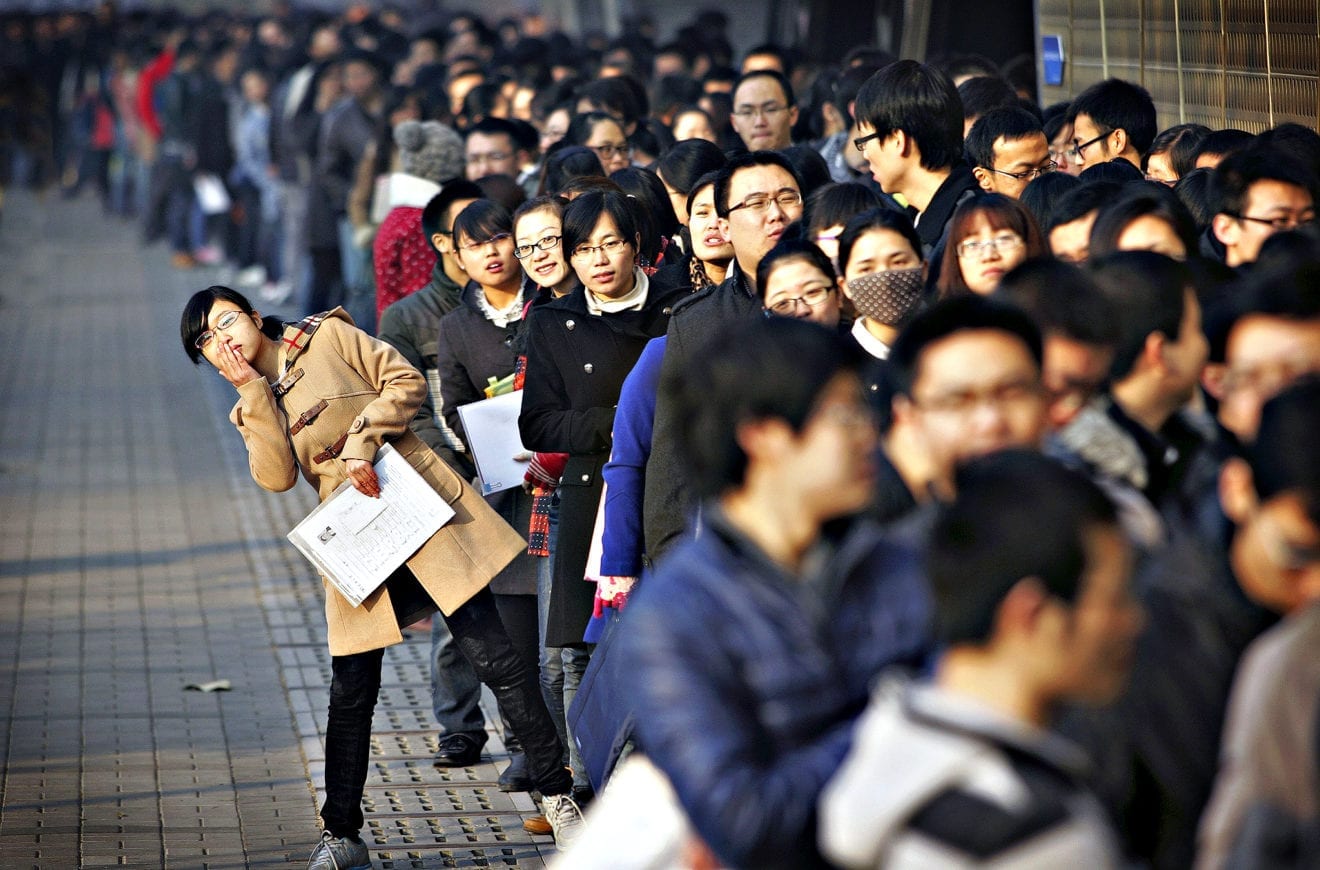
    Cracks are opening in China’s mighty economy: investors are backing away from deals, factories are moving abroad and companies are shedding jobs. The world’s second-largest economy is losing steam, hitting its slowest growth in almost three decades last year, and flagging further in recent months. While gross domestic product grew at 6.6% in 2018 – a rate that would be the envy of most nations – China’s efforts to cut its debt mountain have weighed on the economy.

    Private businesses in particular face new hurdles as costs rise and financing becomes harder to come by, while the trade war with the United States has not helped.

    Here is a look at some of the struggles faced by Chinese companies and people:

    Game over for gamers

    Feeding China’s addiction to video games seemed an easy bet for Beijing Yixin Technology, a tech startup behind the mobile game Farm Take Home.

    The game allows players to harvest wheat, raise chickens and plant apple trees – a bucolic refuge from the pressures of urban China.

    But in real life, the tech firm has struggled to find investors.

    “In December our company’s funding ran out, we had an investment lined up, but the money never came through,” said chairman Cui Yi. “This month I arranged another investor, then he backed out too. I think we can’t hold out.”

    His company is not alone.

    Venture capital funding dried up at the end of last year. Total investment in the fourth quarter fell 13% from a year earlier, according to data from Preqin market research.

    Policymakers are partly to blame, pushing a war on debt and financial risk that has cut the funding flowing into investment firms, industry insiders say.

    Another government diktat halted new video game approvals for months – officially due to youth gaming addiction concerns – sending firms like Beijing Yixin into a deep freeze.

    Trade war

    Other companies are facing the fallout from the trade war with the United States.

    More than a handful of exporters have sought to get around US tariffs by building factories outside China, according to a review of public stock filings.

    Others are sending workers home early for Chinese New Year or cutting overtime.

    Last month China’s exports fell.

    “It has hit our profits,” Harry Shih, manager of Runfine Bearings in eastern Zhejiang province, said of the trade war.

    Washington slapped 25% taxes on many types of ball bearings in July. Shih said he had shared the cost increase with his customers, roughly half of whom are from the US.

    “Business is going down for most companies including factories. Like me they have the same problems, profits are going down” as costs rise, said Shih.

    Job crunch

    Official data shows unemployment at a stable rate, rising slightly to 4.9% last month. But independent data paints a different picture.

    In October-December advertised tech positions fell by 20% from a year earlier, after declining 51% in the third quarter, according to data from Zhaopin, China’s largest recruitment website and Renmin University.

    China’s economy “faces downward pressure, and to some extent this pressure will be transmitted to the job market,” said Meng Wei, a spokeswoman for the National Development and Reform Commission, China’s state planner.

    A lawyer who consults on labour disputes, Guo Xuehai of Beijing Zhonghai Law Firm, said, “there are definitely more employees coming for help than before,” but added this was usually the case at this time of the year.

  • SEA e-commerce market to grow at 23 per cent

    SEA e-commerce market to grow at 23 per cent

    Southeast Asia’s online retail market is expected to reach US$53 billion in the next five years, according to a recent analysis by Forrester Consulting. The report anticipated a compound annual growth rate (CAGR) for the industry of 23 per cent over the period, given the momentum of smartphone penetration and fast-growing economies in the region. Currently the area’s largest online retail market is Indonesia – which took 41 per cent of Southeast Asian online sales last year – followed by the Philippines with its strong base of social media users.

    The report identified fashion as the main driver of growth in Southeast Asia’s online retail market, while consumer electronics retains the greatest market share at 24.2 per cent. Fashion and cosmetics brands launched online are likely to be a more regular marketplace feature in the near future.

  • Net-a-Porter launches kidswear with Gucci

    Net-a-Porter launches kidswear with Gucci

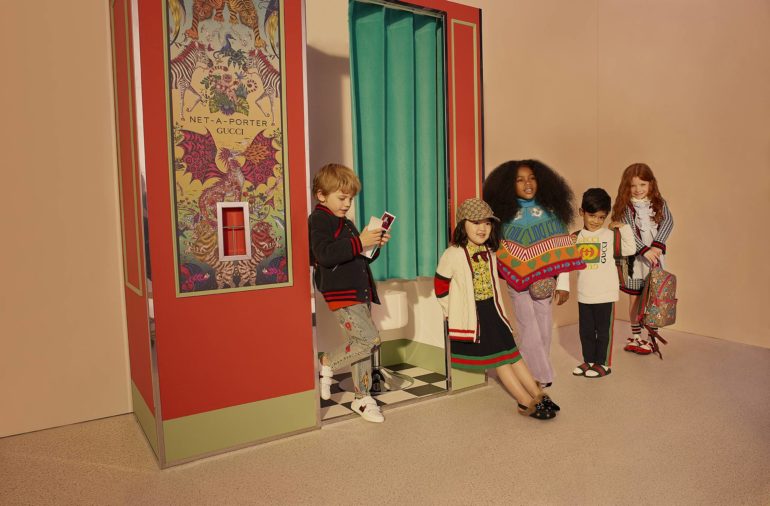
    After its Gucci and Dolce & Gabbana childrenswear pop-up e-shops generated a resounding “more!” from Net-a-porter.com customers, the retailer is launching a multi-brand kidswear collective. By “collective”, Net-a-porter.com means, quite simply, a tight edit of brands which have all created exclusive capsule collections for the website. Yeah Right NYC Kids, Alanui Kids, ATM Kids, Chinti & Parker Kids, Lingua Franca Kids, Golden Goose Deluxe and Veja make up the list of seven labels for girls and boys ages one to 12.

    “The new year felt like the perfect time to launch this collective,” Elizabeth von der Goltz, Net-a-porter.com’s global buying director, tells Mini Vogue. “It’s January – kids are back to school but there’s this idea of cosiness and wanting to feel comfortable.”

    The capsules, accordingly, reflect this: cashmere sweaters, comfy cardigans, track pants and trainers populate the new section. “Whether it’s for ourselves or for our kids, we are always thinking about wellness in January so this this an extension of that – it’s luxe athleisure for kids!”

    If the list of brands feels more offbeat than the global labels Net-a-porter.com first dabbled in the kidswear market with, this was intentional.

    “As an online global retailer known for our distinct fashion point of view, we wanted to take this and bring it to the kidswear market, creating something different from traditional retailers.”

    Von der Glotz is particularly excited about the patterned cardies from Alanui Kids collection and the mini-me versions of Golden Goose and Veja sneakers – two of Net-a-porter.com’s best-selling shoe styles.

    The e-tailer is confident it has quietly developed a recipe for success: “Our customers have been highly engaged with all of our kidswear pop-ups with most styles selling out within just a matter of weeks of launching,” she continues.

    Four out of five of the Gucci products sold were logo T-shirts, and the fifth was the belt bag. “It’s so interesting to see, as the pieces are in such high demand in our adult range too.” Starting them early is certainly paying off for the business.

  • Vietnam makes debut in Bloomberg innovative economy index

    Vietnam makes debut in Bloomberg innovative economy index

    Vietnam has for the first time entered the Bloomberg Innovation Index of the world’s 60 most innovative economies. It scored 45.92 out of 100 in the 2019 index. Other new entrants include India, Mexico and Saudi Arabia. Bloomberg said: “The index analyzes dozens of criteria using seven metrics, including research and development spending, manufacturing capability and concentration of high-tech public companies.”

    Vietnam’s highest rankings were 34th in high-tech density and 39th in patent activity. It ranked a lowly 59th in productivity.

    Its productivity in 2017 was among the lowest in Asia despite growth, according to the Vietnam Annual Economic Report released by the Vietnam Institute for Economic and Policy last year.

    An average Vietnamese worker made VND60.73 million ($2,600), lower than the rate for Cambodia, Indonesia Malaysia, the Philippines, and Thailand, it said.

    In the Bloomberg index, South Korea retained its top place from last year and was followed by Germany, Finland, Switzerland, and Israel.

    Other Southeast Asian countries were Singapore in sixth place, Malaysia (26th) and Thailand (40th).

  • Hyundai Mobis net swings to positive in Q4

    Hyundai Mobis net swings to positive in Q4

    Hyundai Mobis, Korea’s biggest auto parts maker, said Friday it shifted to net profit in the October-December period due to a low base effect. A net profit of 419.8 billion won ($374.1 million) was achieved for the three months that ended in December, from a net loss of 168.6 billion won a year earlier, the company said in a statement. The result was helped by the high level of corporate taxation reflected in the bottom line for the last quarter of 2017, but there were no such one-off outlays in the final three months of last year, a company spokesman said.

    Operating profit jumped 82 percent to 581.7 billion won in the fourth quarter from 319.4 billion won a year ago.

    Sales rose 9.3 percent to 9.644 trillion won from 8.822 trillion won during the same period.

    In the fourth quarter of 2017, operating profit was hit hard by a diplomatic row between Seoul and Beijing over the deployment of an advanced U.S. missile defense system, called Thaad, in Korea.

    Operating profit in the last quarter of 2018 rebounded following the easing of bilateral tensions.

    Sales climbed on the back of increased exports of high-end auto components and higher parts sales in after-sales markets despite the won’s strength against the dollar and currencies in emerging markets, the statement said.

    For the whole of 2018, net profit rose 21 percent to 1.888 trillion won from 1.558 trillion won a year earlier. Operating profit remained unchanged at 2.025 trillion won compared to a year ago. Sales also changed little to 35.149 trillion won versus 35.145 trillion won, it said.

  • China will flood US with its product

    China will flood US with its product

    Turnover in the Chinese retail industry will eclipse that of the US later this year, according to analyses. “Nothing is going to stop them,” said one commentator as new data emerged showing a fast-narrowing gap between the two markets. The fact China would overtake the US was never in doubt – China’s population of 1.4 billion is vastly more than the US population of 325 million.

    According to data from eMarketer, total Chinese retail sales will grow 7.5 per cent this year to reach US$5.636 trillion. But growth in the US is likely to be significantly slower at just 3.3 per cent, reaching $5.529 trillion.

    Not even the slowdown in China’s economic growth is likely to affect the figures – a rebound may even hasten the milestone.

    GlobalData Retail MD Neil Saunders says a big factor in the speed of China’s retail growth is the way the industry has evolved. In the US, retailers were established well before the advent of the internet meaning adapting to the new online environment has meant managing their brick-and-mortar stores while pursuing growth online.

    But in the US, the market began to mature in an online world, and online spending there will account for more than 30 per cent of total retail sales this year. In the US, online is predicted to account for less than 11 per cent.

    “The US retail environment grew up in a very different era,” says Saunders. “It grew up before the internet. There is a historical difference and an evolutionary difference, which has created this very different backdrop to retail.”

    The rapid rise of the Chinese retail industry has been fuelled by rising incomes across the country, the urbanisation of the population and a burgeoning middle class.