Tag: asia

  • Indonesia’s BRI Signs Partnership Agreement With Alipay

    Indonesia’s BRI Signs Partnership Agreement With Alipay

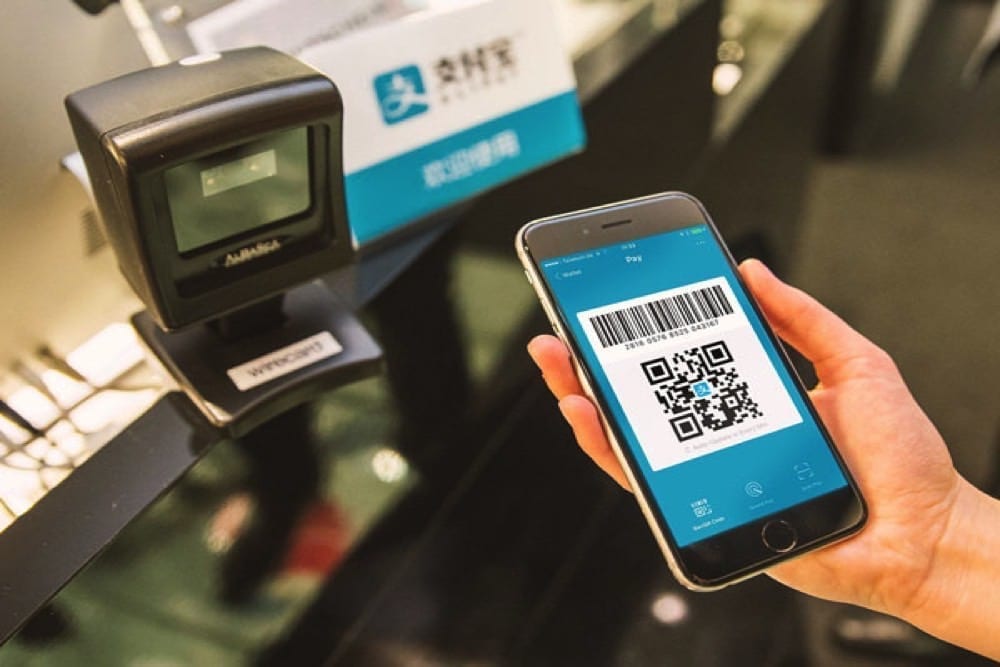
    Bank Rakyat Indonesia, Indonesia’s biggest state-owned lender, started the year with key strategic announcements, including an alliance with Chinese payment platform Alipay and plans to acquire a local insurance company and a small lender. BRI signed a memorandum of understanding with Alipay, a subsidiary of Chinese technology giant Alibaba, on Thursday to secure an opportunity to serve the growing number of Chinese tourists visiting Indonesia.

    “As China has its own payment system, we must be able to facilitate their [Chinese tourists’] needs. This move is aimed at supporting the country’s tourism industry,” Handayani, consumer director at BRI, said after an extraordinary shareholder meeting on Thursday.

    He said there are several matters that must still be discussed, including the acquisition of a permit.

    “We are currently integrating the business operation. We are now developing the IT system [for the service],” Handayani said, adding that the payment service will be launched in tourism areas, such as Bali, first.

    About 2 million Chinese tourists visited Indonesia between January and November last year, representing a 14 percent increase from the corresponding period in 2017.

    Insurance Company

    In addition to the partnership with Alipay, the lender has also set aside Rp 1.5 trillion ($105 million) this year to acquire an insurance company focused on covering property damage. BRI currently only has a life insurer, BRI Life.”This year, we want to have an insurance company. We are going to have a complete service in the financial industry,” BRI president director Suprajarto said.

    He said BRI was still observing the market and exploring several candidates before making a choice. The acquisition is slated for completion in the first half of this year, he added.

    Suprajarto said the acquisition of a general insurer would take precedence over the plan to acquire a small lender.

    This is because the Financial Services Authority (OJK) has asked BRI to acquire a lender in the categories BUKU I (banks with core capital below Rp 1 trillion) or BUKU II (banks with core capital between Rp 1 trillion and Rp 5 trillion).

    “It requires a large amount of funding, so we are now focusing on organic growth [instead of acquiring another lender],” Suprajarto said.

    BRI posted Rp 23.5 trillion in net profit in the first nine months of last year, which was 15 percent higher than the same period in 2017, thanks to a 17 percent surge in loan growth to Rp 809 trillion between January and September.

    BRI Appoints Deputy President Director

    BRI also announced the appointment of Sunarso as deputy president director and the dismissal of Jeffry J. Wurangian as commissioner and Kuswiyoto as director of corporate banking.Handayani said the changes were subject to approval by central bank.
  • Korea to ban single-use plastic bags

    Korea to ban single-use plastic bags

    South Korea is to ban big-time supermarkets and retailers nationwide from selling single-use plastic bags in an attempt to conserve natural resources and reduce recyclable waste. The ban will come into effect on Tuesday as part of a revised law on conserving resources and encouraging the reuse of recyclable waste. Subject to the ban are 2000 outlets of major discount chains and 11,000 supermarkets with sales floor spaces of 165sqm or more where handing out free plastic bags are currently prohibited.

    Stores that violate the ban could face fines of up to 3 million won (around US$2683). Instead, those shops are required to offer customers recyclable containers, cloth shopping bags or paper bags.

    Plastic containers for wet goods, such as meat and fish, will still be used.

    Under the revised law, 18,000 bakeries nationwide will be barred from handing out free disposable plastic bags.

    In cooperation with local governments, the Environment Ministry plans to encourage the affected stores to observe the ban from January through March.

    The ministry is also pushing ahead with a plan to reduce the use of plastic garment bags at laundry shops.

  • Vietnam’s PV Power to list with billion-dollar market cap

    Vietnam’s PV Power to list with billion-dollar market cap

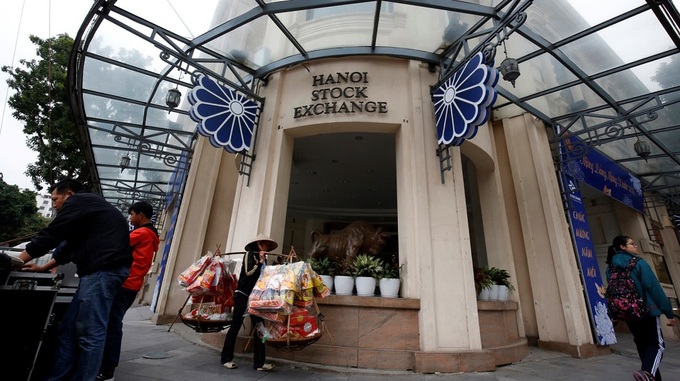
    PV Power, the country’s second largest power producer, will list on the Ho Chi Minh bourse this month with a market capitalization of $1.5 billion. The Ho Chi Minh Stock Exchange (HoSE) has approved that the firm lists 2.34 billion shares (trading code POW) on January 14 at VND14,900 (64 cents) per share. This would bring the market capitalization of PV Power to VND34.9 trillion ($1.5 billion).

    PV Power finished its last transaction on UPCoM, the market for unlisted public companies, on December 27 at VND16,000 (69 cents) per share.

    PV Power was established in 2007 with 100 percent capital from the state. The company finished equitization in the middle of last year with a charter capital of VND23.42 trillion ($1 billion).

    State-owned oil and gas giant PetroVietnam remains PV Power’s largest stakeholder, with 79.94 percent of its charter capital. Foreign investors currently own 14.3 percent. The company is subject to a foreign ownership cap of 49 percent.

    PV Power produces and sells electricity. It also imports and distributes coal and operates five electricity plants. It is the second largest power producer in the country after national utility Vietnam Electricity.

    In the 2016-2018 period, PV Power’s revenues were VND28-30 trillion ($1.2-1.29 billion), 96 percent of which came from selling electricity.

    As of September 30, 2018, its total asset value was VND61.4 trillion ($2.64 billion) and its equity was VND26.55 trillion ($1.14 billion).

    Its dividend rate for last year is expected to be 3 percent and is set at 6 percent this year.

  • Mr DIY mulls US$362 million float

    Mr DIY mulls US$362 million float

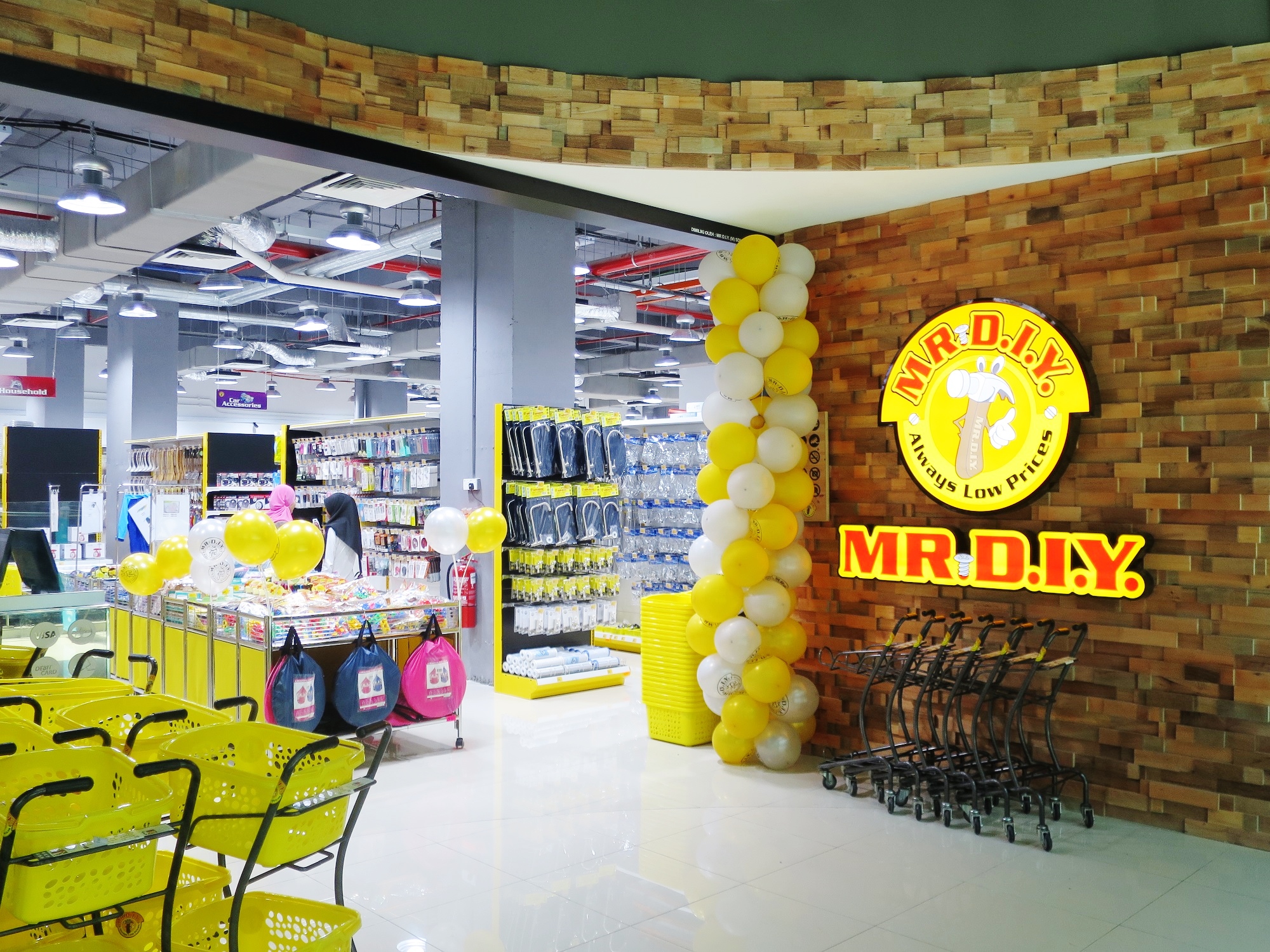
    Malaysian home improvement brand Mr DIY is considering an IPO to raise about MYR1.5 billion (US$362 million). An industry source has revealed that the firm intends to list its domestic operations later this year on either the Malaysian or Hong Kong exchange with backing from Malaysian private equity firm Creador, which invested in the brand over two years ago.

    A report stated the IPO could bring Mr DIY to a market value of MYR10 billion (US$2.426 billion).

    Mr DIY operates around 600 locations in Southeast Asia. Last October, the company revealed plans to open at least 1000 branches by 2020.

    Head of marketing Andy Chin said then: “We feel that our home improvement retail business model, offering a variety of goods at affordable prices, is suitable for better business growth in the country as well as the Asean market. At the end of this year, we target 700 global branches, and the number may reach 1000 or more by 2020. These will be based on an organic growth.”

    He added that the company’s prospect of Asean-level expansion will be focused on Indonesia, Thailand and the Philippines”.

    Mr DIY is the largest home appliance retailer in Malaysia with more than 20,000 SKUs.

  • US-China talks on bilateral trade to impact Malaysia’s equity

    US-China talks on bilateral trade to impact Malaysia’s equity

    The discussion between the US and China with respect to their bilateral trade would likely be the highlight for the equity market next week, says an economist. It could also be a source of market instability, said Bank Islam Malaysia Bhd chief economist Dr Mohd Afzanizam Abdul Rashid. He said market players are currently worried about the turbulence across global markets.

    “Generally businesses have become more risk-averse as some countries especially China and Asean nations had recorded below the 50-point demarcation line in their manufacturing index.

    “In fact, the US ISM manufacturing index has shown a similar trend, falling by 5.2 points to 54.1 in December 2018.

    “Naturally, businesses would reduce their capital expenditure and labour hiring as they would become wary of demand prospects, so we can expect equity markets to remain weak in the near term,” he said.

    Mohd Afzanizam said the current support level is at 1,653.

    The FBMKLCI might test this level should the discussion not pan out favourably, he added.

    For the holiday-shortened week, the FBM KLCI was traded mostly lower, mainly affected by external factors such as US political uncertainties, mounting concerns over poor global growth and the talks on the potential interest rate hikes by the Federal Reserve.

    The local bourse and its subsidiaries were closed on Tuesday for the New Year holiday.

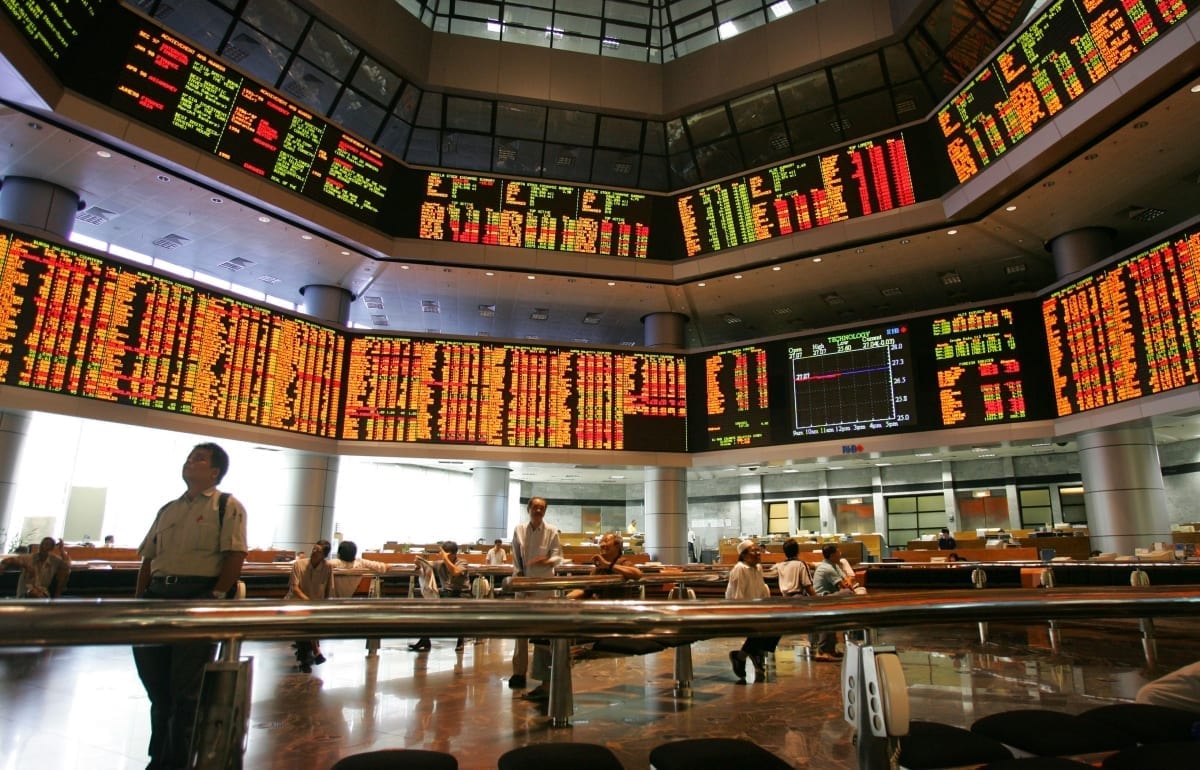
    On a Friday-to-Friday basis, the benchmark FBM KLCI settled 22.29 points weaker at 1,669.78.

    The FBM Emas Index depreciated 124.28 points to 11,413.02, the FBMT100 Index decreased 131.24 points to 11,323.34, the FBM 70 declined 67.72 points to 13,023.80, the FBM Emas Syariah Index erased 152.51 points to 11,356.91 but the FBM Ace edged up 34.23 points to 4,294.43.

    Sector-wise, the Finance Index lost 99.90 points to 17,241.79, the Industrial Products and Services Index eased 1.18 points to 165.63, while the Plantation Index was 16.84 points weaker at 6,880.90.

    Comparing Friday-to-Friday, the weekly turnover rose to 7.22 billion units worth RM4.79 billion from 5.70 billion units worth RM4.15 billion.

    Main Market volume increased to 5.17 billion units valued at RM4.37 billion versus 4.16 billion shares valued at RM3.85 billion.

    Warrants turnover advanced to 1.23 billion units worth RM282.94 million compared with 948.80 million units worth RM202.97 million.

    The ACE Market volume appreciated to 719.60 billion shares valued at RM127.20 million against 556.26 million shares valued at RM90.05 million.

  • Vietnam to see slower growth in 2019

    Vietnam to see slower growth in 2019

    Vietnam’s economic growth is expected to slow down this year though it will remain a regional outperformer, according to leading global analysts. Fitch Solutions, an arm of Fitch Ratings, said in a report released Wednesday it expects Vietnam’s GDP growth to slow to 6.5 percent in 2019 in line with a wider trend of slowing global growth, but added the country would remain one of the fastest growing economies in Southeast Asia.

    The economy grew by 7.1 percent last year, the fastest rate of expansion in 11 years, according to official data. This was well above the 6.5-6.7 percent target set by the National Assembly.

    “Its increasing openness and reliance on foreign investment suggests that it is unlikely to be spared from the global growth slowdown arising from rising trade protectionism and tighter financial conditions.

    “Although we believe that Vietnam’s manufacturing sector and economy will continue to outperform the region over the coming quarters, growth is likely to face headwinds stemming from rising global trade disruptions and tightening financial conditions, which will negatively impact global economic growth and risk sentiment,” Fitch Solutions stated.

    The World Bank Group in its bi-annual report on Vietnam issued last month said the country’s GDP growth is likely to slow from 6.8 percent in 2018 to 6.6 percent this year as the global economy weakens.

    Weaker global demand for exports and reduced investment and trade flows as the U.S. Federal Reserve raises interest rates are other risks for Vietnam’s economy, Sebastian Eckardt, the World Bank’s lead economist for Vietnam, said.

    The Asian Development Bank (ADB) in a forecast released last month for the East Asia and Pacific region projected Vietnam’s growth at 6.8 percent for 2019, slightly lower than the 6.9 percent it expected for 2018. These rates are the second highest in the forecast behind only India’s.

    Disbursed foreign direct investment (FDI) in Vietnam reached a record $19.1 billion in 2018, up 9.1 percent year-on-year. With exports rising by 13.8 percent to $244.72 billion and imports at $237.51 billion, the country achieved its highest ever trade surplus of $7.21 billion last year.

    Fitch Solutions said in 2019 the manufacturing sector would remain a key economic growth driver and outperform the region.

    Vietnam has grown to become a manufacturing powerhouse, particularly in electronics, due to its relatively cheap and large workforce, geographical advantages, attractive tax breaks, stable political environment, and open trade policies.

    The opening up of the Vietnamese economy also came at an opportune time as China began to shift away from lower-end and export-oriented manufacturing to focus on the domestic economy.

    Vietnam’s continued commitment to economic liberalisation will also attract foreign manufacturers seeking to leverage its preferential trade deals.

    The country is a signatory to 10 bilateral and multilateral free trade agreements (FTAs), with six more trade pacts in the offing, including the highly touted Vietnam-EU FTA.

    Fitch Solutions added that trade tensions between China and the US would continue to drive up costs for manufacturers operating in China, pushing companies to outsource to its neighbor Vietnam, which is more competitive in terms of wages.

  • South Korean retail sales rise strongly in November

    South Korean retail sales rise strongly in November

    Online shopping during the month of November has driven a 4.6 per cent increase in South Korean retail sales compared to the same period in the previous year, according to government data. Ministry of Trade, Industry and Energy figures showed a 12.7 per cent year-on-year growth in online sales alongside a 0.5 per cent drop in offline retail during the month.

    Convenience stores, chain supermarkets and super supermarket sales showed positive growth, while large discount outlets and department stores saw declines of 2.8 per cent and 3.9 per cent respectively.

    Online sales in November were largely propped up by e-commerce shopping festivals in China and the US during the period.

  • Vegan fashion trend booming in Korea

    Vegan fashion trend booming in Korea

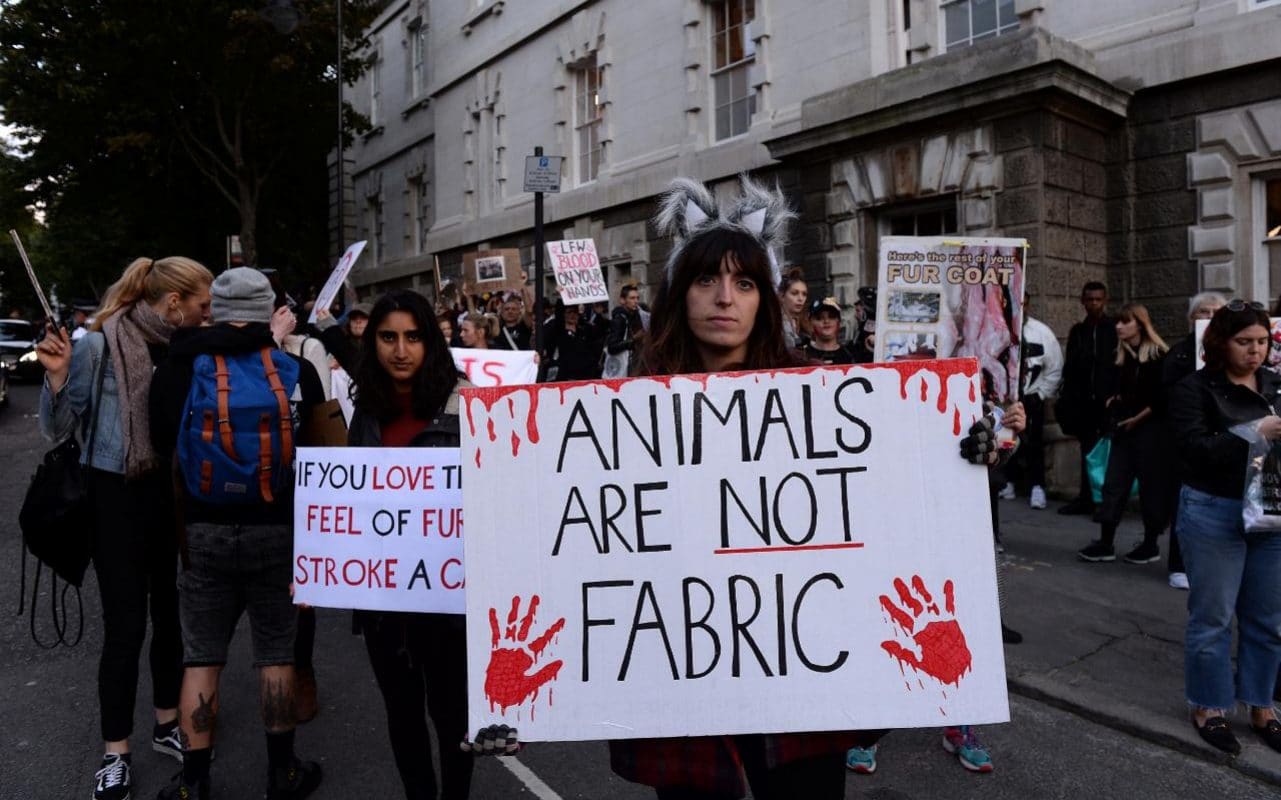
    Stroking down the plush set of colorful fibers, it is hard to tell they could be anything but fur. Hanging in the corner of an ethical fashion store in Dongdaemun, the fur-free fur coats and silk-free silk robes are soft and luxurious, but without the cost of brutality against animals. Striving to spare harm inflicted on animals for the sake of style, vegan fashion has been spreading in South Korea in recent years.

    The word “fake” does not fully describe the trend, as the garments are not purposed as second choice low-quality replacements. They are considered more of a fashionably ethical statement now, rejecting the use of animal materials or cruelty in obtaining them.

    Strictly speaking, vegan fashion is different from eco-friendly fashion, although the phrases are often used interchangeably. Something vegan may not necessarily follow best practices for the environment, or vice versa, but the two often go hand in hand.

    The international movement toward fashion going vegan began its rapid spread as many prominent luxury brands announced themselves “fur-free.” In October last year, Gucci went fur-free, followed by British fashion company Burberry in September this year. Other pricey labels, including Versace, Giorgio Armani, Tom Ford and Ralph Lauren have also declared moves to ban fur.

    Britain’s Stella McCartney — the second-generation animal rights activist daughter of Linda and the Beetles’ Paul McCartney — is believed to gotten the ball rolling in 2001, and currently stands as one of the leading eco-friendly fashion brands in the world. Now, slapping on the word “vegan” is a marketing strategy seemingly guaranteeing good sales.

    The vegan and similar fashion trends are more prevalent in the winter, as outdoor labels increasingly introduce items that either exclude animal materials or try to stick to ethical standards in using animal matters.

    A number of global outdoor companies, including The North Face, Adidas and Reebok, have launched “Responsible Down Standard” certified down coats this winter. RDS is a global standard developed in 2014 to ensure that down and feathers come from animals that have not been subjected to unnecessary harm. Local outdoor brand Black Yak also received RDS certification for all of its down coats released this year.

    Some brands have taken it a step further and developed artificial materials as replacements. The North Face introduced its own thermal filling, “V-Motion,” in 2016, and ‘”T-Ball” this year, whereas LG Fashion’s A.T.Corner presented as its 2018 winter centerpiece a mustang jacket with eco-fur lining inside.

    According to Galleria Department store, which held an eco-friendly fashion week at the end of last month, environmentally friendly garments, including animal-free ones, have increased by 20 percent compared to last year on the women’s fashion floor.

    GS Shopping, a TV shopping firm, exceeded its initial sales goals for RDS certified items, including Reebok’s heavy goose down long coat, which sold out in less than half an hour on the channel.

  • Korean imported vehicle sales up 11.8 percent last year

    Korean imported vehicle sales up 11.8 percent last year

    Sales of imported vehicles in Korea continued to rise last year, aided by firm demand for foreign brands and the resumption of sales by Audi Volkswagen, industry data showed Friday. The number of newly registered foreign vehicles reached 260,705 last year, up 11.8 percent from a year earlier, the Korea Automobile Importers & Distributors Association said in a statement.

    The total number of imported cars sold in 2018 is an all-time record.

    The market share of foreign cars rose to a record high of 16.7 percent last year, shattering the previous all-time high of 15.5 percent in 2015, the data showed.

    The three best-selling models were the Mercedes-Benz E 300 (8,726 units sold) and E 300 4MATIC (9,141 units) and the Lexus ES300h (8,803 units).

    Mercedes-Benz became the first imported cars to sell more than 70,000 vehicles. It took the No. 1 spot among imported cars.

    BMW, despite controversy of its engine catching fire, kept its second spot by selling 50,524 vehicles.

    Toyota took third place with 16,774.

    Seven out of 10 imported vehicles sold in Korea last month were from Germany, the statement said.

    In December alone, however, the sales of foreign vehicles fell 8.7 percent on year to 20,450, it said.

    In 2017, imported vehicle sales reached 233,088 units, up from 225,279 a year earlier.

  • Experts express cautious optimism for Vietnam stock market

    Experts express cautious optimism for Vietnam stock market

    Last year’s uncertainties and unclear future scenarios are reflected in more cautious assessments than number crunching for 2019. Nguyen Duy Hung, chairman of SSI, a leading Saigon broker, said that with a drop of over 20 percent from its peak, when the VN-Index climbed to 1,204 points on April 9, 2018, Vietnam’s stock exchanges have entered a bear market.

    The benchmark VN-Index on the Ho Chi Minh Stock Exchange lost 1.52 per cent to end Thursday at 878.22 points. On Friday afternoon, it rose to 880.9 points.

    Perhaps it will take between 8 to 11 months for the market to recover, Hung said. “Historical data suggests that it would take 21 months for a bear market to recover its old peak after hitting bottom.”

    But the SSI chairman said the main challenges facing the stock market in 2019 include worries posed by the escalation of the U.S.-China trade war, and increasing geopolitical risks.

    “At this point, no one can say how this war will unfold or predict how widespread the impact will be. Along with the decline in oil prices signaling difficulties of the world economy, the rise in geopolitical risks paint a picture of uncertainties for 2019,” Hung said.

    Also mentioning key challenges for 2019, Securities Commission chairman Vu Bang named the slowdown of Chinese and global economies, the escalating trade war and risks from expanding global debt.

    However, these challenges come with opportunities to be seized. The trade war, according to the SSI chairman, is a chance for Vietnam to increase its exports. This does not mean market share growth will happen immediately, he said, explaining that it was an opportunity to build a medium to long term strategy, innovating the country’s economic growth model based on production and commercial activities.

    Vu Bang also emphasized the advantages of macro factors, saying the continuous high growth rate in recent years was a factor that would increase the attractiveness of Vietnam’s market in the region.

    Vietnam’s GDP growth of 7.08 percent in 2018 retained its status as one of the best performing economies in the world. It was the highest growth the country has experienced since 2008 and compared with the median estimate of 6.9 percent in a Bloomberg survey of 12 economists.

    Offering a more optimistic view, Tran Le Minh, deputy general director of VietFund Management, said that the market in 2019 still holds several favorable factors, including the fact that the decline in VN-Index was relatively slower than in other parts of the world.

    “Why is the market declining more slowly? The reality must be seen in macro factors, growth and the fact that foreign institutional investors continue to invest in the market. Cash flow from foreign investors will continue to be a highlight this year,” said Minh, who predicted that the VN-Index will not fall below its current level by the end of 2019.

    Foreign direct investment disbursement in Vietnam reached a record $19.1 billion in 2018, a year-on-year increase of 9.1 percent, according to the Ministry of Planning and Investment.

    For the market players’ perspective, 2019 is not going to be an easy year, experts say.

    “With many unpredictable factors caused by geopolitical and commercial tensions, most analysts agree that the global economy is entering the end of a growth cycle and 2019 will be a difficult year for the stock market,” said an analyst team with Rong Viet Securities (VDSC).

    It will be difficult for Vietnam to buck the global trend, they felt.

    Bernard Lapointe, head of research of Rong Viet Securities said recently that he was optimistic but not too optimistic about the market this year. He expects the VN-Index to stay within the 900-1,000 points range until the end of 2019.

    Meanwhile, Michel Tosto, head of Institutional Sales and Brokerage of Viet Capital Securities, predicted that the VN-Index could reach 1,060 points at the end of 2019.

  • Vietnam’s largest brewer is now a foreign owned business

    Vietnam’s largest brewer is now a foreign owned business

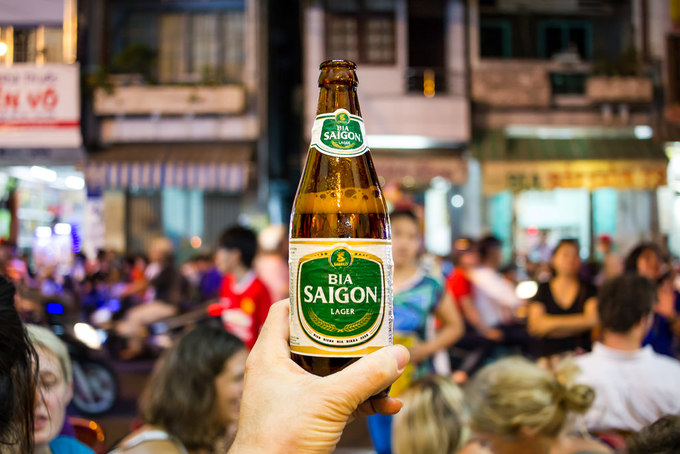
    After a $4.78 million debt restructuring, Vietnam’s largest brewer Sabeco is now owned by a Thai company. In December 2017, Thai Beverage (ThaiBev) acquired a 53.59 percent stake in Sabeco from Vietnam’s Ministry of Industry and Trade for $4.78 billion through a local entity, Viet Beverage (VietBev). VietBev, which had 100-percent Vietnamese ownership at the time with VND682 billion ($29.33 million) in charter capital, was loaned VND111.21 trillion ($4.78 billion) by ThaiBev to complete the transaction.

    VietBev was used as a financial vehicle to get around a 49 percent foreign ownership cap in place at the time.

    The $4.78 billion loan was then converted to shares under a debt-to-equity conversion agreement between VietBev and ThaiBev. As a result, VietBev now has a chartered capital of VND111.89 trillion ($4.81 billion), increasing ThaiBev’s ownership in VietBev to 99.39 percent.

    The adjustment in capital was approved by local authorities, and made possible after authorities raised Sabeco’s foreign ownership cap to 100 percent at the end of 2018. The conversion was completed a few days ago.

    ThaiBev has since announced it is committed to ensuring shareholders’ benefits on share prices and annual dividends after this restructure.

    With a charter capital of VND111.89 trillion, VietBev is among a few businesses in the country with chartered capital of hundreds of trillions of dongs, along with state-run oil & gas giant PVN (VND285 trillion or about $12.26 billion); Vietnam’s sole power distributor and biggest producer EVN (VND163.8 trillion or $7.04 billion); and telecoms provider Viettel (VND121.52 trillion or $5.23 billion).

    Recently, Sabeco was caught up in legal trouble with tax authorities, who blocked its bank accounts in order to withdraw VND3.1 trillion ($135.73 million) to collect overdue special sales tax from 2007 to 2015 and penalties for administrative violations. However, this enforcement action proved futile as accounts handed over to the tax authorities were empty.

    After the recent share conversion, the Prime Minister has directed the tax agencies to suspend their enforcement, in order to carefully consider regulations as it involves “foreign factors.”

  • Coupang to become an authorized Apple retailer

    Coupang to become an authorized Apple retailer

    Coupang, Korea’s top e-commerce platform, has been selected as an authorized retailer to sell Apple products, the company announced Friday. It said that the e-commerce giant was selected to become an authorized reseller of Apple products, and the service will begin sometime this month. The products that will be offered include iPad Pros, MacBooks and Apple Watches, as well as related accessories.

    Coupang said that its shoppers can get access to Apple products that carry a full Apple warranty and come with after-sales customer services from Apple.

    “Coupang will be an attractive purchase channel for customers who love or want to experience Apple products,” said Navid Veiseh, Coupang’s senior vice president of global e-commerce. “We will continue to expand the range of premium electronics brands like Apple, which, when combined with our Rocket delivery and RocketPay services, make Coupang the first place for customers to turn when shopping for premium electronics.”

    Coupang is known for its fast Rocket delivery service that sends items purchased the following day.

  • AirAsia abolishes KLIA 2 fee

    AirAsia abolishes KLIA 2 fee

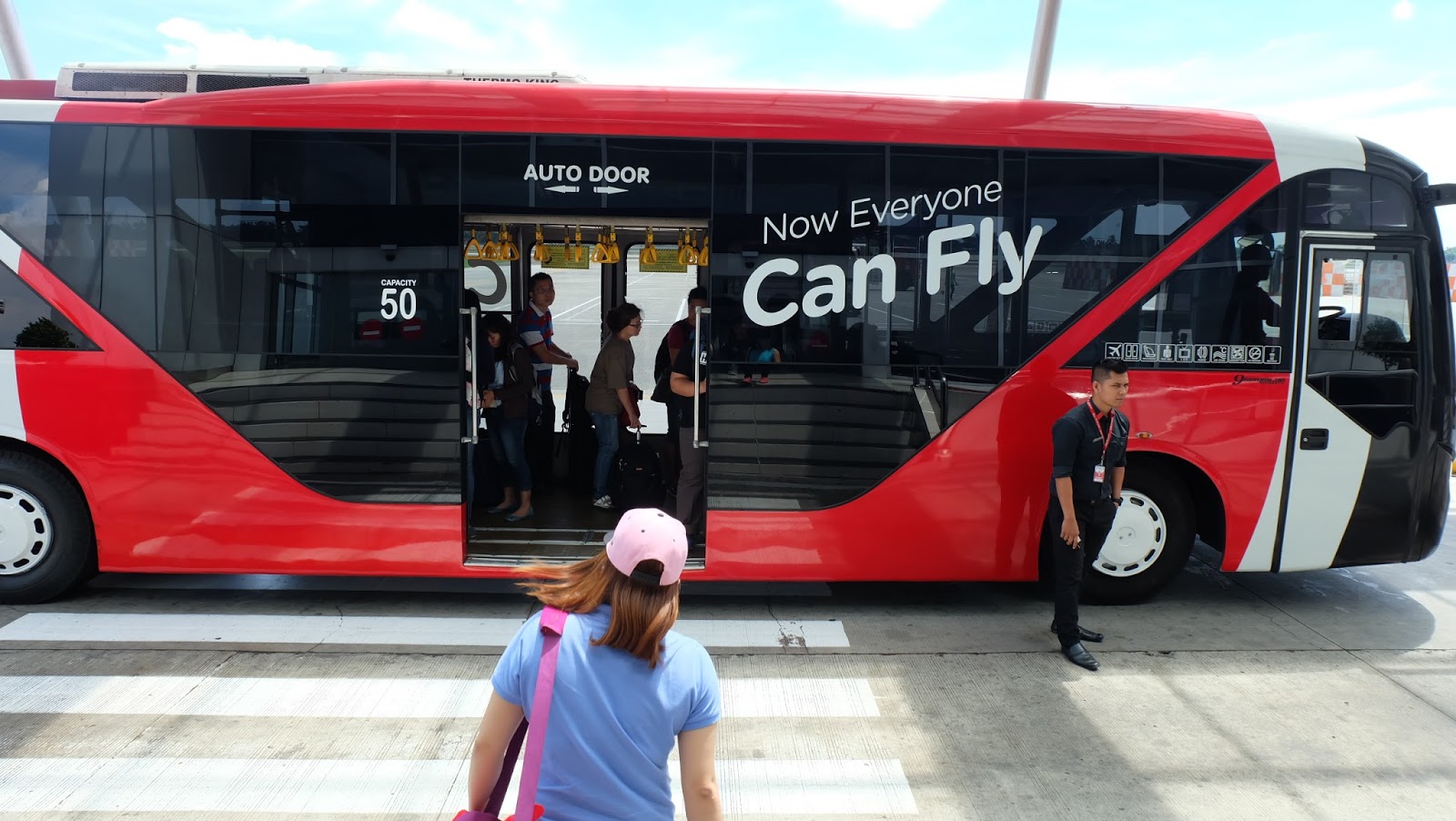
    AirAsia Group Bhd will cease charging the RM3 klia2 fee for all flights departing from Kuala Lumpur International Airport 2 (klia2) starting today. The klia2 fee was introduced in May 2014 to cover the additional cost created at klia2 due to the use of mandatory facilities imposed by Malaysia Airports Holdings Bhd (MAHB) such as aerobridges and SITA check-in and boarding systems, compared to the low-cost carrier terminal previously.

    “Following our announcement last week, we have removed the klia2 fee. We have said from the very beginning that klia2 is not fit for low-cost carrier operations, and we will be going directly to MAHB for all the extra costs they’re costing us,” AirAsia Malaysia CEO Riad Asmat said in a statement.

  • Canada Goose opens store in Beijing

    Canada Goose opens store in Beijing

    Winter clothing firm Canada Goose has finally opened its first Mainland Chinese store in Beijing. In a launch rumoured to be delayed due to political tensions between China and Canada – and dismissed by the firm as the result of construction delays – extensive queues saw shoppers waiting for over an hour for the opportunity to purchase the CNY9000 (US$1300) parka jackets.

    The brand has previously enjoyed significant popularity in Hong Kong.

    An email from the firm to news agency Reuters read “We are proud of our newest store in China and look forward to welcoming our fans”.

    Calls to boycott the brand were made on social media following Canada’s arrest of Huawei Technologies’ CFO Meng Wanzhou, a situation that has sparked a 37 per cent drop in the value of Canada Goose shares in Toronto.

  • Vietnam eyes green power, not to sacrifice environment for growth

    Vietnam eyes green power, not to sacrifice environment for growth

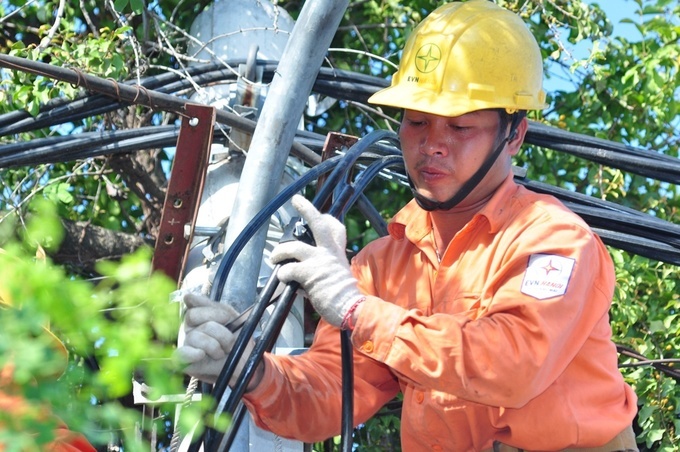
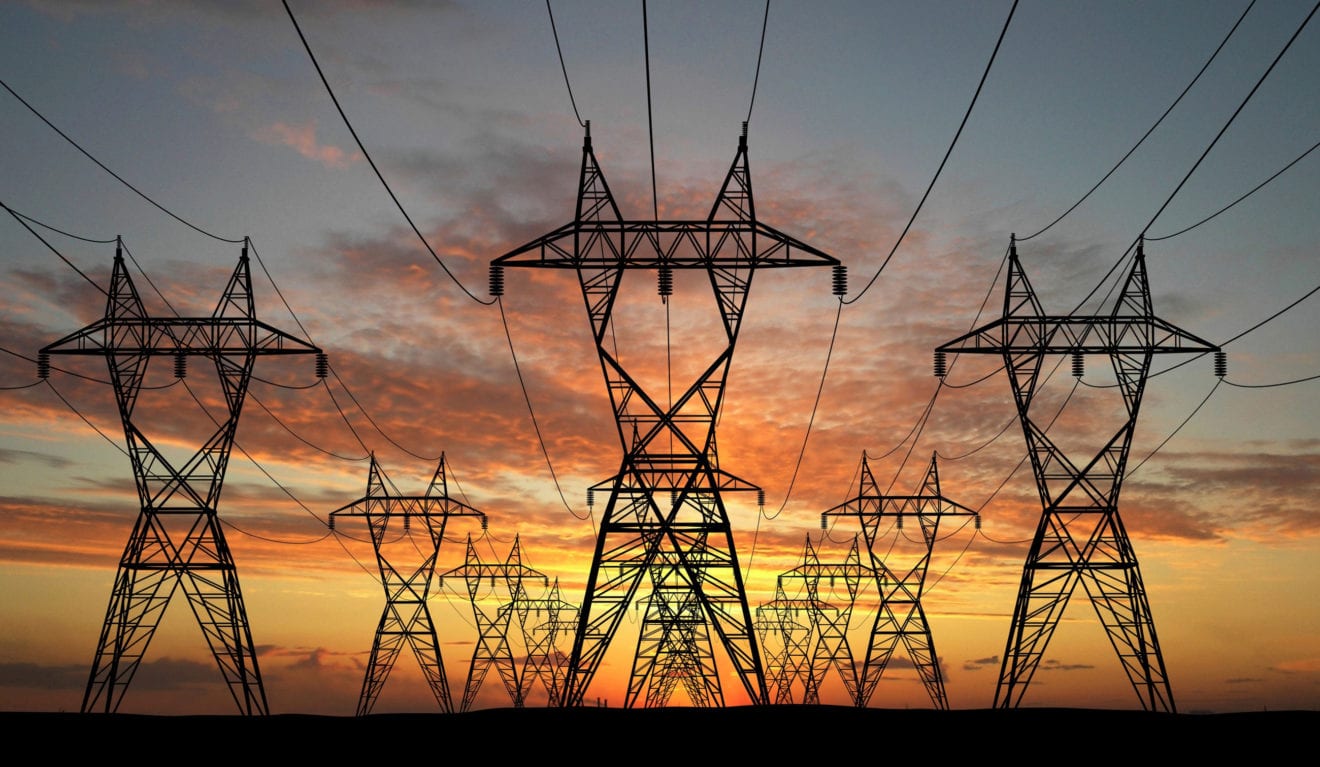
    The government Thursday reaffirmed Vietnam’s desire for a greener energy mix amid the risk of a power deficiency. Environment-friendly coal- and gas-fueled and renewable power plants would make up the mix. While Vietnam faces “obvious risks of an energy shortage in the coming years … it will not sacrifice the environment for economic growth,” Deputy Prime Minister Trinh Dinh Dung said in a meeting with the state-run Vietnam Electricity (EVN), the country’s largest power producer and monopoly distributor.

    Coal-fired power is vital to energy security, but “it must be clean,” he noted. Dung asked EVN to pioneer the use of modern technologies to reduce the environmental footprint of new coal-fired plants and handle the cinder and ash at existing plants.

    The country faces difficulty in increasing power generation since it has decided to put nuclear power on hold, many coal-fired plants are behind schedule and renewables could not be developed on a large scale due to “high costs” and transmission limitations.

    “Hydro power currently meets 40 percent of the country’s demand, but additional supply is almost impossible.

    “Our hydro power plant reservoirs, especially in the central region, are facing a serious water shortage, supply of coal for power development is erratic and gas supply is waning while power station projects for new supplies are being implemented slowly,” the deputy prime minister said.

    Dung said “EVN must also focus on investing in transmission systems to bolster the development of renewables.”

    The inadequate transmission system is now a bottleneck slowing down wind and power projects though a dramatically rising number of investors have shown interest in such projects following the recent increase in feed-in-tariffs (FITs).

    Dung also instructed the Ministry of Industry and Trade to hasten studies for the country’s investment in coal transshipment ports and regasification terminals to support development of gas-fuelled power, and quickly complete negotiations to buy power from overseas.

    He also asked EVN and other investors to speed up the delayed construction of major projects like Nhon Trach 3-4, O Mon 3-4, Tan Phuoc, Long Phuc 2-3, Quang Trach, and Quynh Lap.

    Vietnamese firms lack the resources for major projects while foreign loans are difficult to get due to government guarantee-related issues.

    The regional imbalance in power supply and demand is also a challenge. While the southern region accounts for more than half the demand (the north nearly 40 percent and the central region nearly 10 percent), power is being generated mainly in the north and central region (about 60 percent).

    To make it worse, the installation of transmission lines, both the main grid and branches, has been slow and failed to keep up with the pace of power generation, while negotiations to buy electricity from other countries have been going at a snail’s pace.

    The installed power capacity is around 48,000 MW. Under the revised Power Development Plan VII, a total of 60,000 MW is expected to be generated by 2020, with coal-fired plants accounting for 42.7 percent followed by hydropower (30.1 percent), gas-fired plants (14.9 percent), and renewables (9.9 percent).

    By 2030, the capacity will jump to 129,500 MW, with the ratios of coal and gas-fired power remaining almost unchanged, but renewables doubling to 21 percent.