Tag: asia

  • Inside the Indian sportswear industry

    Inside the Indian sportswear industry

    India today is at par with wider global fitness trends. The booming economy and changing lifestyle preferences have compelled Indian consumers to be more health conscious and add new health and wellness routines to their hectic lifestyles. This trend has largely benefited the sportswear industry in India, which now is among the top in demand fashion segments of the country.

    According to a research report published by Global Industry Analysts Inc., the global market for Sports and Fitness Clothing is projected to reach US $231.7 billion by 2024. The research also indicates that technological developments designed to improve comfort and performance has also led to the growth in sales of sports apparel. The report points out that the Asia-Pacific region is expected to be fastest growing region, with a CAGR of 6.9 percent over the forecast period. Sales came from emerging markets, such as India and Thailand, as well as the US, the world’s largest sportswear market.

    The Indian Market

    According to reports from various internet sources, the Indian sportswear market grew 22 percent from 2015 to 2016, outpacing the segment’s global increase of 7 percent.

    As documented by a Euromonitor research, the sportswear market in India has grown from Rs. 24,000 crore in 2014 to Rs. 37,000 crore in 2016 at more than 50 percent over the past two years. A same study has shown a 23.7 percent CAGR for the 2011-16 period with a forecast of 11.3 percent for the 2016-2021 period.

    Men’s wear comprises the biggest share of the Indian sportswear market followed by the women’s and kids’ segments. In the recent past, the women’s market is progressively showing positive signs of accelerated growth. “Women’s wear is the fastest growing segment in the sportswear industry in India now — both for the industry and for us. Earlier, it was highly underpenetrated, but now it’s a booming segment. The men’s segment continues to grow at a steady pace of 40 percent,” says Sandeep Mukim, Managing Director, Proline.

    “While the men’s segment in sportswear is growing fast as numbers of sale, it is the women’s segment that is registering a higher growth percentage. This is due to the growing awareness of women for individual sports category like running, marathon, and other fitness activities. The kid’s segment is highly influenced by team sports – and the segment is growing fast along with the increasing popularity of cricket, football, etc.” says Mohit Prabhakar, GM, Nivia.

    “For our brand, as also for the category as a whole, the growth is largely driven by the men’s category. The women’s and kids market has not grown at the same pace, largely for the need to be fashion-oriented and/or more colourful as opposed to the fact of being more functional and performance-driven. Also, given the same budget, women are likely to purchase more garments to match element of their wardrobe and hence are more likely to buy, say, 2 pieces of stretch leggings rather than 1 track bottom,” says Sakshi Juneja, Key Accounts Manager of Black Panther, a unit of Juneja Global.

    “It is very difficult, almost impossible to accurately estimate the market size for sportwear, considering the fragmented nature of this particular industry and the overlapping categories such as lounge wear, athleisure and even sleepwear and undergarment brands vying for a slice of the activewear pie by styling themselves as sportwear brands. Added to this is the huge unorganized sector with a full-fledged and well-developed market for counterfeit merchandise of global brands, retailing brazenly through not only MBOs but also leading online portals,” she adds.

    As a whole, the sportswear market in India has traditionally been dominated by the big international brands, aptly named the ‘Big Four’ — Reebok, Adidas, Nike and Puma. Most of these brands entered the country in the 1990s and in the years that followed established their presence through a flood of local franchisees.

    But, in the recent past, given the enthusiasm of consumers towards sports and sportswear in general, a slew of brands, both home grown and foreign, have mushroomed absorb the market tendencies to cater to the rising needs of the consumers. Indian brands, although young, have an edge over their international peers – the price segment in which they operate. “In the case of apparel, international bigwigs are growing at very slow rate compared to homegrown brands due to their high price points. Indian brands are creating huge demand due to their capability of manufacturing compatible quality in India and offering products at very affordable prices,” explains Mohit Prabhakar.

    Of late, a legion of celebrity launched brands have surfaced in an attempt to cash in on the mammoth popularity they enjoy among the commonality. “With fitness fever gripping the nation, celebrities have also caught on to this trend. Bollywood stars Hrithik Roshan and Jacqueline Fernandez have launched their own sportswear brands which are gaining popularity amongst the general audience. However, for those who are more seriously into fitness, they still stick to more international and well-established brands because of proven technologies and brand equity,” remarks Vishal Gupta, Director – Retail, Puma India.

    Growth Drivers

    The average, modern Indian consumer’s lifestyle is undergoing a massive metamorphosis. Rising incomes and discretionary expenditure in urban India have allowed people to focus increasingly on health and wellness, as well as rising awareness of lifestyle diseases. The proliferation of international brands represented by sports and Bollywood stars have kept sportswear in the public eye fuelling this drive as well.

    Contemporary trends like taking long vacations, going on bike rides, hiking, travelling and indulging in recreational activities has been instrumental in driving growth of outdoor, sports inspired apparel. Most of the reputed brands of the sportswear domain have a wide range of outdoor apparel that makes a significant contribution to the total brand revenue.

    Driving the sportswear trend further into the masses are Indian pop culture icons, who are becoming self-proclaimed spokespersons of the fitness movement that is sweeping the country by storm. The proliferation of international brands represented by sports and Bollywood stars have kept sportswear in the public eye, fuelling this drive.

    The flourishing online retail market is yet another catalyst that has been successful in bolstering the growth of the sportswear market in India. E-commerce has especially been instrumental in aiding brands reach to smaller cities and towns where they are not physically present of yet. “E-commerce is a channel which is going to stay and keep becoming stronger because of its massive reach and the huge Indian population. As a brand we would never be able to reach them all with physical retail and hence would have to depend upon online. The younger population is also very tech savvy and spends a lot of their time on social media where they not only get to know fashion / trends but also make purchase decision,” says Vishal Gupta.

    “E-commerce is filling the availability gap for the consumers and thus growing fast. As physical retail would expand in these towns, we foresee that consumers would be happier to experience the products and buy,” says Sandeep Mukim.

    Considering that the second innings of the Indian retail revolution is all set to start from the country’s smaller cities, these geographical locations have emerged as key points of importance for the sportswear industry too.

    “The next big consumer group to adapt to this trend is currently in the smaller towns and cities of India. Their rising aspiration makes our availability in these locations a prime priority,” adds Sandeep Mukim.

    “Sportswear is a brand-driven category and footwear even more so, and footwear is what gives international brands the edge. Added to this is the fact that sports footwear has a largely undeveloped domestic manufacturing capability in terms of material, styling and technology. So the sourcing from manufacturing bases like China entails high MOQs and huge investments. Also, footwear having a low shelf life is a high-risk business. As such, global brands have an edge as it gives them the critical value and volume to sustain EBOs and premium retail space in megastores,” explains Sakshi Juneja.

    “However, Indian brands are pulling up their socks by smart sourcing of limited styles in footwear. Also, global brands are largely marketers who are dependent on local and international vendors for their apparel sourcing. Local brands like Black Panther, having vertically integrated manufacturing facilities are able to adapt and customize to customer preference more efficiently and will always have their own space,” she adds.

    The Indian Consumer

    The modern Indian consumer too has metamorphosed over the time and the Indian sportswear market now speaks to a more educated consumer who is aware of the importance of the right type of gear. “Through the internet and via international trends the consumer is updated with the latest in sportswear technology. To keep up with the evolving consumer, sportswear brands now launch products and technology at the same time as their global counter parts. The coolest and latest technology is brought to Indian audiences, giving them a taste of the type of innovation and experience the brand has to offer. Along with performance technology, trends such as athleisure and street style have played a big role in inspiring product and collections for the Indian market,” says Vishal Gupta.

    Although Indian consumers have come a long way from their earlier price conscious selves, vestiges of this trait are still witnessed today. In line with this, brands still have to make deliberate efforts in their pricing policies. “Our prices are competitive with other international players in the market. We also try to ensure that our price points are more or less the same in India and internationally. The key is providing an awesome product with cutting edge technology while keeping the pricing competitive,” says Vishal Gupta.

    “Nivia is capitalizing in a big way on our affordable price and technical products. In our factory at Jalandhar, we have total control from fabric designing to the final garment which is helping us in keeping our prices affordable for most products,” states Mohit Prabhakar.

    Conclusion

    The sportswear segment in India, like many other fashion segment, is undergoing an astounding change of perception as well as evolution. A noticeable change in the Indian sportswear industry is that it’s becoming increasingly organized; and modern retail is picking pace in small cities too, much to the delight of brands, suppliers and retailers of sportswear and sports lifestyle products.

    Overall, the industry is poised to grow, and India will be a key market as the awareness about sports and fitness increases and people become aware of being healthy.

    “We are extremely positive of the future and next opportunity is in making products for India at local prices. There is large population waiting to consume this category, which has stayed away till now because of the absence of trustworthy home grown players. The domestic brands would take this advantage as local manufacturing is becoming more updated,” concludes Sandeep Mukim.

  • Vietnam’s largest oil refinery begins commercial operations

    Vietnam’s largest oil refinery begins commercial operations

    The Nghi Son Refinery began commercial operation Sunday, and is expected to meet about 40 percent of domestic petroleum demand in 2019.

    Speaking at its inauguration, Prime Minister Nguyen Xuan Phuc emphasized the key role of the project.

    The refinery will process 200,000 barrels of crude per day in the first phase, equivalent to 10 million tons a year, double the capacity of Dung Quat, Vietnam’s only other refinery, in the central Quang Ngai Province.

    Situated in the Nghi Son Economic Zone, 200 km south of Hanoi in the central province of Thanh Hoa, Nghi Son is expected to hit 80 percent of capacity next year.

    According to the Thanh Hoa People’s Committee, last June the refinery was already capable of 10 refined petroleum products such as liquefied petroleum gas, gasoline A92, A95, diesel oil, and kerosene.

    As of December the plant has processed around five million tons of crude.

    Nghi Son together with Dung Quat is expected to meet 80-90 percent of domestic petroleum demand, reducing Vietnam’s dependence on imports.

    The $9 billion refinery is 35.1 percent owned by Japan’s Idemitsu Kosan Co, 35.1 percent by Kuwait Petroleum, 25.1 percent by state-run PetroVietnam and 4.7 percent by Mitsui Chemicals Inc.

  • Malaysia’s economy likely to grow in Feb to April 2019

    Malaysia’s economy likely to grow in Feb to April 2019

    Malaysia’s economy is likely to grow in February to April 2019, according to the performance of Malaysian Economic Indicators: Leading, Coincident & Lagging Indexes for October 2018 that was released last monday. Chief statistician Malaysia Datuk Seri Dr Mohd Uzir Mahidin said the monthly change of Leading Index (LI) augmented in October 2018, registering a growth of 1.2% to attain 119.3 points from 117.9 points in the previous month, primarily due to the increase of real imports of other basic precious & other non-ferrous metals (0.4%).

    “The annual change of LI showed an improvement from negative 1.7% in September 2018 to negative 0.7% in October 2018. The composite of LI is designed to monitor the economic performance direction in an average of four to six months ahead,” he said in a statement.

    On the same note, he stated that the Coincident Index (CI), which reflects the current economic activity, rose 1.0% in October 2018. Two components that contributed significantly to the increase were volume index of retail trade (0.5%) and real contributions to EPF (0.2%). At the same time, the annual change of CI grew further to 3.9% in October 2018 as against 3.4% in the previous month.

  • Signify launches Interact IoT platform in India

    Signify launches Interact IoT platform in India

    Signify (formerly known as Philips Lighting), the world leader in lighting, has launched its new Internet of Things (IoT) platform, called Interact in India, which will enable its professional customers to unlock the full potential of connected lighting for the IoT.

    The platform delivers new insights to help customers drive operational efficiencies and take more effective decisions. It also supports the company’s strategy to deliver new data-enabled services as value expands from lighting products and systems to services.

    Signify has already installed 29 million connected light points worldwide and plans for every new LED product it produces to be connectable by 2020. This growing number of connected light points, sensors and devices, as well as systems, can collect large volumes of data for which Interact was designed to handle. The highly secure, scalable cloud-based Interact platform uses sophisticated and modern data management and data processing capabilities, including machine learning, to bring sense to all manner of data – creating data-enabled services for customers that will deliver benefits beyond illumination. It also offers a growing suite of licensed open application program interfaces (APIs) which will foster innovation from third-party developers, development partners and customers, enabling various data enabled services to be developed.

    A typical example of such a service is occupancy data from different buildings, combined and analyzed to help managers to understand and predict how people use office space. Such insights can help deliver savings by optimizing the use of existing office space and support better designed, more efficient buildings.

    In addition, data from authorized third-parties can also be analyzed by Interact. For example, for a municipal authority, news articles and social media posts, reacting to a new lighting installation on a bridge, can be analyzed and data sent to a social impact app dashboard that summarizes the public sentiment.

    Launching the platform in India, Sumit Padmakar Joshi, Vice Chairman and Managing Director of Signify’s operations in India said, “First, we led the way in energy efficient LED lighting, then in connecting lighting to deliver operational benefits for our customers. Now that light points are smart enough to collect data on their performance and the environment around them, we are tapping into that intelligence. By analyzing the data from our connected lights, devices and systems, our goal is to create safer cities, energy efficient buildings and industries and smarter retail stores in the country. We are confident that this platform will deliver immense value for our professional lighting customers in India”.

    Interact connected lighting systems

    These connected lighting systems, offering a unified user experience, feature applications that address industry-specific verticals. Available now are:

    – Interact Office – enables you to turn your office into a smart sustainable workspace with software that allows you to increase building efficiency and employee productivity.

    – Interact City – helps improve street lighting, safety, reduce energy consumption, improve efficiency and support your sustainability goals and beautify the urban landscape across roads.

    – Interact Retail – enables customers to group, zone and schedule connected lighting to create stopping power in stores. It also supports in-store location-based marketing services to increase shopper engagement and indoor navigation to improve staff productivity.

    – Interact Landmark – aids in managing and triggering light shows with dynamic architectural lighting to help increase tourism, regenerate downtown areas, and stimulate commerce.

    – Interact Sports – aids in monitoring, managing and coordinating across all lighting infrastructure from a single dashboard from pitch lighting, entertainment light shows, hospitality areas and exterior architectural lighting.

    – Interact Pro – an intuitive cloud-based software for small and medium enterprises that automates lighting and allows management via the Interact Pro dashboard.

    Signify became the new company name of Philips Lighting as of May 16, 2018. The legal name of Signify will be adapted in India in the beginning of 2019.

  • How Pizza Hut is mixing technology with pizza

    How Pizza Hut is mixing technology with pizza

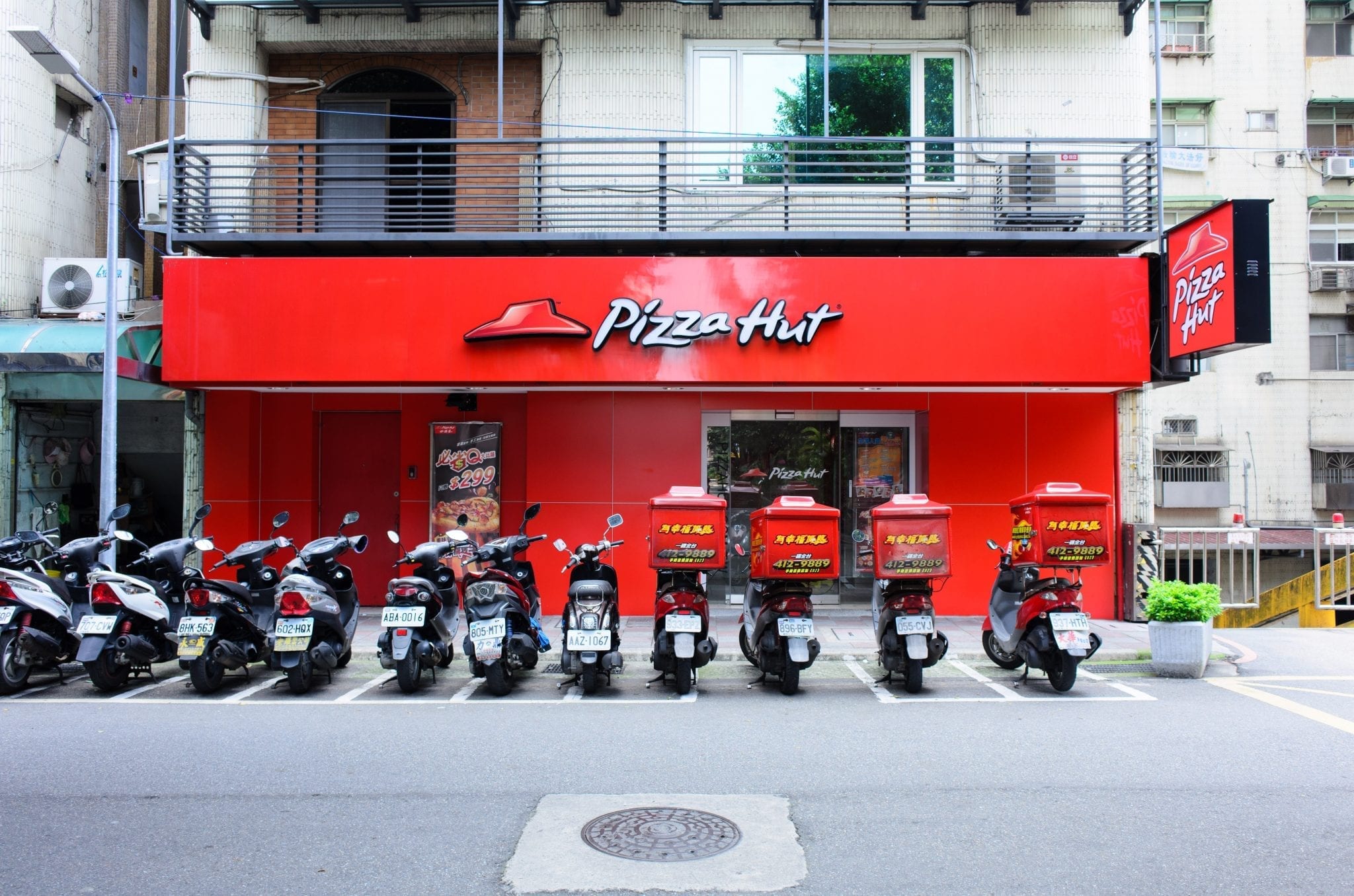
    Yum! Restaurants-led Pizza Hut is betting big on technology. The brand is investing technology at each every step from taking orders to delivery of the pizza. Elaborating more on the same, Managing Director, Pizza Hut (India Subcontinent), Yum! Restaurants, Unnat Varma said, “We are using technology in sorting out our kitchens. So kitchens are becoming better in terms of layout, efficiency, optimising labour. Apart from this, we are also using technology to schedule riders to make sure that pizzas reach hot and fresh to the consumers.”

    “To ensure a seemless experience to the customers we have again using technology. We have a new online experience for customers, it is one of the best friction-less experience. From getting customer’s location to ordering the pizza, the entire process has been reduced to a four-step journey,” he added.

    The brand is also not shying away from using drones to deliver the pizzas in the near future.

    “We are closely watching the drone delivery space. However, there is no current successful model. There has to be regulation, approval from the Government that drones can fly in the air space and to understand that how does it work for food as food is very atypical, it cannot loose temperature and it has to be accurate, it has to reach in a certain stipulated time and it has be delivered straight. We will host the space, we are very open, we are transforming ourselves digitally and technologically, if this space helps us unlock some future possibilities, we will definitely go ahead with it,” Varma revealed.

    Enhancing Customer Experience

    To add to the overall consumer experience, the brand has been constantly improving its products.

    According to Varma, “These days the customer experience is always around product and product excellence and there we have been making a continuos effort to make our product more delicious, fresh and hot but in addition to that it is about the entire experience – how fast customer can place the order, how fast cusotmer can locate our store, can we give cusotmers a great value deal, can we understand their requirements, can we customise, can we help them earn and let them use some loyalty points in the future.”

    Expansion Plans

    Pizza Hut India plans to open over 200 more outlets in India by 2022 to expand its retail footprint. Currently, it operates 422 stores in the country.

    “‘Pizza Hut is a very democratic brand, it is used by segments of the consumers in the market, so our attempt is to go to as close to consumer as possible, it could be going after the shoppers in the shopping mall or it could be going close to residential areas, or going to captive locations where we have people working, so we are open to all kind of opportunities that exist. We are even open to open our outlets at airports and railway stations too,” asserted Varma.

    The pizza chain runs a franchise model in the country, where investments for opening new outlets mainly comes from franchise partner.

  • Auto industry revs up industrial real estate in Vietnam

    Auto industry revs up industrial real estate in Vietnam

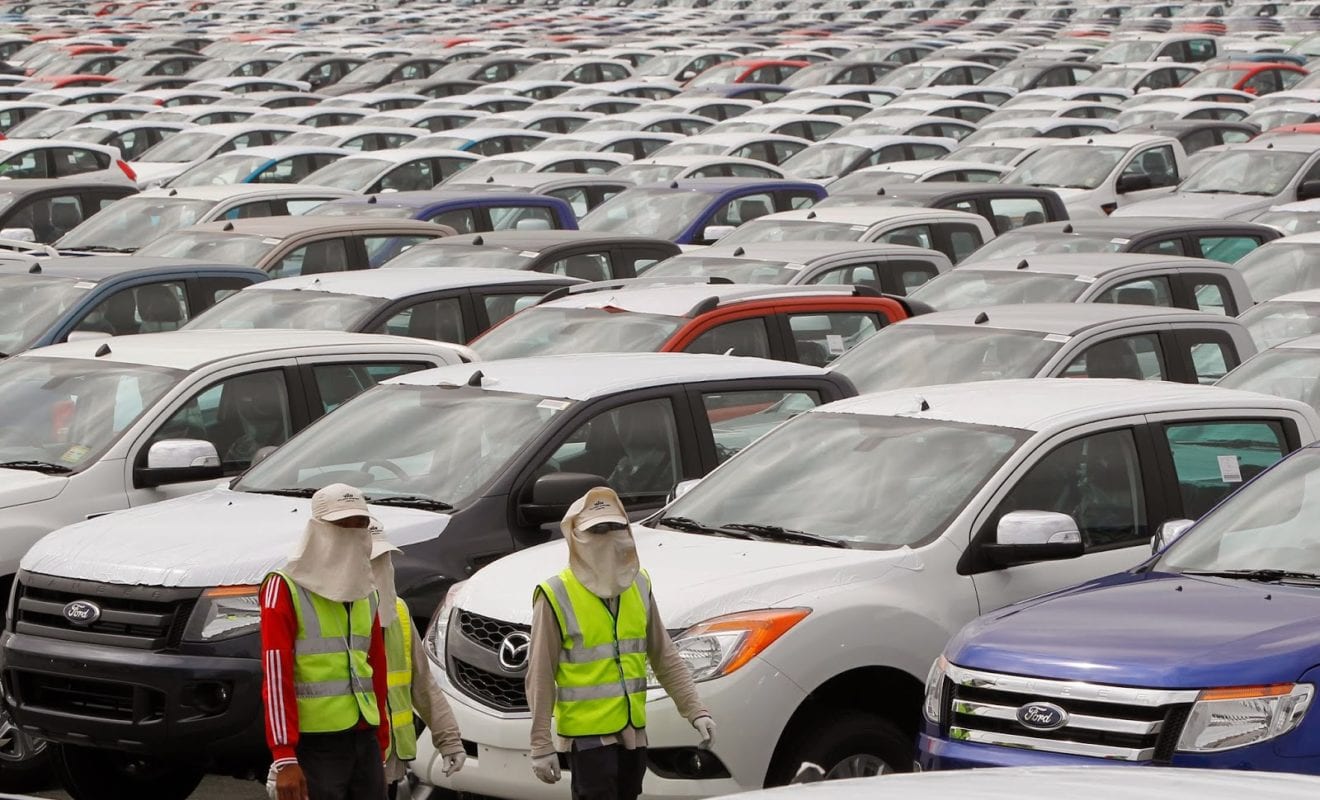
    Industrial real estate developers have been reaping the benefits of the investment surge into Vietnam’s automobile industry. Over the past three years, auto producers from Europe, the U.S. and Asia have been increasingly renting out industrial space and manufacturing facilities in Vietnam, giving real estate developers a significant boost.

    This is the conclusion drawn by a recent report by real estate service firm CBRE Vietnam which evaluates the impact of growth of the Vietnamese automobile industry on the industrial real estate market.

    The report notes that Camoplast Solideal from Luxembourg has rented 70,000 square meters of land to open a tire factory, and Schaeffler from Germany, 55,000 square meters to develop production facilities.

    Mercedes from Germany has rented 5,500 square meters of land to open a distribution center, while Bentley from the United Kingdom has rented 5,000 square meters for a showroom and service center.

    Yazaki of Japan has rented 39,000 square meters for electric car cable production, and Mogul Federal from the U.S. 5,000 square meters to make seats.

    The CBRE report says that although Vietnam’s car manufacturing sector may be behind some other ASEAN countries, the consolidation of cleared land allocated for automobile production is increasing.

    For both foreign and domestic producers, manufacturing facilities are mainly clustered in the north. Auto producers tend to choose this area to rent industrial land, the CBRE report says.

    Due to higher demand for industrial land, rentals have increased, recently.

    At an industrial park in southern province of Dong Nai, the price to rent industrial land for long-term leases of up to 50 years reached $90 per square meter last month, up from $60 to $70 last year.

    The average rent of industrial land in northern Vietnam hit $82 per square meter per lease term in Q3, an increase of nearly 9 percent compared to Q1, according to a report by real estate service firm Jones Lang LaSalle (JLL).

    Hanoi’s average rents increased significantly to $137 per square meter per lease term, the highest in the north, driven by limited supply.

    There are only 358 businesses in the auto industry in Vietnam compared to 2,500 in Thailand, according to the Ministry of Industry and Trade, and observers have said that the potential for growth is high.

  • Sunway Malaysia sells land, assets to Sunway REIT for RM550m

    Sunway Malaysia sells land, assets to Sunway REIT for RM550m

    Sunway Bhd is selling its land and assets to Sunway Real Estate Investment Trust (Sunway REIT) for RM550 million cash. Sunway said that its wholly owned subsidiary Sunway Destiny Sdn Bhd had on December 24 entered into a conditional sales and purchase agreement with RHB Trustees Bhd, being the trustee of Sunway REIT, for the proposed disposal.

    The exercise entails the disposal of three parcels of leasehold land in Sunway Town, Petaling Jaya, together with buildings comprising a five-storey academic block, a six-storey academic block, a 13-storey academic block as well as four blocks of five-storey walk up hostel apartment.

    Sunway said the proposed disposal will allow the group to unlock the value and realise its investment in the land and buildings, which will result in an improvement in the earnings per share of the Company by about 0.9 sen.

    Proceeds from the disposal will also lead to a net cash inflow of RM311.3 million for the group, with part of the proceeds will be utilised to repay existing bank borrowings, which is expected to reduce the group’s gearing and potentially save RM9.9 million of finance expense per annum.

  • Xiaomi India to foray into appliances, white goods space

    Xiaomi India to foray into appliances, white goods space

    Xiaomi is all set to convert its India arm into an end-to-end consumer durables company. According to a report, Xiaomi officials are currently identifying potential categories including air-conditioners, washing machines, refrigerators, laptops and small appliances like vacuum cleaners and water purifiers for the Indian market. All the products will be smart appliances based on Internet of Things (IoT) or which can connect to the internet and other devices, and operated remotely.

    Xiaomi entered the Indian television market in February this year with products 30-50 percent cheaper than the top three brands — Samsung, LG and Sony. It eventually expanded TV sales to offline stores and started assembling them in India in partnership with contract manufacturer Dixon. It recently announced having shipped more than a million televisions into the Indian market.

    The company will follow the same model for appliances. The products will be priced aggressively in line with its announced strategy of keeping just 5 percent profit margin for itself and start local assembly after gaining some scale to take advantage of Make in India duty benefits, according to the report.

  • Mercedes-Benz Vietnam to recall 4,802 SUVs over faulty seatbelts

    Mercedes-Benz Vietnam to recall 4,802 SUVs over faulty seatbelts

    Mercedes-Benz Vietnam is expected to issue a recall notice for 4,802 vehicles due to seatbelt faults in their rear seats. Company representatives said that an application for the recall has been submitted and they are waiting for approval from the Vietnam Register, the vehicle registration, inspection and quality control department of the Ministry of Transport.

    The models affected by this recall are the popular GLC 200, GLC 250 4MATIC, and GLC 300 4MATIC. These models were assembled at the Mercedes factory in HCMC between March 2016 and February 2018, and sold mainly to Vietnamese consumers.

    It is expected that owners of the faulty SUVs can have their vehicles checked and repaired free of charge at Mercedes Vietnam dealers nationwide from Jan 15, 2019 till the end of 2023.

    For the left and right rear seats, the seatbelt retracts so much that its locking clip can be stuck in a crevice in the inner car plating. If this happens, the clip cannot be retrieved and used again.

    Mercedes GLC is one of the models distributed in the Vietnamese market by the German luxury manufacturer.

    In 2017, GLC was the best-selling model for the company as well as the entire luxury car market, priced at VND1.68-2.9 billion ($72,032 – $124,032).

  • Bottega Veneta opens massive flagship store in Tokyo

    Bottega Veneta opens massive flagship store in Tokyo

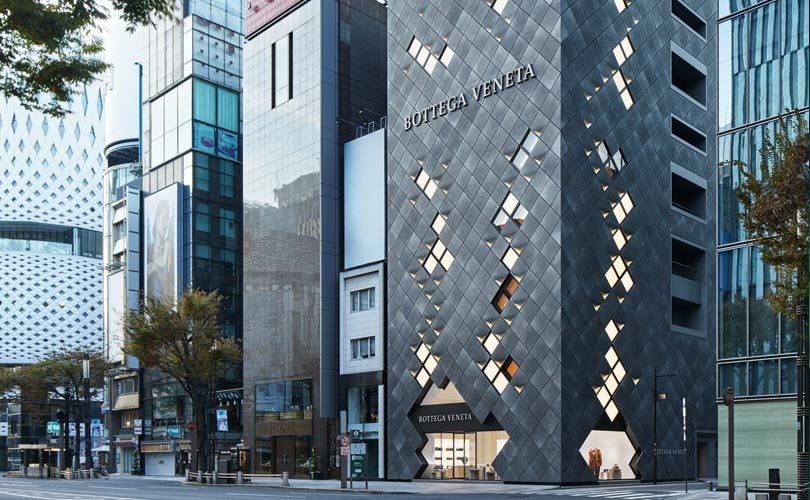
    High-end Italian label Bottega Veneta has opened a new flagship in Tokyo this month. The six-storey store at Ginza Chuo-Ku is the brand’s largest in the Asia region, and features men’s and women’s ready-to-wear, leather goods, handbags, eyewear, footwear, fragrances, jewellery and home decor.

    The store’s facade is composed of more than 900 metal panels similar to a motif featured on the brand’s handbag range, while the understated interior design matches Bottega Veneta’s furniture aesthetic.

    The label’s GM Claus-Dietrich Lahrs said in a statement that the Japanese clientele is important and extremely loyal – adding that Japan is one of the world’s leading markets for Bottega Veneta.

  • Vietnam wants China to import more, invest more

    Vietnam wants China to import more, invest more

    China should increase imports of Vietnamese goods and make more hi-tech investments, government officials and business representatives say. Le Hoai Trung, Vietnam’s Deputy Minister of Foreign Affairs, proposed at the Vietnam-China Economic Promotion Forum Thursday that China creates more favorable conditions for more Vietnamese goods to enter the country through border gates.

    “We hope that the Chinese government will be more open to the Vietnam market, especially for products that Vietnam has strong supply and China has high demand for, such as rice, pork, milk, agriculture, seafood, electronics and consumer goods,” Trung said in the forum attended by 500 Vietnamese government and business representatives and 200 Chinese counterparts.

    Vietnam has a high trade deficit with China. From January to November, the country exported $37.7 billion worth of goods to China and imported $59.6 billion, a trade deficit of $21.9 billion, according to Vietnam Customs.

    Vu Tien Loc, chairman of the Vietnam Chamber of Commerce and Industry, said: “Although Vietnam’s exports to China have been increasing this year and trade deficit is declining, I don’t think this trend will be sustainable.”

    He said it would require a big effort from authorities to pave the way for Vietnamese goods, especially agriculture products, to enter China.

    Loc also proposed that that unofficial trade activities between the two countries at the border be formalized to guarantee long-term benefits for both sides.

    As protectionism in the world rises, Vietnam and China need to cooperate to control trade cheating, like Chinese businesses exporting its goods via Vietnam to other countries, which would impact on sustainable development of both countries, Loc said.

    Trung said at the forum that Vietnam welcomes foreign direct investment from China that is focused on high technology in infrastructure, supporting industry and agriculture.

    He added that Chinese FDI businesses should ensure environmental protection and Vietnamese labors’ benefits when investing in the country.

    Loc added that China, as a leading country in the world in the high-tech sector, can provide this kind of investment to Vietnam.

    “Vietnam is looking for a new type of foreign investment which has higher quality, integrate more with Vietnamese businesses using high-technology which are environment-friendly,” he said.

    China is Vietnam’s largest import market, while Vietnam is China’s largest trading partner in ASEAN and the 8th in the world.

    From January to November, bilateral trade turnover reached over $97 billion, up 16.5 percent year-on-year, according to official data.

    China has invested in over 2,000 projects in Vietnam, with a total registered capital of $13 billion. It ranks 7th out of 129 countries with FDI in Vietnam.

  • Starbucks opens immersive coffee destination in New York

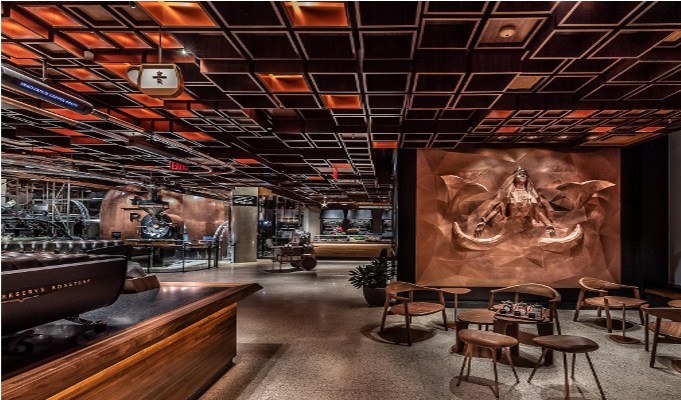
    Starbucks opens immersive coffee destination in New York

    “We designed the Roastery as the pinnacle experience around all-things-coffee, and there is nothing else like it in the world. With premium coffees, teas, mixology and the iconic Milanese Princi Bakery, it serves as a Starbucks brand amplifier and a platform for future innovation,” said Kevin Johnson, CEO, Starbucks. “Beverages such as Draft Nitro, Cold Foam and the recent launch of Juniper Latte all began at the Roastery and have since been introduced to Starbucks locations around the world. It is the ultimate Starbucks Experience and an unforgettable way to connect with our customers.”

    Starbucks has a long history in New York. In 1994, Starbucks chairman emeritus, Howard Schultz, who was born and raised in Canarsie, Brooklyn, opened the first Starbucks store in the city on Broadway and 87th Street on the Upper West Side. Nearly 25 years later, there are 350 Starbucks stores across the five boroughs in the city where Starbucks employs approximately 5,000 partners (employees). The Roastery employs nearly 300 people, including roasters, baristas, commessas and mixologists.

    “Like most people I first experienced Starbucks as a customer, where I would go to my store at 195 Broadway in the Financial District in New York City and order a tall latte which was the perfect way to start my day,” said Raul Adorno, Managing Director Reserve Roastery New York. “I look forward to welcoming my fellow New Yorkers and visitors from all around the world when we open the Roastery on Friday. You will be amazed.”

    At its core, Starbucks Reserve Roastery New York is a working coffee roastery, where every day Starbucks Master Roasters, who have trained for years in the craft of coffee roasting, will be small-batch roasting Starbucks rarest single-origin coffees and blends called Starbucks Reserve. Those coffees then get served fresh at the Roastery or shipped to select Starbucks stores around the world. That functional purpose, as well as the history of industry and manufacturing in the meatpacking district, is reflected in the design of the space.

    “New York is a hub to the world,” said Liz Muller, Chief Design Officer of Starbucks. “It’s an unbelievable place with such history. The meatpacking district has a fantastic history of industry, and the neighborhood has an electric energy; it is alive. We’ve designed a space where the excitement and dynamic activity of the neighborhood is mirrored in the Roastery. We want our customers to come in and feel very inspired.”

    Unique Food and Beverages

    Coffee Bars – There are two coffee bars at the Roastery, which in total offer seven brewing methods, including pour over, Chemex, coffee press, siphon, espresso, Clover and cold brewing.

    Upon entering the Roastery, visitors can visit the coffee bar on the main level, where baristas, called coffee masters, are crafting classic espresso beverages such as cappuccino, latte, cortado and specialty drinks such as whiskey barrel-aged cold brew, sparkling citrus espresso, nitro hopped apricot cold brew and rotating specials like the cardamom latte.

    Arriviamo Bar – For the first time in the U.S., Starbucks will debut the Arriviamo Bar inspired by the Italian tradition of aperitivo. This craft cocktail bar is located inside the Roastery where expert mixologists will serve cocktails and spiritfrees curated by award-winning mixologist Julia Momose featuring coffee and tea. Specialty cocktails include the Nocino Notte, made with cold brew coffee, barrel-aged gin and black truffle salt, and the Triomphe, made with Teavana/MC Darjeeling de Triomphe Tea, gin, dry Riesling, aquavit, passionfruit sparkling water and orange saffron bitters. The Arriviamo Bar will also serve a selection of beer, wine and classic cocktails

    Princi – Inside the Roastery is the Milanese boutique bakery Princi from founder Rocco Princi, with on-site baking of fresh breads, Pizzas, cornetti, focaccias, desserts and more.

  • ‘E-commerce share in India’s FMCG retail sales triples in 2 years’

    ‘E-commerce share in India’s FMCG retail sales triples in 2 years’

    Growing consumer trust and confidence in online buying has helped e-commerce platforms expand their share in India’s total FMCG retail sales by as much as three times, according to market researcher Nielsen. This has led to online purchase of a broader range of categories, with a particularly interesting upswing seen in fresh and packaged groceries, Nielsen said in a report.

    It further stated that global online grocery purchasing is up 15 percent in the last two years, leading to an estimated US$ 70 billion additional sales in online FMCG.

    The 2018 Nielsen Connected Commerce Report said e-commerce categories — travel (69 percent), fashion (66 percent), and IT and Mobile (63 percent) continue to account for the largest proportion of online transactions in the country.

    Interestingly, categories posting the most significant growth in e-commerce channel included packaged grocery (where 40 per cent of respondents said they made a purchase), fresh groceries, and baby and children products.

    “From tracking the e-commerce evolution in pioneering countries like South Korea where online sales now account for a staggering 20 percent of the total FMCG sector, we know that consumers follow a certain pattern of online shopping behaviour,” Sameer Shukla, Executive Director (Retail Measurement Services), Nielsen South Asia said.

    Travel, fashion and IT/ Mobile products are typical categories for first-time online shoppers and as their familiarisation, comfort and trust levels increase, their category repertoire expands into areas like beauty, personal care and baby products, he added.

    “… and then moves even wider afield to packaged and fresh grocery categories, and this is evidenced in the significant jump we’ve seen in online purchasing within grocery and food delivery in recent years,” he said.

    The report also revealed that consumers are more open to purchase packaged and fresh groceries online when they are offered certain purchasing options and quality assurances.

    About 60 percent of consumers pointed towards the need to offer and improve hassle-free refund, replacement experience as well as free cost delivery, which if offered, would boost their confidence to buy online with higher frequency.

  • Hanwha Galleria Timeworld to sell luxury stuffs

    Hanwha Galleria Timeworld to sell luxury stuffs

    Department store operator Hanwha Galleria Timeworld is opening its second Galleria Luxury Hall next year. In benchmarking its first main store in southeastern Seoul, the owners are seeking to draw luxury French and Italian brands to trade alongside fine dining F&B operators. The store’s facade will undergo renovations with the aim of becoming a landmark building.

    A statement from Hanwha Galleria claimed the Timeworld branch is seen as the top department store in the area since its acquisition in 2000. Within the past decade, the firm has seen 7 per cent annual growth on average in sales.

  • Vietnam’s PVOIL seeks multiple partners

    Vietnam’s PVOIL seeks multiple partners

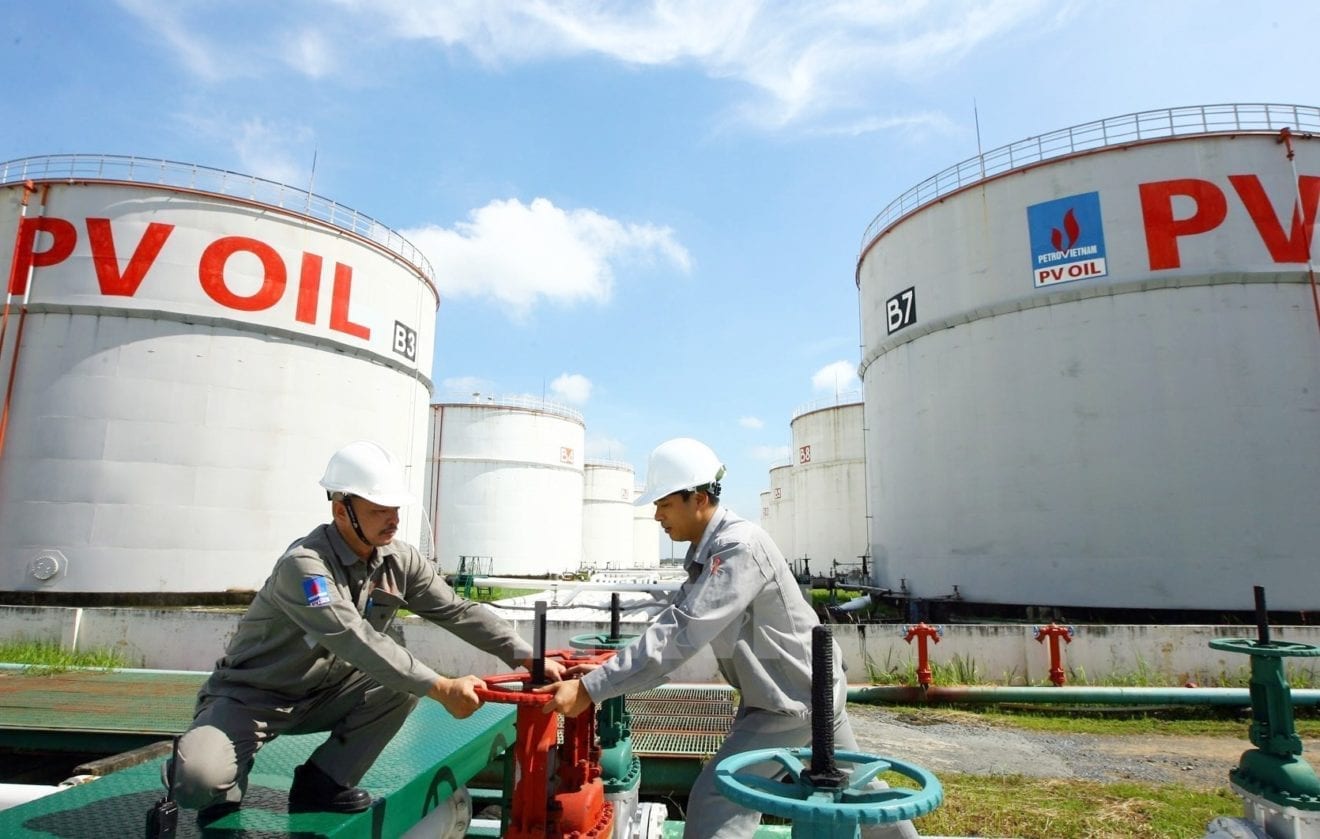
    Vietnam’s second-largest oil retailer, PV Oil, is seeking multiple buyers, instead of a single strategic investor, for a 44.72 percent stake. Although many investors expressed interest in becoming strategic partners with PetroVietnam Oil (PV Oil), including British-Dutch oil company Shell, South Korea’s SK Energy, and Idemitsu, a Japanese petroleum company, complicated administrative procedures have discouraged them, analysts say.

    PV Oil requires a strategic partner to hold the stake for at least 10 years.

    According to a new and revised divestment plan for PV Oil, the company is expected to raise at least $300 million from the divestment, Cao Hoai Duong, CEO of PV Oil, said.

    The bidding is expected to start in 2019.

    Last December, Deputy Prime Minister Vuong Dinh Hue had approved that state-owned PetroVietnam, the parent company of PV Oil, would reduce its ownership in PV Oil to 35.1 percent by selling a 44.72 stake to strategic investors.

    In January this year, VND4.18 trillion ($184 million) was raised through the sale of a 20 percent stake in PV Oil in an initial public offering (IPO).

    Vietnam maintains a 49 percent cap on foreign ownership limit in PV Oil.

    PV Oil runs 540 filling stations on its own and has about 3,000 locations operated by agents, mostly in northern Vietnam, as well as about 120 gas stations in Laos.

    PetroVietnam is one of the three biggest state-owned groups in Vietnam and a major contributor to state coffers.