Tag: asia

  • Visa and The Mall Group collaborate to drive the future of retail in Thailand

    Visa and The Mall Group collaborate to drive the future of retail in Thailand

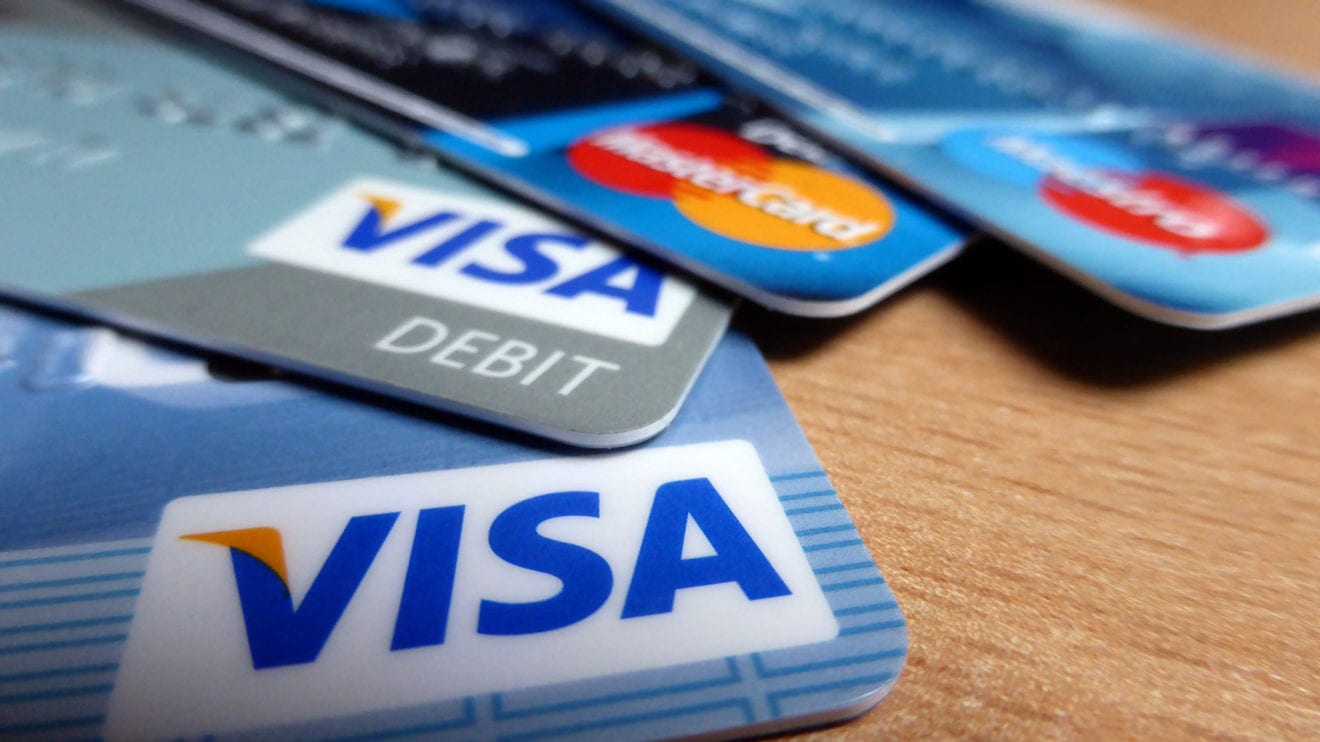
    Visa, the world’s leader in digital payments, and The Mall Group, Thailand’s leading retail and entertainment complex developer, last week announced a new long-term partnership set to drive the future of retail in Thailand.

    Building on their existing relationship, this partnership will see The Mall Group and Visa develop personalised shopping experiences for consumers, using Visa’s capabilities and exploring new technologies such as the Internet of Things (IoT), Artificial Intelligence (AI), Augmented Reality (AR), Virtual Reality (VR), biometrics, as well as data analytics to understand changing consumer behaviours.

    Chris Clark, Visa’s Regional President for Asia Pacific, said: “We believe payment technology can be a key differentiator for The Mall Group helping it to deliver a faster, more convenient and more personalised shopping experience for consumers. We’re looking forward to working together to drive payments innovation at The Mall Group’s expansive locations across Thailand.”

    Supaluck Umpujh, Chairwoman of The Mall Group, said: “The partnership with Visa represents a significant step into a new era of retail where customer experience is at the heart of everything we do. Our goal is to explore and leverage the latest innovations that will add value to our business. This will consequently benefit our shoppers and help strengthen our position as a world-class shopping destination among both local and international visitors.”

    Studies have shown that by 2020 AI will be responsible for managing 85 percent of retail customer interactions and as many as 100 million consumers will use AR to create a more novel shopping experience.

    For decades, Visa, together with its merchant partners, has consistently invested in growing electronic payments in Thailand. This has included educating consumers and merchants on the benefits of electronic payments, expanding the acceptance of electronic payments, and introducing new technologies to enhance the payment experience and make it more secure, such as EMV, contactless payment technology, tokenisation, and Visa QR payments.

  • Lenovo achieves world records in fund raising event

    Lenovo achieves world records in fund raising event

    Lenovo achieves a new GUINNESS WORLD RECORDS™ title for the “Most people performing the warrior I pose (yoga) simultaneously (multiple venues)” on Sunday, 16 December 2018, across three cities doing a Warrior I Yoga pose simultaneously. Taking place at Boost in Yoga Style, a fundraising event co-organised by Lenovo and Pure Yoga, the event saw a turnout of over 600 participants across Singapore, Hong Kong and Taiwan region. Locally, 116 participated in setting the record at the National Gallery of Singapore.

    Boost in Yoga Style aimed to increase awareness on heart wellness and cardiovascular disease, and all proceeds from the event were donated to the Singapore Heart Foundation, totaling S$4,500.

    ‘This event represents a unique partnership between Lenovo and Pure Yoga and is aligned with our shared goal of enriching and enhancing lives in the community. We are glad to see such a positive turnout today and are delighted to have achieved the GUINNESS WORLD RECORDS™ title together with Pure Yoga. We hope that the money we’ve raised goes a long way in helping patients at the Singapore Heart Foundation,’ said Eddie Ang, Country General Manager, Singapore, Lenovo. ‘Partnering with a consumer-focused brand like Lenovo is important for us to deliver a differentiated experience for our members, and Boost in Yoga Style was a great way to drive awareness by leveraging the power of yoga to benefit the community,’ said Miryam Acosta, Pure Yoga Singapore.

    The GUINNESS WORLD RECORDS™ achievement is aligned with Lenovo’s shift toward becoming a customer-centric organisation with the belief that ‘different is better’, exemplified through partnerships that deliver better value and unique experiences to users.

  • Olympic Committee Launches the First Olympic Store for Chinese Fans with Alibaba

    Olympic Committee Launches the First Olympic Store for Chinese Fans with Alibaba

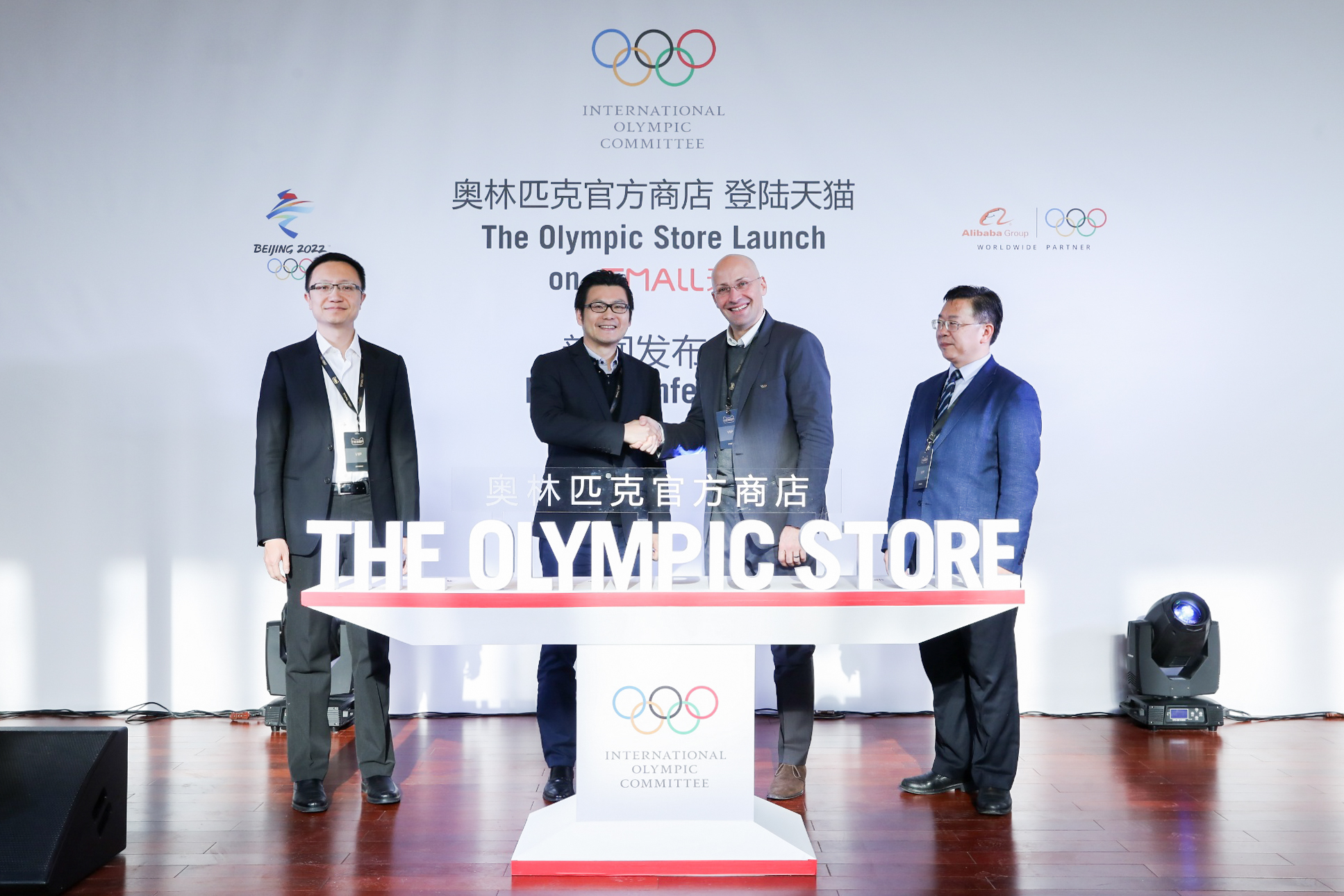
    The International Olympic Committee and Worldwide TOP Partner Alibaba Group (NYSE: BABA) announced the launch of the firstever Olympic store on Tmall, China’s largest B2C marketplace for brands and retailers, during the weekend. The new Olympic store will be initially available to Chinese fans on Alibaba’s Tmall, with additional plans in development to create a global ecommerce platform for fans around the world.

    The Olympic store on Tmall has been launched as part of the new IOC Global Licensing Strategy, which aims to engage and connect with fans seeking official Olympic branded merchandise, in line with Olympic Agenda 2020. The launch was announced at the second annual Tmall Winter Festival in Zhangjiakou, a three-day online and offline retail event to generate excitement for winter sports among Chinese consumers. The Olympic store on Tmall will offer official products developed as part of three Olympic core licensing collections, aimed at engaging Chinese fans all year round.

    The Olympic Games Collection celebrates the upcoming Olympic Games and includes branded products from the Beijing 2022 and Tokyo 2020 Games, such as pins, apparel and other memorabilia. The Olympic Heritage Collection will feature products that include art and design elements from previous Games editions, such as postcards of historical Olympic posters, connecting fans and connoisseurs with the rich heritage of the Olympic Games. Finally, the Olympic Collection will target a young and active audience through unique branded products, mainly sports equipment and toys.

    Timo Lumme, IOC TMS Managing Director, said: “We are delighted to launch our first Olympic store on Alibaba’s Tmall in China, one of the world’s largest ecommerce marketplaces. The launch was made possible thanks to the support of our Worldwide Olympic Partner Alibaba’s technology and expertise, as well as our partnership with the Beijing Organising Committee for the Olympic and Paralympic Winter Games 2022. The Olympic Winter Games Beijing 2022 will be a landmark moment for China and the Olympic Movement, and from today we look forward to offering the latest exciting Olympic products to Chinese Olympic fans through our new Olympic store on Alibaba’s platform.”

    Chris Tung, Alibaba Group Chief Marketing Officer, commented: “The launch of the first Olympic store on Alibaba’s Tmall is an important milestone in our long-term partnership with the IOC. We are proud to leverage Alibaba’s technology and ecosystem to provide more opportunities for Chinese fans to celebrate the heritage of the Games and join in the excitement for Tokyo 2020 and Beijing 2022. We look forward to our continued collaboration with the IOC to connect more fans in China and from around the world to the Olympic Movement in the digital era.” Piao Xuedong, Director of the Beijing 2022 Marketing Department, said: “We are proud to work with both the IOC and Alibaba to present the Olympic store on Tmall to Chinese Olympic fans today. It is the first time in the history of the Olympic Movement that Olympic fans can use an online store to look for licensed products both from the historical Olympic Games and the upcoming Olympic Games. Beijing 2022 is getting full value by innovating the licensing programme today. Our licensing team will keep supporting the Olympic store on Tmall by providing more wonderful products in the future.”

    In December 2017, Alibaba Group, in partnership with the Beijing 2022 Organising Committee, introduced the official online shop for Beijing 2022 on Tmall to help promote the Games among fans in China. Alibaba Group and the IOC entered a historic, long-term strategic partnership in January 2017 to help transform the Olympic Games for the digital era. Alibaba Group serves as the official “Cloud Services” and “E-Commerce Platform Services” Partner of the IOC, and is a Founding Partner of the Olympic Channel through to the 2028 Games.

  • ShopBack ventures offline with ShopBack GO

    ShopBack ventures offline with ShopBack GO

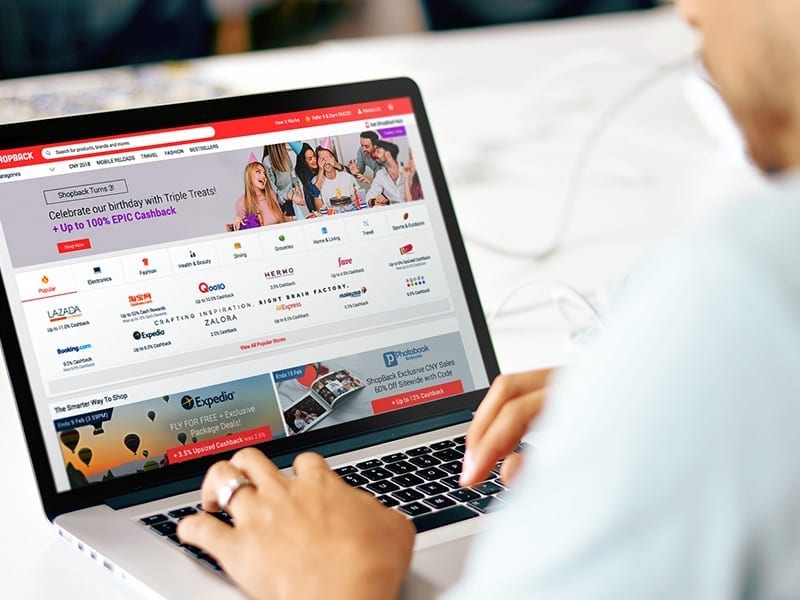
    ShopBack, the one-stop lifestyle platform that powers smarter purchase decisions, officially enters the offline space with the introduction of ShopBack GO. Launched in partnership with Visa and Mastercard, ShopBack GO enables users to earn between five to 10 per cent cashback on top of their existing card rewards at over 400 F&B brands concentrated in selected areas.

    With ShopBack GO, F&B partners will gain access to ShopBack’s existing base of over one million Singaporeans via its mobile app. The first-of-its-kind offline discovery and rewards platform in Southeast Asia fills the performance marketing gap in the ecosystem with zero disruption to business operations and consumers’ payment habits.

    “For the past four years, our core business model has succeeded in delivering cost-effective marketing for ecommerce merchants while delighting users with cashback for their online purchases,” said Vincent Wong, Country Head of ShopBack Singapore. “We have now replicated the experience offline with ShopBack GO, an omnichannel retail solution for offline merchants and rewards platform for users.”

    Partnering over 400 F&B brands from local favourites like Tiong Bahru Bakery to international establishments like Paradise Group, ShopBack GO rides on Singapore’s vibrant food scene to encourage wider adoption of cashless payment via Visa and Mastercard.

    ShopBack GO launches with a higher density of F&B brands in four areas: One-North, Buona Vista, Holland Village and Tanjong Pagar. The first three locations were selected for convenience in proximity to the office, allowing the start-up to conduct quick experiments with F&B brands in the area, while Tanjong Pagar gives ShopBack a flavour of the Central Business District crowd’s appetite.

    “Food is a part of Singapore’s DNA and Singaporeans increasingly love to dine out. Based on Visa’s data, the number of dining transactions have increased more than 30 per cent year-onyear and dining spend makes up almost 20 per cent of total card spend for Singaporeans. This partnership with ShopBack in launching ShopBack GO will drive more consumers to use digital payments for their dining purchases. More importantly, it encourages more merchants to accept electronic payments and also show their willingness to adopt digital payments. This is important as Singapore moves into a more digital and smart nation city,” said Kunal Chatterjee, Visa Country Manager for Singapore & Brunei.

    “Seven in 10 consumers are looking to find offers for their dining experience. We believe ShopBack GO’s reward-based model will appeal to the foodie in many Singaporeans who love a great deal for good food. Given how frequently local consumers dine out, solutions such as these will also go a long way to drive behavioural change towards a wider use of cashless payments in Singapore,” said Deborah Heng, Country Manager, Mastercard Singapore.

  • Top 10 Asian brands to keep an eye on in 2019

    Top 10 Asian brands to keep an eye on in 2019

    Last year, a rank report is released the #10 Best Performing Brands of 2017. The ranking gathered a mix of brands, which stood up from the crowd for incredible brand activities throughout the year.

    This year, the ranking focuses on Asian brands, which have registered a rapid growth in 2018 in terms of POS, distribution channels, global expansion; among them digital native brands that quickly captured a conspicuous pie of the market by conquering Millennials and GEN Z with their Intagrammable moods. From Korea to Japan, from cosmetics to accessories, the list covers the main trends to keep an eye on in 2019.

    3CE – The most Instagrammable cosmetics brand

    Launched in 2009, 3 Concept Eyes (3CE)  is the popular Korean cosmetics label of Stylenanda and is one of the youngest and most playful brand on the block.

    Founded by Kim So-Hee, the cosmetics label with mid-end price points was ranked No. 1 as the most preferred K-beauty brand by Chinese consumers in multiple surveys.

    The secret behind the success of the brand is the strong appeal it draws from Millennials and Gen Z. From product design to distribution, each facet of 3CE is thought to be Instagrammable.

    Living proof is the brand’s movie-themed flagship store in Gangnam-gu, Seoul, which turns its clients into stars getting ready to go on stage in make-up booths with colorful lighting and props in cute baby pink colors.

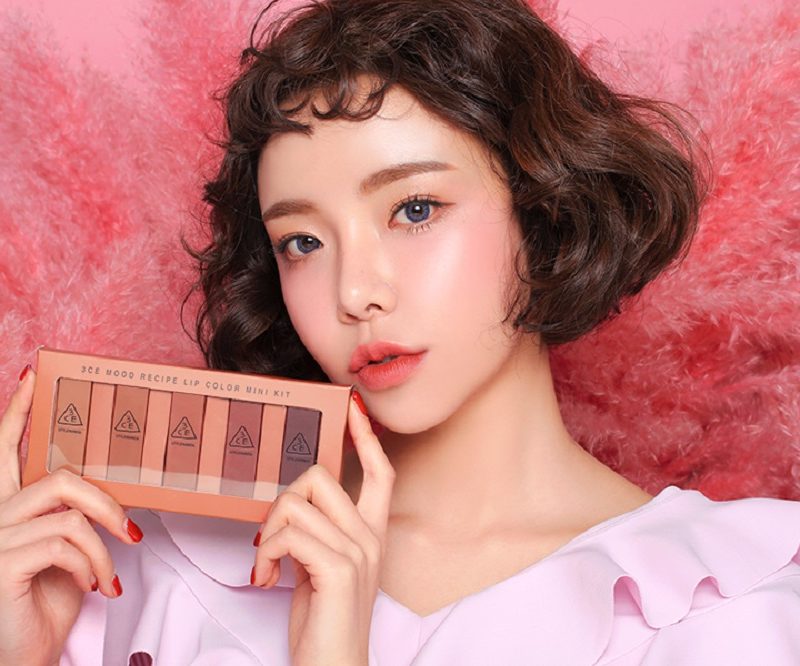
    Among the Instagrammable products, the brand’s jewel-like tubes of lip gloss have become a status symbol for Millennials and Gen Z, being featured in famous K-drama “Missing You” and now blanketing stores all over Asia.

    To keep it trendy, 3CE collaborated for the second year in a row with Maison Kitsuné to launch a second make-up range offering the perfect French x Korean beauty fusion with girly packaging.

    Available offline and online, 3CE’s products are distributed through its parent’s company, Stylenanda, multi-channel distribution model which includes e-commerce, speciality retailers, and point of sales in department and duty free stores.

    In less than a decade, 3CE has managed to become the fundamental pillar of Stylenanda and today represents more than 70% of the business with a 127 million euro turnover in 2017 and nearly 400 employees.

    It was actually 3CE which drove L’Oreal’s acquisition of Stylenanda earlier this June, the group’s first investment in a K-beauty brand (the exact amount was not disclosed but industry sources estimate the company was sold for between 570 billion and 600 billion won.)

    A Bathing Ape – BAPE  -The Asian streetwear brand

    BAPE is one of the most hyped brands in streetwear defined by its young audience’s appetite for anything on offer.

    Founded by Nigo in 1993, it started as a hole-in-the-wall T-shirt shop in Tokyo’s Harajuku district but in the 2000s, the brand catapulted cult streetwear into the mainstream, and was co-signed by everyone from streetwear devotees to celebrities like the Clipse, Pharrell, Kid Cudi, and Jay Z.

    In 2010, Nigo stepped down from the company as CEO, but stayed on to assist with the transition after it was sold in 2011 to Hong Kong fashion conglomerate I.T for $2.8 million.

    The hype around BAPE is still as vivid today with its unique designs appearing on everything from apparel to luxury items as celebrities from all industries like The Weeknd or American rapper Pusha T can be seen rocking the label. BAPE also takes part in collaboration as we have recently seen the exclusive line launched with the French capital’s iconic football club, PSG (Paris Saint Germain).

    BAPE was the creator of the fundamental streetwear formula of hype, scarcity and public spectacle – the brand’s recipe for success. It managed to find the right balance between exclusivity and mass appeal with prices ranging from HKD$699 to HKD$3799.

    A Bathing Ape has a very powerful brand DNA defined by its strong aesthetics: to have the BAPE look, you must go to BAPE as no substitute will do the trick. More than a clothing line, the label is a lifestyle in itself. The brand has a particular approach to collaborations, taking a lifestyle based approach as seen with the Pepsi can and MAC makeup campaigns.

    As of today, A Bathing Ape has 33 stores opened around the globe which are sitting in Japan, France, the UK, China, Hong Kong, Korea, Taiwan and Singapore. Selected dealers around the globe also offer the brands’ products. Online, the brand has 3 official website and it is also available on Zozotown.

    Owndays– The fast fashion eyewear disruptive concept

    OWNDAYS is an international optical retail concept founded in Tokyo, Japan.

    It currently has more than 120 stores in Japan and has successfully established stores in 11 overseas countries in Asia Pacific with 43 stores in Taiwan, 36 in Philippines, 27 in Singapore, 20 in Thailand, 6 in Hong Kong and 17 more spread across Indonesia (5), Malaysia (4), Vietnam (3), Cambodia (3) and Australia (2).

    Shuji Tanaka, current president and CEO, took over OWNDAYS in 2008 and has transformed it into a retail chain operation that sells over 2 million pairs of glasses annually.

    Owndays’ 3 key success factors? Simple price, Quick Service and Good Value.

    Offering a simple price system to its customers with sets ranging from HKD$480 to HKD$1280, there are no hidden costs, a refreshing touch in the industry. Customers are also seduced by the brand’s wide portfolio of products which delights both Asians and Westerns, from children to elderlies, and which is delivered in an impeccable and rapid service – essential today as we all know that time is money!

    OWNDAYS is keen on working with different platforms from different industries, including participation in one of the largest fashion shows in Japan – ‘Tokyo Girls Collection’ in 2010, and as one of the official sponsors of the world’s first large scale fashion tournament for top stylists – ‘World Runway Premiere’ in 2011. OWNDAYS also sponsored the 4th Okinawa International Movie Festival in 2012.

    The brand has its designers, but they also do great collaborations such as that with Japanese designer, Jun Hashimoto or Fashion Designer Kansai Yamamoto

    With the recent investment this November from L Catterton Asia and Mitsui & Co., I believe there is so much more to come.

    Other two similar retail concepts also rapidly expanding all over Asia are  Zoff and Jins, which increase the number of Japanese companies targeting overseas markets; and therefore, worth mentioning in this ranking.

    Charles & Keith – The affordable women’s accessory brand

    Charles & Keith is a fast fashion retailer that specialises in women’s footwear and accessories and has achieved much international success over the years.

    Homegrown on Singapore shores, Charles & Keith was founded in 1996 by the two Wong brothers. Since its establishment, the brand has expanded to more than 450 outlets worldwide and went beyond brick-and-mortar stores by offering online shopping on its website to offer its stylish and trend-focused designs in Asia Pacific, the Middle East, Europe and the United States of America.

    Known for its high quality footwear and accessories inspired by runway styles and trends for the masses the brand is constantly reinventing fashion with its curated collections.

    Charles & Keith is the answer for the trend-conscious medium high-income consumers. Indeed with its affordable price tags (from HKD$69 to HKD$1,199) and constantly reinvented inventories (it produces an average of 1,000 new designs each year, with about 15-20 new designs being introduced into stores each week), its medium-high income customers do not give it a second thought before ravishing themselves into the beauty of shopping.

    The brand has built itself a loyal customer base resting on a relationship of trust from Charles & Keith to always provide them with the latest in affordable fashion.

    Celebrities and influencers also support the brand, sharing their looks on social media platforms such as Instagram to inspire their audience. The latest Charles & Keith Holiday party, held earlier this month, featured K-pop star Yura, South Korean celebrity Lee Harin, Hong Kong actresses Grace Chan, Angela Yuen, Hedwig Tam and Ashley Lam and actor Carlos Chan or Taiwanese fashion influencer Molly Chiang, all wearing the brand’s line.

    Charles & Keith is not short of creative designs as it continuously engages in collaborations with the likes of Tokyo-based illustrator WALNUT or Disney for an Alice in Wonderland collection.

    The brand already has stores in North Africa and as it is expanding in Asia. We have also seen it opening its London offices along with logistic center in the region to serve the European market this year. Would this be the beginning of its physical expansion to the West side of the world?

    Lady M- An international triumph of sweetness

    Originally opened in Japan in 2001 by Emy Wada, Lady M is a bakery and retail cake business globally known for its elegant, handmade Mille-Crepes Cake. Bought by Ken Romaniszyn family in the early 2000s, the entrepreneur was confident of Lady M’s potential and eager to expand the brand’s presence to the US. As he began opening Lady M’s first New York boutiques, the number of them steadily increased over the following decade as the brand gained ren

    In 17 years, the New-York based bakery has grown to 26 boutiques spread over the American and Asian continent where it is present in, Singapore, Macau, Taipei, Shanghai, Beijing, Nanjing and Hangzhou. In 2018, 5 boutiques popped up in Hong Kong, including 1 at the airport, which enables visitors to take cakes home to their beloved ones.

    Lady M’s global success can be attributed to its branding inside out. Inside – the quality and beauty of cakes is all we can hear about with people queuing up outside the famous bakery; outside – its iconic logo and sleek storefront design with marble and glass displays are simply hard to miss.

    Its key success factor is the distinctive texture given by its secret recipe, which pleases palates internationally.

    Gentle Monster – Still the best store experience

    Founded in Korea in 2011, Gentle Monster, which sells oversized and low bridge sunglasses with Asian fit at premium prices (from $200 to $500), has become one of the fastest trendy fashion eyewear brands in Asia and has over the year spread its reach globally. It is a good case study of an Asian brand that was able to adapt a mature product to the local Asian demands and trends.

    Gentle Monster is being sold in over 450 selected shops in over 30 countries including South Korea, France, Spain, Italy, Portugal, UK, and opened a branch office inNY, USA.

    In terms of revenues, the year 2017 registered 250 million USD, 70 percent of which is coming from direct sales. With last year’s investment by L Catterton (60 million USD for a 7% stake), the brand opened more markets with one of a kind concept stores suchs as a kung-fu fighting boutique in London or New-York’s new flagship space while cleaning part of their wholesale distribution. The Seoul-based firm is now resuming its delayed plans for an initial public offering while expanding its business portfolio by launching its own cosmetics brand.

    Gentle Monster’s success rests on 3 key pillars: Newness, Strange Aesthetics & Celebrities.

    Hankook Kim, CEO and Founder of Gentle Monster said that consumers are not paying for his products, but rather the feeling of experiencing something new and fresh. To keep appealing to unpredictable customers, he changes store displays every 21 days and curates them as he would an art-exhibition.

    Nevertheless, having the perfect product with a unique store design is not enough today.

    It was not until 2014, three years after it was established, that Gentle Monster suddenly became known by all of Asia as South Korean actress Gianna Jun was wearing Gentle Monster sunglasses when she appeared on the hit show My Love from the Star. Following her apparition, more Chinese celebrities were photographed wearing Gentle Monster such as Li Yifeng, Yang Yang, and Kris Wu. The fame also reached the West as models like Kendall Jenner and Gigi Hadid also wore the brand.

    As the brand is now expanding globally, it is trying to reduce its link to the K-pop culture. In that spirit, Gentle Monster recently collaborated with lauded Canadian retailer SSENSE on a Matrix-esque capsule, American fashion designer Alexander Wang or London photography collective-turned-streetwear purveyor Places+Faces.

    When it comes to its expansion, the new stores in Taiwan opening this coming January and K11 Musea in Hong Kong are full of promises.

    Pomelo – The fastest growing fashion digital native concept

    Pomelo Fashion, the Bangkok-based digital native fashion concept, is one of the fastest growing ASEAN brand.

    Launched in 2013 by former Lazada Thailand managing director David Jou, Pomelo positions itself as a digital native fashion brand that is vertically integrated, delivering to over 50 countries globally.

    At the roots of its model rests New Retail.

    The principle? Enabling shoppers to narrow down their choices online to then send their favorites to physical stores for trying on for fit. This model has been the key to Pomelo’s success as it can be done in a small space, saving on rent, while giving customers the opportunity to marry the convenience of online commerce and offline service.

    With currently 6 stores in Thailand, Pomelo is now looking to open a physical location in Singapore.

    In a 6 month time span, Pomelo has in the past actively launched new products across almost 20 product categories. Those high frequency and consistent launches ensures the newness of the assortment and keep customers coming back. And as quantity does not mean everything, Pomelo hires its designers locally to ensure it fits local tastes. Cherry on the top is the brand’s price points which are about half those of Western fashion brands like Zara and H&M.

    Its success has been noticed by many, attracting investors such as JD.com which led a US$19 million investment round last year or the likes of 500 Startups, Hong Leong Group and Jungle Ventures.

    Sulwhasoo – The holistic luxury South Korean beauty brand 

    Sulwhasoo is a holistic luxury South Korean beauty brand manufactured by Amorepacific Group. It all started in 1966 when Suh Sung-whan introduced his ginseng cream to the world, without ever suspecting it was just one of many he would later on develop under the Sulwhasoo brand, created in 1997.

    Revenue leader since 2005 in its domestic market and best-selling cosmetics brands at Incheon International Airport’s duty-free shops, Sulwhasoo was the first Korean beauty brand to make 1 trillion won ($921.8 million) in sales in one year. Starting from HKD$250, the brand’s signature products average HKD$1,500.

    The success of the brand comes from its high-quality product development, which combines traditional ingredients like ginseng, Sulwhasoo’s star ingredient, with advanced sciences (the brand owns a team of over 500 researchers focused on nature-driven formulas).

    Earlier this year, Sulwhasoo has appointed hallyu star Song Hye Ko as its global brand ambassador, the first face of the company since its creation.

    Other contributor to the brand’s success is its distribution as Sulwhasoo has extended its reach beyond Korea, starting in Hong Kong in 2004. It has since entered 11 more markets including China, Singapore, Taiwan, Indonesia, Malaysia, Thailand, Vietnam, the United States, Canada and France. It is now present in over 358 locations worldwide.

    In-store experience is toda a key element of a store success and the Korean beauty brand strives everyday to bring customers its experience of the five senses offering them a luxury experience through services such as gift wrapping and hand massage.

    This year, the company aimed at increasing its store openings in second and third tier cities while expanding into four tier cities. It also expanded touchpoint in online retail by offering its products on major e-commerce sites such as VIP.com and JD.com.

    Miniso – The Japanese-based variety store mushrooming worldwide

    Miniso is a low-cost retailer and variety store chain Japanese-based design brand and if it might be barely known in the West, the success of this company is not negligible.

    It has opened over 2600 stores in less than four years, with USD1.8 billion sales volume in 2017. At present, MINISO has reached strategic cooperation agreements with more than 70 countries and regions including the United States, Canada, Russia, Singapore, the United Arab Emirates, Korea, Malaysia, Hong Kong (China) and Macau (China), with an average monthly growth rate of 80 – 100 stores.

    Established in Japan in 2013, the brand was born from a co-founding between Japanese designer Miyake Junya and the young Chinese entrepreneur Ye Guofu, a former designer.

    Miniso’s success rests on its wide variety of high quality products which boast a modern design but a very low price, ranging on average from US$1 to US$30.

    Its in-house product development also contributed to the success as over 200 procurement managers are constantly scanning the global market to spot trends and allow the brand to launch new products every week. Miniso also employs more than 500 product designers from various countries, including China, Japan, South Korea, Sweden and Denmark to satisfy all tastes.

    I am looking forward to see if Miniso will reach the challenge it has set itself of opening 10,000 stores in 100 economies, including 7,000 stores overseas, and generating 100 billion yuan ($14.52 billion) in annual revenue by 2022.

    NARS –  Shiseido family’s rising brand

    Cosmetics brand NARS, launched in 1994 by French make-up artist François Nars, quickly became one of the most sought-after in the market.

    Acquired in 2000 by Shiseido Group, it has been leading  the growth in Shiseido Travel Retail’s make-up portfolio, particularly in Asia Pacific, where sales of NARS more than doubled in 2017 over the previous year.

    The two pillars behind NARS’ strategy? Product innovation and enhanced brand animation.

    NARS offers its customers a fully comprehensive range covering all bases which has successfully seduced them.

    Addressing Chinese Millennials, Nars has built its O2O strategy around the traveller journey, creating digital and physical touchpoints pre-, during, and post-trip encouraging customer interaction at all times. The brand creates a “virtuous circle” that enhances the consumer experience and amplifies the buzz in the source market of China to drive awareness and demand.

    Key to NARS’ positioning was the accurate selection of distribution channels. At the end of 2016, the brand was available at selected retailers in France, UK, Russia, Spain, Italy, Czech Republic, Poland, Switzerland, Sweden, Denmark, Turkey, UAE, Qatar, Kuwait, Saudi Arabia, Bahrain and in 4 Travel Retail locations. In total, 511 doors. In 2017, NARS launched in Portugal and The Netherlands.

    Recent collaboration include the collection NARS developed with Charlotte Gainsbourg – ultimate Parisian hip girl.

    NARS is part of the Shiseido’s family, and like all the other brands, has greatly benefited from Shiseido’s successes collected in 2018. The Japanese cosmetics giant has been an active protagonist of 2018 beauty narrative with the release of its sustainability campaigns touching upon environmental and social pillars. Additionally strong campaigns to support its social responsible identity, new appointments, and focus on research have been the main initiatives of this year.
  • GSK plans to split into 2 as part of Pfizer joint venture

    GSK plans to split into 2 as part of Pfizer joint venture

    GlaxoSmithKline (GSK) plans to split into two businesses – one for prescription drugs and vaccines, the other for over-the-counter products – after forming a new joint venture with Pfizer’s consumer health division. The revamp is the boldest move yet by Emma Walmsley, the GSK chief executive who took over last year.

    It will lead to the creation of a consumer health giant with a market share of 7.3 percent, well ahead of its nearest rivals Johnson & Johnson, Bayer and Sanofi, all at around 4 percent.

    Walmsley has previously played down the idea of breaking up the group, something that a number of investors have called for over the years.

    On Wednesday, however, she announced that GSK and Pfizer would combine their consumer health businesses in a joint venture with sales of 9.8 billion pounds ($12.7 billion), 68 percent owned by the British company, in an all-equity transaction.

    GSK said the deal laid the foundation for the creation of two new U.K.-based global companies focused on pharma, vaccines and consumer health care within three years of the transaction closing.

    For Pfizer, the deal resolves the issue of what to do with its consumer health division, which includes Advil painkillers and Centrum vitamins, after an abortive attempt to sell it outright earlier this year.

    GSK – whose consumer products include Sensodyne toothpaste and Panadol painkillers – had withdrawn from that earlier Pfizer auction process, but Walmsley said the opportunity to strike an all-equity deal cleared the way for the new agreement.

    “It’s something we’ve been able to do quickly and quietly,” she said.

    “What this deal is all about is the opportunity to strengthen two businesses – a world-leading consumer health care business, and a new GSK that is focused on pharma and vaccines.”

    Shareholders welcomed the news and the shares jumped 7 percent, with Jefferies analysts saying the future separation could crystallize value.

    The new joint venture with Pfizer is expected to generate total annual cost savings of 500 million pounds by 2022 for expected total cash costs of 900 million and non-cash charges of 300 million. GSK plans divestments of some 1 billion pounds.

  • Cle De Peau Beaute opens first Malaysian store

    Cle De Peau Beaute opens first Malaysian store

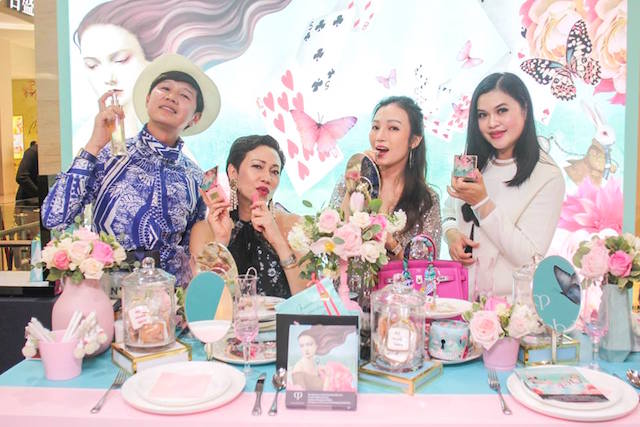
    Luxury skincare and makeup brand Cle De Peau Beaute Malaysia has opened its first boutique, at Pavilion Kuala Lumpur shopping centre. The store features a makeup gallery which tells the story of Pave-Diamond particles while a skincare gallery showcases La Creme.

    The store has consultation tables with personal beauty specialists available to help customers choose the most suitable products for their skin types.

    A VIP-consultation space at the back of the boutique hosts signature facial treatments, which incorporate massage techniques by aestheticians.

    “The retail landscape has changed tremendously in the past 15 years,” said Hiroyuki Maeda, Cle de Peau Beaute global director of business operations with the group. “This change is not specific to just Malaysia but on a global level. As a brand, we need to continuously innovate and transform to make ourselves relevant to our customers.”

  • AirAsia: High cost of unjustified PSC hike

    AirAsia: High cost of unjustified PSC hike

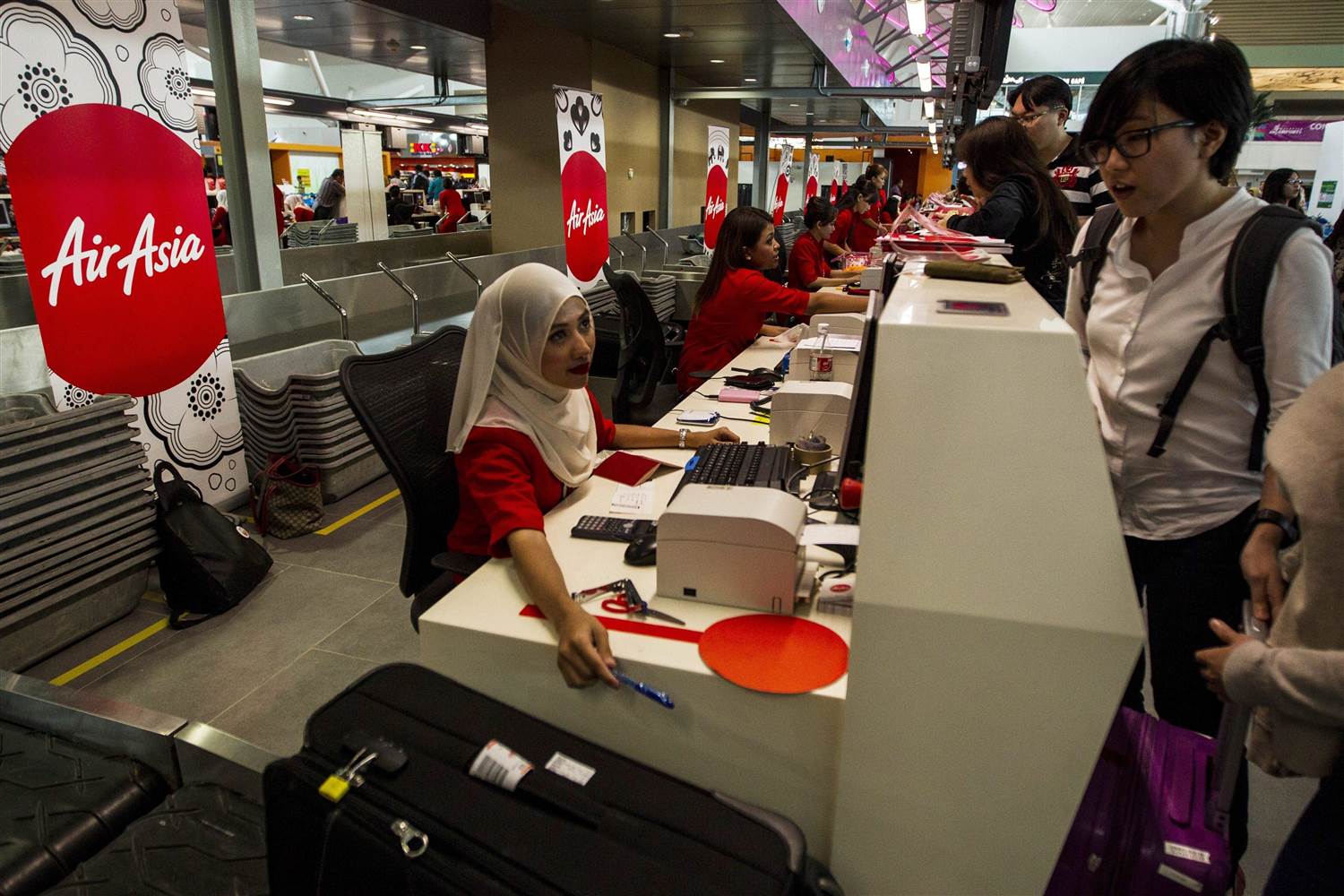
    Unjustified price increases such as the hike in passenger service charge (PSC) could result in airlines being squeezed out of business and subsequently affect tourism arrivals, said low-cost carrier AirAsia. In a strongly worded statement titled “MAHB’s record profits come at a cost to the Malaysian economy and tourism industry”, the airline said the PSC hike imposed by airport operator Malaysia Airports Holdings Bhd (MAHB) will lead to unintended consequences when MAHB’s clients, who have no choice but to use its services, are eventually squeezed out of business.

    “Then, everything will collapse – Malaysia’s tourism arrivals, billion in tourism receipts and revenues to MAHB’s own coffers (a fact it has failed to acknowledge). MAHB rewards itself with excessive monopoly profits, yet it provides the Malaysian public with embarrassingly low service levels,” it said.

    The two parties have been in a row over the additional PSC imposed by MAHB of RM23 per passenger at klia2, in a move to equalise the PSC rate at klia2 and Kuala Lumpur International Airport (KLIA).

    Last week, MAHB slapped AirAsia Group Bhd and AirAsia X Bhd (AAX) with a RM36.1 million lawsuit for refusing to collect the additional PSC and alleged arrears in PSC.

    AirAsia X Malaysia CEO Benyamin Ismail said more than 90% of the “millions” of passengers departing from klia2 who fly with AirAsia will attest to the long walks to the departure gates, labeling klia2 as a passenger-unfriendly airport with inferior facilities and unjustified high charges.

    He reiterated AirAsia’s complaints about the airport such as flight disruptions and cancellations due to major apron and runway defects, unscheduled closure of runways, ponding of water and fuel pipeline ruptures.

    “We were sued after we refused to collect the extra RM23 that MAHB has imposed for the sole benefit of its shareholders. We will vigorously fight this suit. We will not be part of this scheme to burden the travelling public by making them pay more for below par services,” he said.

    AirAsia noted that MAHB’s net profit more than tripled in 2017 to RM237 million from RM73 million in 2016, and estimates that MAHB’s returns on capital are well in excess of the level of the cost of capital set by regulators.

    AirAsia Malaysia CEO Riad Asmat urged regulators and policy makers to rebuff the “unfair and unreasonable” attempt by MAHB to use its monopoly to enrich itself further by revisiting and rescinding the decision to raise the PSC.

    “The overall tourism sector, one of Malaysia’s biggest revenue earners, and the interests of millions of Malaysians who have been able to fly because of the low fares pioneered by AirAsia, are being threatened by MAHB’s price hikes,” he said.

    He challenged MAHB’s argument of needing more profits to operate smaller loss-making airports on behalf of the government, noting MAHB’s “exponential” growth in profits over the last three years even after taking into account losses in its Turkish operations.

    “The additional RM23 to be collected will amount to more than RM100 million a year that will go straight to MAHB’s bottom line rather than to the government. MAHB will continue to be among the most profitable Malaysian companies for many years to come. But this will come at a cost to the wider Malaysian economy and at the expense of engines of growth such as AirAsia and AirAsia X,” he said.

  • FAO Schwarz Hong Kong store opens

    FAO Schwarz Hong Kong store opens

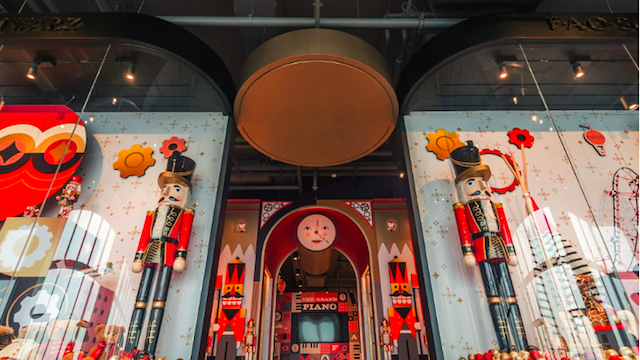
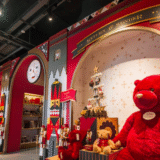
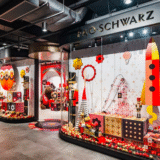
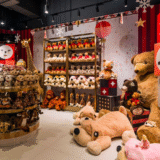
    New York toy retailer FAO Schwarz has opened a private, invitation-only store in Hong Kong, designed by Studio X. The 1150sqft FAO Schwarz Hong Kong store which quietly opened last month is a prototype retail concept for Asia where the company can test design elements and store features before it opens public stores in Mainland China and beyond.

    FAO Schwarz is the oldest toy store brand in the US and a New York City icon frequently referenced in popular culture with scenes in movies such as ‘Big’ in which Tom Hanks famously danced across the store’s giant floor piano. That store closed in July 2015, its turnover no longer sufficient to meet the high rentals of Manhattan, but the legend has lived on.

    Parent ThreeSixty has opened a new store in New York this year and early this month said it planned aBeijing store. The prototype FAO Schwarz Hong Kong store is located inside the newly opened ThreeSixty Group Hong Kong office, which was also designed by Studio X.

    A spokesperson for Studio X said the design is centred around the toy brand’s philosophy “Return to Wonder”, offering “a sense of theatre and occasion that the original New York store was renowned for”. Key design features include many of the original store’s memorable elements such as the giant floor piano and clock tower.

    Studio X oversaw the whole design, including visual merchandising, custom graphics and the shopfront. The company will work with FAO Schwarz to develop further flagship stores across the world next year.

    Studio X was founded in 2016 by Rufus Turnbull and Sam Bradley with a vision to offer a fresh approach to commercial design. Its clients include Ikea, Swire Properties, K11 and Aromatherapy Associates.

    View the gallery below (7 images) :

  • Supporting industry should be a major priority: PM Vietnam

    Supporting industry should be a major priority: PM Vietnam

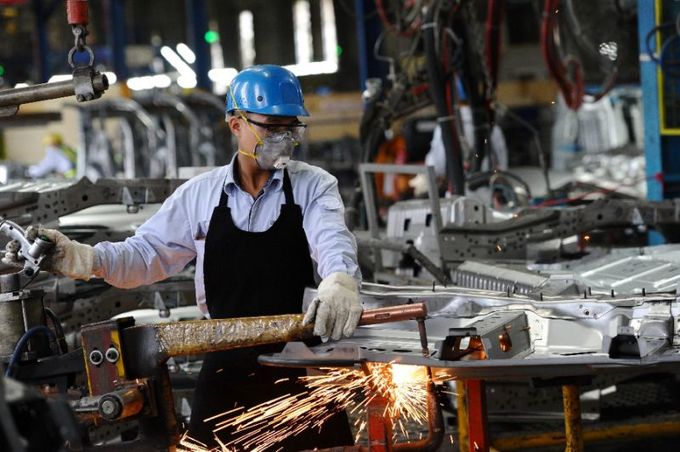
    Vietnam needs to make its supporting industry a production base for the global manufacturing chain, PM Nguyen Xuan Phuc says. “Vietnam should become a production base for multinational companies. This is what the Ministry of Industry and Trade and other government bodies should think about in their development strategy,” Prime Minister Nguyen Xuan Phuc said Wednesday.

    He was speaking at the conference on “Solutions for Promoting the Development of Supporting Industry in Vietnam,” held in Hanoi.

    He said that Vietnam should strive to compete in regional and global markets, manufacturing parts for cars, motorbikes and even airplanes.

    The government has always been prioritizing land access for the supporting industry, and has never said no to any such request, Phuc said.

    Supporting businesses should speed up and start operations earlier, Phuc said, adding that there were firms in the industry that could finish clearance and lay their foundations in just three months, while some have left things hanging for as long as three years.

    The supporting industry in Vietnam remains weak, having to import nearly 90 percent of raw materials, spare parts and components needed for production, according to the Ministry of Industry and Trade.

    This means a low localization rate, even in industries with great supporting industry potential, like automobiles and textiles and garments, it said.

    Minister of Industry and Trade Tran Tuan Anh said at the conference that only 300 supporting firms were currently part of the supply chain for multinational companies. As of last year, Vietnam had 75,000 manufacturing firms.

    The number of new businesses in this sector has barely increased in recent years, even though this is a key foundation for industrialization, Anh said.

    Therefore, those making finished products in the country are having to import accessories and parts from other countries or produce them on their own, he added.

    He cited Japan as a good example of a strong supporting industry. Even though the majority of Japanese supporting businesses are medium, small and micro sized, they are integrated deeply in the global manufacturing chain with high added value. They provide accessories and parts to the aviation industry, he noted.

    The trade minister added that Vietnam’s policy for attracting foreign direct investment (FDI) does not create favorable opportunities for local supporting businesses to develop and join the global manufacturing chain.

    There are over 3,000 supporting industry businesses in Vietnam, accounting for 4.5 percent of the manufacturing and processing sector, creating jobs for over 550,000 employees, according to the Ministry of Industry and Trade.

    From January to November this year, Vietnam imported $30.66 billion worth of machines, accessories and parts, and exported $15.13 billion worth of products, according to Vietnam Customs, marking a trade deficit of $15.53 billion.

  • Hyundai Department Store offers higher price rice

    Hyundai Department Store offers higher price rice

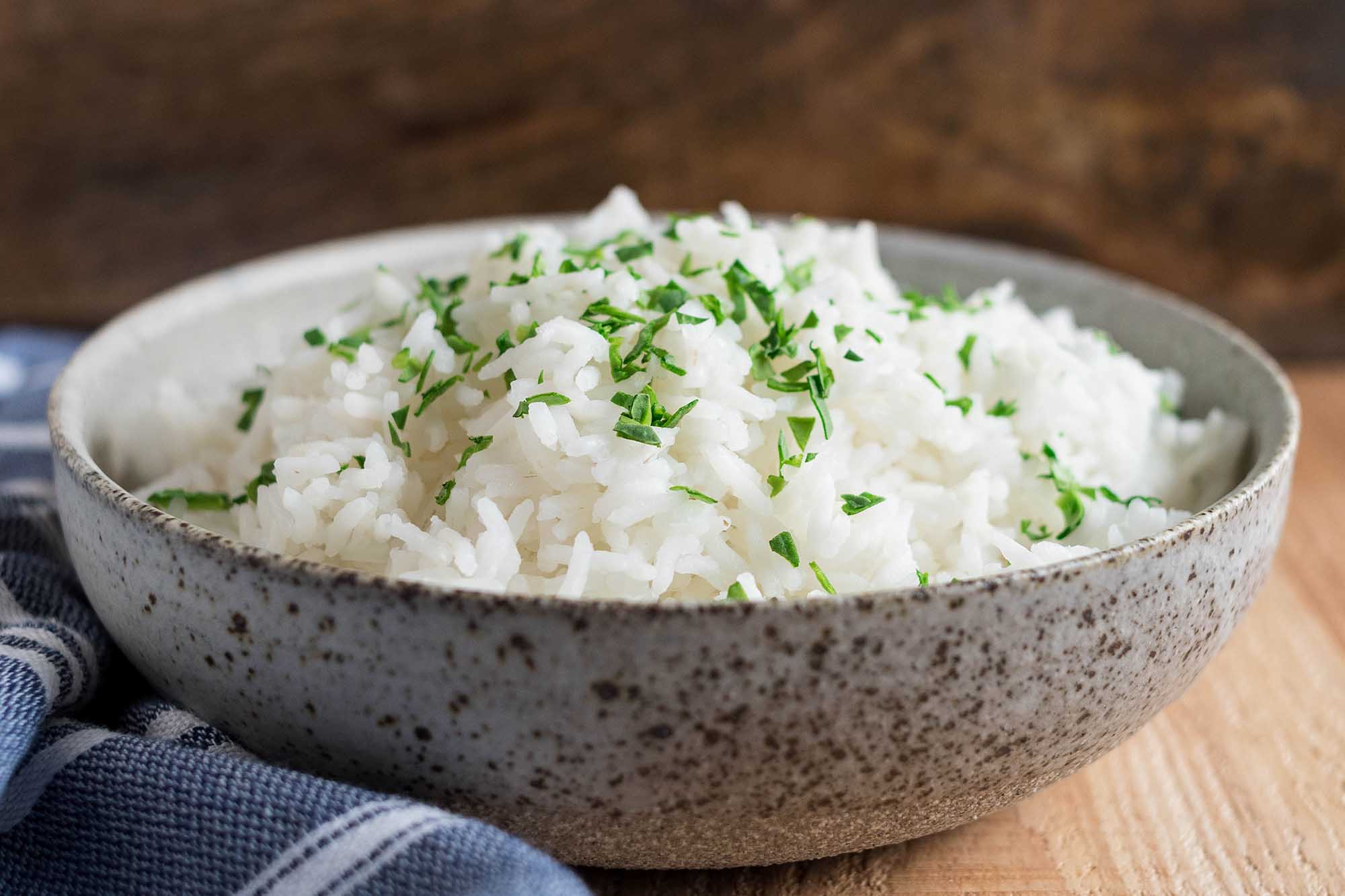
    Hyundai Department Store is hoping to cash in on Korea’s growing preference for premium rice with Hyundai Rice House, its new chain rice stores. Hyundai Rice House, which opened inside four existing Hyundai Department Stores on Wednesday, offers around 20 different types of high-quality rice unfamiliar to the average rice eater, such as Youngho Jinmi and Golden Queen No. 3.

    Despite changing tastes in Korea that are seeing a growing preference for Western food and an overall decrease in demand for rice, premium rice is growing in popularity.

    Hyundai Department Store reported a 3.1 percent decrease in its rice sales growth figures through November this year compared to the previous year, but sales of premium rice such as Koshihikari and Hitomebore have increased by 15.7 percent over the same period.

    Hyundai is pulling out all the stops to satisfy Korea’s budding rice connoisseurs, and the new stores will also sell bags of rice that contain different varieties mixed together in combinations chosen by a “rice sommelier.”

    The expert, accredited by the Corporation of Rice-Cooking of Japan, will also visit stores once every month to conduct “rice taste consulting” for customers to help them find rice that best suits their tastes and nutritional needs.

    The department store is also going to stock more small bags of rice to address the increase in one or two-person households in the country.

    Hyundai will continue to increase its rice lineup next year by introducing other Korean regional specialties produced only in small quantities.

    “[We] planned Hyundai Rice House to target customers who want to eat well even for one meal as the convenience food market continues to expand with the increase of one and two-person households,” said a Hyundai Department Store official.

    Customers will have to shell out more cash for the pricey rice as the average cost is 15 to 25 percent higher than the existing rice sold at the department store.

    The specialty store is located at Hyundai Department Store’s branches in Mok-dong, western Seoul; Pangyo, Gyeonggi; Ulsan and Busan.

  • Copperwired adding .Life stores next year

    Copperwired adding .Life stores next year

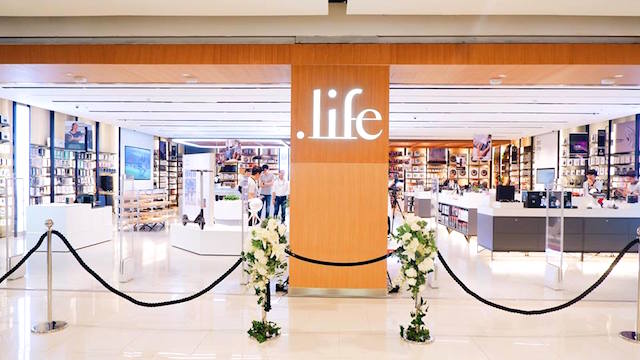
    Gadget retailer Copperwired is set to invest THB165 million (US$5.036 million) opening 30 new .Life stores by the end of next year. The new .Life stores include a new 310sqm flagship at CentralWorld, described as the “largest gadget lifestyle shop featuring Internet of Things (IoT) technology in Thailand”, which opened in September.

    The brand’s public listing on the Thai exchange is expected next year.

    “With the adoption of 5G, the number of connected devices will increase, and IoT in the form of connected toys, smart homes and smart transport and new demand for product categories will rise accordingly,” said Copperwired CEO Paramate Rienjaroensuk.

    The company expects .Life stores to boost its income by more than 20 per cent in the current financial year to more than THB800 million (US$24.414 million).

  • Google launches ‘Shopping’ in India to woo online shoppers

    Google launches ‘Shopping’ in India to woo online shoppers

    Tech giant Google Thursday unveiled ‘Google Shopping’ in India that will allow users to easily filter through offers, review prices from multiple retailers and find products that they are looking for. According to a report: The personalised experience will be available across various Google products — a Shopping home page, Shopping tab on Google Search and through Google Lens. Customers will be able to see trending products across different categories, various deals, and compare prices using the new offering.

    For retailers, the company will offer its ‘Merchant Center’ in Hindi, which will allow the sellers to list their products for Google Shopping, without paying for ad campaigns.

    “India has over 400 million internet users. However, only one-third of these have shopped online and that number includes those buying railway tickets online. From seasoned desktop shoppers to first-time users with entry-level smartphones, we hope this new shopping experience will make finding what people are looking for just a little bit easier,” Surojit Chatterjee, Vice President – Product Management, Google said.

    Google Shopping will be a connector between retailers and consumers, and the transaction and delivery of products will be handled by the merchant, he added.

    “There are an estimated 58 million small and medium businesses (SMBs) in India, of which 35 per cent are engaged in retail trade. However, a very small number of them have an online presence, this is a huge opportunity for retailers to surface their merchandise to the millions of online consumers,” Chatterjee said.

    Google aims to support the entire retail ecosystem — from shopping sites and large retailers to small local shops — by giving them access to the tools, technology, and scale to thrive in the new digital economy, he added.

    Chatterjee said merchants will not have to pay any fee for listing their products for Google Shopping.

    Under the Shopping tab in Google Search, users can search for products and see prices from across multiple retailers. The ‘Style Search’ option in Google Lens will allow users to find products such as clothes, furniture, and home decor, by simply pointing the Lens app from their smartphones.

  • Sears to be fined US$443 million

    Sears to be fined US$443 million

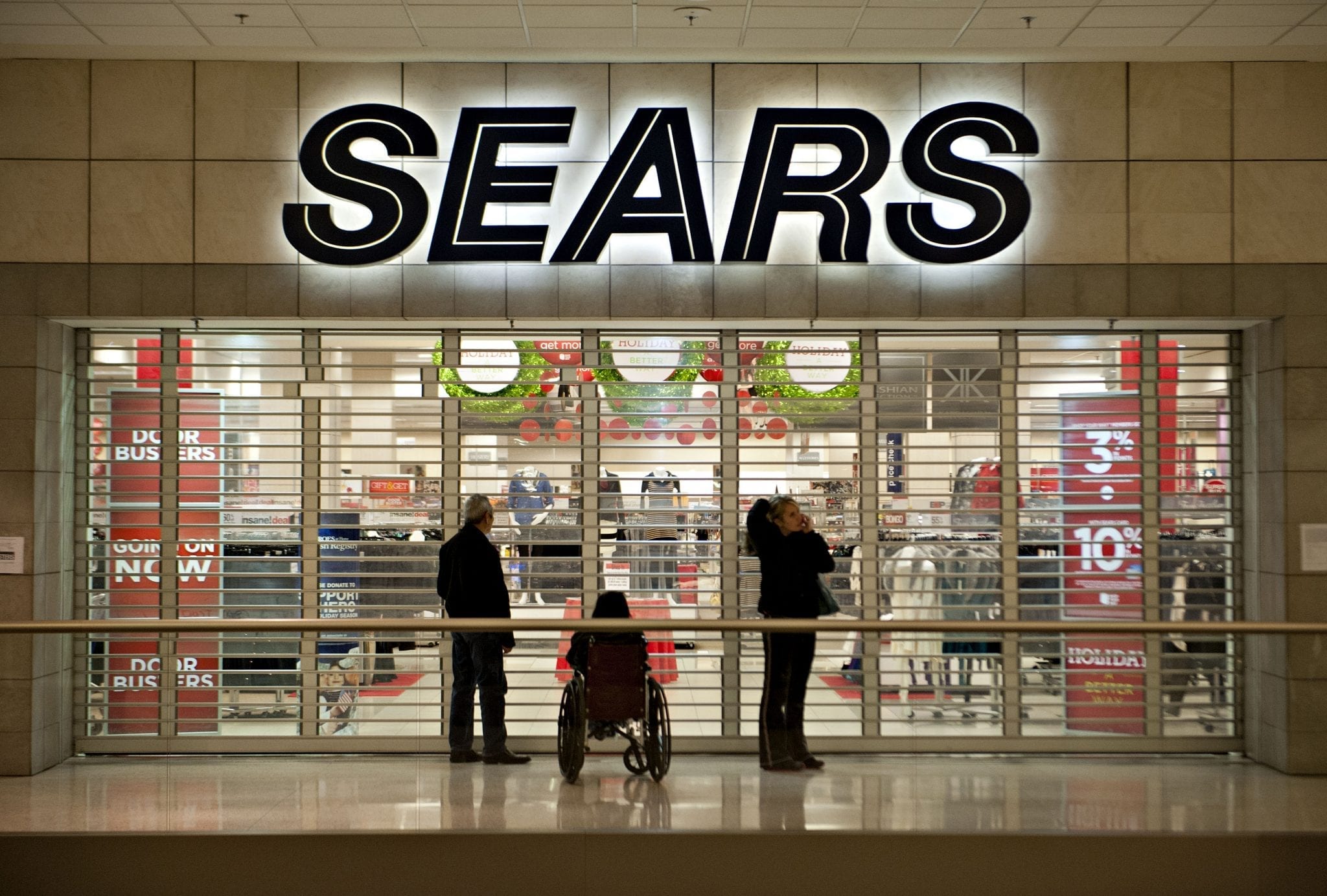
    Bankrupt U.S. retailer Sears has been hit with a charge of approximately US$443 million due to store closures. The charges relate to markdowns, severance costs and lease termination costs related to the business’ Chapter 11 bankruptcy, filed due to its inability to hit a debt payment deadline in October.

    The company said some of the charges, revealed in a regulatory filing, have already been incurred, with the remaining charges to be booked in the fourth quarter.

    At the time, Sears chairman Edward Lampert told investors that while the business had made progress, its plan had not delivered the desired results.

    “Addressing the Company’s immediate liquidity needs has impacted our efforts to become a profitable and more competitive retailer,” Lampert said.

    GlobalData Retail managing director Neil Saunders noted there was no clear path to success for the retailer.

    “The group has tried to shrink its way to profitability for years to no avail, so it is hard to see why pursuing the same strategy under the auspice of Chapter 11 would result in a different outcome,” Saunders said.

    Saunders said that several reasons have contributed to this outcome, but foremost among them is Sears management’s failure to evolve the store offering as retail modernised.

    “Ultimately, Sears needs not just to fix its financial problems. It also needs to repair the deficiencies in terms of retail strategy… only a complete change of management will bring this about.”

  • Vietnam to work on cheaper premium Japanese beef

    Vietnam to work on cheaper premium Japanese beef

    Vietnamese businesses are racing to raise upmarket Japanese cattle at home to produce cheaper Wagyu beef. Beef from cattle raised in Vietnam is 2-4 times cheaper than imported ones. Two years ago, Huy Long An Limited Company in the southern province of Long An imported thousands of Wagyu cattle, from which the famous Japanese beef is produced.

    Vo Quang Huy, the company’s director, said his company has signed a deal with Japan’s Sawai Farm to develop a farming model for Wagyu beef in Vietnam.

    “We are selling the beef on a trial basis to hotels and restaurants. The product will hit the markets in 2019, when production is stabilised. Although it’s difficult to raise them (Wagyu) in Vietnam, they’re worth a lot,” Huy said.

    He said a kilo of Wagyu beef can sell for VND700,000 ($30) to VND1 million ($42.84) a kilogram.

    Like the Huy Long An company, the Kobe Beef Vietnam company has also been breeding Wagyu cattle in the Central Highlands province of Lam Dong. Nguyen Tri Vu, general director of the company, said he imported genetic material for the Japanese breed from the U.S.

    The company is currently rearing 420 cows, and on average sells one every week. Each cow is worth VND200-250 million ($8,567- 10,708), many times higher than that of other cow breeds in the market today. Each kilogram of ‘Viet Wagyu’ sells for VND2-4 million ($85.67- 171.34) per kilogram.

    “This beef is mostly sold to restaurants, hotels and gourmets, mainly in Hanoi, Ho Chi Minh City and Da Lat. This is a premium breed. It costs VND150,000 ($6.43) a day to feed one cow. They are also fed some materials that have to be imported, hence the high price,” Vu said.

    Local beef now costs from VND100,000-500,000 ($4.4-22.02) per kilogram.

    Other Japanese farms have also announced their intention to start raising cattle in Vietnam.

    Speaking on the potential of the market, an agriculture expert said that demand for Japanese beef was increasing, but among those with high earnings.

    Import prices are relatively high, with the cheapest around VND1 million (($42.84)) per kilogram and the most expensive nearly VND19 million ($815.89), and the average ones at VND9 million ($386.47) per kilogram. On the other hand, beef from cattle raised in Vietnam have very competitive prices.

    However, if the local breeders do not establish good brands, they could lose market share to products of no clear origin, he said

    Vietnam’s cattle industry is failing to meet the country’s increasing demand for beef, forcing local consumers to turn to imported products, the expert added.

    Last year, the country imported more than 262,300 live cattle, and nearly 42,000 tons of beef and buffalo meat valued at more than $410 million, according to the Animal Husbandry Department under the Ministry of Agriculture and Rural Development.

    The deputy director of the department, Tong Xuan Chinh, said Vietnamese people’s diets have changed drastically in recent years, and they’re now eating more beef and buffalo meat.

    Average consumption has doubled to 5-6 kilograms of beef and buffalo meat per year in the past decade, but the cattle industry has been unable to keep up with the rise in demand. Local supplies of beef and buffalo meat only meet 80 percent of the current demand, he said.