Tag: asia

  • What to learn from China’s Singles’ Day?

    What to learn from China’s Singles’ Day?

    Ever since the first Singles’ Day or 11.11 sale began in China in 2009, every year, there would be plenty of commentary explaining the phenomenon to an international audience. This doesn’t appear to be necessary any more.

    In its tenth edition, the event has grown into the world’s largest shopping festival where 180,000 brands participate and consumers take less than two hours to spend a phenomenal 100 billion yuan ($14.5 billion).

    It is an event in its own right. Not an imitation, but something that that consistently pushes the boundaries in terms of content, tie-ins and consumption. In 2012, sales for Singles’ Day first surpassed Cyber Monday and Black Friday in the US.

    And so effectively targeting buying power has been a focus for many international marketers. Given the volume of purchases and the willingness of Chinese consumers to embrace new technologies, it is also a true testing ground for brand owners.

    Three major changes are to take our from this year’s 11.11.

    Mini-programs take centre stage

    For brands and retailers, mini-programs have become a core marketing channel.

    Considering WeChat’s active user traffic of one billion, this comes as no surprise.

    Within WeChat’s ecosystem, mini-programs provide connectivity between social, content and payment. For example, retailers in a shopping mall can distribute free parking vouchers using mini-programs and they will be able to generate information on the arrival time and spending habits, as well as which customers own a car.

    According to official figures from WeChat, as of July 2018, it had over one million mini-programs with users opening them four times per day on average.

    A survey by China’s big data service provider QuestMobile has identified the most important functions of a mini-program: effectively combining online and offline activities; sharing customer information; serving as a standalone e-commerce platform; and the ability to combine the physical aspects of a promotional campaign with social marketing.

    Growth in short videos

    Data reveals companies using short video sharing platforms, such as TikTok and Kuaishou, received the majority of the 11.11 targeted advertising traffic.

    Community is king

    In China there are Social+ platforms that present a lucrative opportunity for both content and word-of-mouth marketing. Xiaohongshu, which is backed by Alibaba, has 150 million users consisting of the social media generation born in the 90s. They use the platform like Facebook and are highly influenced by shopping tips and insight from celebrities.

    A completely different interest group is Babytree, an online parenting platform that uses a similar vertical marketing model and presents another attractive opportunity for advertisers.

    These platforms provide an engaging forum for like-minded people and are realising the tangible benefits of teaming up with major e-commerce operators.

    All the above changes highlight how brands and consumers are moving away from purely a transactional shopping experience. Instead, it’s more collaborative and relationship-based, changing the dynamics of e-commerce. There is ample evidence of this phenomenon developing in other markets.

    Lessons from the East

    At $30.8 billion, the online sales of 11.11 surpassed this year’s figures for Black Friday ($6.22 billion) and Cyber Monday ($7.9 billion) in the US. But both these figures for the US represent a 24% and 20% respective increase on last year.

    While the results illustrate a gap in retail ecosystems between the two largest economies, there is clearly a growing preference by US consumers for digital channels rather than elbowing through crowded stores the day after their Thanksgiving dinner.

    In a poll by Periscope By McKinsey in October 2018, roughly a month before the sales, nearly half of the respondents (48%) said that they plan to shop more online while fewer (28%) said they plan to do so in-store.

    China’s highly sophisticated online shopping behaviour has leapfrogged the development of retail that has been commonplace in most Western countries. In doing so, it now sets the world standard in e-commerce.

    Any marketers who want to successfully compete in this huge and attractive market need to be digital and mobile led in their strategies. But 11.11 does not just represent an opportunity for sales in China. The trends and habits should be understood as they will provide the inspiration for other markets where online spending is also growing.

    Brands that can adapt these successful models may well be able to transfer success.

  • H&M to collaborate with EYTYS to launch a gender neutral collection

    H&M to collaborate with EYTYS to launch a gender neutral collection

    ashion giant H&M has teamed up with Swedish streetwear brand Eytys to launch a gender neutral fashion collection that will go on sale in selected stores worldwide on January 24. The new unisex collection, which is being designed in collaboration with H&M, will feature footwear, apparel and accessories for men, women and kids.

    The footwear collection will include new takes on a number of Eytys’ signature chunky-soled styles and will come in custom-designed boxes decorated by painter Zoe Barcza.

    “With this collaboration, we hope to introduce the H&M customer to our design philosophy of robust and fuss-free design where function triumphs embellishment and style spans genders,” said Max Schiller, creative director at Eytys.

    “The collection is all about proportions – creating a distinct unisex silhouette by playing around with loose silhouettes and chunky architectural footwear. It’s the Eytys idea of a ‘generic’ look, one that is meant to elevate integrity, attitude and confidence.”

    According to H&M, the Eytys design approach and overall ethos are rooted in the digital age, but also in freedom from restraints based on gender or age.

    “Together the brands have extracted the core of Eytys DNA and developed a unisex collection featuring a no- fuss and fashion-forward range of shoes and clothes.”

    Schiller said H&M admired Eytys’ distinct look and initially approached the company with the idea of creating a shoe collection.

    But after initial brainstorming, it was decided to create a full gender neutral fashion collection – shoes, clothes and accessories – and enable customers to experience the whole brand aesthetic and ethos, he said.

  • Grab Vietnam says Uber deal ‘no breach of competition laws’

    Grab Vietnam says Uber deal ‘no breach of competition laws’

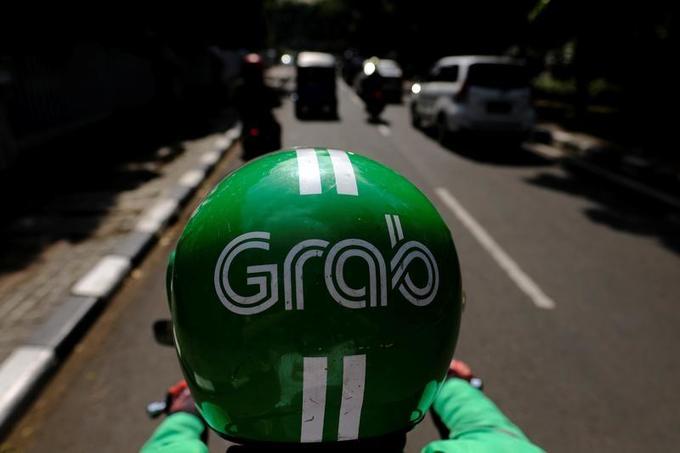
    Ride-hailing firm Grab has asserted that it did not breach Vietnam’s competition laws, contesting authorities’ definitions and interpretations. The assertion was a response to the Ministry of Industry and Trade, which said Wednesday that it had evidence that Grab’s acquisition of Uber violated Vietnam’s Competition Law .

    In a statement released Thursday, Jerry Lim, country head of Grab Vietnam, said that the transaction between Grab and Uber earlier this year was conducted “in the good faith belief that there is no breach of competition laws, after diligent consultation with legal counsels.”

    Lim explained that the issue has become contentious because of differences in the authorities’ and Grab’s definitions of relevant market and what constitutes a competitive playing field.

    He said that the entrance of new ride-hailing companies into Vietnam shows that they believe there is a chance to succeed, with some of them claiming high market shares.

    In June, Vietnam’s first ride-hailing services FastGo and Aber were launched. Go-Viet, an affiliate of Indonesia’s Go-Jek, entered Vietnam in August, claiming to take 15 percent of the market share in Ho Chi Minh City within two weeks of launching.

    Vietnam’s top taxi operator Mai Linh and second-ranked Vinasun have also invested in a ride-hailing service to compete with Grab.

    Grab said that a ride-hailing app was just one of many options for customers. It cited a third-party survey, without revealing details, which said more than 59 percent of Vietnamese car ride-hailing users and 62 percent of motorbike ride-hailing users surveyed would switch to a different transport service other than ride-hailing if there was a 10 percent increase in prices.

    Lim also said that Grab was not the only ride-hailing company in the market, as the Vietnamese government has granted ride-hailing pilot licenses to nine other companies, including established taxi companies, to operate services in five cities and provinces.

    Both customers and drivers can respectively decide to switch to other forms of transport and join other companies if prevailing conditions such as pricing and income are not favorable to them.

    “The power of choice remains in the hands of customers,” Lim said.

    He said Grab has fully cooperated with the Vietnamese authorities for the purpose of a fair investigation and recommendation. “We fully understand that all governments seek to protect the best interests of consumers. Grab truly shares the same goals.”

    Lim said he hopes that the final verdict of the Vietnam Competition Committee will take into account the “vibrancy and contestability of the current Vietnamese market landscape and support the competitive business environment brought about by technology application and innovation.”

    Singapore-based Grab acquired Uber in Southeast Asia in return for a 27.5 percent stake in the U.S. company, with Uber CEO Dara Khosrowshahi joining Grab’s board.

    The 2004 Competition Law requires any merger or acquisition that results in a company gaining a 30 percent market share to be reported to competition authorities.

    If a company gains a 50 percent market share from the deal, it can only be implemented with express permission from the authorities.

    Preliminary investigations by Vietnamese authorities have found that Grab’s market share in Vietnam was in excess of 50 percent after Uber quit the market last April.

    But Grab has countered this, saying that since its combined market share with Uber in Vietnam was less than 30 percent, it did not have to “inform the competition authority before proceeding and completing this transaction in the country.”

  • Hyundai sets aside 1.67 trillion won to support its suppliers

    Hyundai sets aside 1.67 trillion won to support its suppliers

    Hyundai Motor Group has introduced a 1.67 trillion won ($1.49 billion) support program for small and midsized auto parts suppliers, the company said Thursday. As auto parts suppliers in Korea tend to be highly dependent on the performance of carmakers, the sluggish performance of Korea’s largest auto group by sales this year has been a major blow to their earnings.

    A report published by the Economic Research Institute run by the Industrial Bank of Korea earlier this year showed that 48 percent of domestic auto parts suppliers supply parts to a single carmaker and their business growth is highly dependent on the growth of that carmaker. Also, while carmakers have extra capital to respond to ups and downs in their earnings, small-sized parts suppliers are more vulnerable to changes in the market.

    Hyundai Motor Group said it will first create a 140 billion won fund for its suppliers and subcontractors. Suppliers will be able to borrow money at low interest rates and use it to stabilize their business or invest in research and development.

    Considering many suppliers lack liquidity due to the massive investment and costs incurred in early stage R&D and parts manufacturing, the group also said it will pay forward some of the cost incurred in those activities. For instance, part of the cost incurred to develop parts used in Hyundai cars will be paid by the carmaker at the beginning of development rather than after the finished product is designed. The auto group estimates its suppliers and subcontractors will receive roughly 1.46 trillion won in investment upfront over the next five years.

    Hyundai Motor, Kia Motors and auto parts affiliate Hyundai Mobis are also creating a 15 billion won fund to provide emergency aid to suppliers.

    There is a special program for suppliers expanding facilities to support the mass production of Nexo, Hyundai’s fuel-cell powered vehicle. The group is planning on injecting up to 44 billion won into suppliers and subcontractors that expand investment into facilities for parts used in the Nexo next year.

  • HMV owes US$600,000 unpaid rental, face legal case

    HMV owes US$600,000 unpaid rental, face legal case

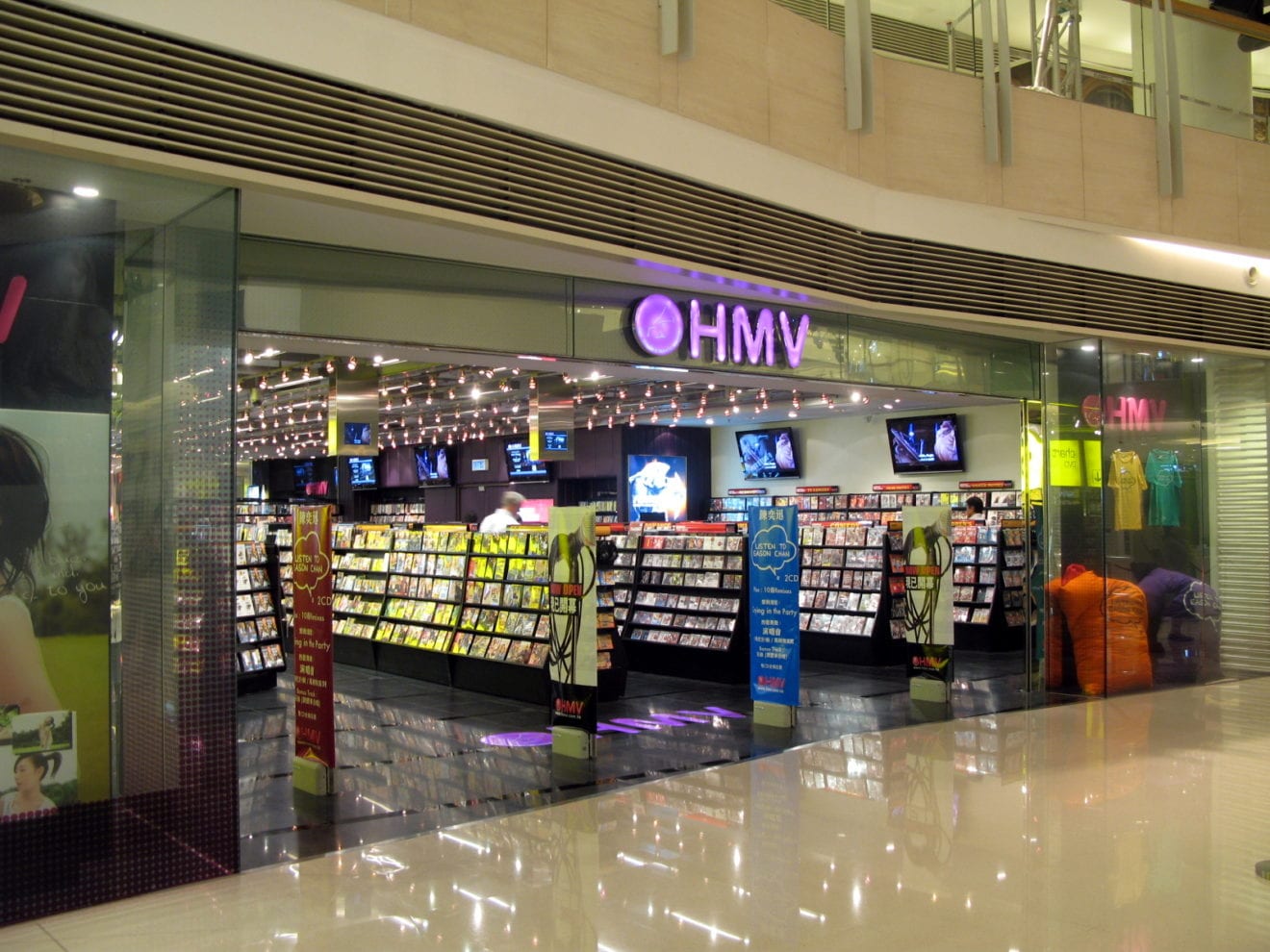
    Gadget, movie and music retailer HMV may face eviction from several of its Hong Kong store locations in coming weeks as landlords seek to recover unpaid rents and charges. Separate lawsuits have been filed relating to HMV stores in Causeway Bay, Central and Kowloon Bay, collectively seeking more than HK$5 million (US$640,000), according to court documents.

    The four-story HMV flagship store on Paterson Street in Causeway Bay was leased from Ever Light in July 2015 for four years at a monthly rent of $1.59 million for the first two years and $1.72 million for the ensuing two.

    Another store on Queen’s Road Central was leased in September 2016 from Pridemax for a term of six years at an initial monthly rent of $1 million.

    Those two landlords lodged legal action in the High Court of Hong Kong seeking payment of overdue amounts and vacation of the premises.

    About three weeks ago, MTR Corporation issued legal proceedings seeking to recover $273,300 in unpaid rent and charges and demanded the store vacate its space in Telford Plaza shopping mall.

    HMV was acquired by China 3D Digital Entertainment in March 2016 for $408 million, with the vendor, private equity company AID Partners retaining an approximate 18 per cent share.

    In 2015 AID received widespread acclaim for the restructure of the Hong Kong operations of what was once an iconic international brand name in music and movie retailing, but which collapsed in other markets with the advent of digital streaming undermining the popularity of DVDs and CDs.

    The Causeway Bay flagship, which incorporates a cafe and live music performance space, began specialising in lifestyle items including headphones, toys and even scooters, along with recognising the returning popularity of vinyl records.

  • Jysk Thailand to open 30 stores in five years

    Jysk Thailand to open 30 stores in five years

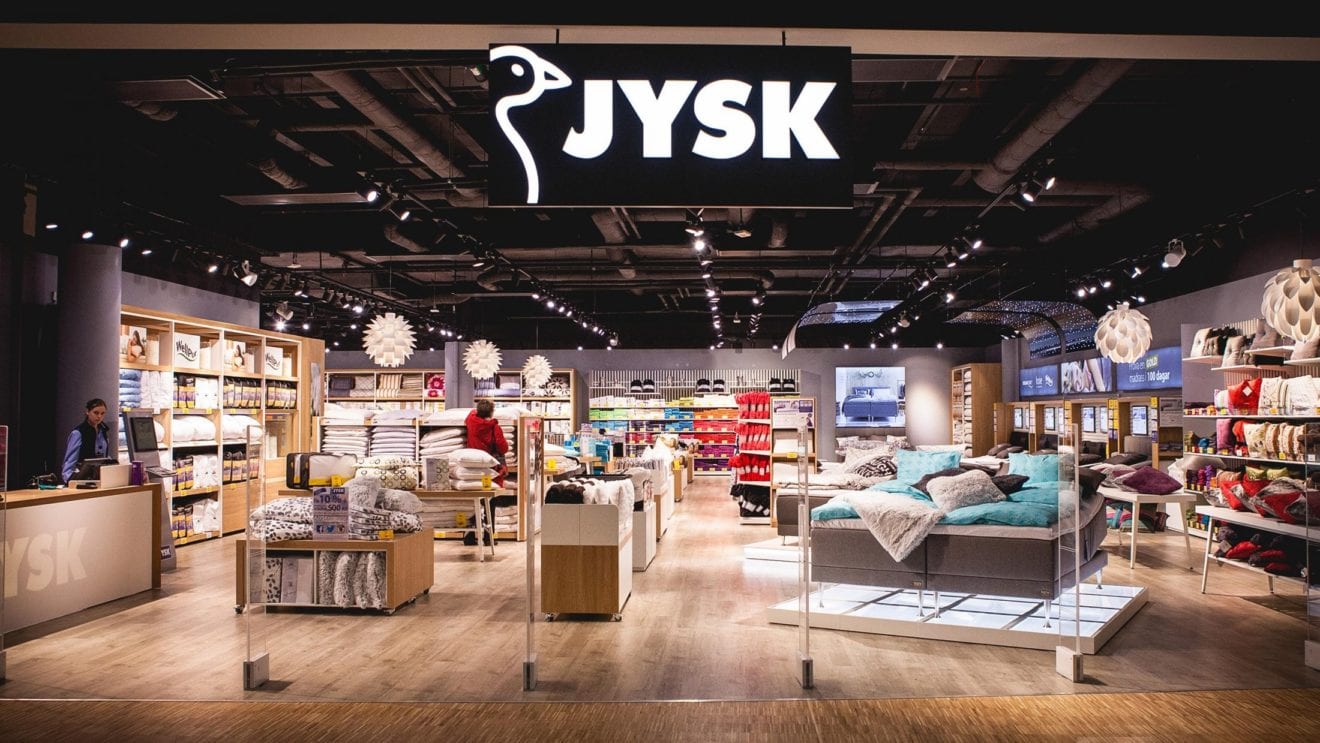
    Scandinavian furniture and homewares brand Jysk has launched its first store in Thailand with local franchise partner Boonthavorn Group. Located in a Ratchapruk shopping centre, the opening is the first of a planned six Jysk Thailand stores, with 30 anticipated to open within five years. A flagship and a small subway station outlet are among the stores scheduled to open shortly.

    Jysk Nordic’s franchise director Frederik Kare Kroun said one of the strengths of Jysk is its ability to be close to its customers by having a widespread network of stores.

    “That requires a good franchise partner, and by partnering up with Boonthavorn Group, I believe that we have an extremely strong foundation for the operation in Thailand.”

    Boonthavorn Group CEO Sitthisak Tayanuwat said: “Boonthavorn, with 40 years of experience with home styling products, will now place Jysk in its 51st country. To achieve this no less than 30 branches are planned to open all over Thailand within the coming five years.”

  • Samsung is No. 1 in world for R&D spending

    Samsung is No. 1 in world for R&D spending

    Samsung Electronics was the No. 1 investor in R&D in the world this year, according a report from the European Commission. The annual R&D Investment Scoreboard report released by the commission analyzes R&D indicators of top companies in the world, based on their most recent accounts and annual reports. The 2018 report studied 2,500 companies worldwide from 46 countries.

    Samsung Electronics invested a total of 13.44 billion euros ($15.2 billion) in R&D this year, an 11.5 percent year-on-year increase compared to last year’s report, when it took third place on the list. This is the first time a Korean company has come in first since the European Commission first published the report in 2004.

    Tailing Samsung in second place was Alphabet, Google’s holding company. It spent a total of 13.39 billion euros. Volkswagen was ranked third at 13.14 billion euros. The list went on to include Microsoft, Huawei, Intel and Apple, all having spent between 9.7 billion and 12.3 billion euros.

    Samsung was the only Korean company within the top 50 R&D spenders worldwide. However, the report showed that, in terms of the ratio of R&D investment to sales – which the report dubbed “R&D intensity” – Samsung fell behind other major companies higher up the list.

    The local company’s R&D intensity was 7.2 percent – lower than second rank Alphabet’s 14.5 percent and Chinese IT company Huawei’s 14.7 percent. It was slightly higher than Apple, however, which had a ratio of 5.1 percent.

    The report also showed that, apart from Samsung, Korea was falling behind in R&D investment compared to neighboring countries Japan and China.

    The 2,500 companies studied for the report had invested a combined 736.4 billion euros, with 14 percent of that total coming from Japan-based companies and 10 percent from China. The top contributors were the United States at 37 percent and the European Union at 27 percent.

    A total of 70 companies from Korea were included in the study. LG Electronics was the only other one mentioned by name, coming in third place in the “Top 3 companies by R&D for the main industries: Other” category after Japan’s Panasonic and Sony.

  • Vietnam’s Vsmart global market

    Vietnam’s Vsmart global market

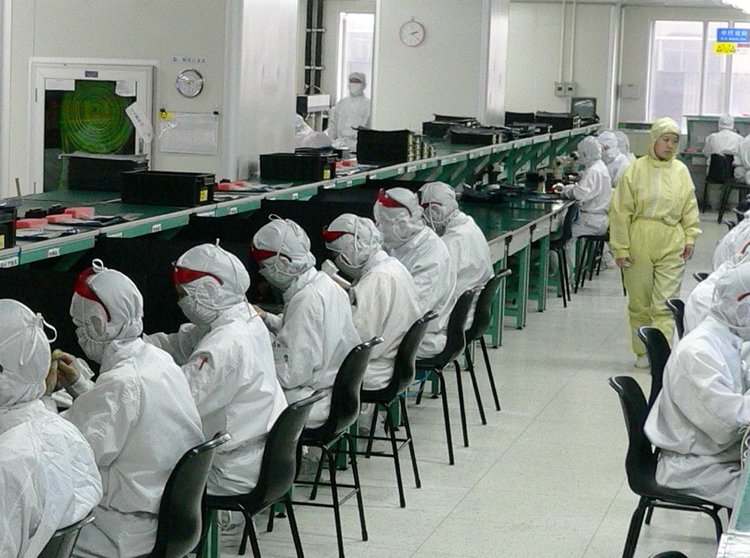
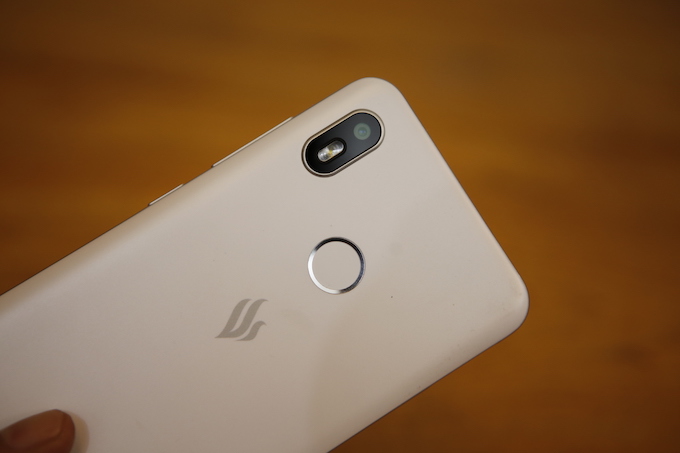
    Vietnam’s largest private firm Vingroup launched four new phone models Friday, saying it aims to sell them internationally. The four new Vsmart phones, manufactured at the group’s VinSmart factory in Vietnam’s northern city of Hai Phong, are priced from 2.49 million ($107.18) to 6.29 million ($270.76) in the introductory phase. The prices will later increase to VND2.59-6.59 million ($111.49-283.67).

    Tran Minh Trung, CEO of VinSmart, said at the launching event that his company wants to branch out to markets outside of Vietnam.

    “We will not stop at the Vietnam market. We will bring out products to the world with five business departments in five continents. A sixth department will be in charge of e-commerce. We are capable of competing and we want to be accepted in both local and international markets,” he said.

    VinSmart is set to be a new competitor in the Vietnam market of 95 million people, currently dominated by Samsung and Apple phones.VinSmart acquired the intellectual property rights for the four phones from Spanish technology firm BQ, in which VinSmart owns a 51 percent stake.

    Vietnam is the largest smartphone production base for Samsung, while key Apple supplier Foxconn is also considering setting up a factory in the country.

    The launching of the phones has happened at rapid speed, just six months after Vingroup established the VinSmart company in June to produce smartphones and other smart electronic devices with a registered capital of VND3 trillion ($131.54 million).

    Vingroup, once a real estate and retail focused conglomerate, also became the country’s first full-fledged domestic car maker in October, introducing three new car models.

    VinSmart factory is capable of making five million phones a year in its first phase of operations, the company has said.

    It has also said that the factory will produce smart TVs and other smart products in the future. VinSmart also signed a multimode global patent license deal on Friday with chip producer Qualcomm.

  • Swee Lee Music Malaysia reopened

    Swee Lee Music Malaysia reopened

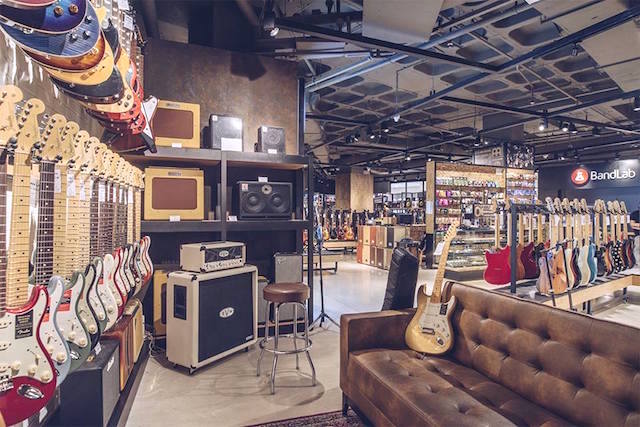
    Southeast Asian musical instruments retailer Swee Lee Music has opened a refurbished flagship in Malaysia. The 4995sqft location in Lot 10 Mall is Swee Lee’s 15th store in the region, and one of three in Malaysia. Beyond its range of instruments, the store sells vinyl records and curated lifestyle products, and has partnered with second-hand guitar retailer Well Played Gear to offer its products in store. High-end consumer audio goods are also available for purchase.

    The store represents the first build of Swee Lee’s retro-futuristic wood/concrete interior design aesthetic in Malaysia. It also reserves space for a cafe and performance events.

    Swee Lee’s MD of music Meng Ru Kuok said: “Since Swee Lee began operating in Malaysia three years ago, we’ve been delighted to support local musicians as they pursue their creative journeys.

    The refurbished KL flagship store is about taking this to the next level. In a dynamic city like Kuala Lumpur, which has a deep passion for music and incredibly talented artists, we want to establish a space where anyone can be inspired to connect and create.”

    View the gallery below (4 images) :

  • Glossier’s president and CFO quits

    Glossier’s president and CFO quits

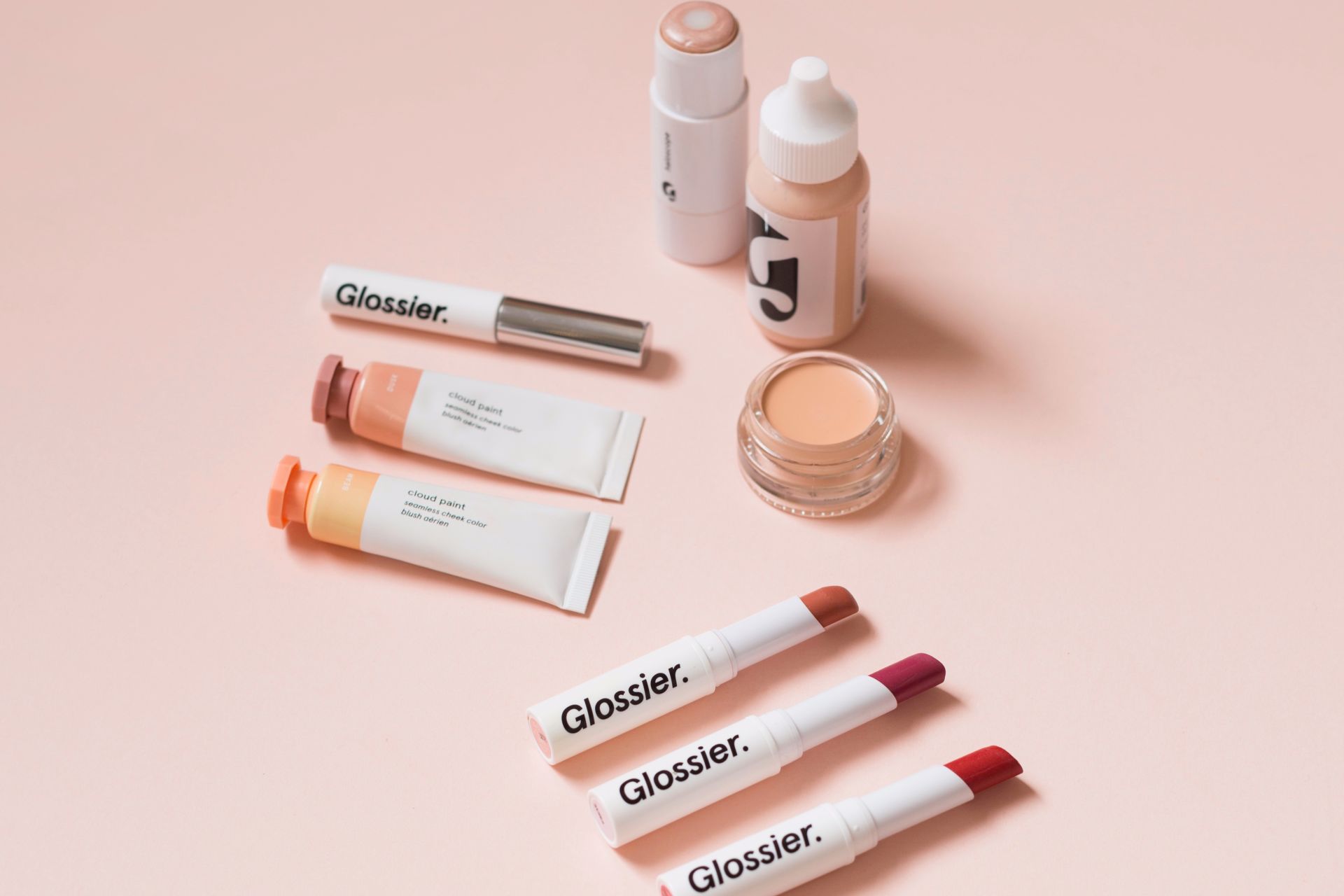
    One of Glossier’s earliest executives is leaving. Henry Davis, president and chief financial officer, is exiting the direct-to-consumer beauty brand after almost five years to pursue his own entrepreneurial opportunities. This comes weeks after Davis’ position changed from chief operating officer to chief financial officer, a role the company has been trying to fill since former vice president of finance Matthew Weiler departed the company earlier this year.

    In addition to Davis and Weiler, former creative director Helen Steed left Glossier a year ago to join New York-based branding and design agency Aruliden as vice president and creative director. Glossier confirmed Davis’ departure. His last day will be December 31.

    “Henry has been my partner since the earliest days of Glossier. He was one of the first people to understand the opportunity to build a new kind of company — one that leverages technology to create in collaboration with its customers,” Emily Weiss, founder and chief executive, told BoF. “I’m excited for him as he begins his own entrepreneurial journey.”

    After Weiss, Davis was the most public face of the business. He was one of the first executives hired by Weiss and joined the brand in June 2014, three months before launching in October of that year.

    Previously, Davis worked at Index Ventures, an early investor in Glossier that also led, along with Institutional Venture Partners, a $52 million Series C round of funding in February.

    A changing of the guards in upper management follows a handful of new hires including Marie Suter, who left Condé Nast after a 13-year tenure to join Glossier as creative director in March.

    Facebook alum Maykel Loomans is now head of digital product design, and Kym Davis, formerly of Fenty Beauty, is leading product development.

    Ashley Mayer, who came from Silicon Valley-based venture firm Social Capital, is head of communications, and former head of communications, Amy Snook, recently became chief of staff.

    The company, which has almost 200 employees, has raised $86 million and, according to a source close to the company, is on track to do over $100 million in revenue this year.

    In November, Glossier opened a flagship location in New York City that by customer accounts was one of the most bustling stores in the area.

    To date, the brand has only sold its range of skincare, cosmetics and body care through direct channels, an anomaly for direct-to-consumer lines that have begun to rely on retail partnerships to scale. Since inception, Weiss’ mission has been to retain complete control of its brand experience by creating a direct retail network to support the digital first line.

    And even though this may have resulted in the brand not yet scaling to the size of many other heavily funded startups, Weiss’ — and by extension Glossier’s — influence is outsized. Weiss has stayed true to her direct roots and in doing so has managed to build a cult following and community of engaged consumers willing to buy anything put forth by the brand, from its best-selling Boy Brow grooming pomade to its Milky Jelly Cleanser.

    The brand’s most engaged consumers have become ambassadors that are treated like influencers — some unpaid and others receive cash and shopping credits for their efforts in spreading the word.

    Weiss has been thoughtful about international expansion. Despite global demand from the onset, she took three years to sell outside the US. Glossier started selling in Canada and the UK last year and this year entered Ireland, Sweden, Denmark and France. The brand now sells across seven countries.

    “This team has proven that building a business alongside your customers is the future — not only in the world of beauty, but for all internet-first brands,” Davis said. “I couldn’t be more bullish about Glossier’s future as I embark on founding my own company.”

    Nabil Mallick, a partner at Thrive Capital and Glossier board member, will serve as interim CFO. A search for a full-time CFO is underway.

  • Google Korea office raided by tax agency

    Google Korea office raided by tax agency

    The National Tax Service (NTS) launched an investigation into Google Korea on Wednesday, sending an official to secure accounting documents at the company’s office in Gangnam District, southern Seoul. The investigation is thought to be into YouTubers suspected of avoiding taxes, as NTS Commissioner Han Sung-hee previously promised during the National Assembly’s annual questioning session in October to take measures to “prevent tax evasion” by well-paid YouTubers.

    Commissioner Han revealed that the NTS had advised 513 YouTubers to pay income taxes in the past, and was open to launching investigations into those who have not declared taxes.

    The raid comes just a day after global IT giants like Google and Amazon were ordered to start paying 10 percent value-added tax (VAT) in Korea from next July.

    The National Assembly passed a bill to revise the country’s Value-Added Tax Act in a move to impose VAT on foreign IT firms, the Assembly announced Tuesday. Specifically, the revision means IT firms will have to pay 10 percent in taxes for revenue made from business-to-consumer services, which include online advertisements and cloud computing services.

    Also subject to VAT will be revenue made from online-to-offline services like hotel booking platforms that market online to raise sales in physical stores, as well as sharing economy services, which are spearheaded by companies like Airbnb. The revision will go into effect from July 1 next year.

    “We will continue discussing the issue of taxing business-to-business transactions between Korean and overseas firms, which could not be agreed on in this revision,” said Rep. Park Sun-sook of the minor opposition Bareunmirae Party, who submitted the bill for the revision.

    Like in other countries, the issue of taxing global IT giants has been the subject of fierce debate in Korea. Politicians have long raised concerns over how little IT giants like Google are being taxed in Korea, while domestic IT firms have bemoaned how the “reverse discrimination” was allowing overseas competitors to thrive at the expense of domestic companies.

    Google Korea is estimated to have paid less than 20 billion won ($17.7 million) in corporate taxes in 2016, when it raised nearly 5 trillion won in revenue in Korea in the same year through the Google Play store and YouTube advertisements. In 2017, however, Naver, which earned slightly less at around 4.67 trillion won, paid a total of 423 billion won in taxes, or 20 times more than Google.

    Strengthening regulations on corporate taxes will be much more difficult to achieve than changing VAT rules, however.

    Current international agreements like the OECD Model Tax Convention and tax treaties protect enterprises from paying income tax to foreign countries if they do not have permanent establishments in those countries. Though the definition of permanent establishments is often questioned, by current standards, Korea is not home to permanent establishments of any of the major IT firms – they mostly operate small affiliates here and conduct most of their business online from headquarters in the United States and other countries.

    These global IT firms only need to fulfill the corporate tax requirements for revenues made by their Korean subsidiaries, which is not much.

  • Go-Viet, Grab Vietnam to face tight competition

    Go-Viet, Grab Vietnam to face tight competition

    Vietnamese technology startup Be Group Corporation officially launched its ride-hailing platform Thursday, with beBike and beCar. The latest entrant to a market dominated by the likes of Grab and Go Viet has set an ambitious target of partnering with 10,000 drivers in a few weeks, by the end of 2018, and 100,000 drivers next year. Unlike the current ride-hailing firms, Be Group has registers its service as a transportation business.

    “We have gathered a lot of talent, and I personally have experience running start-ups for many years. With thousands of billions of dong ($1= VND23,287) mobilised, we are confident our platform can compete in this fierce market,” Be Group CEO Tran Thanh Hai said at the launch.

    Be Group apps will start operating in Hanoi and Ho Chi Minh City from December 17. The company has announced an initial 25-percent royalty for beBike and beCar drivers, while specific prices and discount schemes for customers have not been revealed.

    Be Group hopes to become a big player like Grab or Go Viet with a comprehensive super-app. In 2019, the company plans to roll out delivery and payment services. It aims to attract tens of millions of users in the next three years.

    Vietnam’s ride-hailing market has seen new entrants after Uber’s departure early this year, including Vietnamese firm FastGo, GoViet – a subsidiary of Indonesia’s Go-Jek, Aber and the latest Be Group.

    Grab, which counts Chinese ride-hailing firm Didi Chuxing and Japan’s SoftBank Group Corp among its backers, had 175,000 drivers and bikers in Vietnam as of September and is the most prominent player in Vietnam after it pushed out Uber, according to Reuters.

    Rival GoJek entered Vietnam in August eyeing to grab a share of the fast-growing market. Vietnam has 95 million people and many use smartphones.

    A number of local taxi companies in Vietnam have come together to compete against ride-hailing firms, while Grab has been in a legal battle for more than a year with local taxi firm Vinasun Corp.

  • Lululemon founder to join the takeover bid for Amer

    Lululemon founder to join the takeover bid for Amer

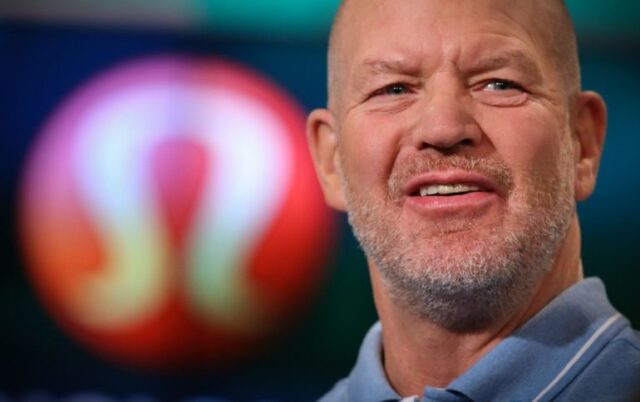
    Canadian founder of yoga-apparel retailer Lululemon Athletica Inc., Chip Wilson, is close to joining the Chinese investor group pursuing a takeover of Amer Sports Oyj. The billionaire is in talks to take around a 20 per cent stake as part of the consortium led by Anta Sports Products Ltd. The buyer group and Helsinki-based Amer could announce a takeover agreement as soon as the next few weeks, a anonymous source reported.

    Shares of Amer climbed by the most in almost three months.

    Chinese internet giant Tencent Holdings Ltd. has been discussing joining the Anta consortium with a stake of roughly 5 to 10 per cent.

    Anta said in September it had teamed up with Chinese buyout firm FountainVest Partners to make an indicative offer valuing Amer at about 4.7 billion euros (US$5.3 billion).

    Negotiations are reportedly ongoing, and precise terms could change. No final decisions have been made, and the talks could still be delayed or fall apart.

    A representative for the Chinese consortium said she couldn’t immediately comment. Wilson couldn’t immediately be reached. A spokeswoman for Tencent declined to comment, while a representative for Amer didn’t immediately respond to a request for comment.

    Shares of Amer surged as much as 9.7 per cent — the most since Sept. 11 — before trading up 7.2 per cent to 35.44 euros as of 1:26 p.m. in Helsinki.

    Wilson’s holding company Hold It All Inc., which manages his family’s investments and real estate, also has a private equity unit and a philanthropic arm. He stepped down from the board of Vancouver-based Lululemon in 2015, two years after resigning as chairman. Wilson has a net worth of about US$3.5 billion, according to the Bloomberg Billionaires Index.

    Anta, which has a market value of about US$12.5 billion, has been working to grow its business overseas amid a Chinese government push to expand in sports ranging from soccer to skiing. Amer’s portfolio of well-known sports brands, including Salomon ski equipment, could be an attractive prospect for Anta ahead of the upcoming Olympic Games in Asia.

  • October Singapore retail sales static

    October Singapore retail sales static

    October Singapore retail sales inched up by 0.5 per cent year on year, after excluding motor vehicle sales from the data.

    Month-on-month they fell by 2.1 per cent, reaching S$3.7 billion (US$2.69 billion).

    Online retail sales breached the 5 per cent threshold of total retail sales at 5.3 per cent for October.

    By category, sales by petrol stations soared the most, up 11.4 per cent year on year, however when the effects of price changes was removed from the data, the increase was a more moderate 1.5 per cent.

    Sales of medical goods and toiletries rose 3.4 per cent on the back of cosmetics, with furniture and homewares up 1.5 per cent.

    In contrast, sales in department stores and supermarkets decreased 3.6 per cent and 2.9 per cent respectively. Retailers of optical goods and books and recreational goods declined by 1.9 per cent and 1.8 per cent.

    Sales of food and beverage services rose 1.1 per cent, with food caterers recording a 5.6 per cent increase in turnover, other eating places (such as cafes) improving by 3.8 per cent, and fast-food outlets by 3.2 per cent.

    Restaurant turnover, however, was down 3 per cent.

  • Herschel teams up with Starbucks for launch in China

    Herschel teams up with Starbucks for launch in China

    Does a new new designer collaboration revealed this week represent growing Starbucks fashion cred? Accessories and apparel brand Herschel has created a capsule collection inspired by Starbucks China’s Sumatra coffee blends.

    It follows the release of two seasonal ranges of homewares designed by Los Angeles label Ban.Do in the coffee company’s Asia-Pacific stores, the first of them on sale in July last year.

    Vancouver-based Herschel established a headquarters in Shanghai this year and is currently working on expansion plans within the territory along with retail partners nationwide. A permanent store location will open in the third quarter, and 15–20 Herschel Supply stores are are expected to be open before the end of next year.

    Cofounder Lyndon Cormack said: “Coffee is significant in one aspect or another in just about every part of the world. Of course, it’s a huge part of our culture in Vancouver, here in the Northwest, just a few hundred kilometres away from Starbucks’ birthplace in Seattle.

    “To work with one of the most globally recognised brands and collaborate with them directly is an incredible opportunity to bring both of our stories to life in a unique and meaningful way. We’ve also been active in the market for years and certainly experienced robust growth.

    “To receive the stamp of approval, so to speak, from the Starbucks China team shows us we’re off to an amazing start and that there’s a lot of opportunity for us to expand in the territory.”

    The Starbucks fashion-influenced range, which is currently sold exclusively at Starbucks locations within China, includes carryalls, mugs and a Starbucks card featuring a custom Sumatra Cherry Woodland Camo print.