Tag: asia

  • Biggest car rental company heading to Vietnam

    Biggest car rental company heading to Vietnam

    Vietnam is the first stop for Enterprise Rent-A-Car in Asia, after 85 locations in Europe and the Americas. The world’s largest car rental servicer, Enterprise Holdings, recently announced that its Enterprise Rent-A-Car service is now available in Vietnam. The move is part of Enterprise Holdings’ goal to expand its car rental services across the Asia Pacific region.

    Enterprise Rent-A-Car will operate in Vietnam through its Vietnamese franchise partner MP Logistics.

    Cuong Dang, general director of Enterprise Rent-A-Car Vietnam, said the company currently has 300 rental cars, from 5 to 47 seaters, available in Ho Chi Minh City. The service is scheduled to be expanded to Hanoi and central Da Nang City in the first quarter of 2019.

    Rent-A-Car’s initial strategy will be to grow a base of corporate customers, foreign employees of multinational companies with operations in Vietnam. The initial emphasis will be on long-term rentals with a chauffeur.

    Later, it will expand its services to include short-term, chauffeur-driven options, self-drive rentals and leisure hire at popular tourist destinations likes Da Nang.

    Cuong said he believes that there is great demand in Vietnam’s car rental market but inadequate supply, and that in the future, this market will thrive.

    There are two reasons Vietnam’s car rental market will grow, he said.

    First, FDI growth will be maintained for the next 10 years, which will attract an increasing number of foreign workers.

    Second, the middle class is seeing strong growth. The younger generation does not accord much priority to saving to buying luxurious cars and big homes, but tend to pay more attention to quality of life and experiences, and as such would be more willing to rent cars.

    However, Cuong noted that the Rent-A-Car model brought to Vietnam would take longer to recoup capital and profits than in the U.S.

    “The price of buying a car in Vietnam is twice that in the U.S., but the rental price is the same in both markets, so the business risk will be higher,” Cuong said.

    Todd Prister, regional director for the Enterprise Franchise Asia-Pacific said that the company is excited about the potential of Vietnam’s economy.

    “Vietnam not only has one of the highest growth rates in the world as well as attractive business markets, but also is a prominent destination in Southeast Asia. Combining these factors, Vietnam will be a brilliant opportunity for us,” said Todd.

    Enterprise is the largest car rental company in the U.S. and is the 13th largest private enterprise in the country.

    Todd Prister said Enterprise is also the largest car rental company in the world in terms of vehicles owned, employees and sales.

    The company is present in 85 countries, 10,000 locations, owns over two million vehicles and has an average annual turnover of about $22 billion.

  • Vietnam to experience power cuts early 2019

    Vietnam to experience power cuts early 2019

    The ongoing coal shortage could lead to power cuts in Vietnam early next year, Vietnam Electricity (EVN) has warned. The national power utility said in a recent report to Deputy Prime Minister Trinh Dinh Dung that the country will need over 54 million tons of coal for electricity production next year, of which 43.4 million tons will come from domestic production and 10.68 million tons will be imported.

    But the country’s only two suppliers, Vietnam National Coal-Mineral Industries Corporation (Vinacomin) and the North-Eastern Company (NECO) under the Ministry of Defense, will only be able to produce 37.21 million tons of coal next year, 6.19 million tons lower than estimated demand, EVN said.

    “The lack of coal will lead to a shutdown of thermal power plants, seriously affecting the national power grid and EVN might have to cut electricity in the first months of 2019,” it added.

    EVN estimated that power generation will be reduced by 2,300 MW, which is the average electricity consumption of 13 central provinces.

    EVN said that Vinacomin and NECO had promised to provide enough coal for plants this year, but the amount provided by Vinacomin until this month was 690,000 tons lower than contracted.

    The power utility estimates that the country will need 2.55 million tons of coal of electricity in December, but the two coal producers plan to deliver only 2.05 million tons, which is 500,000 tons short.

    Due to the coal shortage, the Quang Ninh Thermal Power Company has shut down two out of four turbines since November 17.

    The Hai Phong Thermal Power Company shut down one turbine on November 22, and the Nghi Son Thermal Power Plant  reduced its two turbines to minimum operation the same day. The Ninh Binh Thermal Power Company is running low on inventory.

    Vietnam currently relies largely on hydropower and thermal power plants for its electricity needs. However, its hydropower potential is almost fully exploited and its oil and gas reserves are running low. Thermal energy is expected to account for over 48 percent of the country’s power production next year.

    Vietnam, one of Asia’s fastest-growing economies, has been struggling to develop its energy industry.

    World Bank country director for Vietnam Ousmane Dione said at a forum Monday that Vietnam will need to raise up $150 billion by 2030 to develop its energy sector.

    Dione added that electricity demand in the country will grow by about 8 percent a year for the next decade, as reported.

  • Vietnamese government will share risks with startups, PM assures

    Vietnamese government will share risks with startups, PM assures

    The Vietnamese government is willing to make changes in regulations to facilitate timely funding of startups, Prime Minister Nguyen Xuan Phuc said. Addressing at the Youth Startups Forum 2018 in Hanoi on Thursday, he acknowledged the challenges that Vietnamese startups have highlighted, saying that it is the task of authorities to find a breakthrough solution for creative entrepreneurs to start and run a business.

    He asked the Ministry of Planning and Investment, the Ministry of Science and Technology, the Ministry of Finance and the State Bank of Vietnam to create more favorable conditions for startups by making changes in the legal framework.

    “We need a breakthrough innovation in policies from government bodies to help startups succeed with their ideas,” he told the forum, which attracted 300 entrepreneurs from across the country.

    The government is willing to share a part of the risks with startups, the PM added.

    He asked relevant ministries and other agencies to report in detail next month on the solutions they have identified for the problems that industry insiders have highlighted.

    Vietnam has seen an increasing number of startups in recent years. The country’s speed of startup development ranks third among ASEAN members. But regulatory obstructions are hindering their ability to attract funds they need to establish themselves and thrive in the market, entrepreneurs said at the forum.

    Thach Le Anh, founder of Vietnam Silicon Valley, a government-backed organization aiming to stimulate the growth of startups, said that angel investors are reluctant to invest due to a lack of incentives in tax and policies. Angel investors are people who inject money into a new business in the early stage.

    The early financial support is crucial for a startup to succeed, Anh said.

    Nguyen Manh Dung, a representative of the investment fund CyberAgent Veuntures in Vietnam, also said that many investors want to invest in Vietnam’s startups, as larger markets like the U.S., Japan and China require bigger capital and fewer opportunities.

    Investors are also reluctant about later stage investments, when profits can be extracted, because of slow administration procedures, he said.

    Disbursement procedures in Vietnam could take from six months to a year while the very nature of startups is that they need to act fast, he added.

    Dung also said that divestment was one the main concerns that investors have.

    “These challenges take opportunities away from startups,” he said.

    Dam Quang Thang, CEO of AgriTech Village, a company which assists local startups in agriculture, said that although startups often use new technological solutions, they have to go through a traditional testing method, which is more time consuming than it should be.

    A representative of Vietinbank, Vietnam’s fourth-biggest listed bank by market capitalization, said tight bidding procedures and long financial checks were preventing the bank from investing in a tech startup.

    “Startups struggle to sell their products to investors as they have to go through the traditional process. There must be a better way for them to sell their new solutions,” the representative said.

    Last year, Vietnamese startups received $300 million in investments in 92 different deals, according to startup accelerator program Topica Founder Institute (TFI).

  • Restructuring continue benefits 7-Eleven Malaysia

    Restructuring continue benefits 7-Eleven Malaysia

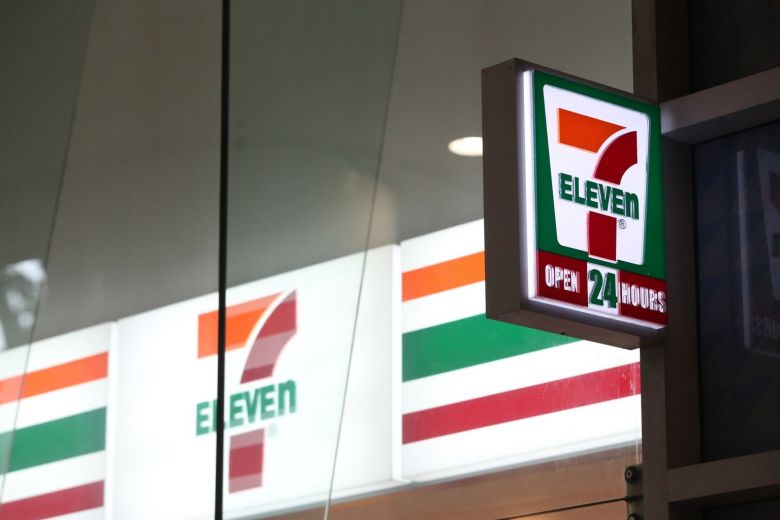
    New store openings are maintaining a modest 7-Eleven Malaysia sales growth rate – but improved margins are driving solid profit improvement. The listed convenience store operator released its third-quarter results on Friday, which showed third-quarter sales growth of 1 per cent and year-to-date growth of 1.3 per cent. But net profit was up 4.1 per cent for the quarter and 13.3 per cent year to date.

    CEO Colin Harvey said net profit grew 27.6 per cent quarter on quarter.

    “However, this is only the first step in the right direction towards where the organisation should be, and there is scope for improvement. I am confident that our strategy roadmap focussed on strengthening the key areas of, assortment, supply chain, operational excellence, store base, and digitally enabling the organisation will bear fruit in terms of financial performance, and overall customer shopping experience.”

    He said the group’s net revenue of RM1.66 billion year to date was driven by growth in new stores and consumer promotion activity.

    Continued store expansion has taken the network to 2259 stores.

    7-Eleven Malaysia expects trading conditions for the next quarter to improve with the anticipated heightened consumer sentiment.

    “We expect to see further improvements in the next quarter by pursuing our core strategy pillars of operations excellence, cost management and commercial innovation,” the company said.

  • Investors dominate sales of Vietnam’s high-end homes

    Investors dominate sales of Vietnam’s high-end homes

    Investors buy a high percentage of high-end residence purchases in Vietnam, while occupiers take most of the low-end ones. A recent report by real estate market research firm Savills Vietnam, Vietnam Residential Spotlight, says over 70 percent of grade A (high-end) residence buyers in Hanoi are investors. The ratio in Ho Chi Minh City is just as high at 65 percent, says the report, which used data for the 2013-2017 period.

    For the grade B (middle-end) segment in Hanoi, investors accounted for 40 percent of sales, occupiers, 55 percent, and the remaining 5 percent, speculators. The corresponding ratio in HCMC is 45 percent, 50 percent and 5 percent.

    The data indicates that high-end and middle-end residences have become main interests of investors in recent years. They evince almost no interest in grade C (low-end) residences where occupiers make up 85-90 percent of transactions.

    There has been a continuous downwards momentum in residential apartment supply between January and October this year, the Ho Chi Minh City Real Estate Association (HoREA) said in a recent report.

    During this period, total housing supply in the Ho Chi Minh City market fell 39.2 percent. The biggest decrease in supply was in the low-priced apartment segment, which was down 68 percent, while that of high-end apartments fell 9.6 percent and mid-range went down 37.5 percent.

    The association warned that the structure of real estate supply showed a serious disequilibrium in the market, with low priced apartments taking up only 19.3 percent of total supply while luxury apartments took up a third.

    This showed a mismatch between demand and supply, posing a risk to sustainable development and social welfare, it said.

    However, Savills forecasts that low-end residences will dominate HCMC’s supply in 2020 at 61 percent, while in Hanoi, the middle-end segment will lead the market, taking over half of the supply. At this time, Hanoi will have a higher high-end supply at 15 percent, compared to HCMC at 8 percent.

  • Kenanga Malaysia raises earnings outlook for Carlsberg

    Kenanga Research has increased its FY18 and FY19 earnings for Carlsberg Brewery Malaysia Bhd on the back of improved contributions from Lion Brewery in Sri Lanka.

    “We increased our FY18E and FY19E earnings by 4.3% and 3.5% respectively as we improved contributions from Lion Brewery. Additionally, we increased our Malaysian demand assumptions following the stronger results,” it said in its report today.

    For the nine months ended Sept 30, the group reported core Patami of RM205 million, which amounted to 82% of Kenanga Research’s full-year expectations.

    “We deem this to be above but within our consensus estimates, mainly due to better-than-expected contribution from its Sri Lankan associate, Lion Brewery. Malaysian sales were also better than expected, subsequent to our previous adjustments for softer demand post-Sales and Services Tax (SST),” it said.

    Moving forward, it expects Carlsberg’s on-trade sales (at food and beverage establishments) to be dented by Sales and Services Tax finally kicking in, as these establishments would have to bear the brunt of both taxes.

    “We anticipate demand to be skewed towards the off-trade market (retails, supermarkets), albeit being a lower margin channel. Still, the group’s continued emphasis on its premium mix could bolster the overall performance in the local scene,” it said.

    Meanwhile, HLIB Research does not expect any hike in alcohol excise duty as the structure is already the third highest globally.

    “We opine a hike in excise duty would result in growth in the illicit market at the expense of the legal volumes, which will result in reduced tax collection. For this reason, a hike in alcohol excise duties is unlikely,” it said in its report.

    It expects the government and Royal Malaysian Customs to continue their efforts to fight contraband and strengthen the legitimate tax paying portion of the beer market in Malaysia and hence the government’s revenue collection of excise duty.

    On the recent increase in the minimum age for purchasing alcohol to 21, it expects this to result in lower industry volumes due to a smaller pool of legal consumers.

    HLIB Research maintained its “buy” call with an unchanged target price of RM22.70.

    Carlsberg’s share price fell 1.62% or 32 sen to close at RM19.40 with 51,600 shares traded. It was one of the top losers on the bourse this week.

  • India’s Shop101 in talks for funding boost

    India’s Shop101 in talks for funding boost

    Indian online marketplace Shop101 is seeking to raise $11-12 million in a Series B funding round. Talks concerning the investment are being led by Kalaari Capital and Unilever Ventures, with participation expected by current backer Stellaris Venture Partners, which invested $5 million several months ago. Investment capital is likely to assist the firm in technological development and expansion into new business categories.

    Shop101 uses Whatsapp, Facebook and Instagram functionality to support online entrepreneurs. WhatsApp and Facebook each have more than 200 million users in India. The Shop101 app has been downloaded about 1 million times and has experienced growth of 50 per cent month on month since its launch.

    A joint report by Google and KPMG last year indicated online SMEs could boost Indian economic growth by 10 per cent by 2020.

  • Vietnam Jan-Nov coffee exports up 23 pct, rice 4.8 pct

    Vietnam Jan-Nov coffee exports up 23 pct, rice 4.8 pct

    Vietnam’s coffee export volumes from January to November have grown 23 percent year-on-year and rice exports have risen by 4.8 percent, official data shows.

    Coffee

    Coffee exports from Vietnam will climb an estimated 23 percent between January and November from a year ago to 1.725 million tonnes, equal to 28.75 million 60-kg bags, the General Statistics Office said in a report on Thursday.

    Coffee export revenue for Vietnam, the world’s biggest producer of the robusta bean, will edge up 2.9 percent to $3.3 billion in the 11-month period, the report said.

    November coffee exports were estimated at 140,000 tonnes, worth $264 million.

    Rice

    Rice exports in January-November from Vietnam were forecast to rise 4.8 percent from a year ago to 5.7 million tonnes. Revenue from rice exports in the period was expected to grow 16.8 percent year-on-year to $2.86 billion.

    November rice exports from Vietnam, the world’s third-largest shipper of the grain, were estimated at 450,000 tonnes, worth $218 million.

    Energy

    Vietnam’s January-November crude oil exports were seen plunging 42.5 percent year-on-year to an estimated 3.6 million tonnes.

    Crude oil export revenue in the first 11 months of 2018 were expected to decline 20.4 percent to $2.1 billion.

    Oil product imports in the 11-month period were estimated at 10.7 million tonnes, falling 8.1 percent from the same period last year, while the value of product imports rose 15.4 percent to $7.3 billion.

    Vietnam’s January-to-November liquefied petroleum gas imports were seen increasing 1.5 percent from a year earlier to 1.3 million tonnes.

  • Cafe Amazon preparing Coffee Shop concept to challenge Starbucks

    Cafe Amazon preparing Coffee Shop concept to challenge Starbucks

    Thai oil company PTT plans to spin off its Cafe Amazon division and build a coffee chain it says will one day rival Starbucks. The company says it will open 20,000 cafes globally, nearly 10 times the current network of 2300 outlets in Thailand, the Philippines, Laos, Cambodia, Myanmar and Japan.

    PTT will invest US$1.3 billion in the Cafe Amazon brand over the next five years to develop the franchise business.

    “We aim to build the Cafe Amazon into a top 10 global brand over the next five years,” said PTT Oil and Retail CEO Jiraporn Khaosawas.

    The move signals PTT’s turn towards the retail business at a time when it stands poised to be floated next year, initially into China and the Middle East via franchise partnerships.

    PTT announced plans earlier this year to sell off half of its retail holdings, which generate 20 per cent of the group’s profits, including takings of THB10 billion (US$303 million) from Cafe Amazon last year. The firm has declined to reveal how much it expects to raise in the floatation, although experts have valued the firm’s retail unit at roughly THB120 billion ($3.6 billion).

    PTT’s executive VP for the retail oil business Suchat Ramarch said: “We will not only expand Cafe Amazon, but we will also expand our petrol stations and our lube oil retail business. However, Cafe Amazon will be the highlight, with strong potential to grow.”

    Informed estimates suggest it would cost about THB2.3 million ($70,000) to open a Cafe Amazon shop in a PTT gas station, and from $100,000 to $300,000 for a stand-alone outlet.

  • Malaysia’s e-commerce on growth estimation

    Malaysia’s e-commerce on growth estimation

    The government is targeting for e-commerce to achieve an annual growth rate of 20%, from a 14.3% growth posted in 2017, via its various initiatives. Deputy International Trade and Industry Minister Dr Ong Kian Ming said e-commerce registered a continuous increase for the period of seven years to RM85.8 billion in 2017.

    He said the government, through the National E-commerce Council, will continue to chart the growth and development of e-commerce in the country through the implementation of the National E-commerce Strategic Roadmap.

    Malaysia also signed the Asean Agreement on Electronic Commerce on Nov 12, 2018, a concerted effort between 10 countries to smoothen cross border e-commerce transactions by reducing barriers and lowering entry costs.

  • Chow Tai Fook reveals massive China expansion plan

    Chow Tai Fook reveals massive China expansion plan

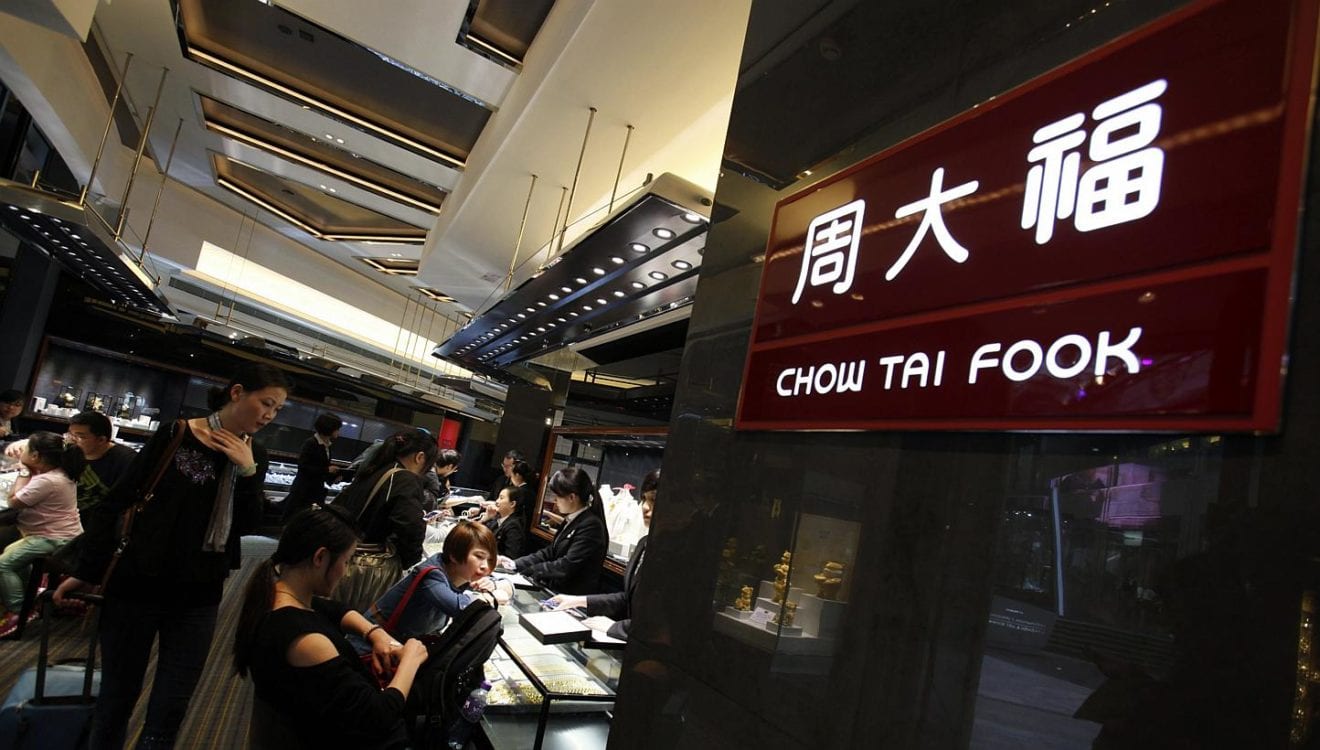
    Chow Tai Fook opened 233 stores in Mainland China in the first half – and is planning another 400 next financial year. The Hong Kong-listed jeweller is targeting shopping malls for its new stores, and second-tier cities. The latest additions took the company’s global network to 2822, with 2682 of those located on the mainland. By the end of the 2020 financial year, the company will have more than 3000 stores on the mainland alone.

    In Hong Kong and Macau, the network remained stable during the first half, the company closing one store in Hong Kong’s tourist district and opening another in a residential neighbourhood targeting locals.

    The jeweller has reported robust growth of 20 per cent year-on-year backed by the buoyant consumer demand. Same-store sales in Hong Kong and Macau soared 24.4 per cent in what the company described as “stellar” growth, driven by gold products, gem-set jewellery and platinum/karat gold products.

    On the mainland, same-store sales were up 4.9 per cent. Core operating profit rose 24.7 per cent to HK$2.989 billion.

    However the company has warned of a slowdown in sales growth in the second half of the year “as the escalating comparison base, rising US-China trade tensions and foreign exchange fluctuations could cloud the performance”.

    Meanwhile, the company says its new jewellery retail brand Monologue, targeting younger customers, is going well and the T Mark diamond brand achieved a 134 per cent increase in sales in Mainland China and 156 per cent increase in Hong Kong and Macau.

  • Vietnam’s food processing industry an appetizing option for investors

    Vietnam’s food processing industry an appetizing option for investors

    With huge untapped potential and steady growth, Vietnam’s food processing industry promises much for foreign investors, officials say. In Ho Chi Minh City, Vietnam’s biggest city, the food processing industry grew by 8.7 percent and the beverage production sector grew by 4.6 percent in the first ten months of this year, according to the municipal trade department.

    The industry’s products are sold at 2,280 convenience stores in the city, up 507 stores over 2017, it said.

    In the past five years, Vietnam’s annual consumption of processed food and beverages has grown at an average of 9.68 percent and 6.66 percent respectively, says data compiled by the Ministry of Industry and Trade.

    In 2013-2017, the industrial production index grew by an average 6.8 percent per year for processed food and 9.7 percent for drinks, Deputy Minister of Industry and Trade Do Thang Hai said at a recent seminar in HCMC.

    The country’s annual food consumption value is estimated to make up 15 percent of its gross domestic product, he said, adding that the figure is about to grow bigger thanks to higher annual incomes and the increasing trend of consuming ready-to-eat food, especially organic ones.

    In the first nine months this year, the consumption index grew by 8 percent and 10.2 percent against the same period last year for processed food and drinks, respectively, according to the Vietnam Report Joint Stock Company, a Hanoi-based market research and business assessment firm.

    The Business Monitor International (BMI) projected earlier this year that Vietnam’s food industry will grow by 10.9 percent each year between 2015 and 2020.

    Tran Kim Oanh, director of the Investment Promotion Center for Industry under the Vietnam Trade Promotion Agency, said that in the 2010-2016 period, the number of companies operating in the sector made up two percent of the total, but their total revenue accounted for 7.3 percent, or $54 billion.

    With more than half of a population of 95 million of working age, Vietnam’s food processing industry has a lot of room to grow, said experts.

    Food and beverages currently account for the highest proportion of monthly consumer spending in Vietnam, accounting for about 35 percent of the total, she said.

    Opportunities

    Food processing is one of the industries Vietnam is giving priority to in its growth plans until 2025 with vision until 2035.

    Vu Van Chung, deputy head of the Foreign Investment Agency under the Ministry of Planning and Investment, said that so far, foreign investment in the food processing industry of Vietnam was $11.2 billion in 717 projects, excluding those formed through merger-acquisition deals.

    Most foreign investment has flowed into processing agricultural produce, seafood and producing beverages.

    The food processing industry in Vietnam is considered attractive thanks to tax preferential policies including an import tax exemption for technologies to upgrade the production chain in Vietnam.

    “Despite preferential policies for investors, Vietnam’s food processing industry has not been able to attract investments from markets that strong in this field, like Japan, the U.S., Australia and the EU,” Chung said.

    The biggest obstacle for the sector right now is that domestic material supply is unable to meet production chain demands.

    For example, domestic materials supply can only meet 25 percent of inputs for the dairy sector, and up to 90 percent of materials to make cooking oil is imported, he said.

    But deputy minister Hai was hopeful that things would improve when the free trade agreements that Vietnam has signed come into effect, opening a broader consumption market for investors in Vietnam in general and investors in the food processing industry in particular.

  • Lazada Malaysia to sell houses soon

    Lazada Malaysia to sell houses soon

    Southeast Asian e-commerce platform Lazada will begin selling houses in time for its planned 12.12 shopping festival. The move, in partnership with Malaysian property developer Mah Sing Group, constitutes part of Lazada’s plans to grow the variety of items on its platform.

    Lazada Malaysia CEO Christophe Lejeune said it plans to increase the number of Malaysian sellers from the platform’s current 50,000 to hundreds more, as well as provide support for 8 million Southeast Asian SMEs by 2030.

    Lazada operates in Thailand, Indonesia, Vietnam, Singapore and the Philippines, beyond the Malaysian market.

  • US, China trade war finally (temporary) stops

    US, China trade war finally (temporary) stops

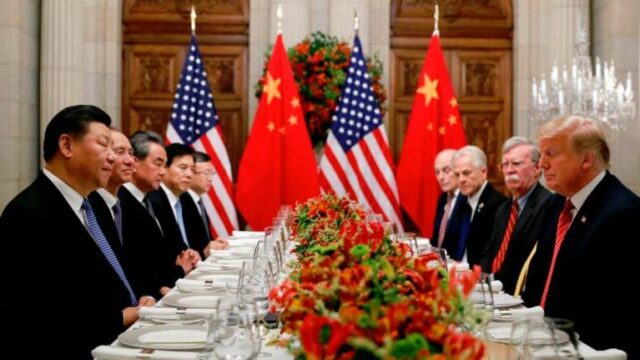
    China and the United States agreed to a ceasefire in their bitter trade war on Saturday after high-stakes talks in Argentina between US President Donald Trump and Chinese President Xi Jinping, including no escalated tariffs on Jan 1. Trump will leave tariffs on US$200 billion (RM835.8 billion) worth of Chinese imports at 10% at the beginning of the new year, agreeing to not raise them to 25% “at this time”, the White House said in a statement.

    “China will agree to purchase a not yet agreed upon, but very substantial, amount of agricultural, energy, industrial, and other product from the United States to reduce the trade imbalance between our two countries,“ it said.

    “China has agreed to start purchasing agricultural product from our farmers immediately.”

    The two leaders also agreed to immediately start talks on structural changes with respect to forced technology transfers, intellectual property protection, non-tariff barriers, cyber intrusions and cyber theft, services and agriculture, the White House said.

    Both countries agreed they will try to have this “transaction” completed within the next 90 days, but if this does not happen then the 10% tariffs will be raised to 25%, it added.

    The Chinese government’s top diplomat, state councillor Wang Yi, said the negotiations were conducted in a “friendly and candid atmosphere”.

    “The two presidents agreed that the two sides can and must get bilateral relations right,“ Wang said adding they agreed to further exchanges at appropriate times.

    “Discussion on economic and trade issues was very positive and constructive. The two heads of state reached consensus to halt the mutual increase of new tariffs,“ Wang said.

    “China is willing to increase imports in accordance with the needs of its domestic market and the people’s needs, including marketable products from the United States, to gradually ease the imbalance in two-way trade.”

    “The two sides agreed to mutually open their markets, and as China advances a new round of reforms, the United States’ legitimate concerns can be progressively resolved.”

    The two sides would “step up negotiations” toward full elimination of all additional tariffs, Wang said.

    The announcements came after Trump and Xi sat down with their aides for a working dinner at the end of a two-day gathering of world leaders in Buenos Aires, their dispute having unnerved global financial markets and weighed on the world economy.

    After the 2½ hour meeting, White House chief economist Larry Kudlow said the talks went “very well,“ but offered no specifics as he boarded Air Force One headed home to Washington with Trump.

    China’s goal was to persuade Trump to abandon plans to raise tariffs on US$200 billion of Chinese goods to 25% in January, from 10% at present. Trump had threatened to do that, and possibly add tariffs on US$267 billion of imports, if there was no progress in the talks.

    With the United States and China clashing over commerce, financial markets will take their lead from the results of the talks, widely seen as the most important meeting of US and Chinese leaders in years.

    The encounter came shortly after the Group of 20 industrialised nations backed an overhaul of the World Trade Organisation, which regulates international trade disputes, marking a victory for Trump, a sharp critic of the organisation.

    Trump told Xi at the start of their meeting he hoped they would achieve “something great” on trade for both countries. He struck a positive note as he sat across from Xi, despite the US president’s earlier threats to impose new tariffs on Chinese imports as early as the next year.

    He suggested that the “incredible relationship” he and Xi had established would be “the very primary reason” they could make progress on trade.

  • Rivalry heats up in Vietnam’s food delivery market

    Rivalry heats up in Vietnam’s food delivery market

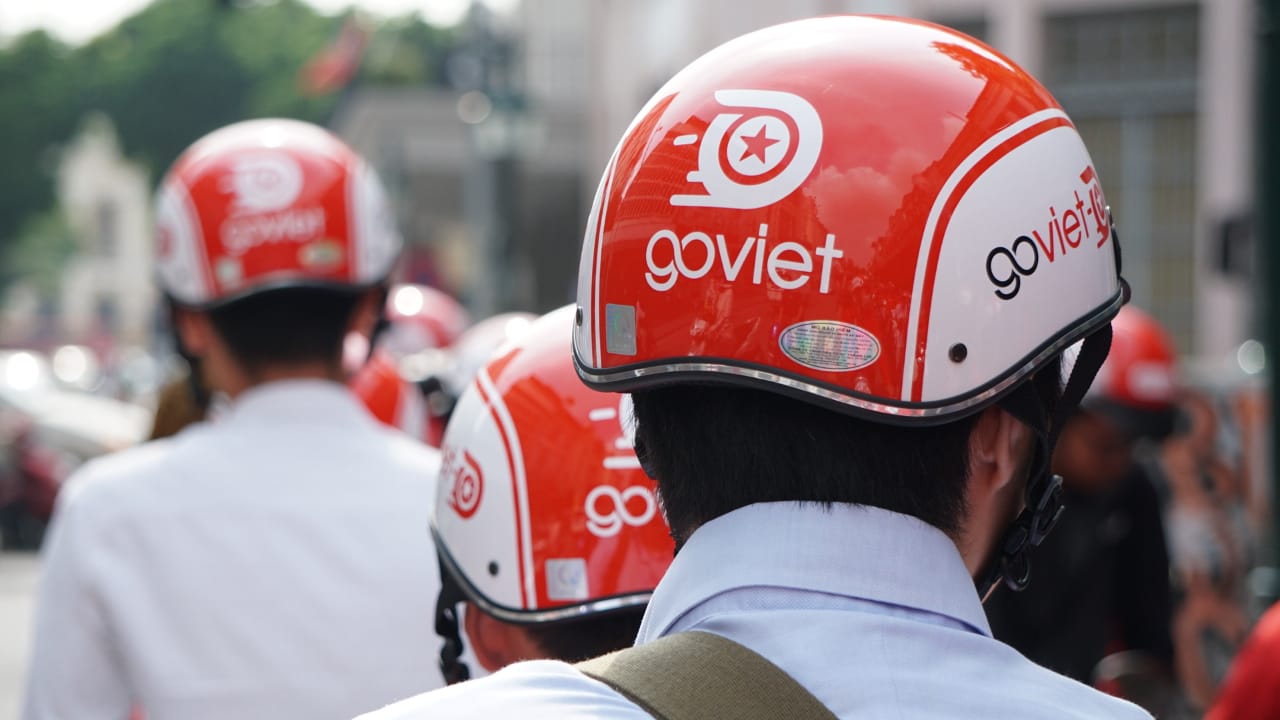
    Last week, a sea of red filled the inside of a milk tea shop in Ho Chi Minh City instead of regular young customers usually found in such places. GoViet drivers were queuing up to purchase food ordered by customers over its online delivery app Go Food, which was running a 50-percent discount program along with free delivery within 5 kilometers.

    The very next morning, the shop was filled with green shirts of Grab drivers. Grab had launched a free delivery promotion for the first 999 cups of milk tea ordered.

    Gradually, the green shirt – red shirt war is becoming visible on the streets.

    Despite being new entrants in the online food delivery market, both Go Viet and Grab are using various measures to attract and capture customer habits. Everyday, these two tech companies spend big on promotions across a wide range of food and drinks.

    They are also recruiting stars from the entertainment industry to endorse their service.

    From the get go, Go Viet had announced a partnership with singer Son Tung M-TP, who broke the record of Asia’s most viewed music video in 24 hours last May, as the company’s brand ambassador.

    Similarly, Grab’s start-studded ads feature diva My Tam, goalkeeper Bui Tien Dung and striker Nguyen Quang Hai of the national football team.

    While having large financial and technological capabilities, both Grab and Go Viet face many challenges after entering the market later than competitors like Delivery Now by Foody, Vietnammm, and Lala, which are apps well known to many customers.

    Delivery Now offers a wider range of food on its menu than Grab and Go Viet, had has a dense network of partners from large restaurants to small pavement stalls, industry insiders say.

    Delivery Now is a product of Foody Corporation, a Vietnamese food service startup that was acquired by Singapore-based internet firm Sea LTD last year; Vietnammm.com is a subsidiary of Takeaway.com, one of the world’s largest online food ordering websites based in the Netherlands; and Lala is invested by Ho Chi Minh City-based Scommerce Group, an information technology and services firm.

    Many experts believe that the race for market share between Go Viet and Grab will resemble that of Grab and Uber when they first entered Vietnam.

    Both Grab and Go Viet are aspiring to become super apps, for which food delivery is an indispensable keystone. In addition to attracting users with incentives and advertising, the two companies are spending a lot of money on reward policies to incentive drivers and expand their network of partner restaurants.

    Grab Vietnam CEO Jerry Lim claimed GrabFood’s growth has been very impressive, with the number of its contractors increasing eight-fold in just a month of testing in Hanoi. GrabFood was released in the city early last month, after a period of testing.

    In Vietnam, Grab is reaching delivery speeds of under 25 minutes and aims for a further reduction to 20 minutes per order, the fastest in regional markets.

    Grab Food is available in both Hanoi and Ho Chi Minh City, while Go Food is only present in the latter.

    Go Viet, however, remains confident that it will meet the needs of customers, aiming to partner up with thousands more restaurants nationwide in casual dining, fast food or luxury dining.

    “Food delivery and e-wallets are promising market segments,” GO Viet CEO Nguyen Vu Duc said after a few months of competing against Grab.

    However, these delivery apps also have certain limitations. For some items on their menu, drivers have to pay up front when ordering for customers in non-partner restaurants.

    Not all drivers are happy to buy food this way as waiting is time consuming, they have to make advance payments and risk the customer not accepting delivery.

    Do Xuan Quang, deputy head of Vietnam Logistics Business Association, said Vietnam was the fastest growing e-commerce market in Southeast Asia, and along with the strong growth of the logistics industry at 15-20 percent, a similar movement in the delivery market was not surprising.

    In 5-10 years, the delivery market in Vietnam will be valued at around $10 billion, he said.

    U.K.-based market research firm EuroMonitor International values the food delivery market in Vietnam at around $33 million this year and at more than $38 million in 2020. It also puts the annual growth rate of the market at 11 percent.