Tag: asia

  • Halt to Hong Kong and Macau one-day trips

    Halt to Hong Kong and Macau one-day trips

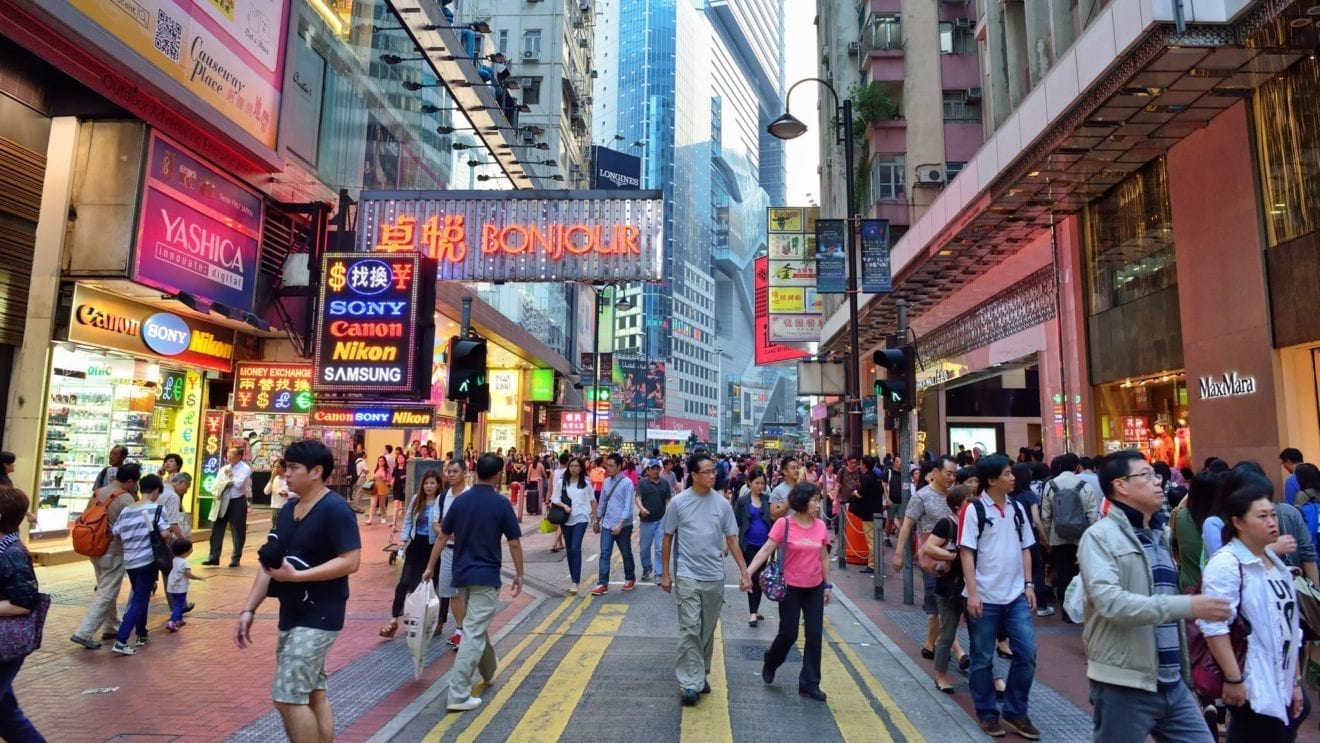
    Travel agencies across Guangdong have been ordered to halt all one-day trips to Hong Kong and Macau on weekends via the cross-border bridge to reduce the nuisance suffered by the cities’ residents. The move comes about a week after Guangzhou tourism authorities issued an urgent notice asking travel agencies in the provincial capital to avoid taking groups of visitors across the Hong Kong-Zhuhai-Macau Bridge at weekends.

    Since the crossing opened to traffic on October 24, large numbers of mainland visitors have descended on the usually quiet neighbourhood of Tung Chung, on Lantau Island, crowding bus stops and emptying shop shelves.

    Between October 17 and November 1, more than 1.78 million visas to Hong Kong and Macau were issued to applicants across Guangdong – mostly retirees – making for a year-on-year increase of 26.6 per cent, according to the province’s public security department.

    Aside from Tung Chung residents and activists being upset by the large crowds, there have also been allegations that illegal tour operators were flouting employment laws that prevent mainlanders from working in Hong Kong.

    The Guangdong Provincial Culture and Tourism Department said that it had taken three measures to “further reduce the pressure on the ports and the surrounding areas”.

    In halting short weekend trips to Hong Kong and Macau via the bridge, it had encouraged travel agencies to arrange “quality trips that last two days or more”.

    The other two measures were to get tourism authorities at municipal and lower levels to monitor the agencies closely, and control passenger flow through an online ticketing system for cross-border buses.

    “After our department and other related authorities carried out the control measures, traffic on roads to the bridge’s port in Zhuhai has become smooth, and the number of passengers heading to Hong Kong from Zhuhai has been effectively contained,” the department said.

    According to the Travel Industry Council in Hong Kong, the number of registered tour groups coming over the bridge fell to 340 last weekend from 430 the weekend before.

    Hong Kong’s Immigration Department reported that last weekend, 76,473 passengers entered Hong Kong via the bridge, down from 102,749 the weekend before, a 26 per cent drop.

    The marketing representatives of two major travel agencies in Guangzhou, Guangzhilv and Nanhu, claimed they were not aware of the latest orders.

    On Nanhu’s website, 13 one-day trips to Hong Kong and Macau via the bridge were still available as of Wednesday evening, including weekend trips.

    Guangzhilv’s four one-day trips to Hong Kong all depart on weekdays.

    Alice Chan Cheung Lok-yee, executive director of Hong Kong’s Travel Industry Council, welcomed the new measures by Guangdong, and said it would make further cuts to the number of one-day tours.

    Chan said there was no need to ban all one-day trips if the mainland visitors arrived in properly managed groups led by local tour agents.

    She said the council would monitor the situation and stay in touch with the Guangdong authorities.

    Tourism sector lawmaker Yiu Si-wing expected Guangdong travel agencies to comply with the orders of their provincial authorities and organise more two-day tours.

    This would help relieve pressure on the port-to-port shuttle bus services at the bridge, the border clearance facilities and the local districts that visitors go to, he added.

  • Niche market of coffee lover in Korea

    Niche market of coffee lover in Korea

    South Korea’s cafe market is notoriously crowded pushing some large players to the brink and suffering from price attacks from convenience store operators. Yet niche is still a nice place to be, judging by the experiences of a small Seoul startup.

    Two young entrepreneurs have shared their vision of launching a coffee franchise called That Coffee Roasters.

    Co-CEOs Chin Kyo-hwa and Lee Chang-hoon reported that redecorating their first coffee shop to appeal more to female customers was key to their initial success.

    According to Chin, low early revenues escalated after the change.

    “It took more than three years for our coffee shop to gain popularity,” he said. “The store’s monthly sales more than doubled in the past two months on the back of word-of-mouth online and the new interior design.

    “The store is tiny and small, but we hope to launch at least three more stores in less than five years in Seoul.”

    Chin and Lee also run a roastery factory in Guro, Seoul for direct sale to clients. While the business currently serves a small client base, the pair are already planning to expand operations as the company gains more traction.

  • Marks & Spencer concept store opens in VivoCity Singapore

    Marks & Spencer concept store opens in VivoCity Singapore

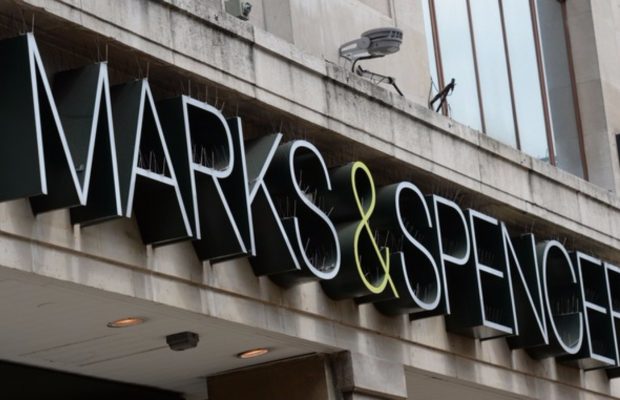
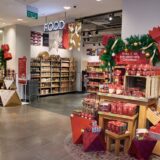
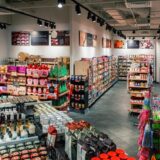
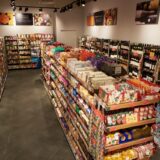
    Marks & Spencer Singapore has opened a full-scale concept store in VivoCity bringing a vast array of its own-brand fresh foods and beverages to the city, some for the first time. The 15,500sqft store offers a broader range of fashion, a new food hall and fresh zone similar to the style of larger Marks & Spencer Hong Kong stores, a broader range of wines and the chain’s third coffee-to-go cafe in the city.

    The foodhall features nearly 3000 products selected from the UK department store’s range building on what the retailer describes as a growing demand in Singapore for M&S’s convenience food.

    Marks & Spencer Singapore has added a range of chilled foods and beverages, including perishables. The new store sells fruits, vegetables, yogurts, a selection of cheeses, fresh milk and ready-made salads and meals. Some products are new-to-market for the brand, including raw meat and pre-packed sandwiches, all air freighted from the UK daily.


    The coffee-to-go cafe offers speciality coffee and beverages along with patisserie foods including cakes and fresh pastry. An in-store bakery produces a selection of breads, scones and cookies daily.

    Fashion has not been left out in the VivoCity store’s revamp. Each fashion label is now clearly segmented, with distinct identities that allow customers to see which label best meets their personal style preferences. The brands are identified by different branding, visual merchandising and props. The VivoCity store will also be the sixth Marks & Spencer Singapore outlet to stock a kidswear range.

    “Customers are at the heart of everything we do at Marks & Spencer and we’re delighted to be bringing our exciting new shopping experience to customers in Singapore,” said Christine Choi, CEO at Marks & Spencer Asia.

    “Combining the best of our latest collections, together with our inspiring store environment and exceptional customer service, our store at VivoCity is truly special.”

  • Maybank sees marginally lower net profit for Q3

    Maybank sees marginally lower net profit for Q3

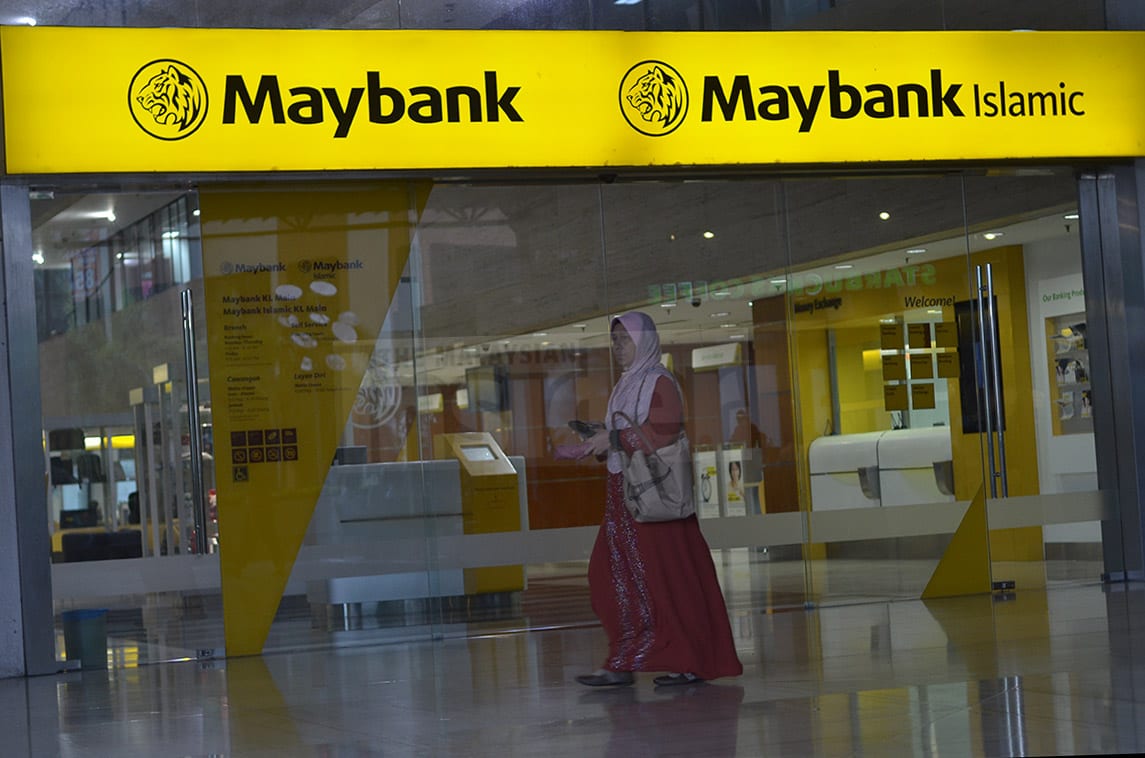
    Malayan Banking Bhd posted marginally lower net profit for the third quarter ended Sept 30, 2018 of RM1.96 billion, compared with RM2.03 billion in the corresponding quarter in 2017, on lower net operating income, higher allowances for impairment losses on loans, advances, financing and other debts and lower share of profits in associates and joint ventures .

    For the quarter under review, the group registered a net operating income of RM5.69 billion, compared with RM5.89 billion a year earlier, impacted by a dip in fee based income owing mainly to lower investment and trading proceeds as well as foreign exchange fluctuations. Notwithstanding this, operating profit for the third quarter ended Sept 30, 2018 was higher at RM2.61 billion from RM2.60 billion a year, as the group benefited from lower overhead expenses which declined 6.2% from a year earlier, as well as lower impairment losses which fell 5.5%.

    Maybank group said its key priorities for 2018 include maintaining pricing discipline across our products, focus on attaining cheaper funding sources to support loan growth, growing our loan portfolio within our risk appetite, while proactively managing our asset quality.

    The group has implemented MFRS 9 on Jan 1, 2018, of which the impairment assessment is based on the expected credit loss model that uses forward looking assumptions as opposed to an incurred loss model under the previous accounting standard. The group’s capital and liquidity positions remain strong notwithstanding the implementation of MFRS 9.

    Barring any unforeseen circumstances, the group expects its financial performance for 2018 to be satisfactory against the expected growth prospects of its key home markets. The group has set its Headline Key Performance Indicator for Return on Equity of 11%.

    Net profit for the nine month period ended Sept 30, 2018, was 7.39% higher at RM5.79 billion, compared with RM5.39 billion for the period in 2017.

    This was on 3.82% higher revenue of RM35.09 billion, compared with RM33.79 billion.

  • Saigon apartment sales dip to lowest in 18 months

    Saigon apartment sales dip to lowest in 18 months

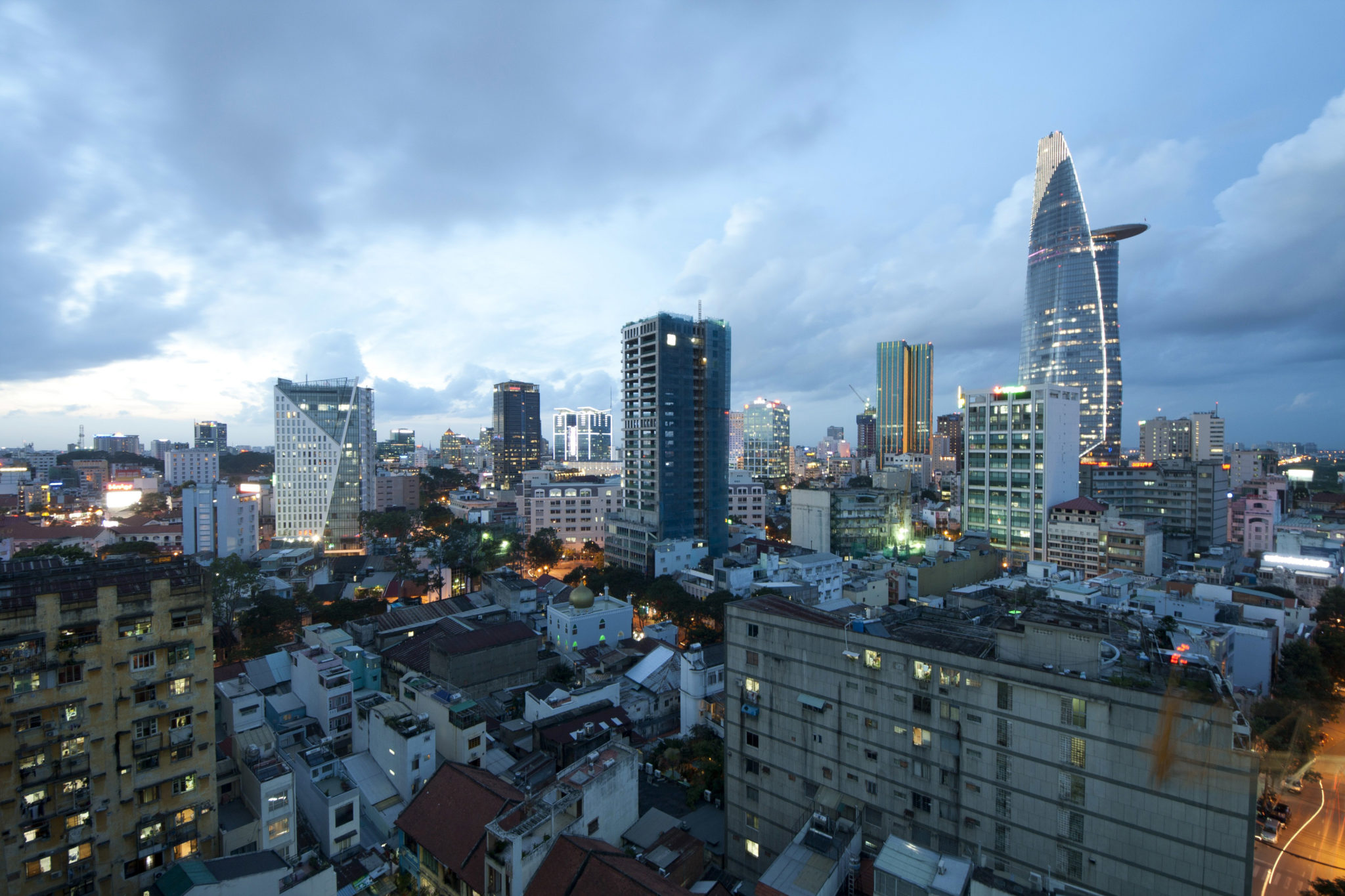
    The third quarter of 2018 saw apartment liquidity in Saigon fall to the lowest level in six consecutive quarters. According to property services provider Savills Vietnam, only 10,000 apartments were traded in Saigon in the third quarter of this year. The apartment sales were down 30 percent from last quarter and down 13 percent year-on-year.

    Grace C apartments took up 54 percent of total sales.

    Savills forecasts that by 2020, more than 124,000 apartments will be offered in the market, with Districts 2 and 9 in the eastern part of the city accounting for 55 percent of total supply.

    Meanwhile, another recent report compiled by property services provider CBRE Vietnam has reported even lower sales than Savills, at only 6,568 apartments sold in Q3. According to CBRE, sales fell 7 percent from the previous quarter, and was down 16 percent over the same period in 2017.

    Large disparities between real estate reports have existed between these two companies and are attributed to differences in statistical methodology.

    Recently, the Ho Chi Minh City Real Estate Association (HoREA) released a report on the housing market saying that as of October 31, 2018, there has been a continuous downwards momentum in apartment supply from the beginning of the year.

    During this period, total housing supply in the Saigon market fell 39.2 percent. The supply of high-end luxury apartments fell 9.6 percent, and that of midrange apartments by 37.5 percent. But the biggest decrease in supply was in the low-priced apartment segment, which was down 68 percent.

    The association warned that the structure of real estate supply showed a serious disequilibrium in the market, with low priced apartments taking up only 19.3 percent of total supply while luxury apartments take up a third.

    This showed a mismatch between demand and supply, posing a risk to sustainable development and social welfare, it said.

  • Luk Fook sales soar despite challenges ahead

    Luk Fook sales soar despite challenges ahead

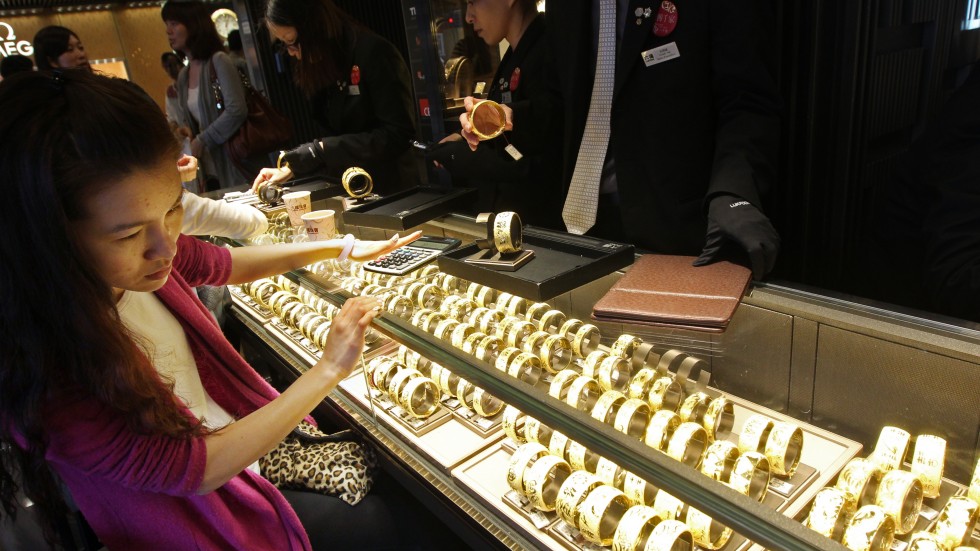
    Thanks to positive Hong Kong market sentiment and lower gold prices, Luk Fook Holdings has reported a 25.1 per cent boost in sales in the September half year. The company says sales totalled HK$7.859 billion (US$1 billion) compared with $6.283 billion in the same period last year. Profit attributable to shareholders soared 27.9 per cent to $665.4 million.

    Sales in the Hong Kong market, the company’s key source of revenue, rose 31.2 per cent as mainland Chinese visitor numbers continued to grow and retail sentiment improved.

    Sales in Macau rose 19.9 per cent.

    However the company has warned that the US-China trade war and the depreciation of the Renminbi are starting to impact on sales in the second half.

    “Same-store sales growth in the Hong Kong and Macau markets … started to see a decline since the second half of October and recorded a single-digit drop for the period from October to [the] first three weeks of November,” the company said. “In Mainland China there was a double-digit drop.

    “Therefore, the group remains prudent about its business development in the second half of the financial year. Nevertheless, with the anticipated considerable growth of the middle-class population in Mainland China, the group remains optimistic about the mid- to long-term business prospects.”

    Luk Fook said that during the coming year, it will focus on enriching its product offer, expanding its footprint in Mainland China and adopting market-oriented strategies to penetrate into the mass market, covering the middle-class, wedding couples as well as kids.

    “The group’s target for net shop addition in Mainland China for this financial year will maintain at not less than 120 shops. The group is also committed to further developing its e-commerce business and strengthening cooperation with e-commerce platforms in Mainland China.”

    Targeting younger shoppers

    In light of the enormous spending potential of young consumers on online sales platforms, the company plans to step up its efforts to promote the sales of affordable-luxury jewellery products to expand its footprint in the young consumer market.

    “By understanding customers’ spending habits, the group will adopt holistic approach to penetrate into the markets for the middle-class, wedding couples and kids. It will also continue to attract customers and encourage local consumption by visual merchandising enhancement, cross-selling boosting and VIP promotional activities, so as to improve sales and profits. Given the importance of social media in product promotion, the group will continue to showcase and promote its products on mobile applications and social media platforms such as Facebook and WeChat.”

    During the first half of the financial year, Luk Fook added a net 94 stores to its ever-growing network, including 90 in Mainland China, where is closed six self-operated stores and opened 96 licensed stores. Two company-owned stores opened in Hong Kong, one in Macau, and one in Malaysia, with a new licensed shop opening in the Philippines, However, one licensed store closed in South Korea.

    The group now boasts a global network of 1725 Lukfook shops spanning Hong Kong, Macau, Mainland China, Singapore, Malaysia, Cambodia, the Philippines and the US.

  • Vietnam’s peer-to-peer shopping and delivery platform gets South Korea license

    Vietnam’s peer-to-peer shopping and delivery platform gets South Korea license

    Vietnamese peer-to-peer delivery service XTayPro has been licensed in South Korea and expects this to be a stepping stone into East Asia. The app is a platform connecting people travelling by air with those who wish to buy or send products overseas.

    It creates a community of travelers who can make a little extra cash by buying and carrying stuff for others.

    Less than four months ago XTayPro had participated in the K-Startup Grand Challenge, a start-up accelerator program supported by the South Korean government.

    It has since signed 10 memoranda of understanding and letters of intent with funds and technology investment companies in South Korea.

    The K-Startup Grand Challenge has been held annually since 2016 to help start-ups grow and expand into Asian markets. It has so far supported 40 startups and solicited $26 million for them.

    At this year’s event Vietnam had 8 representatives who overcame 1,700 other start-ups from 100 countries to join a group of 80 in the 4-month Acceleration Program.

  • CIMB Group Q3 net profit up 4.2%

    CIMB Group Q3 net profit up 4.2%

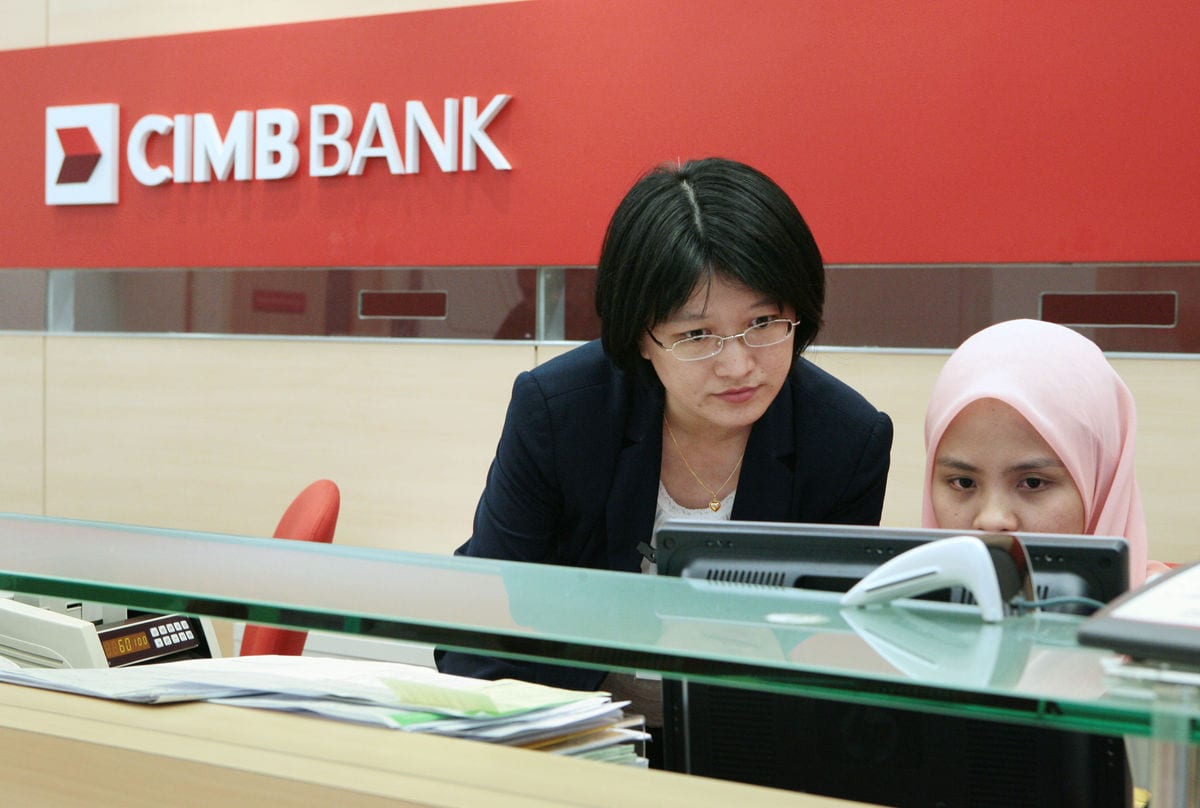
    CIMB Group Holdings Bhd posted 4.2% higher net profit for the third quarter ended Sept 30, 2018 of RM1.18 billion, compared with RM1.13 billion for the same quarter in 2017 with contribution from all segments except wholesale banking. This was despite group revenue coming in 6.4% lower at RM4.14 billion, compared with RM4.42 billion.

    CIMB Group said the decline in operating in the quarter under review, was attributed to declines in non-interest income and net interest income of 17.0% and 1.6%, respectively.

    Consumer Banking profit before tax (PBT) grew 3.9% year-on-year (Y-o-Y) from better cost management. Regional Commercial Banking PBT rose 450.0% Y-o-Y from the reduction in provisions. Wholesale Banking PBT was 41.7% lower Y-o-Y across all wholesale segments given the weaker capital markets. Group Asset Management and Investments (Gami) PBT was 542.9% higher Y-o-Y from improvement in private markets, while Group Funding for the third quarter ended Sept 30, 2018 PBT was flat Y-o-Y.

    “As 2018 draws to a close, we remain on track to meet our key T18 targets. However, we remain cautious amidst weaker regional economies and global trade tensions. Against this backdrop, we will continue to control asset quality and cost across all businesses and geographies, while we finalise our next mid-term plan to propel CIMB onto a stronger growth trajectory,” said Group Chief Executive Tengku Datuk Seri Zafrul Aziz.

    Net profit for the nine month period was 30.8% higher at RM4.47 billion, compared with RM3.41 billion for the period ended Sept 30, 2017.

    Revenue for the period was also higher at RM13.31 billion, compared with RM13.11 billion.

  • L’Occitane might be an interest for Advent

    L’Occitane might be an interest for Advent

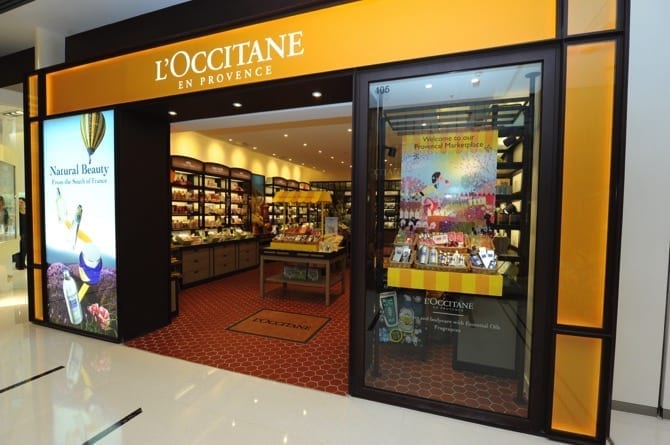
    Hong Kong-listed beauty products retailer L’Occitane may be taken private after at least one expression of interest in the business from a private equity investor. London-based private equity group Advent International has reportedly enquired about acquiring the company, which has an estimated US$2.7 billion market value.

    L’Occitane’s appeal has grown since listing on the HKSE eight years ago in a move to pursue Asian customers. While none of the parties involved have commented, sources close to L’Occitane have confirmed to European business media that “a number of potential buyers” are showing signs of interest.

    L’Occitane is thought to be well-positioned to take advantage of a fast-growing cosmetics and skincare market in the region, brought on by the expansion of the middle class and the Chinese tourism boom.

    L’Occitane’s is chaired by Austrian investor Reinold Geiger, who has overseen its growth internationally to 1555 outlets in 90 countries. The firm is experiencing sales growth in Hong Kong and China, as well as the US.

    It recently unveiled new concept stores in Canada and New York showing its future direction.

  • Retail sector Korea in future

    Retail sector Korea in future

    Technology and e-commerce trends are reshaping the global retail industry in profound ways, as the rise of online channels threatens to displace more traditional shopping experiences. However, Korea’s retail sector seems to be thriving in the face of this upheaval, with a 6% year-over-year increase in retail sales by Q3 2018. What are the factors fuelling this encouraging retail growth?

    Firstly, improved relations with China and North Korea have energised the retail sector, with duty-free sales registering an impressive 34% year-over-year growth by Q3 2018. While this retail boost can primarily be attributed to the recent surge of Chinese tourists in Korea, it also reflects the growing international popularity of Korean beauty and lifestyle brands.

    E-commerce is also emerging as a key driver of Korea’s retail sector. Online channels have experienced rapid growth since 2010, and will only keep expanding their foothold as Korean consumers start shifting away from brick-and-mortar stores. With Korea’s e-commerce market predicted to grow by 21% this year, traditional retailers will need to find new ways of adapting to this rapidly evolving landscape.

    Some retailers are already turning to artificial intelligence and other Industry 4.0 technologies in an effort to provide consumers with more innovative shopping experiences. For instance, Hyundai Department Store is using Naver’s virtual assistant Clova to answer customer inquiries – whether they relate to store locations or specific purchases.

    Another interesting example is retail giant Lotte Home Shopping, which has developed its own augmented reality system so that customers can visualize how products would look in their home. As these new technologies get ushered into the mainstream, we can expect to see more and more retailers jumping on the AI bandwagon in the next few years.

    However, this doesn’t mean that we should write off the traditional brick-and-mortar experience just yet. Major brands are still banking on attracting consumers with the enduring prestige of high street locations – such as Maison Kitsuné, which recently opened its flagship store in Seoul’s trendy Garosugil district.

    Many global retailers continue to view Seoul, one of the world’s most famous shopping destinations, as a test bed in Asia. With cosmetics brands like Givenchy Beauty and Armani Beauty making their debut in Seoul this year, and renowned F&B brand Blue Bottle Coffee preparing to enter the Korean market in 2019, it’s clear that leasing demand from foreign retailers is still going strong.

    If we look to other segments of the retail industry that are experiencing growth, it’s worth highlighting the surge of fresh food delivery services across the country. With double-income families emerging as a major consumer force, demand for overnight fresh food delivery has also been rising – and major retailers as well as food startups are turning their attention towards this potentially profitable market.

    The rapid expansion of the food delivery market – and of the e-commerce sector in general – is proving to be a windfall for Korea’s logistics industry. Logistics developers are recognizing the need for large-scale modern logistics centers capable of storing and delivering goods nationwide, with faster delivery remaining the market’s key competitive measure. The growing demand for cold chain facilities is expected to fuel a mass redevelopment of older warehouses, especially in the Greater Seoul area.

    So far, Korea’s retail industry has shown remarkable resilience against a backdrop of technological disruption. More brick-and-mortar retailers are offering F&B, AI and entertainment options to differentiate themselves from their e-commerce counterparts; and this trend will only grow as consumers seek out unique shopping experiences. The question is, will Korea’s retail market keep thriving in the long term?  As long as technology continues to enhance – and not supplant – existing retail experiences, we can venture to hope that a bright future is in store for this challenging and dynamic sector.

    -CBRE-

  • Huawei India revealed massive expansion plan by 2020

    Huawei India revealed massive expansion plan by 2020

    Huawei India plans to open 1000 experience stores across the country by 2020. The first 100 such stores are already in planning or construction in partnership with the brand’s retail partners, offering consumers the chance to try out its flagship handsets. They will also display Huawei’s growing range of smart devices including laptops, speakers and watches.

    “We are initiating the offline expansion with our new flagship device… we are aggressive globally with our offline strategy and we are replicating the same in India,” said Wally Yang, senior marketing director at Huawei Consumer Business Group.

    He said Huawei was experiencing strong growth in the premium smartphone market globally and believes India will give similar results.

    “Our positioning is different, and so is the target audience. We are targeting consumers that are looking for high-end tech,” he said.

    Huawei is investing US$100 million in tackling the Indian market. Its low-cost brand Honor is already selling there both offline and online and the two brands already account for 3 per cent of Indian smartphone sales. From next year it is targeting market share growth of between 5 per cent and 10 per cent, said Yang.

    “India is important for the company’s global product strategy.”

  • LNG Canada investor Petronas signs gas supply deal with Vitol

    LNG Canada investor Petronas signs gas supply deal with Vitol

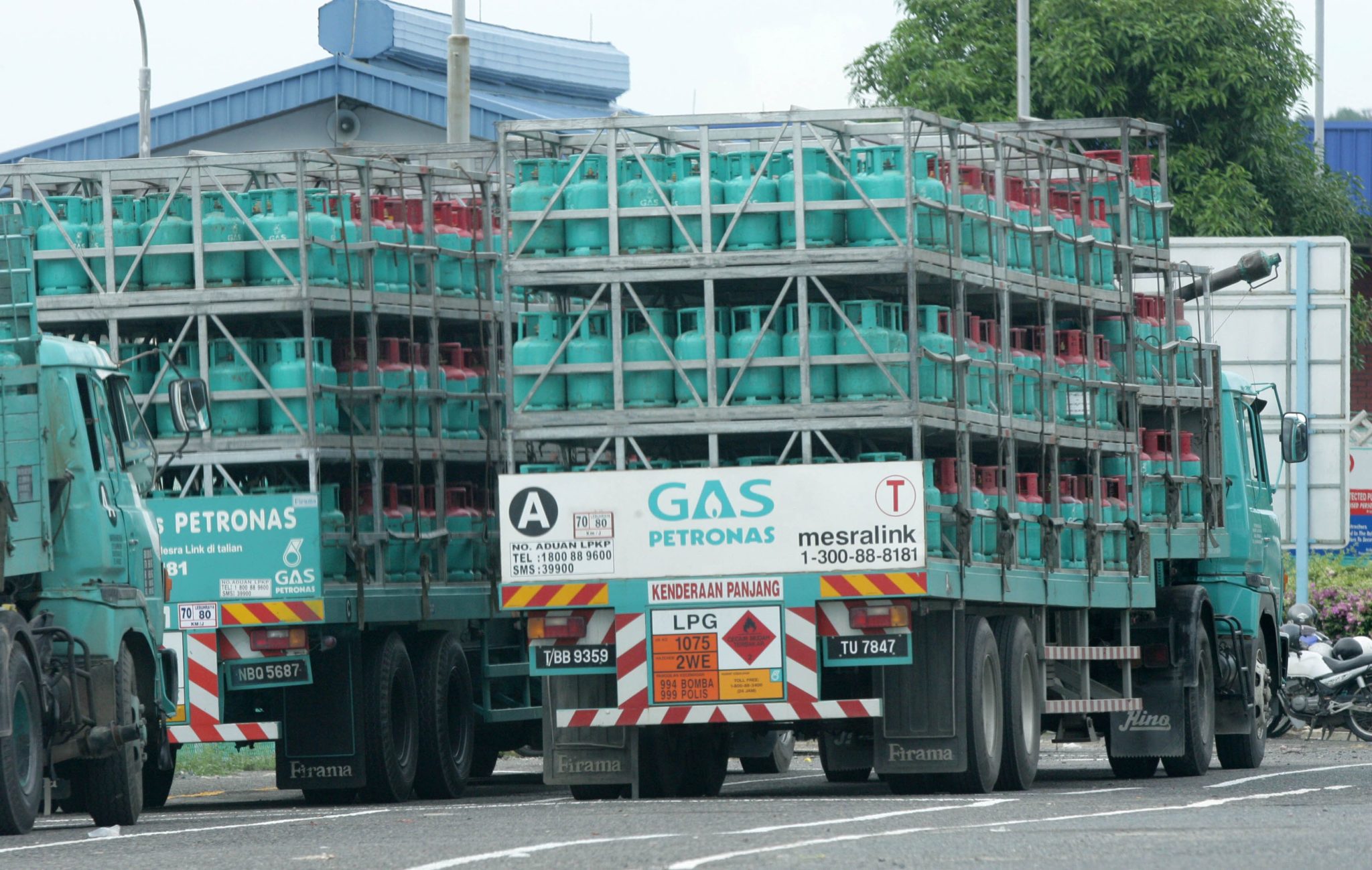
     LNG Canada, the US$30 billion (RM125.7 billion) liquefied natural gas (LNG) export project, has bagged another client after project shareholder Petroliam Nasional Bhd (Petronas) signed an initial sales deal with trading house Vitol.

    Royal Dutch Shell decided in October to construct the export terminal. It was the first major investment decision in a new North American LNG export project for two years and was expected to launch a new wave of such projects in the region.

    Petronas, the Malaysian state-owned oil and gas company that bought a 25% stake in the project in May, will supply Vitol with 0.8 million tonnes per year (mtpa) of LNG starting from 2024 for 15 years, Vitol said in a statement.

    “The primary supply to Vitol will come from LNG Canada as well as from (Petronas’) other global LNG supply portfolio,“ Vitol said.

    Vitol joins Asian utilities Tokyo Gas, Toho Gas and Korea Gas Corp (Kogas) as buyers, committing to offtake around 2.4 mtpa collectively.

    Such long-term agreements normally underpin project finance and are critical before a final investment decision is taken. But because Shell and partners Petronas, PetroChina, Mitsubishi and Kogas are such large players in the LNG market, they can absorb the output into their global portfolios without needing to find significant other buyers.

    Under previously announced deals, Toho Gas will buy 0.3 mtpa, Tokyo Gas 0.6 mtpa and Kogas 0.7 mtpa from LNG Canada.

  • Trade war refugees race to relocate to Vietnam, Thailand

    Trade war refugees race to relocate to Vietnam, Thailand

    Experts say this is the biggest shift in cross-border supply chains since China joined the World Trade Organisation in 2001. Fred Perrotta spent four years building a network of Chinese suppliers for his line of trendy backpacks, but as soon as the United States announced tariffs on almost half of its Chinese imports, he started looking for suppliers in other countries.

    That process is now so far advanced it would be too late to reverse it even if U.S. President Donald Trump and his Chinese counterpart Xi Jinping call a truce in their growing trade war at this week’s G20 summit, the 33-year-old said.

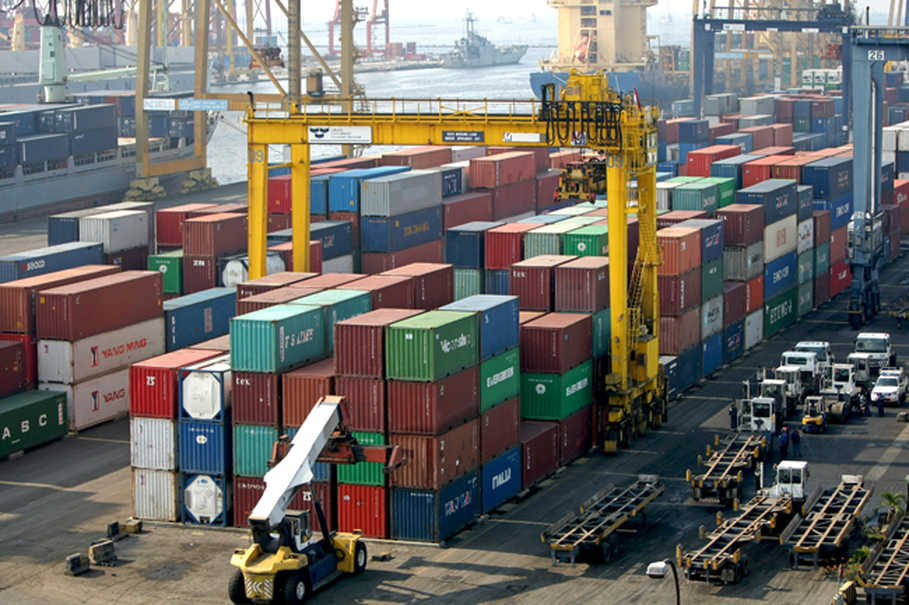
    Perrotta’s company, Tortuga, is joining what industry experts say is the biggest shift in cross-border supply chains since China joined the World Trade Organisation in 2001.

    The shift is creating stiff competition to secure new facilities in neighboring countries and rebuild supply chains outside of China, home to a fifth of global manufacturing.

    “Everyone is nervous and scrambling around,” Perrotta said by phone from Oakland, California, where he recently took delivery of the first samples from a potential new supplier in Vietnam.

    “Long-term, we will probably shift everything.”

    The scramble is driven by the risk of more, and higher, U.S. tariffs on China, and fears that nearby emerging economies can only accommodate new businesses on a “first come, first served” basis.

    Vietnam and Thailand are emerging as preferred destinations, but they still face capacity constraints ranging from red-tape to skilled labor and limited infrastructure.

    Frenzied activity 

    In an interview with more than a dozen company executives, trade lawyers and lobby groups in various industries revealed a frenzy of activity across Asia in recent months: executives are requesting product samples, touring industrial parks, hiring lawyers and meeting with officials.

    In June, Hong Kong-listed furniture maker Man Wah Holdings bought a factory in Vietnam for $68 million and said earlier this month it plans to almost triple its capacity to 373,000 square meters by the end of 2019.

    “The acquisition is to mitigate the risks posed by tariffs,” Man Wah said in a statement.

    Vietnam-based industrial real estate developer BW Industrial says inquiries have surged since October, and all its factories are now leased out.

    “The manufacturers are from all over the world but they all have production plants in China and need to start production ASAP,” Chris Truong, a sales manager at BW Industrial said.

    In Thailand, SVI Pcl, which provides electronics and manufacturing solutions, said it has just selected four new deals worth about $100 million with existing customers who have operations in China.

    “The trade war is good for us,” CEO Pongsak Lothongkam said. “We have been approached by so many companies that we have to prioritize.”

    KCE Electronics, Southeast Asia’s biggest maker of printed circuit boards (PCBs), has been contacted by U.S. companies who want to seek a new supplier to replace one in China, CEO Pitharn Ongkosit said.

    “It’s a good opportunity. Many customers have contacted us to ask about our products and prices. But there are no sales yet as it will take time,” he said.

    Stars Microelectronics Pcl, another Thai electronics manufacturing services provider, is also getting new business.

    “Two (or) three companies will start moving their production base (out of China) to us soon,” CEO Peerapol Wilaiwongstien said.

    Cambodia is also attracting interest, with Parsippany, NJ-based bicycle maker Kent International Inc shifting Chinese production to the Southeast Asian country.

    “We have a big business in the United States,” Arnold Kamler, the company’s majority owner and chief executive said. “There is no choice but to as rapidly as possible look to move production away from China.”

    Disruption 

    The re-sourcing and relocation efforts mark an acceleration of an already established trend as China’s economy shifts towards services, consumption and high-tech production.

    “We are on the cusp of the biggest sourcing disruption that we have seen in a generation,” said Stephen Lamar, executive vice-president of the American Apparel&Footwear Association, whose more than 1,000 members contribute over $400 billion annually to U.S. retail sales.

    “The No. 1 thing I hear from companies is along the lines of: ‘For years we have been talking about diversifying from China and now we have to actually do it’.”

    Shifting production can take years to complete: firms need to secure funding, find the right suppliers, sort out new logistics – all while dealing with new legal and accounting issues in a country they may not know well.

    “Any relocation away from China is going to be very slow and very uncertain,” said Aidan Yao, senior Asia EM economist at AXA Investment Managers.

    Low tech goods and low value manufacturing would be the quickest to migrate while higher value-added exports in the machinery, transport and IT category would likely take decades to relocate due to high R&D costs and competitive Chinese labor costs, UBS said in a note earlier this month.

    Yet a regional client poll by Citi conducted in the last month showed more than half of them already adjusting their supply chain to limit upheaval to their business.

    China’s sophistication in areas such as automation means no one country can replace China, said trade lawyer Sally Peng of Sandler, Travis&Rosenberg.

    “So everyone is looking for that China Plus One, Plus Two, Plus Three country strategy, all the way to Africa,” she said.

    Companies hold out little hope for a truce in the trade dispute when Trump and Xi are due to meet on the sidelines of the G20 summit in Buenos Aires this week.

    Indeed, Trump said on Monday he expected to move ahead with raising tariffs on $200 billion in Chinese imports to 25 percent from the current 10 percent.

    While Chinese export data shows little sign yet of an impact from the trade war, some economists say that is because companies are rushing to get shipments out ahead of more tariffs.

    Collateral victims 

    To be sure, smaller emerging Asian economies are not necessarily licking their lips about the prospect of the trade war between the world’s top two economies worsening.

    Growth has slowed in the third quarter across Southeast Asia, as well as in Taiwan, Japan and South Korea, with officials partly blaming the trade war for it.

    Thailand’s exports of electronic integrated circuits, for instance, rose 4 percent to the United States in October but fell 38 percent to China. Vietnam’s manufacturing sentiment indicator is the highest in Asia but is well off its peak.

    A lack of infrastructure is also a problem for countries seeking to pick up business.

    Thailand is 41st in World Bank infrastructure quality rankings, Vietnam is 47th, compared to China’s 20th ranking.

    Bangkok is seeking to address that with its Eastern Economic Corridor, an ambitious $45 billion development project which plans improvements to deep water ports, airports and railways.

    Beyond infrastructure bottlenecks, red tape – particularly in Vietnam – remains hard to navigate and skilled labor is not easily available.

    Vietnam’s unemployment rate is 2.2 percent. Thailand’s is even lower.

    “The proportion of unskilled labor in Vietnam remains large and there hasn’t been any effective plan to improve this issue, and I don’t see any significant change in five or even 10 years,” said the vice chairman of the Vietnam Electronic Industries Association, Nguyen Phuoc Hai.

    “Whether cheap labor will remain one of Vietnam’s advantages in the face of the fourth industrial revolution is questionable.”

  • Ashley furniture now available in Thailand

    Ashley furniture now available in Thailand

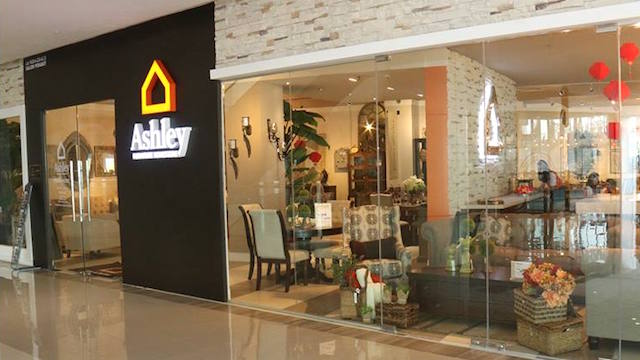
    US furniture retailer Ashley has launched in Thailand, partnering with local home furnishing and decor chain Chic Republic. The move is expected to help the brand capitalise on growing market demand and consumer purchasing power in the territory. Ashley president and CEO Todd Wanek said Thailand is a critical and potentially huge market for Ashley, due to its fast-growing middle-class affluence and population of 70 million.

    “There is huge demand for American contemporary and transitional looks in Thailand. This is why Ashley took the time to find the right partner, test the market thoroughly and made this decision after more than three years of finding the right fit.”

    Chic Republic’s strategy for expansion aims to target mid- to high-income consumers.

    It aims to sell Ashley’s products online via www.chicrepublicthai.com, and at four retail stores in Bang Na, Pradit Manutham, Ratchaphruek and Pattaya.

    Chic Republic CEO Kijja Pattamasattayasonthi said the outlook for furniture and home decor sales for the remainder of this year and into next is positive, due to demand from middle- to high-income customers, whose spending confidence has increased, as well as support from the increasing numbers of low-rise and high-rise high-end property projects.”

    Ashley has operated globally for more than 70 years, and has worked in the Asia-Pacific region for five years. It has more than 850 branches in 150 countries and brought in global sales of more than US$6 billion last year, accounting for 5 per cent of the brand’s total sales.

  • Alcis Sports opens its two new stores in India

    Alcis Sports opens its two new stores in India

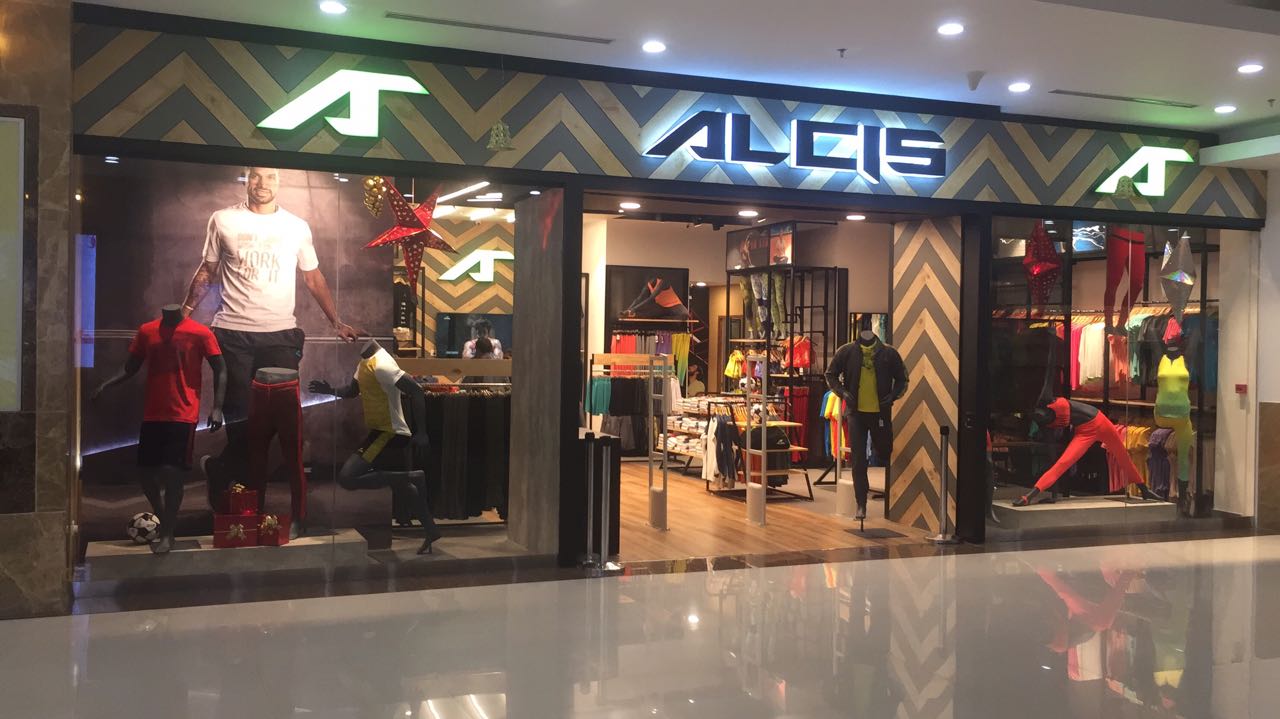
    Alcis Sports, a cutting-edge Indian performance wear brand, unveiled two new stores in Bagru in Rajasthan and Kurukshetra in Haryana. With these two new additions, Alcis Sport has now 11 exclusive brand outlets (EBOs) in India, and aims to have 15 by the year-end and 30-40 stores by 2019.

    Bagru and Kurukshetra get firsthand experience of a premium performance wear at an affordable price. Alcis Sports is a homegrown affordable Indian sportswear brand which is at par with international brands in terms of quality and also in sync with Indian sensibilities.

    The stores house Alcis Sports’ range spanning not only athleisure range but specific clothing for running, training, yoga, football, cricket and racquet sports. Alcis Sports is a home-grown, premium cutting-edge performance wear apparel brand, formed to tap into the emerging sportswear segment in the country.

    Roshan Baid, Managing Director, Alcis Sports said, “We are elated at the response of customers in both the outlets especially in Bagru. Touching Rs 1 lakh in sales in just two days in a new locality without much advertisement shows the awareness, acceptance and trust about the brand. We are committed to our customers in terms of international quality and affordable price without any compromise in our products.”

    Alcis is present at large format stores such as Shoppers Stop, Lifestyle, Globus, Central, Sports Station, Walmart, RS Brothers, Sarvanas, Pothys, JC Brothers and M&M and online retail channels such as Myntra, Jabong, Amazon, Flipkart, TataCliq, Ajio, etc. Besides, being present in over 700 multi-brand stores across the country, Alcis Sports is aggressively looking to open exclusive stores through franchise across the country. Alcis plans to open up about 15 exclusive brand stores, covering all the major cities of India, within this year.

    Alcis Sports has tie-ups with leading sports entities such as the hugely popular Pro Kabaddi League (Haryana Steelers and all match referees), among others. The company has secured an investment from Singapore based Venture Capital firm RB Investments, which has a strong portfolio of startups in India, including The Beer Cafe, Swiggy, Bluestone.com, Fab hotels, Faasos and PropTiger to name a few. Alcis Sports has also appointed celebrated Indian cricketer Shikhar Dhawan as the brand ambassador.

    Alcis Sports is a performance wear brand launched by the promoters of Paragon Apparels Pvt. Ltd., the largest manufacturer and exporter of sportswear in India. Alcis prides itself for being the first Indian brand to have the capability and production ability to manufacture technologically advanced sportswear at affordable price-points to enhance the performance of the wearer.

    Produced in India with the latest technologies such as Dry-Tech (moisture management), Anti-Odour, Anti-Static, Anti-UV and Light X, the products are specifically designed keeping Indian lifestyles and weather conditions in mind. The product range consists of clothes to wear while running, training, yoga, football, racquet sports and other athletic and leisure activities.

    Today, Alcis products which have international quality but Indian prices, are available in over 700 outlets across the country including all leading large format stores such as Lifestyle, Shopper Stop, Central, Globus, Sports Station, etc and online retail websites and 11 exclusive brand stores at New Delhi, Mumbai, Kochi, Jaipur, Guwahati, Bangalore, Goa, Bagru and Kurukshetra.