Tag: asia

  • Celine and Givenchy joins Paris menswear show schedule

    Celine and Givenchy joins Paris menswear show schedule

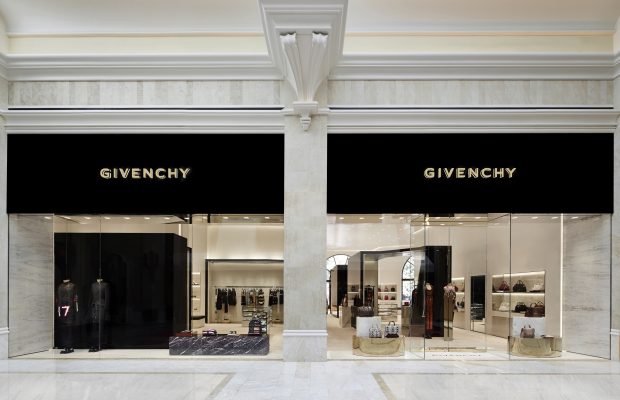
    After Hedi Slimane premiered Celine menswear via a co-ed catwalk show on September 28, the brand has announced that it will join the Paris menswear calendar in January 2019. Celine is currently negotiating a show date with the Fédération de la Haute Couture et de la Mode, and it is not yet known whether the brand will present solely menswear, or whether Slimane will pepper the offering with womenswear as per his debut.

    The move is indicative of the fact that Celine’s parent company LVMH has got its sights set on the burgeoning menswear market.

    When Slimane took the helm in February 2018, it was made clear that the new category will be a key sales driver, along with leather goods, accessories and fragrances.

    “The objective with him is to reach at least two billion to three billion euros, and perhaps more, within five years,” LVMH chairman and CEO Bernard Arnault said of Slimane’s appointment.

    In the last year, LVMH has appointed new head designers at Berluti, as well as the menswear divisions of Louis Vuitton and Dior. And, just weeks ago, Givenchy, another brand within the French conglomerate’s stable, announced that it will rejoin the menswear calendar for the autumn/winter 2019 season.

    As a growing number of brands, including Maison Margiela, Stella McCartney, Balenciaga, Haider Ackermann and Sonia Rykiel, merge their menswear and womenswear for the sake of presentations, LVMH is making great strides to make a splash on both schedules and to take a hold of both markets.

  • Poor customer experience costs retailers in Asia

    Poor customer experience costs retailers in Asia

    Nearly two-thirds (63 per cent) of consumers in Asia will no longer shop with a retailer after just one poor customer experience. That is one of the conclusions of a research study conducted by unified commerce provider Tofugear in partnership with Rakuten Insight. Based on a survey of 6000 shoppers across 12 countries in Asia, the research underlines the importance of delivering on experience for retailers.

    Top frustrations with stores included products being out of stock, long checkout queues and poor service from staff. When it comes to online shopping, consumers were turned off by high shipping costs, inaccurate product information and slow fulfilment speeds.

    Philip Wiggenraad, head of research at Tofugear, says: “The connected consumer in Asia is empowered and not afraid to look elsewhere when their needs are not being met. Retailers need to understand that they often only have one chance to get it right.”

    E-commerce is popular with consumers in the region: 59 per cent prefer to shop online rather than in stores.

    However, there were considerable variations depending on the country. China led the way (88 per cent), while markets such as Hong Kong and Singapore (both 51 per cent) were more evenly split in their preferences between online or stores.

    While millennials are the most prolific online shoppers, with more than half (55 per cent) doing so at least once a week, Gen Z also has a definite lean towards the online channel.

    “Physical retailers expecting a resurgence of the store driven by Gen Z should think twice and continue to look at ways to make their stores relevant in the digital age,” says Wiggenraad.

    Respondents to the survey showed a strong willingness to engage with store technologies in order to make their shopping journey more frictionless. Two-thirds (65 per cent) would use their mobile phone for self-checkout, while 62 per cent were open to using apps in stores as part of a connected retail experience.

    Access the full findings of the Digital Consumer in Asia 2018 report by downloading the PDF here.

  • Snapdeal unveils ‘Brand Shield’ to help firms fight counterfeits

    Snapdeal unveils ‘Brand Shield’ to help firms fight counterfeits

    India’s e-commerce major Snapdeal Monday said it has launched ‘Brand Shield’, an anti-counterfeiting programme to help brands report counterfeit products being sold on its platform. The programme has been designed based on the inputs received from various brand owners, Snapdeal said in a statement.

    The programme is aimed at enabling a structured interaction between the platform and brands with regard to any intellectual property (IP) issues flagged by the brand, it added.

    Under Brand Shield, there will be an online, triple-check point process for brands to report any violation of their IP rights in terms of trademark, copyright, patent or concerns related to design.

    Brands can also list specific issues relating to unlawful copying of logos, brand images, design features and packaging by sellers listed on Snapdeal’s platform. Brands will be required to establish their ownership of the IP, identify the listing of concern through proof and state their claim of infringement.

    The statement said designated teams at Snapdeal will review every report of IP infringement submitted through Brand Shield. Upon verification of the accuracy and adequacy of the information provided by the brand, Snapdeal will take down the listing within one business day, it added.

    In continuation of current practice, Snapdeal will also continue to de-list products/ listings in compliance with any directions or orders passed by the courts and other relevant authorities, the statement said.

    “The issue of unscrupulous sellers misusing online marketplaces to sell fake goods is a global problem. Brand Shield is part of our ongoing initiatives to collaborate with brands owners to combat counterfeits and infringement offences,” a Snapdeal spokesperson said.

    Snapdeal, an online marketplace, acts as an intermediary connecting buyers and independent third party sellers. It also prohibits the sale of counterfeit products on its marketplace and any sellers found in violation are penalised as per the terms of agreements with the sellers, the statement said.

  • Plum food delivery to cut entire staff

    Plum food delivery to cut entire staff

    Food delivery startup Plum has laid off its entire staff, casting doubt on its continued operations in Singapore and its home market of Hong Kong. According to a report, Plum co-founder Desmond Clinton Cheung, who is also the company’s GM, said full-time contracts for all 110 workers, including his own, had been terminated. The company is creating a new structure which would give staff who wish to remain with the company an equity ownership.

    “In the past, they were salaried staff and they would become shareholders,” he said.

    Plum was founded in Hong Kong a year ago and Cheung said it may have grown “a bit fast”.

    Efforts to reduce losses, including laying off 40 staff several months ago, had not worked and Cheung said he believed the new company structure offered an opportunity for the company to continue trading on a more sustainable basis.

  • Angular 6 & its Features

    Angular 6 & its Features

    Google released a brand new version of Angular in the month of April which was the first major release by Google in 2018 which majorly focuses on the toolchain and has also made the application much easier for the users to create their different applications. This new launch comes packed with a lot of new features and some of the major upgrades. This new version of angular is much faster, easier, and lighter than its former versions and has come out to be a boon for the developers. You can undergo an Angular JS course to have an in-depth knowledge of the newly introduced features.

    Let us discuss a few of the major changes made in Angular 6:

    • Angular Elements: Angular acts as one of the most ideal frameworks for creating Single Page Applications. However, in the former versions of Angular, adding up a new component to any of the existing web pages was not at all an easy task. But in the latest version of Angular, it can be done easily with the input to Angular Elements. Moreover, Angular 6 is the first version release that completely supports Angular Elements.
    • Ivy-The Brand New Rendering Engine: Angular 6 comes packed with the third rendering engine from the Angular team. Ivy can be termed to as the next-gen rendering engine which is capable of increasing the speed and reducing the size of the application.
    • i18n: One of the major changes brought about in Angular in its latest launch is the launch of i18n on the global platform. Angular 6 has introduced i18n with runtime rendering; moreover, Angular would no more round up the currency values with 2 digits. Moreover, Angular 6 also has revealed some new formatting functions publically, such as formatDate, formatCurrency, formatPercent and formatNumber.
    • Bazel Compiler: it is basically a build mechanism which is used to building almost all of the software at Google. Moreover, it rebuilds only what is necessary to be built, neglecting any kind of inapplicable data. Moreover, it does not make any sense to rebuild the whole of the application with every little change as the source code changes very often. Keeping this in mind, Bazel Compiler only rebuilds the changes which have been incorporated and required rebuilding. Ultimately, we shall be capable of achieving faster and incremental builds.

    The above-mentioned are just a few advancements that have been bought about in the latest version of Angular, for a complete knowledge of the working of Angular 6.0 you can easily receive Angular 6 training through offline as well as online portals which will provide you with a wholesome information about the mechanism of this wonderful application.

  • Cover Story to launch accessories line soon

    Cover Story to launch accessories line soon

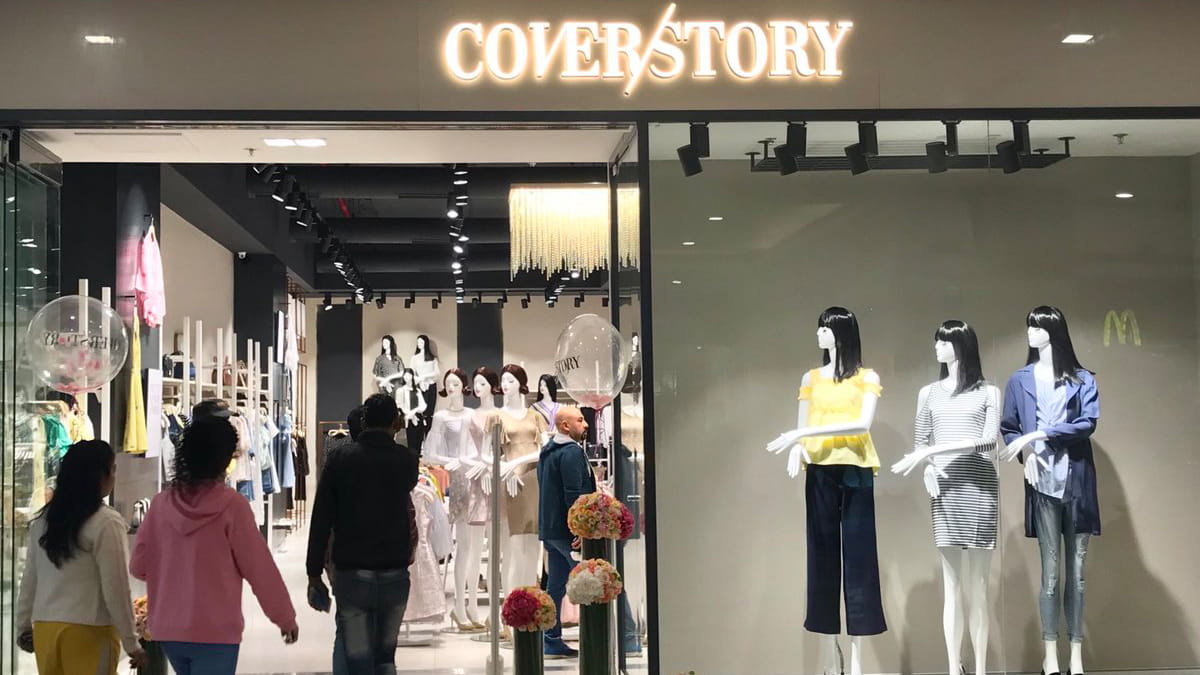
    Kishore Biyani-led Future Retail launched fast fashion brand Cover Story almost two-and-half years back with an aim to take international brands like Zara and H&M head on. The company then proceeded to set up a design house based out of London to develop cutting edge fast fashion. This design house was dubbed Future Style Lab, a wholly-owned subsidiary of Future Group, which developed and procured styles for Cover Story. And since then there has been no looking back.

    According to Manjula Tiwari, CEO, Future Style Lab, a fantastic growth has been seen for the brand, in terms of its popularity with customers and retailers alike. “Being just a 2.5 year old brand, Cover Story has established itself as a formidable competitor in the fast fashion space to international players. The brand is among one of the very few Indian brands to be present on ground floor locations across the leading malls in India, a great indication of the journey so far.”

    “We place customers in the centre of all that we do. Our product is a blend of latest trends and suitability in the Indian context and that has struck the right chord with our customers,” she adds.

    Target Audience

    The target audience of the fast-fashion brand is the 23 to 40 year old, financially independent woman with a rising disposable income which she loves to splurge on frequent shopping trips.

    “She thrives on social media, is a traveller in spirit and embraces new experiences. She frequently seeks to refresh her wardrobe. Feminine and eclectic, she switches effortlessly between Indian and western wear. Dressing up for her is a form of self-expression. She is modern but rooted,” says Tiwari.

    Store Design

    All Cover Story outlets are designed to recreate the intimate boutique and provide a comfortable shopping experience. The layout is layers of transparency with opacity, which encourages a sense of discovery while shopping.

    “A warm and neutral palette has been chosen for the store as well as all the equipment in it. Colours such as Rose Gold have been opted for, to give the place a feminine touch, to help women identify with the store,” states Tiwari.

    The display panels in the store are designed to look like magazine editorials. Exclusive fashion clusters display merchandise as if they were stories, luring women into reading them.

    Visual merchandising is done by and premium in-store windows are designed by London stylists on the lines of international luxury brands. The cash counter mimics a woman’s vanity bag, while changing rooms have seating for the comfort of waiting friends and family.

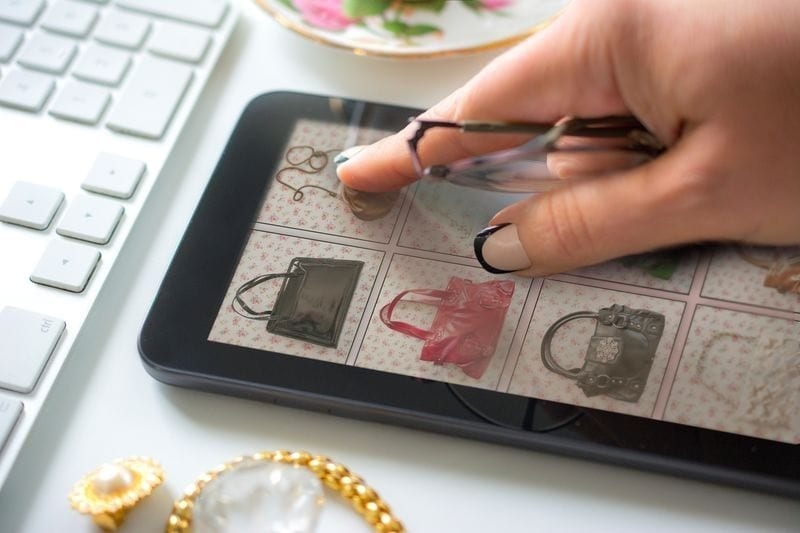
    “Customers can browse tablets with fashion content and styling tips. Cover Story’s in-store ‘selfie booths’ are bound to create brand excitement. Consumers can browse through stores and merchandise, share their personal information, and then have their shopping home delivered,” asserts Tiwari.

    Shoppers can even make a request for sizes not currently available at the store. A personal shopper then locates the size from other outlets and delivers it to consumer.

    Product Category

    The brand offers around 450 SKUs per season under the categories like dresses, tops, tees, trousers, skirts, shorts, jackets and sweaters.

    “We also do footwear and bags and are planning to launch a jewellery and accessories line,” reveals Tiwari.

    “Dresses and tops are our fastest moving categories because we provide a wide variety in both categories for all occasions. Also these categories are generally the most sought after categories by women in general,” she adds.

    Marketing Strategy

    The marketing strategy of the brand is a healthy mix of generating brand awareness and driving traffic to the stores to convert to sales.

    According to Tiwari, “We ensure our campaign imagery is of high quality and for that we shoot internationally to bring forth the true image of the brand, being designed in London. Locally, we rely on heavy mall activations and branding to steer the customer to our stores. We also turn to Instagram as a great tool to highlight our fashion authority in the market along with a lot of support from celebs and influencers.”

    “We believe the future of consumer engagement is to get personal – create a connect with the consumer through great experiences. We intend to bring our customers a connect to our London designers with regular events and interaction, and to create constant content around international fashion and style to establish Cover Story as a go to fashion authority for the Indian consumer,” she adds.

    Future Plans

    The brand, which has 23 EBOs, 61 SIS across the country and presence on 5 online channels, will cross 100 doors by the end of this year.

    “We have been more than doubling the turnover every year and same store sales growth has been in the health double digits. Currently online contributes 5 percent to the overall revenue and we see it growing significantly in the times to come,” concludes Tiwari.
  • Q3 Macau retail sales rise

    Q3 Macau retail sales rise

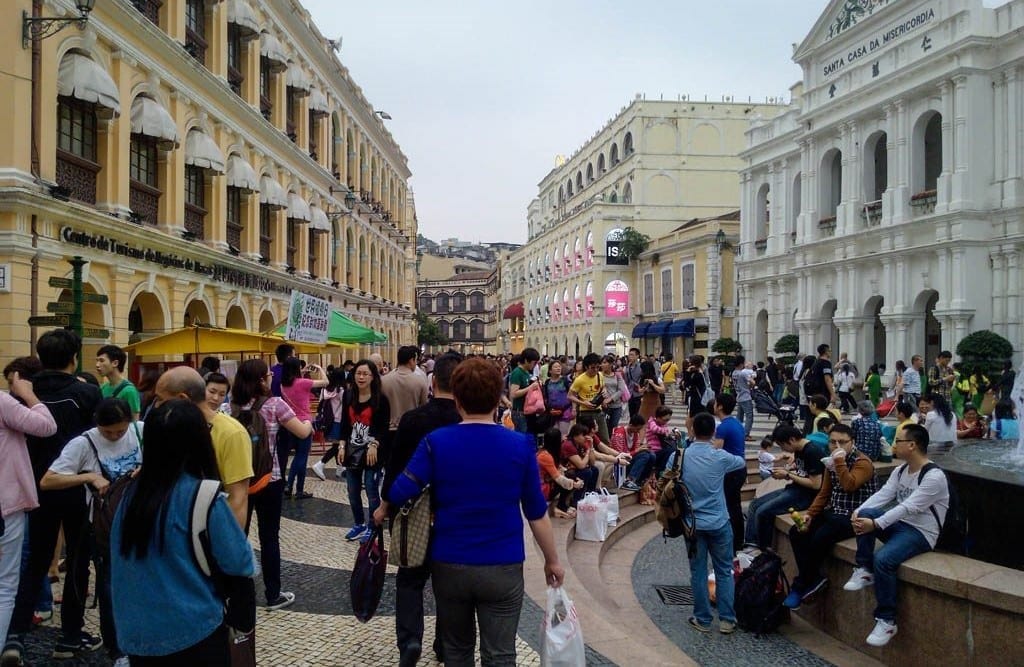
    Third-quarter Macau retail sales surged 12.8 per cent year on year to 18.19 billion patacas (US$2.26 billion), according to data from the SAR’s Statistic Department. However, possibly reflecting the timing of typhoons last year and this year, sales rose only 1 per cent quarter on quarter. Watches and jewellery accounted for 21 per cent of total spending during the quarter. Department stores accounted for 16.3 per cent of the market and apparel 13 per cent.

    The increase in third-quarter Macau retail sales was driven by department stores, up 23.1 per cent, communications equipment (up 19.8 per cent) and pharmacy goods, up 19.4 per cent.

    For the first nine months of this year, Macau retail sales rose by 20.8 per cent.

    However the Statistics Department’s data suggests retailers have modest expectations for the rest of the year. Just 16 per cent of retailers questioned expect an increase in sales for the three months to December, compared with 38.2 per cent who expect a decline and 45.8 per cent who expect sales to remain steady.

  • BTS to promote new Hyundai Palisade SUV

    BTS to promote new Hyundai Palisade SUV

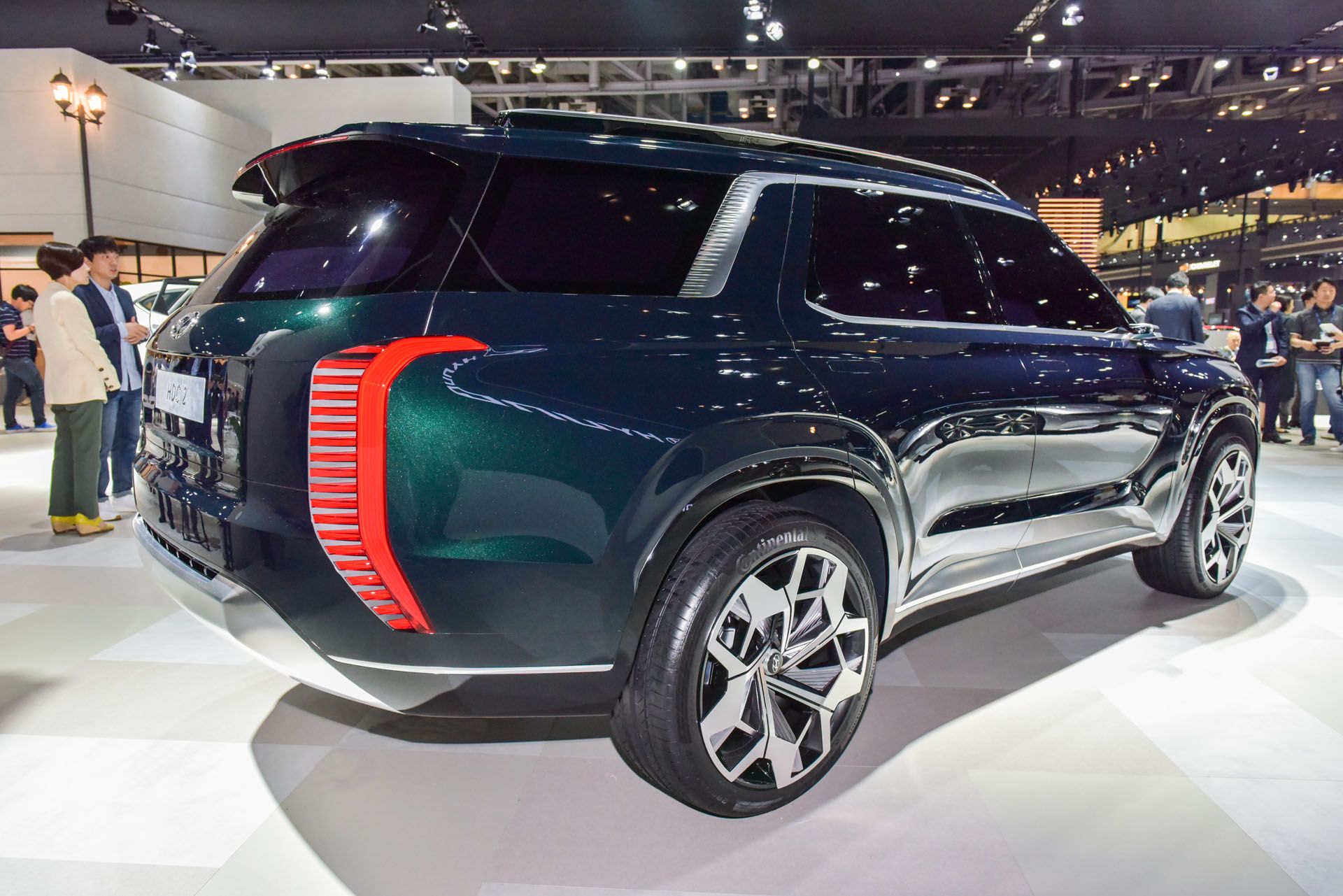
    Global K-pop sensation BTS has been chosen as the face of Hyundai Motor’s new large Palisade SUV, which will premiere at the upcoming LA Auto Show. The carmaker said Tuesday that it has appointed the seven-member boy band as the global ambassadors for the vehicle. The group will introduce the car in a video to be shown at the auto show today.

    According to Hyundai Motor, the group’s explanation will focus on the large SUV’s spacious interior and the convenient features found throughout its three rows of seats.

    “Hyundai Motor appointed BTS as the global brand ambassador of the Palisade as the K-pop group was considered the most suitable to introduce the new vehicle that is throwing the gauntlet down in the large SUV market,” the company said in a statement Tuesday.

    “The group will be able to deliver the greatly spacious interior of the Palisade, which is able to accompany seven to eight people.”

    Hyundai Motor said it would live stream the premiere on the automaker’s Facebook page. It will also post a range of videos featuring BTS and the Palisade on its social media accounts.

  • Chinese e-commerce policy to benefit foreign sellers

    Chinese e-commerce policy to benefit foreign sellers

    The Chinese government last week announced that it will improve its e-commerce retail import policy to boost consumption. “We need to take a holistic approach, exercise prudent yet accommodating regulation to fully unleash the growth potential of cross-border e-commerce,” Li Keqiang, Premier of the State Council of the People’s Republic of China, said at a cabinet meeting on November 21, when the policy was laid out.

    The policy has been cheered by Australian exporters to the market, such as AuMake, the ASX-listed retail company that connects local suppliers with Chinese personal shoppers, daigous, who buy and ship products on behalf of friends, family and customers in China.

    The retailer released a statement on Friday saying the new policy is expected to stimulate daigou activity through 2019.

    The new policy ensures that China’s existing approach to cross-border e-commerce continues, and no new requirements around licensing, registration or record-filing for first-time imports will apply to sales through cross-border e-commerce platforms, as was expected to apply from January 1, 2019. Instead, these goods will continue to receive the more relaxed regulation for personal use imports.Adtech Ad

    The Chinese government is also expanding its preferential import duties to another 63 tax categories of high-demand goods and increasing the quota of goods eligible from 2000 yuan to 5000 yuan per transaction, and from 20,000 yuan to 26,000 yuan per head per year. This quota will be further adjusted in light of an individual’s personal income.

    “AuMake welcomes the latest development to further stimulate the CBEC [cross-border e-commerce] with the continuation of current licensing requirements, extension of tariff/VAT/consumer tax concessions and value per transaction/head limit also being increased,” the retailer said in a statement.

    “These measures are anticipated to increase the total size of the CBEC and it is anticipated that legitimate cross border e-commerce participants, including AuMake and professional daigou, will increase their market share as illegitimate operators are phased out with increased regulation.”

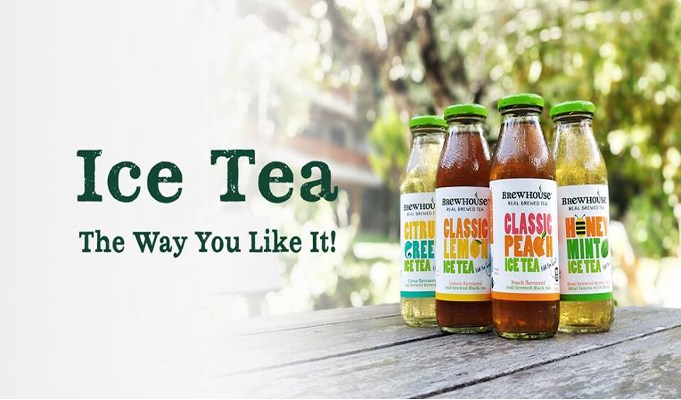
  • Brewhouse Ice Tea secures US$ 2 mn loan

    Brewhouse Ice Tea secures US$ 2 mn loan

    Bottled ice tea brand Brewhouse Ice Tea Monday said it has secured US$ 2 million loan from Singapore-based FMCG firm Food Empire Group to expand its footprint and product offerings. Food Empire Group had previously invested US$ 6,00,000 in Positive Food Ventures in November 2017. Positive Food Venture Pvt Ltd, maker of bottled ice tea brand Brewhouse, has secured a loan of US$ 2 million from Food Empire Holdings, the company said in a statement.

    “Currently, we are present at over 2,000 points of sale in major cities and are expanding our operation pan India. We plan to invest the loan amount from Food Empire Group towards expanding our reach to 10,000 points of sale in 2020 and to introduce newer and interesting variants,” Siddharth Jain, Founder, Brewhouse Ice Tea said.

    The brand started operations in Delhi in May 2017 and at present has presence in over 10 cities, including Delhi, Chennai, Bangalore, Mumbai, Pune, Kolkata, Hyderabad, Jaipur, Chandigarh, Lucknow and are retailing with over 300 restaurant and cafe partners.

  • Higher revenue lifts Petronas’ Q3 net profit to RM14.3 billion

    Higher revenue lifts Petronas’ Q3 net profit to RM14.3 billion

    Petroliam Nasional Bhd’s (Petronas) net profit for the third quarter ended Sept 30, 2018 rose 43% to RM14.3 billion from RM10 billion a year ago due to higher revenue. The group said in a statement today that the higher revenue was partially offset by higher product costs in tandem with higher prices, coupled with increased depreciation and amortisation.

    Earnings before interest, taxation, depreciation and amortisation (ebitda) rose 25% to RM26.9 billion from RM21.5 billion a year ago.

    The state-owned oil company attributed the higher earnings to its continuous execution of business improvement activities, focused on increased operational excellence and supported by higher commodity prices.

    Revenue for the quarter rose 19% year-on-year to RM63.9 billion, mainly driven by higher average realised prices for key products coupled with increased efficiency throughout the group.

    Higher sales were partially offset by the strengthening ringgit and lower sales volume, mainly for liquefied natural gas (LNG). Capital investments for the quarter stood at RM6.7 billion, mainly attributed to upstream projects.

    For the nine months ended Sept 30, 2018, Petronas’ net profit rose 50% year on year to RM41 billion, due mainly to higher revenue, lower net impairment on assets as well as other expenses. These were partially offset by higher product costs in tandem with higher prices coupled with increased depreciation and amortisation as well as tax expenses.

    Revenue for the period rose 12% year-on-year to RM181.1 billion mainly due to the impact of higher average realised prices for key products as well as increased efficiency efforts, largely offset by the effect of the ringgit strengthening against the US dollar.

    Capital investments for the period stood at RM26.5 billion mainly attributed to upstream projects while total assets rose to RM623.1 billion as at end-September, compared with RM599.8 billion as at end-December 2017.

    Shareholders’ equity rose to RM402.1 billion as at end-September from RM389.8 billion as at end-December 2017. The gearing ratio remained at 16.1% while return on average capital employed rose to 12.6% from 9.8% during the same period.

    The Pengerang Integrated Complex achieved 95% progress as at end-September and successfully received its first crude oil cargo at the Pengerang Deepwater Terminal 2. The project is on track to be ready for startup in 2019.

    President and group CEO Tan Sri Wan Zulkiflee Wan Ariffin said Petronas is on track to deliver a strong year-end performance by maintaining focus on driving efficiency efforts across its operations.

    “The recent drop in oil prices demonstrate the volatile and cyclical nature of the industry and we will continue to maintain our prudent outlook amidst this landscape while remaining steadfast in pursuing our growth strategies to ensure the long-term sustainability and progress of the company,” he said.

  • Luxury footwear label A.Testoni bought by Hong Kongese group Sitoy

    Luxury footwear label A.Testoni bought by Hong Kongese group Sitoy

    Hong Kong leather goods manufacturer Sitoy Group has acquired Italian luxury brand A.Testoni. Sitoy’s investment allows A.Testoni to maintain its brand identity and maximise on its artisanal heritage in a long-term strategy to drive the brand’s ongoing development.

    Sitoy’s chairman Michael Yeung Wah Keung said: “We are very pleased to welcome A.Testoni as a part of the Sitoy Group and work together to realise the full potential of the brand. As we celebrate our 50th anniversary this year, the acquisition marks an important milestone in the transformation of our retail and brand management business into a global dimension.”

    CEO of A.Testoni Bruno Fantechi said the acquisition comes after many years of fruitful partnership in Mainland China, where Sitoy has been a key partner in developing the brand’s distribution.

    “It recognises the inherent value in the brand’s unique levels of quality, craftsmanship and innovation which will drive significant future growth and development.”

  • US Cyber Monday online sales to reach record US$7 billion

    US Cyber Monday online sales to reach record US$7 billion

    American consumers were on track to spend US$ 7.8 billion in online shopping on Cyber Monday, up 18.3 percent from last year, according to Adobe Analytics, which tracks 80 percent of online transactions at 100 of the largest retailers in the US. Cyber Monday, which falls on the first Monday after Thanksgiving Day and Black Friday, is considered the biggest online shopping day of the year.

    Last year, it hit a record US$ 6.6 billion in online sales.

    With growing online sales, Black Friday might be stealing Cyber Monday’s thunder. Online sales for Black Friday reached US$ 6.22 billion, up 23 percent compared with last year.

    Smartphone-enabled purchases amounted to US$ 2.1 billion, accounting for one third of the overall sales.

    Figures from Internet Retailer, a publisher of e-commerce news and analysis, predicted that the total amount to be spent over the period between Thanksgiving Day and Cyber Monday will reach US$ 21.6 billion.

    For the whole holiday season, which will last until end of December, online sales could hit a record US$ 124 billion, up by 15 percent from last year, Adobe Analytics said.

    Figures from market research firm eMarketer put overall US holiday online sales at around US$ 123 billion, which accounts for 12 percent of the estimated 1 trillion retail sales for this holiday shopping season.

    According to an annual survey, US consumers will spend an average of US$ 1,007 dollars during this holiday shopping season, up 4.1 percent from last year, the National Retail Federation said earlier.

  • Roger Dubuis appointed new CEO

    Roger Dubuis appointed new CEO

    Effective December 1, Nicola Andreatta will be the new Chief Executive Officer of Manufacture Roger Dubuis. Nicola comes with 20 years of experience in the management of luxury and watch industries. In 2013, Nicola was appointed Vice President and General Manager of the Swiss entities of Tiffany & Co.

    Prior to that, Nicola founded N.O.A. Watch Company in Ticino, Switzerland, which he developed during more than 10 years. And before founding his own company as an entrepreneur, Nicola held various roles in Asia in the watch and luxury industries, as Managing Director, COO and CFO, with the companies, AC Services Ltd, Harwood Investments Ltd and Art Concord Ltd, where he has started his career in 1998.

  • Thai flagship store opened in Coupang

    Thai flagship store opened in Coupang

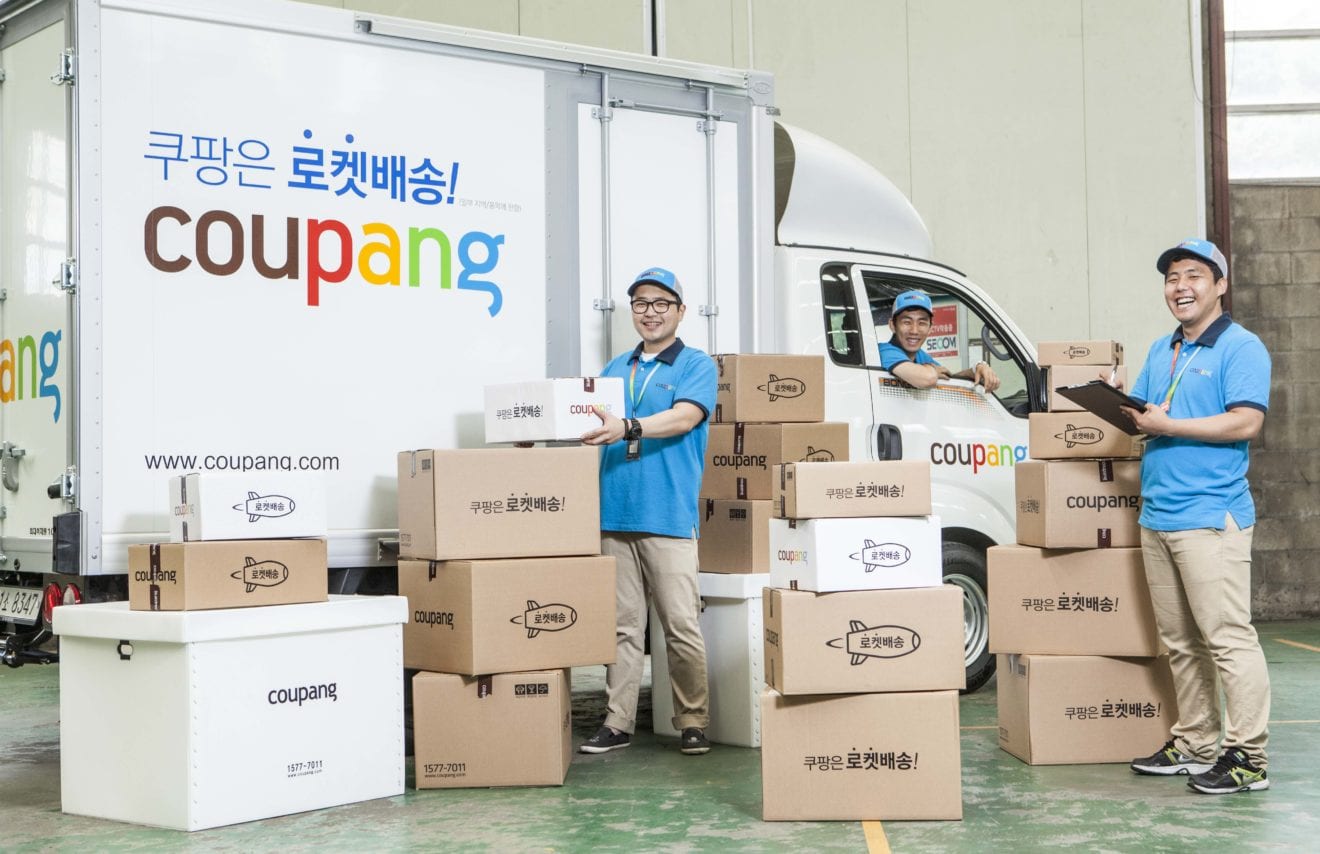
    South Korean e-commerce firm Coupang is planning to launch a flagship store in Thailand to boost the online sales of Thai-sourced products. Thailand’s Ministry of Commerce has been promoting Thai products on the platform since August, which has brought in more than THB118 million (US$3.57 million) for mostly food and beverage items. The ministry has just met with Coupang executives to seal an agreement to expand cooperation, resulting in the establishment of a Thai Mall on the platform.

    It is expected that the new partnership could result in an increase in sales to more than THB 200 million (US$6.06 million) over the coming year, a rise in export volumes to Korea by 7 per cent. Thailand’s total exports to South Korea were valued at $4.66 billion last year, an increase of 14.4 per cent from the year previous.

    Commerce Minister Sontirat Sontijirawong said “South Koreans know Thai brands from travelling here”, with 1.5 million of them visiting Thailand annually.

    Coupang is South Korea’s largest and fastest-growing e-commerce firm. It recently received an investment of US$2 billion from the SoftBank Vision Fund. It offers more than 120 million items for sale and 4 million available for guaranteed one-day delivery.