Tag: asia

  • Sydney to be home for Lindt’s  first “premium chocolate” store

    Sydney to be home for Lindt’s first “premium chocolate” store

    Swiss chocolatier Lindt is ramping up its Australia retail expansion with the opening of its latest chocolate boutique in Sydney. Located in Sydney’s Macquarie shopping mall, the new boutique-style shop is filled with Lindt’s complete luxury chocolate range. However, with five stores already operating in the city, the new location is the first of its kind to offer a more “premium chocolate shopping experience”.

    The premium aspect includes an exclusive range featuring a new Gourmet Selection, which comes in seven flavours of premium roasted nuts and fruit coated in Lindt Chocolate.

    Likewise, the new shop offers a selection of specialty-crafted chocolate slabs with gourmet ingredients and a wide variety of Lindt’s signature pralines.

    Inside, Australian shoppers are encouraged to browse from the gift boxes on offer, which vary across three different sizes, before filling each with an assortment of Lindor balls and other Lindt chocolates, creating a quasi ‘Pick and Mix’ concoction, so each purchase can be custom made.

    There is also a Lindt Chocolate Bar, which offers a range of takeaway hot and cold drinks made with pure Lindt chocolate.

    “It is a great addition to our NSW Lindt Chocolate Shop locations and we know the shoppers at Macquarie Centre will enjoy indulging in the exclusive gourmet ranges on offer,” CEO Lindt Australia Stephen Loane told local media.

    The boutique store is surrounded by close to 400 international and national retailers to be shopped at Sydney’s Macquarie Centre, located in Sydney’s northern suburb of North Ryde.

    Lindt’s expansion comes at a time when rival chocolate retailer and café Max Brenner and its Australian arm has filed for bankruptcy.

    Max Brenner Australia, which was started in 1999 and is owned by Tom and Lilly Haikin, appointed voluntary administrators in early October citing rising costs and sluggish retail trade.

    On October 8, administrators McGrathNicol closed 20 of Max Brenner’s 37 stores.

  • Korea’s FTC orders Booking.com, Agoda to change rules

    Korea’s FTC orders Booking.com, Agoda to change rules

    Hotel booking sites Agoda and Booking.com have been ordered to revise their no-refund policies or potentially face legal action. Korea’s Fair Trade Commission (FTC) announced on Wednesday that it has ordered the two global travel platforms to revise the terms and conditions which allow them to unfairly deny refunds for products and services.

    Customers are currently unable to get refunds on some hotel bookings or additional services, like hotel meals, reserved through Agoda and Booking.com even if reservations were made well in advance. Agoda and Booking.com have the same parent company, Booking Holdings, which also operates travel platforms Kayak and Priceline.

    “Though we recommended that Agoda and Booking.com revise their no-refund clauses last November, the companies failed to take heed without any particular reason,” read an FTC report. “We decided last month to issue an order forcing them to make the necessary revisions.”

    The FTC is not asking them to ban all no-refund products, but to at least accept refund requests made long before reservation dates.

    “The companies will still be able to deny refunds on highly discounted products or bookings made just before the reservation date,” said a spokesman. “But it is unreasonable for them to deny refunds for reservations made months ahead.”

    “The probability that a booking platform will be able to resell a product after a consumer cancels a reservation long before reservation date is very high,” he added. “The platform operators will face few losses if they resell the products.”

    The Act on the Regulation of Terms and Conditions gives the FTC the right to take “measures necessary to correct the terms and conditions” of a business that incurs losses to “several customers because the business person fails to comply with the recommendation” to revise “unfair terms and conditions.”

    According to the Act, the FTC also has the right to report the case to prosecutors if companies fail to respond accordingly within 60 days.

    The two companies have yet to give an official response. Agoda’s Peter Allen, who serves as the head of the company’s external relations department Agoda Outside, was in Seoul on Wednesday to give a talk at a leadership forum organized by the company.

    Agoda and Booking.com are not the only booking platforms that have been flagged for having policies that potentially harm customers.

    From 2016 through October 2017, the FTC reviewed the terms and conditions of major hotel booking sites operating in Korea and found that seven, including Agoda and Booking.com, had unfair refund policies.

    Unlike Agoda and Booking.com, Interpark, Hana Tour, HotelPass, Hotels.com and Expedia have since revised their terms and conditions.

    The number of consumer complaints against international travel platforms grew in Korea last year.

    According to the Korea Consumer Agency, consumers filed a total of 5,721 complaints in the first half of 2017 against international travel and accommodation platforms, or 46.4 percent more compared to the same period in the previous year.

  • Dolce & Gabbana chaos continues

    Dolce & Gabbana chaos continues

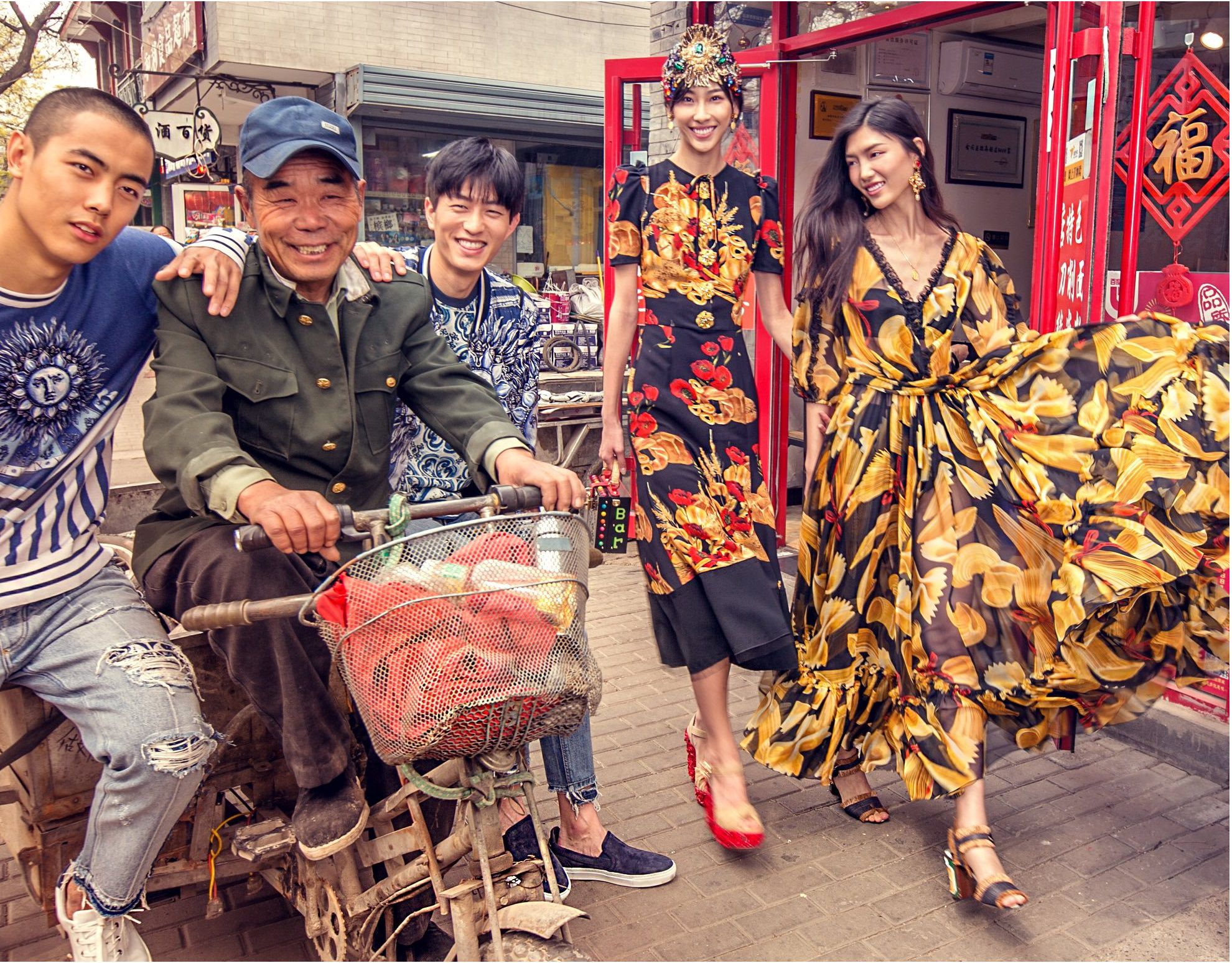
    Dolce & Gabbana has cancelled a high-profile catwalk show in Shanghai following an outcry over what many in China perceived to be a racist marketing campaign. The Italian brand products have now been dropped by e-commerce giants Alibaba, JD and Yoox Net-A-Porter. Leading Chinese e-commerce platforms Alibaba and JD.com were joined by Suning, VIPshop, Secoo and Netease in dropping the Italian fashion house’s products from sale.

    Hong Kong-based luxury department store operator Lane Crawford has also joined Chinese retailers in dropping Dolce & Gabbana products after it offended Chinese partners and internet users this week.

    Andrew Keith, president of Lane Crawford, told the Post: “With respect to our customers, we have taken the decision to remove Dolce & Gabbana from all stores in China, online and in Hong Kong.”

    The decision would take effect at 1pm on Friday, Lane Crawford said.

    Amazon China and Yoox Net-A-Porter have also removed products, with the latter dropping the brand from its Net-A-Porter, Mr Porter and Yoox.com platforms.

    Meanwhile, high-profile Chinese celebrities and KOLs including actors Li Bingbing, Chen Kun, Diliraba, Zhang Ziyi and actor-singer Huang Xiaoming were among a host of stars distancing themselves from the brand and vowing not to buy D&G products.

    A video posted on Weibo Monday of a Chinese model attempting to eat Italian food with chopsticks was taken down after less than 24 hours, but widely shared on both Chinese social media platforms and Instagram.

    The social media storm was made worse by comments attributed to Stefano Gabbana and Dolce & Gabbana’s official Instagram accounts on Wednesday, the day the brand’s #DGTheGreatShow catwalk presentation was scheduled to take place in Shanghai.

    In what Dolce & Gabbana claims was the result of a hack, the brand’s social media accounts featured derogatory comments about China and Chinese internet users.

    Though quickly removed, screenshots of the comments were widely shared on Chinese social media, along with the trending hashtag #BoycottDolce. The Weibo hashtag #DGTheGreatShowCancelled has been read 540 million times, and mentioned in 74,000 discussions.

    Show invitees have been informed that the 500-look runway event will no longer go ahead.

    China Bentley Modelling agency released an official statement saying 24 of their models who were booked to walk in D&G’s first Shanghai fashion show were boycotting the event.

    The Chinese government also stepped in with the Cultural and Tourism Department ordering Dolce & Gabbana to cancel the event just a few hours before it was scheduled to take place.

    Chinese consumers have flooded social media platforms Weibo and WeChat criticising the brand and posting videos and images of D&G products being destroyed, burned and used to clean floors and line animal litter trays. Security guards and police officers have been stationed outside Dolce & Gabbana stores in Beijing and Shanghai.

    This marks the second high-profile outcry over racist messaging from Dolce & Gabbana in only 18 months. A previous #DGLovesChina campaign depicted Beijing in a way that Chinese internet users felt looked backwards and underdeveloped.

    Both Gabbana and co-founder Domenico Dolce have been accused of making politically insensitive statements, from referring to babies conceived by in vitro fertilisation as “synthetic”, to refusing to support the right of gay parents to adopt.

    The duo has also described gladiator sandals as “slave sandals” and were quick to endorse First Lady Melania Trump.

    Gabbana in particular has a history of posting insensitive comments on social media, and came under fire for calling Selena Gomez “ugly” on Instagram in June, and the Kardashian family “the most cheap people in the world” in July.

    Though the designer duo have been known for using social media to voice their controversial opinions, upsetting Chinese consumers could have far-reaching commercial consequences.

    According to Bain & Company’s latest report on the luxury market, Chinese consumers account for an estimated 33 percent of global luxury goods spend, a share that is likely to hit 46 percent by 2025.

    Seeing as Chinese support can make or break a brand’s performance, how the label manages the controversy will be critical for its future success in the market.

    Dolce & Gabbana could not yet be reached in China or Milan for comment.

    According to a post published on Dolce & Gabbana’s Weibo account on November 21, the event has been rescheduled, and the brand has apologised for the inconvenience caused.

    Dolce & Gabbana reposted Gabbana’s ‘Not Me’ screenshot on its Weibo account, accompanied by the following statement, which mirrors the brand’s post on Instagram: “Our Instagram account has been hacked. So has the account of Stefano Gabbana. Our legal office is urgently investigating. We are very sorry for any distress caused by these unauthorised posts, comments and direct messages. We have nothing but respect for China and the people of China.”

    Last Friday, Dolce & Gabbana released a video of apologies, but the situation is not getting any better. The video was received as a way for the brand to preserve their own economic interests.

    Now, increasing attention has been given to similar episodes related to other brands, and media are populated with advertising campaigns, which show how while targeting overseas markets, lack of knowledge of local culture could be fatal to a business.

    Among the cases mentioned over the weekend, Chanel and its luxury boomerang, and Dior and Jennifer Lawrence featuring Mexican heritage without Mexican women (cultural appropriation), Zara and Nazi symbolism, and many more. However, Dolce & Gabbana case has been the first one with such global economic consequences.

  • FILA India collaborates with Streetwear Label Norblack Norwhite

    FILA India collaborates with Streetwear Label Norblack Norwhite

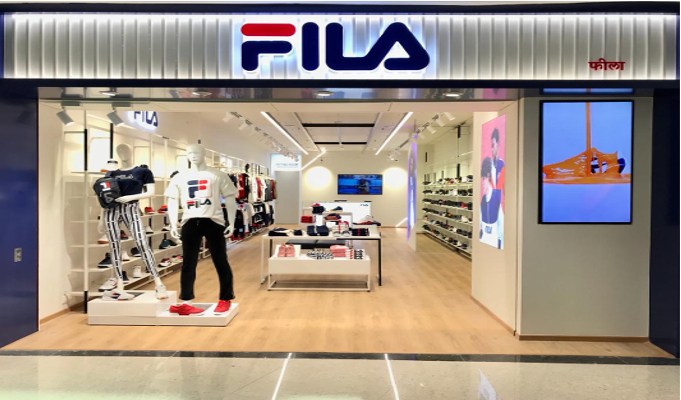
    The Italian sports-fashion brand Fila has announced its first ever Heritage collaboration with indie streetwear brand Norblack Norwhite which are now available in its stores. FILA India’s partnership with Norblack Norwhite pays homage to a heritage of textiles from Italy and to the age-old traditions of Indian textile makers, debuting with this India-only exclusive collaboration.

    Fila India’s Creative Director, Abdon Lepcha worked closely with NBNW for almost a year to design a limited edition collection that fuses iconic FILA silhouettes with their signature prints and patterns. The collaboration is a fusion of Indian streetwear with sports fashion. The collection was created applying the NBNW love for pattern and color, keeping it breathable within the sporty space. The styles focus on comfort, playing off some of Norblack Norwhite’s textile styles applied in a new way to work with Fila fabrics.

    Speaking on the collection, Mriga Kapadiya & Amrit Kumar said, “NBNW celebrates textiles and colors and patterns so creating within the FILA form and brand has taken us out of our comfort zone and pushed the boundaries on our design capacity. Fila is a brand we grew up on and we were super excited when Fila India approached us to collaborate on this capsule collection. We’ve never got to design athletic wear and it’s been super fun and also challenging to apply our style and aesthetic in this form! It’s important for our process to stay true to things we feel comfortable and empowered in while balancing the visual story of our favorite elements of India combined with our guiding feelings of classic streetwear.”

    Rohan Batra, the MD of Cravatex Brands, the Licensee for Fila in India, says, “This collaboration is one that is very special for us. It is the first time a global brand has collaborated on an entire collection with an Indian streetwear label. The limited India-only drop for the collaboration is part of our commitment to building and nurturing the streetwear fashion culture in India.”

    The collection comprises of baseball jerseys, tracksuits, fanny packs, tees and a special edition Disruptor. The price points for apparel, footwear and accessories start from Rs 1,999 and go up to Rs 8,999.

  • Renault wants Posco auto steel in Morocco

    Renault wants Posco auto steel in Morocco

    French carmaker Renault has asked Korean steelmaker Posco to enter the Moroccan market and supply automotive steel, a person familiar with the issue said last Thursday. Renault approached the world’s fifth-largest steelmaker by output in early 2017 as part of its strategy to diversify its supply of steel, the source said, who asked not to be identified because he was not authorized to speak on the record about internal discussions.

    Renault relies on ArcelorMittal, the world’s largest steelmaker, for automotive steel.

    Posco has told Renault that the two sides will delay formal discussions on the issue, noting that it has no immediate plan to enter the North African country, said the person, who is in a position to know about the situation.

    “Posco could use Morocco as a gateway for exporting its steel products to Europe without tariffs as Morocco has a free trade agreement with the EU,” the person said.

    Last year Maghreb Steel, a Moroccan maker of flat steel products, asked Posco to invest in it and provide necessary technology.

    A Posco spokesman confirmed that Renault made the request and Posco reviewed it, but said Posco has not moved forward, citing market conditions.

    The official said he had no knowledge on Maghreb Steel’s request for Posco investment, and asked not to be named, citing policy.

    Officials of Renault and Maghreb Steel were not immediately available for comment.

    In July, the EU said it would impose tariffs of 25 percent on 23 categories of steel products if imports exceed a three-year average.

    The provisional safeguard measures – which can remain in place for a maximum of 200 days – are meant to protect the EU steel industry against a surge of imports following the U.S. imposition of tariffs on imports of steel and aluminum.

    The European Commission plans to make a final decision by early 2019, at the latest, and said definitive safeguard measures may be imposed if all conditions are met.

    Posco declined to give any details on its steel exports to the EU.

    Renault is the third-largest customer of Posco’s automotive steel, according to the person.

    Renault Samsung Motors – whose 79.9 percent stake is held by the French carmaker – uses Posco’s automotive steel for 99 percent of auto production at its plant in Korea’s southeastern port city of Busan.

  • IGD predicts five trends set to shape retail in 2019

    IGD predicts five trends set to shape retail in 2019

    Seamless in-store shopping experiences coupled with innovative advances in technology are among IGD’s five key retail trends for 2019. “Next year’s biggest trend of all is likely to be the continuation of rapid and radical change in the food and grocery industry,” said Toby Pickard, head of insight, innovation and futures at IGD.

    “We have already seen a significant pivot towards innovative new technology, and there is no sign of this letting up next year. Shoppers’ expectations have changed, and the retail and grocery sectors are working to meet those expectations in every area of business,” he said.

    IGD’s five key retail trends for 2019 are:

    Data dictates the way: This year has seen data become more valuable to the retail sector than ever, with 46 per cent of supply-chain experts now actively prioritising data-driven business. As well as helping to boost sales, accurate data will be vital for tools that allow retailers to understand customer behaviour – and reward their loyalty.

    Through customer datasets, artificial intelligence (AI) and machine learning in-store, retailers can target products and offers more effectively while maintaining appropriate stock levels and improving customer service. Insights gained through closer customer engagement will provide invaluable guidance to retailers looking to grow their businesses: making stronger connections beneficial to both groups.

    Doing good is good businesses: Companies will increasingly take the lead on sustainability while issues such as food waste and plastic pollution make headline news. This has translated to changing attitudes across the generations. Nearly three quarters (74 per cent) of UK shoppers say they have become more aware of the environmental impact of plastic packaging over the past year, and this has led to innovations such as biodegradable wrapping and plastic-free supermarket aisles. Retailers are no longer thinking about just reducing waste, but want to make a positive, tangible contribution. The next wave of innovative and leading retailers and brands will move beyond reducing their impact.

    Seamless stores: Physical stores will offer a much more digital experience next year, by using technology to make it easier for customers to find items and gain more product information. Some 85 per cent of UK shoppers would like to see the roll out of more in-store technologies. This should lead to a faster shop for many, where searching aisles and shelves for the right item is replaced by an app that guides shoppers to where they want to be.

    “Physical stores offer customers a more tangible shopping experience, where they can see products before they commit to purchase,” sais Pickard. “This gives these spaces an advantage over online providers, and we are seeing stores begin to capitalise on that and add in extras to incorporate more of the benefits of online.

    “A recent example of this is Il Viaggiator Goloso, a premium Italian brand, which has enabled its electronic shelf-edge labels to show the online reviews and scores products have received. This gives customers a more informed choice in store.”

    Help me be healthy: Most shoppers aspire to eat and live well, with 85 per cent saying they are actively trying to improve their diet, but aspirations don’t always translate into action. “We believe shoppers will be more health conscious going forward, so supporting them to both look and feel good will be a major priority for retailers and their suppliers. This means that both consumers and businesses will be thinking more about wellness and the role of retail in promoting cleaner living going forward,” says Pickard.

    Anywhere, anytime: IGD expects innovative new social-commerce solutions to emerge throughout next year. Retailers and suppliers will deliver targeted marketing, and new ways to make online shopping more social, instantaneous, and convenient.

    “Next year, we will see retailers think increasingly about making every moment shoppable,” says Pickard. “A recent innovation was EasyJet making it possible for Instagram users to find and book holidays to new destinations, simply by clicking on a photo they have seen. Whether through targeted marketing or simple ways to make purchasing more seamless, shopping is becoming not just more convenient but more instant as well.”

    IGD says shopping will become seamless and omnipresent, with people no longer needing to visit a retailer’s online store. As they look at pictures, watch videos or TV they’ll be able to just add products to a shopping cart.

    “This has the potential to change the way that retailers think about selling in the future.”
  • Takashimaya opens in Bangkok megamall

    Takashimaya opens in Bangkok megamall

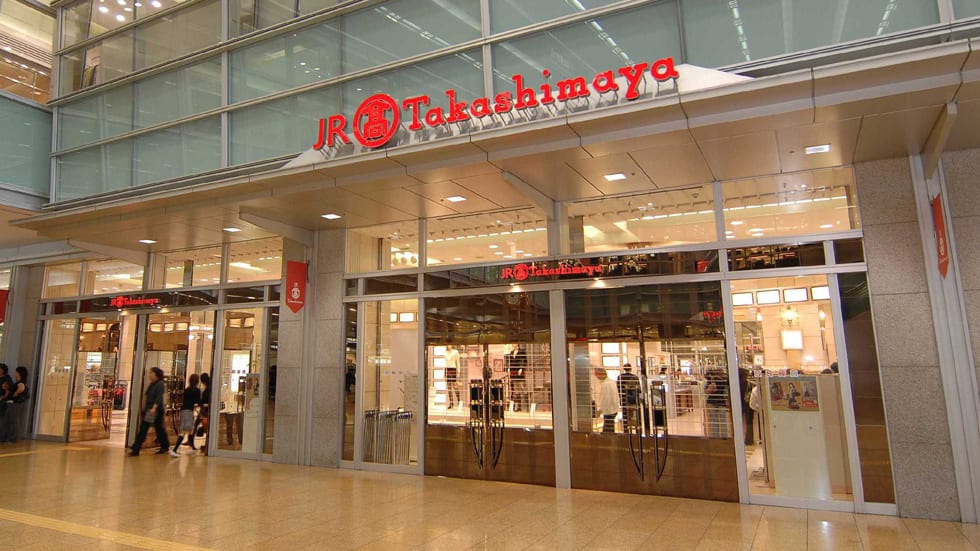
    Japanese department store operator Takashimaya has opened inside a brand new shopping mall in Thailand, opting for the capital city of Bangkok to bring the Japanese way of luxury retailing to the nation. Scaling seven floors, the newly named and opened Siam Takashimaya will form just a small part of the $1.7 billion megamall, which also houses the entertainment development project, Iconsiam.

    The Iconsiam is a sprawling 525,000-square-metre complex developed by Siam Piwat and Charoen Pokphand Group, which includes two residential towers over 50 floors high, a movie theatre, a concert auditorium and a variety of retail options, outside of Takashimaya.

    The mall location looks to serve as draw card for the Japanese retailer, whose expansion into Thailand comes at a time when Japanese physical retail is shrinking back home and consumer tastes are moving toward online shopping.

    The shift means Takashimaya  — and other Japanese department stores like it – are entering nearby Asian economies where tourism is high, and retail is burgeoning, in order to survive.

    “Southeast Asia and China are growing economically, so in order to increase our sales we have to go to these types of markets,” said Hironobu Hanai, a Takashimaya representative.

    “That is one of the reasons why we are opening a store in Thailand.”

    Takashimaya has already witnessed great success with its Singapore store opening some 25 years ago, and it is hoping to replicate the same in Thailand – bringing the best of Japan to rich Thais.

    To date, the Singapore store accounts for around 20% of the group’s operating profit, at 6.1 billion yen ($54 million).

    The department store’s complete offerings include a large proportion of Made in Japan, with 30% of the 530 brands, on sale at the new Siam Takashimaya, originating in Japan.

    An entire floor is dedicated to Japanese food, including a supermarket selling luxury products and premium restaurants.

    Another floor of Siam Takashimaya is devoted to beauty products and perfume along, as well as cosmetic services, in addition to floors for women’s and menswear.

    Finally, the last floor sells kid’s products and homewares and will host more restaurants.

    Siam Takashimaya expects to turn its first profit in the year ending February 2020.

  • Apple pilloried over display model policy

    Apple pilloried over display model policy

    Just before the Fair Trade Commission comes to a decision on whether Apple has violated domestic fair trade laws, Korean phone distributors are calling the tech giant out for being the only phone manufacturer in the country that makes them pay for display phones in their stores.

    The Fair Trade Commission (FTC) is due to hold a meeting in mid-December after two years of investigating accusations against Apple and finally decide whether the company indulged in unfair practices. Some complaints are that Apple charges mobile carriers for repair and advertising costs of Apple products.

    On Wednesday, the Korea Mobile Distributors Association (KMDA) accused the company of doing something that no other handset maker did in Korea. “Apple doesn’t let us sell iPhones at all if we don’t purchase the demo phones needed for store displays,” read a statement from the KMDA. “Other manufacturers provide the display phones themselves, and come to collect them later.”

    According to the association, Apple even charged retailers for the costs of building shelves for display models and controlled where the promotional posters for new products were placed. Most of the demo devices are priced at around 70 percent of the market price. Distributors say they also had to purchase demo iPads and Apple Watches.

    iPhones are getting more costly, which could be a factor in the distributors going public with complaints against the company.

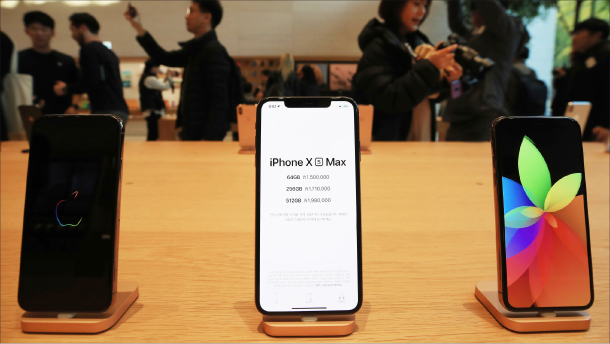
    In the past, Apple phones cost no more than 1 million won ($883). Last November, the iPhone X launched just three weeks after the iPhone 8 with a 1.42 million won price tag for a 64 gigabyte model. With the release of the iPhone XS, XS Max and XR on Nov. 2, iPhone prices have reached new highs. The iPhone XS Max is selling for more than 30 percent higher than the iPhone X at 1.97 million won for a 512 gigabyte model.

    “Previously, I spent around 1.1 million won on demo devices for Apple’s new products,” said a 53-year-old owner of a wireless store in Jongno District, central Seoul.

    Branches of the three major mobile carriers – SKT, LG U+ and KT – are the main distributors of mobile phones in Korea.

    “But recently, with Apple products becoming more expensive, the costs I have to bear have risen tremendously,” he said.

    The owner estimated that he spent nearly 5 million won on purchasing demo phones for Apple’s newest models.

    According to industry estimates, each mobile retailer spends around 2.9 million won a year purchasing Apple demo phones. This means that Apple will earn around 25.5 billion won in total sales of demo phones from the country’s 8,800 wireless stores.

    “We are not trying to sue Apple right away at this point, but rather figure out who holds responsibility,” added a KMDA spokesman. “Mobile carriers may be responsible for allowing Apple to pursue such unfair practices, leaving distributors to pay for the costs.”

    Korea is not the only country that has investigated Apple for unfair practices. This July, Japanese authorities called out the tech giant for antimonopoly practices that included forcing local mobile carriers to subsidize iPhone prices to boost sales. In 2016, France sued Apple for $55 million over unfair practices that also involved unfair contracts.

    Apple has not released an official response to the KMDA’s complaints.

    Sales of Apple’s new products have been less than stellar, which is also fueling dissatisfaction among distributors. According to industry estimates, the number of customers buying Apple’s three newest models between Nov. 2 and Nov. 7 was only 60 percent of the number that purchased Apple’s iPhone X and iPhone 8 in their first week last November.

  • The Walt Disney Company appoints new Head of Consumer Products Commercialization

    The Walt Disney Company appoints new Head of Consumer Products Commercialization

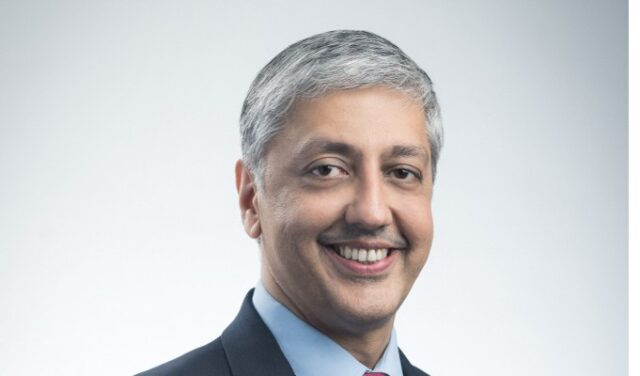
    The Walt Disney Company has announced the appointment of Mahesh Samat, Executive Vice President, Disney Consumer Products Commercialization for the Asia Pacific region. Reporting into Ken Potrock, President, Disney Consumer Products Commercialization, he takes on responsibility for the commercialization of Disney franchises across merchandise, publishing and licensed games throughout India, Southeast Asia, Greater China, Korea, Japan, Australia and New Zealand.

    Samat rejoined The Walt Disney Company in India in November 2016 and went on to integrate the Southeast Asia and India businesses to form The Walt Disney Company’s South Asia regional hub in September 2017. He led most of Disney’s integrated business units driving new strategies that are providing tremendous growth for global franchises and unilaterally creating new business opportunities for all Disney businesses. He previously led The Walt Disney Company’s India operations from 2008-2012.

    “The Asia Pacific region continues to provide immense opportunity for Disney products and experiences,” said Potrock. “I am confident that Mahesh’s proven leadership and steadfast focus on innovation and entrepreneurship will deliver dynamic growth across our brands and product categories.”

    “Disney products and experiences bring our stories and characters closer to fans every day. I am pleased to have the opportunity to lead this exceptional team to delight kids and families across these high growth Asian markets,” said Samat.

    With more than twenty-five years of experience in FMCG, Media and Healthcare across India, Asia-Pacific and Europe, Samat previously worked with Johnson & Johnson, Kellogg’s, Warner-Lambert/Parke-Davis and Boots India Limited. Between 2012 and 2016, he established the Epic Television Networks and its popular Hindi-language, The Epic Channel in India.

  • From Cyber Monday to Cyber Week

    From Cyber Monday to Cyber Week

    Cyber Monday is expected to be the largest online shopping day in U.S. history, generating a whopping $7.8 billion in sales. That’s 17.6 percent higher than last year, according to the projection from Adobe Analytics. But the National Retail Federation projects that the number of shoppers taking advantage of online bargains on Cyber Monday – about 75 million – will be 3 million fewer than in 2017.

    Just as Black Friday has evolved into “Black November,” as retailers spread out their discounts, Cyber Monday has turned into “Cyber Week”, which is expected to alter some of its strength as a stand-alone day.

    It has been estimated that more than 164 million people planned to shop over the five-day Thanksgiving weekend. But experts said Black Friday remains the busiest shopping day, with NRF projecting 116 million would shop, both in-store and online, on that day alone.

    Based on Adobe Analytics data, a record $6.22 billion was spent online by the end of Black Friday, an increase of 23.6 percent over 2017’s $5.03 billion.

    Data suggests that consumers are getting more comfortable buying more and bigger ticket items online.

    The average order value of $146 set a new record for Black Friday, up 8.5 percent over last year.

    Many brick and mortar retailers are trying to capitalize on Cyber Monday by offering “buy online, pick-up in store” deals.

    A spokesperson from the NRF said that “Of those [shoppers] that choose to buy items online and pick them up at the store, nearly 70 percent will double their basket size by the time they walk out of the store. So, even on Cyber Monday, retailers will try to use this as an opportunity to bring consumers into their physical stores and cash in on impulse buys.”

  • Catwalk to be presented in Dear So Cute China store

    Catwalk to be presented in Dear So Cute China store

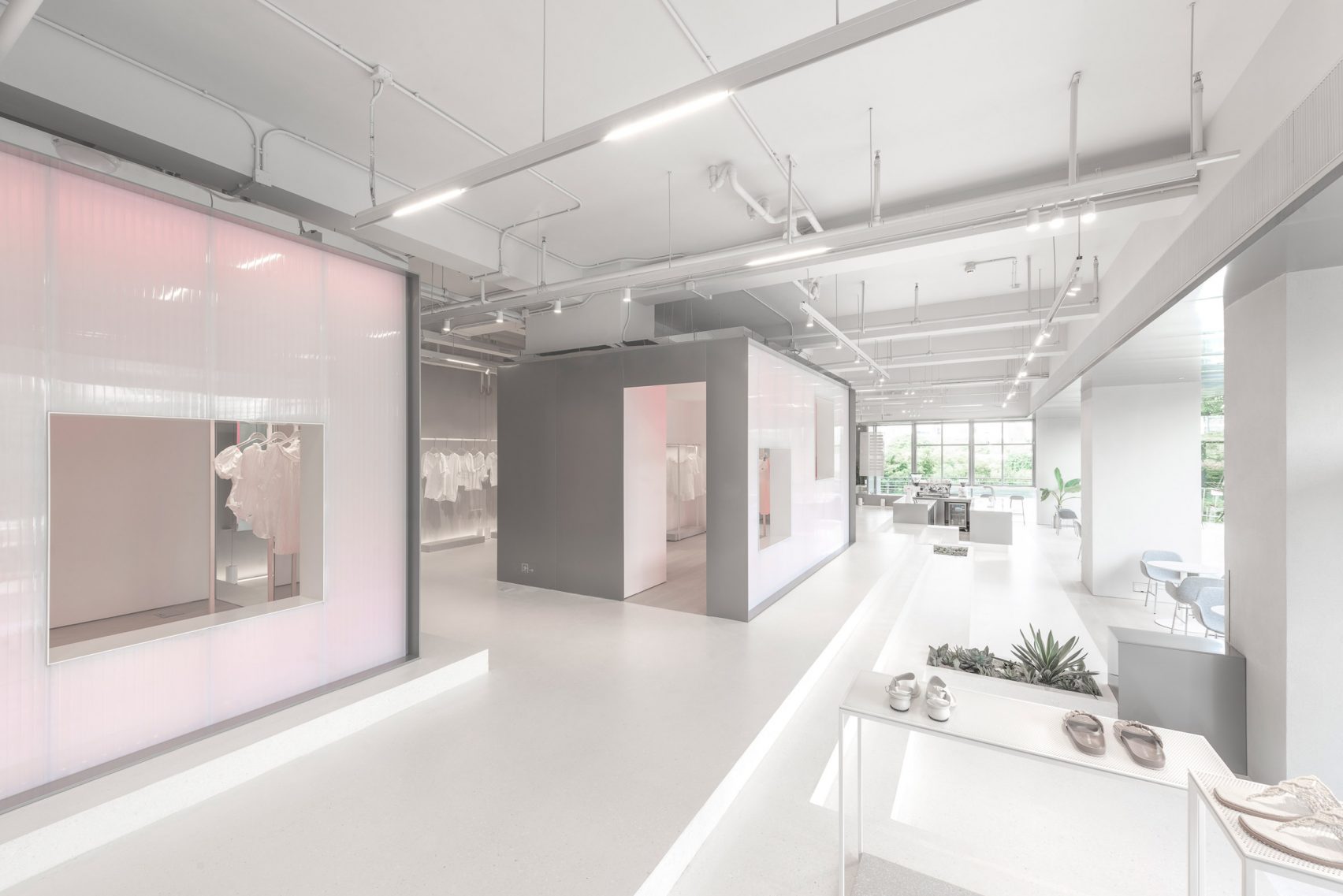
    Design firm Lukstudio has created a theatrical-style shop and cafe as a promotional and retail space for fashion platform Dear So Cute in Chinese Haining. Inspired by South Korean cafe/fashion trends, the design is intended to communicate the brand’s values and showcase products to younger consumers. The store layout features a backstage rigging system to adjust display features as with a theatre stage, and incorporates elements of the Hainingese shadow puppet tradition in its design.

    According to a report, the retail space emphasises the brand’s “forever young energy” with a minimal, contemporary look and pink highlights, serving as a neutral backdrop for the activities going on in the space. One standout feature is a stage in the fitting room area for customers to “catwalk” before friends while deciding on purchases.

    “In today’s retail environment, most people shop online for the convenience and the reassurance of the review system,” Lukstudio’s founder Christina Luk said. “However, I believe when it comes to delivering a brand’s identity and values, the physical store is much more effective.”

    View the store design in the gallery below (7 images) :

  • Mumuso to open 300 stores in India by 2022

    Mumuso to open 300 stores in India by 2022

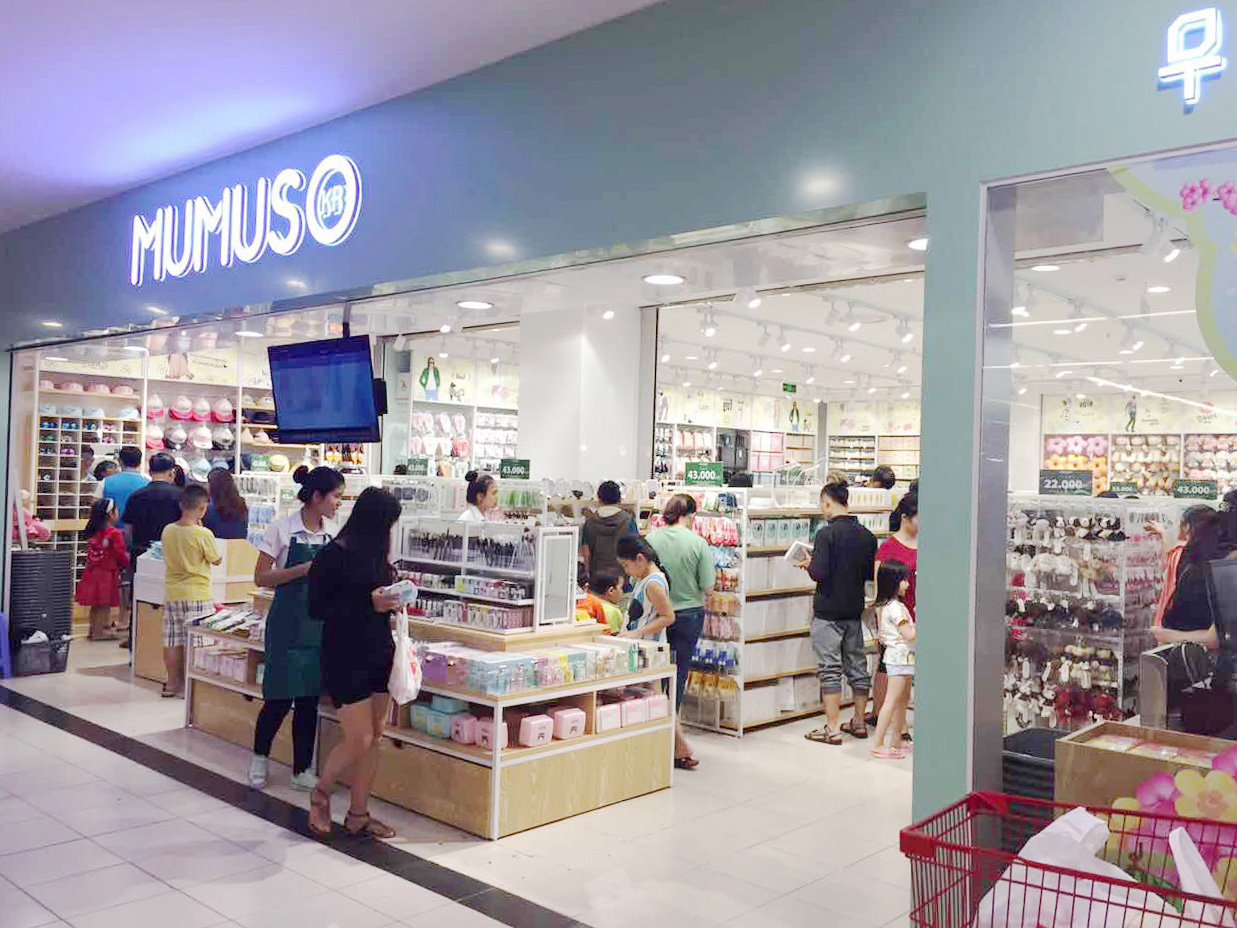
    Korean lifestyle brand Mumuso has announced its plan to open 300 stores across India by 2022. The lifestyle brand, currently present in 30 countries, entered the Indian market in September with a flagship store in Kolkata’s Park Street. “Mumuso is eyeing the Indian market aggressively with new stores in different parts of the country” said Raunak Agarwal, Managing Director of Mumuso India.

    “Mumuso is eyeing the Indian market aggressively with new stores in different parts of the country” said Raunak Agarwal, Managing Director of Mumuso India.

    “India has seen a sharp rise in the demand for lifestyle products in the recent years”, he added.

    Mr. Agarwal said each Mumuso store will offer 1200 unique items across eight categories and there will be an investment of Rs 80 lakh to Rs 1.2 crore in opening the stores.

    The next stores to open will reportedly be in Hyderabad, Siliguri, Bangalore, Delhi, Mumbai, Surat, Durgapur and Chenna.

    Out of the 300 stores planned, 10 are said to be launched in the current calendar year.

    Mr. Agarwal added the company would take the franchisee route to achieve its target of 300 stores, but the tier 1 and tier 2 cities will have at least one flagship Mumuso store.

    Company officials said the brand was expected to grow at a 12 to 13% rate in eastern India in the next four years.

    Mumuso currently has only one warehouse of 50,000 square feet on the Bombay Road in West Bengal but it plans on having more warehouses with future expansions.

  • Hyundai AutoEver plans IPO

    Hyundai AutoEver plans IPO

    Hyundai AutoEver, an ICT affiliate of Hyundai Motor Group, plans to go public on the Korean stock market, a move seen as a preliminary step to the group’s restructuring. The company said it submitted an application for preliminary screening to the Korea Exchange on Thursday. NH Investment and Securities will oversee the deal. “In time for the paradigm shift such as the fourth industrial revolution, [the initial public offering (IPO)] is to enhance the company’s competitiveness in digital technology as well as the company’s awareness, in addition to further secure investment for research and development,” the company said.

    Hyundai AutoEver was established in 2000 as a B2B company that develops a range of auto software systems related to connected and cloud services. It posted 1.1 trillion won ($971.4 million) in revenue last year with 52.1 billion won in net profit.

    In addition to fortifying the company’s competitiveness, the IPO is expected to relieve more than one risk at Hyundai Motor Group once it restarts its governance restructuring scheme. The company’s internal trade with other Hyundai affiliates accounted for more than 80 percent of its revenue last year.

    Kim Sang-jo, head of the Fair Trade Commission, has been pushing chaebol to eliminate trade among affiliates.

    Domestic fair trade law regulates family members of chaebol from owning more than 20 percent of the group affiliate’s shares. Hyundai Motor Group Executive Vice Chairman Chung Eui-sun slightly missed the spot by owning a 19 percent stake in Hyundai AutoEver, yet the latest push for an IPO is seen as a move to eliminate any possible risk of controversy.

    The public listing of the company is also expected to help Chung secure more funds required for the future governance restructuring as it will encompass numerous spinoffs and mergers.

    Hyundai Motor Group initially released a restructuring scheme back in March that never got off the ground due to a negative response from the market.

  • 7-Eleven Korea launches locker service

    7-Eleven Korea launches locker service

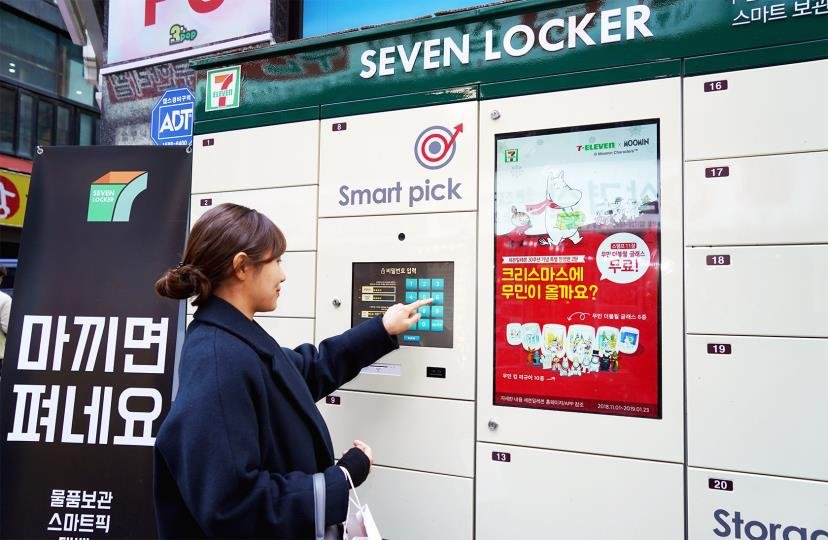
    7-Eleven South Korea has launched an unmanned locker service called Seven Locker at two stores in Seoul.

    The initiative is part of the company’s effort to diversify operations and generate more profits for its convenience stores.

    The Seven Locker trial operations started at two stores in Seoul’s Hongdae and Jongno districts, with another eight on track to open by year’s end to better gauge customer response and growth potential. The plan calls for 100 lockers to be placed at 7-Eleven stores across the country in the first half of next year, with the service to be extended to all key stores going forward.

    The lockers will be set up near tourist attractions and entertainment districts where there is demand for such services among locals and foreigners alike.

    The convenience store chain said depending on the size of the space, storage fees will range from 2000 won (US$1.76) to 4000 won for a four-hour period, with users allowed to make payments using their credit cards.

    “The lockers can create more profit for stores, while providing a differentiated service to our customers,” a local 7-Eleven executive said.

  • LG Display adds kiosks that let employees donate money

    LG Display adds kiosks that let employees donate money

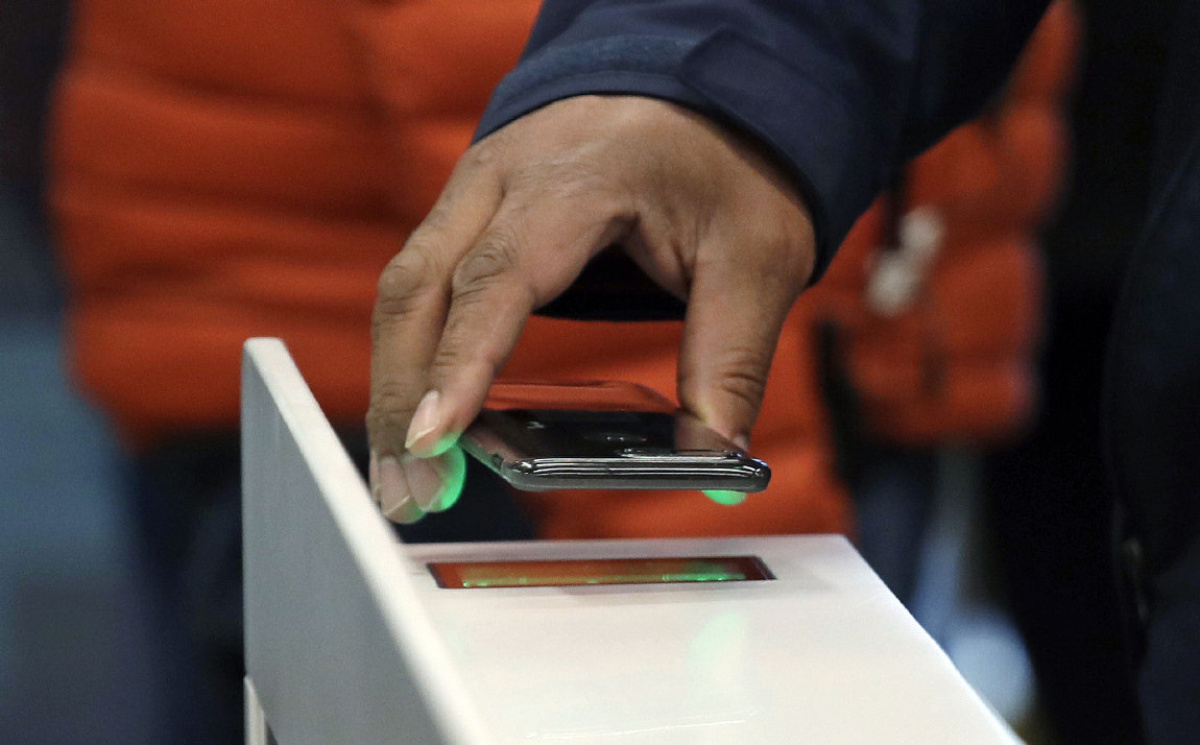
    LG Display said last Wednesday it has installed electronic kiosks in its facilities across the country, helping employees make donations easily. The company said employees can swipe their identity cards on the kiosks and make donations ranging from 1,000 won ($0.88) to 10,000 won, which will be automatically deducted from their paychecks.

    LG Display said the project was designed to encourage employees to participate in making contributions to the community.

    LG said 4,000 employees have participated so far in raising 60 million won.