Tag: asia

  • Tencent closed to buy sports firm Amer

    Tencent closed to buy sports firm Amer

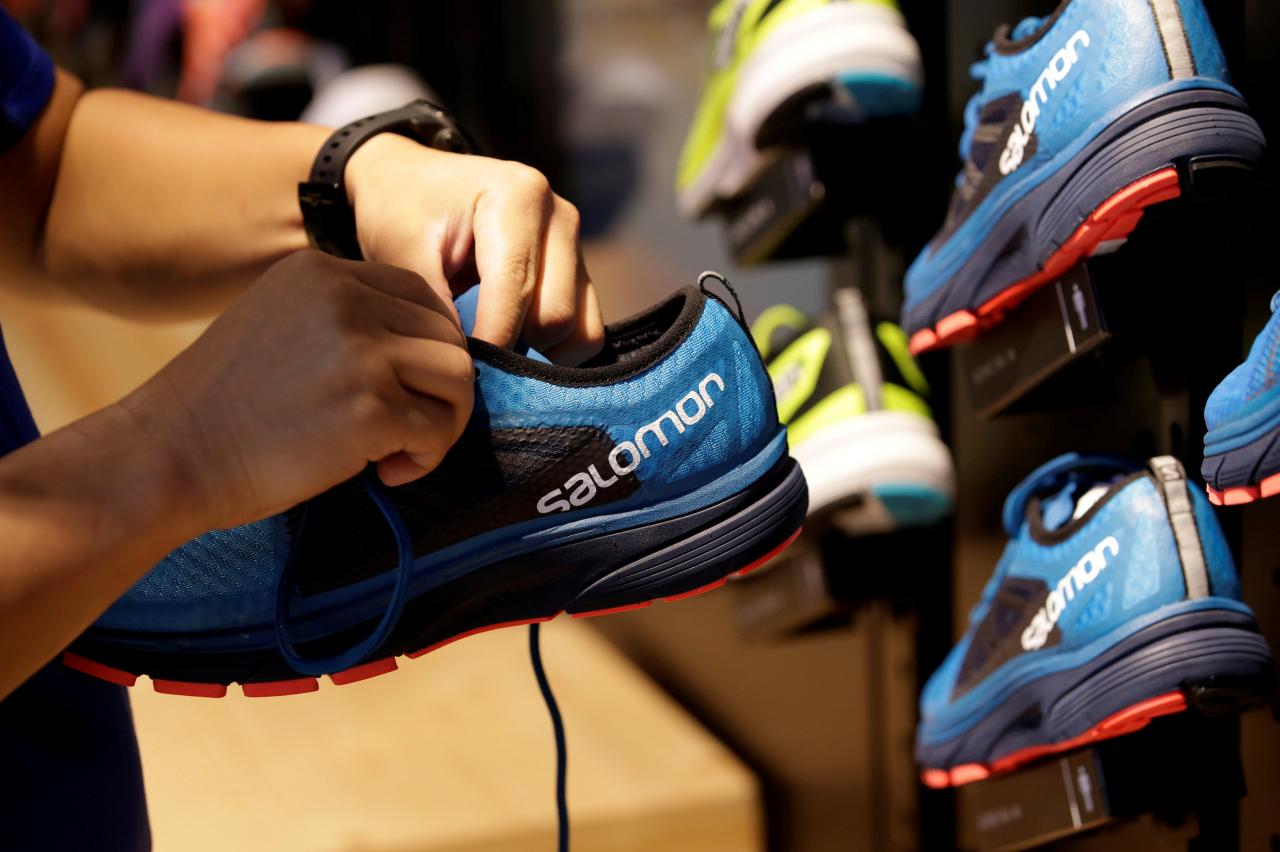
    Social media conglomerate Tencent Holdings is believed to be close to joining a Chinese investment group bidding to acquire Finnish sports goods firm Amer. The consortium, spearheaded by Anta Sports Products, would see Tencent participating as one of a few minority investors under the proposal. Its involvement would serve to boost considerably Amer’s brands in the Chinese market.

    In a statement made two months ago, Anta spoke of joining with local buyout company FountainVest Partners to offer a potential €40 (US$45.60) per share for Amer, a target value of around €4.7 billion ($5.3 billion). The consortium has sought at least €3.5 billion ($3.99 billion) in loans. Anta has a market value of about $11.6 billion.

    The acquisition agreement could potentially be complete within several weeks.

  • J.Crew’s CEO Jim Brett is leaving the firm

    J.Crew’s CEO Jim Brett is leaving the firm

    J.Crew chief executive Jim Brett is exiting the company, the retailer said, and a committee of four executives will step in to manage operations until a replacement is found. The statement said the decision had been mutual between Brett and the board of directors.

    “Returning J.Crew to its iconic status required reinventing the brand to reflect the America of today with a more expansive, more inclusive fashion concept,” said Brett. “However, despite the recent brand relaunch already showing positive results, the board and I were unable to bridge our beliefs on how to continue to evolve all aspects of the company.”

    Brett will be replaced by four executives: chief operating officer Michael Nicholson, chief experience officer Adam Brotman, chief administrative officer Lynda Markoe and Libby Wadle, president of the Madewell brand.

    Brett joined the specialty retailer in July 2017, at a time when the company was struggling with looming debt payments and declining consumer sentiment toward the brand. Over the next year and a half, he overhauled the executive team, bringing in former colleagues from West Elm — where he was CEO — and URBN — where he worked at both Anthropologie and Urban Outfitters — to revamp the brand identity and restructure the business. In 2017, the company was able to bide a bit more time to implement a turnaround, negotiating with creditors to push back the maturity of $566.5 million in debt from 2019 to 2021.

    He lowered prices, launched new brands and tried to reposition J.Crew as an inclusivity-driven, one-for-all label not so tied down by its preppy heritage, especially as it had most recently been interpreted by agenda-setting designer Jenna Lyons.

    In a sharply worded email sent to senior staffers in July 2018, he dismissed Lyons’ work, which turned polarising near the end of her tenure, while laying out his own priorities.

    “PRETTY always sells. A glen plaid jacket with a graphic tee and camouflage pants is anything BUT pretty,” he said. “The new feminist fashion movement is enjoying the POWER of femininity (see latest Dior shows) vs. the last feminist movement which was about women finding power in dressing like men. Femininity is critical — pretty is critical — femininity is powerful. These things are in starch [sic] contrast to Jenna’s masculine, sexual and overtly aggressive J. Crew.”

    While Lyons’ vision had stopped resonating with consumers, Brett’s fix was viewed by some analysts as a watering down of the product. There were too many changes at once — from the introduction of a bare-bones loyalty programme to changes in fabric suppliers to the implementation of a marketplace — all with varying impact. He also continued to discount heavily, something many of J.Crew’s competitors are trying to move away from. Talk of a decline in morale also permeated Brett’s run, with multiple corporate-level employees leaving, including one of Brett’s own hires, chief marketing officer Vanessa Holden, who recently announced her departure.

    In the second quarter of 2018, the group — which also includes Madewell — reported that same-store sales rose 1 percent from a year earlier after 15 straight quarters of decline. Star performer Madewell, which drives about a fifth of sales, saw comps jump 28 percent. Total sales at the company were $588 million, up 3 percent from the same quarter in 2017. The company still experienced a net loss of $6 million, compared to a $19 million loss during the same period last year.

    Whether the company has managed to keep up the momentum will be revealed imminently, as third-quarter earnings are expected to be released this month. The period was marked by J.Crew’s official September relaunch, including the rollout of its #meetmycrew marketing campaign. Just this past week, J. Crew launched another brand, Nevereven, which is also being sold at multi-brand retailers such as Fred Segal in Los Angeles.

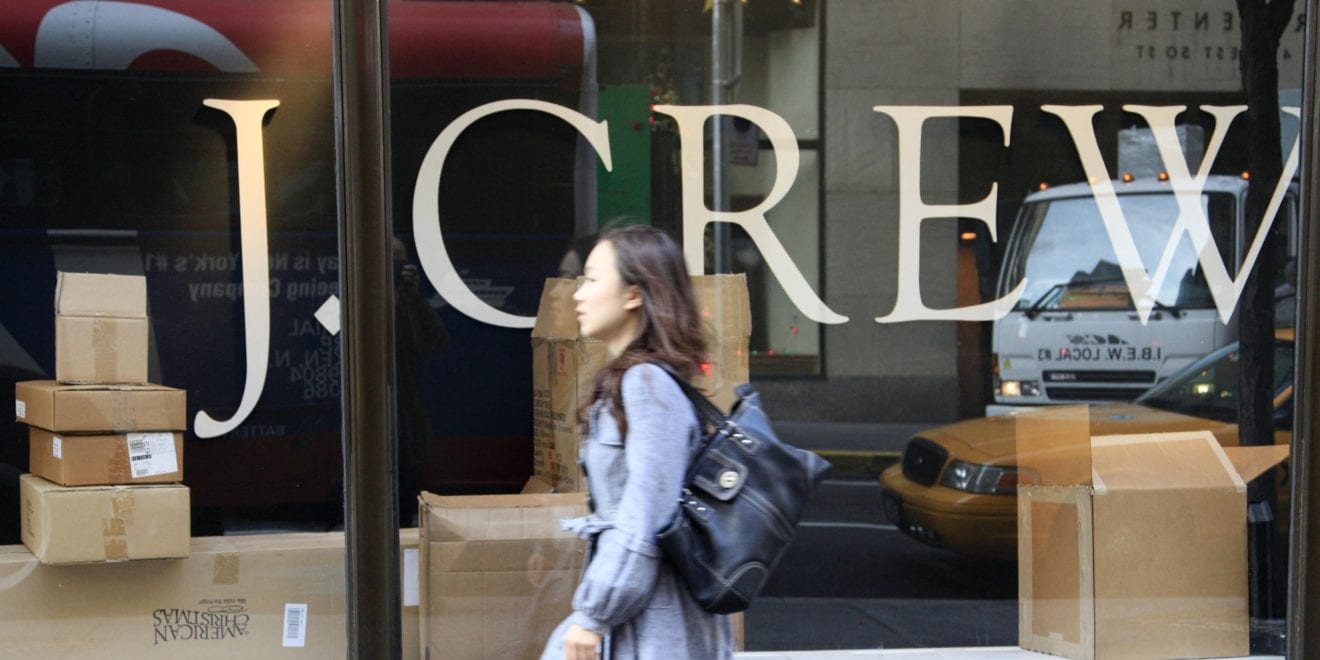
    But talk of the company giving up more of its corporate office space to Facebook and Instagram — which occupies the same building — and news of a “for rent” sign in the window its popular men’s concept shop, the Liquor Store, indicates that the J.Crew is still in cost-cutting mode.

  • Korea’s gas prices fall quickly thanks to fuel tax cuts

    Korea’s gas prices fall quickly thanks to fuel tax cuts

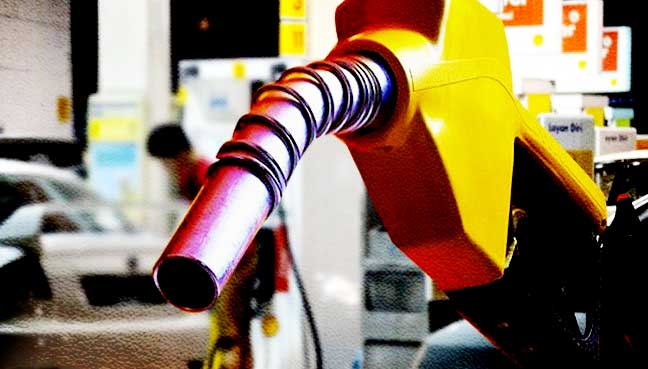
    The government fuel tax cut, which was implemented to ease the burden on rising crude oil prices, has turned out to be more effective than initially expected. According to the Ministry of Trade, Industry and Energy on Sunday, the average price of gasoline at gas stations nationwide was 1,575.2 won ($1.40) per liter during the second week of November. This is an 85.2 won, or 5 percent, drop, from the 1,660.4 won average just a week earlier.

    Diesel prices have also dropped to an average 1,419.2 won per liter, down 56.2 won, or 3.8 percent, from the first week of this month, when it was an average 1,475.4 won for the same amount.

    On Saturday, the ministry said the average price of gasoline had further fallen to 1,556.8 won per liter – 133.5 won less than the 1,690.3 won it sold for on Nov. 5, the night before the government’s fuel tax cut went into effect.

    On average, the government cut 15 percent off of all fuel taxes including gasoline and diesel in the hopes of easing the burden created by rising international crude prices. It was the first fuel tax cut adopted in a decade.

    “As the situation [of low-income households and small and medium-sized enterprises] becomes more difficult with rising international crude prices, we have decided to aim for a psychological effect that will help the economy by increasing disposable incomes,” Ko Hyoung-kwon, deputy finance minister said in late October.

    Among gas stations, the government-supported Altteul Gas Station saw the biggest drop in prices – its gasoline costs 135.5 won less than it did on Nov. 5.

    Other major brands including SK, GS, S-Oil and Hyundai Oilbank have cut gasoline prices by 133.3 won.

    By region, Jeju lowered its gasoline prices the most. The island has seen a 169.4 won drop in average price compared to Nov. 5. Daejeon followed, as prices have fallen an average of 149.6 won, while Incheon came in third after seeing a 142 won drop.

    Seoul gas stations on average lowered their prices by 134.9 won while Gyeonggi gas prices fell by 137.2 won per liter.

    Seoul and Gyeonggi account for 39 percent of all fuel sold in the country.

    However, as of Saturday, 173 gas stations around the country – 1.5 percent of the nation’s gas stations – have not taken part in lowering fuel prices. The ministry said that these gas stations failed to deplete all of the gas that they had stockpiled before the Nov. 6 fuel tax cut was implemented.

    The fuel tax cut will be applied for six months.

  • Malaysia’s Central Bank confident of 4.8% GDP growth in 2018

    Malaysia’s Central Bank confident of 4.8% GDP growth in 2018

    Economists have mixed views on Malaysia’s full-year gross domestic product (GDP) growth despite the central bank’s confidence the economy will expand 4.8% this year. Sunway University Business School’s Professor of Economics Dr Yeah Kim Leng expects GDP growth for 2018 to come in at 4.7% to 4.8% while growth in 2019 could be better than this year if there is sustained global demand.

    “For 2019, GDP (growth) would be closer to 5%. It may exceed that if the global economy holds up, in terms of lessening trade tension and strengthening of China’s economy,” he said.

    However, Inter-Pacific Securities Sdn Bhd head of research Pong Teng Siew said this year’s GDP growth is unlikely to hit 4.8%, as the quarterly expansions have been on the decline.

    “We had 5.4%, 4.5% and 4.4% for the first three quarters (respectively) this year. It would require substantially stronger growth than what we saw in Q3 to hit 4.8% full-year growth,” he said.

    The Malaysian economy grew by 4.4% in the third quarter, Bank Negara Malaysia (BNM) announced on Friday.

    Pong said the final quarter of the year does not have the tail wind that would boost consumption and expects full-year growth to come in at 4.5% to 4.6%.

    “For 2019, it is quite a challenge to forecast due to global growth slowing. We face headwinds from global growth as we are an export dependent economy. Net exports from goods and services are fluctuating,” he added.

    Pong expects GDP growth in 2019 to be similar to 2018’s, due to the unpredictability of global trade.

    Commenting on the economic performance in Q3, Yeah said it was softer than expected, which weighed down on growth momentum.

    “In the third quarter, services (sector) was good, largely due to private consumption. Growth was largely driven by the services and manufacturing sectors. As long as we can sustain the current growth momentum, a lower oil price will not affect GDP growth,” he said.

    On the supply shocks that affected growth in the first nine months, Yeah said the situation is likely to improve as the unscheduled maintenance shutdowns are over, with less disruption and gradual rebound projected.

    Pong, who expected Q3 GDP growth of 4%, said the 4.4% achieved was better than projected in view of the high base of 6.2% a year ago.

    “In Q3, the challenge was the high base in Q3 last year, when we achieved GDP growth of 6.2%. It is difficult to achieve strong year-on-year growth. Many expected Q3 to be strong due to consumption spending following the removal of Goods and Services Tax (GST).

    Retail numbers were stronger than what I expected. Consumption was stronger, therefore services was stronger,” he said.

    He noted that private consumption was stronger at 9% in Q3 (8% in Q2), which is a rare occurrence, while public consumption was also stronger at 5.2% (3.1% in Q2).

    Both Yeah and Pong cautioned that the softening in the plantation sector, especially palm oil prices, could affect smallholders’ income, which would in turn affect consumer spending.

    “If commodity prices fall, it will hit GDP. If CPO (crude palm oil) continues to be weak, it will have a negative impact on consumption. In particular, CPO and rubber. As it is now, commodity prices are weak and are still falling,” said Pong.

    However, Yeah said the impact on consumer spending would not be that large in view of the government’s spending and policies that remain supportive of consumption.

    At a media briefing last Friday, BNM governor Datuk Nor Shamsiah Mohd Yunus said private consumption expanded strongly during the quarter following the zerorisation of GST.

    “On the supply side, the services and manufacturing sectors supported growth, while the mining sector continued to be affected by production shocks.”

    She said growth could have been 0.5 to 0.7 percentage point higher in the absence of commodity shocks, as 17% of the economy (agriculture, mining and quarrying) contracted by 1.3%.

    Nonetheless, Nor Shamsiah believes the economy is on track to register a growth of 4.8% for 2018, supported by private sector activity with gradual recovery in commodity production lending support to growth.
  • Malaysia’s October vehicle sales up 0.5% to 47,273 units in Oct

    Malaysia’s October vehicle sales up 0.5% to 47,273 units in Oct

    Vehicle sales in October 2018 were up marginally 0.5% to 47,273 units from 47,041 units in the same month a year ago, according to the Malaysian Automotive Association (MAA). However, MAA said the sales volume in October 2018 was 51% higher than September 2018, due to availability of stocks replacing the depleted post-zero Goods and Services Tax (GST) period.

    In addition, it said year-to-date, the total industry volume (TIV) was 6% higher than the similar corresponding period in 2017.

    The sales volume for November 2018 is expected to be slightly better than October 2018 on the back of new model launches and aggressive year-end promotional campaigns, it added.

  • Hugo Boss growth relies on Asia sales

    Hugo Boss growth relies on Asia sales

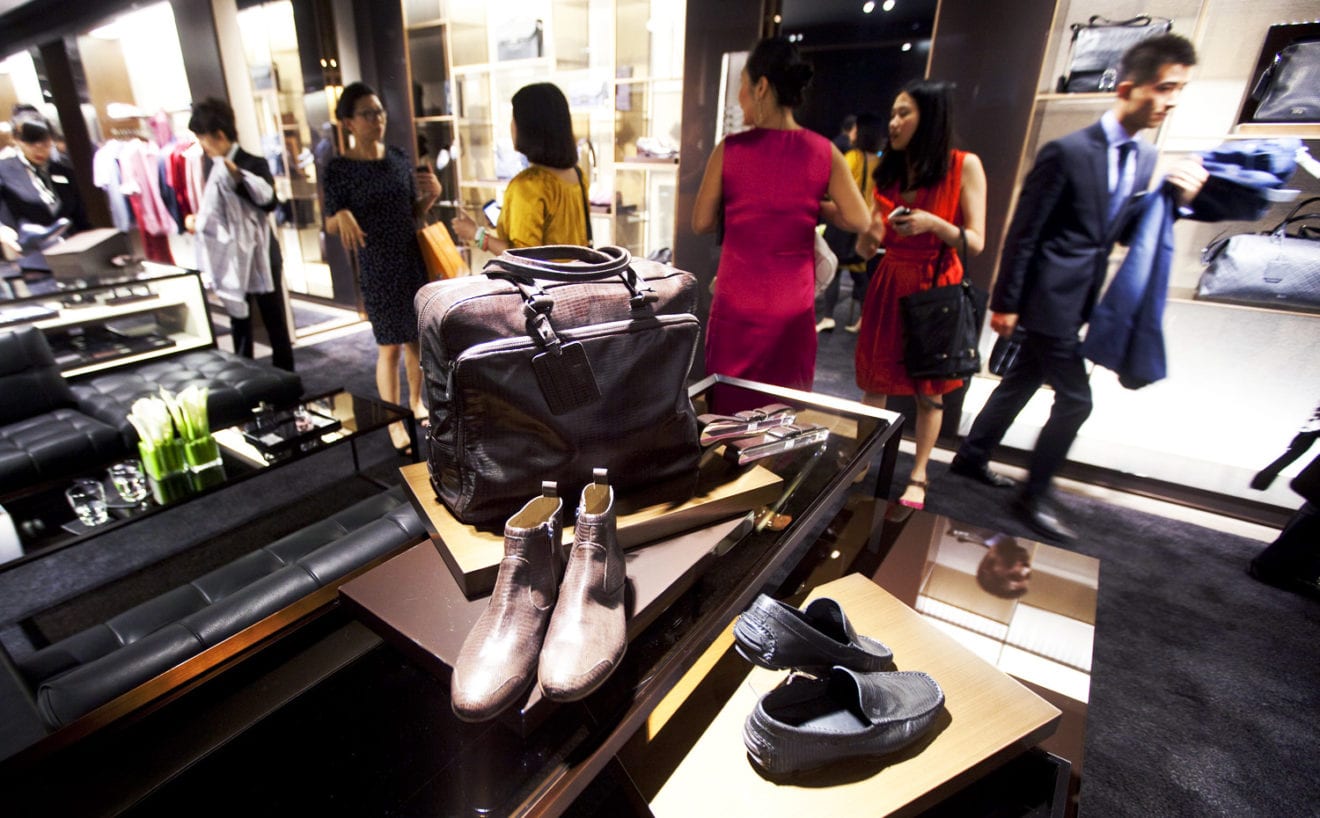
    German fashion retailer Hugo Boss sees Asia as a cornerstone of its growth strategy, saying while it already enjoys above-average growth in the region, there is potential for more. In a briefing to investors in London, the company’s managing board said it expects Asia will account for 20 per cent of its global sales by 2022, up one third from the current 15 per cent.

    “The board is convinced the group still has considerable growth potential particularly in Asia. Sales in the region are expected to increase on average at a double-digit percentage rate per year by 2022, with China playing a key role,” the company said in a statement.

    “In addition to the optimisation and expansion of the local retail network, the online business, also in cooperation with various multi-brand platforms, should contribute to above-average sales growth in particular.”

    Globally, Hugo Boss will focus on personalisation and speed to boost brand desirability between now and 2022. The company plans to increase currency-adjusted sales by between 5 per cent and 7 per cent annually for the next four years and grow its operating margin to 15 per cent. Operating profit will grow “significantly faster than sales,” the company said.

    “We have set ourselves high targets for the coming years”, said CEO Mark Langer.

    “We want to grow faster than the market, and expect our operating profit to develop significantly better than our sales. The successful realignment of our brands Boss and Hugo has laid the foundation for this. We will further increase the personalisation of our offerings in the future and speed up central processes in the course of further developing our strategy. Our overall aim is clear: We want to be the most desirable premium fashion and lifestyle brand globally.”

    Personalisation will be developed by adopting a more individualised customer approach, a personalised product range, “a unique shopping experience” and by building on its extensive experience in made-to-measure clothing.
    On the speed front, Hugo Boss plans to make its business processes “considerably more agile”.

    “This will enable the company to react to customer needs and to new market trends even more quickly and flexibly in the future. The existing skills of Hugo Boss in product design and development, our modern logistics and IT infrastructure and the use of digital showrooms will be the key levers,” the company said.

    It also plans to quadruple its own online sales by 2022.

  • New Santa Fe designed for China

    New Santa Fe designed for China

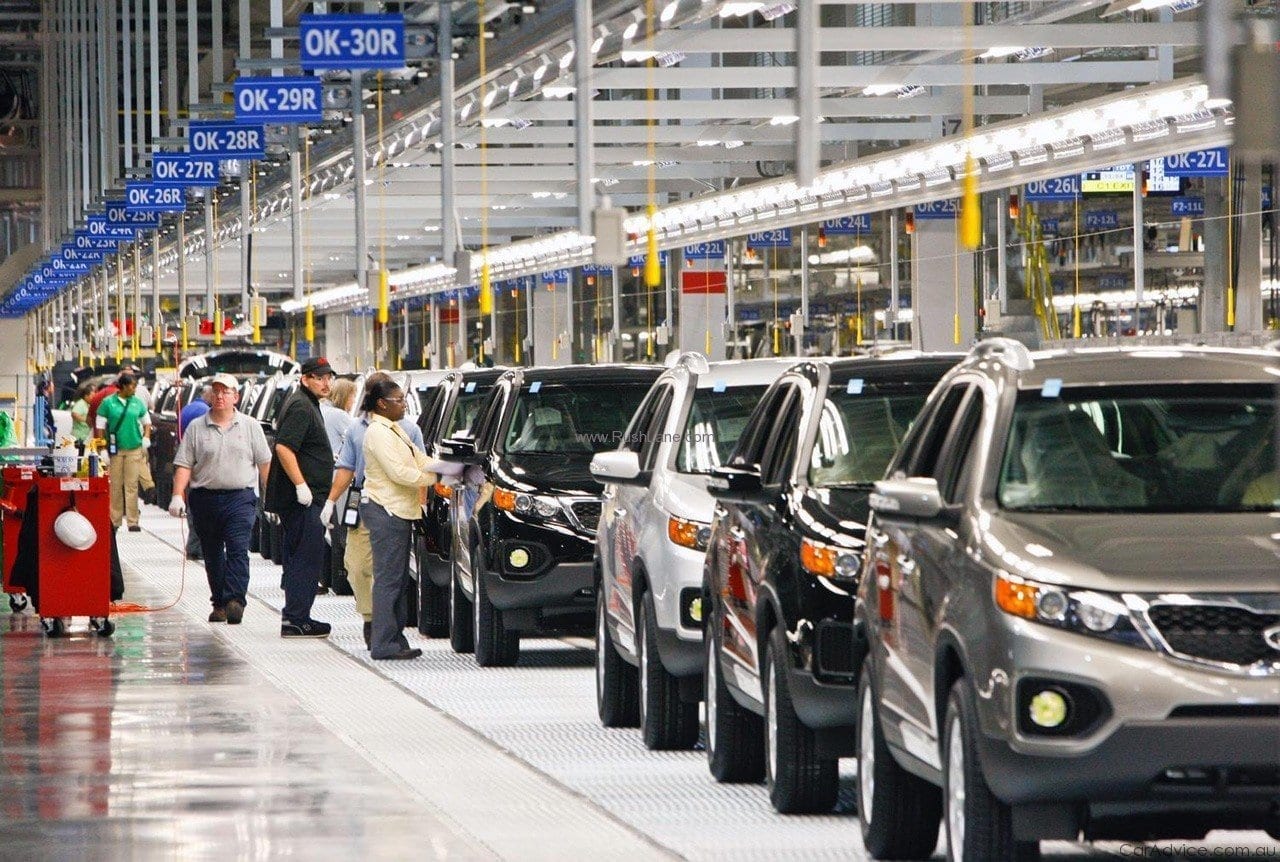
    Hyundai Motor premiered the latest version of its Santa Fe SUV at an international auto exhibition in Guangzhou on Friday in its latest move to try and woo Chinese buyers. It also rolled out a reshuffle of its Chinese business. Vice President Lee Byung-ho was promoted to president of Hyundai Motor and Kia Motors’ China Business Division, the carmaker announced Friday.

    The automaker showcased the fourth-generation Santa Fe, which has been strategically modified for the Chinese market. The new edition is the most futuristic Santa Fe on the market anywhere in the world, including the models sold in Korea.

    After hitting rock bottom in the past two years due to diplomatic tension over the deployment of the U.S.-led Terminal High Altitude Area Defense antimissile system in Korea, Hyundai Motor has been slow in recovering sales in China. In the third quarter, it sold 177,000 units, a 6.2 percent year-on-year drop.

    Hyundai Motor said it has installed a fingerprint scanner on the door – a global first – allowing owners to lock and unlock the door without a car key. The fingerprint scanner can also turn on the engine and automatically adjust the seat and side mirror to the owner’s liking.

    The new version is also bigger than the latest Santa Fe that launched in Korea in February.

    The length was extended by 160 millimeters (6.3 inches) and the wheelbase by 100 millimeters, enlarging the space for the second and third row passengers. Other smart car technology included in the vehicle is similar to the version available in Korea.

    The car is equipped with a Rear Occupant Alert system that alerts the driver when a passenger is left behind in the back seat through ultrasound detection. It is the first time Hyundai Motor has installed such a system in cars launched in China.

    The Santa Fe is also equipped with Safe Exit Assist, which prevents collisions with oncoming traffic when exiting the vehicle.

    The car is also equipped with voice recognition through a partnership with Chinese IT giant Baidu.

    “The latest Santa Fe stands in the center of Hyundai Motor’s continuous attempts and innovation toward the ever-changing needs of the customer,” said Beijing Hyundai in a statement. “The Santa Fe will bring about changes in the premium SUV market in China with its top-notch safety and smart car features.”

    The car will go on sale starting in the first quarter of next year in China.

    Hyundai Motor set up a 1,820-square-meter (19,590-square-feet) booth at the Guangzhou International Auto Exhibition where its latest lineup of 18 cars, including a concept version of the large Grandmaster SUV and N series vehicles, such as the Veloster N and i20 WRC, were on display.

    It also showed off its hydrogen-powered Nexo SUV.

    The auto exhibition in Guangzhou runs from Saturday to Nov. 25.

  • Naganuma Ice to make Singapore debut

    Naganuma Ice to make Singapore debut

    Hokkaido soft serve ice cream franchise Naganuma Ice Co is opening in Singapore. The brand is distinguished as the sole Hokkaido firm certified by the prefecture’s authorities for using raw Hokkaido milk in their ice cream products. The milk is sourced from ranch cows near Naganuma town before being transported immediately to the brand’s factory for low-temperature pasteurisation.

    Naganuma’s three stores in Hokkaido and three in Taiwan regularly see hour-long queues for the ice creams, produced with the raw milk and eggs.

    The new outlet launches November 25 at Carlton City Hotel.

  • Bamboo Airways plans a year-end take off

    Bamboo Airways plans a year-end take off

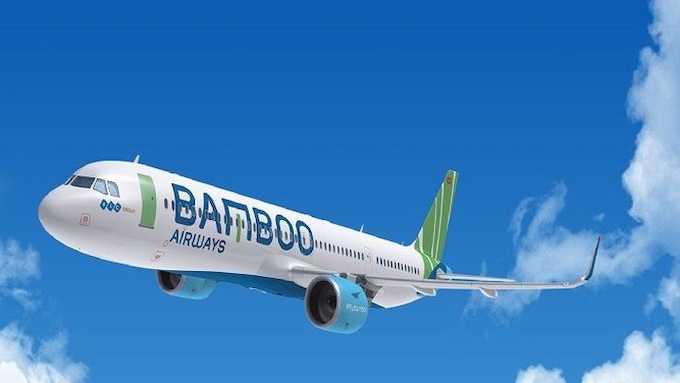
    Bamboo Airways, Vietnam’s newest airline, is expected to make its maiden flight on Dec. 29, its founder said Friday. The first routes of the country’s fifth carrier would connect Hanoi and HCMC, and from Hanoi and HCMC to central Quy Nhon City, said Trinh Van Quyet, chairman of Vietnamese private firm FLC, the airline’s founder.

    Dang Tat Thang, Bamboo Airways general director, said the carrier has basically got itself ready for the first flight, and aircraft that it is hiring is due to arrive in Vietnam on Dec. 12.

    “It is possible that flight tickets will be on sale a month before the initial takeoff,” he said.

    Bamboo Airways finally got its long-awaited aviation license early this week.

    It is allowed to operate 10 aircraft on both domestic and international routes and to carry passengers and cargo.

    The airline plans to fly on 100 routes, connecting Vietnam’s major cities with popular domestic and international tourist destinations.

    After licensing, it needs to obtain an aircraft operator certificate and obtain permission for parking and selling tickets, which are expected to take 30-45 days from the date of license issuance.

    Bamboo Airways was founded in mid-2017 with a charter capital of VND700 billion ($30 million), which it increased to VND1.3 trillion ($55.68 million) recently.

    The airline has signed deals to buy 24 Airbus A320neo and 20 Boeing B787-9 Dreamliner aircraft worth a total of about $8.6 billion.

    The other four carriers in Vietnam currently are Vietnam Airlines, Vietjet Air, Jetstar Pacific and VASCO.

  • India’s Jabong merges with Myntra

    India’s Jabong merges with Myntra

    Myntra has announced the integration of Jabong with the brand and Ananth Narayanan will continue to lead the team.“Since Myntra’s purchase of Jabong in mid-2016, the two brands have been steadily integrating key business functions and streamlining processes. This has resulted in revenue growth and a significant improvement in the customer experience. As the next step in this process, Myntra and Jabong will now fully integrate all the remaining functions including technology, marketing, category, revenue, finance and creative teams,” said company spokesperson.

    “The closer integration of Myntra and Jabong is a necessary step in our continuing development. To remain the leader in fashion eCommerce in India, we have to find ways to operate more effectively and innovate more quickly. By better aligning our resources with our long-term plans, we can put the best structure in place to serve our sellers and brand partners and ultimately benefit our customers.” it added.

    According to the company, Myntra’s independence as a business will be preserved. Myntra team will continue to operate independently to achieve even greater success.

    “We will continue to lead the market, serve our customers, and do what we do best,” according to the company.

    From a consumer perspective, the well-loved Jabong brand will remain.

  • WHSmith ventures into Hong Kong with new franchise

    WHSmith ventures into Hong Kong with new franchise

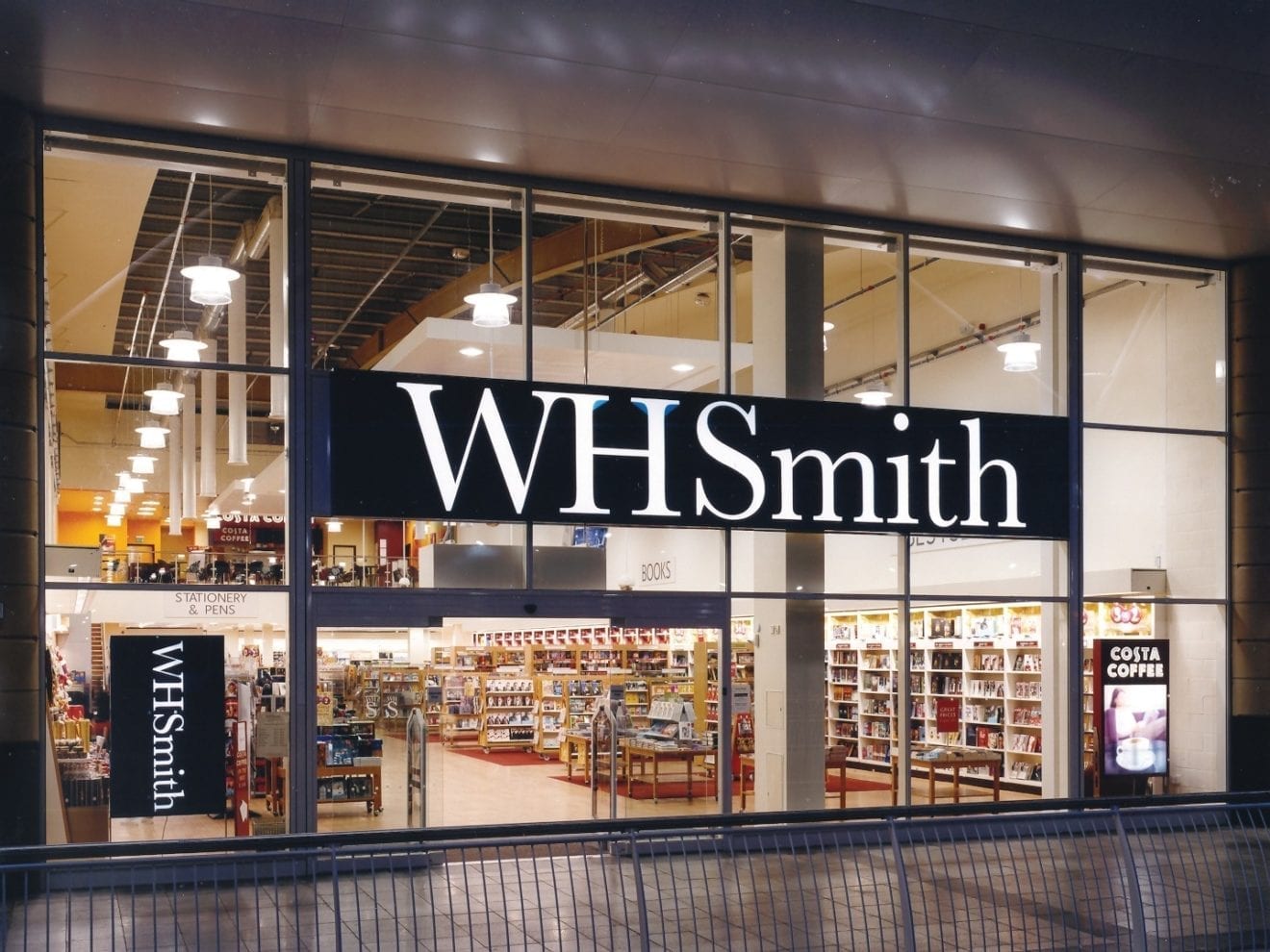
    UK bookchain WH Smith is to open stores in Hong Kong after securing a franchise agreement with King Power Group (Hong Kong). The WH Smith Hong Kong outlets will open in travel retail locations such as railway stations – there is no mention in the announcement of the airport.

    “We are currently present in six countries in the region: Singapore, Malaysia, Indonesia, Philippines, India and China, with excellent business partners and we are delighted to welcome King Power Group as a new franchise partner,” WH Smith chairman Louis de Bourgoing said.

    “We very much look forward to working together to grow our presence across Asia and bring the WH Smith offer to travelling customers in Hong Kong.”

    King Power Group operates more than 1000 stores in Asia-Pacific, Europe, the Middle East, North America and India. King Power Group travel retail MD Sunil Tuli described WH Smith as “an esteemed and leading news, books and convenience brand and operator globally.”

    “We have seen their international travel retail businesses grow over the past years and we trust that our collaboration will see good successes in Hong Kong.”

    WH Smith’s travel retail stores combine its core books and stationery offer, with convenience foods and travel accessories.

  • KT promotes its 5G team to run entire mobile business

    KT promotes its 5G team to run entire mobile business

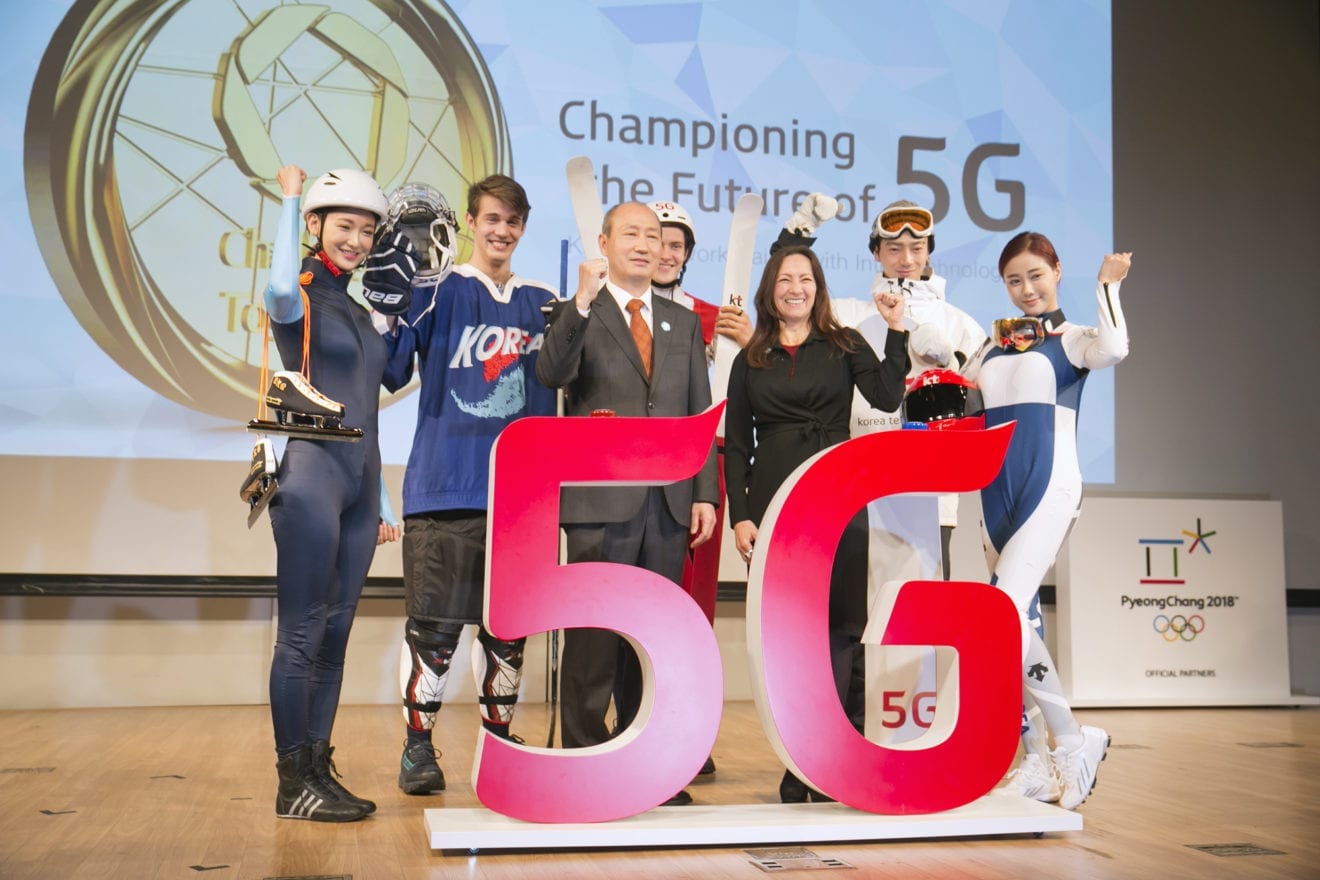
    Mobile carrier KT announced its annual reshuffle Friday as it actively prepares to gain a strong foothold in 5G-related activities in 2019. The next-generation 5G mobile network is expected to be 20 times faster than the current 4G network. Mobile carriers are working to achieve commercialization of the technology by March next year.

    KT’s 5G business team used to be part of the company’s marketing division. Following the reshuffle, the team is in charge of the carrier’s entire mobile business.

    Its main role will be developing customer services using the 5G network.

    A new 5G Platform Development team will be part of the marketing division. It is tasked with devising services for corporate clients, including those related to smart cities, smart factories and connected cars.

    As for changes at the top, former chief secretary, Kim In-heo, 55, was appointed president of KT. Kim has been noted inside the company for his practical working style and flexibility with regard to fixed customs.

  • India’s Tata food to focus on healthy range

    India’s Tata food to focus on healthy range

    With consumers increasingly becoming health conscious, health and wellness will drive the growth for the food and beverage segment, Tata Sons brand custodian Harish Bhat said Friday. “My belief is, as far as the food and beverages segment in the country is concerned, one of the key drivers for the future will be the consumers’ need for health, wellness and fitness,” he said.

    According to a, Tata Global Beverages has presence in green tea with its Tetley brand, while its other firm Tata Chemicals offers unpolished pulses and low sodium salt.

    Bhat said the salt-to-software conglomerate’s brand is synonymous with trust as its companies offer quality products and services at a reasonable price, adding that in a country which has strong trust deficit, the brand works very well.

    He elaborated that inferior quality products, products which are overpriced, or products or services which don’t live up to world class standards, can create a trust deficit. He further said if there is a segment of trade which is not fair with its consumers that can create a trust deficit.

    “I believe that the Tata brand has earned trust over a long period of time through the behaviours that it has exhibited, through the products and services it has provided to our customers. All our companies believe in providing our customers with products and services of impeccable quality at very good value and it is that combination of quality and value which has made 650 million Indian customers trust the Tata brand,” he further said.

    Trust also comes because the Tata Group has been functioning in harmony with the community…Those are the factors which has made the Tata Group brand synonymous with trust in the country, he added.

    On the impact of the controversial removal of Cyrus Mistry as the group chairman in 2016, on the brand, Bhat parried a direct reply but said the Tata brand is synonymous with trust and continues to remain strong with all stakeholders.

    “All our internal and external researches keep throwing that up all the time,” he said.

  • Fung Retailing boosts stake in reborn Toys R Us Asia

    Fung Retailing boosts stake in reborn Toys R Us Asia

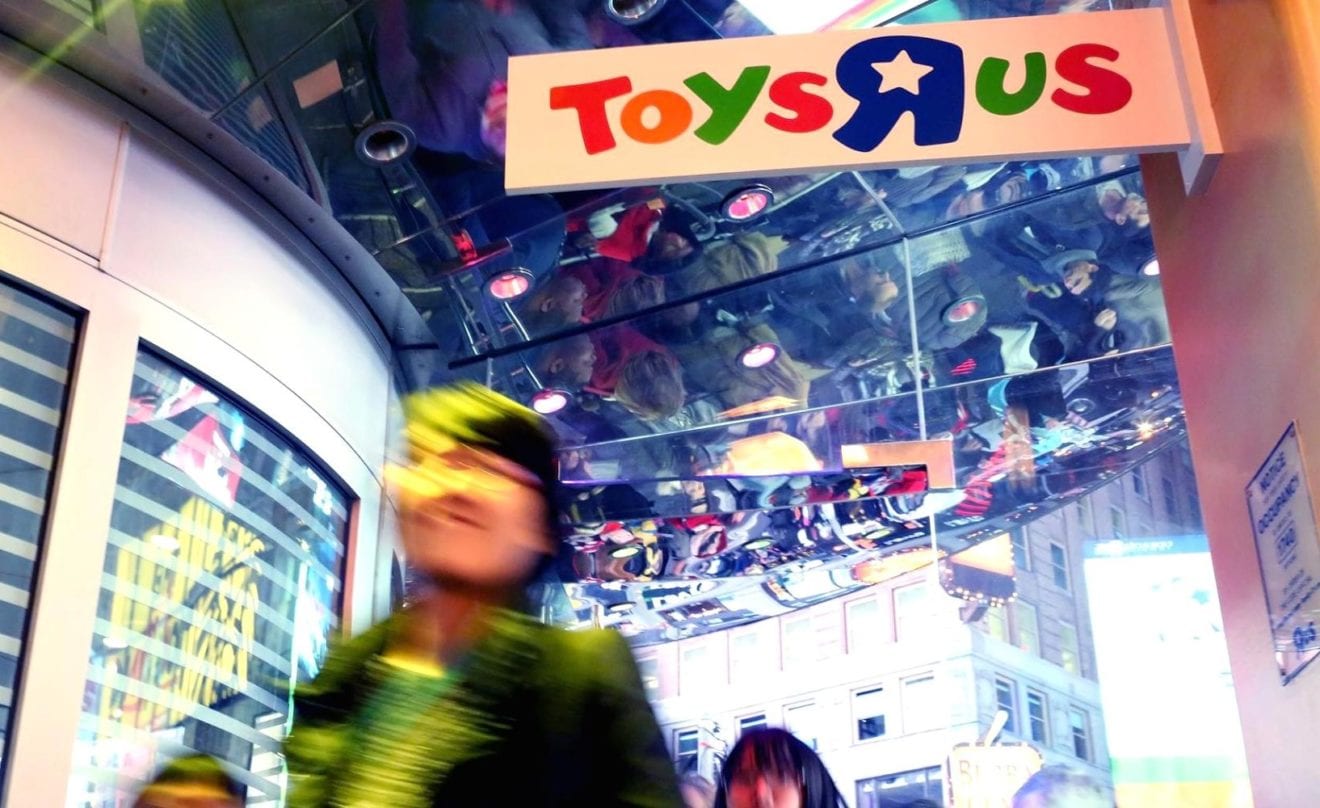
    Fung Retailing has finally secured a deal to continue to operate the profitable Toys R Us Asia business. The privately owned Hong Kong business, which is separate to the listed Li & Fung, will boost its stake in Toys R Us Asia from 15 per cent to about 21 per cent, making it the retailer’s largest shareholder.

    The balance will be owned by Taj Noteholders representing a mixture of investment funds and financial institutions who have a stake in the collapsed parent company Toys R Us US.

    Toys R Us Asia has never been affected by the liquidation of the US business – it has been trading profitably under Fung Retailing direction and has even been expanding its store network while shops bearing the iconic banner have been closing in post part of the world. Last week it relaunched its store in Brunei.

    The new partnership between Fung Retailing and Taj Noteholders values the company at US$900 million.

    “This transaction is a significant step in separating the valuable and growing Toys “R” Us Asia operation from the rest of the business,” said an unidentified spokesman for Taj Noteholders in a statement.

    “The company’s growth prospects in Greater China, Japan and Southeast Asia are bright and we are excited about investing in and owning the company in partnership with Fung Retailing”.

    Pieter Schats, executive director of Fung Retailing, said that since introducing Toys R Us to Hong Kong in 1986, Fung Retailing has played an integral role in the successful growth and development of the business across Asia.

    “As a sign of the confidence we have in the management team and future success of Toys R Us in the region, we are pleased to increase our shareholding in the company, reflecting our commitment to support Toys R Us Asia in reaching new heights.”

    The company will continue to be led by its current president & CEO Andre Javes and his management team.

    Technology boost

    The new owners of Toys R Us Asia plan a “significant investment in technology” to boost the company’s infrastructure.

    “We are committed to remaining the leading specialty retailer of toy, education and baby products in Asia by driving innovation and quality through our products and services,” said Javes. “The conclusion of the sale process brings clarity to the company’s ownership and we look forward to strengthening and leveraging our partnerships with our vendors and commercial stakeholders. Our shareholders’ investment is a huge vote of confidence in our vision, our team and our winning model.”

    Toys R Us Asia operates more than 450 stores in Japan, Greater China and Southeast Asia, including Brunei, China, Hong Kong, Malaysia, Singapore, Taiwan and Thailand. It also licenses more than 85 stores in the Philippines and Macau.

  • Long queues in Apple Bangkok store opening day

    Long queues in Apple Bangkok store opening day

    The first official Apple Bangkok store is now trading, located in the heart of the new US$1.6 billion IconSiam project. Queues formed overnight as Thai Apple fans vied to be among the store’s first customers and the company says “thousands” of shoppers visited the store in the first day of trading on Saturday.

    Inside Retail understands Apple’s designers, London-based Foster + Partners, worked with the architecture team from IconSiam to make the store stand out from the centre’s curved river-facing facade. The result is a clean, open square profile fronting a large outdoor courtyard, giving the store a ‘high-street feel’ despite being inside a larger mall structure.

    The interior features living trees and floor to ceiling glass facing both into the mall and out of it.

    For opening weekend, the store hosted local band Polycat performing live and the company also gave its iconic Apple logo a Thai-style makeover to celebrate its debut in the country.

    A second Apple store is believed to be under construction in the basement of the CentralWorld shopping centre in downtown Bangkok. See how long the queue in the gallery below (4 images) :